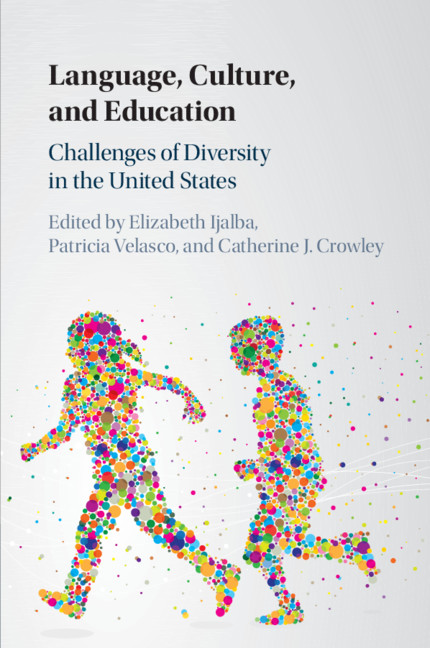

Exploring language, culture and education among immigrants in the United States, this volume discusses the range of experiences in raising children with more than one language in major ethno-linguistic groups in New York. Research and practice from the fields of speech-language pathology, bilingual education, and public health in immigrant families are brought together to provide guidance for speech-language pathologists in differentiating language disorders from language variation, and for parents on how to raise their children with more than one language. Commonalities among dissimilar groups, such as Chinese, Korean, and Hispanic immigrants are analyzed, as well as the language needs of Arab-Americans, the home literacy practices of immigrant parents who speak Mixteco and Spanish, and the crucial role of teachers in bridging immigrants' classroom and home contexts. These studies shed new light on much-needed policy reforms to improve the involvement of culturally and linguistically diverse families in decisions affecting their children's education.
‘… the book encompasses rich analyses and strong conclusions to be used by research specialists, parents, and practitioners in multicultural communities.’
Laura Dubcovsky Source: LINGUIST List
Loading metrics...
* Views captured on Cambridge Core between #date#. This data will be updated every 24 hours.
Usage data cannot currently be displayed.
This section outlines the accessibility features of this content - including support for screen readers, full keyboard navigation and high-contrast display options. This may not be relevant for you.
Accessibility compliance for the HTML of this book is currently unknown and may be updated in the future.
