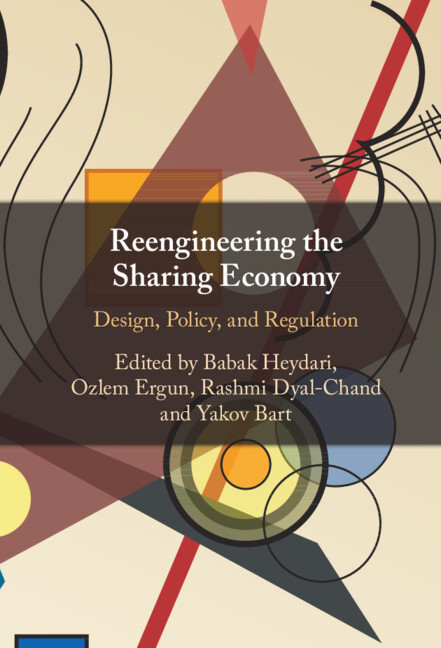

The current sharing economy suffers from system-wide deficiencies even as it produces distinctive benefits and advantages for some participants. The first generation of sharing markets has left us to question: Will there be any workers in the sharing economy? Can we know enough about these technologies to regulate them? Is there any way to avoid the monopolization of assets, information, and wealth? Using convergent, transdisciplinary perspectives, this volume examines the challenge of reengineering a sharing economy that is more equitable, democratic, sustainable, and just. The volume enhances the reader's capacity for integrating applicable findings and theories in business, law and social science into ethical engineering design and practice. At the same time, the book helps explain how technological innovations in the sharing economy create value for different stakeholders and how they impact society at large. Reengineering the Sharing Economy is also available as Open Access on Cambridge Core.
Loading metrics...
* Views captured on Cambridge Core between #date#. This data will be updated every 24 hours.
Usage data cannot currently be displayed.
This section outlines the accessibility features of this content - including support for screen readers, full keyboard navigation and high-contrast display options. This may not be relevant for you.
Accessibility compliance for the HTML of this book is currently unknown and may be updated in the future.
