Looking back, my intellectual life seems to have been a succession of passions, some small, some larger. It began with butterflies and eventually settled on myriad facets of the world of the Aztecs and the native people of colonial Mexico. This is how it happened.
LITTLE PASSIONS
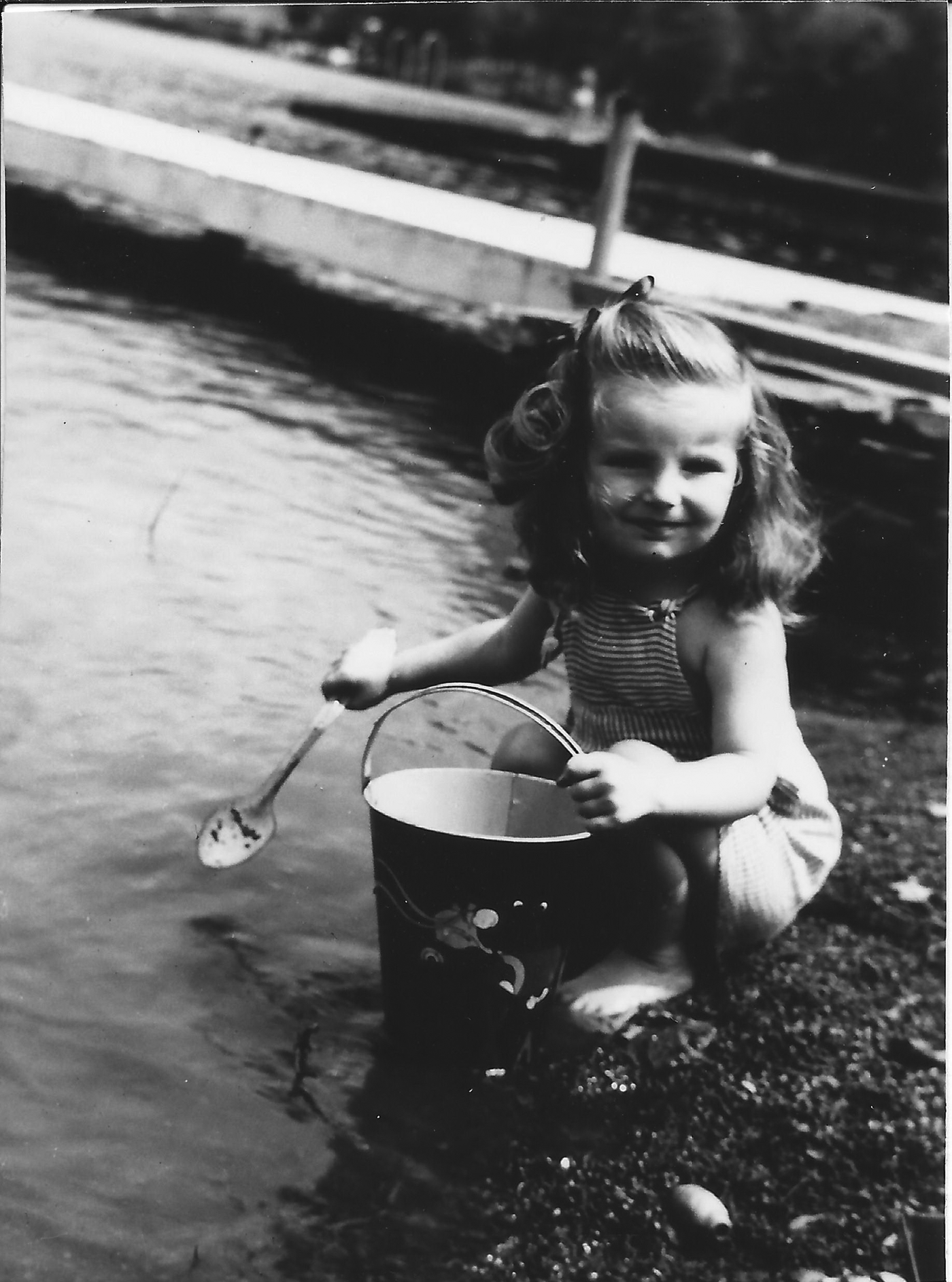
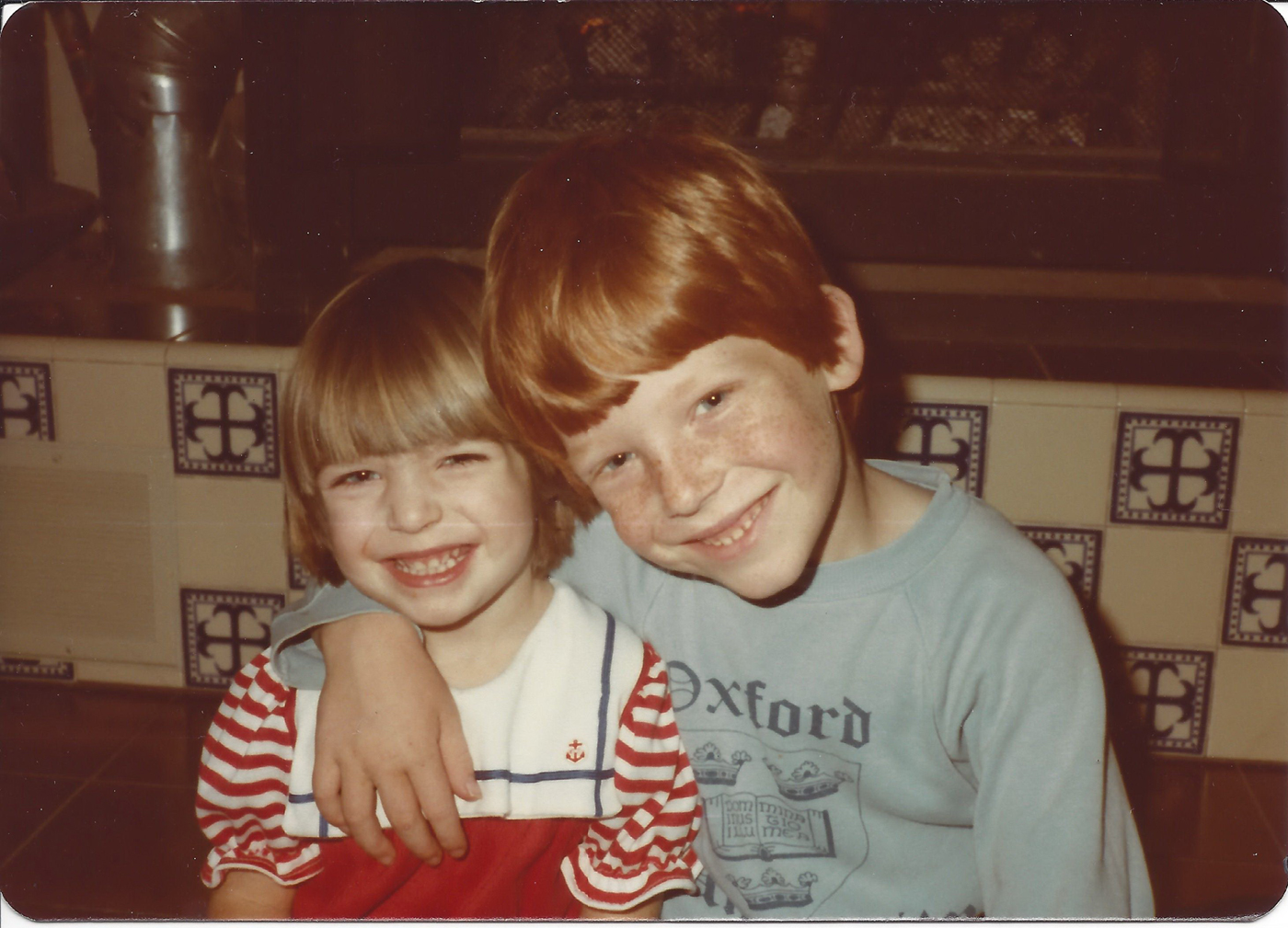
My earliest memories are of my childhood in upstate New York, as the youngest of three adopted children (Figure 1). My father was Swiss and had immigrated to the United States in 1928 (a propitious year!) with an engineering degree in hand, a clever mind, and a willingness to work hard. He landed a job with Bendix, later began his own company, and still later moved us all to Michigan where he took an engineering position with Ford Motor Company. While at Bendix he had had the great fortune to work with an extremely proficient executive secretary who soon became his wife and, later on, my mother. My father's adventurous spirit and my mother's inquiring mind must surely have contributed to my early “little passions.”
Frannie with digging implement in hand—the closest I got to actually digging.

There were always books in the house. I am not sure when I learned to read, but as soon as I could wander about and was tall enough, I would head straight for the piano bench where sat a large book (I never knew why it lived there, although I have my suspicions). The book was Samuel Eliot Morison's (Reference Morison1942) Admiral of the Ocean Sea. I was fascinated by it and would return to it over and over again. I was told that whenever anyone looked for me, they could find me there. Perhaps there was something anthropological, geographical, and historical in me from the outset. We owned few books, but my mother was a regular fixture at the library. I shared her passion for reading from an early age, and we soon became kindred souls: we could check out a maximum of 10 books apiece from the library, good for two weeks. So, every two weeks we headed to the library and loaded up. The minute we returned home we curled up in our appointed chairs and devoured our new treasures in companionable silence.
My favorite reading topics were natural history and history. One of my all-time favorite Christmas presents was an annual subscription to a natural history “club” (in monthly installments). These were informative little books with a packet of stickers (usually of various critters) that I would apply at appropriate spots along the narrative. Imagine that—now it's all on the Internet. But for me, at that time, this was heaven! It was no surprise that most of my “little passions” focused on the natural world: butterflies, geology, and astronomy. I later added historical humans to the equation: forts (French and Indian War and Revolutionary War eras) and Williamsburg/Tidewater plantations. It wouldn't do but that I had to experience all of these realms in depth and firsthand. The first was butterflies. I couldn't get enough of them. I read about them, hoarded my allowance for equipment to capture and mount them, and examined them minutely. Then followed geology. It was fortunate that my best friend's father had an enormous and beautifully classified geology collection—we managed to spend more time at her house than at mine. I never entirely abandoned butterflies or geology, but then the heavens captured my interest, and I delved into celestial bodies with the same intensity—reading endlessly, managing to purchase a telescope, insisting my father “ooh” and “aah” over Mare Tranquillitatis or Mare Serenitatis on the moon.
By the time I was in junior high school my interests shifted more toward history. My early years in upstate New York, deep in Iroquois country, pulled me to that region's enthralling history. As a young child I had been captivated by the works of James Fenimore Cooper, being personally familiar with his “Glimmerglass” and other beguiling landmarks. But now I was a little older, and I enlisted my mother to trek about from fort to fort throughout New York and Pennsylvania (or perhaps she enlisted me…I've never been positive about how that really worked), taking detailed notes on each site. Eventually I wrote a paper for a high school English class comparing the structure of those forts based on their local ecologies and military strategic goals. It was fun to write, but not so much fun when the teacher thought I had plagiarized it. Fortunately, I had at hand all of the copious “field notes” I had taken during my on-site visits. And, finally, Williamsburg and Tidewater plantations. My best friend (she of the geology father) moved to Williamsburg, Virginia, at the junior high-to-high school transition, and I visited her in the summers. We had the run of the reconstructed area, and came to know every home, every garden, every alley, every birdhouse, every outhouse. Although I didn't intellectualize it at the time, I think that experience gave me an appreciation of “everyday life history”: yes, big things happened in Williamsburg and its environs, but many different kinds of people lived there day-to-day, and I pleasurably made their acquaintance in daytime wanderings and nighttime ghost hunts. In all of these little enterprises, I was aided and abetted by my parents. They fed my curiosities, gave me the freedom to pursue my little passions, were excited by my small discoveries (at least, they were discoveries to me), drove me hither and yon, and supported my excursions to Williamsburg.
MOVING ALONG
I changed high schools in mid-stream, my father accepting a promotion at Ford Motor Company which, happily, gave me endless access to the intriguing collections of the Henry Ford Museum and Greenfield Village. Upon graduation, I decided to attend Michigan State University (MSU), on the gamble that I would be admitted to their Honor's College. This was a great opportunity: one could only be accepted after the freshman year and, after successful completion of honors classes my first year, I was admitted to this wonderfully flexible yet demanding program. Upon entrance into the College, there were no specific requirements other than total number of units, although everything had to be cleared with your honor's advisor and your major advisor. Every class identified you with an “H,” obligating the professor to assign additional work: write an extra (or more in-depth) paper, perform some extra research, or even teach a class session. In many ways the program treated us like graduate students. In my final undergraduate year, I think I took more graduate seminars than undergraduate courses. I loved the challenge, even if I was not always prepared for it. I still remember this dialogue with the eminent Mexican historian Charles Cumberland in my first graduate seminar on the Mexican revolution. For the first session, each of us was assigned a particular personality of the revolution. I drew Emiliano Zapata.
Dr. Cumberland: “Miss Frei” [I was Frei then], “tell me about Emiliano Zapata.”
Me: “Uh, uh” [in a sudden panic], “um, he was a good guy.” [gasps from veteran students]
Dr. Cumberland: [calmly] “And what, Miss Frei, made him a good guy?”
Me: “He wore a white hat.”
Dr. Cumberland: [turning to another student and clearly giving up on me]: “Mr.__, tell me about….”
Fortunately I regained my composure by the following week and expounded on the banking system during the revolution with considerably more confidence. Graduate courses took some adjusting to—I learned and undoubtedly required much forbearance on the part of my professors.
I loved exploring a wide array of courses, but at the end of my sophomore year I had to declare a major. I leaned toward the social sciences (although geology was a top candidate), and talked to department chairs and faculty in sociology, political science, economics, anthropology, and geography. I settled on geography, mainly because I was impressed by a professor who struck me as particularly brilliant, creative, and inspirational: Allen K. Philbrick. And so I became part of an excellent geography department chaired by Larry Sommers and also including the prolific Harm deBlij and the empirical Paul Morrison. I worked with air photos and created maps (by hand and without computers in those days). I was especially drawn to historical geography, taking a course from Morrison and another from a visiting Swiss scholar. This visiting professor gave us all A's at the outset and we all worked harder than in any other course I recall: without the pressure of a grade, dialogue and exploring took center stage with no perceived penalty for suggesting a risky idea. I learned to think critically, to analyze, to compare, to be minutely empirical. It turned out to be an excellent choice of a major, even though my engineer father never stopped scratching his head about it.
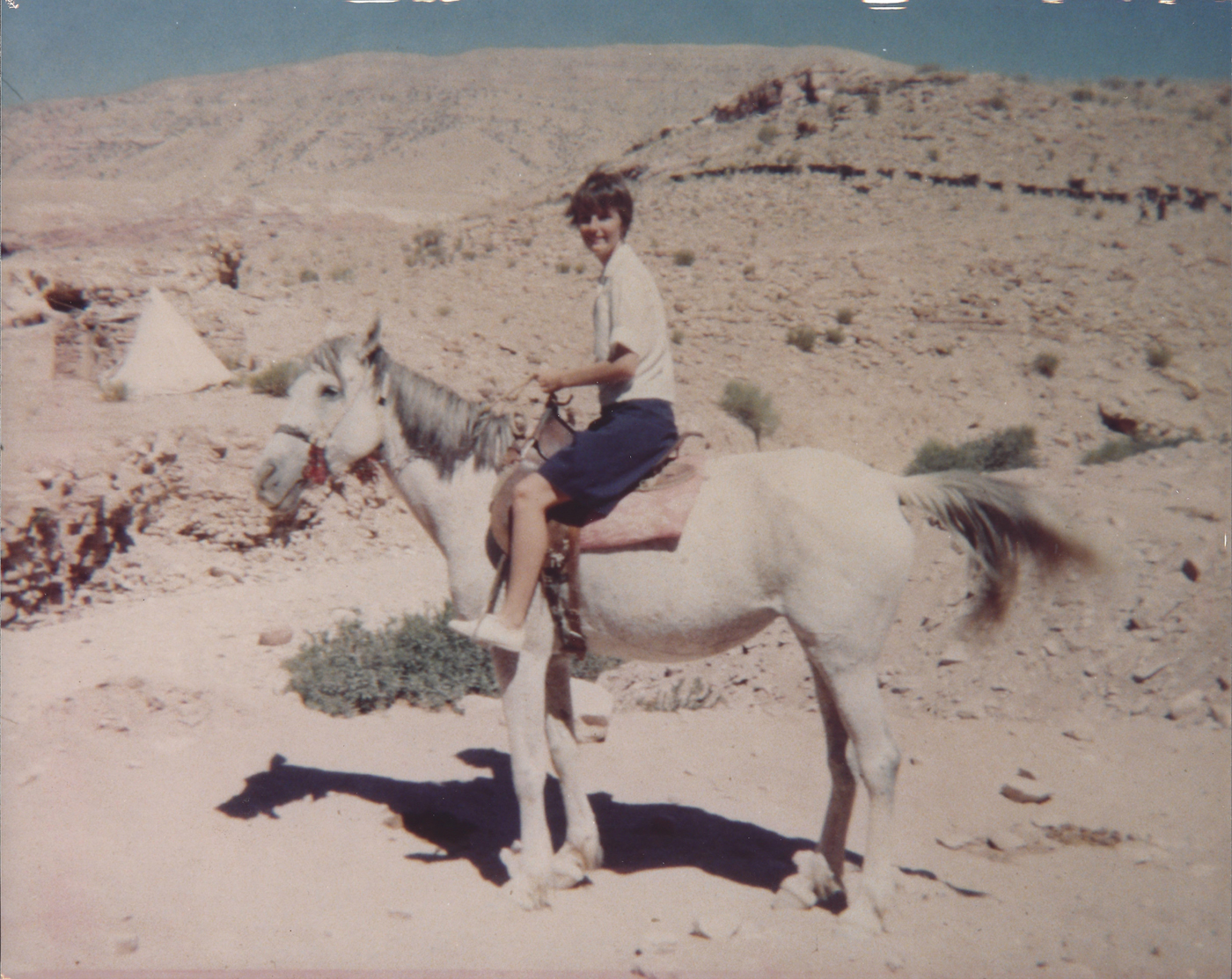
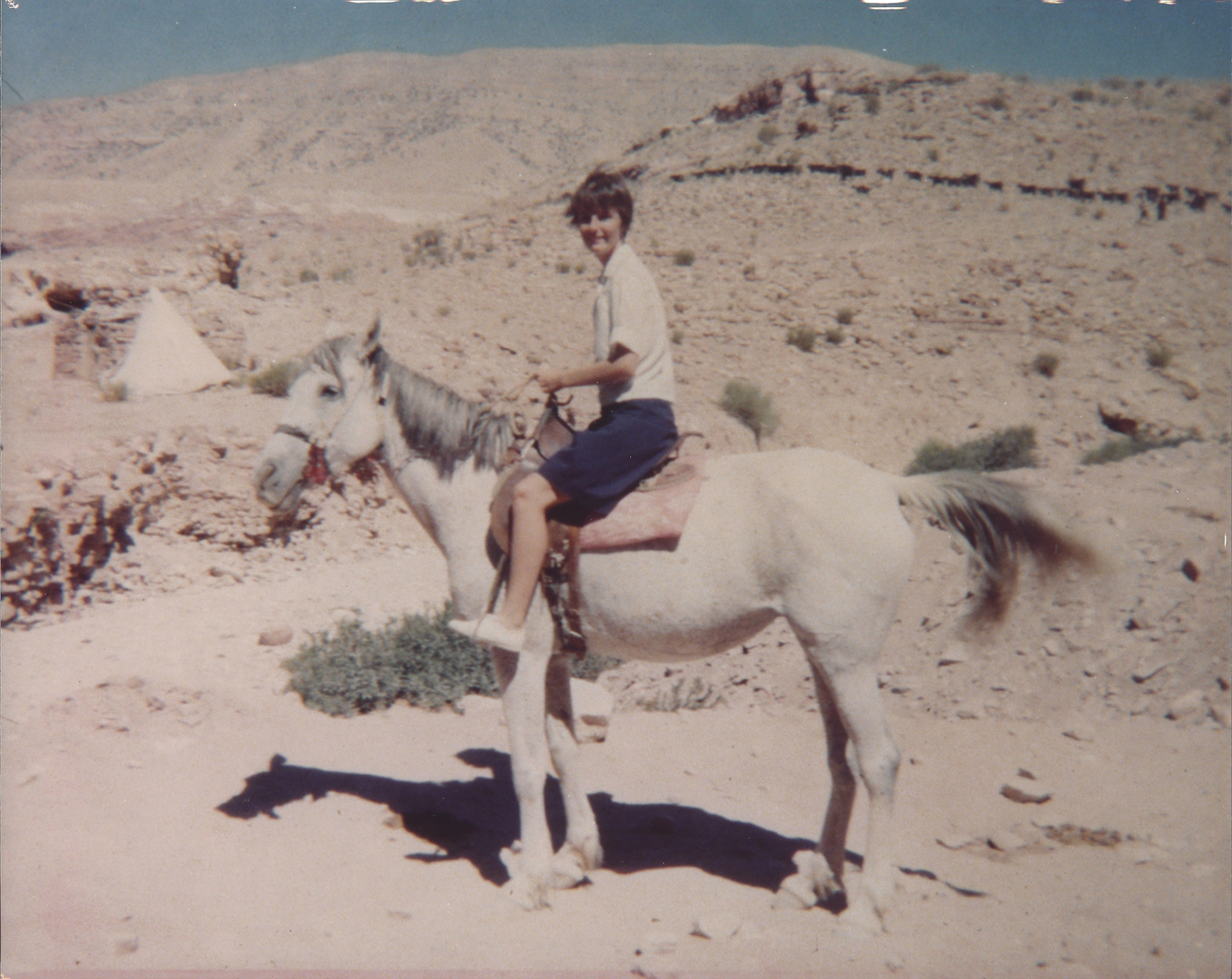
Interspersed with this academic progress were a few important trips. One was to Guadalajara, Mexico with a University of Arizona summer program. In this Spanish-language program students lived with families and attended classes in Spanish, geography, history, and anthropology. It was my first actual exposure to Mexico, and I'm sure it planted the seed for my life's work. Two other trips were with my father: one to Europe and the other to Egypt, Lebanon, and Jordan. As a European himself, my father felt infinitely comfortable on the continent; he had had a motorcycle prior to coming to America, and his reminiscences about flitting off for weekends in Venice and Paris stirred my imagination. While in Europe with him I learned to always initially seek the bearings of a place (for example, in Paris, first you must climb the Arc de Triomphe and take a good look all around), to eagerly wander off the beaten path, to sit with people in cafes and chat with them about local life. Sounds rather like ethnographic fieldwork. The trip to the Middle East emphasized archaeological and historical sites, and while the Egyptian pyramids were awe-inspiring and Baalbek unexpectedly fascinating, it was Petra that I recall most vividly. It was a time (mid-1960s) when one could rent a horse from a Bedouin at Wadi Musa, ride through the magnificent (and not a little eerie) Siq, and emerge at the famous Treasury, carved ornately into the sandstone cliffs (Figure 2). Staying overnight in Petra was a unique experience back then, and we had three choices: a room in a small building in the canyon, a tent (which resembled a Civil War bivouac tent), or a crypt in a cave. No contest—the cave won hands down. My top place ever as an overnight destination, although I understand it is no longer an option for travelers. Even though I had by then visited many archaeological sites, Petra was the most mysterious and inspiring, and I think that it was then that I began to ask real archaeological and anthropological questions and to intellectually ponder about the lives of the people who had resided in and passed through Petra and other ancient sites.
Mounted on a mighty steed at Petra, Jordan.
I had almost completed my B.A. at the end of three years. That spring I was approached by an anthropology professor, Joseph Spielberg, from whom I had had a language and culture course (one of only two anthropology courses I had as an undergraduate at MSU). Would I be interested in pursuing graduate work in anthropology at MSU? It was a good question; I had already taken almost a full year's-worth of graduate courses in the geography program. The anthropology department had a fellowship available (a sweet incentive), and, after all, how different was anthropology from cultural geography anyway? In fact, as an aside, I had learned about the importance of place names from geographer Morrison and then written a paper on place names for Joe's language and culture class; with his encouragement this became my first publication (Frei Reference Frei1968). So, I agreed. Rarely are things simple, however, as I still needed some units in order to graduate before that fall (1965). No problem. Joe had an ethnographic field project in Veracruz, Mexico, that summer; I could fulfill my academic credits and gain field experience all in one stroke. So, I did. I admit that at that point, however, I knew nothing about ethnographic field work. So, I learned.
EARLY FIELDWORK: A DEVELOPING PASSION
Prior to joining the project in Veracruz I had participated in a field program at the W.K. Kellogg Biological Station at Gull Lake, Michigan. This was a MSU research field station at the old Kellogg estate, dedicated primarily to biological and ecological research and field classes. The geographers occupied a very small niche among the others. Our activities ranged from mapping (in various forms) to plotting out and analyzing landscapes, resource use, and settlements of the surrounding areas. The focus was consistently on relationships and dynamics. I was still an undergraduate, and this was my first experience in a field school setting. I learned that I truly enjoyed being “out there” and being able to collect basic data and make sense of the little portion of the world around me. That was a good thing to know.
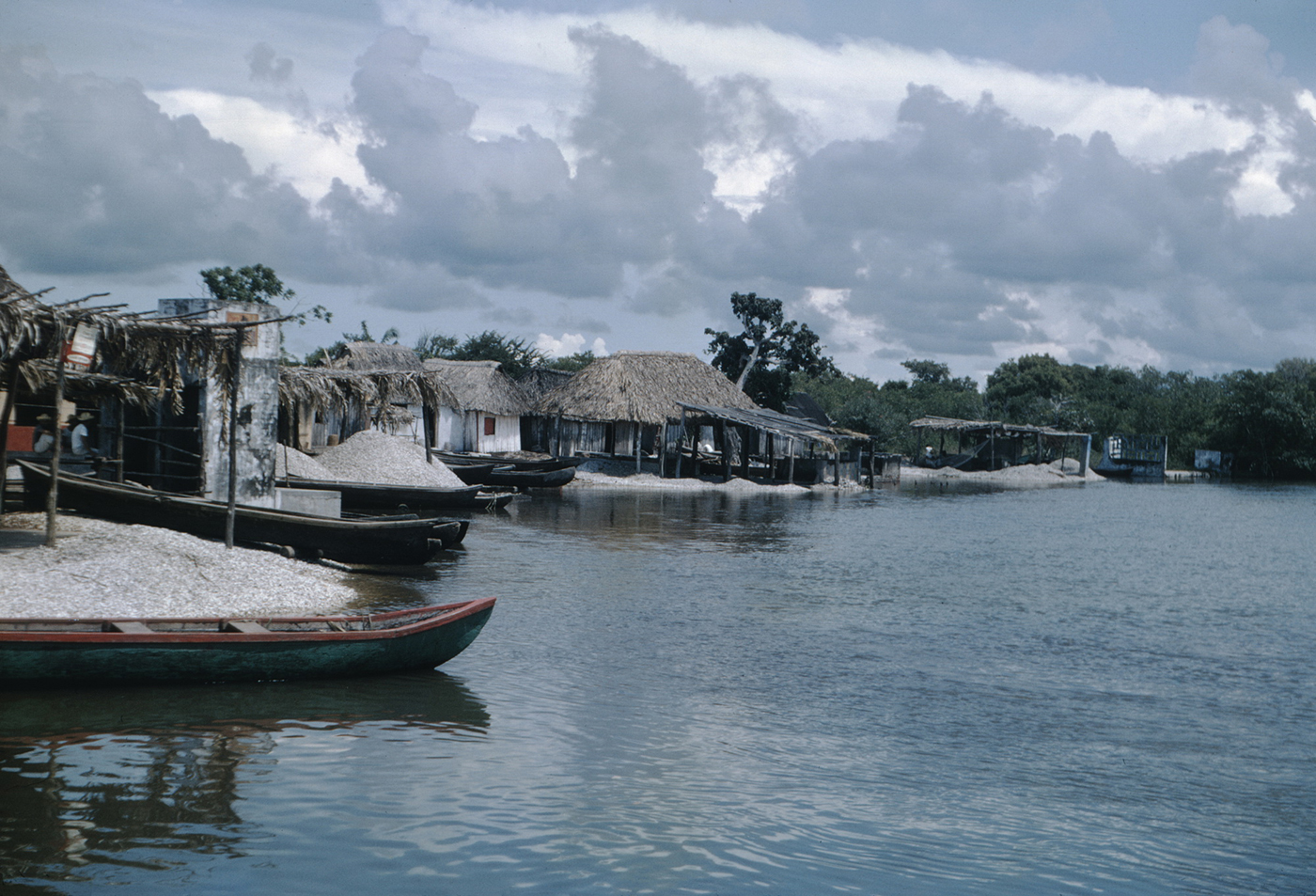
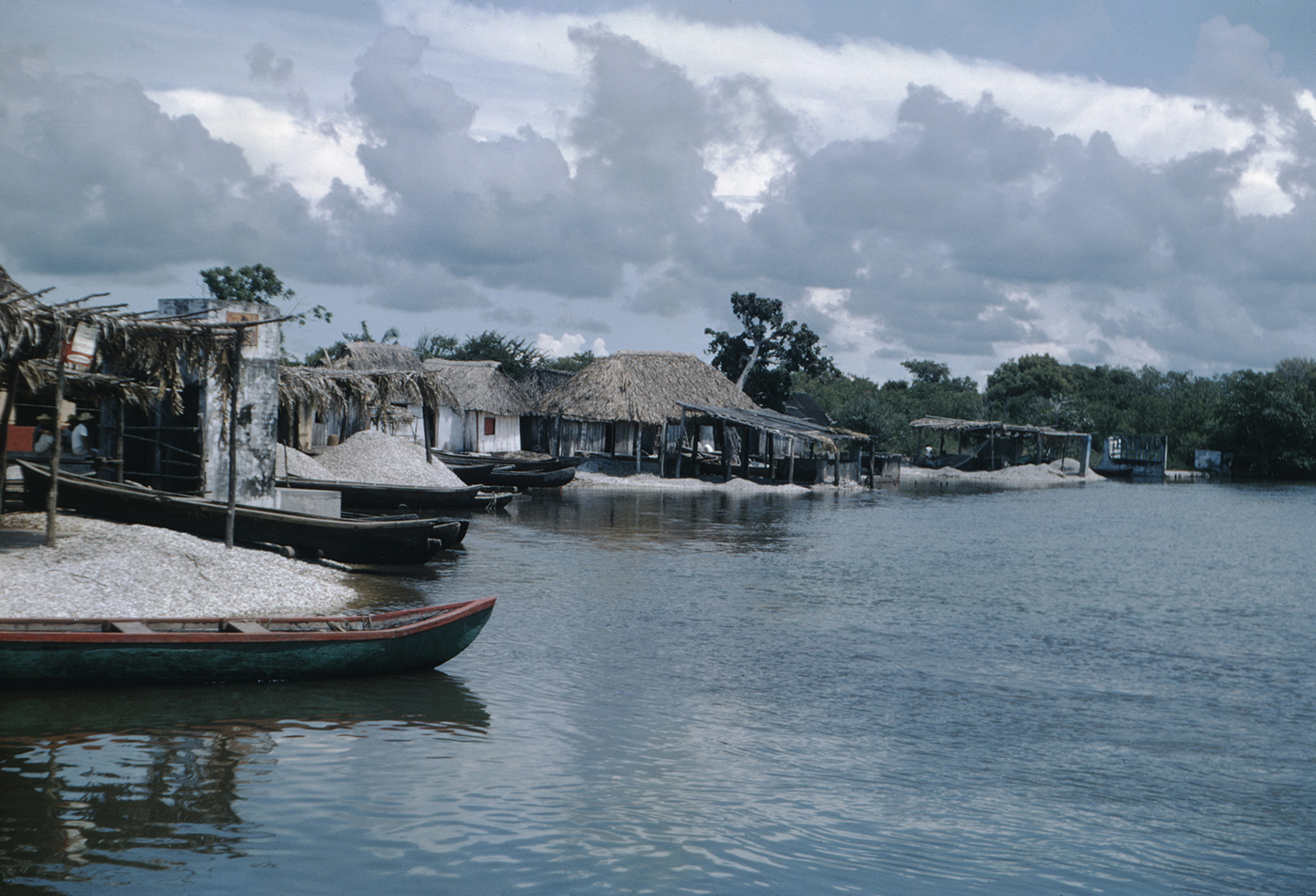
My first anthropological fieldwork experience, alluded to above, involved ethnographic research in the village of Mandinga, Veracruz, Mexico, with Joe Spielberg and an anthropology graduate student. There were houses with thatched roofs, impressive shell middens, coconuts on-call from the nearest tree-climbing boy, little girls dancing in the local restaurants to marimba renditions of La Bamba (Figure 3). Beyond this atmospheric setting, we had four months of hands-on learning. Fortunately, Joe was an expert ethnographer and I listened to every word he imparted; in the process I'm sure he saved me from making a great many unfortunate blunders. I was living in Veracruz and spending my days in Mandinga. Over time I gained friends in both locales…but consider the following dialogues:
I. Mandinga friend: “We've been talking, and we've decided we want you to move here to Mandinga.”
Me: “That's very nice. Why?”
Mandinga friend: “Because in Veracruz, they're all murderers. All thieves.”
II. Veracruz friend [a panaderia proprietor, recognizing my improving Mandinga dialect]: “Have you been in Mandinga again?”
Me: “Yes.”
Veracruz friend: “I really don't like your going there. They're all murderers. All thieves.”
Miraculously, I managed to survive these perceived dangers.
Mandinga, Veracruz, Mexico. 1965.
One of my first jobs in Mandinga was to create a map of the village (right up my alley). My second job was to construct a census, essentially putting people and their daily rounds on the map. I found it a treat going from house to house, chatting with the residents, discovering that they liked talking to me (it wasn't long before I became a deep reservoir of village gossip). I was invited to special household events, and rode in boats into the fishing lagoons. If this was participant-observation, I was all for it! I focused primarily on village economics, and after a while I came to the jolting awareness that “my” romantic little village was in fact in the throes of enormous changes. The villagers had begun transporting their shellfish to Veracruz by truck rather than by donkey, bus service was becoming more regular and frequent, and more tourists were invading the colorful little village on weekends. When I returned to Mandinga some years later, I barely recognized it.
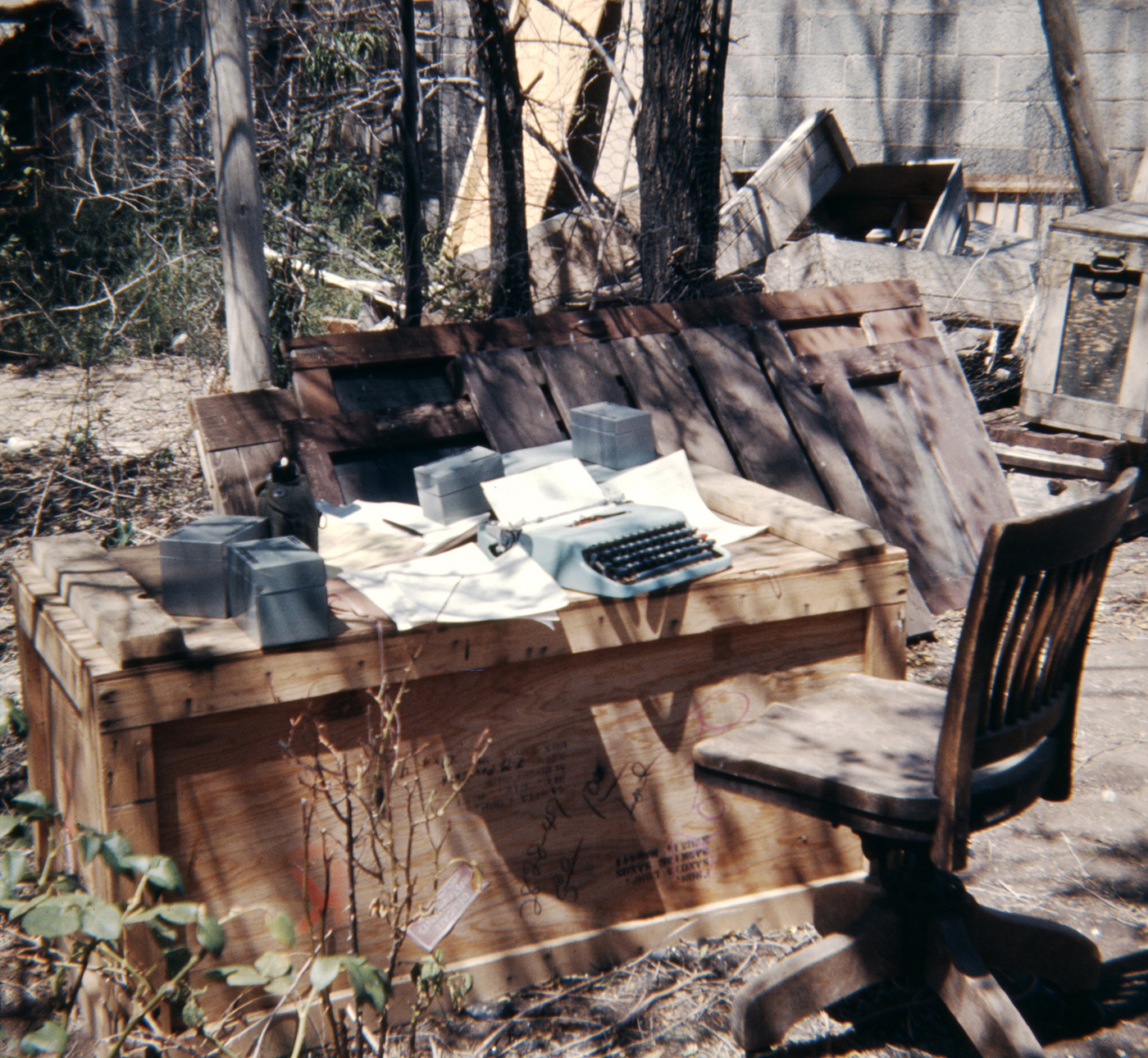
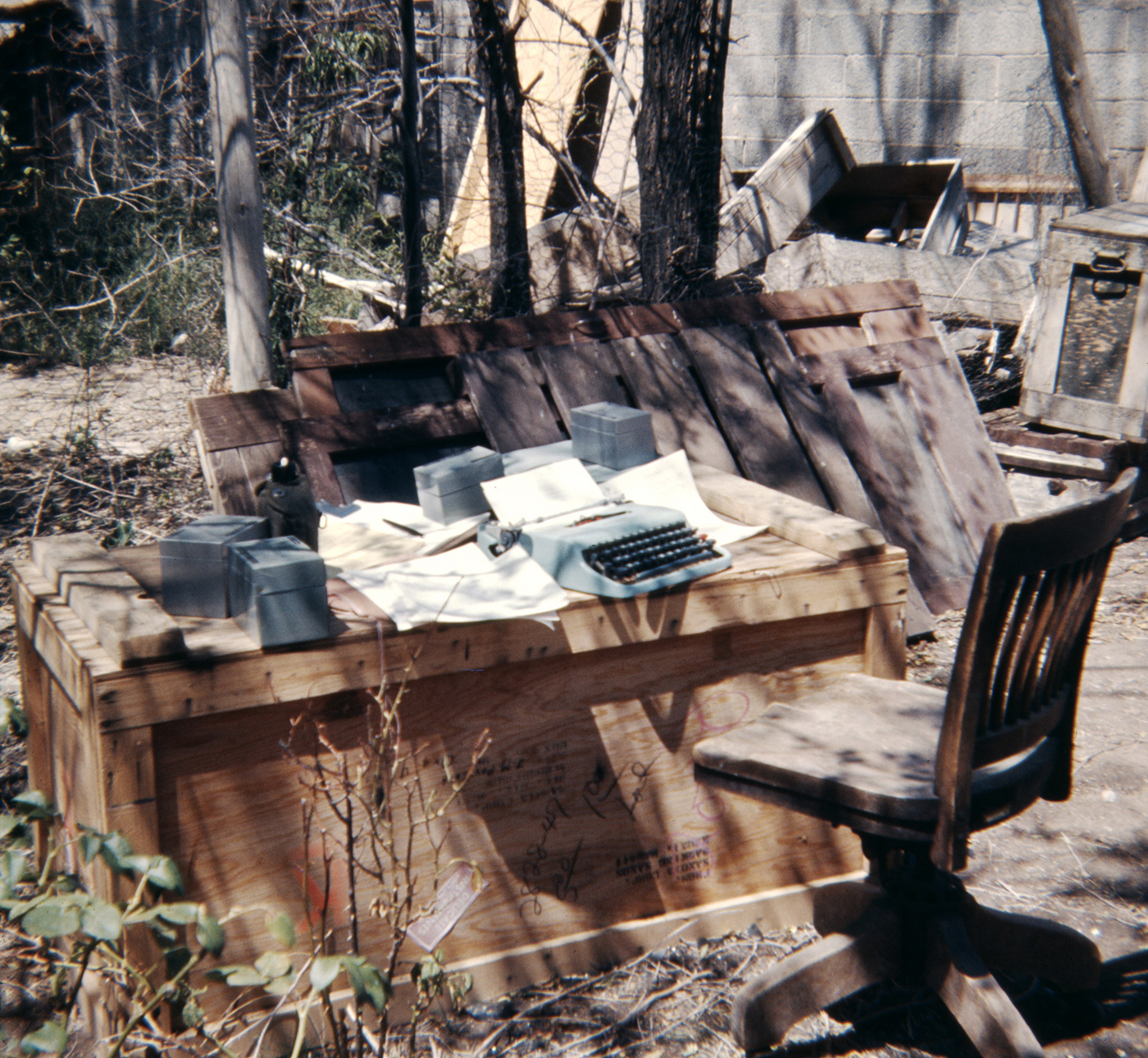
My following field experience was quite different. When I entered graduate school at MSU in anthropology, it was understood that I would specialize in cultural anthropology. Yet, as time went on, I decided that I would like to experience archaeological fieldwork firsthand. After all, how would I know how to evaluate the writings of archaeologists if I didn't grasp the entire process of discovery? So, I found a summer archaeological field project (1967), the Anasazi Origins Project run by Cynthia Irwin-Williams, in a rather barren region of northwest New Mexico. The day before the actual work began a group of us early-arrivals decided on a little jaunt to some Pueblos along the Rio Grande. On the drive there, along a particularly rough road, I broke my back. Not the best beginning I've had to a fieldwork season. After a month recovering in Albuquerque I rode back to the field site. But with a brace from neck to thigh, hefting a shovel was out of the question. So, Cynthia put me to work doing ethnobotany (Figure 4). My job was to figure out the food and other resources that would or could have been available to the pre-Anasazi peoples of that area, and the role of those resources in their settlement dynamics. I so enjoyed the work that I returned for the next two summers to continue the ethnobotanical research, perhaps not a great surprise since it fit in quite well with my always-lurking natural history interests. Still, at that time, and for the preceding few years, everything I was doing seemed a bit random and I had no idea where all this was going to take me. I had no firm direction, but had been lucky with opportunities and mostly took advantage of them when they appeared, seeing where I landed. But then slowly things began to take shape.
Frannie's ethnobotanical research station at the Anasazi Origins Project, New Mexico. 1968 and 1969.
GRADUATE WORK
Michigan State University's anthropology graduate program emphasized a dedicated four-field approach. I have always been grateful for that education as I am sure it was an important ingredient in my later work. I spent two years there (1965–1967), at the end of which I took a comprehensive exam, passing through the Master's program with the go-ahead to pursue a Ph.D. degree. At that point Joe generously decided that I would be better served working with his mentor, Richard N. Adams, at the University of Texas (UT) at Austin. He introduced (and recommended) me to this eminent scholar, and it was off to Texas I went. At that time UT Austin was well-known for its strengths in Latin America, in a wide array of disciplines.
At Texas I had an NDEA Title VI fellowship, studying Portuguese as well as anthropology. I had several options for a regional or cultural focus: Adams had shifted his interests from Guatemala to Argentina, Anthony Leeds was working in Brazil and, of course, there was still Mexico lurking in the wings. In retrospect, I think my heart was in Mexico all along.
Topically, I leaned toward cultural ecology and economic anthropology. My interest in cultural ecology led me to Symmes C. (Chad) Oliver, who had written an article on Plains Indian ecology (Reference Oliver1962) that I found eminently reasonable; he also wrote novels. At one point I had the distinct advantage of being his student assistant, having the opportunity to gain a little extra insight into his logical and inquiring mind and his clear and engaging writing style. I think some of that stuck. This was also a time, in economic anthropology, of the “substantivists” vs. the “formalists.” This debate became important to me as progressively my interests closed in on ancient economies. I was faced with considering the “administrative” perspective of Polanyi and his colleagues (especially Anne Chapman's [Reference Chapman, Polanyi, Arensberg and Pearson1957] work on ports of trade) in light of what I also perceived as commercialized market economies of ancient and historical societies. It was a dilemma.
It took quite a while for me to settle on my dissertation topic, and I think to some extent it derived from this dilemma. The epiphany came one day as I walked down a lonely staircase in an old UT campus building. I would unravel the intricacies of the Aztec economic system—trade, tribute, and markets. They were all there in the Aztec world, and I could address this administrative/commercial dilemma on a more empirical level. At that time (late 1960s, early 1970s) there were bits and pieces written on aspects of the Aztec economy, but no integrated treatment. I recall thinking, with visible relief, how happy I was to finally land on a dissertation topic, predicting that I was sure I would never ever get another good idea. But, I learned that ideas generate ideas, and accumulations of data generate ideas, and conversations with colleagues generate ideas, and I'm glad that my prediction was quite wrong that day in “The Stairwell.”
Jeremiah Epstein was the Mexican archaeologist in the department (his work focused on northern Mexico), so he became my dissertation advisor with my committee including Richard N. Adams and James Neely. Much as these prominent scholars brought valuable theoretical and conceptual perspectives to the project, none, however, was an Aztec specialist. I was directed to read Charles Gibson's (Reference Gibson1964) The Aztecs under Spanish Rule, but the codices and other primary sources were a bit of a muddle to me. So, in pursuing this topic, I realized three things early on: (1) I needed to work in archives with primary documentary material, (2) I needed to learn Nahuatl, and (3) I needed to work with an Aztec specialist. I embarked on the first requirement in early 1971 with a stint in the atmospheric Archivo General de Indias in Seville, Spain. I followed that up in the summer of 1971 working at the Archivo General de la Nación in Mexico City (when the archives were still housed in the National Palace). In these venerable archives I encountered enough primary documentation to get going.
Fulfillment of my second and third “needs” was largely a matter of luck. The first bit of luck came in the person of Bob Berdan, a linguistics Ph.D. student at Texas. The linguists and anthropologists often partied together, so it was probably inevitable that we would meet. In 1969, he headed off to India for his dissertation research (on Hindi/Marathi bilingualism) with an understanding (although no formal proposal) that we would eventually marry. When he realized he would be staying a few extra months, a proposal arrived in the mail. I would be in Seville when he finished in India, so we agreed to simply meet up in Spain and tie the knot there, in February 1971. Not so simple. We had neither the time (two weeks required) nor the money (none at all) to arrange for an approved Spanish wedding. So, we headed for Gibraltar (although the border was closed at the time and we had to detour through Tangier). It's a long story; in the abbreviated version the wedding ceremony ended up in St. Michael's Cave, high up inside the Rock of Gibraltar. Somehow it became an event, with many locals invited to the wedding (we knew none of them and the resident Barbary apes stayed away that day), most thinking “crazy Americans” while the minister felt it was perfectly appropriate for an anthropologist and a linguist to wed in such a setting. We did provide them with a welcome break in their daily winter routines and found ourselves on TV that very night. Returning to Texas shortly thereafter we found our picture in the local newspaper, captioned with “Marriage on the Rocks.” They were wrong—we've now been married 43 years. But back to the main narrative: Bob was instrumental in this unfolding academic story, receiving a job in southern California later in 1971. So, there we moved, and there I found the answers to my other two scholarly needs.
I had briefly met James Lockhart at Texas, but now he was at the University of California, Los Angeles (UCLA). So were H.B. (Nick) Nicholson and the linguist William Bright, and Arthur J.O. Anderson was in nearby San Diego. I had hit paydirt. I owe a great scholarly debt to these four distinguished and generous scholars—although I was a UT student, they readily folded me into their teaching and research worlds.
William Bright was offering a course on Classical Nahuatl, which I audited. Also auditing was the brilliant colonial historian Jim Lockhart, and my exposure to Nahuatl became more intense when Jim received a sixteenth-century Nahuatl-language document from a student working in an archive in Tlaxcala, Mexico. He and I set to transcribing and translating the sixteenth-century document, a will. It didn't take long for us to gain access to other similar documents in Nahuatl, some of them at UCLA. The idea of a book began to emerge: we would translate and interpret samples of several colonial Nahuatl documents, each of them offering intriguing glimpses of everyday Nahua life in the colonial setting. But, we were well aware of our linguistic limitations—we were still Nahuatl neophytes. So we went a little farther afield and enlisted the collaboration of Arthur J.O. Anderson in San Diego. Arthur brought a fine-tuned expertise in Nahuatl to the project (having, along with Charles E. Dibble, already translated the 12 books of the Florentine Codex [Sahagún Reference Sahagún, Anderson and Dibble1950–1982]). Some Classical Nahuatl I learned in Bright's class, but even more Nahuatl was learned as Jim, Arthur, and I delved individually and collectively into wills, market records, town council minutes, land documentation, petitions, and even personal letters. I was the junior member of this team; it was exhilarating to be working with these scholarly giants and gratifying to realize that they were just as interested in my translation hypotheses as I was in theirs. Still a graduate student, I felt immensely fortunate to be a part of this unfolding enterprise with two seasoned scholars.
From this experience I also learned how to write a book. Beyond the Codices (Anderson et al. Reference Anderson, Berdan and Lockhart1976) resulted from this work, as did, later on, The Tlaxcalan Actas (Lockhart et al. Reference Lockhart, Berdan and Anderson1986). In 1975 we were very close to polishing up the translations for Beyond the Codices. I still agonized over a few of them, however, uncertain of our interpretations. I have never forgotten Jim's words at that moment: “At some point you just have to stop. This book is a statement of what we know as of 1975. If we have to, we can always correct something in a later publication.” I've repeated those wise words to myself toward the end of every book I've written (otherwise I may still be writing them).
At this same time I made the acquaintance of the eminent anthropologist and ethnohistorian, H.B. (Nick) Nicholson. Along with Arthur, here was the Aztec specialist I sought (Nick's [Reference Nicholson, Ekholm, Bernal and Wauchope1971] article on Aztec religion is still the “go-to” source on the topic). Nick was encyclopedic and generous, an invaluable combination for a hungry and somewhat displaced graduate student. First thing, I sat in on his ethnohistory seminar (I seemed to be crashing courses in those days). Nick immediately took interest in my dissertation research—it was reassuring to receive re-affirmation that I was on the right track. With Nick, I gained in-depth knowledge of the ethnohistoric documentation and archaeological data available on the Aztecs. It was far more vast, and complicated, and captivating than I had realized. The ins and outs of this field were regularly discussed at stimulating tertulias arranged by Nick and his graduate students, which I eagerly attended. I had stumbled into an exceptionally vibrant and dynamic field, in concert with a stimulating setting within which to pursue it. Nick also recommended me to Akademische Druck-u. Verlagsanstalt in Graz, Austria, which was planning a facsimile edition of the Matrícula de Tributos. Would I do the Nahuatl translations of the codice's glosses? I would indeed.
The Nahuatl translations with Jim and Arthur, the bottomless expertise of Nick, the tertulias interaction with the UCLA students in both anthropology and history—elements of all of these experiences were ultimately woven into my dissertation, and into my later work. Paramount with these mentors was attention to detail, which was comfortably compatible with my basic empirical approach to life. This background also allowed me to delve not only into all aspects of the Aztec world, but also into Nahua life under colonial rule. Along the way I had gained breadth as well as depth, and an abiding curiosity into issues of culture change.
Amidst all of these enrichments, I did finally manage to finish my dissertation (in 1975). As I sat nervously in the UT anthropology department office awaiting my committee's grilling (as I had imagined it), Professor Chad Oliver sat down beside me:
Chad: “Are you nervous?”
Me: [looking at him quizzically] “Yes, of course.”
Chad: “Why? At this point, you know more about your topic than anyone else in that room.”
Me: “I hadn't thought of it that way. But now that you mention it…”
And that room instantly shrank and its august occupants became less intimidating. I walked in with a comfortable confidence. Thanks, Chad.
I didn't think about it then, but at roughly the same time I was studying in Texas and in southern California I had colleagues-to-be preparing for their scholarly futures in other institutions, under other mentors, asking other questions, applying other conceptual frameworks. Some, of course, were at UCLA and UT (in art history), but others were elsewhere, including Michigan, Penn State, Indiana, Wisconsin, Yale, Illinois, UC Santa Barbara, Pittsburgh, Columbia, CUNY, Stanford, and universities in Mexico, England, and France. Over the years, as we emerged and merged as scholars, I believe that our varied backgrounds and diverse scholarly pedigrees have enriched the field of Aztec studies immensely.
A REAL JOB AND A PASSION FOR TEACHING
I had been a teaching assistant at Texas. They gave me a class to teach outright—I chose the texts, planned and presented the lectures, designed the exams, and graded—all without any specific teacher training. I recall that my knees nearly gave out as I climbed the stairs to my first class. But it didn't take long to discover that I truly enjoyed (and indeed came to love) university teaching. That was a good thing, since the tenure-track faculty job I landed in 1973 was in a four-year university with strong liberal arts and general education emphases. The position was in the anthropology department at California State University San Bernardino (CSUSB), and the university and departmental focus on undergraduate instruction carried a correspondingly high teaching load of three courses per quarter (much later reduced to seven per year).
My broad anthropology education at MSU turned out to serve me well, as I entered a small anthropology department with only three other faculty members. In such a small department, this meant several different course preparations each year. I taught courses ranging from introductory cultural anthropology to the capstone senior seminar, from Cultures of Mexico to Cross-cultural Perspectives on Crime and Deviance. In all, over the years, I taught 20 different courses, repeatedly. A few years after I was hired, a prolonged budget crisis hit, and our department eventually became constricted to only two people, the indomitable Jim Pierson and myself. There was talk of eliminating the department or merging us with sociology. Neither option was acceptable to us, so we undertook a strategy of increasing enrollment (teaching more large-lecture general education courses, and creating courses that became requirements in large majors such as criminal justice and human development). Those were rather dicey times, but we survived in this manner, gaining enough ground to hire, and hire again, and eventually develop the department into the viable and delightfully congenial entity it has now been for many years (and currently under the strong leadership of Pete Robertshaw). I became Chair of the department in 1977 and continued in that capacity for the next 17 years. I never had any administrative ambitions, and it took a long time, but I finally woke up one morning with a jolt and decided that was enough of that.
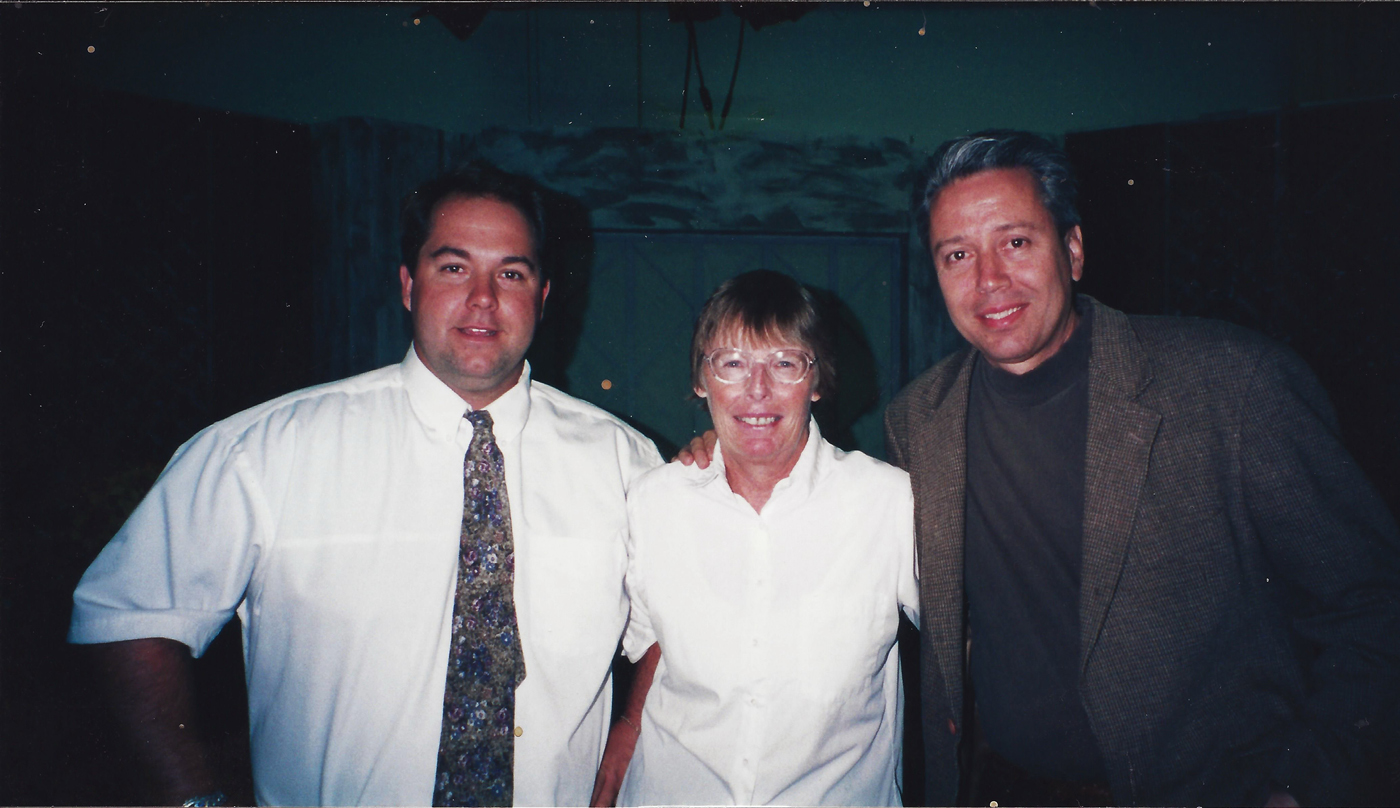
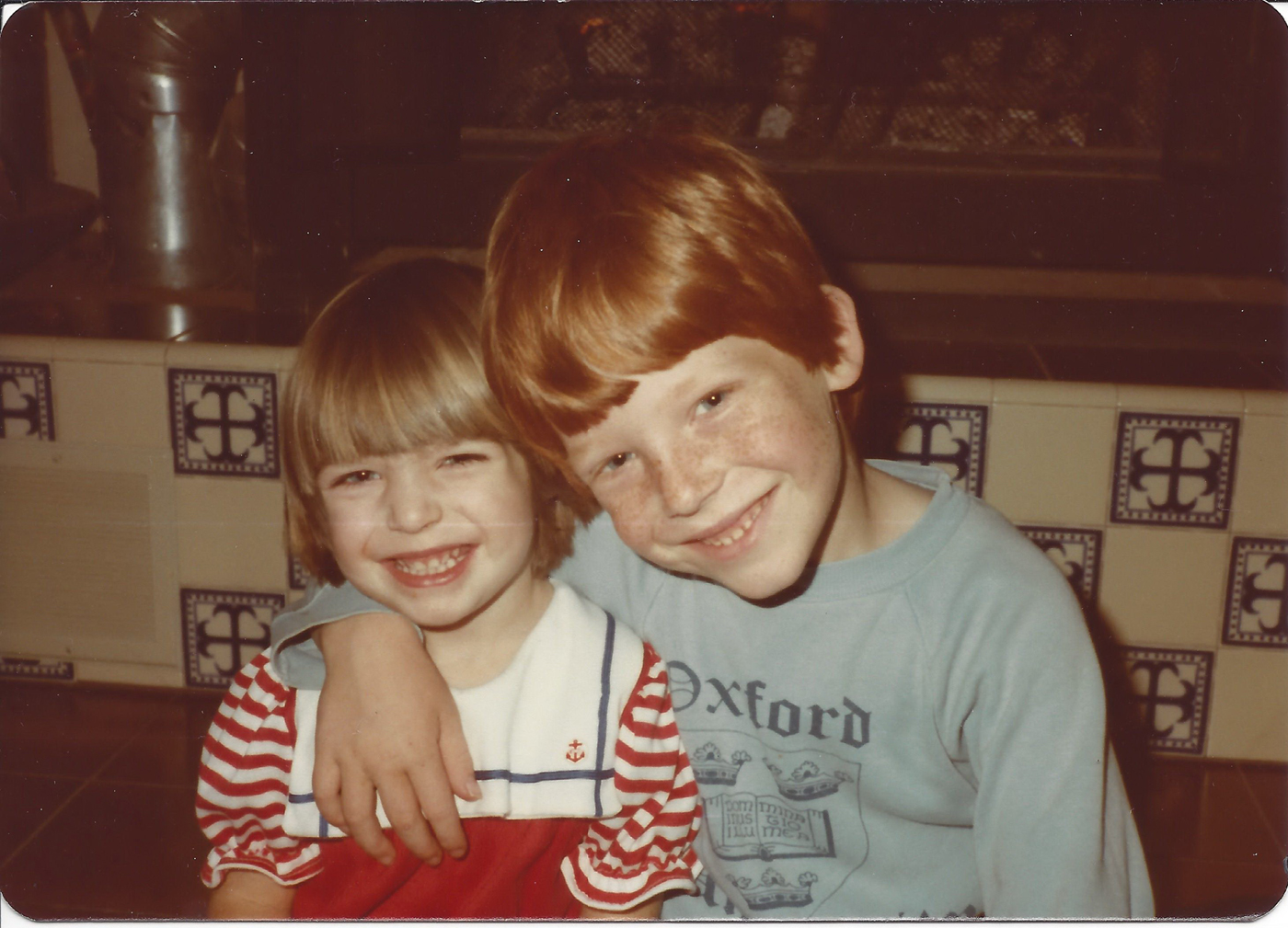
In 1976 I gave birth to a son, John, and in 1980 a daughter, Jenny. And so began a busy but enjoyable time of juggling family, research, teaching, and chairing the department (Figure 5). These realms were not unrelated. Bob, John, and Jenny all went into the Sierra Norte de Puebla with me for fieldwork on one or more occasions and, Jenny, with an astute analytical mind and keen eye for detail, continues to work with me in museum collections and to create maps and graphics that are way beyond me (after all, I wrote my first single-authored book on a manual typewriter, and Jim, Arthur, and I all did our translations with pen and paper; however, I believe that I'm slowly closing in on the twenty-first century).
Children Jenny and John—never a dull moment.
The diverse teaching load and my professional endeavors also dovetailed. I had grown up (academically) with the Spindler Series (Case Studies in Cultural Anthropology)—I think there are few of us who did not. After teaching a few years at CSUSB it occurred to me that I could write such a book on the Aztecs. I wrote George Spindler with this suggestion, and he courteously wrote back that no, they really didn't like to consider ancient or historical societies for this series. But, I persisted, the Aztecs are different—the information on them is easily rich enough to permit an ethnographic treatment. “How about I send you two chapters, and you can decide?” He agreed, and I did, and he accepted it right away. I was delighted that I could merge my understanding of ethnography with the world of the past, using ethnohistorical and archaeological sources in place of ethnographically collected data. This book has survived many cuts in the series and is now in its second edition (Berdan Reference Berdan2005). Another connection between teaching and writing grew naturally from an ethnohistory course team-taught with my departmental colleague and expert teacher Russell Barber. We decided to create our own course materials for the students, and these eventually ended up as The Emperor's Mirror (Barber and Berdan Reference Barber and Berdan1998).
A further research-teaching connection emerged rather unexpectedly in the form of EthnoQuest, admittedly the most complicated project I have ever undertaken (Figure 6). EthnoQuest is a computer simulation of ethnographic fieldwork, set in a “composite village” in Mexico (modeled after villages in the Sierra Norte de Puebla). One day in 1996, speaking to student assistant Ed Stark, I voiced my frustration with the difficulty of getting across the ins and outs of ethnographic fieldwork to introductory anthropology (and other) students. As a particularly analytical and engaged student, he thought: would an interactive computer simulation work? We considered the possibilities: the student could take on the role of a neophyte ethnographer, experience life-like scenarios, weigh options, make decisions (and enjoy or suffer the consequences), become immersed in the village's culture, all the while learning about anthropological perspectives. Sounded interesting and, actually, exciting…but we had little idea about how to go about creating such a thing (in all honesty, I had no idea—recall that at that time I was still living closer to the sixteenth century than the twentieth). Nonetheless, adding on the computer expertise of Carey Van Loon (CSUSB Instructional Technology), we forged ahead by fits and starts, with a fair amount of initial guesswork, quite a few collective and individual inspirational moments, mutual encouragement and prodding, and a healthy grant from the National Endowment for the Humanities (1999–2001). Once we got a handle on it, it continued to be challenging, but developed its own momentum and became not only manageable but truly exciting and a great deal of fun. We became totally immersed in it, and it continues to be particularly satisfying to see students locked into their interactions with the villagers, even to the point of verbally apologizing to an insulted farmer or trying to explain their actions to a confused midwife. EthnoQuest was published in 2005 as a CD-ROM and Workbook by Prentice-Hall (Berdan et al. Reference Berdan, Stark and Van Loon2005) and apparently still occupies a fairly comfortable educational niche.
The EthnoQuest team: (left to right) Ed Stark, Frannie Berdan, and Carey van Loon.

Other scholarly endeavors were less intimately tied to my teaching assignments. But, an important thing about being at CSUSB was its flexibility in professional demands and expectations. While rigorous in its demands and requiring peer-reviewed publications, the university did not specify which journals, or what kinds of publications were worthy of promotion and tenure to the extent of many other, more research-oriented universities. This gave me the freedom to pursue projects like the Spindler Series book and EthnoQuest. It also allowed me to undertake long-term projects, such as The Codex Mendoza (Berdan and Anawalt Reference Berdan and Anawalt1992) and Aztec Imperial Strategies (Berdan et al. Reference Berdan, Blanton, Boone, Hodge, Smith and Umberger1996), each many years in the making. Over the years the university became more and more supportive of professional activities through grants and released time from teaching, although we never had the luxury of a graduate program.
COLLABORATIONS: NEW ENTERPRISES, NEW PASSIONS
My childhood “little passions” were largely solitary endeavors, with the exception of those involving travel. It would never have occurred to me then that my most satisfying research enterprises would be collaborative endeavors. But, that's how it turned out. While I have spent a great deal of time with individual research and writing, I have found my collaborative projects to be especially rewarding. Early work with Jim Lockhart and Arthur J.O. Anderson taught me two important lessons: (1) the value of having more than one mind look at a problem, especially from different disciplinary perspectives, and (2) how much fun it is to solve scholarly puzzles through interpersonal give-and-take. As the junior partner in those undertakings, I could not have learned these lessons from better colleagues.
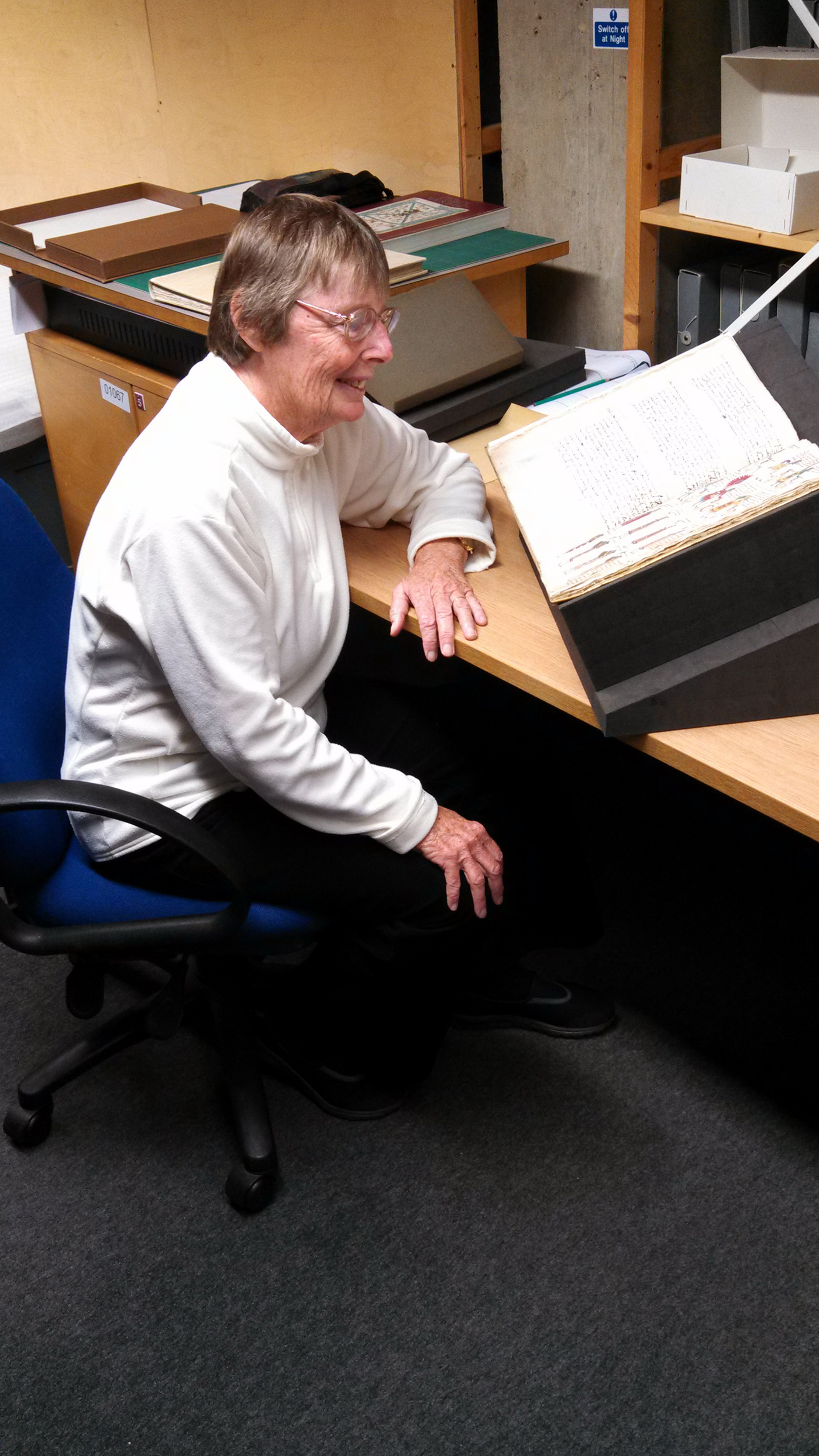
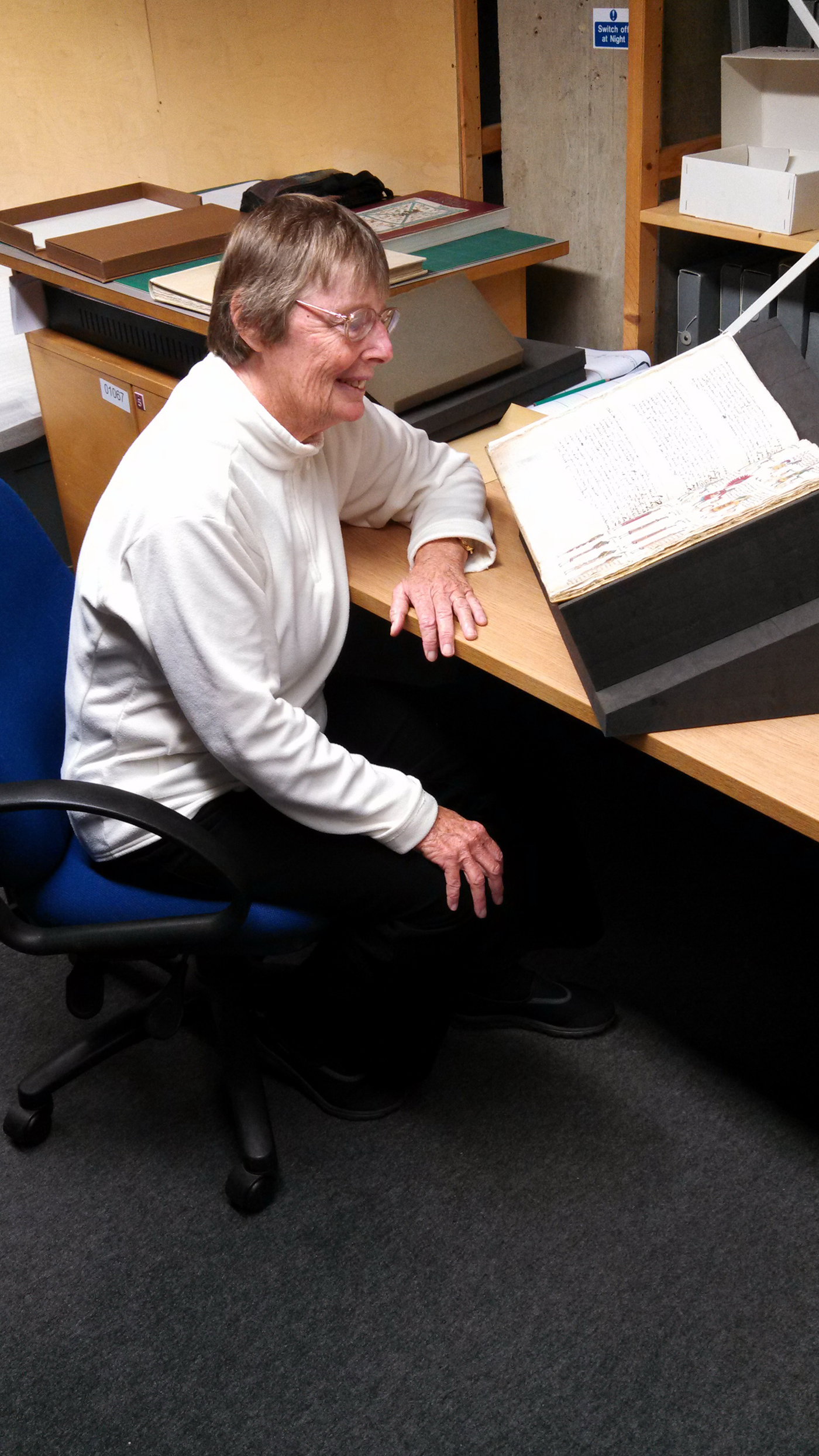
My next collaborative project began in 1980. I had found that, in my research, the Codex Mendoza was indispensable (Figure 7). Yet, the only facsimile within reach was a rare copy of the James Cooper Clark (Reference Clark1938) edition in the UCLA special collections. It occurred to me that it would be particularly useful to produce a new version of this critical codex. I was shooting for three goals: (1) publish a full facsimile of the codex, (2) provide an up-to-date and comprehensive commentary of the content of the codex, and (3) make all of this widely available and affordable. It was a tall order, and I asked Patricia Anawalt to join me in this project. The result was an oversize, four-volume edition of the codex, published by the University of California Press (Berdan and Anawalt Reference Berdan and Anawalt1992). I was happy with how this publication met the first two goals, but while its presentation was elegant and impressive, it was less than cheap. So, we worked with the press to publish a more accessible, less expensive version of this four-volume set. They very agreeably did this, gathering volumes 2 and 4 and a few color plates into a scaled-down paperback: The Essential Codex Mendoza (Berdan and Anawalt Reference Berdan and Anawalt1997). That fulfilled the project's third goal. The process of producing the four-volume version required a dozen years. It began the year my daughter was born, and culminated in 1992. In the summer of that year we were in the gallery shops of the National Gallery of Art in Washington, DC, when I heard my daughter call from across the room: “Mom, your book's here!” She had lived through the first 12 years of her life seeing pages strewn over every available table and floor space at home, and here was the finished product…in a place other than our home. It seemed like a miracle to me, too. Once again I was lucky in my collaboration: Patty especially brought persistence and tenacity, important qualities in a project that was complex and, well, huge.
Frannie with the Codex Mendoza in the Bodleian Library, Oxford, England.
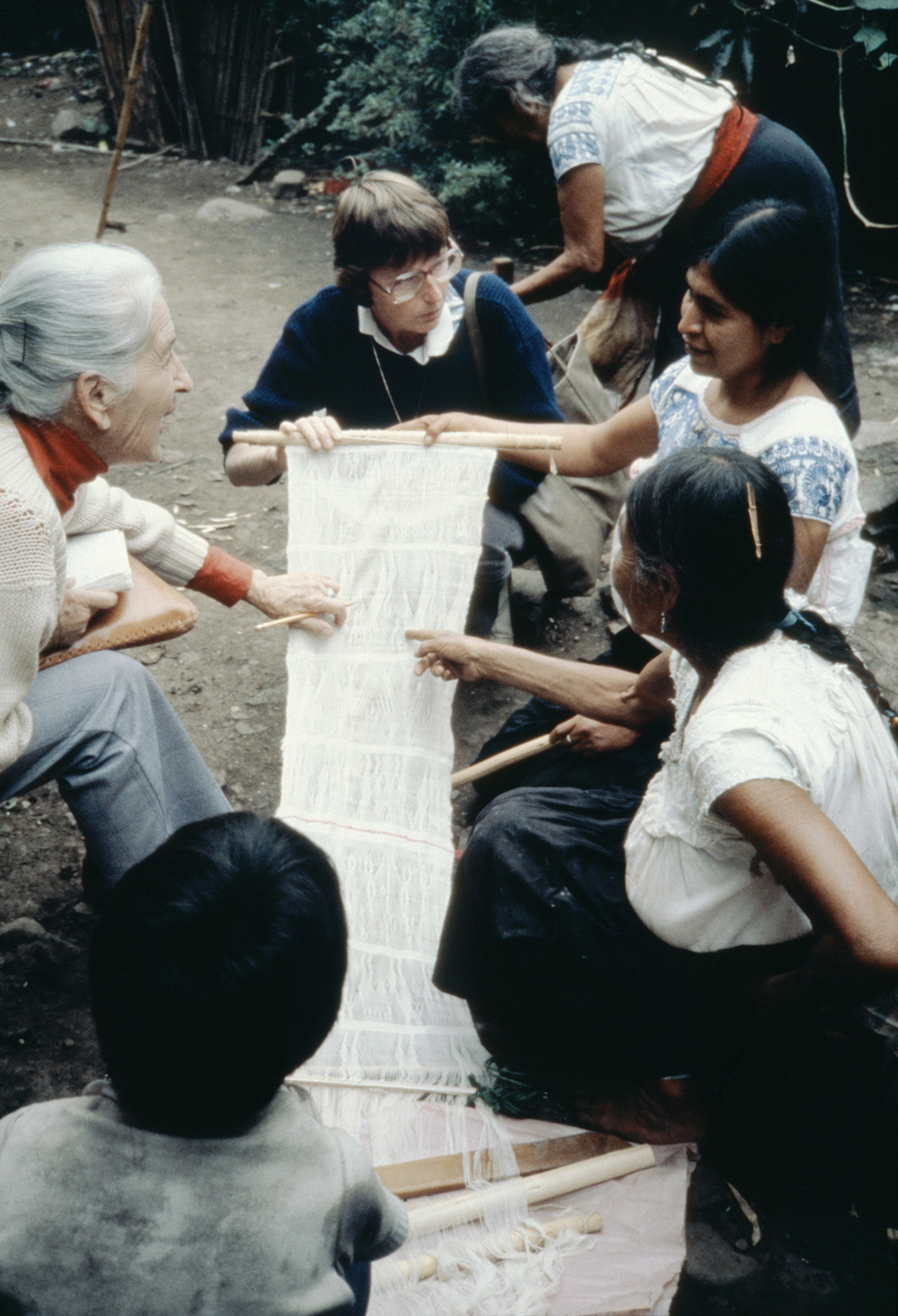
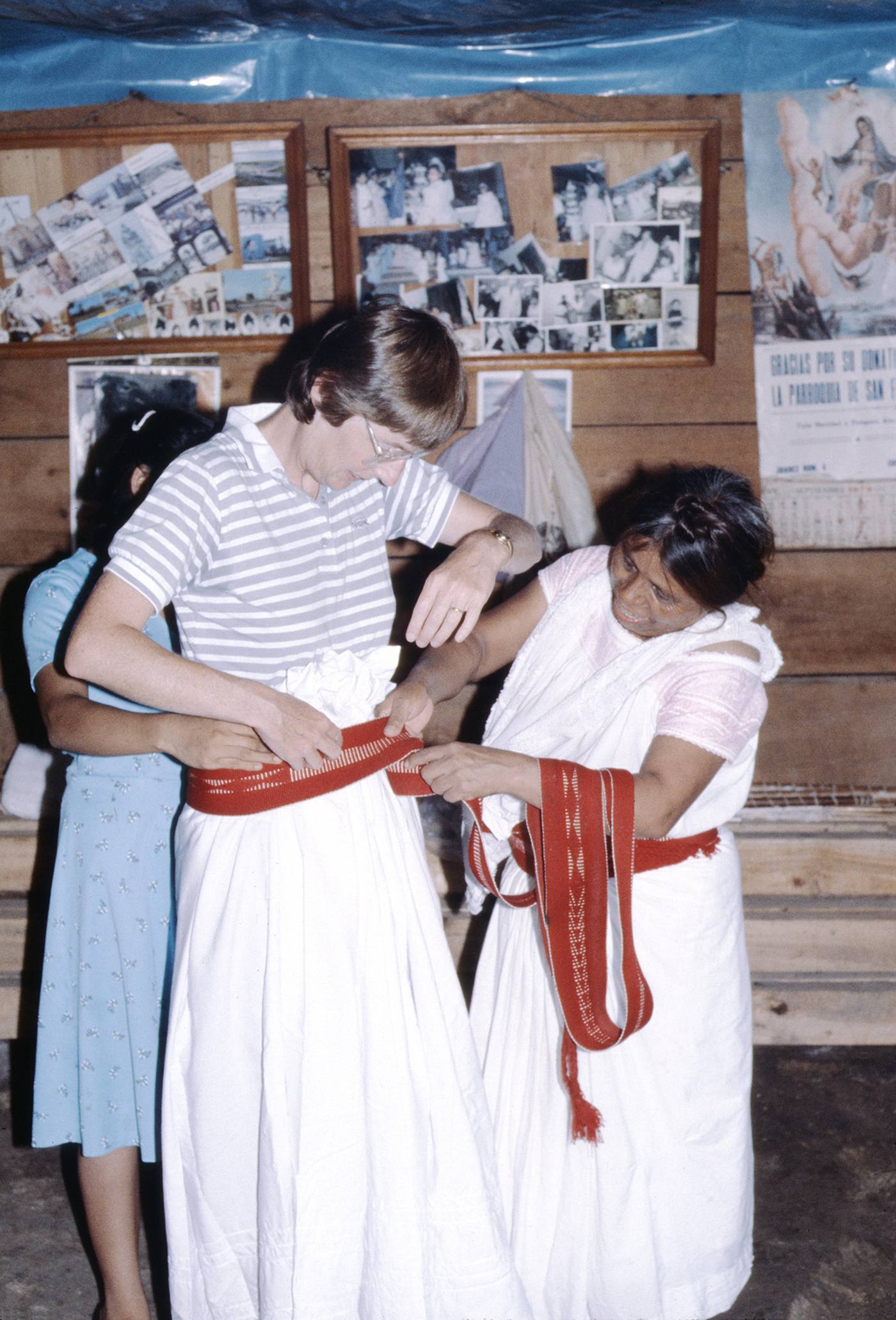
Patty's scholarly interests lay in the areas of costume and textiles. The next collaborative project developed from her interest in native clothing in Mesoamerica, both past and present-day. She proposed field work with Nahua weavers in the Sierra Norte de Puebla, Mexico, where backstrap-loom weaving and the production of native clothing was alive and well. The research was funded by the National Geographic Society; Patty went five times, I went three (1983, 1985, and 1991). We gathered detailed data on spinning, weaving, and textile embellishments from women in several Nahuat- and Nahuatl-speaking communities (Figure 8). The village women were more than happy to spend time with us discussing their work—how they obtained their materials, how they learned their craft, how it fit in with their other daily demands, what the designs meant…and, in detail, how they manufactured their finely woven and beautifully embellished clothing. We were predominately interested in matters of cultural continuity and change, and explored how closely the present-day activities replicated artifacts and images from the past (a weaver depicted in the Codex Mendoza, for example). Except for brief and occasional glosses, the codex weavers are mute; the Nahua woman weaving in front of me is not:
Me: “You are so good at this” [weaving]. “How old were you when you mastered all those heddles and designs?”
Weaver: “Fourteen. I was fourteen. We're all about fourteen when we can do all these things.”
Me: “When did you begin to learn?”
Weaver: “Five. I began with little belts. Like my little daughter here” [pointing to her daughter who proudly holds up her colorfully woven creation].
Fascinating. This weaver speaks of an impressive cultural continuity: the Codex Mendoza indicates that a girl mastered the art of weaving at (or by) the age of fourteen! It and other documents, however, are silent on the age at which the girl began learning. The woman before me offers a very likely possibility.
In the Sierra Norte de Puebla, Mexico, working with Nahua weavers. Seated at the left is Irmgard Weitlaner Johnson.
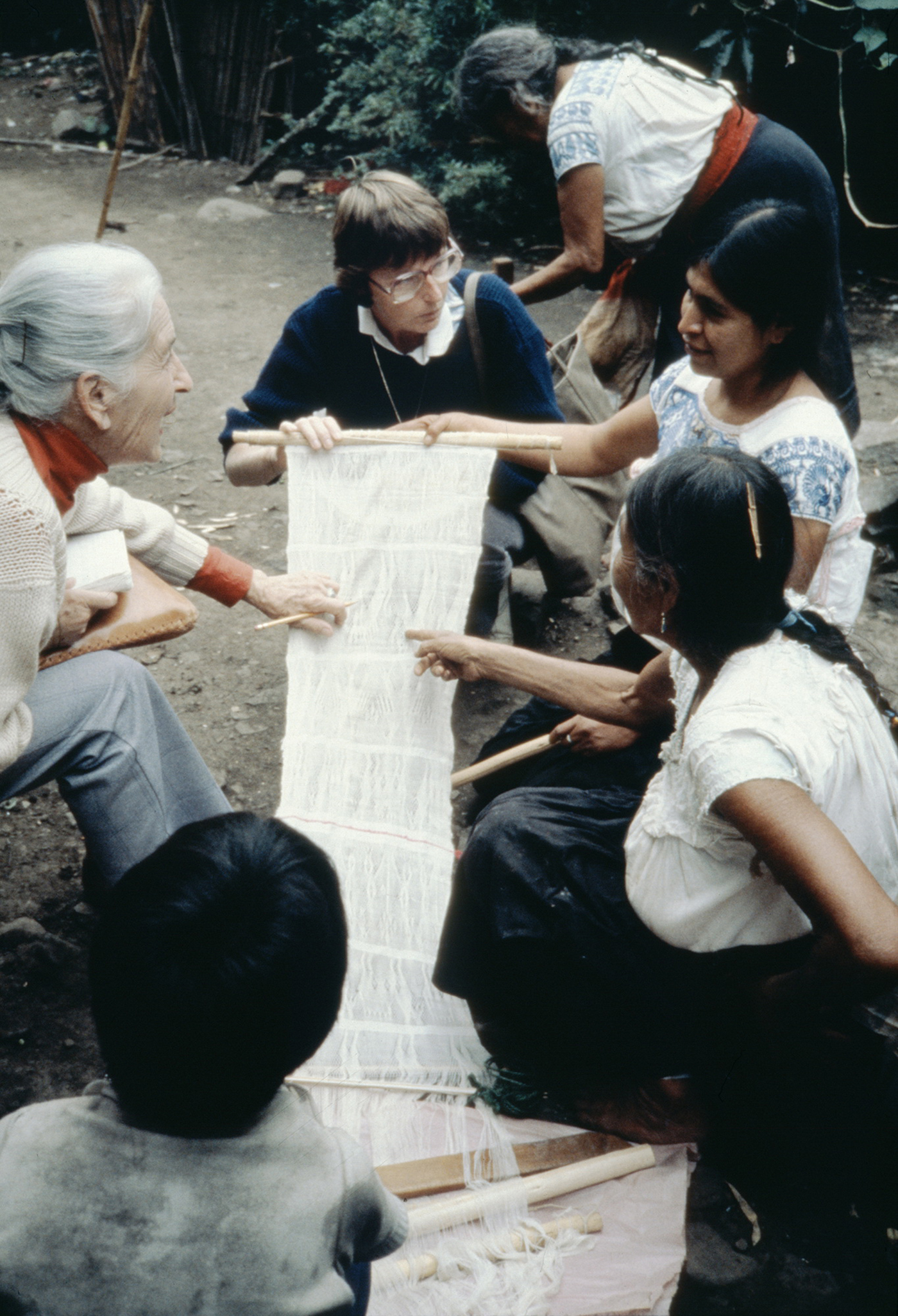
The most memorable of these field seasons added on textile experts Irmgard Weitlaner Johnson and Edward Maeder. Irmgard recalled having traveled to some of these same Sierra villages many decades before with her anthropologist father Roberto Weitlaner. Her expertise in native weaving technologies was invaluable and her personal observations of culture change and continuity led to lively discussions. And I will never forget Edward, encountering a set of clothing hung out to dry on a bush, extemporaneously dissecting the clothing's manufacture and pointing out instances of retention of sixteenth-century construction techniques. This field season was enriched by the presence of four differently trained researchers and four different points of view (Figure 9). It was also the time when, on the last day (of course), a weaver described her woven designs as nahualli (roughly, spirit companions). We had had long discussions about the designs—were they just, well, designs, or did they have other, deeper meanings? I was intrigued by the symbolic possibilities presented by this one little word. So, the next field season we sought out a shaman to gain more clarification of this and other designs and ended up with some enthralling stories. The twists and turns of ethnographic research.
Oh, that's how it's done! In the Sierra Norte de Puebla, Mexico.

In the midst of these projects, in 1986, another opportunity presented itself: Would I organize a summer research seminar at Dumbarton Oaks? Yes, indeed, I would. With the approval of the board, I could select the specific topic (they wanted something Aztec) and two colleagues; then the three of us would select two others from applications. I asked Richard Blanton and Michael Smith to join me, and was more than gratified when they accepted. We then selected Mary Hodge and Emily Umberger from a very competitive pool of applicants. We also asked Elizabeth Boone (Director of Pre-Columbian Studies at Dumbarton Oaks) to join our enterprise, which happily she did.
For some time I had been dissatisfied with Robert Barlow's Reference Barlow1949 map and conception of the Aztec empire, and thought that this research seminar would be a great opportunity to revisit the whole matter of Aztec empire building. Barlow's geographic extent of the empire was largely based on the conquest history and tribute roll of the Codex Mendoza: a top-down approach, as it were. We decided to go beyond the Codex Mendoza and add a bottom-up perspective, bringing to bear local-level and regional documentary and archaeological evidence where available. I would say that we got more than we expected from this research, as an interesting picture of variable strategies of Aztec empire building slowly but steadily came into focus.
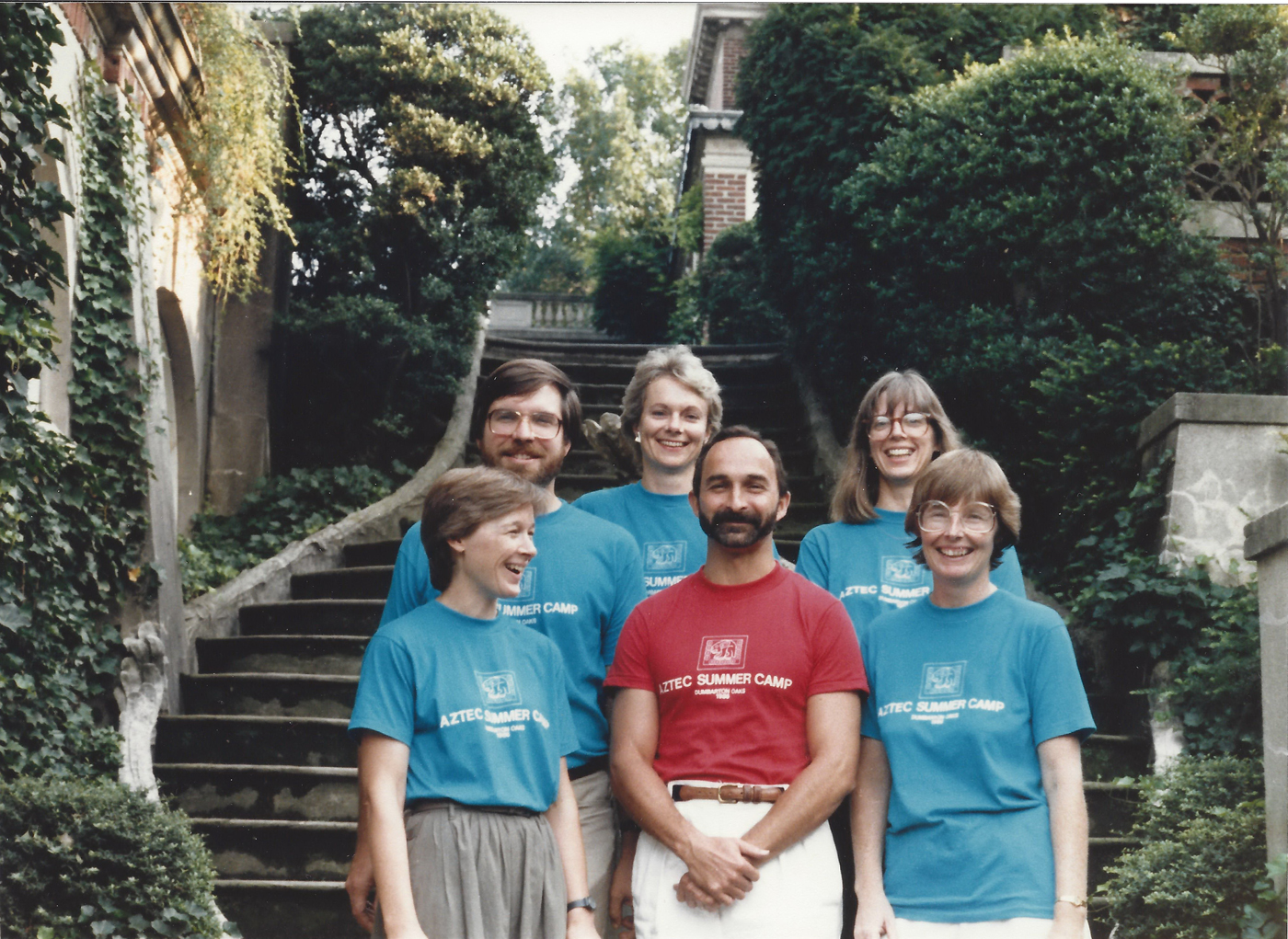
That was how we spent the summer of 1986 (Figure 10). We called it Aztec Summer Camp and had t-shirts made (designed by Emily). We played volleyball on the lawn after hours and lolled in the swimming pool on languid summer evenings. We challenged Dumbarton Oaks’ Byzantine scholars to all sorts of competitions. Perhaps surprisingly with all this, we got a tremendous amount of work done: together, we had a firm shared vision of our goals, a comfortable division of labor, a strong work ethic, and a collective energy that is a bit hard to define. We had superb chemistry. We all agreed that a book would emerge from that Dumbarton Oaks work, and over the summer we outlined the book and did a great deal of the basic research. With still some research, writing, and map-making remaining, Aztec Imperial Strategies finally saw the light of day in 1996.
“Aztec Summer Camp” at Dumbarton Oaks, 1986. Front row (left to right): Mary Hodge, Richard Blanton, Frannie Berdan. Back row (left to right): Mike Smith, Elizabeth Boone, Emily Umberger.

The idea of research seminars was nothing new in archaeology, and we were not the first to enjoy a “summer camp” at Dumbarton Oaks. Yet, that experience, at least for me, brought the value of such a collective activity into especially sharp focus. So, in 1999 when Mike Smith initiated a project applying a world systems model to Postclassic Mesoamerica, I was happy to jump on board. That project included the assembling of 11 diverse scholars at Michigan State University for several intense days in April 1999. The idea was to hammer out the conceptual framework, on which we did not all agree (including the use of the world systems model at all). As we progressed it became clear that, if we were to apply the world systems model to Postclassic Mesoamerica, we would need to modify it: core and peripheries (and even semi-peripheries) were simply not adequate to explain the complexities of that time and place. By the end of the conference, with a lot of productive to-ing and fro-ing, we had devised a modified world systems approach, created a comprehensive table of contents and divided up the chapters for a book, The Postclassic Mesoamerican World (Smith and Berdan Reference Smith and Berdan2003).
The same approach worked well with another tricky topic, ethnicity. In that same year, 1999, I put together a small symposium with Alan Sandstrom and John Chance at a conference on “Race and Ethnicity” at the 68th Anglo-American Conference of Historians in London. Focusing on ethnicity, our topic addressed changes over time in the Nahua world from Late Postclassic times to the present. Since there were only three of us, we had an inordinate amount of time for our presentations—enough for us to consider publishing them. But, by then we were thinking in somewhat broader brushstrokes: sticking with the Nahua but extending the time depth and adding other perspectives. Ethnicity is singularly difficult to identify archaeologically and is often ambiguous in the ethnohistoric record; it too often becomes confounded with other variables. Part of our problem lay in general conceptualizations of ethnicity, and part lay in applying a consistent conceptualization across a long and sometimes turbulent timeline using archaeologically, ethnohistorically, and ethnographically derived information. We needed greater time depth and more diverse interdisciplinary contributions. We gained both of these with the addition of Barbara Stark, James Taggart, and Emily Umberger. Barbara and John taught a class on the subject and then organized a research conference at Arizona State University with the express purpose of identifying and ironing out the intricacies of these complex ethnicity issues. The project desperately needed this shot in the arm, and I think that it would have stagnated without that conference (see Berdan et al. Reference Berdan, Chance, Sandstrom, Stark, Taggart and Umberger2008).
A PASSION FOR PUZZLES: GLUES, FEATHERS, AND MOSAICS
I must have let my mind wander off one day in the year 1998, because it suddenly hit me that I really wanted to know what it took to make an Aztec feather mosaic, such as a shield. I have always loved puzzles, and this one just naturally presented itself. So, I began to assemble lists of materials, necessary skills, division of labor—whatever I could glean from the ethnohistoric record. But, this was barely enough, and my first stumbling block was the seemingly simple matter of glue. Adhesives were obviously essential to a mosaic, yet it was not at all clear exactly what was used by the ancient Aztecs. Having figured out from the sixteenth-century documentary record that in some cases orchid roots and pseudo-bulbs were involved, it was then a matter of discovering which ones. I was able to enlist several keen students in this endeavor over the years. All of this entailed several trips to orchid growers to obtain various species, followed by gum-making experiments (it should be noted that not all of the growers appreciated our scientific methods of chopping up their treasured charges; we were told, in one case, to “never darken my door again”). It did not take long for us to expand our experiments to other adhesive materials, especially beeswax, copal, and pine resin.
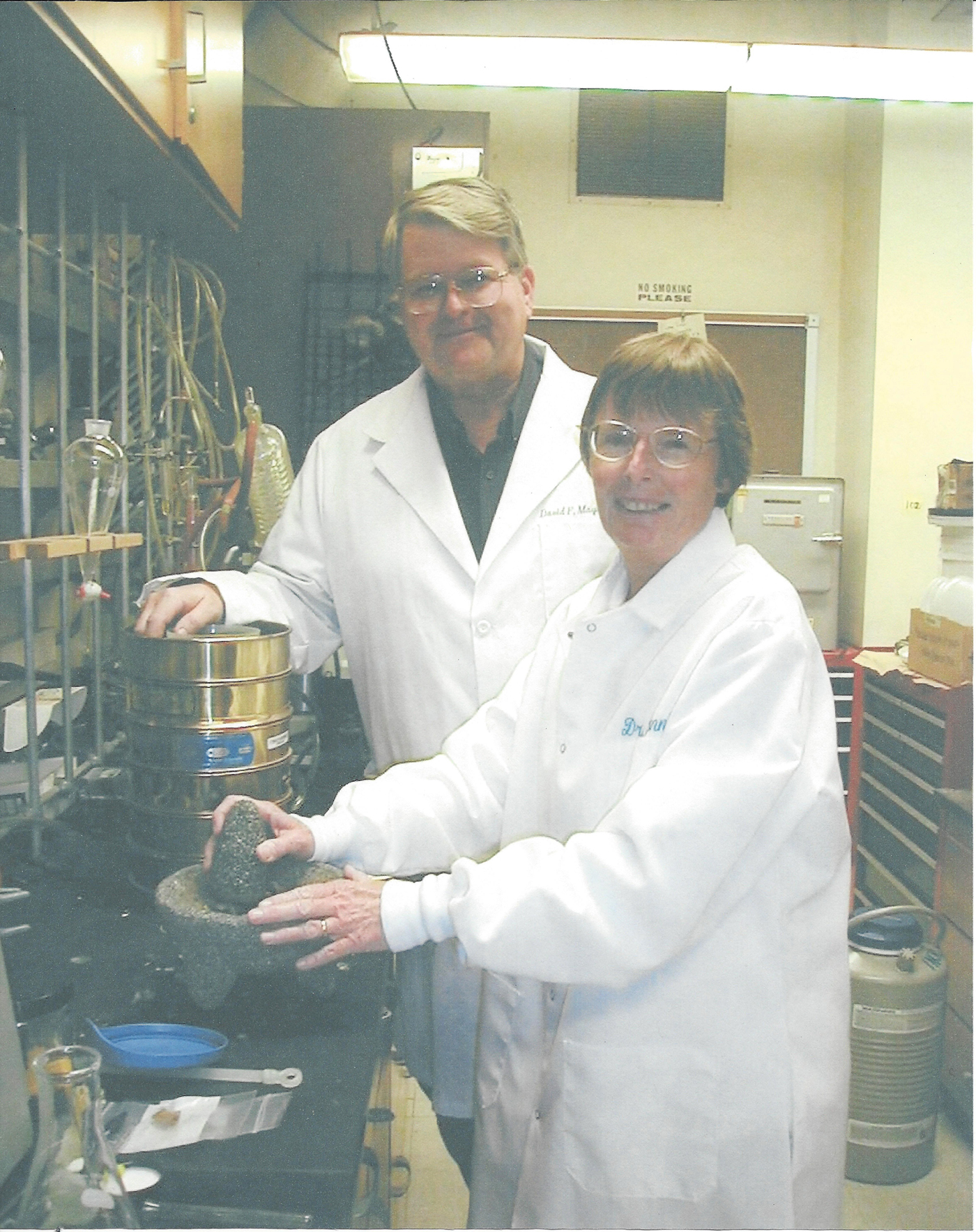
Together, these experiments led to the establishment of the Laboratory for Ancient Materials Analysis (LAMA) at CSUSB (Figure 11). Our activities expanded to chemical identifications of ancient adhesive materials used in both feather and stone mosaics (with David Maynard of CSUSB's chemistry and biochemistry department). I have been fortunate in sharing the directorship of LAMA with such a knowledgeable chemist, and we have identified adhesive materials in objects ranging from the small feather disk in Mexico City's Museo Nacional de Antropología, to Pakal's mask and mosaic masks from Calakmul and Oxkintoc, to turquoise mosaics housed in the National Museum of the American Indian (Smithsonian Institution). These pursuits, in turn, have led to inquiries into Mesoamerican mosaic technology generally. I have long appreciated the ingenuity of the ancient Mexicans, and this is particularly evident in the achievements of the artisans. Imagine my pleasure at discovering—through our experiments and tests—that a mixture of copal and pine resin yielded a stronger adhesive than either material alone…and that such a mixture was used on some turquoise mosaics in the British Museum (McEwan et al. Reference McEwan, Middleton, Cartwright and Stacey2006)! While I cannot prove it, I like to think that the artisan's choice of adhesive was based on scientific forethought and practical experience rather than random happenstance.
David Maynard and Frannie, preparing orchid roots for experiments and testing.

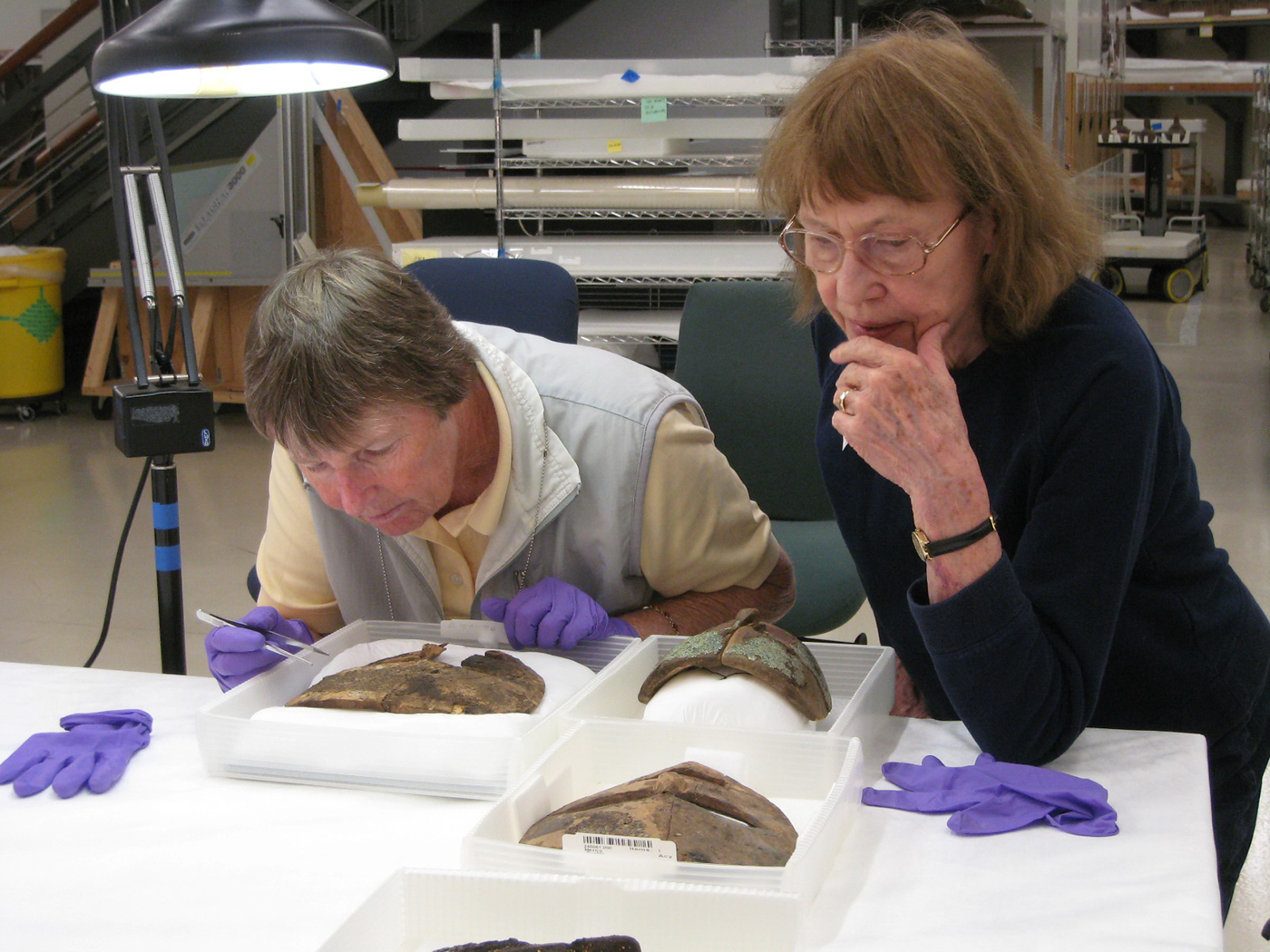
A logical next step was immersion in museum collections and close examination of relevant objects, which has turned out to be a particularly enjoyable pursuit, whether at the Museo Templo Mayor in Mexico City, the Museum für Völkerkunde in Vienna, the Field Museum in Chicago, the Museum of Man in San Diego, the National Museum of the American Indian-Smithsonian Institution (NMAI) in Maryland, and others. Although many objects in museum collections have shadowy histories and unknown provenances, they still tell interesting technological and manufacturing stories that can be especially exciting and revealing (see Filloy Nadal Reference Filloy Nadal2010; Haag et al. Reference Haag, Weber and Feest2012; Stacey and Cartwright Reference Stacey, Cartwright, Ambers, Higgitt, Harrison and Saunders2009). For example, Sue Scott introduced me to the treasures of the NMAI collections, and together we visited that repository several times. Joined by Richard Diehl, Jenny Berdan, and geologist Alyson Thibodeau on various occasions, we concentrated on an intriguing set of ancient Mexican turquoise mosaics (Figure 12). The variation in materials and apparent skill levels evident in the several pieces raised intriguing questions of differential status, wealth, and goals involved in the production of these types of objects. In addition, preliminary analyses of turquoise and adhesive samples from this collection suggest that some of our ideas of long-distance trade and regional interactions may well need to be revisited.
Sue Scott and Frannie at the CRC, National Museum of the American Indian working on ancient Mexican turquoise mosaics.

RETROSPECT AND PROSPECT
On reflection, the choice of Aztecs as a specialization was a propitious fit. The kind of data brought to bear on this complex and dynamic way of life derives from ethnohistory, archaeology, linguistics, experimental archaeology, and ethnography. I was fortunate to have training and experience in all of these (some more than others). My main preoccupation has been the Aztec economy, with forays into areas such as colonial Nahua life, Nahuatl documentation, ethnicity, empire building, feather and stone mosaics, and central Mexican glyphic writing. I have never really ventured into the lofty world of abstract “big theory.” But, there has always seemed to be plenty to do closer to the ground, and my mind is more comfortable there. I know that many grand ideas and theories have come (and some gone) during all of this, but I believe that a sound and accurate understanding of the data is still a necessary foundation for reconstructing ancient lifeways.
Along the way I have had the immense good fortune to have worked with many scholars who have actively shaped (and who continue to shape) this field. I have learned to appreciate that a particularly effective way to grapple with tough questions is to assemble a strong, congenial, and good-humored group of scholars, with differing points of view, yet also with a shared sense of purpose. I have always been extremely lucky on that front.
When I entered the field, the dictum was that without the rich documentary record, we would not be talking about the Aztecs as an empire at all. The archaeological record was slim at best. But that has entirely changed over the past four-plus decades, and now we detect an empire through many different lenses—documentary, archaeological, linguistic, and art historical. This has been an exciting time in Aztec studies: I am very fortunate to be living in “interesting times.” Lockhart's work (for example, Reference Lockhart1992) on colonial Nahua life has taken us to new levels of understanding social history, and his approach has been carried on by his many students. The unrivaled and on-going discoveries at the Templo Mayor in Mexico City (including López Luján Reference López Luján, de Montellano and de Montellano2005, Reference López Luján2006; Matos Moctezuma Reference Matos Moctezuma1988) have revealed unexpected views of Aztec life and have opened new lines of research (for example, Melgar Tisoc and Solís Ciriaco Reference Melgar Tisoc, Ciriaco, Sil, Trujeque, Alatorre and Castro2010). Archaeological investigations in other Late Postclassic centers under Aztec rule or influence have yielded insights into the lives of the conquered or co-opted (see Brumfiel Reference Brumfiel1987; Chance and Stark Reference Chance and Stark2007; Smith Reference Smith and Plunket2002; Smith and Heath-Smith Reference Smith, Heath-Smith, Hodge and Smith1994). Art historians are contributing stylistic and other perspectives on materials ranging from ancient books (Boone Reference Boone2000) to massive sculptures (Umberger Reference Umberger, Berdan, Chance, Sandstrom, Stark, Taggart and Umberger2008), and anthropological studies of Aztec world view and beliefs have blossomed (López Austin Reference López Austin, de Montellano and de Montellano1993; Olivier Reference Olivier2003). Beyond the Florentine Codex, the major codices have received full facsimile and analytical treatments (see, for example, Quiñones Keber [Reference Quiñones Keber1995], Diel [Reference Diel2007], and various special issues of Arqueología Mexicana). Ethnographers have offered exciting analogies and thought-provoking ideas on cultural continuity and change (for example, Sandstrom Reference Sandstrom1991). Ideas are becoming more sophisticated and explanations more bold. Some are looking more comparatively (for example, Blanton Reference Blanton, Berdan, Blanton, Boone, Hodge, Smith and Umberger1996), some are refining concepts and making them more operational (for example, Hirth Reference Hirth and Hirth2009), and still others are trying out models and concepts developed by scholars in other fields (as in the world systems model and other on-going work by Mike Smith). And this is just a sample.
Collectively and individually these and other scholars have accomplished a great deal, but, happily, there is still much to do. I think back to that little experience in “The Stairwell” in Austin. At that time I thought that new ideas were few and far between and hard to come by. Now I know better—we are far from discovering the last shred of fascinating data or from having the last good idea. I think of the synthetic treatment of the Aztecs that I recently completed (Berdan Reference Berdan2014) and how different it would have looked if written 10 years ago, and also how different such a book will look 10 years from now.
I officially retired from CSUSB in 2010. The CSU system offers a “winding down” process whereby the retiree can continue to teach a few courses each year for five years. I am entering the last year of this weaning process; transitioning from teaching means more time for writing, from which I will never be weaned. I am engaged in writing a book on Aztec daily life with Mike Smith; completing articles on the empire, globalization, glyphic writing, and featherwork; continuing experiments on mosaics (feather and stone)…and then there's that comprehensive study of Aztec natural history that I have long wanted to sink my teeth into….
Acknowledgments
I am very grateful to William Fowler for asking me to write this article, thus giving me the opportunity to take this little journey back in time. And special thanks to Bob Berdan and Jenny Berdan, who both read and commented on an early draft, and measurably improved the article's presentation.