The capacity to repeat a novel phonological form such as woogalamic is one of the most basic and important language abilities. Every word we now know was once unfamiliar to us, and on many occasions will have started its journey into our mental lexicon via such a repetition attempt. The repetition of nonwords starts very early in life: children spontaneously mimic the words of others from the first year of infancy onwards, and by 2 years of age are usually willing to attempt repetition of a spoken nonword on request. The apparent simplicity of the act of repeating a nonword is, however, deceptive. The ability to repeat multisyllabic nonwords in particular is subject to a high degree of individual variation during childhood, and probably represents the most effective predictor of language learning ability that is currently known. In this article I speculate on why nonword repetition is so closely linked with language learning.
The main claims, some of which are widely shared and others of which are more contentious, are as follows. First, one of the most important constraints on both nonword repetition and word learning is the quality of temporary storage of phonological representations, and this quality is multiply determined. Second, nonword repetition and word learning are also influenced by a cascade of sensory, cognitive, and motor processes. Third, an impairment of phonological storage typically accompanies but may not be the sole causal factor in a key disorder of language learning, specific language impairment (SLI).
NONWORD REPETITION AND WORD LEARNING: CORE EVIDENCE
In this section, the key empirical facts relating to the association between nonword repetition and word learning that have guided our theoretical understanding in this area are summarized. Interpretation of these core facts is provided in the subsequent sections, organized around the three main claims.
Nonword repetition and vocabulary acquisition
In typically developing children, the ability to repeat nonword accurately is closely and specifically related to one particular aspect of language learning: vocabulary acquisition. The association was first established in a longitudinal study of children aged between 4 and 8 years, who were tested at four points in time on measures of receptive vocabulary knowledge, nonword repetition, and nonverbal reasoning ability (Gathercole & Baddeley, 1989; Gathercole, Willis, Emslie, & Baddeley, 1992). The nonword repetition set constructed for the purposes of this study consisted of 40 stimuli such as prindle, frescovent, and stopograttic, which ranged in length from one to four syllables. Repetition attempts were scored as incorrect if any phonological errors were made. Vocabulary and nonword repetition scores were highly correlated with one another at ages 4, 5, and 6 years (r = .52–.56, p < .001 in each case), even after the possible confounding factors of variation in age and nonverbal ability were taken into account. Indeed, within samples of children sampled within a school year age band, nonword repetition scores are typically independent of such measures of general cognitive ability (Gathercole, Willis, Emslie, & Baddeley, 1994).
Comparably close and specific associations between nonword repetition and vocabulary knowledge have since been demonstrated in many other studies of the acquisition of vocabulary of both the native language (e.g., Avons, Wragg, Cupples, & Lovegrove, 1998; Gathercole & Baddeley, 1989; Gathercole, Hitch, Service, & Martin, 1997; Michas & Henry, 1994) and foreign languages (Masoura & Gathercole, 1999, 2005; Service, 1992; Service & Kohonen, 1995). The link between vocabulary knowledge and nonword repetition is typically strongest during the early stages of acquiring a particular language. For example, in the longitudinal study described earlier, the association between nonword repetition and native vocabulary scores at 8 years of age had declined markedly in strength (r = .28), although it remained statistically significant (see also Gathercole, 1995; Gathercole, Tiffany, Briscoe, Thorn, & The ALSPAC Team, 2005a). Foreign vocabulary learning shows the same diminution in the association between nonword repetition and vocabulary knowledge in more advanced language learners. This is illustrated in Masoura and Gathercole's (2005) recent study of Greek children who had been studying English as a second language for an average of 3 years. Nonword repetition ability in this sample was highly related to knowledge of English vocabulary (r = .48, p < .001). However, learning of further as yet unknown English words paired with their Greek equivalents showed no association with nonword repetition scores but was closely related to the children's existing English vocabulary. Similar findings were reported by Cheung (1996) in a study of Hong Kong children learning English as a foreign language.
We interpret these results as reflecting two important features of vocabulary learning. First, relatively experienced second language learners are able to use their substantial lexicons to mediate learning by access to lexical phonological representations of close neighbors, rather than relying on the more basic phonological learning mechanism tapped by nonword repetition. Such lexically supported learning has the advantage of capitalizing on knowledge structures (which may be semantic, conceptual, or phonological in form) that have already been constructed. The greater the size of the lexicon, the more effective this strategy will be. Second, exposure to the natural vocabulary acquisition in the native language is highly redundant, characterized by repeated encounters with new vocabulary items. With time and sufficient exposure, even the child with poor phonological learning ability will succeed in forming the stable lexical representation of the sound of a new word. We propose that this is the reason why even children with very low nonword repetition scores at 5 years of age can, in time, achieve age-appropriate levels of vocabulary knowledge (Gathercole et al., 2005a).
Experimental analogs of natural vocabulary acquisition such as paired-associate learning have reinforced these conclusions, and provided a valuable means of exploring the nature of the association between nonword repetition and word learning that controls exposure to the novel stimuli. Using these methods, it has been established that children with relatively low nonword repetition scores are slower to learn the novel phonological forms of new words, such as the name Sommel of an unfamiliar toy monster (Gathercole & Baddeley, 1990a), of the label foltano paired with a description of a noisy dancing fish (Gathercole et al., 1997), or of the word coracle defined by the features is a round boat, was used for fishing, and can be carried on your back (Michas & Henry, 1994). The link between word learning and nonword repetition is restricted however to the learning of the sound form of the new word. When the stimulus items to be learned either consist of familiar (e.g., Michael rather than Sommel) rather than unfamiliar phonological structures (Gathercole & Baddeley, 1990a; Gathercole et al., 1997), or the novel phonological form is used as a cue to elicit associated semantic information rather than vice versa (Gathercole et al., 1997), the statistical association with nonword repetition scores is eliminated.
Although the developmental association between nonword repetition and native vocabulary knowledge declines with increasing age beyond the middle childhood years, the link with the ability to learn novel words persists in older participant groups under conditions that do not favor the use of a lexical mediation strategy. Thus, the 8-year-old children we studied with very poor nonword repetition abilities at 5 years of age were impaired in learning new phonological information under controlled laboratory conditions (Gathercole, Tiffany, Briscoe, Thorn, & The ALSPAC Team, 2005b), despite having normal native vocabulary knowledge (Gathercole et al., 2005a). The link also extends to older populations: nonword repetition ability in adults is highly associated with the rate of learning novel phonological forms that do not closely resemble familiar native words (Atkins & Baddeley, 1998; Gupta, 2003). There is some evidence that this association is stronger in older than young adults (Service & Craik, 1993).
Results from an important study by Papagno and Vallar (1995) indicate that this association extends to exceptionally strong as well as weak word learning abilities. They compared the nonword repetition and novel word learning abilities of young adults classified as either polyglots (who were proficient at a minimum of three languages, and were studying a foreign language at university) or nonpolyglots. Two key findings emerged. First, the polyglots had superior nonword repetition scores to the nonpolyglots. Second, nonword repetition was a highly and specifically associated with the ability to learn novel words in the word learning task. Together, these findings indicate that the word learning mechanism tapped by nonword repetition operates across the life span, although its operation under some conditions may be masked in already proficient users of the language.
Nonword repetition and SLI
The severe deficit in nonword repetition of children with SLI has attracted extensive attention from both researchers and clinicians in the fields of psychology and communication sciences. SLI is diagnosed in children who fail to develop language normally despite normal general cognitive functioning, intact sensory processes, and adequate environmental opportunity. The language of children with SLI is characterized by impairments in lexical, grammatical, and morphological development (see Leonard, 1998, for review). Experimental studies of word learning have established that individuals with SLI have disproportionate difficulty in acquiring the phonological forms of new words (Dollaghan, 1987; Ellis Weismer & Hesketh, 1996; Gray, 2004).
Children with SLI have marked deficits in the repetition of multisyllabic nonwords (e.g., Archibald & Gathercole, in press-a; Botting & Conti-Ramsden, 2001; Conti-Ramsden & Hesketh, 2003; Dollaghan & Campbell, 1998; Ellis Weismer et al., 2000; Gathercole & Baddeley, 1990b; Gray, 2003; Kamhi & Catts, 1986; Montgomery, 1995a). The magnitude of the deficit is worthy of note. In Gathercole and Baddeley's (1990b) study, the children with SLI were on average 8 years of age, and performed at the 6-year-old level on standardized measures of language including vocabulary, comprehension, and reading. However, their nonword repetition performance was impaired even in comparison with a younger group of typically developing children matched for language ability, with scores of the SLI group corresponding to those of average 4-year-old children, representing a 4-year lag in repetition ability (Gathercole & Baddeley, 1993). Thus, in this sample, the deficit in nonword repetition was of greater severity than the language deficits upon which the diagnosis of SLI is based.
The nonword repetition deficit in children with language impairment is present across the full range of childhood years, ranging from the preschool period (Gray, 2003) through to adolescence (Botting & Conti-Ramsden, 2001; Stothard, Snowling, Bishop, Chipchase, & Kaplan, 1998). The deficit has also been found in older children whose language impairment has apparently resolved (Bishop, North, & Donlan, 1996). The consistency and magnitude of the nonword repetition deficit in SLI has led to its adoption as a behavioral marker for the disorder (Bishop et al., 1996; Conti-Ramsden & Botting, 2001; Conti-Ramsden & Hesketh, 2003; Dollaghan & Campbell, 1998). Palladino and Cornoldi (2004) also reported deficits in nonword repetition in adolescent students with a foreign language learning disorder. Close associations with poor nonword repetition abilities may therefore extend beyond SLI to other language-related learning disorders.
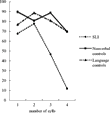
A hallmark of the nonword repetition deficit in SLI is that its magnitude increases with the number of syllables in the nonword stimuli. This finding was first reported by Gathercole and Baddeley (1990b), who found that the SLI group were markedly impaired in repeating the three- and four-syllable nonwords, but not the one- and two-syllable stimuli. The data are summarized in Figure 1. Increased sensitivity to increasing length of nonwords has now been replicated in many samples of children with SLI (e.g., Archibald & Gathercole, in press-a; Bishop et al., 1996; Dollaghan & Campbell, 1998; Marton & Schwartz, 2003; Montgomery, 1995a).

The mean nonword repetition scores as a function of the number of syllables and group; SLI, specific language impairment. From “Phonological memory deficits in language disordered children: Is there a causal connection?”, by S. Gathercole and A. Baddeley, 1990, Journal of Memory and Language, 29. Copyright 1990 by Elsevier. Reprinted with permission.
The severe deficits in nonword repetition that accompany SLI are highly heritable. In a key study, Bishop et al. (1996) compared monozygotic (MZ) and dizygotic (DZ) twin pairs in which at least one child (the proband) had a prior diagnosis of language impairment. The children were tested on the Children's Test of Nonword Repetition (CNRep; Gathercole & Baddeley, 1996), a modified version of the test employed by Gathercole and Baddeley (1989). The CNRep consists of 10 nonwords each containing two, three, four, and five syllables, and is standardized for use with children ages 4–9 years. The key finding of the Bishop et al. study was that the SLI probands scored very poorly on the CNRep, and that the CNRep test scores were significantly lower in the MZ than the DZ co-twins, indicating a high degree of heritability to the deficit. Moreover, nonword repetition deficits were present even in those individuals with a prior diagnosis of language impairment whose language problems had resolved by the time of testing. These findings indicate that the nonword repetition deficit in SLI has a strong genetic basis, and have led to recommendations of its use as a phenotypic marker of the disorder (Bishop et al., 1996). Further, twin studies have strongly reinforced this conclusion (Bishop, Adams, & Norbury, 2005; Bishop, Bishop, Bright, Delaney, & Tallal, 1999; Kovas et al., 2005). There have also been important advances in understanding the chromosomal basis of the nonword repetition deficit in SLI. Findings from two large-scale studies using quantitative trait loci linkage to identify loci shared by SLI and nonword repetition have identified abnormalities on chromosome 16 (SLI Consortium, 2002, 2004).
Poor nonword repetition ability has also been found in children with poor reading abilities (Brady, Shankweiler, & Mann, 1983; Kamhi & Catts, 1986; Roodenrys & Stokes, 2001; Snowling, 1981; Snowling, Goulandris, Bowlby, & Howell, 1986). In the Snowling (1981) study, dyslexic children were impaired in their repetition of the lengthiest (four-syllable) nonwords compared even with younger control children of matched reading ability, a finding that corresponds closely to the SLI profile. Nonword repetition ability appears to have a more complex relationship with reading difficulties than with more pervasive language impairments. Twin studies have established that nonword repetition ability is not a strong predictor of reading ability in the general population but that within the sample of children obtaining very low repetition scores, reading difficulties have a strong genetic basis (Bishop, 2001; Bishop et al., 2004). These authors suggest that the majority of children underachieve in reading as a consequence of environmental causes, but that a smaller residual group have severe and extensive reading difficulties that have a genetic origin that is shared by nonword repetition. Thus, although nonword repetition shares stronger statistical association with language than reading ability, substantial deficits in the task are strongly associated with learning failures in both areas.
The conclusion that nonword repetition ability is highly heritable is further reinforced by evidence that it is relatively unaffected by identifiable environmental influences. Repetition scores do not distinguish White American from African American children (Campbell, Dollaghan, Needleman, & Janosky, 1997), and are not significantly associated with maternal education levels (Alloway, Gathercole, Willis, & Adams, 2004). On this basis, nonword repetition has been hailed as a culture fair method of screening children for language risk (Campbell et al., 1997; Washington & Craig, 2004). Consistent with this, a recent twin study by Kovas et al. (2005) found that the shared environment of twin pairs had a very minor influence on nonword repetition, accounting for only 9% of total variance in test scores, markedly less than any other measure included in the study. A consequence of this apparent independence of nonword repetition ability from environmental experience is that nonword repetition ability may be relatively impervious to modification by training.
In summary, children with SLI are characterized by a substantial and highly heritable deficit in repeating lengthy multisyllabic nonwords. A similar deficit is also present in children with severe reading difficulties. Understanding the processes involved in nonword repetition is therefore not only important for theoretical analysis of language learning in typically developing populations and in adults, but may also hold the key to understanding developmental disorders of language learning.
NONWORD REPETITION AND WORD LEARNING BOTH REQUIRE PHONOLOGICAL STORAGE
The close and systematic patterns of association between nonword repetition and language learning abilities raise the question: what does the task measure? It is argued here that one major constraint on nonword repetition is the availability of accurate phonological representations to guide the production of an utterance matching the phonological input. The capacity to store a nonword on any single occasion is not the product of a single factor: it is influenced by the quality and persistence of the phonological representations that are characteristic of an individual, by the impact of learning conditions on phonological storage, and by prior factors affecting the initial construction of the phonological representation.
Phonological storage is conceived here in terms that correspond closely to the phonological short-term store in Baddeley's (1986) model of the phonological loop. Auditory linguistic inputs are automatically represented in the store, where they are subject to rapid time-based decay. The decay of the representations can be offset by a subvocal rehearsal process that boosts their activation levels. Rehearsal is a volitional strategy that is closely associated with covert articulatory processes and that does not typically emerge until after 7 years of age (see Gathercole & Hitch, 1993, for a review).
The phonological loop is conventionally assessed using serial recall tasks in which verbal items are presented at a regular pace for immediate recall in the original input sequence. A measure of phonological loop capacity is provided by the span procedure in which the sequence length is increased until the point at which recall errors are made; memory span is the longest length at which the individual can accurately recall a sequence. Memory span is usually measured using digit names or short familiar words as the memory stimuli (e.g., Pickering & Gathercole, 2001).
Although the phonological loop is considered to be a storage device that is distinct from stored lexical phonological knowledge, it does not operate in isolation from more permanent knowledge representations. Immediate memory performance is strongly influenced by the lexical characteristics of the memory stimuli: in particular, serial recall is superior for words than nonwords (e.g., Hulme, Maughan, & Brown, 1991), and for words with high than low frequencies of occurrence in the language (Hulme et al., 1997). The lexicality effect appears to arise from the use of activated lexical representations to reconstruct incomplete representations held in the phonological loop at the point of retrieval, a process that is termed redintegration (Gathercole, Frankish, Pickering, & Peaker, 1999; Gathercole, Pickering, Hall, & Peaker, 2001; Hulme et al., 1997; Schweikert, 1993; Thorn, Gathercole, & Frankish, 2005). Note that according to this account, lexical activations do not directly influence the quality of temporary storage of the memory stimuli per se.
We have proposed that repetition of nonwords necessarily requires the storage of its constituent phonological segments in the short-term store, and that the quality of this storage varies markedly between individuals (Gathercole & Baddeley, 1989; Gathercole et al., 1992, 1994). A key assumption was that because nonwords do not activate lexical representations, their phonological representations are not redintegrated. Thus, nonword repetition may provide a purer assessment of phonological storage quality than serial recall measures using lexical stimuli as memory items, because lexically based reconstruction processes cannot compensate for deficits in basic phonological storage when nonwords are used.
The hypothesis that nonword repetition is limited by phonological storage capacity is supported by close associations between nonword repetition and serial recall scores, across many participant populations. Nonword repetition and digit span are highly correlated with one another in typically developing samples of children, and also in normal adult populations (see Gathercole et al., 1994, for review). Poor nonword repetition performance also invariably accompanies verbal short-term memory deficits identified on the basis of very poor memory span scores: low repetition scores are typical both of individuals with developmental impairments of short-term memory (Baddeley & Wilson, 1993; Butterworth, Campbell, & Howard, 1986) and of neuropsychological patients with damage to the left hemisphere resulting in profound deficits in verbal storage (e.g., Baddeley, Papagno, & Vallar, 1988; Trojano & Grossi, 1995).
Studies of word learning in adults also favor this view that the phonological loop is involved in the phonological learning of new words. The following conditions are known to impair phonological short-term storage: articulatory suppression (e.g., Baddeley, Thomson, & Buchanan, 1975), phonological similarity (Salame & Baddeley, 1986), and increased stimulus length (Baddeley et al., 1975). Importantly, the same variables also disrupt paired-associate learning in adults of nonword–word but not word–word pairs (Papagno, Valentine, & Baddeley, 1991; Papagno & Vallar, 1992), mirroring the specific associations between nonword repetition and nonword learning in children (e.g., Gathercole et al., 1997). A correspondingly association between verbal short-term memory and novel phonological learning was observed in short-term memory patient PV (Baddeley et al., 1988). Although PV could adequately learn associations between pairs of words in a paired-associate learning task, she was quite unable to learn any nonword–word pairs across trials. Similar patterns have also been observed in other cases of acquired and developmental impairments of short-term memory (Baddeley & Wilson, 1993; Trojano & Grossi, 1995): these individuals were able to function at a normal level across a range of intellectual tasks, but had a highly specific deficit in learning verbal material that was phonologically unfamiliar, despite normal learning of pairs of familiar words.
The evidence presented so far draws on findings from many participant groups (typically developing children, children with language learning impairments, normal adults, neuropsychological patients) and methodologies (individual differences, experimentation, and single cases). Together, this evidence indicates that nonword repetition ability is significantly constrained by phonological storage capacity, and that this capacity plays a key role in supporting learning of the sound structure of new words during vocabulary acquisition (Baddeley, Gathercole, & Papagno, 1998). Specifically, we propose that initial encounters with the phonological forms of novel words are represented in the short-term store, and that these representations form the basis for the gradual process of abstracting a stable specification of the sound structure across repeated presentations (Brown & Hulme, 1996). Conditions that compromise the quality of the temporary phonological representation in the phonological loop will reduce the efficiency of the process of abstraction and result in slow rates of learning. Although this is not the only route by which new phonological structures can be acquired (lexically mediated learning is one alternative), it is a primitive learning mechanism that is particularly important in the early stages of acquiring a language.
We interpret the nonword repetition deficit in SLI as reflecting, in part at least, an impairment of phonological storage (Baddeley et al., 1998; Gathercole & Baddeley, 1990b; see also Bishop, in press). This claim is supported by the poor performance on measures of verbal serial recall in children with SLI (e.g., Archibald & Gathercole, 2005a; Montgomery, 1995a). A phonological storage deficit would also explain the characteristic increase in the nonword repetition deficit in SLI with lengthier nonwords (e.g., Gathercole & Baddeley, 1990a). According to short-term memory theory, phonological representations are subject to time-based decay (Baddeley, 1986; Cowan, 2001; Cowan et al., 1992). Because the amount of time taken to present and repeat nonwords necessarily increases with the number of syllables, decay of the phonological representations will be greatest for the lengthiest stimuli. The effects of decay would, indeed, therefore be expected to be most marked when individuals with poor phonological storage attempt to retain such stimuli. Finally, it should be noted that although at least one of the problems in learning language faced by a child with SLI appears to be a severe deficit in phonological storage, it is probably not the only one. This point is discussed in more detail in a later section.
The initial claim that nonword repetition taps phonological storage in an entirely knowledge-free manner has now been modified in the light of evidence that language knowledge directly influences the accuracy of nonword repetition. Several phenomena demonstrate this. Repetition accuracy is significantly associated with the rated wordlikeness of the nonword, with higher levels of performance for the stimuli judged to be most wordlike (e.g., Gathercole, 1995; Gathercole, Willis, Emslie, & Baddeley, 1991; van Bon and van der Pijl, 1997; Vitevitch, Luce, Charles-Luce, & Kemmerer, 1997). Nonword repetition is also boosted when nonwords contain either syllables that are themselves lexical units (Dollaghan, Biber, & Campbell, 1993) or segments with high phonotactic frequencies (Munson, 2001; Munson, Edwards, & Beckman, 2005; Vitevitch & Luce, 2005). In fact, measures of phonotactic frequency and wordlikeness are themselves highly correlated (Munson, 2001). The same beneficial effects of increased phonotactic frequency are also found in the serial recall of nonword sequences in both children and adults (Gathercole et al., 1999; Thorn et al., 2005). Finally, repetition accuracy is greater for nonword stimuli constructed using the phonological repertoires and phonotactic rules of the native language than of a nonnative although highly familiar second language (Masoura & Gathercole, 1999, 2005; Thorn & Gathercole, 1999). A corresponding native language advantage is also observed in serial recall of native and nonnative nonword sequences (Chincotta & Hoosain, 1995; Da Costa Pinto, 1991; Thorn & Gathercole, 2001; Thorn et al., 2005).
There are at least two potential accounts of these influences of the familiarity of the constituent segments in nonwords on repetition accuracy. One possibility is that the beneficial effects of language familiarity occur prior to storage, during the perceptual analysis and construction of phonological representations that provide inputs into the phonological store. An alternative explanation is that the nonwords partially activate overlapping lexical phonological representations at input, and that these representations are used to redintegrate incomplete phonological specifications in the short-term store at the point of retrieval (Gathercole et al., 1999). We have recently attempted to distinguish between such early and late accounts of a range of language familiarity effects by analyzing the errors in adults' serial recall protocols (Thorn et al., 2005). Although the data are consistent with the classic redintegrative view that the recall advantage to words over nonwords arises from the use of lexical representations at retrieval to reconstruct stored phonological representations of words, they do not favor a similar late account of either the phonotactic frequency or language dominance effects. Instead, the findings suggest that high degrees of sublexical familiarity enhance the quality of the phonological representations per se, probably because of facilitation in their initial phonological processing (see also, Jusczyk, Luce, & Charles-Luce, 1994; Majerus, Van der Linden, Mulder, Meulemans, & Peters, 2004).
These findings can be accommodated by conceptualizing the phonological store as the set of currently activated phonological representations (Gathercole & Martin, 1996). The quality of the representations at the point of retrieval is influenced both by factors operating at perceptual analysis that determine the quality of the phonological representations (e.g., acoustic quality and phonotactic frequency), and by the endurance of these representations over time. Variation in phonological storage capacity between individuals may result from either differences in initial encoding or endurance, or both. The precise nature of variation in endurance is unknown at present, but may relate to differences in the rate of decay of phonological representations and/or of their resistance to interference.
In summary, it is proposed here that nonword repetition provides a sensitive index of the quality of phonological storage, and that this quality is determined by factors influencing perceptual analysis such as the familiarity of the constituent segments, the individual variation in the endurance of the representations, and other intrinsic storage factors such as phonological similarity and stimulus length. As phonological storage plays a key role in the construction of long-term phonological representations of new words (Baddeley et al., 1998), each of these three sets of factors will also influence the ease of new word learning. Thus, nonword learning, like nonword repetition, is impaired when the stimuli have low phonotactic frequencies (Storkel, 2001), when individuals have low phonological storage capacities as in SLI (Gray, 2004), and when stimuli are lengthy or phonologically similar (Papagno & Vallar, 1992). A central claim here is that any factors that impact on the quality of temporary phonological storage will necessarily influence the ease of forming phonological lexical representations. Even factors operating at the initial formation of the temporary phonological representation (such as phonotactic frequency) will therefore have consequence both for phonological storage and for storage-mediated learning.
NONWORD REPETITION AND WORD LEARNING ARE MULTIPLY DETERMINED
One point that has been widely acknowledged is that nonword repetition taps a range of perceptual, cognitive, perceptual, and motor processes (e.g., Bishop, Bishop, et al., 1999; Bowey, 1996, 1997; Edwards & Lahey, 1998; Gathercole & Baddeley, 1997; Snowling, Chiat, & Hulme, 1991). Because each of these processes is subject both to substantial individual variation and to developmental change, nonword repetition accuracy is necessarily a product not just of the endurance of phonological representations but also of many other processes. Extreme impairments in either peripheral input or output processes will mask the sensitivity of the paradigm to intermediate cognitive processes, either because sensory inputs are prevented from gaining access to these processes or because of disruptions in the output of cognitive representations.
In the following sections, sources of variation in processes other than phonological storage that may contribute to the close association between nonword repetition and language learning are considered. Three potentially relevant skill domains are identified: auditory processing, phonological processing, and speech–motor processing.
Auditory processing
The acoustic signal corresponding to a spoken nonword is subject to a variety of levels of analysis by the human perceptual system. A distinction can be drawn between peripheral auditory processes of sensory detection of the waveform in the cochlear and the initial transmissions of this information to the brain via the auditory nerve and central processes operating within the auditory system in the brain.
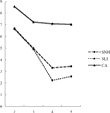
Gross impairments of hearing will inevitably jeopardize the detection and subsequent analysis of the acoustic form of nonwords. For example, Dillon, Cleary, Pisoni, and Carter (2004) reported that profoundly deaf children with cochlear implants correctly repeated only 5% of the stimuli in the CNRep (Gathercole & Baddeley, 1996). Less severe degrees of hearing loss also have impact on nonword repetition but, importantly, are not associated with the characteristic profile of increasing deficits with lengthy nonwords characteristic of poor language learners. Briscoe, Bishop, and Norbury (2001) directly compared scores on the CNRep of groups of children with either mild–moderate sensorineural hearing loss or with SLI. Although both groups were significantly poorer at repeating nonwords than either age-matched control children, they were distinguished by their sensitivity to increased length of the nonwords, as shown in Figure 2. Nonword repetition accuracy for the two groups was equivalent for the two- and three-syllable stimuli, but the SLI group showed a greater repetition decrement for four- and five-syllable stimuli.

The mean nonword repetition scores as a function of the number of syllables and group; SNH, sensorineural hearing loss; SLI, specific language impairment; CA, chronological age control group. From “Phonological processing, language, and literacy: A comparison of children with mild-to-moderate sensorineural hearing loss and those with specific language impairment,” by J. Briscoe, D. V. M. Bishop, and C. F. Norbury, 2001, Journal of Child Psychology and Psychiatry, 42. Copyright 2001 by Cambridge University Press. Adapted with permission.
Further relevant results are provided by a recent study of children with otitis media with effusion (OME), a relatively common condition in childhood that involves the buildup of fluid in the middle ear, impairing the conduction of the acoustic signal to the cochlea and leading to hearing loss for the duration of the OME episode. We had the opportunity to investigate the impact of concurrent OME on nonword repetition as part of a large-scale longitudinal cohort study in which the incidence of OME was identified by abnormal impedance in tympanometric assessments (Gathercole, Baddeley, et al., 2005). At 60 months, each child was also tested on the Children's Test of Nonword Repetition (Gathercole & Baddeley, 1996) and auditory digit span. A total of 39 children who complete all of these measures were found to have bilateral OME, reflected by flat tympanogram traces (type B by the Fiellau-Nikolajsen classification) in both ears. The hearing loss in this group was confirmed by their elevated hearing thresholds for digitized familiar spoken words spoken in quiet on the McCormick Toy Discrimination Test (Summerfield, Palmer, Foster, Marshall, & Twomey, 1994), in comparison with 39 children matched on general cognitive abilities who had normal tympanometric readings in both ears (d = 1.57).
There was little difference in auditory digit span scores in the OME and the non-OME groups (d = 0.15). The OME group were, however, impaired in repeating shorter nonwords, with effect sizes (d) of 0.68 (two syllables), 0.57 (three syllables), 0.28 (four syllables), and 0.32 (five syllables). This stands in clear contrast with the typical profile of children with SLI. Our explanation of this pattern of results is as follows. Despite their mild hearing loss, the OME group were able to reconstruct accurate phonological representations of the spoken digit names via redintegration, probably as a consequence of the high degree of phonological redundancy of this highly familiar and restricted set of vocabulary items. However, the poor peripheral auditory processing of nonword items and consequent low quality of phonological representations could not be compensated to the same degree due to the absence of strong lexical activations to guide successful redintegration, leading to a greater deficit in repeating nonwords than digit names of a similar length. The selective impairment in repeating the two-syllable stimuli may have been due to the reduced availability of prosodic and suprasyllabic cues to segment identity in the shorter items.
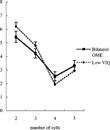
The majority of children participating in this study had also completed an assessment at 49 months that included the Wechsler Preschool and Primary Scale of Intelligence—Revised (Wechsler, 1990). We used these earlier scores to select a subgroup of 49 children with no OME in either ear at 5 years, and who had low verbal IQ scores (<86) but normal range nonverbal IQ scores (>85) at this earlier point in time. The mean verbal IQ of the group was 79.1 (SD = 5.25); mean performance IQ was 101.98 (SD = 11.17). These children were compared with individuals with average verbal and performance IQ scores (means = 101.53 and 101.10, respectively). Although the majority of the children in the low verbal IQ group will not have had a diagnosis of SLI, their IQ profile does correspond to that of poor language learners. On this basis, we might predict that these children would perform relatively poorly on nonword repetition, and that they might show the increase in the repetition deficit with increasing nonword length that is characteristic of SLI. The results were consistent with this prediction. The low verbal ability group were impaired on nonword repetition, and the magnitude of the repetition deficit increased over greater syllable lengths: values of d were 0.12 (two syllables), 0.17 (three syllables), 0.85 (four syllables), and 0.67 (five syllables). This nonword repetition profile corresponds to that observed in SLI groups. Figure 3 shows the mean scores for both the bilateral OME group and the low verbal ability group. Nonword repetition performance did not differ significantly between the groups (p > .05). The interaction between group and nonword length was, however, significant (p < .005): the low verbal ability group repeated the two- and three-syllable nonwords more accurately than the OME group, whereas the OME group performed more highly than the low verbal ability group on the four- and five-syllable stimuli. Conductive hearing loss and low verbal ability therefore had dissociable effects on nonword repetition.

The mean scores on the CNRep as a function of the number of syllables and group (Gathercole, Tiffany, et al., 2005b).
The data from Briscoe et al. (2001) and Gathercole et al. (2005) converge in establishing that although hearing impairments are associated with decrements in nonword repetition, they do not result in the selective increase in the repetition deficit with lengthy nonwords that has been found in both children with SLI and low verbal ability children. Undetected hearing loss is therefore unlikely to underlie the characteristic nonword repetition difficulties of poor language learners.
Individuals with SLI do, however, have problems with central auditory processing. One influential theory is that the problem lies in an inability to process rapidly presented sounds, resulting in unstable phonological representations that impair language processing and learning. Much of the evidence in support of this view comes from the Auditory Repetition Task (ART), in which participants hear two tones separated by a variable interstimulus interval (ISI), and are asked to judge which of the tones (first or second) had the higher frequency. It is argued that a deficit in processing rapidly changing stimuli will have particularly marked impact on the perceptual analysis of speech as a consequence of the rapid transitional information present in consonants in particular (Tallal & Piercy, 1975). Children with SLI typically require much longer ISIs to achieve high rates of performance in this task (Tallal & Piercy, 1973, 1975). This and subsequent evidence (e.g., Tallal, Stark, & Mellitts, 1985) provided the backdrop for the development of an intervention program for children with language impairments in which intensive training in the discrimination of rapid acoustic transitions in synthetic speech stimuli was found to result in dramatic gains in language abilities (Merzenich et al., 1996; Tallal et al., 1996).
Although the fact that many children with SLI have central auditory processing deficits is widely accepted, specific claims of temporal processing deficit theory have been contested (see Rosen, 2003, for review). Particular problems for the theory lie in findings, first, that significant group deficits in SLI have not always been found in processing brief nonspeech auditory stimuli (Bishop, Carlyon, Deeks, & Bishop, 1999; Heltzer, Champlin, & Gillam, 1996; McArthur & Bishop, 2004), second, that a sizeable minority of children with SLI have entirely normal auditory processing (Rosen, van der Lely, Adlard, & Mangarani, 2000), and third, that deficits have often been found not to be restricted to or even most marked with short ISIs in the ART (e.g., Bishop, Bishop, et al., 1999).
Although the specificity of the auditory processing deficit in SLI to rapid transitions in particular remains open to debate, recent event-related potential (ERP) studies have reinforced experimental evidence of auditory processing deficits in SLI by identifying abnormalities in associated cortical processing. On a variant of the ART tone discrimination task, children with SLI were found to have inappropriate ERPS in the N1–P2–N2 range associated with auditory processing (Bishop & McArthur, 2005; McArthur & Bishop, 2004). On the basis of longitudinal evidence that such abnormalities in ERPs resolve across time in some individuals, these authors suggest that the auditory processing may be sluggish in SLI due to delayed maturation of the auditory cortex (Bishop & McArthur, 2004, 2005).
An important issue is whether the difficulties experienced by children with SLI in repeating nonwords are simply a consequence of such problems in central auditory processing. Results from one study suggest not, and indicate that the nonword repetition and auditory processing deficits in SLI have distinct origins. In their twin study of SLI, Bishop, Bishop, et al. (1999) included measures of both nonword repetition (CNRep) and temporal processing (ART). As discussed above, a large deficit on the CNRep was found in the SLI probands, and comparisons of the MZ/DZ correspondences in CNRep scores established a high degree of heritability to the deficit. The SLI children were also impaired on the ART, although it should be noted that contrary to the temporal processing deficit theory, the impairment was found both with short and long ISIs. The most important finding for the present concerns, though, was that there was an equivalent degree of association in ART scores between SLI proband and both MZ and DZ co-twins. This pattern of correspondences indicates that the deficit is not heritable, but is instead attributable to the shared environments of the twins. Possible features of the environment that may play a role here include musical training (Bishop, in press) and physical conditions promoting OME (Tallal et al., 1996). Note that reports that auditory processing deficits can be ameliorated with appropriate training (Merzenich et al., 1996; Tallal et al., 1996), further suggest that these difficulties can be modified as a consequence of environmental experience.
In summary, central auditory processing is impaired in many children with SLI. Although these problems may directly influence important aspects of language processing and language acquisition, current evidence indicates that deficits in neither hearing nor central auditory processing cause the distinctive problems in nonword repetition associated with this language learning disorder.
Phonological processing
Following the acoustic and auditory processing of incoming speech, the phonological structure must be identified; this requires a set of processes that have variously been termed phonological processing, phonological awareness, and phonological sensitivity. According to the present theoretical framework, it is these processes that lead to the initial construction of sound-based representations, the endurance of which corresponds to the phonological storage supporting nonword repetition.
There is considerable empirical support for a distinction between the initial products of the perceptual discrimination of phonological structure and subsequent storage. Children with SLI have typically been found not to be impaired in their abilities to discriminate pairs of spoken items that are either identical or differ only in a single phoneme or articulatory feature (Edwards & Lahey, 1998; Gathercole & Baddeley, 1990b; Marton & Schwartz, 2003); an exception that has not been replicated is the finding by Montgomery (1995a) of impaired discrimination of four-syllable nonwords (but not shorter stimuli) in SLI. Marton and Schwartz compared both nonword discrimination and nonword repetition. The group comparison of SLI versus age-matched controls yielded effect sizes (d) of 0.22 (two syllables), 0.28 (three syllables), and 0.00 (four syllables) on the discrimination task, and 0.43 (two syllables), 1.3 (three syllables), and 1.36 (four syllables) on nonword repetition. Thus the nonword repetition deficit in SLI is clearly much greater in magnitude that any deficit in perceptual discrimination.
This distinction between phonological processing and phonological storage is by no means universally held. A contrasting view is that it is the adequacy of these phonological processes rather than phonological storage that underlies both the strong developmental associations found between nonword repetition and vocabulary knowledge in typically developing children (Bowey, 1996), and also the nonword repetition and language learning problems faced in SLI (Chiat, 2003). Such claims, particularly related to typically developing children, are supported by findings that measures of phonological awareness such as rhyme, detection, phoneme detection, and phoneme deletion are also highly associated with vocabulary knowledge (Bowey, 1996, 2001; Metsala, 1999). Phonological sensitivity is also closely linked with new word learning abilities (de Jong, Seveke, & van Veen, 2000). Moreover, phonological awareness and nonword repetition measures have in some studies been found to account only for common variance in vocabulary scores (Bowey, 1996; Metsala, 1999). Other studies have established unique statistical associations of either nonword repetition or phonological awareness with vocabulary, although the amounts of residual variance accounted for by the individual measures are typically small (Bowey, 2001; Gathercole, Willis, & Baddeley, 1991).
On this basis, it has been argued that nonword repetition and measures of phonological awareness tap a common phonological processing substrate and that this, rather than the quality of phonological storage, is the primary determinant of ease of phonological learning (Bowey, 1996, 2001; Metsala, 1999). Theorizing about this substrate (the efficiency of which is often termed phonological sensitivity) and the role it plays in both nonword repetition and vocabulary learning is closely linked with the lexical restructuring hypothesis. According to this, the young child during the early stages of vocabulary acquisition represents new words in a relatively wholistic manner, possibly in terms of associated acoustic or articulatory patterns (Munson et al., 2005). The density of the lexicon increases as vocabulary learning continues, up to the point at which the child is forced to improve the economy of its organization by shifting towards employing more analytic representations of sublexical structure, relating either to syllables or phonemes. In this way, vocabulary expansion stimulates phonological sensitivity, which in turn, facilitates the metalinguistic judgments required in phonological awareness tasks, the representation of phonological unfamiliar speech forms (nonwords), and the consequent learning of novel words.
It has been suggested that the improved phonological sensitivity resulting from vocabulary expansion will be particularly beneficial for the repetition of nonwords composed of relatively unfamiliar sound segments, as indexed either by low ratings of wordlikeness or by low phonotactic probabilities (Edwards, Beckman, & Munson, 2004; Metsala, 1999; Munson et al., 2005). The idea is that nonwords containing commonly occurring segments can potentially be represented by bootstrapping similar known lexical items, but that nonwords with highly novel constituent sounds instead require the formation of phoneme-based representations. Closer associations between vocabulary knowledge and the repetition of nonwords rated low than high in wordlikeness (Metsala, 1999) and of nonwords with low than high phonotactic probabilities (Edwards et al., 2004; Munson et al., 2005) are consistent with this position.
The phonological sensitivity hypothesis provides an interesting counterpoint to the theoretical framework presented in this article, representing a contrasting causal account of the correlational evidence linking nonword repetition to vocabulary knowledge. According to the phonological sensitivity hypothesis, vocabulary growth is the pacemaker in the developmental relationship, driving segmental analysis skills that benefit both the representation and learning of new words, and especially of stimuli containing relatively unfamiliar sound sequences. The phonological storage framework provides a very different explanation of these findings. By this account, the developmental association between nonword repetition and vocabulary arises as a consequence of the common involvement of phonological storage in both activities (Baddeley et al., 1998). This framework in its current form does not predict differential links between vocabulary knowledge and the repetition of nonwords varying in familiarity; rather, word learning ability would be expected to be associated with accuracy of repeating both low and familiarity nonwords. This may not necessarily be a problem. In the studies reporting increased associations between vocabulary and repetition accuracy for low familiarity nonwords, repetition accuracy on the high familiarity nonwords is typically very high, with low levels of variability (Munson et al., 2005). This raises the possibility that associations between vocabulary knowledge and repetition for highly familiar nonwords underestimated due to ceiling effects in the repetition measure. In our own work, we have obtained different results. In one study, 5-year-old children showed a significantly greater wordlikeness effect in nonword repetition than 4-year-old children, and also had higher vocabulary scores (Gathercole, 1995). In a further experimental comparison of the serial recall of nonwords in 7- and 8-year-old children with relatively high and low vocabulary knowledge for their age, sensitivity to the phonotactic frequency of nonwords was equivalent in both groups (Gathercole et al., 1999). It is therefore unclear at present whether an interaction between vocabulary knowledge and nonword familiarity genuinely is a core fact that needs to be addressed by competing theoretical accounts.
One finding that may favor the phonological sensitivity hypothesis is the apparent redundancy of the links between vocabulary and both nonword repetition and measures of phonological awareness. Can the phonological storage framework handle these data? It can, because measures of phonological awareness are themselves by no means free of dependence on phonological storage. Consider a rhyme oddity detection task, typically given to children up to about 5 years of age: Which of these words is the odd one out? mat, sun, cat. Performance on this task requires storage of phonological representations of the three words for a sufficient period to make the phonological comparisons, which may well be even longer than required for immediate recall. Given that the average 4- and 5-year-old child has a word span of about three items (Pickering & Gathercole, 2001), it is likely that many children will fail such a test due to an inability to meet the storage demands. Phonological awareness performance is therefore constrained in part at least by the quality of phonological storage. This dependency is reciprocal, as processes and factors influencing the initial construction of phonological representations will themselves impact on the quality of phonological storage. Redundant associations between vocabulary and measures of phonological storage and phonological awareness are therefore not in principle contrary to this framework.
One core finding that any satisfactory theory must accommodate is the increase in the nonword repetition deficit at greater nonword lengths that is characteristic of children with SLI and other poor language learners (e.g., Gathercole & Baddeley, 1990b; Snowling, 1981). As discussed above, this phenomenon fits readily with the view that SLI is associated with a deficit arising in phonological storage, which will have its greatest impact on lengthy items due to the process of decay. This function is much more challenging for the phonological sensitivity hypothesis, which does not provide a clear explanation of why a lengthy nonword should require greater phonological sensitivity than a shorter stimulus.
Findings from experimental studies of word learning in adult participants are also troublesome for the phonological sensitivity hypothesis. Selective impairments in the learning of novel word by experimental conditions that disrupt phonological storage (Papagno et al., 1991; Papagno & Vallar, 1992) have informed the development of the phonological storage hypothesis and are readily accommodated by it. In contrast, it is far from clear how the phonological sensitivity account can handle this evidence, as there is no obvious reason why variables such as phonological similarity, stimulus length, and articulatory suppression should impair phonological sensitivity, and hence, disrupt novel word learning via this route. Furthermore, in adult short-term memory patients with impaired nonword repetition and nonword learning such as PV, phonological processing is typically normal (Baddeley et al., 1988; Vallar & Baddeley, 1984).
An important related point concerns the difficulty of identifying causal mechanisms purely on the basis of developmental associations. Individual differences methodologies are extremely valuable in identifying associations between phenomena that require explanation, and indeed have framed research in this particular field. These methods are, however, less suited to teasing apart alternative hypotheses of the underlying causal relations. Experimental manipulation of hypothesized causal agents provides a valuable means of disentangling and isolating key factors and at present at least, the evidence generated from experimental methodologies appear to favor the phonological storage framework.
Finally, it should be noted that the two hypotheses make very different claims about the underlying sources of individual variation in nonword repetition and new word learning. According to the phonological storage hypothesis, the quality and endurance of phonological representations lead to the slow rates of vocabulary acquisition in some individuals (e.g., those with SLI) and fast rates in others (gifted language learners). In contrast, the phonological sensitivity hypothesis claims that vocabulary growth drives the efficiency of word learning, although the extent to which the factors governing differences in vocabulary growth are external (e.g., degree of environmental exposure) or constitutional (relating to cognitive skills) is unspecified. Note that in this respect, the phonological sensitivity hypothesis differs from phonological accounts of SLI, according to which the language acquisition problems of these children are located in deficits in basic phonological processing (e.g., Chiat, 2003).
Speech–motor output processes
Impairments in the processes involved in planning and executing the speech–motor commands that match a stored phonological representation of a nonword will inevitably disrupt the accuracy of the repetition attempt. Low nonword repetition scores are to be expected in individuals with marked phonological disorders that distort the production of even highly familiar lexical phonological forms (Snowling & Hulme, 1989), and also in more peripheral disturbances of speech–motor function such as articulatory dyspraxia and dysarthria.
Identifying the contribution of more subtle difficulties in the processes of preparing and producing speech output to nonword repetition performance is less straightforward, particularly in SLI, as many children with impaired language also have phonological disorders and speech–motor problems. Such problems may either directly lead to inaccurate production or result in slow rates of output that could exacerbate storage problems. Output skills and nonword repetition are indeed significantly linked in young children in particular. In typically developing preschool children, nonword repetition accuracy has been found to be highly associated with articulation rate (Kovas et al., 2005). In a sample of young children with language impairments, Sahlen, Reuterskiold-Wagner, Nettelbladt, and Radeborg (1999) found a close association between nonword repetition scores and the child's stage of phonological development, but not with as assessment of their oral motor and articulatory skills.
If speech–motor output problems do contribute to the nonword repetition deficit in SLI, the deficit should be greatest for stimuli that impose heaviest demands on the production of constituent segments. In some SLI groups, greater repetition deficits have been found for stimuli containing consonant clusters than single consonants (Archibald & Gathercole, 2005a; Bishop et al., 1996), although not in other studies (Gathercole & Baddeley, 1990b). A problem with these post hoc comparisons is that the stimuli differ in ways other than speech–motor complexity: for example, nonwords containing consonant clusters are likely also to have more phonemes and longer articulatory durations than those containing single consonants. In addition, at least some of the studies that have demonstrated increasing nonword repetition deficits in SLI with lengthier nonwords have employed selection criteria that exclude children with detectable phonological and articulatory output problems (Archibald & Gathercole, 2005a; Bishop et al., 1996). Further problems for the articulatory complexity hypothesis are provided by findings that slow rates of articulation do not underpin the repetition deficit in SLI (Gathercole & Baddeley, 1990b; Edwards & Lahey, 1998; Montgomery, 1995a), and that children with SLI have greatest difficulties in repeating constituent phonemes that emerge relatively late in phonological development (Edwards & Lahey, 1998). It is also unlikely that either the poor nonword repetition skills of neuropsychological patients with acquired impairments of short-term memory (e.g., Baddeley et al., 1988) or the excellent nonword repetition abilities of gifted language learners (Papagno & Vallar, 1995) arise from underlying variation in articulatory abilities in these adult populations.
On balance, the evidence suggests that in young children, nonword repetition accuracy is constrained by the maturity of the phonological and articulatory systems. The highly consistent pattern of associations found between nonword repetition and language learning abilities across ages and participant groups cannot, however, be readily explained solely in terms of individual variation in speech–motor output skills.
Nonword repetition and word learning: A framework
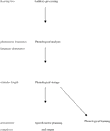
The key processes contributing to nonword repetition and the variables influencing each process discussed in the preceding sections are summarized in Figure 4. In this framework, auditory processing and phonological analysis leads to the construction of the phonological representations that are subsequently maintained during phonological storage. Influences of perceptual factors on repetition accuracy and word learning will be introduced at this stage (Roy & Chiat, 2004). The learning of the phonological form of a novel word is a gradual process of abstraction from the stored phonological representations that is typically completed after multiple exposures to relevant tokens.

The processes involved in nonword repetition. Variables influencing each process are shown in italics.
The repetition of familiar lexical items is assumed to differ from that of nonwords at two points. The construction of phonological representations that match or closely approximate to familiar words will strongly activate corresponding phonological lexical entries; nonwords will not. If the stored phonological representations of words are degraded at the time of retrieval, primed lexical representations can be used in the process of redintegration to fill in missing information. Nonwords will typically not activate any specific lexical entry sufficiently highly to enable redintegration, resulting in frequent null and truncated repetition attempts. However, it is possible that some nonwords may have such a high degree of overlap with a unique lexical entry that redintegration does occur, leading to lexical capture; this process will be most likely to occur for nonwords that are highly similar to lexical items in a sparse phonological neighborhood, such as cathedruke. Such lexicalization errors are relatively rare in nonword repetition (Gathercole et al., 1994), possibly due to the operation of a lexical consistency strategy that rejects phonological representations with known lexical status (Conlin & Gathercole, 2006).
Poor word learners such as children with SLI are assumed to have deficits in the phonological storage stage of the framework. The selective disruption in nonword repetition in such groups with increasing nonword length arises because stimulus length also directly influences phonological storage. Factors that have impact on processes either prior or subsequent to phonological storage will also affect nonword repetition accuracy, but would not be expected to interact with language learning ability in this way. It is acknowledged that impairments in processes other than phonological storage will also disrupt both nonword repetition and word learning; according to this framework they will not, however, give rise to the characteristic selective impairment in repeating lengthy nonwords. Poor word learners may also have multiple deficits that include impairments of phonological storage.
A PHONOLOGICAL STORAGE DEFICIT MAY NOT BE SUFFICIENT TO IMPAIR WORD LEARNING
A major aim of our research program in recent years has been to provide challenging tests of the hypothesis that deficits in nonword repetition arise from impairments of phonological storage that also lead to difficulties in learning language. Our findings so far indicate that although poor phonological storage is indeed closely associated with deficits in both nonword repetition and language learning, it may not in isolation be sufficient give rise to the severity of deficits in both nonword repetition and language learning that are the hallmark of SLI.
One challenging finding is that children with SLI are less impaired on measures of serial recall than nonword repetition. In our earlier work, we suggested that this difference arose from the reduced sensitivity of serial recall measures such as digit span to phonological storage constraints, as a consequence of the additional opportunity for lexical support (e.g., Gathercole & Baddeley, 1990b). More recent evidence suggests that this explanation may not be adequate. In one study (Archibald & Gathercole, in press-a), we tested a group of 20 children aged 6 to 11 years with SLI on a set of standardized assessments of short-term memory, using by the Working Memory Test Battery for Children (WMTB-C; Pickering & Gathercole, 2001) and the CNRep (Gathercole & Baddeley, 1996). The WMTB-C provides three serial recall measures of phonological short-term memory: digit recall, word recall, and nonword recall. As expected, the group performed below average levels on each test, with scores falling 1.1, 1.1, and 1.2 SDs below the population mean, respectively. The mean CNRep standard score for the group was much lower, at 3.1 SDs below the population mean. Thus, even when repetition and recall of nonlexical material was compared in both cases (CNRep vs. nonword recall), performance was markedly poorer on repetition than recall.
More recently, we have directly compared nonword repetition and serial recall of the same phonological sequences in children with SLI (Archibald & Gathercole, 2005b). In this experiment, the sequences were presented either in the form of naturally spoken multisyllabic nonwords composed of consonant–vowel syllables in the nonword repetition condition (e.g., fiemoychee), or as individual items in a sequence in the serial recall condition (e.g., fie… moy… chee). Children with SLI (age 10 years on average) and age-matched children with typically developing language were tested in both conditions. According to the phonological storage hypothesis, the memory load in both cases should be equivalent because the phonological content of the stimuli was matched in both conditions.
The results were not entirely consistent with this prediction. As expected, the SLI children were impaired on both serial recall and nonword repetition compared with the age-matched control group. However, the deficit was greater in magnitude in nonword repetition, remaining significant even when serial recall performance was statistically controlled. In contrast, in the nonword repetition condition, the SLI group showed a significant deficit relative to both of the typically developing groups. This group of children with SLI therefore had a selective deficit in the repetition of nonwords relative to serial recall of the same phonological content.
We have suggested that these data are best explained in terms of the contribution to memory for unfamiliar sequences of three areas of skill: general cognitive abilities, phonological storage, and a further as yet unidentified skill that is specific to nonword repetition. The SLI children had general cognitive abilities that were appropriate for their age, but had deficits both in phonological storage and in the specific nonword-related skill. Their deficits in phonological storage and language abilities were highly associated, so that their serial recall deficits relative to the age-matched control group were eliminated when differences associated with language abilities were taken into account. Above and beyond these phonological storage deficits, the SLI group also showed impairments that were specific to nonword repetition.
Convergent evidence that phonological storage deficits may not be sufficient on their own to cause developmental impairments of language learning is provided by our longitudinal study of children identified as having marked impairments of phonological storage (measured by both nonword repetition and digit span) at 5 years of age (Gathercole, Baddeley, et al., 2005). Although these children maintained low levels of phonological short-term memory performance 3 years later at the age of 8, their vocabulary knowledge and language abilities were entirely appropriate for their age. More subtle deficits in new word learning were, however, detectable in experimental word learning tasks that controlled environmental exposure (Gathercole et al., 2005b).
There are several clues as to the possible identity of the core deficits that combine with poor phonological storage to disrupt normal language development in SLI. One area of severe impairment in the sample of children with SLI that we have recruited in recent years is that of working memory, a term that is used to refer to the capacity to both store and manipulate information in mind for brief periods of time (Baddeley & Hitch, 1974). Whereas assessments of short-term storage such as digit span involve only the storage of information to be remembered, working memory is typically assessed using complex memory span paradigms that combine the storage of information with a concurrent processing activity. An example of a complex memory span task is listening span, in which the participant is asked to make a meaning-based judgment about each of a series of sentences, and then remember the last word of each sentence in sequence (Daneman & Carpenter, 1980).
In our sample of 20 children with SLI (Archibald & Gathercole, in press-a), the mean standard score based on complex memory measures was 74.5 ± 1.7 SDs below the population mean. The deficit was highly consistent across individuals: 19 out of the 20 children had standard scores below 85. Substantial deficits in working memory in SLI have also been reported by other research groups (Ellis Weismer, Evans, & Hesketh, 1999; Montgomery, 1995b, 2000). A subsequent study on the same sample has established that the deficits are specific to the verbal domain, with SLI children performing at age-appropriate levels on tests of visuospatial working memory (Archibald & Gathercole, in press-b).
Thus, although children with SLI have poor phonological storage capacity, their performance is even more severely impaired on measures of verbal working memory (that combine verbal processing with verbal storage) and nonword repetition. Other findings indicate that both the nonword repetition and word learning impairments in SLI are greatest under conditions of significant cognitive load. Marton and Schwartz (2003), for example, found that the nonword repetition deficit in SLI increased when the participants were required to process a spoken sentence in addition to repeating a novel word. Ellis Weismer and Hesketh (1996) tested novel word learning under conditions that varied the speaking rate of the stimuli to be learned, and found that the SLI children were impaired in learning novel words trained at a fast rate even when compared with younger control children matched on vocabulary scores. Intriguingly, Hayiou-Thomas, Bishop, and Plunkett (2004) recently reported findings that some of the deficits in receptive grammatical processing associated with SLI can be simulated in typically developing children when concurrent processing demands are increased by either compressing the speech rate or adding a memory load. Together, these data indicate that many of the problems encountered by children with SLI (in nonword repetition, in new word learning, and in grammatical processing) may relate to excessive processing loads, particularly in the verbal domain.
Perhaps, then, children with language learning difficulties have poor phonological storage capacities that they are able to compensate for to some degree by diverting cognitive resources to maintain storage that would otherwise be used to support other ongoing processing activities. As a consequence, phonological storage is more demanding of general resources in such individuals than in children with normal language development. This would certainly explain why the phonological storage deficits of children with SLI are greatest when other demands on processing are also imposed, leading to competition between storage and processing for limited resources.
Why, though, do poor word learners have more difficulties with nonword repetition than serial recall under the conventional conditions of presentation, which do not require concurrent processing? One possibility is that the processing of nonwords is a particularly demanding activity, due to the fast rates of transmission of information of the acoustic signal. Typically developing individuals may either be better able to cope with processing stimuli at this fast rate than individuals with language impairments, or may be more effective at using speech cues such as coarticulation and prosody to support the processing of nonwords. Bishop, Bishop, et al.'s (1999) findings that the greatest degrees of language impairment are associated with deficits in both phonological short-term memory and in rapid auditory processing fit well with this view that the magnitude of the nonword repetition deficit in SLI results from a combination of a phonological storage deficit that can be partly compensated by martialing more general cognitive resources and particular difficulties in processing the nonword stimuli. The joint demands on general cognitive resources result in marked impairments in the phonological storage of nonword forms, and so in the process of learning their lexical phonological forms. In contrast, children who simply have poor phonological storage will not suffer this disproportionate disruption in language learning (Gathercole et al., 2005), as they have no specific impairments in processing nonwords.
CONCLUSIONS
It is proposed that temporary phonological storage plays a key role in a primitive form of learning the phonological forms of new words across repeated exposures. The ability to repeat nonwords is highly sensitive to phonological storage capacity, which is determined not only by the endurance of phonological representations, but also by prior processes influencing the perceptual analysis of incoming speech and other intrinsic storage factors. Marked difficulties in repeating lengthy nonwords are a hallmark of problems arising specifically in the storage of phonological representations, and are characteristic of individuals with poor language learning abilities. Recent evidence indicates that individuals with SLI may have a double deficit that combines an impairment of phonological storage with a particular problem in meeting the demands of processing novel speech stimuli.
Although the theoretical impetus for much of the research in this field originates from interest in the mechanisms of language learning during childhood, the framework is informed by convergent evidence from experimental studies of adult cognition as well as developmental dependencies. Although storage-mediated learning appears to be particularly important in the early stages of acquiring a language, this evidence indicates that it is a fundamental process that can support word learning across the life span.