



%20--%3e%3c!DOCTYPE%20svg%20PUBLIC%20'-//W3C//DTD%20SVG%201.0//EN'%20'http://www.w3.org/TR/2001/REC-SVG-20010904/DTD/svg10.dtd'%3e%3csvg%20version='1.0'%20id='Layer_1'%20xmlns='http://www.w3.org/2000/svg'%20xmlns:xlink='http://www.w3.org/1999/xlink'%20x='0px'%20y='0px'%20width='64px'%20height='64px'%20viewBox='5.5%20-3.5%2064%2064'%20enable-background='new%205.5%20-3.5%2064%2064'%20xml:space='preserve'%3e%3cg%3e%3ccircle%20fill='%23FFFFFF'%20fill-opacity='0'%20cx='37.785'%20cy='28.501'%20r='28.836'/%3e%3cpath%20fill='%23595959'%20d='M37.441-3.5c8.951,0,16.572,3.125,22.857,9.372c3.008,3.009,5.295,6.448,6.857,10.314%20c1.561,3.867,2.344,7.971,2.344,12.314c0,4.381-0.773,8.486-2.314,12.313c-1.543,3.828-3.82,7.21-6.828,10.143%20c-3.123,3.085-6.666,5.448-10.629,7.086c-3.961,1.638-8.057,2.457-12.285,2.457s-8.276-0.808-12.143-2.429%20c-3.866-1.618-7.333-3.961-10.4-7.027c-3.067-3.066-5.4-6.524-7-10.372S5.5,32.767,5.5,28.5c0-4.229,0.809-8.295,2.428-12.2%20c1.619-3.905,3.972-7.4,7.057-10.486C21.08-0.394,28.565-3.5,37.441-3.5z%20M37.557,2.272c-7.314,0-13.467,2.553-18.458,7.657%20c-2.515,2.553-4.448,5.419-5.8,8.6c-1.354,3.181-2.029,6.505-2.029,9.972c0,3.429,0.675,6.734,2.029,9.913%20c1.353,3.183,3.285,6.021,5.8,8.516c2.514,2.496,5.351,4.399,8.515,5.715c3.161,1.314,6.476,1.971,9.943,1.971%20c3.428,0,6.75-0.665,9.973-1.999c3.219-1.335,6.121-3.257,8.713-5.771c4.99-4.876,7.484-10.99,7.484-18.344%20c0-3.543-0.648-6.895-1.943-10.057c-1.293-3.162-3.18-5.98-5.654-8.458C50.984,4.844,44.795,2.272,37.557,2.272z%20M37.156,23.187%20l-4.287,2.229c-0.458-0.951-1.019-1.619-1.685-2c-0.667-0.38-1.286-0.571-1.858-0.571c-2.856,0-4.286,1.885-4.286,5.657%20c0,1.714,0.362,3.084,1.085,4.113c0.724,1.029,1.791,1.544,3.201,1.544c1.867,0,3.181-0.915,3.944-2.743l3.942,2%20c-0.838,1.563-2,2.791-3.486,3.686c-1.484,0.896-3.123,1.343-4.914,1.343c-2.857,0-5.163-0.875-6.915-2.629%20c-1.752-1.752-2.628-4.19-2.628-7.313c0-3.048,0.886-5.466,2.657-7.257c1.771-1.79,4.009-2.686,6.715-2.686%20C32.604,18.558,35.441,20.101,37.156,23.187z%20M55.613,23.187l-4.229,2.229c-0.457-0.951-1.02-1.619-1.686-2%20c-0.668-0.38-1.307-0.571-1.914-0.571c-2.857,0-4.287,1.885-4.287,5.657c0,1.714,0.363,3.084,1.086,4.113%20c0.723,1.029,1.789,1.544,3.201,1.544c1.865,0,3.18-0.915,3.941-2.743l4,2c-0.875,1.563-2.057,2.791-3.541,3.686%20c-1.486,0.896-3.105,1.343-4.857,1.343c-2.896,0-5.209-0.875-6.941-2.629c-1.736-1.752-2.602-4.19-2.602-7.313%20c0-3.048,0.885-5.466,2.658-7.257c1.77-1.79,4.008-2.686,6.713-2.686C51.117,18.558,53.938,20.101,55.613,23.187z'/%3e%3c/g%3e%3c/svg%3e)
%20--%3e%3c!DOCTYPE%20svg%20PUBLIC%20'-//W3C//DTD%20SVG%201.0//EN'%20'http://www.w3.org/TR/2001/REC-SVG-20010904/DTD/svg10.dtd'%3e%3csvg%20version='1.0'%20id='Layer_1'%20xmlns='http://www.w3.org/2000/svg'%20xmlns:xlink='http://www.w3.org/1999/xlink'%20x='0px'%20y='0px'%20width='64px'%20height='64px'%20viewBox='5.5%20-3.5%2064%2064'%20enable-background='new%205.5%20-3.5%2064%2064'%20xml:space='preserve'%3e%3cg%3e%3ccircle%20fill='%23FFFFFF'%20fill-opacity='0'%20cx='37.637'%20cy='28.806'%20r='28.276'/%3e%3cg%3e%3cpath%20fill='%23595959'%20d='M37.443-3.5c8.988,0,16.57,3.085,22.742,9.257C66.393,11.967,69.5,19.548,69.5,28.5c0,8.991-3.049,16.476-9.145,22.456%20C53.879,57.319,46.242,60.5,37.443,60.5c-8.649,0-16.153-3.144-22.514-9.43C8.644,44.784,5.5,37.262,5.5,28.5%20c0-8.761,3.144-16.342,9.429-22.742C21.101-0.415,28.604-3.5,37.443-3.5z%20M37.557,2.272c-7.276,0-13.428,2.553-18.457,7.657%20c-5.22,5.334-7.829,11.525-7.829,18.572c0,7.086,2.59,13.22,7.77,18.398c5.181,5.182,11.352,7.771,18.514,7.771%20c7.123,0,13.334-2.607,18.629-7.828c5.029-4.838,7.543-10.952,7.543-18.343c0-7.276-2.553-13.465-7.656-18.571%20C50.967,4.824,44.795,2.272,37.557,2.272z%20M46.129,20.557v13.085h-3.656v15.542h-9.944V33.643h-3.656V20.557%20c0-0.572,0.2-1.057,0.599-1.457c0.401-0.399,0.887-0.6,1.457-0.6h13.144c0.533,0,1.01,0.2,1.428,0.6%20C45.918,19.5,46.129,19.986,46.129,20.557z%20M33.042,12.329c0-3.008,1.485-4.514,4.458-4.514s4.457,1.504,4.457,4.514%20c0,2.971-1.486,4.457-4.457,4.457S33.042,15.3,33.042,12.329z'/%3e%3c/g%3e%3c/g%3e%3c/svg%3e)
%20--%3e%3c!DOCTYPE%20svg%20PUBLIC%20'-//W3C//DTD%20SVG%201.0//EN'%20'http://www.w3.org/TR/2001/REC-SVG-20010904/DTD/svg10.dtd'%3e%3csvg%20version='1.0'%20id='Layer_1'%20xmlns='http://www.w3.org/2000/svg'%20xmlns:xlink='http://www.w3.org/1999/xlink'%20x='0px'%20y='0px'%20width='64px'%20height='64px'%20viewBox='5.5%20-3.5%2064%2064'%20enable-background='new%205.5%20-3.5%2064%2064'%20xml:space='preserve'%3e%3cg%3e%3ccircle%20fill='%23FFFFFF'%20fill-opacity='0'%20cx='36.924'%20cy='28.403'%20r='28.895'/%3e%3cpath%20fill='%23595959'%20d='M37.442-3.5c8.99,0,16.571,3.085,22.743,9.256C66.393,11.928,69.5,19.509,69.5,28.5c0,8.992-3.048,16.476-9.145,22.458%20C53.88,57.32,46.241,60.5,37.442,60.5c-8.686,0-16.19-3.162-22.513-9.485C8.644,44.728,5.5,37.225,5.5,28.5%20c0-8.762,3.144-16.343,9.429-22.743C21.1-0.414,28.604-3.5,37.442-3.5z%20M12.7,19.872c-0.952,2.628-1.429,5.505-1.429,8.629%20c0,7.086,2.59,13.22,7.77,18.4c5.219,5.144,11.391,7.715,18.514,7.715c7.201,0,13.409-2.608,18.63-7.829%20c1.867-1.79,3.332-3.657,4.398-5.602l-12.056-5.371c-0.421,2.02-1.439,3.667-3.057,4.942c-1.622,1.276-3.535,2.011-5.744,2.2%20v4.915h-3.714v-4.915c-3.543-0.036-6.782-1.312-9.714-3.827l4.4-4.457c2.094,1.942,4.476,2.913,7.143,2.913%20c1.104,0,2.048-0.246,2.83-0.743c0.78-0.494,1.172-1.312,1.172-2.457c0-0.801-0.287-1.448-0.858-1.943l-3.085-1.315l-3.771-1.715%20l-5.086-2.229L12.7,19.872z%20M37.557,2.214c-7.276,0-13.428,2.571-18.457,7.714c-1.258,1.258-2.439,2.686-3.543,4.287L27.786,19.7%20c0.533-1.676,1.542-3.019,3.029-4.028c1.484-1.009,3.218-1.571,5.2-1.686V9.071h3.715v4.915c2.934,0.153,5.6,1.143,8,2.971%20l-4.172,4.286c-1.793-1.257-3.619-1.885-5.486-1.885c-0.991,0-1.876,0.191-2.656,0.571c-0.781,0.381-1.172,1.029-1.172,1.943%20c0,0.267,0.095,0.533,0.285,0.8l4.057,1.83l2.8,1.257l5.144,2.285l16.397,7.314c0.535-2.248,0.801-4.533,0.801-6.857%20c0-7.353-2.552-13.543-7.656-18.573C51.005,4.785,44.831,2.214,37.557,2.214z'/%3e%3c/g%3e%3c/svg%3e)
%20--%3e%3c!DOCTYPE%20svg%20PUBLIC%20'-//W3C//DTD%20SVG%201.1//EN'%20'http://www.w3.org/Graphics/SVG/1.1/DTD/svg11.dtd'%3e%3csvg%20version='1.1'%20id='Layer_1'%20xmlns='http://www.w3.org/2000/svg'%20xmlns:xlink='http://www.w3.org/1999/xlink'%20x='0px'%20y='0px'%20width='64.000977px'%20height='64px'%20viewBox='0%200%2064.000977%2064'%20enable-background='new%200%200%2064.000977%2064'%20xml:space='preserve'%3e%3cg%3e%3ccircle%20fill='%23FFFFFF'%20fill-opacity='0'%20cx='32.064453'%20cy='31.788086'%20r='29.012695'/%3e%3cg%3e%3cpath%20fill='%23595959'%20d='M31.943848,0C40.896484,0,48.476562,3.105469,54.6875,9.314453C60.894531,15.486328,64.000977,23.045898,64.000977,32%20s-3.048828,16.457031-9.145508,22.513672C48.417969,60.837891,40.779297,64,31.942871,64%20c-8.648926,0-16.152832-3.142578-22.513672-9.429688C3.144043,48.286133,0,40.761719,0,32.000977%20c0-8.723633,3.144043-16.285156,9.429199-22.68457C15.640137,3.105469,23.14502,0,31.943848,0z%20M32.060547,5.771484%20c-7.275391,0-13.429688,2.570312-18.458496,7.714844C8.381836,18.783203,5.772949,24.954102,5.772949,32%20c0,7.125,2.589844,13.256836,7.77002,18.400391c5.181152,5.181641,11.352051,7.770508,18.515625,7.770508%20c7.123047,0,13.332031-2.608398,18.626953-7.828125C55.713867,45.466797,58.228516,39.353516,58.228516,32%20c0-7.3125-2.553711-13.484375-7.65625-18.513672C45.504883,8.341797,39.333984,5.771484,32.060547,5.771484z%20M44.117188,24.456055%20v5.485352H20.859863v-5.485352H44.117188z%20M44.117188,34.743164v5.481445H20.859863v-5.481445H44.117188z'/%3e%3c/g%3e%3c/g%3e%3c/svg%3e)
Impact statement
Grounded in an Australian context, this paper positions biodesign as a situated, multi-scalar practice attentive to place, ecologies and regenerative materialities. It offers a relational design orientation that challenges techno‑solutionist paradigms and foregrounds more‑than‑human and multispecies approaches to biotechnological design.
Introduction
In recent decades there has been a surge of activity in Europe and North America contributing to and shaping biodesign and biomaterials research and its epistemological and educational framing. It is a field that incorporates the life sciences, engineering, creative practice and design, where material outcomes are grown, coloured and shaped with single and multicellular organisms such as fungi, algae and bacteria (Armstrong Reference Armstrong2022; Camere and Karana Reference Camere and Karana2018; Collet Reference Collet2021; Ginsberg et al. Reference Ginsberg, Calvert, Schyfter, Elfick and Endy2014; Gilbert et al. Reference Gilbert, Tzu-Chieh, Ott, Dorr, Shaw, Sun, Lu and Ellis2019; Karana et al. Reference Karana, Blauwhoff, Hultink and Camere2018; Myers and Antonelli Reference Myers and Antonelli2018). Design artefacts produced in this way can generate novel material experiences, altering how we engage with our material world and each other (Karana et al. Reference Karana, Barati, Rognoli and Zeeuw van der Laan2015). Through experimentation and methods such as “tinkering” (Parisi et al. Reference Parisi, Rognoli and Sonneveld2017), many contributors to the field frame biodesign as a form of multispecies collaboration, co-design or co-creation (Armstrong Reference Armstrong2022; Collet Reference Collet2021; Parker Reference Parker2025). Where the term is sometimes used interchangeably with biofabrication, bioengineering or biotechnology (Biofabricate 2020) it suggests that biodesign in practice is happening simultaneously across disciplines and therefore bringing with it multiple scales of enquiry and relation.
This paper considers how a maturing biodesign field may also be understood from multiple scales, differentiated locations and encompass different positionalities. In particular, we look to how biodesign is being animated in ‘off-centre’ places such as Australia (Robin Reference Robins and Head2016). Designing with living systems in this region has profound deep-time precedents outside the modern conceptual frame of biodesign. From a deep-time-scale perspective (McGrath and Jebb Reference McGrath and Jebb2015). Indigenous cultures have long engaged in sophisticated practices of cultivating multispecies ecologies, alongside the careful domestication and manipulation of animals, crops and materials (Telhan Reference Telhan2013). Deep time in an Australian context is a framework that enables a different way of seeing the cultural and material practices of Aboriginal and Torres Strait Islander Peoples. These vastly diverse practices are simultaneously rooted in a multiplicity of durations encompassing past, present and future and endure intergenerationally through the production of material artefacts and oral traditions. Aboriginal and Torres Strait Islander peoples of Australia are the oldest continuing living culture on Earth and have practiced designing with living systems for over 65,000 years (Page Reference Alison Page2021). While the term biodesign itself emerges from contemporary Western discourse, Indigenous knowledge systems offer a continuum of designing with biological life and systems that predates such labels (Kimmerer Reference Kimmerer2013; Pascoe Reference Pascoe2014; Smith et al. Reference Smith, Xiiem, Lee-Morgan and Santolo2019).
Traditional Ecological Knowledge (TEK) in science and engineering disciplines (Martin et al. Reference Martin, Roy, Diemont and Ferguson2010) and examples such as the Lo-TEK design movement (Watson Reference Watson2019) continue to evidence how complex technologies developed by Indigenous peoples preface sustainment and symbiotic relationships, alongside a deep understanding of the interconnectedness between planetary metabolisms and all living beings. For example, the Baiame’s Ngunnhu at Brewarrina in northern New South Wales is estimated to be over 40,000 years old and demonstrates that humans in this place have been designing with multispecies systems for millennia. Baiame’s Ngunnhu is an extraordinary example of hydroengineering and sustainable aquaculture, a large-scale fishing system that is carefully designed with the Barka-Darling River (Figure 1). The engineered stone locking system that has been laid across the river span enables both fish cultivation ponds and catchment areas to function, built to work with the river’s hydrology and the effects of flooding (Pascoe Reference Pascoe2014). The Ngemba people and their ancestors have managed the upstream and downstream flowthrough, working with the variables and variances of the river as a life-giving entity; shaped by and in relation to its ecology and the effects of climate, rather than reducing it to a ‘resource’ (Daniell and Moggridge Reference Daniell and Moggridge2024). These practices reflect sophisticated technologies that enable sustainment and coexistence beyond Western notions of design, its history and lineages. Thus contemporary biodesign is understood in the context of this study, not as emergent or novel, but as learning from and in relation with these deep-time practices, whilst also remaining attentive to the limits of the term biodesign when engaging with vastly different epistemologies. The implication here is not that Indigenous epistemologies are reducible to a Western conceptualisation of biodesign. Rather the intention here is to surface ways for contemporary biodesign to be understood as contiguous with long-standing traditions of designing with living systems and how this can enrich the field and the maturing of its epistemological frame.
Brewarrina Fish Traps (2019). Photo: Ian Sanderson.

Against this backdrop, this paper considers how biodesign may evolve when approached from a context shaped by Country, differing relational scales and the specific material–ecological conditions of place. Throughout this paper, the term ‘unceded lands’ is used to indicate lands that were never formally surrendered and where Indigenous sovereignty and relations to Country persist, despite the ongoing conditions of colonisation. For First Nations Australians, ‘Country’ refers not simply to land as territory but as interconnected systems of lands, waters, seas and skies experienced through cultural, ancestral and material relations (Barlow Reference Barlow2025). Country encompasses lore, knowledge, identity and responsibility; rocks, rivers and all beings are vital, interconnected and woven together as a continuum of relational systems and there is ‘no division between the animate and inanimate’ (Neale, in Page and Memmott Reference Page and Memmott2021, 11).
The paper orientates the field of biodesign towards practices that are engaged across multiple scales and those operating from within complex ecological systems. Producers, consumers and decomposers are considered in relation with culture, climate, enivronment and chemical compounds. The varying biomaterialities considered in the forthcoming sections incorporate abiotic as well as biotic matter and their interactions and take in advances in the transformation of plant, forestry and agricultural biomass, that whilst no longer living may still function as a life-giving ecosystem, a place where microorganisms incubate and grow.
Reporting from a different patch
Working as researcher–practitioners in Australia on unceded lands, our respective practices emerge through sustained engagements with the complexity and specificities of place, living systems and their material entanglements: one grounded in algae, coastal and aquatic environments; the other in fungal cultures, mycelial networks and locally sourced substrates. These ‘situated knowledges’ (Haraway Reference Haraway1988) shape not only our methods but also our ethical, cultural and environmental orientations, aligning with the idea that knowledge is partial and produced from somewhere through the embodied perspectives of those entangled within specific bioregions and therefore specific worlds (Berg Reference Berg, Glotfelty and Quesnel2015; Hubbard et al. Reference Hubbard, Wearne, Jónás, Norton and Wilke2023). This paper is structured in two parts. Part One develops the methodological and conceptual framing through practice-led, auto-ethnographic reflection, from which multi-scalar thinking and a bioinclusive aesthetic emerge as key analytical orientations. Part Two analyses a series of case studies organised across three thematic areas, through which these orientations are examined and extended. The paper concludes by synthesising these findings into a set of propositions for multi-scalar biodesign grounded in place, material ecologies and more-than-human relations.
One of the key contributions of this paper to the field of biodesign is a perspective from a different ‘patch’ – a term we borrow from Anna Tsing to signal the heterogeneous terrains, multispecies relations and bioregionally specific conditions that constitute our working environment. By acknowledging our location, collaborations and material commitments, we aim to foreground the generative possibilities that arise when biodesign is understood as inseparable from place-based patches. Tsing’s use of the term ‘patch’ originates from the field of landscape ecology, where landscapes are made up of distinct tracts defined by a set of characteristics or ‘patterns in which humans and nonhumans are arranged’ (Tsing et al. Reference Tsing, Mathews and Bubandt2019). Paying close attention to what is happening in patches can help us understand the micro and macro relations taking place in and around us as well as the broader planetary effects of the Anthropocene (ibid, 1). In extending the metaphor of the patch, we embrace other salient connotations that arise such as an acknowledgement that contributions to knowledge systems are always partial or patchy, thereby resisting a single hegemonic narrative. Patching and patchwork also gesture at the improvised labours of repair and mending as a way of both ‘making do’ and making politics material in textile disciplines (Bryan-Wilson Reference Bryan-Wilson2017). Gathering these different meanings together reveals rich territory for thinking through patches as they reveal the interdependency of relations and responsibilities to the specificities of place.
Awareness, accountability and reparations are a foundational part of bringing futures into being that are ecologically regenerative and just (Chao et al. Reference Chao, Bolender and Kirksey2022). With the maturation of biodesign as a field of practice and as a discourse, the ongoing legacies of colonialism, racism and bioprospecting require acknowledgement and integration. Whilst the continuing effects of the colonial project are experienced globally – such as environmental degradation, socio-economic inequality and via multinational corporations that wield political power – these are not evenly distributed across global communities and geographies (Ghosh Reference Ghosh2021; Hayden Reference Hayden2020; Liboiron Reference Liboiron2021). Not all scholars consider Australia as part of the Global South; as Tony Fry (Reference Fry2017) has argued, it is a catch all that exists in name positioned relative to the Global North and it is an ‘ontological designing consequence’ of colonisation, its operational systems and structures of power. The devastation and inequities of the colonial project in places geographically located south of the equator, the unevenness of experience throughout those countries and cultures, are another reminder that patches must resist hegemonic narratives. With increasing calls for decolonisation in design research (Escobar Reference Escobar2018; Page Reference Alison Page2021; Schultz Reference Schultz2018) there is opportunity to reconsider and reimagine different worlds and pay attention to the specificity and context of place. In this sense, biodesign can become part of the ‘toolkit for transitions’ towards the pluriverse – ‘a world where many worlds fit’ as articulated by the Zapatistas of Chiapas (in Escobar Reference Escobar2018).
The sections that follow examine how biodesign can be conceived as a situated, multi-scalar practice and the subsequent responsibilities of working with living systems. Looking to contemporary approaches alongside long-standing Indigenous and place‑based material practices can reveal tensions and frictions between scales, unacknowledged interdependencies and mutualisms. Humans have at hand what Blaser and del la Cadena (Reference Blaser and de la Cadena2018) have termed a ‘material-semiotic grammar’ for navigating the polycrisis that is the Anthropocene. This paper argues that alternative design orientations emerge when biodesign practitioners begin with and attend to the place where they are situated. While as authors we are foregrounding this perspective from a specific bioregional patch, we acknowledge that Euro-American biodesign discourse carries its own contestations; the aim here is not to impose a centre/off-centre dichotomy but rather to surface place-based perspectives that enrich plural trajectories. In doing so, this study extends the conceptual and methodological possibilities of biodesign, proposing relational, locally attuned and more‑than‑human paths forward for the field.
Methods
This research adopts a qualitative, practice-led methodology structured around the analysis of biodesign practices from Australia and Aotearoa New Zealand as the primary research approach. In Part One we use auto-ethnographic reflection, writing as researcher-practitioners who are working in Australia on unceded lands. Drawing on our own materially grounded design research, this section establishes a situated orientation towards this patch.
The paper’s analytical framing emerges from these practices. Through extended positional reflection on our respective engagements with living systems, two key approaches are developed: multi-scalar thinking and a bioinclusive aesthetic. These are informed by both Indigenous and Western epistemologies, alongside perspectives from the environmental humanities, geography and anthropology, and are articulated as analytical lenses through which to approach biodesigning in practice.
In Part Two, a range of case studies are analysed across three themes: (1) situated biomaterial ecologies; (2) biodesigning with the specificities of matter in and out of place; and (3) regenerative design enacted through biofabrication and biotechnology. These themes structure the presentation of findings in Part Two and provide the basis for drawing out the paper’s key propositions. Multi-scalar-thinking and a bioinclusive aesthetic operate as evaluative frameworks through which each case is examined, with attention to scale, place, culture, material specificity and more-than-human relations.
Part one
An extended positionality as means of orientation
As authors we write from within a southern bioregion whose climatic rhythms, waste streams, ecologies and histories differ markedly from the Euro‑American centres that have shaped much of the biodesign discourse to date. We acknowledge our settler-colonial heritage, and in this section, we take an auto-ethnographic approach, writing from our individual experiences as researchers and practitioners and reflecting on the ethnographies and contestations of place and our ‘own people’ (Hayano Reference Hayano1979, 99). Auto-ethnography here affords an engagement in good faith with the complexity that arises when engaging with ecologies that are situated on Country and when working on the unceded lands of First Nations people. Writing from this region, First Nations, migrant and settler-colonial perspectives form a complex ethnographic tapestry that as Blaser and de la Cadena suggest, can operate as a ‘concept making genre’ that necessarily signals connections to place (Reference Blaser and de la Cadena2018, 5). It is these entangled connections we now draw out in greater detail.
Scardifield’s research into bio-based materials from marine sources and aquaculture waste streams applies sustainable design methods and principles in the context of biosystems and biotechnology (Scardifield et al. Reference Scardifield, McLean, Kuzhiumparambil, Ralph, Neveux, Isaac and Schork2024). For this author, her design research is a way of being with and led by matter that is recognised as vital, processual and unfolding (Bennett, Reference Bennett2010; Tonuk and Fisher, Reference Tonuk and Fisher2020). From this position, physical, chemical and mechanical properties are brought into dialogue with cultural and socio-ecological codifications that inform how materials are understood and experienced (Karana et al. Reference Karana, Barati, Rognoli and Zeeuw van der Laan2015). As a creative practitioner and materials researcher, her engagements with algae (microalgae, macroalgae and seaweeds) and other forms of blue matter accumulates through multisensory encounters, observational fieldwork, wildtype sampling, culturing in a scientific laboratory and through a combination of practice-led research and experimental fabrication techniques (Barrett and Bolt Reference Barrett and Bolt2014; Mattern Reference Mattern2016; Neimanis Reference Neimanis2016; Parisi et al. Reference Parisi, Rognoli and Sonneveld2017; Sawa Reference Sawa2016). Undertaken in tandem are systems-based analyses and what is akin to co-speculative design (Lohmann Reference Lohmann2024) enabled through industry and scholarly collaboration networks with researchers in biological, life and social sciences (Lee et al. Reference Lee, Wearne, Wakefield-Rann and Scardifield2024; Scardifield et al. Reference Scardifield, McLean, Kuzhiumparambil, Ralph, Neveux, Isaac and Schork2024; Wearne et al. Reference Wearne, Lee, Scardifield and Wakefield-Rann2025).
For Scardifield, learning the complexities of water ecologies and from the vitality of marine matter has occurred through layering methodologies. Walking, swimming, diving and being with life in the water column and at the intertidal zone has afforded embodied and haptic ways of knowing. Using scientific laboratory methods for biochemical characterisation and analysis, alongside archival study and taxonomic research has surfaced the contested histories and politics of algae, oysters and other bivalves as matter of great significance that matters differently to First Nations peoples in a colonised Australia (Ogburn et al. Reference Ogburn, White and Mcphee2007; Thurstan et al. Reference Thurstan, Brittain, Jones, Cameron, Dearnaley and Bellgrove2018). Much like Melody Jue (Reference Jue2020), who describes knowing the ocean via ‘our bodies, cultural practices and technological instruments’, for Scardifield this is a mediated knowledge accumulated through observation, orientation, immersion and sensing, and this requires, as Jue has argued, ‘attending carefully to the conditions of mediation’. The visible and invisible actors and the many ways in which novel biomaterials can come from matter that is ‘leaky’ (Ingold Reference Ingold2012), by learning from its brininess and its fouling (Scardifield and McLean Reference Scardifield and McLean2023).
The Metabolic Museum and How to be tidal (2021–2022) are projects that investigated the transformation of blue biomass – algae and oyster shells – into novel biomaterials. In both instances, the flows of industrial aquaculture waste were utilised as a feedstock for the development of biomasonry brick units designed to sink and store atmospheric carbon dioxide (Figure 3). The algae used to manufacture bricks was not collected from shorelines; rather it was being cultivated inland for water remediation and within an industrial biorefinery model, thereby producing a residual biomass. The oyster shells were a by-product of the food industry sourced predominantly from a collective of farms on the southeastern coast of Australia and a metropolitan dispatch centre, where oysters were being sorted, shucked and trayed for restaurants and supermarkets and where the shell remnants (mainly lids) were bound for landfill.
The source of this matter, matters (Haraway Reference Haraway2016; Scardifield and McLean Reference Scardifield and McLean2023; Scardifield, Reference Scardifield2024). Harvesting from intertidal environments – be it seaweeds, kelps, seagrasses, molluscs or other bivalves – is both unsustainable and can be ecologically damaging. These are critical break zones, and the ‘wrack’ that washes up on the shoreline provides an incredibly important and high-energy ecosystem integral to the cycling of compounds and production of nutrients needed for sustaining healthy coasts and waterways. A critical approach adopted throughout these projects was not taking from the intertidal but looking to it and learning from its edges (Figure 2). This marine-terrestrial ecotone deserves close attention; observing how aquatic and amphibious life behaves and interacts, where and how life flourishes in these conditions has a lot to tell us about multispecies resilience and survival in precarious times. Microbial colonies that expressed themselves as moulds, slimes and blooms occurred across all stages of The Metabolic Museum and How to be tidal projects, forcing the acceptance of life, where perhaps not wanted and ways of designing with contaminants and impurities. Soft white furs would appear on the biomasonry blockwork overnight. Flies and maggots were ever-present during the oyster shell cleaning, sorting and grading processes, further exacerbated by the hot, wet and humid conditions experienced over 2021/2022 summer in southeastern Australia (Figure 5).
Intertidal observations, Jerringa Country, Shoalhaven NSW, 2022. Photo: Kate Scardifield.

Biomasonry brick units (2022), seaweed and oyster shell waste. 800 × 250 × 400 mm each. Photo: Robin Hearfield.

These projects were undertaken on lands and across coastal areas of Traditional Owners: the Gadigal people of the Eora Nation, Jerringa Country and the Shoalhaven region of southeastern Australia, on Kaurna Country in South Australia and on the lands of Bindal and Juru Traditional Owners in northern Queensland. Visiting Jerringa Country and driving into the oyster farms at Greenwell Point, you start to notice shells used to infill the potholes along the unsealed roadway (Figure 4). As you pass the many scrambled piles of nets, shells, buoys and catch baskets, the muddy and brackish shorelines of industry are edged with cultch, oyster sprat and a variety of alga grafted to the riverbank: traces of a multispecies making do. Oysters in this sense are supporting a range of organisms all modulating and contributing to nutrient exchange on a microscopic level, while supporting carbon and nitrogen cycling throughout the waterway.
Jerringa Country, Greenwell Point oyster farms road entry (2022). Photo: Kate Scardifield.

Processing oyster shells, attending to flies and fouling (2021). Photo: Robin Hearfield.

Lessons were learnt on Jerringa Country when 2022 brought with it one of the lowest annual oyster yields in living memory due to low salination and agricultural runoff caused by an ‘east coast low’ weather pattern that brought months of rain and flooding to the region. The infilled potholes and the piles of shells waiting to be moved back into the estuary revealed sophisticated and localised systems, whereby the ebb and flow of matter seen in times of scarcity or abundance is managed in accordance with the immediate needs of the environment. By not overextending on visions for biodesign as fully circular or overpromising on its ability to neatly ‘close the loop’, growth and decay can be understood as a cyclical phenomena, cycling energy and matter across the spatial and temporal and via multiple scales of relation. Biodesigning that is situated and that promotes the sustainment of living matter in place can enable not only new aesthetics, it can widen human perception through multisensory encounters and by building awareness of other forms of life through tactility, taste and scent. In turn, this can offer humans a moment of reconditioning, as we acclimate towards the ebbs and flows of seasonality and the increasing impacts of extreme weather. Attuning to reoccurring events, their intensities, duration and intervals, provides a pattern of paths to follow and the ability to respond to accordingly.
Parker’s research primarily engages with species of my co-remediating fungi and waste matter through critical and expanded fashion and textile practices. What emerges when working closely with multispecies living ecologies and post-consumer discards are often complex ethical, practical and affective relations, what Maria Puig de la Bellacasa refers to as ‘matters of care’ (Reference Puig de la Bellacasa2017). Taking care to ‘notice’, pay attention and attend to living organisms and the vibrant and situated matter they inhabit (Bennett Reference Bennett2010; Ingold Reference Ingold2023; Tsing Reference Tsing2015) whether that be in the biodesign lab or ‘wild’ terrestrial ecologies shapes the methods Parker employs in her practice. Rather than living systems and dead waste as simply material to design with, what emerges is a multispecies co-designing approach that affirms regenerative biodesign practices by moving beyond meeting the short-term desires of the market, towards relational and reciprocal forms of care and knowing (Blaser and de la Cadena Reference Blaser and de la Cadena2018; Haraway Reference Haraway2008). One way of practising this approach is by attuning to interdependent relations differently through the act of walking with care on Country, kneeling down and observing what is happening in a given patch.
As described above, the La Niña conditions of 2022 saw protracted periods of rain and flooding along the east coast of Australia (Gillett and Taschetto Reference Gillett and Taschetto2024) that negatively impacted Oyster farming. By contrast, these events proved incredibly fruitful for fungal life. At this time, walking on Cammeraygal Country in Sydney’s northern suburbs (Lane Cove National Park), wildly diverse and distributed fruiting bodies could be observed in every organic crevice. The vast differentiation of fungi was overwhelming, as tiny Ruby bonnets (Cruentomycena viscidocruenta), Purple emperors (Cortinarius archeri), alien Coral fungus (Ramaria genus), Earthstar (Geastrum triplex), Anenome stinkhorn (Aseroe rubra), Ghost fungus (Omphalotus nidiformis) and polypore brackets (Ganoderma australe) as large as a hand could be seen emerging before decaying in continuous cycles. Paying attention to fungal expressivity and biodiversity fosters a kind of humility due to the vast biodiversity and perceived otherness of fungal lifeforms (Parker Reference Parker2025). With an estimated 92% of the fungal queendom still undescribed in scientific literature, they remain deeply mysterious, resisting easy categorisation and defying our attempts to fully understand them (Gall Reference Gall, Gall and Benkeblia2023). Parker prioritises working with fungal strains species endemic to Australia such as Ganoderma steyaertanum (Australian Reishi). G. steyaertanum is a woody polypore, a species of white-rot fungi that forages for abundant nutrients, typically dead wood and plant matter, through the partial digestion of cellulose and hemicellulose, the primary structural components of plant cells.
The depth and breadth of fungal biodiversity, both observed on Country and estimated using scientific modelling, sits in opposition to the majority of biodesign practices that tend to work with a small selection of synthesised strains that are kept in captivity (McCoy Reference McCoy2016). Ganoderma is a genus that has been described as ‘taxonomically chaotic’ (Ryvarden Reference Ryvarden1991), resisting control and analysis by demonstrating ‘extreme plasticity’, readily changing form and appearance as they adapt to different place-based contexts (Queensland Mycological Society n.d). It is also this plasticity that render Ganoderma an agential and forceful co-designer in biodesign contexts, often able to adapt to the chemically and materially complex contexts in which they are thrown. Attuning to fungal expressivity requires novel approaches and apparatuses to attend to these dynamic interdependencies differently. Adopting Tsing’s method of the ‘arts of noticing’, as a heightened form of attention (Tsing Reference Tsing2015, 23) Parker developed an incredibly simple device, termed the Repairium (Figure 6). As the name suggests, the Repairium is a large custom-made glass terrarium conceived as a testing ground for exploring the possibilities of repair – both conceptually and in practice. Its premise is straightforward: it functions as an apparatus for open-ended experimentation and observation that can be deployed in the biodesign lab when developing novel experiments or out in the field.
The Repairium (2021–2024), glass. On the left is a diagram indicating its different uses in the field and in the studio/lab and to the right Leratiomyces ceres mushrooms, and other critters can be seen through the glass in the nutrient-rich micro-climate of the glass dome. 260 × 260 mm. Image Alia Parker.

On Ngunnawal, Ngunawal and Ngambri Country (in Canberra’s northern suburb of Holt), multiple large hand-blown glass Repairiums were deployed in the small urban microforest Gawari Mada (Bush Land in the Ngunawal language). Digging shallow holes and burying handfuls of cooked grain before covering them over, the Repairiums were then gently placed on top. Over a number of weeks, resident subterranean microbial ecologies were lured to the nutrient-rich grains, which, aided by the humid micro-climate of the terrarium, led to a thriving miniature ecology of multispecies interactions. Metabolising the buried grains below each Repairium, local mycelia knotted into bright orange fruiting bodies breaching the soil (Leratiomyces ceres), which in turn attracted myriad critters – tiger slugs, flies, slaters and countless other microbial lifeforms, drawn to the source of fungal food. When peering into the various Repairiums located around the microforest, it became easy to delve into the temporal intervals of growth and decay and damp metabolic processes unfolding. The Repairium, designed to move between the technoscientific enquiries of the biodesign lab to the relational and place-based interactions on Country allows for an oscillation between these two modes of engagement, one critically informing the other. This way of working with biotechnological design brings forth the tensions and complexities that arise in both contexts, where matters of scale and scalability press up against ecological singularities and ‘wild’ multispecies aesthetics.
Across these encounters through practice, both material and metabolic processes (growth, decay, contamination and microbial cohabitation) register not as disturbances to be controlled but as conditions that shape how biodesign can be defined and evaluated. The following section articulates these observations through two analytical approaches: multi-scalar thinking and a bioinclusive aesthetic.
Approach one: multi-scalar thinking
Building on ideas surfaced through our respective practice-led research, we propose the need for biodesign to align with the pluriversal and to practise multi-scalar thinking, foregrounding the simultaneity of nano, micro, meso and macro relations, thereby resisting a ‘one-world world’ (Blaser and de la Cadena Reference Blaser and de la Cadena2018; Law Reference Law2015). Biodesigning in this sense is conceived of as intervening not just in isolated biological processes, but as a set of situated spatial and temporal practices nested in ecological, cultural and political systems and spheres of influence. By attuning to coexisting worlds – molecular, microbial, material, ecological, climatic and cultural – space can arise for understanding causality and effect across scales (Dade-Roberston Reference Dade-Robertson2020) which in turn can reveal diverse knowledge systems, ways of being, knowing and relating.
Multi-scalar thinking differs from the dominant mode of how scale is conceived and enacted in biodesign contexts. Multi-scalar thinking may be thought of as non-sequential, multi-directional, variable, dynamic and shaped by multiplicities (Figure 7). It captures incommensurate values, differing systems or models guided by realities that are not alike and yet are folded into one another able to coexist. By definition, scale is relative, that is, it is relational. Something is larger or more complex than something else by dint of comparison. For many in the business of biodesign and biotech industries, ‘scaling up’ is often the sole vital objective geared towards achieving commercial success and impact. However, when biodesign is realised at an industrial scale and enacted through processes of standardisation, it can fail to meet its own stated objectives of fostering dynamic living systems over extractive processes (Parker Reference Parker2025).
A diagram visualising the relations of deep-time, macro, meso, micro and nano scales, that collectively map multi-scalar thinking as we have described it. Here multiple scales are both coextensive and in tension with one another – overlapping, entangled and seemingly unstable – as multiple temporalities and spatial dimensions intersect. Image: Alia Parker and Kate Scardifield.

Returning to the queendom of fungi as a reference point, fungi are characterised by extraordinary diversity, complexity and symbiotic entanglements with other organisms and substrates. Nevertheless, the imperatives of industrial standardisation necessitate a reduction in variability and differentiation. For example, at the base of Ecovative’s website, a rotating display of quotations attributed to celebrated designers and innovators – including Steve Jobs and R. Buckminster Fuller – is featured prominently. One such quotation, attributed to mathematician John von Neumann, reads ‘All stable processes we shall predict. All unstable processes we shall control.’ Implicit within this sentiment is an aspiration toward human mastery over systems that are emergent and indeterminate in nature. While all living systems may be characterised in such terms, fungi are particularly emblematic of this description, possessing ‘unruly’ and adaptive qualities (Tsing Reference Tsing2012). Tsing observes that ‘ecological complexity is nonscalable’ and yet ‘scalability is a distinctive design feature’ (Reference Tsing2012, 509). She further contends that ‘if the world is still diverse and dynamic, it is because scalability never fulfils its own promises’ (ibid, 510). By extracting fungi from the relational networks that enable their creative expression and by circumscribing their dietary and environmental variability, industrial biodesign works to suppress the most generative and affirmative dimensions of fungal worlding.
Scale and standardisation, while conceptually distinct, remain interrelated ‘matters of concern’ (Latour Reference Latour2004). Operating at scale implies a quantitative increase in the magnitude, size or extent of a given activity as we have already established. Standardisation, by contrast, constitutes a qualitative feature whereby success is measured according to uniformity and consistency across contexts. The expansion of scale frequently precipitates moves toward the standardisation of processes, though this relationship is not without exception. The work of architectural scientist Mae-Ling Lokko, provides one such example. Lokko, a Ghanaian-Filipino designer who works with mushroom mycelium, examines the intersectoral complexities that come with choosing certain agricultural waste streams over others in biodesign practices. Lokko works with Ghanaian coconut husks, a material by-product that has resulted in an ecological crisis as global demand for coconuts and their derivatives such as oil, butter, milk, sugar and water has soared over the past decade (Lokko Reference Lokko2024). Presented with this situated and complex waste matter, she experiments with novel and local approaches that can be produced at a scale that affords regenerative material futures, while simultaneously reorienting her practice away from a preoccupation with standardised growth predicated upon colonial modes of extraction (Lokko Reference Lokko2021, Reference Lokko2022) (Figure 8).
Mae-Ling Lokko. Coconut Mother Prototype (2022) Image: Tanner Whitney.

Multi-scalar thinking can be detected in Lokko’s practice as she considers the interconnected social, cultural, economic and ecological impacts that monocultural waste streams present for emerging biodesign industries as well as indigenous ways of life. She argues that bio-based building materials that rely on large-scale agricultural by-products such as sugarcane, wheat, corn and straw (which account for 50% of the world’s agricultural crops) exacerbate the cycle of soil depletion and reduce ecological diversity (Lokko Reference Lokko202). Instead, she advocates for indigenous and anti-colonial practices, such as working with mixtures of waste produced from multi-cropping or sister-cropping, based on the Guatemalan approach of planting maize, beans and squash together as ‘three sisters’ (Kimmerer Reference Kimmerer2013, 127). Equally, working with less common waste streams such as Ghanaian coconut husks, Lokko considers the lifecycle of mycelium composite biomaterials as they degrade that can also regenerate soil ecosystems at a microscopic scale with macro effects.
Lokko’s commitment to working with decomposing materials reveals how regenerative potential emerges when matter is allowed to behave according to its own rhythms rather than being disciplined into uniformity. Her approach foregrounds the value of attending to processes that unfold across scales, from microbial decomposition to soil regeneration, and implicitly critiques a one-world view of scale and scalability as inherently desirable or productive (Blaser and de la Cadena Reference Blaser and de la Cadena2018; Law Reference Law2015). Delving into the contested histories and neo-colonial logics of agricultural waste streams that are a by-product of industrial-scale monocropping, what Haraway and Tsing refer to as the Plantationocene (Haraway Reference Haraway2015), Lokko puts into practice a mode of working at the multi-scalar; moving between the scale of structures for human habitation, to the micro-relations of fungal growth in cellulosic substrates and soils that in turn produce effects at the scale of the planetary (Lokko Reference Lokko2024).
Approach two: a bioinclusive aesthetic
The second approach we propose is that of a bioinclusive aesthetic, not as a stylistic category, but as a design orientation through which ethical relations with living systems become materialised and value systems are expressed. Many First Nations design scholars position knowledge through a Country-centred approach in which humans are understood as part of living systems where relationships, responsibility and care give shape to all material and ecological interactions (FNAC Reference Hromek, Hromek, Porras, Hopkins-Wright, De Freitas and Perera2025; Hromek et al. n.d). In Indigenous storywork traditions (Archibald Q’um Q’um Xiiem et al. Reference Archibald Q’um Q’um Xiiem, Smith, Lee-Morgan and Santolo2019) humans are similarly imbricated within, rather than at the centre of multispecies relations and through obligations to living systems and responsibilities that arise through coexistence.
In this sense a bioinclusive aesthetic extends these principles and the principles proposed by Veselova and Gaziulusoy (Reference Veselova and Gaziulusoy2022) of nonduality, coaction and relational care that underpin a bioinclusive ethic into the domain of biodesign practices. It departs from many Western epistemologies that position ‘nature’ as an external object of representation or as something to optimise, standardise and control (Morton Reference Morton2007). Instead, it looks to foreground the entangled, processual conditions through which humans and nonhumans coconstitute one another. This orientation aligns with Tsing’s (Reference Tsing2015) account of patchy, contingent ecologies, where relations unfold unevenly through proximity, contamination and cohabitation. A bioinclusive aesthetic therefore attends to observational markers such as growth, decay, microbial activity and material instability not as failures of design, but as sites through which ethical and ecological relations are made perceptible and operative (Figure 9).
A flow chart visualising the conditions and processual moves of a bioinclusive aesthetic. Attunement to place, scale and materiality in turn informs co-action, processuality and novel aesthetic expressions, where ecologies, ethics and materials are rendered differently to normative expectations of what is valued in biodesign outcomes. A bioinclusive aesthetic instead produces a shift in the value system adopted towards multispecies interactions. Image: Alia Parker and Kate Scardifield.

One can look to expressions of algae and biofouling as a way of understanding and beginning to move towards a bioinclusive aesthetic. As part of their vision for a photosynthetic city, Brenda Parker and Marcos Cruz (Reference Parker and Cruz2024) position biofouling as the condition through which a ‘disobedient aesthetic’ can emerge – one that unsettles architectural and design norms by insisting on ‘sticky, slithering, oozing’ surfaces that refuse purification or control. While they note the discomfort that such growth provokes, particularly in its ‘displeasing’ visual quality, this attention to sight alone misses the multisensory encounter biofouling demands. Odour, particularly those odours that carry decay and rot, are profound expressions of temporal processes. ʼTake a deep sniff. Then another, and anotherʼ writes Giovanni Aloi (Reference Aloi2019).
Our engagements with wet worlds are always mediated through our own watery composition, and Astrida Neimanis (Reference Neimanis2016) reminds us that human bodies are themselves hydro-logical systems. Through the lens of embodiment – sensed through touch, smell and taste – biofouling is not simply an aesthetic disruption but an invitation to what Neimanis describes as ‘a hydrocommons of wet relations… a posthumanist politics of location’ (Reference Neimanis2016, 4). Biofouling can queer spatial, temporal and structural expectations; its seeping, dripping and leaking reconfiguring how species, surfaces and environments relate across scales.
This relational hydrologic finds further resonance in algal culturing, as their growth rarely (if ever) occurs in isolation: even under controlled laboratory conditions, cultures accumulate microbial debris, ciliates, bacteria and other companions that must be vigilantly monitored for, especially if the objective is to grow and to maintain a singular strain. Outside of the laboratory and in the open world of aquatic environments, algae exist as fluid organisms by virtue and benefit of mutualistic interactions and cohabiting with other forms of life. The ‘phycosphere’ – the microscale habitat surrounding a phytoplankton cell enriched with dissolved organic molecules – has now been recognised as an ecologically significant microbial zone, with profound ecosystem-scale impacts on nutrient cycling, primary production and planetary oxygenation (Seymour et al. Reference Seymour, Amin, Raina and Stocker2017). Where it is more commonly known that algae are responsible for producing more than 50% of the world’s oxygen, microscopic algae-bacteria relationships occurring in the phycoshpere are what underpins and influences the planet’s foundational biological systems. Interactions in this zone are behavioural and communicative, characterised by biochemical signalling as much as by flows of water and metabolites. Events occurring at this molecular scale have no regard for human distinctions between purity and contamination; what is waste to one organism is nutrients and habitat to another.
These dynamics persist even within photobioreactors (PBRs), where algae are cultivated at an industrial scale for nutraceuticals, pharmaceuticals, food and increasingly, materials production (Hendlin et al. Reference Hendlin, Weggelaar, Derossi and Mugnai2024). Although typically represented as highly controlled and engineered, a fluorescent ‘green solution’ (colour here alluding to the health and photosynthetic vitality of the organism), PBRs tend to be contaminated aquatic ecosystems: fluid environments where microbial interactions, nutrient gradients and cohabiting organisms shape productivity as much as any engineered design specification. By recognising PBRs as multispecies habitats rather than bounded monoculturing machines, an expanded design orientation becomes possible. The flows inside these reactors are shaped not by singular organisms but by relational intensities that pulse over time from metabolite exchange and infrastructural rhythms. Relating to algae cultures in this way can unsettle assumptions that biological matter should be disciplined to fit human scales of design. Instead, they compel a more open, fluid ethic – one that soaks in the queering effects of aquatic matter and where material knowledge is expressed through mutualisms, adaption, cycles of growth and decay: a reminder that biodesign has implications, affects and consequences that unfold across multiple scales and spaces and that these resist neat containment.
In the next section of this study, multi-scalar thinking and a bioinclusive aesthetic will be used in the analysis of the selected case studies and by focusing on three main areas of practice: (1) situated biomaterial ecologies, (2) biodesigning with the specificities of matter in and out of place and (3) regenerative design enacted through biofabrication and biotechnology.
Part two
Biodesigning case studies from a different patch
In the following section we discuss biodesign examples from our patch as ‘a place to begin’ (Tsing et al. Reference Tsing, Deger, Saxena and Zhou2024, 9). While not intended as an exhaustive list, we have drawn focus on three main areas of practice: (1) situated biomaterial ecologies, (2) biodesigning with the specificities of matter in and out of place and (3) regenerative design enacted through biofabrication and biotechnology. The patch we describe is not marked out by land or sea boarders; it is by nature a patch that is uneven, leaky and without neatly defined edges. Drawn from across Australia and Aotearoa New Zealand they give shape to what Blaser and de la Cadena (Reference Blaser and de la Cadena2018, (4) describe as ‘ecologies of practices’ – situated, relational and responsive to their orientation and conditions. Charting these discrete practices, their proximity to one another and geographical location, the map below traces the case studies we will now discuss (Figure 10).
A map of Australia and Aotearoa New Zealand identifying the place-based sites of the practices discussed throughout. Icons have been designed to capture the materiality and form of each practice located on Country. Image: Alia Parker and Kate Scardifield.

Situated biomaterial ecologies
Designing with situated biomaterial ecologies is a way of grounding the global sustainability imperative in acts of bio-localism (Lai Reference Lai2016). A bio-local approach can be understood as engaging with local ecological knowledge and cultural practices while paying attention to systems-level relationships and the politics of region-specific resources. It privileges working sensitively with materials that are available, embedded and already part of local ecologies – matter that is at hand is still matter that matters to many and in different ways.
In Australia, Triodia (commonly known as spinifex grass) exemplifies this. Covering almost a third of the continent, it thrives in extreme heat and low-nutrient soils, modelling adaptation and resilience under harsh climate conditions. Traditional uses demonstrate long-standing Indigenous knowledge of its material properties and its role within complex desert ecologies. Its adaptations – clumping growth, deep roots and flammable resins – play a critical role stabilising soil, providing habitat and shaping fire cycles (Morton Reference Morton2025). For millennia, First Nations Australians have sustainably utilised the whole plant structure, harvesting its natural resin as a powerful adhesive and waterproofing agent and using its wiry leaves, roots and clumps in construction for roofing and cladding (Gamage et al. Reference Gamage, Mondal, Wallis, Memmott, Martin, Wright and Schmidt2012; Pascoe Reference Pascoe2014). Spinifex exists within a broader ecological and cultural web in which Aboriginal land management practices, including seasonal burning to encourage new growth, have sustained healthy grasslands over centuries (Steffenson Reference Steffensen2020). A bioinclusive aesthetic is evident here in the way spinifex is not abstracted into a neutral material but remains legible as part of a living desert system, where growth and fire cycles and Indigenous custodial practices of caring for Country are shaping its material expressions.
In partnership with Indjalandji-Dhidhanu Traditional Owners, researchers from the Australian Institute for Bioengineering and Nanotechnology have established a spinifex harvesting facility in Camooweal, Northern Queensland (Figure 11). Their investigations have been into spinifex resins as nontoxic alternatives to formaldehyde-based glues and have also generated significant findings which have shown that the plant produces uniquely long cellulose nanofibres capable of reinforcing materials such as natural rubber latex and carbon fibre composites (Hosseinmardi et al. Reference Hosseinmardi, Annamalai, Wang, Martin and Amiralian2017). Responding to the need for sustainable construction materials and housing stock in remote Australian communities, research into the development fibre-reinforced mudbricks combining locally sourced spinifex and laterite soil is being undertaken (Subedi et al. Reference Subedi, Rajabipour, Bazli, Vegda, Ostadmoradi and Thapa2025). These initiatives indicate the importance of retaining the ecological and cultural dimensions of spinifex and point to the possibilities of decentralised regional manufacturing that delivers local benefits. Across these examples, spinifex as a situated biomaterial ecology is approached thoughtfully, with an awareness of the vital relationships between desert plants, Indigenous knowledge sovereignty, intellectual property rights and the custodianship of Country. Designing with spinifex requires understanding and respectfully relating to these dynamics, opening wider questions about how design might support more equitable outcomes for Indigenous communities, rather than prospecting plant materials and traditional knowledge for commercial gain (Janke Reference Janke2018).
Indjalandji-Dhidhanu Traditional Owners and researchers from the Australian Institute for Bioengineering and Nanotechnology, Univeristy of Queensland, harvesting spinifex grass on the outskirts of Camooweal, QLD.

These concerns similarly surface in Aotearoa New Zealand, where harakeke Phormium tenax (an indigenous species of flax) offers another example of a deeply embedded, culturally significant plant whose future demands the same attention to ecological stewardship, sovereignty and place (Pihama et al. Reference Pihama, Campbell, Greensill, Xiiem, Smith, Lee-Morgan and Santolo2019). Its history of industrial cultivation highlights what is at stake when biomaterials are scaled out of commercial interest. Early bioprospecting efforts in the 19th and 20th centuries included mechanised stripping of harakeke fibres for mass production. However, Māori hand-processing techniques proved superior in strength, and machine-extracted fibres were coarser and weaker, leading to lower-quality products; attempts to scale for commodity export eventually collapsed (Were Reference Were2018). Prioritising industrial scale while ignoring local ecological knowledge demonstrated its failures, compromising both material quality and sustainable resource management. Rather than harvesting the whole plant, a mātauranga Māori (Māori knowledge and wisdom) approach is to follow tikanga (protocols) by only harvesting the outer leaves, what is referred to as the ‘grandparents’ or extended family, leaving the younger inner shoots to continue to grow as they nourish the soil and surrounding ecologies (Te Papa Tongarewa Museum of New Zealand n.d.). Here a bioinclusive aesthetic operates through the retention of ecological and cultural specificity, where fibre quality, form and use emerge through ongoing relations between plant, practitioner and place. Deviation, variability and seasonal difference are not corrected but carried through as material knowledge. Today, designers and researchers are reengaging with harakeke as a sustainable fibre on different terms (Kiwifibre n.d; Kane et al. Reference Kane, Smith, Kanawa, TMRTMT and Kilford2019). Harakeke’s natural durability and biodegradability offer promise for regenerative design – creating biodegradable textiles or nonwoven composites sourced from locally managed flax (Figure 12). A place-based design approach (Kane et al. Reference Kane, Smith, Kanawa, TMRTMT and Kilford2019) in this sense is a type of intelligent and attuned bio-localism that insists harakeke materials innovation must centre mātauranga Māori (Māori knowledge and wisdom). This includes respecting cultural protocols, ensuring Māori leadership in cultivation and processing and coupling fibre production with ecological restoration. Avoiding the extractive patterns of the colonial project requires research practices grounded in ongoing consent, reciprocity and care. Where harakeke is grown and carefully tended and harvested in collaboration with mātauranga Māori (Māori knowledge and wisdom), a different relationship to scale and aesthetics emerge.
. Kane, F., Ruka, T., Kilford, A., Le-Guen, M. J., Brorens, P., & Komene, K. (2019). Harakeke Nonwovens and Biocomposites.

Biodesigning with the specificities of matter in and out of place
Integrating materials that are endemic to a region and culturally embedded roots biodesign in the ecologies and knowledge systems of place. This strengthens opportunities for sustainability and community resilience by working with what is specific to the environment. It also encourages biodesigners to think through material flows where biotic and abiotic entanglements are part of living, multispecies ecologies rather than treated as isolated commodities or feedstocks.
Daphne Mohajer va Pesaran is an Iranian-Canadian fashion designer and researcher who lives and works in Naarm (Melbourne, Australia) and investigates the relational specificities between people, plants and place. Prior to moving to Australia, Mohajer va Pesaran was based in Japan, and it is here that her engagement with Japanese washi papermaking traditions for creating garments first began. These long-held practices in Japan reveal intricate interspecies relationships that emerge between artisan and plant across the processes of cultivating mulberry trees (Broussonetia papyrifera), harvesting plant matter before stripping, pounding, boiling and processing fibres into paper textiles. These practices are deeply informed by an attentiveness to the more-than-human agency of plants and materials. Mohajer va Peseran writes that ‘the maker takes a position as nurturer of the material coaxing it out of its original location in a negotiational, sympoietic process of nurture and exchange’ (2018, 63–64). Here, a bioinclusive aesthetic is present as conditions are created for the materiality of plant matter to be animated by the care of the maker, while at the same time the maker is shaped by the needs of the plant. The material is transformed while still retaining traces of its biological origins and structural form Fostering particular material qualities, such as long and strong plant fibres, requires a form of abstract reciprocity where one species tends the other, taking care to honour the plants life and perhaps even vice versa as harvested plants house and clothe the human body. Mohajer va Peseran carefully treats, colours, sews and shapes the paper into garments that register an interspecies exchange. Her biodesign practice, although dislocated from Japan and relocated in Naarm remains sensitive to these long-standing place-based traditions as she constructs bespoke washi paper garments with her collaborator Jake Nakashima-Edwards (Figure 13).
DNJ Paper (Daphne Mohajer va Pesaran and Jake Nakashima-Edwards) paper bomber jacket, image: Daphne Mohajer va Pesaran.

In a different way, the specificity of matter that is connected to and part of Country and the multispecies relations it holds can be seen in the work of Yvonne Koolamatrie, a Ngarrindjeri master weaver, who is credited with reviving and preserving a First Nations textile technique known as ‘coiled bundle weaving’. Working with spiny-headed sedge grass (Cyperus gymnocaulos) harvested from the banks of the Murray River, Koolmatrie’s practice is inseparable from Country, its ecologies and culture. Her approach is not about a return to historical processes but is demonstrative of multi-scalar thinking that moves between past, present and future modalities. These figurations are realised in the designed outcomes themselves – bio-based material objects that are not static but rather ‘continually changing as environments shift around them’ (Were Reference Were2018, 75). Due to colonisation and cultural dispossession, Ngarrindjeri ancestral knowledges of working with sedge grass and weaving practices were thought to be extinct, until elder Doreen Kartinyeri held a fibre workshop at Meningie in South Australia in 1982 (Keller Reference Keller2010, 19). It was here that Koolmatrie reconnected with the deep-time and place-based material practices of her Country through storytelling.
Ngarrindjeri Country is a region that extends from the Coorong (a wetland wilderness at the mouth of the Murray River) and travels upstream to the present-day farming communities of the lower Murray Riverland in South Australia. Since colonisation, Koolmatrie’s traditional lands have been negatively impacted by intensive agricultural practices, altering the landscape and waterways and resulting in a scarcity of sedge grass growth. In preserving and caring for this delicate ecosystem, Koolmatrie is selective in the rushes she harvests, leaving young shoots to establish (Art Gallery of New South Wales n.d). Although Koolmatrie may not consider herself a biodesigner or frame her work as biodesign, her practice reflects a bioinclusive aesthetic in its attunement to cycles of growth, harvesting and regeneration within Country. Implicit in Koolamatrie’s practice is a sensitivity to the interdependent relations that emerge in caring for sedge grass and harvesting only what is needed. What is woven also speaks to an embodied connection to place, matter and the multispecies relations these foster. Koolmatrie produces (among other large objects) eel traps as woven forms. Their sophisticated morphologies informed by the movement and behaviours of eels are designed only to trap and eat what is needed to survive (Figure 14). This is demonstrative not of ornamental design intent but of an ecological design logic, intended to support the maintenance and management of multispecies relations within a living system and habitat.
Yvonne Koolmatrie, Eel Trap (2007), coil-woven sedge grass, river rushes. 140 × 67 cm (diam.). Image used with permission of Yvonne Koolmatrie and Aboriginal and Pacific Art.

Moving from the situated and cultural contexts of cultivating and caring for plants to generating microbial energy, the Compostcubator created by Australian pioneering bioartists Ionat Zurr and Oron Catts offers a lens through which to engage with the specificity and agency of waste matter and more-than-human life. The Compostcubator is a portmanteau of compost and incubator, where living cells, what they categorise as ‘semi-living’ matter is incubated using the heat generated from multispecies activity (Figure 15). Zurr and Catts characterise an incubator as a ‘homeostatic surrogate for life out of context, out of place and out of agency’ (Reference Zurr and Catts2019) that is typically housed in a sterile and controlled laboratory. Iterated four times in different locations replete with their own discrete microbial conditions, the Compostcubator traded the sterility of the lab for a ‘messy biological device’, as the microbiome of the compost pile becomes animated by the specific matrix of ‘wood, decaying food, faeces, worms, bacteria, fungi, larvae’ and more (Zurr and Catts Reference Zurr and Catts2023, 70). It is here that decomposition, odour and microbial activity become aesthetic and operational drivers, aligning with a bioinclusive orientation towards living systems. While Zurr and Catts critically and intentionally draw a material and aesthetic distinction around different life forms – animal, microbial and plant, for Haraway ‘we are all compost’ (Reference Haraway2015, 161). That is, multispecies bodies that despite being shaped by the specificity of place, are interdependent and at stake in one another, in important ways. Dimitris Papadopoulos writes that composting is a process that contributes to the ‘emergence of new mixtures of social, biotic and inorganic materials that nurture liveable worlds’ (Reference Papadopoulos2014, 642). In doing so, we suggest that matter whether in or out of place (Douglas Reference Douglas1966) when tended to with care, takes care of living systems from which we all benefit.
Ionat Zurr, Oron Catts and Devon Ward, Compostcubator 0.4 (2019). Compost, Steel frame, glass and plastic, live tissue cultures and microbes.

Regenerative design enacted through biofabrication and biotechnology
Design where it embraces the possibilities of biofabrication and a multispecies view is examined in this section as a way of biodesigning across scales – micro biological processes, meso material systems and macro ecological and cultural territories – holding them in productive tension. In doing so this reframes design as one of many dynamics contributing to the conditions in which biological processes, cultural practices and material infrastructures work together to co-produce habitat. ‘Designing conditions for coexistence’ is useful here, an ontological framework proposed by a consortium of designer–researchers and practitioners in Naarm Melbourne (Cotsaftis et al. Reference Cotsaftis, Williams, Chyon, Sadar, Va Pesaran, Wines and Naarden2023). Their desire is to build greater critical awareness of the techno-solutionist and anthropocentric drivers underpinning more-than-human design and this invites a further question around how this ontology could be taken up at the multi-scalar, what it enables and what pressures or frictions might emerge.
Lee et al’s (Reference Lee, Wearne, Wakefield-Rann and Scardifield2024) examination of the emerging algal bioeconomy in regional New South Wales establishes the groundwork for understanding how diverse meso and macro imaginaries reveal the pressures and frictions of scale. Their analysis underscores how the development of an algae‑based bioplastics sector depends not only on technical capability, but on attending to temporal, tonal and spatial factors as core enabling conditions; integral to how infrastructures, communities and ecologies are brought into relation (Scoping Algae Futures n.d). This emphasis on socio‑ecological attunement resonates with the work of Co-Labs in Naarm/Melbourne, a creative‑biotech initiative established to bring artists, designers, scientists and community practitioners into shared experimental spaces (CoLabs n.d). Co‑Lab’s is intentionally structured as a porous, co-working environment where transdisciplinarity is championed, though still inflected by broader techno‑solutionist and entrepreneurial currents that shape the kinds of biological future tropes that are often presented as being the most actionable (Ginsberg and Chieza Reference Ginsberg and Chieza2018). Still, there is something compelling in this mix: the looseness of open inquiry sitting alongside the pull toward innovation logic, generating its own quiet tensions that echo the multilayered frictions inherent in sustainability transitions (Lee et al. Reference Lee, Wearne, Wakefield-Rann and Scardifield2024).
Building on this analyses, Wearne et al. (Reference Wearne, Lee, Scardifield and Wakefield-Rann2025) articulate how tensions of scale come sharply into view through the contrast between small‑scale production systems, restoring coastal ecologies, algae grown industrially and onshore and the varying aesthetics and imaginaries that accompany these. These contrasting configurations reveal how differently scaled infrastructures produce competing visions, ethics and aesthetics and hence why scale must be treated as relational and as a design parameter. Their call for adopting a ‘systems weaver modality’ capable of holding multiple futures in tension further clarifies that critical technologies are never neutral toolsets but historically situated, culturally mediated propositions enmeshed within the ecologies and communities they engage. Here, biotechnological design emerges not as a frictionless silver bullet, but as a complex, entangled and at times contested, form of world‑making. A stance echoed in broader networks such as Synthetic Biology Australasia’s Synthesis publication platform (SYNTHESIS Reference Synthesis2022), which interrogates the socio-technical dimensions of biotechnological science and the institutional, cultural and ecological conditions that govern how biotechnology is shaped and engaged with at varying scales.
Living Seawalls, a collaborative programme between Sydney Institute of Marine Science and the Reef Design Lab looks to regenerate dredged waterways through the revival of intertidal habitats, specifically those along urbanised coastlines and harbour foreshore developments (Living Seawalls Reference Lokko2022). Working with the dynamics of differing species and using eco-engineered geometries designed to increase bioreceptivity, these cast bioconcrete forms have fine-grained surface patterning and topographies that emulate rocky crevices, pits and textures, supporting larval settlement, microbial colonisation and invertebrate housing (O’Shaughnessy et al. Reference O’Shaughnessy, Hawkins, Evans, Hanley, Lunt, Thompson, Francis, Hoggart, Moore, Iglesias, Simmonds, Ducker and Firth2020). As modular panels that can be installed in a variety of compositions to create meso-scale assemblages that adjust waterflow, turbulence and that provide substrate, light and shading, enabling propagation and habitat complexity to evolve (Figure 16). A bioinclusive aesthetic operates here through a deliberate design for microbial colonisation, where surfaces are intended to be altered by algae, invertebrates and other forms of aquatic life over time. Biological growth becomes a primary aesthetic driver shifting authorship towards multispecies processes, and it is at the meso scale where this aesthetic registers. Stakeholder and community involvement in the installation and monitoring of Living Seawalls projects (now installed in Sydney harbour, Port Adelaide, Townsville, Singapore and in parts of Europe) are a reminder that coastlines exist within socio-ecological systems and socio-material practices. Specifically, the non-human builders (algae and other aquatic organisms) and the temporalities of slow reef growth are central design parameters, which depend on the rhythms of tide, nutrient flow and microbial life. The Oyster-tecture project in New York by landscape architecture and urban design practice SCAPE offers a parallel, recultivating oyster reefs as living breakwaters that attenuate wave energy, filter water and rebuild estuarine ecologies; what are slow accretive processes that resonate across micro, meso and macro-scale temporalities. Like Living Seawalls, this example of regenerative design envision urban waterfronts as biofabricated infrastructures, shifting coastal engineering from a defensive water/land paradigm to one of multispecies habitat-making.
Living Seawalls Balmain foreshore installation. Wangle Country, NSW. Photo: Aria Lee.

Where SCAPE and Living Seawalls foreground environmental regeneration, Megan Cope’s reef restoration work deepens the multi-scalar significance already discussed in that it begins with Quandamooka custodial relations and the ancestral responsibilities that flow from them. Cope’s Kinyingarra Guwinyanba, meaning ‘place of oyster rocks’ in Jandai and Gowar language, situates regenerative biofabrication on Country; where microbial life, tidal rhythms and accretion slowly re-establish reef habitats decimated by industrialised trade shipping and colonial extraction, including the destruction of millennia-old middens (sacred shell deposits) for lime and cement production (Scardifield Reference Scardifield, Adams Stein and Carr2025). Cope’s living reef structures in the waters of Minjerribah/Stradbroke Island begin as circular formations of cedar poles, lashed and bound with reclaimed oyster shells: the possibilities of biofabrication are extended to be both ecologically reparative and for cultural survival (Figure 17). Cope’s commitment is to a custodial ethic (Graham Reference Graham1999), foregrounding practices of deep listening to Country and the agency of nonhuman entities. The intertidal system forms a sculptural and a hydrodynamic architecture: the arc of timber poles channels water movement, catches sediment and shapes a living reef designed to grow with the tides and over time.
Megan Cope, Kinyingarra Guwinyanba, 2022. Burogari (Cyprus Pine), Kinyinyarra (native rock oyster) shell and stainless-steel trace wire. Photo: Cian Sanders. Courtesy of the artist and Milani Gallery.

In writing about her work in Earth Ethics (2025), Cope emphasises that this is a site where Indigenous aquaculture knowledge and ecological repair converge, occurring across multiple scales: the micro ecologies of oyster sprat settlement, the meso work of community assemblage and the macro work of restoring Sea Country. Here Cope’s work demonstrates how a bioinclusive aesthetic is inseparable from custodial responsibility and cultural practice. The aesthetic is therefore not fixed but emerges through careful regeneration and ongoing care for Country. For Cope coexistence is always situated, grounded in mutual obligations and interdependencies. Kinyingarra Guwinyanba reveals how multispecies biofabrication is not only techno-ecological and material, but juridical and relational: an enactment of Country, culture and custodial care. It offers a macro relational ethics to consider when biodesigning: the reef operates not only as habitat but as a resurgence of cultural knowledge through care. How might biodesigners respond to histories of dispossession, material extraction and habitat destruction? And can such practices function to support renewed custodial relations with aquatic and terrestrial environments? These questions return us to the structural conditions in which design itself is entangled and its relationship to colonial capital becomes unavoidable in this regard. Labour is never evenly distributed, and we must ask who is labouring and for whom benefit accrues or in Susan Leigh Star’s words: ‘Cui bono?’ (Reference Star1990). Cope’s practice makes visible the asymmetries often obscured in biodesign discourse, where microbial and human labour, cultural knowledge, ecological agency and custodial responsibility are unevenly weighted yet deeply intertwined. Surfacing these considerations here reminds us that biodesigning is more than the coming together of biological processes, materials and techniques; it is shaped through the patchy and often uneven distributions of labour, responsibility and care occurring in micro, meso and macro systems.
Discussion and results
This section synthesises the case study findings to demonstrate how biodesigning from a ‘different patch’ extends the field through multi-scalar thinking and a bioinclusive aesthetic. Across the three themes of (1) Situated biomaterial ecologies, (2) Biodesigning with matter in and out of place and (3) Regenerative design enacted through biofabrication and biotechnology, the cases provide evidence of how these orientations operate in practice. Taken together, they demonstrate recurring patterns of how scale, material specificity and multispecies relations are negotiated through design.
The presence of multi-scalar thinking
Across these cases presented, scale emerges not as a linear trajectory towards expansion but as a relational condition shaped by ecological, cultural and temporal contexts. Rather than prioritising ‘scaling up’, the case studies discussed demonstrate the coexistence of multiple temporalities and spatial relations where micro, meso and macro processes operate simultaneously and in tension. A first pattern to emerge is reframing scale as relational rather than expansionary, where practices grounded in Indigenous knowledge systems and a place-based material engagement reveal how scale is enacted through selective harvesting, cyclical regeneration and the ongoing custodial responsibilities towards caring for Country. These approaches resist standardisation by maintaining variability and responsiveness to local ecologies, their conditions and to place.
A second pattern that comes into view in multi-scalar thinking is the movement across temporal scales, between deep-time knowledge systems and biological processes. Across the case studies analysed, material practices have been examined as dynamic engagements that move between past, present and future and where cultural knowledge, material behaviour and ecological conditions remain in continuous negotiation. A third pattern in multi-scalar thinking is a critique of scalability as a dominant value. Practices such as those working with diverse agricultural waste streams, compost, multispecies infrastructures and coastal ecologies demonstrate how working across scales destabilises a one-world or monocultural logic by foregrounding interdependence, multiplicity and symbiotic relations that resist isolating individual organisms or standardising growth conditions.
Taken together these patterns evidence multi-scalar thinking as inseparable from Country, place and material specificity and how these work to shape design outcomes. Writing from a settler-colonial positionality, much can be learned from First Nations approaches where scale is not assumed fixed or neutral, it is a relative concept actively made through ethical, ecological and cultural commitments. Multi-scalar thinking from this patch is where detailed attentiveness and attunement to local ecologies yields insight to larger planetary-scale entanglements.
Towards a bioinclusive aesthetic
A second outcome across these case studies is the emergence and evidencing of a bioinclusive aesthetic. This is not a stylistic category but an orientation that becomes legible through sustained engagements with living systems and by cultivating conditions for growth. Across the case studies four patterns can be identified. First, growth, decay, decomposition and contamination operate as aesthetic expressions that co-shape material and spatial conditions. Processes such as fouling, microbial activity and degradation are not corrected but become integral to how structures form and how matter transforms over time. A second pattern reveals how variability and instability are retained as material knowledge. Rather than enforcing uniformity or standardisation, the cases discussed demonstrate the processual dimensions of practices that embrace seasonal change, environmental fluctuations and biological diversity to influence both form and function. Thirdly, multispecies agency becomes distributed across design processes when conditions are created for co-production with organisms, materials, environments, infrastructures and cultural practices. This decentres humans as the sole driver and dictator of design outcomes. A fourth pattern identified is that a bioinclusive aesthetic extends beyond visual registers to include multisensory, spatial and temporal encounters. These sensorial dimensions make ecological processes and cycles of matter perceptible, bringing awareness to the multispecies interdependencies that underpin them.
Across the patterns identified, a bioinclusive aesthetic can expand what counts as desirable, acceptable or even legible within biodesign by acknowledging that living systems generate their own forms, rhythms and affects, many of which test human preferences. In this way, there is responsibility intertwined within a bioinclusive aesthetic towards foregrounding multispecies systems as active participants deserving of their full expressions and whose can challenge design intentions.
From patterns to principles
A patchwork of practices has been established that offer a situated and relational set of orientations for biodesign. Multi-scalar thinking and a bioinclusive aesthetic have been put forward as approaches that can shape how design decisions are made, how materials are selected and how ethical relations are expressed. The following synthesis translates these observations into a set of operational principles for practising multi-scalar biodesign. These are not prescriptive but intended as adaptable directions towards heterogeneity and good multispecies relations, to be reinterpreted across different patches and by other research-practitioners in the field.
Principles for multi-scalar biodesign
-
1. Everything is interdependent and relational.
Nothing exists in isolation. Noticing and working with the webs of relations that connect matter, organisms, systems and infrastructures is essential. Hotter temperatures, wetter atmospheres and heightened humidity are altering cycles of growth and decay, creating opportunities for unfamiliar alliances and mutualisms to emerge. Biodesign that recognises this and designs for reciprocity, variation and new forms of connection will shape how adaption and survival unfold.
-
2. Work with what you have
Begin with an orientation towards the bio-regional and what is local. Working with what is at hand, resisting the extractive impulses that demand more than is needed. This stands in contradiction to biodesign imaginaries that privilege scale, speed and efficiency as the primary metrics of success.
-
3. If it grows, it knows
A growth over assembly mindset. Assembly implies discrete components; growth is metabolic, relational and contingent. Growth insists on transformation and exchange, qualities essential for biodesign at this moment, when material systems are volatile and climate conditions are shifting.
-
4. Mould happens
Working across species difference means welcoming differentiation as a vital feature of living systems. Instead of pursuing homogeneity, attune to variation, emergence and novelty – the very dynamics through which forms of resilience and new mutualisms arise.
-
5. Name and acknowledge all the actors (human and otherwise).
Attend to the human, more-than-human and socio-cultural agencies that shape biodesign processes. Identify and name ongoing histories, legacies and forces at play (imperialism, colonialism, racism, capitalism). Biodesign cannot be disentangled from them.
-
6. Be humble – practice care
Humans are porous, soft-bodied holobionts fundamentally made up of and changed by the environments and organisms we create and augment. Remember this and be humble in knowing that the choices we make in the studio/lab affect us all. Multispecies care is speculative care and requires humility.
Conclusion
This study has traced a path through the diverse terrains of biodesign and from the position of a different patch, one that is bioregionally specific and culturally situated on unceded Australian Country. Working from this position and drawing on deep‑time knowledge systems, biodesign is positioned not as an emergent novelty but as contributing to a continuum of long‑standing practices of designing with living systems. Through our own respective engagements with fungal and algal ecologies, our positionality was articulated through our practice-led research and commitments to working responsibly in context. By demonstrating how biodesigning unfolds across multiple, entangled scales: from fungal worlding, molecular processes to meso‑scale material transformations and to macro‑scale ecological and cultural territories this study revealed how multi-scalar relations complicate notions of ‘scaling up’, unsettle techno‑solutionist framings and foreground the importance of situated, relational and pluriversal design orientations.
Across the analyses presented from this patch, three contributions have emerged. First, multi-scalar thinking reframes scale as relational and non-linear, resisting the reductive logics of standardisation, interdependence across living systems. Second, the study centres place as an active condition of design where ecological, cultural and material specificities shape how biodesign is enacted. Third, a bioinclusive aesthetic is put forward as an operational orientation where growth, decay and contamination are understood as expressive and constitutive design forces rather than as deviations to be corrected.
These contributions point to a polyculture of biodesign practices occurring within this patch that are regenerative, contextually grounded and ethically responsive; these create conditions for co‑habitation rather than control and that aligns with the pluriversal futures urgently needed in the face of environmental, ecological and socio‑political uncertainty. The principles for multi-scalar biodesign offered here are not prescriptive, but an invitation to others to begin from their own patches, supporting practices that are attentive to the specific ecological, cultural and material conditions in which they are embedded. In doing so, we suggest a widening of biodesign’s concepts and methods, opening space for situated, relational and plural ways of designing with living systems to continue to emerge.
Data availability statement
Data availability is not applicable to this article.
Acknowledgements
We acknowledge the Gadigal, Ngunnawal, Ngunawal and Ngambri peoples as the Traditional Custodians of the lands we live and work. This research was conducted on unceded lands and we pay our respects to ongoing First Nations custodial care of these lands, waters and winds.
Author contributions
Conceptualisation: K.S; A.P. Methodology: K.S; A.P Literature Review: K.S; A.P. Writing original draft: K.S; A.P. Editing: K.S; A.P. All authors approved the final submitted draft.
Financial support
This research received no specific grant from any funding agency, commercial or not-for-profit sectors.
Competing interests
The authors have no conflicts of interest to declare for this publication.
Ethical standards
Ethical approval and consent are not relevant to this article type.
Content warning
Aboriginal and Torres Strait Islander peoples are advised that this paper may contain names of Aboriginal and Torres Strait Islander peoples now deceased. It may also contain historically and culturally sensitive words, terms and descriptions.
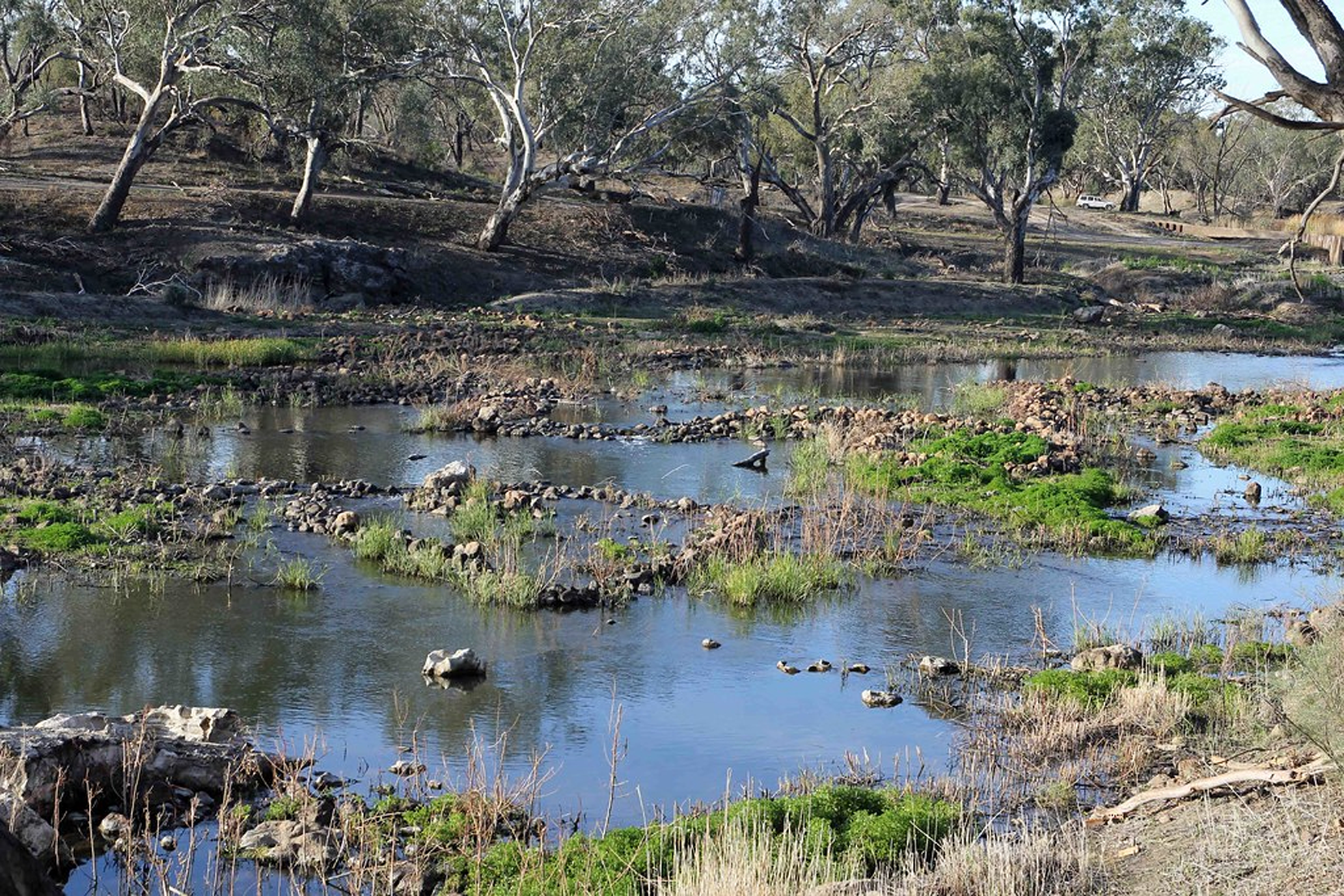
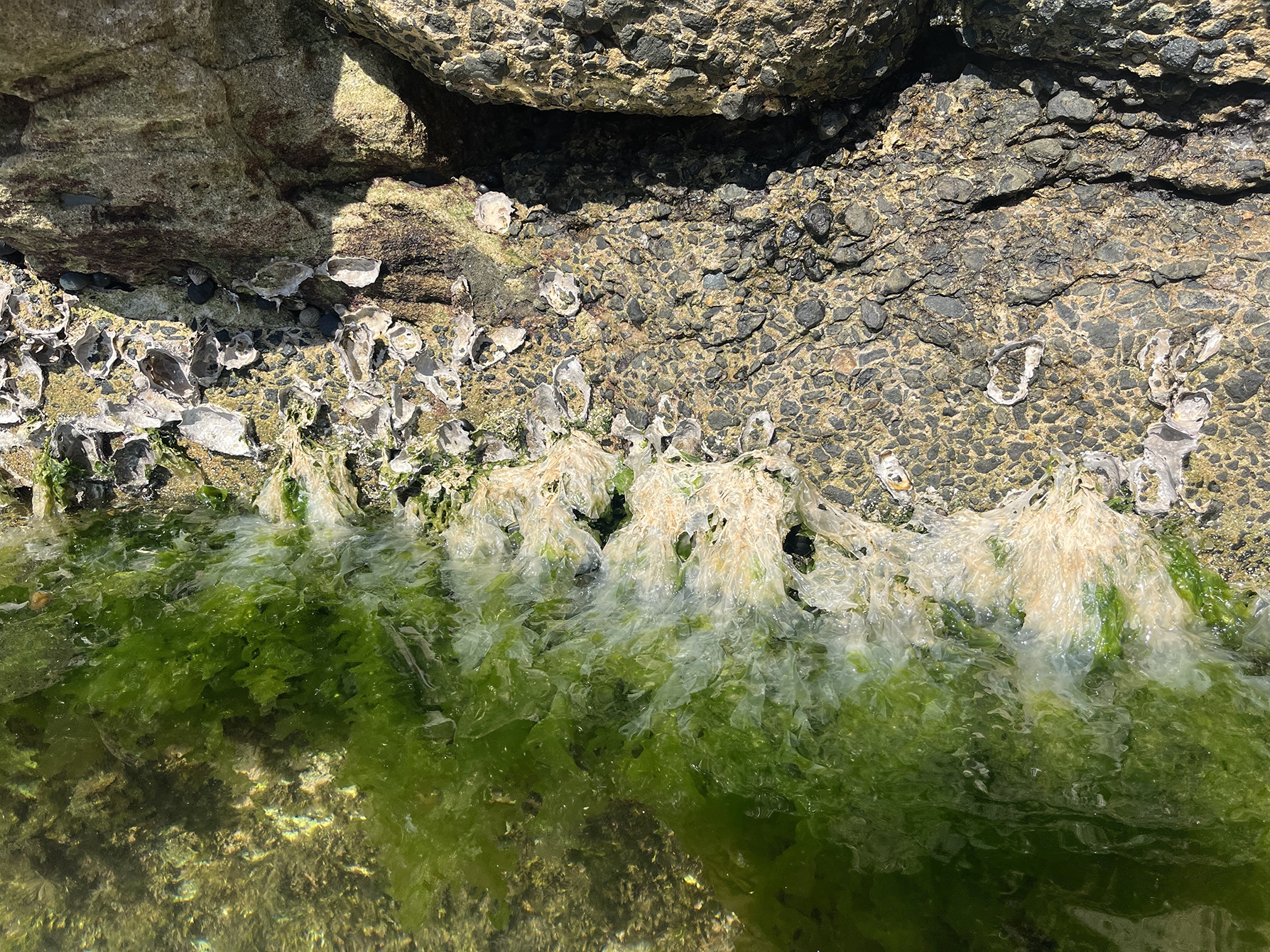
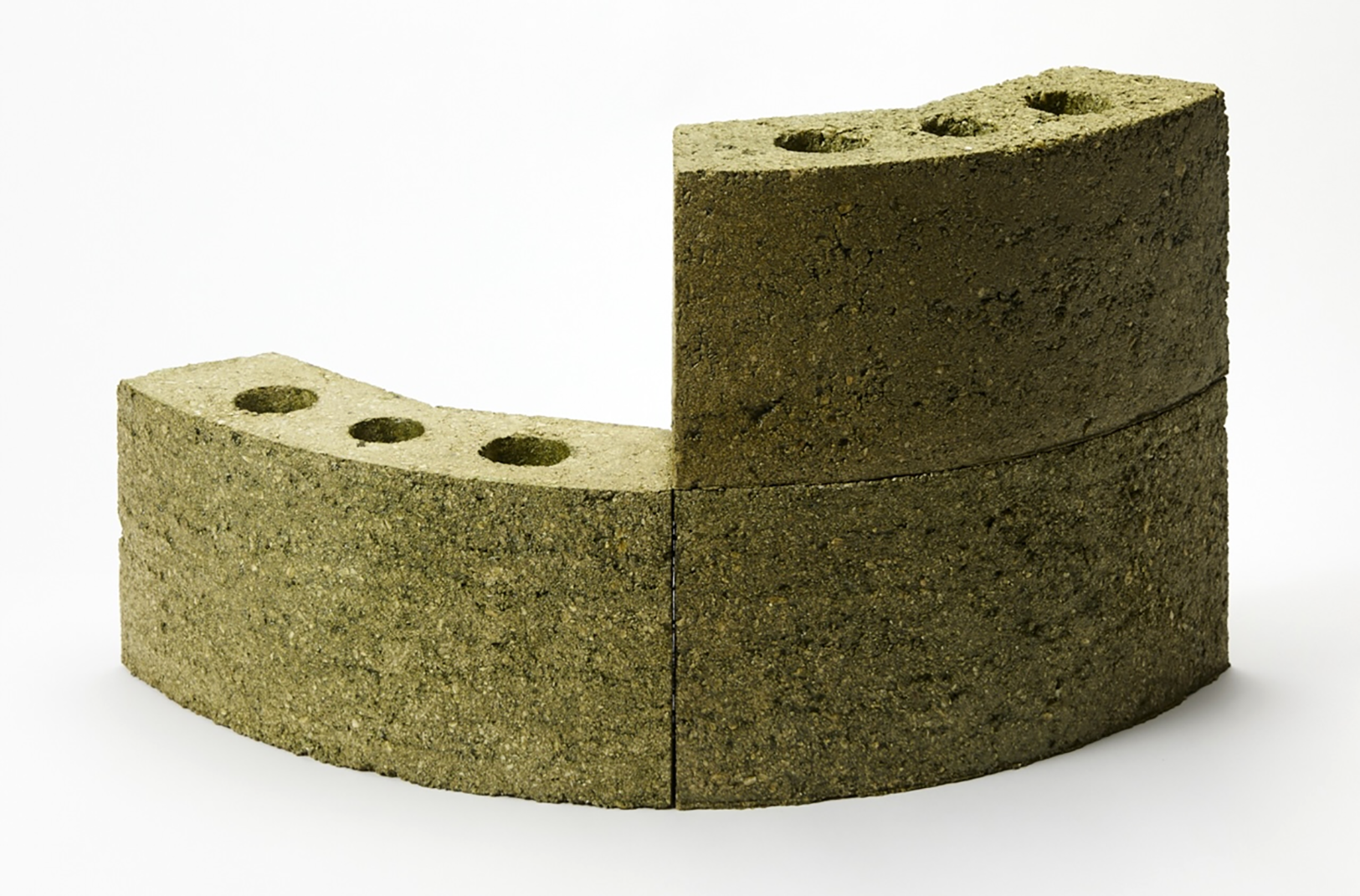
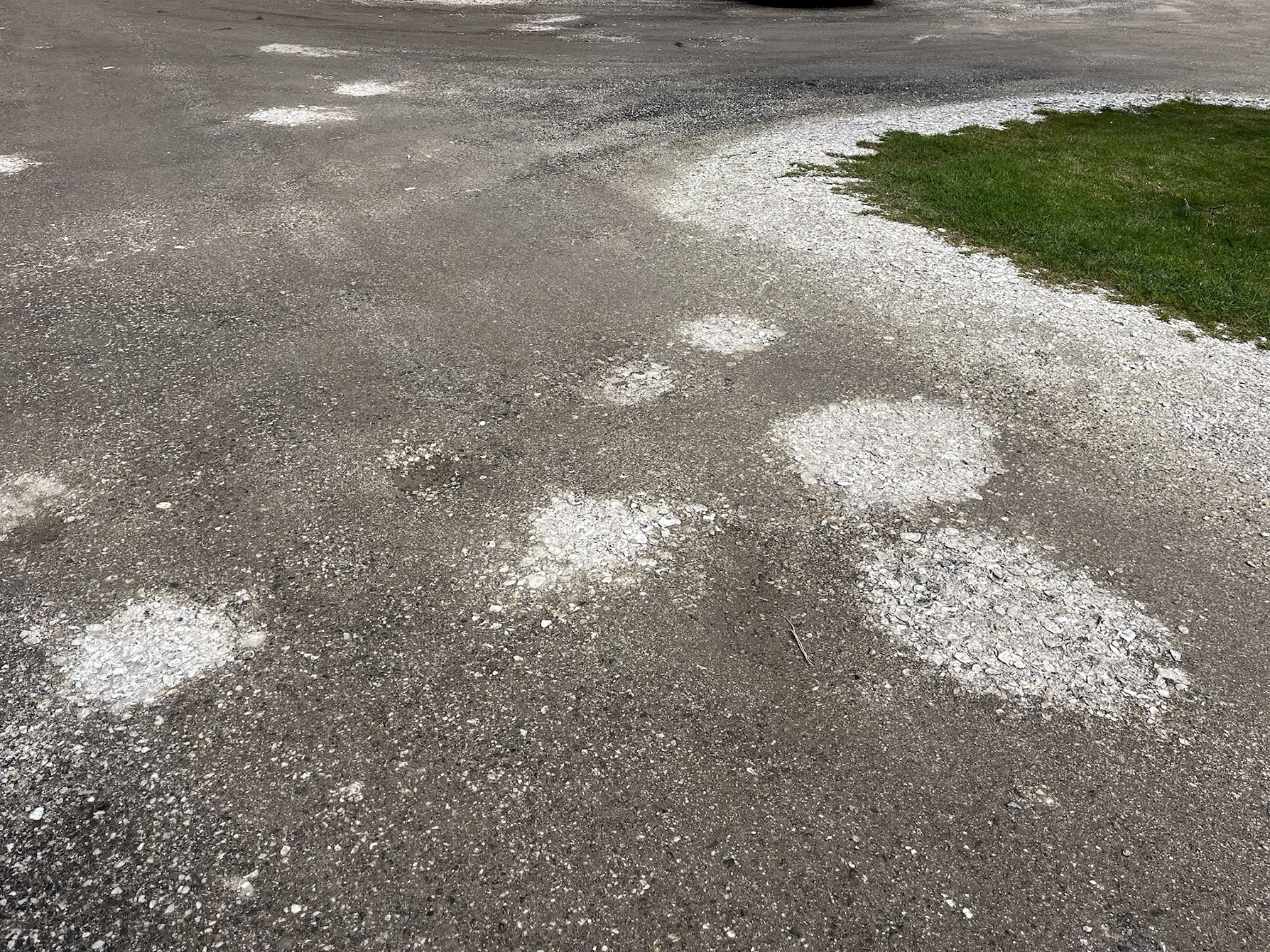
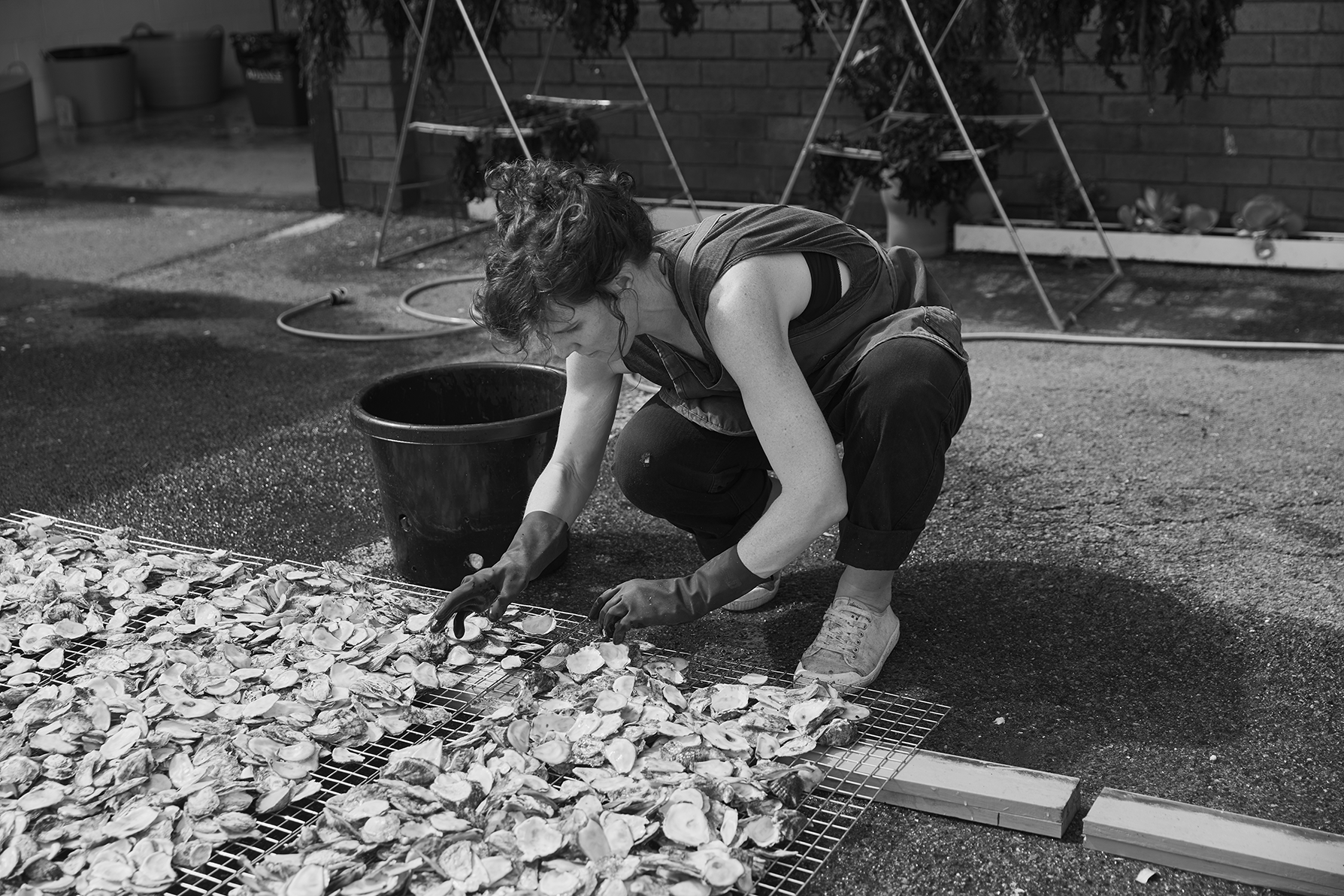
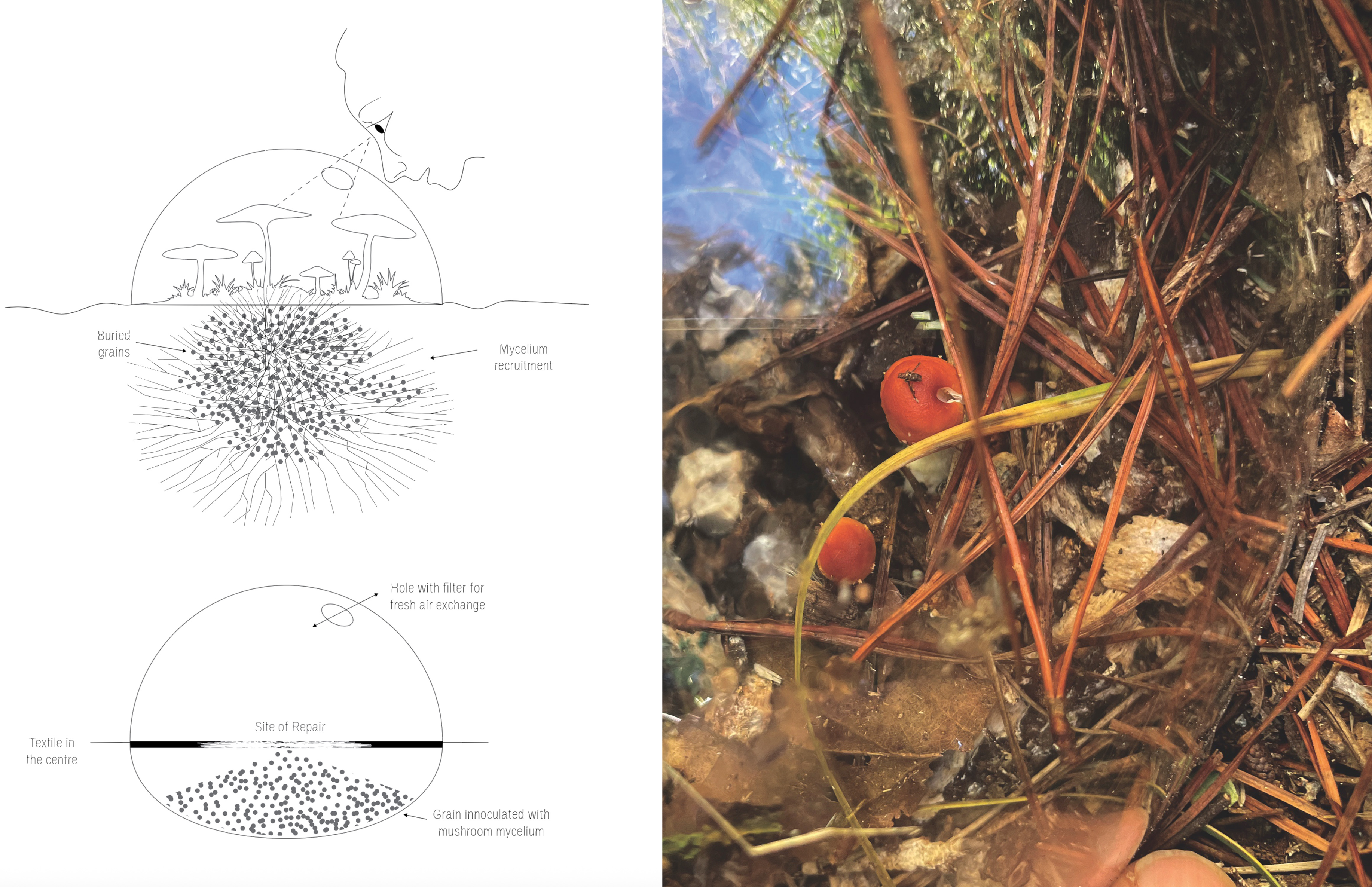
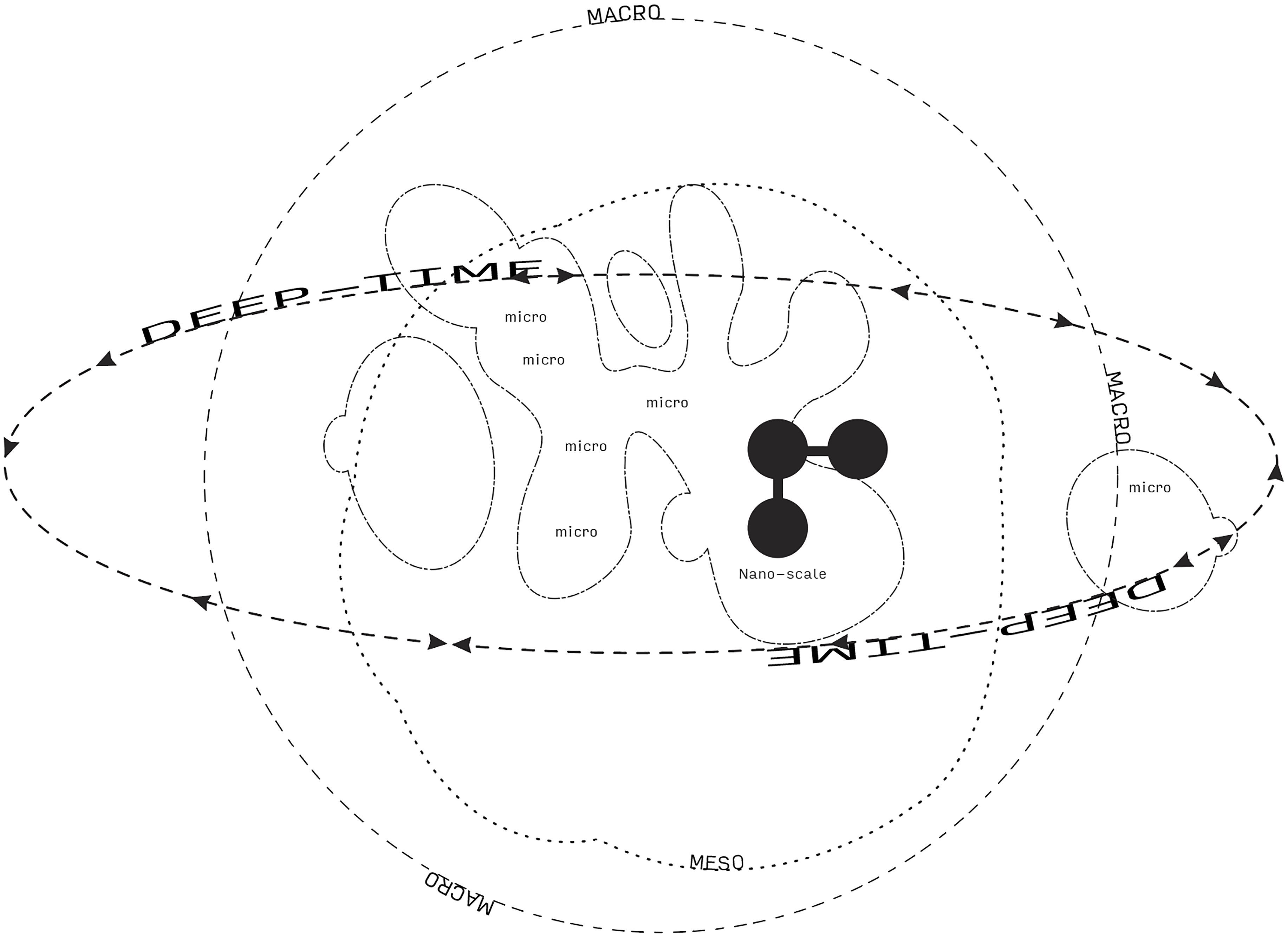
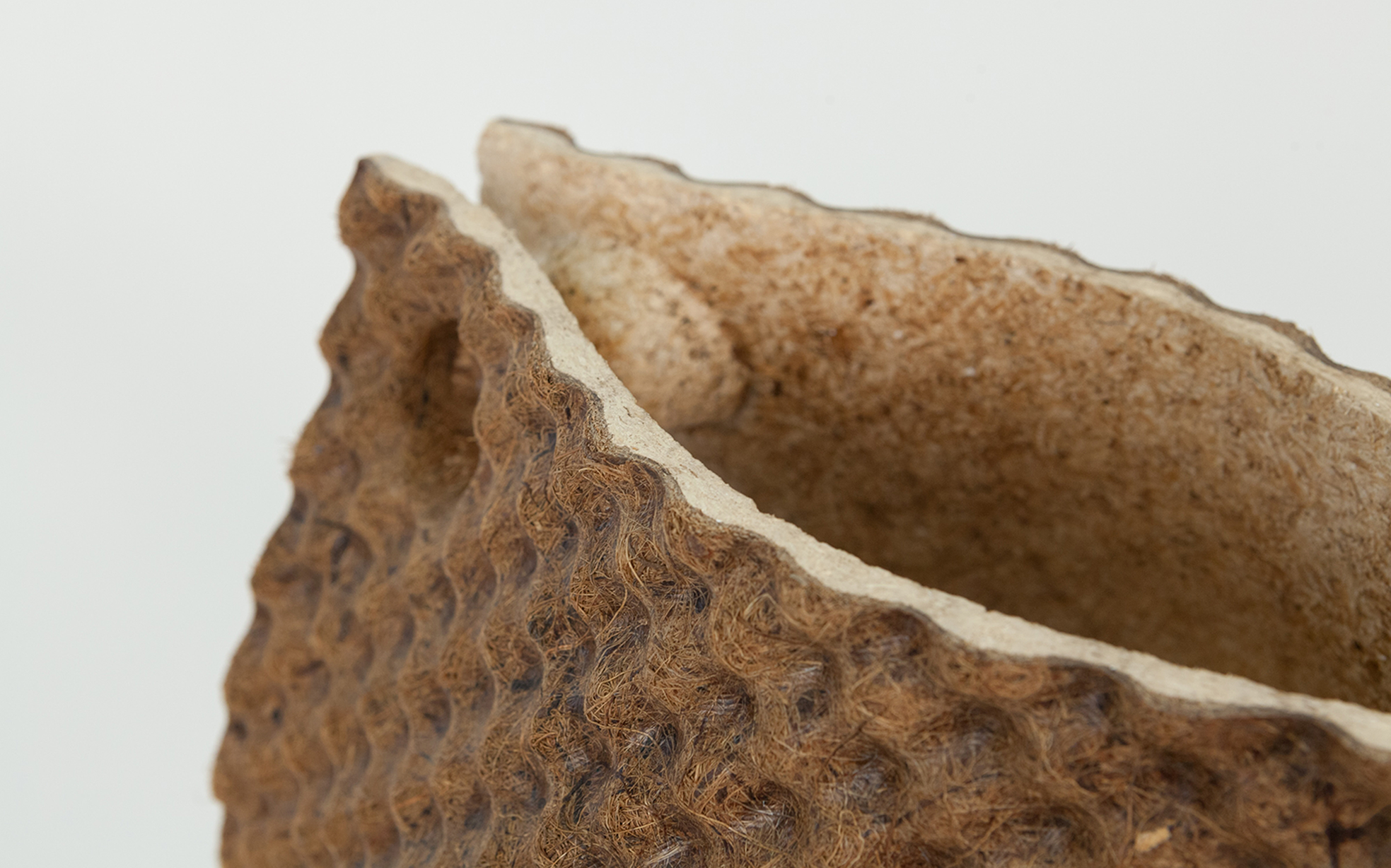
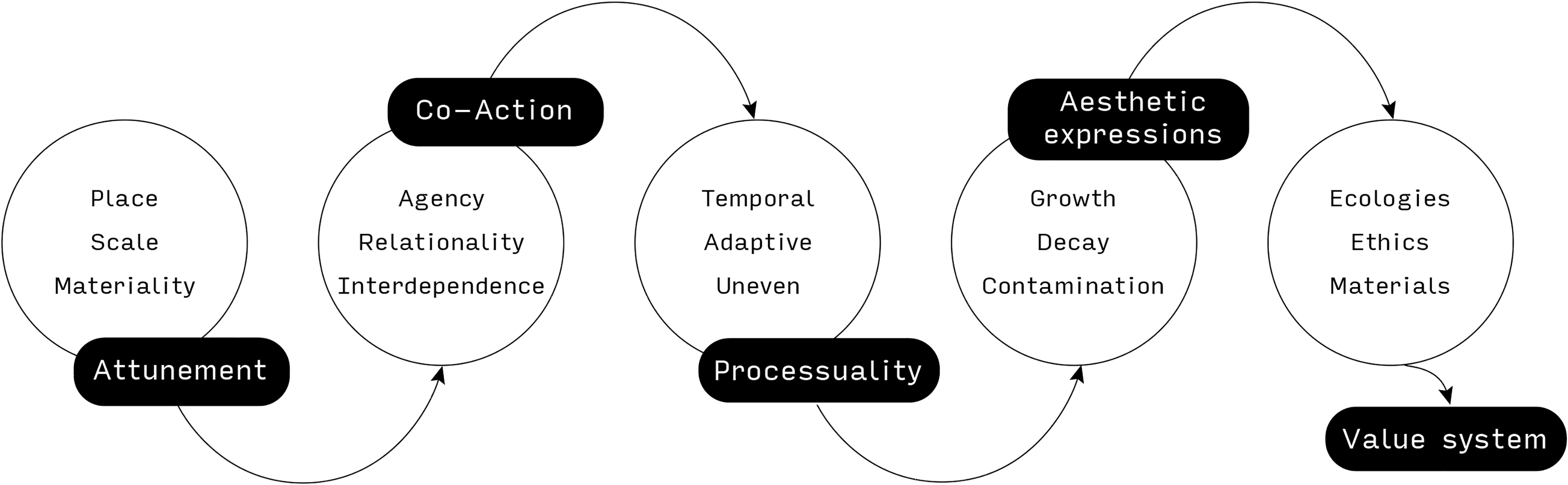
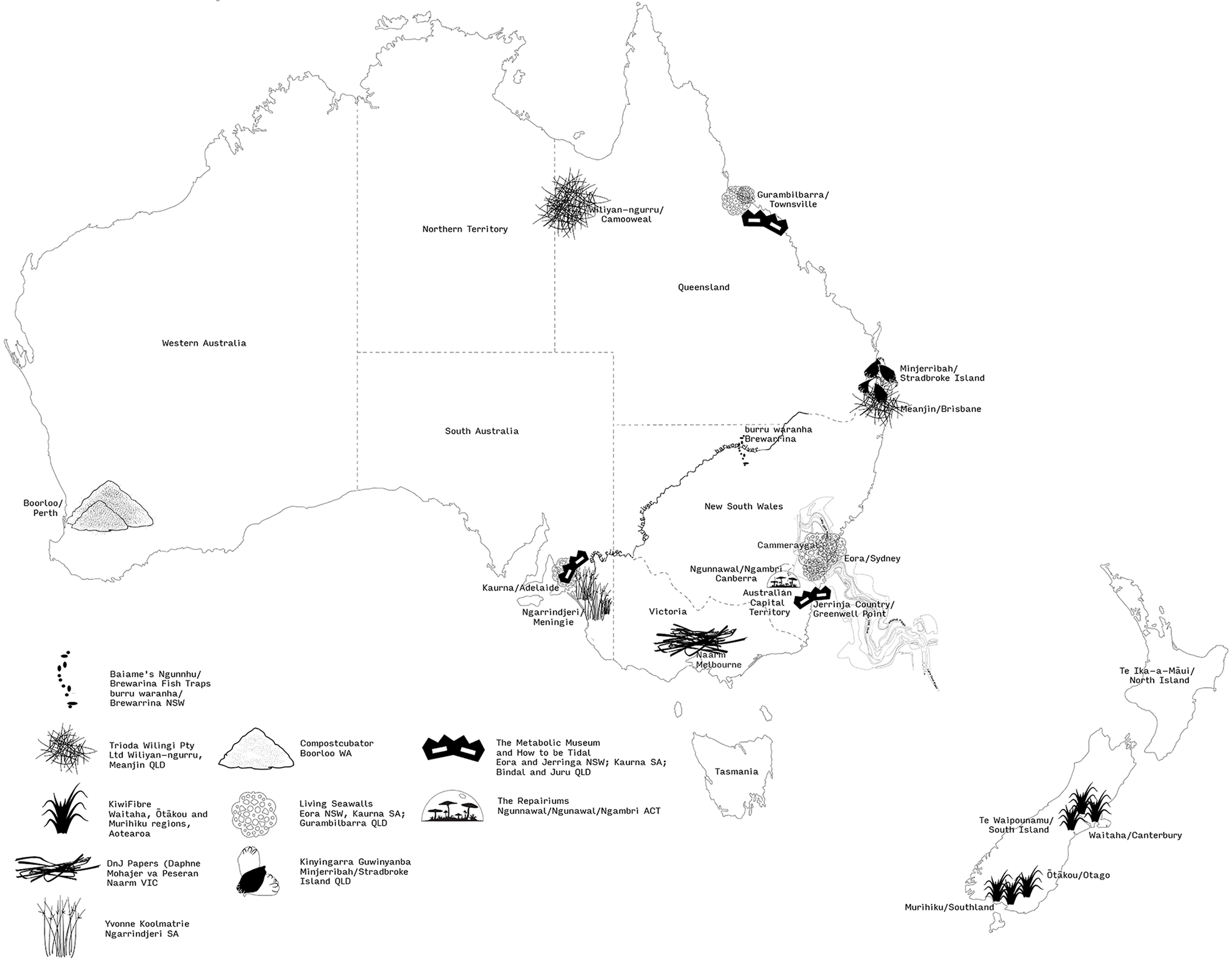
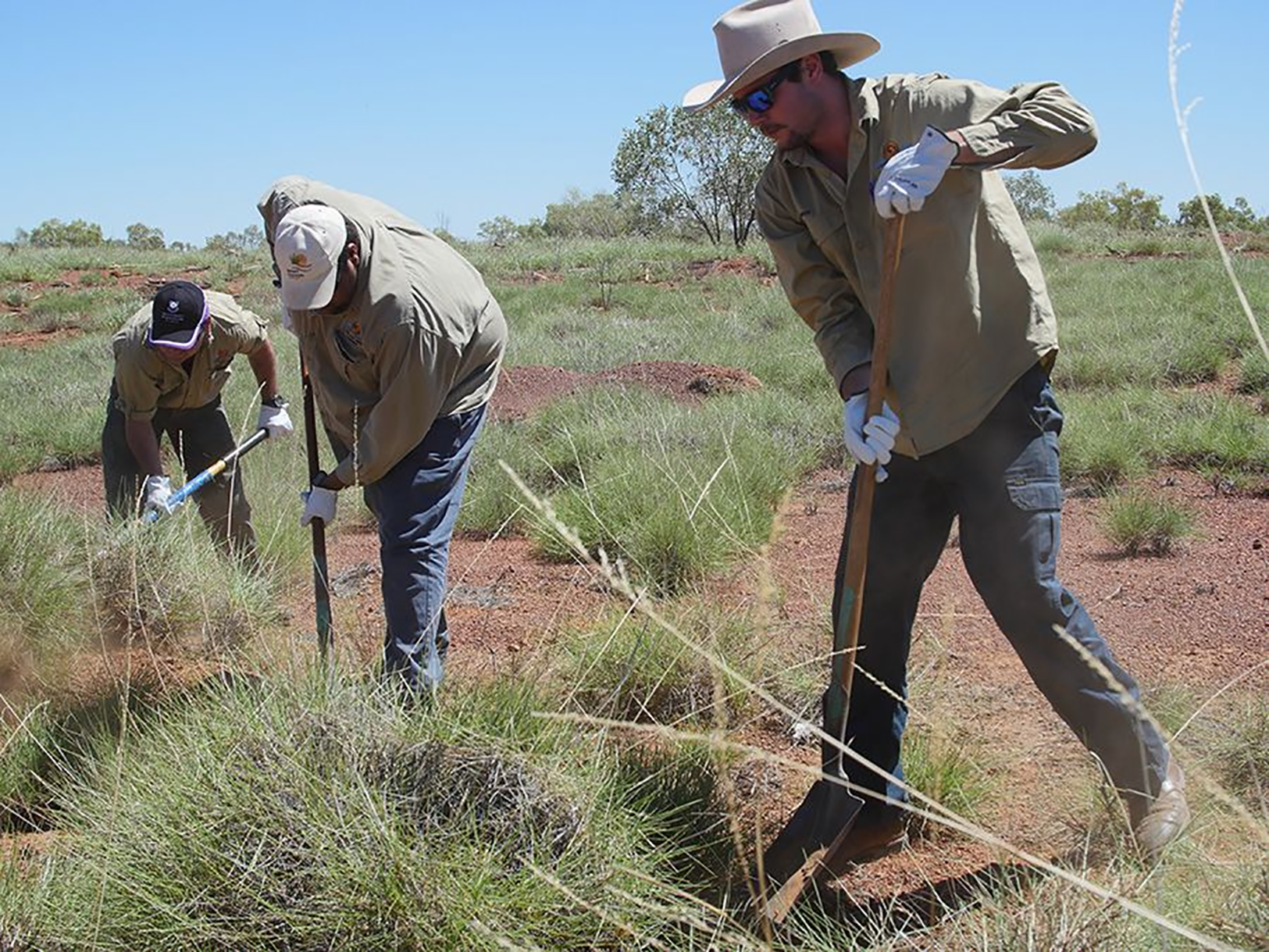
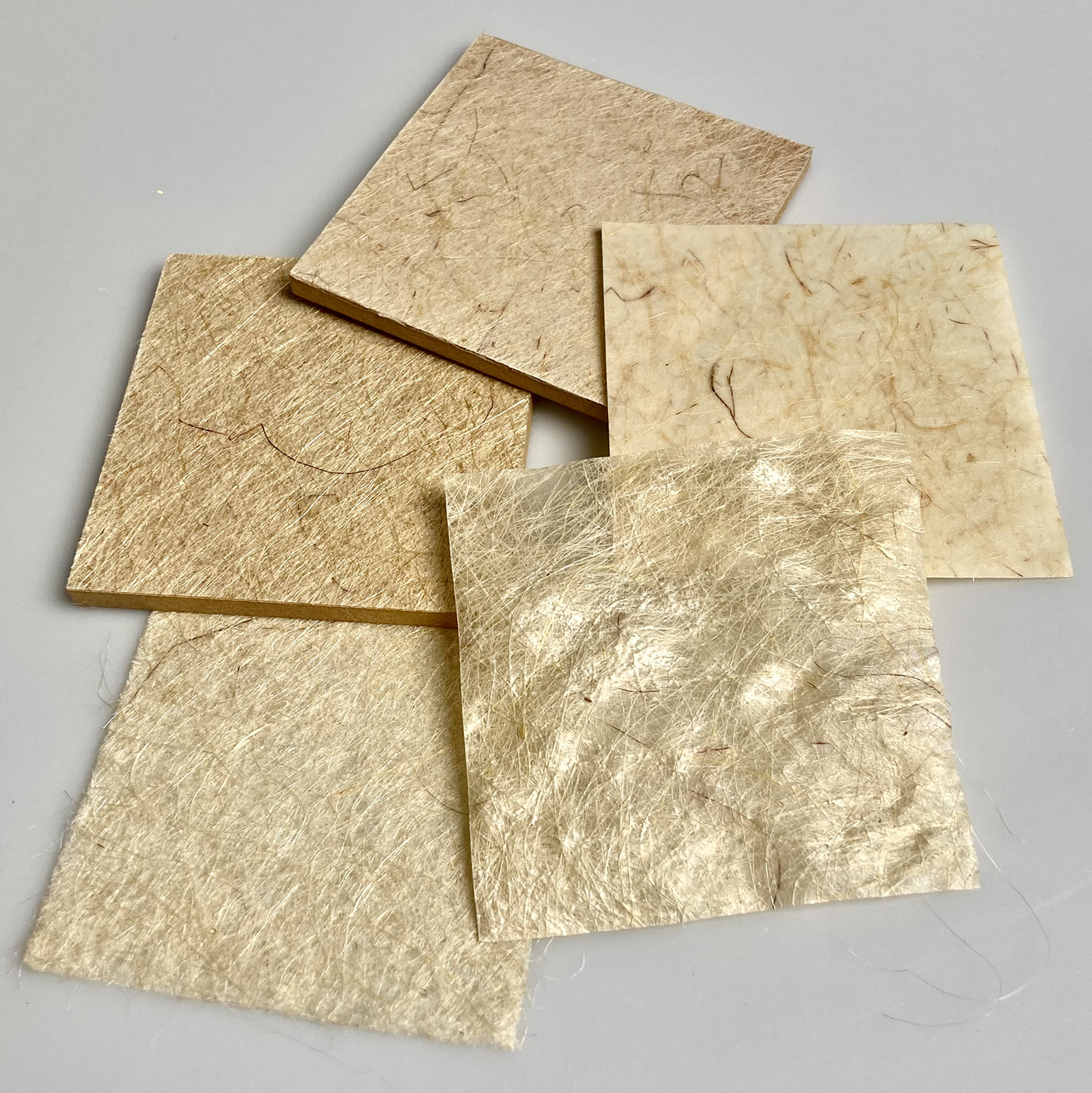
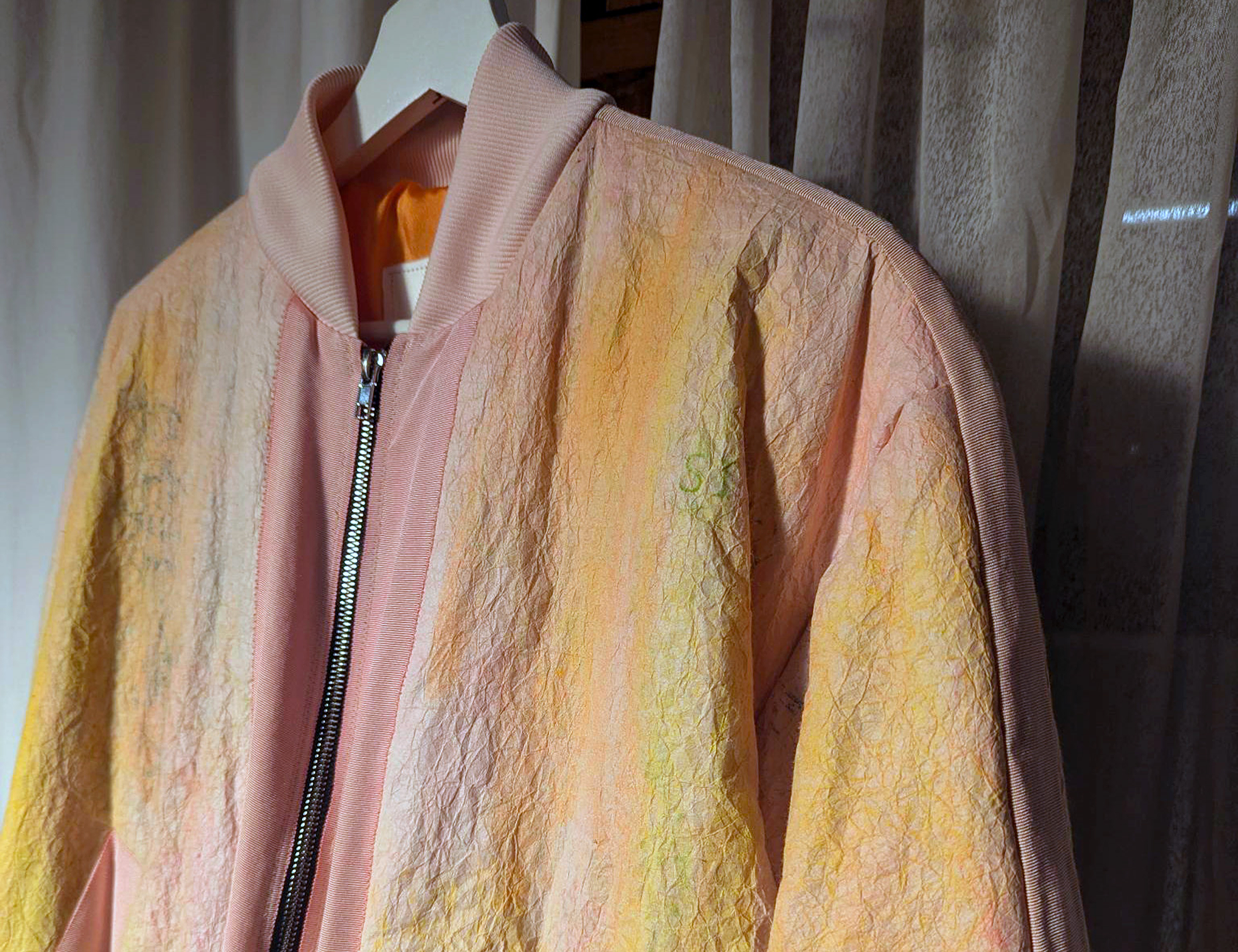
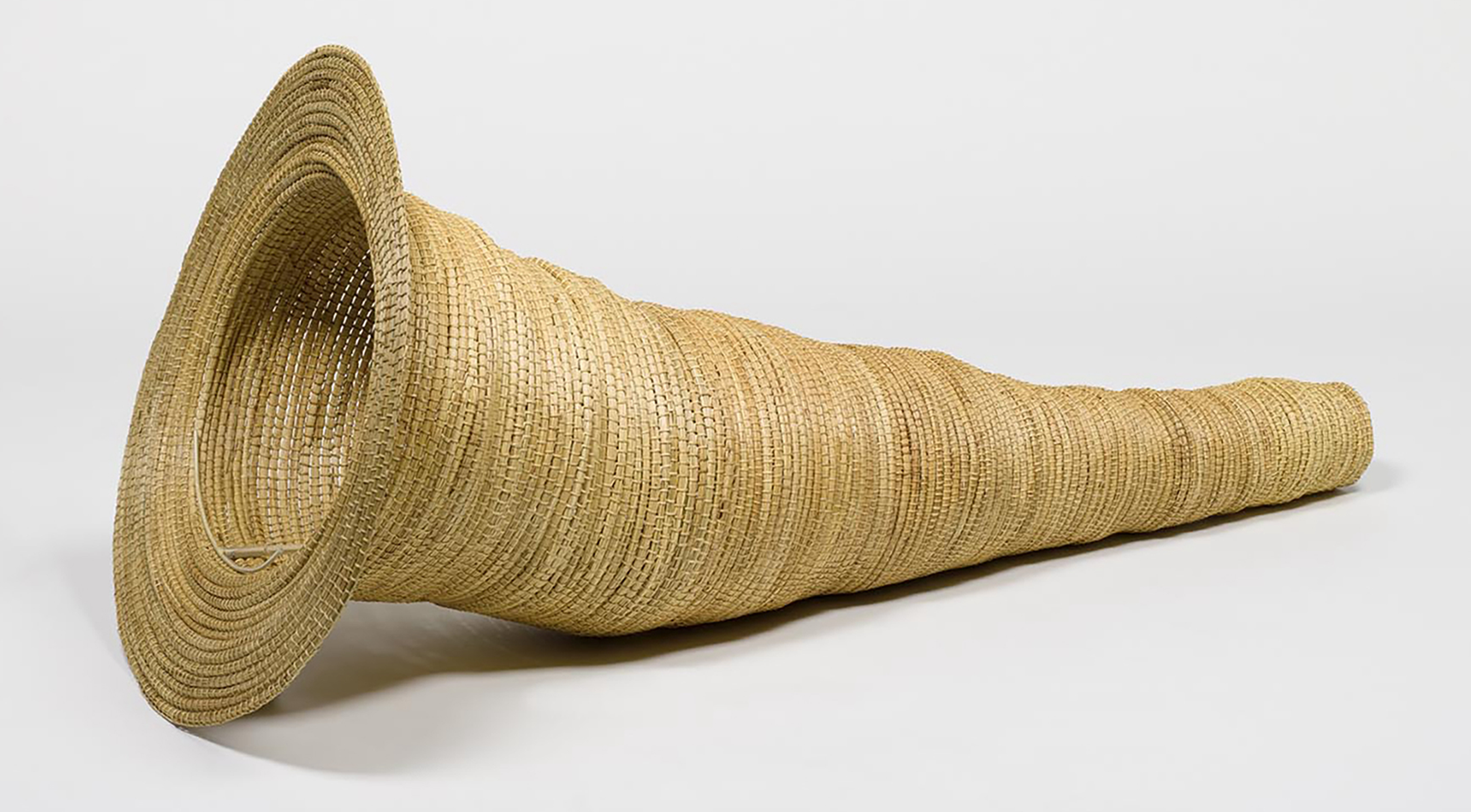
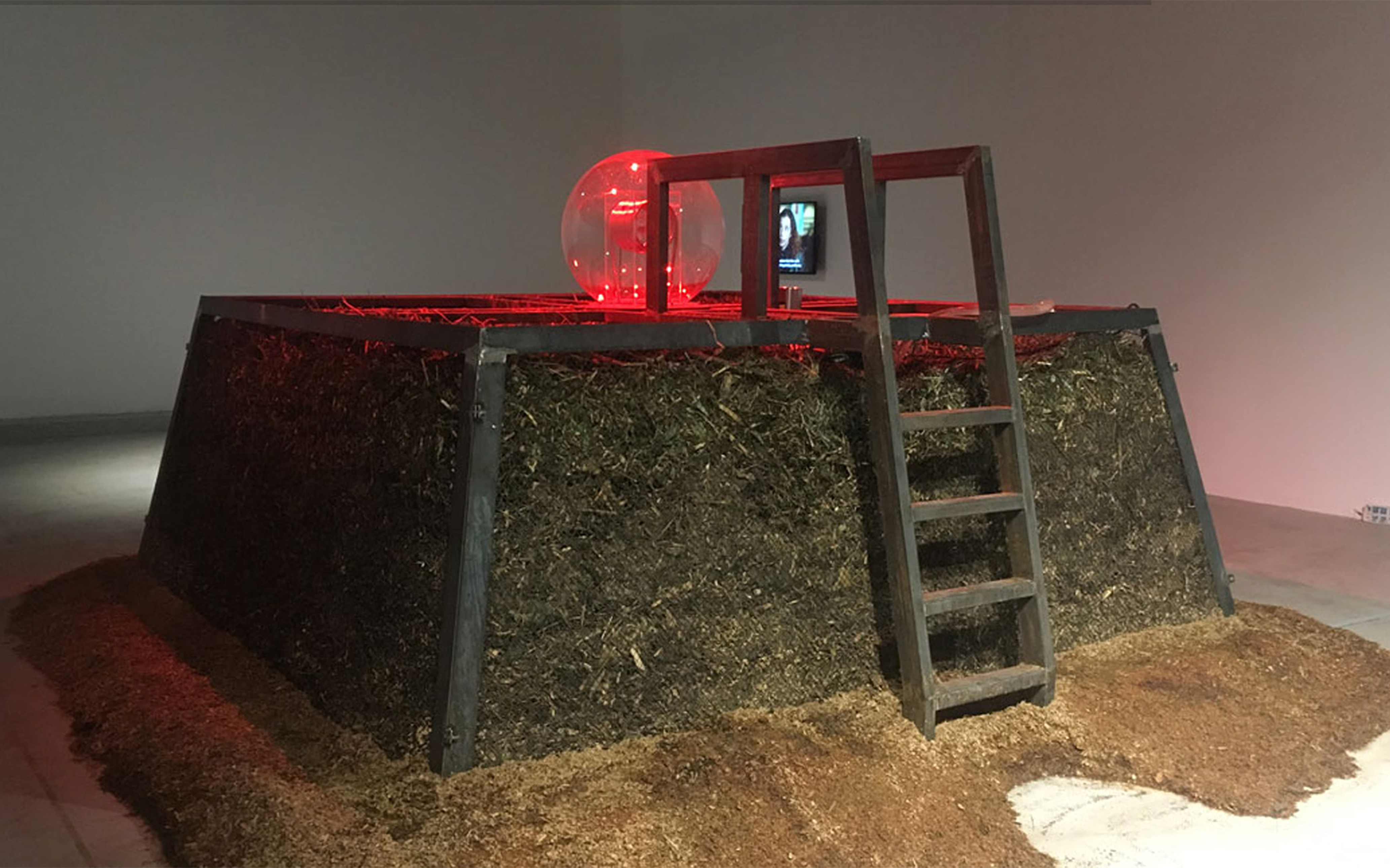
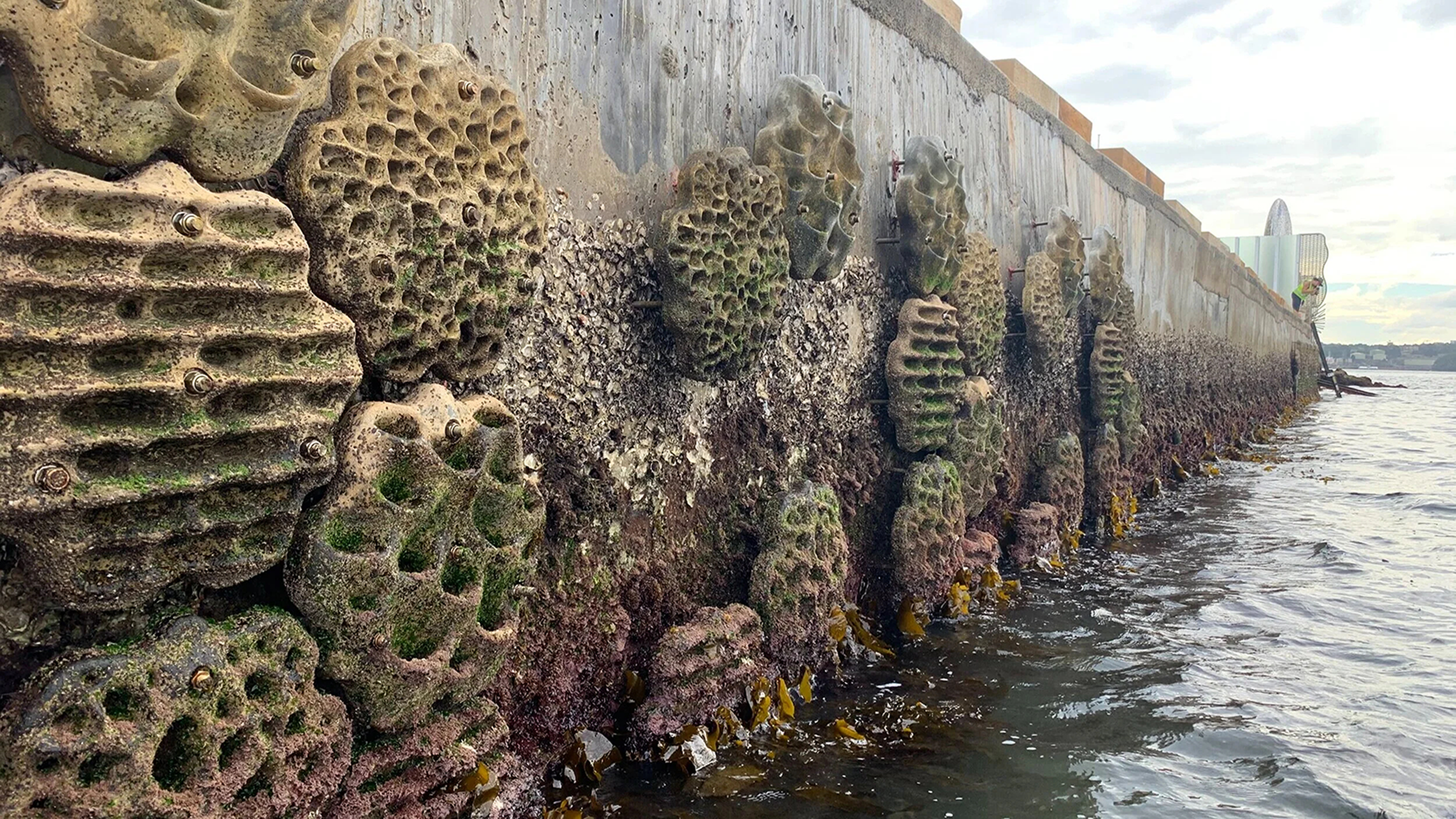
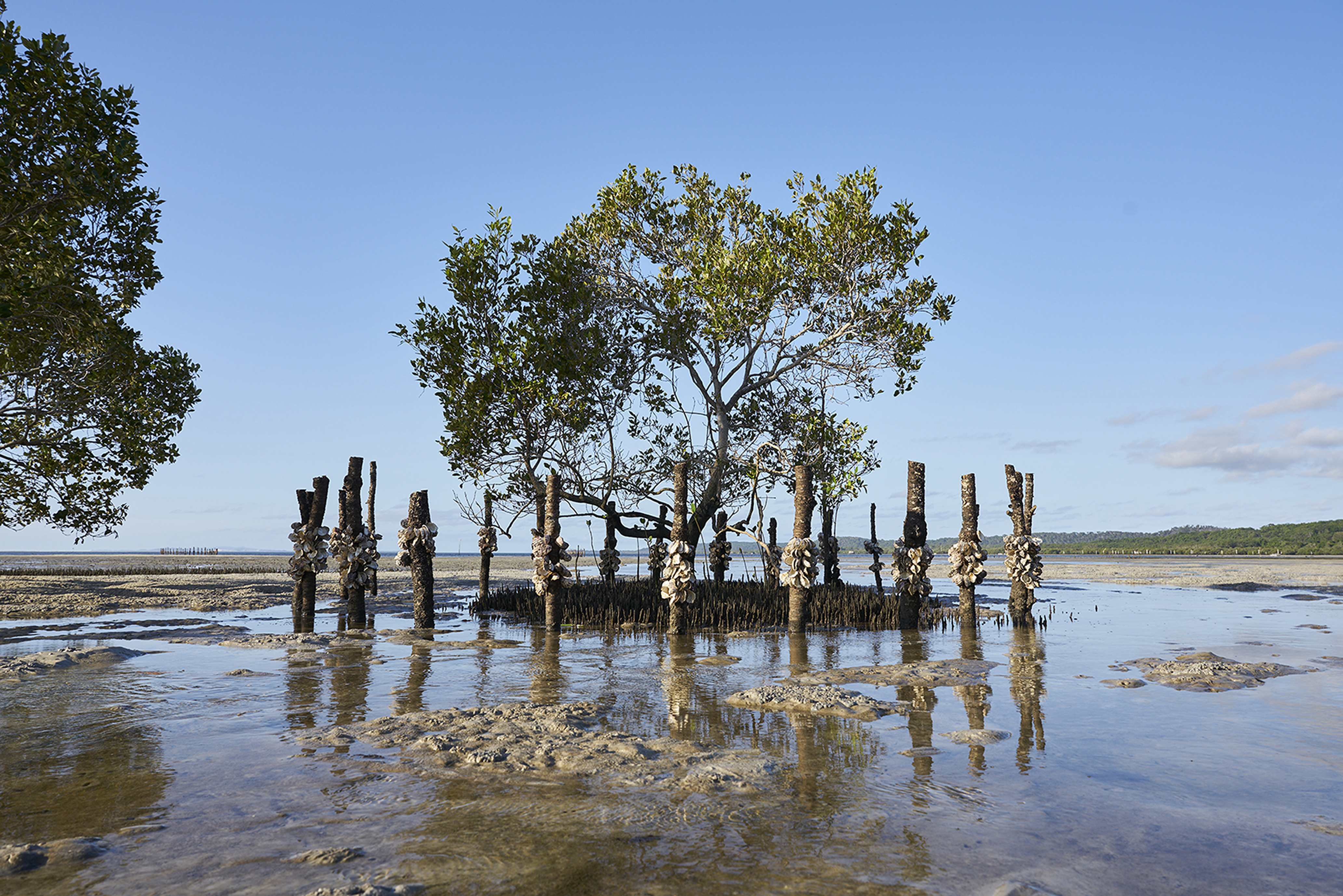

 Open access

