



%20--%3e%3c!DOCTYPE%20svg%20PUBLIC%20'-//W3C//DTD%20SVG%201.0//EN'%20'http://www.w3.org/TR/2001/REC-SVG-20010904/DTD/svg10.dtd'%3e%3csvg%20version='1.0'%20id='Layer_1'%20xmlns='http://www.w3.org/2000/svg'%20xmlns:xlink='http://www.w3.org/1999/xlink'%20x='0px'%20y='0px'%20width='64px'%20height='64px'%20viewBox='5.5%20-3.5%2064%2064'%20enable-background='new%205.5%20-3.5%2064%2064'%20xml:space='preserve'%3e%3cg%3e%3ccircle%20fill='%23FFFFFF'%20fill-opacity='0'%20cx='37.785'%20cy='28.501'%20r='28.836'/%3e%3cpath%20fill='%23595959'%20d='M37.441-3.5c8.951,0,16.572,3.125,22.857,9.372c3.008,3.009,5.295,6.448,6.857,10.314%20c1.561,3.867,2.344,7.971,2.344,12.314c0,4.381-0.773,8.486-2.314,12.313c-1.543,3.828-3.82,7.21-6.828,10.143%20c-3.123,3.085-6.666,5.448-10.629,7.086c-3.961,1.638-8.057,2.457-12.285,2.457s-8.276-0.808-12.143-2.429%20c-3.866-1.618-7.333-3.961-10.4-7.027c-3.067-3.066-5.4-6.524-7-10.372S5.5,32.767,5.5,28.5c0-4.229,0.809-8.295,2.428-12.2%20c1.619-3.905,3.972-7.4,7.057-10.486C21.08-0.394,28.565-3.5,37.441-3.5z%20M37.557,2.272c-7.314,0-13.467,2.553-18.458,7.657%20c-2.515,2.553-4.448,5.419-5.8,8.6c-1.354,3.181-2.029,6.505-2.029,9.972c0,3.429,0.675,6.734,2.029,9.913%20c1.353,3.183,3.285,6.021,5.8,8.516c2.514,2.496,5.351,4.399,8.515,5.715c3.161,1.314,6.476,1.971,9.943,1.971%20c3.428,0,6.75-0.665,9.973-1.999c3.219-1.335,6.121-3.257,8.713-5.771c4.99-4.876,7.484-10.99,7.484-18.344%20c0-3.543-0.648-6.895-1.943-10.057c-1.293-3.162-3.18-5.98-5.654-8.458C50.984,4.844,44.795,2.272,37.557,2.272z%20M37.156,23.187%20l-4.287,2.229c-0.458-0.951-1.019-1.619-1.685-2c-0.667-0.38-1.286-0.571-1.858-0.571c-2.856,0-4.286,1.885-4.286,5.657%20c0,1.714,0.362,3.084,1.085,4.113c0.724,1.029,1.791,1.544,3.201,1.544c1.867,0,3.181-0.915,3.944-2.743l3.942,2%20c-0.838,1.563-2,2.791-3.486,3.686c-1.484,0.896-3.123,1.343-4.914,1.343c-2.857,0-5.163-0.875-6.915-2.629%20c-1.752-1.752-2.628-4.19-2.628-7.313c0-3.048,0.886-5.466,2.657-7.257c1.771-1.79,4.009-2.686,6.715-2.686%20C32.604,18.558,35.441,20.101,37.156,23.187z%20M55.613,23.187l-4.229,2.229c-0.457-0.951-1.02-1.619-1.686-2%20c-0.668-0.38-1.307-0.571-1.914-0.571c-2.857,0-4.287,1.885-4.287,5.657c0,1.714,0.363,3.084,1.086,4.113%20c0.723,1.029,1.789,1.544,3.201,1.544c1.865,0,3.18-0.915,3.941-2.743l4,2c-0.875,1.563-2.057,2.791-3.541,3.686%20c-1.486,0.896-3.105,1.343-4.857,1.343c-2.896,0-5.209-0.875-6.941-2.629c-1.736-1.752-2.602-4.19-2.602-7.313%20c0-3.048,0.885-5.466,2.658-7.257c1.77-1.79,4.008-2.686,6.713-2.686C51.117,18.558,53.938,20.101,55.613,23.187z'/%3e%3c/g%3e%3c/svg%3e)
%20--%3e%3c!DOCTYPE%20svg%20PUBLIC%20'-//W3C//DTD%20SVG%201.0//EN'%20'http://www.w3.org/TR/2001/REC-SVG-20010904/DTD/svg10.dtd'%3e%3csvg%20version='1.0'%20id='Layer_1'%20xmlns='http://www.w3.org/2000/svg'%20xmlns:xlink='http://www.w3.org/1999/xlink'%20x='0px'%20y='0px'%20width='64px'%20height='64px'%20viewBox='5.5%20-3.5%2064%2064'%20enable-background='new%205.5%20-3.5%2064%2064'%20xml:space='preserve'%3e%3cg%3e%3ccircle%20fill='%23FFFFFF'%20fill-opacity='0'%20cx='37.637'%20cy='28.806'%20r='28.276'/%3e%3cg%3e%3cpath%20fill='%23595959'%20d='M37.443-3.5c8.988,0,16.57,3.085,22.742,9.257C66.393,11.967,69.5,19.548,69.5,28.5c0,8.991-3.049,16.476-9.145,22.456%20C53.879,57.319,46.242,60.5,37.443,60.5c-8.649,0-16.153-3.144-22.514-9.43C8.644,44.784,5.5,37.262,5.5,28.5%20c0-8.761,3.144-16.342,9.429-22.742C21.101-0.415,28.604-3.5,37.443-3.5z%20M37.557,2.272c-7.276,0-13.428,2.553-18.457,7.657%20c-5.22,5.334-7.829,11.525-7.829,18.572c0,7.086,2.59,13.22,7.77,18.398c5.181,5.182,11.352,7.771,18.514,7.771%20c7.123,0,13.334-2.607,18.629-7.828c5.029-4.838,7.543-10.952,7.543-18.343c0-7.276-2.553-13.465-7.656-18.571%20C50.967,4.824,44.795,2.272,37.557,2.272z%20M46.129,20.557v13.085h-3.656v15.542h-9.944V33.643h-3.656V20.557%20c0-0.572,0.2-1.057,0.599-1.457c0.401-0.399,0.887-0.6,1.457-0.6h13.144c0.533,0,1.01,0.2,1.428,0.6%20C45.918,19.5,46.129,19.986,46.129,20.557z%20M33.042,12.329c0-3.008,1.485-4.514,4.458-4.514s4.457,1.504,4.457,4.514%20c0,2.971-1.486,4.457-4.457,4.457S33.042,15.3,33.042,12.329z'/%3e%3c/g%3e%3c/g%3e%3c/svg%3e)
Impact statement
This article proposes on-body biodesign as a design research programme at the intersection of biodesign and on-body artefact design. It provides a comprehensive overview of the current landscape of the field, identifying recurring patterns and revealing emerging opportunities. Responding to growing interest in linking biodesign with regenerative approaches, the article synthesises insights from the review into three potential design pathways for regenerative ecologies.
Introduction
Body has long been one of the central research interests in design. It has been conceptualised as an object from which data can be extracted in wearable applications (e.g., Swan Reference Swan2013), as a site whose sensory or perceptual capacities can be augmented through wearable or implantable technologies (e.g., Leigh et al. 2017) and as a tool for inquiry and imagination within somaesthetic design (e.g., Hook Reference Hook2018). Recently, biodesign and biological human–computer interaction (Bio-HCI) showed increasing interest in integrating human bodies into their discourses and explorations. For example, researchers have explored human bodies as sources of materials or data input to surface our symbiotic relationships with enormous microbes inhabiting our bodies (e.g., Bell et al. Reference Bell, Ramsahoye, Coffie, Tung and Alistar2023; Boer et al. Reference Boer, Bewley, Jenkins, Homewood, Almeida and Vallgårda2020). Other works have brought living organisms – such as microbes and plants – into close proximity with the human body, probing new forms of interaction and relationship between human and other-than-human beings (e.g., Lu and Lopes Reference Lu and Lopes2022; Nam et al. Reference Nam, Campbell, Webb and Harmon2023).
At the same time, the rupture in human–other-than-human relationships – widely recognised as one of the drivers of environmental degradation – invites urgent reflection (Escobar et al. Reference Escobar, Osterweil and Sharma2024; Ingold Reference Ingold2004; Light et al. Reference Light, Shklovski and Powell2017). In response, design researchers have begun to explore on-body technologies that cultivate more-than-human sensibilities: sensibilities that support noticing, attuning to and engaging with the presence of other living organisms (Karana et al. Reference Karana, McQuillan, Rognoli and Giaccardi2023). Through intimate, sensorial and embodied interactions, such practices elicit affective responses and critical reflections on the entanglements between human bodies, other living organisms and the shared ecosystems they inhabit. By centring bodily experience, these works open up creative possibilities for communicating with, cohabiting alongside and caring for other forms of life.
Yet, despite the diversity and creative richness of these emerging works, this hybrid space remains nascent and fragmented. There is currently no systematic understanding of how on-body interactions with living organisms could be designed or experienced, what challenges and opportunities they entail or what implications they hold for broader design discourses. Might such intimate, bodily and sensorial engagements help humans better understand, respond and relate to the “livingness” of other-than-human beings? Could these engagements open new ways of living with other organisms, which cultivates interconnectedness and care? To address these questions, we conducted a comprehensive collection and systematic review of projects from design, human–computer interaction (HCI) and material science. Informed by the three dimensions of livingness, namely biological, ecological and experiential (Karana et al. Reference Karana, Barati and Giaccardi2020), we examine the key biological phenomena that enable interactions between human bodies, non-humans and the environment, the diverse experiences that unfold through these interactions and how they are ecologically situated and configured.
Our review offers an overview mapping of the current landscape of on-body biodesign, surfacing patterns and opportunities for the biodesign community. Drawing on Karana et al. Reference Karana, McQuillan, Rognoli and Giaccardi2023’s five pillars of designing for regenerative ecologies, we then discuss the potential that on-body biodesign holds for supporting regeneration – proposing three design pathways that emerge from this discussion as directions for future exploration. We conclude the contributions of our paper as follows:
-
• We introduce on-body biodesign as a design research programme (Redstrom Reference Redstrom2017) at the intersection of biodesign and on-body artefact design;
-
• We present a comprehensive collection and analysis of relevant cases, gathered from six databases spanning design, HCI and materials science, mapping the current landscape across biological, ecological and experiential dimensions;
-
• We surface current patterns, highlight overlooked opportunities and generate actionable insights for the biodesign community;
-
• We discuss three design pathways, articulating the implications of on-body biodesign for regenerative practice.
Related works
Bodies in design
The body has long been a central site of inquiry in design and HCI, and its roles have been conceptualised in diverse and evolving ways across research communities. Within the context of wearable technologies and ubiquitous computing, the body is often understood as a source of data, where physiological signals, movements and bodily states are sensed, quantified and represented through wearable devices, enabling applications such as self-tracking (Lupton Reference Lupton2021; Swan Reference Swan2013). While self-tracking technologies can support detailed, continuous insight into bodily processes and reflection on everyday practices related to health and wellbeing, they have also been critiqued for reducing bodies to measurable parameters and raising concerns around data accuracy, interpretation, privacy and surveillance (Flanagan et al. Reference Flanagan, Papadopoulos and Voss2015; Homewood et al. Reference Homewood, Hedemyr, Fagerberg Ranten and Kozel2021; Rapp Reference Rapp2023).
Other works in design frame the body as a site for augmentation and extension. Wearable, on-skin and implantable technologies are designed to enhance or extend bodily sensory, perceptual or expressive capacities (De Boeck and Vaes Reference De Boeck and Vaes2021; Leigh et al. Reference Sw, Sareen, Kao, Liu and Maes2017). Examples include cosmetic powders that can change colour, responding to the environmental pollutants (Kao et al. Reference Kao, Nguyen, Roseway and Dickey2017), and garments that could respond to wearers’ stress level through embedded lights (Węglińska Reference Weglinska2022). Although these works broaden what bodies can perceive or express, they are often criticised to retain an instrumental view of the body as a platform to be enhanced (e.g., Höök et al. Reference Höök, Eriksson, Søndergaard, Ciolfi Felice, Campo Woytuk, Kilic Afsar, Tsaknaki and Ståhl2019; Turmo Vidal et al. Reference Turmo Vidal, Vega-Cebrián, D’Adamo, Roel Lesur, Dehshibi, Daz Durán and Tajadura-Jiménez2023).
In response, embodied interaction (Dourish Reference Dourish2001) and somaesthetic design (Hook Reference Hook2018) shift attention toward lived, felt experience, positioning the body as an active participant in sense-making, learning, knowledge generation and imagination rather than a passive site of intervention (Klemmer et al. Reference Klemmer, Hartmann and Takayama2006; Koefoed Hansen and Kozel Reference Koefoed Hansen and Kozel2007; Loke and Schiphorst Reference Loke and Schiphorst2018; Svanaes Reference Svanæs2013). For instance, through an autobiographical research on her bodily experience of learning horse riding, Höök (Reference Höök2010) derives a number of experience-oriented qualities on aesthetics of rhymes that potentially could be applied in interaction design.
More recently, with increasing interests to integrate more-than-human and posthuman theories in design projects (Forlano Reference Forlano2017; Giaccardi and Redström Reference Giaccardi and Redström2020; Wakkary Reference Wakkary2021), Homewood et al. (Reference Homewood, Hedemyr, Fagerberg Ranten and Kozel2021) propose “more-than-human bodies” as a lens-in-the-making, foregrounding bodily entanglements with technologies, materials, other species and the ecological, cultural and social systems they inhabit. This relational understanding is reflected in design projects that materialise such entanglements, for example, by embodying sea-level-rise data through length-changing pants to raise ecological awareness (Biggs and Desjardins Reference Biggs and Desjardins2020) or through designing touch-based interactions to track menstrual wellbeing and alleviate menstrual discomfort, challenging both infrastructural gaps and persistent social taboos surrounding menstruation (CampoWoytuk et al. Reference CampoWoytuk, Park, Maslik, Ciolfi Felice and Balaam2023; Park et al. Reference Park, Zheng, CampoWoytuk, Huang, Balaam and Ciolfi Felice2025). In these projects, bodies are not bounded entities but relational beings “in complex and dynamic configurations in ever-widening circles of more-than-human relations” (Homewood et al. Reference Homewood, Hedemyr, Fagerberg Ranten and Kozel2021).
Bodies in biodesign and bio-HCI
Viewing bodies through a more-than-human lens has important implications for biodesign and Bio-HCI, where designing with living organisms necessarily entails encounters and negotiations between human and other-than-human bodies. Within this space, a growing number of projects explore the body as a medium for relating to other forms of life. For instance Thwaites (Reference Thwaites2016) designed prostheses that allowed wearers to move like goats, temporarily experiencing what it might mean to “become” a goat, fostering empathy and understanding towards other species. Ofer and Alistar (Reference Ofer and Alistar2023) created sensory probes for interacting with Symbiotic Culture of Bacteria and Yeast (SCOBY), encouraging designers to attune to their embodied sensations and cultivate intimate relationships when working with living materials. Similarly, Liu et al. (Reference Liu, Byrne and Devendorf2018) designed a glove-shaped wearable interface requiring the wearer to insert their finger into the soil to sense moisture levels, thus speculating on the presence of mushrooms and engaging bodily with the environment. Zhu et al. (Reference Zhu, Chang, Zhao and Kao2025) bring plants into close proximity to the human body to explore creative care practices unfolding within this intimate interspecies relationship.
There are other works in biodesign turned inward, examining the human body itself as a more-than-human ecology. For instance, Wilde and Lenskjold (Reference Wilde and Lenskjold2025) facilitate a workshop that supports gut dysbiosis patients to engage with their gut microbiomes sensorially and collectively, attempting to develop new perspectives on their guts, illnesses and their lived experiences of these. Through engagement and design with breast milk as biomaterial, Helms (Reference Helms2021) reflects breastfeeding as entanglements of more-than-human materials and agencies, while Bell et al. (Reference Bell, Ramsahoye, Coffie, Tung and Alistar2023) design multiple interfaces that surface the presence of microbes on human skin and constant microbial exchanges between human bodies and objects.
Taken together, these works demonstrate growing interest in designing with bodies and bodily materials within biodesign and Bio-HCI. Our study is inspired by and builds on this expanding body of work to foreground the body’s role and its diverse relations with other living organisms. We offer a systematic review that surfaces patterns, articulates design opportunities and provides future pathways for this emergent intersection between bodies and biodesign.
Biodesign and living artefacts framework
Incorporating living organisms into design and interactive systems has substantially expanded the scope of design and HCI research. Beyond numerous practice-based explorations, researchers have developed methods, frameworks, taxonomies and critical perspectives to support and structure this emerging field. Within HCI, Merritt et al. (Reference Merritt, Hamidi, Alistar and DeMenezes2020) introduced the notion of living media to describe interfaces that integrate living organisms or biological materials to mediate interaction between humans and digital systems. Similarly, Pataranutaporn et al. (Reference Pataranutaporn, Vujic, Kong, Maes and Sra2020) proposed living bits, surveying HCI projects that employ microorganisms as computational elements and highlighting both their technical affordances and the novel interactions they enable.
In the broader biodesign discourse, Karana et al. (Reference Karana, Barati and Giaccardi2020) proposed the framework of Designing Living Artefacts, conceptualising livingness across biological, experiential and ecological dimensions and articulating three guiding principles: living aesthetics, habitability and mutualistic care. Subsequent work has explored the implications of these principles further. For example, Zhou et al. (Reference Zhou, Barati, Giaccardi and Karana2022) explored the notion of habitability by developing a taxonomy of digital tools that support the sustaining and nurturing of the living components. Building on living aesthetics and mutualistic care, Kim et al. (Reference Kim, Risseeuw, Groutars and Karana2023) reviewed microbial living artefacts and proposed a taxonomy of six mechanism levels for surfacing microbial livingness, offering strategies for designers to guide users to notice microbial wellbeing and foster practices of care.
We situate our work within this biodesign discourse, drawing on the Designing Living Artefacts framework (Karana et al. Reference Karana, Barati and Giaccardi2020) as our analytical foundation. Its conceptualisation of livingness into three dimensions – biological, ecological and experiential – provides structured lenses to examine how on-body biodesign mobilises the characteristics of human bodies and other living organisms, configures the interfaces between them and shapes the experiences that emerge through their interaction.
Our approach: on-body biodesign
In this paper we understand biodesign as the design of artefacts that facilitate interactions with living organisms inhabiting within or beyond the artefacts’ boundaries. We consider on-body biodesign as a design research programme where the human body becomes an active site of engagement with other living organisms.
By “on-body,” we refer to situations in which biodesigned artefacts are situated continuously in close proximity to the human body. This encompasses what Vega and Fuks (Reference Vega and Fuks2016) classified as “technologies on the body,” including technologies on-body surfaces (e.g., on nails and skin), accessories (e.g., glasses, jewellery) and clothing. These are forms that maintain sustained co-presence between the artefact and the wearer, but more importantly, they ensure the interactions enabled by the artefacts unfold on the human body, which is closely aligned with our interests on exploring what roles human bodies could take within these interactions.
Importantly, we do not treat the definition of on-body biodesign as fixed or exhaustive. Rather, it was iteratively refined through the process of case collection and analysis, and we remain attentive to how it may continue to evolve as the field develops. We return to this openness and its implications in the discussion.
Methodology
To articulate an on-body biodesign research programme and envision its future pathways, we first need a clear understanding of the current landscape of practices in this emerging field. We therefore conducted a systematic review and case analysis spanning design, HCI, art and materials science to trace recurring patterns, approaches and gaps.
To ensure broad disciplinary coverage, we searched six databases: ACM Digital Library, IEEE Xplore, SpringerLink, Wiley Online Library, International Journal of Design (IJD) and the Design Research Society (DRS) Digital Library. The search was limited to publications from 2004 onwards, following Ikeya et al. (Reference Ikeya, Barati and Wensveen2025), who identified one of the earliest interface designs for interaction with other living organisms (Easterly Reference Easterly2004) as a starting point for this line of inquiry.
Adapting systematic review procedures from Kim et al. (Reference Kim, Risseeuw, Groutars and Karana2023) and Ikeya et al. (Reference Ikeya, Barati and Wensveen2025), our review process consisted of four phases:
-
• Search of the cases through keywords
-
• Screening for relevance to on-body biodesign
-
• Eligibility examination
-
• Supplementation
After completing case collection and screening, we analysed the corpus using the analytic lenses of the Designing Living Artefacts framework (Karana et al. Reference Karana, Barati and Giaccardi2020), which conceptualises livingness across three dimensions: biological, ecological and experiential. These lenses enabled us to examine (1) the biological characteristics – across both human bodies and other-than-human beings – that are brought forward in design and interactions; (2) the qualities and configurations of interfaces among different agents within the system; and (3) the experiences elicited through on-body interactions with other living organisms.
Cases collection and identification
Phase 1: keyword selection and literature gathering
The literature search was conducted by the first author between April and June 2025. To structure the search strategy, we combined three groups of keywords corresponding to (1) biodesign, (2) on-body contexts and (3) interaction.
Within the biodesign group, keywords to represent different living organisms were used. They were broken down into three categories: plants, animals and microorganisms with their own set of keywords. Three separate search rounds were conducted in each database, each targeting one category of living organisms to avoid using too many keywords in each query (Figure 1). The focus was on collecting publications from 2004 as mentioned above. For each query, if fewer than 500 results were returned, all records were retained for further screening. If the result set exceeded 500 entries, only the top 500 results – sorted by relevance – were included in the next phase.
Artefact collecting and screening process.

Figure 1. Long description
A flowchart illustrating the process of collecting and screening artefacts. The process begins with keywords selection and literature gathering, where specific keywords related to interaction design and biological entities are used to collect 5785 articles from six databases. The databases include ACM, IEEE, Spriger link, DRS, IJD, and Wiley advanced, with the number of articles collected from each database specified. The next step is the identification of relevant articles, resulting in 146 identified articles after removing duplicates and inaccessible articles. These articles are then categorized into artefact articles and review and frameworks articles. Artefact articles undergo further screening, with 179 collected and 155 removed, leaving 24 retained. Review and frameworks articles result in 87 artefact articles collected after removing duplicates and inaccessible articles. The final collection includes 30 articles and 40 artefacts, with 6 artefact articles added as a supplement.
Phase 2: identification of relevant articles
The titles, abstracts and key figures of all the articles collected from the first phase were reviewed by the first author. Articles were screened based on the following inclusion criteria:
-
• The article is written in English.
-
• The article is accessible in PDF format.
-
• Living organism-related terms appear in title or abstract or living organism-related contents are identifiable in figures.
-
• On-body-related terms appear in title or abstract or on-body-related contents are identifiable in figures.
After initial screening, 2 inaccessible articles and 58 duplicate articles – from overlaps both across keyword categories and databases – were removed. The remaining articles were classified into two groups: artefact articles and review articles. The review article group included both literature reviews and framework articles, while the artefact articles contained concrete designs and prototypes. For the IJD database, which lacks a built-in search engine, the titles of all available articles were manually browsed. When relevance could not be determined from the title alone, abstracts and figures were further examined. Through this process, three articles were added to the review article group. In the end, we collected 92 artefact articles and 54 review articles.
Phase 3: eligibility examination
In this phase, all review articles were re-examined to identify additional artefact cases that may not have been captured in the previous step. These cases were extracted and added to the artefact article group. As a result, 87 new cases were identified, while 118 duplicates and 3 inaccessible articles were removed. Then all the collected cases were subjected to full-text examination against the following criteria:
The artefacts should enable the interactions between human and other living organisms, specifically during the use time. This ensures alignment with our goal of exploring ongoing interactions with other living organisms. Following this criteria, artefacts facilitating interactions between humans are excluded, such as the Data HarVest in Liu et al. (Reference Liu, Byrne and Devendorf2018)’s study which allows the communication only among mushroom foragers and cases in which the living organisms were only involved during fabrication and later eliminated prior to wear were excluded.
The artefacts and the interactions they enable should be situated on and continually unfold on the human body. This criteria is in alignment with our definition of on-body biodesign from previous section, resulting in two exclusions. Firstly, we excluded artefacts worn by other living organisms – such as dogs or crops – rather than by humans. Cases in this category significantly outnumbered those designed for human bodies (130 cases compared with 49). Including them would require distinct categorisations and a broader analytical framework, diluting the depth of our focus. Moreover, many of these cases are better situated within adjacent domains such as animal–computer interaction or plant nanotechnology, where the human body is not the primary site of interaction. Secondly, we excluded artefacts that are carried or held next to the body rather than continuously worn. Our definition of on-body is grounded in Vega and Fuks (Reference Vega and Fuks2016)’s category of “technologies on the body,” which distinguishes body-surface technologies, accessories and clothing from items held next to the body, such as smartphones. Carried or held artefacts enable interactions only within the temporality of active use, rather than fostering the ongoing, embodied engagement between wearer and living organisms that defines the on-body condition we seek to examine. While these works excluded here remain valuable within the broader biodesign discourse, they fall outside the scope of this study. We return to this boundary and its implications in the limitations section.
The artefacts should be functioning or accompanied by clear demonstrations of the mechanisms behind the envisioned interactions. Purely conceptual works without such demonstrations were excluded. This criterion ensures that our analysis can attend in depth to how interactions between humans and other living organisms unfold both technically and experientially.
After applying these criterias, a total of 35 artefacts from 24 articles were identified for further analysis. Some articles involve multiple artefacts and we identified each eligible artefact as individual instances.
Phase 4: Supplementation
We acknowledge that relying solely on six academic databases risks excluding relevant works by designers, artists and other practitioners that are published outside the selected venues. To address this limitation, we conducted a final round of collection and screening to capture additional cases beyond these databases. This supplementation included each author’s personal knowledge and collections of on-body biodesign projects from platforms such as personal websites, art and design blogs and academic publications beyond the six databases. All supplemented cases were subjected to the same review procedures and eligibility criteria described in Phase 3 to ensure consistency with the scope and aims of the study. This phase added additional cases, bringing the final list to 41 artefacts documented across 30 articles. While we found the bioLogic garment appear in two papers, with different design but the same mechanism and interactions, which is using Natto cells’ hygromorphic phenomenon to sense and respond to moisture, thus we considered them as one artefact (Wang et al. Reference Wang, Yao, Cheng, Zhang, Atsumi, Wang, Wang, Anilionyte, Steiner, Ou, Zhou, Wawrousek, Petrecca, Belcher, Karnik, Zhao, Wang and Ishii2017; Yao et al. Reference Yao, Ou, Cheng, Steiner, Wang, Wang and Ishii2015). Thus the final list consists of 40 artefacts documented across 30 articles. See Figure 1 for an overview of the collecting process.
Codebook development
To conduct a systematic and comprehensive analysis of these artefacts, we developed a codebook based on the three interrelated dimensions of livingness – biological, ecological and experiential as mentioned above. It consists of a set of guiding questions that inform our analysis.
To analyse the biological dimension, we draw on seven characteristics commonly used to distinguish living from non-living systems – nutrition, respiration, movement, excretion, growth, reproduction and sensitivity (Jones and Jones Reference Jones and Jones2014). For each artefact, we examined which of these characteristics were deliberately mobilised to construct interactions. Although all living organisms inherently exhibit these qualities, the analysis focuses specifically on those characteristics that the authors intentionally addressed in their works in order to ensure analytic clarity and avoid over-interpretation.
Importantly, we did not restrict this lens to other-than-human beings. We also approached the human body as a living system possessing these same characteristics and examined which biological processes of the human body (e.g., sweat and respiration) were leveraged across cases to enable interactions.
Regarding ecological dimension, Karana et al. (Reference Karana, Barati and Giaccardi2020) frame livingness from an ecological perspective concerning cohabitation, intra/interspecies interaction and their relation to other non-living entities within an ecosystem. Guided by this perspective, we analysed how human bodies, other living organisms, technologies and environments were configured within each system. Specifically, we examined how these entities interfaced with one another and characterised the qualities of these interfaces (e.g., open, constrained, mediated), identifying recurring configurations across cases.
To address the experiential dimension, we examined the diverse experiences – such as intimacy, that arise from on-body interaction with other living organisms. This investigation considered both designers’ visions, as well as experiences reported in empirical studies. From each case, we collected experience-related terms and then analysed them thematically to identify patterns and themes. A complete list of codes and their corresponding questions is shown in Table 1.
Code book with guiding questions for analysing the artefacts

Table 1. Long description
A table with three rows and two columns. The columns are labeled ‘Dimensions’ and ‘Guiding questions’. The rows are labeled ‘Biological’, ‘Ecological’, and ‘Experiential’. The ‘Biological’ row contains the guiding question ‘What biological characteristics of human body and the living organisms are used in these cases?’. The ‘Ecological’ row contains the guiding question ‘How do the human body, other living organisms, the environments and technologies interface with each other in these cases?’. The ‘Experiential’ row contains the guiding question ‘What experiences arising from on-body interaction with other living organisms are envisioned by designers and documented in empirical studies? What patterns and themes emerge among these experiences?’.
General summary of the collected cases
The 30 collected articles span a broad range of fields. We identified 4 articles in material science, 19 in HCI, 3 in product design, 7 in art and fashion. Several articles are in intersectional fields. For example, Cyborganic Wearable (Frankjaer Reference Frankjaer, Adebayo, Farouk, Jones and Rapeane-Mathonsi2018) and The BIOdress (Adhitya et al. Reference Adhitya, Davis, Frankjaer, Flanagan and Mahony2016) sit at the intersection of art and HCI.
With respect to the living organisms involved, the analysis showed 17 articles involving microorganisms, 8 involving plants, 2 involving fungi, 1 involving birds, 1 involving insects and 1 not involving particular species but all wildlives in one ecosystem (Figure 2).
Distribution of categories of species featured in the articles.

For both of these summaries, we used articles – rather than individual artefacts – as the unit of analysis. Many papers contain multiple artefacts designed centring around the same living organisms; counting by artefact would risk overrepresenting certain categories.
We also mapped each artefact to its target body area following a similar approach from Lee et al. (Reference Lee, Islam Molla and Kao2021) and Guridi et al. (Reference Guridi, Iannacchero and Pouta2024). A small group is classified as “Unspecified,” meaning they are not tied to any specific body area. Like the reactive fungal wearable (Adamatzky et al. Reference Adamatzky, Nikolaidou, Gandia, Chiolerio and Dehshibi2021) could be worn anywhere on the body and the living thermoresponsive gel (Lufton et al. Reference Lufton, Bustan, Eylon, Shtifman-Segal, Croitoru-Sadger, Shagan, Shabtay-Orbach, Corem-Salkmon, Berman, Nyska and Mizrahi2018) needs to be applied to where the fungi infection takes place (Figure 3). The underlying reasons of the placements are explicitly explained in some cases, which include considerations on functionality (e.g., Geleff Nielsen and Almeida Reference Geleff Nielsen and Almeida2021; MIT Design Lab 2018; Tomasello and Almeida Reference Tomasello, Almeida, Townsend, Solomon and Briggs-Goode2020), visibility (e.g., El Asmar Reference El Asmar2019; Neidlinger et al. Reference Neidlinger, Willson, Truong, Hermens and Evers2018; Zhu et al. Reference Zhu, Chang, Zhao and Kao2025).
Distribution of the artefacts across different body areas.

Results
Biological characteristics used in on-body biodesign
Among the seven characteristics that distinguish the living from non-living matter, sensitivity – the ability of a living organism to sense and respond to stimuli in its environment (Jones and Jones Reference Jones and Jones2014) – is the most commonly explored in the collected cases. Designers often harness organisms’ ability to detect environmental factors – such as chemicals, light, humidity and temperature – and respond with material excretion, morphological change or colour transformation. These responses are mainly addressed for functional purposes. For example, in Living Tattoo, genetically programmed living cells sense specific chemical markers on the wearer’s skin and respond by producing fluorescence, thereby indicating aspects of skin health (Liu et al. Reference Liu, Yuk, Lin, Parada, Tang, Tham, de la Fuente-Nunez, Lu and Zhao2018). In Reactive fungal wearable, the fungi-hemp composite is able to respond to both physical and chemical stimuli – from stretching to exposure to dextrose – by changing patterns of its electrical activity, potentially enabling its use as a living sensor (Adamatzky et al. Reference Adamatzky, Nikolaidou, Gandia, Chiolerio and Dehshibi2021). Similarly, in Carbon Eater, cyanobacteria Oscillatoria respond to ambient CO2 levels with visible colour changes, functioning as an on-body air quality indicator (MIT Design Lab 2018).
Beyond functional applications, several works creatively repurpose sensitivity to foster interspecies interaction, in doing so, strengthen human–other-than-human relationships. For example, the Touch-Sensing Hairband in LivingLoom project translates chia sprouts’ ability to generate electrical signals in response to touch into haptic feedback on the wearer’s body. This mediation allows wearers to “feel” when the plants are being touched, thereby aiming to cultivate a more symbiotic relationship between humans and plants (Zhu et al. Reference Zhu, Chang, Zhao and Kao2025). Sensitivity is also mobilised as a proxy for inferring the presence or activities of other living organisms based on environmental conditions – for instance, speculating on mushroom presence through their sensitivity to soil moisture (Liu et al. Reference Liu, Byrne and Devendorf2018) or anticipating insect activity through their sensitivity to weather conditions such as temperature, wind and precipitation (Frankjaer Reference Frankjaer, Adebayo, Farouk, Jones and Rapeane-Mathonsi2018).
Nutrition – defined as how living organisms take in nutrients from their surroundings to sustain growth and support cellular functions – is closely tied to care practices. Living organisms require nurturing with food, water or sunlight that sometimes directly supports artefact functionality. For example, in Slime mould watch, the slime mould must be fed with oats to remain active. As the organism moves toward the food source, it completes an electrical circuit, enabling the smartwatch’s heart-rate sensing function (Lu and Lopes Reference Lu and Lopes2022). Similarly, in Breathing Shoe, heat generated by the wearer’s feet activates embedded microbes, which consume biodegradable materials on the shoe surface as a food source. This metabolic process creates ventilation points that correspond to heat maps of the wearer’s feet and activity profiles (MIT Design Lab 2018).
The consumption of nutrition often fosters visible growth – increase in size or biomass of living organisms. For example, in projects like ForaWear, Plant top tank and LivingLoom, wearers provided water and sunlight that supported the plant’s continued growth (Guarino et al. Reference Guarino, Parisi, Rognoli and Gambardella2024; Nam et al. Reference Nam, Campbell, Webb and Harmon2023; Zhu et al. Reference Zhu, Chang, Zhao and Kao2025). When it comes to microbes, however, the distinction between growth (increase in biomass or size) and reproduction (generation of new individuals) becomes blurred. In microbiological contexts, growth often manifests as the expansion of microbial colonies, which is the result of both growth of the individual cells and the cell reproduction. As such, microbial cases in this study were classified under both characteristics. This is evident in projects like Loupe (Figure 4) and Real-Time Bauble in, in which the expansion of microbial colonies are visually surfaced within sealed wearable artefacts (Bell et al. Reference Bell, Ramsahoye, Coffie, Tung and Alistar2023; Boer et al. Reference Boer, Bewley, Jenkins, Homewood, Almeida and Vallgårda2020). In the case of Skin II and FutureFlora, the growth and reproduction of probiotic bacteria is designed to outcompete less beneficial species on the human body thus altering the microbial composition around the body ecosystem to improve human wellbeing (Broadhead Rosie Reference Broadhead Rosie2019; Tomasello and Almeida Reference Tomasello, Almeida, Townsend, Solomon and Briggs-Goode2020).
Boer et al. (Reference Boer, Bewley, Jenkins, Homewood, Almeida and Vallgårda2020) by Boer et al.: gut microbiome colony on a wearable petri dishes. (Image Credits: Laurens Boer).

Excretion is defined as the release of metabolic byproducts. In Biogarmentry, the excretion of oxygen during the photosynthetic process by plant cells and microalgae improves the air quality around wearers’ body (Aghighi Reference Aghighi2020). In the Living Thermoresponsive Gel, the bacterium Bacillus subtilis, which releases surfactin – a molecule with antifungal properties – is embedded within a skin-applied gel to support the treatment of fungal infections (Lufton et al. Reference Lufton, Bustan, Eylon, Shtifman-Segal, Croitoru-Sadger, Shagan, Shabtay-Orbach, Corem-Salkmon, Berman, Nyska and Mizrahi2018). Movement and action by an organism causing a change in position or place is notably underexplored. Only two projects engaged with bioacoustic activities: birdsong (Li et al. Reference Li, Cheng, Sun, Ren, Wang and Zhang2025) and sound of wildlives in a forest (Kobayashi et al. Reference Kobayashi, Ueoka and Hirose2009). In both cases, acoustic signals from other living organisms served as input for on-body artefacts that translated these sounds into visual and haptic feedback. Most microbial and plant movements occur at scales or timescales that humans cannot easily perceive, which likely cause the complexity and difficulty to explore. Respiration – defined as breaking down food within their cells to release energy – is another overlooked characteristics in other-than-human beings, with no cases identified. Despite being ubiquitous and essential to life, respiration is often elusive and difficult to sense directly, which may explain its limited presence in on-body biodesign.
Conversely, when it comes to the human body, respiration, unaddressed in other-than-human beings, is frequently explored. In Symbiotic Breather, for example, the CO2 and moisture exhaled by the wearer serve as nutrients for the plants, illustrating how human respiration can sustain other life forms (MIT Design Lab 2018). In other cases like Loupe and Social Microbial Prosthesis, exhaled air is treated as a data-rich input, offering insights into body conditions like gut health and even emotions (Boer et al. Reference Boer, Bewley, Jenkins, Homewood, Almeida and Vallgårda2020; El Asmar Reference El Asmar2019).
In terms of excreting, human excretion is often used as inputs of the interaction system that trigger the responses from the living organisms. In Skin II, the sweat activates the microbes embedded in the garment, triggering their growth and enabling probiotic functions (Broadhead 2019). Similarly, In bioLogic garment, the sweat excreted from the human body triggers the shape changes in the wearable microbial interface, aiming to improve comfort during body movement by optimising ventilation in the most sweating areas (Wang et al. 2017; Yao et al. Reference Yao, Ou, Cheng, Steiner, Wang, Wang and Ishii2015).
Other than considering body movement as a target to be designed for, some other cases explore it as multispecies experiences to encounter other living organisms, for instance forest walk to forage mushrooms (Liu et al. Reference Liu, Byrne and Devendorf2018) and urban walk to encounter birds and insects (Frankjaer Reference Frankjaer, Adebayo, Farouk, Jones and Rapeane-Mathonsi2018; Li et al. Reference Li, Cheng, Sun, Ren, Wang and Zhang2025). The participants are usually accompanied with wearable technologies to augment human senses, which enables them to sense and attend to phenomena that are usually neglected or hard to relate to. For instance, both NugiTex and The BIOdress translate plants’ sensitivities to environmental conditions – such as humidity and air quality – into human perceptible responses, including haptic and audio feedback through on-body interfaces that enable the wearers to relate and attend to the plants’ health (Adhitya et al. Reference Adhitya, Davis, Frankjaer, Flanagan and Mahony2016; Youn et al. Reference Youn, Zhong, Shtarbanov and Chwalek2023).
Here we provide an overview of how biological characteristics from both the human body and other living organisms are currently addressed or overlooked in on-body biodesign. A summary of this analysis is visualised in Figure 5, where we can see that several characteristics remain underexplored, such as movement and respiration in other-than-human beings and nutrition from thein human body, revealing missed opportunities.
Distribution of artefacts across biological characteristics used for interactions. Each bar indicates the number of artefacts engaging one given characteristic, accompanied by a representative example. Yellow bars represent other-than-human beings and green bars represent human.

Figure 5. Long description
Panel A: A bar graph comparing the number of artefacts engaging various biological characteristics for interactions. The horizontal axis lists characteristics: Nutrition, Growth, Reproduction, Respiration, Excrete, Sensitivity, and Movement. The vertical axis indicates the number of artefacts, ranging from 0 to 16. Yellow bars represent other-than-human beings, and green bars represent humans. Notable artefacts include the Slime mold watch, Plant wristband, Real-Time Bauble, Living Thermoresponsive Gel, Reactive Fungal Wearable, GoChirp, The symbiotic breather, bioLogic garment, NugiTex neck warmer, and Hand-substrate interface. Each bar’s height corresponds to the number of artefacts for each characteristic, with specific examples annotated above the bars.
Result of ecological dimension
Inspired by Groutars et al. (Reference Groutars, Kim and Karana2024)’s mapping of multispecies interactions within and across the living artefacts’ boundaries and Le Guin (Reference Le Guin2005)’s notion of technology as an interface between humans and materials, we examine the cases through categorising the permeabilities of the interfaces among human bodies, the living organisms and the environments. By permeability, we mean if the interface limits or allows certain materials to trespass. After defining different types of interfaces, we visualised how these interfaces are arranged in the cases, which indicate how the materials flow and are transformed across all agents.
Constrained interface
By constrained, we refer to interfaces that deliberately limit active material exchanges – either between the human body and living organisms or between those organisms and their surrounding environments. In the Living Light Dress (Geaney Reference Geaney2017), for example, bioluminescent bacteria are encapsulated within a fabric system filled with water and nutrients that sustain their viability while preventing their release. Similarly, Living Tattoo, Living Patch and Living Gloves use hydrogel–elastomer hybrids to securely contain genetically modified organisms (GMOs), restricting their escape into the environment – a necessary precaution given the ecological risks associated with genetic pollution (Liu et al. Reference Liu, Tang, Tham, Yuk, Lin, Lu and Zhao2017, Reference Liu, Yuk, Lin, Parada, Tang, Tham, de la Fuente-Nunez, Lu and Zhao2018).
We use the term constrained rather than closed to emphasise that these interfaces are not merely physical enclosures but intentional interactional forms. For instance, in Living Tattoo, the on-skin interface permits gas exchange between the bacteria and the surrounding environments to support their respiration, yet its primary function is to prevent the passage of bacteria across the boundary (Liu et al. Reference Liu, Byrne and Devendorf2018). In this sense, constraint operates as a designed negotiation of permeability rather than a total isolation.
Semi-constrained interface
Semi-constrained interface interfaces permit selective material transfer – allowing certain materials to pass while constraining others. In Living Tattoo, chemicals from the wearer’s skin can diffuse into the hydrogel matrix to induce the fluorescent responses from the bacteria cells, but the cells themselves remain trapped (Liu et al. Reference Liu, Byrne and Devendorf2018). In Deep Learning Insole, human sweat can penetrate the microbial interface to trigger metabolic responses, but the bacteria are restricted from passing through the interface and contacting the wearer’s skin (MIT Design Lab 2018). Another example, Living Thermoresponsive Gel showcases a material transfer from organisms to the human body: the interface made of Pluronic-based gel is designed to accumulate and release antifungal agents, namely surfactin, from the bacteria inhabiting the gel into the epidermisthe (Lufton et al. Reference Lufton, Bustan, Eylon, Shtifman-Segal, Croitoru-Sadger, Shagan, Shabtay-Orbach, Corem-Salkmon, Berman, Nyska and Mizrahi2018).
This selectivity is also evident between the environment and the artefacts: in Carbon Eater, carbon dioxide from the environment penetrates the interface and alters the photosynthetic rate of the cyanobacterium Oscillatoria, causing a colour change, yet the Oscillatoria cells remain enclosed (MIT Design Lab 2018). In Vesper III, a resin material (SUP705) is embedded into the mask interface that can absorb aqueous chemicals from the environment, inducing the gene expressions of the bacterium Escherichia coli inhabiting the mask. Meanwhile, hydrogel is used to adhere and immobilise the cells to the surface of the mask (Oxman Reference Oxman2018).
Open interface
Open interfaces enable direct interactions among the human body, the living organisms and the surrounding environment. This form is most prevalent in plant–human interfaces, where users can freely touch, smell, water and care for plants, while the plants remain exposed to environmental conditions such as light, air and humidity (Guarino et al. Reference Guarino, Parisi, Rognoli and Gambardella2024; Nam et al. Reference Nam, Campbell, Webb and Harmon2023; Zhu et al. Reference Zhu, Chang, Zhao and Kao2025) (Figure 6).
Plant top tank (2024) by Guarino et al.: chia sprouts on the outer layer of a top tank, open to both human wearers and the surrounding environment. (Image Credit: Nicla Guarino).

A microbial example of an open interface is FutureFlora, in which a menstrual pad is inoculated with beneficial Lactobacillus bacteria and worn during menstruation. In this case, beneficial bacteria can be transferred from the pad to the vaginal area, where they freely live, outcompete harmful fungi and help prevent infections (Tomasello and Almeida Reference Tomasello, Almeida, Townsend, Solomon and Briggs-Goode2020). Although we describe these interfaces as “open,” the living organisms are still materially supported by and partially embedded within physical substrates. For example, in FloraWear, plants are embedded in a jute-fibre growth medium integrated into the artefacts (Nam et al. Reference Nam, Campbell, Webb and Harmon2023). Guarino et al. (Reference Guarino, Parisi, Rognoli and Gambardella2024) embed chia sprouts within the outer layer of a top tank, which is made of wool felt (Figure 6). We therefore represent open interfaces using dashed boundaries to indicate openness alongside material embeddedness.
Mediational interface
Other than tuning the permeability of the interface, we identify the final type of interface as mediational. We identify two approaches there. The first involves surfacing the otherwise invisible microbiome inhabiting the human body. In this scenario, the interfaces serve to externalise these microbes for purposes like revealing the wearer’s physical and mental wellbeing (Boer et al. Reference Boer, Bewley, Jenkins, Homewood, Almeida and Vallgårda2020; El Asmar Reference El Asmar2019). Although direct microbiome sensing remains technically challenging and largely inaccessible, designers have explored alternative ways to make microbial presence perceptible. For instance, Nanogami pairs indoor air quality sensors with Galvanic Skin Response (GSR)-based mood sensors to explore links between exhaled breath quality and emotional states, offering an indirect reflection of the microbiome’s influence on mood (Neidlinger et al. Reference Neidlinger, Willson, Truong, Hermens and Evers2018). In Loupe and Real-Time Bauble, microbial presence is surfaced through direct inoculation – via breathing or touch – and subsequent cultivation on the wearable agar plates, resulting in visible bacterial colony growths (Bell et al. Reference Bell, Ramsahoye, Coffie, Tung and Alistar2023; Boer et al. Reference Boer, Bewley, Jenkins, Homewood, Almeida and Vallgårda2020). Similarly, in the Social Microbial Prosthesis, oral microbiota are inoculated through breathing into six separate cell chambers on a wearable collar, each tuned to support a particular microbial class, producing a continuously shifting display of microbial composition (El Asmar Reference El Asmar2019).
The second approach uses the interface to mediate connections between the human body and other living organisms, such as plants, fungi or birds. These organisms may be co-located with human body or situated at a distance, connected through sensors and communication networks. Mediation can be direct – for instance, through touch-based interactions with plants (Zhu et al. Reference Zhu, Chang, Zhao and Kao2025) or bacteria biofilms (Ofer and Alistar Reference Ofer and Alistar2023) – or interpretive, where environmental data (e.g., soil moisture, air quality, temperature) is translated to infer the presence, condition or activity of other living organisms. Examples include predicting insect activity based on weather conditions (Frankjaer Reference Frankjaer, Adebayo, Farouk, Jones and Rapeane-Mathonsi2018) or assessing plant health via environmental sensing (Sorensen Vibeke Reference Sorensen Vibeke2020; Youn et al. Reference Youn, Zhong, Shtarbanov and Chwalek2023). In such cases, the human and the other-than-human beings are not physically integrated, remaining distinct entities, with interfaces acting as a relational bridge.
Interface configurations
We identified seven configurations based on how the different types of interfaces are arranged between the human body, other living organisms and the environment from our collected cases, which are mapped onto these configurations (see Figure 7). What is worth mentioning is that some cases cross more than one category due to the temporal dimensions. For example, Loupe initially operates as a microbiome-surfacing interface (mediation): microbes inhabiting the body are transferred onto an agar surface through breath (Boer et al. Reference Boer, Bewley, Jenkins, Homewood, Almeida and Vallgårda2020). Once the system is sealed and worn, however, the agar plates become encapsulated, constraining further exchanges between the microbes, the wearer’s body and the surrounding environment. Similarly, the Real-Time Bauble involves inoculating skin microbiome samples onto a wearable agar interface, which is then enclosed before wearing, again transitioning from openness to constraint (Bell et al. Reference Bell, Ramsahoye, Coffie, Tung and Alistar2023). These cases highlight that interface arrangements are not static but may reconfigure over time in response to practical and ethical considerations such as biosafety, contamination prevention or the desire to shape particular experiences.
Seven categories illustrating how different types of interface are arranged among the human body, other living organisms, electronics and the environment. Each category includes a brief description, one representative example and all the relevant references. A legend at the bottom explained how types of interfaces are represented by four forms of lines. Visualisation and analysis inspired by Groutars et al. (Reference Groutars, Kim and Karana2024).

Figure 7. Long description
The table categorizes interfaces between human bodies, other living organisms, electronics, and the environment. It has seven columns and five rows. The columns are labeled Configurations, Interface between Human bodies and other living organisms, Interface between other living organisms and environment, Representational example, and Cases. The rows describe different configurations and their respective interfaces. The table includes a legend at the bottom explaining the types of interfaces represented by four forms of lines. Each category includes a brief description, one representative example, and all relevant references.
Beyond summarising our analysis, these visualisations function as design provocations, inviting biodesigners to imagine alternative arrangements of material and informational flows among humans, other living organisms and their environments.
Experiential dimension of on-body biodesign
To examine the experiential dimension of the collected works, we conducted a qualitative analysis of experience-related terms across the cases. The first author systematically reviewed all 30 articles and extracted experience-related terms using a structured reading protocol. Terms were included if they met at least one of the following criteria: (1) Explicitly articulated as a designer’s intended experiential goal, (2) Reported through designers’ autoethnographic reflections and (3) Documented as participant-reported experiences in empirical studies.
Terms directly referring to lived or anticipated experiential qualities were included, resulting in a dataset of 63 experiential terms. We did not conduct frequency-based analysis. The most frequently occurring terms (e.g., intimacy, connected) appeared only six times across the dataset, rendering quantitative comparison analytically weak. More importantly, our objective was exploratory: to identify the range of experiential possibilities rather than measure prevalence. Thus, all extracted terms were retained regardless of frequency, including those appearing in only a single case.
This list then was subjected to a thematic analysis. We clustered terms based on shared experiential qualities (e.g., affective and sensorial qualities) and the types of interactions or enactments through which they emerged. For example, terms arising from users or designers’ care practices were grouped under Care and Cohabitation, while terms foregrounding sensorial qualities of interaction were organised under Embodied Intimacy. The clustering process involved iterative comparison across cases to ensure conceptual coherence within themes and differentiation between themes. The resulting themes represent a wide range of experiential patterns and possibilities across cases. A complete list of terms and their thematic clusters is presented in Figure 8.
Five experiential themes identified through thematic analysis, listing all associated experience-related terms and the artefacts from which they were derived.

Care and cohabitation
Care is always one of the most centrally discussed experiences when designing and interacting with living organisms, as people enact care to nurture the living organisms while on the other hand, receive care from them with various forms such as fresher air and wellbeing support (e.g., Aghighi Reference Aghighi2020; Geleff Nielsen and Almeida Reference Geleff Nielsen and Almeida2021). Within this theme, we identify multiple facets of care experiences shown across cases.
A key aspect relates to how the on-body form of artefacts that brings living organisms into close proximity with the wearer reshapes the enactment and perception of care. In LivingLoom, participants described how the continual presence of plants on the body acted as a persistent reminder to water them or seek sunlight (Zhu et al. Reference Zhu, Chang, Zhao and Kao2025). Similarly, in Florawear, wearers reported that caring for the wearable plant felt easier, more rewarding and they expressed greater confidence compared with caring for ordinary plants (Nam et al. Reference Nam, Campbell, Webb and Harmon2023).
Over time, this proximity fostered a synchronisation between users’ daily habits and the needs of the organisms. In LivingLoom, participants linked drinking water with hydrating the plant wristband, describing it as “getting hydrated together,” and associated outdoor activities with seeking sunlight for the plants (Zhu et al. Reference Zhu, Chang, Zhao and Kao2025). In Slime mould watch, users similarly aligned mealtimes with checking and feeding the slime mould (Lu and Lopes Reference Lu and Lopes2022). These cases suggest that when the cared-for organism is situated on the body, care becomes more seamlessly integrated into daily life, lowering the threshold for engagement and making care feel accessible and effortless.
Yet as many cases showed that the care practices are not without frictions. This constitutes the tensions and challenges of some care experiences. Indeed, engaging with the living is full of uncertainty and contingency, often evoking feelings of lack of control and messiness. Such affective responses become especially evident when the living being cared for show signs of decline or distress. For instance in the slime mould watch project, the user study involves a neglecting phase which requires the participants to stop taking care of the Slime mould. While the neglect reduced effort, participants reported sadness, guilt and a fading sense of connection with the organisms (Lu and Lopes Reference Lu and Lopes2022). This reflects the complexity of care and also open up future explorations on how on-body form of interactions might mitigate these tensions of care and what new tensions might emerge.
Wellbeing
Many projects indicate that ongoing engagement with living organisms can positively affect mental wellbeing. Geleff Nielsen and Almeida (Reference Geleff Nielsen and Almeida2021) articulated that wearing microbial materials on the body brought feelings of comfort and calm. In the user studies of FloraWear and LivingLoom, participants reported increased calmness, relaxation and stress-relieving when the plants are placed within a close proximity with the body (Nam et al. Reference Nam, Campbell, Webb and Harmon2023; Zhu et al. Reference Zhu, Chang, Zhao and Kao2025). More interestingly, in both cases, a cohabitation between wearers and the plants also has a gentle persuasive effect on fostering healthier lifestyle changes, such as choosing healthier foods, maintaining regular hydration and spending more time outdoors. These behavioural shifts stem from the embodied, multisensory experience of interacting with the plants: their scent, growth and daily maintenance rituals. A similar narrative is evident in GoChirp, the bird-noticing wearable is reported to encourage the wearers to go outside and temporarily escape from the digital routines, which makes them feel more relaxed (Li et al. Reference Li, Cheng, Sun, Ren, Wang and Zhang2025).
Embodied intimacy
This theme includes experiences in which human bodies engage with other living organisms through close, sensory and embodied interactions. For instance, the Hand-substrate interface requires the wearer to insert their finger into the soil to get the soil condition data via glove-mounted sensors. This direct contact with the soil creates a feeling that is simultaneously intimate and strange (Liu et al. Reference Liu, Byrne and Devendorf2018). Similarly, in the scoby Touching Probe, the designer’s embodied engagement with a living SCOBY informed the design of a needle-mediated interface. By mediating touch, the probe minimises harm to the organism while still enabling physical contact, eliciting a form of intimacy that is careful and deliberate – both close and direct, yet more distant and delicate than bare hand contact (Ofer and Alistar Reference Ofer and Alistar2023).
Other projects translate the conditions and “feel” of living organisms into bodily sensations through technological mediation. For instance, In The BIOdress, NugiTex and Tree dress, plants’ living conditions – such as temperature, air quality and humidity – are translated into haptic and auditory responses through wearable artefacts (Adhitya et al. Reference Adhitya, Davis, Frankjaer, Flanagan and Mahony2016; Sorensen Vibeke Reference Sorensen Vibeke2020; Youn et al. Reference Youn, Zhong, Shtarbanov and Chwalek2023). This intimacy can also extend beyond individual organisms to an entire ecosystem. In Forest wearable, the bioacoustic activities in one remote forest is translated into the luminescent pattern on a garment. After experiencing this interaction, the users express feelings of a sense of oneness with the remote forest and the wildlives living there (Kobayashi et al. Reference Kobayashi, Ueoka and Hirose2009). Beyond prioritising instrumental sensing with quantitative outcomes, these designs aim to cultivate empathy and a sense of symbiosis with other living beings through sensorial connection. They also suggest that this interspecies empathy in turn may serve as a catalyst for sustainable and pro-environmental behaviours.
Ambivalent experiences
Our findings showed that on-body biodesign and resulting temporal expressions often generate ambivalent experiences. On the one hand, appreciation is frequently reported. Boer et al. (Reference Boer, Bewley, Jenkins, Homewood, Almeida and Vallgårda2020) designed a wearable petri dish with viewing lenses that allow wearers to observe and aesthetically appreciate their cultured gut microbiota, fostering a more nuanced and emergent understanding of gut health. Guarino et al. (Reference Guarino, Parisi, Rognoli and Gambardella2024) emphasise imperfection, uniqueness and exclusivity as key values when designing the Plant top tank, suggesting that these qualities may encourage long-term attachment and more sustainable relations with artefacts. In Slime mould watch, wearers likewise reported forming quicker and deeper bonds with the living wearable than with conventional electronic devices. At the same time, participants expressed fascination with the slime mould’s livingness and actively showed off the device to others, illuminating how appreciation can also manifest as social engagement and shared curiosity around living artefacts (Lu and Lopes Reference Lu and Lopes2022).
Temporal expressions of living organisms also evoke discomfort and tension. In the same project, users described feelings of lack of control and messiness when interacting with the slime mould (Lu and Lopes Reference Lu and Lopes2022). The designer of the Living Light Dress similarly noted that a garment inoculated with bacteria and filled with nutrients and agar was messier and smellier than conventional wearables (Geaney Reference Geaney2017). Geleff Nielsen and Almeida (Reference Geleff Nielsen and Almeida2021) further suggest that placing living materials on the body can provoke experiences of abjection: a destabilising sensation that emerges when the boundaries between self and others become blurred, moving us along the boundary of fascination and disgust.
These findings highlight that on-body biodesign experiences are rarely purely pleasurable or harmonious. Rather, intimate bodily interactions with other living organisms – especially those unfamiliar in everyday life, such as microbes – generate complex, ambivalent and sometimes paradoxical experiences.
Critical reflection
The link between embodied experiences and self reflection elicits this final theme namely Critical reflection. It describes the reflections and critical thoughts that on-body interactions generate. In GoChirp, for instance, wearers reported that noticing birds through the wearable heightened their awareness of nature, particularly in the context of climate change and raised concerns about how urban planning might better foster human–bird cohabitation (Li et al. Reference Li, Cheng, Sun, Ren, Wang and Zhang2025). Similarly, in the Cyborganic wearable, one wearer described how engaging with the city through the wearable device reshaped her perception of the urban landscape and provoked critical reflection on the overlooked presence of insects – questioning their value and how they might be given voice (Frankjaer Reference Frankjaer, Adebayo, Farouk, Jones and Rapeane-Mathonsi2018). Reflection also emerges through designers’ own embodied experiences. In SCOBY Touching Probe, through sensorial engagement with SCOBY, the designers reflect on the utilitarian ways of using living materials in design process and they learn to confront the needs and vulnerabilities of the organisms, leading to a reconsideration of designing with living organisms as a practice of togetherness and care (Ofer and Alistar Reference Ofer and Alistar2023). These examples reveal how generativity and reflectivity of the embodied experience not only encourage the practices of noticing but transform noticing into attentiveness (Van Dooren et al. Reference Van Dooren, Kirksey and Münster2016), into cultivations of meaningful response-ability (Haraway Reference Haraway2016).
In sum, this section reviews diverse experiences mentioned in the collected cases. These experiences can spark ideas, reflections and new behaviours that foster closer connections with other living organisms – resonating with somatic design’s emphasis on the generative potential of bodily interactions for reflection, imagination and action (Hook Reference Hook2018). Finally, by gathering and presenting these terms, we also provide designers with a vocabulary for articulating and envisioning the possible experiences we could design through on-body biodesign.
Discussion: insights from the review
The preceding sections explored the landscape of on-body biodesign through biological, ecological and experiential lenses. Here, we bring these perspectives together to articulate key insights emerging from the analysis.
Design with overlooked biological characteristics
From the biological dimension, we identified two overlooked characteristics from other-than-human beings within on-body biodesign: movement and respiration. Although central to living organisms, both remain marginal in current practice, pointing to promising frontiers for future interspecies interaction design.
Movement is rarely foregrounded, particularly in microbial and plant-based artefacts where motion unfolds at temporal or spatial scales that evade human sensibilities. Yet this limitation also signals opportunity. Designers could amplify subtle movements through magnification or marking techniques (Kim et al. Reference Kim, Risseeuw, Groutars and Karana2023) or design with more perceptible biological phenomena such as phototaxis (Kim et al. Reference Kim, Kim, Martins and Karana2024) or the touch-responsive movements of plants like Mimosa pudica, commonly known as the sensitive plant. Incorporating such dynamic processes into on-body contexts could cultivate new relational experiences – attuning wearers to more-than-human rhythms and temporalities expressed through motion.
Respiration is similarly absent, despite being foundational to life. In biotechnology experiments, microbial fuel cells harness respiration at the anode, capturing the electrons and protons released during respirational processes to generate electricity (e.g., Cui et al. Reference Cui, Lai and Tang2019; Rhoads et al. Reference Rhoads, Beyenal and Lewandowski2005). In everyday practices such as composting, microbial respiration becomes sensorially perceptible through heat, odour and visible material transformation (e.g., Wakkary et al. Reference Wakkary, Oogjes, Tomico, Sakib and Kökel2025; Wun and Wakkary Reference Wun and Wakkary2025). These examples demonstrate that respiration – though often invisible – can be surfaced through material mediation and sensory cues. Translating such strategies into on-body contexts could open new experiential engagements with other living organisms’ metabolic processes.
Entangled relationship
More compelling is the potential to explore how biological characteristics across species might be coordinated through on-body artefacts and what more synchronised, harmonious and mutualistic relationships could be envisioned in the future. For instance, in Symbiotic Breather, human respiration provides nutrition and moisture for plants (Geleff Nielsen and Almeida Reference Geleff Nielsen and Almeida2021), while in Carbon Eater and the Outdoor activity encouraging sandals (Figure 9), human movement enables light exposure that nourishes embedded algae or plants (MIT Design Lab 2018; Zhu et al. Reference Zhu, Chang, Zhao and Kao2025). These cases point toward promising directions for future biodesign that more deeply interweaves human and other-than-human biological processes, moving beyond functionality toward collaborative and mutualistic relationships.
Outdoor activity encouraging sandals (2025) by Zhu et al.: plants are embedded into a pair of sandals. The wearers are encouraged to do outdoor activities to ensure enough sunlight light exposure for the plants, in which human movement and plant nutrition are connected. (Image credit: Jingwen Zhu).

Addressing ambivalence
The uncertainty of working with living organisms – and the debate about how much control designers can or should impose – are frequently addressed in biodesign discourses, typically from designers’ perspectives (e.g., Crawford Reference Crawford, Mason and Sharr2022; Groutars et al. Reference Groutars, Kim and Karana2024; Vu et al. Reference Vu, Funk, Huang and Barati2024). Our review extends this discussion by incorporating users’ lived experiences, revealing that on-body interactions with other living organisms consistently generate ambivalent experiences – simultaneously fascinating and unsettling, pleasurable and uncomfortable, intimate and unstable.
We suggest that these ambivalent experiences open up space to examine aesthetic and ethical tensions that might otherwise remain taken for granted in everyday encounters with other living organisms. Wearers of the slime mould watch described the microbes as “messy” due to its alien aesthetics (Lu and Lopes Reference Lu and Lopes2022); In the SCOBY Touching Probe, the designer recounts an initial sense of repulsion toward the living material’s smell and texture, which later shifted into anxiety about the potential harm to the living materials by touching it (Ofer and Alistar Reference Ofer and Alistar2023); Geleff Nielsen and Almeida (Reference Geleff Nielsen and Almeida2021) describe how bodily proximity to other living organisms challenges the perceived boundaries of the self, eliciting feelings of abjection. What these cases share is that the ambivalence does not originate from the wearer alone – it arises because the organisms resist human expectations through their smell, texture or unpredictable growth. It is precisely this resistance that makes other-than-human agencies felt: they urge our responses, hesitate our actions and unsettle our assumptions in ways we did not choose or anticipate.
Because these frictions surface the agency of other-than-human beings, they also confront us with pre-assumptions – about aesthetics, hygiene, bodily boundaries – that are shaped by dominant, human-centred perspectives and often go unexamined (Núñez-Pacheco and Poikolainen Rosén Reference Núñez-Pacheco and Poikolainen Rosén2024). Once surfaced, these assumptions become available for reconsideration, opening space to negotiate relationships with “the other” beyond our current imaginations (Lin et al. Reference Lin, Han and Wang2025; Tsing and McGuirk Reference Tsing and McGuirk2024). This progression from friction to reflection to design response is already visible in practice. After attending to the uncertainty of their touching act, Ofer and Alistar (Reference Ofer and Alistar2023) designed a needle-mediated probe enabling delicate, less harmful contact with the living material. Elsewhere, experiences of abjection prompt shifts in perspective that decentre human subjectivity (Biggs et al. Reference Biggs, Bardzell and Bardzell2021; Lin et al. Reference Lin, Han and Wang2025) or spark wonders into how living materials, when worn, reshape bodily experience (Geleff Nielsen and Almeida Reference Geleff Nielsen and Almeida2021). We therefore suggest that ambivalent experiences be embraced as a generative source for on-body biodesign – not obstacles to be resolved, but invitations to linger, asking what these felt tensions reveal about how we currently relate to other living organisms and what alternative modes of coexistence they might open up.
Design pathways through on-body biodesign for regeneration
In parallel to the opportunities biodesign is envisioned to bring, scholars have raised critical concerns about its broader implications. Ginsberg et al. (Reference Ginsberg, Calvert, Schyfter and Elfick2014) caution that biodesign risks “disrupting nothing” if underlying behaviours, values and human–other-than-human relationships remain unchallenged. This critique has prompted calls for biodesign to move beyond technical demonstration and engage more critically with its social, cultural and ecological dimensions (Armstrong Reference Armstrong2022; Crawford Reference Crawford, Mason and Sharr2022; Williams and Collet Reference Williams and Collet2021).
One response to this challenge has been the growing alignment between biodesign and regenerative design principles, which ask how designing with living organisms might contribute not only to reducing harm but to actively restoring and co-evolving living systems (Karana et al. Reference Karana, McQuillan, Rognoli and Giaccardi2023; Mang and Reed Reference Mang, Reed and Meyers2020; Pollini and Rognoli Reference Pollini and Rognoli2024; Reed Reference Reed2007). The landscape we have mapped across biological, ecological and experiential dimensions both speaks to these concerns and opens new ground. On-body biodesign, with its distinctive emphasis on embodied, intimate and sustained engagement with other living organisms, offers a particularly compelling site for exploring what a regenerative biodesign practice might look like.
To develop this argument, in this section, we draw on Karana et al. (Reference Karana, McQuillan, Rognoli and Giaccardi2023) five pillars of designing for regenerative ecologies: (1) cyclical material and energy systems, (2) biodiversity, (3) more-than-human sensibilities, (4) ecological literacy and (5) culture change and holistic worldviews. We use these pillars as generative prompts for envisioning how on-body biodesign could offer new perspectives and tools for regenerative design practice. Throughout, we revisit cases from our collection to ground these discussions in concrete examples.
Design with and for bodily abundance
Our bodies are inherently generative and regenerative ecosystems. Through continuous metabolism, they produce and recycle materials and energy, maintaining homeostasis as external conditions fluctuate. They heal, repair and regenerate tissues after injury and host vast microbial communities. These dynamics make the body itself a rich source of regenerative materials and energies.
Designing for regenerative ecologies guide us to valorise cyclical material and energy flows (Karana et al. Reference Karana, McQuillan, Rognoli and Giaccardi2023). On-body biodesign holds potentials to foreground this principle by exploring bodily processes as resource streams. For example, in our reviewed cases, skin microbiomes are harvested, cultured and applied as living pigments on wearable interfaces, while menstrual blood is repurposed as a nutrient-rich fertiliser (Bell et al. Reference Bell, Ramsahoye, Coffie, Tung and Alistar2023; Søndergaard and Campo Woytuk Reference Søndergaard and CampoWoytuk2023). Beyond this review, other researchers have explored knotting textiles with human hair or generating electrical energy from sweat (Baeza et al. Reference Baeza, Andersen and Tomico2022; Ryu et al. Reference Ryu, Landers and Choi2022). Yet our bodies are not closed ecosystems but porous and leaky, always entangled with their surrounding environments, what Alaimo (Reference Alaimo, Braidotti and Hlavajova2018) terms trans-corporeality. From this perspective, planetary crises such as climate change and biodiversity loss also manifest at bodily scales. For instance, the depletion of microbiome diversity caused by overuse of antibiotics and industrial food systems is one such example (Bradshaw Reference Bradshaw2024; Leiper Reference Leiper2017). On-body biodesign could offer promising opportunities to creatively address this need for regeneration at the bodily and microscopic scale, with the critical goal of supporting wellbeing through restored microbial diversity. Projects such as Skin II and Future Flora (Figure 10) exemplify how on-body artefacts can cultivate and deliver beneficial microbes to the body, promoting microbial balance and potentially improving health (Broadhead 2019; Tomasello and Almeida Reference Tomasello, Almeida, Townsend, Solomon and Briggs-Goode2020).
Future Flora (2020) by Tomasello and Almeida: beneficial Lactobacillus bacteria is being inoculated on a menstrual pad which will be later worn as probiotic approach to prevent vaginal infections. (Image Credit: Giulia Tomasello).

These possibilities, however, come with an important quality. Just as sourcing materials or energy from other living organisms requires attunement to their more-than-human temporalities (Bell et al. Reference Bell, Coffie and Alistar2024; Karana et al. Reference Karana, McQuillan, Rognoli and Giaccardi2023), engaging with the body as a material source – or as a site to be regenerated – demands sensitivity to its own rhythms. Consider the case of using menstrual blood as fertiliser: it necessitates viewing the body through a cyclical temporal lens, yet this cycle is itself full of uncertainty and irregularity, shaped by age, health and hormonal change. The body, in other words, resists being treated as a stable or predictable resource – it is a living system whose abundances are inseparable from its messiness and vulnerabilities.
To sum up, on-body biodesign offers a regenerative approach to sourcing materials and energies from our own living processes and holds the potentiality of regenerating the depleted diversity of our microbiomes and supporting our health and wellbeing in more nuanced and ecological ways. Achieving this requires designers to embrace and stay with the body’s temporal and material multiplicity, its unpredictability and messiness, rather than seeking to control or simplify it.
Designing for bodies “learning to be affected”
The on-body form of technology has an impact on how we subjectively relate to the world, probably to a greater extent than any other devices (Rapp Reference Rapp2023). This is evident in the experiential analysis illustrated above. Various experiences, feelings and emotions such as intimacy, concern, discomfort and curiosity emerge from interspecies engagement facilitated by the on-body artefacts. In other words, these experiences emerge within the very process where people affect and are affected by other living organisms. Take the FloraWear, LivingLoom and the Slime mould watch as examples. The wearers learn to live with the plants and the microbes embedded on-body and learn to be affected by their nuanced growth, needs and decay. This ongoing affective engagement elicit various new care practices, synchronising their daily routine and other living beings’ temporalities. Learning to be affected bonds the other living organisms with the wearers and sets up a condition of learning how to live with and care for other-than-human beings (Lu and Lopes Reference Lu and Lopes2022; Nam et al. Reference Nam, Campbell, Webb and Harmon2023; Zhu et al. Reference Zhu, Chang, Zhao and Kao2025).
These exemplified what Latour (Reference Latour2004) articulated as “to have a body is learning to be affected.” He described the body as “an interface that becomes more and more describable as it learns to be affected by more and more elements.” Following this thread of thinking, Despret (Reference Despret2004) characterises a body learning to be affected as “a tool for knowing, asking questions and creating relations that provide new knowledge.” In this light, what was once a “dumb” body that cannot detect differences reacting uniformly to every encounter is transformed into a body that learns to perceive nuanced elements thus becoming more interested and passionate about learning something new.
On-body biodesign, we suggest, offers a distinctive material practice for enacting this transformation. Because artefacts are worn continuously and in close bodily proximity, they create sustained conditions under which wearers can gradually become sensitised to other-than-human presences and processes. Within the regenerative ecologies framework, this process embodies what Karana et al. (Reference Karana, McQuillan, Rognoli and Giaccardi2023) describe as ecological literacy and more-than-human sensibilities: people acquire nuanced understanding of ecological relationships through sensorial and immersive engagement with other living organisms. Reflecting on the project GoChirp, the wearers are sensitised to different bird songs through haptic feedback on their arm, which they didn’t notice and cannot differentiate before. As a result, they became more attentive to the birds living around them, began learning avian behaviours and habits and developed broader reflections on how humans and birds might better cohabit in urban contexts (Li et al. Reference Li, Cheng, Sun, Ren, Wang and Zhang2025) (Figure 11).
GoChirp (2025) by Li et al.: an AI-powered wearable respond to different birds’ songs through haptic feedback. (Image credits: Zhuying Li).

Through these cases, we propose on-body biodesign as promising practices to cultivate bodies to register previously imperceptible differences and open our plastic body-technology assemblages to new modes of sensing, perceiving and acting within shared ecosystems, as an entry point to learn to cohabit responsibly and creatively with other living beings.
Designing with place-bound bodies
A longstanding critique in environmental humanities and design points to the separation of humans from the places they inhabit, which has contributed to the abstraction of place as a collection of resources, stripping it of relational meaning, agency and even legal protection (e.g., Escobar Reference Escobar2001; Ingold Reference Ingold2004; Latour Reference Latour2018). Regenerative design frames this separation as a foundational rupture to be addressed. Rather than a background for human activity, regenerative perspectives understand place as “a network of living systems inhabiting a geographical region resulting from the complex interactions, through time, of natural ecologies and cultures” (Mang and Reed Reference Mang and Reed2012) – a dense web of relations and stories.
Following this context, we propose that on-body biodesign offers a promising opportunity to (re)situate humans within these storyful places. Because on-body artefacts demand ongoing bodily presence and sensorial engagement, they position the wearers not as a detached observer but as participants in local ecological processes. For example, Cyborganic Wearable invites engagement with insects inhabiting rewilded urban environments, enabling wearers to experience the city from a other-than-human perspective (Frankjaer Reference Frankjaer, Adebayo, Farouk, Jones and Rapeane-Mathonsi2018). Similarly, Tree Dress and Forest Wearable materialise environmental conditions of a forest – such as humidity, temperature, air quality and wildlife sounds – on the body, sustaining an embodied connection to a place of concern despite physical distance (Kobayashi et al. Reference Kobayashi, Ueoka and Hirose2009; Sorensen Vibeke Reference Sorensen Vibeke2020).
Crucially, being in – or connected to – a place through the body enables an embodied, sensorial and affective mode of knowing. This contrasts with purely quantitative representations, which risk distancing people from the phenomena they seek to understand (Kuznetsov et al. Reference Kuznetsov, Odom, Pierce and Paulos2011, Reference Kuznetsov, Harrigan-Anderson, Faste, Hudson and Paulos2013; Rosén Reference Rosén2022). The Hand–Substrate Interface exemplifies this possibility (Figure 12): by extending the body into soil through intimate interaction, the wearable cultivates an embodied understanding of the ecological conditions under which fungi flourish (J Liu et al. Reference Liu, Byrne and Devendorf2018). More broadly, design research has shown how embodied practices such as listening, walking and gardening can blur boundaries between self and other beings, deepen attentiveness to ecological entanglements and foster intimate attachment to place (e.g., Biggs et al. Reference Biggs, Bardzell and Bardzell2021; Ikeya et al. Reference Ikeya, Bruns and Barati2024; Just Reference Just and Bathla2024; Vanni and Crosby Reference Vanni and Crosby2023; Wakkary et al. Reference Wakkary, Oogjes, Tomico, Sakib and Kökel2025). Such place-based attachment is understood as foundational for sustaining long-term needed changes and for forming meaningful human identities and roles within regenerative design frameworks (Mang and Reed Reference Mang, Reed and Meyers2020; Reed Reference Reed2007).
Hand-substrate interface (2018) by J Liu et al.: the wearer has to insert the finger into the soil to probe its moisture level, cultivating an embodied understanding of the relationship between fungal flourishing and soil condition. (Image credit: Jen Liu).

Despite the opportunities outlined above, our review indicates that place-based inquiry remains underexplored in on-body biodesign. Only a small number of cases explicitly situate on-body interactions within specific places or examine how the qualities of these places shape design and experience. We therefore encourage designers to attend more carefully to where on-body biodesign unfolds: how local ecologies influence interactions, what forms of embodied and situated knowledge emerge and how these engagements are conditioned by the particularities of place. Moreover, such knowledge is rarely translated into design outcomes that contribute back to the flourishing of the places themselves. One case in our collection that touches upon this possibility is The BIOdress. After knowing plants as living biosensors capable of responding to air quality and particulate levels through bioelectric activity, the designers designed an interface that translates these bioelectric signals into aesthetic expressions worn on the body. In doing so, the wearer becomes a mobile medium for communicating local ecological conditions (Adhitya et al. Reference Adhitya, Davis, Frankjaer, Flanagan and Mahony2016). This approach not only surfaces plant sensitivities but also envisions the human body as a co-participant in sensing and communicating the health of a place.
Limitations
Our analyses focused on the relationships between the human body and living organisms as mediated by on-body artefacts and on the experiences that emerge from interacting with these artefacts. However, we did not examine the design decision-making processes that shape these artefacts. For instance, our overview (Figure 2) shows that microorganisms and plants dominate the corpus, yet the reasons for these decisions are rarely articulated. Are these organisms chosen for their scale and ease of integration into wearable forms? For their malleability or aesthetic qualities? Because their proximity to human life makes them more relatable – or, conversely, because their distance from animal life makes them more ethically acceptable subjects for containment, cultivation or genetic engineering? These are not neutral design decisions; they encode assumptions about which forms of life are appropriate to design with, under what conditions and toward what ends. We encourage future work to more explicitly articulate and justify these choices, as they reveal underlying attitudes not only toward design practice but toward human–other-than-human relations more broadly.
During the collection and screening process, we encountered a rich body of work that fell outside the criteria bounding this study. While Vega and Fuks (Reference Vega and Fuks2016)’s taxonomy of technologies on the body provided a clear and operationalisable boundary for our review, it is worth acknowledging two areas where this boundary could be productively extended. First, it excludes cases where artefacts are situated next to but not continuously on the body – such as handheld tools (e.g., Liu et al. Reference Liu, Byrne and Devendorf2018; Ooms et al. Reference Ooms, Barati, Bruns and Van Dongen2022). Although differing in their temporal and spatial qualities, such artefacts can still facilitate intimate, embodied engagement with living organisms and offer valuable insights into the kinds of interactions and experiences on-body biodesign may enable. Second, our artefact-centric approach does not capture work that explores relationships between human and other-than-human bodies through other means – such as speculative fabulation (e.g., Helms Reference Helms2021; Tsaknaki et al. Reference Tsaknaki, Sanches, Jenkins, Howell, Boer and Bitzouni2022) and participatory design (e.g., Hodgetts et al. Reference Hodgetts, Grenyer, Greenhough, McLeod, Dwyer and Lorimer2018; Wilde and Lenskjold Reference Wilde and Lenskjold2025) – where a tangible artefact is not the primary medium. Such work brings visionary and critical perspectives on the social, cultural and political dimensions of human and other-than-human bodies that an artefact-focused lens alone cannot fully capture. Engaging with these approaches in future work would meaningfully broaden the conceptual and methodological possibilities of on-body biodesign as a research programme.
That said, focusing on on-body artefacts provided a necessary and deliberate delimitation for a first systematic review of this emerging field. We present on-body biodesign not as an all-encompassing framework but as one repertoire among many for engaging with the body in biodesign – a starting point that we invite future research to challenge, extend and reinterpret in light of the broader approaches outlined above.
Finally, our review excludes artefacts designed to be worn by other-than-human bodies. A growing body of work explores wearable technologies for animals and plants – for instance, investigating cats’ experiences as users of wearable devices (Paci et al. Reference Paci, Mancini and Price2020) or co-crafting audio wearables with and for trees that broadcast their conditions (Frankjaer Reference Frankjaer2019). We suggest that future expansions of on-body biodesign to include other-than-humans as wearers could deepen the understanding of other-than-human subjectivities, broaden the field’s scope, enrich its research potential and promote connections to areas such as Animal–Computer Interaction.
Conclusion
With growing interest in the intersection of designing on-body artefacts and biodesign, we propose on-body biodesign as a potential design research programme. This paper addresses the current fragmentation of the field, identifies patterns and outlines directions for future inquiry. Through a systematic review of cases across design, HCI and materials science and guided by analytic lenses derived from the three dimensions of livingness, we surface (1) key biological characteristics that enable interactions between human bodies and other living organisms, (2) different qualities and configurations of the interfaces that shape material and informational exchange and (3) experiential patterns that emerge through on-body engagements with other living organisms. Together, these analyses aim to support designers in familiarising themselves with on-body biodesign – its tools, employed technologies, interactive patterns and experiential possibilities.
Building on these findings and informed by principles of designing for regenerative ecologies, we suggest three future pathways: designing with and for bodily abundance, designing for bodies learning to be affected and designing with place-bound bodies. These pathways invite designers and HCI researchers to approach on-body biodesign as a generative concept that can potentially enrich the design discourse of supporting ecological, cultural and social regeneration.
Data availability statement
The authors confirm that the data supporting the findings of this study are available within the article (and/or its supplementary materials).
Acknowledgements
Special thanks to the members of the Centre of Design Research for Regenerative Material Ecologies (DREAM) at the Department of Sustainable Design Engineering, Delft University of Technology, for their valuable feedback and support.
Author contributions
Conceptualisation: Fanzhe Zeng; Elvin Karana. Methodology: Fanzhe Zeng; Elvin Karana; Stefano Parisi. Data curation: Fanzhe Zeng. Data visualisation: Fanzhe Zeng. Administration: Elvin Karana. Resources: Elvin Karana. Writing original draft: Fanzhe Zeng. Supervision: Elvin Karana, Stefano Parisi, Joana Martins. Writing review and editing: All authors. All authors approved the final submitted draft.
Financial support
This work was partly supported by the NextSkins project, funded by the European Union’s Horizon Europe research and innovation, programme under grant agreement number 101071159.
Open access funding provided by Delft University of Technology.
Competing interests
The authors have no conflicts of interest to declare for this publication.
Ethical standards
The research meets all ethical guidelines, including adherence to the legal requirements of the study country.
Appendix
Figure A1 shows all the collected artefacts.
The list of all the artefacts analysed in the paper, with artefact names, involved organisms, field and sources.

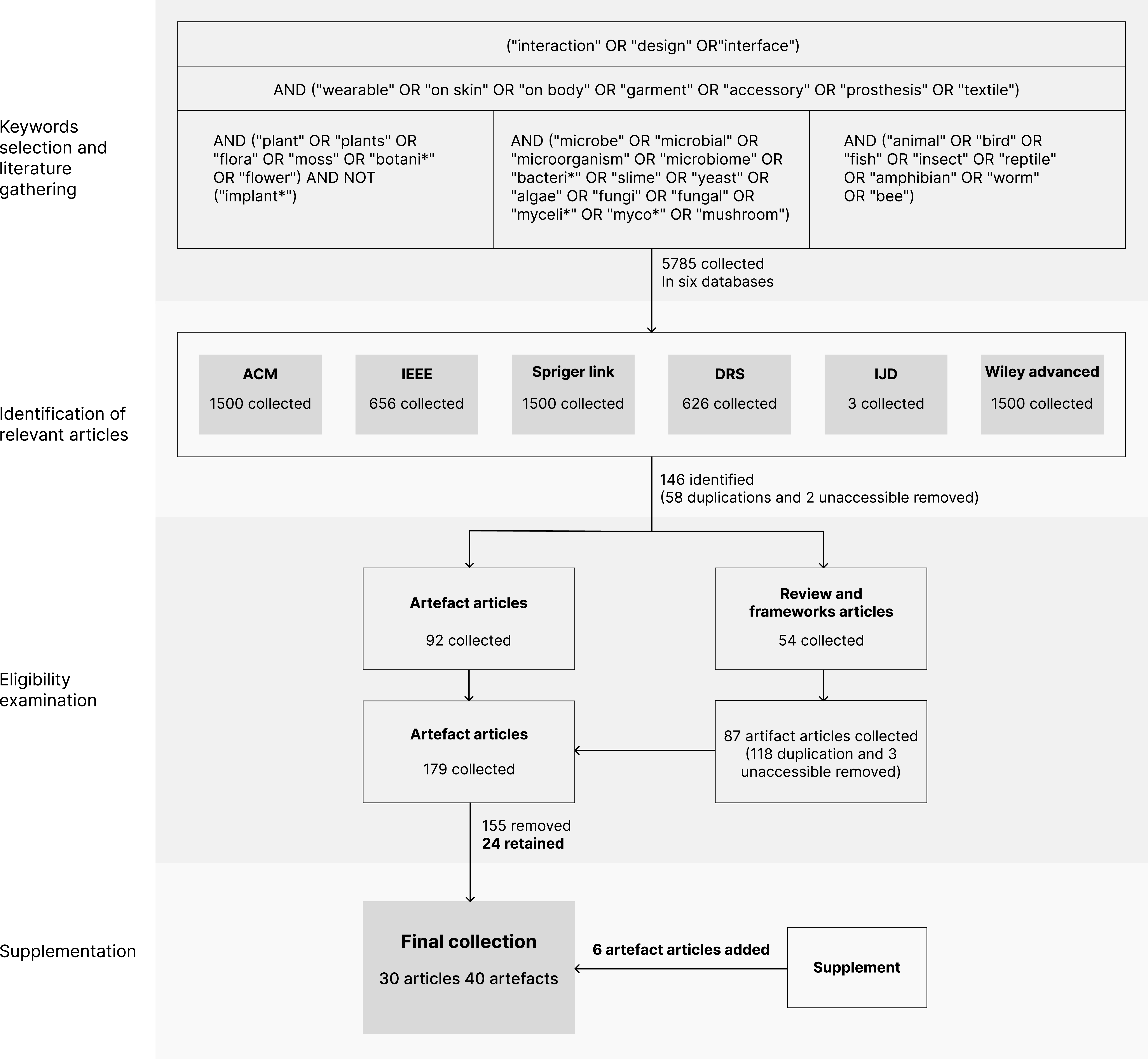
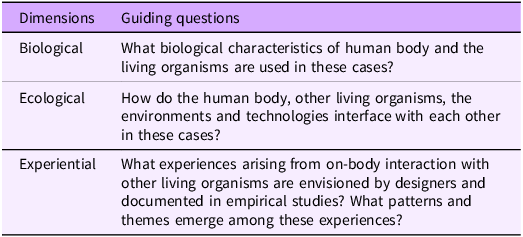
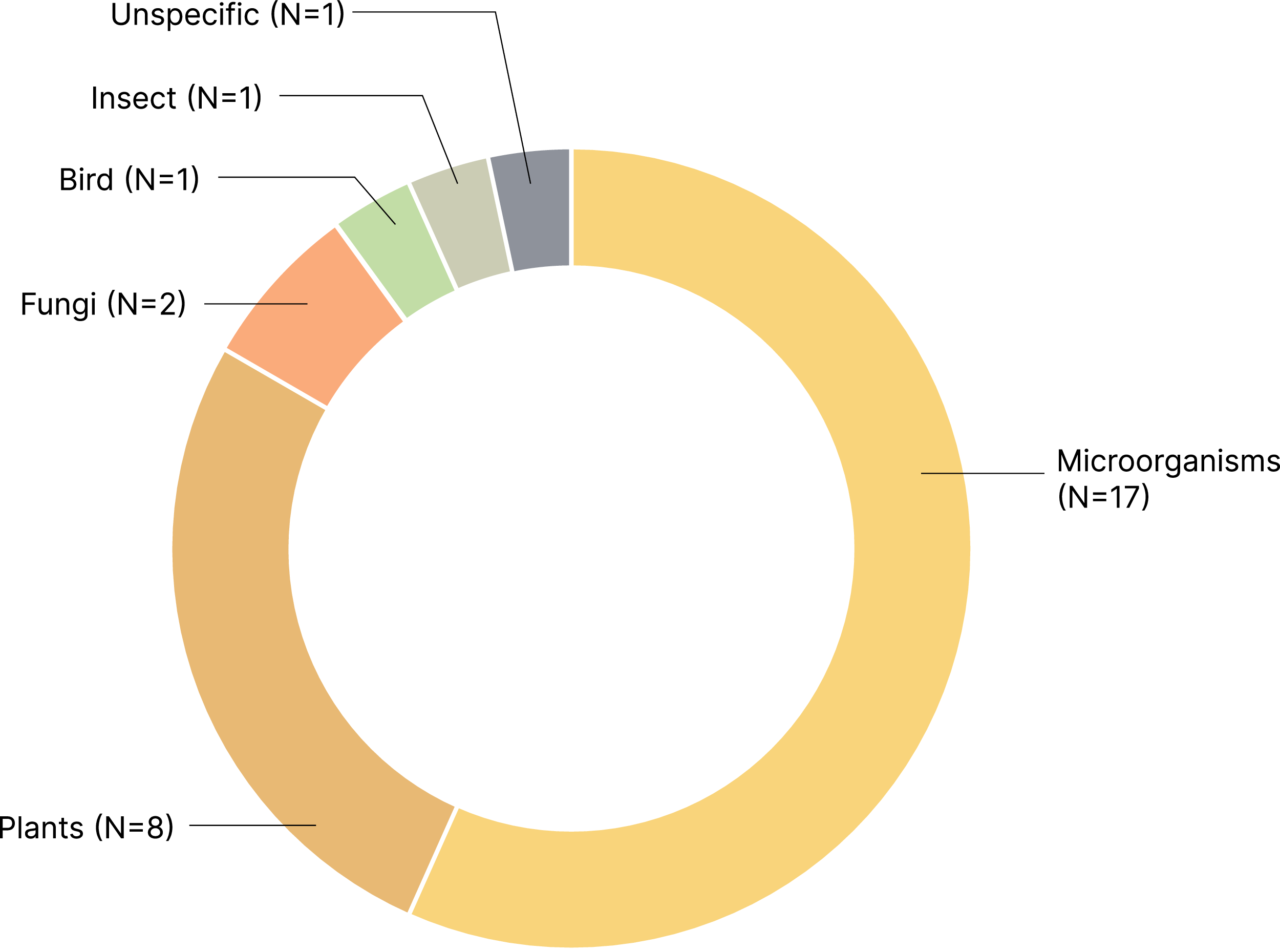
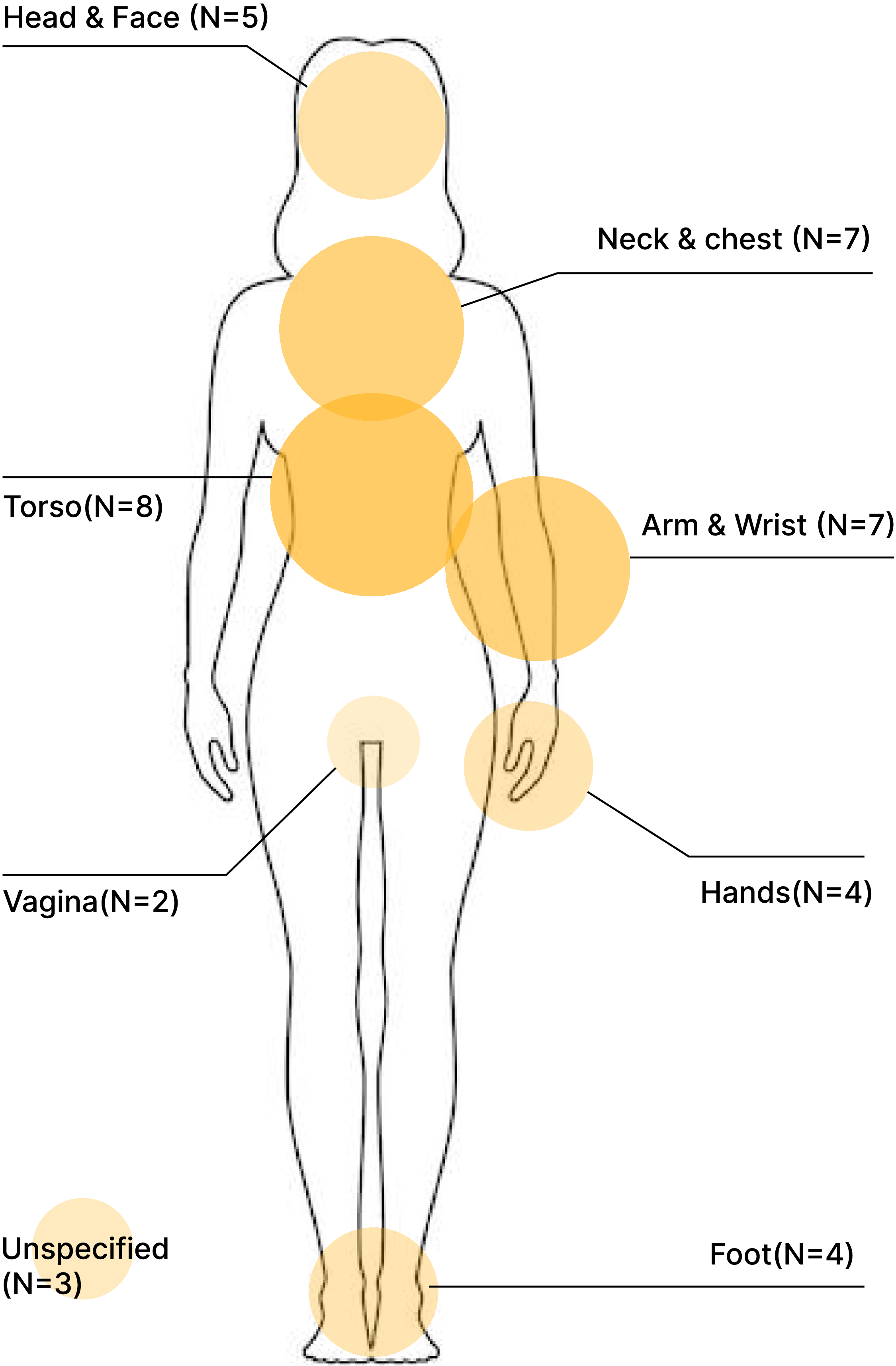
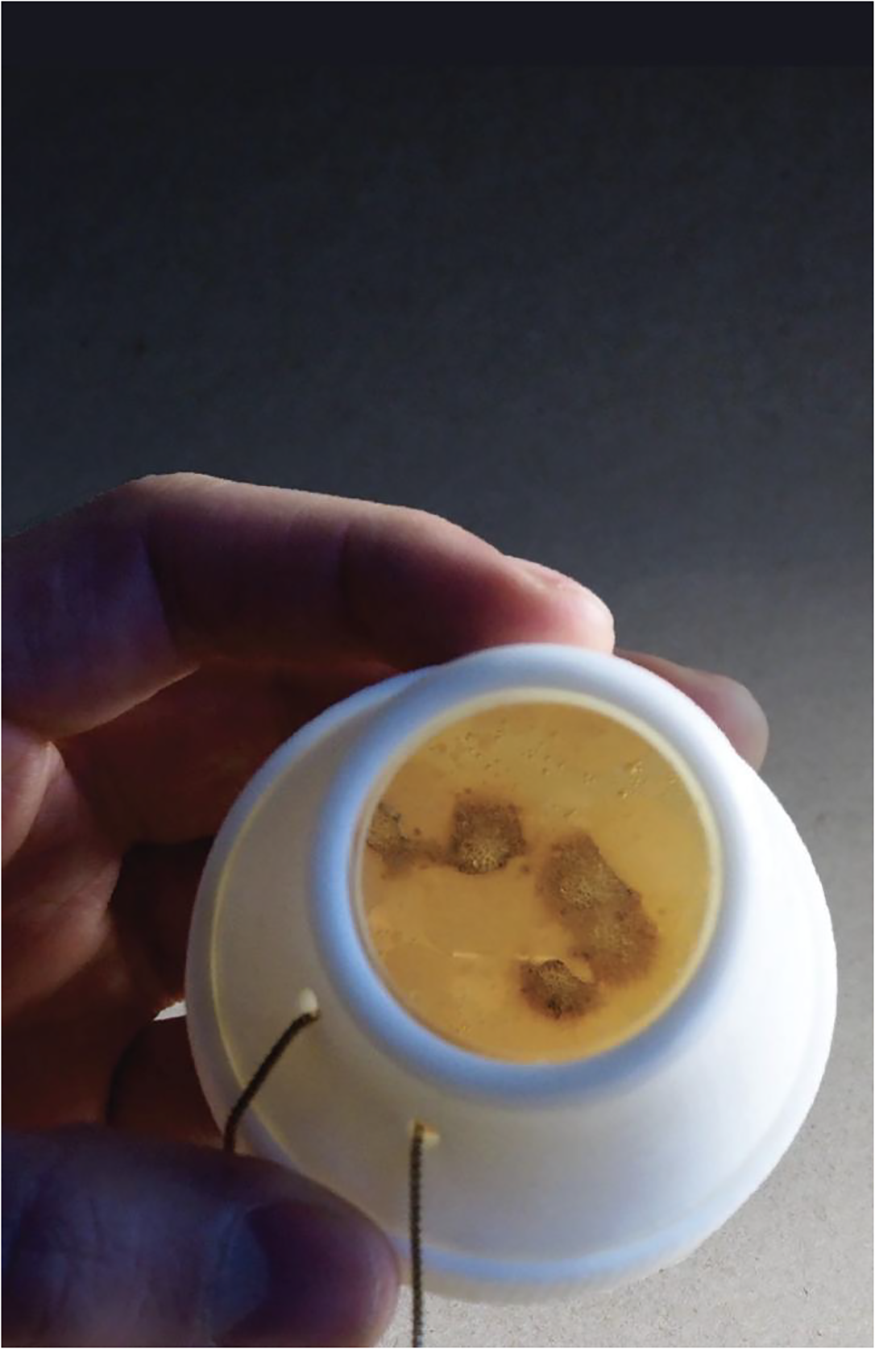
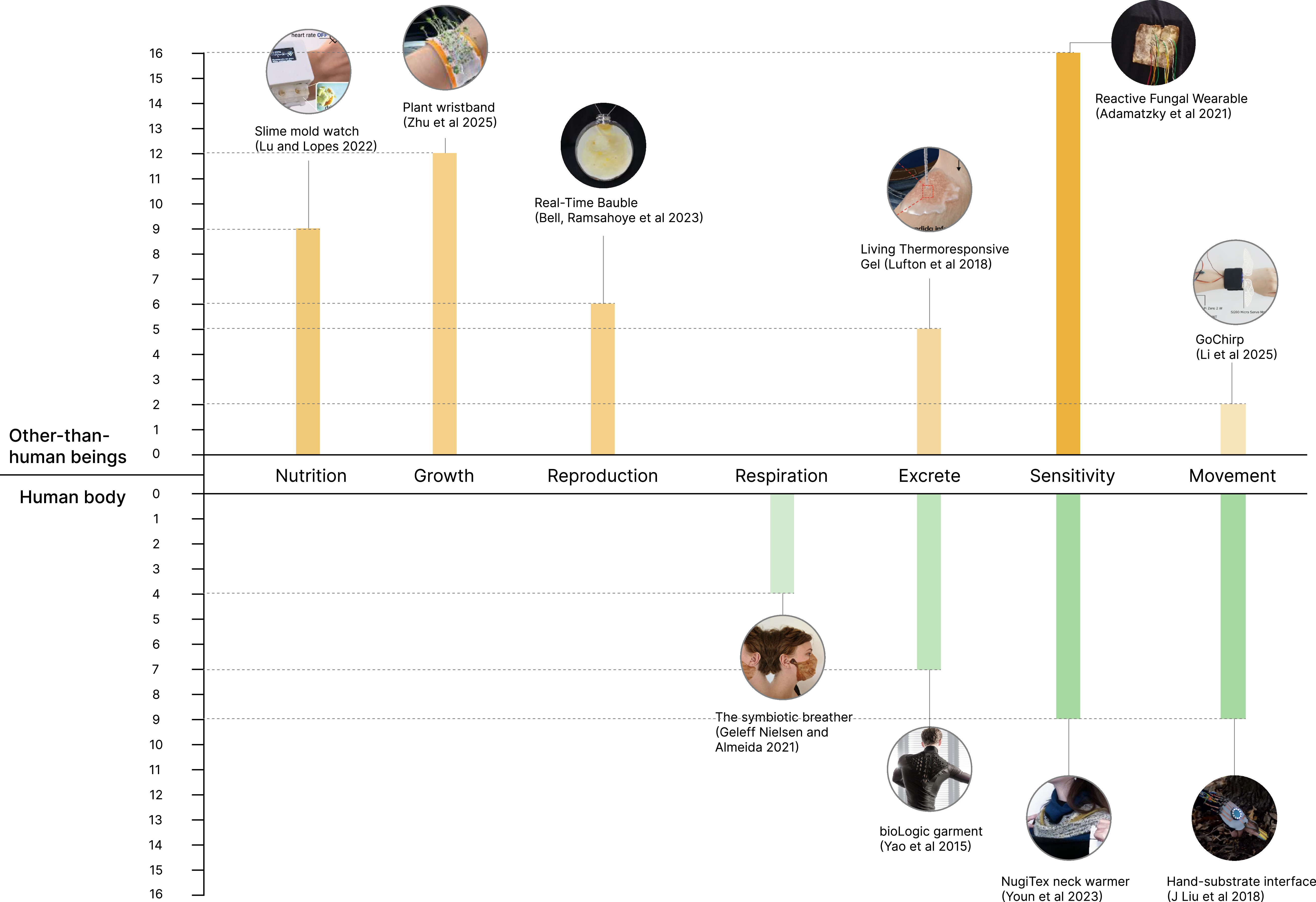
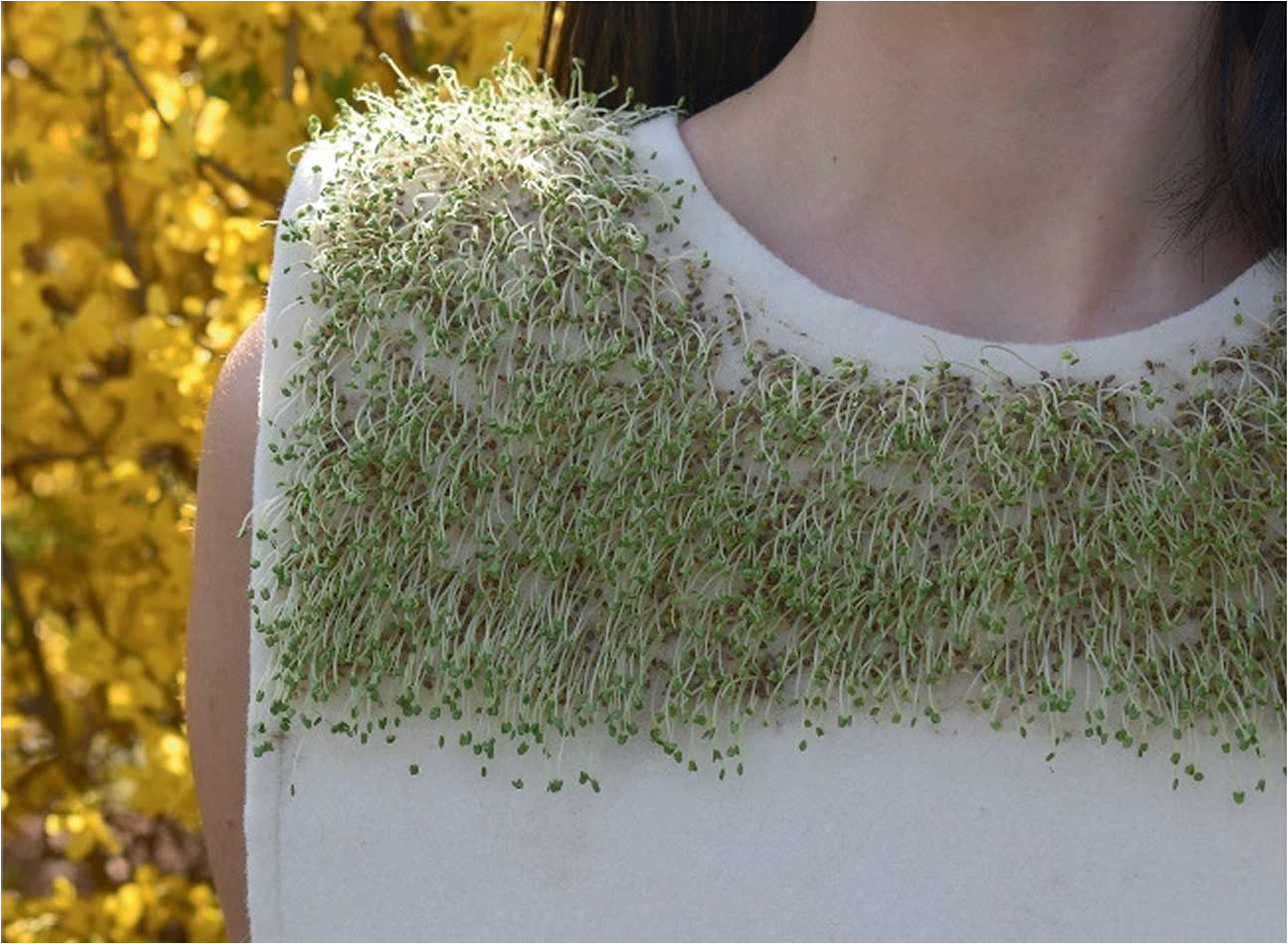
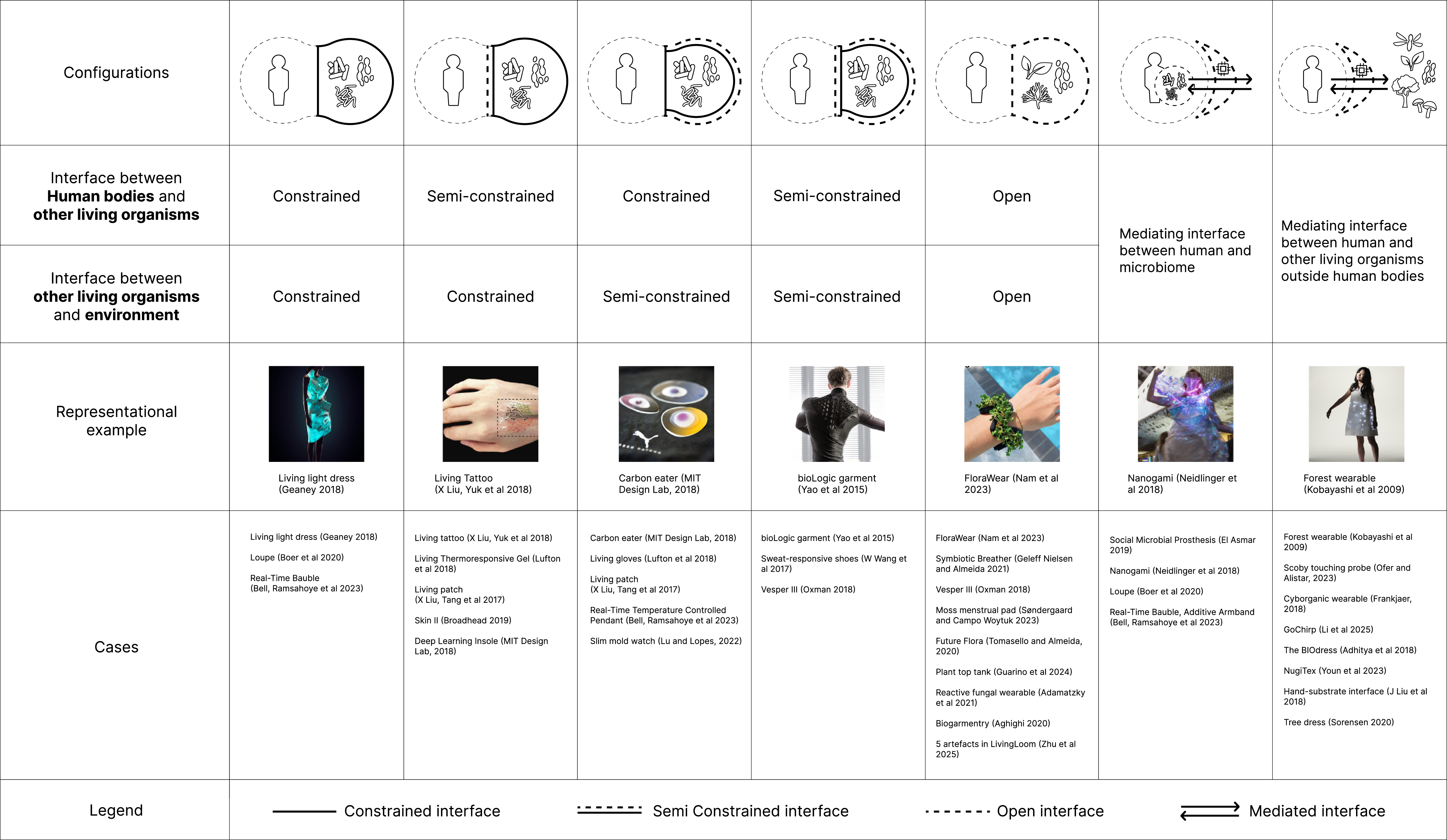
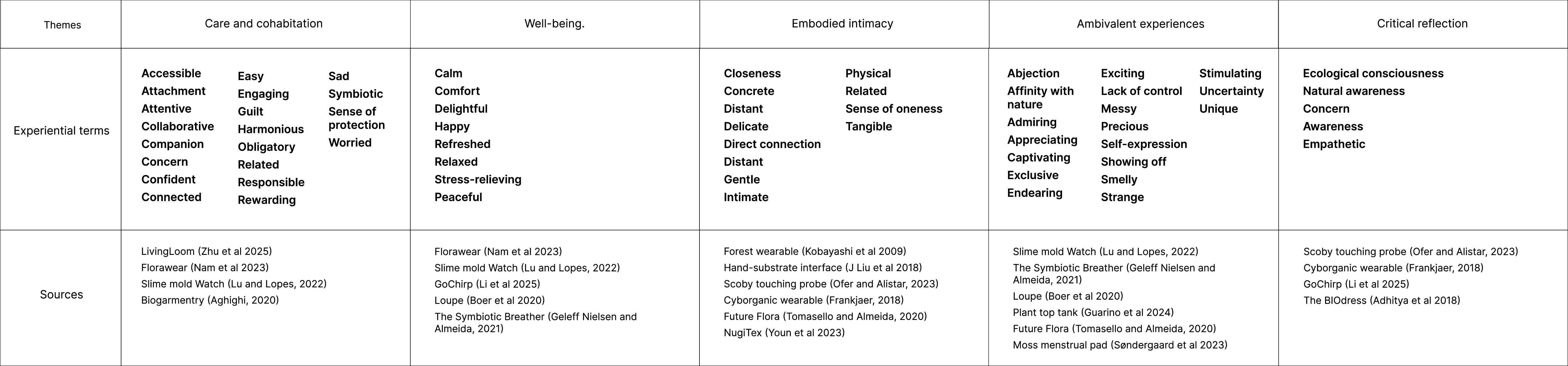
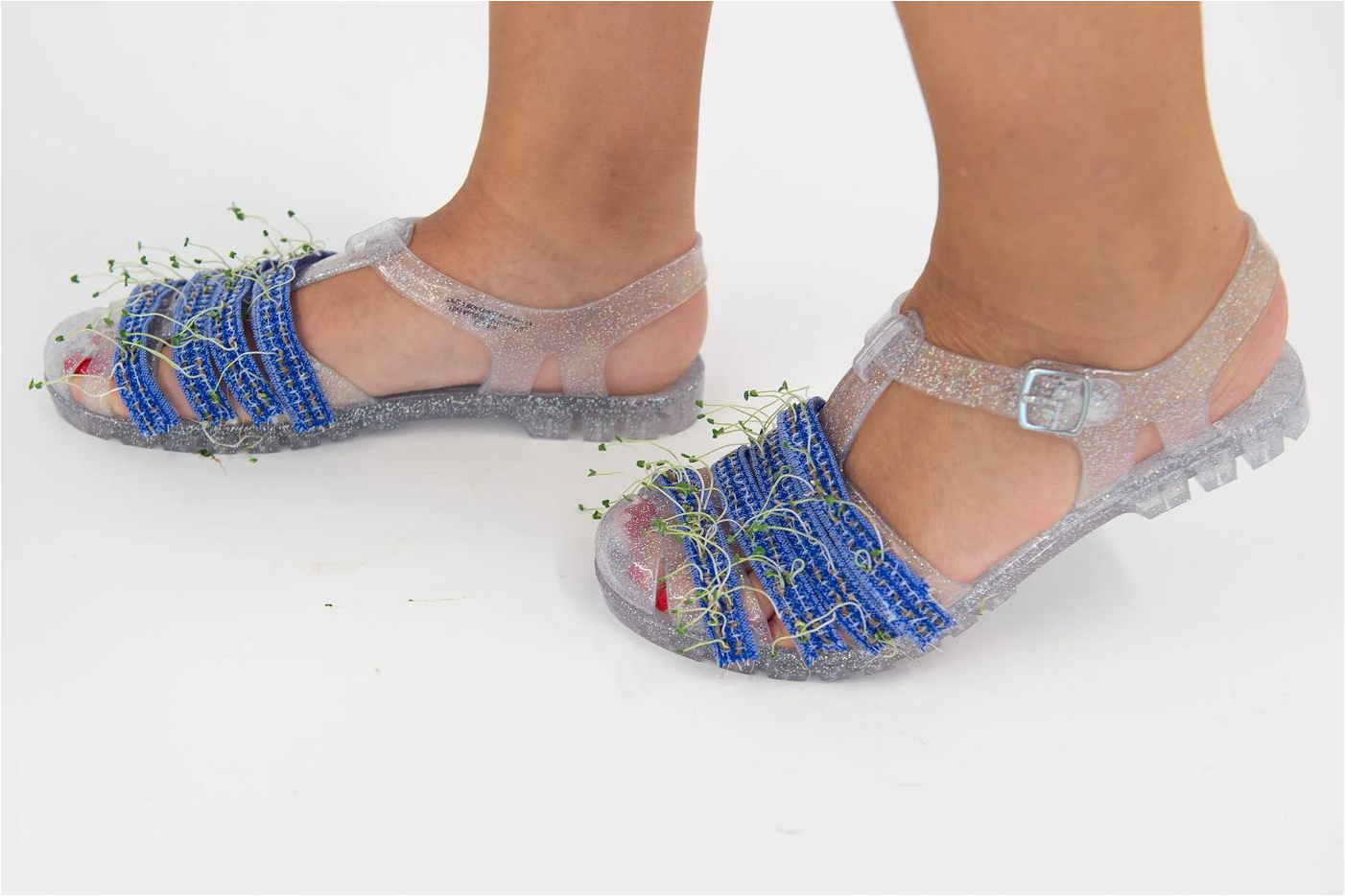
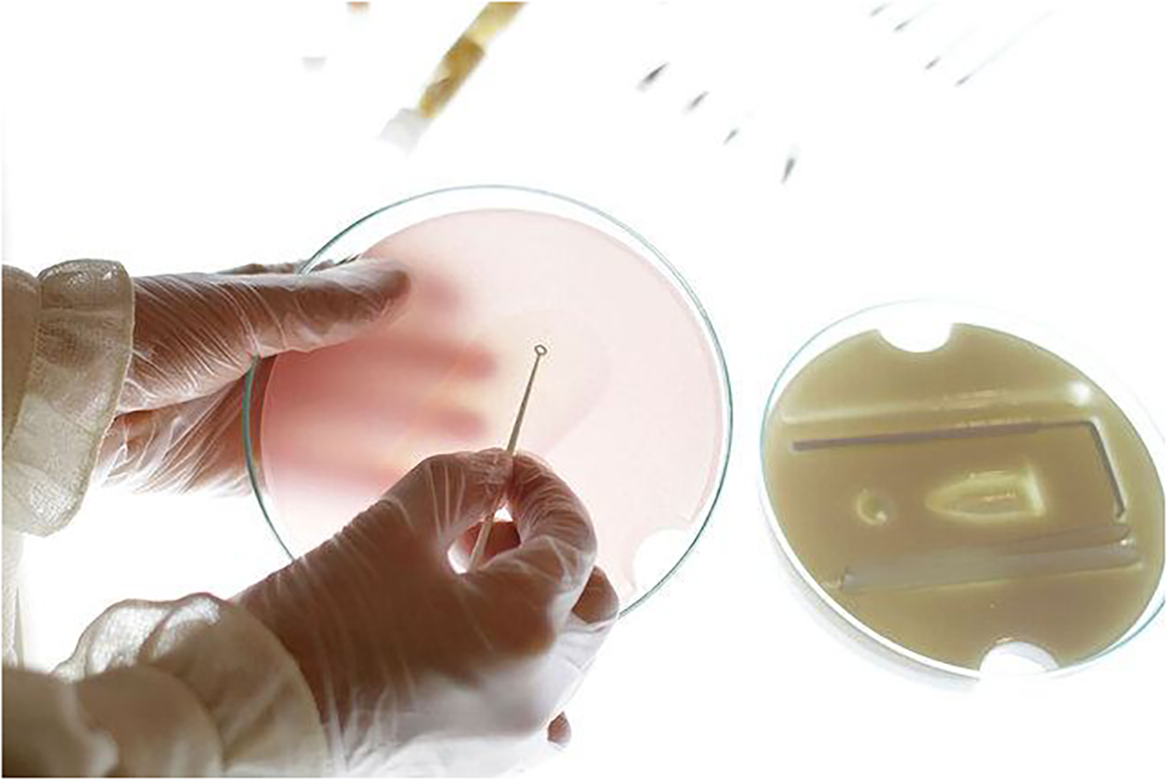
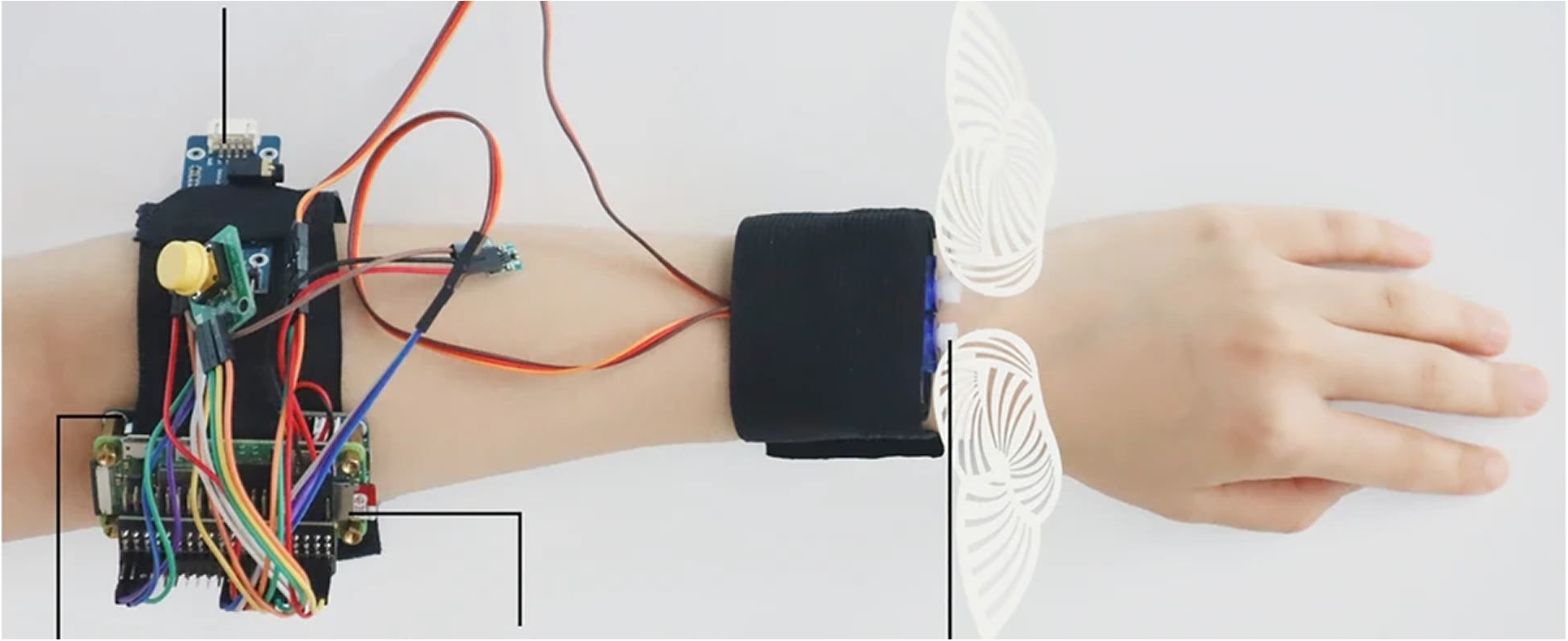
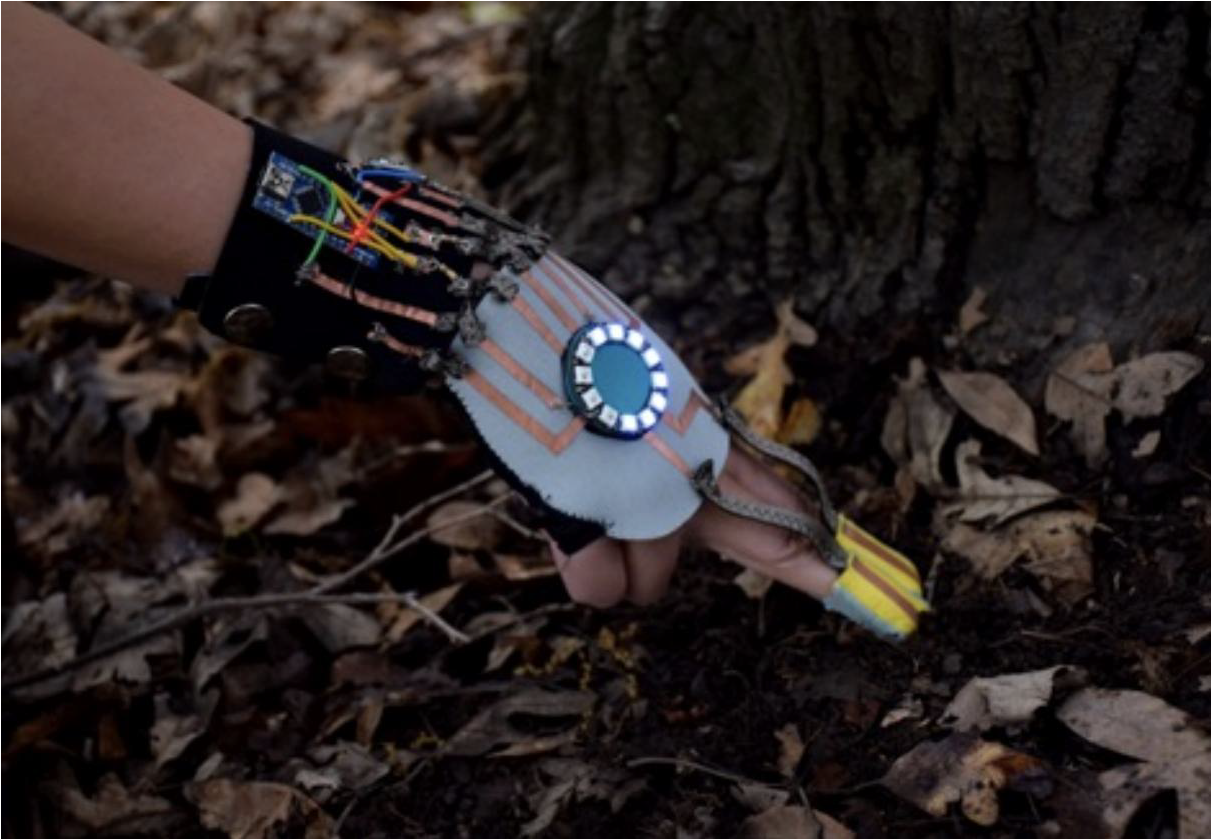
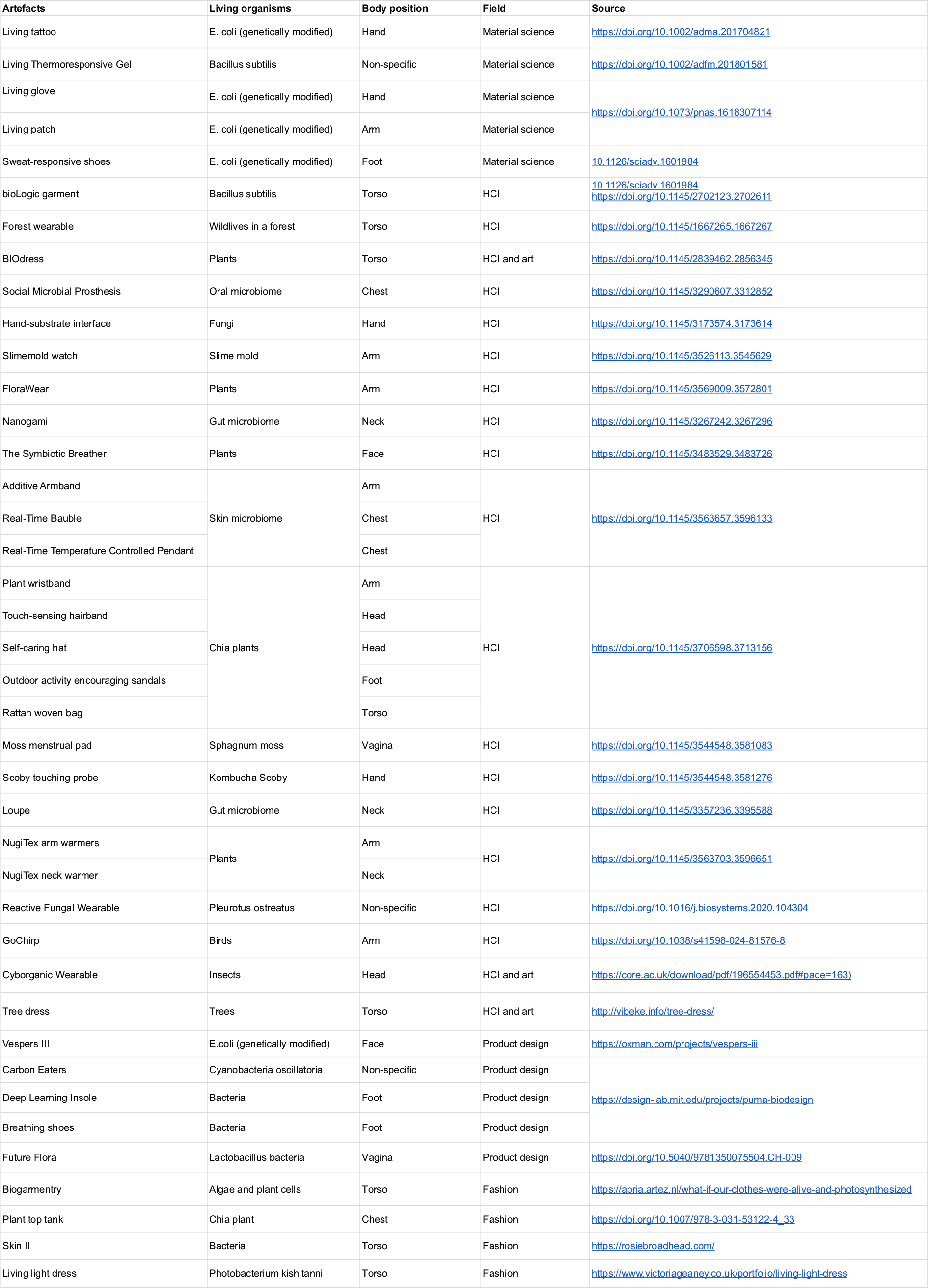

 Open access

