


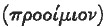
 of a speech, recognize that a speaker may encounter prejudice on the part of his audience for some reason or other; perhaps because of his own character or reputation, or because of the nature of the case he is pleading, or because his opponent has already won their approval. Anaximenes describes a speaker in this situation as
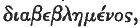 and he and Aristotle give advice on countering such
 if they have arisen (Arist. Rhet. 3. 15; Anax. Rhet. ad Alex. 29 fin., 35 init., 36 init.). Rather more than two centuries later we find the early Latin rhetoricians expounding the doctrine of insinuatio for dealing with such a situation; they distinguish between principium, the ordinary direct introduction, and insinuatio, the ‘subtle approach’ (Caplan, in his Loeb translation of the ad Herennium, p. 13).
 by admirabilia; cf. ‘haec
 illi, nos admirabilia dicamus’ (de Fin. 4. 27. 74); ‘quae quia sunt admirabilia contraque opinionem omnium, ab ipsis etiam
 appellantur’ (Par. Stoic. proem. 4).
 is the Greek equivalent of genera causarum.
 in
 The case is not likely to be turpe, nor the audience tired by the previous speaker, nor convinced by him. Probably the ordinary introduction designed to make the audience docilis, atlentus, beniuolus is regarded as unnecessary in a
 and an
 would make it more interesting. See Theon. Progym. 12

 and cf. ad Her. 1. 6. 10: ‘si defessi erunt audiendo … ab apologo, fabula ueri simili, imitatione etc …’ (sc. exordiemur).
 (obscurum), which must therefore have been added later.
 is used in sense I (a ‘subtle approach’) in Dionysius and the papyrus fragment; but in factneither author defines it or gives any indication in which sense he is using it. All we can say is that in the papyrus it seems to be brought into relationship with


Crossref Citations

This article has been cited by the following publications. This list is generated based on data provided by Crossref.
Nussmeier, Anthony
2012.
Dante, Guinizzelli, Guittone, and the Politics of Literary Debate.
Textual Cultures,
Vol. 7,
Issue. 2,
p.
43.
2012.
2015.
2020.
Bua, Giuseppe La
2025.
Deceptive Oratory: Cicero in Sinon’s Speech (Verg. Aen. 2.57–198).
Classical Philology,
Vol. 120,
Issue. 1,
p.
104.