


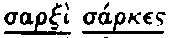
 προσγ⋯νωνται, τοῖς δ⋯
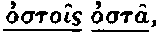 κα⋯ οὕτω κατ⋯ τ⋯ν αὐτ⋯ν λ⋯γον κα⋯ τοῖς ἄλλοις τ⋯ αὐτ⋯ν οἰκεῖα ⋯κ⋯στοις προσγ⋯νηται…), which is ‘a clear reference to Anaxagoras’ (
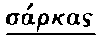 ⋯κ τ⋯ς τροφ⋯ς προσι⋯ναι ταῖς

 ἦν, γ⋯νεσθαι
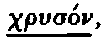 , ὅτι δ⋯
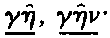 ⋯μο⋯ως δ⋯ κα⋯ τ⋯ν ἄλλων ἒκστον, ὡς οὐ γινομ⋯νων ⋯λλ' ⋯νυπαρχ⋯ντων πρ⋯τερον).

Crossref Citations

This article has been cited by the following publications. This list is generated based on data provided by Crossref.
Edwards, M. J.
1990.
Treading the Aether: Lucretius,De Rerum Natura1.62–79.
The Classical Quarterly,
Vol. 40,
Issue. 2,
p.
465.
Edwards, M. J.
1993.
Aeternus Lepos: Venus, Lucretius, and the Fear of Death.
Greece and Rome,
Vol. 40,
Issue. 1,
p.
68.
Kingsley, K. Scarlett
2020.
PLATAEA ON THE PYRE: ANAXAGORAS A 44 AND THUCYDIDES 2.77.
The Classical Quarterly,
Vol. 70,
Issue. 2,
p.
541.
Veillard, Christelle
2026.
The Palgrave Handbook of the Philosophy of Humor.
p.
83.