




1. Introduction
Design is one of the most crucial cognitive activities of humans. It plays a central role in both the general and professional aspects of human life. Particularly in the modern world, where there is an increasing specialization and differentiation of professions, a wide range of jobs fundamentally revolve around design. These include fields such as engineering design, industrial design, architectural design, graphic design, landscape design, interior design and many others. Despite the identification of profound aspects of design within various theoretical frameworks, significant scientific gaps still exist. Therefore, design studies strive to understand the multifaceted nature of this complex activity, aiming not only for fundamental knowledge but also for practical and educational goals to enhance the performance of designers and improve design education. In this context, one of the less explored issues is the bidirectional relationship between designing and stress. The challenges inherent in design processes can themselves be stress inducing, potentially impacting the health, performance and quality of designers’ work, both positively and negatively. This issue underscores the importance of studying the interplay between design and stress.
Given the nature of design, the development of the concept of design and its impacts across various fields, as well as the significant growth of scientific journals in contemporary times, the importance of systematic reviews and meta-analyses of existing studies in this domain becomes increasingly evident. Today, one of the most critical topics in scientific research is the systematic review, which serves as a powerful method in the research process, allowing for the reassessment of research findings that have been published in various forms, including articles, books and dissertations. Despite the number of studies and systematic reviews in the field of design research, there is a notable lack of structured analysis of the literature specifically addressing the relationship between stress and designing. Yet, to establish a young and emerging research field, frameworks and theories, a systematic review is essential for obtaining precise, complete and comprehensive information from the research literature, marking a significant step toward its development and recognition. A systematic review is conducted by meticulously gathering and organizing information from all relevant publications on a specific phenomenon, ensuring comprehensive coverage and minimizing bias. Systematic reviews, following established guidelines such as the PRISMA-ScR statement (Moher et al. Reference Moher, Liberati, Tetzlaff and Altman2009), are precise, transparent and replicable, aligning with the standards of empirical research (Hay et al. Reference Hay, Duffy, McTeague, Pidgeon, Vuletic and Grealy2017).
Accordingly, this study aims, for the first time, to conduct a scoping review informed by an interpretive metasynthesis approach of studies in the design research domain that have focused on stress, following the PRISMA-ScR protocol. In this context, metasynthesis is employed as an interpretive and integrative approach to support the conceptual synthesis of findings across multiple analytical methods. Unlike our earlier review of negative emotional experiences in design (Ashari et al. Reference Ashari, Amraei, Schmidt and Cascini2024), this study is the first to focus exclusively on stress as a distinct research topic and synthesizes prior work to articulate design stress as a coherent conceptual construct grounded in the specific cognitive and experiential characteristics of design activity. The goal is to integrate the existing literature into a unified analytical framework, identify the contours of this emerging research area and highlight the conceptual and methodological gaps that shape opportunities for future inquiry. This research seeks to answer the main questions: How can the existing literature on design studies related to stress be integrated into a comprehensive and unified framework? What are the research trends and emerging topics? Additionally, it will address secondary questions such as: Which keywords have researchers focused on most in design studies related to stress? What has been the primary focus in most studies in this area? What have the existing studies in this field primarily concentrated on?
1.1. Stress
Over the past three decades, an extensive body of research has examined the complex relationship between physical health and mental well-being, drawing sustained attention to the understanding of emotions and the measurement of stress (Soroush et al. Reference Soroush, Maghooli, Setarehdan and Nasrabadi2018). Traditionally, stress has been investigated within the domain of affective computing and related disciplines (including robotics, brain–computer interaction, psychology and neuroscience) through the analysis of physiological, cognitive and emotional signals (Soroush et al. Reference Soroush, Maghooli, Setarehdan and Nasrabadi2018). Among various emotional states, stress stands out as particularly significant due to its pervasive impact on both psychological and physiological functioning and its manifestation across multiple measurable biological systems (Dupont, Smith & Allen Reference Dupont, Smith and Allen2024; Shah, Cutler & Gupta Reference Shah, Cutler and Gupta2024). Consequently, substantial research efforts have been directed toward developing reliable and valid methods for accurately detecting and quantifying stress (Can, Arnrich & Ersoy Reference Can, Arnrich and Ersoy2019).
Contemporary scholarship conceptualizes stress as a multidimensional and systemic construct, encompassing intertwined physiological, psychological and cognitive responses to perceived environmental demands. For example, Shah et al. (Reference Shah, Cutler and Gupta2024) describe stress as emerging from the dynamic interaction between stressors, individual appraisal processes and neuroendocrine responses, thereby necessitating integrative and multilevel measurement approaches. Similarly, Dupont et al. (Reference Dupont, Smith and Allen2024) emphasize that both physiological markers and psychological indicators are central to a comprehensive definition of stress, underscoring that stress cannot be reduced to a purely subjective experience. Recent research on stress-tracking technologies further highlights the importance of clearly defined conceptual frameworks and robust measurement strategies, particularly in the context of digital monitoring tools capable of capturing real-time behavioral and physiological data (Maeckelberghe & Ludden Reference Maeckelberghe and Ludden2025). In technologically mediated environments, stress has also been shown to influence human performance and user experience, reinforcing its complexity and contextual sensitivity (Matthews et al. Reference Matthews, Szalma, Warm and Hancock2025).
In today’s fast-paced world, stress has become a pervasive aspect of daily life (Elias, Ping & Abdullah Reference Elias, Ping and Abdullah2011; Modi et al. Reference Modi, Kumar, Mehta and Chaplot2025). It represents one of the most significant challenges individuals encounter, with nearly everyone experiencing stress in varying forms and intensities (Kim et al. Reference Kim, Shin, Tsukayama and Park2020; Zangeneh Soroush et al. Reference Zangeneh Soroush, Zhao, Jia and Zeng2023). Stress is commonly defined as a response to perceived threats or demands that are appraised as taxing or exceeding an individual’s physical or psychological resources. Such responses involve coordinated changes in the nervous system, emotional states, cognitive processes and behavioral patterns, enabling individuals to adapt to and cope with challenging situations (Monroe Reference Monroe2008; Pozos-Radillo et al. Reference Pozos-Radillo, Preciado-Serrano, Acosta-Fernández, Aguilera-Velasco and Delgado-García2014; Sharma, Singh & Sharma Reference Sharma, Singh and Sharma2021).
Stress may also be conceptualized as a psychological threat, wherein individuals interpret a situation as potentially harmful or overwhelming. This appraisal process can impair problem-solving abilities and reduce cognitive flexibility (Chauhan, Bali & Singh Jaggi Reference Chauhan, Bali and Singh Jaggi2015). The intensity of stress experienced varies according to individual differences, lifestyle factors, life events and occupational contexts (Cohen et al., Reference Cohen, Kamarck and Mermelstein1983; Spielberger, Reference Spielberger1983). Sustained psychological pressure can negatively affect performance in everyday tasks and contribute to serious health complications (Gitlow et al. Reference Gitlow, Janney, Lemery, McDonald, McGinley and Rabideau2019; Attia et al. Reference Attia, Ibrahim, Elsady, Khorkhash, Rizk, Shah and Amer2022; Modi et al. Reference Modi, Kumar, Mehta and Chaplot2025). Stressors may originate from physical sources such as pain or sleep deprivation, cognitive demands such as complex mental tasks or emotional triggers such as exposure to highly arousing content. These stressors may be internal (shaped by personality traits) or external, including financial strain or interpersonal conflict (Wong et al. Reference Wong, Wong, Ng, Bostanudin and Tan2023). Human responses to stress encompass a range of behavioral, emotional and cognitive reactions aimed at managing or mitigating perceived challenges. Empirical evidence indicates that stress is associated with numerous adverse health outcomes, including hypertension, cardiovascular disease, stroke, muscular fatigue, cardiac arrest and mental health disorders such as depression and anxiety (Attia et al. Reference Attia, Ibrahim, Elsady, Khorkhash, Rizk, Shah and Amer2022; Wong et al. Reference Wong, Wong, Ng, Bostanudin and Tan2023; Zhang et al. Reference Zhang, Zhao, Zhou, Meng and Zhou2023). Stress is widely regarded as a major public health concern, partly because effective management is often difficult and its consequences can extend to both social and professional domains (Bitran, Barlow & Spiegel Reference Bitran, Barlow, Spiegel, Gelder, Andreasen, Lopez-Ibor and Geddes2009). Both acute and chronic stress have been shown to undermine physical and psychological well-being, impair problem-solving capacity and diminish creative performance (Julia, Lorie & Edward Reference Julia, Lorie and Edward2008; Creswell et al. Reference Creswell, Dutcher, Klein, Harris and Levine2013). The detrimental effects of prolonged and severe stress on the body and mind are well documented (Everly Reference Everly, Millon and Kierman1986; Harris Reference Harris1991). Despite variations in definitional nuances, there is a broad consensus among researchers that stress compels individuals to adapt, modify behavior or employ coping strategies in response to environmental demands (Estura Reference Estura2007).
1.2. The importance of identifying and clarifying the concept of stress in design
Understanding stress in design is very important. Designers often face many pressures in their work. These pressures include workplace demands, difficult tasks, time management issues, performance evaluations, personal problems and individual differences (Meurs & Perrewé Reference Meurs and Perrewé2011; Ren & Zhang Reference Ren and Zhang2015; Norouzianpour Reference Norouzianpour2020; Nolte et al. Reference Nolte, Huff and McComb2022). For new designers, these pressures can drain cognitive resources, increase anxiety and lower both performance and creativity (Van Dyne, Jehn & Cummings Reference Van Dyne, Jehn and Cummings2002; Sacramento, Fay & West Reference Sacramento, Fay and West2013; Nolte & McComb Reference Nolte and McComb2021; Nolte et al. Reference Nolte, Soria Zurita, Starkey and McComb2023). Severe stress can reduce motivation, disrupt information processing and further harm creativity (Schaufeli et al. Reference Schaufeli, Salanova, González-Romá and Bakker2002; Anderson, Potočnik & Zhou Reference Anderson, Potočnik and Zhou2014). Poor stress management can lead to both short-term and long-term stress, causing serious negative effects on designers’ health and performance. This can also hurt the overall quality of their designs, potentially resulting in lasting psychological issues. In light of these challenges, this study provides a more comprehensive and detailed analysis of stress in the design domain, offering insights that may inform the development of practical and structured approaches for stress management in design practice. Despite previous efforts to clarify this topic, it remains largely underexplored. The existing literature is fragmented, with only a limited number of scattered studies addressing various aspects of stress, indicating a lack of cohesive investigation into the phenomenon within design studies. No single study has systematically examined stress as a unified subject within the design research context.
Nevertheless, the nature of stress in design, its effects and the interrelationships among these factors have been recognized as a significant area of scholarly interest. Attention to this topic from multiple perspectives underscores its critical importance. A thorough and nuanced understanding of the nature, types, causes and effects of stress in design is essential for supporting designers in coping with these pressures, enhancing their performance and improving the quality of their creative outputs. Accordingly, it is imperative to explore this domain with a systematic and rigorous approach to bridge the existing knowledge gap partially. In response to this need, the present research aims to construct a comprehensive and precise framework derived from a systematic review of existing studies. This framework seeks to define a novel research domain, providing clarity in an otherwise ambiguous field and offering new avenues for future investigations in design-related stress research.
Design stress is defined in this study as a context-specific, process-bound psychological and cognitive state that emerges directly from the demands of design activities across different steps of the design process (e.g. ideation, problem framing, evaluation and implementation). Unlike occupational stress, which is typically associated with workplace conditions in general, and cognitive load, which primarily refers to task-related mental effort, design stress is uniquely characterized by its iterative, ambiguous and creative problem-solving structure. It is therefore not merely a by-product of workload, but a dynamic phenomenon embedded within the epistemic structure of design thinking itself.
1.3. General outline
This study aims to explore research trends and emerging topics related to stress in design, with comprehensive content and a theoretical framework for understanding and further investigating its multiple aspects. Based on the PRISMA-ScR guidelines, the research systematically reviews the existing literature. We identified 21 relevant articles by searching for keywords related to the design research domain and its branches and concepts (industrial design, product design, engineering design, architectural design, service design, graphic design, interior design, design thinking, conceptual design, design process, design creativity and design problem-solving) in reputable scientific databases (Section 3). The research then employs scientometric analysis using VOSviewer to quantitatively examine and analyze keywords from these articles (Section 4). For qualitative and thematic analysis of the existing literature, grounded theory is applied through three steps of coding: open coding, axial coding and selective coding (Section 5). Content analysis is used to extract semantic units and analyze the underlying theories within the research area (Section 6).
In Section 7, findings from the previous sections are integrated, analyzed and synthesized to define and outline a new research domain along with its broad dimensions. Section 8 presents the results of the research findings, discusses the challenges in this research area and provides recommendations for future research. Figure 1 illustrates an overview of the research methodology.
Overview of the research steps in the study of stress in design.

Figure 1. Long description
The flowchart lists eight numbered sections in sequence, each shown as a row of connected coloured ovals: Section 1 leads to ’Introduction’; Section 2 leads to ’Research Methodology’; Section 3 leads to ’Literature Search’ then ’PRISMA ScR’; Section 4 leads to ’Scientometric analysis’, ’VOSviewer’, and ’Key Words’; Section 5 leads to ’Grounded theory’, ’Coding’, and ’Thematic’; Section 6 leads to ’Qualitative content analysis’, ’Coding’, and ’Researchers’ Perspectives’; Section 7 leads to ’Discussion’ and ’Meta-analysis & Meta-synthesis’; Section 8 leads to ’Conclusion’ and ’recommendations & Limitations’.
2. Research methodology
This study falls under the category of research that involves the synthesis of studies and the use of integrative methods, employing metasynthesis through multiple approaches and steps. Following the metasynthesis process model, the data were analyzed, compared and integrated. Metasynthesis is a qualitative approach that provides interpretations and theories by synthesizing and comparing qualitative studies within a specific domain (Sarasvathy Reference Sarasvathy2001). In other words, it offers new interpretations through the redefinition and reorganization of findings (Finfgeld-Connett Reference Finfgeld-Connett2008).
In this study, concepts related to stress within design research were used as the basis for analysis, comparison and integration. Because scoping reviews are considered a subtype of systematic reviews designed to map the breadth and structure of emerging research domains, this study adopts a scoping review approach within the broader systematic review tradition. While the study draws on the principles of metasynthesis, it does not adhere to a single established protocol (such as metaethnography). Instead, metasynthesis is employed in an expanded and interpretive sense, serving as an integrative process that supports the conceptual synthesis of findings derived from multiple analytical approaches. Specifically, the study combines scientometric analysis for structural mapping with grounded theory and qualitative content analysis for in-depth thematic interpretation. In this context, metasynthesis functions as a higher level interpretive layer that enables the integration of quantitative patterns and qualitative insights into a coherent conceptual framework of design stress.
This research explores the existing literature on stress in design through a systematic review that integrates both quantitative and qualitative methods of analysis. This combined approach facilitates the development of a novel research domain enriched with comprehensive insights and a robust theoretical foundation, derived from the analysis of keywords, themes, theoretical orientations and emerging trends within the literature. In doing so, the study enhances understanding of the field while addressing existing knowledge gaps and providing a foundation for future research. The comprehensive view of the research methodology can be seen in the image next (Figure 2). The methodology employed comprises the following four main steps.
Research methodology, Section 2: Overview of the research methodology.

Figure 2. Long description
The diagram shows ’Section 2’ leading to ’Research Methodology’, which branches into three parallel rows: (1) Systematic review to PRISMA; (2) Quantitative analysis to Scientometric analysis to VOSviewer to Key Words; (3) Qualitative analysis, split into Grounded theory to Coding to Subject, and Content analysis to Coding to Researchers’ Perspectives.
2.1. Systematic review using PRISMA-ScR
A scoping review aims to identify, analyze and categorize prior research within a given field by employing a systematic, transparent and comprehensive approach to searching, selecting and critically evaluating relevant studies. Unlike systematic reviews, which focus on meta-analysis and the quantitative synthesis of data, scoping reviews do not statistically aggregate results. Instead, they map the research landscape, classify key thematic areas and identify gaps in the literature, making them particularly valuable for emerging or complex research domains.
In this study, the PRISMA-ScR (Preferred Reporting Items for Systematic Reviews and Meta-Analyses; Scoping Review Extension) guidelines were employed to systematically search for and evaluate studies related to stress in design. Rather than focusing on quantitative outcomes, PRISMA-ScR facilitates thematic mapping and qualitative synthesis of existing research (McGowan et al. Reference McGowan, Straus, Moher, Langlois, O’Brien, Horsley, Aldcroft, Zarin, Garitty, Hempel, Lillie, Tunçalp and Tricco2020). Additionally, metasynthesis and grounded theory coding were employed for qualitative analysis, allowing for the extraction of core themes and conceptual patterns from the selected studies (Tong et al. Reference Tong, Flemming, McInnes, Oliver and Craig2012). The PRISMA-ScR flow diagram was used to illustrate the process of study identification and screening in this research. This diagram provides details regarding the number of initially identified studies, those excluded based on inclusion and exclusion criteria, and the final selection of studies for analysis. The four key steps of this process include: (1) identifying relevant studies, (2) initial screening, (3) detailed assessment of selected studies and (4) final data synthesis (Hay et al. Reference Hay, Duffy, McTeague, Pidgeon, Vuletic and Grealy2017). This structured approach enhances the transparency of study selection and ensures the comprehensiveness of the scoping review. To ensure methodological transparency, all searches in the final phase were restricted to the title field. This decision was made to maximize the specificity of the retrieved records and to ensure that only studies explicitly addressing stress within design contexts were included. While this approach may limit the retrieval of articles in which stress is discussed only in the abstract or keywords, it enhances the precision of the dataset and reduces false positives. Accordingly, the comprehensiveness of the review refers to the systematic and exhaustive application of the predefined search strategy within these parameters. This methodological choice is consistent with scoping review standards, where clarity, reproducibility and conceptual mapping take precedence over exhaustive aggregation of all potentially related literature.
2.2. Scientometric analysis
Various methods are available for examining and analyzing the quantitative aspects of a collection of articles related to a specific journal, country or topic. One widely used method is scientometric analysis, which involves conducting a scientometric analysis to obtain quantitative insights (Rialp et al. Reference Rialp, Merigó, Cancino and Urbano2019). Scientometric analysis falls within the realm of library and information science research and focuses on the quantitative study of bibliographic documents (Rialp et al. Reference Rialp, Merigó, Cancino and Urbano2019; Laengle et al. Reference Laengle, Lobos, Merigó, Viedma, Cobo and Baets2021). This technique serves as a comprehensive and precise method for analyzing and sorting extensive scientific data. It aims to provide a shared understanding of the relationships between articles and offer an updated summary of the current or evolving state in a specific research field (Kuzior & Sira Reference Kuzior and Sira2022; Tamala et al. Reference Tamala, Maramag, Simeon and Ignacio2022). Researchers use this analysis for various reasons, including discovering content and intellectual frameworks in the literature, identifying new patterns in article and journal performance and understanding collaboration patterns among researchers (Leal Filho et al. Reference Leal Filho, Setti, Azeiteiro, Lokupitiya, Donkor, Etim, Matandirotya, Olooto, Sharifi, Nagy and Djekic2022).
2.3. VOSviewer software
Data visualization is a method that supports the understanding of structures and connections among thousands of documents. Specialized tools have been developed for this purpose, including the VOSviewer software. VOSviewer, which stands for “Visualization of Similarities,” is used to study the links between articles and apply clustering in reference databases. This software primarily focuses on visualizing scientometric networks using specialized algorithms for labeling and employing visual metaphors to represent data density (Laengle et al. Reference Laengle, Lobos, Merigó, Viedma, Cobo and Baets2021; Barroso & Laborda Reference Barroso and Laborda2022; Mallick & Debasish Reference Mallick and Debasish2022). It is renowned for its ability to efficiently visualize and create maps from scientometric data, allowing for the compilation of literature and mapping of relationships between selected studies (Kuzior & Sira Reference Kuzior and Sira2022). Additionally, the tool can generate keyword co-occurrence maps and is compatible with databases such as WOS, PubMed, Scopus, CrossRef JSON and RIS (Barroso & Laborda Reference Barroso and Laborda2022).
2.4. Grounded theory
Grounded theory is an analytical tool used to extract new concepts from data collected during research systematically. Rather than testing existing theories, researchers use this approach to develop their own theories (Strauss & Corbin Reference Strauss and Corbin1990). The process includes open coding, axial coding and selective coding, through which each article is carefully analyzed to identify key topics and concepts. In the open coding phase, each idea is assigned a code and label that reflect its content and meaning, with the codes being directly derived from the collected data (Miles & Huberman Reference Miles and Huberman2002). In the subsequent phase, known as axial coding, the data are summarized under the primary categories of these concepts. This process involves categorizing similar codes into related groups through iterative reading and re-reading of the texts (Goulding Reference Goulding2002; Boeije Reference Boeije2010). Axial coding focuses on conceptualizing and moves from an open to a more specialized form, where the principal axes within the data are identified and future steps of the research are organized around these axes (Strauss & Corbin Reference Strauss and Corbin1990).
Selective coding, the third step in grounded theory analysis and closely related to axial coding, focuses on the central axis of concepts. This step involves refining, integrating and linking concepts (Strauss & Corbin Reference Strauss and Corbin1990; Lee Reference Lee2001), organizing them into a coherent theory through a specific arrangement of categories. In grounded theory, a new theory is developed by meticulously extracting data from study texts and categorizing it into three types of coding: open, axial and selective.
This theory can be presented in three different forms: as a diagrammatic representation, an explanatory and narrative description or a set of propositions (Creswell Reference Creswell2005). Overall, this method involves designing and constructing a documented and systematic theory, approach and research domain through the systematic collection and inductive analysis of data (Faregh & Ashari Reference Faregh and Ashari2022, p. 7).
In this study, two independent researchers conducted all analyses manually. To ensure accuracy, each article was reviewed multiple times. The initial agreement between the coders was 85%, indicating a high level of concordance. To account for potential chance agreement, Cohen’s kappa was calculated at 0.82, reflecting substantial interrater reliability. Any discrepancies between the coders were resolved through discussion and consensus. For greater clarity and consistency in the analytical process, the coding results were organized into a Codebook, which is presented in the study’s tables. This Codebook included all codes, even those that appeared only once, reflecting the exploratory and theory-generating nature of the research. The aim was to provide a comprehensive representation of all concepts related to stress in design research. Through both quantitative and qualitative analyses, along with processes of inference, comparison, classification and synthesis of the existing literature in this area (based on keywords, themes, theories and orientations of the reviewed studies), a new research domain was created. This framework, which includes both conceptual and theoretical dimensions, encourages a deeper understanding of the subject. It offers valuable insights for researchers in this field and helps address existing knowledge gaps. A detailed overview of the research methodology is illustrated in the Figure 3.
Research methodology, Section 3: Article identification process according to PRISMA-ScR protocol.

Figure 3. Long description
The diagram runs Section 3 to ’The Process of Identifying Articles’ to PRISMA to ’Keywords’, which splits into ’Stress’ and ’Design studies’. ’Design studies’ branches into five columns of sub-fields: (1) Engineering Design, Industrial Design, Architectural Design, Product Design, Co-Design; (2) Service Design, Interior Design, Graphic Design, Conceptual Design, Design Cognition; (3) Thinking Design, Design Process, Creativity Design, Strategic Design, Systemic Design; (4) Fashion Design, HCI, Interaction Design, Education Design, Design Research; (5) Methodology Design, Design Decision-making, User Experience Design, Design Problem solving. Both ’Stress’ and ’Design studies’ converge into ’Reputable International Scientific Databases’: WOS, Scopus, Science Direct, IEEE, and ACM.
Through the combined use of a scoping review (as a subtype of systematic review), scientometric analysis, grounded theory coding and qualitative content analysis, this study integrates quantitative mapping with in-depth conceptual synthesis. This multimethod approach enables the identification of conceptual clusters, theoretical orientations and emerging patterns within the literature on stress in design. By systematically mapping the field and synthesizing its underlying themes, the study establishes the foundations of design stress as a distinct and emerging research domain. This integrative methodology not only clarifies the current state of knowledge but also highlights conceptual gaps, methodological challenges and opportunities for future research. Within this integrated framework, metasynthesis operates as the interpretive mechanism that connects structural mapping with conceptual theory building, ensuring coherence across the different analytical layers.
2.5. Qualitative content analysis
Berleson, a pioneer in content analysis, introduces this technique as a research method for systematically and quantitatively examining the manifest content of messages (Berleson Reference Berleson1952). Similarly, Weber (Reference Weber1991) defines content analysis as a research method for extracting reliable and replicable results from data derived from texts. This method is used to analyze textual and non-numerical data, identifying themes and meanings within the data (Creswell Reference Creswell, Dutcher, Klein, Harris and Levine2013). Typically, an inductive approach is used in conjunction with content analysis to uncover underlying themes and categories through coding, which is derived directly from systematically collected content throughout the research process. Coding (initial and core concepts), a key step in this method, enables researchers to identify and categorize important textual segments with specific codes, grouping them into related conceptual categories (Braun & Clarke Reference Braun and Clarke2006). Finally, the researcher analyzes and presents the results. Due to its focus on uncovering deeper and hidden meanings within data, this method is frequently employed in the social sciences and humanities, contributing to a more comprehensive understanding of research topics (Saldana Reference Saldana2015).
The methodological framework of this study follows a sequential exploratory–explanatory logic. First, the scoping review (PRISMA-ScR) establishes the complete and conceptually relevant corpus of studies on stress within design contexts. The scientometric analysis then maps the structural patterns of this corpus (such as keyword co-occurrence, thematic clusters and coauthorship networks), providing a quantitative overview of how the field is organized. Building on this structural mapping, grounded theory coding is applied to the full-text articles to inductively derive topics, themes and higher order categories that capture the conceptual substance of the literature. Finally, qualitative content analysis interprets these categories in relation to the underlying theories, assumptions and conceptual orientations present in the studies. Together, these steps form an integrated, sequential analytical process in which quantitative mapping and qualitative synthesis mutually reinforce one another, enabling the identification and conceptualization of design stress as an emerging research domain.
3. Article identification process according to PRISMA-ScR
To systematically identify studies addressing stress within the field of design research, we developed a multistep search strategy aligned with the PRISMA-ScR protocol. The process consisted of an exploratory phase (2022) followed by a refined, fully reproducible search phase (2024), supported by transparent inclusion/exclusion criteria and multilevel screening procedures.
3.1. Exploratory search phase (2022): broad mapping of the field
The initial phase aimed to map the breadth of research connecting design and stress-related emotional experiences. Between January and June 2022, we conducted a broad exploratory search across major scientific databases using combinations of three core design-related terms (design, creativity and problem-solving) paired with a wide set of stress-related emotional terms, including stress, anxiety, worry, fear, emotion, excitement, strain, tension, arousal, mediator and stress + mediator. This phase generated a very large corpus of records, reflecting the conceptual diversity of the field. All retrieved studies were categorized thematically and documented. Insights from this phase informed a separate review article focusing on negative emotional experiences in design (Ashari et al. Reference Ashari, Amraei, Schmidt and Cascini2024). More importantly, this exploratory mapping provided the empirical basis for refining the search strategy for this study.
3.2. Derivation of the final keyword set (integrated version)
The refinement of the final keyword set was informed by insights from the exploratory search conducted in 2022. In that initial phase, a broad set of design-related terms (e.g. design, creativity, problem-solving) was combined with stress-related emotional concepts to map the landscape of research linking design and negative affect. A preliminary thematic overview of the retrieved literature, together with conceptual insights from related disciplines, revealed recurring clusters of topics and helped narrow the scope of the present review.
To ensure methodological rigor and reproducibility, the broad keyword pool from the exploratory phase was systematically reduced. Three criteria guided this refinement. First, controlled vocabulary alignment was applied by cross-checking candidate terms with database-specific indexing systems (e.g. Web of Science Categories, Scopus Subject Areas). Second, thematic clustering was used to group terms according to recurring conceptual patterns observed in the exploratory corpus, such as design domains, cognitive processes and interaction-related constructs. Third, relevance saturation was assessed to remove terms that consistently retrieved irrelevant or nondesign-related literature.
Through this structured process, a set of 23 domain-specific design keywords was derived. Each keyword was paired with the term stress to form the final search expressions. These terms collectively represent major disciplinary areas (e.g. engineering design, product design, interior design), cognitive and process-related constructs (e.g. design thinking, design cognition) and emerging subfields (e.g. codesign, HCI, systemic design). This refined set ensured both conceptual coverage and search efficiency, enabling the retrieval of studies directly relevant to the research aims.
3.3. Final search phase (2024): reproducible title-field search across five databases
The refined search was conducted between 1 and 5 February 2024, across five major academic databases: Web of Science (WOS), Scopus, ScienceDirect, IEEE Xplore and the ACM Digital Library. All searches were:
-
• limited to the title field,
-
• restricted to English-language publications,
-
• limited to peer-reviewed journal articles and conference papers,
-
• conducted with no date restrictions.
Database-specific syntax constraints required tailored Boolean expressions:
-
• Web of Science: Query Builder interface using TI = Title.
-
• Scopus: Advanced Search using TITLE().
-
• ScienceDirect: Advanced Search using Title (no wildcard support).
-
• IEEE Xplore: Advanced Search using Document Title (exact-match terms; wildcards not supported).
-
• ACM Digital Library: Search Within → Title (wildcards supported).
The complete Boolean strings, field tags and filters for all databases are provided in Supplementary Table S0.
3.4. Initial retrieval and first-level screening
Using the 23 refined keywords, the search yielded 326 records from Web of Science, 395 from Scopus, 96 from ScienceDirect, 46 from IEEE Xplore and 7 from the ACM Digital Library. A first-level screening was then conducted to remove within-database duplicates, identified through overlapping title keywords (four or more shared terms). After this step, the number of retained records was reduced to 292 in Web of Science, 308 in Scopus, 106 in ScienceDirect, 47 in IEEE Xplore and 7 in the ACM Digital Library. These results are summarized in Supplementary Tables S1 and S2.
3.5. Second-level screening: cross-database deduplication
A second-level screening was then conducted to remove duplicates across all databases. This cross-database comparison eliminated 283 redundant records and resulted in a set of 516 unique articles (Figure 4). These records were subsequently assessed for eligibility for quantitative and qualitative analysis. Specific inclusion and exclusion criteria were applied, and the full text of each article was carefully reviewed. Studies that met the inclusion criteria were retained, while those that did not were excluded with justification based on predefined exclusion standards. Through this rigorous evaluation process, 498 articles were excluded, leaving 19 studies that satisfied all eligibility requirements and proceeded to the final step of analysis (Table 3).
PRISMA-ScR flow diagram.

Figure 4. Long description
Three row labels run down the left: Identification, Screening, and Included, with two columns: ‘Identification of studies via databases and registers’ (left) and ‘Identification of studies through other methods’ (right). Left column - Step 1: records identified from WOS (n=326), Scopus (n=395), ScienceDirect (n=96), IEEE (n=46), ACM (n=7); arrow to ‘Records removed - first screening: duplicate articles sharing common keywords’. Step 2: records after first screening - WOS (n=292), Scopus (n=308), ScienceDirect (n=106), IEEE (n=47), ACM (n=7); arrow to ‘Records removed - second screening: 283 duplicate records eliminated across all databases’. Step 3: 517 unique records assessed for eligibility, leading to 498 records excluded with justification, leaving 19 studies that satisfied all eligibility requirements. Step 4: reports assessed for eligibility. Step 5 (Included): studies included in review. Right column: records identified from reference list searches (n=48), then records excluded, reports not retrieved, and reports sought for retrieval (n=9), which also feeds into Step 5.
3.6. Inclusion and exclusion criteria
In line with the PRISMA protocol and to improve transparency, reduce subjectivity in the selection process and ensure reproducibility, we clearly defined the inclusion and exclusion criteria. These criteria made sure that only studies related to design research were considered for screening. Eligible studies were chosen based on the following inclusion criteria, while those that did not meet these standards were excluded according to the defined exclusion criteria.
Inclusion criteria
-
1. Articles that explicitly addressed stress within the professional and disciplinary context of design studies, including its related concepts, fields and subdomains.
-
2. Studies focusing on stress at one or more steps of the design process.
-
3. Research involving designers and design students across different specializations.
-
4. Publications appearing in peer-reviewed journals indexed in reputable scientific databases, to ensure scientific rigor and credibility of the findings.
Exclusion criteria
-
1. Studies addressing concepts unrelated to the disciplinary scope of design research (e.g. organizational innovation, general education or nonspecialized uses of the term “design”).
-
2. Studies primarily focusing on domains such as cognitive science, engineering, psychology, management or business.
-
3. Physiological or quantitative studies of decision-making stress, as well as studies addressing decision-making stress outside the domain of design research, were not included in this analysis.
-
4. Non-English articles are required to maintain linguistic consistency and enable precise evaluation of all texts.
-
5. Gray literature was excluded due to the absence of standardized quality controls and the challenges it poses for reproducibility.
-
6. Studies lacking relevant data on stress in the design process or employing inappropriate or nonrigorous methodologies.
-
7. Studies for which only abstracts were available and no full text could be retrieved.
To identify all relevant articles for the current research and improve accuracy, additional study records were also reviewed. This review was conducted by examining the reference lists of the identified articles. At this step, 48 articles were identified, of which 17 articles, previously identified through keyword searches and deemed duplicates, were removed during the initial screening. Subsequently, the full texts of the remaining 22 articles were carefully reviewed and based on the inclusion and exclusion criteria outlined, 13 articles were excluded, leaving only 9 articles deemed suitable for evaluation. Ultimately, the number of articles considered as eligible for final assessment and analysis, which were identified through keyword searches in academic databases and additional record reviews, totals 21 articles. These articles fall within the scope of design studies and address the topic of stress and its impact on designers, the design profession, design products and design creativity in the areas of product design, engineering design, interior design and architectural design (Figure 4).
4. Scientometric analysis of design studies on stress using VOSviewer
In the initial step of this research, previous studies in the field of design related to stress were identified through reputable scientific databases. This process began with the search and screening of keywords related to the subject area, leading to the identification of 28 qualified articles suitable for evaluation. Continuing this research, this section will focus on a scientometric analysis, where the articles will be quantitatively analyzed using the VOSviewer tool. This will involve the co-occurrence analysis of the selected articles to provide an overview of the primary keywords in these studies. Using this software, three types of mapping visualizations can be created: network visualization maps, overlap network maps and data density maps (Kuzior & Sira Reference Kuzior and Sira2022).
In the network visualization view, nodes are represented with labels, which are by default displayed as circles. The larger the weight of an item (such as keywords), the larger the label appears. The color of an item is determined by the cluster to which it belongs. Lines between items indicate the connections between them. In these maps, the distance between two items reflects the strength of the connections between them. A smaller distance signifies a stronger connection, meaning that the two items frequently appear together in a paper, and there is a higher likelihood of these two items appearing in the same paper. In the overlap network visualization view, the functionality is similar to the network visualization, with the distinction that the display of items is based on their coloring. The average publication year score determines the color of each item.
Additionally, data density mapping is more effective in illustrating the overall structure of the map and highlighting the most critical areas. The color of the points on the map is determined by the density of the item in question. The density of an item at a point on the map depends on the number of neighboring items and the weight of these items (Fallah Barzeghar & Khalili Reference Fallah Barzeghar and Khalili2022). The diagram before illustrates the methodology for this phase of the research (Figure 5).
Research methodology, Section 4: Co-occurrence analysis of design studies on stress using scientometric analysis methods.

4.1. Co-occurrence analysis
In this analysis, the 28 identified articles in the field of design related to stress were obtained in Excel format from scientific databases and uploaded into the VOSviewer software. This analysis is of the co-occurrence type, which examines the simultaneous occurrence of three keywords among all keywords in the identified articles in this research area. According to the results of this analysis, 12 keywords were identified in the fields of design and stress, with the co-occurrence links between these keywords calculated. Twenty-five percent of the total keywords (three keywords), namely “stress,” “mental stress” and “cognitive stress experience,” pertain to the field of stress. In comparison, 75% of the total keywords (nine keywords), including “design,” “design activity,” “engineering design,” “product design,” “conceptual design,” “design process,” “design creativity,” “conceptual ideation” and “conceptual selection,” belong to the field of design.
The keyword “mental stress” has the highest link strength of 30 and a co-occurrence frequency of 10, ranking first in the studies. Following this, the keywords “design” with a link strength of 21 and a co-occurrence frequency of 5 are ranked second, while “conceptual ideation” and “conceptual selection” with a link strength of 16 and a co-occurrence frequency of 3 are ranked third. Figure 6 provides an overview of the co-occurrence network visualization, which illustrates the simultaneous occurrence of three items (co-occurrence) and all keywords. It demonstrates that, in the field of design, researchers’ focus up until 2015 was primarily on mental stress; however, in recent years, there has been an increased attention to cognitive stress experience and its related concepts within this field (Figure 6).
Visualization of the co-occurrence network analysis in the field of design related to stress.

Figure 6. Long description
The map shows ’mental stress’ as the largest node, positioned centrally, connected by curved lines to nine other nodes: ’design process’ and ’conceptual design’ (upper area, purple/blue, earlier years), ’design activity’ and ’design’ (centre, teal), ’concept generation’, ’concept selection’, ’cognitive stress’, and ’engineering design’ (lower left, yellow-green, more recent years), and ’design creativities’ and ’product design’ (lower right). A colour scale at bottom right runs from purple (2014) through teal and green to yellow (2022), the VOSviewer logo appears at bottom left.
4.2. Coauthorship analysis of studies on design stress based on authors
To make sure the findings of the co-occurrence network were not heavily influenced by one research group, we conducted a coauthorship analysis. Coauthorship looks at the collaborative relationships among authors across various scientific works, showing their teamwork in creating scholarly output. This analysis included all authors who published at least one paper in the field of design stress and highlighted their coauthorship connections. We identified a total of 65 different authors. Yong Zeng is the most influential contributor, with 7 publications, 173 citations and a total link strength of 13. Thang An Nguyen follows, having 4 publications, 142 citations and a total link strength of 6; most of their work is from earlier years. Recently, Hannah Nolte and Christopher McComb have become significant contributors, each with 4 publications, 19 citations and a total link strength of 6, showing their strong involvement in current research on design stress (Figure 6).
The other 61 authors contributed only one publication each in this area. This pattern shows that while a few researchers have played a key role in shaping the conversation, many other scholars have also contributed to knowledge production. Therefore, the co-occurrence and coauthorship analyses not only highlight the collaborations of a few key researchers but also show a wider trend of active scholarly participation. This analysis helps identify collaborative networks and key research topics, offering a clearer view of the scientific structure and activity distribution within the field of design stress. As shown in the density visualization map, the researchers who have contributed the most to design stress studies fall into two distinct groups. The first group includes Yong Zeng and Tang Nguyen, along with their collaborators Rajiv Yadav, Harshad Petkar, Shivangi Dande, Mengting Zhao, Shan Xu, Shenjie Yu and Xiaoying Wang. Together, they have published seven articles in this field, which is the highest number of publications in this area (Yao & Zeng Reference Yao and Zeng2011; Tang & Zeng Reference Tang and Zeng2009; Nguyen & Zeng Reference Nguyen and Zeng2012, Reference Nguyen and Zeng2014; Nguyen et al. Reference Nguyen, Xu and Zeng2013; Zhao & Zeng Reference Zhao and Zeng2019). The second group, headed by Hanna Nolte and Christopher McComb, along with Jacqueline Huff, Nicholas F. Soria Zurita and Elizabeth Starkey, has published four articles in recent years (Nolte & McComb Reference Nolte and McComb2020, Reference Nolte and McComb2021; Nolte et al. Reference Nolte, Huff and McComb2022, Reference Nolte, Soria Zurita, Starkey and McComb2023) (see Figure 7).
Coauthorship analysis of articles in the domain of design stress studies, mapped according to author collaboration patterns.

Figure 7. Long description
The map shows six mostly separate clusters. The largest, in teal, centres on ’Zeng, Yong’, linked to ’Wang, Xiaoying’, ’An Nguyen, Thanh’, ’Xu, Xu’, ’Zhao, Mengting’, ’Yao, Shengji’, and a linked sub-group of ’Dande, Shivangi’ and ’Yadav, Rajeev’. A second cluster (teal) links ’Fich, Lars Brorson’, ’Garde, Anne Helene’, and ’Hansen, Åse’. A third cluster (yellow-green) links ’Khan, Atif Muhammad’, ’Sajid, Muhammad’, ’Hussain, Salman’, and ’Jahanzaib, Mirza’. A fourth cluster (teal-yellow) links ’Dayan, Mumin’, ’Di Benedetto, C. Anthony’, ’Ceylanlı, Zeynep’, ’Bengü, M.’, ’McComb, C.’, ’Gümüşburun Ayalp, Gülden’, ’Kounios, John’, and ’Duan, Haijun’. A fifth, smaller cluster (yellow) links ’Fitton, Dan’, ’Phillips, Charlie’, and ’Knight, John’. The sixth cluster (yellow), at the bottom, links ’Huff, Jacquelyn’, ’McComb, Christopher’, and ’Nolte, Hannah’, with the latter two as the largest nodes in this cluster.
4.2.1. Group 1: Yong Zeng and Tang Nguyen with collaborators
The main focus of their publications is the relationship between designers’ mental stress during the engineering design process, conceptual design and design creativity. They used various methods to measure designers’ mental stress, including heart rate variability (HRV) (Nguyen et al. Reference Nguyen, Xu and Zeng2013; Nguyen & Zeng Reference Nguyen and Zeng2014; Zhao & Zeng Reference Zhao and Zeng2019), electroencephalography (EEG) (Petkar et al. Reference Petkar, Dande, Yadav, Zeng and Nguyen2009; Nguyen & Zeng Reference Nguyen and Zeng2014), audio and video recording with retrospective protocol analysis (Yao & Zeng Reference Yao and Zeng2011), eye-tracking (Petkar et al. Reference Petkar, Dande, Yadav, Zeng and Nguyen2009), interviews (Zhao & Zeng Reference Zhao and Zeng2019) and qualitative and theoretical methods (Nguyen & Zeng Reference Nguyen and Zeng2012; Nguyen & Zeng Reference Nguyen and Zeng2014). These approaches showed that mental stress can significantly affect designers’ performance, creativity and information-gathering strategies during problem formulation in design processes (see Figure 8).
Visualization of the coauthorship network of Nguyen and Zeng.

Figure 8. Long description
’Zeng, Yong’ (large green, central node) is directly linked by a thick line (indicating frequent collaboration) to ’Nguyen, Thanh An’ (large green node), and also to ’Xu, Xu’, ’Wang, Xiaoying’, ’Zhao, Mengting’ (green/yellow nodes) and ’Yao, Shengji’ (blue node, top). A separate red-coloured cluster on the right connects ’Dande, Shivangi’, ’Yadav, Rajeev’, ’An Nguyen, Thanh’, and ’Patkar, Harshad’ to each other and to the main cluster.
These scholars studied designers’ mental stress during the engineering design process (Petkar et al. Reference Petkar, Dande, Yadav, Zeng and Nguyen2009; Nguyen & Zeng Reference Nguyen and Zeng2012) and the conceptual design process (Yao & Zeng Reference Yao and Zeng2011; Nguyen et al. Reference Nguyen, Xu and Zeng2013; Nguyen & Zeng Reference Nguyen and Zeng2014; Nguyen et al. Reference Nguyen, Nguyen, Zeng, Weber, Husung, Cascini, Cantamessa, Marjanovic and Bordegoni2015; Zhao & Zeng Reference Zhao and Zeng2019). They defined mental stress as a dynamic, nonlinear and spiral process, based on their measurements during conceptual design (Yao & Zeng Reference Yao and Zeng2011). To assess this stress and how it spreads throughout the conceptual design process, they used methods like EEG, HRV and eye tracking (Petkar et al. Reference Petkar, Dande, Yadav, Zeng and Nguyen2009; Nguyen & Zeng, Reference Nguyen and Zeng2014; Nguyen et al. Reference Nguyen, Xu and Zeng2013). Their results showed a significant link between designers’ physiological signals and their emotional states (Petkar et al. Reference Petkar, Dande, Yadav, Zeng and Nguyen2009). They also introduced a framework to explore the relationship between mental stress and cognitive effort (Nguyen & Zeng Reference Nguyen and Zeng2014). In addition, they looked into how design creativity relates to mental stress, finding an inverted U-shaped relationship. This means that mental stress can have both positive and negative effects on creativity. Based on this, they proposed a theoretical model of creative design. This model highlights its dynamic and nonlinear nature and the role of mental stress (Nguyen & Zeng Reference Nguyen and Zeng2012; Yao & Zeng Reference Yao and Zeng2011). In later studies, they quantitatively examined the connection between information-gathering strategies (Nguyen et al., Reference Nguyen, Nguyen, Zeng, Weber, Husung, Cascini, Cantamessa, Marjanovic and Bordegoni2015; Zhao & Zeng Reference Zhao and Zeng2019), mental stress and how these factors together affect creativity through designers’ stress levels (Nguyen et al. Reference Nguyen, Xu and Zeng2013).
The objectives of their research can be grouped into three main categories:
-
1. Development of theoretical models and conceptual analyses focusing on the relationship between designers’ mental stress during the design process and design creativity (Yao & Zeng Reference Yao and Zeng2011; Nguyen & Zeng Reference Nguyen and Zeng2012, Reference Nguyen and Zeng2014).
-
2. Assessment of designers’ mental stress during conceptual design using physiological data (Petkar et al. Reference Petkar, Dande, Yadav, Zeng and Nguyen2009; Nguyen & Zeng Reference Nguyen and Zeng2014).
-
3. Examination of the influence of information-gathering strategies in the design process on both mental stress and creativity (Nguyen & Zeng Reference Nguyen and Zeng2014; Zhao & Zeng Reference Zhao and Zeng2019).
4.2.2. Group 2: Hannah Nolte, Christopher McComb and collaborators
As mentioned earlier, this group has published four articles in recent years on design stress. Three of these appeared in the Design Science journal. Their research has specifically examined mental stress in three key activities of the engineering design process: concept generation, concept selection and physical prototyping. This work involved 73 first-year engineering design students, who are novice designers. They collected data through surveys, interviews and online questionnaires. In their first two studies (Nolte & McComb Reference Nolte and McComb2020, Reference Nolte and McComb2021), they looked into the cognitive experiences of novice engineering design students and the sources of stress they perceived during these three main design activities. In their later work (Nolte et al. Reference Nolte, Huff and McComb2022, Reference Nolte, Soria Zurita, Starkey and McComb2023), they studied the effects of a brief mindfulness-based cognitive intervention on students’ stress. They also explored the connection between mindfulness, stress and creativity in engineering design. The main goal of their research was to identify mental stress during key steps of engineering design and to examine how mindfulness practices affect stress and creativity among novice designers. Their findings confirmed that mental stress exists throughout the three primary design activities. They showed that each step of the engineering design process provides a unique cognitive experience with different effects noticeable across the entire design process (Nolte & McComb Reference Nolte and McComb2020, Reference Nolte and McComb2021; Nolte et al. Reference Nolte, Huff and McComb2022, Reference Nolte, Soria Zurita, Starkey and McComb2023). Additionally, their work demonstrated that mindfulness affected the cognitive stress experiences of designers. Students reported slight increases in mindfulness, particularly in decentering. However, they found no noticeable effect of mindfulness on stress levels (Nolte et al. Reference Nolte, Huff and McComb2022, Reference Nolte, Soria Zurita, Starkey and McComb2023). The authors also pointed out that students often do not recognize the physical changes linked to stress during the main design activities. Instead, they struggle with design fixation. They recommended that future studies should use physiological sensors to provide more objective and reliable measurements of physical stress, ideally captured right after rest periods (Nolte & McComb Reference Nolte and McComb2020, Reference Nolte and McComb2021; Nolte et al. Reference Nolte, Huff and McComb2022, Reference Nolte, Soria Zurita, Starkey and McComb2023) (Figure 9).
Visualization of the coauthorship network of Hannah Nolte, Christopher McComb and their collaborators.

Figure 9. Long description
‘McComb, Christopher’ and ‘Nolte, Hanna’ are shown as large red nodes joined by a thick link. ‘Huff, Jacquelyn’ (small red node) is connected to both. A separate green pair, ‘Starkey, Elizabeth’ and ‘Soria Zurita, Nicolás F.’, are linked to each other and loosely connected toward the red cluster.
The scientometric findings provide an essential empirical foundation for the conceptual synthesis developed in later sections. Specifically, the dominance of “mental stress” as a keyword and the clustering of design-related terms around cognitive and process-oriented nodes indicate that stress in design is primarily framed within cognitive-processual boundaries rather than purely occupational contexts. This structural pattern directly supports the later grounded theory results, which identify “design process stress” as the core category of the emerging design stress domain. Accordingly, scientometric analysis not only maps the intellectual structure of the field but also empirically validates the conceptual emergence of design stress as a distinct research domain.
5. Analysis of design-related studies on stress using grounded theory
Following the identification of relevant articles using the PRISMA-ScR protocol and their quantitative analysis through scientometric analysis and co-occurrence analysis with the VOSviewer tool, this section of the research employs grounded theory to analyze these articles qualitatively. The study is conducted in three main steps: open coding, axial coding and selective coding. This process examines and analyzes the thematic content of the qualified articles to address the research questions. The strategy aims to develop a comprehensive understanding of stress within the design studies domain (Figure 10). Table 5 consolidates all identified articles related to design and stress that meet the criteria for final evaluation and analysis, providing a comprehensive overview of the relevant literature. This table categorizes key information about each article into separate columns. The essential details recorded in this table include article codes, titles, the journals that published the articles, the authors and researchers involved, the study areas and objectives, the results of these studies and the publication years (Table 1).
Research methodology, Section 5: Thematic analysis of articles in the field of design related to stress using grounded theory.

Qualified articles for evaluation in the field of design studies on stress

Table 1. Long description
The table contains 28 entries labeled A 1 through A 28.
* A 1: Investigation of mindfulness and stress in engineering design by Nolte et al., Design Science, 2022.
* A 2: Student stress across engineering design activities by Nolte and McComb, Design Science, 2021.
* A 3: Identifying stress signatures in concept generation and prototyping by Nolte and McComb, I D C, 2020.
* A 4: Relationship between mindfulness, stress, and creativity by Nolte and McComb, Design Science, 2023.
* A 5: Pilot study on mental stress and E E G by Petkar et al., I D E T / C I E, 2009.
* A 6: Influence of information collection on mental stress by Zhao and Zeng, I C E D, 2019.
* A 7: Quantifying mental stress in conceptual design by Zhu et al., I D E T / C I E, 2007.
* A 8: Distribution of mental stresses during design activities by Nguyen and Zeng, I C E D 13, 2013.
* A 9: Relationship between mental effort and stress by Nguyen and Zeng, Computer-Aided Design, 2014.
* A 10: Stress assessment using image-processing for lean design by Wasim et al., Journal of the Chinese Institute of Engineers, 2019.
* A 11: Design for relaxation model by Stoop and Snelders, I C E D 17, 2017.
* A 12: Stress factors for architecture students in Turkey by Ayalp and Civici, Open House International, 2021.
* A 13: Architectural design and physiological reaction to psychosocial stress by Lars Brorson Fich et al., Physiology and Behavior, 2014.
* A 14: Architectural ethics and ethical stress by Faoro and Merrill, Journal of Architectural and Planning Research, 1990.
* A 15: Mindfulness-based stress reduction for design students by Ceylanli et al., International Journal of Design Education, 2021.
* A 16: Stress testing human factors in ideation sessions by Knight et al., The Design Journal, 2019.
* A 17: Student perceptions of stress in interior architecture by Smith and Lilly, Journal of Interior Design, 2016.
* A 18: Information collection and design creativity through stress by Wang et al., I C E D 15, 2015.
* A 19: Effects of acute stress on problem-solving by Duan et al., Thinking and Reasoning, 2019.
* A 20: Team intuition, creativity, and stress by Dayana and Di Benedetto, Research Policy, 2011.
* A 21: Inverted U-shape relation between stress and creativity by Nguyen and Zeng, J I D P S, 2012.
* A 22: Stress in transferring interaction design to mobile by Kiss and Schmidt, PervasiveHealth, 2019.
* A 23: Interaction design for stress therapy in V R by Zaharuddin et al., I C I M U, 2020.
* A 24: Learning pressures for design students by Quam et al., Journal of Higher Education Theory and Practice, 2022.
* A 25: Mindfulness-based design for higher education facilities by Purnaumbara and Khasna, I O P Conference Series, 2023.
* A 26: Managing graduate student stress through H C I by Robledo Yamamoto et al., A C M Transactions on Computer-Human Interaction, 2023.
* A 27: CalmMeNow mobile interventions for stress by Paredes and Chan, C H I W I P, 2011.
* A 28: Interaction design issues in stress management apps by Bampouni and Kaptelinin, C H I R A, 2020.
This phase of the present study focused on coding the articles and categorizing concepts derived directly from the data. The coding results were organized into a table, which serves as the research codebook. In the first column, each article is identified with a specific code. The second column contains the open coding, where the main concepts and themes of each article were carefully extracted (based on the title, objectives and findings) through repeated and meticulous reading of the texts. The third column presents the axial coding, in which the extracted concepts were grouped around shared axes to identify the core themes of the studies and to clarify the relationships among topics. Finally, the fourth column presents the selective coding, highlighting the central categories of the research and representing the primary focus and underlying meaning of each article (Table 2).
Coding of eligible and suitable articles using the grounded theory method

Table 2. Long description
The table is organized into four columns: Article codes, Open coding (Main topic), Axial coding (Key themes), and Selective coding (Core essence).
* Articles A1, A4, A5, and A10 focus on mindfulness and mental stress in engineering design. Key themes include stress from the design process and reduction through mindfulness. Core essences are Design process stress, Mental stress, and Mindfulness.
* Articles A2, A3, A6, A7, A8, and A9 focus on mental stress in engineering and conceptual design processes. Core essences are Design process stress and Mental stress.
* Article A11 proposes a model for stress-inducing products. Key theme and core essence are Product-induced stress.
* Articles A12 and A24 identify stress factors for architecture students. Core essences are Architectural design stress and Architectural design education stress.
* Article A13 examines physiological stress in architectural space design. Core essences are Architectural design stress and Physiological stress.
* Article A14 investigates moral stress in architectural practice. Core essences are Architectural design stress and Moral stress.
* Articles A15, A16, and A17 cover interior design stress, including mindfulness and creativity training. Core essences include Interior architectural design stress, Mental stress, Mindfulness, and Design creativity stress.
* Articles A18, A19, A20, and A21 explore the relationship between stress and design creativity or problem-solving. Core essences include Design creativity stress, Design process stress, and Product design stress.
* Articles A22, A23, A26, A27, and A28 focus on interactive design, virtual reality, and technology spaces for stress management. The core essence for all is Interactive design stress.
* Article A25 develops a mindfulness-based design model for educational environments. Core essences are Architectural design education stress, Environmental stress, and Mindfulness.
With a detailed analysis of the data extracted from the relevant table in the second coding phase, a visual and comprehensible chart illustrating the relative frequency distribution of the main themes derived from the articles can be presented. This visual representation clearly demonstrates the distribution of studies, emphasizing that stress related to the engineering design process, with eight studies, has garnered the most research attention. This highlights the critical role of stress in the engineering design process and underscores the need for further investigation into its effects on designers and the design process as a whole (Figure 11).
Main themes of articles in the design study area on stress.

Figure 11. Long description
The donut chart segments, per the legend, are: Mental stress caused by the engineering design process (23%); Stress caused by interactive design (14%); Stress related to engineering design creativity (9%); Mental stress caused by the conceptual design process (9%); Stress reduction through mindfulness (6%); Stress caused by architectural design education (6%); Mental stress caused by interior architectural design (3%); Physiological stress caused by architectural design (3%); Moral stress caused by architectural design (3%); Product-induced stress (3%); Stress caused by design creativity (3%); Stress caused by architectural design (3%); Stress related to product design creativity (3%); Stress related to design issues (3%); Stress caused by interior architectural design (3%); Stress caused by environmental factors (3%).
During the coding steps of this research, we initially identified 21 distinct topics through open coding based on a detailed examination of the selected articles in the field of design studies on stress. These topics were subsequently organized into 16 axial themes and further refined into 14 higher level categories through selective coding (Table 2). This reduction was not merely a process of numerical simplification but followed a systematic and iterative refinement procedure. Codes were merged when they exhibited conceptual overlap in terms of underlying cognitive mechanisms, similarities within specific steps of the design process or shared functional roles in the emergence of stress. At the same time, categories were preserved as distinct when they reflected theoretically meaningful differences, such as variations across cognitive, physiological or ethical dimensions of stress.
This iterative consolidation was carried out through repeated comparative analysis and cross-coding discussions between the researchers, and was guided by the principle of theoretical saturation to ensure that conceptual depth was maintained while redundancy was minimized. In line with grounded theory procedures, categories were also evaluated based on their explanatory power and recurrence across studies, ensuring that only analytically robust and empirically supported patterns were retained in the final structure. In the final step of coding, the refined categories were synthesized to explore the relationships between concepts and to support the development of an emergent theoretical structure. Based on similarities, interconnections and shared research orientations, these categories were further grouped into three overarching thematic domains: Design Studies Focused on the Topic of Stress, Design Studies Focused on Types of Stress and Design Studies Focused on Stress Coping Strategies. This thematic consolidation provided the conceptual foundation for the subsequent synthesis and contributed directly to the development of the emerging framework on design stress.
Table 3 looks at the first category: “Design Studies Focused on the Topic of Stress.” These studies examine various types of stress in different design fields, including engineering design, architectural design, interior architecture, interactive design, architectural design education and product design. All eligible articles for evaluation fall into this category. The stress discussed in these studies mainly relates to the design process, creativity, problem-solving, interaction and design education, with mutual influences among them. We can categorize these studies based on their primary research focus into a single thematic area named “Design” (Table 3).
Design studies focused on the topic of stress and their main thematic areas

Table 3. Long description
The table has five columns: Article codes, Stress-focused design studies, Number of articles, Subject area, and Total number of articles. All rows share the subject area ’Design stress’ and a total of 21 articles. Rows: Design process stress, 11 articles (A1-A10, A18); Design creativity stress, 5 articles (A17-A21); Interactive Design Stress, 5 articles (A22-A23, A26-A28); Architectural design stress, 4 articles (A12-A14, A24); Interior design stress, 3 articles (A15-A17); Architectural Design Education Stress, 2 articles (A24-A25); Environmental Stress, 1 article (A25); Design problem-solving stress, 1 article (A19); Product-induced stress, 1 article (A20); Product stress, 1 article (A11).
Based on the data in Table 3, Figure 12 shows the relative frequency distribution. This chart clearly shows that studies on stress related to the design process make up the largest part of the research, with 11 studies. Research on creativity in design and interactive design follows, with five studies each. Studies on stress in architectural design include four studies, interior design has three studies and architectural design education has two studies. This reflects a strong interest in these topics. In contrast, studies on stress in design problem-solving, product design and environmental factors make up the smallest share, with only one study each. This analysis highlights the importance placed on stress within the design process (Figure 12).
Relative frequency distribution of design studies focused on stress.

Figure 12. Long description
The donut chart is divided into ten segments arranged clockwise from largest to smallest: Design process stress (34%); Design creativity stress (15%); Interactive design stress (15%); Interior architectural design stress (9%); Architectural design stress (9%); Architectural design education stress (6%); Environmental stress (3%); Design problem-solving stress (3%); Product design stress (3%); Product-induced stress (3%).
Table 4 provides an in-depth analysis of the second category, “Design Studies Focused on Types of Stress,” which investigates the types of stress discussed across various branches of design studies, and the third category, “Design Studies Focused on Stress Coping Strategies,” which refers to studies examining strategies to mitigate the effects of stress. This table categorizes studies based on their focus on different types of stress within specialized design fields and the strategy employed to alleviate it. It highlights how research in various design fields has addressed specific types of stress, the proportion of total research dedicated to these areas and the strategies explored for managing stress in design.
Studies focused on types of stress and coping strategies

Table 4. Long description
The table has three columns: Article codes, Core essence of articles based on stress types and coping strategies, and Number of articles. Rows: Mental stress, 14 articles (A1-A10, A15, A16, A18, A21); Stress, 5 articles (A11, A12, A17, A19, A20); Physiological stress, 1 article (A13); Ethics-related stress, 1 article (A14); Reducing design stress through mindfulness, 6 articles (A1, A4, A5, A10, A15).
a Five of the cited studies address the concept of stress in a general and nonspecific manner, providing an overarching perspective rather than focusing on particular types or contexts of stress.
Using the data from Table 4 and focusing on “Design Studies Concentrated on Types of Stress,” a chart has been created to illustrate the distribution of research based on the category of stress investigated across various design fields. According to the analysis presented in the chart, the majority of research has concentrated on mental stress, which frequently emerges during the design process across various domains, including engineering design, interior architectural design, architectural design and product design. In contrast, only a small number of studies have explored other types of stress, such as physiological and ethical stress, experienced by designers (Figure 13).
Distribution of frequency of studies concentrated on types of stress in design research.

Figure 13. Long description
The donut chart shows four segments representing the core essence of studies by type of stress, based on a total of 21 articles: Mental stress, 14 articles (67%); Stress, 5 articles (24%); Moral stress, 1 article (5%); Physiological stress, 1 article (5%).
6. Analysis of design studies on stress using qualitative content analysis
Following the quantitative analysis of eligible articles for final evaluation using scientometric analysis and co-occurrence analysis via VOSviewer, a qualitative analysis of the topics in these articles was conducted using grounded theory through three steps of coding. Concepts extracted from the data were categorized, and related issues were grouped into a standard thematic classification. In this phase of the research, the content of these articles and the existing perspectives of researchers in the literature will be analyzed using qualitative content analysis. This comprehensive analysis will reveal the prevailing viewpoints and theories in this field, contributing to a deeper understanding of the subject (Figure 14). To achieve this, the texts of all eligible articles were repeatedly studied through line-by-line analysis to extract and organize researchers’ perspectives on the study area, as described next.
Research methodology, Section 6: Analysis of existing researchers’ perspectives in the field of design studies on stress using qualitative content analysis.

6.1. Existing researchers’ perspectives in the field of design stress studies
Stress is widely recognized in the literature as a common and impactful issue among design professions. Prior studies have pointed out its effects on designers’ health and stressed the importance of understanding stress experiences connected to the design process, especially given its high frequency in professional practice (Nolte & McComb Reference Nolte and McComb2020). Research suggests that if not managed well, stress may become chronic (Nguyen & Zeng Reference Nguyen and Zeng2017) and can lead to serious long-term health issues for designers (Nolte & McComb Reference Nolte and McComb2020). As a result, looking into mental stress and its effects during the design process is crucial. Several authors highlight the need to effectively measure these stress factors to create reliable design models. For instance, the Yerkes–Dodson law illustrates the connection between performance and mental stress as an inverted U-shaped curve, showing how the design process can affect stress levels. Literature also shows that a well-organized and suitable design process can help lessen cognitive workload and thus improve designers’ well-being. On the other hand, when the process does not match designers’ thinking or working styles, it can raise stress levels. Therefore, keeping stress within an optimal range is viewed as essential for improving designer performance. This highlights the need to model the relationship between mental stress and performance (Petkar et al. Reference Petkar, Dande, Yadav, Zeng and Nguyen2009).
In previous studies, researchers have found that design is a highly cognitive activity characterized by mental stress (Dym et al. Reference Dym, Agogino, Eris, Frey and Leifer2005; Zhu et al. Reference Zhu, Yao and Zeng2007; Petkar et al. Reference Petkar, Dande, Yadav, Zeng and Nguyen2009; Nguyen et al. Reference Nguyen, Xu and Zeng2013; Nolte & McComb Reference Nolte and McComb2020, Reference Nolte and McComb2021; Nolte et al. Reference Nolte, Huff and McComb2022). This stress is induced throughout the engineering design process (Zhu et al. Reference Zhu, Yao and Zeng2007; Petkar et al. Reference Petkar, Dande, Yadav, Zeng and Nguyen2009; Tang & Zeng Reference Tang and Zeng2009; Nguyen et al. Reference Nguyen, Xu and Zeng2013; Nguyen & Zeng Reference Nguyen and Zeng2014, Reference Nguyen and Zeng2017; Nolte & McComb Reference Nolte and McComb2020, Reference Nolte and McComb2021; Nolte et al. Reference Nolte, Huff and McComb2022) and various aspects of the process often lead to stress (Tang & Zeng Reference Tang and Zeng2009; Nguyen & Zeng Reference Nguyen and Zeng2014, Reference Nguyen and Zeng2017; Nolte & McComb Reference Nolte and McComb2020, Reference Nolte and McComb2021). Excessive stress during engineering design problem-solving tasks results in decreased designer performance (Dyregrov, Solomon & Bassøe Reference Dyregrov, Solomon and Bassøe2000; Bourne & Yaroush Reference Bourne and Yaroush2003; Zhu et al. Reference Zhu, Yao and Zeng2007; Nolte & McComb Reference Nolte and McComb2020, Reference Nolte and McComb2021; Nolte et al. Reference Nolte, Huff and McComb2022) and reduces their creativity (Shanteau & Dino Reference Shanteau, Dino, Svenson and Maule1993; Nguyen & Zeng Reference Nguyen and Zeng2012, Reference Nguyen and Zeng2014, Reference Nguyen and Zeng2017; Sandi Reference Sandi2013; Håkansson & Törlind Reference Håkansson and Törlind2014; Nolte & McComb Reference Nolte and McComb2020; Pyykkonen Reference Pyykkonen2021; Nolte et al. Reference Nolte, Huff and McComb2022, Reference Nolte, Soria Zurita, Starkey and McComb2023). Stress also affects their motivation and cognitive abilities, disrupting their decision making (Robledo Yamamoto et al. Reference Robledo Yamamoto, Cho, Voida and Voida2023) and their ability to perform tasks that require complex reasoning and flexibility; skills essential for successful design (Sandi Reference Sandi2013; Nolte et al. Reference Nolte, Huff and McComb2022). While moderate levels of stress can potentially enhance designer performance, leading to increased motivation, creativity and focus (Gutnick et al. Reference Gutnick, Walter, Nijstad and De Dreu2012; Nguyen & Zeng Reference Nguyen and Zeng2014; Degroote et al. Reference Degroote, Schwaninger, Heimgartner, Hedinger, Ehlert and Wirtz2020), other studies have shown that the relationship between stress and creativity is influenced by factors such as the type of stress experienced, its intensity and individual differences (Byron, Khazanchi & Nazarian Reference Byron, Khazanchi and Nazarian2010; Knight et al. Reference Knight, Fitton, Phillips and Price2019). These studies present a complex picture of how stress affects creative cognition (Duan et al. Reference Duan, Wang, Hu and Kounios2019). A review study (Byron et al. Reference Byron, Khazanchi and Nazarian2010) discussed three types of outcomes: (1) sometimes stressors decrease creative performance (Beversdorf et al. Reference Beversdorf, Hughes, Steinberg, Lewis and Heilman1999; Probst et al. Reference Probst, Stewart, Gruys and Tierney2007; Lovelace & Hunter Reference Lovelace and Hunter2013); (2) sometimes stressors increase creative performance (Baas, De Dreu & Nijstad Reference Baas, De Dreu and Nijstad2008; Ohly & Fritz Reference Ohly and Fritz2010) and (3) sometimes stressors are related to creative performance in a manner represented by an inverted U function (Suedfeld & Vernon Reference Suedfeld and Vernon1965; Baer & Oldham Reference Baer and Oldham2006).
Quantitative analysis of the relationship between information-gathering strategies and designers’ cognitive stress has demonstrated that quantifying cognitive stress contributes to a better understanding of creative and design processes (Zhu et al. Reference Zhu, Yao and Zeng2007; Zhao & Zeng Reference Zhao and Zeng2019). Therefore, understanding designers’ cognitive stress is crucial for developing a more effective design process (Bourne & Yaroush Reference Bourne and Yaroush2003; Zhu et al. Reference Zhu, Yao and Zeng2007). In this context, using the recurrent object modeling (ROM) approach as a tool to represent designers’ mental states at each step of the conceptual design process facilitates the examination of how different information-gathering strategies impact design creativity. These studies illustrate how these strategies, by affecting cognitive stress, can influence design creativity. These findings are based on theoretical analyses that explore the recursive relationship between the design process and the interplay between creativity and cognitive stress (Wang et al. Reference Wang, Nguyen and Zeng2015).
On the other hand, research has shown that acute stress can negatively impact two types of creative problem-solving strategies (namely, convergent and divergent) leading to reduced flexibility in problem-solving. Stress, especially in convergent problem-solving, generates quick but less accurate responses. In divergent problem-solving, it reduces flexibility in developing solutions, which in turn decreases the variety of proposed solutions (Duan et al. Reference Duan, Wang, Hu and Kounios2019).
Since design activities are primarily based on cognitive processes, understanding the impact of stress on the design process and finding effective methods to reduce stress in workplace, educational and academic environments is crucial. To date, there has been limited research on identifying cognitive stress within design teams (Wasim et al. Reference Wasim, Siddique, Sajid, Hussain, Jahanzaib and Khan2019). However, the productivity of design teams is significantly affected by mental stress (Wasim et al. Reference Wasim, Siddique, Sajid, Hussain, Jahanzaib and Khan2019), which may negatively impact intuitive decision making, creativity and ultimately their performance (Dayan & Di Benedetto Reference Dayan and Di Benedetto2011). The role of team experience and stress as moderating factors in the impact of team intuition on product creativity in new product development (NPD) processes has been examined. The results indicate that team intuition positively affects product creativity, but this effect is moderated by team experience and stress (Dayan & Di Benedetto Reference Dayan and Di Benedetto2011). Designers experience high levels of stress due to their intense focus on their work (Dym et al. Reference Dym, Agogino, Eris, Frey and Leifer2005; Nolte & McComb Reference Nolte and McComb2020). The inherent complexity of design issues, such as poorly defined or constantly evolving problems (Dym et al. Reference Dym, Agogino, Eris, Frey and Leifer2005), extended brainstorming session durations (Tsenn et al. Reference Tsenn, Atilola, McAdams and Linsey2014) and the multiple skills designers must employ to solve design problems, including analytical skills, decision making and creativity (Dym et al. Reference Dym, Agogino, Eris, Frey and Leifer2005), contribute to this stress. Additionally, the methods used for problem-solving (Wang et al. Reference Wang, Nguyen and Zeng2015; Zhao & Zeng Reference Zhao and Zeng2019; Nolte et al. Reference Nolte, Huff and McComb2022), various additional factors such as design requests (Nguyen & Zeng Reference Nguyen and Zeng2012), problem-solving strategies (Wang et al. Reference Wang, Nguyen and Zeng2015; Zhao & Zeng Reference Zhao and Zeng2019), individual differences (Nolte et al. Reference Nolte, Soria Zurita, Starkey and McComb2023) and time constraints on design activities (Nolte et al. Reference Nolte, Huff and McComb2022), all contribute to the increased cognitive load and stress experienced by designers (Nolte & McComb Reference Nolte and McComb2021; Nolte et al. Reference Nolte, Huff and McComb2022). Furthermore, intensive schedules, complex tasks or other severe stressors may cause designers to experience stress, potentially leading to reduced performance or even failure (Dyregrov et al. Reference Dyregrov, Solomon and Bassøe2000; Bourne & Yaroush Reference Bourne and Yaroush2003; Zhu et al. Reference Zhu, Yao and Zeng2007).
Past research has observed an increase in stress among professionals and students in the fields of engineering and architectural design. These studies have shown that designers experience considerable levels of stress (Anthony Reference Anthony1991; Foster & Spencer Reference Foster and Spencer2003; Ipsen & Jensen Reference Ipsen and Jensen2012; Kirkpatrick Reference Kirkpatrick2018; Xie et al. Reference Xie, Yaqoob, Mansell and Tai2019; Nolte & McComb Reference Nolte and McComb2020; Quam et al. Reference Quam, Ladjahasan, Kang and Faber2022), which can also be influenced by various contextual factors (Greenough et al. Reference Greenough, Black and Wallace1987; Lobel & Dunkel-Schetter Reference Lobel and Dunkel-Schetter1990; Nolte & McComb Reference Nolte and McComb2020) Consequently, research emphasizes the necessity of finding methods to improve mental conditions, reduce stress and enhance the quality of students’ educational experiences (Gümüşburun Ayalp & Çivici Reference Gümüşburun Ayalp and Çivici2021; Quam et al. Reference Quam, Ladjahasan, Kang and Faber2022; Robledo Yamamoto et al. Reference Robledo Yamamoto, Cho, Voida and Voida2023). Furthermore, other studies have examined stress in creative educational programs, particularly in the context of interior architectural design and have demonstrated that stress can affect students’ performance (Quam et al. Reference Quam, Ladjahasan, Kang and Faber2022) and well-being (Smith & Lilly Reference Smith and Lilly2016). Stress at a low-to-moderate level is experienced during most steps of conceptual design (Nguyen et al. Reference Nguyen, Xu and Zeng2013; Nguyen & Zeng Reference Nguyen and Zeng2014; Nolte et al. Reference Nolte, Soria Zurita, Starkey and McComb2023). Acute stress, resulting from involvement in engineering design, also fluctuates throughout the design process (Zhu et al. Reference Zhu, Yao and Zeng2007; Nguyen et al. Reference Nguyen, Xu and Zeng2013; Nguyen & Zeng Reference Nguyen and Zeng2014; Nolte & McComb Reference Nolte and McComb2021; Nolte et al. Reference Nolte, Huff and McComb2022, Reference Nolte, Soria Zurita, Starkey and McComb2023) and contributes to design stabilization (Nguyen & Zeng Reference Nguyen and Zeng2017).
Additionally, some studies have indicated that physical modeling is one of the most stressful steps in the design process, whereas activities such as concept generation and concept selection have similar levels of stress (Nolte & McComb Reference Nolte and McComb2021; Nolte et al. Reference Nolte, Huff and McComb2022). These findings emphasize that cognitive stress is related to the design activity itself, rather than the design subject (Nolte & McComb Reference Nolte and McComb2021; Nolte et al. Reference Nolte, Huff and McComb2022).
Similarly, a limited number of studies have shown that certain aspects of engineering design (Greenough et al. Reference Greenough, Black and Wallace1987; Lobel & Dunkel-Schetter Reference Lobel and Dunkel-Schetter1990; Nolte & McComb Reference Nolte and McComb2020) and interaction design can contribute to increased stress. These studies have examined how cognitive load and user stress can be reduced, as well as strategies for managing and mitigating them (Paredes & Chan Reference Paredes and Chan2011; Kiss & Schmidt Reference Kiss and Schmidt2019; Bampouni & Kaptelinin Reference Bampouni and Kaptelinin2020; Zaharuddin et al. Reference Zaharuddin, Ibrahim, Yusof, Mahidin and Rusli2020; Robledo Yamamoto et al. Reference Robledo Yamamoto, Cho, Voida and Voida2023). Other research indicates that mental stress is positively associated with cognitive workload and negatively associated with cognitive capacity (Tang & Zeng Reference Tang and Zeng2009; Nguyen & Zeng Reference Nguyen and Zeng2012), which is further influenced by the designer’s combination of knowledge and skill (Nguyen & Zeng Reference Nguyen and Zeng2012; Nolte et al. Reference Nolte, Soria Zurita, Starkey and McComb2023).
Other studies have shown that each design activity creates a unique cognitive experience, with stress levels present and consistent across design activities (Nolte & McComb Reference Nolte and McComb2021). It should be noted that differences in design experience do not contribute to variations in cognitive stress experience, as each design activity has its own distinct stressors, which are generally different from those of other activities and the ranking of perceived stressors varies for each design activity (Nolte & McComb Reference Nolte and McComb2021; Nolte et al. Reference Nolte, Huff and McComb2022). Additionally, different levels of stress can affect the cognitive experience of the designer during the design process and the quality of design outcomes (Nolte et al. Reference Nolte, Soria Zurita, Starkey and McComb2023). Therefore, managing long-term stress in designers and mitigating its adverse effects is crucial (Nolte & McComb Reference Nolte and McComb2021). Recognizing the characteristics of stress throughout the design process enables the provision of appropriate training to reduce designers’ stress and enhance the quality of final products (Nolte & McComb Reference Nolte and McComb2020). Studies have shown that mindfulness-based stress reduction (MBSR) approaches not only decrease stress and anxiety levels in design students but also improve focus, motivation, reduce perfectionism (Purnaumbara & Khasna Reference Purnaumbara and Khasna2023), enhance sleep patterns and decrease chronic fatigue and pain (Ceylanli, Engin & Uluengin Reference Ceylanli, Engin and Uluengin2021). From another perspective, stress is recognized not only as an individual issue but also as a social challenge with widespread negative impacts on individuals and communities. Researchers have proposed strategies to help designers create products and services that alleviate stress. These strategies include identifying sources of stress, adopting coping approaches, assessing stress levels and enhancing individual capabilities (Stoop & Snelders Reference Stoop, Snelders, Maier, Škec, Kim, Kokkolaras, Oehmen, Fadel, Salustri and Van der Loos2017). Designers can utilize these existing stress management strategies to transform them into valuable products and services that can support individuals affected by stress. Based on the existing literature in this field, a model called “Design for Serenity” has been developed. Designers can utilize this model to create future products and services that address excessive stress levels (Stoop & Snelders Reference Stoop, Snelders, Maier, Škec, Kim, Kokkolaras, Oehmen, Fadel, Salustri and Van der Loos2017).
6.2. Analysis of theoretical perspectives in the field of design studies on stress
After gathering all theoretical contributions for this research, the next step was to extract initial concepts and code them using a qualitative content analysis method. In this phase, through a multistep process, we identified, extracted and coded meaning units, sentences and expressions relevant to the research area, as mentioned in the reviewed theories (Table 5). The main focus was on uncovering patterns and hidden meanings within the texts. After compiling all perspectives on “design stress,” we read the full texts of the articles multiple times, line by line, to find meaning units with theoretical or empirical importance. Each sentence or expression that reflected researchers’ views on the link between stress and the design process received an initial code. At the same time, we wrote analytic memos to document the ongoing development of concepts throughout the coding process. These memos were essential for capturing immediate insights and emerging patterns based on the data.
Semantic units embedded in researchers’ perspectives in the field of design studies on stress

Table 5. Long description
The table is organized into four columns: Code, References, Primary concepts, and Main concepts. It contains 81 rows of data.
* The Code column uses alphanumeric identifiers from B 1 to B 81.
* The References column lists academic citations, frequently citing Nolte and McComb (2020, 2021), Petkar et al. (2009), and Nguyen and Zeng (2014, 2017).
* The Primary concepts column describes specific research focuses, such as ‘Stress in design professions’ (B 1), ‘Impact of mental stress on the creative design process’ (B 8), and ‘Design fixation caused by acute stress’ (B 57).
* The Main concepts column categorizes these into broader themes, such as ‘Stress caused by the design process’, ‘Impact of stress on designers’ performance’, ‘Relationship between stress and creativity’, and ‘Stress management’.
Key data points include:
* B 1 to B 4 focus on stress within design professions and its impact on health.
* B 5 to B 16 detail the impact of mental stress on the design process and management.
* B 17 to B 28 explore the relationship between stress, problem-solving, and creativity.
* B 32 specifically mentions a ‘U-shaped relationship between stress and creative performance’.
* B 51 identifies ‘Stress caused by time constraints’.
* B 66 notes ‘Acute stress resulting from architectural design’.
* B 74 to B 77 focus on coping mechanisms and stress-reducing products.
* B 78 addresses ‘Increased user stress in product interaction’.
Following the initial coding, we selected a subset of articles to create the first draft of the codebook. In collaborative sessions with two independent coders, we carefully reviewed the definitions of each code, illustrative quotations and criteria for assigning codes to meaning units. Once finalized, we recoded the entire set of articles according to this shared framework. The intercoder reliability (Cohen’s κ), which started at about 0.78, improved to around 0.85 after we resolved discrepancies and refined code definitions.
Subsequently, to ensure greater transparency in data analysis, the process of theme extraction was conducted systematically from the raw data to the higher order concepts. Each quotation or finding was assigned to an initial idea, and these concepts were then grouped into broader categories based on similarities and conceptual overlaps. This process enabled the emergence of overarching themes. Through comparative analysis and conceptual mapping, hundreds of initial codes (primary concepts) were consolidated into dozens of secondary codes (main ideas). For example:
-
• Quotation B1 (Nolte & McComb Reference Nolte and McComb2020) was assigned the initial concept “stress in design professions” and subsequently categorized under the central idea “stress arising from professional design practices.”
-
• Similarly, quotation B7 (Petkar et al. Reference Petkar, Dande, Yadav, Zeng and Nguyen2009; Quam et al. Reference Quam, Ladjahasan, Kang and Faber2022) was coded as “the impact of mental stress on designers’ performance” and classified under the central concept “effects of stress on design performance and mental stress.”
This procedure was systematically applied to the entire dataset, ensuring a transparent documentation of the relationships among raw data, initial codes and core concepts. Table 5 illustrates an example of this process and outlines the step-by-step pathway through which themes were derived. Furthermore, Figure 13 visualizes the frequency of each theme across the analyzed articles (Figure 15).
Frequency distribution of main concepts underlying design research.

Figure 15. Long description
The chart lists around 30 categories along the bottom axis, ordered from lowest to highest frequency (vertical axis 0-14). The lowest-frequency categories (count of 1) include topics such as stress management with products and various impacts of stress on designers’ cognitive or physical health. Frequency increases through the middle of the chart (counts of 2-5) for categories such as stress caused by information gathering and design creativity stress. The highest-frequency categories at the right are stress caused by the design process (count 10-11 range) and ’Mental stress’ (count 13), the single most frequent category. The full underlying data is presented in Table 5.
In the next step, the core concepts extracted from Table 5 were organized into a set of second-order conceptual groupings to construct a deeper conceptual structure. This step aimed to produce a conceptual synthesis, enabling the scattered ideas found in the literature to be represented as a coherent set of higher order categories. Through this process, the core concepts were integrated based on their semantic similarities, theoretical roles and their contribution to explaining the phenomenon of design stress. These concepts were subsequently merged into several higher level groups, including process-internal stressors, contextual/professional stressors, environmental/educational stressors, types and intensity of stress, designer-level mediators, the bidirectional relationship between stress and design, effects of stress on designers and on design and coping strategies for design-related stress. This structure reveals that existing theories predominantly focus on dimensions such as mental stress, acute and chronic stress, cognitive load, steps of the design process, problem-solving, creativity, decision making and the cognitive and performance-related effects of stress. Table 6 presents the final version of these groupings, which not only clarifies the underlying relationships among concepts but also provides a coherent framework for analyzing theoretical perspectives within the field of design stress (Table 6).
Classification of main concepts extracted from researchers’ perspectives in the field of design studies

Table 6. Long description
The table consists of four columns: Article codes, Main concepts, Second-order conceptual category, and Central theoretical claim.
Key rows include:
* B 6 through B 74: Stress caused by design; Intrinsic design stressors; Design is inherently stress-inducing.
* B 1 through B 4: Stress caused by design professions; Contextual or professional stressors; Professional demands create persistent stress.
* B 3 through B 71: Stress caused by the design process; Process-internal stressors; Different steps generate cognitive load.
* B 51: Stress caused by time constraints; Situational stressors; Time pressure increases stress.
* B 80: Stress caused by Architectural Design Education; Environmental or educational stressors; Educational environments can be stress inducing.
* B 7 through B 65: Mental stress; Types and intensity of stress; Mental stress affects cognition and performance.
* B 27 through B 35: Relationship between stress and design creativity; Bidirectional relationship; Stress can reduce or enhance creativity.
* B 2 through B 68: Impacts on designers’ health; Effects of stress on designers; Stress undermines physical and mental health.
* B 15 through B 73: Impacts on design quality; Effects of stress on design; Stress reduces the quality of design outcomes.
* B 19 through B 30: Positive impacts of stress; Positive effects of stress; Moderate stress can enhance performance.
* B 76: Stress reduction through mindfulness; Coping strategies; Mindfulness practices reduce design-related stress.
The pie chart below illustrates the frequency distribution of the thematic categories derived from Table 6. As shown, the highest concentration of studies falls under the category of design stress, with 37 publications addressing stress as an inherent and unavoidable aspect of design activities and professional practice. This is followed by 31 studies focusing on types and intensity of stress in design and 21 studies examining the effects of stress on design, highlighting the centrality of these dimensions within the existing literature.
In contrast, categories such as the bidirectional relationship between stress and design (eight studies), positive effects of stress (five studies), coping strategies (five studies) and designer-level mediators (one study) appear less frequently. This distribution suggests that while prior research has predominantly emphasized broader conceptualizations of design-related stress, more specific aspects (particularly mediating mechanisms, pathways through which stress exerts its effects and coping strategies) remain underexplored and warrant further investigation in future studies (Figure 16).
Frequency distribution, essence of researchers’ perspectives of design research.

Figure 16. Long description
The pie chart is divided into seven slices, arranged clockwise from largest: Design Stress, 37 studies (30%); Types and intensity of stress in design, 31 studies (25%); Effects of stress on design, 21 studies (17%); Effects of stress on designers, 16 studies (13%); Bidirectional relationship between stress and design, 8 studies (7%); Coping with design stress, 5 studies (4%); Positive effects of stress on design, 5 studies (4%).
After extracting the core concepts and organizing them into second-order conceptual groupings (Table 6), the next step involved identifying the overarching thematic structure. In this step, the second-order concepts were integrated into several thematic categories based on their roles in explaining the phenomenon of design stress (Table 7). These categories illustrate that design stress is not only an inherent and multidimensional phenomenon but also one that produces extensive consequences for both designers and the design process, while at optimal levels it may also play a facilitative role. The final thematic structure comprises six major domains: design stress, types and intensity of stress, the bidirectional relationship between stress and design, effects of stress on designers, effects of stress on design and coping strategies for design-related stress.
Thematic classification of core concepts in the field of design stress studies

Table 7. Long description
The table has four columns (illustrative statement, Explanation, Thematic Category, number) and six rows: (1) ’Stress as an inevitable part of the design process’ - Design stress - studies addressing stress as an inherent, unavoidable phenomenon in design activities and practice. (2) ’Designers experience acute stress under time pressure’ - Types and intensity of stress in design - research classifying stress types (mental, physiological, ethical, environmental) and intensity (acute, chronic, mild). (3) ’High stress leads to reduced design quality’ - Bidirectional relationship between stress and design - studies on the two-way interaction where design induces stress and stress affects design outcomes. (4) ’Increased heart rate and reduced mental focus’ - Effects of stress on designers - effects on designers’ health, cognition, motivation, concentration, and performance. (5) ’Stress exerts both positive and negative effects on design’ - Effects of stress on design - effects on design process, quality, creativity, problem-solving, and fixation, both beneficial and detrimental. (6) ’Mindfulness reduces stress’ - Coping with design stress - strategies including cognitive techniques, educational/environmental interventions, mindfulness, and stress-mitigation tools.
This thematic organization provides a coherent conceptual framework for analyzing designers’ experiences and enables the identification of underlying connections among concepts, thereby supporting the development of a theoretical foundation for future research on design stress.
7. Discussion
This study represents a systematic review and metasynthesis that, through a multistep process using various quantitative and qualitative methods, seeks to synthesize, categorize and integrate existing information to identify a novel area of study and propose a comprehensive conceptual and theoretical framework. To achieve the research objectives, the first step involved systematically reviewing studies in the field of design that addressed stress, using the PRISMA-ScR protocol and its flowchart to identify relevant articles from reputable scientific databases. Based on inclusion and exclusion criteria, qualified articles were selected for evaluation in this domain. These articles were then analyzed in three phases using both quantitative and qualitative methods; the quantitative analysis employed scientometric methods, including co-occurrence analysis in VOSviewer, to identify key terms. The qualitative analysis was conducted using grounded theory through three steps of coding: open coding, axial coding and selective coding, to identify the main themes within these studies. Content analysis and the extraction of semantic units from research texts were also employed to uncover the perspectives of researchers in this field.
In the final step, the findings were synthesized and presented as a novel and comprehensive conceptual and theoretical framework that defines a new area of study. The thematic synthesis presented in this section builds directly on the scientometric patterns identified earlier; the keyword clusters and co-occurrence structures revealed in the scientometric analysis informed the initial grouping of studies and provided a quantitative scaffold for the development of the three main thematic categories. This synthesis positions design stress as a distinct conceptual construct within design research, clearly delineating its boundaries from other forms of stress (including occupational stress, environmental or contextual stressors and cognitive load) by grounding it specifically in the iterative, ill-structured and process-embedded nature of design activities. This section will now integrate and interpret these analyses (Figure 17).
Research methodology of Section 7: Clarification of the concept of stress in design studies.

Figure 17. Long description
‘Discussion’ leads to ‘Clarifying the Concept of Stress in Design Studies’, which branches into three parallel paths: ‘According to section 4’ leading to ‘Clarification of the Concept of Stress in Design Studies Based on Co-occurrence Analysis’; ‘According to section 5’ leading to ‘...Based on Thematic Analysis’; and ‘According to section 6’ leading to ‘...Based on Researchers’ Theories’. All three converge into a final oval labelled ‘Meta-Synthesis’.
7.1. Clarifying the concept of stress in design studies based on co-occurrence analysis
In the initial phase of analysis, the literature relevant to this study was examined using scientometric methods and VOSviewer, focusing on co-occurrence patterns. Data were classified based on the co-occurrence of three keywords to show the conceptual overlap within this research area. The results indicated that existing studies mainly focus on two major areas: “stress” and “design.” In addition, keywords like mental stress, design and cognitive experience of stress in design have also gained attention. However, the number of studies is still limited, pointing to a growing interest in understanding how stress affects designers and the design process. This includes activities like creativity, ideation and concept selection in engineering and product design contexts. To supplement this overview, a coauthorship analysis was conducted to pinpoint key researchers and collaboration networks in this field. The analysis found that 65 authors have published at least one study on design-related stress, with contributions spread across the field but concentrated among a few leading researchers. Yong Zeng and Tang An Nguyen have the highest research output, focusing mainly on mental stress among designers throughout engineering design, conceptual design and creative processes (Yao & Zeng Reference Yao and Zeng2011; Tang & Zeng Reference Tang and Zeng2009; Nguyen & Zeng Reference Nguyen and Zeng2012, Reference Nguyen and Zeng2014; Nguyen et al. Reference Nguyen, Xu and Zeng2013; Zhao & Zeng Reference Zhao and Zeng2019). In recent years, Hannah Nolte and Christopher McComb have specifically focused on cognitive stress among novice design students during key activities in the engineering design process (Nolte & McComb Reference Nolte and McComb2020, Reference Nolte and McComb2021; Nolte et al. Reference Nolte, Huff and McComb2022, Reference Nolte, Soria Zurita, Starkey and McComb2023). Integrating the findings from the co-occurrence and coauthorship analyses shows that, while a small number of researchers have taken a leading role in this field, the broader participation of other scholars has built a dynamic scientific network. These analyses reflect both the conceptual focus and the structural organization of research in design-related stress. Historically, the emphasis has mostly been on mental stress in design, but recent studies have increasingly highlighted cognitive stress experiences and related concepts. These findings offer promising paths for future research in this developing area. In this study, the quantitative analysis of keyword co-occurrence and author networks complements the qualitative examination and theoretical insights gained from the literature, thereby providing a clearer conceptual framework and a deeper understanding of design stress across different steps of the design process.
7.2. Clarifying the concept of stress in design studies based on thematic analysis
In the second phase of analysis, a qualitative examination of the literature in this research area was conducted using grounded theory. The coding process began with open coding. Here, 21 primary research topics were identified based on the titles, objectives, results and text of the articles. Next, during the axial coding process, these topics were organized into 16 main categories. In the final step of selective coding, the axes were refined into 14 core categories. These were grouped into three main thematic classes based on their research focus.
The first thematic class, “design studies focused on stress,” includes research that looks at different types of stress across various design fields, such as engineering design, architectural design, interior architecture and product design (Dyregrov et al. Reference Dyregrov, Solomon and Bassøe2000; Bourne & Yaroush Reference Bourne and Yaroush2003; Foster & Spencer Reference Foster and Spencer2003; Beilock et al. Reference Beilock, Kulp, Holt and Carr2004; Zhu et al. Reference Zhu, Yao and Zeng2007; Ipsen & Jensen Reference Ipsen and Jensen2012; Nguyen et al. Reference Nguyen, Xu and Zeng2013; Nguyen & Zeng Reference Nguyen and Zeng2014; Nolte & McComb Reference Nolte and McComb2021; Nolte et al. Reference Nolte, Huff and McComb2022, 2023). The second thematic class, “design studies focused on the type of stress,” looks at specific forms of stress discussed in different branches of design research (Zhu et al. Reference Zhu, Yao and Zeng2007; Petkar et al. Reference Petkar, Dande, Yadav, Zeng and Nguyen2009; Nguyen et al. Reference Nguyen, Xu and Zeng2013; Nguyen & Zeng Reference Nguyen and Zeng2014, Reference Nguyen and Zeng2017; Wasim et al. Reference Wasim, Siddique, Sajid, Hussain, Jahanzaib and Khan2019; Nolte & McComb Reference Nolte and McComb2020, Reference Nolte and McComb2021; Nolte et al. Reference Nolte, Huff and McComb2022; Quam et al. Reference Quam, Ladjahasan, Kang and Faber2022). The third thematic class, “Design Studies Focused on Stress Coping Strategies,” includes studies that explore interventions and strategies aimed at reducing the effects of stress (Stoop & Snelders 2017; Kiss & Schmidt Reference Kiss and Schmidt2019; Bampouni & Kaptelinin Reference Bampouni and Kaptelinin2020; Nolte & McComb Reference Nolte and McComb2020, Reference Nolte and McComb2021; Ceylanli et al. Reference Ceylanli, Engin and Uluengin2021; Robledo Yamamoto et al. Reference Robledo Yamamoto, Cho, Voida and Voida2023). The findings show that all studies point to a single key idea, “Design Stress,” with most (68%) mainly focusing on mental stress. Fewer than a quarter of the studies (24%) discussed stress reduction strategies, like mindfulness-based interventions, aimed at lowering its effects. Frequency distribution analyses also reveal that mental stress during the design process, and its impact on design creativity, especially in engineering design contexts, are the main areas of research (Zhu et al. Reference Zhu, Yao and Zeng2007; Petkar et al. Reference Petkar, Dande, Yadav, Zeng and Nguyen2009; Nguyen et al. Reference Nguyen, Xu and Zeng2013; Nguyen & Zeng Reference Nguyen and Zeng2014, Reference Nguyen and Zeng2017; Nolte & McComb Reference Nolte and McComb2020, Reference Nolte and McComb2021; Nolte et al. Reference Nolte, Huff and McComb2022).
7.3. Clarifying the concept of stress in design studies based on researchers’ theories
In the third step of the analysis, the researchers’ perspectives extracted from the reviewed studies (Table 5) were coded into initial concepts. After examining the underlying orientations and analytical tendencies within these perspectives, the concepts were consolidated into a set of core categories. These core categories were then integrated into “second-order conceptual groupings” based on their semantic similarities, theoretical functions and their contribution to explaining the phenomenon of design stress (Table 6). These groupings enable a more coherent examination of the multiple dimensions of design stress, from activities and processes to designers’ individual characteristics and the cognitive and performance-related consequences of stress. The resulting categories include: design stress (Nolte & McComb Reference Nolte and McComb2020, Reference Nolte and McComb2021; Nolte et al. Reference Nolte, Huff and McComb2022), types and intensity of design-related stress (Petkar et al. Reference Petkar, Dande, Yadav, Zeng and Nguyen2009; Quam et al. Reference Quam, Ladjahasan, Kang and Faber2022), the bidirectional relationship between stress and design (Byron et al. Reference Byron, Khazanchi and Nazarian2010; Knight et al. Reference Knight, Fitton, Phillips and Price2019), effects of stress on designers (Shanteau & Dino Reference Shanteau, Dino, Svenson and Maule1993; Bourne & Yaroush Reference Bourne and Yaroush2003), effects of stress on design (Duan et al. Reference Duan, Wang, Hu and Kounios2019; Degroote et al. Reference Degroote, Schwaninger, Heimgartner, Hedinger, Ehlert and Wirtz2020) and coping with design-related stress (Robledo Yamamoto et al. Reference Robledo Yamamoto, Cho, Voida and Voida2023).
Together, these categories provide a clearer understanding of how stress interacts with design and how it influences both designers and design outcomes. The findings indicate that researchers in this field have primarily focused on mental stress, acute and chronic stress arising from design activities, the design process and its steps, design problem-solving and the cognitive and performance-related consequences of stress. A substantial portion of the literature examines the effects of stress on designers’ health, performance, concentration, creativity and cognitive experience.
7.4. Clarifying the concept of stress in design studies based on an interdisciplinary perspective
The findings of this study indicate that stress in design is complex and varies across different design areas. In engineering design (Nguyen & Zeng Reference Nguyen and Zeng2012; Wang et al. Reference Wang, Nguyen and Zeng2015; Wasim et al. Reference Wasim, Siddique, Sajid, Hussain, Jahanzaib and Khan2019; Nolte et al. Reference Nolte, Huff and McComb2022), stress mainly relates to cognitive load, mental pressure and information-gathering methods. This type of stress can hinder quality by increasing cognitive demands. However, it can also encourage creativity and improve problem-solving under pressure.
In architectural and interior design (Smith & Lilly Reference Smith and Lilly2016; Gümüşburun Ayalp & Çivici Reference Gümüşburun Ayalp and Çivici2021; Purnaumbara & Khasna Reference Purnaumbara and Khasna2023), stress has broader aspects. It ranges from academic and educational stress to ethical stress within professional practice, covering both cognitive and creative pressures. It also includes how environmental and spatial factors affect physiological responses. This variety suggests that stress in architectural design is closely linked to creativity and problem-solving, while also being influenced by social and environmental contexts.
In interaction design (Kiss & Schmidt Reference Kiss and Schmidt2019; Bampouni & Kaptelinin Reference Bampouni and Kaptelinin2020; Zaharuddin et al. Reference Zaharuddin, Ibrahim, Yusof, Mahidin and Rusli2020; Robledo Yamamoto et al. Reference Robledo Yamamoto, Cho, Voida and Voida2023), stress is mainly viewed in relation to user experience and how technology can help manage or lessen stress. These studies focus on designing interfaces, virtual environments and mobile applications that address stress for users. This reflects a shift where stress itself is considered a factor in product and service design. Additionally, research on product-related stress (Dayan & Di Benedetto Reference Dayan and Di Benedetto2011; Stoop & Snelders Reference Stoop, Snelders, Maier, Škec, Kim, Kokkolaras, Oehmen, Fadel, Salustri and Van der Loos2017) shows that design can both create stress and help reduce it, especially in products meant to provide low-stress or therapeutic experiences for users. This interdisciplinary comparison reveals that:
-
1. In engineering design, stress is most closely linked to cognitive, mental and creative load within the design process.
-
2. In architectural and interior design, stress encompasses educational, social, ethical, environmental and physiological dimensions.
-
3. In interaction design, stress is addressed directly through user experience and technological interventions.
-
4. In product design, stress is conceptualized as an inherent quality of the product, either stress inducing or stress reducing.
This comparison not only provides a deeper understanding of cross-disciplinary differences but also helps clarify theoretical tensions, such as the distinction between stress as a barrier versus stress as an enabler, and contextual variations, including architectural versus engineering or interaction design. Moreover, these insights can serve as a foundational basis for the development of future models in the field of design stress.
7.5. Clarifying the concept of stress in design studies
In this section of the study, the final phase of the multistep meta-analysis and synthesis focuses on integrating the research findings, aiming to construct a comprehensive conceptual and theoretical framework for this emerging area of study. To this end, a diagram was presented to illustrate the results obtained from all three steps of analysis (Figure 18). Based on this distribution, the primary focus of research across all three analytical steps (keyword analysis, thematic analysis and the examination of researchers’ perspectives) centers on several key dimensions of design-related stress. These include the conceptualization of design stress as an inherent phenomenon, process-internal stressors embedded within the design workflow, designers’ cognitive experiences of stress, coping strategies for managing design-related stress and the various types and intensities of stress, with mental, acute and chronic stress emerging as the most frequently examined forms among designers.
Metasynthesis of studies in the field of design stress.

Figure 18. Long description
A box labelled ‘Meta-Synthesis’ feeds three parallel rows. Row 1: Quantitative Analysis to Scientometrics to VOSviewer to Co-occurrence Analysis to ‘Key Keywords’. Row 2: Qualitative Analysis to Grounded Theory to Coding to ‘Main Topic’. Row 3: Qualitative Analysis to Content analysis to Coding to ‘Researchers’ Theories’. These three outputs feed into a central list of eight items (Design stress; Design; Mental stress; Acute and Chronic Stress; Cognitive experience of stress in design; Types and Intensity of Design Stress; The Bidirectional Relationship Between Stress and Design; Coping with Stress), grouped under ‘Main Focus of Research’. This leads to a box labelled ‘Effects’, listing nine outcome items: Effects Stress on Design; Effects Stress on Designers; Effects Stress on the Design Process; Effects Stress on Ideation; Effects Stress on Design Creativity; Effects Stress Caused by Design; Stress Caused by Design Problem Solving; Stress Caused by Design Creativity; Stress Caused by Design Process.
Another major area of emphasis concerns the effects of stress on designers as well as its effects on the design process and design outcomes. The literature consistently demonstrates that stress can exert both inhibiting and facilitating influences depending on its level and contextual conditions. This pattern highlights the dual nature of stress in design and underscores the need for further investigation into the mechanisms through which stress shapes designers’ performance, cognition and creative output. Based on the results of this study, design research on stress falls into three main categories. First, there are “studies focused on stress arising from design” (Anthony Reference Anthony1991; Kirkpatrick Reference Kirkpatrick2018; Wasim et al. Reference Wasim, Siddique, Sajid, Hussain, Jahanzaib and Khan2019; Xie et al. Reference Xie, Yaqoob, Mansell and Tai2019; Nolte & McComb Reference Nolte and McComb2020, Reference Nolte and McComb2021; Nolte et al. Reference Nolte, Huff and McComb2022). Second, we have “studies examining the impacts of stress on design” (Dyregrov et al. Reference Dyregrov, Solomon and Bassøe2000; Bourne & Yaroush Reference Bourne and Yaroush2003; Zhu et al. Reference Zhu, Yao and Zeng2007; Dayan & Di Benedetto Reference Dayan and Di Benedetto2011; Smith & Lilly Reference Smith and Lilly2016; Wasim et al. Reference Wasim, Siddique, Sajid, Hussain, Jahanzaib and Khan2019; Degroote et al. Reference Degroote, Schwaninger, Heimgartner, Hedinger, Ehlert and Wirtz2020). Third, there are “studies exploring the bidirectional relationship between stress and design” (Petkar et al. Reference Petkar, Dande, Yadav, Zeng and Nguyen2009; Byron et al. Reference Byron, Khazanchi and Nazarian2010; Wang et al. Reference Wang, Nguyen and Zeng2015; Knight et al. Reference Knight, Fitton, Phillips and Price2019). Also, each thematic category in Table 7 can be mapped onto the broader triadic framework of design stress as follows: Categories 1–2 correspond to “stress arising from design,” categories 3–6 align with “impacts of stress on design,” and category 7 represents “coping strategies for design stress,” which encompasses aspects of both stress generation and its impacts. This mapping provides a clear link between the detailed thematic findings and the overarching conceptual framework. This classification gives a clear overview of the ideas and theories in the field and also provides a useful framework to guide and inform future research on design-related stress.
-
1. Studies focusing on stress resulting from design: Design-induced stress refers to the set of stressors that researchers attribute directly to the design process itself, including the nature of design thinking, design problems and various professional design fields such as architecture, engineering and interior design. Additionally, different steps of the design process (such as problem analysis, information gathering, decision making, ideation, time constraints and the cognitive load imposed by design) contribute to these stress experiences. Although decision-making stress is recognized as a dimension of design-induced stress, it has not yet been systematically conceptualized as a distinct construct within the field of design research. Some studies have systematically examined decision-making stress; however, these investigations have primarily been conducted outside the design domain, often using experimental, quantitative or physiological approaches (Su et al. Reference Su, Zangeneh Soroush, Torkamanrahmani, Ruiz-Segura, Yang, Li and Zeng2024). According to the predefined exclusion criteria (see Section 3), studies employing such methodologies or conducted outside the design context were deliberately excluded from this review. This deliberate focus ensures that the analysis remains centered on stress occurring specifically within the design process, while acknowledging that additional quantitative and physiological research exists beyond this scope. Nevertheless, their findings highlight the cognitive effort and mental workload associated with decision making, reinforcing its relevance as an integral component of design-induced stress. By situating decision-making stress within the broader framework of design stress, we acknowledge it as an important subdimension that can arise during various steps of the design process, including problem analysis, information gathering, ideation, option evaluation and decision making under uncertainty. This approach allows us to maintain a clear and focused scope while recognizing that additional quantitative and physiological research exists outside the design context.
In essence, the act of designing itself can generate stress, which may manifest at varying levels and intensities, ranging from low to moderate, high and even chronic or acute stress. Existing studies have occasionally addressed the different types of stress that occur across design activities and their subsequent effects on design processes, creativity, design quality and the health and performance of designers. Among these, the majority of research has focused primarily on mental stress and acute and chronic stress. Finally, a subset of these studies has also explored strategies to cope with design-related stress, aiming to mitigate its adverse impacts on both designers and design outcomes.
-
2. Studies focusing on the impact of stress on design: Many researchers have concentrated on the impact of stress on design, creativity and various steps of the design process, such as brainstorming and problem-solving. They have examined not only the effects of stress on design itself but also its impact on designers, particularly in terms of their health, performance, concentration, cognition, motivation, decision making and flexibility. While some researchers have demonstrated that these effects can be positive, they have not clarified whether these stresses arise from personal factors, external factors such as lifestyle, job-related stress or environmental conditions or from internal factors related to the design process itself. This lack of clarity represents one of the main challenges in studies within this category.
-
3. Studies focusing on the bidirectional relationship between stress and design: Another group of researchers has addressed the bidirectional relationship between stress and design, creativity and various steps of the design process, as well as the performance of designers. They propose that stress and design influence each other reciprocally, with interactions that can have both positive and negative effects on both the design and the designers. The primary focus of this category of research has been on the relationship between creativity and stress and their mutual effects, with only limited and scattered attention given to other related topics.
7.6. Design stress
Based on the conducted studies, the findings of the present research and the proposed conceptual and theoretical framework, a novel research domain termed “design stress” can be delineated. Design stress represents a critical and multifaceted concept, reflecting a complex, bidirectional relationship between stress and the design process. It originates from the design activity itself, emerging from the underlying thinking, challenges, concepts, processes and steps that characterize design work across different domains. In this sense, design stress encompasses a spectrum of cognitive, emotional, behavioral, physical and mental pressures that designers encounter throughout their professional practice. Building on the synthesis of the reviewed studies, design stress can be understood as the set of cognitive, emotional and physiological responses that arise specifically within design activities, particularly in response to ill-defined problems, iterative evaluation, creative uncertainty and conflicting constraints. This construct differs from occupational stress, which reflects long-term job and organizational pressures external to the design task, and from cognitive load, which focuses solely on information-processing demands without capturing the experiential, affective and situational dimensions of design work. In contrast, design stress is inherently process embedded, arising from the unique characteristics of design tasks and the dynamic, often ambiguous nature of design reasoning.
The current study specifically examines stress linked to design activities, their subdomains, concepts and professional contexts. It does not directly address external stressors such as lifestyle, workplace environment or environmental conditions, as these fall outside the scope of design-embedded stress. This boundary aligns with the study’s primary aim of investigating stress that emerges from the design process itself. Design stress may arise from diverse sources, including the complexity of design problems, the continuous demand for creativity and innovation and the cognitive effort required for ideation. These pressures can negatively affect designers’ psychological and physiological well-being, potentially reducing focus and increasing anxiety. Among the various dimensions of design stress, decision-making stress emerges as a central component, particularly during key steps such as selecting among alternatives, evaluating potential solutions and addressing complex or uncertain problems. Importantly, design stress can exert both positive and negative effects on designers’ performance and the quality of design outcomes, depending on its intensity and contextual conditions.
Therefore, design stress constitutes a significant and evolving area of inquiry that warrants further systematic investigation to clarify its multidimensional impacts on designers’ professional practice and personal well-being. A deeper understanding and effective management of design stress may enhance productivity, foster creativity and improve overall design quality.
7.7. The design stress ontology (DSO)
To provide a coherent conceptual framework for future research on “design stress,” an ontology was developed based on the human stress ontology proposed by Nasiri Khoozani & Hadzic (Reference Nasiri Khoozani and Hadzic2010, p. 260). The design stress ontology is a directional model that explicitly represents the causal pathways linking stressors, mediators and outcomes. It is structured around five core categories: design stressors, stress mediators, stress effects, stress measurement methods and coping strategies (Figure 19). This framework enables a precise identification and classification of the multifaceted dimensions of stress within design, including its professions, subdomains, concepts and processes. It also provides a more rigorous analytical basis for understanding how stressors influence designers and their performance. Moreover, the ontology provides a coherent foundation for developing effective strategies to manage design stress, enabling researchers to conduct future studies using a shared conceptual language and a comparable analytical structure. In addition, the design stress ontology establishes a clear, integrated pathway for examining contextual differences, contradictions and the dual role of stress as both a barrier and an enabler in design practice. It also opens new avenues for expanding research in this domain. Overall, the ontology presents a comprehensive conceptual model that can serve as a guiding framework for future investigations into design stress (Figure 19).
Ontology of design stress (DSO): design stressors, mediators, effects, measurement and coping.

Figure 19. Long description
A circle labelled ’Design Stress Ontology’ connects to five stacked stages. (1) Design Stressors: Problem Ambiguity, Iteration Cycles, Time Pressure, Cognitive Complexity, Information Overload. (2) Mediators, in three types: Psychological (Cognitive Load, Decision Fatigue, Fixation), Neurophysiological (Stress Arousal, Neural Activation), Situational (Workload, Task Complexity, Team Context). (3) Effects, in four types: Cognitive (Reduced Creativity, Poor Decisions), Emotional (Anxiety, Instability), Physiological (Arousal, Muscle Tension), Behavioral (Errors, Slow Performance). (4) Measurement, with four sub-categories: Design Stress Cognition, Design Stress Neurocognition, Design Stress Physiology, Design Stress Behavioral/Process. (5) Coping, with four sub-categories: Cognitive, Emotional, Physiological, Situational/Process-Based. A dashed arrow labelled ’Feedback Loop’ runs from Coping back to Design Stressors.
7.7.1. Design stressors
Design stressors constitute the first layer of the design stress ontology and refer to the pressures designers experience throughout the design process. Unlike general stressors, these factors are inherently cognitive–creative in nature and arise directly from the characteristics of design activity. Based on the literature and the findings of this study, the primary design-related stressors can be organized into five major clusters:
-
1. Problem ambiguity: In the early steps of design, problems often lack clear boundaries and well-defined criteria. Such ambiguity increases cognitive load and represents one of the most influential triggers of stress for designers.
-
2. Iteration cycles: Continuous movement between ideation, evaluation and redesign (especially under conditions of uncertainty) can generate mental fatigue and a heightened sense of cognitive pressure.
-
3. Time pressure: Deadlines, compressed schedules and the need to manage multiple projects simultaneously significantly intensify decision-making stress and the demand for rapid performance.
-
4. Cognitive complexity: Large volumes of information, multidimensional problem structures and the need to integrate technical, user-centered and aesthetic constraints simultaneously elevate cognitive load and contribute to stress.
-
5. Information overload and evaluation pressure: Exposure to extensive data, numerous criteria and diverse feedback from users, clients, teams and stakeholders can lead to information overload, fear of negative evaluation and creative stress.
Beyond these clusters, pressures such as the demand for novel ideas, selecting among multiple competing options and transforming concepts into feasible and actionable solutions also function as specific stressors. These factors activate subsequent causal chains in the model, including mediators and effects.
7.7.2. Mediators of design stress
Mediators constitute the second layer of the design stress ontology and play a decisive role in shaping how stressors translate into cognitive, emotional and behavioral outcomes. These mediating mechanisms explain why designers exposed to similar stressors may nonetheless experience stress in different ways. In this study, design stress mediators are categorized into three primary groups: psychological, physiological and situational.
-
1. Psychological mediators relate to the designer’s mental and emotional processes and determine how stress is cognitively appraised and processed. Cognitive load increases when a problem is ambiguous, complex or multidimensional, saturating the designer’s mental processing capacity. Elevated cognitive load gradually leads to decision fatigue; a state in which the ability to evaluate alternatives diminishes and the likelihood of suboptimal choices or heightened emotional responses increases. Under such conditions, emotional arousal also intensifies and designers may exhibit stronger affective reactions due to creative pressure, fear of evaluation or time constraints. A key consequence of this state is fixation, where designers cling to familiar or initial ideas, reducing their capacity to generate novel solutions. Cognitive style, emotional sensitivity and personality traits further modulate the intensity and nature of these responses.
-
2. Physiological mediators reflect the bodily and neural reactions designers exhibit under stress, demonstrating that design stress is not solely a cognitive experience but also manifests physically. Neural changes (such as increased activation in stress-related regions or reduced activity in creativity-related areas) along with bodily responses like heightened muscle tension or fluctuations in heart rate, illustrate the embodied nature of design stress. These reactions highlight that design stress is a multilayered phenomenon engaging both mind and body simultaneously.
-
3. Situational mediators pertain to the environmental and project-related conditions that shape how design stressors are experienced. Factors such as high workload, strict deadlines, task complexity and team or environmental dynamics can amplify or mitigate stress levels. These contextual elements are critical because they determine the conditions under which designers encounter stressors and the extent of cognitive and emotional resources available to manage them.
To clarify the relational mechanisms within the design stress ontology, a sample causal pathway is included in the model. In this pathway, problem ambiguity increases cognitive load; heightened cognitive load gradually leads to decision fatigue; decision fatigue raises the likelihood of fixation on initial or familiar ideas and this process ultimately reduces innovation and design quality. This causal chain illustrates how design stressors, through psychological, physiological and situational mediators, give rise to cognitive and behavioral outcomes. It also demonstrates why design stress is inherently dynamic, multistep and self-reinforcing (Figure 20).
Illustrative causal pathway in the design stress ontology.

In addition to linear pathways, design stress also involves reinforcing feedback loops. For example, reduced design quality can increase time pressure, heighten the need for problem redefinition and intensify ambiguity; these conditions, in turn, elevate cognitive load and further amplify the stress cycle. This feedback mechanism illustrates that design stress is a dynamic, multistep process in which the relationships among stressors, mediators and outcomes can be bidirectional and self-reinforcing (Figure 21).
Design stress reinforcing feedback loop.

7.7.3. Effects of design stress
Design stress produces broad and multidimensional consequences that influence various aspects of a designer’s performance. These effects demonstrate that design stress is not merely a cognitive or emotional experience but a complex, multilayered phenomenon that simultaneously impacts cognitive, emotional, physiological and behavioral processes. In this study, the effects of design stress are categorized into four primary domains.
-
1. Cognitive effects emerge when design pressures reduce mental processing capacity. Under such conditions, designers experience diminished concentration, reduced ability to process information and analyze problems and a higher likelihood of hesitation, poor decision making and disruptions in the use of prior knowledge. Reduced creativity and innovation are among the most critical cognitive consequences, as elevated stress limits the ability to generate novel ideas.
-
2. Emotional effects include heightened negative emotions, affective fluctuations and reduced motivation. Pressures arising from ambiguity, evaluation by others, time constraints and iterative cycles can trigger intense emotional reactions and undermine emotional stability. These fluctuations not only shape the designer’s subjective experience, but also influence decision-making quality and team interactions.
-
3. Physiological effects reflect the bodily responses associated with stress. Increased neural activity related to mental pressure, changes in heart rate, muscle tension and other autonomic reactions indicate that design stress is not confined to cognitive processes; the designer’s body is directly engaged as well. These physiological responses can further affect cognitive and emotional functioning.
-
4. Behavioral effects appear when stress influences practical performance and design output. Reduced accuracy and quality of task execution, slower problem-solving, decreased efficiency and increased errors are common behavioral outcomes. These effects show that stress can directly impact design results and the quality of the final product.
Taken together, these effects confirm that design stress is a dynamic and multidimensional phenomenon that requires comprehensive, multilevel approaches for its analysis and management. This structure also facilitates a clearer understanding of the causal pathways and feedback loops within the model.
7.7.4. Methods for measuring design stress
Within the design stress ontology, the fourth category focuses on methods for measuring design stress; approaches that enable the assessment and recording of designers’ stress levels and intensity during design activities. In this study, measurement methods were selected from a combination of cognitive science, stress research and design research. In cognitive science, these methods include controlled experiments, psychobiological studies, questionnaires, case studies, naturalistic observations and brain-based techniques such as electrophysiological recording and neuroimaging (Sternberg Reference Sternberg, Sternberg and Kaufman2011, p. 30).
Physiological and hormonal measures such as EEG, ECG, GSR/EDA, HRV and cortisol sampling have also been employed to examine designers’ physiological and affective responses to stress (Cohen et al. Reference Cohen, Kamarck and Mermelstein1983; Spielberger Reference Spielberger1983; Kirschbaum & Hellhammer Reference Kirschbaum and Hellhammer1994; Berntson et al. Reference Berntson, Quigley, Lozano, Cacioppo, Tassinary and Berntson2007; Balters & Steinert Reference Balters and Steinert2017; Kim et al. Reference Kim, Cheon, Bai, Lee and Koo2018). In stress research, self-report, physiological and behavioral/process indicators proposed by Su et al. (Reference Su, Zangeneh Soroush, Torkamanrahmani, Ruiz-Segura, Yang, Li and Zeng2024) have been incorporated. Within design research, methods from design cognition, design physiology and design neurocognition have been used to capture designers’ cognitive behaviors, physiological responses and neural activity during design tasks (Milovanovic & Gero Reference Milovanovic and Gero2020, pp. 2–5). Each method carries its own strengths and limitations: for example, case studies allow for in-depth examination of individual instances but have limited generalizability, whereas neurocognitive experiments provide precise neural data but are costly and complex to conduct. In this study, measurement methods for design stress are categorized into four primary groups:
-
1. Design stress cognition (DSC): Focuses on designers’ mental and cognitive processes using tools such as case studies, naturalistic observations, protocol analysis, questionnaires, interviews and cognitive tests to assess mental stress.
-
2. Design stress neurocognition (DSNC): Neuroscientific methods used to examine the impact of stress on brain activity, including EEG, QEEG, fNIRS and EMG.
-
3. Design stress physiology (DSPH): Measures designers’ physiological responses, including cortisol levels, respiratory and thermal biofeedback, blood pressure, HRV, ECG, EDA/GSR, as well as eye-tracking and affective monitoring.
-
4. Design stress behavioral/process (DSBP): Assesses behavioral and process-related indicators of design stress by examining observable designer behaviors and performance patterns under pressure. Relevant tools include decision-time analysis, problem-solving patterns, design interaction analysis, performance behaviors during the design process and observation-based behavioral data (Figure 22).
Measurement methods for design stress.

Figure 22. Long description
A box, ’Design stress measurement’, leads to four category boxes. ’Design Stress Cognition’ links to seven methods on the left: Case studies, Naturalistic observations, Protocol Study, Tests & Scales, Questionnaire, Self-reports, Interview. ’Design Stress Physiology’ links to ten methods on the right: HRV, EDA/GSR, ECG, FER, Eye Tracking, Spirometer, Skin Temperature Sensors, Cortisol Levels, Blood Pressure Monitor, Tests & Scales. ’Design Stress Behavioral/Process’ links to four methods at lower left: Decision Time, Problem-Solving Patterns, Interaction Analysis, Behavioral Performance Indicators. ’Design Stress Neurocognition’ links to four methods below it: fNIRS, EMG, QEEG, EEG.
The integration of these approaches enables a comprehensive assessment and analysis of design stress, transforming the “Measurement” category within the design stress ontology into a multidimensional and practical framework.
7.7.5. Coping strategies for design stress
Based on the findings of the systematic review, meta-analysis and metasynthesis conducted in this study, design stress is a multidimensional phenomenon arising from the interaction of cognitive, emotional, physiological and situational factors. Accordingly, coping strategies must align with the nature of the design process. The strategies identified in this research are organized into four main categories:
-
1. Cognitive strategies (cognitive coping): The reviewed studies indicate that a substantial portion of design stress stems from problem ambiguity, cognitive complexity, high mental load and repeated decision making. Cognitive strategies therefore, include:
-
• Structuring the problem and reducing ambiguity through problem redefinition, clarifying goals and using modelling tools.
-
• Breaking complex tasks into smaller components to reduce cognitive load and prevent mental saturation.
-
• Using judgment-free ideation techniques to reduce creative pressure and prevent fixation.
-
• Strengthening analytical and decision-making skills through evaluation matrices, option comparison and consequence analysis.
-
-
2. Emotional coping strategies: Design stress is often accompanied by negative emotions, fear of evaluation, time pressure and emotional fluctuations. Emotional strategies identified in the study include:
-
• Emotion regulation through techniques such as cognitive reappraisal, psychological distancing and emotional acceptance.
-
• Enhancing emotional resilience through coping-skills training and stress-management practices.
-
• Reducing performance anxiety through constructive feedback, team support and minimizing the fear of evaluation.
-
• Strengthening intrinsic motivation by focusing on design values, project meaning and purpose.
-
-
3. Physiological strategies: The reviewed studies show that design stress also manifests physiologically, involving increased neural activity, changes in heart rate, muscle tension and other autonomic responses. Physiological strategies, therefore, include:
-
• Deep and controlled breathing to reduce physiological arousal.
-
• Short, regular breaks to prevent cognitive and physiological fatigue.
-
• Adjusting the work environment (light, sound, temperature) to reduce neural overstimulation.
-
• Light physical activity to decrease muscle tension and improve focus.
-
-
4. Situational and process strategies: According to the findings, part of design stress arises from environmental conditions, workload, team interactions and the structure of the design process. Situational strategies include:
-
• Managing workload and establishing realistic timelines to prevent time pressure and burnout.
-
• Improving team communication and collaboration to reduce conflict, ambiguity and interpersonal stressors.
-
• Creating a supportive environment for experimentation and failure to reduce fear of mistakes and enhance creative risk-taking.
-
Coping strategies for design stress must be multidimensional, as design stress itself is a layered and dynamic phenomenon. The findings of this study indicate that combining cognitive, emotional, physiological and situational strategies can reduce stress, enhance creativity, improve design quality and promote designers’ psychological well-being and performance. This fifth category completes the design stress ontology and paves the way for developing educational interventions, assessment tools and supportive models in design practice.
7.8. Implications
The comprehensive synthesis developed throughout this section positions design stress as a coherent and theoretically grounded research domain, and it also highlights several conceptual and methodological gaps that warrant systematic investigation. Building on this foundation, the synthesized framework not only consolidates existing knowledge but also delineates a clear and forward-looking research agenda for the field. By conceptualizing design stress as a process-embedded and multidimensional phenomenon, the framework provides a robust basis for future empirical, theoretical and intervention-based studies. Several concrete research opportunities follow from this perspective. Future work should examine how different steps of the design process give rise to distinct cognitive, emotional and ethical forms of stress and how these evolve dynamically within iterative design cycles. There is a particular need for experimental and longitudinal research to uncover the causal mechanisms through which stress influences design reasoning, creativity and decision-making. In parallel, methodological innovation is required to develop reliable and integrated instruments capable of capturing process-embedded stress in real design contexts. Extending this framework to domains such as design education, codesign and AI-assisted design may also open new pathways for both mitigating the negative impacts of stress and strategically leveraging it to enhance design performance across diverse environments.
8. Conclusion
Stress is widely recognized as a critical issue in contemporary society, exerting substantial influence on individuals and communities. The design process, due to its inherent complexity and the broad range of skills it demands, is continuously exposed to various forms of stress. Whether originating from external pressures or emerging from the nature of design itself, these stressors manifest in multiple ways and can significantly affect designers, the design process and design outcomes. Consequently, conducting a systematic review of the literature, developing a comprehensive conceptual and theoretical framework and defining a new research domain that identifies the sources, types, effects and coping strategies related to design stress is of considerable importance.
To achieve this aim, this study analyzed existing knowledge through a systematic review, meta-analysis and metasynthesis, generating insights that move beyond fragmented perspectives and establish design stress as a distinct and emerging field of inquiry. The findings demonstrate that through multistep quantitative and qualitative synthesis, it is possible to articulate a coherent and comprehensive framework for the newly defined domain of “design stress.”
A key contribution of this study is the development of the design stress ontology, a five-layer model that organizes this phenomenon into stressors, mediators, effects, measurement methods and coping strategies. This ontology illustrates how design stress emerges through causal pathways and reinforcing feedback loops, how cognitive, emotional, physiological and situational mediators shape the experience of stress and how its cognitive, emotional, behavioral and physiological effects influence designers’ performance and the quality of design outcomes. The model further highlights that managing design stress requires a multidimensional approach that simultaneously addresses mental, emotional, bodily and contextual processes.
The findings underscore that design stress can affect concentration, creativity, decision making, output quality and designers’ psychological well-being and that these effects may intensify through feedback mechanisms. The study also shows that effective management of design stress depends on multi-level strategies that integrate cognitive, emotional, physiological and situational interventions. Beyond synthesizing existing knowledge, the proposed ontology provides a foundation for future research by outlining new directions for inquiry. It offers a basis for developing more precise measurement tools, designing educational interventions, improving design processes and enhancing designers’ health and performance. Among the research gaps identified, decision-making stress in design stands out as a particularly important yet underexplored dimension. Although addressed only partially in this study, it emerged as a key subcomponent of the broader concept of design stress and represents a promising avenue for future investigation. Systematic and in-depth exploration of this dimension can enrich our understanding of the multifaceted nature of design stress and further advance this emerging field.
8.1. Challenges
In the field of design stress research, most studies have focused on assessing the impact of stress on engineering design students, particularly in the early steps. A significant portion of these studies has addressed the effects of stress on creativity; however, the impact of stress on design creativity, as a vital component of the design process, has not received adequate attention. Additionally, factors such as design thinking and complex, ill-structured and ambiguous problems that require extended periods and can inherently be sources of stress have been overlooked, affecting the quality and outcome of design. Existing studies in this area have employed both quantitative and qualitative research methods. Some research has examined the relationship between stress and creativity through controlled experiments and measurement of physiological indicators such as heart rate variability and cortisol levels. Others have employed interviews and descriptive analyses to understand designers’ experiences and perspectives when facing stress. However, data analysis indicates that methods such as surveys and questionnaires have been more commonly used. At the same time, modern cognitive science techniques, which could provide more precise information in this area, have received less attention.
Other challenges in existing studies include the limited number of available studies in this area, a lack of empirical research, general opinions without precise definitions and a lack of comprehensive definitions of stress in design, including its various levels and concepts. There is also a failure to explore the types of stress present in design, their impacts, methods for identification and measurement and the consideration of both internal and external stress factors that affect design. Moreover, there is a lack of comprehensive and practical theories and models, robust theoretical frameworks and a clear delineation of design activities that most contribute to stress. Research has predominantly focused on acute and chronic mental stress and examined only a single approach to coping with design stress. Despite the importance of the topic, existing studies have been limited and have generally focused on design stress without exploring its broader dimensions. However, the novelty of this topic, its significance in the global context and the extensive scope of this research area make it suitable for extensive future investigations.
8.2. Limitations
This study aimed to develop a framework and provide a review of the literature to introduce a new research area called “design stress.” Despite its significant contributions, some limitations should be considered when looking at the findings. The main focus of the study was on intrinsic stress that comes from the design process; these are the stressors that designers face at different steps of the design workflow and in their professional activities. The study did not include external stressors, such as job pressures, lifestyle factors or environmental conditions. These factors were beyond the study’s scope, and it was not possible to consider them at the same time.
Additionally, the published research specifically about design stress is limited and scattered, making data collection and analysis challenging. Studies that focus on specific aspects of design stress, like decision-making stress in design, are rare. As a result, the proposed framework was largely based on a small number of studies. This study also faced common limitations found in systematic reviews, such as inconsistencies in definitions of stress, differences across design fields and variability in how stress is measured. Because of these limitations, the findings should be interpreted carefully. Future research could fill these gaps by looking at both intrinsic and extrinsic stressors together and creating standard methods for measuring design stress. These efforts would help build a better understanding of this new area and lay a stronger foundation for future theoretical and practical studies.
8.3. Recommendations for future research
To address the challenges in research on design stress, future studies should adopt a more structured, multidimensional and methodologically rigorous approach. Building upon the synthesized framework developed in this study, the following research directions provide a comprehensive and actionable roadmap for advancing this emerging field:
-
• Development of multimodal measurement frameworks: Future research should focus on developing standardized, integrated approaches to measuring design stress. Current studies often rely on fragmented methods, such as self-reports or isolated physiological indicators. There is a clear need for comprehensive frameworks that combine physiological data (e.g. EEG, HRV), behavioral observations and subjective assessments to enable reliable, valid and comparable measurement across different design contexts.
-
• Investigation of stress across design processes: Further research is needed to examine stress as a dynamic phenomenon across different steps of the design process. Given the iterative nature of design, involving transitions between divergent and convergent thinking, future studies should analyze how stress evolves across phases such as problem framing, ideation, evaluation and implementation and how these fluctuations influence creativity, decision-making and overall performance.
-
• Design and development of stress-responsive models: There is a need to move beyond identifying stressors toward designing adaptive and stress-responsive models within the design process. Future research should aim to develop methodologies that not only mitigate the negative effects of stress but also leverage its potential to enhance creativity, engagement and design outcomes.
-
• Conceptual differentiation and theoretical development: Future studies should further clarify the conceptual boundaries of design stress by distinguishing it from related constructs such as cognitive load, creative anxiety and occupational stress. Establishing clear theoretical and empirical distinctions will strengthen the position of design stress as a coherent and independent research domain.
-
• Expansion across design disciplines: Research should be extended beyond commonly studied fields such as engineering and architecture to include domains such as product design, industrial design, service design, interaction design and graphic design. Comparative studies across these disciplines can provide deeper insights into how contextual and professional factors shape stress experiences in different design environments.
-
• Development of coping strategies and intervention approaches: Future research should focus on designing and evaluating practical strategies for managing design stress. These may include mindfulness-based interventions, adaptive design processes and AI-assisted tools to reduce cognitive overload while maintaining or enhancing creative performance.
-
• Exploration of broader and emerging dimensions: Given the evolving and interdisciplinary nature of design stress, researchers should continue to explore additional and underexamined dimensions of this field. This includes investigating new contexts, technologies and user–designer interactions that may introduce novel forms of stress.
-
• Longitudinal studies on expertise development: Long-term studies are needed to examine how design stress evolves across different levels of expertise, particularly in the transition from novice to expert designers. Such research can provide valuable insights into changes in stress perception, coping mechanisms and performance over time, contributing to improved design education and professional training.
Supplementary material
The supplementary material for this article can be found at http://doi.org/10.1017/dsj.2026.10071.
Financial support
This article is supported by research funded by the Iran National Science Foundation (INSF) under project No.4014968. Additionally, the Mohammad Reza Shabanloo Jewelry Design Studio has been another financial supporter of this research.


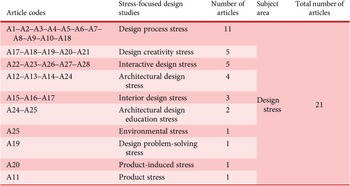



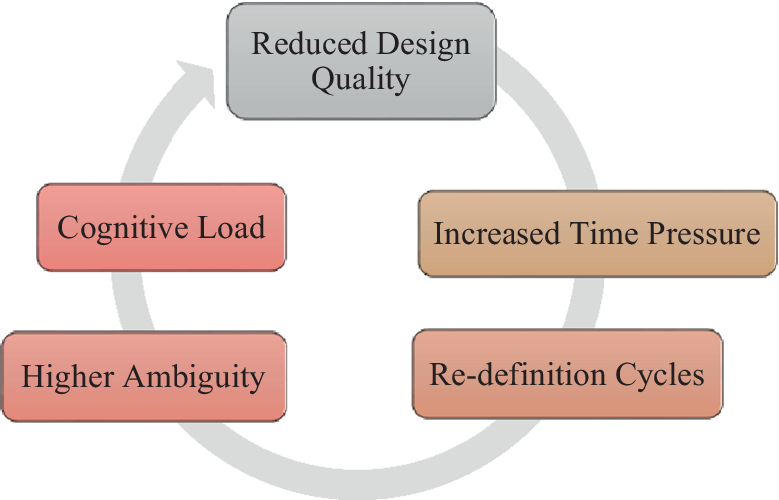


 Open access

