





1. Introduction
Bilingual speakers are often seen as agents of historical language change, because crosslinguistic influence in bilinguals’ minds can occasion the transfer or activation of a property of the other language in their speech or writing. In this way, bilinguals can introduce linguistic innovations into a speech community and thus actuate language change (e.g. Heine & Kuteva Reference Heine and Kuteva2005, Meisel et al. Reference Meisel, Rinke and Elsig2013, Thomason Reference Thomason2001, Winford Reference Winford2005). In addition to playing a decisive role in actuating contact-induced change, bilinguals may also play a central role in the subsequent spreading of change through the reuse of innovations within a speech community. Compared to monolingual speakers, bilinguals may amplify and accelerate the spreading of linguistic innovations, especially when these innovations correspond to licit forms or structures in their other language.
From a psycholinguistic perspective, this article explores whether and how crosslinguistic correspondences can promote the production of innovations in the context of (crosslinguistic) structural priming. Structural priming describes the tendency of language users to reemploy in their own production structures they have recently encountered in the input (e.g. Bock Reference Bock1986). Structural priming is abstract in that it occurs even when the previous (prime) sentences and their structural copies, that is, the target sentences, do not share any words. Since abstract structural priming leads to the copying and spreading of structures through continued language use, it has been argued to be the ‘missing link’ in psycho-historical models of language change by providing ‘a plausible linguistic replicating mechanism’ (Jäger & Rosenbach Reference Jäger and Rosenbach2008:86).
In three experiments, the present study explores whether structural priming may be a plausible replicating mechanism in contact-induced language change, since it also operates across languages (for review, see Van Gompel & Arai Reference Van Gompel and Arai2018). In crosslinguistic priming studies, bilinguals can be primed with sentences in one language to produce novel and so-far ungrammatical structures in the other language. Crosslinguistic priming of novel L1-based structures is found both in bilingual children whose grammatical competence is developing (e.g. Hsin et al. Reference Hsin, Legendre and Omaki2013, van Dijk & Unsworth Reference van Dijk and Unsworth2023) and in bilingual adults with high proficiency in both of their languages (e.g. Fernández et al. Reference Fernández, de Souza and Carando2017, Kootstra & Şahin Reference Kootstra and Şahin2018). In the latter studies, grammatical structures from a late-learned second language (L2) that had become the speakers’ dominant language would prime the production of corresponding, though ungrammatical, structures in their L1s. These findings supply evidence of direct effects of crosslinguistic priming in that encountering a well-formed structure in one language occasions the production of a corresponding novel, yet ill-formed, structure in the other language.
In addition to these direct effects of the structure of one language on the other, there may be indirect crosslinguistic effects on structural priming, because bilinguals invariably co-activate lexical and structural properties of the other language, even when they use one language only (for review, see Hopp Reference Hopp2018, Kroll et al. Reference Kroll, Dussias, Bogulski, Kroff and Ross2012). As a result, bilinguals’ structural preferences in language production are influenced by their usage frequency in their other language (e.g. Hopp et al. Reference Hopp, Bail and Jackson2020, Jackson et al. Reference Jackson, Massaro and Hopp2017, Runnqvist et al. Reference Runnqvist, Gollan, Costa and Ferreira2013). In a similar vein, the magnitude of structural priming within one language is contingent on the frequency of the corresponding L1 options (Hervé et al. Reference Hervé, Serratrice and Corley2016, Jackson & Ruf Reference Jackson and Ruf2017; yet see Flett et al. Reference Flett, Branigan and Pickering2013), and structural choices in priming experiments in one language can affect subsequent priming effects in the other language (Kootstra & Doedens Reference Kootstra and Doedens2016). Accordingly, the structural options and their usage frequencies in the other language may ‘shine through’ in structural priming, even when this other language is not actively used. As result, the magnitudes of structural priming may differ between monolingual and bilingual language users as well as between different groups of bilingual speakers, depending on the structural properties of their other language.
In the present article, we investigate direct and indirect crosslinguistic effects on structural priming in different contexts, namely within the L2, in L1-to-L2 priming, and in bidirectional priming from L1 to L2 and from L2 to L1. We focus on adult L2 speakers, who typically experience stronger effects of crosslinguistic influence than early bilinguals. In three experiments, we explore the scope of these indirect and direct crosslinguistic effects by investigating the mechanisms of crosslinguistic structural priming and the contexts in which it can act as a replicating mechanism in bilingual speakers. Across all experiments, we test two groups of L2 speakers of English, with different L1s, in order to assess whether structural priming of an innovation is larger if it corresponds to a high-frequency or a low-frequency structure in the other language of a bilingual. In addition to giving insights into how innovations are produced and reproduced in different groups, these studies can also cast light on the mechanisms of structural priming.
2. Background
2.1. The mechanisms of structural priming
According to residual activation accounts, priming arises as the consequence of the recent activation of a grammatical structure that then favors its reuse (Pickering & Branigan Reference Pickering and Branigan1998). Within lexicalist models of speech production, such activation is modeled in terms of spreading activation from words to the grammatical structures within which they are incorporated. Each time a structure is activated, its resting level of activation increases and heightens its accessibility for subsequent use. In their Shared Syntax model, Hartsuiker and Bernolet (Reference Hartsuiker and Bernolet2017) extend the model to crosslinguistic priming, arguing that the grammatical nodes are shared across languages in that lemmas from both languages are linked to a single grammatical node (Figure 1).
Crosslinguistic lexicalist activation model (PO: prepositional object structure, DO: double object structure; adapted from Hartsuiker & Bernolet Reference Hartsuiker and Bernolet2017:222).

Via these shared grammatical nodes that encode structural options (such as double object (DO) or prepositional object (PO) structures, active or passive voice) activation can spread from one language to the other in proficient bilinguals. For instance, the Dutch verb geven ‘give’ is connected to the same grammatical nodes (DO and PO) that its English translation give links to, so that activation spreads across shared nodes in crosslinguistic structural priming. A key piece of evidence in favor of residual activation models comes from the lexical boost effect: priming effects are larger if the same words are used in prime and target sentences (for a meta-analysis, see Mahowald et al. Reference Mahowald, James, Futrell and Gibson2016). Correspondingly, crosslinguistic structural-priming effects are stronger when translation equivalents or cognates are used (for review, see Van Gompel & Arai Reference Van Gompel and Arai2018). These effects of lexical overlap suggest that lexical and structural representations are linked and that activation is additive when overlap occurs at more than one level. Overall, activation-based models thus predict more priming when the prime structure is most accessible. The accessibility of a structure can be heightened by its previous activation in a prime sentence, especially under lexical overlap. It will be further increased if the structure is one that is frequent with the verb in the other language, because the verb and its structural preference will be co-activated, and, in turn, their activation spreads back. In a sense, the high resting activation of the structure in the other language acts as a further boost for priming because activation spreads across languages. In sum, crosslinguistic effects of priming should be strongest if prime and target sentences contain the same verbs or their translation equivalents and the structure has a high resting level of activation in the other language.
According to error-based implicit learning accounts, structural priming occurs as an adaptation to surprisal (e.g. Chang et al. Reference Chang, Dell and Bock2006). When language users encounter an unexpected structure in the input, they experience a prediction error in the form of surprisal. In order to avoid future prediction errors, they adjust their expectations to the structures they experienced and thus update their own production to conform to these structures. In this model, priming constitutes a form of error-based learning. Such error-based learning is greater, the greater the error a language user experienced. In structural priming, error-based learning accounts are supported by inverse frequency effects of priming (Mahowald et al. Reference Mahowald, James, Futrell and Gibson2016): the magnitude of structural priming is larger for infrequent than for frequent structures, because the former give rise to greater errors and thus larger priming effects. If error-based learning spreads across languages, the learning account of priming would predict that priming from a structure which participants encounter is stronger the less frequently this structure is used in the other language. In contrast to activation-based accounts, in which the high frequency of a structure in the other language boosts its level of activation within a lexicalist network, in error-based models, the low frequency of a structure in the other language may increase its error signal and the degree of surprisal, which—in turn—translates into larger priming magnitudes.Footnote 1
We recruit these two accounts as points of reference for this study, because they make different predictions about the effects of L1 frequency on the magnitude of crosslinguistic effects in priming: according to residual activation accounts, a grammatical structure that is frequent and thus highly activated in the L1 should occasion greater priming than an infrequent structure. According to error-based models, encountering an infrequent L1 structure should lead to larger priming, because it is associated with greater surprisal. We systematically study the production and priming of novel structures in two groups of L2 learners whose L1s differ in the frequency of the structures we prime. Comparing and contrasting different L2 groups allows us to investigate the mechanisms by which crosslinguistic effects may promote the use of innovations. Further, we manipulate the contexts in which crosslinguistic effects may surface. Experiment 1 tests structural priming within one language, namely English, which is the L2 for the bilingual participants. Experiment 2 tests crosslinguistic structural priming from the L1 to the L2 in the bilingual participants. Experiment 3 tests crosslinguistic priming in a language-mixing context, namely, when bilingual speakers alternate between using the L1 or the L2 in production. Frequent switching between languages may create the conditions for crosslinguistic priming of innovations or augment its magnitude. This way, we can assess the strength of crosslinguistic effects in different contexts of language use among bilinguals.
2.2. The dative alternation in English, historical change, and priming
We investigate crosslinguistic effects on the production of novel structures with regard to structural constraints on the dative alternation in English. Most dative ditransitive verbs in English that express transfer-of-possession events (e.g. give, sell, send) allow both a double object structure (… the boy the book—DO) and a prepositional object structure (… the book to the boy—PO). However, a large set of so-called nonalternating verbs permit only the PO structure (e.g. donate, distribute, return). Whether nonalternating verbs form a coherent verb class with regard to shared semantic features or Latinate word origin is a matter of debate (e.g. Levin Reference Levin1993). These questions aside, native English speakers near-categorically restrict the uses of these verbs to the PO structure (Bresnan et al. Reference Bresnan, Cueni, Nikitina, Baayen, Boume, Kraemer and Zwarts2007). In this study, we prime participants with DO dative structures used with nonalternating verbs in order to investigate under which conditions speakers use ‘novel’ DO structures with these verbs (e.g. the man donates the boy the book).
Although the extension of DO structures with datives does not represent an actual historical development in the history of English, it may be considered as somewhat of a broad analogue to the historical rise of the PO dative in English from the early Middle English period onward (Mitchell Reference Mitchell1985, Polo Reference Polo and Lightfoot2002, Zehentner Reference Zehentner2019). After the loss of case-marking leveled grammatical differences between alternating DO orders in English, the PO structure—likely generalized from goal datives (Kodner Reference Kodner2020)—allowed for formally distinguishing theme-recipient orders from recipient-theme orders (McFadden Reference McFadden and Lightfoot2002). Of note, the rise of the PO structure with datives has been related to the influence of PO datives from French via lexical borrowing and calquing in translations from French in Middle English (Trips & Stein Reference Trips, Stein, Dury, Gotti and Dossena2008, Visser Reference Visser1963; see also Elter Reference Elter2020). Accordingly, changes in the structural realization of English dative structures may provide a suitable phenomenon to assess by which mechanisms linguistic innovations spread in bilinguals.
Previous psycholinguistic research has provided proof of concept that structural priming can lead to the production of novel dative structures. Ivanova et al. (Reference Ivanova, Pickering, Branigan, McLean and Costa2012) found that, after listening to prime sentences containing nonalternating verbs used with DO structures (e.g. The monk donates the boy the book), native English speakers produce these DO structures with nonalternating verbs as well when the verbs are repeated in prime and target sentences. Hence, encountering novel DO structures in prime sentences occasions the production of these novel structures, though at low levels overall. However, such innovations were limited to conditions of lexical overlap, suggesting that native speakers list these as lexically specific alternations and do not generalize the novel structure to other nonalternating verbs. In a recent study, Vega-Mendoza et al. (Reference Vega-Mendoza, Ivanova, McLean, Pickering and Branigan2024) carried out a partial replication of the Ivanova et al. (Reference Ivanova, Pickering, Branigan, McLean and Costa2012) study with highly proficient adult L2 learners of English. They found that, like native English speakers, L2 learners also produced ungrammatical DO structures with nonalternating verbs; yet unlike L1 speakers, their priming was more abstract in that it extended to target sentences with other verbs. These initial findings can be taken to indicate that L2 speakers may boost the spreading of linguistic innovations to greater degrees than native speakers do, since they reuse novel structures in their own production to greater extents and generalize these uses to other members of the same class. In addition, Vega-Mendoza et al. (Reference Vega-Mendoza, Ivanova, McLean, Pickering and Branigan2024) compared different sets of L2 speakers, based on typological differences in whether their L1s instantiated a dative alternation (see e.g. Malchukov et al. Reference Malchukov, Haspelmath and Comrie2011). They compared L1 speakers of Germanic languages (such as German, Danish, Dutch, Swedish, or Norwegian) that have DO and PO datives with L1 speakers of Romance languages (including Spanish, Romanian, and French) in which datives are exclusively realized as POs, at least with nonpronominal objects. The priming effects had the same magnitudes for the two L1 groups, which led the authors to argue that L2 learners do not ‘inherit’ the DO structure from the L1.
However, since previous research had shown that speakers of L1s that only allow for PO structures, such as Spanish, robustly prime for DO structures in the L2 (e.g. Flett et al. Reference Flett, Branigan and Pickering2013), it seems rather unlikely that the unavailability of the DO structure in the L1 would prevent extensions of it to nonalternating verbs in the L2. Moreover, the conditions for L1 effects were different within the respective L1 groups. Among the languages represented in the L1 Germanic group, for instance, German freely allows for DO structures, while PO structures are rare (e.g. Kholodova & Allen Reference Kholodova, Allen, Zehentner, Röthlisberger and Colleman2023). In contrast, Swedish and Norwegian increasingly prefer PO structures with ditransitive verbs, and the translation equivalents of most English nonalternating PO verbs are nonalternating PO verbs in these languages as well (e.g. Valdeson Reference Valdeson2021). The categorization of L2 speakers according to broad typological characteristics by Vega-Mendoza et al. (Reference Vega-Mendoza, Ivanova, McLean, Pickering and Branigan2024) may thus have glossed over relevant grammatical differences that actually condition crosslinguistic effects in the production and priming of novel structures in the L2. In fact, the two different L1 groups compared in the present study were grouped together as L1 Germanic speakers in Vega-Mendoza et al. Reference Vega-Mendoza, Ivanova, McLean, Pickering and Branigan2024.
3. The present study
The present study compares systematic differences across three Germanic languages, among which differences in historical development have given rise to synchronic differences in the realization of dative structures. Like English, Swedish has been using more PO structures with many dative verbs that express transfer-of-possession events over the last centuries (Lundquist Reference Lundquist2014, Teleman et al. Reference Teleman, Hellberg and Andersson1999, Valdeson Reference Valdeson2021). Also as in English, several transfer-of-possession verbs of Latinate (e.g. leverera ‘deliver’) and Germanic origin (e.g. överlämna ‘deliver’) are restricted to the PO order for most speakers. PO structures in Swedish take the prepositions till ‘to’, åt ‘to’, and för ‘for’, with till being the predominant one used (e.g. Silén Reference Silén2008, Valdeson Reference Valdeson, Sköldberg, Andréasson, Eryd, Lindahl, Lindström, Prentice and Sandberg2017). As in the developments from Old to Modern English, alternating PO structures in Swedish likely arose to succeed the Old Swedish DO alternation, whose theme-recipient DO structures receded as formal case distinctions waned (Valdeson Reference Valdeson2021).
Since accusative and dative case continue to be formally distinguished in Modern German, German allows both recipient-theme and theme-recipient DO orders, so that different argument orders can be realized within the same structure. German dative verbs have a strong DO preference, and nonalternating verbs are restricted to the DO structure (e.g. Meinunger Reference Meinunger, Hole, Meinunger and Abraham2006, Pappert et al. Reference Pappert, Schließer, Janssen, Pechmann and Spaeth2007, Pechmann Reference Pechmann1994). By contrast, PO structures in German are rare and variably take the prepositions zu or an ‘to’, with item-specific preferences determined by verb semantics (e.g. Kholodova & Allen Reference Kholodova, Allen, Zehentner, Röthlisberger and Colleman2023). In diachronic perspective, German thus retains grammatical features of older stages of English and Swedish, with the latter two having had comparable trajectories in the dative alternation.
In addition to exploring more fine-grained grammatical differences among historically related languages, the present study differs from previous studies on the priming of novel structures in several other ways. Whereas previous studies used auditory primes and spoken targets, the present study employs auditory primes and written target sentences. This way, the present study can ascertain whether the prime sentences lead to the production of novel structures when participants produce sentences without the real-time pressures of spoken production and can edit them. Structural innovations would then constitute structural options language users elect to produce in their output. In addition, this study systematically compares the priming of novel structures in within-language priming in experiment 1 and in crosslinguistic priming in experiments 2 and 3. This way, it can test for direct and indirect crosslinguistic effects among L1 German and L1 Swedish speakers of English. In all experiments, participants consistently encounter DO structures in the prime sentences, both with alternating and with nonalternating verbs. DO structures with nonalternating verbs represent novel uses of the structure in English and also in Swedish, since the translation equivalents of the English nonalternating verbs we used are also nonalternating in Swedish. In contrast, DO structures are the preferred structure in German across all verbs. We pose three research questions.
-
• RQ1: How do L1 differences affect the production of novel structures in within-language structural priming?
-
• RQ2: How do L1 differences affect crosslinguistic structural priming of novel structures in bilinguals?
-
• RQ3: How does the context affect crosslinguistic structural priming of novel structures?
In experiment 1, we compare structural priming in English for DO structures with alternating and nonalternating verbs in two proficiency-matched groups of L1 German and L1 Swedish advanced L2 speakers of English. A group of L1 English speakers serves as a baseline. In the baseline analysis, we compare the L2 speakers to L1 speakers of English. In line with previous studies (e.g. Vega-Mendoza et al. Reference Vega-Mendoza, Ivanova, McLean, Pickering and Branigan2024), we predict more extended priming among L2 speakers of English compared to L1 speakers.
In experiment 2, we explore whether DO structures in the L1 occasion the production of novel uses of structures in the L2. To this end, we replaced the English prime sentences from experiment 1 with prime sentences in German or Swedish, respectively. As a result, for the translation equivalents of the English nonalternating verbs, the L2 speakers encounter DO structures that are well-formed in German, while they represent ill-formed, novel DO structures in Swedish. For alternating verbs, the DO structures are well-formed in both German and Swedish.
In our main analyses, we address potential L1 differences in priming between the two L2 groups. If L1 differences exert effects on structural priming of novel structures in an L2 by virtue of co-activation of the L1, the L1 German and the L1 Swedish groups should show different priming patterns. The direction of L1 differences depends on the underlying mechanisms of priming. In line with residual activation accounts, greater activation of the structural DO option in the L1 should occasion more and stronger priming. Since German has a strong DO preference, while Swedish tends to prefer PO structures, L1 German speakers should have larger priming effects than L1 Swedish speakers in English in both experiment 1 and experiment 2. This effect should particularly hold for nonalternating verbs in English, because German prefers DO structures for their translation equivalents, while Swedish aligns with English in only allowing PO structures for them. In line with error-based accounts, greater surprisal of the DO option in the L1 should lead to larger priming. In consequence, the two L2 groups should differ in the opposite direction in both experiments 1 and 2. In particular for sentences with nonalternating verbs, L1 Swedish speakers may experience greater surprisal with the DO structure than L1 German speakers do, because DO structures with nonalternating verbs would also constitute novel structures in their L1. As a result, the L1 Swedish group should show larger priming effects than the L1 German speakers.
In experiment 3, we investigate how contexts of language use affect crosslinguistic structural priming. In typical situations of language use—be they current or historical—bilinguals do not categorically switch from comprehension in one language to production in the other, as in a typical crosslinguistic structural-priming experiment. Rather, bilingual language use is characterized by frequent alternations or switching between languages, especially when interacting with other bilingual speakers. In experiment 3, we aim to create such more ecologically valid contexts of language use by incorporating bidirectional crosslinguistic priming from the L1 to the L2 and vice versa. Prime sentences are either in the L1 or in the L2, matched with target sentences in the L2 or in the L1. One consequence of introducing target sentences in the L1 is that the activation of the L1 is enhanced, because participants also need to use their L1 in production. We can thus test whether increasing the activation of the L1 enhances crosslinguistic structural priming when participants need to switch between languages in both comprehension and production. According to, for example, the Adaptive Control Hypothesis (Green & Abutalebi Reference Green and Abutalebi2013), frequent switching between languages lowers the global inhibition of the other language and may thus generally promote crosslinguistic effects of priming.
We also explore whether involving dative structures in bidirectional L1-to-L2 and L2-to-L1 priming affects crosslinguistic priming of DO structures. By virtue of the introduction of dative prime sentences in the L2, participants encounter some instances of novel uses of DO structures in English with these verbs, which may in turn boost the crosslinguistic priming of novel structures from the L1 to the L2. In consequence, we can assess effects of variations in the contexts of bilingual language use on the strength of crosslinguistic effects in the structural priming of linguistic innovations.
We report three experiments with advanced L2 learners of English. We opted to examine learners at high L2 proficiency, because lower-proficiency learners may not know verb-class restrictions on the structural dative alternation in English. As a consequence, these structures may not represent novel structures for them. Moreover, lower-proficiency L2 learners strongly prefer PO structures in L2 English (for review, see Yang & Montrul Reference Yang and Montrul2017), so general learner preferences may counteract structural priming of novel structures.
3.1. Experiment 1: within-language priming of novel structures in English
Experiment 1 tested potential differences between L1 and L2 speakers, as well as between different groups of L2 speakers, in the production of English DO structures with alternating and nonalternating verbs in a comprehension-to-production priming experiment.
3.1.1. Participants
A total of 208 participants were recruited via Prolific. Eighty-two (thirty-seven female, forty-three male, two other; mean age = 36.8 years, SD = 12.9) were L1 English speakers and residents in the UK or US, as per their IP addresses. Eighty-four participants (twenty-six female, fifty-six male, two other; mean age = 31.1 years, SD = 9.6) were L1 German speakers in Germany, Austria, and Switzerland, and forty-nine participants (thirteen female, thirty-four male, two other; mean age = 33.2 years, SD = 11.0) were L1 Swedish speakers in Sweden.Footnote 2 In the L1 English group, two participants were excluded because they did not complete the experiment. In the L1 German group, four participants were excluded, three because they did not complete the experiment and one because they wrote all target sentences in German. In the L1 Swedish group, four were removed since they did not complete the experiment, and three were excluded due to technical problems. For English proficiency, participants provided self-ratings on a ten-point scale for speaking and understanding English.Footnote 3 As an objective measure of their proficiency in English, all participants completed the LexTALE task, an untimed, standardized sixty-item vocabulary size task that has high correlations with standardized proficiency measures (Lemhöfer & Broersma Reference Lemhöfer and Broersma2012). At the group level, the L1 German group (mean score = 86.2/100, SD = 9.6) had a lower LexTALE score than the L1 Swedish group (mean = 89.7/100, SD = 7.5). To match the two L2 groups in their English proficiency, a subset of forty-eight participants from the L1 German group was selected based on their LexTALE scores, so that the two L2 groups did not differ in proficiency from the L1 Swedish group. Participant information for the participants whose data were analyzed is given in Table 1.
Experiment 1: participant information by group, for all groups (n = 169). Standard deviations and min-max are given are given in parentheses.

Table 1. Long description
The table presents data for 169 participants across three groups. For each group, the mean is followed by the standard deviation and the minimum to maximum range.
* L 1 English group (n = 80):
- Age: 36.8 years (12.9; 18 to 73).
- Age of onset to English: 0.0 years.
- LexTALE score: 93.3 (6.6; 69 to 99).
- Self-rating Speaking: 9.8 (0.6; 7 to 10).
- Self-rating Understanding: 9.7 (0.8; 8 to 10).
* L 1 German group (n = 48):
- Age: 29.8 years (7.6; 20 to 53).
- Age of onset to English: 8.4 years (2.3; 3 to 12).
- LexTALE score: 89.5 (6.3; 78 to 99).
- Self-rating Speaking: 7.6 (1.3; 5 to 10).
- Self-rating Understanding: 8.5 (1.1; 5 to 10).
* L 1 Swedish group (n = 41):
- Age: 33.2 years (11.0; 20 to 64).
- Age of onset to English: 7.2 years (1.9; 3 to 11).
- LexTALE score: 89.7 (7.5; 71 to 99).
- Self-rating Speaking: 7.7 (1.3; 5 to 10).
- Self-rating Understanding: 8.5 (1.3; 5 to 10).
3.1.2. Materials
We constructed prime-target sentence pairs for four alternating ditransitive verbs (give, hand, sell, send) and four nonalternating ditransitive verbs (deliver, distribute, donate, return) in the target sentences. All verbs expressed transfer-of-possession events and required a theme and a recipient argument. These verbs were used in sentences with sixteen animate referents as agentive subjects and recipients (artist, boxer, clown, cowboy, dancer, doctor, farmer, monk, pirate, policeman, professor, sailor, soldier, swimmer, thief, waitress) and sixteen inanimate referents as themes (apple, ball, banana, book, cake, carrot, computer, guitar, hat, key, knife, letter, postcard, present, purse, spoon).
The alternation properties of the English verbs were assessed on the basis of the classification in Levin Reference Levin1993 and the norming data with English native speakers reported in Şafak & Hopp Reference Şafak and Hopp2023. For the English verbs’ translation equivalents, the alternation properties were checked against norming data in Şafak & Hopp Reference Şafak and Hopp2023 and Kholodova & Allen Reference Kholodova, Allen, Zehentner, Röthlisberger and Colleman2023 for German, and against corpus data in Valdeson Reference Valdeson2021 and native-speaker informants for Swedish. For German, all of the ditransitive verbs (geben, überreichen, verkaufen, schicken, and liefern, verteilen, spenden, zurückgeben) were alternating and strongly biased to DO structures; for Swedish, only the four verbs that alternate in English alternate between DO and PO structures (ge, lämna, sälja, skicka), while the four nonalternating verbs were also nonalternating PO verbs in Swedish (leverera, distribuera, donera, returnera).Footnote 4 These all preferentially take the preposition till ‘to’.
For each verb in a target sentence, quadruplets of prime sentences were created. Example 1 illustrates the design for the quadruplet of prime sentences that occurred with the target sentence The professor delivers the nun the shoe (1e). The nouns never overlapped in prime and target sentences, and all prime sentences were in DO order.
(1)
a.
The doctor walks in the park.
(intransitive prime)
b.
The doctor returns the policeman the chair.
(different prime verb)
c.
The doctor delivers the policeman the chair.
(same prime verb)
d.
The doctor sends the policeman the chair.
(prime verb from different verb class)
e.
The professor delivers the nun the shoe.
(target sentence)
The prime sentences contained a different intransitive verb (cry, jump, laugh, run, sigh, sneeze, walk, yawn) in the baseline intransitive prime condition (1a), a different verb from the same verb class (1b), or the same verb as used in the target sentence (1c). In addition, we used verbs from the respective other verb class, for instance, an alternating verb in 1d for nonalternating verbs in the target sentence. This dummy condition was included to prevent participants from predicting the verb class in the target sentence from the verb in the prime sentence. We do not analyze it further (for descriptive statistics, see Table S1 in the supplementary materials; for studies on priming across verb classes, see Ivanova et al. Reference Ivanova, Pickering, Branigan, McLean and Costa2012, experiment 1 and Vega-Mendoza et al. Reference Vega-Mendoza, Ivanova, McLean, Pickering and Branigan2024, experiment 2).
The prime sentences were spoken by a female native speaker of American English at a moderate pace with neutral intonation. The primes were yoked to displays of black-and-white drawings of intransitive events (for 1a) or transfer-of-possession events (for 1b–d), adapted from previous studies (Ivanova et al. Reference Ivanova, Pickering, Branigan, McLean and Costa2012). For transfer events, the pictures depicted the agent referent and the recipient on the left or the right, and the theme object in the middle of the display (see Figure 2, left panel). The participants listened to the prime sentences. After the audio track of the prime sentence had ended, the display was presented and participants made a yes/no verification response as to whether the picture provided an accurate depiction of the event expressed in the sentence. For half of the prime sentences, the pictures matched the event described; for the other half, one character was different or the event was reversed.
Displays for verification of prime sentence The professor delivers the policeman the chair (left) and target sentence The professor delivers the nun the shoe (right).

For the target sentences, participants saw pictures with different referents and objects. The bare form of the target verb was printed in capital letters below the picture (see Figure 2, right panel). The displays for the target sentences had a fixed order of the referents, with the recipient on the left, so as to increase the salience of the recipient over the theme.
Each target verb was used four times, once with each prime sentence pairing. This resulted in thirty-two experimental prime-target sentence pairs. In addition, forty prime-target pairs were used as fillers. Sixteen presented active or passive sentences as primes and monotransitive verbs in the target sentences (chase, follow, hit, push, shoot, tickle), and twenty-four had intransitive verbs in both prime and target sentences. As in the experimental sentences, half of the verification pictures in the fillers corresponded to the event expressed in the prime sentences. The fillers were spread across three lists, with the order of presentation being pseudorandomized in blocks to ensure that experimental items did not follow each other. Materials, data, and scripts are available on OSF (https://osf.io/rqxye).
3.1.3. Procedure
The experiment was set up in Qualtrics, and participants were directed to the experiment from Prolific. The selection criteria in Prolific ensured that only participants who used desktop computers with keyboards and had audio equipment could take part in the experiment. Before taking the main experiment, the participants completed the LexTALE proficiency task and the LEAP-Q language background questionnaire (Marian et al. Reference Marian, Blumenfeld and Kaushanskaya2007). At the beginning of the experiment that followed, they read instructions explaining that they would listen to sentences, then judge whether a picture presented afterward corresponded to the event expressed in the sentence. They would then see a picture with a verb printed underneath and were to use this verb to describe the event shown in the display. They were told that there was no time constraint and that they should use all referents and objects depicted in the display in their descriptions. All instructions and descriptions were in English. Two practice prime-target pairs with written explanations and model target sentences followed. In addition, the participants received an explanation that they would occasionally see memory probes—that is, pictures of events—and had to determine via button press whether they had seen the picture before. The memory probes were used to distract participants from the nature of the task. The participants then took the main experiment, which was divided into three blocks. Participants could take breaks between blocks. After starting a block, the prime sentence was presented auditorily. One second after the end of the audio, the screen changed to display the verification display, and participants made the yes/no response by selecting correspondingly labeled radio buttons. Then, the target display was shown with the verb printed below it and a text box, into which the participants would type the sentence. Participants submitted their responses by hitting the Enter key. The presentation of the next trial would then start. After the experiment, participants were asked to state if they had encountered any technical difficulties, and they were redirected to Prolific for reimbursement. The full session took around fifty-five minutes on average. All participants gave informed consent before participating; the experiment followed the Helsinki declaration and had ethics approval by the German Society for Linguistics (DGfS Laborvotum 2023-04).
3.1.4. Results
The typed responses were downloaded from Qualtrics as .csv files and submitted to a customized Python script that used the TreeTagger software for English (Schmid Reference Schmid1996) to provide part-of-speech tags and a preliminary classification of the sentences into DO, PO, or ‘other’ structures. A description was scored as a DO structure if the sentence had an NP-V-NP-NP order and the printed verb was used with a following recipient-theme order. A PO structure was assigned if the sentence had an NP-V-NP-P-NP order and the printed verb was used with a following theme-preposition-recipient order. Sentences with verbs different from the ones printed below the pictures, or with transitive or other uses of the verb, were classified as ‘other’, along with incomplete or missing sentences. The script output was exported and manually cross-checked for accuracy by the first author. Due to the inclusion of passive prime sentences in the fillers, participants sometimes produced passive target sentences with the ditransitive verbs of the experimental sentences. Passives with the recipient as subject and DO theme objects were scored as DO structures (The professor was delivered the chair); conversely, passives with theme subjects and PO objects (The chair was delivered to the professor) were scored as PO structures. Passives represented fewer than 1% of all responses in experimental sentences. The data were imported into R (version 4.3.1; R Core Team 2021), and all analyses were done using mixed-effects logistic regression models, by means of the glmer function in the lme4 (version 1.1-30; Bates et al. Reference Bates, Mächler, Bolker and Walker2015) and lmerTest (version 3.1-30; Kuznetsova et al. Reference Kuznetsova, Brockhoff and Rune2017) packages. All models were run for the dependent variable of DO structures produced and had the maximal random-effects structure permitted by the design; the ‘order’ command in the package buildmer (version 2.8; Voeten Reference Voeten2024), combined with the bobyqa optimizer, was then used to identify the maximal model that converged.
In total, there were 5,408 responses, including ninety-eight ‘other’ responses. The remaining responses consisted of 1,654 DO structures (30.6%) and 3,656 PO structures (67.6%). Figure 3 shows the production of DO structures by group and conditions. ‘Other’ responses were excluded. For full results, including ‘other’ responses, see Table S1 in the supplementary materials.
Experiment 1. Production of DO structures in percentages, and priming effects (percentage point differences) relative to baseline by group and by Target and Prime verb (‘–’: intransitive baseline, dark bars: priming effect for different verb, light bars: priming effect for same verb (lexical boost); blue: alternating verbs, red: nonalternating verbs). Error bars show 95% confidence intervals.

Figure 3. Long description
A three-panel set of bar charts labeled a, b, and c. Each chart shares the same axes: the Y-axis represents the Percentage of D O structures produced from 0 percent to 60 percent, and the X-axis categorizes results by Prime Structure into Alternating (blue bars) and Nonalternating (red bars). Horizontal lines indicate the intransitive baseline for each category.
* Panel a, L 1 English group (n = 80): For Alternating verbs, the baseline is 35.2 percent. The different verb priming effect is 14.8 percent and the same verb boost is 18.2 percent. For Nonalternating verbs, the baseline is 6.6 percent, with priming effects of 4.6 percent and 15.9 percent.
* Panel b, L 1 German group (n = 48): For Alternating verbs, the baseline is 29.9 percent. The different verb priming effect is 13.9 percent and the same verb boost is 28.5 percent. For Nonalternating verbs, the baseline is 9.2 percent, with priming effects of 18.9 percent and 43.1 percent.
* Panel c, L 1 Swedish group (n = 41): For Alternating verbs, the baseline is 32.1 percent. The different verb priming effect is 9.3 percent and the same verb boost is 24.6 percent. For Nonalternating verbs, the baseline is 4.5 percent, with priming effects of 7.7 percent and 21.7 percent.
In all panels, dark-shaded bars represent the priming effect for a different verb, and light-shaded bars represent the same verb lexical boost. Vertical error bars indicate 95 percent confidence intervals.
As seen in the much lower uses of DO structures in sentences with nonalternating verbs compared to those with alternating verbs in the baseline condition, all groups had knowledge of the verb-class restriction on the structural dative alternation in English. In the analysis, we aim to test (i) whether there is abstract priming of DO structures compared to the baseline (1a vs. 1b), (ii) whether there is priming of DO structures under lexical verb overlap (1a vs. 1c), (iii) whether L2 English speakers as a group differ from L1 English speakers, and (iv) whether L1 German speakers differ from L1 Swedish speakers.
The statistical model contained the following fixed effects and their interactions: Prime condition (treatment-coded: Intransitive, Different verb, Same verb; Intransitive as reference), Target condition (sum-coded: Alternating [−0.5] vs. Nonalternating [+0.5]), and L1 (Helmert-coded: L1 English [1/0] vs. L1 German [−0.5/+0.5] and L1 Swedish [−0.5/−0.5]). A separate model for the L2 group that included the LexTALE scores as a measure of proficiency did not return any significant effects of proficiency. The model output is given in Table 2.
Experiment 1: model outputs for comparisons between L1 English and L2 English groups (L1[1]) and between L1 German and L1 Swedish groups (L1[2]). Note: Diff: different verb (no lexical overlap), Same: same verb (lexical overlap). Significant effects are in bold.

Table 2. Long description
A table with 5 columns and 18 rows of data. The columns are labeled: Predictor, Est. (Estimate), S E (Standard Error), z, and p.
Key significant effects (p < 0.05) include:
* Target cond: Est. -2.76, S E 0.54, z -5.11, p < 0.001.
* Prime cond [Diff]: Est. 1.08, S E 0.37, z 2.95, p 0.003.
* Prime cond [Same]: Est. 2.13, S E 0.37, z 5.74, p < 0.001.
* Target cond x L 1 [2]: Est. 1.16, S E 0.63, z 1.84, p 0.066 (marginal).
* Prime cond [Same] x L 1 [1]: Est. -0.66, S E 0.21, z -3.15, p 0.002.
* Target cond x Prime cond [Diff] x L 1 [1]: Est. -0.70, S E 0.36, z -1.96, p 0.049.
Non-significant predictors include:
* (intercept): Est. -2.56, p < 0.001.
* L 1 [1]: Est. 0.13, p 0.527.
* L 1 [2]: Est. 0.48, p 0.272.
* Target cond x L 1 [1]: Est. -0.24, p 0.425.
* Target cond x Prime cond [Diff]: Est. 0.48, p 0.502.
* Target cond x Prime cond [Same]: Est. 0.96, p 0.177.
* Prime cond [Diff] x L 1 [1]: Est. -0.26, p 0.179.
* Prime cond [Diff] x L 1 [2]: Est. 0.46, p 0.245.
* Prime cond [Same] x L 1 [2]: Est. 0.56, p 0.201.
* Target cond x Prime cond [Same] x L 1 [1]: Est. -0.41, p 0.241.
* Target cond x Prime cond [Diff] x L 1 [2]: Est. 0.34, p 0.644.
* Target cond x Prime cond [Same] x L 1 [2]: Est. 0.87, p 0.233.
In the model, we test (i) abstract priming in terms of the main effect of Prime condition [Diff], (ii) priming under lexical overlap in terms of the main effect of Prime condition [Same], (iii) differences between L1 and L2 English speakers in terms of effects of or interactions with the factor L1[1], and (iv) differences between the L2 groups by way of effects of the factor L1[2].
The main effect of Target condition indicates that the production of DO structures was higher for alternating than for nonalternating verbs. The main effects of Prime condition were also significant and indicate abstract structural priming as well as priming under lexical overlap. Seeing that the estimate for priming under lexical overlap was roughly twice as large as for abstract priming, we can observe that lexical boosts promote priming. Further, the interaction of Prime condition [Same] and L1[1] indicates that, overall, the L2 English group had larger priming under lexical overlap (30%) than the L1 English group (17%). Critically, the three-way interaction of Target condition, Prime condition [Diff], and L1[1] underlines that the L1 English did not show abstract DO priming for nonalternating verbs, while the L2 group did. Subsequent models by L1 group computed using the emmeans function show that the L1 English group did not have significant abstract DO priming for nonalternating verbs (β = 0.71, SE = 0.60; z = 1.19, p = 0.236), while it did under lexical overlap (β = 1.73, SE = 0.60; z = 2.91, p = 0.004). In contrast, the L2 English groups had significant DO priming in all conditions.
In sum, both L1 and L2 speakers had abstract structural priming of DO structures as well as lexical boost effects. However, the two groups differed in priming according to verb type. The L1 group showed abstract priming for alternating verbs, but it demonstrated priming for nonalternating verbs only when verbs were repeated from prime to target sentence. In contrast, the L2 group displayed abstract structural priming for both alternating and nonalternating verbs as well as priming under lexical overlap.
As for potential L1 differences in priming effects among L2 speakers and thus between the L1 German and the L1 Swedish group (RQ1), the marginally significant interaction of Target condition and L1[2] suggests that L1 German speakers produced more DO structures with nonalternating verbs (30%) than the L1 Swedish speakers (14%), while they had comparable levels for alternating verbs (44% vs. 43%).
3.1.5. Discussion
In experiment 1, all groups had knowledge of verb-class restrictions on structural alternations, as seen in their low production of DO structures with nonalternating verbs following intransitive prime sentences. However, after encountering novel DO structures with these verbs in the prime sentences, all groups increased their production of these structures. Compared to previous studies (Fernández et al. Reference Fernández, de Souza and Carando2017, Ivanova et al. Reference Ivanova, Pickering, Branigan, McLean and Costa2012, Vega-Mendoza et al. Reference Vega-Mendoza, Ivanova, McLean, Pickering and Branigan2024), the present experiment shows that priming gives rise to structural innovations not only in spoken production, but also in written production without time constraints when speakers can edit their responses. These innovations thus constitute viable structural options selected by language users in their output. Compared to those previous studies, in which DO structures were presented alongside PO structures in the prime sentences, the overall proportion of DO structures produced was higher in the present experiment, in which only DO structures were presented in the prime sentences.
L1 English speakers showed priming of novel DO structures with nonalternating verbs only when primed with structures containing the same verb—their priming was lexically specific. In contrast, they demonstrated abstract structural priming of DO structures with alternating verbs. Finding that L1 speakers produce novel structures only under lexical overlap replicates results from oral production priming in Ivanova et al. Reference Ivanova, Pickering, Branigan, McLean and Costa2012 and suggests that L1 speakers do not readily generalize novel uses of structures to other verbs of the same class in the dative alternation. In contrast, L2 speakers showed abstract structural priming for both alternating and nonalternating verbs. Lexical overlap additionally increased the number of DO structures produced with both types of verbs. Again, this pattern replicates findings from structural L2 priming in oral production (Vega-Mendoza et al. Reference Vega-Mendoza, Ivanova, McLean, Pickering and Branigan2024). These differences in the scope and magnitude of structural priming of novel structures suggest that L2 speakers, more than L1 speakers, facilitate the use of structural innovations both by generalizing their domains of use and by magnifying their frequencies of use.
Second, crosslinguistic differences in L1 structural options affected the uses of structural innovations in an L2. L1 German speakers produced more DO structures with nonalternating verbs and tended to display more priming than L1 Swedish speakers. Specifically, the priming magnitude was more than twice as large for the L1 German group (mean priming effect: 31.0%) than for the L1 Swedish group (mean priming effect: 14.7%). Finding such crosslinguistic effects is different from what we see from Vega-Mendoza et al. (Reference Vega-Mendoza, Ivanova, McLean, Pickering and Branigan2024), who operationalized crosslinguistic differences in terms of the typological availability of the DO option in the L1. In contrast, the present experiment adopted a more fine-grained grammatical conceptualization in terms of the frequency of DO structure as realized with the particular verb classes investigated. Whereas the DO structure is a highly preferred and unconstrained dative structure in German, Swedish increasingly uses PO structures, with the translation equivalents of the English verbs in the nonalternating verb class being similarly restricted to the PO option. Accordingly, these specific L1 differences in the realization of the DO structure, rather than its typological availability in the L1, appear to modulate production and priming patterns. The L1 German group produced more than twice as many DO structures with nonalternating verbs in all conditions, which likely reflects the ubiquity of DO structures in German. In contrast, the unavailability of the DO structure with the translation equivalents of nonalternating verbs in Swedish appeared to constrain speakers in producing it in the L2—even after they had encountered such productions in the prime sentences. In this respect, experiment 1 reveals indirect crosslinguistic effects on L2 structural priming (see also Hervé et al. Reference Hervé, Serratrice and Corley2016, Jackson et al. Reference Jackson, Massaro and Hopp2017).
3.2. Experiment 2: crosslinguistic structural priming
In experiment 2, we examine direct effects of crosslinguistic differences in the priming of structural innovations. We investigate whether L2 speakers demonstrate crosslinguistic priming of the DO structure and whether crosslinguistic priming occasions the production of structural innovations in the L2. To this end, we translated all prime sentences from experiment 1 into the respective L1s of the two L2 groups. As a result, all DO prime sentences in German represented the preferred structure in the participants’ L1, whereas DO prime sentences in Swedish constituted ungrammatical uses of the DO structure with nonalternating verbs. For alternating verbs, the DO prime structure was licit in both L1s. In consequence, experiment 2 tested whether the predictions of the two models extend to crosslinguistic priming.
3.2.1. Participants
A new set of 136 participants was recruited via Prolific. Eighty-three participants (thirty-nine female, forty-four male; mean age = 32.0 years, SD = 10.4) were L1 German speakers in Germany, Austria, and Switzerland, and fifty-seven participants (twenty-four female, thirty-one male, two other; mean age = 33.6 years, SD = 11.1) were L1 Swedish speakers in Sweden. In the L1 German group, three participants were excluded, two because they were not native speakers of German and one because they did not complete the experiment. In the L1 Swedish group, nine participants were excluded, two because they were early Swedish-English bilinguals, one because they wrote all target sentences in Swedish, and six because of technical difficulties or incomplete data. As in experiment 1, the groups differed in English proficiency, as assessed by the LexTALE test, with the L1 German group (mean score: 83.9/100, SD = 8.6) having a lower score than the L1 Swedish group (mean = 89.7/100, SD = 7.6). To match the two L2 groups in their English proficiency, a subset of forty-eight participants from the L1 German group was selected based on their LexTALE scores, so that the two L2 groups did not differ in proficiency from the L1 Swedish group. Participant information for the participants whose data were analyzed is given in Table 3.
Experiment 2: participant information by group. Standard deviations and min-max are given in parentheses.

Table 3. Long description
The table contains five rows of data for two groups, L 1 German n equals 48 and L 1 Swedish n equals 48. For each group, a mean value is followed by the standard deviation and the minimum to maximum range.
* Age in years: L 1 German mean 31.6, standard deviation 9.5, range 2 to 59. L 1 Swedish mean 33.5, standard deviation 11.3, range 20 to 64.
* Age of onset to English in years: L 1 German mean 8.7, standard deviation 2.5, range 3 to 20. L 1 Swedish mean 7.0, standard deviation 2.2, range 3 to 15.
* Proficiency in English Lex T A L E score max 100: L 1 German mean 89.7, standard deviation 4.8, range 81 to 99. L 1 Swedish mean 89.7, standard deviation 7.6, range 73 to 99.
* Self-rating Speaking English max 10: L 1 German mean 7.8, standard deviation 1.1, range 5 to 10. L 1 Swedish mean 8.0, standard deviation 1.1, range 5 to 10.
* Self-rating Understanding English max 10: L 1 German mean 8.4, standard deviation 0.9, range 6 to 10. L 1 Swedish mean 8.6, standard deviation 1.1, range 5 to 10.
3.2.2. Materials
The materials were identical to those in experiment 1, except that all prime sentences were translated into German and Swedish, respectively. For the L1 German group, the prime sentences were recorded by a native German speaker, and for the L1 Swedish group, the prime sentences were recorded by a native Swedish speaker, using the same equipment in the same lab as the stimuli recorded for experiment 1. The sentences were comparable in pace and intonation across all three languages.
3.2.3. Procedure
The procedure was identical to that in experiment 1, and all instructions and descriptions remained in English for both groups. The instructions were updated so that participants knew they would listen to German or Swedish sentences but would type sentences in English using the English verbs printed below the pictures.
3.2.4. Results
Data coding and preprocessing were as in experiment 1. In total, there were 3,070 responses, including sixty-one ‘other’ responses. The remaining responses consisted of 464 DO structures (15.1%) and 2,545 PO structures (82.9%). Figure 4 presents a breakdown of the DO structures produced by group and conditions. ‘Other’ responses were excluded. For full results, including ‘other’ responses, see supplementary Table S1.
Experiment 2. Production of DO structures in percentages, and priming effects (percentage point differences) relative to baseline by group and by Target and Prime verb (‘̶’: intransitive baseline, dark bars: priming effect for different verb, light bars: priming effect for same verb (lexical boost); blue: alternating verbs, red: nonalternating verbs). Error bars show 95% confidence intervals.

Figure 4. Long description
A two-panel bar graph. Both panels share a y-axis labeled Percentage of D O structures produced from 0 percent to 60 percent and an x-axis labeled Prime Structure with categories Alternating and Nonalternating.
Panel a, labeled Experiment 2: Priming effects for L 1 German group (n = 48):
* Alternating group: Baseline is 15.6 percent. The different verb priming effect (dark blue bar) is 5.2 percent. The same verb lexical boost (light blue bar) is 3.1 percent.
* Nonalternating group: Baseline is 2.3 percent. The different verb priming effect (dark red bar) is -1.0 percent. The same verb lexical boost (light red bar) is 1.4 percent.
Panel b, labeled Experiment 2: Priming effects for L 1 Swedish group (n = 48):
* Alternating group: Baseline is 36.3 percent. The different verb priming effect (dark blue bar) is 4.8 percent. The same verb lexical boost (light blue bar) is 8.4 percent.
* Nonalternating group: Baseline is 2.1 percent. The different verb priming effect (dark red bar) is 0.5 percent. The same verb lexical boost (light red bar) is 2.1 percent.
All data points include vertical error bars representing 95 percent confidence intervals. The priming effect bars are stacked or positioned relative to the horizontal baseline markers within each category.
Figure 4 shows that priming effects were smaller than in experiment 1 and seemed to hold only for target sentences with alternating verbs. No consistent lexical boost effects obtained, and the two groups showed comparable priming magnitudes. We conducted the same two-step analysis as in experiment 1 with the same fixed effects, except that L1 was sum-coded (L1 German [−0.5] vs. L1 Swedish [+0.5]) for group. The model outputs are given in Table 4.
Experiment 2: model outputs for comparisons between L1 German and L1 Swedish groups. Note: Diff: different verb (no lexical overlap), Same = same verb (lexical overlap). Significant effects are given in bold.

Table 4. Long description
A table with five columns: Variable, Estimate (Est.), Standard Error (S E), z-value, and p-value.
* (intercept): Est. -3.59, S E 0.49, z -7.33, p < 0.001.
* Target cond: Est. -3.41, S E 0.92, z -3.69, p < 0.001 (Significant).
* Prime cond [Diff]: Est. 0.01, S E 0.53, z 0.02, p 0.981.
* Prime cond [Same]: Est. 0.58, S E 0.50, z 1.15, p 0.251.
* L 1: Est. 0.86, S E 0.56, z 1.53, p 0.127.
* Target cond × L 1: Est. -2.05, S E 0.93, z -2.19, p 0.028 (Significant).
* Target cond × Prime cond [Diff]: Est. -0.86, S E 1.07, z -0.81, p 0.421.
* Target cond × Prime cond [Same]: Est. 0.20, S E 1.01, z 0.20, p 0.842.
* L 1 × Prime cond [Diff]: Est. 0.39, S E 0.62, z 0.62, p 0.534.
* L 1 × Prime cond [Same]: Est. 0.19, S E 0.53, z 0.36, p 0.720.
* Target cond × L 1 × Prime cond [Diff]: Est. 1.39, S E 1.25, z 1.12, p 0.264.
* Target cond × L 1 × Prime cond [Same]: Est. 0.19, S E 1.05, z 0.18, p 0.855.
The statistical formula used is: Target_D O tilde 1 + Target_Cond + L 1 + Target_Cond:L 1 + Prime_Cond + Target_Cond:Prime_Cond + L 1:Prime_Cond + Target_Cond:L 1:Prime_Cond + (1 + Target_Cond | Subject) + (1 | Item).
The main effect of Target condition reached significance, because the groups produced more DO structures with alternating than with nonalternating verbs. In addition, Target condition interacted with L1, which indicates that the L1 Swedish group produced more DO structures than the L1 German group. No other effects became significant; specifically, there was no evidence of abstract priming or priming under lexical overlap.
3.2.5. Discussion
Experiment 2 replicated the findings from experiment 1 that the L2 groups showed sensitivity to structural verb-class restrictions in English by producing more DO structures with alternating than with nonalternating verbs. Unlike in experiment 1, there were no priming effects. Although the results in Figure 4 suggest a trend toward abstract structural priming for alternating verbs, it did not approach statistical significance in the model. Moreover, there was no lexical boost such that L1 translation equivalents of the verbs would lead to more priming. The absence of any abstract crosslinguistic priming effects in experiment 2 is somewhat unexpected, because previous studies using a comparable method elicited robust crosslinguistic priming (e.g. Vega-Mendoza et al. Reference Vega-Mendoza, Ivanova, McLean, Pickering and Branigan2024, van Dijk & Hopp Reference van Dijk and Hopp2025). It may be that the exclusive use of DO structures in the prime sentences mitigated crosslinguistic priming (but see Hwang & Shin Reference Hwang and Shin2019), even though this feature did not reduce within-language priming in experiment 1.
Further, there were no group differences in priming. In experiment 2, group differences were restricted to the overall levels of use of the DO structure with alternating verbs. The L1 German group produced considerably fewer DO structures with alternating verbs than the L1 Swedish group and also fewer DO structures than the L1 German group in experiment 1. One reason for this difference may be that the strong L1 preference for DO structures in German, amplified by the exclusive use of DO structures in the German prime sentences, led learners to consistently opt for the other structure, namely POs, in English. In fact, thirty-two of the forty-eight L1 German learners produced only one or no DO structures among the sixteen target sentences with ditransitive verbs. Such a ‘crosslinguistic overcorrection’ strategy (e.g. Anderssen et al. Reference Anderssen, Lundquist and Westergaard2018, Hopp & Jackson Reference Hopp and Jackson2023) would reinforce the general L2 preference for PO structures (e.g. Jäschke & Plag Reference Jäschke and Plag2016, Mazurkevich Reference Mazurkewich1984) and concomitantly inhibit the DO structure. In Swedish, both DO and PO orders are relatively frequent options, so L1 Swedish speakers less likely engaged in differentiating the use of structures across languages. Among the L1 Swedish speakers, fifteen of forty-eight used only one or no DO structures. As a consequence, the group produced DO structures in English at similar levels in the within-language contexts in experiment 1 and in the crosslinguistic contexts in experiment 2.
In any case, experiment 2 did not yield evidence of the use of novel structures in either group. Both groups produced DO structures with nonalternating verbs at very low levels. Hence, neither priming with a high-frequency L1 structure nor priming with a high-surprisal L1 structure induced the production of corresponding novel structures in the L2. These null results stand in stark contrast to the substantial priming effects for novel structures in experiment 1. Over and above generally weaker effects of crosslinguistic compared to within-language priming (e.g. Cai et al. Reference Cai, Pickering, Yan and Branigan2011), we submit that this may be due to two possibilities.
On the one hand, as noted above, the strict separation of structures in L1 primes and L2 target sentences in experiment 2 may have inflated a tendency among participants to separate structures across languages in production. As a consequence of the overinhibition of DO structures, structural priming effects may not have surfaced in experiment 2. On the other hand, the absence of any novel DO structures in English in the experiment may have prevented L2 speakers from carrying over DO structures from L1 to the L2. In other words, crosslinguistic priming of novel structures may be contingent on speakers having input that provides these structures in the target language. In the absence of such input, speakers may avoid the production of novel structures, even when prompted to use them via crosslinguistic priming. To test these options, we carried out two further crosslinguistic priming experiments.
3.3. Experiment 3: context effects on the crosslinguistic priming of novel structures
In experiment 3, we investigated whether crosslinguistic priming of novel structures arises when the conditions for their activation change. Experiment 3a explored the effect of language switching on language modes. Bilinguals operate in different modes of bilingualism, in which they either use only one of their languages or can switch between these (e.g. Grosjean Reference Grosjean1998). The adaptive control hypothesis (Green & Abutalebi Reference Green and Abutalebi2013) relates these modes to different involvements of cognitive control processes mandating the activation and inhibition of languages. Of relevance to the present experiment, the hypothesis distinguishes between dual language contexts, in which the two languages are used with different speakers or in different situations, and dense code-switching contexts, in which speakers routinely switch between the languages within utterances also. In a dual language context, speakers need to exercise interference control by monitoring potential language conflicts and suppressing interference from the other languages. In code-switching contexts, the demands on control are lower, and speakers can engage in ‘opportunistic planning’ and make use of all their resources from across their languages. Experiment 3a contains prime sentences in the L1 and in English with the corresponding target sentences in English and in the L1. This design loses the strict language separation according to task (sentence comprehension vs. production) and introduces greater language mixing, thus potentially reducing the engagement of interference control. As a result, L2 speakers may lower the (over)inhibition of the L1 and its structures, so that crosslinguistic priming effects of (novel) DO structures are more likely to occur.
In addition, experiment 3b investigated the relevance of the availability of novel structures in the input for the crosslinguistic priming of such novel structures. In addition to bidirectional language switching as in experiment 3a, it provided a few English DO structures in the input, including novel DO structures with nonalternating verbs. Encountering some of these structures may prompt participants to produce more of these structures themselves. Moreover, the realization that these structures occur in English in the context of the experiment may occasion or amplify crosslinguistic priming of these structures.
3.3.1. Participants
We initially ran both experiments on L1 German speakers of English via Prolific. Due to the shortage of L1 Swedish learners on Prolific, we added L1 Swedish speakers in experiment 3b only in light of the (null) findings for the L1 German group in experiment 3a. Two new sets of participants (142 in total) were recruited via Prolific. Ninety-seven participants (forty-eight female, forty-eight male, one nonbinary; mean age = 30.5 years, SD = 9.4) were L1 German speakers in Germany, Austria, and Switzerland, and thirty-five (fifteen female, twenty male; mean age = 33.8 years, SD = 11.4) were L1 Swedish speakers in Scandinavia. Four participants were excluded because they did not complete the experiment. Participant information for the participants in each experiment whose data were analyzed is given in Table 5.
Experiment 3: participant information by group. Standard deviations and min-max are given in parentheses.

Table 5. Long description
The table is divided into two main sections: Experiment 3 a and Experiment 3 b.
Experiment 3 a consists of a German native language group with n equals 48.
- Age: mean 29.3, standard deviation 8.9, range 19 to 55.
- Age of onset to English: mean 7.7, standard deviation 2.4, range 2 to 14.
- Lex T A L E score: mean 84.7, standard deviation 8.2, range 68 to 99.
- Self-rating Speaking: mean 7.6, standard deviation 1.3, range 3 to 10.
- Self-rating Understanding: mean 8.5, standard deviation 0.9, range 7 to 10.
Experiment 3 b is split into two groups: German (n equals 48) and Swedish (n equals 32).
German Group (Experiment 3 b):
- Age: mean 31.7, standard deviation 9.1, range 20 to 59.
- Age of onset to English: mean 8.3, standard deviation 2.5, range 2 to 14.
- Lex T A L E score: mean 87.2, standard deviation 9.0, range 59 to 99.
- Self-rating Speaking: mean 7.5, standard deviation 1.2, range 3 to 10.
- Self-rating Understanding: mean 8.3, standard deviation 1.5, range 5 to 10.
Swedish Group (Experiment 3 b):
- Age: mean 35.4, standard deviation 12.0, range 23 to 65.
- Age of onset to English: mean 7.5, standard deviation 1.8, range 3 to 10.
- Lex T A L E score: mean 89.6, standard deviation 8.8, range 70 to 99.
- Self-rating Speaking: mean 7.9, standard deviation 1.5, range 3 to 10.
- Self-rating Understanding: mean 8.6, standard deviation 1.2, range 5 to 10.
3.3.2. Materials
The materials were identical to those in experiment 2, except for the following changes. In experiments 3a and 3b, all filler trials contained English prime sentences, and the target pictures had the German or Swedish translation equivalents of the verbs used in experiments 1 and 2 printed below them. As a consequence, all experimental trials required participants to listen to and judge German or Swedish prime sentences and type English target sentences, whereas all of the filler trials required them to listen to English prime sentences and type German or Swedish target sentences. In experiment 3b, the experimental trials in the dummy condition (1d) were also changed to English primes and German or Swedish target sentences. As a consequence, experiment 3b contained four English DO structures with alternating verbs and four novel English DO structures with nonalternating verbs. For both, the target sentences were in German or Swedish, so English dative primes never occurred with English dative targets. Moreover, unlike in the experimental sentences (1b,c), in which the verbs in the prime and target were either identical (1c) or belonged to the same verb class (1b), the target sentences to be completed with German or Swedish datives had verbs whose translation equivalents in English always came from a different verb class. As a result, the experimental verb pairings of L1 primes and English targets were different from the English prime and L1 target combinations in the filler trials. For the L1 prime sentences, we used the audio recordings from experiment 1, and for the English prime sentences, the audio recordings from experiment 2.
3.3.3. Procedure
The procedure was identical to that in experiment 2, and the instructions were adjusted to inform participants that they would listen to both English and German or Swedish sentences and type German or Swedish and English sentences, respectively.
3.3.4. Results
Data coding and preprocessing were as in experiment 2, since the experimental sentences analyzed were identical. In experiments 3a and 3b, there were 3,866 responses, including 236 ‘other’ responses. The remaining responses consisted of 923 DO structures (23.9%) and 2,707 PO structures (70.0%). Figures 5 and 6 present a breakdown of the DO and PO structures by condition and experiment. ‘Other’ responses were excluded. For full results, including ‘other’ responses, see supplementary Table S1.
Experiment 3a. Production of DO structures in percentages, and priming effects (percentage point differences) relative to baseline by Target and Prime verb (‘̶’: intransitive baseline, dark bars: priming effect for different verb, light bars: priming effect for same verb (lexical boost); blue: alternating verbs, red: nonalternating verbs). Error bars show 95% confidence intervals.

Figure 5. Long description
The Y-axis represents the Percentage of D O structures produced, ranging from 0 percent to 60 percent. The X-axis is labeled Prime Structure with two main categories: Alternating and Nonalternating.
In the Alternating category (blue), the intransitive baseline is marked at 20.3 percent. To its right, two bars show priming effects: a dark blue bar for different verbs at minus 1.4 percent and a light blue bar for same verbs at 1.9 percent.
In the Nonalternating category (red), the intransitive baseline is marked at 0.5 percent. To its right, two bars show priming effects: a dark red bar for different verbs at 2.8 percent and a light red bar for same verbs at 4.2 percent.
All data points include vertical error bars representing 95 percent confidence intervals.
Experiment 3b. Production of DO structures in percentages, and priming effects (percentage point differences) relative to baseline by group and by Target and Prime verb (‘̶’: intransitive baseline, dark bars: priming effect for different verb, light bars: priming effect for same verb (lexical boost); blue: alternating verbs, red: nonalternating verbs). Error bars show 95% confidence intervals.

Figure 6. Long description
The image consists of two side-by-side bar graphs labeled a and b. Both graphs share a Y-axis representing the Percentage of D O structures produced from 0 percent to 60 percent and an X-axis labeled Prime Structure with categories Alternating and Nonalternating.
Panel a, Experiment 3 b: Priming effects for L 1 German group (n = 48):
* Alternating group: Baseline is 20.9 percent. The dark blue bar (different verb) shows a 19.5 percent priming effect. The light blue bar (same verb) shows a 17.0 percent priming effect.
* Nonalternating group: Baseline is 7.8 percent. The dark red bar (different verb) shows a 6.4 percent priming effect. The light red bar (same verb) shows a 7.1 percent priming effect.
Panel b, Experiment 3 b: Priming effects for L 1 Swedish group (n = 32):
* Alternating group: Baseline is 36.3 percent. The dark blue bar shows an 11.1 percent priming effect. The light blue bar shows a 10.8 percent priming effect.
* Nonalternating group: Baseline is 3.2 percent. The dark red bar shows a 6.5 percent priming effect. The light red bar shows a 5.9 percent priming effect.
All bars include vertical error bars representing 95 percent confidence intervals. The priming effect bars are stacked on top of the baseline levels.
In experiment 3a, neither the proportion of DO structures after nonalternating primes nor the priming magnitudes differed from those for the L1 German group in experiment 2 (for models, see supplementary Table S2). In consequence, we focused on experiment 3b by conducting the same analysis as in experiment 2. The model outputs are given in Table 6.
Experiment 3b. Model outputs for comparisons between L1 German and L1 Swedish groups. Note: Diff: different verb (no lexical overlap), Same: same verb (lexical overlap). Significant effects are given in bold.

Table 6. Long description
The table consists of five columns: Predictor, Est. (Estimate), S E (Standard Error), z, and p. Significant effects are highlighted in bold.
* (intercept): Est. -3.15, S E 0.41, z -7.63, p < 0.001.
* Target cond: Est. -3.41, S E 0.73, z -4.68, p < 0.001.
* Prime cond [Diff]: Est. 1.11, S E 0.40, z 2.80, p 0.005.
* Prime cond [Same]: Est. 1.13, S E 0.40, z 2.84, p 0.005.
* L 1: Est. -0.16, S E 0.64, z -0.26, p 0.798.
* Target cond × L 1: Est. -2.61, S E 1.02, z -2.57, p 0.010.
* Target cond × Prime cond [Diff]: Est. 0.30, S E 0.79, z 0.38, p 0.707.
* Target cond × Prime cond [Same]: Est. 0.49, S E 0.79, z 0.62, p 0.537.
* L 1 × Prime cond [Diff]: Est. 0.08, S E 0.55, z 0.14, p 0.885.
* L 1 × Prime cond [Same]: Est. -0.07, S E 0.55, z -0.13, p 0.901.
* Target cond × L 1 × Prime cond [Diff]: Est. 1.53, S E 1.09, z 1.40, p 0.160.
* Target cond × L 1 × Prime cond [Same]: Est. 1.07, S E 1.09, z 0.98, p 0.328.
The model formula is: Target underscore D O tilde 1 plus Target underscore Cond plus Prime underscore Cond plus L 1 plus Target underscore Cond colon L 1 plus Prime underscore Cond colon L 1 plus Target underscore Cond colon Prime underscore Cond plus Target underscore Cond colon Prime underscore Cond colon L 1 plus (1 plus Target underscore Cond | Subject) plus (1 plus L 1 | Item).
The main effect of Target condition reached significance, because the groups produced more DO structures with alternating than with nonalternating verbs. There were also main effects for abstract priming and priming under lexical overlap. In addition, Target condition interacted with L1, indicating that, for alternating verbs, the L1 German group produced fewer DO structures (33.1%) than the L1 Swedish group (43.6%), whereas for nonalternating verbs, the L1 German group produced more DO structures (12.3%) than the L1 Swedish group (7.4%).
3.3.5. Discussion
Experiment 3 investigated the effects of context on the production and priming of novel structures among L2 speakers. Experiment 3a showed that changes in language modes occasioned by bidirectional language switching did not affect the production or priming levels of DO structures in the L2. The parallels in the overall level of DO structures produced in Experiments 2 and 3a suggest that the lack of crosslinguistic priming effects likely does not reflect the global inhibition of L1 structures, since L1-based structures continued to be absent even when demands on the global inhibition of the L1 in production were lowered.
However, when the input included instances of DO structures in the L2 in experiment 3b, L2 speakers produced DO structures at higher levels, including novel uses of these structures. Moreover, as shown by the significant effects of Prime condition, crosslinguistic structural priming for DO structures emerged from the L1 to English. Direct crosslinguistic effects on the production of novel structures in the L2 thus appeared to be contingent on L2 speakers receiving these structures in the L2 input. Once these had become available, corresponding structures in the L1 primed these L2 structures, albeit at low levels, and led speakers to produce novel structures in the L2. Overall, the L1 German group produced more novel uses of the DO structure with nonalternating verbs than the L1 Swedish group, which replicates the crosslinguistic differences in experiment 1. Yet both groups showed comparable (low) priming magnitudes for novel uses of the structure. For neither group did overlap in translation equivalence between L1 prime and L2 target boost the priming effects.
4. General discussion
In three experiments, this study tested the hypothesis that bilinguals—in particular, late L2 learners—may produce linguistic innovations to greater degrees than L1 speakers by virtue of crosslinguistic influence. In experiment 1, L1 speakers of English as well as adult L2 learners produced more novel DO structures following DO prime sentences with nonalternating verbs. Encountering novel structures in the input engendered their subsequent reuse via structural priming. In this respect, the current study adds to previous experimental findings that structural priming acts as a replicating mechanism of novel grammatical structures in both L1 and L2 speakers (Fernández et al. Reference Fernández, de Souza and Carando2017, Kootstra & Şahin Reference Kootstra and Şahin2018). At the same time, the production and priming of novel structures differed between L1 and L2 speakers of English as well as between L1 German and L1 Swedish L2 speakers of English.
4.1. Differences between L1 and L2 speakers
Among L1 speakers, structural priming of novel structures was limited to conditions of lexical overlap in experiment 1 (see also Ivanova et al. Reference Ivanova, Pickering, Branigan, McLean and Costa2012). Accordingly, L1 speakers reuse novel structures but do not generalize their use to the larger verb class of nonalternating verbs. In contrast, both groups of L2 speakers demonstrated abstract structural priming of novel structures on top of lexical boost effects. This between-group difference suggests that L2 speakers generalize novel structures beyond the lexical instantiations of the uses they encountered. The present study does not afford direct insights into the scope and limits of these generalizations. All nonalternating verbs used in the study were of Latinate origin, while all alternating verbs were Germanic. It may be that L2 speakers applied their generalization to a verb class defined in terms of its perceived etymology. Some suggestive evidence of this account comes from L1 speakers who accept DO structures with novel Latinate-like verbs (e.g. orgulate) but reject them for Germanic-like verbs (e.g. nace; Ambridge et al. Reference Ambridge, Pine, Rowland and Chang2012). Accordingly, the participants may have some representation of verb classes in their minds. In sum, the L1-L2 differences in the scope of priming suggest that, unlike L1 speakers, L2 speakers generalize novel structures, and they reuse novel structures more than L1 speakers.
In contrast, when primed with the translations of the verbs in sentences in their L1s in experiment 2, L2 speakers did not produce any novel DO structures in English after hearing DO structures in their L1s. Instead, the production of novel DO structures remained low and at comparable levels to those produced after the intransitive baseline sentences in experiment 1. Taken together, the findings from experiments 1 and 2 suggest that higher-proficiency L2 speakers reuse innovations after encountering tokens of them in the input, but they do not begin to use innovations by way of crosslinguistic structural priming of L1 grammatical options. This situation is likely different for L2 learners at lower L2 proficiency who have not fully acquired the verb-class restrictions on the structural dative alternation in English. They may introduce novel structures in the L2 by virtue of their incomplete acquisition of the L2 (for discussion, see Meisel et al. Reference Meisel, Rinke and Elsig2013). In turn, these innovations may then be reused by other speakers and generalized to larger classes of verbs by L2 speakers, including more highly proficient L2 speakers, by virtue of the priming mechanisms at play in the present study.
4.2. Crosslinguistic differences among L2 speakers
Over and above differences between L1 and L2 speakers, experiments 1, 2, and 3b revealed differences between the L1 German and L1 Swedish L2 groups. In experiment 1, the L1 German group experienced substantially larger priming for novel structures than the L1 Swedish group, while their priming for DO structures with alternating verbs was comparable. Since all materials were in English in experiment 1, these L1 differences constitute indirect crosslinguistic effects on the priming of novel structures in L2 speakers. German and Swedish differ in two relevant ways in the realization of dative structures. At a general level, German has a strong preference for DO over PO structures, whereas Swedish uses both and displays a trend toward a PO preference. At a specific level, DO structures with the translation equivalents of the nonalternating verbs constitute novel uses of the DO structure in Swedish, as in English. Of the two, the different general structural preferences did not yield differences in priming in the L2, since both groups had comparable priming magnitudes for alternating verbs. Differences in general structural preferences or in the availability of structural options in the L1 thus do not affect structural priming in an L2 (see also Flett et al. Reference Flett, Branigan and Pickering2013, Vega-Mendoza et al. Reference Vega-Mendoza, Ivanova, McLean, Pickering and Branigan2024). However, the more specific unavailability of the DO structure with the same set of verbs in the L1 (Swedish) restricted L2 learners’ use of these structures in the L2, even after these learners had just encountered such uses in the prime sentence. As a result, the production levels of novel structures among the L1 Swedish speakers were comparable to those of L1 English speakers.
For the L1 German group, priming magnitudes were comparable for optional structures with alternating verbs and for novel structures with nonalternating verbs. As a result, under lexical overlap, L2 speakers produced comparable levels of DO structures with alternating (58.3%) and nonalternating verbs (52.3%; Figure 2). In contrast, L1 Swedish speakers, like L1 English speakers, produced fewer than half as many DO structures with nonalternating verbs (26.2%) compared to alternating verbs (56.7%). Accordingly, the availability and the high frequency of DO structures with the translation equivalents of nonalternating verbs in the L1 promotes structural priming of corresponding novel structures in the L2. Under lexical overlap, these crosslinguistic effects can lead to the leveling of constraints on structural alternations in the extreme, with nonalternating verbs occurring at the same frequencies as alternating verbs in the DO structure, even among advanced L2 learners who have robust prior knowledge of these constraints.
Experiment 2 failed to elicit any abstract crosslinguistic structural priming, and, in consequence, there were no differences between the two L2 groups in priming. We argued that the absence of effects may have been due to a general strategy to separate structures across languages, in particular for L1 German speakers who showed high levels of novel structures in experiment 1. Notably, in experiment 2, the L1 Swedish speakers produced more DO structures than the L1 German group overall, especially for sentences with alternating verbs. The group differences between the two L2 groups found in within-language priming in experiment 1 thus did not replicate in crosslinguistic priming in experiment 2.
4.3. Conditions for crosslinguistic priming of novel structures
In experiment 3, we explored in which contexts crosslinguistic priming of novel structures would occur. Experiment 3a showed that the crosslinguistic priming of novel structures in the L2 was not contingent on the global activation or inhibition of the L1. As seen in experiment 3b, crosslinguistic structural priming for DO structure emerged when the prime sentences provided some evidence of (novel) DO structures in the L2. Although the English prime sentences were followed by target sentences in the L1 and did not directly elicit DO structures in English, they had an effect on the priming of DO structures in English from the L1 prime sentences in the other trials. In the context of the experiments in this study, then, crosslinguistic priming depended on the availability of English DO prime structures.
As a result, L2 English speakers increased their overall production of novel DO structures from 2.6% (30/1,151) in experiment 2 to 9.7% (93/956) in experiment 3b. Although these were well below the levels of novel structures produced by L2 English speakers when they received English-only prime sentences in experiment 1 (22.8%; 241/1,056), they demonstrate that the provision of novel uses of structures in the L2 input releases crosslinguistic structural priming from the L1. In experiment 3b, the L1 German group produced more novel uses of DOs with nonalternating verbs than the L1 Swedish group overall. This finding replicates the results from within-language priming in experiment 1 that high-frequency L1 structures inform L2 production, while low-frequency L1 structures constrain L2 production. At the same time, priming magnitudes from L1 to L2 were similar between the L1 German and the L1 Swedish groups, which suggests that the provision of example novel uses of a structure initiates crosslinguistic priming from an L1 structure, at first regardless of the latter’s overall frequency in the L1. We leave it to future research to test whether L1-dependent differences in crosslinguistic structural priming of innovations emerge once speakers encounter more and more examples of them in the target-language input.
When scaled up to real-life contexts of language use, the observation of crosslinguistic priming effects in experiment 3b can account for bilingual boosts in the reuse of linguistic innovations. Bilinguals are typically exposed to sentences in the L1 and the L2. When they encounter occasional uses of novel structures in their L2—as, for instance, initially produced by other L2 speakers at lower proficiency—they will accelerate the replication of these structures by virtue of the crosslinguistic activation of corresponding high-frequency L1 structures or its crosslinguistic priming from interleaved use of the L1. In these typical contexts of bilingual language use, the engagement of crosslinguistic priming mechanisms could act as a catalyst of linguistic change that could then speed up the spread of linguistic innovations.
4.4. Mechanisms of crosslinguistic effects in priming
On top of demarcating the conditions under which crosslinguistic effects in structural priming of novel grammatical structures occur, the present study yields insights into their mechanisms. The two L1 groups were selected to compare features of lexicalist activation-based models and error-based implicit learning models of priming, namely lexical boost effects and frequency effects. In experiment 1, we observed lexical boost effects and crosslinguistic differences among L2 speakers. Moreover, experiment 3b showed that the presence of novel structures in the L2 is necessary to preactivate their subsequent crosslinguistic priming. Taken together, these findings are straightforwardly compatible with activation-based lexicalist accounts of (cross)linguistic priming (e.g. Hartsuiker & Bernolet Reference Hartsuiker and Bernolet2017, Pickering & Branigan Reference Pickering and Branigan1998). Within these models, priming occurs as the result of spreading activation from lexical items to grammatical nodes in the prime sentences. In turn, the higher activation levels of these nodes feed into the production of the target sentences. Bilingual activation-based lexicalist models, such as the shared syntax model (Hartsuiker & Bernolet Reference Hartsuiker and Bernolet2017), can accommodate both the indirect and the direct crosslinguistic effects found in this study due to their assumption that grammatical nodes are shared across languages in that they link to lexical items and their translation equivalents in both the L1 and the L2.
Figure 7 illustrates the priming mechanisms for the L1 German group in a lexicalist crosslinguistic architecture (see also Hartsuiker & Bernolet Reference Hartsuiker and Bernolet2017, van Dijk & Unsworth Reference van Dijk and Unsworth2023). For the L1 German speakers, dative verbs are strongly connected to the DO structural node due its frequent use in the L1. When L1 German speakers encounter instances of novel DO uses with an English nonalternating verb like donate in the prime sentence in experiments 1 and 3b, they need to establish a link between it and the DO node, as shown by the dashed lines in Figure 7. As a result, priming of novel DO uses with nonalternating verbs from English DO prime sentences (experiment 1) and from German prime sentences (experiment 3b) to English target sentences occurs, as illustrated for the verb deliver in the target sentence in Figure 7. In contrast, in experiments 2 and 3a, speakers do not establish a link between nonalternating verbs in English and the DO node (no dashed line), so no crosslinguistic priming can occur.
A lexicalist model of crosslinguistic effects in priming for novel structures in experiments 1–3 for L1 German speakers of English.

Figure 7. Long description
The flowchart consists of three horizontal layers of nodes connected by lines.
Top Layer: Two large circular nodes represent abstract concepts. The left node is labeled DONATE with the argument structure less than x, y, z greater than. The right node is labeled DELIVER with the same argument structure. A British flag icon is positioned to the far left, and a German flag icon is positioned to the far right.
Middle Layer: Four smaller oval nodes represent specific lexical items.
- The English verb donate is connected to the DONATE concept and the British flag.
- The German verb spenden is connected to the DONATE concept and the German flag.
- The English verb deliver is connected to the DELIVER concept and the British flag.
- The German verb liefern is connected to the DELIVER concept and the German flag.
Bottom Layer: Two square nodes represent syntactic structures labeled D O and P O.
- Thick solid lines connect spenden to D O and P O, and deliver to P O.
- A thin solid line connects liefern to P O.
- Dashed lines connect donate to D O and deliver to D O.
- A thin solid line also connects liefern to D O.
Figure 8 illustrates the lexicalist network for L1 Swedish groups. Different from German, the translation equivalents of the English nonalternating verbs in Swedish are also nonalternating PO datives. Hence, they do not have a link to the DO node. Compared to the L1 German group, within-language priming of novel DO uses with nonalternating verbs in experiment 1 is weaker for the L1 Swedish group, because it is not boosted by crosslinguistic activation of the DO node via the L1 translation equivalents of the English verbs. Introducing novel uses of the DO structure in Swedish in experiment 2 does lead to the creation of links between Swedish nonalternating verbs and the DO node. Yet in the absence of DO structures with English nonalternating verbs, the missing link between these and the DO node forestalls any crosslinguistic priming. It is only in experiment 3b that these links are created by the few examples of English DO structures with nonalternating verbs. Only under these circumstances, indicated by the gray dashed lines in Figure 8, did the L1 Swedish group produce novel uses of the DO in English, which are boosted by virtue of crosslinguistic priming.
A lexicalist model of crosslinguistic effects in priming for novel structures in experiments 1–3 for L1 Swedish speakers of English.

Figure 8. Long description
The flowchart is organized into three vertical levels.
At the top level, two circular nodes represent semantic concepts: DONATE <x, y, z> on the left and DELIVER <x, y, z> on the right. A British flag icon is positioned to the far left and a Swedish flag icon to the far right, both connected to the semantic nodes.
The middle level contains four oval lexical nodes. From left to right, these are: ‘donate’ (English), ‘donera’ (Swedish), ‘deliver’ (English), and ‘leverera’ (Swedish). Solid lines connect the top semantic nodes to their corresponding lexical nodes in both languages. For example, the DONATE concept connects to both ‘donate’ and ‘donera’.
The bottom level consists of two square nodes representing syntactic structures: D O (Direct Object) on the left and P O (Prepositional Object) on the right.
Connections between the lexical nodes and syntactic structures are indicated by varying line styles. Thick solid lines connect ‘donate’, ‘donera’, ‘deliver’, and ‘leverera’ to the P O node. Thin dashed lines connect ‘donate’, ‘donera’, ‘deliver’, and ‘leverera’ to the D O node. The lines from ‘donate’ and ‘donera’ to P O are particularly bold, indicating a stronger association.
Overall, any crosslinguistic effects on the priming of the novel DO structure depend on speakers establishing a link between English nonalternating verbs and the DO node in the first place. Only then will crosslinguistic effects emerge. In the absence of DO structures with nonalternating verbs in English, L2 learners will not link these verbs to the DO node, and crosslinguistic activation of the DO structure from their L1 translation equivalents cannot flow back to English verbs. Hence, the lexical boost effects and between-group differences in experiment 1, the lack of crosslinguistic priming of novel uses of DO structures in experiments 2 and 3a, and the emergence of this priming in experiment 3b follow directly from the architecture of lexicalist models.
The present study did not furnish any supportive evidence for surprisal as one of the key features of error-based learning models of priming (e.g. Chang et al. Reference Chang, Dell and Bock2006). Such evidence would have been seen in stronger priming effects of novel structures among L1 Swedish compared to L1 German speakers. However, the greater surprisal of the DO structure due to its low frequency in L1 Swedish was not associated with larger priming magnitudes of novel structures in English, even though the prime sentences presented these novel structures in the input. On the contrary, the L1 Swedish speakers produced lower proportions of novel DO structures in English and had lower priming magnitudes than the L1 German speakers in experiment 1, and they showed similar patterns in experiment 3b. At the same time, the finding that the L1 Swedish group did not show larger priming magnitudes does not necessarily constitute evidence against error-based models.
On the one hand, prediction error may not carry over from one language to the other. Across experiments, L1 Swedish learners may have experienced high surprisal in the L1, but these L1-specific effects may not have affected their L2 production. Other studies also found that advanced L2 learners have similar priming magnitudes to native speakers in their L2, even if the surprisal of the structure they encounter is different in their L1 (e.g. Hopp & Jackson Reference Hopp and Jackson2023). Accordingly, the effects of prediction error may be circumscribed to the language in which they occur. To account for crosslinguistic priming, error-based learning models would need to be complemented with activation-based components, as, for instance, integrated in hybrid models of priming (e.g. Branigan & Pickering Reference Branigan and Pickering2017, Hartsuiker et al. Reference Hartsuiker, Bernolet, Schoonbaert, Speybroeck and Vanderelst2008). On the other hand, encountering novel illicit DO structures in the L1 may have amplified the speakers’ awareness that the corresponding structure is also illicit in the L2. As a result, L1 Swedish speakers may have strategically demoted the use of novel structures in the L2. However, the proportions of novel uses of the DO structure and priming effects varied systematically between within- and across-language priming and between different contexts, which makes it unlikely that they can be accounted for by general or task-specific strategies by participants. It is beyond the scope of the present study to address these issues, but future research should attempt to disentangle effects of structural priming and metalinguistic strategies.Footnote 5
4.5. From priming mechanisms to historical language change
The crosslinguistic effects of priming found in this study lead bilingual speakers to produce greater levels of novel structures in their output. This output then becomes the input to other speakers. By accelerating the replication of novel structures in repeated input-output circles, priming can scale up to a mechanism of historical change. However, beyond proof of concept, experimental findings that priming can boost the production of novel structures via crosslinguistic activation are not evidence that it actually does so, especially since the phenomenon we studied does not correspond to an actual instance of historical change. Yet, beyond pointing to hypothetical psycholinguistic replicating mechanisms of contact-induced change, the results of this study allow for countering typical counterarguments against language contact as driving change. For English dative structures, several authors have criticized the claim that crosslinguistic influence from French PO structures may have given rise to the spread of English PO structures in the Middle English period (Trips & Stein Reference Trips, Stein, Dury, Gotti and Dossena2008, Visser Reference Visser1963), because PO structures had already been attested in native English texts that were not translations from French (Elter Reference Elter2020, Kodner Reference Kodner2020). The indirect crosslinguistic effects found in experiment 1 provide evidence that crosslinguistic influence may also propel the replication of innovations in monolingual native texts, provided their authors have knowledge of other languages. While experimental evidence that priming promotes the replication of linguistic innovations does not obviate other explanations, it reduces the necessity of appealing to them to account for historical change.
To substantiate such a psycho-historical account, further research needs to study the longevity of priming-induced productions of novel structures. In particular, priming via lexical boosts tends to be more short-lived, as the activation of individual lexical items subsides quickly (for review, see Mahowald et al. Reference Mahowald, James, Futrell and Gibson2016). However, the high levels of novel structures produced combined with generalizations via abstract priming across verbs may lead to some persistence in speakers’ productions, which will then present input to other speakers and potentially trigger a diffusion chain. Studies on cumulative and longer-term priming of innovations should map out the time-course of language change via priming. In addition, it needs to be seen if the present findings extend to other grammatical structures (e.g. Fernández et al. Reference Fernández, de Souza and Carando2017), and particularly whether they generalize to purely structural innovations in, for instance, word order. To assess the ecological validity and larger relevance of the psycholinguistic mechanisms of contact-induced bilingual change investigated here, future research should test the claims of this study against historically documented or likely future situations of contact-induced diachronic language change. Finally, it would be interesting to study whether priming effects of innovations generalize beyond experimental settings into real-life language use, as has been found for the priming of structural preferences in several studies using conversational speech (e.g. Jaeger & Snider Reference Jaeger and Snider2007).
In conclusion, crosslinguistic influence via structural priming can accelerate the reuse of linguistic innovations, especially when a novel structure in the L2 is supported by a high-frequency structural analogue in the L1. In contrast, corresponding illicit L1 structures mitigate the reuse of novel structures in an L2. Crosslinguistic structural priming boosts the production of novel structures once bilingual speakers encounter individual instances of them in the input. Under these circumstances, L2 speakers may promote language change by virtue of structural priming to larger extents than L1 speakers. In these respects, psycholinguistic crosslinguistic priming mechanisms may scale up to be mechanisms of historical language change and render bilingual speakers drivers of change in that they frequently accelerate its diffusion.
Supplementary material
The supplementary material for this article can be found at http://doi.org/10.1017/S0097850726000172.
Data availability statement
Materials, data, and scripts are available on OSF (https://osf.io/rqxye).
Acknowledgments
We wish to thank the audiences at ISB 15, the SILPAC group, the editors at Language, and the anonymous referees for helpful feedback and guidance that helped improve the quality of the manuscript. Duygu Şafak now works at Bilkent University, Ankara. [Full editorial history: Received 23 April 2024; revision invited 10 April 2025; revision received 29 August 2025; revision invited 13 May 2026; revision received 03 June 2026; accepted 06 August 2026.]
Funding statement
This work was funded by the German Research Foundation (DFG) with grant 437487447, awarded to Holger Hopp, and was conducted within the Research Unit ‘Structuring the Input in Language Processing, Acquisition and Change’ (supported by the Deutsche Forschungsgemeinschaft with grant FOR 5157).
Competing interests
The authors declare none.
Ethics statement
All experimental participants gave informed consent before participating; the experiment followed the Helsinki declaration and had ethics approval by the German Society for Linguistics (DGfS Laborvotum 2023-04).
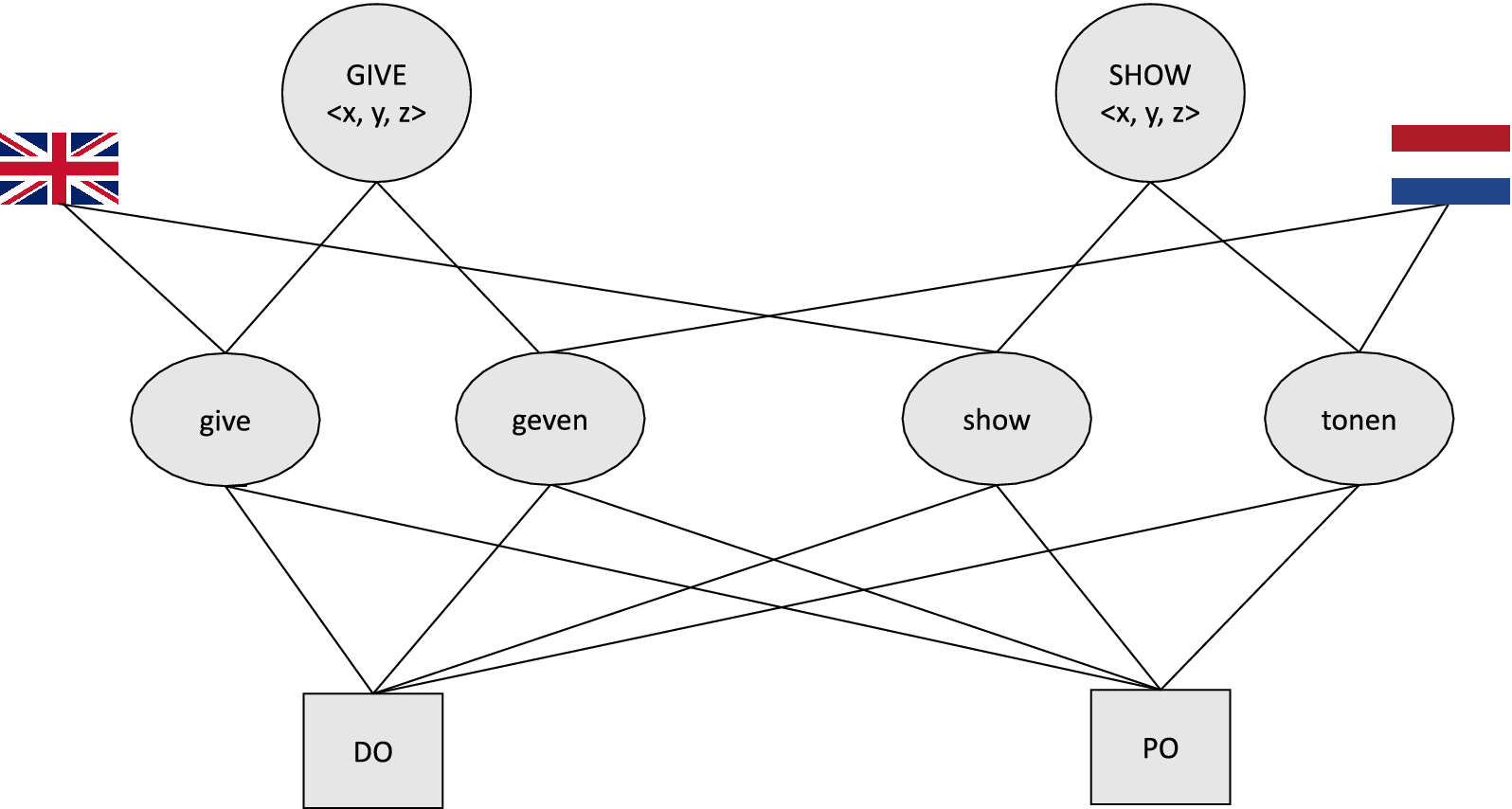
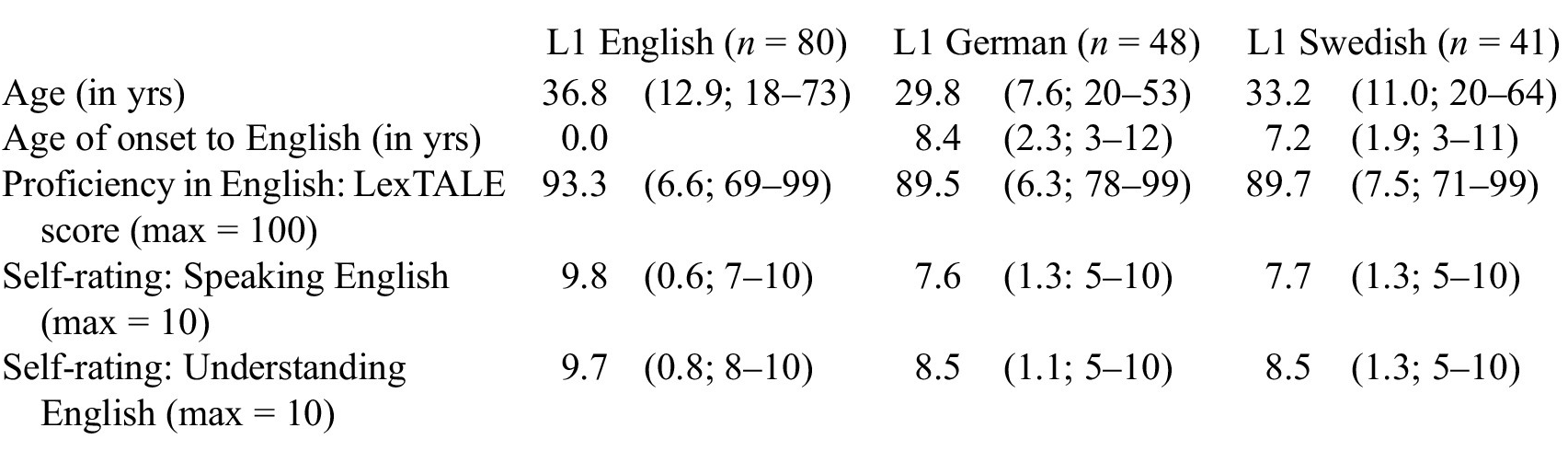
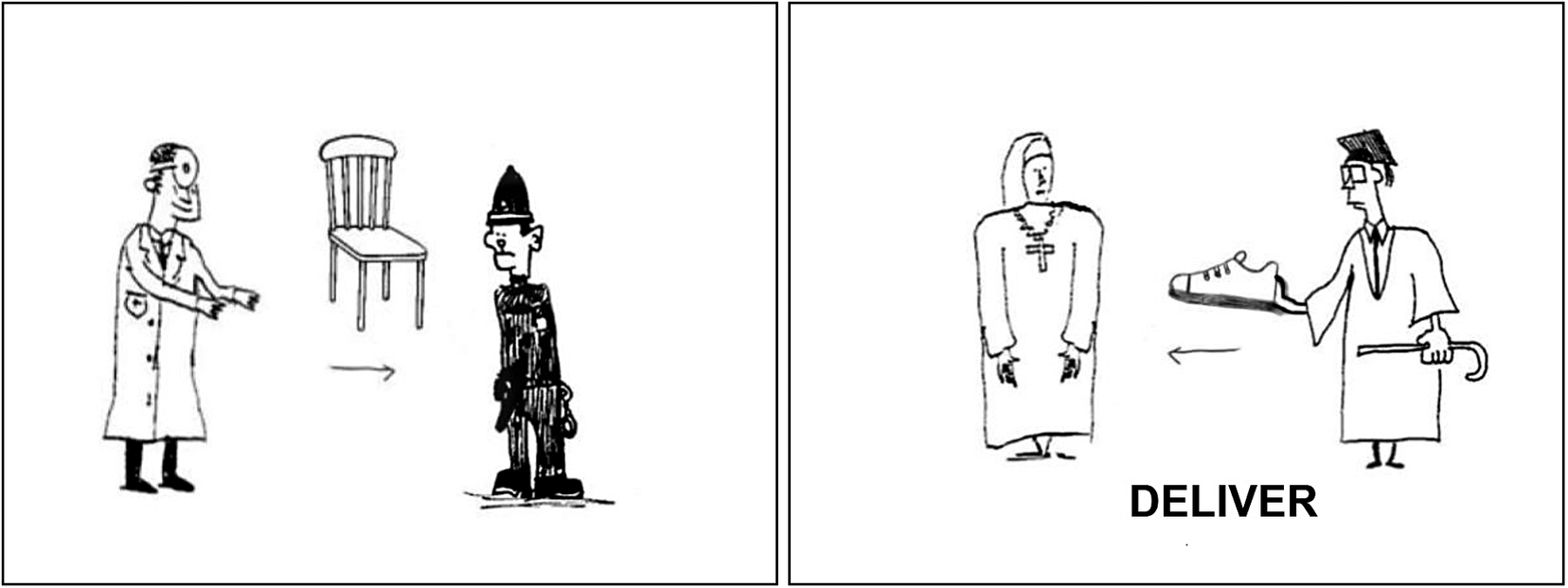



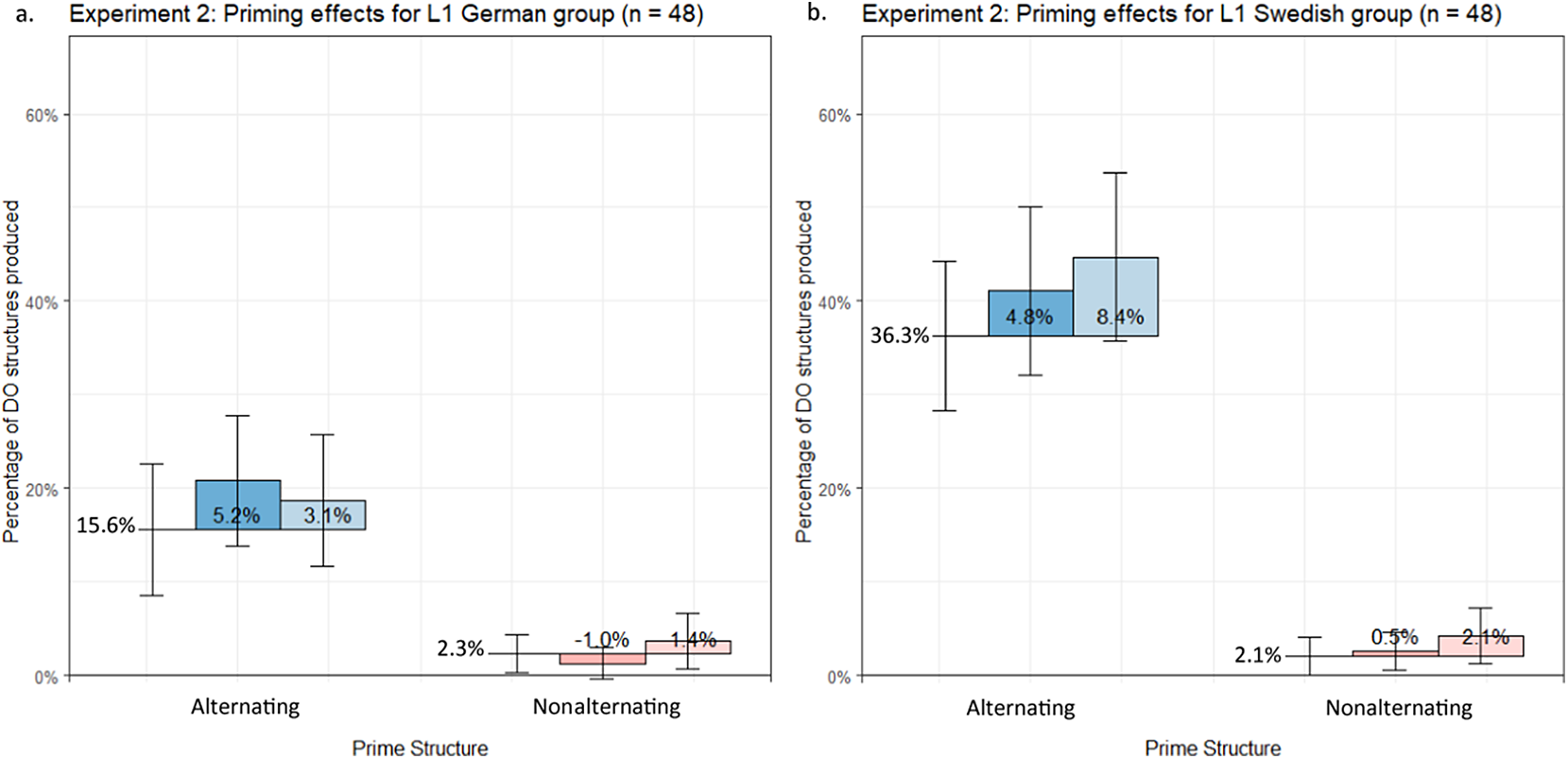

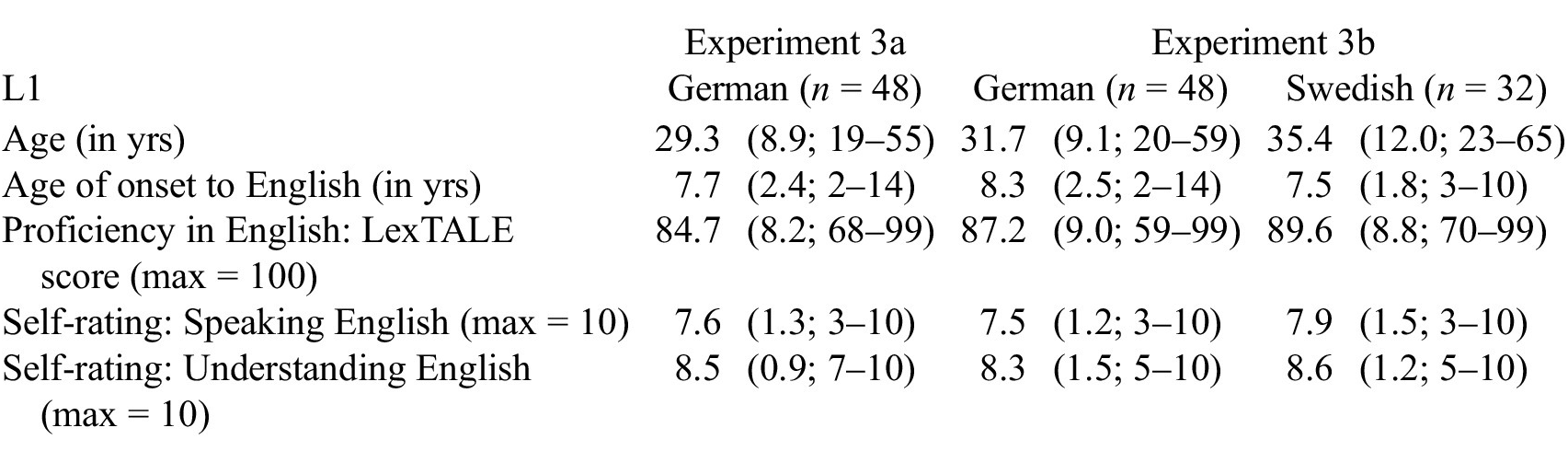

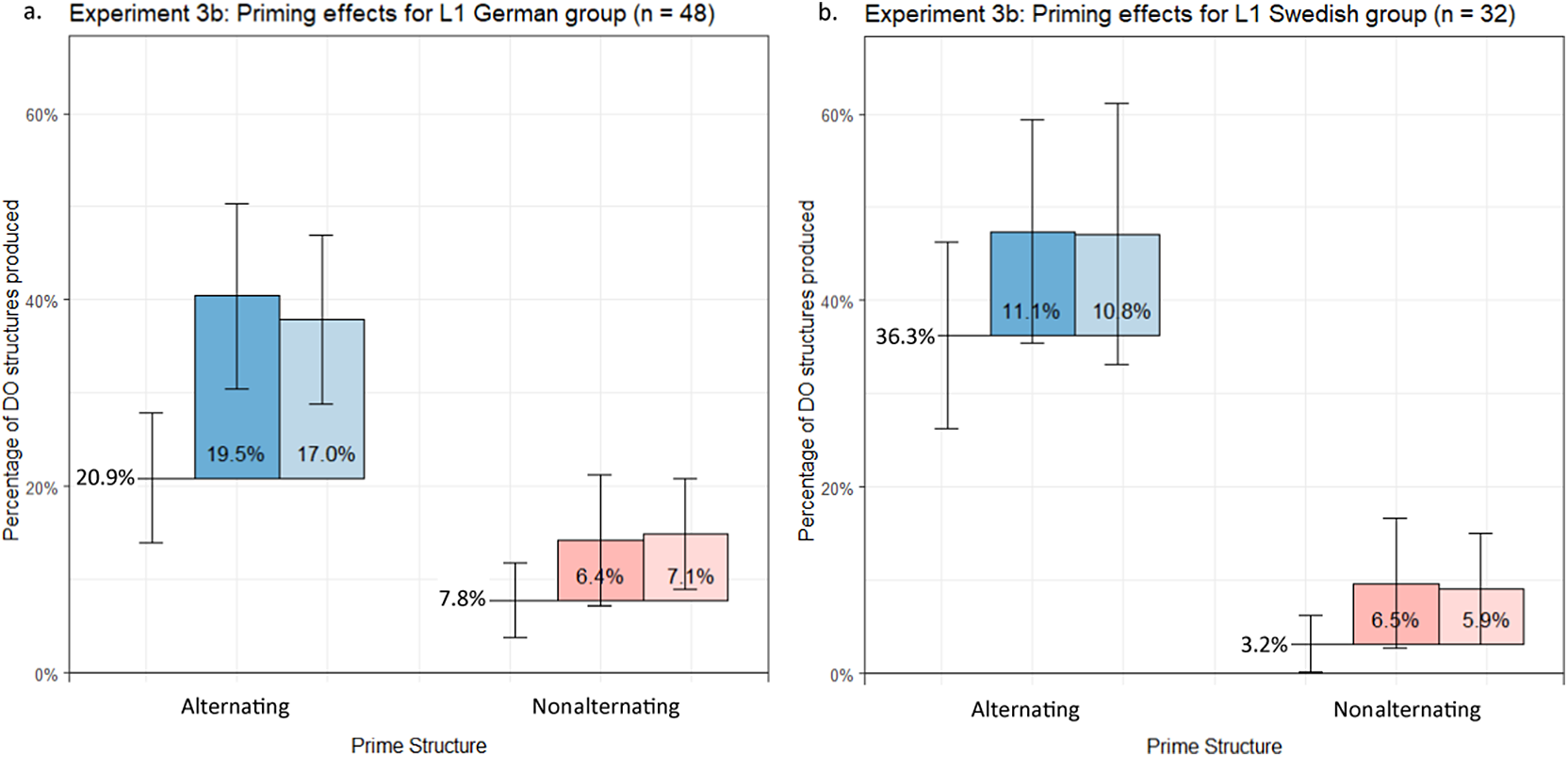

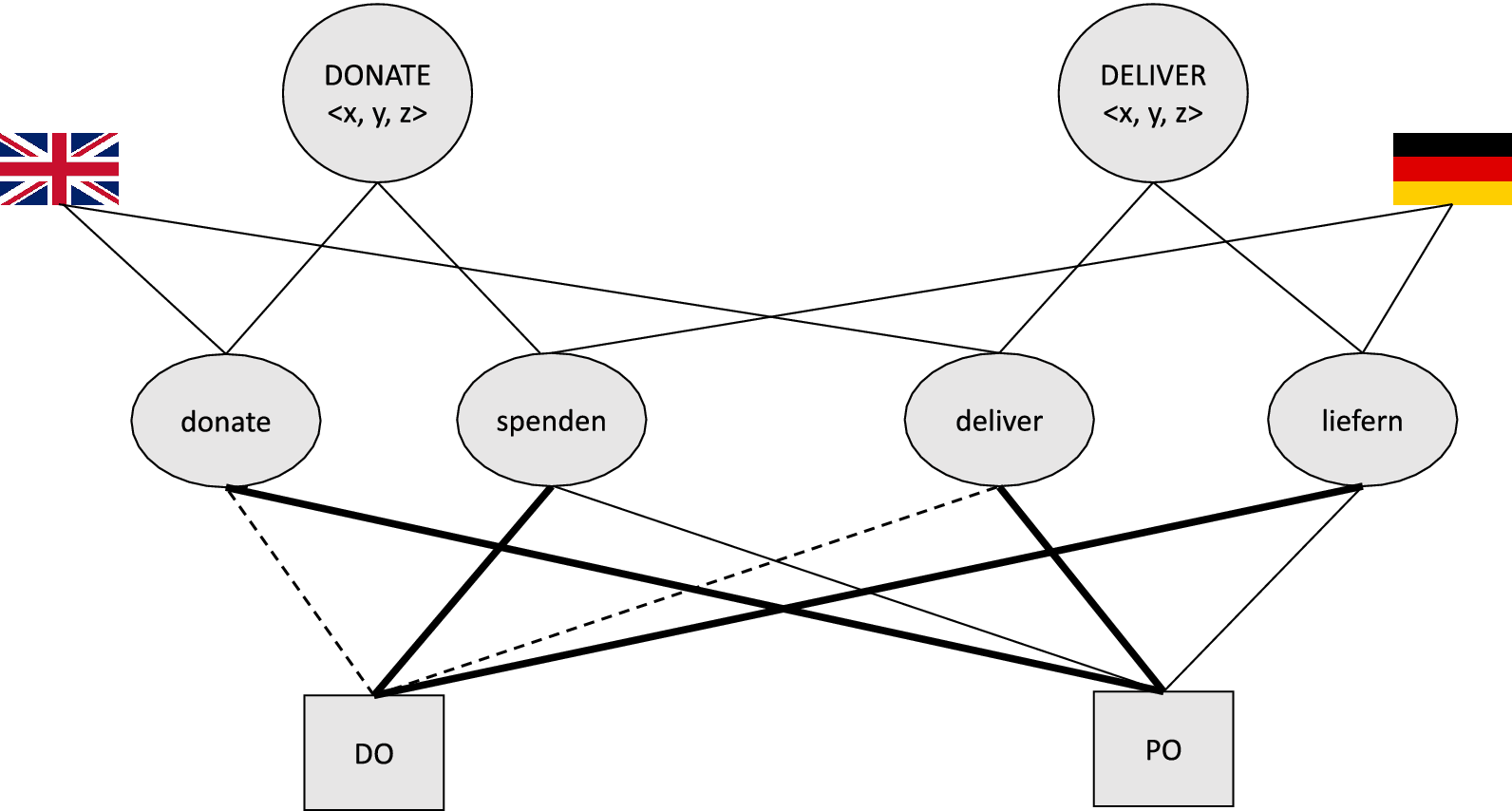
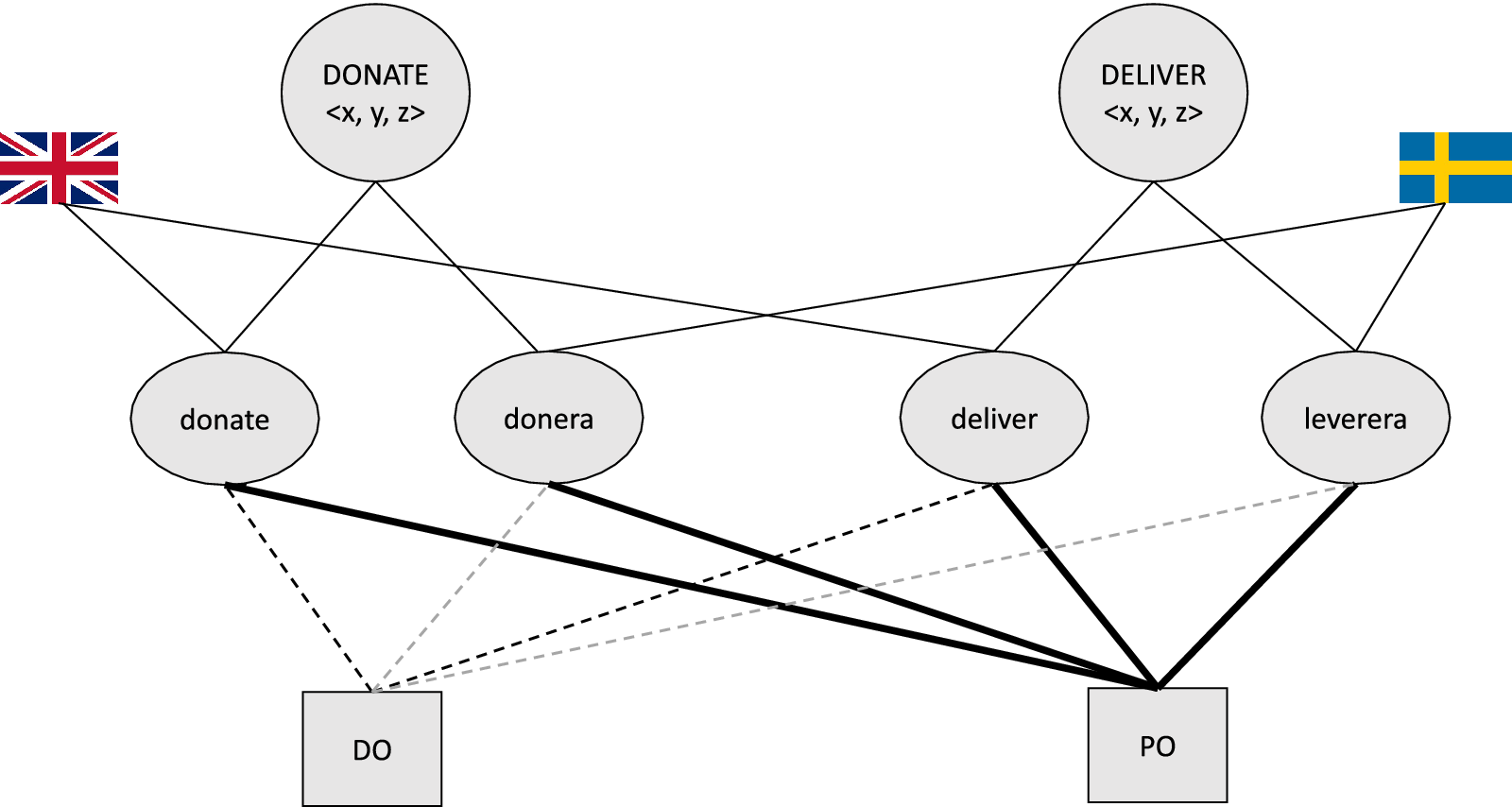


 Open access

