
Hostname: page-component-7b7567c8c-2n9c9 Total loading time: 0 Render date: 2026-11-18T03:29:11.018Z Has data issue: false hasContentIssue false

Spindle Whorls from El Purgatorio, Peru, and Their Socioeconomic Implications

Published online by Cambridge University Press:  20 January 2017

Rights & Permissions [Opens in a new window]

Abstract

Core share and HTML view are not available for this content. However, as you have access to this content, a full PDF is available via the 'Save PDF' action button.

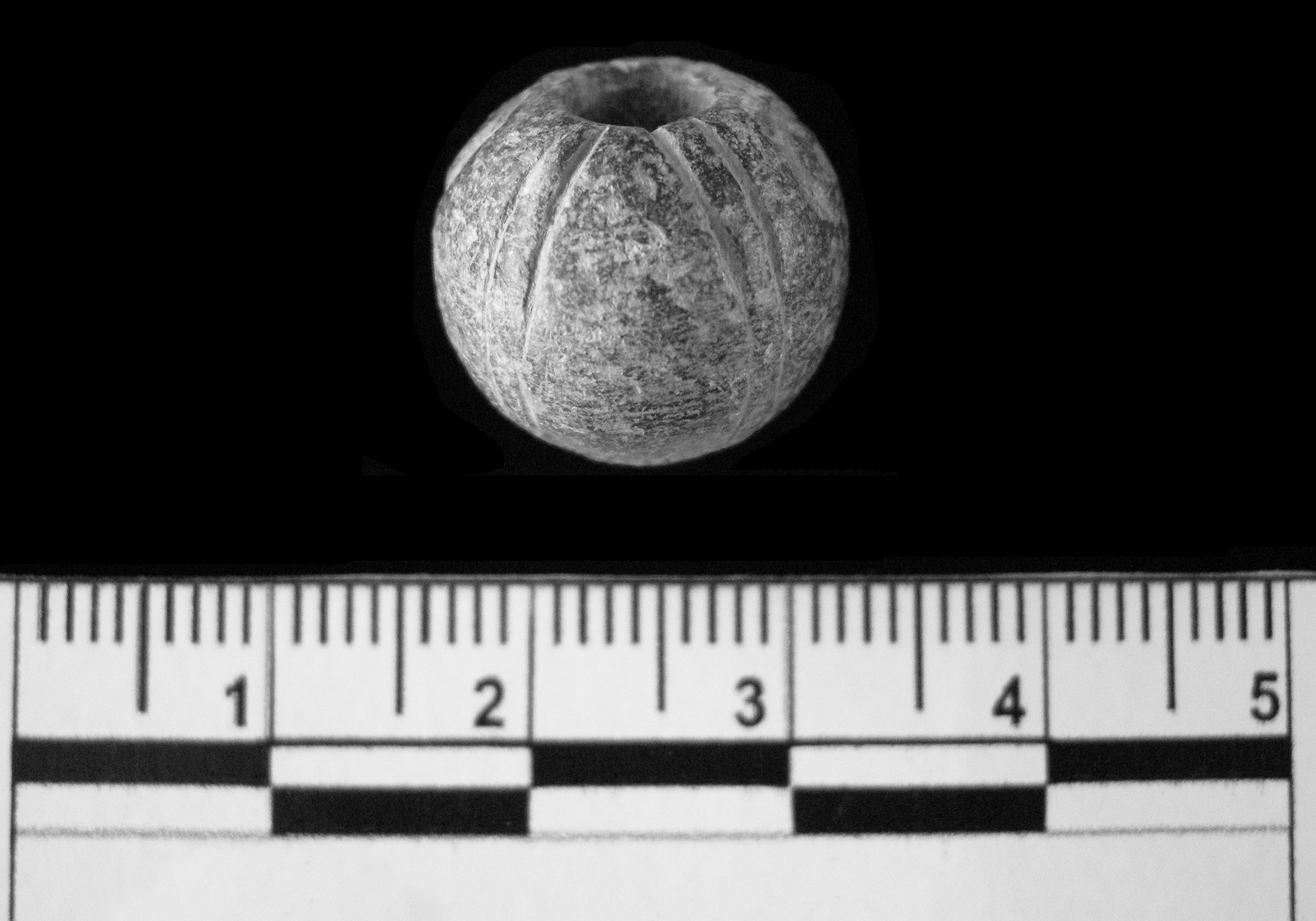
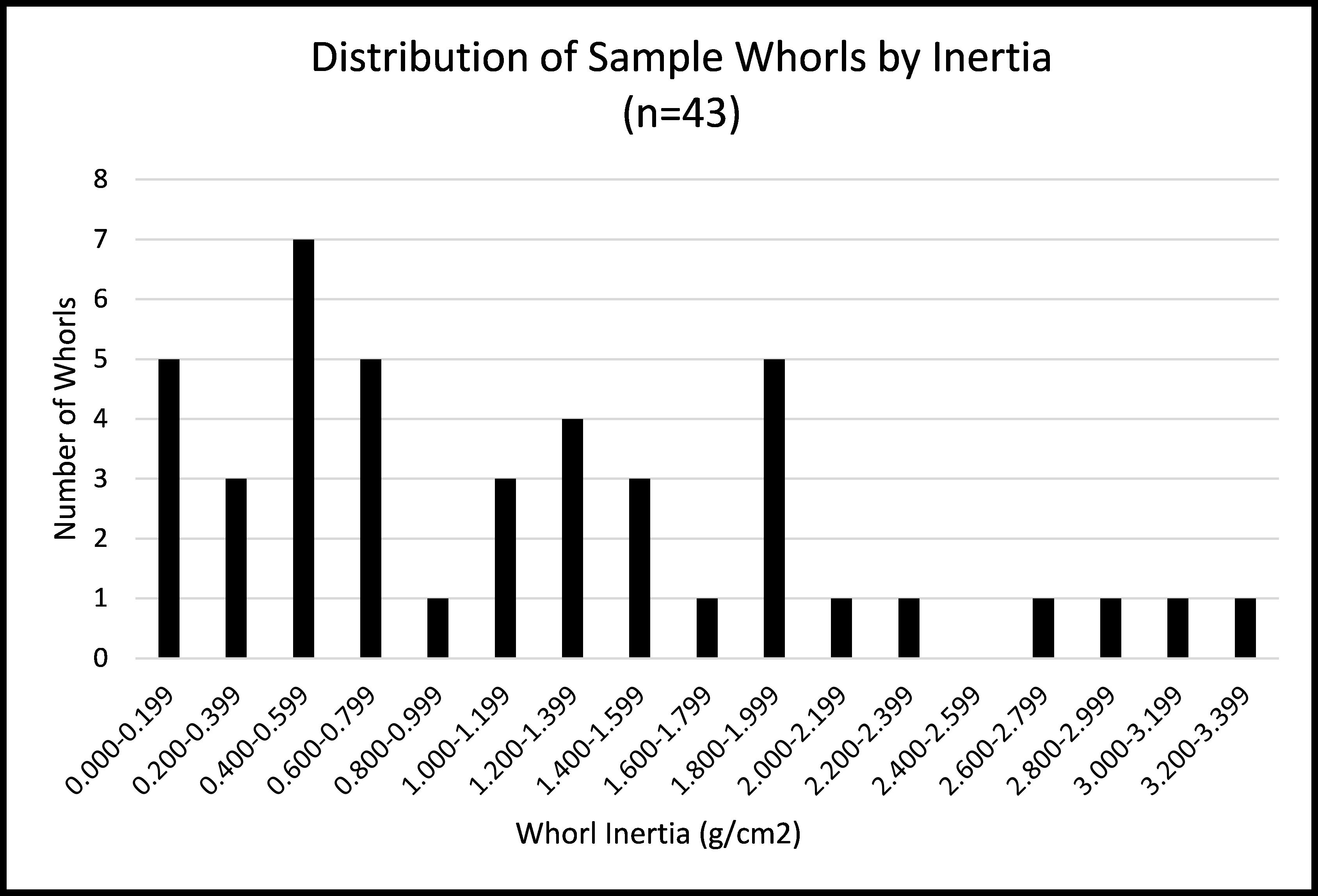
In the Andean region, spindle whorls have been the subject of archaeological analysis less often than other artifact classes, such as pottery. Nevertheless, spindle whorls may have much more to contribute to archaeological interpretations of production, status, and exchange patterns than previously acknowledged. The case study presented here examines the spindle whorl collection from the site of El Purgatorio, Peru, the capital city of the Casma polity (ca. A.D. 700–1400). Spindle whorls were not only expertly crafted utilitarian tools for spinning yarn, but also items of personal adornment, symbols of wealth or status, and possible indicators of intra-polity exchange patterns. The analysis of spindle whorls in regard to form and function provides insight into Casma social and economic organization. The spindle whorls discovered at El Purgatorio also reflect varying degrees of standardization and technical knowledge, suggesting that at least some may have been manufactured by specialists in metallurgical and ceramic workshops.

Resumen

Resumen

En los Andes, los torteros han sido analizados arqueológicamente con menor frecuencia que otras clases de artefactos, como por ejemplo la cerámica. Pero estas herramientas podrían haber sido mucho más importantes de lo que fue reconocido anteriormente, principalmente para las interpretaciones arqueológicas sobre la producción, el estatus y los patrones de intercambio. En este trabajo presentamos la muestra de torteros procedente del sitio El Purgatorio, la ciudad capital del estado de Casma, en Perú (ca. 700–1400 d.C.). La intención de este análisis es entender a estos artefactos, no sólo como herramientas utilitarias diseñadas por expertos para el hilado, sino también como elementos de adorno personal, símbolos de la abundancia o el estatus y posibles indicadores de patrones de intercambio. Los torteros fueron analizados tanto por su forma como por su función, lo que generó un nuevo entendimiento de la organización social y económica del estado Casma. Los torteros descubiertos en El Purgatorio también reflejan diferentes grados de estandarización y conocimiento técnico, lo que sugiere que al menos algunos de ellos pueden haber sido fabricados por especialistas en talleres metalúrgicos y cerámicos.

Information

Type
Articles
Copyright
Copyright © Society for American Archaeology 2016
Supplementary material: Image

Vogel et al. Supplementary Material

Figure S1

Download Vogel et al. Supplementary Material(Image)
Image 2.1 MB
Supplementary material: Image

Vogel et al. Supplementary Material

Figure S2

Download Vogel et al. Supplementary Material(Image)
Image 1.9 MB
Supplementary material: Image

Vogel et al. Supplementary Material

Figure S3

Download Vogel et al. Supplementary Material(Image)
Image 1.5 MB
Supplementary material: Image

Vogel et al. Supplementary Material

Figure S4

Download Vogel et al. Supplementary Material(Image)
Image 1.1 MB
Supplementary material: Image

Vogel et al. Supplementary Material

Figure S5

Download Vogel et al. Supplementary Material(Image)
Image 1.4 MB
Supplementary material: Image

Vogel et al. Supplementary Material

Figure S6

Download Vogel et al. Supplementary Material(Image)
Image 449.8 KB
Supplementary material: Image

Vogel et al. Supplementary Material

Figure S7

Download Vogel et al. Supplementary Material(Image)
Image 388.1 KB
Supplementary material: Image

Vogel et al. Supplementary Material

Figure S8

Download Vogel et al. Supplementary Material(Image)
Image 383.6 KB