




Introduction
A major concern during the COVID-19 pandemic was the isolation of patients in closed wards, including at the end of life. As hospitals worldwide sharply curtailed visitation to prevent viral transmission – driven by PPE (Personal Protective Equipment) shortages, staff-safety fears, overloaded systems, and shifting public-health directives – patients often died alone, separated from their families. The human cost of these restrictions sparked widespread public outcry (Fink Reference Fink2020; Hafner Reference Hafner2020; Healy et al. Reference Healy, Weise and Baker2020; Horowitz and Bubola Reference Horowitz and Bubola2020; Lamas Reference Lamas2020; Leland Reference Leland2020; Shezaf and Zikri Reference Shezaf and Zikri2020; Walker and Booth Reference Walker and Booth2020).
A substantial body of empirical research and commentary quickly documented the harmful consequences of these restrictions across disciplines: pediatric specialists considered the risks from restricting parental presence; geriatric and palliative care researchers noted diminished well-being and survival among elderly and dying patients; and mental health professionals highlighted psychological harms (Creutzfeldt et al. Reference Creutzfeldt, Schutz, Zahuranec, Lutz, Curtis and Engelberg2021; Darcy Mahoney et al. Reference Darcy Mahoney, White, Velasquez, Barrett, Clark and Ahmad2020; Feder et al. Reference Feder, Smith, Griffin, Shreve, Kinder, Kutney‐Lee and Ersek2021; Heath et al. Reference Heath, Yates, Carey and Miller2020; Mercadante et al. Reference Mercadante, Adile, Ferrera, Giuliana, Terruso and Piccione2020; Muniraman et al. Reference Muniraman, Ali and Cawley2020; Murray and Swanson Reference Murray and Swanson2020; O’Caoimh et al. Reference O’Caoimh, O’Donovan and Monahan2020; Shum et al. Reference Shum, Shea, Tang, Wan and Chan2020; Sizoo et al. Reference Sizoo, Monnier, Bloemen, Hertogh and Smalbrugge2020; Stefano et al. Reference Stefano, Tripani, Mastromarino, Di Risio, Castelpietra and Risso2021; Verbeek et al. Reference Verbeek, Gerritsen, Backhaus, de Boer, Koopmans and Hamers2020; Virani et al. Reference Virani, Puls, Mitsos, Longstaff, Goldman and Lantos2020; Zeh et al. Reference Zeh, Santry and Monsour2020). However, despite numerous physicians and bioethicists advocating for relaxing these restrictions (de Campos-Rudinsky Reference de Campos-Rudinsky2022; Downar and Kekewich Reference Downar and Kekewich2021; Lederman Reference Lederman2021; Moore Reference Moore2022), this extensive scholarly conversation rarely conceptualized them as legal rights violations (Sudai Reference Sudai2021; Yakovi Gan-Or Reference Yakovi Gan-Or2020). Such under-conceptualization of visitations as a legal right is not an exception, but rather a feature of some patient rights in healthcare settings.
This conceptual gap reflects the ambiguous status of visitation rights within healthcare institutions. In Israel, as in other countries, hospital visitation occupies a precarious legal position: codified in law yet weakly substantiated, with limited presence in case law and scholarly discourse rendering it highly discretionary and dependent on institutional practice rather than firm legal mandates. Visitation represents what Pound would describe as a weak “law in books” right that nevertheless functions as a strong “law in action” during normal times (Pound Reference Pound1910). Crisis, however, fundamentally altered this relationship. When the COVID-19 pandemic erupted, emergency orders authorized hospitals to isolate infected or potentially infected patients, dramatically expanding institutional discretion and diminishing the already limited formal protections for visitation rights. This transformation raises a core question: what happens to a weakly codified right when its content depends primarily on how people inside institutions perceive, interpret, and enact it?
Israel’s pandemic trajectory unfolded across five distinct waves between March 2020 and early 2022 (Haklai et al. Reference Haklai, Goldberger and Gordon2022). Israel’s vaccination campaign was internationally notable for both its speed and its scale: the government secured early, large-volume access to the Pfizer vaccine, which led it, by the end of 2020, to administer more vaccines than all countries except for China, the US, and the UK (Dagan et al. Reference Dagan, Barda, Kepten, Miron, Perchik, Katz, Hernán, Lipsitch, Reis and Balicer2021; Rosen et al. Reference Rosen, Waitzberg and Israeli2021). Before the COVID-19 pandemic, the 1996 Patients’ Rights Act established the general statutory framework for patient entitlements, including a qualified right to receive visitors, later operationalized through Ministry of Health circulars on hospital visitation hours. With the outbreak of COVID-19, however, the Ministry of Health issued emergency directives that authorized hospitals to impose extensive visitation restrictions and isolate patients in COVID-19 wards. While these directives established a national framework, they also left hospitals considerable discretion in determining how visitation policies would be interpreted and implemented in practice.
Compared to other democracies, Israel’s pandemic governance was relatively centralized: the government relied heavily on emergency powers, allowing it to impose lockdowns, closures, and surveillance measures with limited parliamentary oversight (Chachko and Shinar Reference Chachko and Shinar2020). This executive-heavy governance style became the subject of vigorous public and legal debate, most visibly around two civil-liberties flashpoints: the government’s deployment of the Shin Bet internal security service to conduct phone-based contact tracing, which the Supreme Court held in April 2020 could not continue without primary legislation (Chachko and Shinar Reference Chachko and Shinar2020), and the “Green Pass” (vaccination certificate) regime conditioning access to public life and freedom of movement on vaccination status, which was likewise challenged before the courts (Kamin-Friedman and Raz Reference Kamin-Friedman and Raz2021). This broader climate of rights-conscious public discourse forms part of the backdrop against which the relative legal silence surrounding visitation rights, traced in this article, is worth noting: even as Israelis actively contested the boundaries of privacy and mobility during the pandemic, hospital visitation rarely registered in this rights-conscious public conversation. Drawing on interviews with relatives who lost loved ones in isolated COVID-19 wards and with hospital workers stationed in these wards, this article employs the theoretical framework of rights consciousness (RC) to examine these questions, contributing to our understanding of how law and rights function within institutional settings during extraordinary circumstances.
Essentially, this study argues that the legal right to visit hospitalized patients – like many other patient rights – is a fragile right: weakly anchored in formal law yet robustly practiced through institutional custom in ordinary times. The COVID-19 pandemic exposed this fragility, as visitation, ordinarily routine and taken for granted, was rapidly suspended with little resistance or legal challenge. Neither family members nor healthcare workers conceptualized it as a formal legal entitlement. Instead, both understood visitation as a discretionary privilege, professional tool, or moral gesture, something that could be granted or withheld according to institutional priorities, clinical judgments, and staff capacity.
The study’s findings develop three interrelated contributions to sociolegal scholarship. First, they use visitation to delineate a broader category of fragile rights: patient entitlements whose force derives primarily from organizational routines and professional norms rather than robust legal protection, making them particularly vulnerable when institutional logics of risk, efficiency, or crisis management take priority. Second, the analysis shows how visitation practices re-emerged inside hospitals not through formal legal mandates but through clinicians’ moral commitments, professional judgment, and accumulated experience on the wards. These internally generated norms, rooted in the ethics of care and in practitioners’ understandings of patients’ needs, effectively restored visitation as a meaningful practice even when formal legal protections receded. In doing so, the article extends and deepens the theoretical account of de facto rights developed by Heimer and Tolman (Reference Heimer and Tolman2021). Third, the study advances a relational, spatial, and temporal account of RC: inside the hospital, clinical hierarchies and crisis routines suppressed the very possibility of framing visitation as a formal right, while outside the hospital, though, shared stories, peer comparison, and collective meaning-making enabled families to reconstruct violations and develop rights awareness. Its temporal dimension further shows that RC was shaped by changing institutional priorities across successive stages of the pandemic, as infection control gradually ceased to be the sole organizing principle. Together, these insights illuminate how legality is produced, eroded, and regenerated in hospital settings during crisis.
Rights consciousness in hospitals during crises
Legal and rights consciousness
“Legal consciousness” (LC) refers to the ways people understand, experience, and engage with the law in their everyday lives. The concept emerged within the law and society tradition. In her seminal work Getting Justice and Getting Even, Sally Engle Merry defines LC as “the ways people understand and use the law” (Merry Reference Merry1990: 5), emphasizing the practical aspects of how individuals interact with legal systems, norms, and rules. LC research emerged from this tradition in the 1980s–1990s, from Trubek’s description of the concept as “all the ideas about the nature, function, and operation of law held by anyone in society at a given time” (Trubek Reference Trubek1984: 334) to McCann’s account of it as an “ongoing, dynamic process” of constructing one’s relationship to the social world through legal discourse (McCann Reference McCann1994: 7). Ewick and Silbey’s book The Common Place of Law: Stories from Everyday Life (Ewick and Silbey Reference Ewick and Silbey1998) further developed the concept, arguing that LC is produced when people deploy legal ideas to describe, comply with, or resist various situations. Their work highlights the central idea that “legality is produced” in everyday interactions, framing law not just as a formal system but as something integral to social practice (Ewick and Silbey Reference Ewick and Silbey1998: 45). The framework has generated a rich body of scholarship spanning diverse contexts from comparative studies across Bulgaria and Fiji (Hertogh Reference Hertogh2016; Larson Reference Larson2004) to analyses of workplace dynamics or crises response (Jacobs Reference Jacobs2007), (Hirsh Reference Hirsh2010) and theoretical refinements of the concept itself (Chua and Engel Reference Chua and Engel2019; Halliday Reference Halliday2019; Horák Reference Horák2021; Silbey Reference Silbey2005).
While LC encompasses general orientations toward law and legality, rights consciousness (RC) narrows the focus to how people conceptualize what they are owed or entitled to, and how they might act upon those understandings. In some contexts, rights claiming has become so prevalent that, as Rosenberg said, “Americans equate what they want with a right to it” (Rosenberg Reference Rosenberg2009). Yet in some contexts, there is very little use in the concept of rights to articulate an interest, personal or collective.
Scholarship on RC consistently shows that it is profoundly structured by the institutional and organizational settings in which people act. Marshall, writing on the context of sexual harassment policies, shows that RC is significantly shaped by the organizational practices and management responses to harassment within workplaces (Marshall Reference Marshall2005: 91). Young’s work on criminal procedure similarly highlights the distinct nature of RC in criminal contexts against civil settings (Young Reference Young and Sandefur2009: 73). These institutional forces coexist with more diffuse, bottom-up processes: Şerban defines RC as a recursive social practice, not bounded by formal state law, constructed both above and below official legal institutions (Şerban Reference Şerban2018: 737–738), while Aaronson and Barzilay’s historical analysis similarly shows it evolving through social movements, political activism, and everyday struggles (Aaronson and Barzilay Reference Aaronson and Barzilay2019). Engel and Munger demonstrate that LC is a dynamic, life-course process: in their study of individuals with disabilities after the Americans with Disabilities Act (ADA), understandings of law and rights evolve through everyday interactions structured by gender, race, class, community ties, and institutional encounters. In this sense, RC is not fixed or solely law-driven, but is continually reconstituted through an ongoing, often implicit dialogue in which individuals situate themselves in relation to the social world around them (Engel and Munger Reference Engel and Munger2003).
These insights add to the growing scholarship emphasizing the relational dimensions of LC and RC (Chua and Engel Reference Chua and Engel2019). A key argument is that LC is not merely an individual orientation toward law but a relational process that emerges through interactions among people, institutions, communities (Chua and Engel Reference Chua and Engel2019; Merry Reference Merry1990; Morgan Reference Morgan1999), and familial efforts (Goluboff Reference Goluboff1999: 777). Young and Chimowitz show how LC is produced relationally in parole hearings, where legal meaning is co-constructed between commissioners and candidates through interactional cues about remorse and suitability for release, offering a clear empirical illustration of relational LC in action (Young and Chimowitz Reference Young and Chimowitz2022). In a similar spirit, Nielsen situates relational LC within a broader framework of relational rights, calling for attention to the interdependence between individuals, institutions, and material contexts in shaping the lived experience of law (Nielsen Reference Nielsen2024). Together, this literature highlights that RC is constituted through interpersonal, institutional, and material relations rather than residing solely in individual attitude or institutional order.
Building on this relational turn, this study contributes to LC and RC scholarship by showing how rights can emerge from below through everyday institutional interactions. Drawing on the concept of de facto rights, it demonstrates how families, clinicians, and staff collaboratively negotiate the moral and institutional contours of visitation to allow visits during crisis. Through these encounters, RC develops relationally via comparison, imitation, and dialogue across hospital settings, revealing how legality itself is locally constructed in each hospital.
Rights consciousness in healthcare settings
Healthcare institutions present a particularly challenging environment for understanding and claiming rights, as institutional authority, professional expertise, and patient vulnerability create distinct dynamics. Medical professional authority is particularly strong and far-reaching, with doctors wielding significant discretionary power that stems from their expertise and professional status (Abbott Reference Abbott1988; Beckett and Hoffman Reference Beckett and Hoffman2005; Starr Reference Starr1982). Hospitals operate under distinct institutional logics of risk management and efficiency, which can conflict with individual rights and needs and shape the LC and RC of stakeholders profoundly. Kirkland and Hyman show that in healthcare contexts, patients’ civil rights concerns are often reframed as consumer-service issues rather than legal claims, a shift driven by the marketization of healthcare that effectively demobilizes civil rights in clinical settings (Kirkland and Hyman Reference Kirkland and Hyman2021: 277). While this dynamic is especially pronounced in the US, where market logics shape healthcare more strongly, similar processes have been observed in publicly funded systems with partial privatization.
Furthermore, hospitals are full of non-legal professionals functioning as legal intermediaries who shape how rights are understood and mobilized. Pélisse argues that such intermediaries act as everyday legislators who determine which rights are enforceable and which are ignored in practice (Pélisse Reference Pélisse2019). Similarly, Kirkland and Hyman (Reference Kirkland and Hyman2021) show how grievance handlers in hospitals – typically nurses who have moved into administrative roles – become the “law in between,” implementing formal rights provisions on the ground according to their own professional logics and toolkits, “attuned to a different set of legal and regulatory demands specific to healthcare” (276).
On the receiving end, patients and their families are typically preoccupied with immediate health concerns, making them less likely to frame their experiences in legal terms or pursue rights claims. Halliday, Kitzinger, and Kitzinger examined the LC of family members of patients with chronic cognitive disorders in end-of-life conditions. They found that relatives’ vulnerability and dependence on medical care complicated their ability to assert rights, as many feared that challenging medical authority would result in worse care for their loved ones (Halliday et al. Reference Halliday, Kitzinger and Kitzinger2015: 61–64).
A groundbreaking contribution to understanding rights in healthcare settings comes from Heimer and Tolman’s concept of “de facto rights.” Through ethnographic fieldwork and interviews conducted in five HIV/AIDS clinics across the US, South Africa, Thailand, and Uganda, they identified de facto rights inductively by observing how clinic workers handled patients’ access to care. Strikingly, they found that even in clinics where formal rights to health were weak or absent, patients nonetheless benefited from stable, recurring organizational practices like guaranteed access to antiretroviral drugs and inclusion in treatment programs. Over time, these discretionary acts became institutionalized within clinic routines and policies. Heimer and Tolman thus found de facto rights not in legal texts or explicit discourse but in the organizational regularities through which caregivers transform professional discretion into dependable, collective entitlements – rights in effect rather than rights on paper (Heimer and Tolman Reference Heimer and Tolman2021). Despite not being enforceable in traditional legal forums nor portable across contexts, these de facto rights can have substantial impact on patients’ access to care. This framework corresponds with Heimer’s earlier work on institutional competition in neonatal intensive care units, which demonstrates that even the realization of formal legal rights guaranteed by statute or judicial decision depends on how they are translated into organizational routines (Heimer Reference Heimer1999). Applying these insights to visitation in practice: who can visit, when, under what conditions, and with whose authorization depends on the organizational processes designed to manage visitations.
Heimer and Tolman show that de facto rights arise from professional norms, clinical discretion, and institutional improvisation, but do not elaborate on the normative sources of clinicians’ authority to act this way. Building on their framework, this study explores the internal normative foundations that guided hospital staff who maintained visitation rights during the crisis. These included commitments to patient recovery, family-centered care, emotional strain, administrative spillover, and professional expertise – together forming an internal normative order that sustained the practice of visitation despite its precarious legal status.
This normative infrastructure is grounded in an internal responsibility to care: the organizational practices Heimer and Tolman (Reference Heimer and Tolman2021) describe show how a sustained ethic of care can generate rights from within, as acts of responsiveness gradually solidify into institutional norms. As sociolegal and ethnographic studies of hospitals and shelters have shown, caregivers often translate moral responsibility into stable organizational routines that perform the work of law, even without formal legal mandates (Brodwin Reference Brodwin2013; Heimer and Staffen Reference Heimer and Staffen1998; Ranasinghe Reference Ranasinghe2017). This study extends the framework of de facto rights by clarifying the internal normative order that sustains them, showing how professional ethics of care function as a moral infrastructure through which rights are generated and maintained within institutions – bridging, in practice, the classical divide between ethics of care and ethics of justice (Gilligan Reference Gilligan1982, Reference Gilligan2023; Held Reference Held2005; Tronto Reference Tronto1993).
Rights consciousness in crisis
A critical dimension of this analysis is the exceptional context of emergency, which fundamentally alters how rights are perceived, claimed, and enforced: during public health crises such as pandemics, individual rights are traditionally subordinated to collective health interests (Chia and Oyeniran Reference Chia and Oyeniran2020; Hirsh Reference Hirsh2010). Jacobs (Reference Jacobs2007) study of the 2003 SARS crisis found that public health officials primarily exercised authority through informal mechanisms of persuasion, invoking legal authority only when faced with non-compliance. These informal, judicially unreviewed decisions produced significant hospital-to-hospital variation (Jacobs Reference Jacobs2007: 524–525) and what Jacobs calls a “differentiated legal consciousness,” in which perceptions of rights and their enforceability vary by one’s position in the crisis.
Alongside this variability in how rights are perceived during emergencies, sociolegal research also observes that many rights are not recognized as such until their withdrawal. Stryker’s research suggests that people often do not perceive something as a right until they are deprived of it (Stryker Reference Stryker2003). Revillard’s work demonstrates this phenomenon further, showing that some rights are invisibly realized through routine practice and only become visible when denied (Revillard Reference Revillard2019). Accordingly, the crisis circumstances can theoretically spark an RC by depriving taken-for-granted rights in an emergency. At the same time, scholars note that in crisis conditions the recognition of basic rights violations does not necessarily translate into a sense of grievance. Halliday et al. (Reference Halliday, Jones, Meers and Tomlinson2024), studying UK COVID-19 lockdown perceptions, found that although many regarded the restrictions as rights violations, most did not feel aggrieved, viewing them as balanced and necessary – prompting a call to distinguish RC from a sense of grievance. This conflict is echoed here: the present study reveals that feelings of injustice may arise even without RC, as people are questioning whether state limitations indeed serve the common good. Yet crises are not static. As the pandemic unfolded, the institutional and personal risks facing hospitals, healthcare workers, and families changed substantially – from uncertainty and acute infection risks during the early waves to vaccination, accumulated clinical knowledge, and increasing pressure to restore ordinary care. Accordingly, the analysis in this study examines each phase of the pandemic separately, tracing how these changing conditions shaped LC and responses to visitation restrictions as the crisis unfolded.
Visitation as a fragile patient right
The legal right to visitation emerged from social, legal, and medical developments in the late twentieth century. In the early days of modern medicine, hospitals were perceived as hazardous and contagious environments requiring strict isolation of patients (Annas Reference Annas1975: 141; Smith et al. Reference Smith, Watkins and Hewlett2012: 41–42). Throughout the late nineteenth and early twentieth centuries, patients were often left alone for extended periods, sometimes months, as visits were seen as infection vectors rather than sources of comfort (Mooney and Reinarz Reference Mooney and Reinarz2020). This isolation regime spurred early public campaigns: parents of hospitalized children, maternity patients, and family organizations mobilized against exclusionary policies, framing physical presence as essential to dignity rather than risk (Annas Reference Annas1975: 141). Over time, these struggles intersected with broader transformations in medicine and society: the introduction of sanitary and pharmacological means to control infection, the rise of patient rights movements advancing informed consent and privacy, and the growing recognition within the social sciences and nursing that family members play a vital role in recovery (Davidson et al. Reference Davidson, Powers and Hedayat2007). Together, these developments rebalanced the moral and professional calculus of visitation. Family presence, once deemed dangerous, became both possible and desirable as an integral element of humane, patient-centered care.
The legal recognition of visitation rights followed. Early normative foundations appeared in postwar human rights instruments – the Universal Declaration of Human Rights (1948), the International Covenant on Civil and Political Rights (1966), and the International Covenant on Economic, Social and Cultural Rights (1966) – which, though never mentioning hospital visitation explicitly, established a moral baseline against arbitrary interference with family relationships and affirmed a holistic understanding of health inclusive of emotional and social well-being (Lassi et al. Reference Lassi, Jiang and Du2025). Building on this foundation, the World Health Organization incorporated family engagement into its Patient Safety Rights Charter, recognizing it as an element of quality healthcare (World Health Organization 2024: 8).
From the late twentieth century onward, national jurisdictions began to codify these principles: France (Code de la santé publique, Art. L1112-2-1) and the UK (Health and Social Care Act 2008 (Regulated Activities) Regulations 2014, Section 9A) enacted similar protections, and in the US, facilities participating in Medicare and Medicaid must allow patients to receive visitors of their choosing without discrimination (42 C.F.R. § 482.13(h)). In Israel, a right to visitation was codified in the Patients’ Rights Act (1996), subject to medical considerations. This provision was later elaborated in Ministry of Health circulars regulating visiting hours and conditions (Ministry of Health (Israel) 2007). In the context of dying, although the law does not explicitly define a right to receive visits at the end of life, provisions in the Dying Patient Act (2005) reflect a normative commitment to presence and accompaniment of the dying person. Taken together, these instruments illustrate how the right to visitation, though often absent from the legal lexicon, emerged through declarative human rights discourse, transported into domestic laws and local administrative practice, thus becoming a law “in action” as families and institutions both committed to proximity and care within the hospital walls.
Yet, despite its gradual institutionalization, the right to visitation remains a tenuous one, deeply embedded in hospital routines but only loosely anchored in formal law. Hospital visitation exemplifies what this study terms a fragile right: a right sustained by strong institutional practice but weak formal legality. Strong practice means hospitals treat the right as standard operating procedure, entrenched through professional habit in organizational routines and patient expectations. Weak legality means the right lacks firm statutory or judicial grounding, either omitted from legislation or articulated in vague, discretionary terms. For instance, the Israeli Patients’ Rights Act merely provides that patients “are permitted” to receive visitors “according to arrangements determined by the director of the medical institution.” In practice, however, visitation is treated as routine: families circulate through hospital wards, bring food and personal items, and often participate in consultations with medical staff. This disjuncture between weak legality and strong practice renders visitation a fragile right: one that exists de facto but remains institutionally vulnerable, dependent on professional discretion and administrative tolerance. It persists through professional norms rather than enforceable rights and can be restricted or suspended under changing institutional priorities or emergency conditions. This usage partially overlaps with Revillard’s use of the same term in the context of disability rights in France (Revillard Reference Revillard2023). Like Revillard, I use the concept to describe rights whose legal recognition does not ensure their effective realization. The direction of the gap, however, differs. In Revillard’s account, fragility arises because practice fails to catch up with the law. In the case of visitation, by contrast, the right is only weakly codified, while robust institutional practices sustain it in everyday life. This study therefore uses fragility not only to capture vulnerability, but also to examine the conditions under which rights endure despite weak legal status.
Understanding visitation as a fragile right aligns it with a broader class of patients’ rights that share this dual nature: strong in practice yet soft in law. One such example is the right of family members to participate in medical decision-making. In Israel, the Dying Patient Act does not give family members formal legal authority over medical decisions, yet clinicians routinely involve them at various stages of decision-making, even when the patient is competent (Karako-Eyal and Gilbar Reference Karako-Eyal and Gilbar2021), creating an informal but powerful expectation of inclusion. When it was abruptly suspended during COVID-19-related restrictions, families felt not only excluded but wronged – deprived of what they had come to see as their rightful place in the care process. Recognizing this pattern highlights both the everyday strength and the institutional fragility of such rights: what becomes deeply embedded in practice may still rest on uncertain legal ground, and when crisis strikes, what is routine can quickly become revocable.
The notion of fragile rights offers a theoretical contribution to socio-legal scholarship by capturing a form of legality that exists strongly “in action” yet remains institutionally vulnerable. Drawing on this study’s findings, the analysis shows how hospital staff and visitors jointly move the right to visitation into the realm of the non-enforceable through everyday negotiation and boundary work – fragility, in other words, is not merely descriptive but a social process that can also be undone. This framework thus provides an analytic lens for examining other patients’ rights and welfare entitlements that appear stable in routine settings but easily unravel under institutional or emergency pressures.
Methods
This qualitative study conducted in-depth semi-structured interviews with 15 family members who lost loved ones during the COVID-19 pandemic and 15 hospital workers who participated in creating or enforcing a hospital’s visitation policy. Most interviews were conducted over Zoom, with one conducted in person, between October 2021 and March 2022, and all were audio-recorded. The interviewees were asked open-ended questions on four topics: the impact and enforcement of visitation restrictions, LC, the use of digital replacements for visitation, and attitudes toward civic participation in hospital policymaking. Two research assistants transcribed the interviews. All names, workplaces, and personally identifying information were anonymized and replaced with pseudonyms.
I recruited interviewees using multiple sampling methods. For both groups, I started by publishing social media advertisements. This drew a stronger response from family members, so I supplemented with network and snowball sampling for hospital workers (Farrugia Reference Farrugia2019; Trotter Reference Trotter2012). Although this approach did not (and was not expected to) yield a representative sample of family members and hospital workers, it did contain variation in age, geographical location, and professional position as summarized in Table 1. Their ages ranged from mid-20s to late 50s. Four were from the northern part of Israel, seven from the center, and four from the south. Most lost their relatives in the period between July 2020 and December 2020 (the second wave). This demographic pattern is itself analytically significant. While gender was not a recruitment criterion, this near-total selection of daughters over sons was not fully anticipated at the design stage, but on reflection I find it indicative of the gendered division of care labor, whereby women disproportionately carry the emotional and logistical work of advocating for hospitalized relatives and the gendered costs of pandemic-era separation from family.
Family members

Table 1 Long description
Rows list 15 people with columns for Name, Age, Gender, Relation of the deceased, Period of death, Area of residence, and Interview month and year. Names are Miri, Deborah, Lili, Dalit, Nirit, Inbar, Lotem, Nili, Irit, Yossi, Shoshana, Eden, Eleanor, Liron, and Michal. Ages range from 26 for Eden to 58 for Eleanor. Gender is W for 14 people and M for Yossi. Relation of the deceased is Father for 11 people, Mother for 3 people, and Husband for Shoshana. Period of death spans Apr 20 through Sep 21, with multiple entries in Oct 20 and Dec 20. Areas of residence are Center for 7 people, South for 4, North for 3, and North Center for 1. Interview dates are Oct 2021 for 7 people, Nov 2021 for 4, Dec 2021 for 2, Jan 2022 for 1, and Feb 2022 for 1.
Table 2 shows details of hospital frontline workers, including their years of experience and job position. Hospital workers included three members of hospital-level management, six nurses, and six physicians who worked in isolated COVID-19 wards, some of whom also held managerial positions within those wards. Nine participants were based in northern Israel, three in the central region, and three in the south. Their professional experience ranged from 1 year to over 30 years in the field. This professional diversity spanning frontline nursing and physician roles alongside hospital management proved analytically significant: as detailed in the “Boundary work in crisis: from rights to gifts” section, managerial workers were more likely to invoke institutional “sovereignty” and awareness of legal exposure, while frontline nurses and physicians rarely referred to potential legal conflicts, suggesting that professional position itself structures LC within the hospital hierarchy.
Frontline hospital workers

Table 2 Long description
Columns list Name, Gender, Years in the field, Position, Area of residence, and Interview month and year for 15 individuals. Gender includes 8 marked W and 7 marked M. Area of residence is North for 9 people, Center for 3, and South for 3. Positions include Management for 3 people, Nurse for 2, Doctor for 5, Management/Doctor for 1, and Management/Nurse for 4. Years in the field range from 1 plus to 30 plus, including 1 plus, 2 plus, 4 plus, 5 plus, 10 plus, 15 plus, 20 plus, 25 plus, and 30 plus. Interview dates run from Oct 2021 through March 2022, with entries in Oct 2021, Nov 2021, Dec 2021, Feb 2022, and March 2022.
While the overall number of interviews is modest, it reflects two different methodological considerations. In the case of family members, data collection was guided by the principle of theoretical saturation: after repeated themes and interpretive patterns became evident across interviews, additional data were unlikely to generate new insights. In contrast, the smaller number of healthcare professionals reflects the practical difficulty of securing access to physicians and hospital staff during and immediately after the COVID-19 crisis, when many were under extreme workload and institutional constraints.
The transcribed interviews were analyzed using ATLAS.ti qualitative analysis software, with multiple reviews to identify key themes and patterns. Interviews were conducted in Hebrew, and any quotes in this article were translated by the author. My analysis of the bereaved family members group followed the interpretive approach, which aims to understand how ordinary people’s behavior responds to their subjective perception of the law, their willingness to contest problematic events, and whether and why they mobilize the law to solve a problem (Halliday Reference Halliday2019: 865; Schwenken Reference Schwenken2013: 132). The interpretive approach broadly defines “law” to include what people believe to be the law – as Halliday et al. (Reference Halliday, Kitzinger and Kitzinger2015: 57) similarly sought to capture “images of law that were drawn upon and invoked by family members when negotiating the situation of their relatives.” I take a comparably pluralistic approach, focusing on the extent to which family members were aware of having rights, recognized when those rights were violated, and actively made claims for change.
My analysis of the frontline and managerial hospital workers who provided care for patients in COVID-19 wards group went in line with the law-in-action approach to the study of LC. My motivation here was to examine the social reality of law and patients’ rights as implemented on the ground. Kirkland and Hyman show that hospital workers are central implementors of such law as they enact, interpret, and implement civil rights, acting as agents of the law “in between” books and action (Jenness and Grattet Reference Jenness and Grattet2005: 338; Kirkland and Hyman Reference Kirkland and Hyman2021: 276). I wanted to understand the extent to which hospital workers conceptualize aspects of medical care, and visitation in particular, as legal entitlements granted to patients, and whether they experience the law as constraining or supporting them as they allow or deny visitations.
For both groups of interviewees, then, I examined whether and how they describe conflicts around visitation of isolated patients using legal terms and rights discourse. To situate these accounts within the broader legal framework, I reviewed the formal and regulatory instruments that structure visitation in Israel. The most explicit legal reference is Section 9 of the Patients’ Rights Act (1996), which recognizes the patient’s right to receive visitors subject to medical and institutional considerations, and the Ministry of Health circulars that operationalize this provision in hospital regulations. During the COVID-19 crisis, however, these normative foundations were unsettled by emergency orders granting hospitals broad authority to restrict or suspend visitation altogether. As the pandemic evolved, the Ministry of Health issued a new directive restoring conditional visitation, particularly in end-of-life contexts, thus reasserting a formal commitment to allow visits under protective conditions.
Rather than searching for explicit references to these laws in the interviews, I treat them as the normative infrastructure from which a sense of visitation rights may implicitly emerge and as the formal backdrop shaping how family members and caregivers articulate, or fail to articulate, their sense of entitlement to visit or provide visits. I use Lehoucq and Taylor’s recent typology spanning implicit LC, explicit legal framing, and formal legal mobilization to map different forms and transitions of legal use (Lehoucq and Taylor Reference Lehoucq and Taylor2020: 178–179).
Unmaking and remaking rights in hospitals during emergency
This section traces shifting RC inside hospitals as the ordinary routines of visitation were destabilized and redefined under emergency conditions. What began as a taken-for-granted entitlement became, through crisis, a site of negotiation where legality was co-produced by caregivers and families. The analysis proceeds chronologically, tracking both the analytical sequence and the pandemic’s temporal evolution, from early uncertainty through the stabilization of institutional practices to later phases shaped by accumulated experience and vaccination.
The first section, “Boundary work in crisis: from rights to gifts,” explores the initial phase, when families and staff alike reinterpreted visitation as a discretionary favor rather than a right – demonstrating the relational, shifting nature of entitlement within the hospital.
The second, “Negotiating legality,” examines families’ and workers’ evolving responses to the restrictive order, as families navigated between compliance and contestation and frontline staff shifted between enforcing rules and informally relaxing them.
The third, “Where care becomes rights,” turns to healthcare professionals who used their discretion to regenerate visitation practices from within, their authority resting on internal ethical and professional norms rather than formal law – acts that transformed compassion and care into institutionalized de facto rights.
Boundary work in crisis: from rights to gifts
Hospital visitations are a fragile patient right. In ordinary times, they rely far more on hospitals’ internal norms and routines than on external legal enforcement. Yet in times of crisis, their legal standing rests on institutional goodwill more than on statutory authority. Faced with emergency conditions, hospitals must decide what counts as “essential” and what can be suspended. This process mirrors what Kirkland and Hyman (Reference Kirkland and Hyman2021: 283–284) describe as the “clinical versus nonclinical distinction” in healthcare settings – a division that relegates the social and emotional dimensions of care to the margins of medical legitimacy. In such moments, visitation and family presence are redefined as non-essential, peripheral to care itself.
This reclassification represents a form of boundary work, the rhetorical and organizational labor through which professionals demarcate the borders of their jurisdiction and authority (Jasanoff Reference Jasanoff1987). By defining what belongs within medicine’s legitimate domain and what lies outside it, boundary work not only allocates scarce resources but also redefines the legal and moral status of such rights. It is within this space of shifting boundaries that visitation becomes, as Heimer and Tolman (Reference Heimer and Tolman2021: 574) describe, a “luxury”: a discretionary act granted by caregivers rather than an entitlement claimed by patients or families. This dynamic becomes significantly amplified during crises, when visitation rights are reframed as discretionary privileges.
Hospital staff continuously framed visitations as non-essential. For the most part, hospital workers did not conceptualize visitation as a legal right. Rather, like many family members, most hospital workers thought of it as a privilege or a bonus, not a duty. Eli, chief nurse in a COVID-19 ward, described sitting at the decision-making table when his hospital decided on its visitation policy: “In the beginning, we didn’t know much about infection, and we were very harsh. We thought of visits as sort of a luxury” (Interview, December 14, 2021). The framing of visitation as negligible in times of crisis enabled hospital management to claim near-absolute discretionary power in determining visitation policies. Two hospital managerial workers referred to management’s authority as a type of “sovereignty,” with no external interference in how they enforced policy (Interview, October 15, 2021). This sovereign authority cascaded down to frontline implementation, where worker discretion predominated, particularly in the absence of written regulation. Gila, a nurse, described how informal decision-making superseded written protocols during the early waves of the pandemic: “When there were no procedures, we had to [make sure] that it [was] okay with the unit’s management … Can you let the person in? Can you handle the load? If you’re okay, let them in” (Interview, December 20, 2021). This ad hoc approach to visitation further reinforced its status as a discretionary gift rather than a right, dependent not on policy or law but on the immediate judgments and capacities of individual healthcare workers.
Even where formal visitation policies existed, their implementation remained highly discretionary. Almost half of the interviewees reported direct involvement in decision-making regarding the visitation policy, and nearly all (14) noted they had discretion to grant exemptions. Most described the criteria for such exemptions as unclear. Shula, a 54-year-old nurse, described initiating an end-of-life visit during the first wave despite formal restrictions: “We knew he was going to die, but you can’t offer this to [just] anyone – only to people who can handle it.” When asked how she determined who could “handle it,” she simply stated, “You have to be very intelligent and understand that it’s terminal” (Interview, December 26, 2021). Social standing and professional connections further influenced these discretionary decisions. Avi, a fourth-year intern whose father was hospitalized with COVID-19 in another facility, candidly acknowledged,
I think the fact that my brother and I are doctors and my sister is a nurse was a factor to let us in against the protocol … Even in our ward, visitations looked different from one doctor to another … every doctor and their own perception and discretion. It’s not science. (Interview, February 17, 2022)
The sovereignty approach to visitation expressed by hospital management shaped frontline workers’ LC. As Marshall notes, organizational practices influence individual understandings of law by signaling how rules should be interpreted and applied (Marshall Reference Marshall2005: 90). Consequently, almost none of the frontline workers conceptualized visits as an autonomous, external patient right. Only two exceptions emerged, both individuals with substantive training in law/bioethics, reinforcing Kirkland and Hyman’s (Reference Kirkland and Hyman2021: 288–289) finding that former experiences with civil rights work significantly shape rights recognition.
Ethan, a 37-year-old intern, represented this minority perspective:
There’s a big gap between visitation policy, which looks good on the surface – but in practice, they don’t give enough. You can’t leave it to the good will of one staff member; it needs to come top down from management … families need to know it’s their right, that they can complain if they need. (Interview, March 10, 2022)
Ethan’s explicit and exceptional framing of visitation as a right that patients should know about and could use as a basis for complaint stood in stark contrast to the dominant view among his colleagues, who conceptualized visitation as a discretionary privilege that could be granted or withheld based on institutional priorities.
In addition to conceptualizing visitation as a luxury rather than a right, healthcare workers frequently cited work-related rationales for restricting family presence as shown in Figure 1 further reinforcing the boundary between essential medical care and peripheral social aspects of healthcare. Most notable was the burden visitations created over an overworked staff. Particularly the need to help them wear protective gear, accompany them to the patient, supervise, and answer questions. When asked whether families’ presence helped her work, Malka, a nurse, responded negatively: “No, [it] didn’t. Most of [the family members] were very hostile” (Interview, December 27, 2021). Ethan, a 37-year-old intern, articulated concerns that often remained unspoken: “What’s not said is that the nursing staff has no energy to handle them … they tend to shield their own privacy, worrying that families will see they aren’t doing their job right” (Interview, March 10, 2021).
Medical staff’s justifications for restricting visitations (each bar represents the number of interviewees who mentioned this justification at least once).

Infection control emerged as another primary justification, particularly early in the pandemic. David, a deputy hospital director, explained their prioritization of safety over accommodating families: “We were fiercely criticized for being so restrictive with visitations … we didn’t want to jeopardize our staff, even at the price of economic loss” (Interview, October 18, 2021). Resource limitations further reinforced this framing, with staff pointing to both material and personnel shortages. Some feared that visitor access would exhaust protective gear, though many later said the shortage never materialized. Rachel, a second-year intern, acknowledged that practical constraints outweighed ideals: “What determined our protocol during Covid time was our capabilities and not our aspirations” (Interview, December 28, 2021). Similarly, Eli, a chief nurse, described how visitation became subordinated to essential care: “Of course, in lacking resources, medical treatment comes before social and psychological treatment” (Interview, December 14, 2021). Through such boundary work, healthcare professionals effectively relegated visitation to the periphery of legitimate medical concern.
Although presented in a graphical format, these figures should not be read as indicators of societal trends. Their purpose is to exemplify patterns that emerged from in-depth qualitative interviews, making the analytical argument more transparent rather than suggesting numerical generalizability. Accordingly, the significance of the figures lies not in how frequently particular justifications were invoked, but in what they reveal about the reasoning and considerations that shaped their decision-making.
Turning to the perspective of family members reveals that they often operated within the same normative framework articulated by healthcare professionals. Rather than challenging the premise that visitation was discretionary, family members frequently described their requests in ways that reflected the gift paradigm, expressing gratitude when exceptions were granted.
Most perceived visitation not as a legal entitlement but as a conditional privilege subject to hospital discretion, with at least 10 family members characterizing their requests for visits in terms of begging rather than asserting entitlements. Inbar, 33, who lost her father, explained: “They did let people in, but only one at a time. Sometimes [they] let in more than one, if people begged or manipulated them into it” (Interview, October 21, 2021). This power imbalance became evident in family members’ strategies of engagement. Miri, 38, who lost her father, explained how she moderated her behavior despite her distress: “They said I wouldn’t be allowed to call anymore … I didn’t want to annoy them because I worried they wouldn’t talk to me at all, so every time I approached them, I was very humble to get their empathy.” The requirement to demonstrate deference reached its apex when she was “forced to apologize” after expressing frustration to the staff (Interview, October 8, 2021). This incident exposes how hospital authority was maintained through the reconfiguration of visitation as a gift, to the point that family members felt compelled to display gratitude and restraint to sustain their access.
Within the hospital, most families internalized this framing, treating visitation as a discretionary favor. Yet once outside, through encounters with others, this boundary between gift and right began to shift, giving rise to a nascent RC and an emerging recognition of injustice. More than half (8) reported that their understanding that their rights may have been violated developed only after their relative died, following an encounter with peers or a news coverage of the issue. Only two described suspecting or realizing such a breach in real time. Scholars have noted that LC is fundamentally relational and shaped through interpersonal and community interactions rather than formed in isolation (Chua and Engel Reference Chua and Engel2019). For many relatives, it was only through engagement with peers and professionals that they began to question hospital policies they had previously accepted. Eden, 26, whose father died during the second wave, described this transformation: “I remember I thought it was a law, of the hospital, that we couldn’t visit. Only afterwards did I realize that it wasn’t okay when I started questioning everything.” Her awareness developed through conversation with a professional spiritual caregiver who helped her recognize that “it’s not okay for the hospital to take responsibility for the patient and not let the family know what’s going on” (Interview, December 5, 2021). This post-crisis awakening of RC reveals how legal awareness often emerges through collective meaning-making.
The relational dimension of LC became particularly evident when relatives connected with others who had similar experiences. These interactions generated what Markovits (Reference Markovits2005: 323) calls “egalitarian anxiety” – the realization that they had endured unnecessary and unequal burdens as they compared their experiences with others’ varying encounters with hospitals. Lili, 55, the eldest of five siblings, who lost her 86-year-old father, recounted: “We joined a group of families called ‘Covid bereaved families.’ I heard stories about different hospitals … Same patterns. Same problems … hospitals were not letting people in” (Interview, October 17, 2021). These collective spaces not only validated individual experiences but transformed them into shared understandings of injustice that sometimes led to mobilization. Deborah, 30, who lost her father after he contracted COVID-19 at work, founded one such online group. Deborah founded the group about two months after his death, following the first Yom Kippur without him, realizing that many other families were experiencing the same frustration and helplessness that her own family had endured: “I wanted to connect families and find common ground … Maybe we can do something so that it won’t happen to more families like us in the future” (Interview, October 14, 2021). Her group eventually compiled demands for Parliament members and organized protests calling for an inquiry into the healthcare system, engaging in classic legal mobilization techniques. The group grew to include more than 1,000 members and was complemented by a parallel WhatsApp group that facilitated collective mobilization and coordination.
The accounts of family members thus complete the picture. Families and healthcare professionals initially participated in a joint process of boundary work, through which visitation shifted from a right into a discretionary gift. This categorical transformation rested on the institutional distinction between “essential” medical care and the “non-essential” social dimensions of hospitalization.
Family members, lacking both healthcare knowledge and awareness of any formal legal right to visitation, found themselves in positions of supplication rather than rights-claiming. Hospital staff simultaneously reinforced this framing through their sovereign approach to hospital policymaking and implementation, with individual workers exercising significant discretion in determining which families deserved the “gift” of visitation. The relegation of visitation to the category of extra rather than necessity thus created a self-perpetuating cycle that undermined rights recognition when such rights faced their most severe threat. For most relatives, RC developed during the mourning period through peer engagement that transformed personal grief into recognition of systemic failures. The Facebook groups that emerged became crucial sites for this co-construction of RC, highlighting how rights awareness often emerges from shared experiences of injustice.
Negotiating legality: from compliance to resistance
The second phase of the crisis unfolded around questions of legality and compliance of visitation restrictions. Once visitation had been reframed as a discretionary privilege, both families and hospital staff were compelled to navigate its uncertain status in everyday practice. This section examines how legality was assumed, negotiated, and at times overtly resisted within this unstable terrain. For the most part, both relatives and staff treated hospital rules as legitimate law. Yet as frustration grew, relatives began to test the boundaries of compliance – first through individualized appeals with staff responding with selective exceptions, and later through open acts of defiance against hospital rules.
Assuming legality
In theory, family members who feel frustrated and not respected by medical experts can turn to the law as a way to redress power imbalance (Halliday et al. Reference Halliday, Kitzinger and Kitzinger2015: 64). As the interviews in this study illustrate, however, in practice, relatives are often too consumed with worry to interrogate the legality of hospital rules. Instead, many of them take their legality for granted. Family members reported a sense of futility in challenging hospital visitation rules, which they automatically assumed represented legitimate law. This phenomenon parallels what welfare and poverty studies identify as “personal disentitlement,” where individuals don’t believe they deserve benefits or rights to which they might be entitled (Torczyner Reference Torczyner2001: 88).
This tendency toward presumptive compliance intensified during the crisis. Consistent with Jacobs (Reference Jacobs2007: 524) findings about widespread obedience to public health orders during the SARS crisis, family members treated even informal hospital decisions as having the force of law. Dalit, 55, who lost her mother, said: “Honestly, I understood that I couldn’t go in because it was against the law, okay? So, I didn’t even argue. They told me, you can send one person to say goodbye and that’s it” (Interview, October 18, 2021). During such times of emergency, some family members assumed not only that these policies were legal but also that they were immune to legal challenge. Shoshana lost her adored husband, whom she describes as an exceptional father, husband, and brother. An initial misdiagnosis delayed his hospitalization, and he died within four days without her by his side. She continued to blame herself for not fighting harder to remain with him, and considered the hospital’s decision to place him on ventilation without consulting her a further injustice. When I asked her whether she wanted to sue the institution for not allowing her to visit, she answered, “They’ll say it’s because of Covid”; and after consulting with the online group, someone said: “it’s a global epidemic, you can’t sue them” (Interview, November 30, 2021). Likewise, Deborah, who also consulted with a lawyer about the possibility of suing the hospital for not having consulted with her before ventilating her dad and for not letting her in to see him, said: “The lawyer said that during wartime, there are no rules and that the hospital can do whatever they think is necessary at the moment, and that I have no claim” (Interview, October 14, 2021). These accounts suggest that the crisis left patient rights suspended in two ways: formally constrained by hospitals and broadly assumed to be immune to challenge during an emergency.
The same normative assumption was evident among healthcare professionals as well. Frontline workers rarely distinguished between hospital policy and legal authority, instead treating institutional rules as inherently lawful. Rachel, a 34-year-old second-year intern, exemplified this confidence:
I know that I’m doing what I’m supposed to. It’s important for me to document what I do. Families that want to sue, it’s because of their helplessness – [they] threaten with a lawyer because they have no other way to threaten me … if they want to [hire] a lawyer, fine. I know I was okay. (Interview, December 28, 2021)
While Heimer and Tolman (Reference Heimer and Tolman2021: 573) suggest that medical professionals might resist external legal norms as threats to their professional autonomy, most doctors and nurses in this study perceived no tension – they simply assumed their practices aligned with whatever legal standards might apply.
Only hospital management who directly interfaced with regulatory bodies articulated potential conflicts between hospital policy and state law. This distinction reflects the professional autonomy of physicians, who historically self-regulate standards of care rather than looking to external legal authorities (Abbott Reference Abbott1988; Starr Reference Starr1982: 24–29). David, a deputy hospital director, described one tension regarding vaccination requirements: “This policy was taken to court, and we are currently negotiating this rule with the Ministry of Health. The Ministry of Health is unclear regarding our authority to ask visitors for a green pass [vaccination certificate]” (Interview, October 18, 2021). This acknowledgment of legal uncertainty emerged exclusively at the management level and in relation to highly formalized issues like privacy and infection control duties. The assumption of legality by both patients’ families and healthcare workers during the pandemic created a powerful constraining dynamic. For families, challenging hospital protocols appeared not only futile but potentially dangerous to their relative’s care, while healthcare workers, especially frontline clinicians – confidently viewed their actions as legal.
Negotiating exceptions
While most hospital patients and staff presumed the legality of visitation restrictions during the pandemic, a notable subset engaged in what might be called selective resistance: not challenging the overall policy framework but seeking individualized exceptions. This approach reflects what scholars have termed “practical consciousness”: LC expressed through actions rather than articulated discourse (Giddens Reference Giddens1984: 49; Halliday Reference Halliday2019: 863). By examining what people actually do rather than merely what they say about legality, we can observe how family members and healthcare workers negotiated exceptions within an otherwise accepted system of rules. This practical approach reveals how family members rarely invoked formal legal rights yet actively sought to circumvent visitation restrictions through creative means. Relatives employed various techniques to secure personal exceptions using connections, interpersonal skills, and appeals to higher authorities without challenging the fundamental legitimacy of the rules themselves. Though many perceived visitation restrictions as injurious and deserving redress (Hirsh Reference Hirsh2010: 271), they channeled their efforts toward individual accommodations rather than systemic change. This selective resistance strategy appealed particularly to those who feared that outright defiance might harm their loved ones or result in losing their already limited visiting privileges. Chua and Engel’s observation that RC often limits as much as it empowers (Chua and Engel Reference Chua and Engel2019: 338–340) appears clearly here – families’ fears that asserting visitation rights might trigger repercussions effectively prevented them from challenging restrictions broadly and instead searched for personal exceptions.
The most common strategy for securing exceptions involved leveraging personal connections within the hospital or government, as more than half (8) reported using personal connections to get an individual exemption. Nirit, 31, a dental assistant, lost her father after he was admitted to the hospital with COVID-19 just days after his 55th birthday. During the first week of his hospitalization, she was barred from visiting because everyone who had attended his birthday celebration had been placed under a mandatory home-isolation order. Leveraging her familiarity with the healthcare system, however, she persistently contacted health authorities until she secured what she described as “a special permit from the Ministry of Health to visit my dad, even though I was supposed to be in home isolation … I sent them emails and nagged them on and on” (Interview, October 18, 2021). Later, when his condition deteriorated, Nirit bypassed official channels to gain access to the hospital so she could say goodbye: “I called someone at the hospital I was referred to by a mutual friend … She said, I’m on it! Drive to the hospital and tell all your family to get there.” Reflecting later, she noted she understands today that other families “did not materialize their right to say goodbye … Why did I have to use my personal connections to say goodbye? It’s ludicrous!” (Interview, October 18, 2021).
Other relatives cultivated relationships with staff to gain additional visiting privileges. Yossi, 39, whose parents were both hospitalized with COVID-19, described how his cooperative approach yielded benefits: “I would go and talk to the staff in their room … once they saw that I wasn’t a troublemaker and that I occasionally would help them inside the ward … I would stay as long as I wanted” (Interview, November 9, 2021). Through these varied strategies, families negotiated individual exceptions without challenging the overall system.
Healthcare workers occupied a similarly precarious position when navigating visitation restrictions. As scholars have noted, these providers faced competing demands: enforcing institutional policies while addressing families’ emotional needs (Koller et al. Reference Koller, Nicholas, Goldie, Gearing and Selkirk2006: 56; Majerovitz et al. Reference Majerovitz, Richard and Rudder2009). This tension frequently led staff to negotiate exceptions or advocate for policy changes. Hospital administrators found themselves struggling to maintain control. Dalia, a deputy hospital director, described enforcement challenges:
We limited visitations to one visitor per person – we tried, at least, but it was hard to enforce. We issued permits to visitors, and they copied them and transferred them from one to another. It was a burden on the nursing staff … They acted like police officers in the wards. (Interview, October 15, 2021)
Within clinical teams, conflicts sometimes emerged between those prioritizing rule enforcement and those advocating for exceptions. Ethan, an intern, found himself regularly at odds with colleagues: “I was against the nursing staff who restricted visits … usually it was me against the staff … they would find reasons not to let people in, but I would insist and let them in” (Interview, March 10, 2022). Other staff members felt constrained by hierarchical authority structures. Adam, an intern who wanted earlier visitation allowances, explained his reluctance to challenge superiors: “We asked the deputy and chief doctor of the ward, and they informed us that it’s forbidden for now. I didn’t want trouble, so I didn’t push it” (Interview, February 27, 2021). These accounts reveal how healthcare workers negotiated the boundaries of enforcement, sometimes creating exceptions while remaining within the broader policy framework. Yet not all responses remained confined to negotiating exceptions. As the crisis deepened, relatives began to challenge the restrictive framework more directly.
Overt defiance
While some sought accommodations within existing visitation policies, other family members engaged in more direct challenges to the restrictive framework. For them, direct defiance often emerged when they felt they had “nothing to lose” in the face of dire circumstances. Their actions reflected what Ewick and Silbey describe as being “against the law,” a consciousness that views legal authority as something to resist out of a sense of justice rather than cynicism. Almost all family members complained about the restrictive visitation policy (12), out of which many (7) described how they insisted or made their visit a fact for the staff to accept. Eleanor, 58, who lost her father, admitted: “I stayed longer than they permitted … it’s really unlike me, but they drove me crazy. I was helpless and felt I had no control over the situation with my dad” (Interview, December 29, 2021). Some relatives made deliberate decisions to violate visitation rules based on moral imperatives. Inbar, 33, explained her decision to visit her disabled father without permission: “I didn’t want to regret [not having gone] my whole life. And secondly, it’s the right of a family member to be involved in the care of a loved one … I took it into my own hands and decided to go” (Interview, October 21, 2021). This framing of visitation as a fundamental benefit worth fighting for demonstrates how families constructed alternative legalities based on their own sense of justice.
Some even became strategic in their defiance. Inbar confessed to hoping she would test positive for COVID: “I hoped to be positive, so that I could go into the ward to be with him … this is an absurd way to fight the system” (Interview, October 21, 2021). Others, like Michal, 49, simply refused to leave: “They’re not going to call security to the intensive care unit to take me out. They had no choice; I’m not leaving … deal with it!” (Interview, February 8, 2022). Such resistance to legality often represents what relatives perceive as a rational response to arbitrariness or fundamental injustice (Brisbin Reference Brisbin2010).
Such rule-breaking was not natural or mundane for family members, who considered themselves to be obedient citizens. Some, like Nili, who lost her father in the first wave, found themselves recast as troublemakers by hospital administration when their desperation led to extreme measures: “We kept asking to go in. At some point, they made it like we are intimidating them, but nothing helped” (Interview, November 2, 2021). Deborah’s anguish illustrates how many came to view their compliance as a moral failure: “I don’t know what I thought to myself when they told me ‘You can’t go in’ and I listened. I should have tried to burst inside … It’s unimaginable that a man that was never left alone for a second is lying there by himself” (Interview, October 14, 2021). Such retrospective critiques demonstrate how the perceived injustice of visitation restrictions led even initially compliant individuals to reconsider institutional rules as unjust and possibly illegal. Despite varying approaches based on personal factors and situational calculations, nearly all relatives interviewed came to believe that circumventing hospital rules had been warranted.
Where care becomes right
As the crisis unfolded, the Ministry of Health issued an official guidance for hospitals to allow visitations using protective gear.Footnote 1 However, by that time, most institutions had already implemented more permissive policies themselves. Indeed, only four worker mentioned government instructions as shaping their visitation policy. This all suggests that the construction of new norms occurred largely outside formal legal channels. So, what led hospitals to relax their policies? Nearly all workers mentioned background factors, including the change of circumstances as time went by. For example, three workers mentioned the accumulation of scientific data and experiential knowledge about effective infection control, and the arrival of vaccinations in Israel in December 2020. Others mentioned the ability to accommodate visitations in an organized way. Yet, many workers exemplified that the reemergence of visitation rights under pandemic circumstances was propelled by internal moral and professional commitments, illustrating Heimer and Tolman’s de facto rights concept, established by healthcare providers concerned with patient wellbeing not because they recognized legal obligations, but because they responded to ethical dimensions and professional responsibilities (Heimer and Tolman Reference Heimer and Tolman2021: 575). Workers expressed such factors in their own language, though they can be grouped into categories. Most significant was compassion for end-of-life situations, mentioned by nearly all as driving COVID staff to allow visits in the hardest times. Other significant factors were the commitment to facilitate patients’ recovery and mental well-being and to the family’s place in the care process. Figure 2 presents an analytical synthesis of the themes emerging from staff’s accounts.
Medical staff’s justifications for allowing visitations (each bar represents the number of interviewees who mentioned this justification at least once).

Some healthcare providers elevated visitations to a clinical necessity rather than a mere comfort measure. Shula, a chief nurse in a COVID ward, was explicit: “I never said no, never. The patient is more important … patient visits are a top priority. They need family next to them, something to hold on to. No medication can replace a family visit.” She observed tangible benefits when the policy changed: “When visitors started going in, it was much better for patients. It gave them strength to live and fight for life” (Interview, December 26, 2021). Nearly all workers (13) reported that the restrictive visitation policy had adverse effects on patients’ well-being. Three workers noted that the patients’ profound loneliness was a key reason for allowing visits – a concern also echoed in the Ministry of Health’s letter authorizing visitation. These practices ultimately pulled visitation back across the boundary that had relegated visitation to the non-clinical realm, reasserting it as integral to patients’ care and recovery.
Many frontline workers advocated for visits despite institutional obstacles, driven by a profound sense that family presence was essential to proper care. Many (nine) noted that decisions to allow farewell and routine visits increasingly reflected personal and institutional recognition of their importance to patients and their families. In isolated hospital wards, medical staff often function as a short-term “substitute family” for hospitalized patients who lack the support of family members (Koller et al. Reference Koller, Nicholas, Goldie, Gearing and Selkirk2006: 55). Due to the many patients needing such support, the staff encouraged the entrance of families into the ward. Four workers reported admitting visitors for patients who were highly dependent or required substantial assistance – often to ease staff workload and support medical care. Eli, a chief nurse in a COVID ward, described a dramatic shift by the third and fourth waves, when they sometimes permitted 15–20 family members for goodbye visits. When asked what prompted this change, he explained:
We had no instructions from the Ministry of Health, no fixed policy about it, and we saw the loneliness that the physical distance created for patients who were already very weak. We did everything we could for them, but we couldn’t replace the support of family that cares for them and motivates them to fight for their life. (Interview, December 14, 2021)
His account highlights how practical experience with patients’ suffering led staff to recognize family presence as a clinical necessity rather than a discretionary comfort measure, prompting them to create informal rights of access even in the absence of formal policy guidance.
The commitment to allow goodbye visits seems to have rested on superior ethical norms, or professional ethics. Many described this commitment as an ethical duty grounded in professional values that justified circumventing official policies when necessary. Rachel, a 34-year-old second-year intern, admitted: “If I had a dying patient, I would do everything in my power to let family members in so they could say goodbye. I would even break the rules, help people wear protective gear so they could go in” (Interview, December 28, 2021). Healthcare workers’ own emotional distress further catalyzed policy changes. When Gila – a nurse in a COVID ward was asked what motivated her team to permit goodbye visits during the first wave before such practices were common, she articulated this shared moral foundation: “It’s an understanding, a feeling, a perception, a value that the staff shares” (Interview, December 20, 2021). Gila appealed to what Kirkland (Reference Kirkland2008: 422) identifies as universal ethical imperatives – moral principles that transcend institutional rules and justify resisting them. Others described experiencing secondary trauma from witnessing isolated deaths and managing bereaved families who had been denied final moments with loved ones (Koller et al. Reference Koller, Nicholas, Goldie, Gearing and Selkirk2006: 53). Adam, an intern who advocated for earlier visitation allowances, recounted this psychological burden:
At first, it was totally banned – not goodbye visits, nothing. I remember it bothered me very much … our exposure to death was on an hourly basis … we had to tell them to come and tell them that their loved one had died, and they just had to turn around and leave. They couldn’t go in, and it was absurd. (Interview, February 27, 2022)
This moral distress among healthcare workers reveals how professional ethics can generate rights from within workers, as workers invoked broad ethical principles to justify creating exceptions to visitation restrictions.
Professional training and specialized expertise further shaped healthcare workers’ resistance to visitation restrictions: specialists with backgrounds emphasizing holistic care were particularly likely to advocate for family presence, and four participants noted that involving non-clinical professionals in policymaking heightened awareness of these emotional and social considerations. David, a deputy hospital director, reported that input from ethical oversight committees and social workers at early decision-making stages convinced administration to ease restrictions in limited situations (Interview, October 18, 2021). Shlomi, a geriatric specialist heading a COVID ward, explained: “In geriatric care, we have a palliative approach that includes saying goodbye to the person, and we thought it was crucial for family members, so we allowed it.” He observed that “with time, management understood it, that you must allow visits and be human,” suggesting how specialized professional knowledge could gradually influence institutional practices (Interview, February 21, 2021).
Another catalyst for allowing visits was administrative policy spillover – a manifestation of relational LC among healthcare institutions. Ichilov Hospital, one of Israel’s largest medical centers, permitted end-of-life visits from the pandemic’s early days, receiving favorable media coverage that influenced peer institutions (Ghermezian Reference Ghermezian2020; Scharf Reference Scharf2020). This horizontal transmission of practices created a normative benchmark that other hospitals felt compelled to meet. Three workers mentioned the Ichilov Hospital case as motivating them to relax visitations. As Oren, a nurse in a COVID ward, explained: “I remember during the first months of the epidemic, we started letting people in after we saw it happened in Ichilov, maybe after infection control worked with the doctors to understand how to exactly do it” (Interview, November 17, 2021). Such institutional mimicry shows how rights emerge through professional networks.
Taken together, these accounts reveal multiple, intersecting justifications underpinning the reemergence of visitation rights: the perceived clinical benefits of family presence, family-centered care, the emotional and operational strain on staff, the horizontal diffusion of permissive norms across hospitals, and professional expertise rooted in geriatric and palliative care. Each factor reflects an inward-looking source of authority anchored in the ethics of care and practical experience rather than external legal or bureaucratic instruction – exemplifying how de facto rights take shape through the labor of caregiving and institutional practice combining to produce legality from within.
Whereas in the early days of the pandemic families and caregivers internalized the hospital’s professional logic that redefined visitation as peripheral to medicine, healthcare workers gradually generated an RC from within: decisions to allow visits, often against institutional directives, were grounded in ethical and professional norms rather than formal legal obligations. Boundary work around visitation thus did not remain fixed – engagement with patients and families led frontline workers to gradually redraw the line, reabsorbing visitation into the logic of care itself. These findings extend the framework of de facto rights as deriving from a rooted commitment to an ethics of care (Gilligan Reference Gilligan1982; Held Reference Held2005; Tronto Reference Tronto1993).
Conclusion
By examining visitation restrictions in Israeli COVID-19 wards, this study explores how RC is produced, suspended, and reconstituted in hospitals during emergencies. It finds that almost no one – neither families nor healthcare workers – conceived of visitation as a legal entitlement, but rather as a discretionary, non-essential favor grounded in institutional norms rather than law. The pandemic revealed the fragility of this right: deeply embedded in everyday practice yet easily revoked in an emergency. By tracing how the right to visitation operated in the space between law in the books and law in action, the study develops the concept of fragile rights: strong in action but weak in books, sustained by moral and professional infrastructures rather than enforceable statutes.
Conceptualizing visitation as a fragile right reveals the pivotal role of institutions in shaping both LC and RC. Hospitals are places where authority is exercised through discretionary judgment informed by competing values such as care, efficiency, risk management, and professional hierarchy. Findings indicate that inside the hospital, both families and healthcare workers accepted the legitimacy of institutional authority. Families assumed the legality of hospital rules and internalized professional hierarchies that defined visitation as secondary to medicine. Their compliance stemmed not necessarily from consent but from dependence and fear of jeopardizing their loved ones’ care. RC emerged only retrospectively, after relatives left the hospital and encountered others who had shared similar experiences – collective reflections that transformed personal grief into a sense of rights violations, illustrating how RC is relational, spatial, and temporal, and how fragile rights’ visibility and enforceability fluctuate as crises evolve.
For healthcare workers, RC took a different form. They too assumed the legality of hospital decisions, but their sense of what counted as an infringement of rights was shaped through boundary work that distinguished between what was essential to medical care and what could be suspended. This classificatory process redefined visitation as non-essential, turning its restriction into a legally legitimate act. With time, some healthcare workers acted to restore visitation rights from within, regardless of government guidance. Their efforts to restore visitations reflected the force of their internal normative order, combining professional ethics, clinical reasoning, and a sense of morals. These practices illustrate the emergence of de facto rights in hospitals during the pandemic (Heimer and Tolman Reference Heimer and Tolman2021). This study extends this framework by uncovering the normative infrastructure that enables de facto rights to persist in times of crisis. It shows that de facto rights are institutional practices grounded in professional and ethical codes that acquire legal-like stability through repetition and recognition. By linking this framework to the ethics of care, the study shows how responsiveness and attentiveness cultivated through ongoing engagement between families and frontline staff become sources of legality themselves. These interactions enabled a form of self-correction within boundary work, allowing visitation to be reabsorbed into the domain of care. In this sense, care and professionalism together constitute the resilience of fragile rights.
Taylor’s (Reference Taylor2025) distinction between legal and social constitutional embedding helps explain the resilience of this fragile right. Although the legal status of visitation rights collapsed during the emergency, their social and institutional embedding remained strong. Families and healthcare workers alike continued to regard family presence as a legitimate and expected component of care, creating shared expectations that visitation should eventually be restored. These expectations enabled visitation rights to re-emerge through everyday professional practice, often before they were formally reinstated through government policy.
At minimum, the framework of fragile rights encompasses patient entitlements whose force derives less from legal enforceability than from institutional practice. Although they are recognized, at least in principle, by legal or regulatory frameworks, they are realized chiefly through hospital policies, professional norms, and organizational routines. Precisely because they are embedded in practice rather than firmly secured in law, they appear stable in ordinary times yet become especially vulnerable when institutional priorities change. This broader category includes, alongside visitation, family participation in medical decision-making, parental presence during pediatric hospitalization, the presence of a support person during childbirth, and family presence at the end of life, etc.
The analytical reach of fragile rights may extend beyond hospitals to other settings where family and visitor contact is routine yet revocable, wherever rights depend less on formal legal entrenchment than on institutional norms and professional discretion. In prisons, shelters, psychiatric wards, and other closed environments, the presence of relatives or external visitors is central to human dignity and rehabilitation, yet it often remains subject to staff discretion and administrative goodwill. During moments of heightened security, contagion, or crisis, these fragile practices are among the first to be curtailed through institutional logics of safety and risk control (Castle and Hawthorne Reference Castle and Hawthorne2025; DeWard and Moe Reference DeWard and Moe2010; Van Hout et al. Reference Van Hout, Klankwarth and Stöver2025). Other rights, such as access to housing and healthcare, likewise operate reliably in practice yet rest on weak or conditional legal foundations (Shojaei et al. Reference Shojaei, Raziani and Bernstein2023). Scholarship on street-level bureaucracy, for example, has shown that access to welfare often depends less on codified rights than on bureaucratic empathy, administrative capacity, and moral reasoning (Lipsky Reference Lipsky1980; Zacka Reference Zacka2017). Across such domains, the fragile rights framework can illuminate sources of authority which give force to such precarious rights, even in crisis. Whether similar processes of suspension, renegotiation, and reconstruction occur in these settings remains an important question for future research.
Recognizing certain rights as fragile invites a rethinking of how institutions can be encouraged to uphold them. Without discounting the classic rights-based approach, which emphasizes formal legal protections as safeguards in times of crisis, this study points to an additional pathway. Preserving fragile rights also depends on institutional cultures that encourage communication, participation, and ongoing reflection about the proportionality of emergency restrictions. Such practices can strengthen RC among healthcare workers, patients, and families, enabling institutions to recognize when exceptional limitations carry heavy burdens and to restore rights before formal legal intervention becomes necessary. Concretely, this might include embedding patient and family representative roles within crisis protocols, periodically reviewing visitation restrictions, and creating feedback mechanisms through which families’ experiences inform policy adaptation.
Acknowledgements
First and foremost, I would like to thank the people who were willing to share their experiences from such a painful and exhausting period of their lives. The relatives who spoke with me about their regrets, dilemmas, and memories took me on a journey I did not know I was about to embark upon. I am equally grateful to the overburdened healthcare professionals who generously gave their time to participate in this study. Their willingness to contribute, in the hope of improving the healthcare system, is deeply admirable. I would like to thank Maya Peled-Raz and Michal Gal for helping me initiate the first interviews. I also wish to thank the late Gad Barzilai for his intellectual support during the early stages of this project’s development. I am grateful to all my colleagues at the University of Haifa Faculty of Law and the Tel Aviv University Faculty of Law for their stimulating and constructive comments. Special thanks go to my dedicated research assistants, Mishel Chernahovsky and Omer Harel, whose dedication and meticulous work formed the backbone of this study. I am also grateful for the support of the Minerva Center for Interdisciplinary Studies of the End of Life at Tel Aviv University. Finally, I would like to thank the anonymous reviewers for their careful reading and constructive suggestions, as well as the editorial team at Law & Society Review for an exceptionally rigorous and productive review process. I dedicate this article to the memory of my father, Admon Sudai, whom I miss every day. Only in retrospect did I come to understand that this research quietly prepared me for my own grief. I wish to thank the readers from the University of Haifa Law Faculty seminar, the Tel Aviv University Law Faculty seminar, and the International Center for Health, Law, and Ethics research forum. Special thanks to Zohar Lederman, Sagit Mor, Orna Rabinovich-Einy, Lihi Yona, Shira Shmueli, Itamar Mann, Tammy Harel Ben-Shahar, Amnon Reichman, Tal Zarsky, and Alexandre (Sandy) Kedar. I also thank Ophrie Gabi Bashan for invaluable research assistance.
Financial Support
This research is part of a larger project dedicated to end-of-life issues during the COVID-19 pandemic in the US and Israel, and it was supported by The Minerva Center for Interdisciplinary Studies of the End of Life at Tel Aviv University.
Conflict of Interest
None.
Ethical Standards
Ethical approval for this study was obtained from the University of Haifa Ethics Committee (IRB No. 363/21).


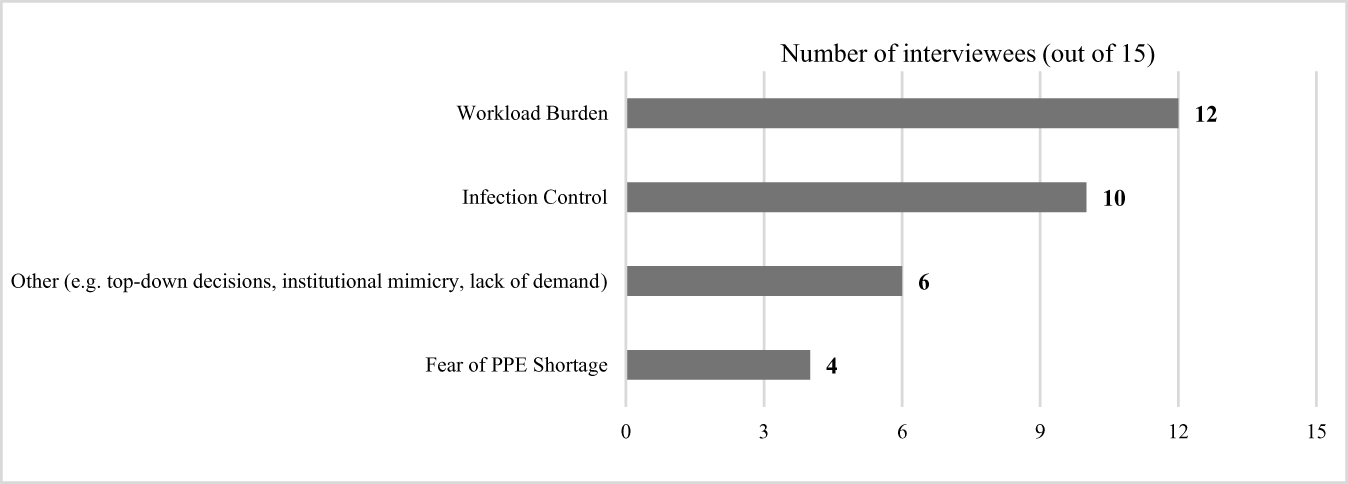
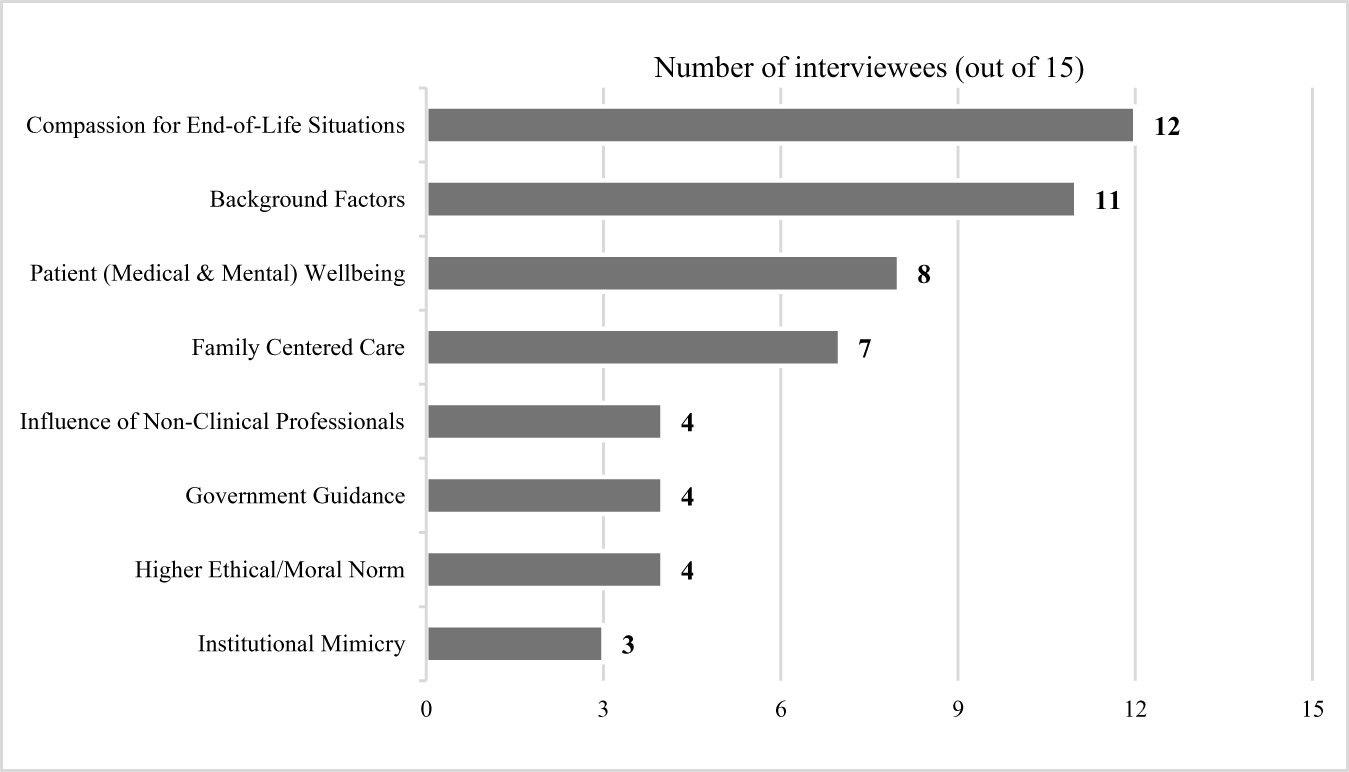

 Open access

