





Introduction
Successful second and foreign language (L2) acquisition hinges on the complex interplay of cognitive, motivational, and emotional factors (Larsen-Freeman, Reference Larsen-Freeman, Pawlak, Bielak and Mystkowska-Wiertelak2014). Central to this process is self-efficacy, defined as the belief in one’s capabilities to reach specific goals (Bandura, Reference Bandura1997), which critically influences learning outcomes (Mills, Reference Mills, Mercer and Williams2014). Learners possessing high self-efficacy typically engage more actively in the tasks and activities they are asked to complete, persevere through challenges, and consequently achieve higher proficiency (Graham, Reference Graham2022; Hsieh & Kang, Reference Hsieh and Kang2010; Mills, Pajares, & Herron, Reference Mills, Pajares and Herron2006). Motivation has also consistently been shown to play a positive role in L2 learning (Dörnyei, 2005; Gardner, Reference Gardner1985; Lamb, Csizér, Henry, & Ryan, Reference Lamb, Csizér, Henry and Ryan2019), driving students to seek opportunities and demonstrate greater persistence (Csizér, Albert, & Piniel, Reference Csizér, Albert, Piniel and Pawlak2021; Piniel & Csizér, Reference Piniel and Csizér2013). A third crucial factor is self-regulation, defined as the ability to effectively manage one’s learning process (Zimmerman, Reference Zimmerman, Boekaerts, Pintrich and Zeidner2000). Self-regulation helps learners set clear goals, monitor progress, and adapt strategies for efficient learning (Chen, Wang, & Kim, Reference Chen, Wang and Kim2020; Tseng, Dörnyei, & Schmitt, Reference Tseng, Dörnyei and Schmitt2006). Yet, exactly how motivation translates into effective L2 acquisition remains an open area of inquiry.
Although previous studies have explored the independent effects of self-efficacy and motivation (e.g., Chen, Zhang, & Chen, Reference Chen, Zhang and Chen2022; Fathi, Pawlak, Saeedian, & Ghaderi, Reference Fathi, Pawlak, Saeedian and Ghaderi2024), empirical evidence for self-efficacy as a mediator in the relationship between motivated behavior and L2 grammar attainment is limited. Social cognitive theory (Bandura, Reference Bandura1997) posits that motivation can strengthen self-efficacy beliefs through successful experiences, which in turn sustain engagement. However, this sequential mechanism has rarely been tested for L2 grammar, and cross-cultural evidence is especially scarce. Self-regulation is particularly relevant for grammar mastery because it helps automatize explicit knowledge for spontaneous use (DeKeyser, Reference DeKeyser, Loewen and Sato2017; Pawlak, Reference Pawlak2018, Reference Pawlak2021). This study aims to address this empirical gap by investigating the serial mediation effect of motivated behavior, self-efficacy, and self-regulation on L2 grammar attainment. Proficient self-regulators set clear goals, monitor progress, and adapt strategies for efficient learning. This capacity is particularly relevant for L2 grammar mastery because the strategic employment of grammar learning strategies (GLS) facilitates the automatization of conscious, explicit knowledge so that it can be drawn upon in spontaneous interactions (DeKeyser, Reference DeKeyser, Loewen and Sato2017; Pawlak, Reference Pawlak2018, Reference Pawlak2021). The present investigation incorporates a cross-cultural design, examining these relationships among Polish and Iranian learners. Although self-efficacy and self-regulation are universally recognized as important (Bandura, Reference Bandura1997; Zimmerman, Reference Zimmerman, Boekaerts, Pintrich and Zeidner2000), cultural differences in learning approaches may influence how these constructs interact to impact L2 grammar attainment.
Grammar was chosen as the target domain in the present investigation for four reasons. First, it is a well-defined subsystem allowing precise testing of the serial mediation model. Second, grammar learning places uniquely heavy demands on self-regulation because it requires moving from abstract rules to automatic use of grammar features (DeKeyser, Reference DeKeyser, Loewen and Sato2017), a process that self-efficacy and self-regulation are theorized to support. Third, grammar is often a bottleneck: Many motivated learners struggle with it despite progress elsewhere, so understanding its mechanisms can inform targeted interventions. Fourth, grammar serves as a rigorous test case since the same sequential process is expected to operate in other domains, but testing those extensions requires separate empirical work. Focusing on grammar first allows control of domain-specific variance. Thus, the present research tests the model within this well-bounded area.
The study reported below offers three novel contributions: (1) it employs a serial mediation model to elucidate the sequential pathways from motivated behavior to L2 grammar attainment, (2) it incorporates a cross-cultural design to provide insights into the universality and variability of these processes, and (3) it specifically focuses on L2 grammar attainment, a measurable and specific aspect of L2 proficiency. By analyzing this complex interplay in a cross-cultural context, this investigation seeks to contribute a more nuanced understanding of the psychological mechanisms driving success in L2 learning.
Literature review
Motivated behavior in L2 learning
Motivated behavior is a fundamental predictor of success in L2 learning, encompassing cognitive, emotional, and social dimensions (Dörnyei & Ushioda, Reference Dörnyei and Ushioda2011; Ushioda, Reference Ushioda and Griffiths2008). This perspective is rooted in early theoretical models, such as Gardner’s (Reference Gardner1985) Socio-Educational Model, which framed motivation based on social factors by distinguishing between integrative and instrumental orientations. Similarly, Deci and Ryan’s (Reference Deci and Ryan1985) Self-Determination Theory (SDT) categorized motivation by locus of control, separating intrinsic motivation (driven by inherent satisfaction) from extrinsic motivation (driven by external outcomes). Importantly, learners who are intrinsically motivated typically exhibit more sustained engagement and achieve higher proficiency in the L2 (Deci & Ryan, Reference Deci and Ryan1985).
The L2 Motivational Self-System (L2MSS) is currently regarded as the most influential theoretical perspective on L2 motivation (Csizér, Reference Csizér, Lamb, Csizér, Henry and Ryan2019; Dörnyei, 2005). This framework conceptualizes motivation through three key components: the Ideal L2 Self (the future vision of oneself as an L2 user), the Ought-to L2 Self (reflecting external expectations), and the L2 Learning Experience (related to the immediate learning context such as instructional practices in the classroom). Empirical L2MSS research has explored complex motivational profiles across diverse learners and contexts (Csizér, 2019; Csizér & Dörnyei, Reference Csizér and Dörnyei2005; Kormos & Csizér, Reference Kormos and Csizér2008), with studies demonstrating an important role of the system in shaping affective states. For example, Papi (Reference Papi2010) found that the Ideal L2 Self reduced anxiety among Iranian students, whereas the Ought-to L2 Self increased it. However, although motivated behavior is consistently linked to effort and persistence (Csizér et al., Reference Csizér, Albert, Piniel and Pawlak2021; Dörnyei & Ushioda, Reference Dörnyei and Ushioda2011), an evident gap exists between self-reported motivation and tangible L2 achievement (Moskovsky, Assulaimani, Racheva, & Harkins, Reference Moskovsky, Assulaimani, Racheva and Harkins2016). Research has consistently demonstrated that L2MSS components are robust predictors of intended learning effort but are often weak predictors of actual L2 proficiency (Li & Zhang, Reference Li and Zhang2021). Consequently, researchers must utilize models that identify the specific psychological and behavioral mechanisms that successfully convert this underlying motivational energy into tangible learning outcomes.
Recent research has addressed this issue by focusing on dynamic processes and mediators. For example, motivated behavior has been shown to be intricately linked to emotional regulation and self-beliefs (Teimouri, Reference Teimouri2017). Studies show that L2 motivation, alongside positive attributes like L2 grit and resilience, influences proficiency through motivated behavior, thereby impacting subsequent academic achievement (Fathi & Hejazi, Reference Fathi and Hejazi2024; Kim & Kim, Reference Kim and Kim2021). Furthermore, high motivation is strongly associated with self-efficacy and lower L2 anxiety (Sandeman, Reference Sandeman2022). In addition, the process by which motivation translates into learning is filtered by self-management processes. For instance, Khany and Amiri (Reference Khany and Amiri2018) showed that action control components (e.g., hesitation) negatively impact motivated behavior, while the Ideal L2 Self fuels a student’s intention to exert future effort (Martinović & Burić, Reference Martinović and Burić2021). Overall, dynamic models portray motivation as an evolving process requiring active management (Yu & Liu, Reference Yu and Liu2024).
In view of the above considerations, understanding achievement in learning L2 grammar requires examining motivated behavior as the fuel for necessary cognitive investment and strategic action. Studies targeting specific skills have confirmed a clear link between motivational priming and attainment. Rad and Alipour (Reference Rad and Alipour2023), for example, found that vision-inspired L2MSS instruction significantly improved L2 writing achievement. Despite this evidence for general motivated action, a significant gap remains regarding the serial relationship between these key variables and achievement with respect to L2 grammar. The precise, sequential mechanism through which motivated behavior influences L2 grammar attainment via self-efficacy and self-regulation has been primarily explored indirectly, an issue this study addresses by focusing on the specific effect of L2 motivated behavior on learning L2 grammar.
Self-efficacy in L2 learning
Self-efficacy (SE), derived from Bandura’s (Reference Bandura1997) social cognitive theory, is best understood as a belief, specifically, students’ belief in their capacity to execute the actions required to achieve specific learning goals (Bandura, Reference Bandura1986; Pajares, Reference Pajares1996). As a crucial factor in L2 learning, high self-efficacy enhances students’ willingness to engage in various activities and tasks, promotes persistence through challenges, and is associated with higher ultimate proficiency (Usher & Pajares, Reference Usher and Pajares2008). Empirical research has consistently found that SE is a strong predictor of L2 learning success (Diseth, Reference Diseth2011; Multon, Brown, & Lent, Reference Multon, Brown and Lent1991). Specifically, SE beliefs have been shown to significantly predict French language achievement among college students (Mills et al., Reference Mills, Pajares and Herron2006) and to correlate with increased motivation, engagement, and better performance on English proficiency tests among Taiwanese students (Hsieh & Kang, Reference Hsieh and Kang2010). More recent studies support this link. For example, in their meta-analysis, Goetze and Driver (Reference Goetze and Driver2022) reported a moderate positive correlation between SE and L2 achievement, while Zhang (Reference Zhang2024) found that SE directly predicted L2 proficiency. Fathi et al. (Reference Fathi, Pawlak, Saeedian and Ghaderi2024), in turn, demonstrated that SE significantly predicted foreign language achievement alongside growth mindset and L2 grit.
While the positive link between self-efficacy and achievement has been corroborated, its magnitude can be moderated by cultural and contextual factors (Goetze & Driver, Reference Goetze and Driver2022). For instance, the meta-analysis by Wang and Sun (Reference Wang and Sun2020) found that the effect size was stronger in studies involving East Asian learners compared to Western contexts. Such cultural variation is frequently attributed to differences in attributional style. In collectivistic cultures (e.g., Iran), people tend to attribute success to effort rather than innate ability. Thus, hard-working students may still report lower self-efficacy because questionnaires ask about confidence (“I can do this”), not effort. In individualistic cultures (e.g., Poland), ability attributions are more common, so self-efficacy aligns more closely with actual performance (Earley, Reference Earley1999; Eaton & Dembo, Reference Eaton and Dembo1997; Luszczynska, Scholz, & Schwarzer, Reference Luszczynska, Scholz and Schwarzer2005). This is relevant to our study: Similar grammar attainment may accompany lower SE scores in the Iranian group, helping interpret cross-cultural differences without implying any competence deficit.
A central claim of the present study is that self-efficacy serves as a key precursor of the use of self-regulatory strategies. This point is fundamental to our serial mediation model. The reasoning is straightforward: Drawing on general educational psychology (Schunk & Zimmerman, Reference Schunk and Zimmerman2008), it can be assumed that learners who believe they can succeed in a task are more likely to plan, monitor, and adjust their learning efforts. Without this confidence, even motivated learners may avoid the sustained strategic work that grammar mastery requires. For example, observing peers successfully learning the language (vicarious experiences) can strengthen a learner’s own self-efficacy, a process highlighted by Schunk (Reference Schunk1987) in non-language domains, which we extend to the L2 grammar context. Self-efficacy does not just predict achievement directly but rather enables learners to take control of their own learning processes. Self-efficacy develops from four main sources, that is, mastery experiences, vicarious experiences, verbal persuasion, and physiological states (Bandura, Reference Bandura1977, Reference Bandura1997), but the present study treats self-efficacy as a mediator between motivated behavior and self-regulation rather than investigating these sources directly.
The role of self-efficacy extends beyond simple prediction, since this attribute functions as an affective regulator and a vital precursor to behavioral effort. High self-efficacy has been consistently associated with increased motivation and reduced anxiety (Özer & Akçayoğlu, Reference Özer and Akçayoğlu2021; Piniel & Csizér, Reference Piniel and Csizér2013). This protective function is so strong that self-efficacy can fully mediate the weak negative link between personality traits such as neuroticism and perceived L2 skills (Piechurska-Kuciel, Reference Piechurska-Kuciel2021). Furthermore, students with high-efficacy profiles report more positive academic emotions (e.g., enjoyment, pride) and fewer negative emotions (e.g., anxiety, shame) (Wang, Shen, & Yu, Reference Wang, Shen and Yu2021). Self-efficacy is also strongly linked to L2 grit (i.e., a combination of sustained effort and passion) (Fathi et al., Reference Fathi, Pawlak, Saeedian and Ghaderi2024; Yang, Azari Noughabi, & Jahedizadeh, Reference Yang, Azari Noughabi and Jahedizadeh2022) and influences students’ ability to regulate their emotions (Zheng, Heydarnejad, & Aberash, Reference Zheng, Heydarnejad and Aberash2022). This body of work supports the premise that competence beliefs directly foster sustained effort and engagement (Hao & Lu, Reference Hao and Lu2024). Moreover, this is often a reciprocal relationship: Higher self-efficacy leads to better achievement, which in turn catalyzes higher levels of self-efficacy and autonomous motivation over time (Li, Wang, & King, Reference Li, Wang and King2024).
The positive prediction of academic success by self-efficacy is partially explained by its influence on self-regulated learning (SRL) strategies (Komarraju & Nadler, Reference Komarraju and Nadler2013; Zimmerman & Kitsantas, Reference Zimmerman and Kitsantas2005; these authors wrote about self-regulation in general educational contexts, and their findings have been successfully applied to L2 learning). Self-efficacy serves as a prerequisite for effective self-management techniques, as confirmed by significant positive correlations with reported use of self-regulated learning strategies (Chen et al., Reference Chen, Zhang and Chen2022; Graham, Woore, Porter, Courtney, & Savory, Reference Graham, Woore, Porter, Courtney and Savory2020; Özer & Akçayoğlu, Reference Özer and Akçayoğlu2021). This mediating role of self-regulation has been modeled across contexts and skills (e.g., Derakhshan & Fathi, Reference Derakhshan and Fathi2024), with self-efficacy exerting a significant effect on speaking performance (e.g., Derakhshan & Fathi, Reference Derakhshan and Fathi2024; Sarshar & Oroji, Reference Sarshar and Oroji2016; Zhang et al., Reference Zhang, Dai and Ardasheva2020), writing (Bruning, Dempsey, Kauffman, Zumbrunn, & McKim, Reference Bruning, Dempsey, Kauffman, Zumbrunn and McKim2013; Zhang & Guo, Reference Zhang and Guo2012), and reading achievement (Amogne, Reference Amogne2008; Shang, Reference Shang2010). Thus, the consistent finding that self-efficacy influences self-regulation, which in turn influences final achievement, provides the direct rationale for the serial chain tested with respect to L2 grammar attainment in the present study.
Self-regulation in L2 learning
Self-regulation (SRL) is a crucial construct rooted in social cognitive theory, which emphasizes the role of personal agency and self-efficacy in learning (Bandura, Reference Bandura1986). SRL is defined as an “active, constructive process,” where students proactively establish goals and then monitor, regulate, and control their cognition, motivation, and behavior in their learning environment (Pintrich, Reference Pintrich, Boekaerts, Pintrich and Zeidner2000, p. 453). Central to this concept is learner autonomy, where students develop, select, and use strategies to manage their learning with minimal reliance on external guidance (Oxford, Reference Oxford2017). The concept of SRL is further elaborated through influential theoretical frameworks that emphasize ongoing self-management. Zimmerman (Reference Zimmerman, Boekaerts, Pintrich and Zeidner2000), for example, describes three cyclical phases (i.e., forethought, performance, and self-reflection) that guide learners in planning tasks, monitoring progress, and evaluating outcomes. Building on this foundational work, Pintrich (Reference Pintrich, Boekaerts, Pintrich and Zeidner2000) details how learners’ management of affect and effort enhances their metacognitive and cognitive processes. Similarly, Winne and Hadwin (Reference Winne, Hadwin, Hacker, Dunlosky and Graesser1998) stress the role of monitoring internal conditions and environmental factors in relation to attainment of previously set goals (Panadero, Reference Panadero2017).
To achieve effective management of the L2 learning process, students must utilize diverse self-regulatory strategies. These strategies are typically grouped into four categories: metacognitive (e.g., goal-setting, planning, self-monitoring), cognitive (e.g., rehearsing, elaborating), motivational (e.g., effort regulation, emotion regulation), and behavioral (e.g., peer learning, seeking help) (Oxford, Reference Oxford2017). Appropriate and flexible use of these strategic tools enables learners to maintain motivation and successfully manage the inherent complexities of L2 learning (Pintrich, Reference Pintrich2004; Wang, Ng, Liu, & Ryan, Reference Wang, Ng, Liu, Ryan, Liu, Wang and Ryan2016). Empirical research has consistently positioned SRL as a significant mechanism for L2 achievement, ensuring that learners persist in their efforts and use effective strategies to attain higher proficiency (Seker, Reference Seker2016; Tseng et al., Reference Tseng, Dörnyei and Schmitt2006). This predictive power has been demonstrated across language skills, confirming the effectiveness of SRL in increasing L2 learning efficiency and enhancing overall language outcomes (Hu & Zhang, Reference Hu and Zhang2017). Crucially, SRL has also been shown to function as an active mechanism that mediates the effect of motivational traits on academic success. For instance, empirical evidence has indicated that superior performance of highly dedicated learners (L2 grit) is mediated by behavioral self-regulation (Mikami & Shiozawa, Reference Mikami and Shiozawa2024).
The role of SRL further extends to moderating the impact of pedagogical factors and affective challenges. Learners’ ability to self-regulate directly influences their willingness and capacity to interpret and utilize instructional feedback (Yang & Zhang, Reference Yang and Zhang2023). Interventions focused on teaching these strategies provide broad psychological benefits, including enhanced motivation, self-efficacy, willingness to communicate (WTC), and even creativity (Zhang, Reference Zhang2024). This confirms the deep connection between cognitive control and affective states, as the strategic regulation of learning correlates moderately with achievement emotions (e.g., enjoyment and hope), even in digital environments (Teng & Pan, Reference Teng and Pan2024). Importantly, self-regulation is functionally interdependent with motivation and self-efficacy, a relationship that is vital for the serial model proposed in the current investigation. While SRL generally enhances motivation and self-efficacy (Chen, Chen, & Yang, Reference Chen, Chen and Yang2019), as argued in the Self-efficacy in L2 learning section, the directional sequence in our model places self-efficacy as the precursor that enables self-regulation (Su, Zheng, Liang, & Tsai, Reference Su, Zheng, Liang and Tsai2018). For instance, learners with higher self-efficacy are better at employing strategic goal-setting and self-evaluation, which enhances their performance in outcomes such as writing achievement (Chen et al., Reference Chen, Zhang and Chen2022; Su et al., Reference Su, Zheng, Liang and Tsai2018). Finally, SRL is of specific relevance to L2 grammar attainment. Grammar learning places exceptional demands on self-regulation: It requires not only understanding rules but also monitoring one’s own production, noticing errors, and applying corrective strategies across various contexts (Pawlak, Reference Pawlak2018). Without deliberate self-regulation, learners may memorize rules but fail to use them accurately, meaningfully, and appropriately in spontaneous communication. By promoting autonomy and providing tools to plan, monitor, and adapt (Tsuda & Nakata, Reference Tsuda and Nakata2013), self-regulation turns motivation into sustained effort. In short, grammar is a prototypical domain where self-regulation makes a visible difference: Active planning, error tracking, and strategy adjustment lead to higher accuracy and fluency. The effective management of the learning process through these strategic behaviors thus provides the necessary link to L2 grammar attainment.
Integration of self-regulation strategies into language learning offers a promising avenue for enhancing language achievement and promoting learner autonomy. That said, there is a need for deeper investigation into the interaction between self-regulation and other individual differences, such as motivation. Overall, self-regulation is a critical component of successful L2 learning, and the precise mechanism by which this specific chain—motivated behavior → self-efficacy → self-regulation—functions to influence a specific subsystem like L2 grammar remains a critical area requiring further empirical investigation (Teng & Zhang, Reference Teng and Zhang2022). This intricate interaction is the focus of the present study.
The conceptual model
Drawing on social cognitive theory (Bandura, Reference Bandura1997) and self-regulation theory (Zimmerman, Reference Zimmerman, Boekaerts, Pintrich and Zeidner2000), this study investigates the psychological mechanisms underlying L2 grammar attainment through a serial mediation model. The model proposes that motivated behavior indirectly influences L2 grammar attainment, with self-efficacy and self-regulation acting as sequential mediators. The theoretical model illustrating the hypothesized relationships is presented in Figure 1.
Conceptual model of serial mediation.

Extensive research underscores the pivotal role of motivation in successful L2 learning (Dörnyei, Reference Dörnyei2005; Lamb et al., Reference Lamb, Csizér, Henry and Ryan2019). Motivated learners actively engage in learning activities and tasks, persevere through challenges, and utilize effective language learning strategies (Csizér et al., Reference Csizér, Albert, Piniel and Pawlak2021; Mills et al., Reference Mills, Pajares and Herron2006; Piniel & Csizér, Reference Piniel and Csizér2013). This active engagement is theorized to lead to enhanced self-efficacy. The link from motivated behavior to self-efficacy does not depend solely on prior success. Motivated behavior directly strengthens self-efficacy through sustained effort (Bandura, Reference Bandura1997), positive affect (Goetz, Pekrun, Hall, & Haag, Reference Goetz, Pekrun, Hall and Haag2006), and self-persuasion (Schunk & DiBenedetto, Reference Schunk and DiBenedetto2020). Thus, motivated behavior itself generates self-efficacy beliefs through effort, emotional, and cognitive self-influence. As noted in the Self-efficacy in L2 learning section, self-efficacy refers to learners’ confidence in their ability to execute specific learning actions (Bandura, Reference Bandura1997). Learners with high levels of motivation are more likely to experience success, consequently boosting their confidence in their ability to learn the L2. This premise leads to the first hypothesis:
Hypothesis 1: Motivated behavior will positively predict self-efficacy.
Self-efficacy, in turn, is theorized to translate into reliance on effective self-regulation strategies. Learners who believe they can succeed are more likely to set goals, monitor progress, and adapt their approaches (Zimmerman, Reference Zimmerman, Boekaerts, Pintrich and Zeidner2000). The L2 literature supports this sequential relationship, showing that self-efficacy positively influences self-regulation in L2 learning (Chen et al., Reference Chen, Zhang and Chen2022; Derakhshan & Fathi, Reference Derakhshan and Fathi2024; Oxford, Reference Oxford2017). This leads to the second hypothesis:
Hypothesis 2: Self-efficacy will positively predict self-regulation.
Self-regulation is a critical component for managing the complexities inherent in L2 grammar learning (Teng & Zhang, Reference Teng and Zhang2022). Self-regulated learners excel at planning their study effectively, seeking feedback, and adjusting their grammar learning strategies based on progress. This focused and persistent approach to learning is theorized to lead to improved L2 learning attainment (Chen et al., Reference Chen, Wang and Kim2020; Tseng et al., Reference Tseng, Dörnyei and Schmitt2006). This positive impact on grammar acquisition leads to the third hypothesis:
Hypothesis 3: Self-regulation will positively predict L2 grammar attainment.
The proposed model posits a serial mediation process where motivated behavior indirectly influences L2 grammar attainment. Specifically, increased motivation leads to higher self-efficacy (Hypothesis 1), which in turn fosters self-regulation skills (Hypothesis 2). Ultimately, effective self-regulation translates into improved grammar mastery (Hypothesis 3). This sequential chain aligns with Bandura’s (Reference Bandura1997) theoretical framework, where motivation initiates a set of psychological processes culminating in learning outcomes. Furthermore, motivated behavior is hypothesized to have a direct positive effect on L2 grammar attainment. This direct path exists because highly motivated learners may engage in effective learning actions and fall back on effective grammar learning strategies (e.g., seeking grammar explanations, doing extra exercises, attending to feedback) without necessarily passing through self-efficacy or self-regulation. In other words, motivation can directly boost performance when learners already have relevant knowledge or when the learning situation is highly structured (e.g., drills). Similarly, the model includes a direct path from motivated behavior to self-regulation (Path 3). This implies that motivated learners often develop and apply self-regulatory strategies (e.g., planning, error monitoring) even when self-efficacy is not exceptionally high. Motivation provides the energy and goal orientation needed for strategic behaviors (Zimmerman, Reference Zimmerman, Boekaerts, Pintrich and Zeidner2000). Thus, the full model includes both indirect and direct pathways, offering a more complete picture of how motivation drives grammar learning. This leads to the final hypothesis encompassing the full model:
Hypothesis 4: The relationship between motivated behavior and L2 grammar attainment will be sequentially mediated by self-efficacy and self-regulation.
Empirical evidence further supports the interconnectedness of motivation, self-efficacy, self-regulation, and language learning success (e.g., Pawlak, Csizér, & Soto, Reference Pawlak, Csizér and Soto2020; Zheng, Liang, Li, & Tsai, Reference Zheng, Liang, Li and Tsai2018). The current cross-cultural design aims to rigorously test this complex serial pathway for a specific L2 subsystem: grammar.
Methods
Participants and context
The participants in this study were recruited through convenience sampling from two distinct cultural contexts, namely, Iran and Poland. The two countries were deliberately chosen to compare a predominantly collectivist, Muslim-majority context (Iran) with a predominantly individualist, Christian-majority context (Poland). These cultural dimensions may influence self-efficacy, motivation, and self-regulation in L2 learning (Hofstede, Reference Hofstede2001; Klassen, Reference Klassen2004). Additionally, both educational systems emphasize English grammar but with different pedagogical traditions: Iranian instruction is rule-focused and exam-driven, while Polish instruction more often integrates grammar into communicative tasks (Pawlak, Fathi, & Kruk, Reference Pawlak, Fathi and Kruk2024). This contrast allowed us to test the cross-cultural validity of the model, a stated novelty of the study. A total of 766 university students majoring in English participated in this cross-cultural study. Of these, 380 participants (49.6%) were Polish, while 386 participants (50.4%) were Iranian. Gender distribution among participants revealed that the sample consisted of 269 (35.1%) male participants and 497 (64.9%) female participants. Participants’ ages ranged from 18 to 43 years, with a mean age of 21.03 years (SD = 2.66). The age distribution was as follows: 18–22 years (458 participants, 59.8%), 23–31 years (n = 269, 35.1%), and 32–43 years (n = 39, 5.1%).
Regarding academic backgrounds, students in both cultural contexts were enrolled in various degree programs in English, including English language teaching (n = 461 or 60.2%), translation (n = 231 or 30.2%), and literature (n = 74 or 9.7%). Most participants were enrolled in bachelor’s programs (n = 648 or 84.6%), while the remaining students were pursuing master’s degrees (n = 118 or 15.4%). It is noteworthy that English-major programs in both Iran and Poland share a common emphasis on the significance of grammar learning for the development of target language (TL) proficiency. However, subtle variations exist in instructional approaches. In Iran, the focus tends to lean toward the mastery of precise grammatical rules and their application in communication. On the other hand, Polish programs often adopt a more comprehensive approach, integrating grammar within a broader framework of TL skills (cf. Pawlak, Derakhshan, Mehdizadeh, & Kruk, Reference Pawlak, Derakhshan, Mehdizadeh and Kruk2023).
The Polish sample, consisting of 380 participants, had an average age of 20.78 years (SD = 1.81 years), ranging from 18 to 30 years old. This group had a majority of female participants (62%), reflecting the gender distribution typical in many language learning programs. Of the Polish participants, 68% reported having studied English for 2–4 years, 22% reported studying for 5 or more years, while the remaining 10% had less than 2 years of English instruction.
The Iranian sample, consisting of 386 participants, had a slightly higher average age of 23.98 years (M = 23.98 years, SD = 10.48 years), ranging from 18 to 43 years old. This sample featured a more balanced gender distribution with 201 female participants (52%). Similar to their Polish counterparts, the majority of Iranian participants (71%) reported having studied English for 2–4 years, while 19% had studied for 5 or more years. The remaining 10% indicated less than 2 years of English language instruction.
Instruments
This study employed a battery of self-report instruments and a researcher-developed test to assess key constructs related to L2 grammar learning. Each instrument was carefully selected and adapted to ensure validity and reliability within the cross-cultural contexts of Poland and Iran. Demographic information was also collected as part of the composite questionnaire. English was used for all the scales, which was deemed suitable given the proficiency level of the participants.
Grammar-specific motivated behavior scale (GS-MBS)
Adapted from Piniel and Csizér (Reference Piniel and Csizér2013), the GS-MBS is a five-item self-report scale that assesses participants’ willingness and determination to learn English grammar. The original instrument was designed for L2 learning in general, but items were slightly modified to suit the focus on grammar. Participants responded on a five-point Likert scale ranging from 1 (strongly disagree) to 5 (strongly agree). A sample item is “Learning grammar is one of the most important aspects in learning English for me.” This scale showed good internal consistency and convergent validity with other measures of motivation in language learning contexts (Piniel & Csizér, Reference Piniel and Csizér2013). In the present study, the GS-MBS showed satisfactory construct validity (χ 2/df = 2.05, CFI = .98, RMSEA = .041, SRMR = .031) and acceptable reliability (α = .79).
Grammar self-efficacy scale (GSES)
This six-item scale, adapted from Piniel and Csizér (Reference Piniel and Csizér2013), was used to assess participants’ confidence in using English grammar in various contexts. Originally intended for L2 learning in general, the items were slightly modified to focus on grammar. Participants responded on a five-point Likert scale ranging from 1 (not at all confident) to 5 (extremely confident). A sample item is as follows: “I am confident that I can use grammar structures accurately and appropriately when speaking in English.” The original instrument manifested good internal consistency and construct validity in research examining the links between self-efficacy beliefs, L2 motivation, and anxiety (Piniel & Csizér, Reference Piniel and Csizér2013). In the present study, the GSES demonstrated good construct validity (χ 2/df = 1.43, CFI = .97, RMSEA = .038, SRMR = .029) and high reliability (α = .82).
Grammar self-regulation scale (GSRS)
Adapted from Han and Hiver (Reference Han and Hiver2018), the GSRS is a nine-item self-report scale measuring participants’ self-regulatory strategies for managing their learning process and stress related to English grammar. Initially developed for L2 writing, the items were slightly modified to focus on grammar. Participants responded on a five-point Likert scale ranging from 1 (strongly disagree) to 5 (strongly agree). A sample item is “I know how to reduce my stress in learning and using English grammar.” The original tool developed by Han and Hiver (Reference Han and Hiver2018) demonstrated good internal consistency (α = .83) and construct validity in research on self-regulation in L2 learning contexts. The GSRS manifested good construct validity (χ 2/df = 1.86, CFI = .94, RMSEA = .046, SRMR = .036) and exhibited high reliability (α = .83) in this study.
L2 grammar attainment test
A researcher-developed instrument was used to measure participants’ English grammar proficiency. This 40-minute test, a modified version of a retired TOEFL grammar test, was supplemented with open-ended paraphrase tasks to provide a comprehensive assessment of grammatical knowledge and usage. The test consisted of three main sections: multiple-choice questions (12 items), error identification (12 items), and sentence completion tasks (16 items). The test covered grammar points commonly taught in English major curricula in both countries, including verb tenses, passive voice, conditionals, relative clauses, modals, subject-verb agreement, articles, prepositions, and reported speech. The multiple-choice section assessed sentence-level grammar, error identification tested recognition of common errors, and sentence completion measured paraphrasing ability. Culturally specific items were removed or rephrased to avoid bias. The full test is provided in Appendix.
The multiple-choice section assessed participants’ understanding of syntax, vocabulary, and grammatical rules. This section demonstrated acceptable internal consistency with a Cronbach’s α of .79. In the error identification section, participants identified the part of the sentence containing a grammatical error, with the effect that their ability to detect and correct grammatical errors was measured. The reliability for this section was acceptable (α = .81). The sentence completion tasks section evaluated participants’ ability to manipulate grammatical structures and convey specific meanings by requiring them to paraphrase sentences while maintaining the original meaning. This section also showed acceptable internal consistency (α = .78).
When it comes to scoring, each correct answer received full points for all items, contributing to an overall L2 grammar attainment score of 40 points. The test underwent pilot testing with a small group of L2 learners to ensure clarity, comprehensiveness, and appropriate difficulty level. The pilot test results indicated that the test was both reliable and valid for assessing grammatical proficiency in a diverse learner population, confirming its suitability for the present study.
Procedure
This study was conducted in accordance with the ethical standards of the researchers’ affiliated universities. Participants were recruited using a convenience sampling method from English language programs at universities in Poland and Iran. The data were collected online via Google Forms. The link to the survey was distributed through the authors’ professional networks. The form provided a brief overview of the study’s objectives, clearly stating that participation was voluntary and that participants could withdraw at any time without negative consequences. Consent was required before participants could access and respond to any questions.
To minimize external assistance during the grammar test, several precautions were taken. The test had a strict 40-minute limit, and participants were instructed to complete it in one sitting without closing the browser or opening other tabs. Copy-and-paste was disabled in the Google Forms document. Instructions explicitly prohibited consulting outside sources (e.g., dictionaries, online search engines, other people). Researchers monitored submission timestamps; thus, implausibly short completions (<15 minutes) or long pauses would have been flagged, though none were found. In some cases, the test was taken during scheduled class hours with an instructor present online (Zoom, cameras off); in others, participants completed it individually at an agreed time. All were reminded that honest responses were essential and there were no penalties for low scores. These measures helped ensure that the scores reflected participants’ own abilities.
Data collection took place over a period of about three months, ensuring sufficient time for recruitment and participation from students across multiple campuses in each country. Efforts were made to schedule data collection at times that would not interfere with major academic events, such as mid-term exams or holidays, to maximize participation. Responses were collected anonymously, and confidentiality was maintained throughout the study.
Data analysis
A comprehensive analysis strategy was employed to investigate the hypothesized relationships between the variables under investigation and to test the proposed serial mediation model. Initially, descriptive statistics, including means, standard deviations, skewness, and kurtosis, were calculated to examine central tendency, variability, and normality using SPSS (version 26.0). Data screening identified and addressed potential outliers and missing data points using standardized scores (z-scores), with points exceeding ±3.29 being further investigated. Missing data were handled using multiple imputation, generating complete datasets based on observed data to ensure robustness and reliability (Rubin, Reference Rubin1987). Internal consistency of the self-report measures was evaluated using Cronbach’s alpha coefficients, confirming good internal consistency for all scales. To ensure consistency across cultural contexts, measurement invariance testing was conducted using multi-group confirmatory factor analysis (CFA) in Amos (Arbuckle, Reference Arbuckle2023), assessing configural, metric, and scalar invariance hierarchically (Chen, Reference Chen2007).
The hypothesized serial mediation model was tested using structural equation modeling (SEM) with Amos (version 25.0; Arbuckle, Reference Arbuckle2023), chosen for its ability to estimate multiple relationships and test complex mediation models (Kline, Reference Kline2015). The model examined the sequential influence of motivated behavior on L2 grammar attainment through self-efficacy and self-regulation. Model fit was evaluated using fit indices: chi-square test, Comparative Fit Index (CFI), Tucker-Lewis Index (TLI), and Root Mean Square Error of Approximation (RMSEA). A non-significant chi-square test suggested a good model fit, with acceptable values for CFI and TLI above .90 and RMSEA below .08 (Hu & Bentler, Reference Hu and Bentler1999). Path coefficients, standard errors, and bootstrapped confidence intervals (with 5,000 resamples) were examined to test the direct and indirect effects within the serial mediation model, providing robust confidence intervals for potential non-normality (Preacher & Hayes, Reference Preacher and Hayes2008).
Results
Descriptive statistics and preliminary analyses
Descriptive statistics were calculated to examine the central tendency, variability, and normality of all the variables included in the study, providing a thorough understanding of the data distribution and ensuring that the assumptions required for subsequent statistical tests were met. Outliers were identified using standardized z-scores, with values exceeding ±3.29 considered extreme. Four such cases were found across the two samples; these were winsorized to the next nearest value within the ±3.29 range. No participants were removed from the dataset. Table 1 summarizes the means, standard deviations (SD), skewness, and kurtosis for each variable, categorized by nationality.
Descriptive statistics

Table 1. Long description
The table consists of five columns: Variable, Nationality, Mean (S D), Skewness, and Kurtosis. Data is organized by four main variables, each with sub-rows for Polish and Iranian participants.
* Motivated behavior: Polish mean is 4.12 (S D 0.68), skewness -0.32, kurtosis 0.21. Iranian mean is 4.07 (S D 0.71), skewness -0.28, kurtosis 0.14.
* Self-efficacy: Polish mean is 3.84 (S D 0.76), skewness 0.09, kurtosis -0.27. Iranian mean is 3.71 (S D 0.82), skewness 0.24, kurtosis -0.39.
* Self-regulation: Polish mean is 3.98 (S D 0.81), skewness -0.18, kurtosis -0.02. Iranian mean is 3.82 (S D 0.78), skewness 0.04, kurtosis -0.21.
* L 2 grammar attainment: Polish mean is 68.21 (S D 12.47), skewness -0.48, kurtosis 0.41. Iranian mean is 63.78 (S D 13.14), skewness -0.52, kurtosis 0.38.
The mean scores for motivated behavior were high for both Polish (M = 4.12, SD = 0.68) and Iranian (M = 4.07, SD = 0.71) learners, indicating a strong inclination to engage in English grammar learning activities. The negligible difference between the groups was not statistically significant (t(764) = 1.05, p = .295). The skewness values (−0.32 for Polish and −0.28 for Iranian) and kurtosis values (0.21 for Polish and 0.14 for Iranian) fell within acceptable ranges, suggesting that the data distribution was approximately normal. Polish learners reported a slightly higher mean self-efficacy (M = 3.84, SD = 0.76) compared to Iranian learners (M = 3.71, SD = 0.82). This difference in self-efficacy was not statistically significant (t(764) = 2.01, p = .061). The skewness and kurtosis values further indicated that the data were normally distributed. The self-regulation scores were also higher for Polish learners (M = 3.98, SD = 0.81) than for Iranian learners (M = 3.82, SD = 0.78). This difference in self-regulation was statistically significant (t(764) = 3.12, p = .002). Finally, Polish learners outperformed Iranian learners in L2 grammar attainment, with mean scores of M = 68.21 (SD = 12.47) for Polish and M = 63.78 (SD = 13.14) for Iranian learners. These scores represent percentages (0–100%), derived by converting each participant’s raw score out of 40 to a percentage for ease of interpretation. This difference in L2 grammar attainment was statistically significant (t(764) = 4.79, p < .001). The skewness and kurtosis values indicated that the data were normally distributed for all variables.
Adherence to normality assumptions for skewness (±2.0) and kurtosis (±7.0) strengthens the validity of using structural equation modeling (SEM) for further analysis. The variability in standard deviations suggests a range of abilities and experiences among the learners, which is typical in educational research. This comprehensive overview of the descriptive statistics provides a solid foundation for the subsequent inferential analyses and hypothesis testing.
Measurement invariance
To ensure that the scales measured the same constructs across both cultural contexts, measurement invariance testing was conducted using multi-group confirmatory factor analysis (CFA) in Amos (Arbuckle, Reference Arbuckle2023). Establishing measurement invariance is crucial for validating that constructs are interpreted similarly across different groups, in this case, among Polish and Iranian learners of English. This process involved a hierarchical approach to testing for configural, metric, and scalar invariance. Configural invariance, the first step, tests whether the basic factor structure is the same across groups by verifying that the same number of factors and the pattern of factor loadings exist in both groups without imposing any equality constraints on the parameters. The configural model demonstrated a good fit with the data, as indicated by χ2(48) = 102.34, p < .001, CFI = .97, TLI = .95, RMSEA = .045, and SRMR = .042. These indices suggest that the basic factor structure was equivalent across the Polish and Iranian samples, providing a solid foundation for further invariance testing.
Following this, metric invariance, also known as weak invariance, was tested to determine whether factor loadings were equivalent across groups. This step involved constraining the factor loadings to be equal and assessing whether this constrained model fit the data well compared to the configural model. The metric model also fit the data well, with χ2(57) = 112.45, p < .001, CFI = .96, TLI = .94, RMSEA = .046, and SRMR = .045. The chi-square difference test between the configural and metric models was not significant, Δχ2(9) = 10.11, p = .342, indicating that constraining the factor loadings to be equal did not significantly worsen the model fit. This supports metric invariance, suggesting that participants across both groups responded to the items in a similar manner.
Finally, scalar invariance, or strong invariance, was tested to determine whether item intercepts were equivalent across groups by constraining both the factor loadings and item intercepts to be equal. Establishing scalar invariance allows meaningful comparisons of latent means across groups. The scalar model fit the data well, χ2(66) = 125.32, p < .001, CFI = .95, TLI = .93, RMSEA = .048, and SRMR = .048. The chi-square difference test between the metric and scalar models was not significant, Δχ2(9) = 12.87, p = .170, indicating that constraining the item intercepts to be equal did not significantly worsen the model fit. This supports scalar invariance, suggesting that the constructs were measured equivalently across both cultural contexts.
The results of the measurement invariance tests, summarized in Table 2, indicate that configural, metric, and scalar invariance were achieved for all the scales. These findings suggest that the measures were invariant across the Polish and Iranian samples, allowing for valid cross-cultural comparisons of the latent constructs. Establishing measurement invariance is crucial for ensuring that any observed differences between groups are due to actual differences in the constructs being measured, rather than artifacts of the measurement process (Chen, Reference Chen2007).
Measurement invariance testing across Polish and Iranian samples

Table 2. Long description
The table consists of nine columns: Model, chi-squared, d f, C F I, T L I, R M S E A, S R M R, Delta chi-squared (Delta d f), and p-value.
* Configural Model: chi-squared 102.34, d f 48, C F I .97, T L I .95, R M S E A .045, S R M R .042. Delta chi-squared and p-value are not applicable.
* Metric Model: chi-squared 112.45, d f 57, C F I .96, T L I .94, R M S E A .046, S R M R .045, Delta chi-squared (Delta d f) 10.11 (9), p-value .342.
* Scalar Model: chi-squared 125.32, d f 66, C F I .95, T L I .93, R M S E A .048, S R M R .048, Delta chi-squared (Delta d f) 12.87 (9), p-value .170.
Serial mediation analysis
The serial mediation model, depicted in Figure 1, was tested using Amos (version 25.0; Arbuckle, Reference Arbuckle2023). This model examined the sequential influence of motivated behavior on L2 grammar attainment, with self-efficacy and self-regulation as mediators. The model fit the data well: χ 2(3) = 4.21, p = .24, CFI = .95, TLI = .92, RMSEA = .05, SRMR = .04, all meeting established benchmarks (Hu & Bentler, Reference Hu and Bentler1999). Figure 2 presents the estimated model with standardized path coefficients.
Serial mediation model (with estimated path coefficients).

All path coefficients, standard errors, significance levels, confidence intervals, and indirect effects are reported in Table 3. In summary, all direct paths were significant (p < .001). Motivated behavior had a significant direct effect on L2 grammar attainment, as well as on self-efficacy and self-regulation. Self-efficacy significantly predicted self-regulation and also directly predicted grammar attainment. Self-regulation significantly predicted grammar attainment. The indirect effects were all significant as well (p < .01). Motivated behavior indirectly influenced grammar attainment through self-efficacy alone, through self-regulation alone, and through the sequential path of self-efficacy followed by self-regulation (the serial mediation effect).
Path coefficients and indirect effects

Table 3. Long description
The table consists of five columns: Path description, beta, S E, p-value, and 95% C I.
* Path 1: Motivated behavior to L 2 grammar attainment. beta .274, S E 0.04, p-value less than .001, C I [.19, .36].
* Path 2: Motivated behavior to self-efficacy. beta .384, S E 0.06, p-value less than .001, C I [.27, .50].
* Path 3: Motivated behavior to self-regulation. beta .316, S E 0.05, p-value less than .001, C I [.22, .41].
* Path 4: Self-efficacy to self-regulation. beta .437, S E 0.07, p-value less than .001, C I [.30, .57].
* Path 5: Self-regulation to L 2 grammar attainment. beta .314, S E 0.05, p-value less than .001, C I [.21, .42].
* Path 6: Self-efficacy to L 2 grammar attainment. beta .358, S E 0.05, p-value less than .001, C I [.26, .46].
* Indirect effect 1: Motivated behavior to self-efficacy to L 2 grammar attainment. beta .137, S E 0.03, p-value less than .01, C I [.08, .20].
* Indirect effect 2: Motivated behavior to self-regulation to L 2 grammar attainment. beta .099, S E 0.02, p-value less than .01, C I [.06, .14].
* Indirect effect (serial mediation): Motivated behavior to self-efficacy to self-regulation to L 2 grammar attainment. beta .052, S E 0.02, p-value less than .01, C I [.02, .09].
These findings suggest that learners with higher motivated behavior not only had greater belief in their ability to learn L2 grammar but also developed stronger self-regulation strategies, which together contributed to better grammar attainment. The significant direct and indirect effects underscore the importance of fostering both motivation and self-efficacy to enhance self-regulation and L2 grammar outcomes.
Alternative model comparisons
To evaluate the relative explanatory power of the hypothesized serial mediation model, three alternative models were tested using Amos (Arbuckle, Reference Arbuckle2023). First, a simpler parallel mediation model (Model A) was examined. This model omitted the path from self-efficacy to self-regulation, treating self-efficacy and self-regulation as parallel mediators rather than sequential mediators. As shown in Table 4, the hypothesized serial model fit the data significantly better than this parallel model (Δχ 2(1) = 8.66, p < .001). The serial model also had higher CFI and TLI values and lower RMSEA and SRMR values, supporting the inclusion of the sequential path from self-efficacy to self-regulation.
Fit indices for serial mediation model and parallel mediation model

Table 4. Long description
The table contains five columns: Fit index, Serial mediation model, Parallel mediation model, Delta chi-squared (Delta d f), and p-value.
* Chi-squared: Serial mediation model is 4.21 (3); Parallel mediation model is 12.87 (2); Delta chi-squared is 8.66 (1); p-value is less than .001.
* C F I: Serial mediation model is .95; Parallel mediation model is .88.
* T L I: Serial mediation model is .92; Parallel mediation model is .82.
* R M S E A: Serial mediation model is .05; Parallel mediation model is .08.
* S R M R: Serial mediation model is .04; Parallel mediation model is .06.
Second, a reverse causality model (Model B) was tested, where L2 grammar attainment was specified as the predictor and motivated behavior as the final outcome, with self-efficacy and self-regulation as sequential mediators (grammar attainment → self-efficacy → self-regulation → motivated behavior). This model produced a poor fit (see Table 5). Its AIC (42.43) was substantially higher than that of the hypothesized model (28.21), indicating that the reverse causal ordering was not supported.
Fit indices for reverse causality and alternative ordering models

Table 5. Long description
The table consists of seven columns: Model, chi-squared (d f), C F I, T L I, R M S E A, S R M R, and A I C.
* Hypothesized serial model: chi-squared (3) = 4.21, C F I = .95, T L I = .92, R M S E A = .05, S R M R = .04, A I C = 28.21.
* Reverse causality (Model B): chi-squared (3) = 18.43, C F I = .82, T L I = .75, R M S E A = .12, S R M R = .09, A I C = 42.43.
* Alternative order (Model C): chi-squared (3) = 11.23, C F I = .89, T L I = .84, R M S E A = .09, S R M R = .07, A I C = 35.23.
Third, an alternative ordering model (Model C) was tested, where motivated behavior predicted self-regulation first, then self-efficacy, then grammar attainment (motivated behavior → self-regulation → self-efficacy → grammar attainment). This model examined whether self-regulation might precede self-efficacy rather than the reverse. Model C also showed a poorer fit than the hypothesized model, with lower CFI and TLI and higher RMSEA and SRMR (see Table 5). The AIC for Model C (35.23) was higher than that of the hypothesized model (28.21).
All fit indices for these alternative models are summarized in Table 5. Taken together, these comparisons strengthen confidence in the hypothesized directional ordering. The reverse causality model was clearly inferior, and reordering the sequence of self-efficacy and self-regulation also resulted in worse fit. Therefore, the proposed serial mediation chain—motivated behavior → self-efficacy → self-regulation → grammar attainment—appears to be the most plausible representation of the relationships among these constructs in the current data. The simpler parallel mediation model and the two alternative orderings all showed inferior fit, underscoring the importance of the sequential influence of self-efficacy followed by self-regulation in fully capturing the association between motivated behavior and L2 grammar attainment.
Cross-cultural comparison of path coefficients
Although measurement invariance was established (see the Measurement invariance section), the key cross-cultural question was whether the path coefficients differed between groups. A multi-group SEM was tested. An unconstrained model (paths freely estimated per group) fit well: χ 2(6) = 9.34, p = .16, CFI = .96, TLI = .94, RMSEA = .04, SRMR = .05. A constrained model (all six paths equal across groups) also fit well: χ 2(12) = 16.87, p = .15, CFI = .95, TLI = .93, RMSEA = .04, SRMR = .06. The chi-square difference was not significant (Δχ 2(6) = 7.53, p = .28), indicating that the relationships among the constructs were statistically equivalent for the Polish and Iranian learners. Individual paths were also tested but none differed significantly (all p > .10). Thus, the serial mediation process operated similarly in both cultural contexts.
Group differences were only observed in means: Polish learners reported higher self-regulation (t(764) = 3.12, p = .002) and higher grammar attainment (t(764) = 4.79, p < .001). However, the structural relationships did not differ. This suggests that while average levels might have varied, the psychological mechanism linking motivation to grammar learning through self-efficacy and self-regulation was largely universal. Therefore, the cross-cultural contribution lies in demonstrating the model’s generalizability, not in revealing different pathways. This supports the claim of cross-cultural validity made in the introduction.
Discussion
This study explored the interplay between motivated behavior, self-efficacy, self-regulation, and L2 grammar attainment among Polish and Iranian university students, using a serial mediation model. The findings clarify how motivation is associated with grammar achievement by highlighting the sequential roles of self-efficacy and self-regulation.
The results revealed a direct effect of motivated behavior on L2 grammar attainment, a finding that was independent of the hypothesized mediating roles of self-efficacy and self-regulation. While this path was not the sole focus of Hypothesis 4 (the serial path), its significance supports a non-mediated component of motivated behavior. Although the proposed serial mediation model aligns with established theories (Bandura, Reference Bandura1997; Zimmerman, Reference Zimmerman, Boekaerts, Pintrich and Zeidner2000) and past research (e.g., Chen et al., Reference Chen, Wang and Kim2020; Tseng et al., Reference Tseng, Dörnyei and Schmitt2006), this direct link necessitates further exploration within the context of L2 grammar learning. Several explanations might account for this pathway. First, the measures may have captured a broader spectrum of motivation, encompassing intense surges leading to direct engagement without requiring high self-efficacy with respect to specific grammar points (Yu & Liu, Reference Yu and Liu2024). Learners with strong intrinsic motivation or a compelling ideal L2 self (Dörnyei, 2005) might be more likely to adeptly employ various grammar learning strategies (Pawlak, Reference Pawlak2018), thereby bypassing the need for immediate self-efficacy. This result is consistent with studies showing that high motivation strongly predicts effort and behavioral engagement, which is associated with measurable achievement (Li & Zhang, Reference Li and Zhang2021; Moskovsky et al., Reference Moskovsky, Assulaimani, Racheva and Harkins2016). Second, the cultural context may be a factor, since some cultures emphasize diligent practice and adherence to instructional guidance over individual self-efficacy with respect to specific grammar points (Bandura, Reference Bandura1997; Mills, Reference Mills, Mercer and Williams2014; Oxford, Reference Oxford2017; Rao, Reference Rao2002). Third, the specific learning environments, particularly those emphasizing explicit grammar rules and ample practice, could influence the observed relationships, allowing motivated learners to attain grammar knowledge directly without developing sophisticated self-regulation skills (Ellis, Reference Ellis2008; Lightbown & Spada, Reference Lightbown and Spada2013).
The study provided strong support for Hypothesis 1 and Hypothesis 2, also confirming Hypothesis 4 (the serial mediation effect). The findings revealed that motivated behavior was positively associated with L2 grammar attainment, with self-efficacy acting as a partial mediator, a pathway supporting Hypothesis 1. This alignment with established theoretical frameworks (Bandura, Reference Bandura1997; Zimmerman, Reference Zimmerman, Boekaerts, Pintrich and Zeidner2000) and prior research (e.g., Graham, Reference Graham2022; Hsieh & Kang, Reference Hsieh and Kang2010; Mills et al., Reference Mills, Pajares and Herron2006) reinforces the critical role of self-efficacy. Learners with high levels of motivated behavior are likely to actively engage and persist (Csizér et al., Reference Csizér, Albert, Piniel and Pawlak2021; Mills et al., Reference Mills, Pajares and Herron2006), and these experiences, serving as mastery experiences (Bandura, Reference Bandura1997), contribute to a heightened sense of self-efficacy and bolster confidence. This enhanced self-efficacy is then associated with learners approaching grammar learning with greater focus and strategic planning (Graham, Reference Graham2022; Schunk & Usher, Reference Schunk, Usher, Zimmerman and Schunk2011). Specifically, high self-efficacy consistently predicts the use of effective language learning strategies across skills (Magogwe & Oliver, Reference Magogwe and Oliver2007; Wang & Bai, Reference Wang and Bai2017).
The study also strongly supported Hypothesis 2, which stated that self-efficacy positively predicts self-regulation, confirming a central sequential component of the full model. The strong positive association from self-efficacy to self-regulation is well supported, as confidence often co-occurs with the sustained effort required for effective self-management (Pintrich, Reference Pintrich2004; Schunk & Zimmerman, Reference Schunk and Zimmerman2008; Wilson & Narayan, Reference Wilson and Narayan2016). Furthermore, Hypothesis 3 was strongly confirmed by the direct path from self-regulation to L2 grammar attainment (Path 5: β = .314, p < .001). The additional mediating role of self-regulation provides a more nuanced understanding of how motivated behavior is associated with improved grammar acquisition, as self-regulation equips learners with the tools to connect their psychological states to concrete learning actions (Brown, Peterson, & Yao, Reference Brown, Peterson and Yao2016; Teng & Zhang, Reference Teng and Zhang2022). Specifically, learners who excel at self-regulation can effectively plan, seek feedback, and adjust their strategies (Chen et al., Reference Chen, Wang and Kim2020; Chularut & DeBacker, Reference Chularut and DeBacker2004; Tseng et al., Reference Tseng, Dörnyei and Schmitt2006). This focused, persistent approach is likely to be associated with more effective L2 grammar learning. This mechanism highlights that self-regulated learning strategies, particularly their metacognitive component, are crucial for goal attainment in academic contexts (Ardasheva, Wang, Adesope, & Valentine, Reference Ardasheva, Wang, Adesope and Valentine2017; Pintrich, Reference Pintrich, Boekaerts, Pintrich and Zeidner2000). The confirmation of the significant direct effect of self-regulation on attainment is integral to the subsequent confirmation of Hypothesis 4 (the serial mediation effect).
The results showed that Polish and Iranian learners did not differ significantly in motivated behavior (p = .295) or self-efficacy (p = .061). However, a significant difference emerged in self-regulation: Polish learners reported higher self-regulation (M = 3.98) than Iranian learners (M = 3.82), t(764) = 3.12, p = .002. Polish learners also manifested higher grammar attainment (M = 68.21% vs. 63.78%, p < .001). Thus, while motivation and confidence levels were similar across cultures, the ability to manage one’s own learning process differed, as did the final learning outcomes.
Why would self-regulation differ despite similar motivation and self-efficacy? First, instructional practices vary: Polish programs tend to integrate grammar into communicative tasks requiring planning and self-evaluation (Pawlak et al., Reference Pawlak, Derakhshan, Mehdizadeh and Kruk2023), whereas Iranian instruction is more rule-focused and teacher-directed, offering fewer opportunities to develop self-regulation. Second, cultural values regarding autonomy differ: Polish individualist traditions encourage personal responsibility for learning, while Iranian collectivist traditions emphasize following teacher guidance (Oxford, Reference Oxford2017). Third, higher proficiency among Polish learners may foster self-regulation through positive feedback loops (Li et al., Reference Li, Wang and King2024). Beyond these three explanations, one might also ask whether the grammar test itself may have inadvertently favored one group. However, the content validation (described in the L2 grammar attainment test section) indicated that the grammatical structures were drawn from curricula common to both countries. Thus, while we cannot rule out the possibility of subtle differences in instructional emphasis or test familiarity, future cross-cultural studies should consider using multiple test formats or adaptive testing to address this concern.
Returning to our main cross-cultural findings, the serial mediation model itself operated similarly across the two groups. Multi-group SEM (reported in the Cross-cultural comparison of path coefficients section) revealed that all path coefficients were statistically equivalent between Polish and Iranian learners. In other words, the structural relationships among motivated behavior, self-efficacy, self-regulation, and grammar attainment did not differ by culture. This indicates that the psychological mechanism linking motivation to L2 grammar learning through self-efficacy and self-regulation is largely universal across these two contexts. Measurement invariance was also established, confirming that the constructs were interpreted similarly. Thus, the cross-cultural aspect of this study is important not simply to claim universality, but to reveal a nuanced pattern: The process is universal (the same paths hold) but the mean levels of self-regulation and attainment vary. This suggests that while the model allows generalizations, cultural or educational factors affect how much self-regulation learners develop and, consequently, the extent to which they master L2 grammar. The higher grammar attainment among Polish learners may be explained by their higher self-regulation, which itself may stem from instructional or cultural differences.
This study used a cross-sectional design and SEM to test a serial mediation model. While SEM can indicate directional relationships consistent with causality, it cannot definitively prove causation. The strength lies in testing a theoretically derived causal chain against plausible alternatives. The results supported the proposed ordering: The serial model fit well, while reverse causality and alternative ordering models fit significantly worse. Thus, while we cannot claim definitive causation without longitudinal data, our findings provide strong correlational evidence consistent with a directional interpretation. We therefore call for longitudinal studies to confirm directionality and developmental dynamics, as noted in the limitations.
Despite the observed uniformity in core psychological constructs, the findings do not negate subtle cultural influences on grammar performance. Cultural values and learning styles may manifest in more nuanced ways not captured by the current measures, such as distinct self-regulation strategies or motivational orientations (Ushioda, Reference Ushioda and Griffiths2008). However, detailed exploration of these nuances is left for future research, an issue that is discussed in the concluding section.
Conclusions, implications, and limitations
This study makes several contributions to a better theoretical understanding of language learning. First, it reinforces the significance of motivated behavior as a central driver of L2 learning success, in line with Gardner’s (Reference Gardner1985) and Dörnyei’s (2005) theoretical models. As discussed above, the evidence is cross-sectional, but the superiority of the model over reverse and alternative orderings lends weight to the directional interpretation. Second, the identification of self-efficacy as a crucial mediator aligns with Bandura’s (Reference Bandura1997) social cognitive theory, emphasizing the role of self-beliefs in their association with learning outcomes. Third, the study extends Zimmerman’s (Reference Zimmerman, Boekaerts, Pintrich and Zeidner2000) model of self-regulation by demonstrating its mediating role in the relationship between motivated behavior and language attainment. The findings underscore the interconnectedness of motivational, self-efficacy, and self-regulation constructs, providing a holistic framework for understanding language learning processes and highlighting their importance for the mastery of specific areas of the target language, such as grammar.
The findings have several practical implications. First, interventions should target motivated behavior, self-efficacy, and self-regulation simultaneously, as each is linked to grammar attainment. For example, teachers can boost motivation by connecting grammar to learners’ ideal L2 selves (e.g., real-world communication). Second, self-efficacy should be built before or alongside self-regulation, through mastery experiences (small, achievable steps) and vicarious experiences (peer modeling). Third, grammar-specific self-regulation strategies, including grammar learning strategies (goal-setting, error logs, self-quizzing, progress tracking, using specific grammar structures in speaking and writing), should be explicitly taught (see Pawlak, Kruk, & Zawodniak, Reference Pawlak, Kruk and Zawodniak2026). The higher self-regulation and attainment of Polish learners suggest that fostering autonomy is effective. Therefore, educators in more teacher-directed contexts (e.g., Iran) could gradually introduce structured self-regulation activities like weekly self-assessment checklists. Fourth, cross-cultural tailoring matters: While the model works universally, mean self-regulation levels vary. Culturally adapted scaffolding (e.g., clearer initial guidance in collectivist settings) may help bridge the gap.
Despite its valuable contributions, this study suffers from several limitations that should be acknowledged. First, the cross-sectional design limits our ability to draw direct causal inferences. As noted previously, we have used causal language based on theoretical ordering and alternative model comparisons, but longitudinal studies are needed to confirm directionality. Second, the use of self-report measures for key psychological constructs is subject to potential social desirability bias. Future research should thus incorporate objective measures, such as behavioral observations and performance-based assessments, to complement self-report data and enhance the validity of the findings. Third, generalizability is constrained by the sample composition. Although the study included two distinct cultural contexts (Poland and Iran), the findings may not extend to other cultural groups. Similarly, the specificity of the sample (university students majoring in English) may limit the applicability of the findings to high school students, adult learners, or other learner populations. A more specific limitation is that English majors in university programs are, by selection, likely to be highly motivated and to have already achieved a relatively high level of proficiency. This means our sample likely underrepresents two important groups: unmotivated but successful learners (e.g., those who achieve high grammar scores despite low motivation, perhaps due to external pressure) and motivated but unsuccessful learners (e.g., those who try hard but still struggle with grammar). Consequently, the observed relationships among motivated behavior, self-efficacy, self-regulation, and grammar attainment may be attenuated or restricted in range compared to the general population of L2 learners. Our findings should therefore be interpreted as applying primarily to committed, post-secondary language majors. Future research should include a broader range of participants and explore the generalizability across diverse cultural settings and educational contexts. Fourth, the measure of grammar attainment focused primarily on explicit knowledge, which is only one aspect of L2 competence. Future studies should include measures that tap into implicit or automatized knowledge, which is necessary for spontaneous communication (DeKeyser, Reference DeKeyser, Loewen and Sato2017; Pawlak, Reference Pawlak2021), to provide a more complete assessment of grammatical proficiency. Finally, while grammar is a fundamental L2 subsystem, future research should extend this serial model to other skills (speaking, listening, reading, writing) and other subsystems (vocabulary, pronunciation).
In conclusion, this study validated a serial mediation model in which motivated behavior influences L2 grammar attainment through self-efficacy followed by self-regulation. The model held across Polish and Iranian learners, demonstrating cross-cultural generalizability despite mean differences. It offers a testable framework for other language domains or learner populations, and suggests that interventions should target motivation, self-efficacy, and self-regulation as a linked chain. By moving beyond simple correlations, this work lays the foundation for pedagogical experiments and longitudinal designs to establish causality and inform classroom practices.
Appendix: L2 grammar attainment test
-
I. Choose the correct option.
-
1. The socialization process explains ______ of societies through successive generations but also the ability of a society’s members to have meaningful interactions.
-
(A) that continuity, only not
-
(B) continuity, only not that
-
(C) the only continuity not
-
(D) not only the continuity
-
-
2. Formerly called natural philosophy, physics has retained ______ of understanding the structure of the natural world and explaining natural phenomena.
-
(A) its original aim
-
(B) it aimed originally
-
(C) its original aim was
-
(D) aiming originally
-
-
3. Some bird species have a song that is totally uninfluenced ______ environment during their development, whereas other species learn from other birds while young.
-
(A) the
-
(B) yet the
-
(C) since the
-
(D) by the
-
-
4. Prior to the eighteenth century, ______ storms formed and died out at the same location.
-
(A) a common belief that
-
(B) that a common belief
-
(C) it was commonly believed that
-
(D) because it was commonly believed
-
-
5. Grown widely in Iowa and Illinois, the soybean provides one of the world’s ______ sources of protein.
-
(A) useful and cheaper mostly
-
(B) cheapest and most useful
-
(C) cheapest and useful mostly
-
(D) most cheaply and usefully
-
-
6. The United States Constitution provides for a count of the population ______ a census, every ten years.
-
(A) that it is called
-
(B) when called
-
(C) called
-
(D) as called
-
-
7. Digital recording has made ______ a significantly wider dynamic range, in recorded music.
-
(A) for the possibility
-
(B) the possibility is
-
(C) it is possible
-
(D) possible
-
-
8. Not only ______ people to send words, music, and codes to any part of the world, it can also be used to communicate far into space.
-
(A) enabled by radio
-
(B) radio enables
-
(C) does radio enable
-
(D) radio has enabled
-
-
9. Allegory is a literary device ______ another level of meaning is concealed within what is usually a story.
-
(A) which
-
(B) by which
-
(C) which is
-
(D) which it is
-
-
10. The fact that ______ was discovered in 1923 by the astronomer Edwin Hubble.
-
(A) the expansion of the universe
-
(B) the universe is expanding
-
(C) the universe, which is expanding
-
(D) when the universe expands.
-
-
11. Today ______ little fossil ivory remains comes from Alaska.
-
(A) what
-
(B) which
-
(C) there is
-
(D) where
-
-
12. Although most famous for her paintings of the Southwest desert, ______ as well.
-
(A) Georgia O’Keeffe painted many urban scenes
-
(B) the painting of many urban scenes by Georgia O’Keeffe
-
(C) were many urban scenes painted by Georgia O’Keeffe
-
(D) Georgia O’Keeffe’s paintings of many urban scenes
-
-
-
II. Indicate ONE underlined part of the sentence that needs to be changed for the sentence to be correct:
-
13. Fluids exert equal pressure (A) in all directions (B), have identical (C) properties throughout their volume, and theoretically offering (D) no resistance to flow in any direction.
-
14. Reading has come (A) to be regarded as an integrated part (B) of language study than rather (C) an isolated skill to be (D) practiced out of context.
-
15. It (A) has been estimated that during every second (B) of our life, 10,000,000 red blood cells died (C) and are replaced by new ones (D).
-
16. The plots (A) of William Gaddis’s novels allow ample (B) opportunity for philosophical, theological (C), and society (D) digression.
-
17. Neuropsychologist Marilyn Albert is looking beyond (A) brain functions for answers the question (B) “How (C) do emotions and attitudes affect the process of aging (D)?”
-
18. Incorporated (A) in 1828, Louisville, Kentucky, was named from (B) King Louis XVI of France in recognition (C) of his help during (D) the Revolutionary War.
-
19. Alaska, the largest (A) state of the United States in area (B), is (C) more than twice the size than (D) Texas.
-
20. Carbohydrates, which include (A) cellulose, sugary (B), and starches, are the most abundant class (C) of organic substances found in nature (D).
-
21. In its (A) pure state aluminum is a weak metal, but when (B) combined with elements such as copper or magnesium, it is formed (C) alloys of great strength (D).
-
22. Specially (A) bred varieties of lettuce (B) can be grown (C) in water containing dissolved nutritious (D) rather than in soil.
-
23. Essential (A) a nineteenth-century instrument, the calliope was usually played outdoors and was a part (B) of fairs, holiday (C) gatherings, and other such (D) activities.
-
24. Greenpeace, an international (A) organization of environmental activists founded by Canadians, uses nonviolent means (B) to protest and block activities it (C) considers environmentally harm (D).
-
-
III. Finish each of the following sentences in such a way that its meaning is as close as possible to the sentence printed above it.
-
25. The police are sure she stole the money; there is no other option.
She _________________________________________.
-
26. I didn’t accept your invitation because I’m going out with Tom tomorrow.
I would _________________________________________.
-
27. Joe feels uneasy whenever he has to dine with his superiors.
Having to ___________________________________________.
-
28. The witness saw the burglar break the window and enter the flat.
The burglar ___________________________________________.
-
29. As soon as Andrew was told the truth, he flew into a rage.
Upon ___________________________________________.
-
30. It’s impossible for her to be lying on the beach right now!
She ___________________________________________.
-
31. There is nothing more we can do about this matter.
Nothing more __________________________________.
-
32. We won’t get to the airport on time, unless the plane is delayed.
If there ________________________________________.
-
33. Soon after he used the cell, the police tracked him down.
No sooner ______________________________________.
-
34. Permission for the local residents to use the path as a shortcut was taken for granted.
It was taken _____________________________________.
-
35. I very rarely leave my children unattended; they are too lively.
My children are not used ______________________________.
-
36. I don’t really like him, even though I admire his works.
Much _______________________________________.
-
37. She just pretends to speak five foreign languages fluently; in fact she doesn’t.
She behaves as __________________________________.
-
38. She regrets ever telling them about her problems.
She wishes ____________________________________________.
-
39. Trying to convince her will not make sense. She has made up her mind.
There is _____________________________________________.
-
40. The only reason I’m here is that this kind man gave me a lift.
Had I ___________________________________________.
-
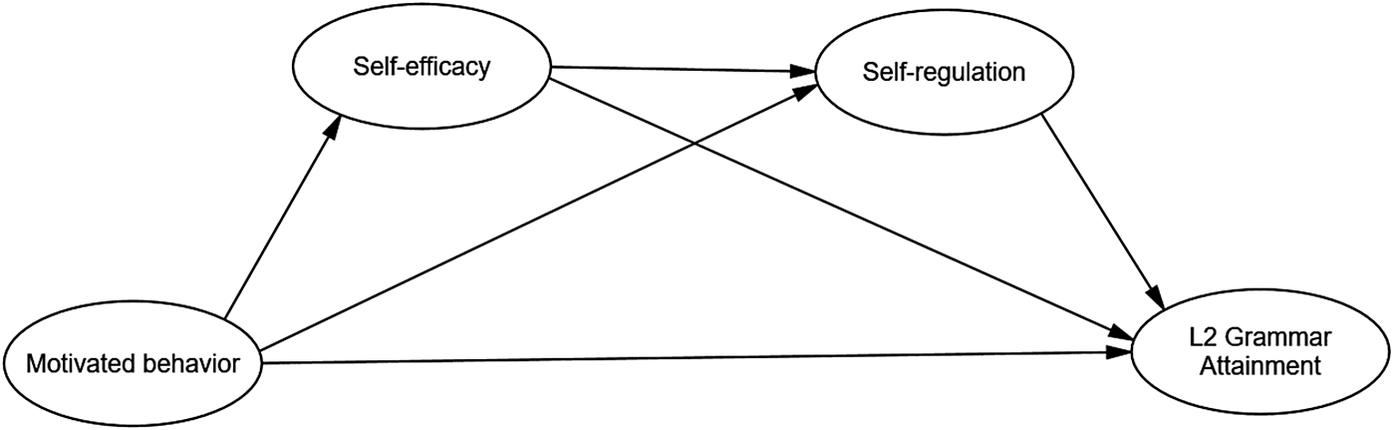


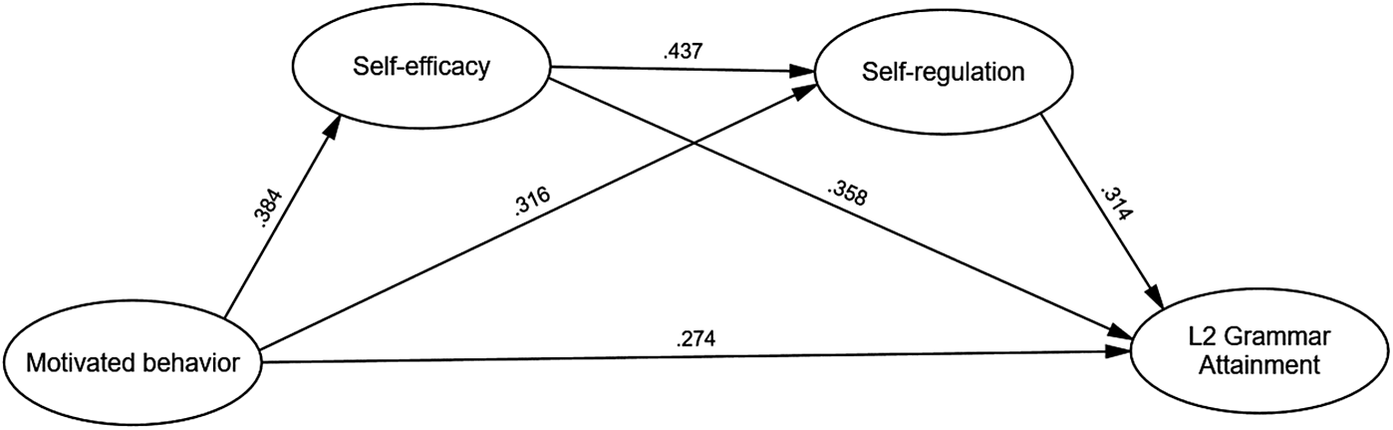

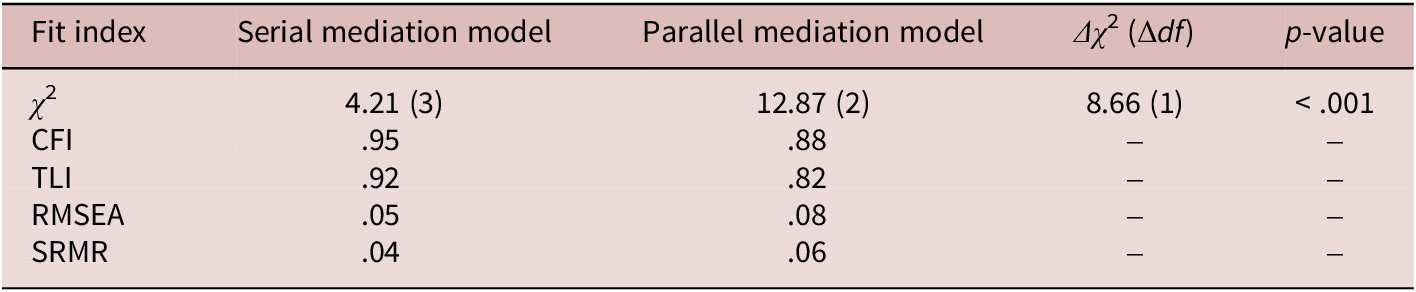


 Open access

