


Introduction
NHS Talking Therapies for anxiety and depression
In England, free psychological therapies within primary mental health care are delivered through NHS Talking Therapies for anxiety and depression (TTad). Previously known as Improving Access to Psychological Therapies (IAPT), this programme is designed to provide evidence-based psychological treatments for adults experiencing depression or anxiety disorders (Health Education England, Reference Clarkn.d). Launched in 2008 to address the limited availability of effective treatments for common mental health conditions such as anxiety and depression (Clark, Reference Clark2011), the initiative has since grown significantly. It now aims to improve access to psychological therapies and streamline their delivery nationwide (NCCMH, 2024). Over the years, TTad has trained thousands of therapists, supported millions of clients, and enhanced the accessibility of therapy services. It has also integrated routine outcome monitoring and become an example of scalable mental health care (Clark, Reference Clark2018). In recent years, these have been further developed to include treatment pathways delivering evidence-based psychological therapies for people with depression and anxiety disorders, who also have long-term conditions (LTC) or medically unexplained symptoms (MUS) (NHS England, n.d.). Despite a common misconception, it is important to note that TTad is not a UK-wide programme; it operates only in England under NHS England (Kunorubwe, Reference Kunorubwe and Roscoe2025).
These services operate under a stepped care model, offering a range of NICE-recommended evidence-based psychological therapies (Clark, Reference Clark2018) that work according to the principle that people should be offered the least intrusive evidence-based intervention appropriate for their needs (NCCMH, 2024).
Psychological Wellbeing Practitioners in TTad
Psychological Wellbeing Practitioners (PWPs) are an integral part of the TTAd workforce, comprising up to 23% of staff across all TTAd services in 2021 (NHS Benchmarking Network, 2022). These specialised mental health practitioners possess the skills and knowledge to deliver high-volume, low-intensity, CBT-based assessments and interventions within TTad services (Strange, Reference Strange2022). In addition, PWPs receive further training in evidence-based interventions for low mood and/or anxiety associated with LTCs and MUS (Health Education England, 2023), through completing top-up training within two years of qualification (NCCMH, 2018; NHS England, 2025).
In most services, PWPs are often the first point of clinical contact, and their assessments play a crucial role in triaging clients, determining whether individuals receive Step 2 or Step 3 treatment, or are referred or signposted to alternative services (Warbrick et al., Reference Warbrick, Lavelle and Dunn2024). In addition, PWPs deliver low-intensity intervention for individuals with depression and certain anxiety disorders in a variety of formats (NCCMH, 2024).
According to Shafran et al. (Reference Shafran, Myles-Hooton, Bennett and Öst2021), low-intensity interventions typically involve guided self-help materials, delivered in shorter sessions and with less total contact time than traditional CBT. Treatment usually consists of 6–8 structured sessions (NICE, 2022), although research suggests the optimal dose of low-intensity treatment is between four and six sessions (Delgadillo et al., Reference Delgadillo, McMillan, Lucock, Leach, Ali and Gilbody2014). In practice, clients are generally offered 4–6 sessions, with national data indicating an average of 4.6 attended appointments (Warbrick et al., Reference Warbrick, Lavelle and Dunn2024). However, an arbitrary cap on the number of sessions should be avoided. Instead, decisions about extending treatment should be guided by evidence and shared decision-making with clients, taking into account the likelihood of achieving further benefit through additional sessions (NCCMH, 2024). As part of this role, PWPs should receive at least one hour of individual case-management supervision each week, in addition to participating in regular group sessions focused on clinical skills (Green et al., Reference Green, Barkham, Kellett and Saxon2014; NCCMH, 2024; Turpin and Wheeler, Reference Turpin and Wheeler2011; UCL, 2015).
Whilst the focus of the paper is about PWPs in TTad, it is important to note such roles are emerging across England delivering low-intensity therapy for children and adolescents (Ludlow et al., Reference Ludlow, Hurn and Lansdell2020; NCCMH, 2024; Shafran et al., Reference Shafran, Fonagy, Pugh and Myles2014; Wood, Reference Wood2021) and to adults with severe mental health problems (Health Education England, 2021). Across the nations of the UK, Wales integrates low-intensity interventions into Tier 0 and 1 adult services under Matrics Cymru, with additional provision through schools using a Whole School Approach (NPTMC, 2017; Welsh Government, 2021). Scotland’s stepped-care model prioritises low-intensity interventions for mild to moderate mental health needs, supported by national training initiatives (NHS Education for Scotland, n.d.; NHS Scotland, 2023; Scottish Intercollegiate Guidelines Network, 2010). In Northern Ireland, pilot studies demonstrated promising outcomes relevant to low-intensity practice, with McDevitt-Petrovic et al. (Reference McDevitt-Petrovic, Kirby, McBride, Shevlin, McAteer, Gorman and Murphy2018) showing low-intensity interventions delivered by PWPs to be effective, and Mills et al. (Reference Mills, Mowlds, Dyer, Corr and Kavanagh2016) demonstrated that low-intensity groups reduced depression, anxiety, and stress; prompting proposals to incorporate such approaches more fully into its evolving Mental Health Service Model (Kirby, Reference Kirby2017).
Evidence base on efficacy
The evidence base for low-intensity interventions has significantly expanded, underscoring its effectiveness as a cost-efficient and accessible approach to treating various mental health problems. Studies have consistently shown that low-intensity interventions are effective in reducing symptoms of depression and anxiety, making it a valuable option for individuals with mild to moderate symptoms. For instance, Farrand and Woodford (Reference Farrand and Woodford2013) demonstrated that guided self-help approaches, a common form of low-intensity intervention significantly improved outcomes for individuals with depression and anxiety. Similarly, Andrews et al. (Reference Andrews, Cuijpers, Craske, McEvoy and Titov2010) conducted a comprehensive review, finding that internet-based low-intensity interventions were effective in alleviating symptoms of depression and anxiety, with effect sizes comparable to traditional face-to-face CBT. Grist and Cavanagh (Reference Grist and Cavanagh2013) explored the effectiveness of computerised CBT delivering low-intensity intervention for common mental health problems, confirming its efficacy and suggesting that it can be integrated into various healthcare settings. A meta-analysis by Powell et al. (Reference Powell, Chiu, Sun and So2024) explored the effectiveness of low-intensity interventions for generalised anxiety disorder (GAD), focusing on three types of low-intensity interventions recommended by NICE: non-facilitated self-help, guided self-help, and psychoeducational groups. The review found medium effect sizes for reductions in anxiety, depression and worry, indicating that low-intensity interventions are effective compared with control conditions.
It is also worth noting that emerging evidence has shown promising outcomes for low-intensity CBT in treating a wider range of disorders, such as psychosis (Hazell et al., Reference Hazell, Hayward, Cavanagh and Strauss2016), eating disorders (Davey et al., Reference Davey, Bennett, Bryant-Waugh, Micali, Takeda, Alexandrou and Shafran2023), and even recent acute hospital admissions (Lawn et al., Reference Lawn, Huang, Zabeen, Smith, Battersby, Redpath, Glover, Venning, Cameron and Fairweather-Schmidt2019). However, working with such difficulties would be outside of the remit expected of PWPs in TTad.
It has also demonstrated effectiveness in real-world clinical settings, within TTad. A comparative analysis by Chan and Adams (Reference Chan and Adams2014) has shown no significant differences in clinical outcomes between low- and high-intensity interventions, with both demonstrating efficacy. However, low-intensity interventions required fewer sessions, offering a more resource-efficient approach without compromising outcomes. Moreover, when delivered as a group, they have also performed well in routine practice, with over 73% of participants attending at least three sessions and 37% of clinical cases achieving recovery (Burns et al., Reference Burns, Kellett and Donohoe2016), reinforcing the feasibility of scalable interventions. Furthermore, low-intensity interventions delivered online have shown slightly better outcomes compared with other formats, while maintaining lower therapist input demands, making them particularly suited for stepped-care models and digital health expansion (Palacios et al., Reference Palacios, Adegoke, Wogan, Duffy, Earley, Eilert, Enrique, Sollesse, Chapman and Richards2023). Treatment with a PWP was found to be effective, but were moderated by factors such as initial symptom severity, treatment duration, and treatment completion status (Firth et al., Reference Firth, Barkham, Kellett and Saxon2015), highlighting the importance of treatment fidelity and patient engagement.
In naturalistic observational studies, low-intensity interventions were found to be effective in treating depression and anxiety with co-morbid LTCs. In a large-scale evaluation of low-intensity psychological interventions for patients with long-term conditions, such as diabetes and cardiovascular disease, significant improvements in depression and anxiety symptoms were observed (Lee et al., Reference Lee, Harty, Adegoke, Palacios, Gillan and Richards2024). Similarly, low-intensity interventions within TTad have been shown to enhance both psychological wellbeing and self-management in individuals with type 2 diabetes (Wroe et al., Reference Wroe, Rennie, Gibbons, Hassy and Chapman2015), underscoring the broader health benefits of early psychological support.
Together, these findings suggest that it is not only clinically effective but also adaptable, efficient, and well-suited to the demands of routine practice with some conditions within TTad.
Working definition of complexity
There is currently no shared consensus on how complexity should be defined within psychological therapy, and further formal discussion is needed to clarify its meaning (Delgadillo et al., Reference Delgadillo, Huey, Bennett and McMillan2017; Lomax and Barton, Reference Lomax and Barton2017). The absence of a widely accepted definition has arguably contributed to its over-use or vague application in some contexts (Barton et al., Reference Barton, Armstrong, Wicks, Freeman and Meyer2017). While a comprehensive review may not be feasible within this paper, establishing a working definition is valuable for shaping clinical understanding.
Safford et al. (Reference Safford, Allison and Kiefe2007) propose that various health determinants influence a patient’s overall healthcare journey from a medical context. Each determinant acts along its axis, exerting force with both magnitude and direction, either increasing or reducing complexity. These vectors represent a dynamic, multi-dimensional interplay rather than a simple, linear relationship. This conceptualisation helps clinicians understand why patients with similar diagnoses may present with differing levels of complexity, depending on the cumulative impact of social, psychological, and environmental influences. These challenges may include difficulty attending treatment, accessing providers, navigating fragmented systems, or experiencing culturally insensitive care alongside medical factors such as chronic illness, medication interactions, or difficulties adhering to treatment.
An alternate description is that complexity emerges from the interaction of biological, psychological, and social factors that can obstruct access to treatment, strain the therapeutic alliance, and alter the expected course of a disorder (Barton et al., Reference Barton, Armstrong, Wicks, Freeman and Meyer2017). These interactions often have unpredictable effects, manifesting as four key challenges: barriers to access, delays in treatment readiness, disruption of therapeutic relationships, and the need for non-standard approaches. According to Barton et al. (Reference Barton, Armstrong, Wicks, Freeman and Meyer2017), many contributors to complexity fall outside the core diagnostic features of anxiety or depressive disorders. Instead, they arise from broader biopsychosocial domains such as physical illness, cognitive impairments, family conflict, housing insecurity, economic stress, and contextual factors. These factors differ in their amenability to change. Some are responsive to psychological therapy or practical interventions, while others may be less mutable and require long-term management strategies.
Delgadillo et al. (Reference Delgadillo, Huey, Bennett and McMillan2017) offer a complementary perspective, viewing complexity as the accumulation of risks, challenges, and disadvantages across life domains. This accumulation does not necessarily preclude therapeutic benefit but may influence clinical outcomes. For example, factors such as poverty, minority status, and interpersonal difficulties can disrupt the balance between stress and coping and are associated with greater baseline severity and lower engagement in therapy.
For this research, we synthesise existing conceptualisations, drawing on Safford et al. (Reference Safford, Allison and Kiefe2007), Barton et al. (Reference Barton, Armstrong, Wicks, Freeman and Meyer2017), and Delgadillo et al. (Reference Delgadillo, Huey, Bennett and McMillan2017). Our working definition of complexity is that it does not arise from a single factor, but rather from the interaction of a range of biological, psychological, social, and systemic health determinants, each exerting influence with varying degrees of magnitude. We view complexity as a dynamic, context-sensitive construct shaped by the cumulative and inter-related effects of multiple risk factors, challenges, and barriers, some of which are modifiable, while others require accommodation. By mapping each determinant along two key dimensions, the strength of its impact and its potential for change, it may allow us to reflect on the nuance. With this in mind, our working definition is:
Complexity refers to the interaction of multiple biological, psychological, social, and systemic factors that together may influence an individual’s mental health problems, their access to care, engagement with therapy, and challenges within therapy. These factors vary in two key ways: the strength of their impact and their potential for change. It arises not from any single issue, but from the way these factors combine and interact; some exerting a powerful influence that may be difficult to change, while others are more flexible or responsive to intervention.
To support the use of our proposed definition of complexity, we have illustrated it as a two-dimensional framework: one axis reflects the magnitude of impact a given factor has on an individual’s mental health, access to care, engagement and experience of the therapeutic process; the other represents its potential for change, or modifiability (Figure 1). By mapping key factors within a client’s formulation along these dimensions, practitioners can visualise how varying constellations of challenges influence case complexity. Factors with high impact and low modifiability typically indicate greater complexity, often requiring higher support or intervention. In contrast, those that are high in impact but also highly modifiable or low in both impact and modifiability may represent moderate complexity and warrant considered adaptation. Low impact and highly modifiable factors suggest lower complexity, where treatment adjustment may be unnecessary but reflective consideration remains beneficial.
Illustration of the complexity framework.

For example, Client A presents with mild to moderate depression, stable housing, good physical health, and strong social support. They are able to attend sessions, and engage well with a structured approach. The factors influencing their presentation exert relatively low force on complexity and are largely modifiable, making their care straightforward and responsive to standard interventions. In contrast, Client B presents mild to moderate depression, has a physical health condition that is lifelong, has been drinking more than usual but has stopped with the support of the local alcohol service and is motivated to engage with a structured LICBT approach. Finally, Client C presents with mild to moderate depression, a history of trauma, unstable housing, chronic physical illness that is unmanaged, experiencing domestic violence and faces barriers to engaging with treatment. They experience difficulty navigating services, and experience ongoing interpersonal conflict. These factors converge to create higher complexity, exerting strong, interacting forces that disrupt access, readiness, alliance, and maintenance. While some elements (like housing or care navigation) are potentially modifiable with additional support over a longer period of time, others (such as trauma history or chronic illness) require longer-term adaptation. This comparison illustrates how similar diagnoses can manifest with vastly different profiles, requiring different levels and types of clinical response based on both the impact and changeability of contributing factors.
In practice, however, presentations rarely fall neatly into one quadrant of the matrix; individuals often exhibit a blend of factors spanning multiple positions within the framework. It is also important to note that certain factors invariably carry more weight in terms of their impact for specific individuals. Complexity is therefore best understood as a fluid configuration of interacting influences.
Rationale for the current study
Despite the strengths of the TTad model, outcomes for those receiving low-intensity psychological interventions remain below the target, with approximately 50% of clients failing to achieve recovery (Warbrick et al., Reference Warbrick, Lavelle and Dunn2024). One possible explanation is that services are increasingly dealing with higher levels of clinical severity and complexity than originally intended (Martin et al., Reference Martin, Iqbal, Airey and Marks2022). Some estimates suggest that between 69% and 81% of clients meet the clinical threshold for personality difficulties, which may affect treatment outcomes (Goddard et al., Reference Goddard, Wingrove and Moran2015; Mars et al., Reference Mars, Gibson, Dunn, Gordon, Heron, Kessler, Wiles and Moran2021). Such difficulties can interfere with engagement in low-intensity interventions due to their impact on emotional regulation, interpersonal functioning, and identity stability.
There is growing evidence of a mismatch between the remit of PWPs and the complexity of the cases they are expected to manage within TTad services. Shepherd and Rosairo (Reference Shepherd and Rosairo2008) described a ‘huge mismatch’ between low-intensity training and the expectations placed on PWPs, which has contributed to practitioner retention issues (Kell and Baguley, Reference Kell and Baguley2018). Ruth (Reference Ruth, Ruth and Spiers2023), reflecting on her own experience, reported that more than half of her PWP caseload at one point consisted of clients with moderate to severe depression and anxiety, often directed to low-intensity interventions due to long waitlists for high-intensity treatment.
Research also indicates that the pressure to meet access targets can result in problematic triage decisions, with clients presenting with higher complexity being assigned to low-intensity treatments (Martin et al., Reference Martin, Iqbal, Airey and Marks2022). Lamph et al. (Reference Lamph, Baker, Dickinson and Lovell2019, Reference Lamph, Dorothy, Jeynes, Coak, Jassat, Elliott, McKeown and Thornton2021) found that rigid and overly restrictive approaches were often poorly received by clients with complex needs, whereas more flexible and relational methods were perceived as more effective. Hepgul et al. (Reference Hepgul, King, Amarasinghe, Breen, Grant, Grey, Hotopf, Moran, Pariante, Tylee, Wingrove, Young and Cleare2016) further evidenced the high complexity seen in TTad services, reporting elevated rates of psychiatric co-morbidity, personality disorders, bipolar disorder, and trauma among clients. These findings challenge the original remit of PWPs, which focused on supporting individuals with mild to moderate anxiety and depression.
Given this context, it is essential to explore PWPs’ experiences and perspectives on complexity in TTad clinical practice. Gaining insight into their views will help us better understand the realities of working as a PWP.
Method
This study employed a qualitative design to explore the perspectives and experiences of PWPs on complexity in clinical practice.
Sampling
Opportunity sampling was used to recruit participants, specifically PWPs attending a free online conference for professionals delivering or supervising low-intensity interventions. The conference was hosted by Bespoke Mental Health in partnership with the NHS National PWP Leads Network. This approach allowed for convenient access to a relevant and engaged group of individuals with direct experience, making it a practical and context-appropriate method for gathering insights on the topic. However, there is a risk of selection bias, as participants were recruited from that one event. We have noted this as a limitation and recommend future research with a broader sample.
Participants
The inclusion criteria required participants to be practitioners working as PWPs in England. A total of 117 people completed the survey; 12 participants were excluded, 10 were not based in England, one was a Mental Health and Wellbeing Practitioner (MHWP), and one was an Assistant Psychologist. Of the 105 eligible participants, one was further excluded from the analysis as, although they completed the consent form, they answered ‘no’ to the question regarding permission to store and process their data in accordance with GDPR (2018). This resulted in a final sample of 104 participants included in the analysis.
Research papers can lack clarity in reporting the characteristics of samples, incorrectly interchange descriptors of different aspects of identity, omit critical data, and even categorise some aspects of demographics as ‘minority’ (Kunorubwe et al., Reference Kunorubwe, John, Molina, Davies, Gait, John, Roderique-Davies and Lancastle2024). Therefore, consideration was given in this report to ensure the collection and reporting of details about the sample, providing helpful information about its demographics and identity.
Within the sample the majority identified as female (84.62%), most reported their ethnicity as White (87.50%), and the majority were aged between 25 and 29 (31.73%). Table 1 provides a complete outline of the demographic details collected.
Participant demographic information

Table 1 Long description
A table with participant demographic information. The table has 4 rows and 4 columns. The columns are labeled Gender identities, Ethnicity, Age, and Occupation. Row 1: Gender identities: Female, 88; Male, 13; Non-binary, 2; Prefer not to say, 1; Prefer to self-describe, 0. Row 2: Ethnicity: Asian or Asian British, 2; Black, Black British, Caribbean, or African, 7; Mixed or multiple ethnic groups, 2; White, 91; Other ethnic group, 2. Row 3: Age: 18-24, 9; 25-29, 33; 30-34, 18; 35-39, 19; 40-44, 10; 45-49, 5; 50-54, 1; 55-59, 6; 60-64, 3. Row 4: Occupation: PWP, 104.
One participant was removed and excluded from analysis as they completed the consent form, but answered ‘no’ to the question related to permitting their data to be stored and processed in accordance with the GDPR (2018). Ten other participants were excluded from analysis as they worked in Wales, Scotland or Northern Ireland. One participant was excluded from analysis as they reported their occupation as mental health and wellbeing practitioner (MHWP). MHWPs provide evidence-based interventions and co-ordinate care plans for adults with severe mental health problems (NHS Health Careers, n.d.). One participant was excluded from analysis as they reported their occupation as assistant psychologist.
Data collection
Participants completed the online survey in the weeks prior to the conference or at the start of the conference day, using JISC online survey software (JISC, Bristol, UK). An online format was chosen to enable participation from a geographically diverse group of practitioners (Safdar et al., Reference Safdar, Abbo, Knobloch and Seo2016), which was important given that PWPs work across services throughout England. Online surveys also offer a high degree of anonymity (Terry et al., Reference Terry, Hayfield, Clarke and Braun2017), enabling participants to share their experiences and views candidly without fear of identification or negative consequences. Additionally, the speed and convenience of online surveys are well suited to the demands of busy clinicians (Jones et al., Reference Jones, Baxter and Khanduja2013). Participants provided open-text responses in their own words and at their preferred level of detail (see Table 2), resulting in 22 pages (14,297 words) of single-spaced qualitative data.
Survey questions on complexity in LICBT

Table 2 Long description
The textbox contains four questions. Question 1 asks how to describe or define complexity in low-intensity psychological interventions. Question 2 inquires about experiences of complexity in clinical work. Question 3 asks if specific training on managing complexity in clinical practice was received and how helpful it was. Question 4 seeks opinions on the kind of support or resources needed for low-intensity practitioners to deliver interventions effectively in the face of complexity.
Data analysis
A qualitative content analysis approach was used to analyse the open-text responses to the questionnaire. Researchers J.W. and T.K. read and re-read all data to familiarise themselves with it before coding. The coding scheme was developed inductively from the data. Initial coding was completed using Microsoft Excel through coding words, thoughts, and concepts in responses. Central themes were generated through these initial codes, which were then reviewed to identify sub-themes based on patterns in the data. Each question was analysed individually. Group discussions and supervision were utilised to support the analysis. Multiple codes were frequently assigned per answer (e.g. a participant may share thoughts about co-morbidity and the need for more training in one open-text field, which would be coded into different themes). The total number refers to the number of times the theme was counted.
Reflexivity
Recognising the role of positioning in content analysis is crucial as it encourages self-awareness, transparency, and acknowledges the researchers’ active involvement in interpretation and theme generation (Terry et al., Reference Terry, Hayfield, Clarke and Braun2017).
J.W. is a University of Reading student pursuing the MSci Applied Psychology (Clinical) program. This degree is designed to qualify him for a career as a PWP within the NHS and provides a master’s-level qualification. The program combines the University’s BSc Psychology elements with the Postgraduate Certificate in Evidence-Based Psychological Treatments. With prior experience in forensic mental health care, J.W. aims to develop his skills in evidence-based therapies through his studies.
Author T.K. is a CBT therapist and supervisor working in private practice, a trainer across higher education institutions, and a consultant supporting services that improve access and outcomes for clients from diverse backgrounds. He is particularly interested in low-intensity CBT and ensuring that all psychological therapies are culturally adapted. Previously, he worked in various TTad Services in the South of England as a PWP and a CBT therapist. In these roles, he has experience delivering, supervising and training others in low-intensity, evidence-based psychological therapies. Additionally, he has historical direct experience and increasingly hears anecdotal reports from supervisees that complexity is the norm rather than the exception within practice.
Author C.O’L. is a psychology student at Cardiff University, entering her third and final year of undergraduate studies. She recently completed a placement year in a forensic service, where she developed a strong interest in forensic and clinical psychology. Although she did not have previous experience as a PWP, she sought to experience a new area of Psychology not covered in her undergraduate course.
All three researchers kept a journal throughout the research process. This practice enables researchers to reflect on their perspectives and backgrounds. It allowed researchers to document their evolving thoughts, assumptions, and decisions throughout the analysis process. By capturing these reflections, the journal helps recognise personal biases and their potential impact. J.W. recognised how anticipation and apprehension could shape the analysis. While there was excitement about uncovering these perspectives, there was also concern about how negative findings might influence the researcher’s expectations during his placement year. To mitigate this, careful attention was given to approaching the data without assuming practitioners’ experiences would align with the researcher’s potential experiences. Moreover, although he had some experience with this methodology from his degree, he had no prior experience with analysis on this scale. Throughout the stages of analysis, the researcher revisited the data regularly to ensure that codes, themes, and sub-themes were derived directly from the data rather than influenced by personal preconceptions. Routine supervision and collaborative discussions with colleagues played a vital role in this process, offering critical reflection and support to refine the analysis.
For T.K., there was a recognition of how previous experiences working with complexity in low-intensity interventions could influence the analysis. Group discussions and routine supervision were actively utilised throughout the research process. These collaborative sessions provided a space for critically reflecting on the influence of prior experiences and ensuring that codes, themes, and sub-themes were identified from the data. Additionally, the researcher’s understanding of the evidence base informed the analysis, allowing for a deeper appreciation of the tension between evidence-based practice and the challenges practitioners face. This perspective ensured a nuanced approach to interpreting the findings, striking a balance between professional knowledge and the perspectives shared by participants. Finally, regular revisiting of the data served as a further safeguard, ensuring the analysis remained grounded in participants’ narratives rather than being shaped by assumptions or preconceived notions.
Results
Through data analysis, the researchers identified seven main themes that captured staff experiences and perspectives. In conducting the content analysis of the collected data, it was beneficial to quantify the prevalence of identified themes to gain a comprehensive understanding of practitioners’ experiences. By examining the frequency of these themes, we can gain a deeper understanding of the over-arching patterns and trends within the data, ultimately informing future practice and professional development. Refer to Table 3 for an overview of the themes.
Overview of themes and frequency within the dataset

Table 3 Long description
A table titled 'Overview of themes and frequency within the dataset' with seven rows and two columns. The columns are labeled 'Theme' and 'Frequency'. The rows are as follows: Row 1: Theme 1: Working with Multiple Mental and Physical Health Problems, 111; Row 2: Theme 2: Working with Higher Levels of Risk, 64; Row 3: Theme 3: Clients Facing Multiple Social and Contextual Issues, 25; Row 4: Theme 4: Mismatch Between PWP Remit and the Realities of the Work, 66; Row 5: Theme 5: Emotional Toll on PWPs, 39; Row 6: Theme 6: Training and Professional Development Gaps, 121; Row 7: Theme 7: Supporting PWPs when Working with Complexity, 71.
Theme 1: Working with Multiple Presenting Problems
The theme of ‘Working with Multiple Presenting Problems’ relates to accounts of PWPs supporting clients with multiple presenting problems or needs, alongside mild to moderate anxiety or depression.
This may partly involve a range of co-morbid common mental health issues, such as depression, GAD, panic disorder, or cases where the primary concern is unclear:
‘Technically, complexity is anything that is more than one “mild to moderate anxiety and depression” problem; however, I rarely work with anyone who falls within this category’ (Participant 74)
‘I would define complexity as more than one main problem’ (Participant 58)
‘Co-morbidity where patients have mixed presentations without one main problem and also a mixture of other mental health problems that feed into the maintenance of the main issue’ (Participant 84)
‘… co-morbid low intensity conditions (e.g. completing a BA intervention where someone is also bringing Worries)’ (Participant 81)
As well as various co-occurring physical health problems such as chronic obstructive pulmonary disease (COPD), chronic pain, brain injury, limb amputation or other long-term physical health conditions:
‘Usually, when completing work with clients experiencing LTCs alongside mental health issues. It’s sometimes very difficult when LTCs aren’t managed medically which further impacts upon their mental health, making it more difficult to go through the usual interventions at LI.’ (Participant 31)
‘Complexity would also be co-morbid LTCs, and we have a LOT of these in our service. Any time we have to adapt our treatment protocols for needed and helpful adjustment this can add in new challenges – not least because we have not got a good resource to use for LTC which explains pacing in with BA for example – I think this means it is more “cobbled together”’ (Participant 102)
‘Cases may be more complex when there are one or more LTCs – brain injury and amputation are common in the population I work with’ (Participant 32)
Another aspect involves mental health problems that require more intensive interventions. These include conditions such as severe depression, severe anxiety disorders, PTSD, OCD, health anxiety, social anxiety, and experiences of childhood sexual abuse, as well as more enduring and severe mental health conditions like bipolar disorder, schizophrenia, psychosis, eating disorders, and personality disorders:
‘Even when having an individual which is suitable for the service, often someone may come in presenting with PTSD, social anxiety or OCD and there is a level of S2 work expected to be done with them which can be very overwhelming as a Step 2 practitioner …’ (Participant 62)
‘Presence of severe and enduring mental health conditions in patients which our secondary care services or step 3 have declined to treat such as bipolar disorder. Presence of diagnosed or undiagnosed personality disorders/complex PTSD’ (Participant 94)
‘Very few patients coming through the door are mild-moderate presentation and that at least 50% have complex trauma or other diagnosis …’ (Participant 77)
‘I have had patients with active psychosis during an assessment, which has left them terrified. I have experienced multiple people hearing voices …’ (Participant 34)
Another aspect related to addictions, such as alcohol, substance misuse and problematic gambling. These issues often co-occur with mental health problems and may require more intensive, specialist interventions beyond the scope of PWP:
‘Current substance misuse or adjustment to abstinence following sustained previous substance misuse’ (Participant 94)
‘Alcohol and substance misuse’ (Participant 99)
‘… often working with clients who also have problematic gambling, significant debt related to it and add to the severe low mood’ (Participant 77)
Theme 2: Working with Higher Levels of Risk
This is related to risk, as participants noted often facing situations where clients present with elevated levels of risks such as suicide, self-harm, risk from others or harm to others. These risk factors require immediate attention and careful risk management, often demanding more intensive therapeutic approaches and the involvement of specialist services:
‘The risk presentations have also increased – e.g. clients know how they would end their life, and past attempts. Such clients [sic] would not be accepted by ACMHS [Adult Community Mental Health Services] and that means that PWPs hold sometimes clients who may be riskier in comparison to what we were trained to deal with’ (Participant 11)
‘I’ve dealt with some very risky clients as a PWP, the whole 30 minutes then becomes about risk assessment and safety planning every week (which of course has to be the priority) but then you (and the patient) feel you aren’t making progress. It’s hard when they do not meet secondary care thresholds and then you are expected to work with them even if not feeling at all confident’ (Participant 19)
‘High risk – which takes 30 mins to manage (the length of a GSH session). When the level of risk is this high, the sessions focus mostly on this, not much time for intervention, client’s scores not improving, can feel like you are not doing enough as a clinician’ (Participant 79)
Theme 3: Clients Facing Multiple Social and Contextual Issues
This theme relates to participants sharing how clients are facing a broad range of external stressors, including financial instability, housing insecurity, and the cost-of-living crisis. Additional challenges include involvement with social services, domestic violence, legal issues, custody proceedings, immigration status, and abusive relationships, often requiring input outside of the control of the PWPs:
‘Due to the current financial situation, a lot of additional issues come from clients struggling to afford to pay bills [sic], find accommodation, etc. This makes it more difficult for the client to engage in [sic] sessions as they have practical issues that are affecting their mental health and getting support for them though appropriate channels is difficult’ (Participant 11)
‘Ongoing safeguarding – liaison with multiple services. Current substance misuse or adjustment to abstinence following sustained previous substance misuse. Major life stressors such as debt/cost of living crisis/recent diagnosis of serious illness/bereavement’ (Participant 94)
‘Over time [sic] I have got more comfortable working with people who have social services [sic] involved, abusive ex-partners or who has [sic] thoughts about ending their life can fluctuate’ (Participant 14)
Theme 4: Mismatch Between PWP Remit and the Realities of the Work
This relates to the reported discrepancy between the role and the realities of the work. In part, this discrepancy stems from the expectation of working with clients presenting more severe or complex issues, which can prevent practitioners from delivering it in a way that aligns with the PWP’s ways of working:
‘With more complex patients I never finish in 30 minutes which give [sic] me less time for notes and admin. Sessions could be 45 minutes and I think it is unfair to expect us to still do the same work in 30 minutes when you are managing more intense emotions, possibly risk and a more severe presentation which frankly Step 2 isn’t really set up to work with. It makes it even more obvious when you do have a step 2 suitable patient as you end the call in 30–35 minutes and their MDS scores reduce quite quickly’ (Participant 14)
‘The majority of the time attempting to do low-intensity work ends up being inappropriate, and if the patient had been booked for treatment, this has further delayed them accessing the right care’ (Participant 93)
‘I do not think it appropriate for low intensity practitioners to be delivering interventions in the face of such high complexity, we are trained in the delivery of LICBT interventions and paid accordingly to work with this client group’ (Participant 17)
Participants also described it as common for clients who require more intensive psychological therapies to be allocated to PWPs to ‘try’ low-intensity interventions, either due to a lack of immediate support for their specific needs, as a mandatory gateway step, or as a means to reduce waiting times for more intensive therapies within the service:
‘I find that we often get made to “try” it at step 2 to see if it’s suitable for step 3 which makes it feel very unfair as step 3 practitioners have more training’ (Participant 43)
‘Often clients may be put forward for step 2 when step 3 or step 4 may be more appropriate. It can be difficult to support someone who isn’t suitable for step 2 as there is only so much support that can be provided …’ (Participant 20)
‘… with our service under immense pressure with long waiting lists at step 3, I feel the low intensity practitioners are almost forced to firefight the complexity to at least offer “something” while they then wait 12 months for the time they require’ (Participant 98)
‘… we have to try step 2 first when really it should be stepped up’ (Participant 47)
This mismatch directly impacts outcomes, making it impossible to achieve the desired outcomes or even meet the client’s therapy goals. This creates a rift between the system’s expectations for measurable outcomes and the reality of working with clients facing significant difficulties:
‘I have often found service users not reaching recovery or struggling to make sense of information within the time constraints, even with extra time. This is where we step service users up to Step 3, however, with our service under immense pressure with long waiting lists at Step 3…’ (Participant 98)
‘I resent being told my recovery rate is below expected, when I am being assigned treatment patients that I personally would not accept for short-term, PWP based work due to long-standing trauma, such as domestic abuse or childhood trauma’ (Participant 57)
‘It is also difficult to complete low intensity interventions with someone who is experiencing physical and/or mental health problems that have been longstanding and expecting them to recover with just behavioural activation or worry management …’ (Participant 15)
‘I believe that complexity is not suited for Step 2 low intensity work. In my experience, patients do not like to focus on just one type of symptom at a time for a Step 2 treatment because for them their MH issues are all interconnected and all-encompassing’ (Participant 84)
Theme 5: Emotional Toll on PWPs
This theme highlights the emotional impact on practitioners when, despite their best efforts, therapy yields limited progress because of the mismatch.
Many reported feeling demoralised and “set up to fail,” struggling with the sense that they were delivering inadequate care. The pressure to meet targets, despite poor outcomes, left practitioners feeling they were “firefighting” rather than providing effective therapy:
‘… many cases are unsuitable for LICBT and patients often drop out of treatment leaving me feeling that I have let them down. For those that don’t drop out, but don’t recover at all, this can leave me feeling deskilled and demotivated when looking at the number of new complex cases on the LICBT waiting list that need picking up’ (Participant 17)
‘… the patient has not been suitable from [sic] the start, but supervisors/seniors have pushed me to work with them and it has not had a good outcome for myself or the patient and everyone feels demoralised at the end’ (Participant 61)
‘For example, working with patients with OCD presentations [sic] but starting with worry management for GAD to begin with. This means fewer patients reach recovery which impacts my satisfaction in my role. There is a sense among my fellow PWPs of being set up to fail which is demoralising’ (Participant 21)
‘This can be frustrating as it feels as though you are trying your best to help someone, knowing they will have to be stepped up at the end. Sometimes the interventions don’t seem to have any impact at step 2 which can be disheartening’ (Participant 22)
The burden of these experiences had a significant impact on practitioners’ wellbeing. Many reported feelings of stress, burnout, hopelessness, resentment and being overwhelmed by the complexity they were expected to manage within the confines of low-intensity interventions. There was a shared sentiment that the system’s reliance on low-intensity interventions, even when inappropriate, left PWPs holding the emotional impact:
‘Whilst I have learnt a great deal when working with such patients, it’s quite overwhelming/exhausting and I feel a lot more stressed and burnt out as a result …’ (Participant 20)
‘I sometimes feel defeated before I begin this work as I know someone who is scoring highly in the clinical measures will not reach recovery with myself so I am just passing them through to high intensity after 6 weeks nonetheless’ (Participant 15)
‘I find it very difficult to deal with and feel it is on my shoulders to resolve. I also find it very draining on my confidence as a practitioner and my own wellbeing when I feel the issue can’t be resolved or the patient needs to be passed to other services which can take a long time to respond’ (Participant 8)
Theme 6: Training and Professional Development Gaps
The ‘Training and Professional Development Gaps’ theme centred on the discrepancies in the training and the realities of working as a PWP.
This is partly due to the feeling that their core PWP training did not adequately prepare them for the complex challenges of real-world practice. Training often emphasised the ideal remit of a PWP who is supporting clients with mild to moderate depression and anxiety, but lacks guidance on managing more severe, co-occurring, or external difficulties. Participants highlighted the need for training to better reflect the demands of actual clinical work:
‘When going through PWP training, it felt as though the university fostered an expectation that every client would perfectly fit in the IAPT model – however within a few assessments in training I realised that there is much more complexity – risk, mixed anxiety and depression, PTSD which would benefit from BA intervention first etc.’ (Participant 62)
‘It should be covered on the trainee PWP course at university. University sets you up to believe that you will be working with people suitable and just have co-morbidity of depression and anxiety’ (Participant 73)
In addition, this related to the need for ongoing training, whether through continuing professional development (CPD) or in-house opportunities. Practitioners noted that continuous training is essential to bridge the gap left by their core training, in many cases being relied upon to fill these gaps to better equip themselves for the range of issues they encounter. They emphasised the importance of ongoing professional development to meet evolving therapeutic needs, best practices, and the increasing complexity of client presentations:
‘More training on complexity overall, training on specific practitioner skills that can be used to support (e.g. skills in containment, closing off conversations about trauma), and in skills that patients can use, e.g. some brief training on emotional regulation and distress tolerance skills’ (Participant 83)
‘We have received training on how to assess trauma and identify complexity at triage. However, it would be lovely to have more training for our treatment – how to work with mixed presentations and comorbidity, how to manage complexity in Guided Self Help’ (Participant 39)
‘Training on secondary care mental health presentations. More training on managing risk. Specific individuals to go to in the service who are champions in these specific areas of complexity’ (Participant 59)
‘Specific training on identifying the actual presenting problem that needs to be treated in complex cases would be helpful, as well as focusing on how to keep these assessments to 45 mins’ (Participant 21)
Despite the value of addressing this gap, many participants noted that when available, there exist inconsistencies in the quality, availability, and practical relevance of training. This variability highlights the need for more standardised, comprehensive, and accessible professional development to better support practitioners:
‘… some ad hoc training added as part of CPD but these are mostly rushed through. Where speakers usually say “we don’t [sic] have enough time to cover this today”, “this is too complex to go into any deeper”. So they usually scratch the surface for name sake, to just tick it off their list that some training was offered but never really being comprehensive’ (Participant 59)
‘Some training on managing risk and neurodiversity but nothing else. It was useful but skills can be difficult to remember if you don’t experience a suitable patient’ (Participant 34)
‘Some of the training and topics I have found really useful and empowering but other training and disorders I do not feel are appropriate’ (Participant 54)
Theme 7: Supporting PWPs when Working with Complexity
This theme reflects the support or changes that PWPs thought would help them adapt their low-intensity interventions, provide support in their therapeutic work, or address the mismatch in the system.
In part, this relates to adapting low-intensity psychological interventions to accommodate complexity within the framework of low-intensity interventions and PWP ways of working:
‘Greater understanding of intervention adaptation and what interventions have been evidenced to work well with increasingly complex populations’ (Participant 97)
‘… they may require multiple low intensity interventions rather than just one intervention due to their ongoing social difficulties. This can sometimes lead to the service user losing hope or faith in psychological interventions as the intervention does not support the complexity of their difficulties. It can also be difficult as a practitioner as we are under pressure to reach KPIs [key performance indicators], and complexities can have an effect on recovery’ (Participant 98)
‘It would help if we could have honest conversations about how to adapt LICBT when patients’ [sic] needs do not match the ideal, i.e. when they want to talk. It has been suggested to me by an experienced colleague, for example, that we allot 5–10 minutes each sessions for “therapeutic listening”’ (Participant 41)
It is also related to supportive supervision, which helps maintain fidelity to evidence-based practice, ensures safe care, and reduces practitioner burnout, with several practitioners emphasising the importance of regular supervision, support with adaptations and supporting decision-making, particularly when low-intensity interventions are not appropriate:
‘Regular supervision and clinical skills sessions. To be supported to deliver low intensity interventions and any drift in intervention to be highlighted. To not be expected to deliver step 3 interventions within a 30 minute time frame’ (Participant 101)
‘Supervisors not asking patients to be placed at low intensity “to begin with” just because they could be suitable for behavioural activation when they have experienced 10+ years of depression. Better guidelines in terms of what should be placed at low intensity such as if someone has experienced mental health problems for longer than 5 years for example, they are ineligible for low intensity’ (Participant 15)
‘Additional supervision would be helpful as there is also additional pressure on supervision time when cases are complex’ (Participant 21)
‘Longer supervision sessions as there are often time restraints, lack of in depth discussion. Reflection time after sessions to allow the clinician to process the session etc.’ (Participant 64)
Beyond individual supervision, practitioners called for broader systemic changes supported by strategic leadership and management. They identified the need to address unrealistic service expectations by adjusting caseloads, providing more straightforward guidelines, and enhancing risk management protocols. These changes would help align the delivery of low-intensity interventions with their intended model, bridging the gap between service demands and the clinical work:
‘I also believe that structure should be reviewed with regard to what is expected from PWPs [sic] based on when IAPT was created [sic] and what we are actually doing to show an accurate representation of current clients needs, e.g. increasing sessions for specific needs, having longer sessions, decreasing the amount of caseload we can have’ (Participant 11)
‘Policies within the service specifying what is suitable for low intensity work and what isn’t. Good quality and regular supervision. And more than anything TIME. Time to be able to deal with these cases which may take longer, without impacting on the care of other clients, or producing feelings of burnout in the clinician. Recognition by the service that if more cases are becoming complex and we’re expected to handle those cases, then we need a reduction in overall caseload to be able to deal with that’ (Participant 100)
‘Also meetings with managers to discuss cases we are seeing at step 2 because they may not understand how it is affecting the morale of staff – especially when you know from session 1 that there is no chance you can get this client into recovery, and for all the staff the purpose for applying for this job was to help people. It can be disheartening’ (Participant 36)
‘Support from upper management to allow sufficient time to work with complexity and to discuss it in supervision’ (Participant 86)
It also related to the need for a broader therapeutic offering within services, rather than placing the burden solely on PWPs. This would involve access to more intensive interventions, when necessary, alongside stronger support from external services. Practitioners emphasised the importance of closer links with specialist mental health services, social support agencies, and community resources to ensure clients receive appropriate and comprehensive care:
‘I think it would be helpful for the PWP role to move away from problem descriptor (diagnosis) lead treatment to a symptoms/impact lead treatment where techniques are matched to the main symptoms/impact. PWPs would be considered as having transdiagnostic tools’ (Participant 50)
‘Somewhere adequate to signpost/refer. Sometimes we can be left with a highly distressed patient who is not suitable for our service with nowhere to go because they fall through the gaps of available services’ (Participant 87)
‘… they always need step 3, onward referral or in some cases there is nothing more we can offer/signpost to if several treatments have been given before’ (Participant 37)
‘I think there should be a clear pathway with regard to onward referrals, and additional training for practitioners in neurodiversity, comorbidity, risk etc. I also believe that structure should be reviewed with regard to what is expected from PWPs [sic] based on when IAPT was created for and what we are actually doing to show an accurate representation of current clients’ [sic] needs, e.g. increasing sessions for specific needs, having longer sessions, decreasing the amount of caseload we can have’ (Participant 11)
Discussion
Summary of findings
The findings highlight that PWPs routinely work with clients facing a wide range of difficulties. In many cases, there are problems beyond mild to moderate depression and anxiety, with multiple issues often present, some of which are not changeable within therapy and fall outside the PWP’s remit. These factors interact and reinforce one another, amplifying their overall impact.
These findings align with the working definition of complexity presented in the introduction, which emphasises that complexity does not stem from a single factor or an arbitrary count of conditions. Rather, it reflects the interaction of multiple biological, psychological, social, and systemic determinants, each differing in both the strength of its impact and its potential for change. Complexity arises from the cumulative and interconnected influence of these factors. Some, such as chronic physical health conditions or entrenched social disadvantages, exert a substantial, often less modifiable impact. In contrast, others, such as lack of coping strategies or specific psychological symptoms, may be more amenable to intervention.
The results further underscore that complexity is dynamic and context-sensitive, shaped by interactions that necessitate both the accommodation of enduring challenges and targeted efforts to modify more flexible elements. This perspective aligns with the working definition’s emphasis on mapping determinants along two dimensions: their strength of influence and their propensity for change. It highlights the importance of tailored, integrative approaches to effectively address the multi-faceted nature of clients’ mental health problems.
Despite this, many practitioners viewed significant portions of the work they are asked to undertake as falling outside the scope of the PWP role. The expectation to manage complex and high-risk presentations left practitioners navigating issues beyond the intended remit. Moreover, there were accounts of the emotional toll this placed on practitioners. Reports of stress, burnout, and feelings of inadequacy were prevalent, reflecting the strain of being positioned as the primary point of contact for clients with needs exceeding what low-intensity interventions are designed to address.
Practitioners also recognised a gap in their core training for managing such levels of complexity and called for more structured, ongoing development opportunities. They emphasised that individual training alone would not be sufficient; broader systemic changes are needed to create the conditions, such as realistic caseloads, clear referral pathways, and stronger inter-agency support that enables practitioners to work safely and effectively with complex client presentations.
Other notable findings
There were other notable findings in the data that, while not sufficient for a separate theme, are significant enough to mention. These observations offer further insights into participant experiences and identify potential areas for further exploration, thereby contributing to a broader understanding.
A small minority of responses in the data (n=3) reported feeling confident, experiencing good outcomes, or having positive experiences working with complexity. In part, these are related to instances where the work has had a positive outcome from the client and/or practitioner perspective, where the PWP has received supervision and support, and felt adequately supported, and to gain confidence in working with varied presentations, and where they have done a good piece of work and achieved some goals, but the client has been stepped up for more intensive work.
Link to literature
Regarding Theme 1, the findings from this study reinforce existing evidence that PWPs are frequently expected to work beyond the intended scope of their roles. Despite being trained to support individuals with mild to moderate anxiety and depression, PWPs routinely encounter clients presenting with a range of difficulties. Warbrick et al. (Reference Warbrick, Lavelle and Dunn2024) and Martin et al. (Reference Martin, Iqbal, Airey and Marks2022) both highlight that, in practice, PWPs often see individuals with more severe depression, PTSD, OCD, and severe mental health problems. These are problems that, according to NICE guidance and the TTad Manual (NCCMH, 2024), are more appropriately treated through higher intensity therapy or multi-disciplinary care. Furthermore, TTad services are not designed to treat mental health conditions such as psychosis, bipolar disorder, personality disorders, or eating disorders. When these conditions are the primary focus of treatment or when they significantly interact with anxiety and depression, a more robust, multi-professional care package is necessary.
Although PWPs receive training to work with co-morbidities such as long-term physical health conditions (NCCMH, 2018; Health Education England, 2023), the data suggest they are increasingly expected to manage more complex LTC presentations. This is particularly concerning given that individuals with LTCs experience moderately lower recovery rates compared with those without, and Ronaldson et al. (Reference Ronaldson, Broadbent, Stubbs, Harber-Aschan, Sima, Armstrong, Bakolis, Hatch, Hotopf and Dregan2025) identified a dose–response relationship between the number of LTCs and the likelihood of recovery. In addition, while PWPs are generally advised not to exclude clients with substance use problems, TTad services do not offer comprehensive addiction support (DrugWise, 2012). These findings suggest that PWPs are managing a significantly broader and more demanding caseload than their role was originally intended to support.
Another key issue arising from the data is that PWPs are routinely managing significant levels of risk, including suicidal ideation and safeguarding concerns, as noted in Theme 2. While they are trained in risk assessment and safety planning (NCCMH, 2024), the TTad Manual clearly states that specialist services should manage active risk. However, the findings show that, in practice, PWPs are often left to handle these complex risk situations on their own. PWPs are navigating acute levels of client risk without adequate escalation structures or specialist back-up. This reveals a systemic disconnect between national guidance and the realities of front-line service delivery. It also places considerable emotional and professional strain on practitioners, who are working within a low-intensity model that was never intended to carry such responsibilities.
Theme 3 also indicates that PWPs are frequently supporting clients facing extreme social and structural stressors such as housing instability, poverty, and discrimination. Although NCCMH (2024) recommends that such factors be explored during assessment, the findings suggest these are often not just background issues but central to the psychological distress clients are experiencing. Many of these issues are beyond the scope of low-intensity CBT to effectively address. While PWPs are expected to signpost clients to appropriate services for support with housing, finances, or social care, participants reported a lack of effective referral pathways or multi-agency involvement. Consequently, PWPs are left to manage the emotional consequences of broader social crises without the necessary resources or mandate to address them effectively. In cases where problems are very mild, assessment and brief advice may be sufficient, but for many clients, more integrated care is needed.
There is also clear evidence of a mismatch between what PWPs are trained and expected to do and what they are being asked to do in clinical practice, as outlined in Theme 4. The core training curriculum notes that PWP should demonstrate an understanding of complexity and know the appropriate care pathways to refer to (NHS England, 2025). With their role officially framed around delivering brief, evidence-based interventions for mild to moderate presentations (British Psychological Society, n.d.; NHS Health Careers, n.d.), the demands placed on them often extend far beyond this. Strange (2022), and Kell and Baguley (Reference Kell and Baguley2018), both note there is increasing pressure on PWPs to operate outside of their original scope, without parallel changes to training, supervision structures, or caseload expectations. The findings in this study confirm that PWPs are facing role expansion without the corresponding support or recognition, which contributes to both professional dissatisfaction and clinical risk.
Unsurprisingly, the emotional toll of this role is significant, as noted in Theme 5. The findings align with previous research highlighting high rates of stress and burnout among PWPs. Westwood et al. (Reference Westwood, Morison, Allt and Holmes2017) found that nearly 69% of PWPs reported burnout, while the New Savoy survey (2016) revealed that nearly half of psychological professionals reported experiencing depression, with many feeling like failures. Steel et al. (Reference Steel, Macdonald, Schröder and Mellor-Clark2015) also identified both clinical and systemic contributors to burnout, including excessive workload and lack of autonomy. In this study, PWPs expressed feelings of distress, exhaustion, and emotional fatigue, clearly linked to the complexity of their caseloads and the experience of working beyond their intended role without sufficient structural support.
Theme 6 also points to a significant training gap. This concern has been raised in the literature for over a decade. Shepherd and Rosario (Reference Shepherd and Rosairo2008) were among the first to question whether the scope of low-intensity training could adequately prepare practitioners for the realities of clinical work. More recently, Warbrick et al. (Reference Warbrick, Lavelle and Dunn2024) showed that targeted CPD, such as workshops on managing personality difficulties, can significantly enhance PWP confidence and competence. However, the current study indicates that these training opportunities are inconsistent and often inadequate. Health Education England (2023) has also acknowledged this training deficit and emphasised the need for improved capability in managing comorbidities, LTCs, and substance misuse.
Finally, Theme 7 suggests that PWPs would benefit from robust and accessible support structures. Both NCCMH (2024) and Kell and Baguley (Reference Kell and Baguley2018) have emphasised the importance of regular supervision and access to senior clinicians for safe and effective practice. Westwood et al. (Reference Westwood, Morison, Allt and Holmes2017) recommend reducing caseloads and enhancing clinical support as key strategies for mitigating burnout and enhancing practitioner wellbeing. The current findings echo these calls: PWPs reported feeling isolated and unsupported, particularly when managing high-risk or emotionally taxing cases. Without systemic improvements in supervision, workload management, and multi-agency collaboration, PWPs will continue to face significant strain, potentially affecting both staff retention, service quality, and delivery of care.
Clinical implications
The findings have several implications for the PWP role and the realities of clinical practice. Protecting the remit of the PWP role is essential to ensuring both safe practice and sustainability. The PWP role was designed to deliver brief, structured interventions for mild to moderate depression and anxiety. However, findings show that practitioners are increasingly being expected to manage complex and high-risk cases that exceed their training and scope. Without clear boundaries, there is a risk of clinical drift, practitioner burnout, and compromised care. Services must adhere to the defined limits of the PWP role, with robust assessment and triage processes that ensure clients with more severe or multi-faceted needs are directed to appropriate high-intensity or multi-agency support services. Reinforcing these boundaries not only safeguards practitioners but also helps maintain the integrity and effectiveness of low-intensity interventions, ensuring they are delivered as intended and with the appropriate level of support.
One implication is the emotional and professional strain placed on PWPs. The expectation is to manage complex problems, multiple problems, and even higher-risk presentations outside the original remit, without appropriate training, supervision, or structural support. This has led to reports of burnout, emotional fatigue, and feelings of inadequacy among practitioners. These issues are compounded by large caseloads, and a lack of clear referral pathways for escalating care. If left unaddressed, this strain not only threatens staff retention and wellbeing but also increases the risk of clinical errors and a reduction in the quality of care for clients.
Another key implication is the need to reconceptualise complexity in clinical practice. Rather than being defined by the number or type of diagnoses, complexity should be understood as the dynamic interaction of psychological, biological, social, and systemic factors, each varying in both their influence and their potential for change.
Training gaps also emerged as a central issue. While some PWPs reported gaining confidence when adequately supported, many felt that their core training did not equip them to work safely or effectively with the level of complexity they routinely encounter. Addressing this requires systemic action, with course teams potentially reviewing their training materials, assessment strategies, and available resources. However, such changes cannot be made in isolation and requires strategic attention, as the training curriculum is developed by NHS England to support fidelity and ensure national minimum competency standards are maintained (NHS England, 2025). There is also an urgent need for more structured and ongoing professional development opportunities. However, individual training alone is insufficient. Broader systemic changes, such as more realistic caseload expectations, clear escalation routes for complex or high-risk clients, and stronger inter-agency collaboration, are essential to creating a safe and effective working environment for PWPs.
Furthermore, these findings suggest that the current stepped-care model is being stretched beyond its design. While it is appropriate for mild presentations, the system must better accommodate those whose difficulties require more intensive, integrated care. This includes strengthening referral pathways to high-intensity therapists and ensuring that PWPs are not left to manage complexity in isolation. There is also a need for services to formally recognise and support the emotional demands of the PWP role, including access to reflective practice spaces, clinical supervision from senior staff, and mental health support for practitioners themselves.
Supervisors and service leaders play a crucial role in supporting PWPs as they face increasing complexity in clinical practice. Regular, reflective supervision offers a space for practitioners to process challenges, receive feedback, and feel validated in their work. When supervisors acknowledge the realities of the PWP role and the pressures practitioners face, it can help reduce stress and build confidence. At a strategic level, leadership must address systemic issues such as high caseloads, unrealistic performance targets, and inadequate referral pathways. By fostering inter-agency collaboration and advocating for realistic workloads and appropriate training, leaders can create conditions that support both effective care and practitioner wellbeing.
Finally, while a few PWPs described positive experiences, particularly when supervision, support, and collaboration were present, these were the exception rather than the rule. However, these cases also suggest that with the right structures in place, PWPs can make meaningful contributions, even in complex cases, particularly in terms of initial engagement, formulation, and early-stage support. However, expecting this as standard practice without adequate systemic change is unsustainable. Overall, the findings call for a fundamental reassessment of how the PWP role is defined, supported, and integrated into wider mental health care systems to ensure safe, ethical, and effective care.
Applying the complexity framework to PWP decision-making
Given the working definition of complexity offered in the Introduction, we encourage PWPs to continue conducting thorough assessments to determine the suitability of low-intensity psychological therapy for each client. Engaging clients in shared decision-making is a central component of this process. Encouraging clients to express their preferences and concerns strengthens the therapeutic alliance, promotes engagement, and ensures that interventions are responsive to the client’s unique circumstances.
Based on this working definition and the two-dimensional framework for visualising complexity (see Figure 1), we recommend that practitioners reflect on their assessments by mapping the individual factors the client is dealing with within this matrix. This process can help conceptualise the specific configuration of complexity in a given case. PWPs should consider both the impact and modifiability of relevant factors. This reflection can help identify whether the client’s presenting difficulties tend to cluster within one of the matrix’s key zones:
-
• Lower complexity (low impact and high modifiability);
-
• Moderate complexity (e.g. high impact but more modifiable, or low impact but persistent);
-
• Higher complexity (high impact and low modifiability).
While most presentations will not fall neatly into a single category, this framework can support structured clinical reasoning and guide decisions around the suitability of low-intensity interventions, potential adaptations, or the need to consider alternative treatment pathways. This can then be used in conjunction with the proposed PWP treatment decision tree (see Figure 2).
PWP treatment decision tree.

Inspired by Whittington (Reference Whittington, Whittington and Grey2014), we developed a decision tree to support clinical decision-making for PWPs. The aim is to help identify the most appropriate treatment pathway based on the client’s presenting problems, relevant factors, and the complexity of their case.
If the conceptualisation suggests lower complexity (i.e. most factors are low in impact and/or highly modifiable), the client is likely well suited to standard low-intensity approaches. Treatment can proceed using evidence-based low-intensity interventions, with minimal adaptation supported by routine outcome monitoring and supervision.
If the conceptualisation indicates moderate complexity (e.g. high-impact but modifiable factors, or a mix of low-impact issues that persist), low-intensity interventions may still be appropriate but could require further assessment and adaptation to the intervention. This may include increased supervision, enhanced formulation, or collaboration with other services for additional support (e.g. housing, financial, or practical needs).
If the conceptualisation reflects higher complexity (i.e. several high-impact, low-modifiability factors), low-intensity interventions may not be the most appropriate starting point. These clients may benefit more from high-intensity psychological therapies or multi-disciplinary support. PWPs should consider referring or signposting individuals to services that are better positioned to address long-term or external needs.
This framework is not intended as a rigid tool, but as a flexible guide to support reflection, formulation, treatment planning, and shared decision-making. It is designed to help PWPs balance evidence-based practice with the nuanced realities of individual client presentations, ensuring that chosen interventions are appropriate, focused, and responsive to each client’s needs.
Across all levels of complexity, collaboration and supervision are essential. Practitioners must be supported in managing the emotional demands of client work, reflecting on case complexity, and adjusting care plans as needed. This helps ensure that every client receives the most effective and appropriate level of care, tailored to their unique constellation of challenges, resources, and strengths. Moreover, this aligns with the working methods described in the TTad Manual (NCCMH, 2024).
Research recommendations
Further research is warranted to explore and expand upon the current findings. As there is relatively little written about PWPs’ experiences and perspectives when working with clients presenting complex problems, this represents a significant gap in the literature. The current sample represents only approximately 2.5% of the workforce (based on an estimated 4100 PWPs; NHS Benchmarking, 2022), which limits the generalisability of results. To address this, future studies should aim to recruit larger, more representative samples, ideally across a variety of TTad services and geographical regions, to ensure broader applicability and relevance.
Additionally, the data suggest that complexity may impact a client’s sense of hope, raising important questions about how this influences the therapeutic relationship. Future research should investigate the dynamics between PWPs and clients about the development or erosion of hope. For instance, do clients pick up on and internalise feeling of hopelessness that PWPs may experience when working with problems with higher complexity? Investigating whether such feelings can be inadvertently transferred could provide critical insight into relational dynamics that affect engagement, motivation, and outcomes. Understanding how hope is maintained or diminished could also inform strategies for reinforcing resilience in both clients and practitioners.
Moreover, the role of supervision is emerging as a key factor in supporting PWPs working with complex cases, yet little is known about supervisors’ perspectives. Future research should explore how supervisors conceptualise complexity, the challenges they encounter, and how they support PWPs to navigate these demands. Such findings could inform the development of targeted training and supervision models, improving the quality and sustainability of low-intensity services.
Future research should further explore how PWPs understand and negotiate the boundaries of their role and clinical remit, particularly in the context of increasing complexity within primary care settings. Studies could examine how PWPs make decisions about suitability for LICBT, how they experience working beyond the original scope of the role, and the impact this has on their professional identity, wellbeing, and clinical decision-making.
Lastly, it is essential to centre the client experience. Examining how clients perceive and engage with therapy across different levels of complexity can offer insight into what works, for whom, and under what conditions. This can guide the development of more tailored interventions, ensuring services are responsive to diverse needs. Together, these avenues for research will deepen our understanding of the PWP role, strengthen the evidence base for complexity-informed care, and inform best practices for delivering low intensity psychological interventions.
Strengths and limitations
This study provides valuable insights into the experiences and perspectives of PWPs when working with complex presentations, a topic that has received limited empirical attention. By foregrounding the voices of practitioners, the research helps to illuminate the real-world challenges and considerations involved in delivering low-intensity interventions to clients with multi-faceted needs. One of the key strengths of the study lies in its practical relevance, offering a foundation for the development of tools such as the complexity framework and PWP decision tree, both of which aim to enhance clinical decision-making and service delivery.
However, several limitations must be acknowledged. Despite efforts to recruit a representative sample, there was over-representation of specific demographic groups, which may limit the generalisability of the findings. Additionally, participants were recruited from one event, increasing selection bias. Future studies should aim for more inclusive sampling with a broader sampling strategy to ensure greater representation.
Another limitation relates to the data collection method. The use of an online survey, while efficient and accessible, restricted the ability to explore participants’ responses in depth. This may have limited the ability to understand the nuance of participants’ experiences fully or to explore emerging themes in greater detail. To address this, future research should consider incorporating qualitative methods, such as semi-structured interviews or focus groups, to allow for deeper exploration and richer interpretation.
While this study provides important early insights into how PWPs perceive and manage complexity, addressing these limitations in future research will be crucial for developing a more comprehensive and nuanced understanding of the field. Researchers and policymakers should continue to invest in further study to explore diverse practitioner experiences, refine complexity-informed tools, and ultimately improve outcomes for clients with complex needs.
Conclusion
In conclusion, the study highlights a growing disconnect between the intended remit of PWPs in TTad and the realities of clinical practice. PWPs are routinely expected to manage complexity, risk, and systemic barriers far beyond the original remit of low-intensity CBT. The findings suggest that some flexibility whilst maintaining fidelity, such as longer or additional sessions or time for inter-agency work may be necessary to accommodate client needs and reflect the evolving remit of the role. As some practitioners reported finding ways to navigate these demands with adequate support, the overall picture points to significant strain on individuals and services alike. Protecting the scope of the PWP role, strengthening supervision, investing in targeted training, and ensuring strategic leadership that supports inter-agency collaboration are all critical. Given the perspectives and experiences shared, it seems like a timely opportunity to reflect on and consider the current understanding of the PWP role and ways of working.
Note about terminology
It is important to be mindful of terminology, as it can have a real-world impact on the individuals we work with, our colleagues, services, and even policy (Kunorubwe, Reference Kunorubwe2023). Therefore, due consideration has been given to the use of terminology within this report. When describing individuals accessing psychological therapies, this report will use terms such as ‘patients’, ‘clients’ and ‘service users’ interchangeably. Additionally, the terms ‘mental health problem’, ‘mental health condition’, ‘presenting problem’ and ‘disorder’ will be used interchangeably. The terms used to describe those delivering therapy, will include ‘therapists’, ‘practitioners’ and ‘clinicians’.
The rationale for using these terms, rather than eliminating some, is based on the recognition that no single term is universally agreed upon. These terms are in common usage and substituting them in participants’ data and quotes could risk altering the intended meaning or context of their responses. However, this is an area for ongoing reflection and refinement. Therefore, we must continually consider our terminology, explicitly acknowledge how we are using it, and remain open to revising it as our understanding and the context evolve.
Key practice points
-
(1) Thorough assessments and appropriate treatment planning. TTad staff should prioritise comprehensive assessments to determine whether low-intensity interventions are best suited for each client. Factors such as the severity of mental health issues, co-occurring problems, and external stressors must be carefully considered to make informed decisions about the suitability of low-intensity interventions.
-
(2) Ensure curriculum and university training reflect realities of the role. To prepare trainees for the practical challenges of working as PWPs, curriculum and training programs must align more closely with the realities of practice. Through strategic action at all levels, ranging from individual teaching staff and university teams reviewing their course, to NHS England reviewing the national curriculum, meaningful improvements to PWP training and practice alignment can be achieved.
-
(3) Ongoing training and development. Continuous professional development is essential to address gaps in training, particularly in managing complexity. Practitioners should have access to updated resources and advanced skills training to effectively navigate the complexities they encounter in practice.
-
(4) Supportive supervision and leadership. Regular supervision and strong organisational leadership are crucial for providing emotional and professional support to practitioners, ss well as supporting flexibility whilst maintaining fidelity, such as enabling time for inter-agency work or removing arbitrary limits on session numbers. Leadership must prioritise manageable workloads and foster a culture that ensures PWPs feel supported and equipped to manage challenges effectively.
-
(5) Promoting PWP wellbeing and minimise risk of burnout. To address themes of hopelessness and enhance wellbeing, services should provide increased supervision, regular peer support sessions, and structured wellbeing check-ins.
Data availability statement
The data that support the findings of this study are available on request from the corresponding author, T.K.
Acknowledgements
We would like to extend our sincere gratitude to the University of Reading’s Undergraduate Research Opportunities Programme (UROP) for facilitating Joshua Wynne’s invaluable assistance and contributions to this research project, as well as to Cardiff University’s Undergraduate Summer Internship Scheme for facilitating Catlin O’Leary’s invaluable assistance and contributions.
We would also like to express our gratitude to the practitioners who attended the PWP Conference. Your engagement and thoughtful contributions greatly enriched the discussions and insights shared during the event. A special thank you to those who took the time to complete the survey. Your perspectives have been instrumental in informing and shaping the direction of this paper. We hope we have captured your experiences and done them justice.
We are also deeply appreciative of Bespoke Mental Health for hosting the conference and providing a platform that fosters such meaningful dialogue and collaboration regarding the realities of low-intensity working.
Last, but by no means least, the authors would like to thank Natalie Meek, Pam Myles, Seema Shrestha, Petrina McKenzie, Faithful Odusote, Elizabeth Ruth, Sam Warwick, and Palvisha Iqbal for their encouragement as we undertook this project and for their assistance with proofreading.
Author contributions
Taf Kunorubwe: Conceptualization (lead), Data curation (lead), Formal analysis (joint), Investigation (joint), Methodology (lead), Project administration (joint), Writing – original draft (joint), Writing – review & editing (joint); Joshua Wynne: Formal analysis (joint), Investigation (joint), Methodology (supporting), Project administration (joint), Writing – original draft (joint), Writing – review & editing (joint); Caitlyn O’Leary: Formal analysis (supporting), Investigation (supporting), Methodology (supporting), Project administration (supporting), Writing – original draft (supporting), Writing – review & editing (supporting).
Financial support
This research received no specific grant from any funding agency, commercial or not-for-profit sectors.
Competing interests
The authors declare no competing interests with respect to this publication.
Ethical standards
The authors have adhered to the Ethical Principles of Psychologists and Code of Conduct established by the BABCP and BPS. The procedures contributing to this work comply with the ethical standards of the relevant national and institutional committees on human experimentation and with the Declaration of Helsinki, as revised in 2008. The study was approved by the School of Psychology and Clinical Language Sciences Research Ethics Committee at the University of Reading (reference number 080NM). Participants gave informed consent to participate in the study and for the results to be published.
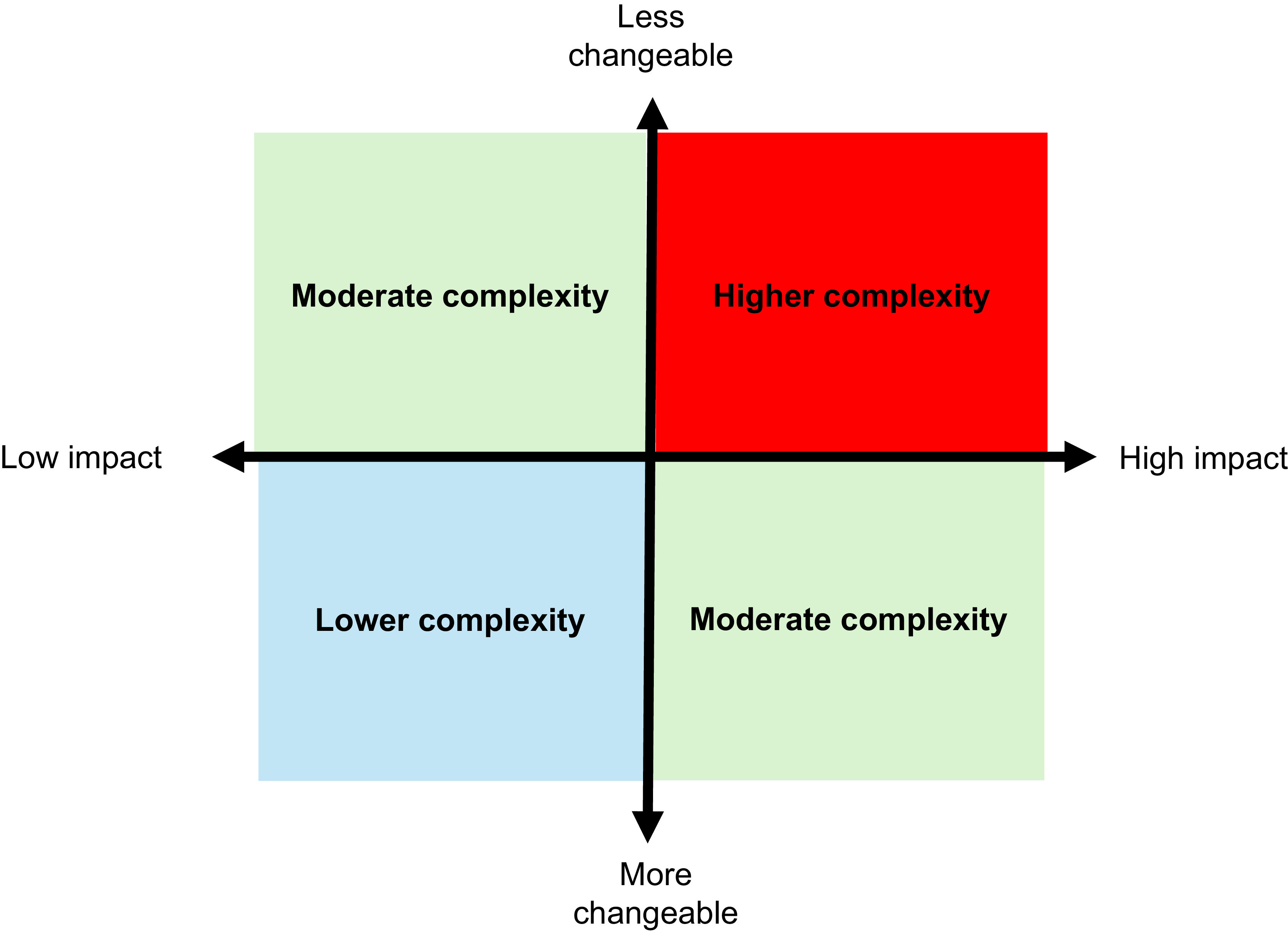
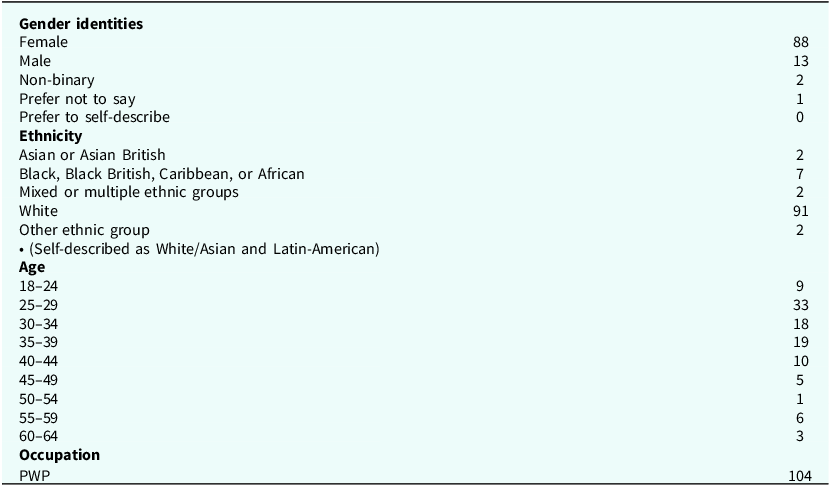


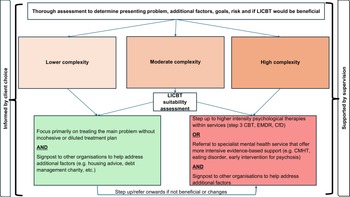

 Open access


Comments
No Comments have been published for this article.