Introduction
This paper focuses on the Jewish nursing profession that evolved in Poland during the interwar period through the efforts of two Jewish organizations: TOZ (Towarzystwa Ochrony Zdrowia Ludności Żydowskiej [the Society for the Protection of the Health of the Jewish People]) and the American Jewish Distribution Committee (AJDC). Reconstructing the gendered aspects of TOZ history through its interaction with JDC during the interwar period, as reflected in their efforts to promote Jewish nursing, can shed light on the intersection of Jewish women’s identity and professional identity, public health, welfare, culture, and politics. We argue that the integration of Jewish women in Poland in welfare and medical activity under the JDC and TOZ emerged less from the adoption of gender equality and more out of necessity. On the one hand, JDC and TOZ needed Jewish nurses and public health nurses to carry out their health campaigns and build a public health infrastructure. On the other hand, a new generation of Jewish women born at the beginning of the twentieth century into a new political and economic reality, needed job opportunities that would enable them to make a living and be independent.Footnote 1 Professional training, in many cases free or subsidized, and a career within the framework of the JDC and TOZ thus emerged more from practical necessities and less from ideas of gender equality and women’s rights.
During and certainly after WWI, Poland became the focus of health concerns mainly because millions of refugees were carrying dreadful epidemic diseases, such as typhus, across Polish borders westwards from Russia (Balinska Reference Balinska2000, 422). Public health measures such as Cordon sanitaire were carried out in order to restrict the movement of people within a defined geographic area, halting the spread of disease. Yet the term has often been used metaphorically to refer to an ideology that was deemed unwanted or dangerous. Poland’s central geographical location, bordering what would later become the Soviet Union, turned it into an “ideal” space for the implementation of public health interventions aimed at preventing diseases from spreading westward. The Rockefeller Foundation, the League of Nations, and the American Red Cross invested resources and sent healthcare workers into Poland in order to improve the health situation and prevent epidemics in the newly independent country, as well as establish a humanitarian presence (Weindling Reference Weindling1993, Reference Weindling and Weindling1995, and Reference Weindling, Cooter and Pickstone2003; Balinska Reference Balinska and Paul1995; Borowy Reference Borowy2009; Irwin Reference Irwin2009). Preventive medicine and the creation of a solid public health infrastructure based on contemporary American models were the goals of these agencies that were attempting to impose a new social and political order. Europe in general, and Poland in particular, became a laboratory in which American methods regarding welfare, social work, nursing, public health, urban reform, and medicine were tested alongside new philosophies and practices (Irwin Reference Irwin2009, 190–1). Yet, the implementation of American “reformative” idealsFootnote 2 into the local Polish reality, including in the emerging public health field within the newly established state, was not a smooth move. It involved adaptation, negotiation, and in some cases, resentment.Footnote 3
Within this context, Jewish health in interwar Eastern Europe and specifically in Poland can serve as a case study to better understand this movement of ideas, people, and practices. As one of the largest minorities in the new Polish republic, the Jewish population experienced a tremendous crisis during WWI including severe poverty, uprooting, and epidemics. Approximately one million Jews in Poland, out of about three million at the time, were left homeless by the war. Starvation and disease ravaged these desolated communities. Sickness, violence, and family dislocation contributed to a tragic rise in the number of orphans, both those whose parents had perished in the war and those who were abandoned in the hope that someone else might better provide for them.
In this article, we focus on the collaboration between two Jewish institutions – the American Jewish Distribution Committee (AJDC) and TOZ (Towarzystwa Ochrony Zdrowia Ludności Żydowskiej [the Society for the Protection of the Health of the Jewish People]) – to develop the profession of Jewish nursing in Poland during the interwar period. These relief institutions focused on public health from several dimensions.Footnote 4 Apart from their interest in specific diseases such as typhus, trachoma, tuberculosis, and ringworm, the need to develop a competent health workforce to implement public health campaigns was crucial. Though gender considerations were integral to TOZ, the role of women and gender in their public health activities has not been the subject of comprehensive scholarly research.Footnote 5
Reconstructing the gendered aspects of TOZ’s history during the interwar period can shed light on the intersection of Jewish women’s identity and professional identity, public health, welfare, and Jewish culture and politics. The rising nursing profession was understood as a necessary factor. The debate about the organization of Jewish nursing became acute already during the last decades of the nineteenth century when more modern Jewish hospitals were built. The increase in demand for nurses was becoming relevant not only for hospitals, but also for community clinics and public health work. This need emerged in parallel to women’s and other associations’ demands to set new standards for female education, emphasizing aspects of economic independence and the need to improve the working conditions of women. In addition, professional questions regarding the role of nursing in the medical world and their medical education were debated and are part of the interaction described here between the American (JDC) and local Polish (TOZ) organizations. Thus, this case study offers the opportunity not only to investigate emerging perceptions of gender, but also to understand how these perceptions were shaped in a continuous dialogue involving both local and international actors, ideas, and practices.
Humanitarian and public health work among Jewish communities in interwar Poland
Eastern European Jews had already become the focus of American Jewish humanitarian work in 1914, leading to the establishment of the American Jewish Distribution Committee (AJDC). The AJDC became the main Jewish relief organization of the time, sending aid to the Jews of Eastern Europe and Palestine who were exposed to epidemics, famine, and economic ruin.Footnote 6 One of the main operating principles of the JDC, characteristic of modern philanthropy, was to build strategic alliances with other local organizations that would take responsibility for what the JDC helped to start. In Poland, this local organization was TOZ. Originating from a Russian Jewish welfare organization, OZE,Footnote 7 TOZ (Towarzystwa Ochrony Zdrowia Ludności Żydowskiej [the Society for the Protection of the Health of the Jewish People]) was active in Poland from 1921 in the field of preventive medicine and hygiene. It launched public health campaigns, disseminated information on sanitary and dietary habits, operated mother and child consultation stations, nurseries and clinics for pregnant women, and set up numerous medical institutions.Footnote 8
The common interests of JDC and TOZ and the crisis of the Jewish population in Eastern Europe during World War I brought the organizations into alliance. The interaction between TOZ and JDC created a situation where ideas, people, and technologies were transferred westward and eastward, influencing and transforming each organization.Footnote 9
In many ways, TOZ’s ideas about social medicine, shared by JDC, were revolutionary for Jewish Eastern European communities that were not quick to adopt them.Footnote 10 Nevertheless, TOZ succeeded to position itself as a non-partisan group, thus cooperating with the different Jewish social sectors active in interwar Poland. The persuasive force of TOZ resulted from their use of scientific rhetoric and their emphasis on the importance of communities’ health within local Jewish politics. Such a technique was a powerful tool for introducing ideas in places where previous individual physicians were less successful.
Gender and health
Progressive ideas promoted by TOZ also included reframing and broadening gender roles. These included more traditional spheres (such as family and the role of mothers as caretakers, framed by new ideas emerging from medicine and public health) as well as the promotion of new roles for women in the professional public spheres (such as medicine, nursing, or social work). The activity of Jewish women in Poland during the interwar period within the JDC and TOZ strayed away from a role of charity and took on the route of professionalization. Both organizations were active in integrating Jewish women into their growing medical and social facilities by offering them professional training and education. Doing so, they introduced Jewish women to new professional practices such as medicine while rethinking their role in existing, yet re-emerging professions, such as nursing.Footnote 11
From the beginning, women were active in TOZ and JDC, organizations that were gender inclusive. Sometimes they rose to high ranking positions, thus pioneering new fields of activity. For example, Dr. Zofia Syrkin-Binstein (1891–1943) was an internist who became the first director of TOZ in Warsaw.Footnote 12 Dr. Polina Brodsky (1888–1931), a pediatrician from Kiev, was one of the first physicians who volunteered (relatively early) for OZE in 1915 to treat Jewish refugees who were expelled by the Russian army. In 1918, she opened the first infant care station of TOZ and the first Drop of Milk Station (mother and child health) in Vilna, which became a model for dozens of such stations all around Eastern Europe. Brodsky also organized the first OZE orphanage in Poland (Globus Reference Globus1931, 154–155). Dr. Rosa Szabad-Gawronsky (1882–1943), a prominent pediatrician, was the founder of an orphanage in Vilna in 1920, financed by Vilna Jewish Landsmanschaft in the United-States, and was a member of the executive board of OZE-TOZ for many years. Dr. Brocha Szenker-Ginsburg (1894–1943), an ophthalmologist, was the director of the TOZ nursing school in Vilna and a member of the executive board of the Jewish Physicians’ Association.
Another aspect is that although JDC and TOZ put women and gender issues at the forefront of their activities, they simultaneously upheld the traditional role of women as mothers and caretakers. While some of the women had leading roles as physicians and policy-makers in the JDC and TOZ offices in Poland, the dominant model of the woman was still the one based on her fulfilling the traditional roles as caretaker and guardian of the family. Nevertheless, through their work with TOZ, women were entering into newer professions, thus creating and opening new opportunities for women in the public sphere. The transition from traditional women’s roles to women entering the various emerging fields of scientific medicine and public health and their professionalization as doctors, nurses, or social workers, carried contradictory messages: on one hand it meant that women were entering new spheres in their roles as promoting scientific ideals and moving from the private to the public sphere, on the other hand, many times women were not allowed to transgress their traditional roles as caregivers, thus mainly working as nurses, or when physicians, mainly in pediatrics or obstetrics. Thus TOZ became a site of constant negotiation over women’s roles and identity vis-à-vis the medical-welfare authorities and the Jewish community, which itself underwent processes of secularization, acculturation, and politicization during the interwar period.
It was within a broader social context that the Jewish leadership wanted first to create a professional service for the Jewish communities by opening up a vocation for Jewish women, and also promote the integration of Jews into the general society.Footnote 13 The five Jewish nursing schools opened in Warsaw, Lodz, Rovno, Vilna, and Wolhynia functioned not only as a vehicle to integrate Jewish women into the general society, but also to strengthen the identity of the Jewish community and its autonomy. This was especially the case regarding the nursing school in Vilna, where Yiddish was the language of instruction.
In addition, we claim that because nursing as a profession stemmed primarily from Progressive Era American models, centered on the then- new vision of public health as a scientific discipline which was founded on emerging fields such as bacteriology, and on managerial ideals based on efficiency and strong belief in the role of experts to benefit society, evolved in Poland relatively late (for both Jews and non-Jews), it avoided most of the obstacles the nursing profession faced in Western countries (Reverby 1989). Thus, the nursing profession in Poland reached achievements more easily than in the “old” countries. These achievements included financial independence of nursing schools, which enabled the nursing schools to function as educational facilities and not function merely as a supply of cheap workforce for the hospital. These schools had higher entrance requirements, offered its students better practical experience in various medical facilities, improved their working conditions with shorter working days, fewer patients to serve, as well as access to regular physical examinations for students, and improved teaching by providing a more structured curriculum and tuition (Dunbar Reference Dunbar1937, 124; Knapik Reference Knapik1985, 47).
Jews and nursing – Jewish nursing
Before the establishment of Poland after WWI, nursing in the area was primarily in the hands of nuns and women from noble families. A nursing school was opened in Krakow in 1911, then part of the Habsburg empire, under the auspices of the Society of St. Vincent de Paul and some members of the medical faculty of the Jagellonian University. Nuns taught their classes.Footnote 14 Two reports, by the American Red Cross (ARC) and the League of Nations, discussed the need for nurses and nursing schools in 1919 in Poland. The reports expressed concern about- the dire public health situation and the frequent typhus epidemics.Footnote 15 According to the ARC survey in 1921, there were only four properly trained nurses in Poland – all of whom had received their training either in England or in Italy. There were 5,000 practical nurses, and only 1,200 of them were qualified according to international standards. Some of these received the six-week first aid course given by the Red Cross during the war. There was no bedside nursing in any Polish hospital (Bercowitz 1922, 1).
The situation of nursing professionals among Jews in Poland was even worse. Nursing as a profession was not popular among Jewish communities throughout Europe. The care for the sick was gender divided: whereas charitable women took care of the poor and sick females, and a male organization, Khevrat Kadisha, was responsible for the males. Jewish nursing schools and Jewish nursing associations were established in the 1890s in Prague, Vienna, and Germany (Malleier Reference Malleier2008, 202).Footnote 16 However, in spite of the expectations of their founders and the encouragement of community leaders to engage in nursing as a suitable profession for Jewish young women, nursing was not popular among Jewish communities, and seldom attracted those from middle class families (Prestel Reference Prestel1992). This was largely due to the fear of infectious diseases, harsh work, and life without a family. Thus, Jewish women who worked in Jewish hospitals in Poland were mainly untrained staff.
The need for Jewish nurses and public health nurses had been expressed in 1920 during the investigation that Harry Plotz carried out for the JDC regarding typhus among the Jewish population in Poland in an anti-typhus campaign.Footnote 17 The lack of nurses motivated Dr. Golub, who replaced Plotz, to initiate a two-month course in Rovno for Jewish women to assist Jewish local physicians and work as public health nurses.Footnote 18 Out of 132 applicants, 46 women were accepted and completed the first course. However, as later reported, “The course of study was almost entirely theoretical and the forty-six young women who graduated two months ago are in the position where their services cannot be utilized by the communities” (AJDC, n.d., 1). The school was devoted to training in public health service, and was affiliated with a local dispensary. The instructors were local physicians. The training placed emphasis on epidemiology, sanitation, hygiene, bacteriology, sociology, prenatal and postnatal care, and the control of venereal disease. The school continued for about three years and its graduates served Jewish communities in their public health programs.
In a report submitted by Dr. Syrkin-Binstein, head of the TOZ public health education department, to the JDC in September 1921 regarding the possibility of a program for public health education among Jews in Poland, she reviewed the harsh economic state and related it to hygienic deterioration, writing:
It is hardly necessary to prove that the chief causes of the general low standard of life of the Jews is their economical poverty . . . . But there is also another factor that I would call a hygienic moral lowering. People that are obliged to live during the last few years in dreadful hygiene conditions got slowly accustomed to them and the result of this is known to all the civilised world. It is a law of want to live in conditions of cleanliness and hygiene. (Syrkin 1921b, 1)
To raise the standard of hygiene, she suggested, among other things, the formation of schools for nurses of three types: public health nurses; child welfare nurses; and hospital nurses (ibid., 2).
the homes are to be visited by nurses especially trained for public health work. The visits to the homes are to be paid systematically and records be kept of all findings. Trained sympathetic women are a great force in home health education, they provide the home with many useful practical points and suggestions, are distributing the literature and furnish instruction and advice to the people in health and disease matters. (Ibid., 4).
For Syrkin, the establishment of training schools for nurses in the field of public health and bedside was crucial since “Poland is absolutely void of public health nurses [and] it is obvious that a personnel for the spread of health education will have to be trained here on the spot and while on the job” (ibid., 1).
The role of Jewish nurses was already prominent during the first health campaign conducted by TOZ in collaboration with the JDC against ringworm and Favus in 1922 (Zalashik Reference Zalashik2015). In order to train medical staff to carry out the anti-Favus campaign, similar to other Eastern European communities where OZE operated among the Jewish community, TOZ established courses for nurses in roentgenology, dermatology, and hygiene in Warsaw. The training of ringworm nurses was four to eight weeks after which they were sent to the provinces to support post-irradiation treatment and to spread hygienic propaganda (Altman 1922). Since there were no local specialists in radiology, the lectures were given by German specialists in German and were translated by the assistant physicians into Polish (ibid., 1). The effectiveness of using nurses versus circulating fliers in spreading information about the campaign was also discussed. At a meeting of the Anti-Favus (anti-ringworm) Commission that took place at the end of 1922, Dr. Altman and Dr. Gershon, the heads of TOZ, spoke about the need to train more nurses to conduct door-to-door health education work and to locate potential children for dermatological examination. Dr. Blay argued that this would be a waste of money and suggested distributing fliers among poor Jews and using the daily press instead. Dr. Sophia Syrkin agreed with the former, claiming that Jews were not reading the fliers and that they remained indifferent to written information. She said that the nurses must find the patients; otherwise, no one would apply for the treatment. She also argued that the training of more nurses was essential for the success of the eradication of Favus, not only for propaganda purposes, but also for the maintenance of basic hygiene replacing the duties formally performed by Jewish mothers who were overwhelmed by hard labor and many children. Thus, the vision of the nurse according to TOZ expanded the boundaries of the role of nurses from assistants of physicians to social agents. Additionally, to a certain extent, it took the place of mothers that would normally instruct medical knowledge and principles of hygiene to their children and family.
The Jewish nursing school in Warsaw
In view of the foregoing, it becomes our task and duty to establish schools for the training of women in the art of nursing, so that their professional skills and services may be utilized by communities in carrying on health work. Though the intention of the schools is to train the students along the lines of preventive medicine and public health education, it is nevertheless important that upon graduation from the school each nurse, as far as possible, be equipped with the professional knowledge and practical experience of a graduate bedside nurse. Such a valuable experience and knowledge cannot possibly be obtained in less than a two-year course of training. The course of training is, therefore, intended to last two years and each nurse upon completion of two years training will, after a satisfactory examination, graduate as a bedside nurse especially qualified for public health work. (Syrkin 1921a)
These words were part of a detailed plan written by Syrkin to the JDC for the establishment of a Jewish nursing school in Warsaw. She emphasized that the future school be independent from the hospital, that the candidates have a high educational level, and the that the graduate nurses be given authority,gained by knowledge and experience, to influence the community in which she would work. Because of the temporary support of the JDC for the project and the underdevelopment of public health occupations, she wished to secure the future of the graduates by training them also as bedside nurses in medical institutions for their livelihood (ibid., 3).
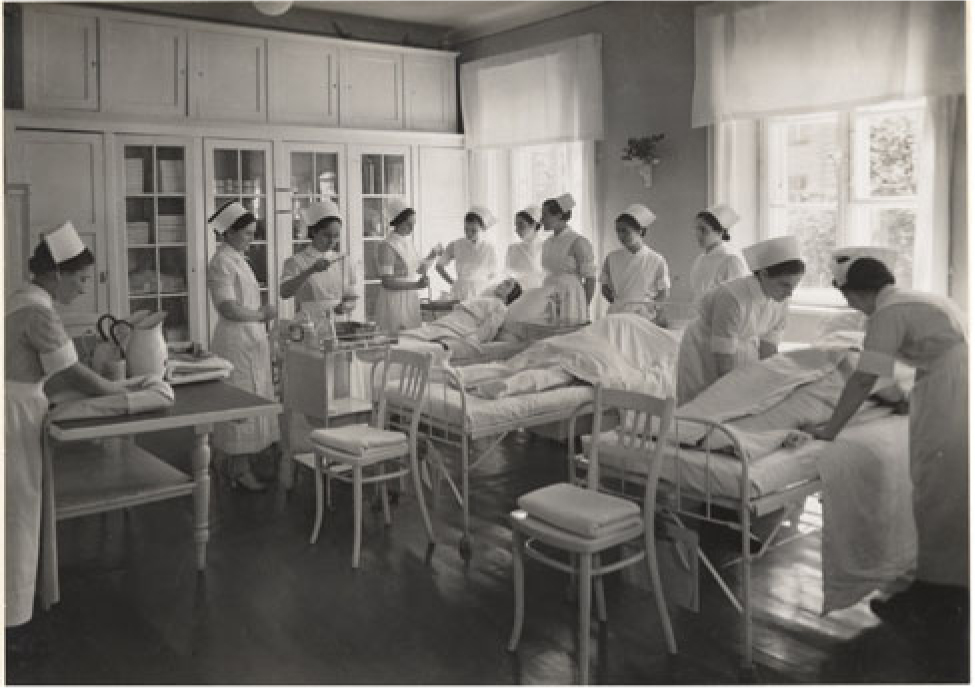
The JDC sent Syrkin’s plan for review to the most important actors in the field of nurses’ education in the United States, among them Prof. Nutting, Prof. Baker, Miss Lillian Wald,Footnote 19 and Miss Noyes, the director of nursing of the American Red Cross in Washington. The JDC also consulted Dr. Samuel Drushin, Alice Seligsberg, Miss Llombers, and Alice Dushkin, who were involved in the establishment of the nursing school in Palestine on November 1918 funded by the women’s Zionist American Organization, Hadassah (Bartal Reference Bartal2005). In a concluding meeting on the proposed Nurses’ Training school in Warsaw, the report submitted January 16, 1922, illuminated the main concepts of the JDC representatives regarding the profession of nursing and how it should be implemented among Jewish women in Poland (see Figure 1).
First, the initiative was a response to the establishment of a Nursing School in Warsaw by the American Red Cross in 1921, which did not accept Jewish students. “Because the doors of the ARC are closed for the time being to Jewish pupils, a school under Jewish auspices would have to be established if Jewish women are to be trained for this service” (AJDC n.d., 1). The purpose of the future school was “to produce graduates who, in the course of the time, would help materially to improve the standards of hospital service throughout Poland and … would be qualified to act as messengers of health and sanitation to the various cities and towns of that country” (ibid.). The desire was to primarily train public health nurses who would carry on education for the masses (ibid.). This aim went hand in hand with the ideas of preventive and social medicine promoted by TOZ, however, training public health nurses was exactly the focus of dispute between the various American agencies and American nurse leaders. The former pushed to educate women as public health nurses, but the latter opposed the separation between the role of public health nurse and bedside nurse (Knapik Reference Knapik1985, 48).
Demonstration room set up as a ward, School of Nursing at the Jewish Hospital, Warsaw, 1938. From the Archives of the YIVO Institute for Jewish Research, New York.

This point of dispute was expressed in the question about the duration of training. Due to costs and immediate needs of Jewish nurses, the JDC was interested in the shortest period of training as possible. Spending three years training like in the U.S. would be too long, but one year of training would be too short. The aim was to give Jewish women a respectable profession, and thus, “nursing – not being creative and at best only a subsidiary service – could never properly attain the dignity of a profession” (AJDC n.d., 3).Footnote 20 For a second opinion, the JDC sent the suggested program, which concluded that “the present three year course in the United-States is too long, and that it should be reduced to two years,” to Josephine GoldmarkFootnote 21 from the Rockefeller Foundation, who did a study about nursing education. Goldmark disagreed with the claim that “training for bedside nursing in acute disease can be adequately taught in a year, nor did she agree … that a year’s training in bedside work is sufficient basis for public health nursing” (Goldmark 1922).
Second, American nurses education served as a model: “It appears that fairly well-defined principles have been established in American nursing beyond any other country on the continent.” However, the JDC feared that such standards would be an obstacle in Poland and might awaken resentment among physicians. Relying on the experience in Jerusalem where “the doctors had been accustomed to implicit obedience and subservience on the part of the nurses and looked askance upon the comparative independence and initiative of the American nurses constituting the Palestinian Unit” (AJDC n.d., 4). While at the time doctors anywhere did not appreciate nurses who tried to assert themselves, the new American model tried to give much more professional authority to nurses, reflected both in their education and roles within hospitals and the community.
Third, and more specifically, the JDC wanted to adopt the model of the ARC school, whose function was “to prepare leaders who would develop the various fields of nursing in Poland” and to contribute towards public health nursing (ibid, 1–2). However, they did not want to adopt the Block System used at the ARC nursing school, in which nurses divide their work into alternating periods. They believed that because it was still experimental and applied only in Cincinnati, would be preferable to adhere to the more conventional curriculum in Syrkin’s plan. The JDC hoped for cooperation with the ARC school.
Embarrassed by the fact that Jewish students were not eligible to learn at her school, Miss Helen Bridge, the superintendent of the American Red Cross Nursing School in Warsaw offered common theory classes (Bercowitz 1922, 1). When asking non-Jewish students how would they feel about associating with Jewish girls at the training school, she was told that there is no antagonism since they study with Jewish girls at the university: “She hopes further that the degree of antagonism may be lessened and the breach gapped by combining at least the theory lectures of the two schools. This would also minimize the degree of duplication” (ibid., 2).
The entrance requirements of the future graduates of the Jewish Nursing School would become “the banner carriers of public health,” encompassing the following: perfect health, having at least six grades of high school, residence at the school for her entire studies, and commitment to serve for one year at a place designated by the school (paid). Preference was given to applicants from provincial towns, so they would return to their own communities that lack access to healthcare (Syrkin 1921a, 4). The school would be independent, having a board of trustees composed of two trustees of the hospital, a member of the medical board, and the superintendents of the school and the hospital. The Hospital used for teaching was required to have more than 200 beds and offer a variety of services. “Emphasis is placed upon the need for avoiding exploitation of the pupil nurses on the part of the hospital” (AJDC n.d., 5). The service should be eight hours (and not 12 as in the U.S.) and the student should serve not more than five patients in a day duty and ten in a night duty. The school was to be financially independent from a hospital (Syrkin 1921a, 4). Syrkin recommended opening the school in Warsaw at the Czyste Jewish Hospital in Warsaw, which was established in 1899 and was one of the largest and most advanced in Europe (Sokoloff Reference Sokoloff1992, 530),Footnote 22 with a bed capacity of 1,000 and a good professional staff of physicians. Its only disadvantage was that it had no pediatric department. The solution was to attend the Children’s Hospital on Slishka Street (Mayer Reference Mayer1996, 78).
The actual formation of the Jewish Nursing School took another two years, during which TOZ exerted constant pressure. On January 9, 1922, Syrkin sent a letter to the JDC regarding the nursing school. TOZ monitored two schools for the education of nurses and agreed that the director of the school had to be from the U.S. They urged the JDC to let them know what was going on.Footnote 23 On January 10, 1922, a letter was sent from the JDC to TOZ asking not to choose candidates for the nursing school until the nurses from the U.S. arrived, since it was important that the superintendent meet the candidates.Footnote 24 Another letter was sent from TOZ on January 24, 1922 regarding the same issue. This time, it informed the JDC offices in New York that due to inflation and the workers’ strikes in Poland, the money promised by the JDC ($10,500) had lost half of its value, and TOZ needed 75 percent of the sum instead of 50 percent for the construction of the facility.Footnote 25 Also, the construction of the second story for the school in a leased building of Czyste hospital was going at a slow pace. In March 1923, Dr. Leo Wulman and engineer E. Eber sent a letter to TOZ after visiting the facility at the request of Golub and noticed that nothing had been done there since their last site visit on February 19. They urged that the construction be finished before the return of Golub from Vienna.Footnote 26 Another letter was sent on March 7th complaining that aside from cleaning up the space, nothing was done (Wulman and Eber 1923).
For both the JDC and TOZ, it was clear that the selection of a superintendent was the most vital factor in success of the new nursing school.Footnote 27 A few names were offered with the main issues to include the following drawbacks no experience in managing a nursing school, refusal to move to Poland, inability to speak Yiddish or Polish, and lacking recommendations from coworkers. One experienced applicant was the American Miss Amelia Greenwald, who knew very little Yiddish and no Polish (Mayer Reference Mayer1994, Reference Mayer1996; Sokoloff Reference Sokoloff1993) Nevertheless, she became superintendent. She arrived in Poland in 1923 and the school was opened soon after in July 1923 (Mayer Reference Mayer1994, 75). In the first semester, out of 100 applicants for the first class, only 21 were accepted (Sokoloff 1995). The curriculum, translated to Polish, was based on that of the State of New York. However, the students had great difficulty understanding Polish since Russian had been the language of instruction in the gymnasium (prior to the Treaty of Versailles). This created the situation that Greenwald taught in English which was translated to Polish to students who thought in Russian (Mayer Reference Mayer1994, 76). Theoretical lectures were given by prominent physicians as well as another nursing instructor, Ruth Hoffmann, a graduate of Columbia University, who was also responsible for the practical training. Later, three British nurses were recruited: Miss Geary, Miss Donaldson, and Miss Elizabeth Lister, creating an interesting situation as they were not in full agreement with the American nursing system.
The school very quickly became a source of pride for the Jews in Poland, and in general was seen as a success in implementing progressive democratic American values.
I must say that I did not expect to find a Nurses Training School of such standards in Warsaw. The organization and management of this school resemble in every aspect the best schools which I had the opportunity of seeing in America: Not only that it has the same program, but the Superintendent of the school, Miss Greenwald, under most difficult circumstances, established wonderful discipline and harmonious cooperation between the nurses and students and has secured for them a high social position, similar to the position of Nurses in America. […] The Nurses Training School is of the greatest values for the public health, as there are hardly any trained nurses in Poland and well trained nurses are needed not only for the hospitals but also as district - and community nurses for the poor classes. (Strauss 1924, 1)
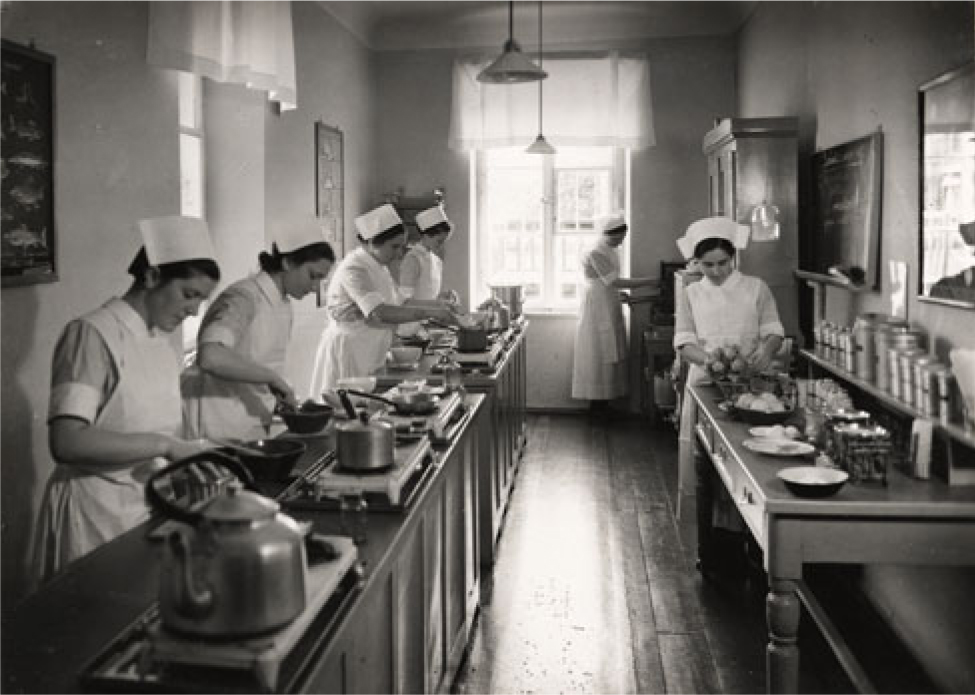
Upon completion of the program, graduates were given the title “Professional Nurse.” After taking the Nursing State Examination, they could be active members in the Polish Association of Professional Nurses. After one year of practice, they were given a diploma, which permitted them to work in civil service positions. They were required to work for the Jewish community for a period of five years (Mayer Reference Mayer1994, 77). In November 1925, the first class of 15 students graduated and future teaching faculty were chosen from this first class and sent to post-graduate courses to Germany and England. A board was created, including Sabine Schindlerowne, Lize Mirocznik, Nina Lubowaska, Ale Folebianke, and Luba Bielicka. Greenwald returned to the U.S. in 1926 and Sabina Schindlerowna (born in 1902 near Lvov) was chosen as the new director. She had graduated and studied two years in Berlin and at Columbia University. In June 1927, at the International Exhibition of Hygiene and Sanitation, in Warsaw, the school was given a gold medal for public health work (Mayer Reference Mayer1994, 77). The Jewish school of nursing was also decorated for its standards by the Division of Public Health of the League of Nations (see Figure 2).
Dietetics Laboratory, School of Nursing, Jewish Hospital, Warsaw, 1939. From the Archives of the YIVO Institute for Jewish Research, New York.

According to the School’s Report, after 14 years of activity, the school had 245 graduates: five were working in the school itself, 79 in the Jewish hospital, 12 in the city orphanage, two in the children’s hospital, eight in private institutions, nine in public health centers in Warsaw, four in school hygiene, 16 in hospitals and public health centers in the provinces, two in a psychiatric hospital, 49 in private nursing, 39 emigrated (mainly to Palestine), 18 were not working, and two passed away.Footnote 28
Although TOZ was one of the main driving forces in the establishment of the Jewish Nursing School in Warsaw, it lost its control with the arrival of Greenwald. The school sustained itself from students’ tuition, support of the city council, and contributions of the JDC.
The Jewish nursing school in Vilna – A counter example?
The role of the nurse embodies three cardinal points: 1. to create a hygienic surrounding for the patient, a nurse perform her duties under the most primitive conditions; 2. she should notice every change in the patient, the exact nature of the change, and she should correctly report to the physician; 3. she needs to manage all the techniques and emply them until the physician arrives. These are the three demands from the nurse’s work.Footnote 29
The situation in Lithuania after World War I was different from that in Poland. With Vilna being under Polish rule from April 1919, Kaunus, which had no proper infrastructure, became temporarily the capital. The majority of refugee Lithuanian Jews were trapped in the Russian region. Healthwise, according to the JDC report, the situation in postwar Lithuania was better than in Poland: there were 100 Jewish physicians, namely one physician per 1,000 Jewish inhabitants in comparison to Poland, where there was one physician per 3,000 Jewish inhabitants. The problem was that the majority of the population were living in the big cities and not in the provinces, so the inhabitants of the provinces had no access to medical care.Footnote 30
The branch of OZE, which later became TOZ and was formally founded at the end of 1918 in Vilna by physicians Tsemakh Shabad and Abram Makover, very quickly became a significant center for the organization’s activities in the reconstruction of Jewish life (Rafes et al. Reference Rafes, Epstein and Sedlis1999, 77). Many of the institutions established in Vilna such as the first drop of milk station, orphanage, and Jewish nursing school, became a model for other cities. Vilna was also the location of the editorial board of the popular health journal periodical in Yiddish of OZE-TOZ, Folksgezunt (People’s Health), founded in January 1923.
According to the survey of the JDC, dispensaries and health centers were needed in Lithuania. “In each of the dispensaries, two nurses should be placed, one to assist the physician and the other one to be engaged exclusively in community nursing. These nurses would have to be maintained by the JDC for at least one year in order to sufficiently demonstrate their usefulness to the Jewish community. The Kehila [the leadership of the Jewish community] would provide for their maintenance the second year and thereafter.”Footnote 31 As in Poland, trained Jewish nurses were not found in Lithuania. Those employed in connection with the Jewish hospitals and existing Ambulatoria were only practical nurses or those who received some training during the war. The lack of nurses, especially public health workers, was very much felt in the country. According to the JDC reports:
OZE was interested in establishing a school by the Jewish hospital in Vilna for training bedside and public health nurses. A fund should be set aside for managing such a school, which will prove very useful in promoting better health standards among the Jewish people as well as developing the entire health program planned.Footnote 32 The Jewish hospital in Vilna had all the essential services necessary for the experience for nurses undergoing professional training. The nurse training planned was that of two years for 25 to 30 nurses.Footnote 33
The budget allocated for 2 years was $25,000.Footnote 34
However, the first nursing school for Jewish women was established in Vilna and not in Kovno as an initiative of the local Jewish physicians and not the JDC representatives. It was Vilna where the Jewish community, especially as expressed in its medical aspects with people such Shabad, were very strong and active in developing new medical and public health initiatives. Aware of the importance of health, and enabling girls to pursue a profession, Shabad together with Dr. Herz Kowarski organized the first nursing school in the world where Yiddish was the language of instruction. The JDC assigned $5,000 for a Nurse Training School in Vilno, which was to be completely under the administration of the TOZ.Footnote 35
The training school for nurses opened in Vilna in 1922, offering a two-year course and a one-year course. The conditions were very harsh. The school had no dormitories nor its own builidng and the didactics classes were given during the first six months at night in a rented high school, followed by 18 clinical months that were held in the Jewish hospital. The director of the school was female physician Dr. Szejnkier and the teachers were members of the medical staff including Dr. Idelson-Mezem, Dr. A. Luba, Dr. Shadawsky, Dr. A. Glabos, Dr. Biber, Dr. Weinstien, Dr. Neuson, Dr. Baranawsky, and Dr. Gershewitz. At that point, the nursing diploma was recognized by the Lithuanian government.
The training program included: anatomy, pathology and physiology, bacteriology, children care, children diseases, internal diseases, contagious diseases, women diseases and gynecology, skin and venereal diseases, throat-nose and ear diseases, hygiene of individuals and collective, diet, school hygiene, psychology of the child and pedagogy, neurology and psychiatry, and games of movement. The students practiced in ambulatory medicine, mother and child health, infants home, tuberculosis dispensary, eyes-ears-nose-throat, surgery, skin and venereal disease, women’s diseases, school hygiene, the children’s hospital and in the department of newborn, internal hospital department, women psychiatry, and in the operating room. The graduates of the Vilna Jewish Nursing school worked in Jewish elementary schools and at medical institutions such as ringworm and favus clinics, x-ray rooms, dispensaries and drop of milk stations all over Lithuania (Rafes et al. Reference Rafes, Epstein and Sedlis1999, 16). Four of the graduates worked in school hygiene and in “health propaganda.” From 1924, they visited schools and educated the pupils and their parents on principles of hygiene. They also made home visits to houses of sick and healthy children to inspect their living conditions and talk to parents.Footnote 36 The majority found jobs in Jewish institutes in Poland and abroad.Footnote 37
The school was short-lived. Due to the fact that the students did not pay tuition and that the JDC did not provide long-term support, it was closed down after the first class graduated in 1924 with 34 graduates. The school was reopened in March 1932 with the enrollment of 60 students for the two-year course and 19 for the one-year course.Footnote 38 How did they manage to do so? During this period, the financial situation was even worse than in 1922. The JDC cut its support, and because of a recession, there were high unemployment rates among Jewish youngsters. The school opened two departments. One was for hygienic nurses who were trained for one year and were supposed to be working in children’s stations and school hygiene. The second department was a two-year course for trained nurses who would later work in hospitals and ambulatories.
This time, TOZ had to accommodate a new law according to which the students must be in dormitories and have an emphasis on practical training of 2.5 years.Footnote 39 The candidates were heterogeneous: some studied in Polish schools and others in Yiddish, Hebrew, and Russian schools. To overcome language barriers, language classes were given in Yiddish and Polish. The curricula were based on the nursing education program used all over Poland; however, since there was no unified curriculum in the five existing nursing schools in Poland, TOZ had to improvise. The main problem was the lack of books: there was no Polish textbook designated for nurses. Therefore, the first task was to produce textbooks for the school. The books were produced with the investment of 2,000 Gilden and included topics on: infectious diseases, anatomy, bacteriology, gynecology, diet, skin and venereal diseases, general hygiene, social hygiene, surgery, nose-throat and eyes, neurology, psychology, pathology, pharmacology, children’s care, children diseases, nursing, x-ray, and physical therapy.Footnote 40 In addition to language instructors, there were 26 lecturers in total, who were physicians that worked in the hospital and gained experience in hygiene issues. The other question was the affiliation to a Jewish hospital. Since Vilna was not a large metropolitan center and did not have a large Jewish hospital, as in Warsaw, the students did their practical training in all the Jewish medical facilities in town. The school was financed by the students’ tuition: 20 Gilden per month. However, only a few could pay tuition in full, which in total covered only 5 percent of the schools’ expenses. This put the school in deficit, which was not covered by any fund.
There was also the issue of the eligibility of the nurses to work in governmental medical facilities. According to the legislation of the time, since the school was private, the graduates could work only in Jewish facilities. It was hard to get a paying job as a Jewish nurse. Still, the profession had an important role in improving the hygiene of the Jewish community. In the first two years of the reopened school, 60 students graduated from the two-year course and 19 from the one-year course.Footnote 41 Fifteen students from the first graduating class found a paid job either in Jewish medical facilities or as private nurses. Four found a job in Palestine.Footnote 42
The graduates raised the sanitary level of the Jewish population through the propagation of hygiene practical work and principles. The training of nurses in Yiddish enabled them to communicate and treat Jews who only spoke Yiddish and could reach the masses. A core curriculum of 77 books and more than 1,200 pages was produced in Yiddish for nursing education.
Conclusion
Jewish nursing education developed in Poland as a direct outcome of the need for Jewish nurses to occupy new medical facilities, which were created by TOZ and the JDC in order to promote a new emerging field of preventive and social medicine. The need for nurses on the one hand, and the need for new occupations for young Jewish women on the other hand, made nursing education a relevant and attractive profession when compared to Jewish communities in Western European countries. But what about nursing as a gendered occupation? Becoming a professional nurse enabled the young Jewish woman to be economically independent and to integrate into the general Polish society. Nevertheless, the development of Jewish nursing education was dependent on local conditions and particularities. A different evolution of Jewish nursing education took place in Vilna and Lithuania, different sites for TOZ and JDC activities, reflecting also the complicated interactions between the two organizations and more broadly reflecting the tensions between the local need for international collaboration. The differences between these two schools reflected these tensions.
The nursing school in Warsaw began as an initiative of TOZ and soon became solely the project of the JDC, while the nursing school in Vilna was under the administration of TOZ during all of its existence. The nursing school in Warsaw followed the American model in which the school was independent and not affiliated with a hospital. It was based on a relatively high autonomy of the nurse, offering a broader medical education and better working conditions. The instruction language in the Warsaw nursing school was Polish, while the instruction language in Vilna’s nursing school was Yiddish. Whereas the superintendent in the Warsaw school was American, the instructors in the Vilna school were local physicians. The perspective of the school in Warsaw was to enable the graduates to assimilate into the Polish general public health system by ensuring their eligibility to take state exams and gain state diplomas. The emphasis of the nursing school in Vilna was to produce trained Jewish nurses to serve Jewish medical facilities, mainly those run by OZE. These substantial differences were due to the influence of the local context, the local activists, and the position of OZE-TOZ, as well as the different circumstances of the Jews in Lithuania who were granted wider autonomy in various fields, including public health.Footnote 43
Often some of the initiators and volunteers of these organizations had their roots in Europe being children of migrant families who had come to the United States one or two generations earlier, so the countries they were engaged in were not entirely unknown to them. Yet although the roots of both American Jewish and Eastern European health professionals were similar, as presented in our article, there were some significant differences between them; moreover, they, at times, sought to differentiate themselves from each other.
The result of the minimal support that the JDC gave to the nursing school in Vilna, led to its closing after only two years of activity. It reopened ten years later in 1932 to remedy both the need for Jewish nurses and also the need to offer employment to Jewish young women in Lithuania. The precarious situation of nursing schools as it is described in this paper is typical not only for nursing schools but for educational institutions for women in general. The case study of promoting Jewish nursing education during the interwar period in Eastern Europe enables us to better understand the movement of ideas, peoples, and practices related to ideas of health, gender, professionalization, and minorities’ health. The role of nurses in furthering public health on one hand, and of changing gender ideals within Jewish society, deserve further study.
Nadav Davidovitch is a public health physician and historian of public health. He is Professor and Director, School of Public Health at the Faculty of Health Sciences, Ben-Gurion University of the Negev, Israel. His current research deals with health policy; health inequities; vaccination policy; health and immigration; environmental health and public health history and ethics. Prof. Davidovitch authored or co-authored over 130 papers and book chapters, co-edited 6 volumes and books. Among his recent publications: Bioethics and Biopolitics in Israel (Co-editor, Cambridge University Press, 2018).
Rakefet Zalashik is a historian of history of medicine, German studies, and Israel studies. She is a researcher in the School of Social and Political Sciences at the University of Edinburgh. Health Sciences, and Ben-Gurion University of the Negev, Israel. Her research deals with combat trauma, health and migration in Israel and Europe, and the history of bioethics. She has authored and co-authored over 50 papers and book chapters, co-edited 5 volumes and books. Among her recent publications are “Medical Welfare in Interwar Europe. The Collaboration between JDC and OZE-TOZ Organizations, “in: Avinoam Patt, Atina Grossmann, Linda Levi and Maud Mandel (eds.). The JDC at 100: A Century of Humanitarianism. Wayne State University Press. pp. 21-39, and “The shadow of the Holocaust and the Emergence of Bioethics in Israel,” in Wiener Klinische Wochenschrift, 130, S183-S186 (2018).