Summations
-
∙ The review provides an insight into identifying the neuroplasticity genes that are responsible for the disruption of signalling pathways in psychiatric disorders that might be potentially relevant for the effects of transcranial direct current stimulation (tDCS).
-
∙ tDCS-induced cortical excitatory and neuroplastic changes are brought to the front, because there is an increased assessment of tDCS for schizophrenia treatment (even in treatment refractory patients), despite the debated mechanism of action of tDCS.
-
∙ Of the genes implicated in plasticity, BDNF and COMT interaction studies with tDCS have been reviewed; however, there is spars literature to obtain definitive conclusions.
Consideration
-
∙ Despite the emerging promising effects of tDCS treatment in psychiatric disorders, compelling observations to support aberrant neuroplasticity in several psychiatric disorders and robust evidence to support plasticity-modulating effects of tDCS, very few research studies have examined the potential relationship of neuroplasticity genes with the effects of tDCS in psychiatry. This is an important area that requires further systematic research to yield potential translational implications.
Introduction
tDCS is a non-invasive neuromodulatory brain-stimulation technique (Reference Hahn, Rice, Macuff, Minhas, Rahman and Bikson1,Reference Nitsche and Paulus2) that delivers low-intensity, direct current to cortical areas facilitating or inhibiting spontaneous neuronal activity (Reference Krause, Marquez-Ruiz and Kadosh3). Although published studies report improvements in clinical and cognitive symptoms in various neuropathological and psychiatric illnesses, the mechanism by which tDCS impacts neural networks is not well-delineated and this requires thorough systematic research (Reference Krause, Marquez-Ruiz and Kadosh3).
tDCS and neuroplasticity: schizophrenia
tDCS has recently received interest as an emerging add-on treatment modality, especially for schizophrenia patients who have persistent auditory hallucinations even after adequate treatment with antipsychotic medications (Reference Agarwal, Shivakumar and Bose4). Its clinical utility has been demonstrated to a lesser extent for the treatment of negative symptoms (Reference Brunoni, Shiozawa and Truong5,Reference Narayanaswamy, Shivakumar, Bose, Agarwal, Venkatasubramanian and Gangadhar6). tDCS involves the passage of a weak, direct current that flows between electrodes placed over the scalp with resultant polarity-specific changes in neuronal excitability. The anodal stimulation increases and the cathodal stimulation decreases the neuronal excitability, possibly due to sub-threshold polarity-specific depolarisation or hyperpolarisation, respectively, of neuronal membranes. In schizophrenia, tDCS can be potentially effective in reducing auditory hallucinations by decreasing hyperactivity of the temporo-parietal junction (Reference Brunelin, Mondino and Gassab7). Indeed, pilot studies have demonstrated significant clinical improvement with tDCS, with respect to auditory hallucinations (Reference Brunelin, Mondino and Gassab7–Reference Shivakumar, Bose and Rakesh9), negative symptoms (Reference Narayanaswamy, Shivakumar, Bose, Agarwal, Venkatasubramanian and Gangadhar6,Reference Brunelin, Mondino and Gassab7) and insight into the origin and reality of these psychotic experiences (Reference Bose, Shivakumar and Narayanaswamy10). Moreover, in these preliminary findings, the results seem to have a large effect size and the benefits lasted for sufficient duration, which makes them potentially clinically relevant (Reference Brunelin, Mondino and Gassab7). Recently, it has been shown that the improvement in auditory hallucination severity may be due to adaptive modulation of neuroplasticity (Reference Nawani, Bose and Agarwal11,Reference Nawani, Kalmady and Bose12).
Neuroplasticity, the ability of the human brain to actively grow and change itself, has been a path-breaking revelation in the field of neuroscience (Reference Kandel and Pittenger13,Reference Kandel14). Alterations in this fascinating neurobiological phenomenon have been used as a framework to understand complex psychiatric disorders such as schizophrenia (Reference Sibille15,Reference Voineskos, Rogasch, Rajji, Fitzgerald and Daskalakis16). Schizophrenia is increasingly being understood as a disorder of disrupted neuroplasticity (Reference Voineskos, Rogasch, Rajji, Fitzgerald and Daskalakis16,Reference Balu and Coyle17). The biology of neuroplasticity and how it interacts with the disease process in schizophrenia have been the focus of much of the recent work, as the most influential molecular determinants of neural plasticity also have relevance for the pathophysiology of schizophrenia. The important genes among the determinants of neuroplasticity with functional significance in schizophrenia are disrupted-in-schizophrenia 1 (DISC1) (Reference Nakata, Lipska and Hyde18), neuregulin 1 (NRG1) and ErbB4 signalling pathway (Reference Bailey, Bartsch and Kandel19), dystrobrevin binding protein 1 (dysbindin) (Reference Balu and Coyle17,Reference Guo, Sun, Riley, Thiselton, Kendler and Zhao20,Reference Alizadeh, Tabatabaiefar, Ghadiri, Yekaninejad, Jalilian and Noori-Daloii21), V-akt murine thymoma viral oncogene homolog 1 (AKT1) (Reference Desbonnet, Waddington and O’Tuathaigh22), brain-derived neurotrophic factor (BDNF) (Reference Jonsson, Edman-Ahlbom and Sillen23) and the N-methyl-d-aspartate (NMDA) receptor (Reference Allen, Bagade and McQueen24). A majority of genetic links, their molecular products and their interactions converge towards glutamate signalling, GABA (gamma aminobutyric acid) and its receptors, the dopamine system and the cell migration and neuronal development pathways (Reference Balu and Coyle17). Further, dorsolateral prefrontal cortex (DLPFC)-mediated executive functions deficits that are universally reported in schizophrenia have been conceptualised as markers of deficit in neuroplasticity, as neural mechanisms associated with working memory are also closely related to those governing neural plasticity (Reference Voineskos, Rogasch, Rajji, Fitzgerald and Daskalakis16). Studies using non-invasive brain stimulation techniques such as transcranial magnetic stimulation (TMS) and tDCS have shown the presence of plasticity deficits in schizophrenia patients as well as their unaffected first-degree relatives (Reference Hasan, Misewitsch and Nitsche25–Reference Hasan, Wobrock, Rajji, Malchow and Daskalakis27). These findings suggest that aberrant cortical plasticity may be an inheritable trait, and possibly a biomarker, for schizophrenia.
tDCS and neuroplasticity: other psychiatric disorders
Recently, tDCS has been studied with various psychiatric disorders and has shown encouraging preliminary observations. It has been studied as a potential therapeutic treatment for depression (Reference Loo, Alonzo, Martin, Mitchell, Galvez and Sachdev28–Reference Ferrucci, Bortolomasi and Vergari30), alcohol craving and dependence (Reference Klauss, Penido Pinheiro and Silva Merlo31–Reference da Silva, Conti and Klauss33) and anxiety disorders (Reference Shiozawa, Leiva and Castro34,Reference Narayanaswamy, Jose and Chhabra35), apart from schizophrenia where tDCS has been in active use for treatment of auditory verbal hallucinations (Reference Brunelin, Mondino and Gassab7). tDCS application is now being explored in the treatment of dementia as well (Reference Ferrucci, Mameli and Guidi36). All the above-mentioned psychiatric illnesses have shown to have aberrations in neuroplasticity (Reference Knable, Barci, Bartko, Webster and Torrey37,Reference Spedding, Neau and Harsing38). A single recent study by Player et al. (Reference Player, Taylor and Weickert39) showed that neuroplasticity was increased after 13–21days of tDCS (2–2.5 mA for 20–30 min) in depressive patients. tDCS treatment led to significant mood improvement, but overall did not correlate with improved neuroplasticity. tDCS and alcohol craving inhibition is a new area of study. Studies with tDCS have reported positive outcomes, paving way for streamlining of the tDCS protocol in this area. Being in the exploratory phase of tDCS, not many studies are focussed on the underlying neuroplasticity changes brought about by tDCS. Of the limited studies, da Silva et al. (Reference da Silva, Conti and Klauss33) have examined the effects of repeated anodal tDCS (2 mA, 35 cm 2.20 min) over the left DLPFC on relapse to the use of alcohol in alcoholics in a sham-control setting. They reported that, when compared with the sham tDCS group, active tDCS was able to block the increase in neural activation triggered by alcohol-related and neutral cues in the prefrontal cortex (PFC) as indexed by event-related potential. Further studies exploring links with the biology of neuroplasticity are required in this area.
Disparate lines of evidence support the role of modulation of neuroplasticity as one of the key mechanisms underlying the beneficial effects of tDCS. For example, observations from magnetic resonance spectroscopy studies have implicated reduction of GABA (inhibitory neurotransmitter) through anodal tDCS and reduction in glutamate levels (excitatory neurotransmitter) through cathodal tDCS (Reference Krause, Marquez-Ruiz and Cohen Kadosh40). Findings from animal studies have related the direct current effects to acute and lasting changes of neuronal activity and have implicated NMDA in long-term potentiation (LTP) of motor cortex through anodal tDCS (Reference Fritsch, Reis and Martinowich41,Reference Bikson, Inoue and Akiyama42). In this context, emergent findings also indicate glutamate-dependent LTP-like plasticity changes induced by tDCS stimulation (Reference Krause, Marquez-Ruiz and Kadosh3,Reference Hasan, Nitsche and Rein43). It is noteworthy that prolonged passage of current for sufficient duration to brain areas can lead to lasting changes in neuronal excitability of those areas (Reference Nitsche, Liebetanz, Lang, Tergau and Paulus44,Reference Nitsche and Paulus45). The applied external electric field modulates transmembrane potential differences by altering the concentration of intracellular ions across synapses, thereby modifying spike firing probability (Reference Krause, Marquez-Ruiz and Kadosh3) inducing time-bound neuroplastic changes.
Studies thus far suggest that tDCS-induced LTP is mediated through changes in various neurochemical levels. In relation to this, few animal studies have been reported. A rat model of cerebral infarction demonstrated that tDCS intervention from day 7 to day 14 after stroke improved motor function and downregulated peroxidase (PX1) mRNA expression after stroke (Reference Jiang, Xu and Zhang46). In an ischaemic rat model, immunohistochemical staining showed that the early tDCS treatment reinforced notable MAP-2 (microtubule-associated protein 2) expression, and the late treatment group had enhanced levels of mainly GAP-43 (growth-associated protein 43) in both the peri-lesional and contra-lesional cortex (Reference Yoon, Oh and Kim47). Extending further, c-fos and zif268 (zinc finger protein 225) (egr1/NGFI-A/krox24) are strongly implicated in schizophrenia (Reference Kimoto, Bazmi and Lewis48,Reference Vaisanen, Ihalainen, Tanila and Castren49). tDCS on rat brain slices showed that c-fos and zif268 were rapidly induced following neuronal activation, and increased zif268 expression played an important role in the induction and maintenance of LTP (Reference Ranieri, Podda and Riccardi50).
Aims of the study
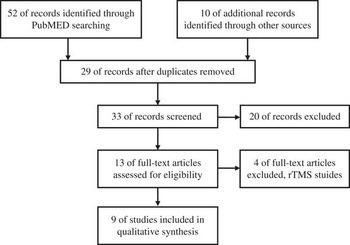
This review attempts to summarise the literature pertinent to neuroplasticity modulation by tDCS and to identify the potential path it might lay to provide insights into the genetic correlates of tDCS response in psychiatric disorders. In addition, the aim of this review was to suggest the potential usefulness of non-pharmacological treatments in the optimisation of ‘pharmacogenetic’ investigation strategies, focussing mainly on tDCS. The relevant literature was obtained through PubMed (search till September 2014) using the following keywords: tdcs[All Fields] AND (‘genotype’[MeSH Terms] OR ‘genotype’[All Fields]) -7; tdcs[All Fields] AND (‘polymorphism, genetic’[MeSH Terms] OR (‘polymorphism’[All Fields] AND ‘genetic’[All Fields]) OR ‘genetic polymorphism’[All Fields] OR ‘polymorphism’[All Fields]) -10; tdcs[All Fields] AND (‘genes’[MeSH Terms] OR ‘genes’[All Fields] OR ‘gene’[All Fields]) -20; (direct[All Fields] AND (‘Current’[Journal] OR ‘current’[All Fields]) AND stimulation[All Fields]) AND (‘polymorphism, genetic’[MeSH Terms] OR (‘polymorphism’[All Fields] AND ‘genetic’[All Fields]) OR ‘genetic polymorphism’[All Fields] OR ‘polymorphism’[All Fields]) -15; (‘schizophrenia’[MeSH Terms] OR ‘schizophrenia’[All Fields]) OR (‘psychiatry’[MeSH Terms] OR ‘psychiatry’[All Fields])AND (‘neuronal plasticity’[MeSH Terms] OR (‘neuronal’[All Fields] AND ‘plasticity’[All Fields]) OR ‘neuronal plasticity’[All Fields]) -767 (papers selected relevant to gene polymorphism and neuroplastic defects). From these articles identified through PubMed search, relevant cross references were identified (Fig. 1).
Schematic overview of the selection of articles.

tDCS, cortical excitability and neuroplasticity
Despite its increasing use in experimental and clinical settings, the cellular and molecular mechanisms underlying tDCS are yet to be established definitively. Elucidating the properties and foundations of neuroplasticity has been an area of important focus in current activities of brain research (Reference Nitsche, Liebetanz, Lang, Tergau and Paulus44). Based on scientific documentations, recently it has been hypothesised that tDCS alters neuronal excitability and motor performance (Reference Krause, Marquez-Ruiz and Cohen Kadosh40). Physiological after-effects of tDCS also appear to be associated with LTP (Reference Liebetanz, Nitsche, Tergau and Paulus51–Reference Goodwill, Reynolds, Daly and Kidgell53).
The neuroplasticity-modulating effects of tDCS can be determined by measuring the activation of brain areas through the variation in the cortical excitability in the electrode underlying areas and those nearby. tDCS provides current non-invasively and painlessly to induce focal, prolonged but yet reversible shifts of cortical excitability (Reference Nitsche and Paulus45,Reference Nitsche, Fricke and Henschke52). However, the excitability changes are not reported when the current stimulation is of short duration (4 s), as reported in studies that utilised pharmacological design to monitor tDCS-induced cortical changes (Reference Nitsche, Liebetanz, Lang, Tergau and Paulus44,Reference Liebetanz, Nitsche, Tergau and Paulus51). Repeated tDCS within a specific time window is able to induce LTP-like plasticity in the human motor cortex (Reference Monte-Silva, Kuo and Hessenthaler54).
A growing body of evidence supports the effects of tDCS on cortical excitation with and without cognitive task performance. The studies either reported anodal or cathodal stimulation effects or both. Working memory was found to be influenced by tDCS, as evidenced by improved performance in a three-back sequential-letter working memory task during anodal stimulation of the left DLPFC (Reference Goodwill, Reynolds, Daly and Kidgell53,Reference Fregni, Boggio and Nitsche55). In addition, tDCS has been shown to induce neuroplasticity in healthy individuals (Reference Antal, Paulus and Nitsche56), and specific anodal tDCS has been shown to induce LTP-like plasticity (Reference Nawani, Kalmady and Bose12,Reference Monte-Silva, Kuo and Hessenthaler57). Applying large electrode anodal tDCS causes amplitudes of motor-evoked potential (MEP) components to decrease significantly, whereas it causes those of early somatosensory-evoked potential components (N20 and P25) to increase (Reference Kirimoto, Ogata, Onishi, Oyama, Goto and Tobimatsu58). A sham-control study (Reference Kidgell, Goodwill, Frazer and Daly59) reported significant improvements in motor function following unilateral and bilateral stimulation when compared with sham stimulation immediately after 30 and 60 min. Finally, a study on regional cerebral blood flow (rCBF) demonstrated that real tDCS increased rCBF in specific brain areas compared with sham and this persisted for up to 50 min after the end of tDCS (Reference Venkatakrishnan and Sandrini60). Similar findings, such as anodal tDCS increasing rCBF in sub-cortical brain regions compared with cathodal tDCS, have also been shown (Reference Lang, Siebner and Ward61).
In addition, the impact of tDCS on cortical excitability can also be measured by tracking the brain functional connectivity changes. Preliminary evidence for tDCS-induced neuroplastic alterations that might be related to functional connectivity changes in the human brain has been shown recently (Reference Polania, Paulus, Antal and Nitsche62). A study was also performed on motor rehabilitation with tDCS (Reference Khan, Hodics, Hervey, Kondraske, Stowe and Alexandrakis63). In this study, tDCS was installed with functional near-infrared spectroscopy that provided insight into the neuroplasticity changes through modulation in functional connectivity in relation to modulated muscle output. Further, in healthy individuals, application of anodal tDCS over DLPFC with cathode over contra-lateral supraorbital area was used to examine the dynamic interactions within and across intrinsic resting-state networks before and after stimulation. The results revealed a re-distribution of activity across resting-state networks (Reference Hunter, Coffman, Trumbo and Clark64,Reference Pena-Gomez, Sala-Lonch and Junque65).
Genetic variations within BDNF and COMT genes and the impact of tDCS
Genetic variation is one of the major factors that play a determining role in the response of the brain to injury and diseases (Reference Prathikanti and Weinberger66,Reference Weaver, Portelli, Chau, Cristofori, Moretti and Grafman67). As already stated above, genes related to neuroplasticity seem to be critical in the pathogenesis of schizophrenia. In recent studies, two important neuroplasticity-modulating genes were identified that are significantly linked with schizophrenia pathogenesis – BDNF and COMT (Reference Nieto, Kukuljan and Silva68–Reference Yang, Zhu, Li, Zhang and Li71). In this respect, BDNF and COMT have been evaluated to assess the impact of tDCS and how the response improvement is influenced by genetic variations within these genes.
It has been shown that the BDNF genotype might have a significant effect on the neuroplasticity effect of tDCS. For instance, in a study that examined the potential effects of BDNF polymorphism on the neuroplasticity effects of tDCS, it was observed that the carriers of the Val66Met allele displayed enhanced plasticity for facilitatory tDCS as well as for inhibitory tDCS (Reference Antal, Chaieb and Moliadze72). A study has been conducted on adult mice M1 brain slice carrying a forebrain-specific deletion of the BDNF gene to demonstrate the tDCS interaction (Reference Fritsch, Reis and Martinowich41). Current was applied in parallel to the vertical M1 fibres (0.75 mV/mm for 15 min), but before tDCS few slices were incubated in CSF containing the BDNF scavenger for 1.5 h. Brain slices with deletion in the BDNF gene exhibited no synaptic potentiation, whereas slices without gene deletion displayed intact tDCS-LTP (transcranial direct current stimulation induced long-term potentiation). However, after incubation with the BDNF scavenger, tDCS-LTP was abolished in the later slices, suggesting activity-dependent BDNF secretion during tDCS. Further expanding the study, healthy human individuals received anodal tDCS or sham tDCS targeting the left M1 hand knob and cathode over the contra-lateral forehead. It was suggested that genotype×stimulation interaction was not significant and anodal tDCS may induce a facilitatory effect on BDNF-dependent motor skill learning in both genotypes (val/val or val/met).
Despite the positive correlation between BDNF and tDCS, tDCS after-effects were reported not to be influenced by the BDNF polymorphism when studied with before and up to 24 h after 20 min of cathodal tDCS following single- and paired-pulse TMS-induced cortical excitability (Reference Di Lazzaro, Manganelli and Dileone73). The study examined the thresholds for MEPs, short-interval intra-cortical inhibition and intra-cortical facilitation and did not find any difference in relation to polymorphism, but stated that 20-min tDCS was capable of inducing a long-lasting suppression of the excitability of the human motor cortex. This finding was replicated by Brunoni et al. (Reference Brunoni, Kemp and Shiozawa74) intensively by investigating interactions of tDCS and BDNF as well as the role of its alleles as the genetic predictor for major depressive disorder (MDD). It was found that not BDNF but the 5-HTTLPR polymorphism was associated with treatment response. On the same note, many recent reports have been published on healthy individuals, suggesting once again that no correlation exists between tDCS response and BDNF Val66Met interaction. Fujiyama et al. (Reference Fujiyama, Hyde and Hinder75) performed a study to compare the extent and time course of anodal tDCS-induced plastic changes (10, 20, 30 min, 1 mA true or sham current) in the primary motor cortex (M1) in young and older adults also assessing BDNF polymorphism interaction. The study reported that tDCS-induced plastic changes were delayed as a result of healthy aging (30 min significant change in excitability), but that the overall efficacy of the plasticity mechanism remained unaffected. In addition, BDNF Met allele did not result in significant differences in excitability increases for either age group. Similar to the study by Di Lazzaro et al. (Reference Di Lazzaro, Manganelli and Dileone73), MEPs were taken into account to report the effect of the BDNF Val66Met polymorphism on the after-effects of tDCS (Reference Teo, Bentley and Lawrence76). This study indicated that both Met66Met and Val66Met carriers produced a late facilitation of MEPs following recording under stereotaxic guidance for 90 min after 9 min of anodal tDCS. The study clearly rules out any specific role of the BDNF Val66Met polymorphism.
Although the focus of gene X tDCS interaction studies have mainly been on BDNF, a recent study has reported that in COMT Met/Met allele carrier anodal tDCS on the DLPFC was associated with a deterioration of set-shifting ability, assessed by the most challenging level of the parametric Go/No-Go task (Reference Plewnia, Zwissler, Langst, Maurer, Giel and Kruger77). The study also suggested that the individual genetic profile may contribute to modulate the behavioural effect of tDCS.
Discussion
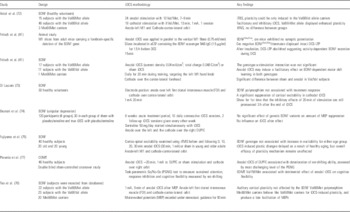
Recently, tDCS has gained renewed interest as a potential therapeutic technique. There have been increased optimised applications of late; however, a definitive understanding of the mechanism of action is still in the juvenile state. In this context, the neuroplastic change hypothesis is being appreciated widely. This notion could empirically be tested by studies involving genes that are primarily known to modulate synaptic plasticity changes for LTP. Apart from the tDCS studies mentioned above (Table 1), similar studies have been conducted with varied models of transcranial stimulation, and these studies have also highlighted the important role played by genetic variation on treatment response.
Summary of studies examining the effects of neuroplasticity genes on tDCS response

BDNF, brain-derived neurotrophic factor; DLFPC, dorsolateral prefrontal cortex; LTP, long-term potentiation.
The emerging trend of using tDCS in the clinical setting, especially for treatment of psychiatric disorders (add-on or therapeutic), has highlighted the necessity to investigate the disrupted neuroplasticity hypothesis of these disorders (Reference Voineskos, Rogasch, Rajji, Fitzgerald and Daskalakis16,Reference Balu and Coyle17). In addition, there is a need to investigate the role played by genetic insults to dynamic network connectivity signalling cascades associated with cognitive disruption (Reference Arnsten, Paspalas, Gamo, Yang and Wang78) in psychiatric disorders. The altered neuroplasticity and multiple risk genes that are known to be involved in the pathogenesis of various mental illnesses are the putative neuroplasticity-regulating genes (DISC1, neuregulin/ErbB4, dysbindin, Akt1, BDNF and the NMDA receptor) (Reference Balu and Coyle17,Reference Chakravarty, Felsky and Tampakeras79). These risk genes have been studied to answer how alterations in their expressions may contribute to the dys-connectivity observed in these illnesses. Furthering the genetic link in schizophrenia, Greenwood et al. (Reference Greenwood, Light, Swerdlow, Radant and Braff80) revealed ERBB4 (encode receptor tyrosine-protein kinase erbB-4), GRID2 (encode Glutamate receptor, ionotropic, delta 2), RELN (Reelin) and NRG1 to be in extensive pleiotropy, offering a compelling importance of these genes in the neuropathology of schizophrenia and its associated heritable deficits. Genetic variation associated with reduced function in the CREB1-BDNF-NTRK2 pathway has multiple and sometimes opposing influences on risk mechanisms of depression (Reference Juhasz, Dunham and McKie81). Gene candidates such as PCLO (piccolo presynaptic cytomatrix) and GRM7 (metabotropic glutamate receptor 7) have been recently shown to be associated with depression (Reference Shyn and Hamilton82). In yet another study, linkage analyses (Reference Dick, Jones and Saccone83) have strongly implicated GABRA2 (GABA A receptor, alpha 2) and CHRM2 (cholinergic muscarinic receptor 2) to be associated with alcohol dependence. GWAS analyses too have revealed that variations in the ANK3 (ankyrin G) and CACNA1C (alpha 1C subunit of the L-type voltage-gated calcium channel) genes are found to be associated with susceptibility to bipolar disorder (Reference Ferreira, O’Donovan and Meng84). This ANK3 gene is also found to be associated with schizophrenia along with other disorders, making it a common genetic risk factor for neuropsychiatric diseases (Reference Schulze, Detera-Wadleigh and Akula85,Reference Smith, Kopeikina and Fawcett-Patel86). All these genetic variations have a direct/indirect link with plasticity signalling pathways.
Of the other strong evidences for genetic misregulation in various psychiatric disorders is the presence of gene variants (single nucleotide polymorphisms, SNP) at functionally relevant positions within the genes. To further elaborate, specific alterations in DISC [non-synonymous SNPs: rs821616 (Cys704Ser), rs6675281 (Leu607Phe) and rs821597] are predicted to be associated with higher expression levels of the gene transcripts in lymphoblasts and hippocampus in the schizophrenic brain (Reference Nakata, Lipska and Hyde18). Haplotype-based NRG-1 studies showed single marker SNP8NRG221533 and two microsatellite polymorphisms as the core risk factors for schizophrenia (Reference Munafo, Attwood and Flint87,Reference Gong, Wu, Xing, Zhao, Zhu and He88). BDNF, the most widely studied neuroplastic gene, too confirmed its strong genetic association with schizophrenia risk (Reference Mitchelmore and Gede89). Of all the BDNF polymorphisms, the most extensively studied rs6265 (Val66Met) polymorphism affects the activity-dependent secretion in neuronal cell cultures (Reference Chen, Jing and Bath90), hippocampus functions and episodic memory (Reference Egan, Kojima and Callicott91). COMT Met allele of the Val158Met gene variant has also been recently associated with stress-sensitivity in patients with schizophrenia (Reference van Winkel, Henquet and Rosa92). Lopez-Leon et al. (Reference Lopez-Leon, Janssens and Gonzalez-Zuloeta Ladd93) have found strong evidence for the association between the following major gene polymorphisms – namely, APOE (apolipoprotein E), variants of GNB3 (guanine nucleotide-binding protein, beta 3), MTHFR rs1801133 (methylene tetrahydrafolate reductase) and SLC6A4 (serotonin transporter) – and major depression. Of the other polymorphisms associated with psychiatric disorders, CRHR1 gene polymorphism is associated with alcohol dependence (Reference Chen, Manz and Tang94). Allelic differences in SLC6A4 (rs1042173) associated with serotonin transporter (5-HTT) expression level alterations is also hypothesised to be a genetic marker for cue-induced alcohol craving among males, triggering disproportionate craving in response to alcohol consumption leading to more intense drinking (Reference Ait-Daoud, Seneviratne and Smith95). Leu657Phe polymorphism of the DISC1 gene is linked with bipolar disorder (Reference Chakravarty, Felsky and Tampakeras79). Zhang et al. (Reference Zhang, Gainetdinov and Beaulieu96) have also reported a loss-of-function polymorphism in TPH2, which they found to be associated with MDD.
Despite the major evidences supporting the important risk genes involved in disrupting neuro-pathways in various mental disorders and positive effects of tDCS treatment (even in drug refractory patients), gene X tDCS interaction studies in these disorders have not been reported. In this view, exploring the gene X tDCS interaction is important due to the following factors: (i) to understand in more depth the role of individual genetic determinants for the efficacy of brain stimulation, tDCS in particular; (ii) it may in near future point towards new strategies for individualised neuro-stimulation approach by integrating genetic information in the design of studies and therapeutic interventions; and (iii) a better understanding of the mechanisms underlying inter-individual differences in cognitive response might help in exploring preventive and therapeutic strategies of psychiatric disorders using tDCS.
Acknowledgements
H.C., G.V. and V.S. have contributed equally towards the drafting of the review. Major significant edits were pointed by A.B., S.M.A., M.D. and J.C.N. Final refining of the review was done with the significant contributions from D.V., M.S., S.V.K. and A.R. All authors have read and approved the final version of the manuscript.
Financial Support
This study is supported by the Department of Science and Technology (Government of India) Research Grant (SR/CSI/158/2012) to G.V. H.C. is supported by the Department of Science & Technology, Government of India. V.S. and M.S. are supported by the Department of Biotechnology, Government of India. A.B., S.M.A. and S.V.K. are supported by the Wellcome Trust/DBT India Alliance. D.V. is supported by the UGC. J.C.N. and A.R. are supported by the DST-INSPIRE Programme.
Conflicts of Interest
None.