Introduction
Different instruments and technologies can be used to perform tonsillectomy. These include lasers,Reference D'Eredità and Marsh1, Reference Hegazy, Albirmawy, Kaka and Behiry2 coblation,Reference Belloso, Chidambaram, Morar and Timms3, Reference Temple and Timms4 ultrasonic scalpels,Reference Weingarten5, Reference Walker and Syed6 cryosurgery,Reference Principato7 argon plasma scalpels,Reference Bergler, Huber, Hammerschmitt and Hörmann8 bipolar electrosurgical scissorsReference Isaacson and Szeremeta9 and intracapsular microdebriders.Reference Koltai, Solares, Mascha and Xu10 The ideal tonsillectomy procedure should achieve efficient, safe and atraumatic tonsil removal with minimal blood loss and post-operative morbidity.Reference Hegazy, Albirmawy, Kaka and Behiry2 Post-tonsillectomy morbidities include pain, primary or reactionary haemorrhage (at under 24 hours), and post-operative infection, which can result in secondary or delayed haemorrhage (at over 24 hours).Reference Johnson, Elluru and Myer11 Reducing those parameters improves patient recovery time and patient satisfaction, and has positive social and economic implications.Reference Pizzuto, Brodsky, Duffy, Gendler and Nauenberg12
Cold dissection tonsillectomy with haemostasis (by ligation, sutures, or monopolar or bipolar diathermy) is the ‘gold standard’ tonsillectomy method. As it is the technique most commonly used by ENT surgeons worldwide, the outcome of any new proposed technique should be compared with this method.Reference O-lee and Rowe13 In most published reports, new tonsillectomy techniques have been compared with cold dissection tonsillectomy; however, most were not randomised control trials.
Lasers have been used in otolaryngology for many years. The carbon dioxide laser is a popular tool for tonsillectomy and adenoidectomy, and is claimed to have benefits over cold dissection tonsillectomy.Reference Martinez and Akin14 However, the instrumentation is cumbersome and therefore not routinely used.
The potassium-titanyl-phosphate (‘KTP’) 532 is an easily manipulated laser that can be delivered via an Endostat™ fibre. The benefits of using potassium-titanyl-phosphate laser in tonsillectomy operation have been questionable in some studies,Reference Auf, Osborne, Sparkes and Khalil15 but others have reported it to be a good technique.Reference Hegazy, Albirmawy, Kaka and Behiry2, Reference Kulaskar16 The diode laser is also easily manipulated and can be delivered by an Endostat fibre. Previous reports have described the use of diode lasers in tonsillectomy, and shown some benefits over cold dissection tonsillectomy.Reference D'Eredità and Marsh1
This study aimed to compare the outcomes of diode laser and coblation tonsillectomy (the new, advanced surgical techniques) with classical cold dissection tonsillectomy in paediatric patients.
Materials and methods
Ethical considerations
The study was approved by the ethical review board of the Magrabi Eye and Ear Institute. Written informed consent was obtained from the parents of all participants.
Study design
A prospective, randomised controlled clinical trial was performed to compare three tonsillectomy techniques: diode laser,Reference D'Eredità and Marsh1 coblationReference Hegazy, Albirmawy, Kaka and Behiry2 and classical cold dissection (which served as the control).Reference Belloso, Chidambaram, Morar and Timms3 Paediatric patients (younger than 16 years) with recurrent tonsillitis (more than 5 episodes/year for one year or more than 4 episodes/year in two consecutive years) who were listed for tonsillectomy in the Otolaryngology Department, Magrabi Eye and Ear Institute, Riyadh, Saudi Arabia, were recruited. Patients with bleeding disorders, previous quinsy, debilitating diseases and combined surgeries (e.g. adenotonsillectomy) and those who underwent tonsillectomy for obstructive sleep apnoea were excluded.
Information sheets on the nature of the study and the different surgical methods that would be used were provided to parents. Recruited patients were randomised to one of the three study groups. Parents were blinded to the surgical techniques used in the study.
After the procedure, all patients received standard post-operative care and were discharged after one day with medication sufficient for seven days comprising analgesic drugs and mouthwash. Patients were followed up at the end of the first and second post-operative weeks. Their pain and discomfort was recorded on a standardised Wong–Baker FACES® pain scale, a highly validated pain assessment tool for children aged 3–18 years. The scale comprises five drawings of faces ranging from happy and smiling with no pain (score 0) to frowning with tears and with severe pain (score 5).Reference Wong and Baker17 The child points to the expression that best describes their pain. This test was administered to the child and their parents by one of the nursing staff who was blinded to the surgical technique used.
Outcome measures
Several outcome measures were used in this study. The operative time was measured from the start of surgery to removal of the Boyle–Davis mouth gag, which includes the tonsil excision time and haemostasis. Intra-operative blood loss was measured by the weight of saturated swabs and the blood volume measured in an accurate paediatric container attached to the suction bottle. Pain and discomfort with eating and drinking were measured on post-operative days 1, 7 and 14 using the Wong–Baker FACES pain scale. Post-operative complications, such as reactionary or secondary bleeding, dehydration or infection, were also recorded.
Surgical techniques
All procedures were performed by the second author, a consultant ENT surgeon at the Magrabi Eye and Ear Center. Procedures were performed under general anaesthesia with a cuffed oral endotracheal tube. The child was placed in a supine position, with the table head at 20° below horizontal and a sand bag under the shoulders. The mouth was opened with a self-retaining Boyle–Davis mouth gag.
In the diode laser tonsillectomy group, a diode laser (980-nm wavelength with a fibre-optic delivery system; Ceralas™ D25, 980 ± 30 nm, 25 W, model 003; CeramOptec, Bonn, Germany) was used. The machine was set to 5 W continuous beams for subcapsular dissection and bipolar diathermy was used for bleeding points. The laser beam was delivered via a 0.6 mm Endostat fibre. Routine precautions for the safety of theatre personnel were followed during the use of the laser.
In the coblation tonsillectomy group, a Coblator® II system (ENTec, Sunnyvale, California, USA) and the Evac T&A Plasma Wand (ENTec) was used at an intensity setting of 7 for dissection at the subcapsular plane of the tonsils. Bleeding points were stopped using an intensity setting of 4 on coagulation mode.
In the control (cold dissection tonsillectomy) group, tonsils were bluntly dissected in the subcapsular plane between the tonsil and the constrictor muscle. After ligating and cutting the lower poles, haemostasis was achieved by bipolar diathermy at a setting of 15.
Randomisation
Patient randomisation was achieved by preparing 120 brown envelopes, each containing a slip of preprinted paper indicating the techniques to be used in the procedure: 40 envelopes each with diode laser tonsillectomy, coblation tonsillectomy and cold dissection tonsillectomy. On the day of surgery, the surgeon was given an envelope selected at random by one of the nurses to reveal the technique to be used. All patients, parents and recovery nurses were blinded to the surgical technique.
Statistical analysis
Qualitative variables were presented as frequency and percentages. Quantitative variables were presented as the mean and standard deviation (SD). Kolmogorov testing was performed to test for normal distribution of data. Parametric variables were compared among the study groups using independent sample t-tests and compared within groups using repeated measures analysis of variance. Non-parametric variables were compared among study groups using Mann–Whitney tests. Statistical significance was set at a p value of less than 0.05. IBM SPSS Statistics software version 20 (Armonk, New York, USA) was used for data analysis.
The sample size calculation was based on previous tonsillectomy studies.Reference Hegazy, Albirmawy, Kaka and Behiry2, Reference Shapiro and Bhattacharyya18 To obtain a power of 80 per cent and a significance level of α = 0.05, the sample size needed was calculated to be 38 participants in each group.
Results
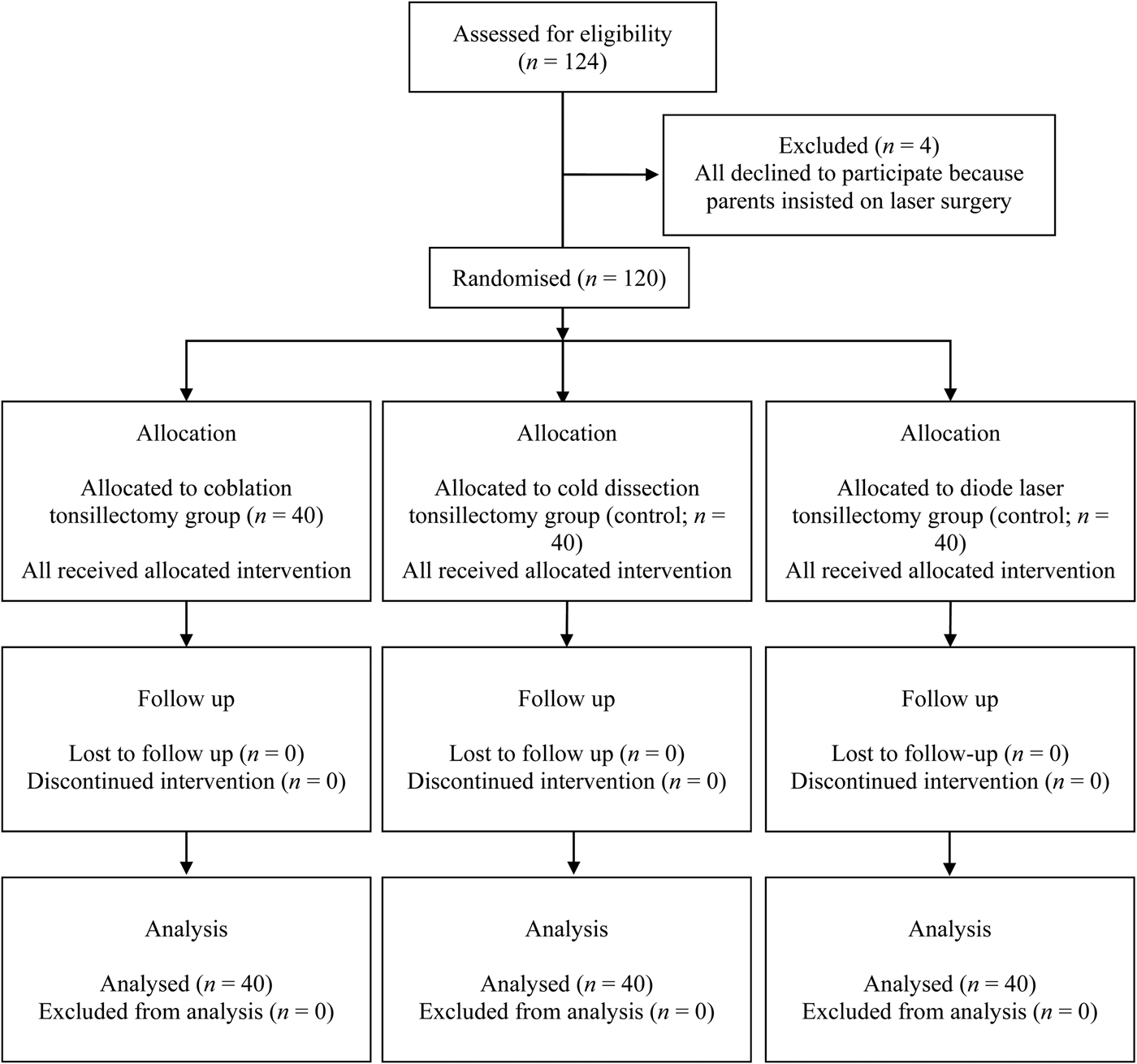
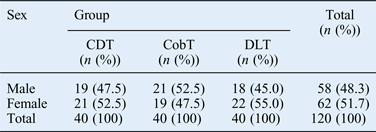
In all, 124 patients were invited to participate in the study between July 2010 and May 2012 (Figure 1). Of these, 120 were enrolled in the study. The patient age range was 5–15 years. There was no significant difference in age between the three randomised groups: the mean age in each subgroup was 10 years and the SD was ±3.2 years in the cold dissection tonsillectomy group, ±2.8 years in the coblation tonsillectomy group and ±2.5 years in the diode laser tonsillectomy group. There were 62 girls and 58 boys. The sex distribution was similar in each group (see Table I).
Flow chart showing enrolment for the clinical trial.

Sex distribution in patient groups
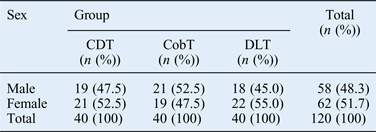
CDT = cold dissection tonsillectomy; CobT = coblation tonsillectomy; DLT = diode laser tonsillectomy
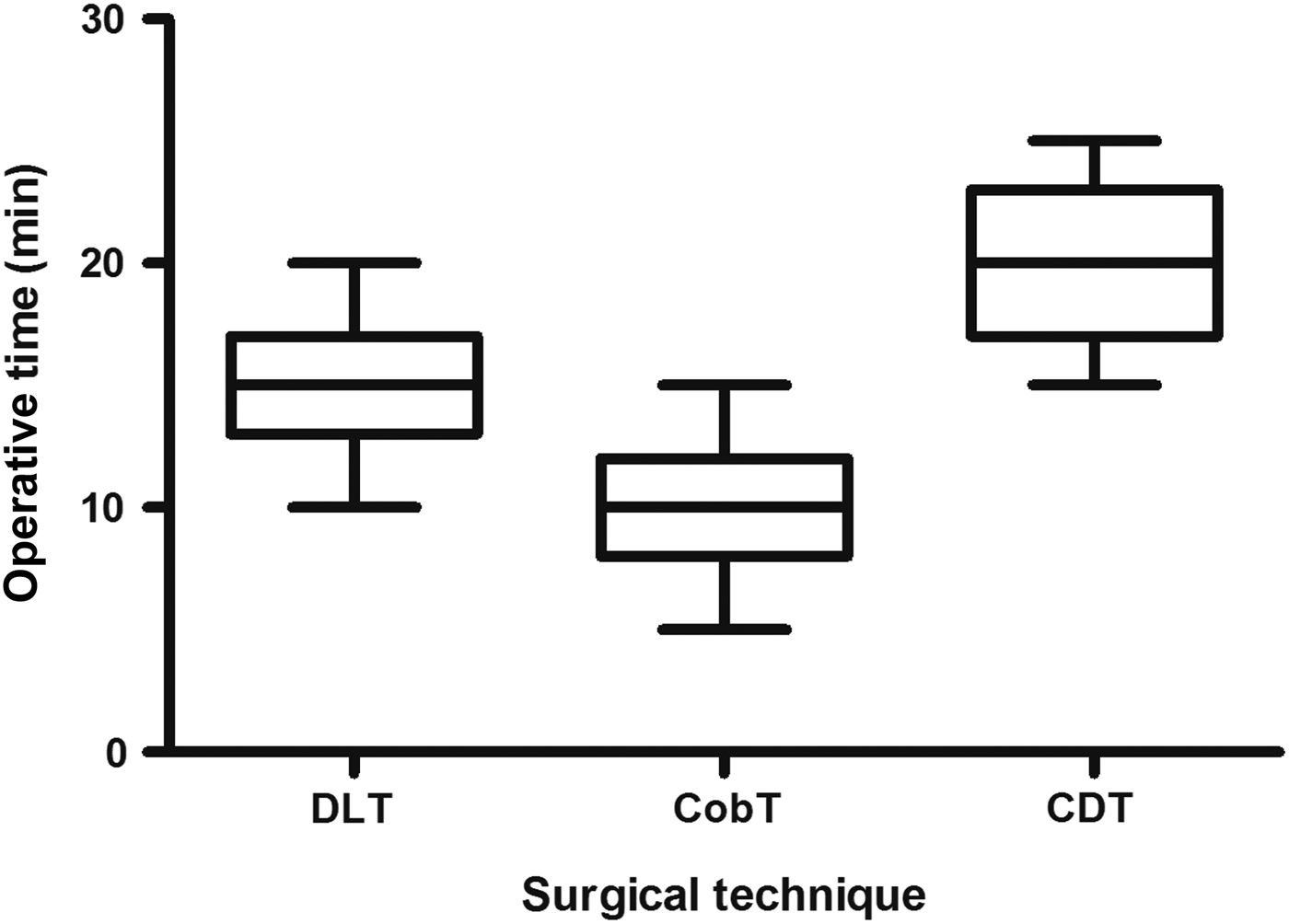
Figure 2 shows the mean operative time in all three groups: The mean operative time in the coblation tonsillectomy was 10 minutes (95 per cent confidence interval (CI), 9.01 to 10.99 minutes), which was lower than in the control (cold dissection tonsillectomy) group (20 minutes (95 per cent CI, 19.0 to 21.0 minutes); p = 0.0001). The operative time for the diode laser tonsillectomy group was 15 minutes (95 per cent CI, 14.17 to 15.83 minutes), which was significantly lower than in the control group (p = 0.0001). The operative time was significantly lower in the coblation tonsillectomy group than in the diode laser tonsillectomy group (p = 0.0001).
Box and whisker graph comparing the operative time among the different surgical techniques. (Central box rule indicates mean; upper and lower box borders represent 95 per cent confidence intervals; and whiskers indicate minimum and maximum values.) CDT = cold dissection tonsillectomy; CobT = coblation tonsillectomy; DLT = diode laser tonsillectomy
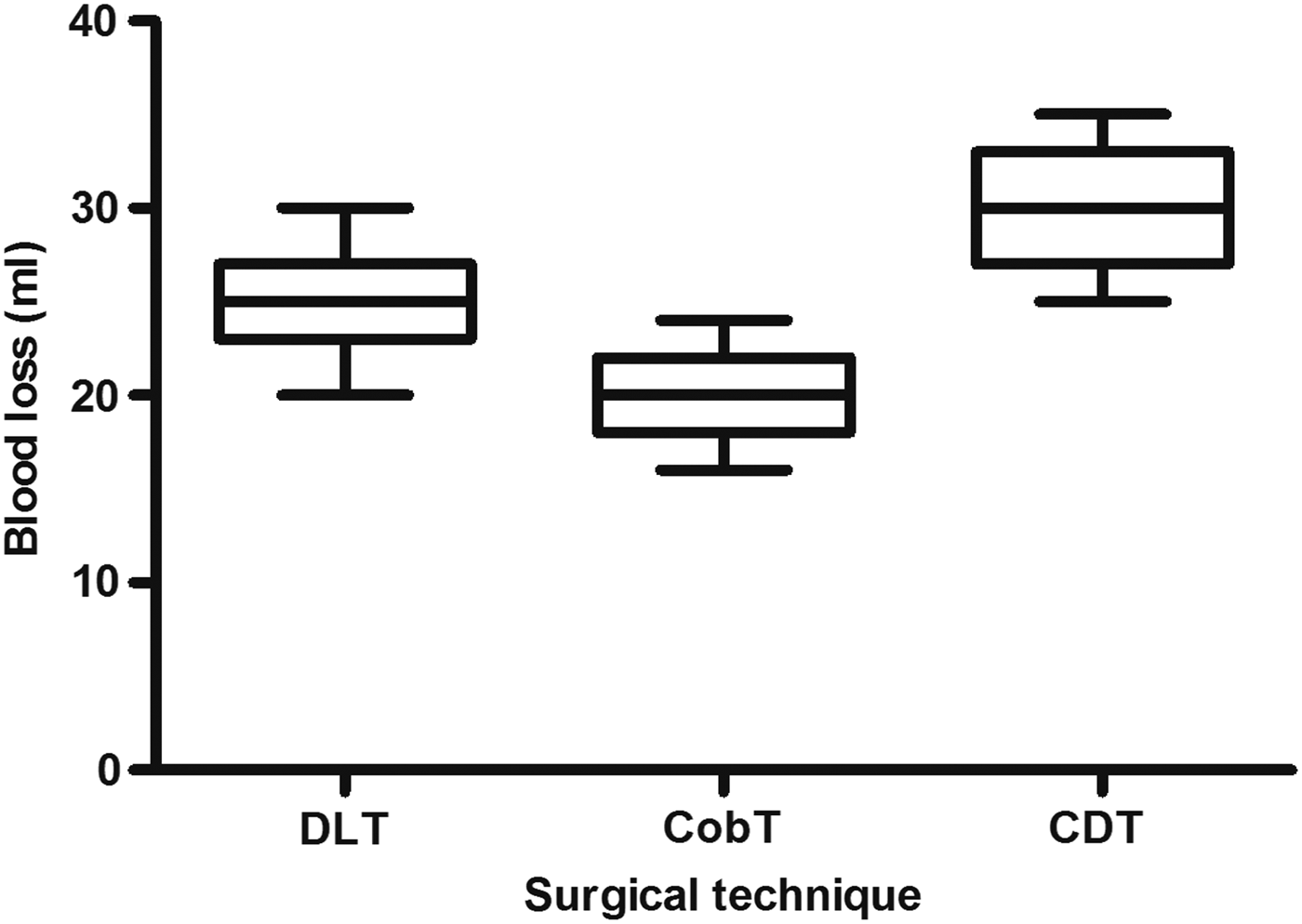
Intra-operative blood loss was minimal in the three groups (Figure 3). However, it was significantly higher in the cold dissection tonsillectomy group (30 ml (95 per cent CI, 29.0 to 31.0 ml)) than in the coblation tonsillectomy group (20 ml (95 per cent CI, 19.15 to 20.85 ml); p = 0.0001) and the diode laser tonsillectomy group 25 ml (95 per cent CI, 24.17 to 25.83 ml; p = 0.001). Blood loss was significantly lower in the coblation tonsillectomy group than in the diode laser tonsillectomy group (p = 0.001).
Box and whisker graph comparing intra-operative blood loss among the different surgical techniques. (Central box rule indicates mean; upper and lower box borders represent 95 per cent confidence intervals; and whiskers indicate minimum and maximum values.) CDT = cold dissection tonsillectomy; CobT = coblation tonsillectomy; DLT = diode laser tonsillectomy
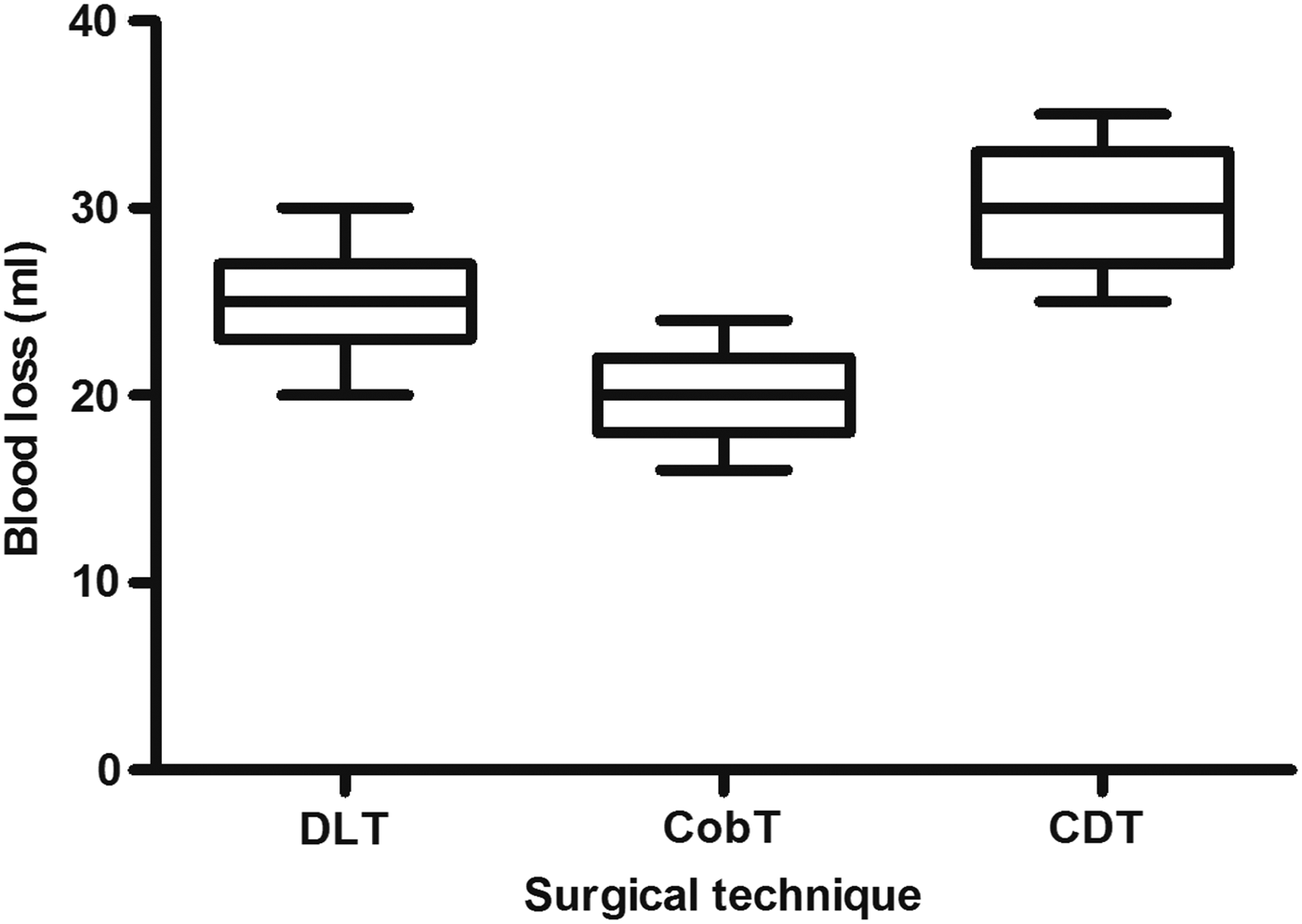
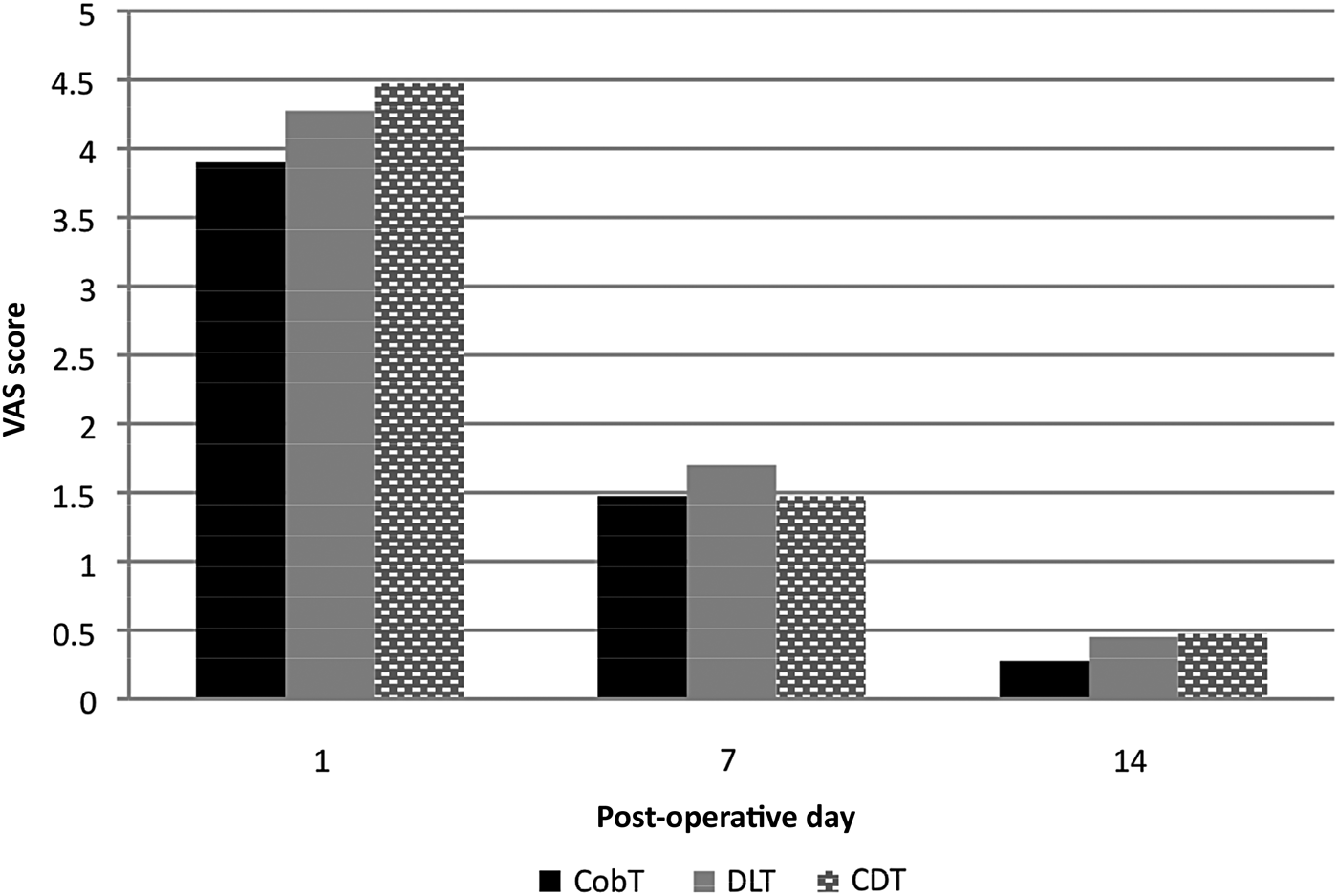
Figure 4 displays the post-operative pain scores for all three groups. In the first post-operative 24 hours, pain scores were significantly lower in the coblation tonsillectomy group (3.9 (95 per cent CI, 3.68 to 4.12)) than in the cold dissection (4.5 (95 per cent CI, 3.43 to 4.66); p = 0.0001) and diode laser (4.3 (95 per cent CI, 4.16 to 4.44); p = 0.009) tonsillectomy groups. There was no significant difference between the diode laser tonsillectomy and cold dissection tonsillectomy groups regarding pain scores over the first 24 hours (p = 0.066). However, at post-operative day seven, the diode laser tonsillectomy group reported the highest pain score of all three groups (1.7 (95 per cent CI, 1.56 to 1.84)). It was significantly higher than in the cold dissection (1.5 (95 per cent CI, 1.34 to 1.66); p = 0.042) and coblation (1.5 (95 per cent CI, 1.34 to 1.66); p = 0.04) tonsillectomy groups. There was no significant difference between the cold dissection tonsillectomy and coblation tonsillectomy groups (p = 1.0) at post-operative day seven. There was no significant difference in the pain scores among all three groups at post-operative day 14.
Graph comparing post-operative pain scores among the different surgical techniques. CDT = cold dissection tonsillectomy; CobT = coblation tonsillectomy; DLT = diode laser tonsillectomy; VAS = visual analogue scale.
On average, patients in the coblation tonsillectomy and cold dissection tonsillectomy groups returned to a normal diet on post-operative day four, whereas patients in the diode laser tonsillectomy group returned to a normal diet on post-operative day five. However, this difference was not significant (p = 0.34).
There were two cases of secondary post-operative haemorrhage in the study groups: one on post-operative day seven in the coblation tonsillectomy group (2.5 per cent) and the other on post-operative day six in the cold dissection tonsillectomy group (2.5 per cent). Both patients were admitted and managed conservatively with antibiotics and hydrogen peroxide gargles, and then discharged after 24 hours.
Discussion
This study showed that coblation and the diode laser are useful tools for significantly reducing the duration of paediatric tonsillectomies compared with cold dissection tonsillectomy. These findings are similar to those of previous studies, which showed that coblation tonsillectomies were of shorter duration than dissection tonsillectomy.Reference Shapiro and Bhattacharyya18, Reference Magdy, Elwany, El-Daly, Abdel-Hadi and Morshedy19 Rakesh et al. reported a longer duration for coblation tonsillectomy; however, this might be related to the need to learn the new technique and the fact that both techniques were used on each patient, requiring the instruments to be reset for every patient.Reference Rakesh, Anand, Payal and Pranjal20 For diode laser tonsillectomy, a few studies have reported the use of different wavelengths for tonsil removal. Although they show a shorter operative time, they were based on a small number of patients and lacked a control group.Reference Sedlmaier, Bohlmann, Jakob and Reinhardt21, Reference Havel, Sroka, Englert, Stelter, Leunig and Betz22 We found that coblation tonsillectomy took less operative time and was associated with less blood loss compared with diode laser tonsillectomy. However, both techniques were associated with less blood loss compared with cold dissection tonsillectomy (the control group). These intra-operative advantages have been reported previously.Reference Hegazy, Albirmawy, Kaka and Behiry2, Reference Shapiro and Bhattacharyya18, Reference Sedlmaier, Bohlmann, Jakob and Reinhardt21, Reference Havel, Sroka, Englert, Stelter, Leunig and Betz22
There was significantly less post-operative pain in the coblation tonsillectomy group than in either the control or diode laser tonsillectomy groups. This might be because in coblation tonsillectomy tonsil dissection is performed through a relatively bloodless tonsillar–muscular plane by passing an alternating current between active electrodes at the tip of the device. If a sodium-rich medium (isotonic saline or saline gel) is present between the electrodes, the alternating current causes the dissociation of free sodium ions from the medium. The free ions destroy intercellular bonds, resulting in tissue dissociation. This reaction occurs at 60–70 °C with minimal collateral thermal tissue damage.Reference Belloso, Chidambaram, Morar and Timms3, Reference Temple and Timms4 Therefore, this technique induces a lower inflammatory reaction during the healing process. Although Shapiro et al. reported no difference in post-operative pain scores between coblation and dissection tonsillectomy, their study had a power of only 0.56, which risks missing a difference between the two groups.Reference Shapiro and Bhattacharyya18 Further studies have reported that coblation is associated with less pain compared with electrocautery or the ultrasonic scalpel.Reference Temple and Timms4, Reference Chang23, Reference Parsons, Cordes and Comer24
Interestingly, patients in the diode laser tonsillectomy group scored the same pain level as those in the other groups during the first 24 hours. However, the pain level of patients in this group was significantly higher at post-operative day seven. This might relate to thermal tissue damage by the diode laser causing an intense inflammatory reaction, which would trigger a higher degree of pain. The same pattern of post-operative pain after diode laser tonsillectomy was reported by Matin and Chowdhury: they showed that pain correlated with the production of a thick slough over the tonsil beds.Reference Matin and Chowdhury25
To our knowledge, this is the first powered, prospective, randomised, controlled study to compare coblation and diode laser tonsillectomy with cold dissection tonsillectomy (used as a control). Our study revealed significant intra- and post-operative advantages of coblation tonsillectomy in reducing the operative time, blood loss and post-operative pain. In contrast, the diode laser was associated with higher post-operative pain levels.
• Coblation and diode laser tonsillectomy were associated with reduced blood loss and a shorter operative time
• Diode laser was associated with significantly higher pain scores after one week
• Coblation tonsillectomy was associated with the lowest post-operative pain and best post-operative recovery
The main limitation of our study is that the surgeon was not blinded to the technique used. However, this would be impossible and reporter bias was reduced by blinding patients and their families to the technique used. Unbiased post-operative assessment was ensured by using a nurse-led follow-up service which did not involve the operating surgeon. Another limitation of our study was the use of bipolar haemostasis, which can cause increased post-operative pain. However, this technique was used in each study group to ensure haemostasis. In our study, post-operative secondary haemorrhage occurred in 2.5 per cent of patients of both the coblation tonsillectomy and cold dissection tonsillectomy groups. Although these rates are comparable with those of previous reports, the study was not powered sufficiently to provide a reliable interpretation.Reference Belloso, Chidambaram, Morar and Timms3, Reference Divi and Benninger26 In addition, there are intrinsic limitations in any self-administered pain score scale, particularly in children. To minimise these, we used the Wong–Baker FACES pain scale, which is a highly validated pain assessment tool for children aged 3–18 years.
Acknowledgements
We would like to thank Prof. A A Yassin, Public Health and Community Medicine Department, Tanta University, for his support in the statistical analysis of the study data.