Introduction
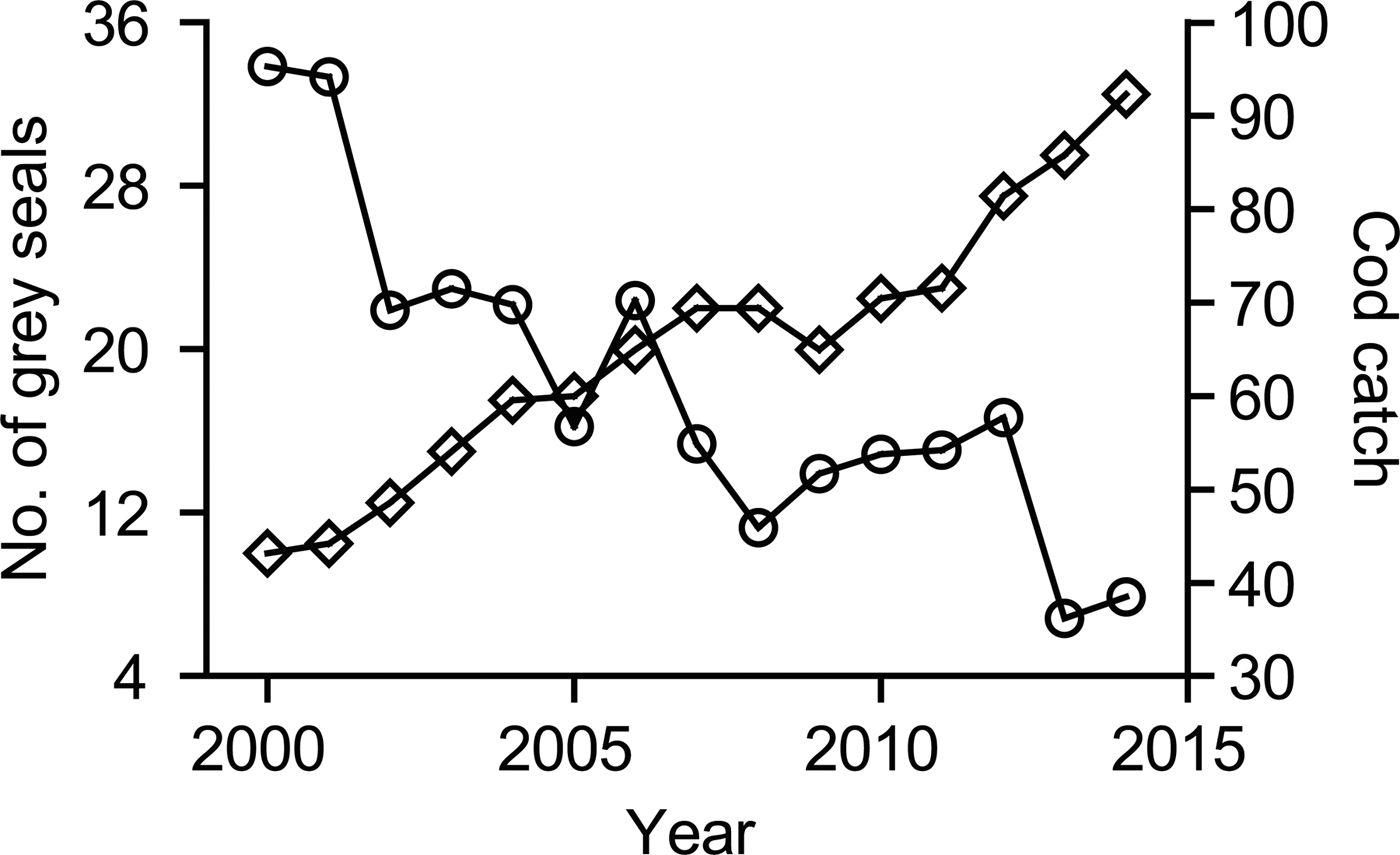
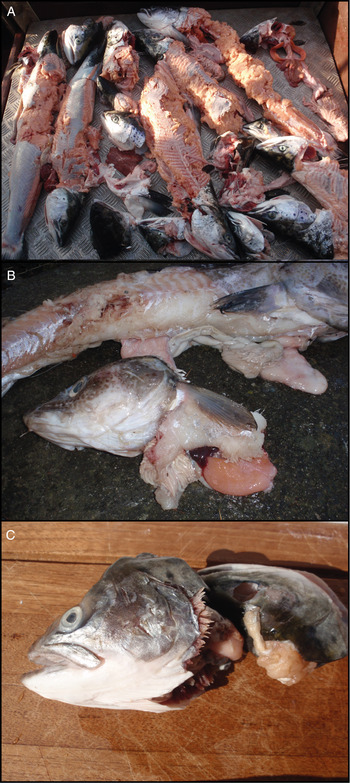
The Baltic Sea is a semi-enclosed brackish-water sea receiving high-salinity water through the Danish straits from the North Sea. It is the largest brackish-water system in the world and covers regions north of the polar circle to temperate areas. Precipitation and river inflows from catchment areas (Denmark, Sweden, Finland, Russia, Baltic republics, Poland and Germany) around the sea secure a continuous freshwater dilution whereby a salinity gradient is formed through the Baltic, with high-salinity water in the west and low-salinity water in the northern and eastern parts. This brackish-water zone is populated by local stocks of various species of teleosts and marine mammals, including Atlantic cod (Gadus morhua) and grey seals (Halichoerus grypus). The pinniped population has increased markedly since the year 2000, reaching between 30,000 and 40,000 individuals in 2014 (HELCOM, 2016). During recent years the main spawning ground of the local cod population, located immediately east of the island of Bornholm, has been affected by the seals. The small islets of Ertholmene, located next to the spawning zone, have been taken into use as a haul-out area for the grey seals, and counts have increased from 1 seal in the year 2001 to 440 in 2014, which merely reflects the general population surge in the Baltic. Cod stocks are influenced by a series of abiotic and biotic factors, including oxygen levels and food availability (Bagge et al., Reference Bagge, Steffensen and Bay1994; Hüssy et al., Reference Hüssy, Hinrichsen, Eero, Mosegaard, Hemmer-Hansen, Lehmann and Lundgaard2016), but it is interesting that a fish catch decline has been observed concomitant with the marked seal population increase, which suggests that the cod population may also be negatively affected by seals (fig. 1). Foraging activities exerted by these marine mammals may play a role in the size of cod stocks (Chouinard et al., Reference Chouinard, Swain, Hammill and Poirier2005) as the daily fish intake for each seal may reach several kilograms. It is well known that seals do not merely target freely swimming fish but also those fish immobilized in fishing gear. This has concerned local fishermen as often 30–60% of the fish recovered from fishermen's gear are markedly damaged. Thus, seals often peel off the skin, remove entrails partially or eat the entire fish body except the head. The most valuable fish species affected are Baltic salmon (Salmo salar), Baltic cod (G. morhua) and sea trout (Salmo trutta) (fig. 2A–C). It has also been suggested that grey seals affect the local population of cod indirectly by increasing infection pressure from anisakid nematodes, which use seals as final hosts. Thus, two nematode species with suspected origin in seals, Pseudoterranova decipiens and Contracaecum osculatum, were recently found to infect Baltic cod at a surprisingly high rate (Buchmann & Kania, Reference Buchmann and Kania2012; Haarder et al., Reference Haarder, Kania, Galatius and Buchmann2014). It is especially noteworthy that the prevalence and intensity of C. osculatum larvae in cod have increased markedly since a low level in the 1980s (Szostakowska et al., Reference Szostakowska, Myjak, Wyszynski, Pietkiewicz and Rokicki2005; Haarder et al., Reference Haarder, Kania, Galatius and Buchmann2014) and the 1990s (Perdiguero-Alonso et al., Reference Perdiguero-Alonso, Montero, Raga and Kostadinova2008) to high levels since 2010 (Mehrdana et al., Reference Mehrdana, Bahlool, Skov, Marana, Sindberg, Mundeling, Overgaard, Korbut, Strøm, Kania and Buchmann2014, Nadolna & Podolska, Reference Nadolna and Podolska2014; Horbowy et al., Reference Horbowy, Podolska and Nadolna-Altyn2016) (table 1). Parasite eggs from the adult nematodes in seals (Lunneryd et al., Reference Lunneryd, Boström and Aspholm2015) are released into the sea with seal faeces and, following hatching, larvae are believed to infect copepods. Fish such as sprats, which feed on copepods, become infected and cod may then ingest the third-stage larvae when feeding on sprats (Zuo et al., Reference Zuo, Al-Jubury, Korbut, Christensen, Kania and Buchmann2016). A third species, Anisakis simplex, can also be found in Baltic seals but merely as immature individuals, as the final hosts are cetaceans and not seals. Associations between seal abundance and anisakid infections of local fish stocks have been studied widely in other areas, including Icelandic (Ólafsdóttir & Hauksson, Reference Ólafsdóttir and Hauksson1997, Reference Ólafsdóttir and Hauksson1998; Hauksson, Reference Hauksson2002, Reference Hauksson2011), Canadian (McClelland, Reference McClelland2002) and Norwegian (Jensen & Idås, Reference Jensen and Idås1992; Aspholm et al., Reference Aspholm, Ugland, Jodestol and Berland1995) fish populations, but precise estimates of parasitic impact on these fish are missing. The negative associations between grey seal occurrence, C. osculatum infections and the Baltic cod population size are also weakly elucidated, but the present study provides data supporting the notion that the recent increase of infection levels in Baltic cod by third-stage larvae of C. osculatum is connected to the presence of infected H. grypus in the area. Previous studies have applied molecular methods to establish connections between worms in seals and worm larvae in fish but the target sequences addressed were rDNA, with low resolution (Haarder et al., Reference Haarder, Kania, Galatius and Buchmann2014; Mehrdana et al., Reference Mehrdana, Bahlool, Skov, Marana, Sindberg, Mundeling, Overgaard, Korbut, Strøm, Kania and Buchmann2014; Zuo et al., Reference Zuo, Al-Jubury, Korbut, Christensen, Kania and Buchmann2016). In the present study nematodes from seals, cod and sprats have been recovered, their DNA isolated and subsequently mitochondrial genes (COX1 and COX2) have been sequenced and compared, in order to investigate the parasitic link between these hosts with higher resolution. Furthermore, the impact of parasitism on the cod stock, including parasite-induced host mortality, and problems associated with the zoonotic potential of the nematodes are discussed, based on recent literature.

Fish from the Bornholm Basin attacked by grey seals while on fishermen's hooks. (A) Baltic salmon (December 2013); (B) Baltic cod (October 2013); (C) sea trout (September 2013).

Temporal and spatial occurrence of Contracaecum osculatum in Baltic cod during three decades.

EEZ, Economic Exclusive Zone; ND, no data.
Materials and methods
Fish
Baltic cod with total body lengths between 35 and 45 cm were captured by a local trawler in the Baltic Sea immediately east of the island of Bornholm during January (n = 20) and February (n = 20) 2016. Fish were dissected within 1 h after capture, livers were removed, placed in plastic bags and kept at <5°C during transportation to the laboratory. Sprats (n = 289) were captured by trawler in SD 25 as described previously (Zuo et al., Reference Zuo, Al-Jubury, Korbut, Christensen, Kania and Buchmann2016). Fish were frozen immediately after catching and were brought to the laboratory, where individual fish were dissected following thawing.
Seals
Two juvenile grey seals (body weight 110 and 165 kg, respectively) were recovered in June and November 2014 by local fishermen in the western Baltic Sea. They were brought to the laboratory and kept frozen until autopsy.
Larval worm recovery from fish
Cod livers were incubated individually at 37°C under constant stirring in artificial digestion fluid containing water, NaCl, HCl and pepsin, prepared according to Skov et al. (Reference Skov, Kania, Olsen, Lauridsen and Buchmann2009). Following full digestion of fish tissue (2–3 h) the digest was poured through a sieve (mesh size 300 μm) from which live worm larvae were removed and placed in phosphate-buffered saline (PBS) for enumeration. Sprats were dissected and viscera, including livers, were removed. These tissues were compressed in plastic bags and scrutinized under a dissection microscope. Nematode larvae, if present, were then isolated using forceps. All nematodes were rinsed in physiological saline and conserved in 96% ethanol until needed for molecular work.
Adult worm recovery from seals
Autopsy of the seals included a longitudinal section in the ventro-medial line whereby the stomach was exposed. Opening the stomach revealed numerous nematodes, which were removed by forceps, rinsed in physiological saline and transferred to 96% ethanol for further molecular identification.
Morphological identification
Frontal and caudal parts of the larval and adult nematodes were placed in clearing agent (Amann lactophenol; VWR, Søborg, Denmark) for 5 days and were subsequently mounted in Aquatex® (Merck, Darmstadt, Germany) on microscope slides. The nematodes were examined under a light microscope (Leica DM 5000 B; Leica, Wetzlar, Germany) for genus determination (Mehrdana et al., Reference Mehrdana, Bahlool, Skov, Marana, Sindberg, Mundeling, Overgaard, Korbut, Strøm, Kania and Buchmann2014). In addition, scanning electron microscopy (SEM) was conducted on both larval and adult worms according to standard techniques. In brief, samples were dehydrated in graded ethanol series (including 96% for 2 × 20 min and 100% for 2 × 30 min). Samples were placed in 100% hexamethyl-disilazane (HMDS) for 15 min, transferred to a filter paper and allowed to dry overnight. The samples were then mounted on aluminium stubs, sputter-coated with gold–palladium in a Polaron SC7640 sputter coater (Quorum technologies, Laughton, Sussex, UK) and studied using a scanning electron microscope (Quanta 200; FEI, Hillsboro, Oregon, USA).
Molecular identification
Part of the middle section of each nematode specimen was transferred to 100 μl of lysis buffer (Tween 20 (0.45%), proteinase K (60 μl/ml), 10 mm Tris and 1 mm EDTA) at 55°C (450 rpm) in an Eppendorf Thermomixer Comfort (Eppendorf AG, Hamburg, Germany). Incubation time varied but continued until complete digestion of nematode parts was achieved (confirmed by microscopy). Proteinase K was then deactivated at 95°C for 10 min and the lysate was used for polymerase chain reaction (PCR) amplification. PCR was performed in a Biometra T3 Thermocycler (Fisher Scientific, Roskilde, Denmark) using 60 μl reaction volumes. The reaction mixtures consisted of 6 μl lysate as template, 1 unit of BioTaq DNA polymerase (DNA-Technology, Aarhus, Denmark), 1 mm of each deoxynucleoside triphosphate (dNTP), 1.5 mm MgCl2 and 1 μm of the two primers. The primers for amplifying COX1 were CoOs_Mith_F3 (5′-CTG TTA TTA CTG CTC ATG C-3′) (this study) and CO2R1r (5′-GCC GCA GTA AAA TAA GCA CGA GA-3′) (Dzido et al., Reference Dzido, Kijewska and Rokicki2012). The primers for amplifying COX2 were 211F (5′-TTT TCT A TTA TAT AGA TTG RTT YA T-3′) and 210R (5′-CAC CAA CTC TTA AAA TTA TC-3′) (Nadler & Hudspeth, Reference Nadler and Hudspeth2000). PCR conditions for COX1 were: 2 min of pre-denaturation at 94°C, followed by 10 cycles of denaturation at 94°C for 30 s, annealing at 53°C for 15 s and elongation at 72°C for 1 min, then 30 cycles of denaturation at 94°C for 30 s, annealing at 47°C for 15 s and elongation at 72°C for 1 min. PCR conditions for COX2 were 2 min of pre-denaturation at 94°C, followed by 36 cycles of denaturation at 94°C for 30 s, annealing at 46°C for 1 min and elongation at 72°C for 1 min 30 s. A final step was performed for both COX1 and COX2 at 72°C for 10 min. Products were analysed by 2% agarose gels stained with ethidium bromide. PCR products were purified using Illustra GFX™ PCR DNA and Gel Band Purification kit (VWR) prior to sequencing at Macrogen Inc. (South Korea). Species identification was based on the sequences encoding COX1 and COX2.
Data analysis
Prevalence (percentage of the cod population infected) and mean intensity (mean number of worms per infected fish) were calculated according to Bush et al. (Reference Bush, Lafferty, Lotz and Shostak1997). Differences between mean intensities in different size groups were evaluated by the Mann–Whitney U-test. Microsoft Excel 2007 and SigmaPlot 12.5 (Systat Software Inc., San José, California, USA) were used for statistical calculations and a probability level of 5% was used for all analyses.
Phylogenetic analysis
In general, the resources of the software package CLC Main Workbench v. 7.7.2 (Qiagen, Århus, Denmark) were used. The sequences, excluding the primer-binding sites, were aligned using Clustal W (CLC Main Workbench v. 7.7.2). In order to trim the alignment, the web-based software Gblocks (Castresana Lab, Institut de Biologia Evolutiva (CSIC-UPF), Barcelona, Spain) was used, but no matter which stringency levels were used, no blocks to be omitted were identified. Four different methods (hierarchical Likelihood Ratio Tests (hLRT), Bayesian Information Criterion (BIC), Akaike Information Criterion (AIC) and Akaike corrected Information Criterion (AICc)) were used to test for the best model for the construction of phylogenetic trees. The tested models were Jukes–Cantor (JC), Felsenstein 81 (F81), Kimura 80 (K80), Hasegawa–Kishino–Yano (HKY) and General Time Reversible (GTR). The phylogenetic tree was achieved by using the model GTR + G + T, as all four methods recommended it as the best choice. Bootstrap analysis was performed with 1000 replicates.
Results
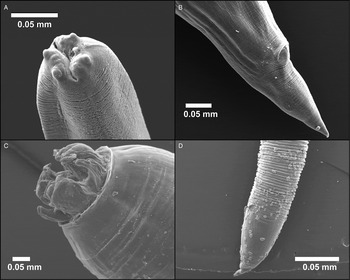
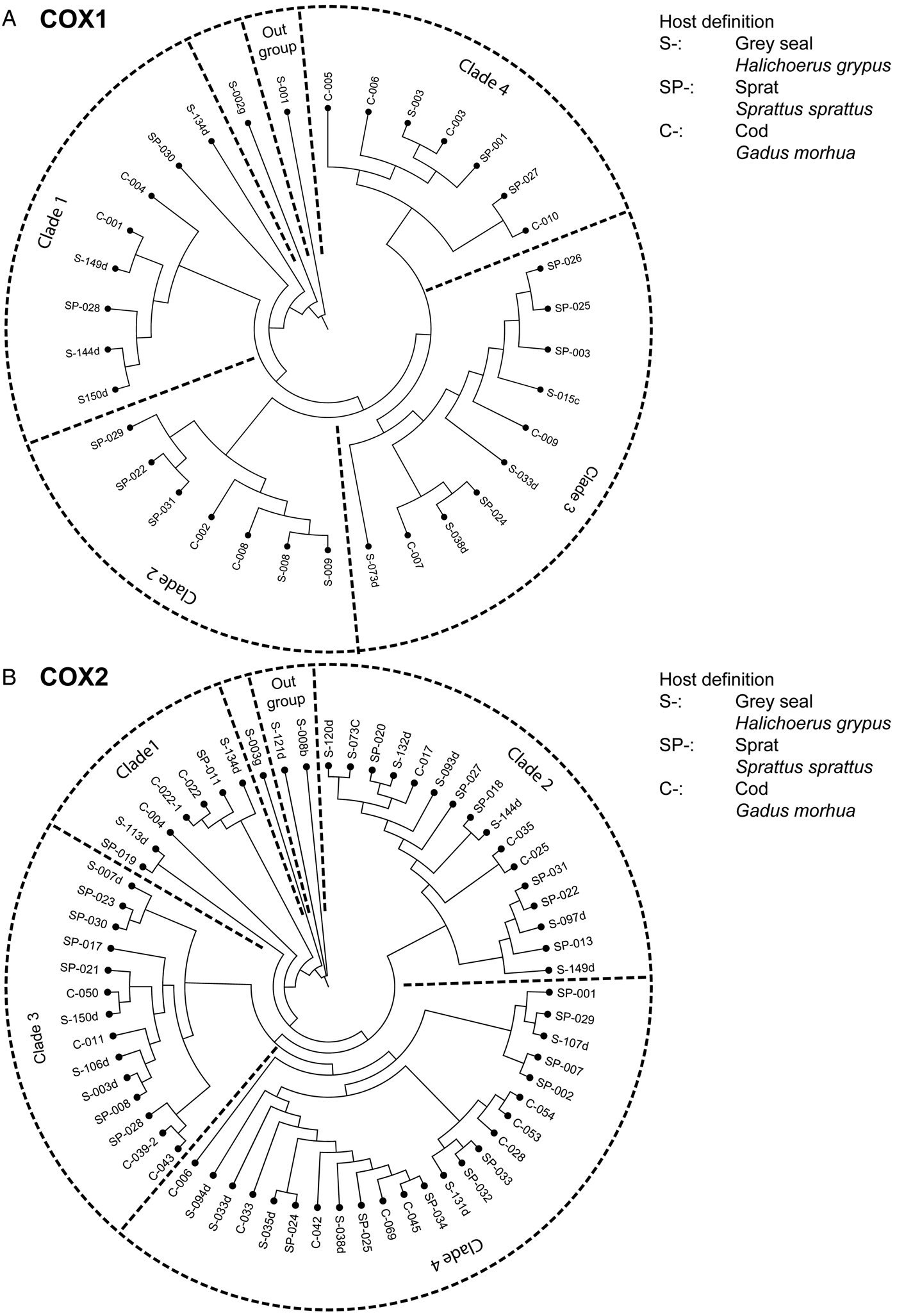
The investigated cod were infected by C. osculatum third-stage larvae both in January and February 2016. Prevalence was 100% in both months and the mean intensity was 82.5 (SD 59.1), with a range from 5 to 377 worm larvae per fish. Sprats were less infected (merely 16%) and the intensity range was 1–13 C. osculatum larvae per fish. The two seals were infected with 510 and 1100 specimens of nematodes in the stomach, respectively. Three species of nematodes – C. osculatum (92%), P. decipiens (6%) and A. simplex (2%) – were found, but only C. osculatum was investigated further in this work, due to its dominance. Third-stage C. osculatum larvae from cod livers showed the morphological characters described by Fagerholm (Reference Fagerholm1982). The frontal part contained an excretory pore anterior to the nerve ring, an intestinal caecum and a ventricular appendix. Using SEM, the frontal boring tooth and the tapering caudal end without appendages (mucron) were evident (fig. 3A and B). Adult C. osculatum nematodes exhibited the characteristic labia in the frontal part and a tapering caudal end (fig. 3C and D), as described by Krabbe (Reference Krabbe1878) in his line drawings. Representative worm samples from all hosts were examined. Of adult C. osculatum nematodes recovered from seals, 11 were analysed for COX1 and 19 for COX2. Of third-stage larvae from cod, 10 specimens were analysed for COX1 and 18 for COX2. Eleven larvae from sprats were analysed for COX1 and 23 for COX2. The sequencing of mitochondrial genes of C. osculatum larvae obtained from both cod and sprats, and corresponding genes from adult worms recovered from grey seal stomachs, demonstrated that the same genetic variations of COX1 and COX2 were found in all three hosts (fig. 4).
Scanning electron microscopy (SEM) of Contracaecum osculatum third-stage larvae (A and B) from the liver of Baltic cod, and adult specimens (C and D) from the stomach of a grey seal.

Cladograms showing similarities of sequences of mitochondrial genes (COX1 and COX2) from adult worms and third-stage larvae of Contracaecum osculatum recovered from seals, cod and sprats, respectively. Pseudoterranova decipiens sequences were used as outgroups. The capital letters S, SP and C indicate the hosts. For each gene four clades were defined. Each of these clades includes sequences from parasites from all the three hosts.

Discussion
Studies based on classical methodology have reported previously that grey seals and Baltic fish are parasitized by the anisakid nematode C. osculatum (Fagerholm, Reference Fagerholm1982; Valtonen et al., Reference Valtonen, Fagerholm and Helle1988). However, morphological identification of C. osculatum adults and larvae is not adequate for a full linkage of the different stages in the life cycle, and molecular tools may be a necessary supplement (Mattiucci et al., Reference Mattiucci, Paggi, Nascetti, Ishikura, Kikuchi, Sato, Cianchi and Bullini1998; Mattiucci & Nascetti, Reference Mattiucci and Nascetti2007, Reference Mattiucci and Nascetti2008). Some target sequences may be more informative than others. Previous studies on rDNA (internal transcribed spacer (ITS) region sequences) of C. osculatum larvae isolated from cod and sprats (Haarder et al., Reference Haarder, Kania, Galatius and Buchmann2014; Mehrdana et al., Reference Mehrdana, Bahlool, Skov, Marana, Sindberg, Mundeling, Overgaard, Korbut, Strøm, Kania and Buchmann2014; Zuo et al., Reference Zuo, Al-Jubury, Korbut, Christensen, Kania and Buchmann2016) showed full similarity to corresponding ITS sequences isolated from C. osculatum in seals by Skrzypczak et al. (Reference Skrzypczak, Rokicki, Pawliczka, Najda and Dzido2014), but the variability within this region of rDNA may be too low to obtain the needed differentiation. Mitochondrial gene variations have to be analysed to obtain higher resolution (Nadler & Hudspeth, Reference Nadler and Hudspeth2000; Dzido et al., Reference Dzido, Kijewska and Rokicki2012). The present investigation on worm samples recovered during recent years from grey seals, cod and sprats revealed that C. osculatum third-stage nematode larvae in Baltic fish livers carry the same genetic variations of mitochondrial genes as adult nematodes found in the stomachs of grey seals from the Baltic. We included sequencing of mitochondrial genes (COX1 and COX2) showing higher variability and suitability for differentiation of subpopulations. All molecular variants occurred in all three host species with the same frequency. This strongly supports the notion that the life cycle includes seals as final hosts with cod and sprats as transport hosts, as suggested by recent work (Haarder et al., Reference Haarder, Kania, Galatius and Buchmann2014; Nadolna & Podolska, Reference Nadolna and Podolska2014; Mehrdana et al., Reference Mehrdana, Bahlool, Skov, Marana, Sindberg, Mundeling, Overgaard, Korbut, Strøm, Kania and Buchmann2014; Horbowy et al., Reference Horbowy, Podolska and Nadolna-Altyn2016; Zuo et al., Reference Zuo, Al-Jubury, Korbut, Christensen, Kania and Buchmann2016). It will further support the impression that the recent build-up of C. osculatum infection in Baltic cod is caused by the massive grey seal population increase recognized during the past two decades.
Laboratory life-cycle studies on C. osculatum performed by Køie & Fagerholm (Reference Køie and Fagerholm1995) suggested that a series of invertebrates and vertebrates serve as hosts. The present study, based on local samples from the Baltic Sea, demonstrates that grey seals act as final hosts, with adult nematodes located in the stomach, which is in line with earlier investigations (Skrzypzcak et al., Reference Skrzypczak, Rokicki, Pawliczka, Najda and Dzido2014; Lunneryd et al., Reference Lunneryd, Boström and Aspholm2015). Sprats can serve as transport hosts and may play an important role in the transmission of worms to cod. This is emphasized by the rather high prevalence and intensity recorded in this fish species which is taken as prey by larger cod (Zuo et al., Reference Zuo, Al-Jubury, Korbut, Christensen, Kania and Buchmann2016). Sprats themselves probably achieve infection during feeding on various species of copepods and cladocerans, the main food items of sprats (Casini et al., Reference Casini, Cardinale and Arrhenius2004). It was shown recently that cod with body lengths below 30 cm have light or no C. osculatum infection, whereas cod larger than 30 cm become significantly infected, probably due to feeding on sprats (Zuo et al., Reference Zuo, Al-Jubury, Korbut, Christensen, Kania and Buchmann2016). The present study indicated that the infection level of cod with this worm species is increasing compared to the results of recent studies (Haarder et al., Reference Haarder, Kania, Galatius and Buchmann2014; Mehrdana et al., Reference Mehrdana, Bahlool, Skov, Marana, Sindberg, Mundeling, Overgaard, Korbut, Strøm, Kania and Buchmann2014) – even in relatively small cod with a body size between 35 and 45 cm. The lack of infection in very small cod with body lengths below 30 cm (Zuo et al., Reference Zuo, Al-Jubury, Korbut, Christensen, Kania and Buchmann2016) is noteworthy due to the fact that cod of length below 30 cm have a high survival whereas cod above 38 cm in length seem to have a low survival (Eero et al., Reference Eero, Hjelm, Behrens, Buchmann, Cardinale, Casini, Gasyukov, Holmgren, Horbowy, Hüssy, Kirkegaard, Kornilovs, Krumme, Köster, Oeberst, Plikshs, Radtke, Raid, Schmidt, Tomczak, Vinther, Zimmermann and Storr-Paulsen2015). Thus, the overall population size of the eastern Baltic cod population has been under pressure during the past decade. The disappearance of larger cod with body lengths above 38 cm – despite successful recruitment of young cod (Eero et al., Reference Eero, Hjelm, Behrens, Buchmann, Cardinale, Casini, Gasyukov, Holmgren, Horbowy, Hüssy, Kirkegaard, Kornilovs, Krumme, Köster, Oeberst, Plikshs, Radtke, Raid, Schmidt, Tomczak, Vinther, Zimmermann and Storr-Paulsen2015) – has remained unexplained. Interestingly, the considerable decline of populations of larger cod is associated with a rapid build-up of C. osculatum in livers of this size-class of cod. The present study therefore confirms observations by other authors (Haarder et al., Reference Haarder, Kania, Galatius and Buchmann2014; Mehrdana et al., Reference Mehrdana, Bahlool, Skov, Marana, Sindberg, Mundeling, Overgaard, Korbut, Strøm, Kania and Buchmann2014; Horbowy et al., Reference Horbowy, Podolska and Nadolna-Altyn2016; Zuo et al., Reference Zuo, Al-Jubury, Korbut, Christensen, Kania and Buchmann2016) and adds to the notion that parasite-induced host mortality may explain the problem.
The impact of parasitism on the health and survival of wild fishes is, on the other hand, difficult to prove. Early studies by Petrushevski & Shulman (Reference Petrushevski and Shulman1955), conducted at a time when the seal population in the Baltic was high in the 1940s, reported cod heavily infected with C. osculatum in the Baltic, associated with decreased physiological performance. Correspondingly, Mehrdana et al. (Reference Mehrdana, Bahlool, Skov, Marana, Sindberg, Mundeling, Overgaard, Korbut, Strøm, Kania and Buchmann2014), during the recent seal population surge, documented haemorrhagic cod livers with decreased weight related to high C. osculatum infections, and Horbowy et al. (Reference Horbowy, Podolska and Nadolna-Altyn2016) indicated parasite-induced host mortality of larger cod due to the high infection rate in these fish. Worm effects on hosts can be exerted through various mechanisms, including direct penetration of tissue. The related anisakid A. simplex has been associated with severe inflammatory reactions and haemorrhages in salmonids (Beck et al., Reference Beck, Evans, Feist, Stebbing, Longshaw and Harris2008; Noguera et al., Reference Noguera, Collins, Bruno, Pert, Turnbull, McIntosh, Lester, Bricknell, Wallace and Cook2009) and cod (Levsen & Berland, Reference Levsen, Berland, Woo and Buchmann2012). In addition, numerous molecules are released from parasites, including the anisakid nematodes. Pseudoterranova decipiens produces pentanols and pentanones with a putative anaesthetic effect on cod musculature (Ackman & Gjelstad, Reference Ackman and Gjelstad1975). It is therefore noteworthy that field observations have linked this nematode with impaired swimming ability (Sprengel & Lüchtenberg, Reference Sprengel and Lüchtenberg1991) and decreased survival in European smelt (Rohlwing et al., Reference Rohlwing, Palm and Rosenthal1998). Likewise, Bahlool et al. (Reference Bahlool, Skovgaard, Kania and Buchmann2013) indicated an immunosuppressive effect of A. simplex excretory and secretory products, which suggests that worms affect the host through a spectrum of mechanisms.
The Baltic food web comprising copepods, sprats and herrings is also utilized by other predators, including Baltic salmon (S. salar). Therefore it could be expected that the increased C. osculatum infection noticed in cod during the past decade might also be found in salmon. No thorough recent parasitological investigations have been performed on Baltic salmon during the past decade and this question remains unresolved. However, controlled experimental C. osculatum infections of another salmonid, Oncorhynchus mykiss, have been conducted (Smith et al., Reference Smith, Elarifi, Wootten and Burt1990), but it was shown later that this third-stage nematode has relatively low survival in this host (Haarder et al., Reference Haarder, Kania and Buchmann2013). Although anisakid nematode larvae generally exhibit low host specificity, variations with regard to susceptibility may exist. Hence, it can be expected that infection pressures exerted on Baltic fishes due to increased spreading of parasite eggs from seals may affect different fish stocks differently. Combined laboratory and field studies should therefore be conducted in order to elucidate these dynamic interactions in the Baltic food web.
Contracaecum osculatum larvae in fish products also represent a zoonotic problem if fish products are ingested without prior processing. Larval invasion of the human gastrointestinal tract may occur, corresponding with problems with, for example, cod worm P. decipiens (Margolis, Reference Margolis1977; Skirnisson, Reference Skirnisson2006; Torres et al., Reference Torres, Jercic, Weitz, Dobrew and Mercado2007). Thus, several reports have shown that C. osculatum larvae elicit a severe and painful condition in human consumers following ingestion of raw or under-cooked fish carrying third-stage larvae of this species. Cases have been described from the Baltic region (Schaum & Müller, Reference Schaum and Müller1967), Australia (Shamsi & Butcher, Reference Shamsi and Butcher2011) and Japan (Nagasawa, Reference Nagasawa2012). Controlled experimental infections of pigs confirmed the infectivity of C. osculatum larvae from Baltic cod livers in pigs and their ability to penetrate the stomach mucosa and elicit eosinophilic granulomas (Strøm et al., Reference Strøm, Haarder, Korbut, Mejer, Thamsborg, Kania and Buchmann2015). Therefore the problems with worms from seals in the Baltic Sea involve both fish-stock stability and consumer safety. Direct intervention, comprising regulation of the seal population by hunting, culling or targeted seal fishery, will be a solution, but may conflict with the protected status of grey seals. Alternative solutions to reduce seal abundance could involve prevention of their reproduction by hormone administration or immunization of seals against their own reproductive molecules. On a theoretical basis, treatment of seals with anthelmintics could be suggested, in order to reduce the worm burden and subsequent spreading of infective parasite eggs in the marine environment. The practical implementation of this may be difficult and the environmental aspects of the release of drugs in natural animal populations remain questionable.
Acknowledgements
The authors are indebted to Bastian Huwer (Technical University of Denmark) for providing Baltic sprats and Drs Christian Sonne Hansen and Anders Galatius, University of Aarhus, for providing access to grey seal autopsies.
Financial support
This project has received funding from the European Union's Horizon 2020 research and innovation programme under grant agreement No. 634429 (ParaFishControl). This article reflects only the authors’ view and the European Union cannot be held responsible for any use that may be made of the information contained therein.
Conflict of interest
None.