Introduction
Cardiac rhabdomyoma is the most common primary paediatric cardiac tumour, often demonstrating mild atypical histologic features and lacking the capacity for metastasis.Reference Uzun, Wilson, Vujanic, Parsons and De Giovanni1 Although histologically benign, the location within critical areas in the heart can lead to life-threatening complications. Symptoms of cardiac rhabdomyomas arise because of chamber or valve obstruction, arrhythmias, or cardiac failure resulting from extensive myocardial involvement. Traditionally, symptomatic lesions were treated by surgical excision or cardiac catheter interventions. However, more recently, novel new medical therapies with mammalian target of rapamycin inhibitors are being used, especially in children where surgical intervention is unsuitable or not possible. In this paper, we review the natural history of cardiac rhabdomyomas, previous treatments, and review the published cases to date using mammalian target of rapamycin inhibitors.
Natural history of cardiac rhabdomyomas
A cardiac rhabdomyoma is a hamartoma of developing cardiac myocytes which although benign in certain cases, due to their location and size, may lead to complications. The natural history of cardiac rhabdomyomas is one of spontaneous regression. Consequently, clinical and echocardiography monitoring is usually sufficient in the majority of cases except specific instances where intervention is warranted. Cardiac rhabdomyomas frequently occur in association in up to 50% of patients with tuberous sclerosis.Reference Ebrahimi-Fakhari, Mann and Poryo2 Similarly, anywhere between 50 and 90% of children diagnosed with cardiac rhabdomyomas demonstrate clinical or radiologic evidence of tuberous sclerosis. One paper,Reference Black, Kadletz, Smallhorn and Freedom3 describing 30 patients with cardiac rhabdomyomas, reported 83% of these patients had confirmed tuberous sclerosis. Another studyReference Sciacca, Giacchi and Mattia4 reported 31 of the 33 babies with cardiac rhabdomyomas having associated tuberous sclerosis: the majority had multiple lesions, and four babies presented with signs of left ventricular outflow tract obstruction and/or heart failure. Of these four, one required surgery, one died soon after birth due to multiple huge rhabdomyomas detected antenatally leading to severe heart failure, and in the other 2 obstructing masses reduced in size without requiring any intervention. In this same study, spontaneous regression of rhabdomyomas occurred in all 32 surviving patients. Bosi et alReference Bosi, Lintermans, Pellegrino, Svaluto-Moreolo and Vliers5 reported 19 out of 33 patients with cardiac rhabdomyomas manifesting cardiac symptoms including arrhythmias, outflow tract obstruction, and atrioventricular valve regurgitation phenomena. Only 2 of the 33 patients required surgical resection of the left ventricular outflow tract obstructing tumours. Jóźwiak et alReference Jóźwiak, Kotulska and Kasprzyk-Obara6 studied 154 patients with tuberous sclerosis of whom 48% had cardiac rhabdomyomas. In the adolescent cohort, three of those patients who had had previous rhabdomyoma regression experienced re-growth of rhabdomyomas in teenage years, and three other patients had a de novo growth of rhabdomyomas in adolescence.
Location of cardiac rhabdomyomas
Cardiac rhabdomyomas can arise anywhere throughout the heart; however, the most common areas include the intraventricular septum and ventricular cavities. The location determines everything from clinical symptoms and presentation to the need for intervention. In the majority of cases, rhabdomyomas are multiple. Sciacca et alReference Sciacca, Giacchi and Mattia4 reported 205 rhabdomyomas among 33 patients at presentation. Ninety-four percent were in the ventricles, 2.9% in the right atrium, 1.9% close to valves, and 0.5% in the left atrium. Black et alReference Black, Kadletz, Smallhorn and Freedom3 noted that 93% of patients had some involvement of the left ventricle. Bosi et alReference Bosi, Lintermans, Pellegrino, Svaluto-Moreolo and Vliers5 reported 77 rhabdomyomas in 33 patients with all but one being located in the ventricles.
Currently established treatments
Given the natural history of the majority of cardiac rhabdomyomas is typically regression, a minority develop significant haemodynamic compromise requiring intervention. Traditionally, intervention comprises of either surgery or cardiac catheterisation (ductal stenting, balloon atrial septostomy). Among a series of 33 patients,Reference Black, Kadletz, Smallhorn and Freedom3 23% (n = 7) required surgical intervention for left ventricular outflow tract obstruction without any complications. Ilina et alReference Ilina, Jaeggi and Lee7 reported successful patent ductus arteriosus (PDA) stenting in a baby with a large intracardiac rhabdomyoma causing tricuspid inflow obstruction leading to cyanosis and hypoxemia. PDA stent was performed on day 11 of life and allowed discontinuation of prostaglandin and discharged home. At follow-up at 7 months old, interestingly, the cardiac rhabdomyoma had not regressed in size as expected; however, relative to the size and somatic growth of the heart, it was no longer causing obstruction to right heart inflow. McMahon et alReference McMahon, Ayres and Lewin8 reported a case of balloon atrial septostomy in a neonate with extensive right ventricular rhabdomyoma not amenable to surgical resection. This allowed decompression of the right heart and subsequent palliation with a Blalock Taussig shunt. Complete resolution of the rhabdomyoma was seen in a 5- year-old, and the child had successful coil occlusion of shunt and subsequent surgical closure of atrial septal defect.
Novel treatments – mammalian target of rapamycin pathway
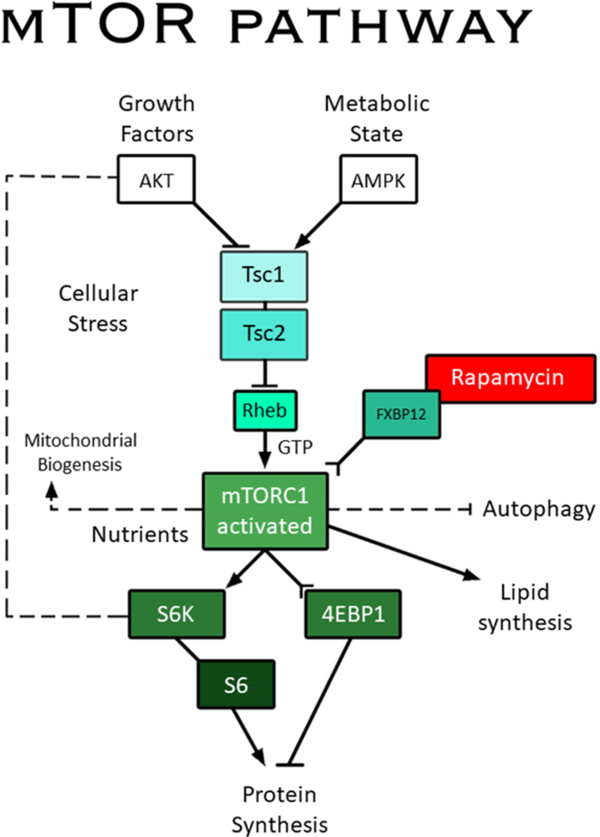
In the human body tuberous sclerosis proteins 1 and 2, also known as hamartin and tuberin, form a protein complex which is involved in control of cell growth and division and acts as a tumour suppressor. The TSC1/TSC2 protein complex controls mammalian target of rapamycin signalling (mammalian target of rapamycin) via its subset mammalian target of rapamycin complex 1. The production of these proteins is under the control of genes TSC1 and TSC2 (Fig 1).
PRISMA flow diagram.

The mammalian target of rapamycin signalling pathway serves as a central regulator of cell metabolism, growth, proliferation, and survival. The mammalian target of rapamycin protein is a serine-threonine kinase that belongs to the phosphoinositide 3-kinase-related kinase family. There are two subtypes of mammalian target of rapamycin, mammalian target of rapamycin complex 1 and mammalian target of rapamycin complex 2. Mammalian target of rapamycin complex 1 positively regulates cell growth and proliferation by promoting many anabolic processes, including biosynthesis of proteins, lipids, and organelles and by limiting catabolic processes such as autophagy (sequestration of intracellular components within autophagosomes and their degradation by lysosomes). Dysregulation of this pathway, e.g., mutations in TSC1/TSC2 genes can therefore lead to unregulated cell growth and proliferation and thus tumour formation.
Since discovery of the mammalian target of rapamycin pathway, much interest has focused on the therapeutic use of rapamycin and rapalogs (rapamycin analogs). Initially, rapamycin was an anti-fungal drug and subsequently its immunosuppressive properties were noted and it came into use with organ transplant patients. In more recent times, it is being used in the treatment of tumours. Upon entering the cell, rapamycin binds to FK506-binding protein and interacts with the FKBP12-rapamycin binding domain of mammalian target of rapamycin, thus inhibiting mammalian target of rapamycin complex 1 functions. Of note, FKBP12-rapamycin cannot physically interact with or acutely inhibit mammalian target of rapamycin complex 2. Because of this mammalian target of rapamycin complex 1 is referred to as rapamycin-sensitive complex and mammalian target of rapamycin complex 2 as rapamycin insensitive.
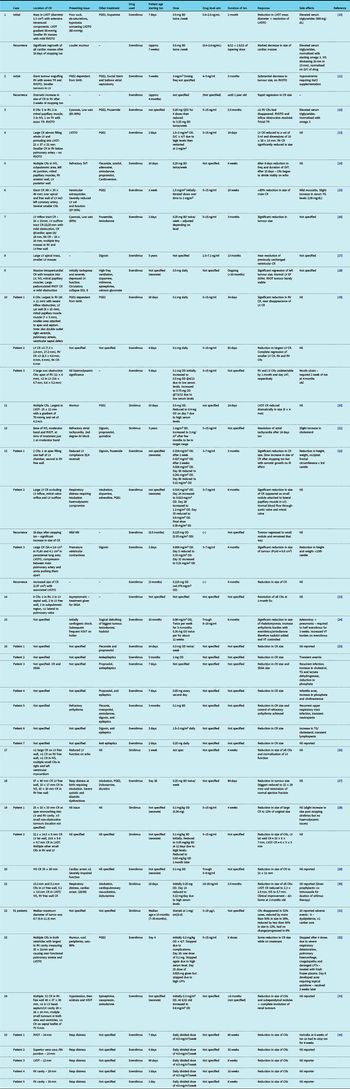
Kotulska et alReference Kotulska, Larysz-Brysz and Grajkowska9 demonstrated increased expression of mammalian target of rapamycin and decreased hamartin and tuberin in all six rhabdomyoma patients they studied. This study confirmed dysregulation of the mammalian target of rapamycin pathway in cardiac rhabdomyomas thereby raising the possibility of therapeutic use of mammalian target of rapamycin inhibitors. Numerous cases series and reports of mammalian target of rapamycin inhibitors, typically everolimus or sirolimus, have been published showing the success and complications associated with these treatments (Table 1).
Summary of 90 patients, presentations, treatment and outcomes of mTOR inhibitor use

AV = atrioventricular; BD = twice per day; CR = cardiac rhabdomyoma; D/C = discontinuing; IVS = interventricular septum; LFT = liver function tests; LV = left ventricle; LV EF = left ventricular ejection fraction; LVOT = left ventricular outflow tract; LVOTO = left ventricular outflow tract obstruction; NSVT = non-sustained ventricular tachycardia; OD = once per day; PGE2 = prostaglandin E2; PLAX = parasternal long axis; RA = right atrium; RV = right ventricle; RVOT = right ventricular outflow tract; RVOTO = right ventricular outflow tract obstruction; SEGA = subependymal giant cell astrocytoma; SVT = supraventricular tachycardia; TG = triglyceride; TR = tricuspid regurgitation; TV = tricuspid valve; VT = ventricular tachycardia.
Methods
The purpose of this review was to review all the published literature from 1990 to March 2020 on the use of mammalian target of rapamycin inhibitors in treatment of cardiac rhabdomyoma. We conducted a PubMed search for any literature using the key words cardiac rhabdomyoma, mammalian target of rapamycin inhibitors, everolimus, and sirolimus. We excluded cases of antenatal treatment of mothers with mammalian target of rapamycin inhibitors. Any articles/papers with overlapping data were not included twice. Using these criteria, we included all the published data (Table 1) outlining location, number of cardiac rhabdomyomas, clinical symptoms, associated treatments, type of mammalian target of rapamycin inhibitor used, age at commencement of therapy, dose and dosing range, duration of therapy, effect of treatment, and side effects or complications.
Results
In total, 25 published papers met inclusion criteria reporting on 90 patients (Table 1). In general, these were all case reports or small case series, apart from one large case series published from China.Reference Pang, Zou and Huang31 However, specific details on each patient in the series were not given in the publication, and so for the purpose of some of our analysis, this paper was excluded, leaving a total of 39 patients in 24 publications (see Table 1).
Each paper reported either a reduction in size or complete resolution of cardiac rhabdomyomas. In three, patients-specific improvement in rhythm control (re-entrant tachycardia, atrial tachycardia) was also reported. Interestingly, one paperReference Davis, Dodeja and Clark24 reported a significant increase in ectopic burden and non-sustained ventricular tachycardia with use of everolimus despite a reduction in size of cardiac rhabdomyoma and so concomitant therapy with nadolol was required.
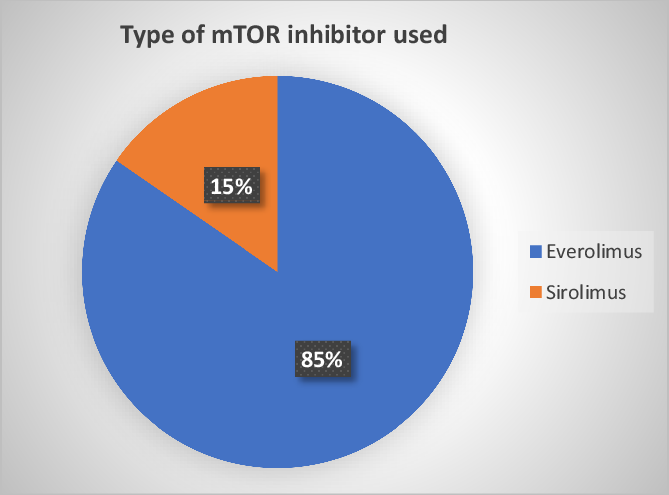
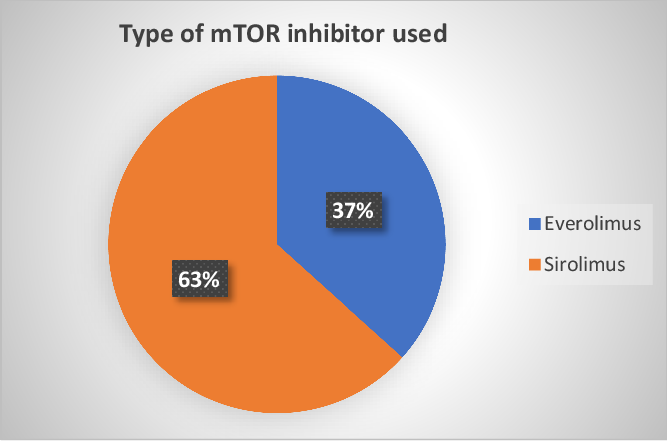
There are two mammalian target of rapamycin inhibitors in use, sirolimus and everolimus. Excluding the Chinese series, 85% of patients (n = 33) were treated with everolimus and 15% (n = 6) with sirolimus (Fig 2). Interestingly, all 51 patients in the Chinese series were treated with sirolimus. Therefore, when this paper is included in analysis, 37% (n = 33) of patients were treated with everolimus and 63% (n = 57) with sirolimus (Fig 3).
Study design for George et al trial.

Choice of mammalian target of rapamycin inhibitor (including Chinese paperReference Black, Kadletz, Smallhorn and Freedom31).

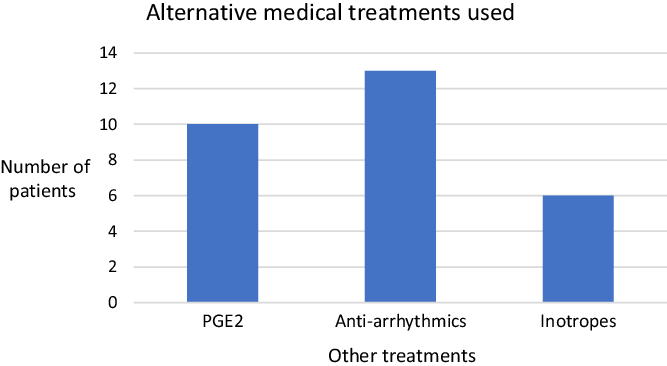
Given the known haemodynamic and arrhythmic complications associated with rhabdomyomas, it is unsurprising that patients required other concomitant medical therapies, prior to, or in combination therapy with mammalian target of rapamycin inhibitors. Ten patients were reported to have required prostaglandin E2, 13 patients were treated with anti-arrhythmic agents, and six patients needed inotropic support (Fig 4).
Alternative medical treatments used (excluding Chinese paperReference Black, Kadletz, Smallhorn and Freedom31).

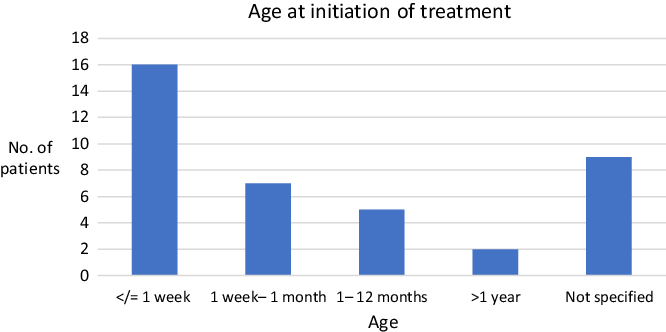
There was a wide range of ages at which therapy was initiated with the majority being within the first week of life (n = 16). Nine papers did not specify the age of commencement of therapy. Seven patients were treated with mammalian target of rapamycin inhibitors between 1 week and 1 month of age, five patients between 1 month and 12 months of age, and two patients started treatment after 1 year of age (Fig 5).
Age at initiation of mammalian target of rapamycin inhibitor treatment (excluding Chinese paperReference Black, Kadletz, Smallhorn and Freedom31).

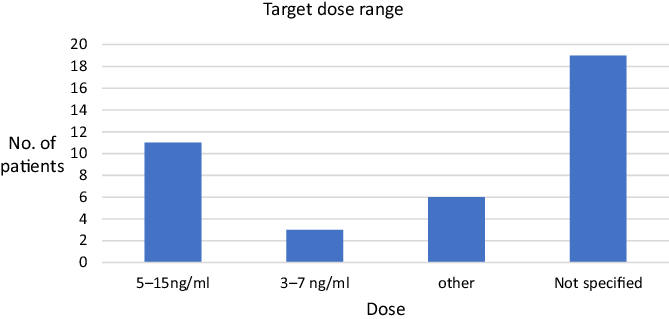
The dose of mammalian target of rapamycin inhibitor varied considerably between reports. Some used set doses, others dose per kg or body surface area (BSA). There was significant differences in frequency of dosing; once vs. twice per day, daily, every other day or twice per week. Some centres used a target range to guide their dosing. The most commonly used range was 5–15 ng/ml (n = 11); however, a large proportion did not report their target range (n = 19). Other target ranges used include 5–10 ng/ml, 3–7 ng/ml, 4–5 ng/ml, and in one paper(6) 0.4–2.6 ng/ml (Fig 6).
Target dose range for mammalian target of rapamycin inhibitor levels.

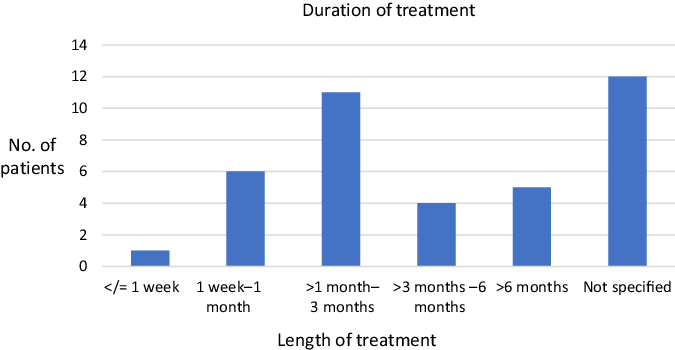
Furthermore, there was a significant variation in the duration of mammalian target of rapamycin treatment between the different centres. However of those centres who reported a duration of therapy, the majority were treated for 1–3 months (n = 11). In one case, 32 only 6 doses were given in total due to serious adverse effects leading to discontinuation of therapy. In five cases, children received therapy for longer than 6 months (Fig 7).
Duration of treatment with mammalian target of rapamycin inhibitors.

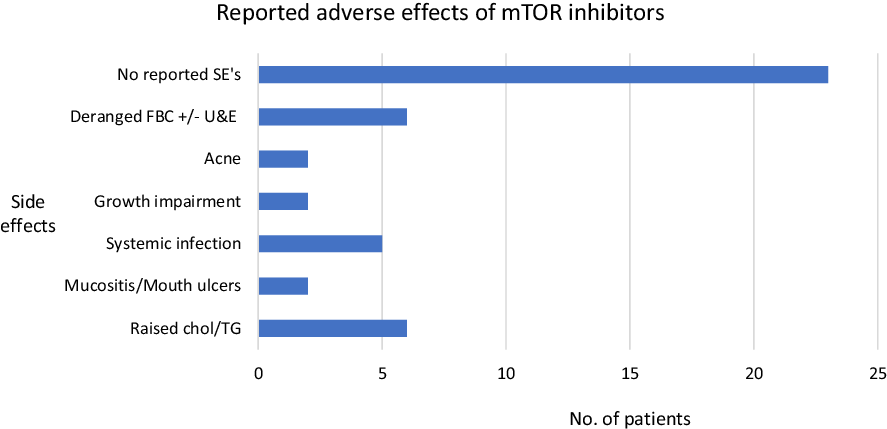
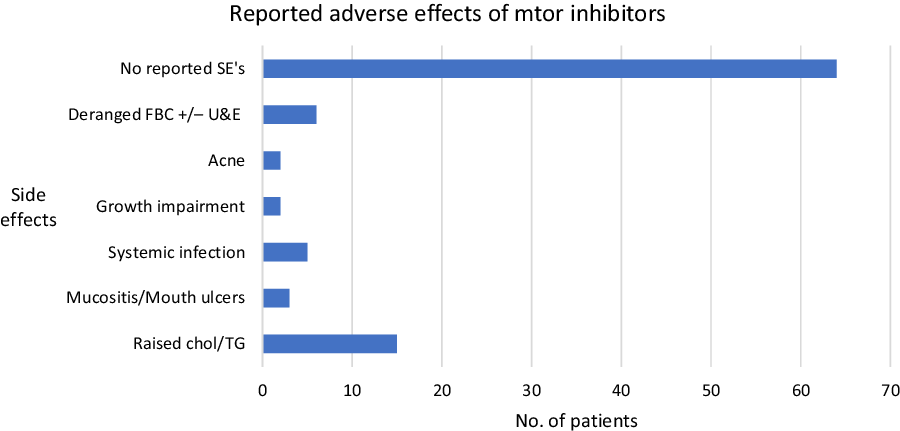
The side-effect profile of any novel therapy is critically important. Of the 90 patients overall, 15 (17%) were reported to have dyslipidaemia (raised cholesterol or triglycerides), the most commonly reported side effect. Five cases of systemic infection were reported. One case reportReference Davis, Dodeja and Clark24 described a patient who developed adenovirus pneumonia while on treatment which necessitated halving of mammalian target of rapamycin inhibitor dose for 3 weeks. Another case seriesReference Saffari, Brösse and Wiemer-Kruel25 reported two patients with recurrent upper respiratory tract illnesses while on therapy. One childReference Dhulipudi, Bhakru, Rajan, Doraiswamy and Koneti34 developed varicella infection during treatment and so mammalian target of rapamycin inhibitor therapy was held for 4 weeks. Other side effects reported included mucositis/mouth ulcers (n = 3), infantile acne (n = 2), reduced growth (n = 2), and deranged full blood count/urea and electrolytes including anaemia, neutropenia, and lymphopenia (n = 6). Of the 90 patients reviewed, 64 (71%) reportedly showed no adverse effects (Figs 8 and 9).
Reported adverse effects of mammalian target of rapamycin inhibitors (excluding Chinese data, total patients n = 39). FBC = full blood count; U&E = urea and electrolytes.

Reported adverse effects of mTOR inhibitors (including Chinese data, total patients n = 90). FBC = full blood count; U&E = urea and electrolytes.

Discussion
As previously highlighted, cardiac rhabdomyomas are generally benign with little clinical impact and a tendency to spontaneously regress over time. However for the small number which cause haemodynamic compromise, intervention, or treatment is required. Mammalian target of rapamycin inhibitors are a novel treatment modality indicated in symptomatic cardiac rhabdomyomas which are not amenable to surgical resection or intervention. Having examined the series of published cases using mammalian target of rapamycin inhibitors for haemodynamically significant rhabdomyomas, these agents are clearly efficacious with all cases showing reduction in size or full resolution of cardiac rhabdomyoma.Reference Bornaun, Öztarhan and Erener-Ercan10–Reference Choudhry, Nguyen and Anwar23,Reference Patel, Abraham and Ferdman26–Reference Lee, Song, Cho, Choi, Ma and Cho30,Reference Shibata, Maruyama and Hayashi32,Reference Garg, Gorla, Kardon and Swaminathan33 However, these drugs are not without risk, and standardised dosing and treatment duration regimens remain to be defined. From the published case reports to date, there is no general consensus on dose of mammalian target of rapamycin inhibitors (variations from 0.1 mg OD to 0.25 mg BD twice per week to 0.5 mg BD twice per week). Also there is wide variation in the duration of treatment (19 days to 1 year). Several case reports mentioned a rhabdomyoma growth rebound on sudden cessation of treatment and recommended tapering the dose of mammalian target of rapamycin inhibitor in order to avoid this. There have been no studies to date comparing everolimus to sirolimus; however, if we look at data from studies of these drugs in relation to transplant/immunosuppression, we learn more. One study in 2010Reference Sánchez-Fructuoso, Ruiz, Pérez-Flores, Gómez Alamillo, Calvo Romero and Arias35 looked at 409 patients post renal transplant; 220 of whom received everolimus vs 189 of whom received sirolimus. The study showed that although the overall incidence of discontinuations due to side effects was higher in the everolimus group, the frequency of severe side effects was similar in both. Another groupReference Tenderich, Fuchs, Zittermann, Muckelbauer, Berthold and Koerfer36 looked at heart transplant recipients with renal impairment who were randomised to either everolimus or sirolimus showing everolimus had less impact on lipids than sirolimus. Mammalian target of rapamycin inhibitors have many side effects including hypertriglyceridaemia, immunosuppression, and sepsis. Careful monitoring for these side effects is essential and in certain cases other therapies may be initiated, e.g., omega 3 fatty acids.
The ORACLE trialReference Stelmaszewski, Parente and Farina37 is the first large randomised control PROTOCOL trial looking at the use of everolimus in cardiac rhabdomyomas associated with tuberous sclerosis. It is a phase II, prospective, randomised, placebo-controlled, double-blind, multicentre protocol trial. They plan to recruit 40 children with symptomatic cardiac rhabdomyoma secondary to tuberous sclerosis. The patients will be randomised to receive oral everolimus or placebo for 3 months. The primary outcome is 50% or more reduction in the tumour size related to baseline. As secondary outcomes, they have included the presence of arrhythmias, pericardial effusion, intracardiac obstruction, adverse events, progression of tumour reduction, and effect on heart failure. They are using a dosing regimen of 4.5 mg/m2 BSA as start dose and a target range of 5–15 ng/ml. This study will hopefully clarify the efficacy, optimal dosing, and side-effect profile of everolimus.
Conclusion
Mammalian target of rapamycin inhibitors have a valuable role in the treatment of haemodynamically significant cardiac rhabdomyomas which are either inoperable or surgically challenging. To date, there have only been case reports with regard to use of these medications. The ORACLE study will hopefully provide further data on the efficacy, dosing, and side-effect profile of everolimus. However, further trials will be warranted to compare sirolimus and everolimus and potential other therapies for use in this clinical setting.
Acknowledgements
None.
Financial support
This research received no specific grant from any funding agency, commercial, or not-for-profit sectors.
Conflicts of interest
None.