Introduction
Familial hypercholesterolaemia is a common monogenic disorder causing lifelong elevation of low-density lipoprotein cholesterol and markedly increased risk of premature atherosclerotic cardiovascular disease. Reference Knowles, Rader and Khoury1 Despite effective lipid-lowering therapies and clear preventive benefit from early treatment, most familial hypercholesterolaemia remains undiagnosed and paediatric detection is particularly limited.Reference Arvanitakis, Chatzikalil and Antza 2 Screening approaches have evolved from opportunistic and cascade strategies toward paediatric-centred pathways that can trigger reverse cascade identification of affected relatives. Reference Groselj, Kovac and Sustar3–Reference Lokkesmoe and Hamilton5 This manuscript is a narrative review of paediatric and reverse cascade familial hypercholesterolaemia screening strategies, combined with a detailed description of the EPIRUS Familial Hypercholesterolaemia implementation model.
Methods
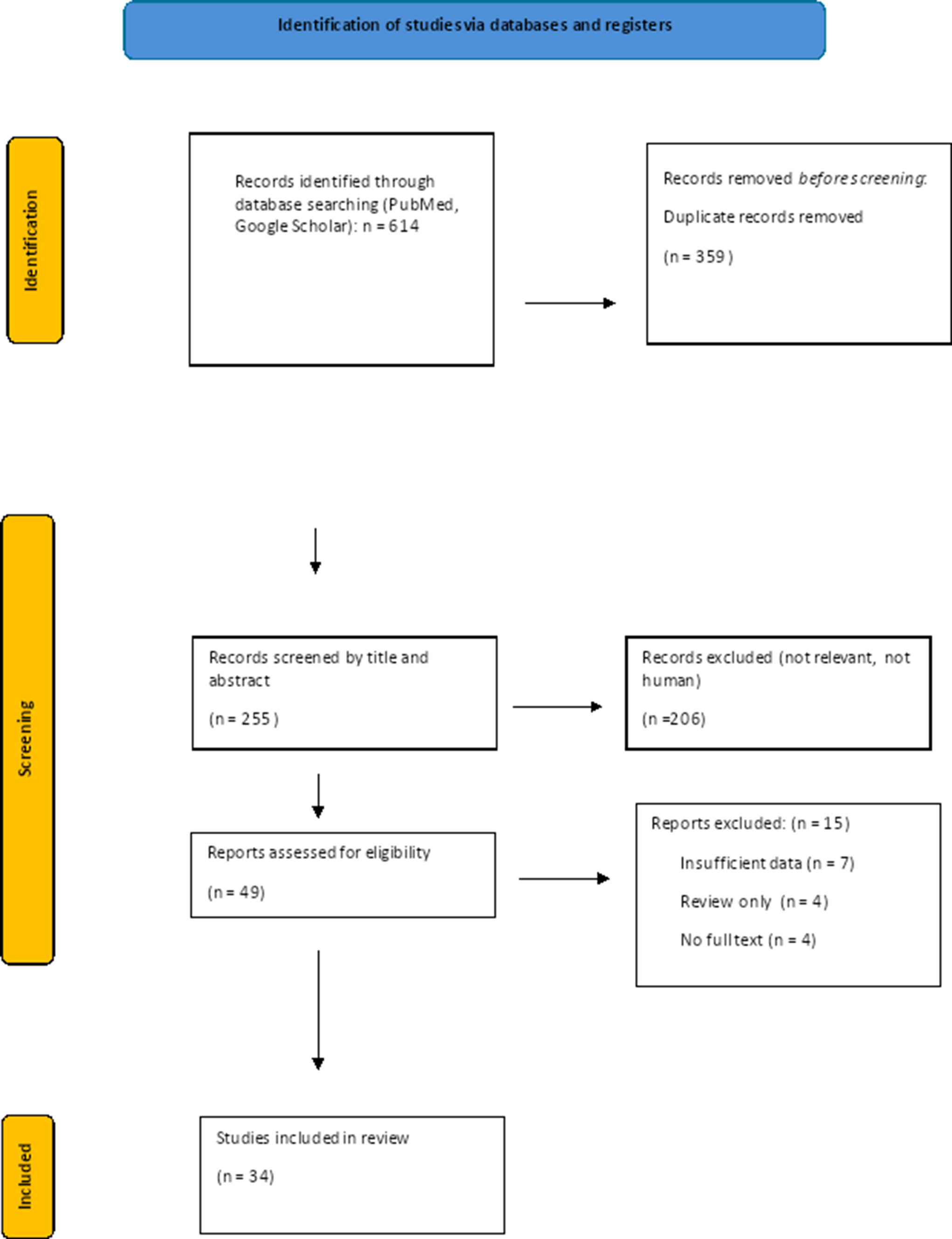
This narrative review followed a structured search and thematic synthesis approach. Between December 2025 and January 2026, we searched PubMed, Scopus, and Google Scholar using combinations of: “familialhypercholesterolemia/hypercholesterolaemia” AND (“cascade screening” OR “reverse cascade” OR “screening programme/program” OR “population screening” OR “paediatric/childhood screening” OR “genetic testing” OR “implementation” OR “cost-effectiveness”). We included human studies addressing FH screening strategies (universal, opportunistic, cascade, reverse cascade, registry-based, electronic-health-record or laboratory-triggered), programme descriptions, implementation studies, and economic evaluations, as well as systematic reviews and policy statements. We excluded non-familial hypercholesterolaemia lipid disorders, animal/in vitro research, editorials without primary data, and conference abstracts lacking full methodological detail. Records were screened by title/abstract, duplicates removed, and full text assessed for relevance. Evidence was synthesised thematically into: (1) screening paradigms, (2) implementation barriers and health system solutions, (3) paediatric and reverse cascade evidence, (4) economic considerations, and (5) translation to real-world practice through EPIRUS Familial Hypercholesterolaemia. The literature search and study selection process is summarised in Figure 1.
PRISMA flow diagram of search procedure.

Figure 1. Long description
The flowchart begins with the identification phase, where records are identified through database searching, specifically PubMed and Google Scholar, totaling 614 records. In the next step, 359 duplicate records are removed before screening. The screening phase involves evaluating the remaining 255 records by title and abstract, leading to the exclusion of 206 records deemed not relevant or not human. This results in 49 reports assessed for eligibility, from which 15 reports are excluded due to insufficient data, being review only, or lacking full text. Finally, 34 studies are included in the review.
The persistent familial hypercholesterolaemia detection gap: why current pathways underperform
The prevalence of familial hypercholesterolaemia is commonly estimated at approximately 1:250 for the heterozygous form, implying substantial numbers of affected individuals in every healthcare system.Reference Knowles, Rader and Khoury 1 Yet diagnostic rates remain low, with many individuals identified only after clinical manifestations.Reference Cox, Faria and Saramago 6 ,Reference Aliosaitiene, Petrulioniene and Rinkuniene7 Screening based on symptoms is intrinsically ineffective because familial hypercholesterolaemia is silent for decades. The challenge is not therapeutic capability but systematic identification and linkage to long-term preventive care. Reference Sarkies, Sullivan and Black4,Reference Birkenhead, Sullivan and Watts8, Reference Ahmad, Andersen and Andersen 9
Opportunistic and selective approaches
Opportunistic detection (lipids measured for unrelated reasons, case-finding triggered by cardiovascular events, or family history-based testing) repeatedly fails to reach population-level detection targets.Reference Sarkies, Sullivan and Black 4 , Reference Cox, Faria and Saramago 6 , Reference Ajufo, deGoma and Raper 10 , Reference Gidding, Sheldon and Neben 11 Selective paediatric testing based on obesity or positive family history misses genetically confirmed cases, because family history is often unknown, incomplete, or confounded by statin use in parents and intergenerational diagnostic gaps.Reference Klančar, Grošelj and Kovač 12 ,Reference Hennessey, McGowan and Shi13 Universal childhood programmes have shown that a meaningful fraction of genetically verified cases would be missed if family history alone were used as the gatekeeper. Reference Groselj, Kovac and Sustar3, Reference Hennessey, McGowan and Shi 13
Cascade screening: effective but constrained by index-case ascertainment
Genetic or phenotypic cascade screening is highly efficient once a pathogenic variant or a robust clinical diagnosis is established in an index case.Reference Leonardi-Bee, Boateng and Faria 14 Large national programmes in the Netherlands and Norway demonstrated that organised cascade models can identify large proportions of the expected familial hypercholesterolaemia population and improve awareness and care pathways.Reference Lokkesmoe and Hamilton 5 ,Reference Cox, Faria and Saramago6 However, cascade screening cannot exceed the ceiling set by initial index-case identification. In fragmented systems, index cases are detected late and inconsistently, meaning that even excellent cascade processes start too far downstream.Reference Sarkies, Sullivan and Black 4 ,Reference Cox, Faria and Saramago6,Reference Ajufo, deGoma and Raper10
Paediatric-based and reverse cascade screening: biological rationale and emerging evidence
Why childhood is an optimal window
Childhood low-density lipoprotein cholesterol reflects inherited lipid burden more directly than adult low-density lipoprotein cholesterol, which is influenced by diet, adiposity, comorbidities, and medication. A key recent advance is refined evidence on age-specific low-density lipoprotein cholesterol discrimination. In a large genetically verified cohort, low-density lipoprotein cholesterol in newborns showed substantial overlap between familial hypercholesterolaemia and non-familial hypercholesterolaemia infants, making cholesterol-based newborn screening unreliable as a first-line standalone strategy. By contrast, from age ≥1 year, low-density lipoprotein cholesterol discriminated reliably, and an age-specific threshold near the 85th percentile identified more than 94% of familial hypercholesterolaemia cases.Reference Bogsrud and Stava 15
This finding has practical implications. It supports focusing paediatric screening after infancy (or using newborn pathways only when coupled with reflex genetic testing strategies and careful evaluation), while strengthening the case for early childhood detection embedded in routine healthcare encounters.Reference Peterson, Horner and Lasarev 16
Paediatric programmes and real-world feasibility
The Slovenian national programme represents a mature model of universal or structured paediatric screening integrated into primary care with referral to specialised services and genetic confirmation.Reference Groselj, Kovac and Sustar 3 , Reference Klančar, Grošelj and Kovač 12 Programme evaluations show feasibility at scale and demonstrate that paediatric identification frequently triggers downstream diagnosis in parents, operationalising reverse cascade logic in practice. Reference Groselj, Kovac and Sustar3, Reference Klančar, Grošelj and Kovač 12 More recently, a Slovenian pilot child–parent cascade programme showed very high effectiveness when both parents were tested, with near-complete detection of a pathogenic or likely pathogenic variant, underscoring the power of a paediatric index case coupled with systematic parental testing.Reference Šikonja, Kobale and Kafol 17
In Germany, the VRONI initiative illustrates contemporary implementation of systematic paediatric screening in routine paediatric visits, with centrally measured LDL-C and reflex molecular genetic analysis above a predefined threshold.Reference Sanin, Schmieder and Ates 18 This model explicitly addresses logistics (central laboratory workflows), follow-up pathways (specialised paediatric care), and long-term registry linkage.
Reverse cascade screening: shifting diagnosis earlier across generations
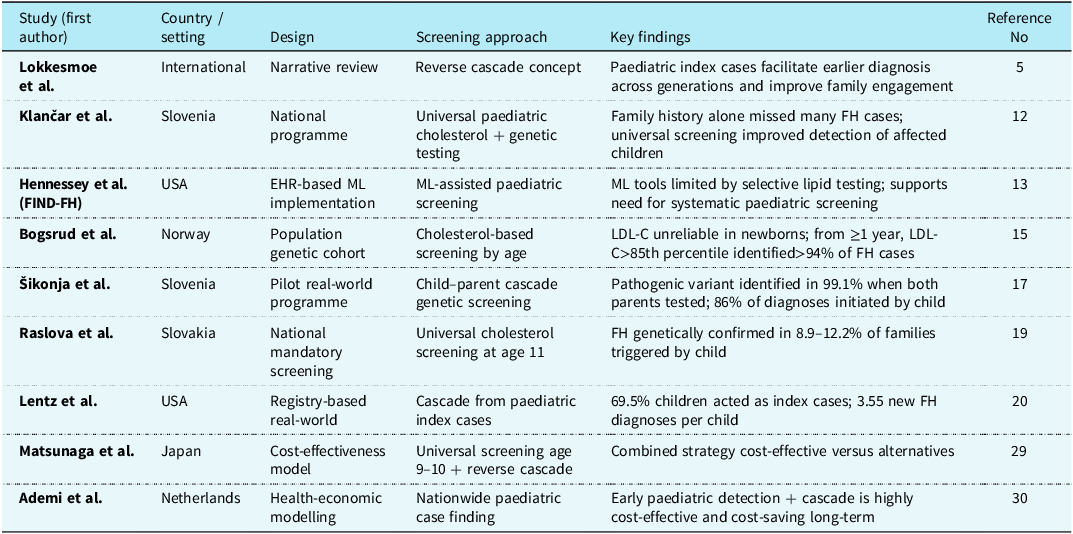
Reverse cascade screening in familial hypercholesterolaemia uses a child as the diagnostic entry point, leading to identification of affected parents and other relatives.Reference Lokkesmoe and Hamilton 5 ,Reference Šikonja, Kobale and Kafol17 This directly addresses the major limitation of conventional cascade pathways: low adult index case ascertainment. Clinical evidence suggests that many parents identified through child-triggered pathways would otherwise remain undiagnosed or would be classified as “possible” familial hypercholesterolaemia by clinical criteria alone, particularly when phenotypes are mild.Reference Šikonja, Kobale and Kafol 17 ,Reference Raslova, Donicova and Gonova19 Such families still carry substantial inherited risk and may benefit from earlier preventive treatment.Reference Lokkesmoe and Hamilton 5 ,Reference Šikonja, Kobale and Kafol17,Reference Lentz, Benoy and Zhang20 Key clinical, real-world, and health-economic studies supporting paediatric-based and reverse cascade screening strategies are summarised in Table 1. These studies illustrate the biological rationale, real-world feasibility, and economic sustainability of paediatric-based and reverse cascade screening strategies. Evidence spans population-based cohorts, national implementation programmes, registry analyses, and formal cost-effectiveness models, consistently supporting early childhood identification as a trigger for downstream family detection and long-term cardiovascular prevention.
tc h

Table 1. Long description
A table with seven columns and nine rows, summarizing key clinical, real-world, and health-economic studies on paediatric-based and reverse cascade screening strategies for familial hypercholesterolaemia. The columns are labeled Study (first author), Country / setting, Design, Screening approach, Key findings, and Reference No. The table includes studies from various countries, including international settings, Slovenia, USA, Norway, Slovakia, and Japan. The designs range from narrative reviews to national programs, EHR-based machine learning implementation, population genetic cohorts, pilot real-world programs, national mandatory screening, registry-based real-world studies, and cost-effectiveness models. Screening approaches include reverse cascade concepts, universal paediatric cholesterol and genetic testing, machine learning-assisted screening, cholesterol-based screening by age, child-parent cascade genetic screening, universal cholesterol screening at age 11, cascade from paediatric index cases, and universal screening at age 9-10 combined with reverse cascade. Key findings highlight the benefits of paediatric index cases in facilitating earlier diagnosis, improving family engagement, and the effectiveness of universal screening in detecting affected children. The table also notes the limitations of machine learning tools due to selective lipid testing and the unreliability of LDL-C in newborns. Pathogenic variants are identified in high percentages when both parents are tested, and early paediatric detection is shown to be cost-effective and cost-saving in the long term.
Implementation gaps and health system barriers
Underuse of genetic testing and pathway fragmentation
Genetic testing is central to definitive diagnosis, facilitates cascade screening at any age, and reduces ambiguity when low-density lipoprotein cholesterol overlaps with polygenic hypercholesterolaemia, elevated lipoprotein(a), or secondary causes. Reference Medeiros, Alves and Miranda21,Reference Noto, Spina and Giammanco22,Reference Miserez, Martin and Spirk23 Yet real-world uptake remains inconsistent due to limited awareness, insufficient integration into routine workflows, concerns about consent and family communication, and lack of streamlined referral and reimbursement pathways.Reference Birkenhead, Sullivan and Watts 8
Implementation-focused work highlights that effective familial hypercholesterolaemia detection requires more than a diagnostic test: it requires a service model that connects laboratory triggers, clinical assessment, genetic counselling/consent, family outreach, and long-term preventive care. Reference Birkenhead, Sullivan and Watts8, Reference Care, Arbour and Brunham 24
Delivery models that improve performance
Organised cascade programmes with dedicated personnel (including nurse-led or coordinator-led models) have demonstrated substantial improvements in detection yield and programme sustainability.Reference McCarron, Rocks and Hart 25 The broader lesson across systems is that a single pathway is rarely sufficient. Hybrid strategies combining primary care triggers, specialist clinic confirmation, genetic services, and structured family outreach are typically required to increase detection at scale.Reference Sarkies, Sullivan and Black 4 , Reference Johnson, Chen and McGowan 26
Economic evidence: aligning value with feasibility
Systematic reviews and national modelling studies generally conclude that FH screening is cost-effective compared with no screening.Reference Marquina, Morton and Lloyd 27 ,Reference Wang, Jiang and Li28 Cascade screening is often the most efficient per individual tested, but the best population impact is achieved when combined with strategies that increase index-case detection, including paediatric screening and reverse cascade testing.Reference Marquina, Morton and Lloyd 27 , Reference Matsunaga, Harada-Shiba and Yamashita 29 A cost-effectiveness analysis from Japan specifically evaluating universal screening at 9–10 years combined with reverse cascade screening of relatives supports the economic sustainability of this combined approach.Reference Matsunaga, Harada-Shiba and Yamashita 29
A Dutch analysis of nationwide paediatric case-finding and early preventive treatment suggests favourable value for investment, with long-term health gains and potential cost savings under model assumptions.Reference Ademi, Norman and Pang 30
The EPIRUS familial hypercholesterolaemia reverse cascade project: design and objectives
Context and rationale (Greece and the need for pragmatic models)
Greece lacks a nationwide familial hypercholesterolaemia screening pathway embedded in routine primary or paediatric care. As a result, identification remains largely opportunistic, and diagnosis is often delayed until adulthood or after cardiovascular events. A pragmatic, regionally implementable model is therefore needed to: (1) detect familial hypercholesterolaemia earlier, (2) demonstrate the feasibility of systematic genetic confirmation, (3) operationalise family-based screening from paediatric entry points, and (4) generate real-world evidence that can inform regional scaling and national policy.
Overall design
EPIRUS Familial Hypercholesterolaemia is a regional, real-world, paediatric-centred familial hypercholesterolaemia detection and family screening programme implemented in Northwestern Greece. Designed as a targeted screening and implementation initiative rather than universal population screening, the programme encompasses targeted paediatric identification using predefined lipid thresholds and family history triggers. This approach is coupled with standardised phenotyping, biochemical characterisation, and systematic genetic testing using next-generation sequencing for familial hypercholesterolaemia-related variants. Furthermore, the programme incorporates cascade and reverse cascade screening of relatives—guided by both genotype and clinical criteria—ultimately culminating in cohort creation and follow-up for long-term preventive care and linkage to established registries.
Eligibility criteria and recruitment pathways
Children aged 4–16 years are eligible for inclusion if they meet at least one of the following criteria: a low-density lipoprotein cholesterol level greater than 160 mg/dL irrespective of family history; a low-density lipoprotein cholesterol level exceeding 130 mg/dL in the presence of a family history of hyperlipidaemia and/or premature atherosclerotic cardiovascular disease (defined as occurring in men <55 years or women <65 years) in first-or second-degree relatives; or current treatment with lipid-lowering therapy for suspected familial hypercholesterolaemia. The selected age range reflects the structure of routine paediatric care in Greece, where adolescents older than 16 years are commonly transitioned to adult internal medicine services. Although familial hypercholesterolaemia may also be identified in children younger than 4 years and adolescents older than 16 years, the selected age range was chosen to optimise feasibility within the regional healthcare framework. Nevertheless, selected children younger than 4 years of age, particularly those with a strong family history or highly suggestive clinical and biochemical findings, may also be considered on an individual basis.
Referral lipid results may be fasting or non-fasting. Enrolment confirmation requires repeat lipid testing (preferably fasting) on a separate day and documentation that secondary causes of hypercholesterolaemia have been excluded, such as thyroid disease, nephrotic syndrome or chronic kidney disease, cholestatic liver disease, diabetes, medications, and acute illness. Low-density lipoprotein cholesterol thresholds are interpreted alongside age-and sex-adjusted percentiles, where available, to support clinical context, while preserving pragmatic absolute cut-offs for feasibility.
Recruitment is designed to be feasible in routine practice and can be triggered by: (1) paediatric lipid testing in primary or secondary care, (2) referrals to paediatric or internal medicine lipid clinics, and (3) family referrals after identification of an affected relative. A key programme principle is that the paediatric encounter is treated as an opportunity to diagnose the family.
Clinical and laboratory assessment
All enrolled participants undergo a standardised evaluation that includes a comprehensive medical history assessing secondary causes and medication use, alongside a detailed family history focusing on hypercholesterolaemia, premature atherosclerotic cardiovascular disease, and known familial hypercholesterolaemia variants in first-and, where available, second-degree relatives. Additionally, participants receive a physical examination to identify clinical stigmata of familial hypercholesterolaemia—such as xanthomas, xanthelasma, and corneal arcus—while acknowledging the low sensitivity of these signs in paediatric populations. The evaluation is completed with a biochemical profile comprising total cholesterol, low-density lipoprotein cholesterol, high-density lipoprotein cholesterol, triglycerides, apolipoprotein B, apolipoprotein A-I, and lipoprotein(a), as well as relevant ancillary tests for secondary dyslipidaemia as clinically indicated.
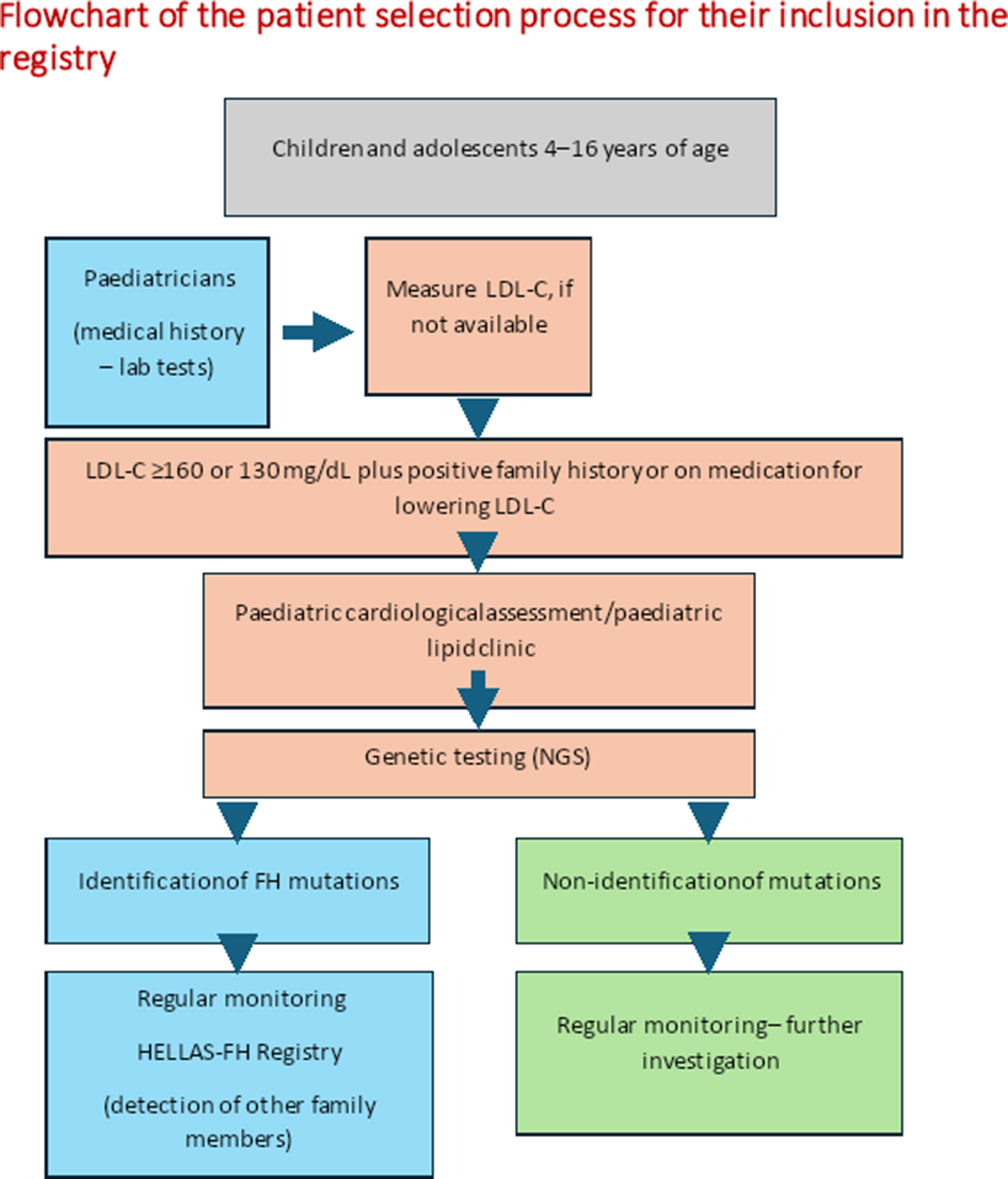
This approach supports both diagnostic confirmation and baseline cardiovascular risk stratification, including the increasingly recognised contribution of lipoprotein(a) and the need to identify phenocopies. The operational structure of the EPIRUS Familial Hypercholesterolaemia Reverse Cascade Project is illustrated in Figure 2.
Patient Enrollment Process in the EPIRUS-FH Registry. FH = familial hypercholesterolaemia; HELLAS-FH = Hellenic familial hypercholesterolaemia; LDL-C = low-density lipoprotein cholesterol; NGS = next-generation sequencing.

Figure 2. Long description
Flowchart of the patient selection process for their inclusion in the registry. The process begins with children and adolescents aged 4 to 16 years. Pediatricians conduct a medical history and lab tests. If LDL-C levels are not available, they are measured. If LDL-C levels are 160 mg/dL or higher or 130 mg/dL with a positive family history or on medication for lowering LDL-C, the child undergoes a pediatric cardiological assessment or visits a pediatric lipid clinic. Genetic testing (NGS) is then performed. If FH mutations are identified, regular monitoring is conducted through the HELLAS-FH Registry, which also helps detect other family members. If no mutations are identified, regular monitoring continues with further investigation.
Genetic testing strategy and variant interpretation
All children undergo targeted next-generation sequencing using an amplicon-based panel for familial hypercholesterolaemia-related genes (core genes: LDLR, APOB, PCSK9; expanded panels may additionally include LDLRAP1 and other genes associated with familial hypercholesterolaemia phenotypes, depending on local laboratory configuration). Bioinformatic analysis is focused on the detection of single-nucleotide variants and small insertions/deletions within the targeted regions. Copy number variant analysis is not part of the routine workflow. Variants are interpreted according to established American College of Medical Genetics and Genomics and Association for Molecular Pathology criteria and classified as pathogenic, likely pathogenic, variant of uncertain significance, likely benign, or benign. Pathogenic and likely pathogenic variants are reported and used to support family-based cascade screening and genetic diagnosis at any age within the family, including in relatives with borderline low-density lipoprotein cholesterol levels due to lipid-lowering treatment or lifestyle factors. Variants of uncertain significance are documented but are not used for clinical decision-making.
A key pragmatic goal is to embed genetic testing within routine care pathways with clear consent procedures and post-test counselling, ensuring that results translate into actionable family outreach.
Written informed consent is obtained from parents/guardians and children prior to genetic testing, and pre-and post-test counselling is provided by trained clinicians, covering benefits or limitations, implications for relatives, and handling of uncertain results. Reverse cascade outreach uses a General Data Protection Regulation-compliant approach prioritising participant-mediated contact. Direct contact of relatives by the study team occurs only when the participant and guardian explicitly authorise it, provide contact details, and the relative has an opportunity to participate.
Family-based cascade and reverse cascade process
Once a child is identified as phenotype-or genotype-positive, the EPIRUS Familial Hypercholesterolaemia programme initiates a structured family screening pathway that prioritises first-degree relatives, including parents and siblings. Within this framework, reverse cascade logic is explicitly applied, positioning parental testing as an expected subsequent step following paediatric identification. Second-degree relatives are subsequently approached based on initial testing results and family structure. In cases where a familial pathogenic variant is identified, relatives are offered targeted variant testing alongside comprehensive lipid profiling. Conversely, if genetic testing yields negative or inconclusive results, a phenotypic cascade approach utilising low-density lipoprotein cholesterol thresholds and clinical criteria is implemented, accommodating the possibility of polygenic hypercholesterolaemia or variants of uncertain significance.
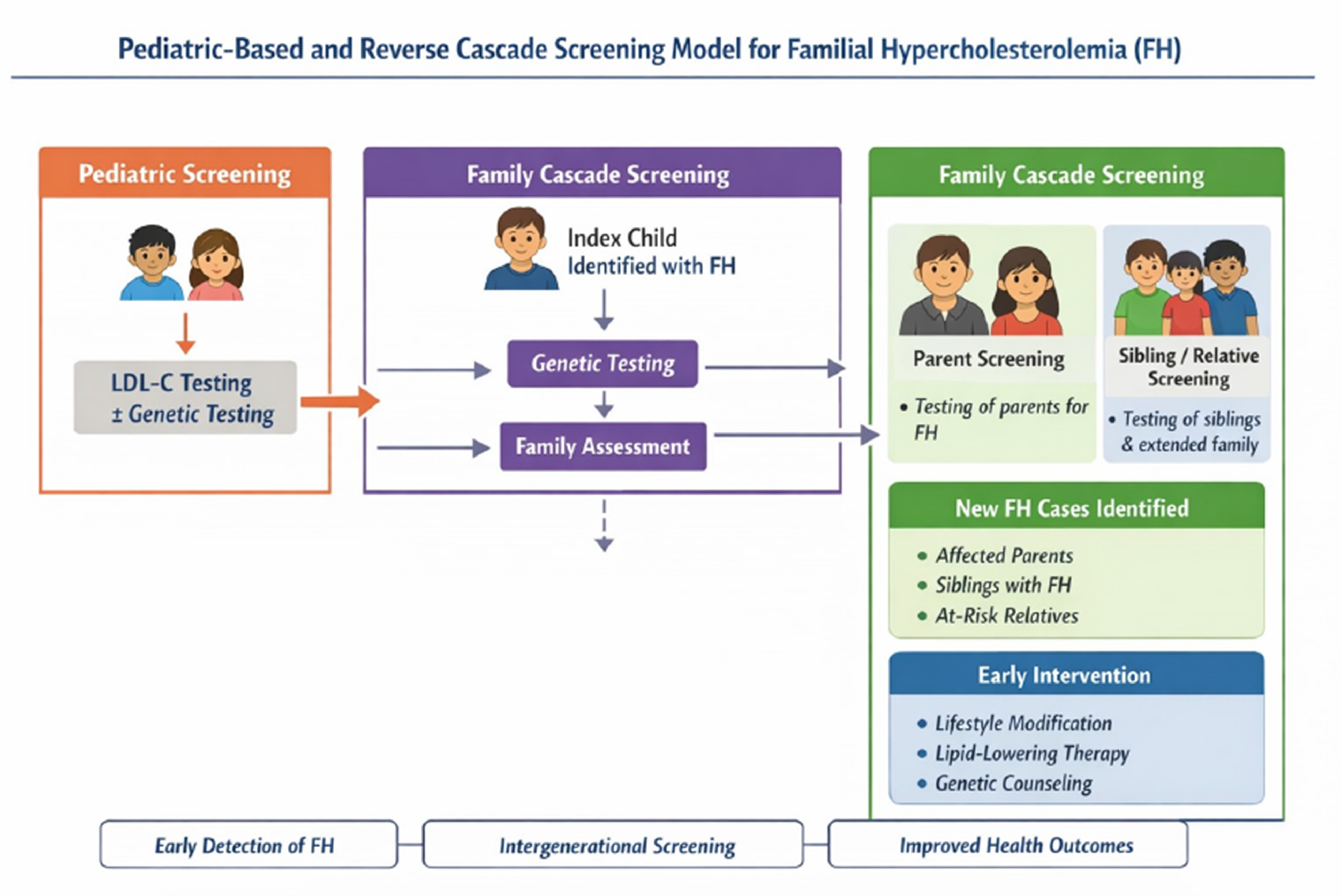
The conceptual framework of paediatric-based and reverse cascade screening is illustrated in Figure 3.
Conceptual framework for pediatric-based detection and reverse cascade screening in FH.

Figure 3. Long description
The diagram illustrates the pediatric-based and reverse cascade screening model for familial hypercholesterolemia. It begins with pediatric screening, where children undergo LDL-C testing and possibly genetic testing. If a child is identified with familial hypercholesterolemia, family cascade screening is initiated. This involves genetic testing and family assessment. The process includes screening parents and siblings or relatives for familial hypercholesterolemia. New cases identified include affected parents, siblings with familial hypercholesterolemia, and at-risk relatives. Early intervention strategies such as lifestyle modification, lipid-lowering therapy, and genetic counseling are then implemented. The overall goal is the early detection of familial hypercholesterolemia, intergenerational screening, and improved health outcomes.
Objectives and endpoints
The primary objectives of the programme are to increase the early identification of probable familial hypercholesterolaemia in children and adolescents, confirm diagnoses through standardised phenotyping and genetic testing, and improve the family-based identification of affected relatives via cascade and reverse cascade screening.
Secondary objectives include the creation of a regional familial hypercholesterolaemia cohort for longitudinal follow-up and linkage to national registries, alongside the characterisation of genotype–phenotype associations within this regional Greek population. Furthermore, the programme aims to evaluate feasibility and implementation barriers—such as recruitment, consent processes, turnaround times, family participation, and retention—while assessing baseline treatment patterns and low-density lipoprotein cholesterol target attainment in both the identified children and their relatives.
To evaluate the programme’s efficacy, several implementation endpoints are recommended. These encompass the proportion of eligible children enrolled among those referred, the time elapsed from initial referral to both lipid confirmation and genetic results, and the diagnostic yield, defined as the proportion of enrolled children who are genotype-positive for pathogenic or likely pathogenic variants. Additional endpoints involve family participation rates (specifically the proportions of tested parents, siblings, and extended relatives), the mean number of new familial hypercholesterolaemia diagnoses per paediatric index case, and the proportion of newly diagnosed individuals initiating guideline-concordant lipid-lowering therapy.
Disease registries are increasingly recognised as essential tools for improving the detection, phenotypic characterisation, longitudinal follow-up, and management of paediatric familial hypercholesterolaemia.Reference Kindt, Mata and Knowles 31 ,Reference Gazzotti, Casula and Bertolini32 Registry-based initiatives facilitate standardised data collection, support cascade and reverse cascade screening strategies, and provide important real-world evidence regarding genotype–phenotype associations, treatment patterns, and long-term cardiovascular prevention outcomes, while international collaborative registries have highlighted important variations in diagnostic pathways and treatment implementation across healthcare systems.Reference Ramaswami, Futema and Bogsrud 33 Within this context, the EPIRUS Familial Hypercholesterolaemia programme aims not only to improve regional case identification, but also to contribute implementation and registry-based longitudinal data that may support future national screening and management strategies.
Positioning EPIRUS familial hypercholesterolaemia within the screening spectrum
EPIRUS Familial Hypercholesterolaemia occupies a hybrid position between universal childhood screening (high reach but higher organisational demands) and traditional cascade screening (high efficiency but limited by adult index-case ascertainment). By selecting high-probability children using pragmatic lipid thresholds and embedding systematic genetic testing, EPIRUS Familial Hypercholesterolaemia aims to generate meaningful detection yield while remaining scalable within a decentralised healthcare setting.
This design aligns with the emerging evidence base supporting paediatric index-case detection and reverse cascade family testing, while adapting the approach to local constraints and opportunities.
Discussion
A central conclusion across the familial hypercholesterolaemia screening literature is that closing the diagnostic gap requires earlier entry points and coordinated pathways. Reference Sarkies, Sullivan and Black4,Reference Lokkesmoe and Hamilton5, Reference Birkenhead, Sullivan and Watts 8 Paediatric detection is increasingly supported by biological evidence, real-world programme feasibility, and economic analyses. Reference Groselj, Kovac and Sustar3,Reference Bogsrud and Stava15, Reference Matsunaga, Harada-Shiba and Yamashita 29 Importantly, classical phenotypic features of familial hypercholesterolaemia are often less informative in paediatric populations compared with adults. Recent evidence from the LIPIGEN study demonstrated that extending family history assessment to second-degree relatives may substantially improve early identification of familial hypercholesterolaemia in children and adolescents.Reference Casula, Gazzotti and Capra 34 Low-density lipoprotein cholesterol discrimination after infancy supports childhood screening, and national initiatives demonstrate that structured paediatric pathways can be embedded into routine care and can trigger family identification at scale. Reference Groselj, Kovac and Sustar3, Reference Bogsrud and Stava 15
Cascade screening remains foundational, but it is constrained by low index-case identification in most systems. Reference Sarkies, Sullivan and Black4, Reference Cox, Faria and Saramago 6 Reverse cascade approaches address this limitation by shifting the index case to a child identified earlier, enabling timely identification of parents who may carry substantial cumulative low-density lipoprotein cholesterol exposure and remain untreated.Reference Lokkesmoe and Hamilton 5 The Slovenian pilot child–parent cascade evidence is particularly compelling in demonstrating that systematic parental testing can yield near-complete identification when operationalised through an organised pathway.Reference Šikonja, Kobale and Kafol 17
Health system realities determine whether evidence translates into outcomes. Programmes that succeed typically include: (1) defined thresholds and triggers, (2) streamlined laboratory workflows, (3) systematic genetic testing with clear consent pathways, (4) dedicated coordination for family outreach, and (5) linkage to long-term prevention services.Reference Sarkies, Sullivan and Black 4 ,Reference Birkenhead, Sullivan and Watts8,Reference Care, Arbour and Brunham24,Reference McCarron, Rocks and Hart25 Economic modelling supports combined paediatric plus reverse cascade strategies, reinforcing the importance of designing programmes for both clinical impact and sustainability.Reference Marquina, Morton and Lloyd 27 ,Reference Matsunaga, Harada-Shiba and Yamashita29,Reference Ademi, Norman and Pang30
Within this context, EPIRUS Familial Hypercholesterolaemia is positioned as a pragmatic implementation model for Greece and similar healthcare environments. It does not require national universal screening to begin generating benefits. Instead, it uses targeted paediatric entry points to identify high-risk families, integrates genetic confirmation to enable definitive cascade testing, and creates a cohort that can support long-term follow-up and inform policy.
Future perspectives
Several key directions are likely to shape the next phase of familial hypercholesterolaemia detection strategies. First, the integration of screening into routine paediatric care—as demonstrated by programmes such as VRONI—indicates that screening can be successfully embedded within standard childhood health visits, provided that central laboratory and specialist follow-up structures are in place.Reference Sanin, Schmieder and Ates 18 Concurrently, there is an anticipated expansion of genotype-informed prevention, wherein genetic results will increasingly be utilised not only for diagnosis but also for refined risk stratification. As evidence continues to grow linking variant severity and lifelong low-density lipoprotein cholesterol exposure to coronary risk, genotype-informed treatment intensity and family prioritisation are expected to become standard practice.Reference Medeiros, Alves and Miranda 21 ,Reference Ibrahim, Hartgers and Reeskamp35 Furthermore, in the realm of population genomics and earlier life screening, although cholesterol-based newborn screening presents certain limitations, biochemical and reflex genetic strategies utilising residual dried blood spots are currently being explored. The feasibility of these newborn approaches will necessitate careful ethical and health-economic assessments, ultimately serving to complement rather than replace established childhood screening paradigms.Reference Peterson, Horner and Lasarev 16 ,Reference O’Brien, Potter and Driscoll36 Finally, regarding implementation science and equity, future research must focus on identifying delivery models that maximise both uptake and equitable access.Reference Sarkies, Sullivan and Black 4 ,Reference Birkenhead, Sullivan and Watts8,Reference Johnson, Chen and McGowan26 This includes the evaluation of family communication frameworks, the mitigation of cultural barriers, and the development of system incentives designed to drive sustained participation. Reference Schwiter, Brown and Murray37,Reference Amrock, Duell and Knickelbine38
Regional programmes like EPIRUS Familial Hypercholesterolaemia can contribute critically by providing real-world implementation data, identifying bottlenecks, and testing scalable solutions before national expansion.Reference Sarkies, Sullivan and Black 4 , Reference Birkenhead, Sullivan and Watts 8
Study limitations
This manuscript is a narrative review and therefore does not include a formal risk-of-bias assessment. The evidence base for paediatric and reverse cascade strategies is heterogeneous, combining programme descriptions, observational analyses, and economic models. EPIRUS Familial Hypercholesterolaemia is a single-region initiative, and generalisability will depend on similarities in healthcare structure and laboratory/genetic service capacity. Long-term clinical outcomes (adherence, low-density lipoprotein cholesterol trajectories, cardiovascular events) and economic outcomes derived from real-world follow-up are not yet available.
Conclusion
Opportunistic detection and conventional cascade screening alone are insufficient to resolve the underdiagnosis of familial hypercholesterolaemia at a population level. Paediatric-centred detection, particularly when coupled with systematic genetic confirmation and reverse cascade testing of relatives, offers a clinically compelling and increasingly cost-effective pathway to earlier diagnosis across generations. The EPIRUS Familial Hypercholesterolaemia Reverse Cascade Project demonstrates how a pragmatic paediatric entry strategy can be embedded within routine care in a decentralised setting, enabling family-based identification while generating implementation evidence to inform scalable national strategies.
Financial support
This work was supported with a research grant by the Hellenic Atherosclerosis Society.
Competing interests
AN, CK, EH, PA, IP, N-GK, AS, AV do not report any conflict of interest.
FB: Research grants from Amgen, Boehringer Ingelheim, Eli Lilly, Novartis, Novo Nordisk, and Hellenic Atherosclerosis Society; honoraria from Menarini Hellas, Novartis, Novo Nordisk, Sanofi, and Viatris; support for attending meeting and/or travel from Novartis, Novo Nordisk, Viatris, Chiesi, and European Atherosclerosis Society; board member of Hellenic Atherosclerosis Society (unpaid).
HM: Participated in educational, research and consulting activities supported by healthcare companies, including Amgen, AstraZeneca, Menarini, Novartis, Pfizer, Sanofi.
Ethical standard
This article is a narrative review and does not involve new studies of human or animal subjects performed by the authors.