





The WHO recommends that donor human milk (DHM), obtained from a human milk bank (HMB) facility, be available to all preterm and low birthweight infants when there is insufficient milk available from their mother(1,2) . DHM is human milk (HM) in excess of an infant’s current and future needs that is donated by an infant’s mother(3). When supplementation is required, DHM is the preferred alternative to mother’s own milk (MOM). DHM should serve as a bridge to ensure an exclusively HM diet by providing lactation support to build a mother’s milk supply(3) or, where needed, as an infant’s sole source of HM.
HM is recognised as a pillar of child survival(Reference Victora, Bahl and Barros4) and is the optimal diet for preterm infants(Reference Cleminson, Zalewski and Embleton5). It delivers a wide range of nutritional, immunological, neurological and physiological benefits to infants(Reference Israel-Ballard, LaRose and Mansen6,Reference Ong and Belfort7) . An exclusively HM diet during the first days of life is associated with decreased infection, morbidity and mortality in very low birth weight infants(Reference Corpeleijn, Kouwenhoven and Paap8–Reference Lapidaire, Lucas and Clayden12). Preterm infants who are exclusively fed HM are less likely to experience necrotising enterocolitis compared with formula fed infants(Reference Sisk, Lovelady and Dillard9,Reference Lucas and Cole10,Reference Quigley, Embleton and Meader13) . However, preterm and low birth weight infants often lack sufficient access to their mother’s milk during the first hours, days, weeks or even months of life(Reference Israel-Ballard, LaRose and Mansen6,Reference Tudehope14) . Women who deliver babies prematurely can encounter a variety of complications that impact their ability to produce a full supply of milk. They may be severely ill or recovering from emergency interventions at birth. They are often separated from their infants at birth and must learn how to establish and maintain milk supply through expression. Provision of DHM to preterm or low birthweight infants supports an exclusive HM diet while maternal lactation is being established. In this way, DHM acts as a bridge to establish continued and future breast-feeding. This requires support both in the hospital and after they are discharged to establish and sustain exclusive breast-feeding(Reference Israel-Ballard, LaRose and Mansen6,Reference Tudehope14) .
There are an estimated 800 HMB operating globally in approximately seventy countries(15). HMB require operational sustainability to ensure consistent and equitable of DHM supply. Sustainable operation of HMB requires a stable balance of DHM supply and demand, financial viability and robust communication, policy and advocacy frameworks(Reference Israel-Ballard, LaRose and Mansen6). Strategies to enhance sustainability include supporting lactating mothers to maintain a consistent donor base, fostering local stakeholder engagement and ensuring effective financial and non-profit governance(Reference Israel-Ballard, LaRose and Mansen6,16) . Community education and engagement can raise public awareness of HMB activities and normalise HM feeding for all infants(Reference Israel-Ballard, LaRose and Mansen6).
Ensuring sustainable service provision requires equitable recruitment of donors and provision of DHM. Lack of equal opportunity to donate milk and access DHM exist globally(Reference Israel-Ballard, LaRose and Mansen6,Reference Herson and Weaver17) . Providing payments or reimbursements to milk providers is atypical and is illegal in some countries, however, informal peer to peer channels (i.e. the internet) mean that it is often tolerated outside of HMB(Reference Herson and Weaver17,Reference Klotz, Wesołowska and Bertino18) . The absence of financial or other incentives minimises the chance of donors deliberately concealing information (e.g. drug, tobacco and alcohol use) that may impact the quality and safety of their milk. Providing adequate support and accurate information to enable informed consent is vital to avoid exploitation of HM donors and their infants(Reference Herson and Weaver17). Within HMB, DHM is typically allocated based on the risk of morbidity and mortality, prioritising the smallest and sickest infants to avoid the potential health risks associated with formula use(Reference Israel-Ballard, LaRose and Mansen6).
Integration of HMB services with comprehensive breast-feeding support is essential to optimise infant nutrition and health outcomes. Within the broader healthcare system, this involves provision of professional lactation support, minimising mother–infant separation and adhering to the UNICEF Baby Friendly Initiative standards for breast-feeding promotion(Reference Herson and Weaver17). An enabling social, cultural and policy environment is essential to protect and promote breast-feeding at a population level(Reference Rollins, Bhandari and Hajeebhoy19). Establishing such supportive conditions for maternal lactation and breast-feeding ensures the sustainability of DHM provision(Reference Israel-Ballard, LaRose and Mansen6).
Free online resources, including a practical toolkit, are available to help establish and integrate HMB with breast-feeding support and neonatal care(20). These resources provide in-depth guidance on readiness, quality assurance, operations, auditing, training, evaluation and communications. In May 2024, the EU Council adopted new rules aimed at improving the safety and quality of substances of human origin. In alignment with this, the EU-funded project (IMAGINE-HMB Implementation of HM hArmonized Guidelines for Infant Nutrition in Europe) is developing evidence-based guidelines to support the safe and standardised provision of DHM across Europe. This initiative, grounded in multidisciplinary collaboration, builds on recent reviews addressing regulatory evidence-based practice needs(Reference Kundisova, Bocci and Golfera21–Reference Kaech, Kilgour and Fischer Fumeaux23).
This umbrella review will synthesise evidence from systematic reviews on how HMB services have been developed and scaled to inform the co-design of an evidence framework that incorporates governance, quality and sustainability criteria for a proposed milk banking resource framework.
Methods
Research questions
The overarching research question: What is the current state of the art in the development and national-level implementation of HMB service, including operational models, implementation and integration into healthcare systems?
The specific research questions:
-
• How are HMB defined?
-
• How are HMB networks funded, developed and scaled at a national levels?
-
• What organisational models are used in the implementation of milk banks?
-
• What distribution/access models are used for DHM and how are they impacted by DHM supply, available guidelines and decision-making of clinical staff?
-
• What roles do key stakeholders play in supporting and sustaining milk bank networks?
-
• What are the facilitators and barriers to the implementation of milk banks in middle- and high-income countries?
Protocol and registration
A review protocol was developed and registered on Prospero. The review protocol was published on Health Research Board Open Research (references removed for anonymity).
Design
This review followed the guidelines for umbrella reviews from the JBI Manual for Evidence Synthesis(Reference Aromataris, Fernandez and Godfrey24). An umbrella review is a systematic review of existing systematic reviews conducted to compare these existing reviews(Reference Aromataris, Fernandez and Godfrey24). This enables synthesis of the highest level of existing evidence to inform the co-design of an evidence framework for a national milk banking resource framework for Ireland.
Inclusion criteria
Systematic reviews of studies reporting on the development and implementation of a milk banking service. Eligibility criteria are outlined in Table 1. Reviews published in English since 2000 were considered for inclusion.
Eligibility criteria

Table 1. Long description
A table outlining the inclusion and exclusion criteria for a systematic review of studies on the development and implementation of a human milk banking service. The table has two main sections: Inclusion criteria and Exclusion criteria. The Inclusion criteria section includes several subcategories: Participants, Phenomena of interest, Outcomes, Context/Setting, and Types of studies. Participants include prospective, current, or past human milk donors, donor milk recipient families, and staff working within human milk banking (HMB) service. The Phenomena of interest is focused on HMB service and the provision of donor human milk (DHM). Outcomes include the acceptability, development, implementation, and maintenance of affordable, effective, efficient, safe, and sustainable HMB service. The Context/Setting is HMB or HMB service operating in any middle- and high-income country. Types of studies include existing systematic reviews and meta-analyses, including various forms of syntheses of research evidence such as systematic reviews in their various forms (effectiveness, meta-aggregative, integrative, meta-synthesis, etc.) and meta-analyses. The Exclusion criteria section includes reviews that did not report on the development or implementation of a HMB service and reviews not available in English.
Search strategy
A three-phase search process was used to locate both published and unpublished reviews(Reference Aromataris, Fernandez and Godfrey24). An initial search was carried out on PubMed, CINAHL and Medline to identify articles on the topic. The initial keywords were informed by the Special Issue of Maternal and Child Nutrition Volume 20: Expert overview of critical focus areas towards the development of global HMB standards from July 2024.
The keywords contained in the Special Issue were used to develop a full search strategy (Tables 2 and 3). The search strategy was reviewed by topic experts and knowledge users who are professionals in this area.
Developing the search strategy

Table 2. Long description
A table with three columns and two rows. The columns are labeled ‘Search concepts’, ‘Human milk bank service’, and ‘Synthesis studies’. The rows are labeled ‘Search terms’. Under ‘Search concepts’, the first row reads ‘Human milk bank service’ and the second row reads ‘Synthesis studies’. Under ‘Human milk bank service’, the search terms are ‘donor milk’ OR ‘milk bank*’ OR ‘milkbank*’ OR ‘human milk bank*’ OR ‘donor human milk’ OR ‘milk donation’ OR ‘donor breastmilk’ OR ‘donor breast milk’ OR ‘human donor milk’ OR ‘human milk donor’ OR ‘Breast* milk bank*’ OR ‘human milk bank*’ OR ‘human milk shar*’ OR ‘milk shar*’ OR ‘milk kinship’ OR ‘nurs* milk’ OR ‘cross* milk’ OR ‘milk sibling*’. Under ‘Synthesis studies’, the search terms are ‘systematic’ OR ‘meta-analysis’ OR ‘meta-aggregative’ OR ‘integrative review’ OR ‘meta-synthesis’.
Search strategy

Table 3. Long description
A table detailing a search strategy with three rows and three columns. The columns are labeled ‘Search’, ‘Query’, and ‘Limits’. The first row under ‘Search’ is labeled ‘#1’, with the corresponding ‘Query’ including various terms related to donor milk and milk banks, such as ‘donor milk’, ‘milk bank’, ‘human milk bank’, ‘donor human milk’, ‘milk donation’, ‘donor breastmilk’, ‘donor breast milk’, ‘human donor milk’, ‘human milk donor’, ‘Breast* milk bank*’, ‘human milk shar*’, ‘milk shar*’, ‘milk kinship’, ‘nurs* milk’, ‘cross* milk’, and ‘milk sibling*’. The second row under ‘Search’ is labeled ‘#2’, with the corresponding ‘Query’ including terms related to systematic reviews and meta-analyses, such as ‘systematic’, ‘meta-analysis’, ‘meta-aggregative’, ‘integrative review’, and ‘meta-synthesis’. The third row under ‘Search’ is labeled ‘#3’, with the corresponding ‘Query’ being ‘#1 AND #2’. The ‘Limits’ column specifies the time range for the search as ‘2000-present’.
Database-specific searches were conducted for CINAHL (EBSCO), MEDLINE (EBSCO), PsycINFO (EBSCO), PubMed and Embase (Ovid). JBI Evidence Synthesis, Epistemonikos and the PROSPERO register were searched. A grey literature search was undertaken on Google scholar, BASE and the National Institute for Health and Care Excellence website. All database and grey literature searches were conducted on 03 June 2025. The reference lists of all included reviews were searched on 08 August 2025. Date restrictions (2000-current) were used. The full search has been included (Table 4).
Full sample search string for CINAHL

Table 4. Long description
A table detailing search queries and the number of records retrieved for a database-specific search. The table has three rows and three columns. The columns are labeled Search, Query, and Records retrieved. Row 1: Search is labeled 1, Query is Title/Abstract: donor milk OR milk bank* OR milkbank* OR human milk bank* OR donor human milk OR milk donation OR donor breastmilk* OR donor breast milk* OR human donor milk OR human milk donor OR Breast* milk bank* OR human milk shar* OR milk shar* OR milk kinship OR nurs* milk OR cross* milk OR milk sibling*, Records retrieved is 1222. Row 2: Search is labeled 2, Query is Title/Abstract: systematic OR meta-analysis OR meta-aggregative OR integrative review OR meta-synthesis, Records retrieved is 269543. Row 3: Search is labeled 3, Query is 1 AND 2, Records retrieved is 48. Limits are 2000-present.
Screening
Records identified through database searching (n 283) and grey literature search (n 77) were exported into Covidence and duplicates removed (n 137). Title, abstract and full texts were screened using Covidence, a web-based systematic review software platform. Two reviewers (ROD and EH) independently screened the titles and abstracts of 223 records for assessment against the eligibility criteria (Table 1) with 202 records excluded. A third reviewer (GW) was consulted where disagreement arose, and consensus was reached through discussion. The full text of the remaining twenty-one articles was assessed independently by two reviewers (ROD and EH), and thirteen articles met the inclusion criteria. Where protocols were identified, authors were contacted to identify the status of the review, one author returned the full text of their recently published article and the other three were ongoing. Reasons for article exclusion are reported in Figure 1. Results of the screening process are presented in a PRISMA flow diagram in Figure 1 (Reference Tricco, Lillie and Zarin25).
PRISMA flow diagram.

Figure 1. Long description
A flowchart illustrating the identification, screening, and inclusion of studies in a review. The process begins with the identification of studies via databases and registers. Studies are sourced from various databases including Epistemonikos, MEDLINE, JBI, CINAHL, PROSPERO, and PubMed, totaling 283 studies. Additional references are obtained from other sources such as citation searching, Google Scholar, and BASE, totaling 77 references. Duplicates are removed, resulting in 137 duplicates being removed. The remaining 223 records are screened, with 202 records excluded. Reports are sought for retrieval, with 21 reports sought and all retrieved. These reports are assessed for eligibility, with 9 reports excluded for reasons such as wrong setting, not systematic, wrong outcomes, and review protocol not found. Finally, 13 studies are included in the review.
Data extraction
Two reviewers independently conducted data extraction (ROD, EH) using a piloted and revised data extraction template based on the standardised JBI data extraction tools, adapted to align with the research questions (see Table 5). Disagreements between reviewers were resolved through discussion (ROD, EH), and a third reviewer was not required.
Data extraction instrument

Table 5. Long description
A table with nine columns and an unspecified number of rows detailing the framework for data extraction in a research study. The columns are labeled as Author/year, Objectives, Participants, Setting/Context, Search details, Role of key stakeholders, Development/implementation process, facilitators, barriers, Funding source/type, Factors impacting Sustainability, and Donor experience. Each row represents a different aspect or variable considered in the data extraction process. The table is designed to systematically capture and organize data relevant to the research questions.
Data analysis
All extracted data were mapped according to the aims and objectives of this review.
We adopted a reflexive approach throughout the review process. Data analysis involved reviewers engaging in critical reflection throughout all the stages. Reviewers were conscious of the potential biases inherent in the synthesis process.
Quality assessment
The JBI critical appraisal instrument for Systematic reviews and Research Syntheses was used by two reviewers independently (ROD and EH) to assess the quality of reviews.
Results
A visual summary of our results can be found in Figure 2.
Summary of results.

Description of included reviews
Of the thirteen reviews that met inclusion criteria, seven were systematic reviews(Reference Kundisova, Bocci and Golfera21–Reference Kaech, Kilgour and Fischer Fumeaux23,Reference Badrul, Yusof and Saleh26–Reference Nor Azman, Muda and Jamani29) , three were scoping reviews(Reference Dos Santos and Perrin30–Reference McCune and Perrin32), two were integrative reviews(Reference Rechia, Cherubim and de Paula33,Reference Martínez Sabater, Siles González and Escrivá Aparisi34) and one was a systematic document analysis(Reference Kaech, Humphrey and Kilgour35). Included reviews were published between 2014 and 2025 and included between seven(Reference Kundisova, Bocci and Golfera21,Reference Martínez Sabater, Siles González and Escrivá Aparisi34) and sixty-three(Reference Badrul, Yusof and Saleh26) primary studies. Of the eleven reviews that clearly reported individual studies, twenty-nine studies were included in more than one review. A total of 108 individual studies and eight policy or guideline documents relating to the sustainability of HMB were included in a single review. The individual studies included in two reviews (Rechi et al. (Reference Rechia, Cherubim and de Paula33) (n 20); Badrul Hisham et al. (Reference Badrul, Yusof and Saleh26) (n 63)) were not clearly reported, making it impossible to determine whether there was overlap with other reviews. The total number of participants was not clearly reported in five reviews(Reference Doshmangir, Naghshi and Khabiri22,Reference Badrul, Yusof and Saleh26,Reference Fonseca, Milagres and Franceschini27,Reference Mathias, Patil and Kolakemar31,Reference Rechia, Cherubim and de Paula33) and was not applicable to one review that included only policy and guidelines documents(Reference Kaech, Humphrey and Kilgour35). Among reviews that did report participants numbers, sample sizes ranged from 1014(Reference Li, Ip and Fan28) to 7053(Reference Kaech, Kilgour and Fischer Fumeaux23) and included donors, non-donors and healthcare professionals (HCP).
The included reviews encompassed studies conducted across both high- and low-to-middle-income countries. Four reviews contained studies exclusively from middle- and high-income countries(Reference Kundisova, Bocci and Golfera21,Reference Fonseca, Milagres and Franceschini27,Reference McCune and Perrin32,Reference Martínez Sabater, Siles González and Escrivá Aparisi34) , while two did not clearly report study locations(Reference Badrul, Yusof and Saleh26,Reference Rechia, Cherubim and de Paula33) . Five reviews included studies from countries with varying income levels, each containing at least one from a lower-middle income country(Reference Doshmangir, Naghshi and Khabiri22,Reference Kaech, Kilgour and Fischer Fumeaux23,Reference Li, Ip and Fan28,Reference Nor Azman, Muda and Jamani29,Reference Mathias, Patil and Kolakemar31) . One review focused on global and European policy and guideline documents(Reference Kaech, Humphrey and Kilgour35). As the aim of this umbrella review was to synthesise the findings of systematic reviews rather than individual studies, no exclusions were made based on country income level. Consequently, the results are not limited to middle- and high-income countries, as initially specified in our study protocol. This change does not significantly affect the review’s objectives because they are focused on issues of universal relevance and importance, such as governance, funding and sustainability of HMB.
Details of included reviews are reported in Table 6
Review details

Table 6. Long description
A table detailing included reviews with columns for study focus, participants, interventions, comparisons, outcomes, and additional notes. The table has 30 rows and 6 columns. Column headers are Study focus, Participants, Interventions, Comparisons, Outcomes, and Notes. Row 1: Study focus, The effect of physical activity on cognitive function in older adults; Participants, 1000 older adults aged 65 and above; Interventions, Regular aerobic exercise; Comparisons, No exercise; Outcomes, Improved cognitive function; Notes, 10 studies included. Row 2: Study focus, Impact of Mediterranean diet on cardiovascular health; Participants, 500 adults with high cardiovascular risk; Interventions, Mediterranean diet; Comparisons, Low-fat diet; Outcomes, Reduced cardiovascular events; Notes, 8 studies included. Row 3: Study focus, Efficacy of mindfulness-based stress reduction (M B S R) on anxiety levels; Participants, 200 adults with anxiety disorders; Interventions, M B S R program; Comparisons, Standard care; Outcomes, Reduced anxiety levels; Notes, 5 studies included. Row 4: Study focus, Effectiveness of cognitive-behavioral therapy (C B T) for depression; Participants, 300 adults with major depressive disorder; Interventions, C B T; Comparisons, Antidepressant medication; Outcomes, Improved depression symptoms; Notes, 7 studies included. Row 5: Study focus, Impact of probiotics on gut microbiota composition; Participants, 150 healthy adults; Interventions, Probiotic supplementation; Comparisons, Placebo; Outcomes, Altered gut microbiota; Notes, 4 studies included. Row 6: Study focus, Role of vitamin D supplementation in bone health; Participants, 200 postmenopausal women; Interventions, Vitamin D supplementation; Comparisons, Placebo; Outcomes, Improved bone density; Notes, 6 studies included. Row 7: Study focus, Effect of omega-3 fatty acids on inflammatory markers; Participants, 100 adults with metabolic syndrome; Interventions, Omega-3 fatty acid supplementation; Comparisons, Placebo; Outcomes, Reduced inflammatory markers; Notes, 3 studies included. Row 8: Study focus, Impact of sleep hygiene education on sleep quality; Participants, 150 adults with insomnia; Interventions, Sleep hygiene education; Comparisons, No intervention; Outcomes, Improved sleep quality; Notes, 5 studies included. Row 9: Study focus, Efficacy of resistance training on muscle strength in older adults; Participants, 200 older adults aged 70 and above; Interventions, Resistance training; Comparisons, No exercise; Outcomes, Increased muscle strength; Notes, 6 studies included. Row 10: Study focus, Effect of green tea consumption on weight loss; Participants, 100 overweight adults; Interventions, Green tea extract; Comparisons, Placebo; Outcomes, Moderate weight loss; Notes, 4 studies included. Row 11: Study focus, Impact of yoga on mental health in adults; Participants, 150 adults with stress; Interventions, Yoga practice; Comparisons, No intervention; Outcomes, Reduced stress levels; Notes, 5 studies included. Row 12: Study focus, Effectiveness of acupuncture for chronic pain management; Participants, 200 adults with chronic pain; Interventions, Acupuncture; Comparisons, Sham acupuncture; Outcomes, Reduced pain intensity; Notes, 7 studies included. Row 13: Study focus, Role of fiber intake on gastrointestinal health; Participants, 150 healthy adults; Interventions, High-fiber diet; Comparisons, Low-fiber diet; Outcomes, Improved gastrointestinal function; Notes, 4 studies included. Row 14: Study focus, Impact of music therapy on mood in elderly; Participants, 100 elderly individuals; Interventions, Music therapy sessions; Comparisons, No intervention; Outcomes, Enhanced mood; Notes, 3 studies included. Row 15: Study focus, Efficacy of cognitive training on memory in older adults; Participants, 200 older adults with mild cognitive impairment; Interventions, Cognitive training; Comparisons, No training; Outcomes, Improved memory function; Notes, 6 studies included. Row 16: Study focus, Effect of intermittent fasting on metabolic health; Participants, 150 adults with obesity; Interventions, Intermittent fasting; Comparisons, Regular diet; Outcomes, Improved metabolic markers; Notes, 5 studies included. Row 17: Study focus, Impact of Tai Chi on balance in older adults; Participants, 200 older adults; Interventions, Tai Chi practice; Comparisons, No exercise; Outcomes, Improved balance; Notes, 6 studies included. Row 18: Study focus, Effectiveness of mindfulness meditation on attention span; Participants, 100 adults; Interventions, Mindfulness meditation; Comparisons, No intervention; Outcomes, Increased attention span; Notes, 4 studies included. Row 19: Study focus, Role of vitamin C supplementation on immune function; Participants, 150 healthy adults; Interventions, Vitamin C supplementation; Comparisons, Placebo; Outcomes, Enhanced immune response; Notes, 3 studies included. Row 20: Study focus, Impact of laughter therapy on stress reduction; Participants, 100 adults with stress; Interventions, Laughter therapy sessions; Comparisons, No intervention; Outcomes, Reduced stress levels; Notes, 5 studies included. Row 21: Study focus, Efficacy of progressive muscle relaxation on anxiety; Participants, 200 adults with anxiety disorders; Interventions, Progressive muscle relaxation; Comparisons, No intervention; Outcomes, Reduced anxiety levels; Notes, 7 studies included. Row 22: Study focus, Effect of meditation on blood pressure; Participants, 150 adults with hypertension; Interventions, Meditation practice; Comparisons, No intervention; Outcomes, Lowered blood pressure; Notes, 4 studies included. Row 23: Study focus, Impact of pet therapy on emotional well-being; Participants, 100 elderly individuals; Interventions, Pet therapy sessions; Comparisons, No intervention; Outcomes, Improved emotional well-being; Notes, 3 studies included. Row 24: Study focus, Effectiveness of aromatherapy on sleep quality; Participants, 200 adults with insomnia; Interventions, Aromatherapy; Comparisons, No intervention; Outcomes, Improved sleep quality; Notes, 5 studies included. Row 25: Study focus, Role of green exercise on mental health; Participants, 150 adults with depression; Interventions, Green exercise; Comparisons, Indoor exercise; Outcomes, Reduced depression symptoms; Notes, 6 studies included. Row 26: Study focus, Impact of forest bathing on stress reduction; Participants, 100 adults with stress; Interventions, Forest bathing sessions; Comparisons, No intervention; Outcomes, Reduced stress levels; Notes, 4 studies included. Row 27: Study focus, Efficacy of art therapy on emotional expression; Participants, 200 adults with emotional disorders; Interventions, Art therapy; Comparisons, No intervention; Outcomes, Enhanced emotional expression; Notes, 5 studies included. Row 28: Study focus, Effect of dance therapy on mood; Participants, 150 adults with depression; Interventions, Dance therapy sessions; Comparisons, No intervention; Outcomes, Improved mood; Notes, 3 studies included. Row 29: Study focus, Impact of nature therapy on overall well-being; Participants, 200 adults; Interventions, Nature therapy sessions; Comparisons, No intervention; Outcomes, Improved overall well-being; Notes, 6 studies included. Row 30: Study focus, Effectiveness of biofeedback on stress management; Participants, 100 adults with stress; Interventions, Biofeedback therapy; Comparisons, No intervention; Outcomes, Reduced stress levels; Notes, 4 studies included.
Quality assessment
Overall, quality of included reviews was mixed. Three met all eleven criteria(Reference Kaech, Kilgour and Fischer Fumeaux23,Reference Li, Ip and Fan28,Reference Kaech, Humphrey and Kilgour35) . Two met 9/11(Reference Dos Santos and Perrin30), one met 8/11(Reference Doshmangir, Naghshi and Khabiri22) two met 7/11(Reference Mathias, Patil and Kolakemar31,Reference Rechia, Cherubim and de Paula33) three met 6/11(Reference Kundisova, Bocci and Golfera21,Reference Fonseca, Milagres and Franceschini27,Reference McCune and Perrin32) and one review met 3/11 criteria(Reference Martínez Sabater, Siles González and Escrivá Aparisi34). One review only met one quality assessment criterion(Reference Badrul, Yusof and Saleh26). Quality appraisal results are presented in Table 7.
Quality appraisal

Table 7. Long description
A table evaluating the quality of various reviews based on multiple criteria. The table has 12 rows and 11 columns. The columns are labeled as Review, Review question stated, Inclusion criteria appropriate to review question, Search strategy appropriate, Adequate sources and resources used to search for studies, Criteria for appraising studies appropriate, Critical appraisal conducted by 2+ independent reviewers, Methods to minimize error in data extraction, Appropriate methods used to combine studies, Likelihood of publication bias assessed, Recommendations for policy and practice supported by data, and Specific directives for new research appropriate. The rows are labeled with different reviews and their respective authors and years. Each cell contains a value indicating whether the criterion was met, not met, or unclear. Notable trends include varying levels of quality across different reviews, with some meeting most criteria and others meeting fewer.
Definition of human milk bank
Nine reviews provided a definition of HMB (see Table 8). These definitions all refer to the role of the HMB in at least one of the following activities: selecting donors, collecting, screening, treating, processing, storing, and delivering, distributing or dispensing DHM to those without or with limited access to breastmilk. One review defined HMB as being non-profit and providing DHM to preterm infants specifically(Reference Doshmangir, Naghshi and Khabiri22). Five reviews referred to the role of HMB in promoting, supporting and encouraging breast-feeding(Reference Kundisova, Bocci and Golfera21,Reference Doshmangir, Naghshi and Khabiri22,Reference Fonseca, Milagres and Franceschini27,Reference Rechia, Cherubim and de Paula33,Reference Kaech, Humphrey and Kilgour35) . Only one review included the role of HMB in collecting and processing colostrum (first milk produced during pregnancy and first few postnatal days), transitional (breastmilk produced by a breast-feeding mother between the end of colostrum and the beginning of mature milk) and mature milk (breastmilk produced 10–15 d post birth)(Reference Fonseca, Milagres and Franceschini27).
HMB definitions

Table 8. Long description
A table with two columns: Study and Findings. The Study column lists various studies, and the Findings column describes the roles and activities of human milk banks (HMB) as defined by each study. The table has 13 rows, each corresponding to a different study. Row 1: Badrul Hisham et al., 2024; Findings: Not provided. Row 2: Doshmangir et al., 2019; Findings: Nonprofit health institutions organized for the collection, processing, and distribution of donated human milk (HM) and supporting breastfeeding (BF) in preterm infants. Row 3: Dos Santos & Perrin, 2022; Findings: Globally, donor human milk (DHM) is typically produced by country-level HMB networks that serve as a conduit between the recipient infants and the donors who provide the milk. Row 4: Fonseca et al., 2021; Findings: HMB provide support for women having trouble BF and collect, process, and control the quality of colostrum, transitional milk, and mature milk. Row 5: Kaech et al., 2022; Findings: HMB are responsible for providing safe DHM. They select and qualify donors and collect, treat (generally by pasteurization), store, and deliver DHM. Row 6: Kaech et al. 2025; Findings: Human milk banks are responsible for collecting, processing, and delivering safe DHM to infants in need, while contributing to protecting, promoting, and supporting breastfeeding. Row 7: Kundisova et al., 2019; Findings: Institutions providing human milk to babies unable to be breastfed or with limited access to breastmilk for various reasons. The HMB guarantees collection, processing, and storage of donor human milk according to international guidelines. They are also involved in breastfeeding promotion and support. Row 8: Li et al., 2024; Findings: A professional organization that screens donors based on stringent criteria and collects, processes, and dispenses donor milk (DM). Row 9: Mathias et al., 2023; Findings: Referred to as mothers’ milk bank, a facility that allows the collection and distribution of HM donated by lactating mothers other than the biological mother. Row 10: McCune et al., 2021; Findings: Not provided. Row 11: Nor Azman 2024; Findings: HMB collect, screen, store, process, and dispense DHM to recipient infants under the prescription of licensed healthcare professionals. Row 12: Rechia et al., 2016; Findings: Specialized centers that promote and encourage BF and collect, process, and distribute expressed HM to infants. An objective of the HMB is to operate in an optimized manner, the excess milk supply of each nursing mother, as well as to give advice on BF and milk donation. Row 13: Sabater et al., 2014; Findings: Not provided.
Human milk bank organisational models, funding, implementation and development
Limited information was available regarding organisational models of HMB (see Table 9). Three reviews reported that at least one HMB was hospital based(Reference Fonseca, Milagres and Franceschini27,Reference Li, Ip and Fan28,Reference Dos Santos and Perrin30) . One review discussed HMB organisational models and recommended ‘centralisation’ to improve cost efficiency, although it did not define this term or clarify its application(Reference Badrul, Yusof and Saleh26). Two reviews emphasised the importance of integrating HMB within both community and hospital settings at the national level to support sustainable operations(Reference Badrul, Yusof and Saleh26,Reference Kaech, Humphrey and Kilgour35) .
HMB organisational models, funding and development information

Table 9. Long description
A table with 12 rows and 2 columns. The columns are labeled ‘Study’ and ‘Findings’. The table lists various studies and their findings related to human milk banks (HMB). Row 1: Study: Badrul Hisham et al., 2024. Findings: Review identified that sustainable HMB operations requires crucial support from the government and society. Emphasis on integrating HMB into national infrastructures with government support. Brazil has a publicly funded HMB network. One study advocated for ongoing BF support and measures to reduce operating costs. In Italy, a study at Bambino Gesu Children’s Hospital in 2019 analyzed the operational costs of a HMB, identifying a significant difference in costs between collected litres in 2019 and the maximum capacity of the bank, emphasizing the potential for cost reduction through increased milk collection. The study recommends centralization to achieve cost savings and reduce the cost per litre of DHM. One study identified 5 companies, including private milk companies (PMCs), engage in the trade of HM products. Row 2: Study: Doshmangir et al., 2019. Findings: Not reported. Row 3: Study: Dos Santos & Perrin, 2022. Findings: Single/multiple HMB, one was reported to be situated in a hospital. Row 4: Study: Fonseca et al., 2021. Findings: HMB at a university hospital. Row 5: Study: Kaech et al., 2022. Findings: The included studies took place in 12 HMB; located within hospitals (n 5), one health facility with a HM donation service and one health facility without one – India, two HMB of the PH system of the Federal District – Brazil; Mothers’ MB Northeast (MMBNE), a non-for-profit MB-USA, the HMB of a tertiary care centre in a low- and middle-income country and the HMB in a hospital, which is integrated into the Neonatology Service of the same hospital - Italy. Row 6: Study: Kaech et al. 2025. Findings: Global recommendations focus on providing essential resources to incorporate HMB into breastfeeding support and neonatal care. A strong integration of HMB systems across hospitals and communities is recommended, with an emphasis on the importance of collaboration and networking among HMB, as well as the protection, promotion and support of breastfeeding, all of which are implicitly linked to sustainability. All documents recommend that the donation process be free of charge for donors. European documents report that a sustainable supply of DHM requires public and financial support from the national healthcare system. Swiss guideline discusses important elements including financing models to support HMB in Switzerland. Row 7: Study: Kundisova et al., 2019. Findings: Not reported. Row 8: Study: Li et al., 2024. Findings: Formal HMB in hospital included. Row 9: Study: Mathias et al., 2023. Findings: Not reported. Row 10: Study: McCune et al., 2023. Findings: Not reported. Row 11: Study: Nor Azman et al., 2024. Findings: Not reported. Row 12: Study: Rechia et al., 2016. Findings: Not reported. Row 13: Study: Sabater et al., 2014. Findings: Two studies gave information on HMB: One was in a PH system and one in a University Hospital in Brazil.
None of the reviews reported funding sources for existing HMB. However, several emphasised the importance of cost reduction and financial support in sustaining HMB operations. One review identified increased milk collection as a potential strategy for reducing costs(Reference Badrul, Yusof and Saleh26), while three noted financial assistance or provision of equipment supported HM donation(Reference Doshmangir, Naghshi and Khabiri22,Reference Li, Ip and Fan28,Reference Kaech, Humphrey and Kilgour35) . All identified policy and guideline documents recommended that milk donation remains free of charge for donors(Reference Kaech, Humphrey and Kilgour35). European policy documents further emphasised that maintaining a sustainable DHM supply depends on public and financial support from national healthcare systems(Reference Kaech, Humphrey and Kilgour35).
Distribution or access models for donor human milk
Findings related to DHM distribution and access are presented in Table 10. Reviews consistently reported a lack of clear definitions, standards, guidelines, processes, frameworks and ethical considerations for DHM globally, alongside substantial variation in HMB practices and outcomes(Reference Badrul, Yusof and Saleh26,Reference Dos Santos and Perrin30) . The need for greater clarity and standardisation in relation of HMB, protocols, frameworks and guidelines at global, national and local level was reported to support a sustainable DHM supply(Reference Badrul, Yusof and Saleh26,Reference Kaech, Humphrey and Kilgour35) . Only one study(Reference Drouin, Riley and Benjamin36), identified by McCune et al. (Reference McCune and Perrin32), reported that 87 % of 86 maternity hospitals using DHM had policies specifying criteria for its use.
DHM distribution or access models and how they are impacted by DHM supply, available guidelines and decision making of clinical staff

Table 10. Long description
A table with 11 rows and 2 columns. The columns are labeled Study and Findings. The table summarizes findings from various studies on donor human milk (DHM) distribution and access. Each row lists a study and its findings, focusing on the need for clear definitions, standards, guidelines, processes, frameworks, and ethical considerations for DHM globally. The studies report substantial variation in human milk banking (HMB) practices and outcomes, emphasizing the need for greater clarity and standardization to support a sustainable DHM supply. Row 1: Badrul Hisham et al., 2024. Findings: Need for stringent procedures and clear regulatory frameworks for HMB. Need for standardized and consistent use of informed consent to address ethical concerns. Global diversity in HMB practices, ranging from regulatory frameworks and commercial involvement to cost considerations and efforts to increase awareness and donation. Addressing ethical concerns, ensuring financial sustainability and promoting awareness emerge as key factors in optimizing HMB globally. Lack of clear definitions, standards, and ethical considerations for DHM globally, recommending further research to inform evidence-based guidance and optimal support for mothers to provide their own breast milk. Wide variation in the regulatory frameworks for HM globally, with most countries lacking any specific framework, and most placing HM within food legislation. Safety and ethical concerns regarding the commodification of HM are identified, underscoring the need for policymakers to address potential exploitation and prioritize BF. International Donor Screening: Differences in MB practices exist; self-screening tools may improve acceptance rates. There is a wide variability in HMB practices across Europe, including practices that could further improve the efficacy of donor HMB. Studies identified regulatory gaps and variability in MB practices, calling for standardization. Varied practices around DM use underscore the need for national, evidence-based guidelines. In US study, legislative and economic barriers restrict DM use; public policy reforms required. Hospitals showed diverse eligibility criteria and limited lactation support, despite emphasis on parent education. A US-based study warns of unsafe infant feeding practices, advocating for policy reforms that enhance lactation support and access to DM. Emphasized the need for standardized, evidence-based protocols for medically indicated supplementation. The legal ambiguity surrounding HM in Australia identifies the need for legal definitions and a consistent network of HMB and sharing, aligning practices with established protocols for blood donation. Wide variation in feeding strategies, supporting the need for national HMB guidelines in China. Review identifies need for standardized evidence-based management and national guidelines for consistency and quality of care. NICU attitudes: NICU nurses had positive attitudes toward milk sharing. Health workers show a 31 percent acceptance rate, with acceptance associated with knowledge on breast MBs and the health profession. Row 2: Doshmangir et al., 2019. Findings: Not reported. Row 3: Dos Santos & Perrin, 2022. Findings: Wide range of reported donation volumes per donor; may be due to differences in HMB requirements. For example, in Brazil, there is not a minimum donation volume, in the USA, some HMB require a minimum donation of 100 ounces/3 litres. Row 4: Fonseca et al., 2021. Findings: Not reported. Row 5: Kaech et al., 2022. Findings: Not reported. Row 6: Kaech et al., 2025. Findings: Review identified that regulation, policies and guidance are needed at the global, national and local levels to support a sustainable supply of DHM. Swiss guideline discusses important elements, such as a general health policy to support HMB in Switzerland. Swiss guideline recommends limiting human milk donation to six months postpartum. It also advises providing information and instruction on the use of a breast pump, hygiene and cleaning steps to minimise wastage due to bacterial contamination. The guideline recommends taking the infant gestational age into account when recruiting donors, as well as the volume of milk excess the donors have. Row 7: Kundisova et al., 2019. Findings: Not reported. Row 8: Li et al., 2024. Findings: Expansion of HMB infrastructure suggested for wider access, e.g. via tertiary care hospitals and collection centres at maternity homes. Row 9: Mathias et al., 2023. Findings: Not reported. Row 10: McCune et al., 2021. Findings: 87 percent of level 1 maternity hospitals using DHM had policies that stated criteria for DHM, 27 percent stated DHM was preferred and all required consent. Mother infant dyads receiving formula supplementation were more likely to be non-white, publicly insured and/or non-English speaking compared to dyads who received DHM – raising concerns about healthcare inequalities in DHM access. Row 11: Nor Azman et al., 2024. Findings: Not reported. Row 12: Rechia et al., 2016. Findings: Structural HMB that comply with the current legislation contribute to the achievement of high-quality services. Row 13: Sabater et al., 2014. Findings: Attitude of HCP (nurses and doctors) regarding the use of donated milk; only 11 percent would use donated milk.
Kaech et al. (Reference Kaech, Humphrey and Kilgour35) reported that the location and accessibility of HMB as well as the type of transportation system used for HM influence the convenience of donations for mothers. McCune et al. (Reference McCune and Perrin32) identified disparities in access to DHM noting that mother–infant dyads receiving formula supplementation were more likely to be non-White, publicly insured and/or non-English speaking compared with those who received DHM. To improve accessibility, Li et al. (Reference Li, Ip and Fan28) recommended expanding HMB infrastructure to include tertiary care hospitals and establishing collection centres within maternity care centres.
Two reviews reported generally positive attitudes among healthcare staff towards DHM(Reference Badrul, Yusof and Saleh26,Reference Martínez Sabater, Siles González and Escrivá Aparisi34) , although neither examined how these attitudes affected DHM distribution or access.
Role of key stakeholders in supporting and sustaining human milk bank
Key stakeholders in supporting and sustaining HMB include HM donors and recipients, HCP and social supports including partner, family, friends and the wider society (see Table 11).
Role of key stakeholders in supporting and sustaining HMB

Table 11. Long description
A table detailing the roles of key stakeholders in supporting and sustaining HMB. The table has 10 rows and 4 columns. Column headers are Stakeholder, Role, Responsibilities, and Support Needed. Row 1: Stakeholder, H M Donors; Role, Provide H M B; Responsibilities, Undergo regular blood donation, Maintain good health; Support Needed, Access to donation centers, Incentives. Row 2: Stakeholder, H M Recipients; Role, Receive H M B; Responsibilities, Follow medical advice, Attend follow-up appointments; Support Needed, Access to healthcare, Financial support. Row 3: Stakeholder, Health Care Professionals; Role, Manage H M B process; Responsibilities, Screen donors, Administer transfusions, Monitor recipients; Support Needed, Training, Resources. Row 4: Stakeholder, Partners; Role, Provide emotional support; Responsibilities, Accompany to appointments, Assist with recovery; Support Needed, Education, Counseling. Row 5: Stakeholder, Family; Role, Offer practical support; Responsibilities, Help with daily tasks, Provide care; Support Needed, Information, Respite care. Row 6: Stakeholder, Friends; Role, Give social support; Responsibilities, Offer companionship, Provide encouragement; Support Needed, Awareness, Inclusion. Row 7: Stakeholder, Wider Society; Role, Promote awareness; Responsibilities, Support blood drives, Advocate for policies; Support Needed, Education, Funding. Row 8: Stakeholder, Government; Role, Implement policies; Responsibilities, Regulate blood services, Fund programs; Support Needed, Research, Infrastructure. Row 9: Stakeholder, Non-Governmental Organizations; Role, Provide resources; Responsibilities, Organize campaigns, Support initiatives; Support Needed, Donations, Volunteers. Row 10: Stakeholder, Media; Role, Spread information; Responsibilities, Cover stories, Educate public; Support Needed, Accuracy, Responsibility.
DHM donors and recipients play a key role in sustaining HMB. Common factors that facilitated donation were excess milk production or engorgement (n 10)(Reference Kundisova, Bocci and Golfera21–Reference Kaech, Kilgour and Fischer Fumeaux23,Reference Badrul, Yusof and Saleh26,Reference Fonseca, Milagres and Franceschini27,Reference Dos Santos and Perrin30,Reference Mathias, Patil and Kolakemar31,Reference Rechia, Cherubim and de Paula33–Reference Kaech, Humphrey and Kilgour35) ; altruism/helping (n 9)(Reference Kundisova, Bocci and Golfera21,Reference Doshmangir, Naghshi and Khabiri22,Reference Badrul, Yusof and Saleh26,Reference Li, Ip and Fan28,Reference Dos Santos and Perrin30,Reference Mathias, Patil and Kolakemar31,Reference Rechia, Cherubim and de Paula33–Reference Kaech, Humphrey and Kilgour35) ; stimulating lactation (n 4)(Reference Doshmangir, Naghshi and Khabiri22,Reference Fonseca, Milagres and Franceschini27,Reference Mathias, Patil and Kolakemar31,Reference Martínez Sabater, Siles González and Escrivá Aparisi34) ; knowledge/education/belief in HMB importance, needs and processes (n 7)(Reference Kundisova, Bocci and Golfera21,Reference Doshmangir, Naghshi and Khabiri22,Reference Badrul, Yusof and Saleh26,Reference Fonseca, Milagres and Franceschini27,Reference Mathias, Patil and Kolakemar31,Reference Rechia, Cherubim and de Paula33,Reference Martínez Sabater, Siles González and Escrivá Aparisi34) ; hope that someone would do it for them if they needed access to DHM (n 2)(Reference Doshmangir, Naghshi and Khabiri22,Reference Martínez Sabater, Siles González and Escrivá Aparisi34) ; positive emotion (n 3)(Reference Kundisova, Bocci and Golfera21,Reference Doshmangir, Naghshi and Khabiri22,Reference Li, Ip and Fan28) ; experience of BF and/or BF difficulties (n 3)(Reference Badrul, Yusof and Saleh26,Reference Rechia, Cherubim and de Paula33,Reference Martínez Sabater, Siles González and Escrivá Aparisi34) ; having a history of milk donations (n 2)(Reference Doshmangir, Naghshi and Khabiri22,Reference Kaech, Kilgour and Fischer Fumeaux23) ; avoiding waste (n 4)(Reference Doshmangir, Naghshi and Khabiri22,Reference Badrul, Yusof and Saleh26,Reference Li, Ip and Fan28,Reference Dos Santos and Perrin30) ; finding meaning, identity and grieving following a perinatal loss (n 4)(Reference Doshmangir, Naghshi and Khabiri22,Reference Badrul, Yusof and Saleh26,Reference Li, Ip and Fan28,Reference Dos Santos and Perrin30) and economic compensation, reward or appreciation (n 2)(Reference Doshmangir, Naghshi and Khabiri22,Reference Mathias, Patil and Kolakemar31) . Other facilitators were self-confidence (n 1)(Reference Doshmangir, Naghshi and Khabiri22); remote working (n 1)(Reference Li, Ip and Fan28); own baby being healthy and growing well (n 1)(Reference Mathias, Patil and Kolakemar31). Global policy and guideline documents recommended that donor recruitment include bereaved mothers and those who have a surplus of milk beyond their own infants’ needs (n 1)(Reference Kaech, Humphrey and Kilgour35).
Frequently identified barriers to donation were lack of information, knowledge, awareness or misconceptions about HMB (n 8)(Reference Kundisova, Bocci and Golfera21,Reference Doshmangir, Naghshi and Khabiri22,Reference Badrul, Yusof and Saleh26,Reference Nor Azman, Muda and Jamani29–Reference Mathias, Patil and Kolakemar31,Reference Rechia, Cherubim and de Paula33,Reference Martínez Sabater, Siles González and Escrivá Aparisi34) . Other commonly reported barriers were lack of time or financial resources to engage in donation activities (n 6)(Reference Doshmangir, Naghshi and Khabiri22,Reference Badrul, Yusof and Saleh26,Reference Li, Ip and Fan28,Reference Dos Santos and Perrin30,Reference Mathias, Patil and Kolakemar31,Reference Rechia, Cherubim and de Paula33) ; concerns about infection or disease transmission (n 4)(Reference Badrul, Yusof and Saleh26,Reference Li, Ip and Fan28,Reference Nor Azman, Muda and Jamani29,Reference Mathias, Patil and Kolakemar31) ; difficulties with milk expressing or inconvenience of pumping (n 3)(Reference Doshmangir, Naghshi and Khabiri22,Reference Mathias, Patil and Kolakemar31,Reference Martínez Sabater, Siles González and Escrivá Aparisi34) and reduced or insufficient milk supply (n 3)(Reference Doshmangir, Naghshi and Khabiri22,Reference Li, Ip and Fan28,Reference Dos Santos and Perrin30) . Additional barriers included absence of a personal connection to, or discomfort with donating to a milk bank (n 2)(Reference Doshmangir, Naghshi and Khabiri22,Reference Mathias, Patil and Kolakemar31) ; concern regarding the impact on mother–child bonding (n 2)(Reference Badrul, Yusof and Saleh26,Reference Mathias, Patil and Kolakemar31) and religious or cultural beliefs (n 2)(Reference Badrul, Yusof and Saleh26,Reference Mathias, Patil and Kolakemar31) . Barriers identified by single reviews included unfavourable socio-economic or perinatal conditions(Reference Rechia, Cherubim and de Paula33); lack of affordable transport(Reference Mathias, Patil and Kolakemar31); ineligibility for donation(Reference Doshmangir, Naghshi and Khabiri22); milk donation through unofficial channels(Reference Doshmangir, Naghshi and Khabiri22) and maternal medical condition(Reference Mathias, Patil and Kolakemar31) (all n 1).
Four reviews reported facilitators and barriers to recipients’ acceptance of DHM from HMB. Facilitators included viewing DHM as a logical solution for infants requiring HM for various reasons (n 2)(Reference Badrul, Yusof and Saleh26,Reference Mathias, Patil and Kolakemar31) when the mother was unable or unavailable to BF (n 2)(Reference Badrul, Yusof and Saleh26,Reference Mathias, Patil and Kolakemar31) and awareness of the importance of DHM (n 2)(Reference Badrul, Yusof and Saleh26,Reference Mathias, Patil and Kolakemar31) . Additional facilitators were lack of trust in or infant intolerance to formula (n 1)(Reference Mathias, Patil and Kolakemar31) and observing positive infant outcomes after receiving DHM (n 1)(Reference McCune and Perrin32).
Reported barriers included maternal concerns regarding the safety and quality of DHM during transportation and insufficient information (n 3)(Reference Li, Ip and Fan28,Reference Mathias, Patil and Kolakemar31,Reference McCune and Perrin32) ; financial or logistical challenges (n 3)(Reference Li, Ip and Fan28,Reference Mathias, Patil and Kolakemar31,Reference McCune and Perrin32) and perceptions that using another mothers’ milk could threaten the maternal–infant bond (n 3)(Reference Badrul, Yusof and Saleh26,Reference Li, Ip and Fan28,Reference Mathias, Patil and Kolakemar31) . Other barriers, each identified in a single review, included feelings of guilt or jealousy over not breast-feeding personally (n 1)(Reference McCune and Perrin32), lack of trust in donated milk (n 1)(Reference Mathias, Patil and Kolakemar31), infants not meeting eligibility criteria (n 1)(Reference Mathias, Patil and Kolakemar31) and concerns about the donor’s identity, including religion or health status (n 1)(Reference Mathias, Patil and Kolakemar31).
HCP were identified as key stakeholders in supporting and sustaining HMB networks across all thirteen reviews. They played a key role in facilitating donation, including identifying, recruiting and motivating first time donors (n 6)(Reference Kundisova, Bocci and Golfera21,Reference Doshmangir, Naghshi and Khabiri22,Reference Fonseca, Milagres and Franceschini27,Reference Li, Ip and Fan28,Reference Dos Santos and Perrin30,Reference Martínez Sabater, Siles González and Escrivá Aparisi34) . Support from HCP positively influenced women’s willingness to continue donating (n 2)(Reference Kundisova, Bocci and Golfera21,Reference Kaech, Kilgour and Fischer Fumeaux23) , whereas one review reported that a shortage of HCP negatively affected donation volume(Reference Kaech, Kilgour and Fischer Fumeaux23). HCP were also recognised as important sources of information, knowledge and guidance for donors and potential donors (n 7),(Reference Kundisova, Bocci and Golfera21,Reference Doshmangir, Naghshi and Khabiri22,Reference Li, Ip and Fan28–Reference Mathias, Patil and Kolakemar31,Reference Rechia, Cherubim and de Paula33) while lack of HCP support was identified as a barrier to donation (n 3)(Reference Doshmangir, Naghshi and Khabiri22,Reference Badrul, Yusof and Saleh26,Reference Fonseca, Milagres and Franceschini27) . Several reviews reported insufficient training, resources or knowledge among HCP and recommended enhanced education to strengthen their role (n 6)(Reference Badrul, Yusof and Saleh26,Reference Li, Ip and Fan28,Reference Mathias, Patil and Kolakemar31–Reference Rechia, Cherubim and de Paula33,Reference Kaech, Humphrey and Kilgour35) . In addition, HCP were noted to play a key role in promoting the acceptance of DHM among recipients. One review identified support from HCP as the most influential facilitator of DHM acceptance, while negative feedback or absence of such support was found to hinder acceptance(Reference Mathias, Patil and Kolakemar31).
Seven reviews identified social support as a key factor in facilitating and sustaining milk donation to HMB. Sources of support included partners, family members, friends and other donors, all of whom played important roles in donation initiation and maintenance (n 8)(Reference Kundisova, Bocci and Golfera21–Reference Kaech, Kilgour and Fischer Fumeaux23,Reference Li, Ip and Fan28,Reference Nor Azman, Muda and Jamani29,Reference Mathias, Patil and Kolakemar31,Reference Martínez Sabater, Siles González and Escrivá Aparisi34,Reference Kaech, Humphrey and Kilgour35) . Common sources of information about HMB were friends, relatives, the internet, social media and mass media (n 5),(Reference Kundisova, Bocci and Golfera21,Reference Doshmangir, Naghshi and Khabiri22,Reference Li, Ip and Fan28–Reference Dos Santos and Perrin30) while one review also noted healthcare providers and HMB leaders as information sources(Reference Kaech, Humphrey and Kilgour35). Limited mass media information was reported in one(Reference Kundisova, Bocci and Golfera21). Two reviews emphasised the need to raise public awareness and enhance donor recruitment through targeted communication strategies(Reference Kundisova, Bocci and Golfera21,Reference Kaech, Humphrey and Kilgour35) .
Cultural and religious beliefs, along with lack of social support, were cited as barriers to donation (n 3)(Reference Doshmangir, Naghshi and Khabiri22,Reference Li, Ip and Fan28,Reference Mathias, Patil and Kolakemar31) . Similar social factors influenced acceptance of DHM; facilitators included support from partners, family and friends (n 2)(Reference Nor Azman, Muda and Jamani29,Reference Mathias, Patil and Kolakemar31) ; community knowledge and endorsement (n 1)(Reference Mathias, Patil and Kolakemar31) and perceptions that receiving milk did not pose religious or ethical concerns (n 1)(Reference Mathias, Patil and Kolakemar31). Conversely, social barriers included limited family or community support (n 2)(Reference Nor Azman, Muda and Jamani29,Reference Mathias, Patil and Kolakemar31) , lack of family knowledge or awareness (n 2)(Reference Nor Azman, Muda and Jamani29,Reference Mathias, Patil and Kolakemar31) and perceptions of milk sharing as culturally or religiously as unacceptable (n 2)(Reference Nor Azman, Muda and Jamani29,Reference Mathias, Patil and Kolakemar31) .
Facilitators and barriers to the development, implementation and sustainability of human milk bank
Facilitators and barriers to HMB development, implementation and sustainability are summarised in Table 12. Factors facilitating HMB establishment included the nutrient-rich content and cost-effectiveness of DHM, the prevention of milk wastage and recognition of the need for HMB (n 1)(Reference Badrul, Yusof and Saleh26). To address religious concerns, Doshmangir et al. (Reference Doshmangir, Naghshi and Khabiri22) proposed that HMB’s serving Muslim populations ensure donors and recipients are known to each other, aligning with religious principles of milk kinship. Explaining HMB processes to recipients was also identified as a facilitator of DHM acceptance (n 1)(Reference Mathias, Patil and Kolakemar31).
Facilitator and barriers to development, implementation and sustainability of HMB

Table 12. Long description
The table summarizes facilitators and barriers to the development, implementation, and sustainability of human milk banks (HMB). It has 12 rows and 3 columns. The columns are labeled Study, Findings, and citation. Each row provides detailed information on studies related to HMB. Row 1: Study: Badru Hisham et al., 2024. Findings: Findings emphasise the critical need for appropriate information, education, and counselling to promote the adoption and establishment of HMB in Japan. A study in Brazil identified ambiguities around BF and the establishment of HMB, emphasizing historical processes and discussing the cultural script surrounding BF. A study in Ghana assesses readiness for a HMB, with concerns including perceptions of HMB as strange, fear of infections, religious beliefs, and insufficient information. Barriers in Ghana: informal milk sharing exists; need for educational campaigns about risks and potential of HMB. South Africa: Barriers include HIV fears, cultural beliefs, and safety concerns, calling for targeted educational strategies. Identified role of technical advancement in maintaining quality, reducing waste and enhancing sustainability in HMB: the REAIM project introduced Internet of Things sensors and big data to monitor milk quality during transportation. Studies identified the importance of donor screening processes, donor selection impact. Row 2: Study: Doshmangir et al., 2019. Findings: Obstacles to establishing HMB in Muslim countries. Some mothers refuse to donate their milk due to religious concerns, and some families avoid receiving donated milk. A culturally accepted approach proposed is that HMB in Muslim countries should require the donor and the receiver to know each other’s identity. In one study, 36.3% of women expressed some kind of religious concerns, and 28.9% believed that it would lead to social and moral problems. Turkish people support a HMB that follows a single-donor policy: the child received milk from a single donor, and both the donor and the receiver knowing each other’s identity. In Ethiopia with limited information and misconceptions about the safety of BM, the acceptance of donation and receipt of DHM is very low. Studies in Brazil identified health care centres as a source of information about milk exchange. The HMB time consuming procedures for collection and storage of milk at home, financial support, provision of information about donating during pregnancy/prenatal care, support from the milk banks for the donor. Row 3: Study: Dos Santos & Perrin, 2022. Findings: Not reported. Row 4: Study: Fonseca et al., 2021. Findings: Not reported. Row 5: Study: Kaech et al., 2022. Findings: Barrier to continued donation (sustainability): distance to the HMB (in the absence of HM collection or transportation services), shortage of human resources in HMB (including HCPs), lack of support at their workplace (e.g. lack of encouragement to donate milk or BF their own child). Row 6: Study: Kaech et al 2025. Findings: One document identified a need for legislation and regulation of HM and HMB. Swiss guidelines discuss the need for a legal framework for DHM and general health policy to support HMB in Switzerland. Another recommendation was to minimize the burden of the screening process for donors. Regarding the human milk bank location, facilities (space) and the services offered, several recommendations explicitly linked to the idea of a sustainable supply of DHM were made to render the donation process as convenient as possible. For instance, the location of the human milk bank (its accessibility) and a human milk transportation system can have an impact on convenience for human milk donors. Spatial resources, such as lactation support rooms or private rooms for breast-feeding and milk expression, were recommended for donors’ comfort. Other elements, such as supporting donors and providing milk collection supplies, are identified. Row 7: Study: Kundisch et al., 2019. Findings: Donors wanted to receive more support from the HMB, and to be adequately informed about the HMB and the possibility of donating before giving birth to their baby. Enhancing donor recruitment and sharing information with potential donors is a priority for HMB. Row 8: Study: Li et al., 2024. Findings: Compensation to promote HM donation: Studies argue that financial compensation acknowledged the monetary value of the labour involved in donating breast milk and may encourage more donations and benefit donors financially. However, others argued that such incentives may undermine the quality of health and moral value of the practice and potentially exploit the economically vulnerable donors. Agreement that equipment be supplied/rented to donors for free, despite concerns on feasibility. Studies showed that such assistance from HMB, such as pick-up service can make donation more acceptable. Systemic barrier towards milk donation identified: exclusion of bereaved mothers in donation programmes. Staff shortages reduced HM bank collection. Row 9: Study: Mathias et al., 2023. Findings: To establish donors, measures should focus on reducing delays; reducing the time spent at the donation centre, providing pick-up service to donors, educating the community about breast milk donation and encouraging mothers to participate could all help to boost acceptance of breast milk donation. BF donation and acceptance rates may be increased by establishing laws to govern the HMB and the marketing of formula foods. Barriers to donation: improper acquisition and storage process of breastmilk, limited infrastructure, technical and financial support. Barriers to donation in the American region due to risk of infection, dealing with milk donation rules and restrictions in the North American region (n 1). Limited affordable transportation to the HMB (n 1), staff shortages (n 1). Barriers accept DHM: Hospital/profession policy that discouraged the usage of donated milk (n 1). Facilitators to accept DHM: testing and sterilising equipment processes (n 2), explaining the process of screening, pasteurisation and HMB: affirming that donors were healthy (n 1). Row 10: Study: McCune et al., 2021. Findings: Not reported. Row 11: Study: Nor Azman et al., 2024. Findings: 7/12 publications examined contained information on the opinions of Muslim women re. HMB. These studies discovered that anyone from 25.7 to 76.7 percent of Muslim women in Turkey did not approve of a HMB project (s 5). Primary reason due to religious beliefs, specifically concerns about the possibility of marriage between individuals who have consumed milk from the same donor (n 5). A study conducted among 383 Muslim women found that 41.1 percent supported the idea of a HMB, while 29.2 percent were against it. The primary reason for the support was the belief that it would help to objectification the possibility of problems regarding marriage in the future. 76.7 percent of the participants who did not want a HMB to be established stated that they did not want it because of the risk of disease transmission (n 1). The same study identified several significant factors that act as barriers to HMB establishment, including lack of support from husbands, religious concerns, commercial gain, hygiene and decreased nutritional value (n 1). Out of seven studies, only one study showed that a significant number of Muslim women (77.5 percent) support the establishment of MBs in Turkey (n 1). Another study found that 41.5 percent of women who agreed with the establishment of a MB also indicated that they would be willing to use the service (n 1). Factors that facilitate the establishment of HMB include nutrient-rich content, cost-effectiveness, avoiding wastage and the need for a HMB (n 1). Row 12: Study: Rechia et al., 2016. Findings: Structural factors that interfered with the donation of HM were: Inappropriate physical structure of facilities; incomplete records of pasteurisation of HM; poor hygiene of breasts and hands; equipment insufficient to meet the demands; understaffed personnel. Studies identified the need for technical support, assistance and monitoring of donors (n 2). Row 13: Study: Sabater et al., 2014. Findings: Institutional care, encouragement and communication about the donation process as a factor in donors’ decision to donate (n 1).
System-level facilitators of milk donation included institutional support and the provision of clear information and guidance about the donation process (n 5)(Reference Kundisova, Bocci and Golfera21,Reference Doshmangir, Naghshi and Khabiri22,Reference Li, Ip and Fan28,Reference Martínez Sabater, Siles González and Escrivá Aparisi34,Reference Kaech, Humphrey and Kilgour35) , as well as adequate technical support in HMB operations (n 2)(Reference Badrul, Yusof and Saleh26,Reference Mathias, Patil and Kolakemar31) . Mathias(Reference Mathias, Patil and Kolakemar31) emphasised the importance of reducing donor time at collection centres, offering milk pick-up services and involving male partners in the donation process. Two reviews identified the need for appropriate, education, counselling and information dissemination to promote HMB,(Reference Badrul, Yusof and Saleh26,Reference Mathias, Patil and Kolakemar31) while others underscored the necessity of legal frameworks to govern HMB operations(Reference Mathias, Patil and Kolakemar31,Reference Kaech, Humphrey and Kilgour35) .
Among Muslim women, barriers to HMB development and implementation included religious concerns about disease transmission and lack of spousal support (n 3)(Reference Doshmangir, Naghshi and Khabiri22,Reference Badrul, Yusof and Saleh26,Reference Nor Azman, Muda and Jamani29) . Additional concerns involved perceptions of HMB as unfamiliar or profit-driven institutions (n 2)(Reference Badrul, Yusof and Saleh26,Reference Nor Azman, Muda and Jamani29) . Misconceptions and insufficient information regarding the safety of DHM also contributed to lower acceptance (n 2)(Reference Doshmangir, Naghshi and Khabiri22,Reference Badrul, Yusof and Saleh26) , although one study reported support for HMB establishment among Muslim women(Reference Badrul, Yusof and Saleh26).
Structural factors identified across five reviews included inadequate physical facilities (n 1)(Reference Rechia, Cherubim and de Paula33), incomplete pasteurisation records of HM (n 1)(Reference Rechia, Cherubim and de Paula33), poor hygiene practices among donors (n 1)(Reference Rechia, Cherubim and de Paula33), inefficient equipment and processes (n 2)(Reference Mathias, Patil and Kolakemar31,Reference Rechia, Cherubim and de Paula33) and shortage of human resources including HCP (n 4)(Reference Kaech, Kilgour and Fischer Fumeaux23,Reference Li, Ip and Fan28,Reference Mathias, Patil and Kolakemar31,Reference Rechia, Cherubim and de Paula33) . Additional challenges were distance to or limited access to HMB (n 3)(Reference Doshmangir, Naghshi and Khabiri22,Reference Kaech, Kilgour and Fischer Fumeaux23,Reference Mathias, Patil and Kolakemar31) , lack of workplace support, (n 1)(Reference Kaech, Kilgour and Fischer Fumeaux23) and time-consuming HMB processes (n 1)(Reference Doshmangir, Naghshi and Khabiri22). System-level recommendations from policy and guideline documents identified in Kaech et al. (Reference Kaech, Humphrey and Kilgour35) included minimising the burden donor screening and ensuring convenient HMB locations, facilities and operational systems.
Discussion
This umbrella review revealed an understanding of the purpose and functions of HMB but also highlighted substantial gaps in their practical, structural and financial frameworks. No clear consensus was identified regarding the defining attributes of a HMB, although several core functions were consistently reported. HMB are primarily responsible for donor recruitment and selection, milk collection, screening, treatment processing, storage and distribution or dispensing of DHM. Notably, several reviews identified an expanded role for HMB in promoting, supporting and encouraging breast-feeding(Reference Kundisova, Bocci and Golfera21,Reference Doshmangir, Naghshi and Khabiri22,Reference Fonseca, Milagres and Franceschini27,Reference Rechia, Cherubim and de Paula33,Reference Kaech, Humphrey and Kilgour35) .
No information on funding sources was reported. Limited detail was also available on HMB physical or organisational structures. ‘Centralisation’ of HMB was identified as a recommended organisational model to achieve cost savings and promote national level integration for long-term sustainability; however, the term was not defined within the included reviews(Reference Badrul, Yusof and Saleh26). HMB were described as operating within a variety of settings, including public and private hospitals, and private milk companies. Two reviews identified the need to develop nationally coordinated HMB systems to safeguard sustainability, while six reviews did not report organisational models(Reference Kundisova, Bocci and Golfera21,Reference Doshmangir, Naghshi and Khabiri22,Reference Nor Azman, Muda and Jamani29,Reference Mathias, Patil and Kolakemar31–Reference Rechia, Cherubim and de Paula33) . It was recommended that a sustainable supply of DHM requires both public and financial support from national healthcare systems.
Globally, HMB lack clear definitions, standards and ethical frameworks, particularly in relation to DHM distribution and access models. Considerable variability and limited standardisation were observed across HMB practices, protocols, frameworks and guidelines. Several reviews reported the need for harmonised guidance at global, national and local levels to support sustainable DHM supply. Only one review reported the existence of policies specifying criteria for DHM use(Reference McCune and Perrin32). However, these were limited to individual maternity hospitals, with no evidence of equivalent policies at national or global levels. Notably, six reviews did not report items in this area(Reference Kundisova, Bocci and Golfera21–Reference Kaech, Kilgour and Fischer Fumeaux23,Reference Fonseca, Milagres and Franceschini27,Reference Nor Azman, Muda and Jamani29,Reference Mathias, Patil and Kolakemar31) . This lack of consistency underscores the need for comprehensive, standardised frameworks to ensure the sustainable provision of DHM worldwide. There was a call to action by Ethox Centre of the University of Oxford and PATH who brought together technology and policy experts in nutrition, HM banking, human rights, bioethics, maternal, newborn and child health who produced global and regional actions to achieve equitable access to HM. These actions include autonomy, equality, fairness and respect for human rights in relation to HM donation globally(Reference Israel-Ballard, Cohen and Mansen37). Similarly, Institute of Biomedical Ethics and History of Medicine of the University of Zurich organised an international expert meeting at which the risk of unregulated HMB commercialisation leading to even scarcer access to DHM for vulnerable, at-risk infant was identified. In conjunction with the WHO, they will be publishing global guidelines in 2026 encompassing registration, regulation, quality control and support for mothers.
Evidence synthesis
This review identified the central role of stakeholders in supporting and sustaining HMB networks(Reference Kundisova, Bocci and Golfera21,Reference Doshmangir, Naghshi and Khabiri22,Reference Fonseca, Milagres and Franceschini27,Reference Li, Ip and Fan28,Reference Dos Santos and Perrin30,Reference Martínez Sabater, Siles González and Escrivá Aparisi34) . HCP were identified as pivotal in identifying, recruiting and motivating first time donors. Their support positively influences women’s willingness to initiate and continue donating. Conversely, limited support or insufficient knowledge among HCP was significant barriers, underscoring the need for enhanced education and resources. For recipients, HCP support facilitated DHM acceptance, while negative feedback from staff acted as a barrier. Engagement of frontline HCP is therefore a critical leverage point for the success of HMB(Reference Kundisova, Bocci and Golfera21,Reference Doshmangir, Naghshi and Khabiri22,Reference Fonseca, Milagres and Franceschini27,Reference Li, Ip and Fan28,Reference Dos Santos and Perrin30,Reference Martínez Sabater, Siles González and Escrivá Aparisi34) . Despite this, limited information was available about the roles of government agencies, hospitals and professional associations in sustaining HMB operations.
HM donors and recipients play multifaceted roles within HMB systems. For donors, key facilitators include altruism, an excess milk supply, a desire to avoid waste, and for some, finding meaning following perinatal loss. For recipients, acceptance of DHM was primarily driven by need, when an MOM was insufficient or unavailable, and by awareness of DHM’s importance. However, significant barriers to donation were also identified, including limited awareness or misconceptions about HMB, time and financial constraints, concerns about disease transmission and difficulties with milk expression. Barriers to DHM acceptance included safety concerns, logistical and financial challenges and perceptions that using another woman’s milk might threaten the maternal–infant bond. Social support from partners, family members and friends emerged as a critical facilitator for both donation and acceptance. These findings underscore that HMB do not operate in isolation, and their success is deeply influenced by social, cultural and personal contexts of donors and recipients.
Evidence gap
Several systemic facilitators and barriers to HMB development and sustainability were identified(Reference Kundisova, Bocci and Golfera21,Reference Doshmangir, Naghshi and Khabiri22,Reference Badrul, Yusof and Saleh26,Reference Nor Azman, Muda and Jamani29–Reference Mathias, Patil and Kolakemar31,Reference Rechia, Cherubim and de Paula33,Reference Martínez Sabater, Siles González and Escrivá Aparisi34) . Formula supplementation was more common among predominantly non-white, publicly insured and non-English speaking populations, which suggests underlying systemic inequities in access to DHM. To improve access, the expansion of HMB infrastructure to tertiary care hospitals or the establishment of collection centres at maternity hospitals has been proposed. Policy and guideline documents consistently recommend that milk donation should be free of charge for donors, reinforcing the principle of a non-commercial, altruistic model. Concerns identified by global expert groups on the risks posed to vulnerable groups by a lack of oversight of HMB must be considered.
Religious considerations were a recurring theme, particularly in studies involving Muslim populations, where concerns about milk kinship, disease transmission and limited spousal support were barriers to both donation and receipt of DHM. Other systemic barriers included insufficient information, misconceptions regarding DHM safety and inefficient equipment or processes. The need for a robust legal and regulatory framework to govern HMB operations was also identified. Systemic facilitators included the provision of institutional and technical support, as well as clear information about the donation process to reduce donor burden.
Limited information was provided on access to HMB and the transportation of DHM across HMB systems. One review identified that the location of HMB and the type of transportation system influenced milk donation(Reference Kaech, Humphrey and Kilgour35) while two others identified the absence or cost of transportation to HMB as barriers to donation(Reference Badrul, Yusof and Saleh26,Reference Mathias, Patil and Kolakemar31) .
This umbrella review was conducted in accordance with best practice guidelines and provides a comprehensive overview of HMB services. The review was conducted by topic experts and knowledge users in this area. The identified reviews were of mixed quality and synthesised studies from across a wide range of countries and participants. Umbrella reviews are dependent on the reporting of the included systematic reviews and do not account for potential omissions or overlap of original studies. There were twenty-nine studies in this review that were included in more than one systematic review. In addition, it was not possible to determine the overlap within two reviews that did not clearly report included studies. This created potential for double counting bias in our findings. Included systematic reviews contained countries from different income levels, therefore, it was not possible to identify differences between HMB systems in low-, middle- or high-income countries. Lastly, umbrella reviews are limited by the fact that only systematic reviews are included. This means that the newest evidence from studies that have not yet been included in reviews are not included in analysis.
Conclusions
This review reports a significant gap in the literature regarding the practicalities of HMB. While their purpose is well established, combining functional service with breast-feeding advocacy, there is limited information on funding sources, organisational models and access to HMB. A key finding is the pronounced lack of global and national standardisation, which poses a major barrier to equitable distribution of DHM. Across studies, the most consistent finding was the pivotal role of health care professionals who serve as critical enablers to both donation and recipient acceptance. Best practice approaches would involve establishing standardised, nonprofit systems with strong public and financial support, providing robust training for healthcare professionals and implementing targeted public awareness strategies to address misconceptions and reduce donor burden. Future research and practice can explore sustainable funding models and implement interventions to improve health care professional knowledge and public awareness to build on the enablers identified while also addressing the unique cultural and religious concerns that act as significant barriers in diverse contexts.
Acknowledgements
We would like to acknowledge the contribution of Bríd McGrath to this review. She reviewed our results and shared her own experience of both receiving DHM and donating her breastmilk in Ireland with us.
Financial support
This review is being undertaken as part of the ‘Maximise support for breast-feeding for sustainable population health and well-being: Integrated knowledge translation approach, MaxSBF’ and is funded by the Health Research Board. Health Research Board-APRO-2023-015. The funders had no role in study design, data collection and analysis, decision to publish or preparation of the manuscript.
Conflict of interest
G.W. has no commercial or corporate conflicts of interest. She would like to declare her role as co-founder of a HMB. All other authors confirm no conflicts of interest.
Author contributions
R.O’D.: Conceptualisation-Supporting, Formal analysis-Equal, Methodology-Lead, Project administration-Lead, Visualisation-Equal, Writing – original draft-Lead, Writing – review & editing-Lead; M.M.: Conceptualisation-Equal, Formal analysis-Supporting, Project administration-Equal, Supervision-Equal, Visualisation-Equal, Writing – original draft-Equal, Writing – review & editing-Equal; E.L.: Conceptualisation-Equal, Methodology-Equal, Project administration-Equal, Writing – review & editing-Equal; E.H.: Formal analysis-Equal, Investigation-Equal, Methodology-Equal, Resources-Equal, Writing – review & editing-Equal; J.B.: Writing – review & editing-Equal; L.C.: Writing – review & editing-Equal; J.H.: Writing – review & editing-Equal; N.H.: Writing – review & editing-Equal; A.L.: Project administration-Equal, Writing – review & editing-Equal; H.M.: Conceptualisation-Equal, Methodology-Equal, Writing – review & editing-Equal; S.R.: Writing – review & editing-Equal; S.W.: Conceptualisation-Equal, Writing – review & editing-Equal; G.W.: Conceptualisation-Equal, Writing – review & editing-Equal; P.L-W.: Conceptualisation-Lead, Funding acquisition-Lead, Methodology-Lead, Project administration-Equal, Supervision-Lead, Writing – review & editing-Lead.
Ethics of human subject participation
Not applicable.
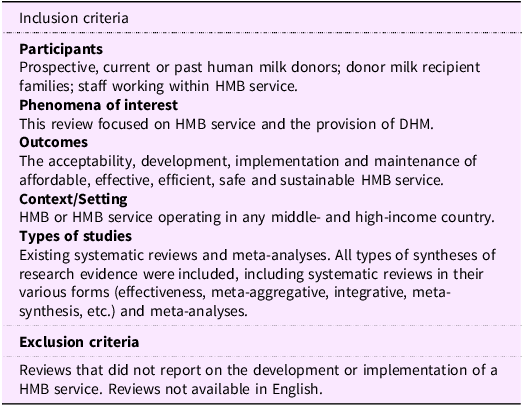



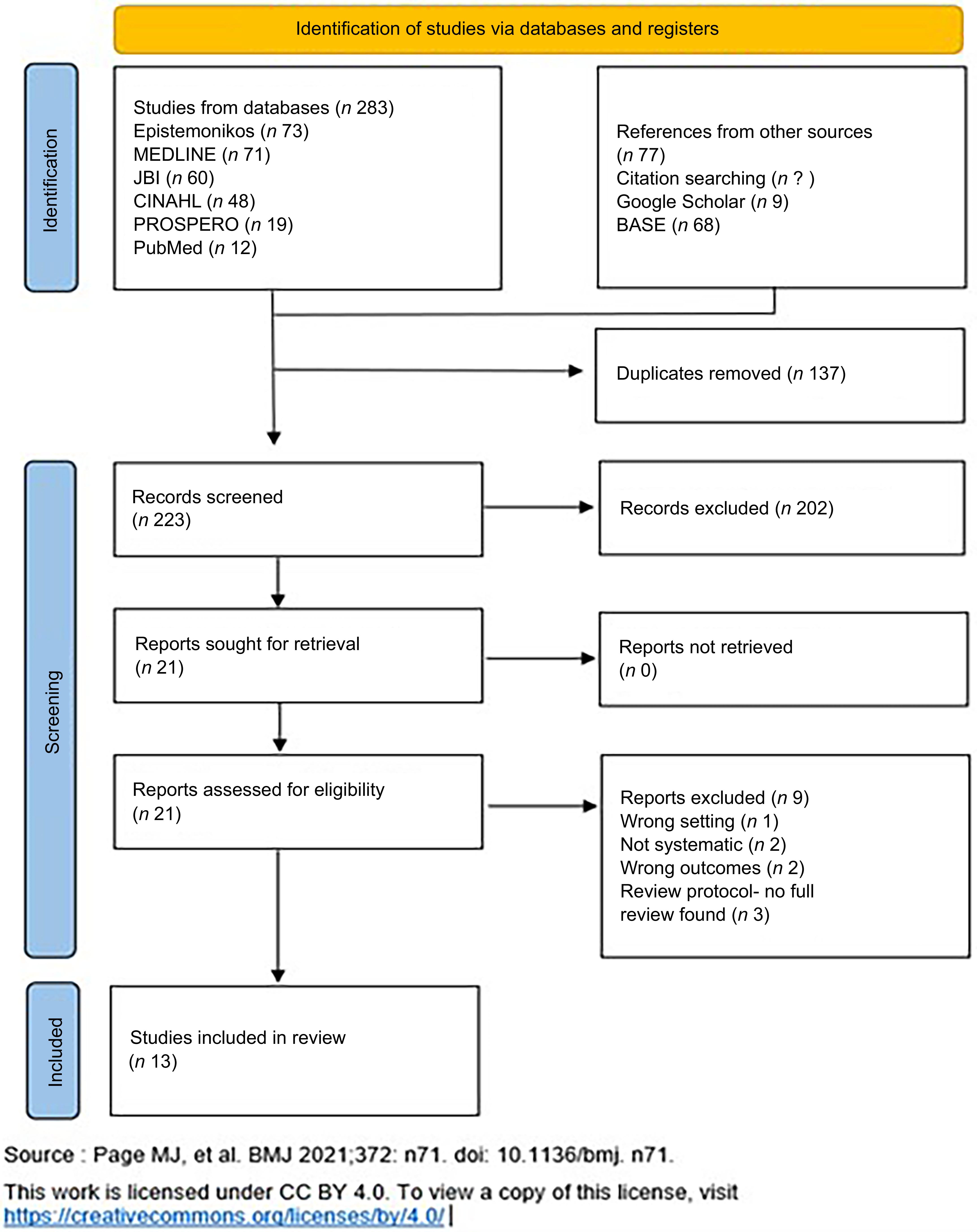

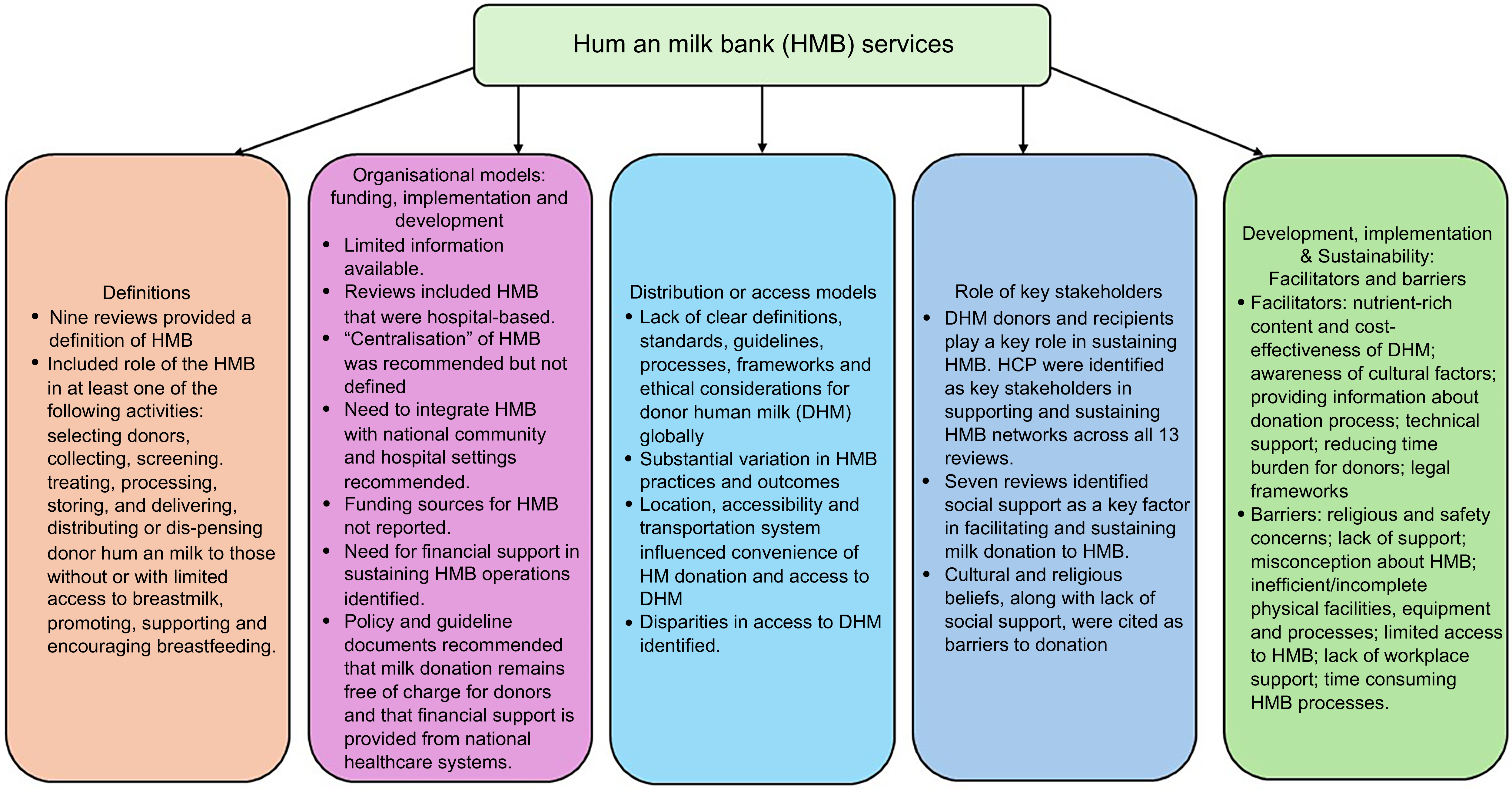
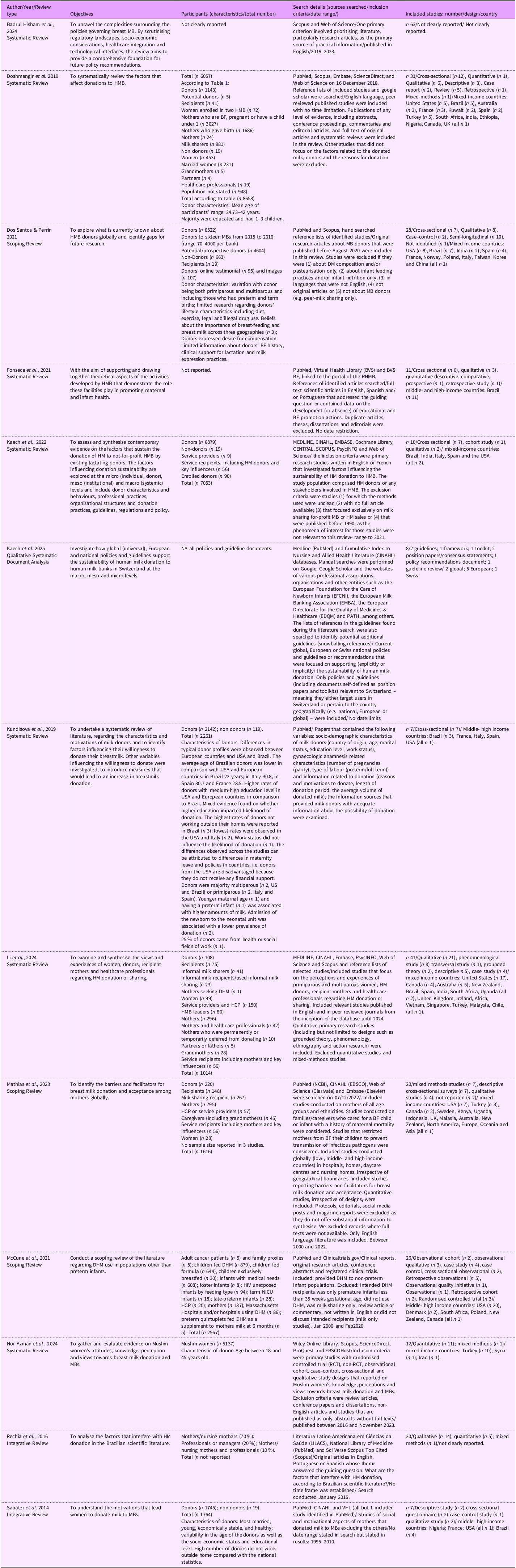
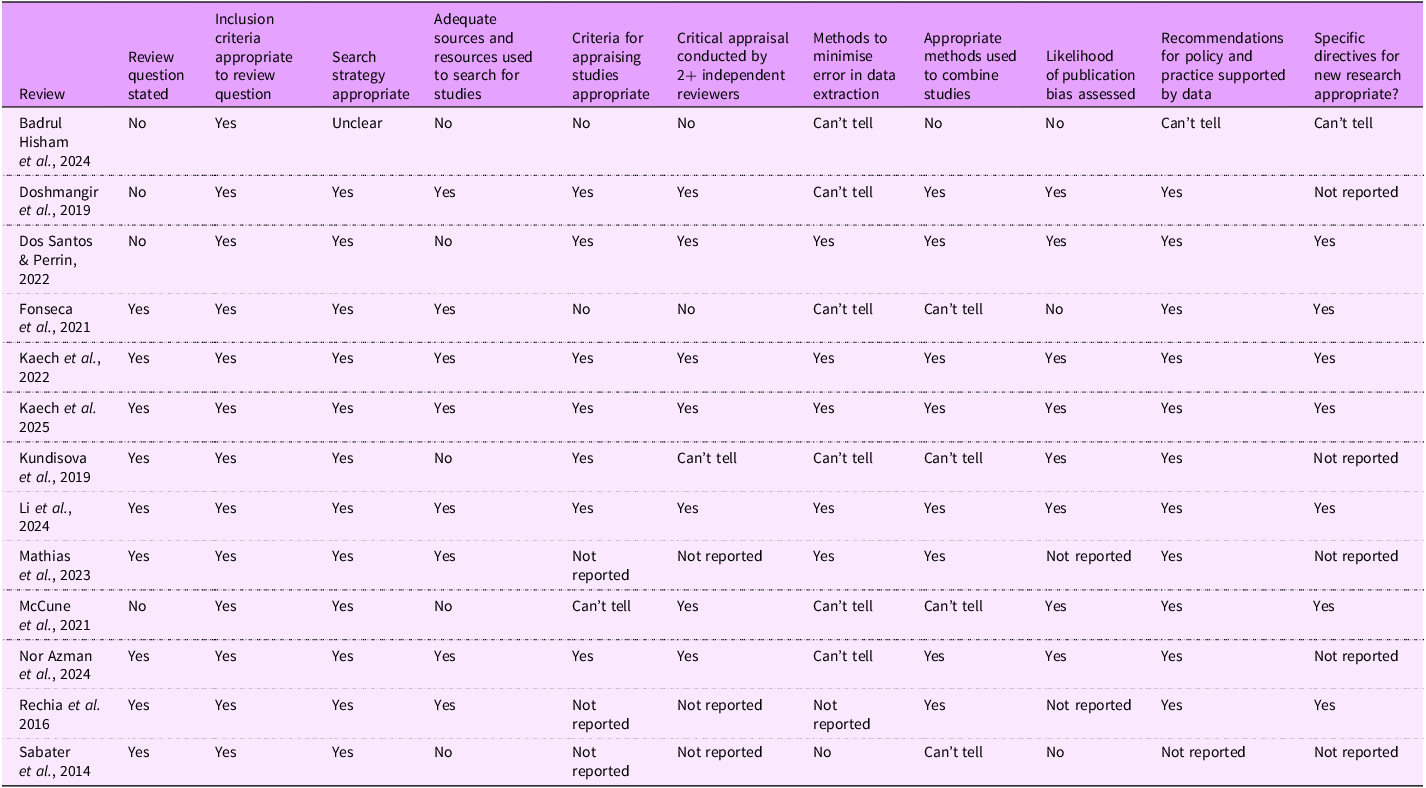
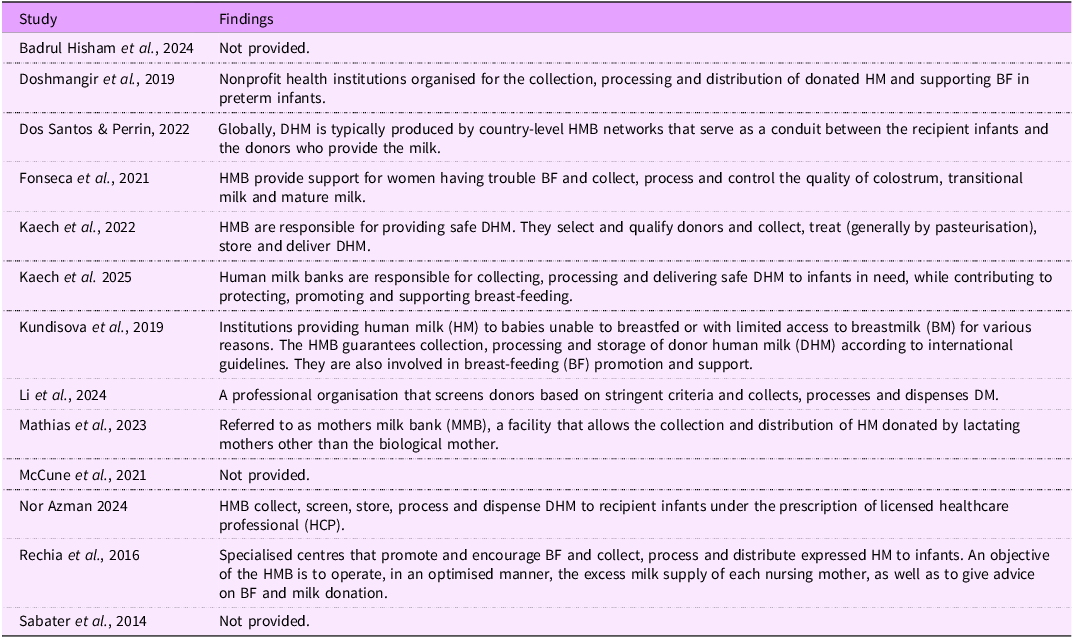
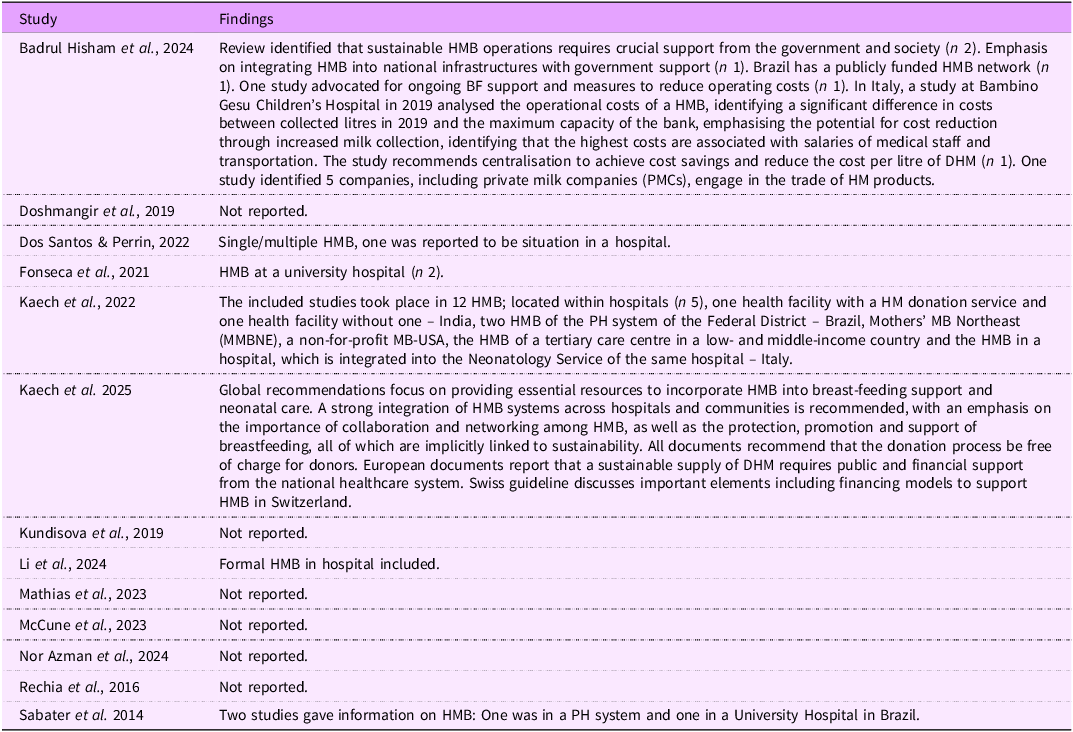
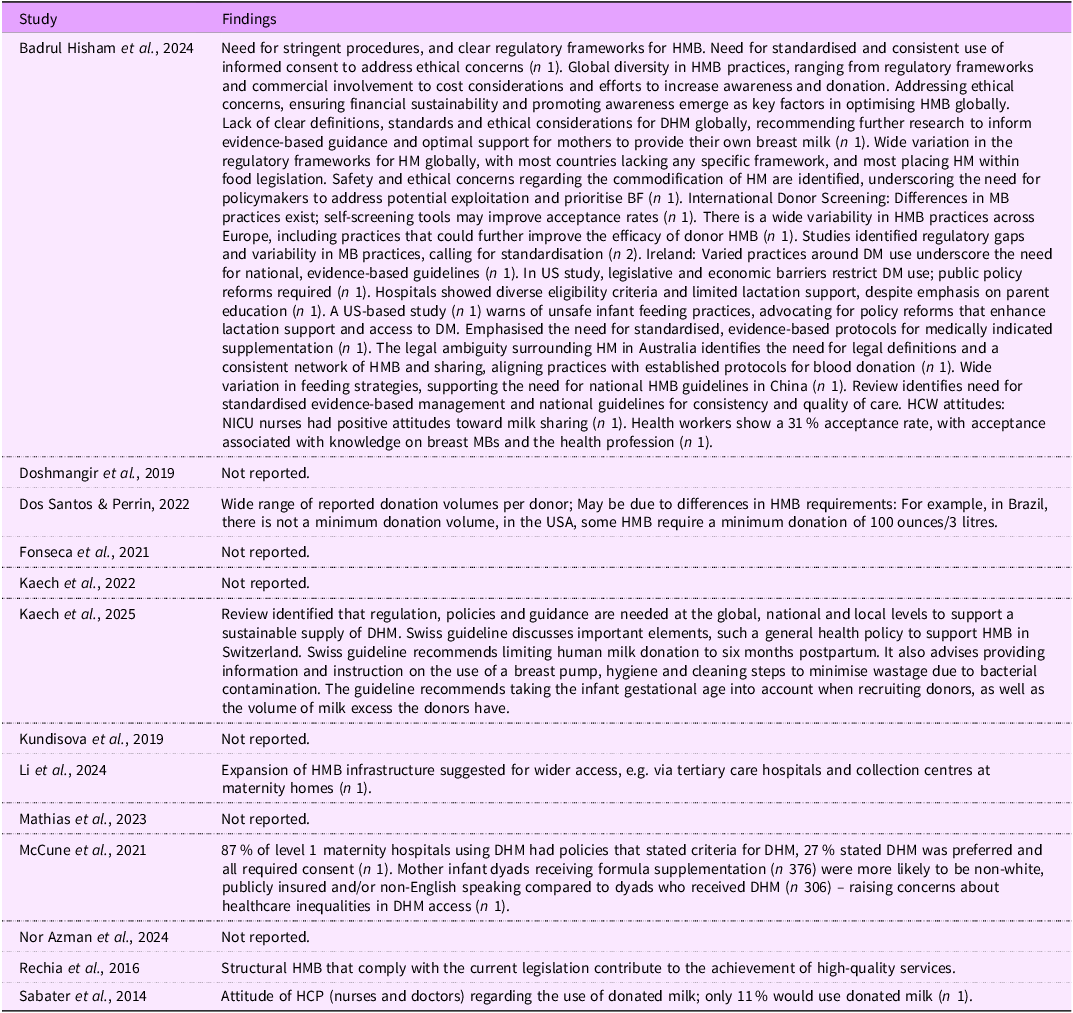
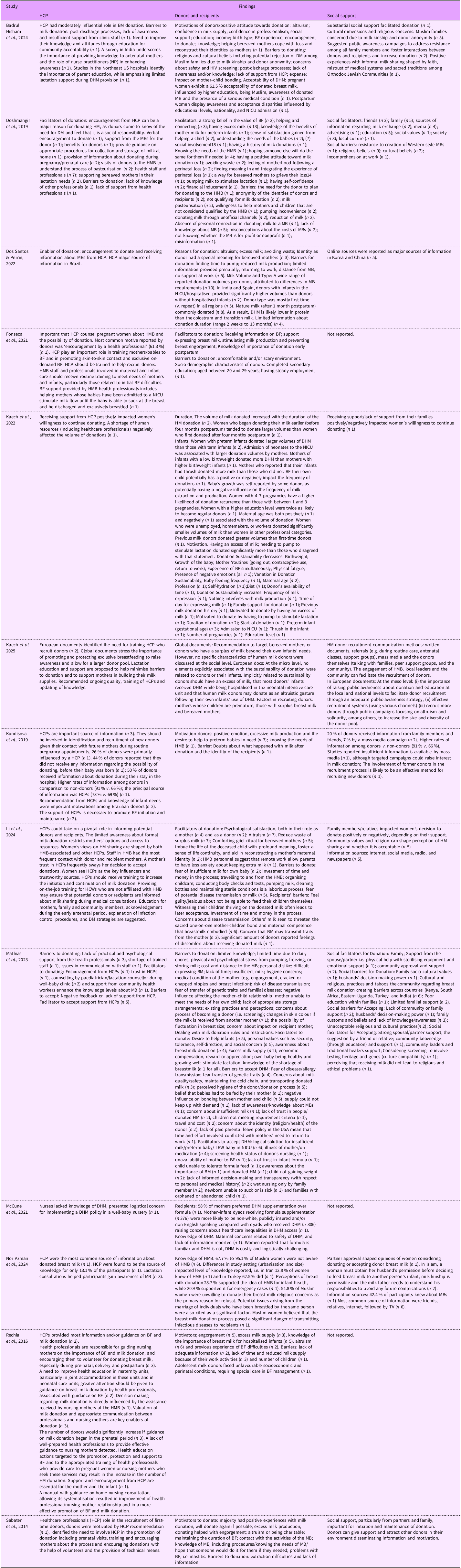
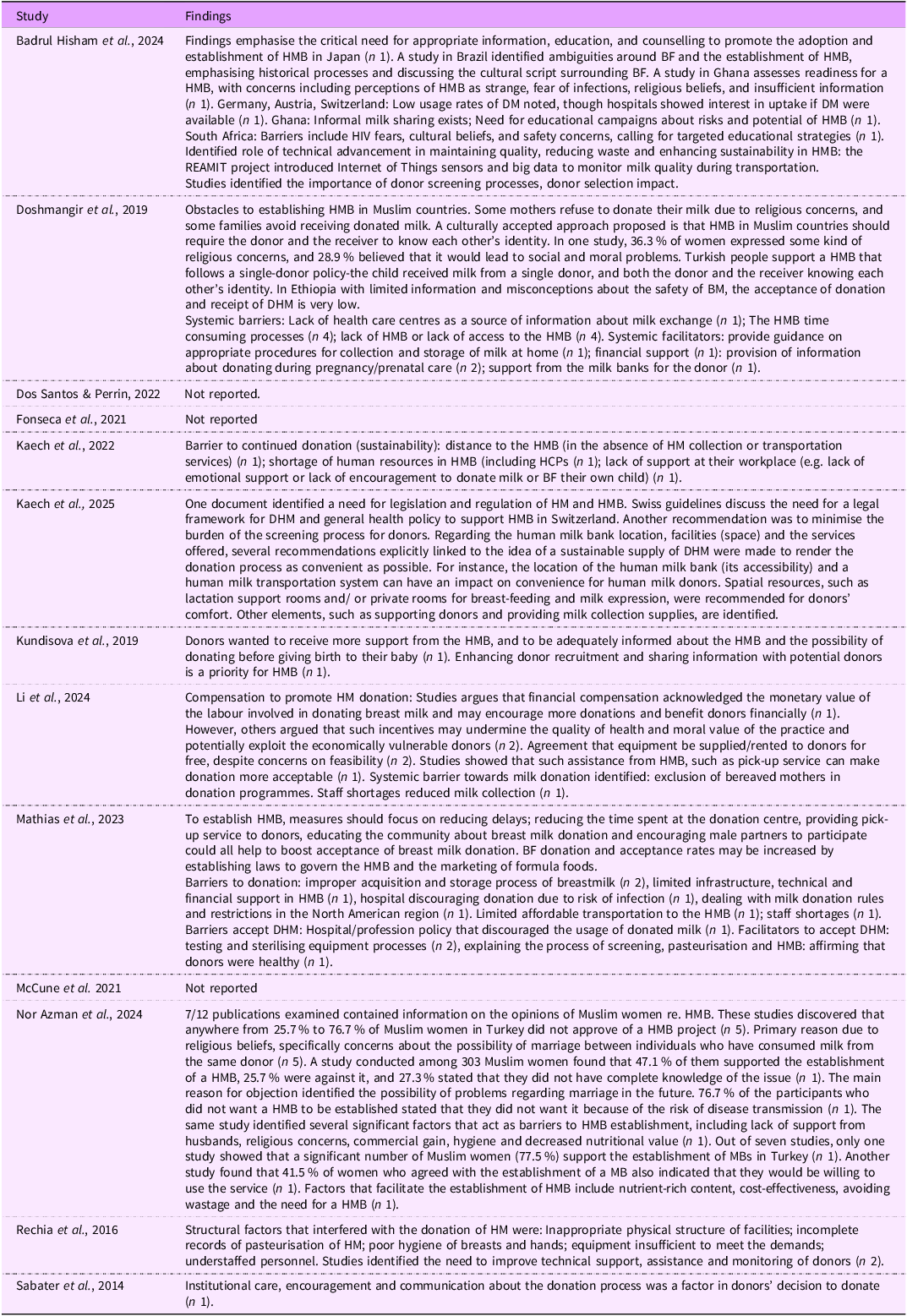

 Open access

