




No CrossRef data available.
Article contents
- Abstract
- 1. Literary, juridical and historical invention of the peaceful peasant and its socioeconomic base
- 2. Literature and folklore: The mythological universe in Palacio Valdés's novels
- 3. The peasants' socioeconomic situation and the erosion of traditional community settings
- 4. The growth of social tension and persistence of solidarity among peasants
- Footnotes
The Myth of the Peaceable Peasant in Northern Spain: Asturias 1898–1914
Published online by Cambridge University Press: 01 July 2005
Article contents
- Abstract
- 1. Literary, juridical and historical invention of the peaceful peasant and its socioeconomic base
- 2. Literature and folklore: The mythological universe in Palacio Valdés's novels
- 3. The peasants' socioeconomic situation and the erosion of traditional community settings
- 4. The growth of social tension and persistence of solidarity among peasants
- Footnotes
Abstract
The picture has prevailed in Spanish social history of a revolutionary, insurrectional peasantry in the south of the country. Aided by literary or artistic analyses, this article shows the existence, in the Spanish north during the transition from the nineteenth to the twentieth century, of a counter-model consisting of small landowners. This model was based on real facts, such as the permanence of small and medium land properties, the preservation of the commons, and the stability of leaseholds, all of which contributed to its literary idealization.
However, a more profound and detailed analysis uncovers the existence of other types of conflicts which are different from the large unionized demonstrations of the Andalusian south. In fact, conflict arose in the north with respect to leaseholds and surpluses of milk, cider, or sugar beet. Old emblems of peaceful peasant life such as popular festivities were tainted with criminality, as well as with “urban” and “industrial” delinquency and the old systems of communal solidarity were redefined, which forced political bargaining in local and municipal life.
Information
- Type
- Research Article
- Information
- Copyright
- © 2005 The International Labor and Working-Class History Society
Traditionally, Spanish historiography has characterized the Spanish peasantry as insurrectionary in its predominant view of this social collective at the end of the nineteenth century. This has lead to a tendency to disregard the fact that in northern Spain, in the same period, a counter-representation was being constructed that underlined the figure of the peaceful leaseholding peasant, characterized by a considerable degree of social wellbeing.
Indeed, during the period of the Spanish Restoration (1875–1923), the peasantry tended to be perceived as a problem. This was specially so after the killings committed by the clandestine (anarchist) association “La Mano Negra” in the South of Spain. The murders committed in 1883 triggered a propaganda campaign that associated all kinds of crime with Andalusian anarchism and, consequently, with the rural environment in which it had taken root.
Therefore, a disturbing image of the workers of the land developed at the end of the nineteenth century, together with the suspicion that their poverty represented a threat that could destabilize Spanish society. The agricultural proletariat of Andalusia was associated with anarchism and also with a culture of violence. The modern “penal sciences” and sociology of crime in Spain reinforced this representation by developing a “scientific” perspective that criminalized anarchism.2
See the classical contributions by Juan Díaz del Moral, Historia de las agitaciones campesinas andaluzas (Madrid, 1929), and Clara E. Lida, “Agrarian Anarchism in Andalusia: Documents on the Mano Negra,” International Review of Social History V, XIX (1969). On the development of criminology at the end of the century, see Pedro Trinidad Fernández, La defensa de la sociedad, Cárcel y delincuencia en España (siglos XVIII–XX) (Madrid, 1991).
This image has long been dominant and can be attributed to the characteristics of Spanish social history, which, until recently, tended to focus on the “workers' movement” and on the history of political or syndicalist organizations, their leadership, and significant collective action. This historiographical focus led to historical studies of the peasantry that mainly addressed issues dealing with collective action and peasant involvement in syndicalist organizations.3
For the characterization of this kind of historiography see José Alvarez Junco and Manuel Pérez Ledesma, “Historia del movimiento obrero. ¿Una segunda ruptura?,” Revista de Occidente 12 (1982), 19–41.
In this way, the image of a peaceful, essentially reactionary peasantry was scarcely modified by the politically progressive, anti-Francoist historiography that appeared in the final years of the dictatorship. The image survived because this type of peasantry could not easily be incorporated into the predominant framework of social analysis. Absent from traditional forms of mobilization and conflict, the peasantry of Northern Spain represented an uncomfortable reality for historians, consequence of their association with longer cycles of social change and different forms of externalizing social tensions. Both factors made the peasantry look passive and uninvolved in class conflict. One of the objectives of this article, therefore, is to try to overcome the traditional “invisibility” of the peasantry in the social history of contemporary Spain.4
Salvador Cruz Artacho, “El ‘Hermano pobre' de la historiografía española. Algunas consideraciones sobre el conflicto campesino en la Historia contemporánea,” in S. Castillo and R. Fernández, Historia social y ciencias sociales (Lleida, 2001). Manuel González de Molina and Antonio Ortega Santos, “Bienes comunes y conflictos por los recursos en las sociedades rurales, siglos XIX y XX,” Historia Social 38 (2000).
The aim of this essay is to explore existing views on the peasantry of Northern Spain in what today represent the regions of Galicia, Asturias, Santander, and the Basque country, lapped by the Cantabrian sea and the Gulf of Biscay which currently are characterized by the existence of smallholdings in rural areas and by little significant social conflict. This essay also addresses how this interpretation links with socioeconomic reality in this region. Finally, its goal is to raise a number of hypothesis that aim to explain the appearance and establishment of such representations.
The theoretical approach of this essay is indebted to the insights of rhetoric analysis shaped by semiotics in the works of authors such as Roland Barthes or Tzvetan Todorov. The approach shares the idea that it is possible, and also relevant, to decipher systems of semiotic codes of visual, artistic, literary or, in general, cultural communications, underlying the interest that the analysis of particular kinds of rhetoric may imply. Deciphering semiotic nets or models capable of structuring the “figures” which singularize a particular semiotic field is a relevant approach here.
However, the importance conferred to this perspective does not imply that other points of view are excluded in the methodological framework of this essay. On the contrary, the author upholds the relevance of the materialist notion of social reality and is not prepared to forego notions such as structure and social class to other concepts, symbols, discourse, or rituals that may be the more appropriate canon for a number of poststructuralists who favor of the linguistic turn. In this study, cultural analysis does not intend to be an alternative aimed to displace social analysis by means of semiotics. The description and interpretation of the peasantry's images and rhetorical figures will therefore be contrasted at all times with this social group's socioeconomic situation.5
On these matters, see the works of Roland Barthes, Tzvetan Todorov, and others in Recherches Rhétoriques. Communications 16 (Paris, 1970). On the scission between social analysis and semiotics, vid. The works of Victoria E. Bonnell and Lynn Hunt (“Introduction” 8–9) or Sonya O. Rose (“Cultural Analysis and Moral Discourses: Episodes, Continuities, and Transformations,” 224–225) in Victoria E. Bonnel and Lynn Hunt, Beyond the Cultural Turn (Berkeley, 1999). On the need to distinguish between semiotic analysis and linguistic theory, see Hayden White, The Content of the Form: Narrative Discourse and Historical Representation (Baltimore, 1990): 191–192; the distinction is relevant in the case of this essay which, although partially concentrated on “linguistic” analysis of texts and literary images, it has a semiotic approach and, consequently, tries to place these texts within a wider frame of discourses of “extralinguistic” kind, deciphering their metalinguistic codes or their ideological intentions.
Working within this framework, the topics of analysis are very wide and not all will be developed in depth in this essay. In fact, a number of interpretations are merely hinted at, such as the construction of the peasantry in film or in paintings. The core of this article focuses on a systematic analysis of peasant images in Asturias, one of the Cantabrian regions. It is based on anthropological studies, juridical historiography and compilations of folklore and literature. One of the most relevant examples in literature is Armando Palacio Valdés, one of the best known writers during the Spanish Restoration.6
A much more detailed analysis of all these questions can be found in volumes I and II (36–809) of my work Sociedad, ocio y cultura en Asturias (1898–1914) (Oviedo, 1991). Regarding Palacio Valdés, the novelist born in Spain, he knew the peninsular north very well and had achieved an intimate mutual understanding with the middle class and popular audience who read his novels eagerly. This allowed him to become one of the few Spanish writers who could live on his novels exclusively. On the other hand, this close relationship with his audience provided his novels with evident value as representations of the Spanish middle classes' moral universe.
The progress of historiography in these regions allows us to sketch their literary and historiographical evolution, although this is less feasible in the area of juridical research, which is not as well developed. The analysis of the socioeconomic situation will be a constant counterpoint, drawing on studies of economic and socioeconomic history of the Basque country, Santander, and Galicia. In these regions there has been a significant development in this area of research in the last decade.
With regards to information on the Asturian peasantry, in its social and economic aspects, the existing studies carried out mostly by geographers have proven insufficient. This has obliged us to do direct research on local monographs, press sources, reports from the period or works of popular law or juridical customs.
The specific aim of this essay is to demonstrate that the predominant view of gentle and peaceful images of the peasantry in so called green Spain is incorrect, although it also contends that the degree of conflict is less in comparison to that of the southern regions.
1. Literary, juridical and historical invention of the peaceful peasant and its socioeconomic base
The positive and idealized vision of the peasant community we are addressing is well-described in the Basque country. Since the fifteenth century, historiographic myths such as that of “Basque egalitarianism” or “universal nobility” strengthened and extended the status privileges of the nobility to the whole of the population. These myths were related to political traditionalism and nostalgia for the Ancien Régime which connected with nineteenth-century literature of the fueros—a special statute of exemptions and privileges in the Basque country—and with its description of an idyllic, preindustrial, traditional, and agricultural Basque country.
The notion of “universal nobility” was also advocated in other places of Atlantic Spain, such as Asturias and Cantabria. In both regions, like in the Basque country, this notion was very useful for the purpose of justifying fiscal privileges and participation in the bureaucracy of the monarchy in direct competition with those who came from a background of Basque squire lawyers.
The publication of La Cantabria by Father E. Flórez (1768) was in this respect one of the last attempts carried out by the people of Santander to refute the pretensions of the Basques to monopolize the notion of universal nobleness and the advantages it ensued. The work of Asturian writers such as Tirso de Avilés in the sixteenth century, Luis Alfonso de Carvallo in the seventeenth century, and M.M. Trelles Villademoros in the eighteenth century also dealt with identical views.7
Jon Juaristi is perhaps the author of the most clarifying study on the Basque “invention of tradition” and particulary in, of El linaje de Aitor (Madrid, 1987). See also Manuel Suárez Cortina, Casonas, hidalgos y linajes. La invención de la tradición cántabra (Santander, 1994), 11–13; Jorge Uría, “Sobre historia e historiografía en la Edad Contemporánea asturiana,” Bulletin d'Histoire Contemporaine de l'Espagne 20 (1994), 267–269.
These works reinforced a type of historical literature which mythologized the virtues of these regions. At the same time, an equally agreeable vision of the peasant world was also reached, based on compilations of juridical custom which allegedly showed village community cohesion or harmony, without substantial economic or social differences. In this case, the geographical scope was larger, including Galicia and other Spanish areas.
Alfredo García Ramos's works are a good example of this. His studies of the beginning of the nineteenth century on Galician common law practice constitute an acknowledged example of a harmonic vision of the rural world. It is in this context that the smallholding family is perceived as a social unit capable of preserving its inheritance over time where conflicts between proprietors and laborers are underestimated.
The importance given to village community cohesion, made evident in the maintenance of property or in the collective use of land, can be seen in the works of Galician jurists of the nineteenth century, such as Castro Bolaño. The close link of these texts with views of the history of Spanish law such as those by Joaquín Costa is outstanding, particularly in the latter's writings on Agrarian collectivism, which show his enthusiasm for the alleged egalitarian democracy of the people, as well as for a kind of “law of the people” which was investigated since the end of the nineteenth century. This is made evident in works at the end of the century on this theme by the Royal Academy of Moral and Political Sciences, as well as in well-known works such as Altamira's Historia de la propiedad communal.8
José María Cardesín Díaz, “Entre el regionalismo jurídico y el catolicismo social: El derecho consuetudinario en Alfredo García Ramos (1908–1910),” in Galicia e a Historiografía (Santiago, 1993), 211–242; by the same author, Tierra, Trabajo y reproducción social en una aldea gallega (S. XVIII–XX): Muerte de unos, vida de otros (Madrid, 1992), 175–177, 188–190. Jorge Uría, “La historia social y el comtemporaneísmo español. Las deudas del pasado,” in Esteban Sarasa and Eliseo Serrano, La Historia en el Horizonte del año 2000 (Zaragoza, 1997), 108–109. Alfonso Ortí, En torno a Costa (Madrid, 1996). Rafael Altamira, Historia de la propiedad comunal (Madrid, 1890). Joaquín Costa, Colectivismo Agrario en España (Madrid, 1897). Costa, Altamira, and Azcárate advanced their concern in this field in their articles published in the Boletín de la Institución Libre de Enseñanza in the years following 1877.
The idealization of the rural world in the Atlantic north had a solid background. It was therefore very logical for ideas similar to “municipal democracy” in the family or in the life of the peasants in general to take root in Asturias. Costa himself dealt with the region in his Agrarian Collectivism using materials compiled by the Asturian, Manuel Pedregal, a well-known lawyer and Republican politician with whom he had collaborated in previous works. Similarly, the traditionalist Viscount of Campogrande was also in favor of the validity of an Asturian “Municipal law” and advocated for the feasibility of corporate work which was held to be an indication of the cohesion and the will for mutual help within the village.
In Asturias, as well as in Galicia, the family as a unit of rural work became a myth which had its panegyrists. Some of Ramón Prieto Bances's works in the 1940s should be understood as the culmination of a previous concern for “family property” which was kept secure by means of the figure of the Casería. This writer was able to perpetuate its historical validity by grouping the assets of family rural work attributed to the collective work of the family or the community and favorable conditions of land letting.9
A succinct biography of Pedregal in Constantino Suárez, Escritores y Artistas asturianos, 7 vols. (Oviedo, 1957), vol. 6, 76–85. Manuel Pedregal provided in his “Apuntes sobre el derecho de propiedad,” Boletín de la Institución Libre de Enseñanza VIII (1884), 225–30, abundant data on the survival of a kind of “local council democracy” idealized. On the virtues of the family as an inheritance preserving entity, see Ramón Prieto Bances, “La casería asturiana,” in Obra escrita, 2 vols. (Oviedo, 1976), vol. 1, 420–454.
The positive vision of the peninsular north was based on a social situation which was better than that of the agricultural proletariat from the south in many respects. The peculiar Basque administrative system meant less tax pressure or exemption from military service. Its customs system only taxed products bound for Castille, which created an area of consumption with lower prices for cereals, cod or textiles. All this contributed to the economic feasibility of the Basque Caserío, which was a unit of work where agricultural and livestock resources on the one hand, and commonland on the other, were in balanced exploitation. At the turn of the century, Caseríos were also getting increasingly mercantile as a result of their gradual orientation towards stock.10
Javier Corcuera Atienza, Orígenes, ideología y organización del nacionalismo vasco (1876–1904) (Madrid, 1979), 12–38. Miren Etxezarreta, El Caserío Vasco (Bilbao, 1977). Emilio Fernández de Pinedo, Crecimiento económico y transformaciones sociales en el País Vasco (Madrid, 1974). Mark Kurlansky's recent work, Cod: A Biography of the fish that Changed the World (New York, 1998), adds precise details on the role of cod in Basque everyday life: although he may be somewhat naïve about the “enigmatic” Basque people and their capacity to “preserve” their independence. The same ideas are insisted upon in his even more recent work The Basque History of the World (New York, 1999).
At the same time, in the area of Santander, although agrarian property was concentrated among a small number of people, some tiny properties subsisted amongst numerous peasants who were forced to supplement their incomes by resorting to letting and sharecropping. However, the cultivated land was small here in comparison with the land dedicated to the commons. Since the 1830s, the commonland constituted the base for the consolidation of small properties that began through usurpation subsequently legalized. This latter process persisted throughout the nineteenth and the first half of the twentieth centuries. Despite the initial small size of their properties, the small landholders in Santander consolidated these units of production which were made profitable by changing from intensive exploitation to dairy farming.11
José Ortega Valcárcel, “La consolidación de la pequeña explotación agraria en Cantabria: de campesinos renteros a propietarios en precario,” in Pejerto Saavedra and Ramón Villares, eds., Señores y campesinos en la Península Ibérica, siglos XVIII–XX, (Barcelona, 1991), 156–172.
The case of Galicia can be considered one of the most complex in Atlantic Spain. Amongst its peasantry, many combined being part-time or seasonal laborers, small landholders, tax farmers, or sharecroppers. In the model study that J. María Cardesín did on San Martiño do Castro, concepts such as “private property” have been shown to be insufficient to explain the complex set of landrights that were characteristic of the agricultural world before and after the nineteenth century. The different types of contracts such as “letting” or “sharecropping,” relationship to families or clients can, in fact, establish a diversified and informal network which was very efficient in using collective agrarian resources. This network of relationships can be more important than land ownership, which made the possession of cattle become a more precise indicator of the economic level of the peasantry.
The fact that there is not access to property or the very survival of the old traditional ideological universe of “unfashionable” community practices do not have to be interpreted as signs of routine or of delay in the insertion of these regions to capitalism. On the contrary, as a different case in the usual paradigms of modernization, this can imply a simple adaptation to the market which can be paradoxically more effective than the community framework.12
Raúl Soutelo Vázquez, “Algunas estrategias reproductivas de las familias campesinas en la Galicia rural. Los grupos domésticos de ‘Caseiros' in Orense, 1880–1960,” in Sociología del Trabajo 33 (1998), 131–155. Cardesín, Tierra y reproducción social, 142, 181–187, 175, 201, 232, and “El mito de la comunidad campesina: ¿Crisis de un agente social, o crisis de un concepto dentro de las ciencias sociales?” in Concepcións espaciais e extratexias territoriales na historia de Galicia (Santiago de Compostela, 1993), 165–192.
Part of the fuero-like Basque literature fitted into these assumptions when it embellished the image of a traditional Basque country of peasants. Some of Antonio Trueba's stories are amongst the best known works of this literary genre. This author shares with others the opposition between the rustic harmony of genuine Basque virtues and industrial environment. It is about a struggle between peasant values—Basque par excellence—and the Spanish migrant or maqueto who invaded this old world to corrupt this balance. The plot is, in fact, the core of the works of the 1890s; such as the Zarzuela De Vizcaya a Vizcaia by the priest Resurrección María de Azkue, the anti-Maqueto comedy De fuera vendrá by the nationalist leader Sabino Arana, or the novel Blancos y negros: Guerra en la paz by Arturo Campión.
Some titles about this nostalgic genre of local customs and manners continued to be published before the outbreak of the European war in the context of cultural nationalism. Examples of this are the novels written by the priest Domingo de Aguirre about the life of fishermen (El salitre) or about Basque shepherds (El helecho); the works by J.M. Echeita such as Josetxo o La patria amada, or comedies by lawyer Nicolás Viar such as Alma Vasca.13
Juaristi, El linaje de Aitor. A more benevolent view on nationalist literature on Igona Menika Larrinaga, “Literatura,” in María Angeles Larrea et alii., País Vasco. Vizkaia (Madrid, 1993), 188–192.
Leaving aside the xenophobic and markedly nationalistic features of this kind of literature, their similarity with the topics of novelist José María de Pereda, the Santander writer, is evident. His novel, Peñas arriba is said to be one of the best finished archetypes of rural idyll in which the figure of the patriarch stands out due to his skills as an efficient manager and his knowledge of new methods of cultivation, in an attempt to modernize traditional methods. This figure is the standard bearer of this view, as opposed to industrial technical progress and its capacity to dissolve traditions. Therefore, an opposition can be found in Pereda's works between nature in the country and urban artificiality which extends to the point of positing a return to the rural areas. This idea of returning to the country is shared by contemporary writers such as Leo Tolstoy, Fyodor Dostoievski to some extent, Julio Dinis, or Eça de Queiroz.
However, what really matters at this stage is the aspect of Pereda's work which portrays peasants environment in the Mountains of Santander; a world of shared property, well-off leaseholders and sharecroppers together with few agricultural laborers, major landholders and very little social violence or crime.
Tudanca, the country town portrayed in Peñas arriba in which old community practices are seen, had already been described by G. González de Linares in his juridical literature at the end of the nineteenth century. Linares presented Tudanca as an example of a “socialist institution” and of “harmony (within natural stratification) among different social classes.” Pereda, in the meanwhile, compared the peasants from the mountains with the poverty of the peasants from the south, “with no more property than the average salary that the wealthy pay him.”14
Concepción Fernández Cordero y Azorín, La sociedad española del siglo XIX en la obra literaria de D. José María de Pereda (Santander, 1970), 153–155, 275–279, 291–30. Jean Le Bouill, “El propietario ilustrado o patriarca en la obra de Pereda,” in J.L. García Delgado (ed.) La cuestión agraria en la España Contemporánea (Madrid, 1976), 311–328. On the dissemination of ideas about the “new physiocracy” see Buylla's review of Bocchialini, El diritto alla terra, in the review La Lectura October (1902), 212–214.
2. Literature and folklore: The mythological universe in Palacio Valdés's novels
The idealization of the Asturian rural universe took place in juridical literature but was also present in literary creation, in plastic arts—mainly in painting—and in folklore production. However, if a systematic “invention of traditions” had taken place in the Basque country in order to uphold a nation surviving in an unpolluted rural environment, the same procedure was followed in Asturias with the purpose of justifying the existence of a Spanish “folkspirit.”
In this respect, it may be worthwhile to go back to the works of one of the first researchers in Asturian traditions Juan Menéndez Pidal's ideological principles. It was therefore in the country where the observer “Will believe to find himself in the very Middle Ages” and will be able to see “the villagers, congregated at the ringing of the bell, meeting in concejo—a popular assembly—in order to discuss the common utilities, while romantic songs will be heard echoing in the valleys and cascades.” That was the appropriate atmosphere in which the pure substance of the country could be rescued. That essence dwelt there “protesting against the extinction of the national spirit and knightly virtues.”15
Juan Menéndez Pidal, Poesía Popular. Colección de los viejos romances que se cantan por los asturianos en la danza prima, esfoyazas y filandones recogidos directamente de la boca del pueblo, anotados y precedidos de un prólogo (Madrid, 1885), III–IV, VIII–IX.
Therefore, the folklorists tended to forge an image of the country impregnated with nostalgia and with a reactionary ideology. Texts by folklorists such as Balbín de Unquera had unequivocal tones of classical eclogue. Similar examples of this are Pidal's paroxysm in the evocation of nights spent “in the cabin with low walls and steep straw roof, palace of the shepherd who dwells there happily in solitude during the blossoming season” and books written by Constantino Cabal, a journalist, writer of literature and historian who started to produce his basic works since the 1920s.
The innovations introduced by industrialization were invariably interpreted as profanation and seen with hostility. J. Menéndez Pidal felt suffocated by “the industry's atmosphere, by the smoke from the factories, and by the tepid and perfumed atmosphere of the salons, as opposed to the “atmosphere of freedom and homes simplicity” of peasants.
In the area of literary creation, the paradigm of this rural idealization was Armando Palacio Valdés' well-known novel, La aldea perdida, which will be dealt with further on; but there existed many other cases. Valentín de Lillo y Hevia's “social poem” Ola negra was one of them. Its heroes were María and Pachín; the former being beautiful and gentle, and the latter, a skillful dancer and a winner in popular competitions as well as an arrogant victor at the palizas—battles fought with sticks and clubs which periodically took place between young men from neighboring parishes. But the peace of their newly-wedded couple's home would be fatally broken when he was proposed by his village for work in the mines, which were described in disturbing tones. Those were the dominions where “the mountains/ (. . .) through a hundred mouths, like horrible beasts,/ vomit coal from their entrails,” and where “grey backgrounds start,/ (and) an immense factory is seen.” The protagonist knew the fearful taverns and, in between drinks, the “German Jew's” theories; his life ending when he was dragged to a demonstration and subsequently shot dead by the Guardia Civil—a special Spanish corps of army specialized in public order—with his wife's weeping closing the last verses of the poem.16
Antonio Balbín de Unquera, “Miscelánea. Noche de invierno en la Aldea”, Asturias 172 (1899). C. Cabal, Del folclore de Asturias (Oviedo, 1923). Menéndez Pidal, Poesía popular: III–IV, VI, XII–XIII, 12. Valentín de Lillo y Hevia, Ola negra (Madrid, 1906), 7, 20–21.
Religious piety, on the other hand, was another of the virtues praised by the folklorists and it was precisely Juan Menéndez Pidal who opted for a triple categorization when classifying the materials in the compilation of romances. He divided romances into three types: religious, fictional, and historical romances depending on religion, love, and country as “the characteristics that seal and distinguish those poetical creations.” Definitively, perhaps the nature of the folkloric materials led to these conclusions, but there is little doubt about the fact that such criteria in classification also directed his own fieldwork. What is more, even in the case of trustworthy folklorists, cultural customs or simply dominant morals led to very select pictures of peasant culture. In fact, and “for reasons which do not need any explanations,” said Aurelio de Llano, a great deal of the songs referred to priests which he had collected in his excursions around Asturias were never published. Folklore had always been very explicit in describing the vices, gluttony and lechery attributed to priests.17
Menéndez Pidal, Poesía popular, 20. Aurelio de Llano, Esfoyaza de cantares asturianos (Oviedo, 1924), 138.
Using selective criteria of this nature, it is not surprising that the condition of peasants were compared with the bucolic atmosphere of Latin literature. For those folklorists, the countryside was landscape rather that arable land, and a good example of this is the prologue to Constantino Cabal's Del folklore de Asturias:
The light becomes caress and smoothness; in the forest of century-old oaks and imposing chestnut trees, it is like a sunbeam dissolving in the foliage . . . [. . .] Branches entwine and mingle; roots, stained with soil and moss, twisted in the shape of tentacles, stick out in order to see them . . . there is a lively bird warbling . . . Sometimes, a finely woven spider web hangs from one tree to another holding some dew drops like diamonds or some tiny sunbeams. [. . .] And there is a perpetual passing of bucolic, smooth, Virgilian (manner), with a Títiro as a villager and a yoke of oxen . . .18
Cabal, Del folklore asturiano, 10–11. One of the most distinguished Spanish folklorists, D. Manuel Machado, translated Virgil's work in the nineteenth century (Obras de Virgilio, París, s.f.), including the celebrated verses of the Geórgicas: “Títiro, you lying in the shade of a leafy beech, rehearse country tunes with the soft flageolet; I leave the homeland confines and its sweet meadows escaping from the native soil, while you, Oh Títiro! Lying comfortably in the shade, teach the forests to repeat beautiful Amarilis's name” (67).
But the everyday rural world was naturally quite far away from peace and quiet necessary to lie down tranquilly and play the flageolet sub tegmine fagi. A peasant working day, in spite of it being a little more bearable than that of the industrial workers, left little time for such occupations. In spite of this, the bucolic idea of a supposedly perfect and friendly countryside continued to impregnate folkloric writings and other written productions such as Palacio Valdés' La aldea perdida. Its value as an example of this benevolent rural world is beyond any doubt.
Not only is this novelist a good example of the Asturian narrative school of the end of the century; but at the same time, his works illustrate people's tastes during the Spanish Restoration. Palacio Valdés's success, on the other hand, led to quite a few of his works being turned into films, plays, or radio scripts. His narrative works, in sum, achieved considerable success away from Spain, and were most welcome in the Anglo-Saxon world in those days, together with Blasco Ibáñez.

1. Evaristo Valle, Groom and Bride (Rural Idyll), circa 1918. Excellent sample of idyllic and poetic representation of landscape and rural figures, showing certain formal similarities with British pre-Raphaelitsm. The power of suggestion of rural idyll is thus made evident in Evaristo del Valle's paintings. The rest of his work is characterized by the kind of realism or even ironical expressionism which he projects on his rural characters. Courtesy of Museo Casa Natal de Jovellanos
The pages of La aldea perdida are completely impregnated from beginning to end by the identification existing in relation to the image of the countryside, the equilibrium of literature and the classical periods. The schemes that Roland Barthes named as “ancient rhetoric” give this work an omnipresent linguistic architecture which needs to be understood as an additional literary resource in order to identify the rural world with a distant reality which is on the other hand good and perfect. These qualities appear strongly connected with what was then considered as classical. Naturally, these schemes were common in the oratory and in the prose of the period, but they had never appeared as intensely as in this novel. Et in arcadia ego was the motto used as the introduction to the first chapter of the novel, entitled precisely “Invocatio.” This term had the purpose of requesting some kind of divinity's help in ancient pagan liturgies and was used in a very similar way in the novel: the harmonious world of Arcadia was evoked in the prologue as it had been during the classical period at the immolation of victims. The novel ending with the murder of two of the protagonists of the natural paradise also starts with the obligatory invocatio; it was an essential part in the story in the same way as it was perceptive in certain poetic or musical compositions. The story begins with a similar prelude:
And you, sacred muses, the ones whom I worshiped fervently and unselfishly, assist me once again. Crown my temples already turning white with the laurel and myrtle of your chosen ones, and may this, my last song, be the gentlest of all.
The initial chapter also seems to meet the norms of classical rhetoric argumentation. As it is known, the dispositio of the discourse demanded an initial exordium in order to seduce the audience (captatio benevolentiae), which was previous to the development itself of the argumentation (rem docere). It was also necessary that the partitio outline the parts of the theme being dealt with and the plot to be carried out, in such a way that nothing announced could look long, as Quintilian said.
In fact, in the first paragraph of “Invocación” that atmosphere is described with the freshness of somebody who has known it in his childhood. “Yes, I was also born and lived in Arcadia!” says the first sentence of this chapter. In the second paragraph, however, its tragic death was announced: “Arcadia no longer exists. The happiness and innocence of that valley ran away (. . .). Armed with a pick, they pounced upon your virginal bosom and profaned your immaculate beauty.”
The world of eclogues is, in any case, associated with the rural in many other parts of the text, not only in the introduction. Although it is permeated by irony, the character Don César de las Matas is the incarnation of both manic adoration of classical antiquity and a strong defense of contented rural world as opposed to industrial innovations. It is therefore understandable that, in describing the character's house, Palacio Valdés feels the need to point out ironically that the servant”s name is “Not Amarilis or Mirtale, but Pepa,” as though this were anomalous. Don César's representation also appears as absorbed “in his classical meditations, repeating Virgil's beautiful eclogue in a low voice” until lying “sub tegmine fagi” reciting more and more fervently the verses of the swan of Mantua (. . .) resting sweetly like Títiro.”19
Armando Palacio Valdés, La aldea perdida (Madrid, 1943 [1903]), 9–10, 83, 135. Roland Barthes, Recherches Rhétoriques. Communications 16 (Paris, 1970).
Bucolic exaggeration was not the only way of hiding the traditional world and it didn't just affect literary creation. The folklorists, in effect, concentrated more on the permanence of traditional society than on transformations that they were eventually forced to accept.
According to Torner's reputed testimony, the traditional folkloric scenery had changed a great deal by 1920: “Our shepherds—said the folklorist—no longer cry their grieving songs to the sound of the rebec or the flageolet or sing dialogues when they do their chores on the land.” The reason for all this lay in “the influence of modern civilization, which in our country, has only had, so far, touches of industrialism,” and “that was felt in the remotest corners of the province.”20
Llano, Del folklore asturiano, XI. Eduardo Martínez Torner, Cancionero musical de la lírica popular asturiana (Madrid, 1920), XXXVIII–XXXIX.
In spite of this, regional literature continued to be prodigal in examples similar to that of La aldea perdida, with respect to the intention and the plot, although they lacked its quality. The models for these rural idylls were in the works of Valdés himself and, naturally, in Pereda's works. The Asturian, in any case, was the author of works dealing with similar themes, as in the case of El señorito Octavio (1881), El idilio de un enfermo (1883) Sinfonía pastoral (1931), or his very memoirs La novela de un novelista (1921). P. Valdés's approach to visions of peasant reality which enhanced their situation could be better connected with Pereda's universe. In fact the naturalist registers or the negative aspects of peasants as characters of his nineteenth century novels gave way to more peaceful perspectives of rural society in his twentieth-century narrative works.21
Elías García Domínguez, “La sociedad patriarcal en ÜLa aldea perdida,” Boletín del Instituto de Estudios Asturianos 63 (1968), 201–215. Guadalupe Gómez-Ferrer, Palacio Valdés y el mundo social de la Restauración (Oviedo, 1983), 252–255.
Marcelino González, El río de mi valle. Novela de costumbres asturianas (Oviedo, 1908). Lucio Pérez, Desde la montaña. Costumbres asturianas (Oviedo, 1906). Antonio Nava Valdés, El cantor de las cumbres. Novela poemática de costumbres asturianas (Madrid, 1910). Constantino Suárez, Isabelina (Madrid, 1924).
But the authentic eclogue, the literally viable one, had been in its time the one by Palacio Valdés, which had succeeded in using his capacity for fables in order to portray the countryside as suspiciously free from violence or conflict. As the novelist put it “there was not class struggle as it can be proved by the fact that the workers were not offended when some young gentlemen left the social circles of their class and mingled among the working girls.” But he was surely lying, or he was referring only to Avilés where he spent his childhood. It was precisely in La aldea perdida where he made a well-known description of fights between parishes, a kind of institutionalized violence that consisted in blows with sticks. Its consequences such as wounds, bruises, and aggression were not included in the novelist's descriptions.
Such matters had kept the juridical system busy in the region, especially since the end of the nineteenth century, when sticks began to be replaced with knives or pistols. However, the style in which these actions were recreated, turning the villagers into warriors and the brawls into battles, rather suggested works like De Bello Galico.23
Armando Palacio Valdés, La novela de un novelista, in Obras 2 vols. (Madrid, 1959), vol. II, 705. La aldea perdida: 165–166. Transformations that have occurred in fights between parishes are referred to in Jorge Uría, “De la fiesta tradicional al tipismo mercantilizado. Asturias a principios del siglo XX,” in Bulletin d'Histoire Contemporaine de l'Espagne 30–31 (2000).
3. The peasants' socioeconomic situation and the erosion of traditional community settings
This kind of rural literature might perhaps overuse heroic elements, but the peasants of Asturias, together with those from other areas of the Cantabrian area, enjoyed a situation which was quite comfortable in comparison with the tough conditions of the South.
Although data about the structure of property is scarce and disperse, the existence in the mid-nineteenth century of a number of small proprietors seems to be beyond any doubt. This was so in spite of its decline by the end of the eighteenth century, and the relative strengthening of the major landholders who had taken advantage of the disorder caused by the Ancien Régime and the Napoleonic invasion in order to break up and privatize the commons.
From the mid-nineteenth century, the process known as “desamortización” (disestablishment) allowed a few small landholders to accede to property even when the major portion was acquired by new bourgeois proprietors. At the end of the nineteenth-century small properties were only a small percentage in comparison with medium or large properties and its subsequent development was slow. During the 1920s, for example, it was estimated that large properties constituted one fourth of the cultivated land; over one third belonged to about 4,000 “smaller landholders,” and the rest was owned by small proprietors with tiny landholdings. This is an indication of the existence of a minority of small proprietors in comparison with the rest of landowners.24
Rafael Domínguez Martín, El campesino adaptativo. Campesinos y Mercado en el Norte de España, 1750–1880 (Santander, 1996), 73–74, 169, 17. José María Moro Barreñada, La desamortización en Asturias en el siglo XIX (Gijón, 1981), 207–212. F. Erice, Propietarios, comerciantes e industriales. Burguesía y desarrollo capitalista en la Asturias del siglo XIX (1830–1885), 2 vols. (Oviedo, Universidad), vol. I, 53–77.

El Señorito Octavio, directed by Jerónimo Hihura (Black and White) 1950. Collection of F. Jurado, Mieres, Spain. The novel recreates a tragedy of forbidden love. It is set in a landscape whose beauty is described in special detail in the novel.
In any case, since the end of the nineteenth century the process of turning commons into property, and the fragmentation or sale of some large properties, became more dynamic. This contributed to the growth in number of small properties which was slow; and even in 1955, forty-four percent of the cultivated land was under tenancy. However, the rents seem to have been kept at bearable levels, in spite of social inequality and usurious loans.
On the other hand, in 1885 the report referring to the province of Oviedo and corresponding to Información oral y escrita carried out by the Social Reform Commission, certified how extended the foro a special kind of emphyteusis, was. The report also showed that when this annual tenancy agreement was replaced with a quadrennial contract, the tenant could use the land for life, or even hereditarily.25
Gabino Figar Álvarez, “Panorama actual de la agricultura asturiana,” in Sabino Álvarez Gendín et alii, Conferencias sobre economía asturiana, 3 vols. (Oviedo, 1955), vol. 1, 81. Reformas Sociales. Tomo V. Información Oral y Escrita practicada en virtud de la Real Orden de 5 de diciembre de 1883 (Madrid, 1893), 377–378.
The cultivation of the commons and the role of stockbreeding became more and more important since the last decades of the nineteenth century. The proliferation of agrarian trade unions and stock insurance secured new conditions for sharecropping contracts, which reduced the risks of investment and facilitated a firmer base for peasant accumulation. Farm changeover to stockbreeding was evident. In 1915, the land dedicated to cattle-raising was about fifty-eight percent of the total, including fields and commons; in the same year there were 285,348 cattle as opposed to a smaller numbers of sheep (128,438) and pigs (116,823). By 1931, stockbreeding was valued at 221,300,000 pesetas while agricultural production was a mere 180,194,000. The advances in commercialization at this point in time meant that Asturias provided 10% of the Spanish total meat production and 18.70% of the national milk production.26
Bernardo Fernández and José Girón “Aproximación al sindicalismo agrario en Asturias (1906–1923),” in M. Tuñón de Lara et alii, La cuestión agraria en la España contemporánea (Madrid, 1976), 151–199. Jorge Uría, Sociedad, ocio y cultura en Asturias (1898–1914) (Oviedo, 1991), 659–768; Manuel Naredo and Federico Bajo, El ganado bovino de Asturias (Madrid, 1916). Ramón Argüelles, Regionalismo económico asturiano (Gijón, 1934), 25–27.
This complex unit of rural farming tended to be associated with a traditional universe whose persistence was evident within and without the organization of production. The isolation and dispersion of rural nuclei accentuated the marginality of farming areas. By 1900, ninety-six percent of the Asturian population nuclei had less that 100 inhabitants, and this proportion remained practically unchanged in the following years. The deficiencies of the road and railway systems was evident and, by 1904, thirty municipal districts (concejos) out of seventy-eight existing in the region, could be reached on only by horseback or on foot.
In this environment of relative isolation, a traditional community was still in existence in which popular literature and mythology, or elemental beliefs of magical or religious kind strengthened an ideological stance. Despite the tension and conflict that emerged, this set of ideas did not fail to contribute to the existing social order, due to the idea of stability expressed in the peasants' oral traditions.27
José Gutiérrez Mayo and Gerardo Alvarez Uría, Guía general de Asturias para 1904 (Gijón, 1904). Salvador Canals, Asturias. Información sobre su presente estado moral y material (Madrid, 1900), 111–112. Jorge Uría, Sociedad, ocio y cultura, 34–73, 147–259.
On the other hand, the reduction of the impact of subsistence crises showed growing access to cheaper imported cereals and the commercialization of meat surpluses grew steadily. However, a number of traditional production methods still operated which tended to self-sufficiency. The diet of the peasants of Piloña consisted almost exclusively of native products such as maize bread, skimmed milk, potatoes and chestnuts, beans, and the indispensable thirty grams of cooking oil to flavor such products. The fact was also remarkable that a complex network of community rights and services was still in operation in these villages. In this respect, villages also conformed to the harmonic standards of the “community of peasants.”
The custom andecha, an informal system of community or family help was still in operation for farm labor; local cooperation in road maintenance by means of the sestaferia; and naturally, the custom of collective agricultural work on the commons (erías). This latter practice is documented to exist at the beginning of the century in municipalities such as Amieva, San Martín de Oscos o Cangas del Narcea; whereas the andecha and the sestaferia, although in decline, had a larger area of operation. At the same time, the collective management of these and other tasks was still the responsibility of the local people's assembly (conceyu); In fact, not even in Piloña, situated in the center of the region and quite well communicated, was the powerful agrarian syndicalism capable of supplanting this old community custom.
One of the symbolic mechanisms that reinforced and gave cohesion to the local community was precisely the reiterated practice of brawls and fights between parishes. These fights took place systematically during the patron saint festivities or during the courting seasons in summer, and were fought between the young men of neighboring parishes. The clashes served the purpose of reinforcing the specific personality of the village unit. Fights between parishes were constantly published in newspaper reports on summer festivities. It also seems that, if the celebrations took place in remote rural villages, the tendency was that the violence or the manifestations of criminality were less than in the industrialized areas.28
Fermín Canella, “Piloña, Infiesto,” in Octavio Bellmunt and Fermín Canella, Asturias. Su historia y monumentos, bellezas y recuerdos, costumbres y tradiciones, el bable, asturianos ilustres, agricultura e industria, estadística, 3 vols. (Gijón, 1894–1900), vol. 1, 373. Jesús García Fernández, Sociedad y organización tradicional del espacio en Asturias (Oviedo, 1976), 175–178. Ordenanzas Municipales del concejo de Somiedo (Oviedo, 1897); Ordenanzas Municipales de Oviedo (Oviedo, 1908). El perfil de Piloña (Madrid, 1916), 235–236. Antropologic logic of beatings is in Carmelo Lisón Tolosana, Antropología social en España (Madrid, 1971), 28. Newspapers' informations on “romerías” with beatings in Uría, Sociedad, ocio y cultura, 279–280.
All this data, therefore, matches the “village community” mode of peace and quiet. It was also associated with the presence of a number of villages far from industrial civilization, with abundant archaic features and reluctant to abandon a traditional universe of supposed community harmony. It must not be forgotten that La aldea perdida is an elegy that tells of the past, of a world that no longer existed when the novel was being written, as it is admitted in the “Invocación” at the beginning of the narration. In fact, many other details go against the stereotype of the “village community,” showing a tendency towards the erosion of traditional life and integration to modern capitalist market economy. However, it would be worth asking, like a number of specialists have done, whether the “community of peasants” as seen by the historiography or political science of the period—that of Peter Kropotkin, Joaquín Costa, or Rafael Altamira, for example—had ever existed.
The works by Domínguez Martín or by J. M. Cardesín show to what extent the concept of “village community,” understood as a locally based social unity with a tendency to autarchy, based on egalitarian poverty, inheriting a supposed “primitive communism,” and fatally destined to its historical dissolution or decline caused by the attacks of the State or by expanding capitalism “overcoming” its obsolete foundations, responded to a construction scarcely supported by reality. On the contrary, the examples of Cantabria or Galicia show the existence of agrarian collectivities that were internally unequal and hierarchical while the permanency of “obsolete” forms continued together with a growing integration to national and international agrarian markets.29
The inadequacy of the concept of village community to reality in Galicia and in Santander in Rafael Domínguez Martín “De l'aldea perduda a l'aldea recuperada: el mit de la decadencia de la comunitat pagesa a Cantabria (1750–1950)” Recerques 36 (1998), 53–80. See also José María Cardesín “El mito de la comunidad campesina: ¿crisis de un agente social, o crisis de un concepto dentro de las ciencias sociales?” in Concepcións espaciais e estratexias territoriais na historia de Galicia (Santiago de Compostela, 1993).
However, it is interesting to observe that peasant behavior and community cohesion continued to be a reality coexisting with the penetration of their economy into the market, or with the slow decline of the traditional agrarian community. Therefore, the model does not apply to a type of modernization that implies the radical replacement of community patterns by a world of individual competition and lack of solidarity among individual rural employers.30
Here I am referring to structuralist-functionalist theories of modernization, flawed by their eurocentricity and mechanical evolutionism. On the development of a more open concept of modernization see David Jary and Julia Jary, Sociology (Glasgow, 2000). Nonetheless, as has been recently noted by M. Gónzález de Molina and A. Ortega Santos in “Bienes communes,” older, more rigid approaches to modernization continue to shape much research into the social history of rural Spain.
On the contrary, the decline of the traditional was far more complex; peasants, far from succumbing to the inexorable force of industrialization, adapted to new conditions. Both in Galicia and in Cantabria, the local powers safeguarded the appropriation of the commons and the strengthening of small properties, or exploited the legal openings in order to liquidate or prolong the old collective agrarian systems, depending on their interests, without submitting to the interests of the major proprietors or those of the dairy firms.31
José María Cardesín Díaz, “Miseria de la teoría . . . de la modernización: Una revisión de algunos estudios sociológicos sobre el mundo rural contemporáneo,” Agricultura y sociedad, 84 (1997), 141–164. Domínguez Martín, “La evolución de la comunidad campesina en Cantabria (1750–1950),” 903–905.
Similar things happened in Asturias. Despite the proven survival of communal work in many Asturian municipalities, and of customs like the assembly of villagers to the sound of bells, hierarchy and inequality still persisted. Since the seventeenth century, inheritance, sales, and the purchase of plots had been destroying the equality of rights when the cultivated commons were divided. Similarly, voting inequality was a fact in local assemblies.32
José P. Ferrería, Evolución civil y organización agraria de Asturias. Apuntes para la historia política del Principado (Rosario de Santa Fé, 1914), 106, 179–181.
If the old customs of the “village community” had never been egalitarian, the isolation of the countryside was beginning to disappear, and the market was gradually implementing changes in rural societies and, consequently, altering the old customs. The slight improvement of roads and the advances in automobile building—lighter internal combustion engines and the use of tires—secured road transport. In 1908 the first road transport line for passengers was inaugurated and stagecoaches had lost their battle to automobiles before 1914.33
Antonio Nava Valdés, Turismo Asturias (Guía para el turista) (Luarca, 1914), 138–150. Jesús Evaristo Casariego, Caminos y viajeros de Asturias (Oviedo, 1979), 139–143.
Incorporation into the market was improving; since the beginning of the century, sugar factories had stimulated the use of fertilizers and machinery in order to increase their returns. At the same time, a consumption of 1,500 tons of fertilizers was estimated in 1905 for a population of 30,500 inhabitants in the municipalities of Navia and Luarca together. The cultivation of new forage plants for animals, the permanent stabling of cattle, and even a certain degree of agricultural specialization, also advanced. Similar results were obtained in other areas with the construction of dairy processing factories such as Mantequerías Arias (1910) or the introduction of new cattle breeds for meat and milk by official institutions. Agrarian syndicalism stimulated these innovations. At least 248 entities like these were created between 1898 and 1914.34
Fernando González Valdés, Topografía médica del concejo de Oviedo (Madrid, 1911), 95, 103. José de Villalaín, Topografía médica del concejo de Luarca (Madrid, 1915), 62, 75–80. Canals, Asturias, XXIX–XXX. Francisco Quirós, “Notas sobre las fábricas azucareras en Asturias (1893–1957)” Ería, 3 (1982). El Noroeste, Gijón, 15-III-1905. On the institutional concern in livestock see G. Río, Cartilla del Labrador para la cría y Fomento de la Ganadería Asturiana (Oviedo, 1911); Reglamento especial para la Exposición Provincial (Oviedo, 1911); Reglamento especial para la Exposición Provincial (Oviedo, 1902).
Apart from cattle insurance, cooperatives of these peasant associations ensured supply at reasonable prices and provided equipment, tools, fertilizers, or selected seeds. All this increased security in the possession of animals and their yields, increased farming technology and helped with selling apple or hazelnut surplus inside or outside the region, as happened in the municipality of Piloña.35
Uría, Sociedad, ocio y cultura, 659–799; El perfil de Piloña.
4. The growth of social tension and persistence of solidarity among peasants
If the supposed isolation of the community of peasants was a myth, peace and harmony were not firm values either. Criminality and delinquency also appeared in a symbol of the peaceful country society: the romerías (traditional wakes)
In reality, these fiestas were losing their traditional character, gathering crowds of up to 10,000 people and, above all, were conceived at this stage, as a trick organized by local shop-owners in order to attract visitors. The owners had engaged in intense capitalist competition and, in a scenario festooned by electric light, cinema, and fashionable cuplé (cabaret songs), little space remained for old-time dancing or traditional singing.
Social tension appeared in the romerías criminalizing its procedures. The fights between parishes, which used to be the symbol of patriarchal enjoyment, and one of the themes treated by regional literature, gave way to confrontations with firearms. As from 1905, the presence of the Guardia Civil was requested by local council authorities in order to keep festivities under control. The term paliza (beating) became inappropriate to name these confrontations, and local journalism of the period started to use a most disturbing one: batalla (battle).36
Félix de Aramburu, Monografía de Asturias (Oviedo, 1900), 226–227; Manuel Gimeno de Azcárate, La criminalidad en Asturias (Oviedo, 1900), 94–95; Uría, “De la fiesta tradicional al tipismo mercantilizado. Asturias a principios del siglo XX.”
The increasing complexity of peasant economic life fuelled tension and conflicts. In part, these revolved around issues of land ownership. In 1904, for example, the “Luz y Guía” (“Light and Guide”) Farmers' Association in Grado organized against one of the largest landowners in the area, the Count of Agüera. Four years later, the decision of the Marquis de Santa Cruz of Marcenado to raise rents on his properties sparked protests that forced the intervention of the Civil Guard, was met with a hail of stones by angry villagers. In 1912, the renewal of rents and leaseholds, on this occasion by the heirs of the Marquis de Fonclara, provoked more mobilizations led by the Farmers' Association in Grado. Two years later, it was the farmers of Trubia who met to protest against their landlord's sale of wood from their smallholdings without consulting them.
At the same time, secular, progressive farmers' organizations launched protests against the foros. In 1908, the Farmers' Union of Mieres convened an anti-foral assembly in Gijón that attracted delegates from Muros, Gijón, Cudillero, Grado, Ribadesella, Piloña, Llanes, and Mieres. This coincided with a similar initiative among some 300 peasants from Oviedo that succumbed under pressure from the large landowners. The Asturian movement converged with others in foral areas of northern Eastern Spain, as reflected in the presence of representatives from Galicia and Leon at the Gijón meeting. However, it was the Partido Reformista that eventually took the lead, incorporating the peasants' demands into the party's program and thereby diverting them into the arena of parliamentary politics. Hence, when the anti-foral movement enjoyed a revival in 1910 this coincided with a call to the urns, although the campaign would remain latent down to the First World War in districts such as Soto del Barco, Carreño, and above all Pravia and Cudillero. This same period also saw the Union of Farmers' Associations (Union de Asociaciones Agrícola, UAA) prepare a draft law eliminating the foros.37
The UAA coordinated the branches of the various republican and Socialist organizations in the region. In 1910 it included some thirty agricultural associations with a total of around 6,000 members; its successor, the Asturian Agricultural Federation (Federación Agrícola Asturiana,) founded in 1911, boasted some 10,000 members in 1914. Uría, Sociedad, ocio y cultura, 340–342, 763–780.
The commercialization of peasant produce, and sugar in particular, was another source of conflict. Sugar production had taken off in Spain after Cuban imports were cut off in 1898. In 1900, overproduction sent prices down; manufacturers had forced their sugar suppliers to use fertilizers and machinery, thereby making them more vulnerable to fluctuations in the market. The main vehicles of the protests were farmers' assemblies or chambers that covered at least six of the highly populated districts of central Asturias. In Gijón, the local Farmers' Assembly emerged as a powerful focal point of the protest, the motor of a region-wide movement that continued to spread in the years that followed. The closure of sugar plants in Pravia (1903) and Villalegre (1906), the suspension of production in Lieres (1908), and cutbacks in Villaviciosa and Veriña (1914) all helped to keep the conflict alive. In 1904, peasants in the area around Cayés, in the central region, went on strike, refusing to sow their fields; in 1910, opposition to the sugar manufacturers was coordinated from Gijón. Two years later the local Farmers' Association managed to cut out the intermediaries and negotiate directly with the sugar manufacturers. On the eve of the First World War other farmers' associations in the region followed suit, engaging in increasingly complex negations over prices, seed purchases, and production limits in which the powerful Asturian Farmers' Federation (Federación Agrícola Asturiana) also became involved.38
Ibid., 730–739.
Farmers' associations also intervened in problems related to the sale of cider and milk. In the case of the former, conflicts developed when the authorities put a new sales tax on the region's traditional drink which, moreover, did not benefit from the tax exemptions established for wine. The new tax, which prejudiced both consumers and the owners of small cider presses, sparked off a major campaign. Once again this was led from Gijón. Between 1906 and 1911, all the farmers' associations in the region united in a wave of mobilizations and demonstrations that eventually forced the authorities to declare Asturias exempt from the law. In the case of milk, the origin of the conflict lay in the local authorities' decision to introduce a sales tax in markets. The 1909 Gijón “Milk War” was certainly the most significant of these protests, not least due to the support of the powerful Gijón Farmers' Association and the city's political radicals. For an entire month, farmers refused to supply the city's markets with milk, meat, butter or eggs, in a successful protest that saw dozens of arrests, numerous demonstrations and clashes between peasants of both sexes and the Civil Guard. After a month of disturbances the peasants won their dispute with the city council.39
Ibid., 743–763; Pamela Radcliff, From Mobilization to Civil War: The Politics of Polarization in the Spanish City of Gijón, 1900–1937 (New York, 1996), 255–257.
Social discontent, however, also took less obvious forms. The rural world, the very foundations of its traditional cohesion under attack, frequently reacted by rejecting what others saw as indisputable signs of progress. As late as the beginning of the twentieth century, doctors and vets could find themselves facing the sometimes violent hostility of entire villages when they tried to introduce medical science, and above all vaccinations. At times the local authorities would be taken by surprise by the intensity of the dairy-farmers' resistance to modernity. In Oviedo in 1907, for example, farmers' refusal to use the metric decimal system provoked disturbances lasting for days. At the same time, we find examples of rural communities' often violence opposition to the presence of industrial workers in their midst. Such mass hostility greeted the workers brought in to build the abbey of Covadonga at the turn of the century, as well as those working on the construction of the Basque-Asturian railway line in Ablaña in 1905. Half a century earlier in 1847, work on the Langreo line had been sabotaged by local peasants who under cover of darkness erased the markings that the topographers had left during the day. In the city, the concern and protests that had first greeted that potent symbol of modernity, the motorcar, soon disappeared. In contrast, this newfangled invention gave rise to much more serious and sustained disturbances, resistance, and highroad boycotts in the countryside; in 1907 the press even began to talk about a war against the car.40
Uría, Sociedad, ocio y cultura, 61–66, 91–101, 222–224; M. López García, “Nuestros navvies: el trabajo en la construcción del ferrocarril en Asturias,” in S. Castillo, ed., El trabajo a través de la historia (Madrid, 1996), 394. Rural communities' rejection of medicine is well documented in many places; see for example Jacques Léonard, La France médicale au XIX siécle (Paris, 1978).
These generic indications of the contraposition between city and countryside were accompanied by protests specifically against taxation. Indeed, it is possible to trace a shift in the peasantry's attitude towards the excise tax (consumos). During the nineteenth century, while opposition to the consumos was a continual cause of tension and riots in urban areas, the more self-sufficient countryside tended to remain quiet. However, in the twentieth century, and above all in the years leading up to the First World War, regulation by the authorities ensured more regular supplies of basic necessities and an end to the once endemic urban food shortages and riots. In contrast, the Asturian countryside was the scene of increasingly frequent conflicts over the consumos, which penalized peasants seeking to sell their surpluses in local urban markets. Disturbances were recorded in Quirós (1900), Infiesto, (1901), Llanera (1902 and 1911), Navia (1903 and 1909), the countryside around Oviedo (1907, 1908, and 1911), and Gijón and Castropol (1913). These incidents usually took the form of demonstrations outside the town hall, on occasions occupied by peasants, the occasional intervention of the Civil Guard, and above all, the stoning of the sheds used by the tax collectors or the destruction of the inspectors' scales.41
In 1909, even the god-fearing Catholics in the Agricultural Union of Naves (Llanes) mobilized against provincial and local taxes. See Uría, Sociedad, ocio y cultura, 582–604.
The increasing market-orientation of peasant production implied, finally, the reassignment of the traditional resources of the peasant community, a process which brought new tensions. The commons, in particular, were a frequent source of dispute. In part, conflicts of this type testified to the persistence of older lines of conflict, as in the case of the traditional clashes over grazing rights between the transhumant cattle herders or vaqueiros and the settled peasant communities. Instances of this type of dispute were still being recorded during the first decade of century, as in the case of the village of Anleo in Navia in 1909. Moreover, as in other regions of Spain, Asturias saw legal disputes and court cases between neighbouring villages over the rights to common lands. With the value of grazing rising as a result of the intensifying commercialization of milk and beef, there were ever-greater incentives to uphold, as well as to violate, established rights. These tensions provoked violent disorders in various villages in Aller (1903), outbreaks of arson against farmhouses and huts (1903), and protests against the cession of plots of common land to an individual farmer led by the Farmers' Union in Muros (1908). Most strikingly, a dispute over the commons was behind a long drawn-out conflict between the districts of Mieres and Lena. Lasting from 1891 to 1907, this saw huts destroyed, the respective town councils becoming involved, and a protracted and complicated court case.42
Ibid., 212–213, 601; For Spain as a whole, see the dossier on “Uso y disputa de recursos comunales” in Historia Social 38 (2000).
Most surprisingly, the firm advance of individual rights on land use and management did not lead to a fierce and excluding individualism on the part of the societies of peasants, as could be expected within the classical paradigms of modernization. Local communities continued to be strong, despite the decline of collective agrarian organizations. In fact, they continued to act as a management unit which, either acted together with locally based syndicalist organizations or replaced them. It was not a matter of chance that, in the event of trade union ascription, local communities enrolled as a whole in one of the options, without breaking down the old foundations of local solidarity. Although it is well known that arguments took place between people in favor of the clergy and anticlericals, these do not seem to have threatened village social structure. In municipalities like Piloña, the branches of the dominant laic trade union did not interfere with the functioning of the local assemblies, which kept on organizing local public services or even regulating law and order, together with a rudimentary judicial system for the villagers.43
José P. Ferrería, Evolución civil y organización agraria de Asturias, 148–149; El perfil de Piloña: 235–236.
Also unexpectedly, local patronage system, which imposed decisions downwards, was in practice denied by peasant behavior which had an unusually active role on the part of the local community. As opposition to attempts to implement despotic power by reformist dynastic politicians, the inhabitants of one of the mountain villages in Luarca (Pena) forced political bargaining when an attempt was being made to change the vote in order to improve local facilities. A very close election was in progress and the villagers assembled and appointed a commission in order to negotiate the construction of a road with the liberal local leader. It seems that the liberal local leader even promised them the construction of a railroad, but the mountain shepherds agreed to the road demanding, however, that the local leader should leave a bond of over three thousand pesetas for a period of six months in the hands of a person they would appoint. As the reply they were given was very ambiguous, they negotiated with the conservative leader and were successful in their demands. In the following election, at the point when the conservative candidate felt most secure, the villagers started negotiations with the liberal candidate in order for him to build a school. The politician used the three thousand pesetas bond to build the school, and obtained all the votes. In March 1898, similar causes sparked angry protests in the village of Carreño against the Conservative Union's candidate for the district who the villagers claimed had not fulfilled his promise to provide funds to restore the local church.44
Ferrería, Evolución cicil y organización agraria de Asturias, 107–109. Although rarely providing as eloquent examples as these, recent studies on caciquismo in Spain show a growing awareness of the active role of the popular classes in the transactions implied in these patronage mechanisms. Earlier interpretations tended to portray caciquismo as a system in which political decisions were decided from the top down, a view that accorded with the consensus notion of a passive and inert peasantry. More recently, however, historians have highlighted the wide repertoire of protests that the peasantry used to challenge State decisions and a decisionmaking system that consistently ran against their interests. This can be seen, for example, in their response to the privatization of common land, engaging in such “criminal activities” as stealing wood, poaching, or illegal farming. We also find attempts to sabotage the exploitation of woodland by provoking fires, acts that contemporaries denounced as “forestry crimes,” examples of which have been recorded in Andalusia until relatively recently. Alternatively, peasant communities could make private agreements with the new owners of common lands, take protracted and complicated legal action against them (as in the case of Ducado in Guadalajara), or establish effective systems of compensation from the local bosses or caciques in return for their electoral support, as in Cantabria. See M. González de Molina and Antonio Ortega Santos, op cit.; S. Cruz, M. González de Molina, M. Núñez, and A. Ortega, “Social and Environmental Determining Factors of Forest Fire History: the Case of Eastern Andalusia, 1840–1890,” in M. Agnoletti and S. Anderson, eds., Forest History: International Studies on Socioeconomic and Forest Ecosystem and Forest Ecosystem Change (New York, 2000); A. Garrido Martín, Favor e indiferencia. Caciquismo y vida política en Cantabria (1902–1923) (Santander, 1998). The best recent overview of caciquismo in Spain is J. Varela Ortega, El poder de la influencia. Geografía del caciquismo en España (1875–1923) (Madrid, 2001).
Therefore, the peasants showed they had community culture, which enjoyed good health despite the fact that it was separate from the models of the “village community.” Not only did Palacio Valdés make a mistake in describing his peaceful rural community, but he also failed to foretell its extinction. It is possible that the smoke fumes from the factories had torn the “virginal bosom” and profaned the “immaculate beauty” of a community, which had really never existed. After all, they had done away with fewer country essences than what was first thought.45
Palacio Valdés, La aldea perdida, 9.
In conclusion, the images of peasantry recreated archetypes which conformed to the socioeconomic reality only very partially; on the contrary, highly distorted characters were predominant, which were almost entirely invented. Political conservatism or traditionalism confronted a peaceful and comforting image of peasants with what was thought to be the disturbing sociopolitical novelties that industrialization had introduced. Political liberalism, rooted in progressivism, juridically recreated a kind of peasantry in which it attempted to highlight its own democratic or community virtues.
The historiography, literary creation, or juridical investigation carried out in Galicia, Santander, or Asturias coincided in their falsification of rural life, having goals in mind which were completely instrumental. The purpose may have been a defense of traditions or perhaps the justification of the goodness of a kind of primitive democracy. This false image was confronted with an unsatisfactory political reality and was used in accordance with political objectives.
In the field of literary creation, the peaceful, harmonic and eventually conservative vision that was created about the peasantry was a stereotype that extended largely throughout the Basque nationalist literature or the theatre of customs and manners. This vision was also present in the narrative which had larger circulation during the Spanish Restoration. The works of José María Pereda and, in particular, those of Armando Palacio Valdés are outstanding examples. That vision was, in part, credible. Some peasants from the Cantabrian Strip enjoyed quite a favorable situation as regards access to land ownership, the price of land tenancies and consumption levels if they were to be compared with the miserable conditions that the peasants from the south had to endure. In spite of all these advantages, it was evident that the peasant world was not as harmonious as it was said to be and, in reality, it had never been. A bigger share in properties had never prevented evident inequality amongst proprietors. The so-called isolation or archaism of the old community of peasants was compatible with a growing commercialization of surplus, which was made especially dynamic between the end of the nineteenth century and the first third of the twentieth. The internal harmony of the local community coexisted with a growing level of conflict, which confronted it with the managers of capitalism who was becoming more and more englobing.

Black waters flow down, by José L. Sáez de Heredia (Black and White) 1948. Collection of F. Jurado, Mieres, Spain. Cinematographic adaptation of Armando Palacio Valdés's La Aldea Perdida.
In any case, it is worth noting the coincidence of this vision among so diverse political and intellectual sectors, and its persistence throughout the years. It must not be forgotten that the cinematographic version of Palacio Valdés's work, La Aldea Perdida, was made in 1948 (Black Waters Flow Down, in the cinema).
The most possible hypothesis that can be put forward in order to explain this coincidence could be that, this invented image was used as an instrument against a disturbing counter-model that filled the Spanish history until very recently. A wide range of hegemonic social groups agreed on the appreciation of this danger. It was about those lower classes that, both in the country and in the cities, continued to be in contact with anarchism. This situation was very different from that of the rest of Europe. In addition to this, these lower classes had a notoriously demanding, or even revolutionary or insurrectionary attitude, as was made evident in October in 1934, during the Asturian Insurrection, or in the course of the Spanish Civil War.
Footnotes
The author would like to thank Mary Nash, José María Cardesín, Rafael Domínguez Martín, and Juan Pan-Montojo for their contributions of materials and suggestions.
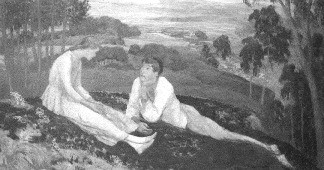
1. Evaristo Valle, Groom and Bride (Rural Idyll), circa 1918. Excellent sample of idyllic and poetic representation of landscape and rural figures, showing certain formal similarities with British pre-Raphaelitsm. The power of suggestion of rural idyll is thus made evident in Evaristo del Valle's paintings. The rest of his work is characterized by the kind of realism or even ironical expressionism which he projects on his rural characters. Courtesy of Museo Casa Natal de Jovellanos
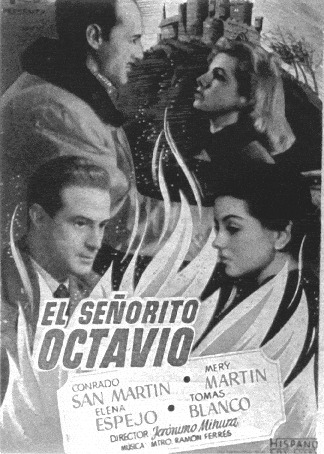
El Señorito Octavio, directed by Jerónimo Hihura (Black and White) 1950. Collection of F. Jurado, Mieres, Spain. The novel recreates a tragedy of forbidden love. It is set in a landscape whose beauty is described in special detail in the novel.
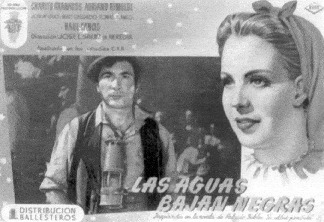
Black waters flow down, by José L. Sáez de Heredia (Black and White) 1948. Collection of F. Jurado, Mieres, Spain. Cinematographic adaptation of Armando Palacio Valdés's La Aldea Perdida.
 You have
Access
- 2
- Cited by