
Introduction
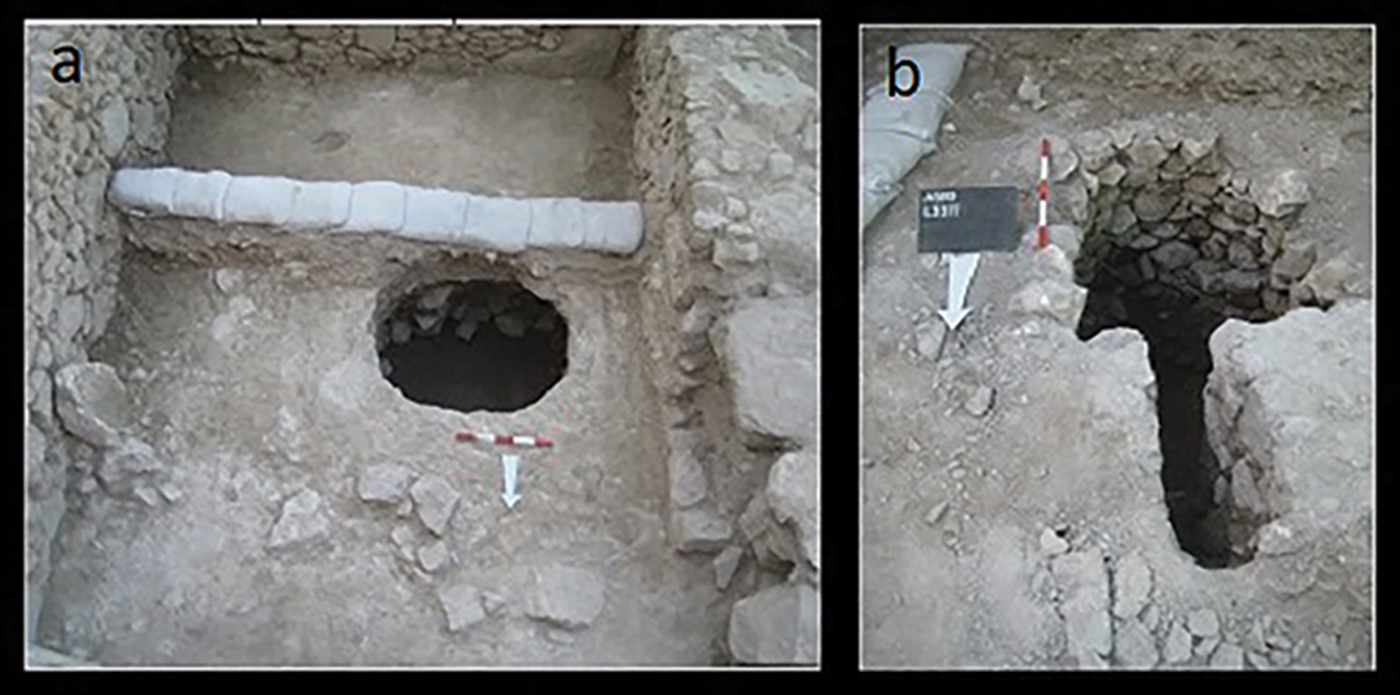
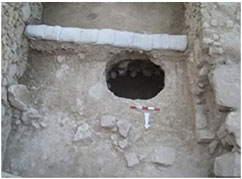
Recent excavations of an Abbasid-period (mid eighth- to tenth-centuries AD) marketplace in Jerusalem have yielded an exceptional assemblage of plant remains. Characterised by an unusually high concentration of mineralised plant material from refuse pits in the market stratum and cesspits just above it, the assemblage includes several species rarely recovered during archaeological excavation. The date and context of this archaeobotanical assemblage is unprecedented, illuminating patterns of consumption, production and trade in Abbasid Jerusalem. Containing the earliest aubergine finds in the Levant, the Givati assemblage is relevant to the Islamic Green Revolution thesis, which posits significant westward diffusion of eastern crops and agricultural technologies during the Early Islamic period (Watson Reference Watson1983). The Givati Parking Lot excavations were conducted on the eastern slope of the Tyropoeon Valley, near the historical nucleus of ancient Jerusalem, known also as the ‘City of David’. In the Early Abbasid period (mid eighth century AD), the area south of the Temple Mount (Haram al-Sharif) was used as an open marketplace or bazaar. Almost totally lacking in architectural remains, refuse pits (Figure 1) represent the most prominent archaeological features of this stratum (stratum III— mid eighth to early ninth centuries AD). Spatial analysis of the varied finds encountered in the refuse pits and their distribution profiles strongly suggest that they represent an open marketplace that consisted mainly of wooden stands and platforms, whose remains have not survived. On these stands, merchants would have displayed their merchandise, discarding waste into the refuse pits. Such open markets are well known in the archaeology and literary sources of the period (Binggeli Reference Binggeli and Morrisson2012: 285–89).
The excavated pits at the Givati Parking Lot site in Jerusalem: a) refuse pit 2425; b) cesspit 2377 (courtesy of the Israel Antiquities Authority).

The refuse pits (Figure 1a) contained dark brown deposits; the interior wall of each pit was unlined, although in some cases, a row of stones surrounded the pit's opening. The cesspits (from stratum II) were characterised by their bell shape—narrow at the top and widening towards the bottom. They were identified by their architectural characteristics, location in the site layout (i.e. adjacent to houses with channels leading from within the house to the cesspit outside), and most significantly, the microanalysis of their soil contents. The cesspit walls were lined with stones, while their openings were covered by stone slabs and attached to a short channel (Figure 1b). The contents of both types of pit are surprisingly rich and varied, including: pottery vessels, both domestic and table wares; bone artefacts and bone-production waste; glass vessels; beads made of various materials; metal artefacts; mammal, bird and fish bones; charcoal; egg shells; and a large quantity of remarkably well-preserved plant remains (Ben-Ami Reference Ben-Amiin press). This study presents the results of archaeobotanical analysis of samples from two refuse pits (2425 and 2568) from stratum III, and one cesspit (2377) from stratum II (Amichay & Weiss Reference Amichay, Weiss and Ben-Amiin press), selected on the basis of preliminary observations of their apparent richness in plant remains. Refuse pit 2425 (Figure 1a) is 1m in diameter by 1.3m deep; refuse pit 2568 is 1.1m in diameter by 0.45m deep. Cesspit 2377 (Figure 1b) measures 1m in diameter by 1.85m in depth. Ten samples were taken: six from refuse pit 2568, one from refuse pit 2425 and three from cesspit 2377. Each sample was subsampled by fraction size as follows: all fragments larger than 4mm were checked; two litres of the 2–4mm fraction; 200cc of 1–2mm fraction; 50cc of 0.5–1mm fraction; and 10cc of 0.3–0.5mm fraction.
Thirty-eight distinct plant taxa from 24 families were identified, representing an assortment of foods, spices, medicinal herbs and other economically valuable plants (Table 1). This article considers the preservation, diversity and implications of the archaeobotanical assemblage. A complete account of the plant species found, including diagnostic morphological features and discussion of relevant historical sources, will appear in a separate publication (Amichay & Weiss Reference Amichay, Weiss and Ben-Amiin press).
The archaeobotanical finds from area M3 of strata IIB and III of the Givati Parking Lot. (*Carbonised species; ** species whose listed quantities are estimated based on density within the subsamples.)

Preservation by mineralisation
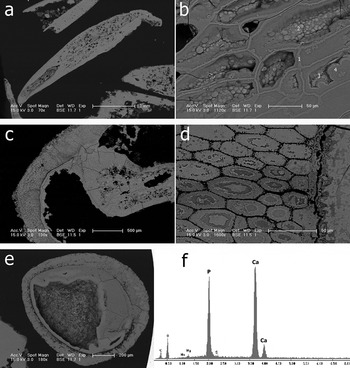
Of the thousands of seeds identified in each pit, more than 99 per cent were preserved by mineralisation; fewer than 20 specimens were preserved by carbonisation (Table 1). Fourier transform infrared spectroscopy (FTIR) was initially used to identify the mineral responsible for this preservation. Such analyses showed that the seeds are composed primarily of the mineral dahllite (Ca5(PO4)3(CO3)(OH)), which belongs to the phosphate family of minerals. This suggests that phosphate-containing solutions penetrated the seed coats and substituted the organic material, thereby promoting the seeds’ preservation. Scanning electron microscopy (SEM) associated with energy-dispersive spectroscopy (EDS) analysis was conducted on polished sections of a selection of seeds of the most commonly represented species (Figure 2). EDS analyses show the prevalence of calcium and phosphorus, which supports the FTIR results. SEM images show a variety of mineral substitution patterns of both the cell walls and internal parts of cells, and excellent preservation of the cellular structure of all the mineralised seeds studied (Figure 2). Importantly, the pattern of mineral impregnation of the seeds is similar in the three pits studied.
Back-scattered electron images of polished sections of mineralised seeds: a) melon seed in low magnification; b) high magnification of same seed in (a), showing various patterns of mineralisation including: cell walls (1), cell infilling by spherical mineral features (2), cell infilling by fine needle-shaped mineral features (3) and continuous layered cell infilling (4); c) part of a grape pip in low magnification; d) same grape pip as in ‘c’ at higher magnification, showing complex mineralisation patterns of cells in the seed coat; e) fig nutlet in low magnification; brighter areas indicate denser mineralisation (a–e); f) a representative EDS spectrum, as obtained from all seeds studied, highlighting the dominance of phosphorus (P) and calcium (Ca)—the major components of dahllite.

Preservation of seeds and other organic matter by mineralisation in cesspits is well attested at medieval European sites (e.g. Green Reference Green1979; McCobb et al. Reference McCobb, Briggs, Evershed and Hall2001; Swindle et al. Reference Swindle, Green, Branch, Vaughan-Williams, Austin and Warman2011), but the mineralisation of seeds in refuse pits is less well known. One possible explanation for the observed mineralisation within the Givati refuse pits is that cesspits were cleaned out for reuse and their contents dumped into refuse pits. At the same time, the few charred seeds found associated with the mineralised assemblage may originate from ash dumped into cesspits—a practice used to eradicate odours (Hakbijl Reference Hakbijl2002).
Cereals
While mineralised plant remains from the Givati refuse pits and cesspits were abundant, grains of wheat (Triticum parvicoccum) and barley (Hordeum vulgare), preserved by carbonisation, were present in only small quantities. Grains of associated weeds, namely Syrian scabious (Cephalaria syriaca) and darnel (Lolium sp.), however, were preserved by mineralisation. The absence of cereal ear fragments indicates that the cereal grains arrived at the site ready for sale, after threshing and winnowing elsewhere (Hillman Reference Hillman and Mercer1981, Reference Hillman1984a & Reference Hillman, van Zeist and Casparieb). The few weeds that were found may have been discarded during the last stage of grain cleaning before sale or food preparation; the charred cereal grains may be the over-roasted by-product of freekeh (roasted grain, common in many traditional societies; Avitsur Reference Avitsur1977; Palmer Reference Palmer2002; Al-Azm Reference Al-Azm, Fairbairn and Weiss2009).
Legumes and vegetables
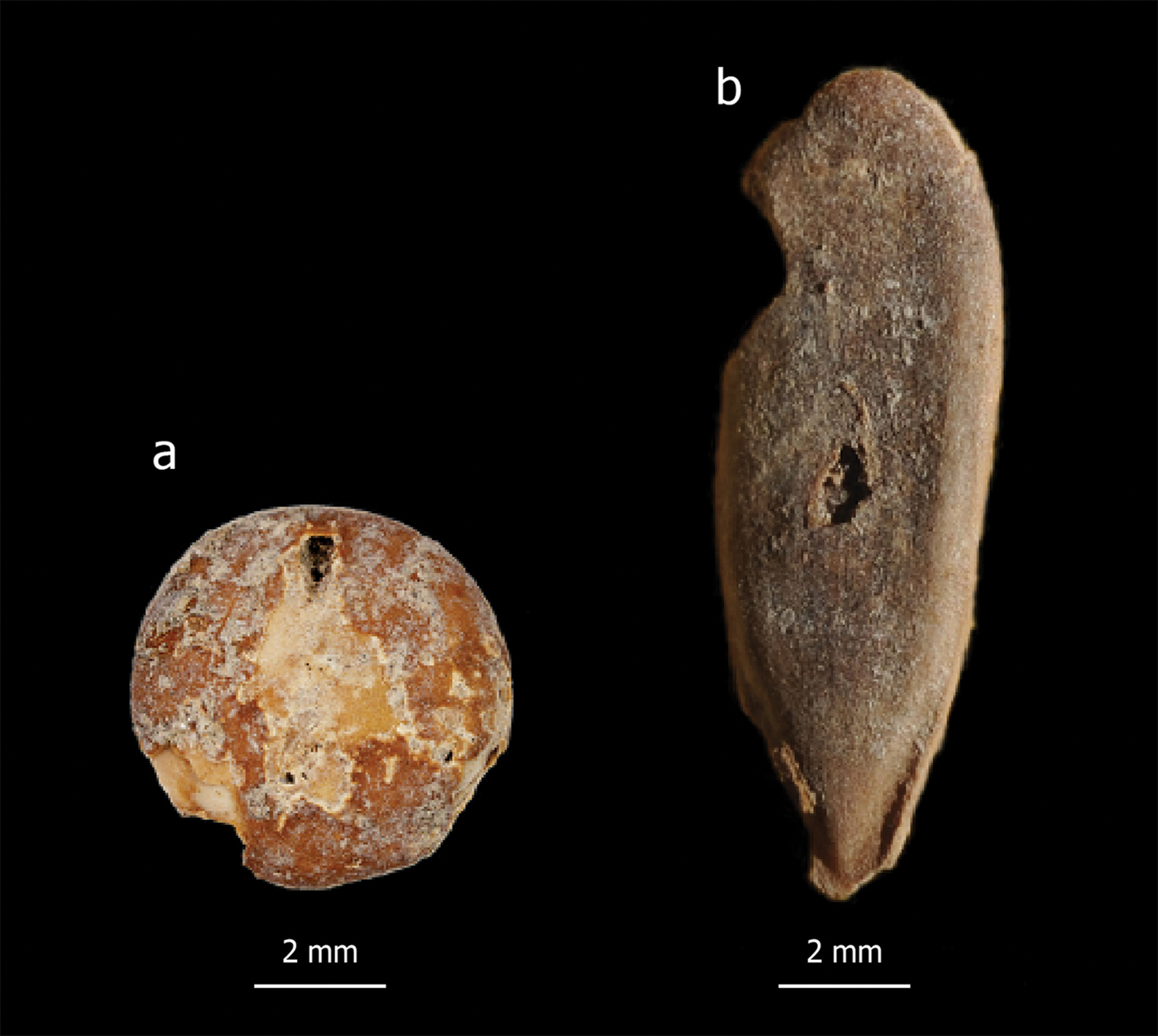
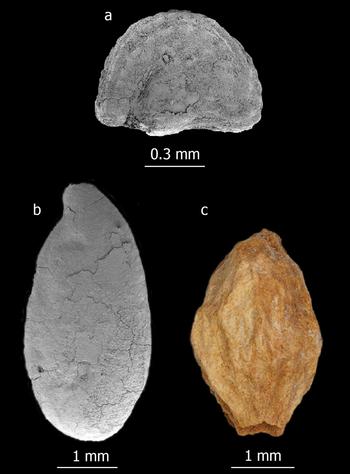
The lentil (Lens culinaris) is the only legume found within the pits (Figure 3A). This contrasts with the presence of legumes in both the traditional diet and archaeobotanical assemblages of the region, where a variety of legumes is standard (Zohary et al. Reference Zohary, Hopf and Weiss2012: 75–99). We assume this to be the result of differential preservation or depositional processes affecting the legumes, rather than actual absence in Abbasid Jerusalem; more research is needed to resolve this issue.
Legume and vegetable seeds: a) domesticated lentil (Lens culinaris); b) chate melon (Cucumis melo var. flexuosus/adzhur).

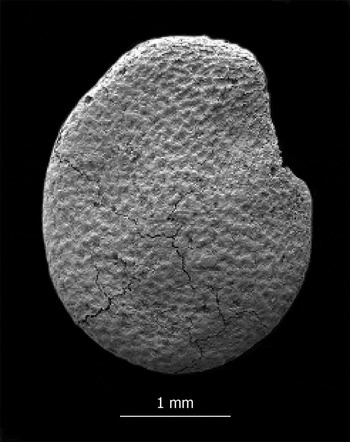
Two varieties of melon were identified in the Givati assemblage: sweet muskmelon (Cucumis melo convar. melo) and chate melon (Cucumis melo var. flexuosus/adzhur; Figure 3B)—both rare finds in Levantine archaeobotany. Although members of the same botanical species, they are very different food items: the former is a usually sweet fruit, and the latter is similar in taste and usage to the cucumber. Eaten fresh, pickled, or cooked in the traditional Arab kitchen, chate melons are consumed before full maturity, when the seeds are small and soft. As the seeds reach their full size only after the edible stage, the presence of fully developed seeds in the pits requires explanation. Although there is evidence for watermelon (Citrullus lanatus) seed consumption in the Early Islamic period (Cox & Van der Veen Reference Cox and Van der Veen2008), it is unlikely that these much smaller chate melon seeds (less than 9mm length, approximately 4mm wide) were for human consumption. It seems more probable that they were sold for crop seed. In contrast, the radish (Raphanus raphanistrum ssp. sativus) seeds found could also have been sold for seasoning, oil production or herbal remedies. Although historical sources suggest that the aubergine (Solanum melongena) was introduced to the Levant following the early seventh-century AD Islamic conquest (Watson Reference Watson1983; Amar Reference Amar2000), its arrival has not been dated with certainty. The earliest aubergine seeds discovered in the region to date were found at the eleventh- to thirteenth-century site of Quseir al-Qadim on the Red Sea coast (Van der Veen Reference Van der Veen2011: 80–81, 228, 241). The seeds from Givati (Figure 4), however, are at least 200 years older than those from Quseir, and thus provide the earliest evidence for the presence of aubergine in the Levant. Moreover, these seeds must reflect local cultivation, as the ripe fruits are perishable and unsuited for long-distance trade, and pickling is usually performed on immature aubergines.
Aubergine (Solanum melongena) seed, representing the earliest of its kind in the Levant.

The aubergine finds from Abbasid Jerusalem attest to the existence of contact with eastern regions, such as East and Central Asia (Watson Reference Watson1983). The Islamic conquest led to increased trade within and beyond the Early Islamic empires (Magness Reference Magness2003), which influenced changes in the composition of the diet due to the introduction of new foods, flavourings and preparation techniques (Watson Reference Watson1983; Amar Reference Amar2000). The extent to which the Givati aubergine seeds provide evidence for an Islamic Green Revolution, however, is still up for discussion (Watson Reference Watson1974, Reference Watson and Udovitch1981, Reference Watson1983; Amar Reference Amar2000; Samuel Reference Samuel, Berthier, Chaix, Studer, D'hont, Gyselend and Samuel2001: 418–23; Decker Reference Decker2009a; Fuks & Weiss Reference Fuks and Weiss2018).
Fruits
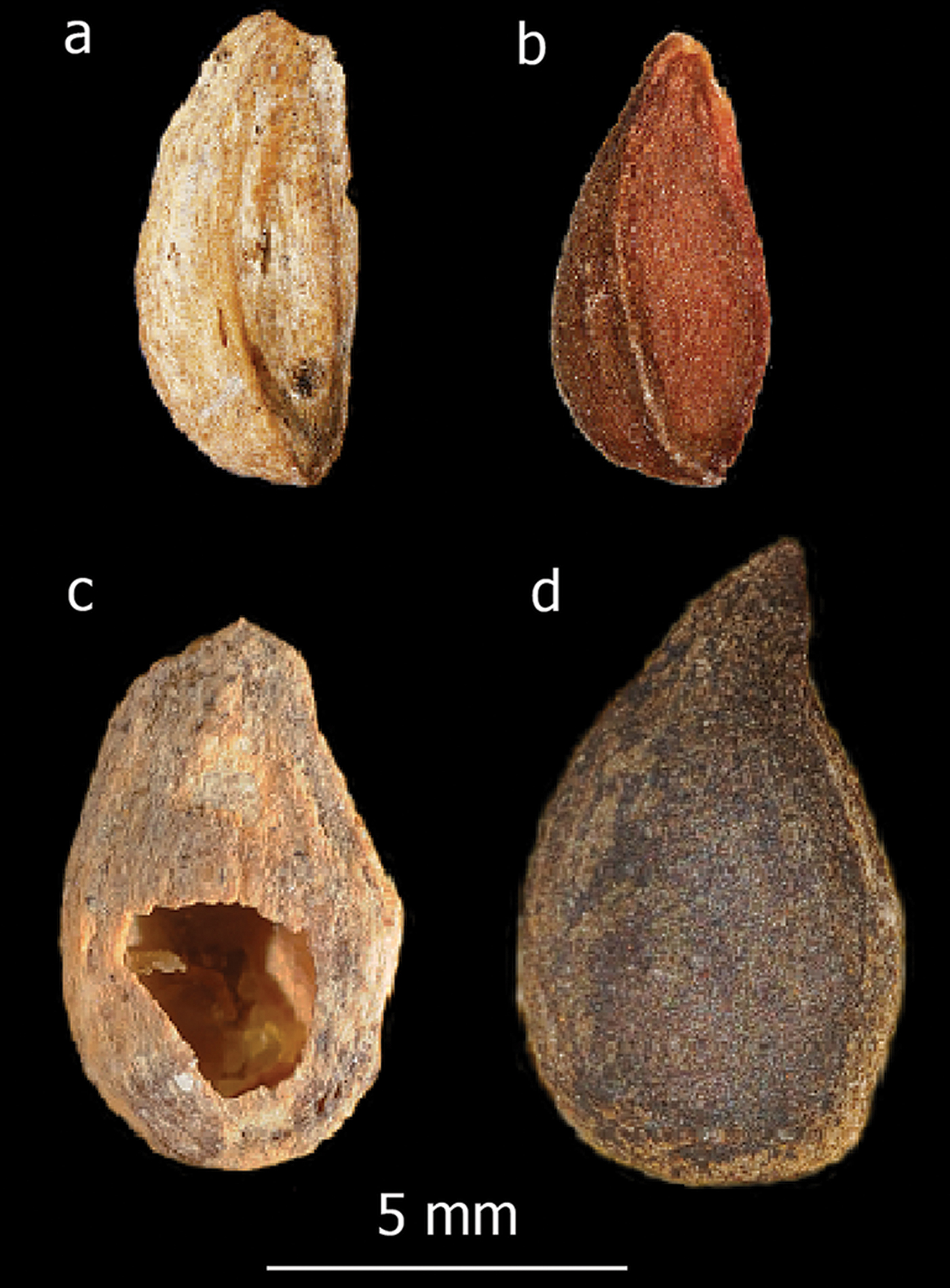
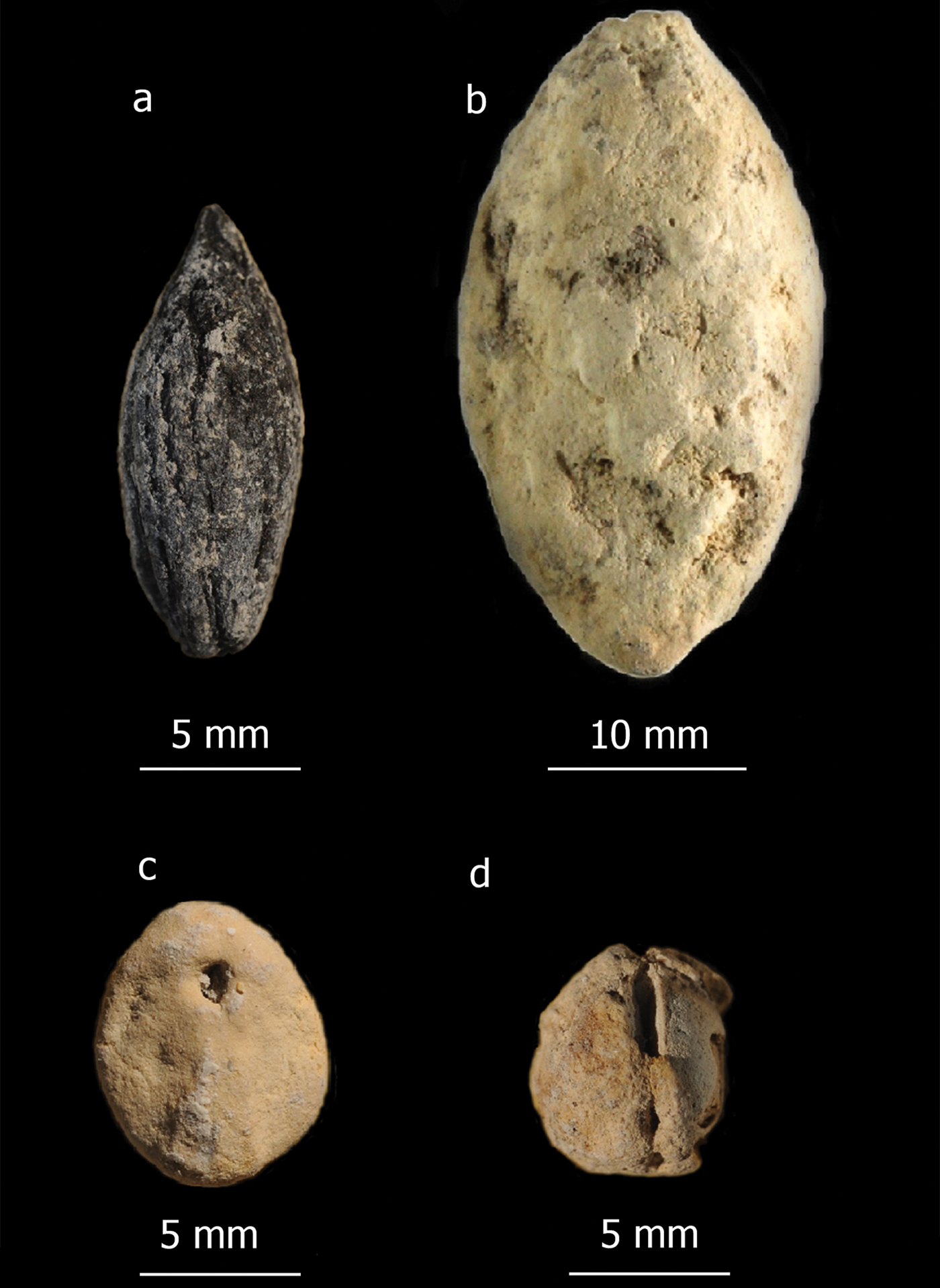
A variety of wild and domesticated fruits was evidently sold in the marketplace of Abbasid Jerusalem. Among the wild tree-fruit species found in the Givati assemblage are Syrian pear (Pyrus syriaca, Figure 5c), honeyberry (Celtis australis), azarole hawthorn (Crataegus azarolus, Figure 6c), Christ's thorn jujube (Ziziphus spina-christi, Figure 6d) and wild pistachio (Pistacia sp.). Some of the domesticated fruits belong to local plants cultivated in the region since prehistoric times, including olive (Olea europaea, Figure 6a), common grape (Vitis vinifera, Figure 7a), common fig (Ficus carica) and date (Phoenix dactylifera). Other fruit species include later introductions during historical periods, such as plum (Prunus domestica, Figure 6b), black mulberry (Morus nigra, Figure 7b) and apple (Malus domestica, Figure 5a). Wild fruit species comprise a significant part of those supplied to the site; azarole hawthorns (Figure 6c) were even taxed during the Mamluk period (Amar Reference Amar2000: 219–42). Evidence for inter-regional trade comes from Syrian pears, which grow wild in the Galilee-Golan region, Israel's Coastal Plain and Samaria, and from azaroles, which grow wild in the Galilee-Golan and Judean Hills (Danin Reference Danin2004).
Tree-fruit seeds, ancient and modern: a) dorsal view of an archaeological apple (Malus domestica) seed shown next to a modern apple seed (b); c) ventral view of an archaeological Syrian pear (Pyrus syriaca) seed shown next to a modern Syrian pear seed (d).

Tree-fruit stones, carbonised and mineralised: a) olive (Olea europaea var. souri) stone—one of the few carbonised plant remains in the Givati assemblage (Table 1); b) plum (Prunus domestica subsp. domestica), dorsal view; c) azarole hawthorn (Crataegus azarolus), ventral view; d) Christ's thorn jujube (Ziziphus spina-christi), side view.

Grape and mulberry: a) grape (Vitis vinifera) pips from two apparently distinct varieties, ventral view; b) black mulberry (Morus nigra) nutlets photographed at different angles.

Grapes appear to be the most significant and prevalent commercial product represented at Jerusalem's Abbasid market (Figure 7a), as evidenced by nearly 24 000 grape pips in samples taken from the two market-context refuse pits, as well as 9000 from the stratum II cesspit. If the average grape contains between one and four pips and weighs about 7g, the refuse-pit grape pips represent between 6000 and 24 000 grapes, weighing 40–168kg, and the cesspit grape pips represent 2250–9000 grapes weighing 16–63kg. Given these unusually large quantities, we presume that both types of assemblages represent the same phenomenon. Moreover, these quantities are based only on the samples taken from the pits, which was less than a tenth of their total volume. Assuming a uniform concentration of pips throughout the pit deposits, waste in the three pits would have derived from half a tonne to two tonnes of grapes. This suggests a scale of activity appropriate to the commercial market context of the site. Grapes can be eaten fresh or dried as raisins, but in such circumstances it is difficult to imagine how such a large quantity would be deposited together in the pits. It is therefore more probable that this represents waste from the production of wine and/or grape honey (‘dibs’ in Arabic). In both types of production, the pips generally remain intact, even after treading the grapes to remove the juice; those performing the treading try to avoid breaking the pip, as this causes bitterness (Ilan Reference Ilan1987: 9; Mahler-Slasky Reference Mahler-Slasky2004: 162–66). Despite the prohibition on wine in the Quran, the possibility of the production and consumption of wine in Early Abbasid Jerusalem should not come as a surprise. Jerusalem's heterogeneous population included, among others, communities of Christians, Jews and Karaites. In general, it is unclear how abrupt, or gradual, the decline in commercial viticulture was following the Islamic conquest. Historical sources suggest, however, that significant reduction in local wine production began only in Mamluk times, thirteenth century AD (Amar Reference Amar2000: 122–35; Decker Reference Decker2009b: 138 & 168).
All but one of the olive stones recovered was carbonised (Figure 5a), presumably having been burned in the form of pomace or discard from pickled olives. Olive stones are not normally swallowed with the pickled pulp, so their discovery in a cesspit provides additional evidence that general waste was deposited in cesspits as well as excrement.
Several of the domesticated fruits found at the site contribute to our understanding of their historical entrenchment in the wider region. Black mulberries (Figure 7b) in the Levant are first mentioned by Jewish sources of the Roman period (c. second century BC to second century AD; Goldstein Reference Goldstein1976; Freedman Reference Freedman and Freedman1983: 188; Goldwurm & Scherman Reference Goldwurm and Scherman1990–2005). The Early Islamic mulberries from Givati, however, are the first to be documented archaeologically in the Levant. Geographically, the nearest archaeological finds of black mulberries come from Mons Claudianus, Egypt—a Roman-period site exhibiting extraordinary preservation (Van der Veen & Hamilton-Dyer Reference Van der Veen and Hamilton-Dyer1998). Hundreds of black mulberry nutlets were found in the Givati cesspit, compared to only a few in the refuse pits. This indicates that the mulberries were consumed, and the seeds excreted into the cesspit.
Rabbinic texts (Neusner & Sarason Reference Neusner and Sarason1986) and archaeobotanical assemblages (Tabak Reference Tabak2006: 64–65; see also Kislev & Hartmann Reference Kislev, Hartmann, Eshel and Amit1998; Simchoni & Kislev Reference Simchoni and Kislev2009) point to the introduction of plums to the southern Levant by the Roman period (first to second centuries BC). The two varieties of plum stones in the Givati pits (Table 1) provide evidence for continued local plum cultivation following the Roman period. Similarly, apple seeds from Givati (Figure 5a) attest to the establishment and continued cultivation of this fruit crop in the Levant from Classical to Early Islamic times. Significant apple cultivation in south-west Asia is known only from the Classical period (Zohary et al. Reference Zohary, Hopf and Weiss2012: 138). While still rare in archaeobotanical assemblages, a few Roman and Early Islamic sites in Egypt have yielded apple remains (e.g. Thanheiser Reference Thanheiser, Hope and Bowen2002; Van der Veen Reference Van der Veen2011).
Herbs and edible weeds
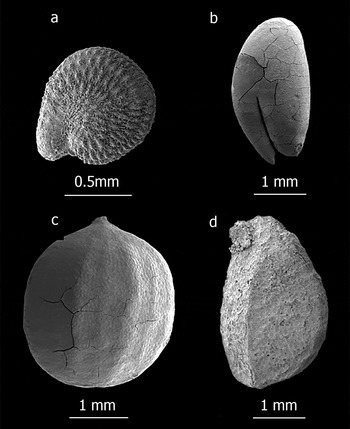
Herbs and spices found at the site—and characteristic of both traditional and modern cooking in the region—include garden purslane (Portulaca oleracea, Figure 8a), garden cress (Lepidium sativum, Figure 8b), coriander (Coriandrum sativum, Figure 8c), black cumin (Nigella sativa, Figure 8d), fennel (Foeniculum vulgare), mallow (Malva/Lavatera sp.) and possibly anise (Pimpinella/Trachyspermum sp.). Traditionally, seeds for most of these species were crushed, used whole or had their oils extracted. For some, the leaves and roots were preferred, in which case the seeds may have reached the market as a by-product of the harvest. Wild herbs, such as mallow, represent an integral part of the diet in many traditional societies and are often gathered by rural populations for sale to urban dwellers (Ertuğ Reference Ertuğ, Fairbairn and Weiss2009: 65–69).
Herb seeds: a) garden purslane (Portulaca oleracea); b) garden cress (Lepidium sativum); c) coriander (Coriandrum sativum); d) black cumin (Nigella sativa).

Medicinal plants
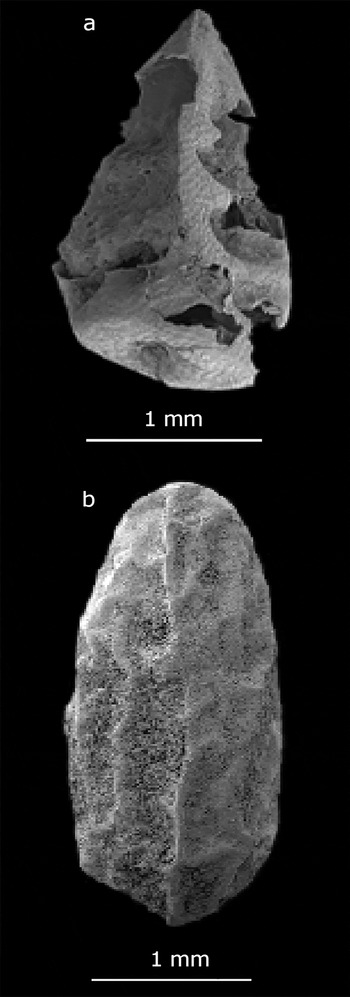
Traditional societies—especially pre-modern, ethographically documented societies—do not necessarily categorise ‘useful’ plants as either food or medicine; many were, and are, used simultaneously for both purposes (Lev Reference Lev2002). Finds from Givati that functioned as both (according to Classical and Islamic texts) include most of the herbs listed in the previous section, as well as Aleppo pine (Pinus halepensis), grape, aubergine, honeyberry, radish, plum, fig, black mulberry and apple. One species known primarily as a medicinal plant is the clammy plantain (Plantago afra, Figure 9b), although it may also sometimes be used for food (Lev Reference Lev2002: 176–77). Interestingly, the narrow-leaved asphodel (Asphodelus tenuifolius, Figure 9a) is not considered a medicinal plant in the Levant, but is used today as a diuretic and medication for dermatitis in India (Palevits & Yaniv Reference Palevits and Yaniv1991: 250).
Medicinal plant seeds: a) narrow-leaved asphodel (Asphodelus tenuifolius); b) clammy plantain (Plantago afra), dorsal view.

Other economic plants
Additional plants found in the Givati pits that can be related to industrial activities are the slenderleaf iceplant (Mesembryanthemum nodiflorum, Figure 10a), flax (Linum usitatissimum, Figure 10b) and grey-leaved saucerberry (Cordia sinensis, Figure 10c).
Other economic plant seeds: a) slenderleaf iceplant (Mesembryanthemum nodiflorum), side view; b) flax (Linum usitatissimum); c) grey-leaved saucerberry (Cordia sinensis), side view.

Flax and its seeds were primarily used in the production of textiles (Aḥituv Reference Aḥituv1992: 149–52; Zohary et al. Reference Zohary, Hopf and Weiss2012: 101–106). The scholarly consensus—based mainly on archaeological evidence of linen-production facilities—is that flax cultivation thrived in Roman Palestine and declined during the Byzantine period (fourth to seventh centuries AD). In the Early Islamic period, flax farming further diminished and eventually ceased completely (Safrai & Linn Reference Safrai, Linn and Mazar1988: 128; Amar Reference Amar2000: 160). Flax finds from the Givati pits (Figure 10b) suggest continued cultivation in Palestine to at least the middle of the Abbasid period. Their small quantity in the samples, however, does not necessarily point to industrial-scale linen production.
Prior to the twentieth century, the slenderleaf iceplant was commonly used for soap production in traditional Arab society (Al-Oudat & Qadir Reference Al-Oudat and Qadir2011). As with the grey-leaved saucerberry, the slenderleaf iceplant must have been imported from the Jordan Rift Valley. The former's wild fruits were rarely eaten but commonly used in the production of glue for trapping passerines (perching birds)—a specialist activity requiring expertise and skill (Kislev Reference Kislev, Friedman, Safrai and Schwartz1997: 182–87). The discovery of both grey-leaved saucerberry seeds (Figure 10c) and a few passerine bones in the Givati pits (Bouchnick Reference Bouchnick and Ben-Amiin press) suggests that these birds were consumed by some inhabitants of Abbasid Jerusalem. The importation of grey-leaved saucerberries from the Jordan Rift Valley specifically for wild bird trapping indicates the importance attached to this foodstuff. Ethnographic research in the region shows that wild bird meat is often considered a choice and expensive delicacy (Kislev Reference Kislev, Friedman, Safrai and Schwartz1997).
Luxury items
Van der Veen (Reference Van der Veen2003) defines luxury items by their desirability and the difficulty of procurement. One plant species that was probably considered a luxury in Abbasid Jerusalem is the aubergine. Although an inexpensive vegetable in the Levant today, this newly introduced species was probably a novelty item in the bazaar of Abbasid Jerusalem.
The nuts of the Aleppo pine were probably another luxury food, due to their high oil and protein content, and palatable taste. Although there was a marked increase in its distribution during the Hellenistic and Roman periods, it was not until the twentieth century that Aleppo pine became a common component of local woodlands (Liphschitz Reference Liphschitz1998; Weinstein-Evron & Lev-Yadun Reference Weinstein-Evron, Lev-Yadun, Ne'eman and Trabaud2000; Liphschitz & Biger Reference Liphschitz and Biger2001). Pine nuts were a common ingredient in different ancient and modern traditional dishes (Nasrallah Reference Nasrallah2007: 151 & 406). Although most historical references to pine nuts refer to the stone pine (Pinus pinea), the Aleppo pine was also used throughout the Middle Ages for medicine, food, building and possibly in religious rituals as well (Kislev Reference Kislev and Küster1988; Lev Reference Lev2002: 91–92). Finally, grey-leaved saucerberry represents a luxury item, as it was imported into Jerusalem for the capture of wild birds—themselves considered a luxury (Kislev Reference Kislev, Friedman, Safrai and Schwartz1997: 182–87).
Summary and conclusions
The diverse plant remains from two refuse pits of the bazaar and one cesspit uncovered at the Givati Parking Lot site enable an unprecedented reconstruction of consumption, production and trade practices in Abbasid Jerusalem. The archaeobotanical evidence from Givati represents one of the first such assemblages found in an Abbasid context; the first case of a Levantine archaeobotanical assemblage preserved almost entirely by mineralisation; and the first studied Levantine archaeobotanical assemblage deriving from a marketplace. Due apparently to these unique circumstances of context and preservation, the assemblage includes several finds rare for Levantine archaeobotany. The discovery of the earliest aubergine seeds in the Levant suggests that this plant was adopted into local agriculture shortly after the Islamic conquest. Apple, plum and mulberry finds suggest continued cultivation following their introduction to the southern Levant in Roman times. The presence of Syrian pear, honeyberry, azarole hawthorn and Christ's thorn jujube demonstrate that wild fruits comprised a significant component of Abbasid Jerusalemites’ diet. Overall, the identified plant species indicate that the local diet included a diverse combination of cereals, legumes, fruits and vegetables, herbal and medicinal plants. Most of these were grown or gathered locally in the Jerusalem area, although some were brought from more distant regions within the southern Levant. A few of these represent luxury items, suggesting that the market was frequented by a socioeconomic elite. Possible evidence for wine production—despite the Islamic prohibition—may reflect the gradual enforcement of this law, or the ethnic and religious diversity of Abbasid Jerusalem. Species with economic uses other than as food were also found, such as grey-leaved saucerberry for bird catching, and slenderleaf iceplant for soap production. These various aspects of Abbasid Jerusalem consumption, production and trade contribute to a more comprehensive understanding of Early Islamic economy and society in the Levant.
Acknowledgements
Salvage excavations were conducted by Doron Ben-Ami and Yana Tchekhanovets on behalf of the Israel Antiquities Authority (IAA) in 2007–2016. Area supervisors were S. Bechar, S. Cohen (Dan-Goor), D. Gutreich, S. Hirshberg, H. Kishoni (Ben Dov), F. Kobrin, M. Krakovski, N. Nissim Ben-Efraim (Salvadori), G. Roccabella, N. Rom, N. Sharabi, A. Shatil, O. Bejarno Souroujon, D. Tanami and A. Zilberstein, with the assistance of V. Essman and Y. Shmidov (surveying and drafting), N. Zak and R. Brin (drafting), T. Sagiv, A. Peretz and M. Dinstein (field photography), C. Amit (finds' photography), and D.T. Ariel (numismatics), all of the IAA Aerial photographs were provided by Skyview. This article is based on the thorough analysis carried out by Amichay and Weiss, and contributed to the forthcoming Givati II final report. We also gratefully thank Mordechai E. Kislev, Yoel Melamed, Orit Simchoni and Anat Hartmann-Shenkman for their general advice and aid in seed identification; Yael Mahler-Slasky for colour photography; Michal David for graphics assistance; Elena Kartvelishvili from the Microscopy Unit at the Weizmann Institute of Science for help with SEM-EDS analyses; Yaakov Langsam for the SEM images; and Yavni Bar-Yam, Miriam Roche and Nahshon Roche for editing assistance.