




No CrossRef data available.
The New Videomalaise: Effects of Televised Incivility on Political Trust
Published online by Cambridge University Press: 04 April 2005
Abstract
Does incivility in political discourse have adverse effects on public regard for politics? If so, why? In this study we present a theory suggesting that when viewers are exposed to televised political disagreement, it often violates well-established face-to-face social norms for the polite expression of opposing views. As a result, incivility in public discourse adversely affects trust in government. Drawing on three laboratory experiments, we find that televised presentations of political differences of opinion do not, in and of themselves, harm attitudes toward politics and politicians. However, political trust is adversely affected by levels of incivility in these exchanges. Our findings suggest that the format of much political television effectively promotes viewer interest, but at the expense of political trust.
Information
- Type
- ARTICLES
- Information
- Copyright
- © 2005 by the American Political Science Association
Does incivility in political discourse affect public regard for politics? Or is a certain amount of rancorous debate part and parcel of what citizens expect from political actors? Is watching politicians and pundits hurl insults at one another on television merely a harmless pastime, or does it have consequences for how people think about politics and government? In particular, does televised political incivility harm levels of trust in government and politicians?
There is now widespread concern in the United States about a “civility crisis” in public life. As Rodin (1996) suggests, “Across America and increasingly around the world, from campuses to the halls of Congress, to talk radio and network TV, social and political life seem dominated today by incivility.…No one seems to question the premise that political debate has become too extreme, too confrontational, too coarse.” Calls for greater civility in political discourse have come from a wide array of scholars, as well as from philanthropic organizations that see incivility as a threat to the functioning of democracy.1
There are, however, some who do not see civility as a virtue (see, e.g., Kennedy 1998).
A number of scholars suggest that incivility in political discourse is one of the key reasons why Americans tend to be negative toward politicians and political institutions. According to this line of thought, political conflict is seen as unnecessary and distasteful. As Hibbing and Theiss-Morse (1995, 147) explain, “Citizens…dislike being exposed to processes endemic to democratic government. People do not wish to see uncertainty, conflicting options, long debate, competing interests, confusion, bargaining, and compromised, imperfect solutions.” Durr, Gilmour, and Wolbrecht (1997) similarly suggest that it is precisely when Congress is doing its job, debating and ultimately resolving controversial political issues, that public regard for this institution declines.
Others argue more narrowly, suggesting that it is not conflict per se, but the incivility with which political elites disagree that prompts negative attitudes. Uslaner (1993), for example, has suggested that members of Congress are increasingly likely to violate norms of politeness in their discourse, and Tannen (1998) characterizes the United States as “a culture of argument” that encourages “a pervasive warlike atmosphere.” To the casual observer, politicians seem to be perpetually involved in bitter conflict. If political conflict is aired openly in an uncivil fashion, can citizens be expected to maintain respect for politics and politicians?
Televised portrayals of political conflict have received a particularly severe beating with respect to levels of civility. Elving (1994), for example, cites television coverage of congressional floor debate as an important source of dissatisfaction with Congress. Cappella and Jamieson (1997) point to media reports that highlight conflict in politics as a source of greater political cynicism. The increasing visibility of political conflict through television seems indisputable (see Funk 2001), and even journalists concur that in American politics, “hyperbole and venomous invective are common talk.”2
Michiko Kakutani, “Polarization of National Dialogue Mirrors Extremists of Left and Right.” The New York Times, 26 November 2000, National Section, p. 27.
It is unclear whether elite political discourse is really any less civil than in the days when duels were occasionally used to resolve differences of opinion (see, e.g., Altschuler and Blumin 2000 and Sapiro 1999). However, the dominance of television as a source of exposure to politics suggests that, at the very least, the extent of mass public exposure to uncivil political discourse probably has increased. It is one thing to read about political pundits' or candidates' contrary views in the press, and quite another to witness them directly engaged in vituperative argument “in person.”3
Even when candidates “talk past” one another in their discourse, they tend to do so in a more aggressive manner than is common in everyday conversation.
More general theories suggesting that television bears some responsibility for negative attitudes toward politics and politicians have received enthusiastic receptions over the years. For some, the root of the problem is the cynicism of game-centered political coverage and journalists' ongoing denigration of politicians' motives; for others, it is simply the conflict-oriented, adversarial nature of political coverage. The timing of the well-documented decline in trust toward governmental institutions initially gave these theories great plausibility, but documenting a causal link between political television and negative public attitudes has proven quite difficult. This difficulty stems from a lack of certainty about which aspects of political television are most likely to produce negative attitudes, and from problems inherent in studying media effects.
TELEVISION AND POLITICAL TRUST
In the 1970s, Robinson (1975) popularized the term “videomalaise” to refer to negative public attitudes that resulted from watching television news. Evidence in support of the original videomalaise claim was based on a quasi-experimental study of effects from viewing one particular television program. In a subsequent study (Robinson and Appel 1979), content analyses of the three major network news programs showed that negative coverage predominated. Although evidence of effects remained thin thereafter, an overview of research on television and politics in the early 80s echoed the popularity of this thesis, concluding that political television “has altered the culture significantly by intensifying ordinary Americans' traditional low opinion of politics and politicians, by exacerbating the decline in their trust and confidence in their government and its institutions” (Ranney 1983, 86).
Despite the widespread belief that television has something to do with low levels of political trust, evidence supporting this causal claim has been limited. In addition, current theories linking trust to political media have little to do with television per se. Instead, theories about videomalaise have broadened into more general claims about political journalism, claims that transcend television, newspapers, and virtually all political media. Patterson (1993), for example, blames negative news coverage from all media for unfavorable attitudes toward politicians. He suggests that negative commentary from journalists naturally leads members of the public to think ill of politicians and the system in which they are embedded (see also Miller, Goldenberg, and Erbring 1979). In addition, journalistic narratives emphasizing the ulterior, self-interested motives of political actors have been widely blamed for public negativity. If the strategic, “inside dopester” perspective predominates, then the public's attitudes will increasingly reflect this same cynicism (see Cappella and Jamieson 1997).
The shift toward more general theories of “mediamalaise” does not mean that television has been given a complete reprieve from its responsibility for all that ails American politics. Instead, the argument evolved to blame television journalism for initiating the deleterious shifts in tone and content that subsequently spread to other political media. Because of the need to compete with television, print media began to mimic television, at least so the argument goes (cf. Sigelman and Bullock 1991). Whatever the rationale, few scholars now contend that political television, as it currently exists, presents a unique perspective on government and politics.
The few exceptions to this generalization are studies suggesting that television, by virtue of its visual nature, draws attention to certain dimensions of candidate evaluation over others. As one journalist summarized it in the early 70s, “Television makes the candidate of today a human being at one's elbow, who is going to be judged on the same terms as a man greets any new acquaintance” (Gould, [1952] 1972, 21). The sensory realism of television conveys a sense of intimacy with political actors that citizens were unlikely to encounter in the past, even in face-to-face meetings with politicians (Hart 1994).
At this point, scholars have only begun to study the consequences of the up-close and personal intimacy that viewers have with political actors on television. The main emphasis thus far in the research has been on the extent to which televised politics heightens the importance of personality characteristics in general evaluations of candidates. Keeter (1987), for example, found that candidates' personal qualities were more important to voters who obtained political news from television. More recently, Druckman (2003) also found that television primes people to rely more on personality perceptions when evaluating candidates. But we know little about how citizens react to uncivil political discourse when it is up-close and personal on television.
Would trust in politics and politicians improve if the public simply did not witness so much uncivil political disagreement on television? Drawing on social psychological theories of human–media interaction, we suggest that televised political disagreements exacerbate the “intensification of feeling” that Walter Lippmann (1925) so despised in politics. When political actors engage in televised interactions that violate the norms for everyday, face-to-face discourse, they reaffirm viewers' sense that politicians cannot be counted on to obey the same norms for social behavior by which ordinary citizens abide.
Without disputing previous evidence about television's influence on political trust, this study offers a different rationale for why incivility may intensify negative attitudes toward government and politicians. We examine the impact of televised examples of uncivil political discourse, not because incivility is limited to television but, rather, because television is the dominant medium through which citizens are exposed to political controversy, and because its images and sounds more completely mimic conflict in real interpersonal situations. Funk (2001), for example, found that incivility among members of Congress conveyed through print produced findings in the direction one would expect, but they did not reach statistical significance—a null finding she predicts would change using televised variations in civility. Our goal in this study was to explore reactions to political television that conveys civility and incivility in a manner more similar to face-to-face interaction, that is, with a rich array of cues tied to language, speech, and expression.
A THEORETICAL BASIS FOR VIDEOMALAISE
To trust is to assume that a person or institution will “observe the rules of the game” (Citrin and Muste 1999, 465) and to believe that those involved will act “as they should” (Barber 1983). But what does that imply in the context of televised political disagreement? We propose this means that people expect political actors who appear on television to abide by the same social norms acknowledged by ordinary Americans. To be sure, the actual norms for behavior on television are very different from what they are in the world of everyday social interaction. But we hypothesize that when political actors violate interpersonal social norms on television, viewers react as they would if they were witnessing the same interaction in real life. In other words, their emotional reactions are not mediated by the cognitive acknowledgement that this is “only television,” and thus they react quite negatively to incivility.4
The hypothesis that television is able to elicit a greater intensity of emotional reactions has been around for some time, but it has met with mixed success in empirical studies (see Hibbing and Theiss-Morse 1998 for a review). This study addresses a narrower, more specific hypothesis and proposes a specific mechanism of influence.
In face-to-face settings where people disagree about politics, there are strong social norms likely to be observed for purposes of these interactions. Face-to-face exchanges are relatively polite. Although people occasionally yell at one another and stomp their feet over political differences, such behavior is far more common in mediated presentations of political views. Norms involving politeness are extremely strong (Brown and Levinson 1987); most people are polite most of the time.
The experience of political conflict on television often differs substantially from real life. Increased market competition has encouraged political shows to “liven themselves up” in order to increase audience size (Fallows 1996). Programs such as the McLaughlin Group, The O'Reilly Factor, Meet the Press, Crossfire, Capital Gang, and Hardball depict particularly intense and heated exchanges. Even standard news programs are increasingly characterized by an emphasis on controversy and contentiousness. Civil and polite exchanges of opinion do occur on television, and screaming sometimes occurs in interpersonal discussions surrounding politics, but the central tendency in media is to highlight emotionally extreme and impolite expressions, whereas the central tendency in face-to-face communication is toward polite and emotionally controlled interactions. Consistent with this evidence, Hibbing and Theiss-Morse (1998) find that people who obtain news from television or radio generate significantly more negative emotional evaluations of Congress, though their cognitive evaluations are indistinguishable.
Polite manners and other pleasantries may seem extraneous to political trust, but the need for politeness is particularly great when expressing controversial views. As Kingwell (1995) suggests, politeness and civility are not arbitrary norms akin to using the correct fork; they are a means of demonstrating mutual respect. Empirical studies substantiate the importance of adhering to social norms of politeness. Tyler (1990), for example, finds that politeness and respect toward individuals involved in a legal conflict enhances their perceptions of fair treatment.
In addition to being less civil, the television world also provides a uniquely intimate perspective on conflicts. Interestingly, in the literature on human proxemics, the distance deemed appropriate for face-to-face interactions with public figures in American culture is beyond 12 feet (see Aiello 1987), yet most citizens' exposure to politicians via television has the appearance of being far closer. When people argue, it is typically unpleasant, and the tendency is to back off, especially if one is personally involved in the argument. In contrast, as televised political conflicts intensify, cameras close in with tighter and tighter perspectives on the people involved. This creates a highly unnatural experience for viewers, one in which they view conflict from an extremely intimate perspective, and one that would be highly unlikely to occur in the real world. When social norms for civility are violated on television, the viewer's intimate perspective intensifies an already negative reaction to incivility.5
This pattern of reactions is well documented in the realm of face-to-face interactions. For example, Storms and Thomas (1977) used bogus questionnaire answers to convince experimental subjects that a confederate's attitudes were either similar to or dissimilar from his or her own. When the confederate sat unusually close to the subject, violating the norms for personal space, physical distance interacted with similarity so that an attitudinally similar person who sat close was even better liked, and a dissimilar person who sat close was even more strongly disliked (see also Schiffenbauer and Schiavo 1976).
Of course, this hypothesis rests on the assumption that watching conflict on television is much the same experience for citizens as when conflict is face-to-face. While this may seem unlikely, an accumulation of evidence suggests otherwise. Reeves and Nass (1996, 13), for example, have documented responses to mediated images that parallel those found in the natural world. For example, when motion appears on a television screen, physiological responses are the same as when motion occurs in the immediate environment. When viewers see a picture of a person on a screen who appears to be closer by virtue of his or her size on the screen, evaluations of the person on the screen are more intense, just as they are when real people come closer (see also Lombard 1995 and Lombard et al. 2000). Based on these experiments, Reeves and Nass (1996) conclude that the human brain has not evolved quickly enough to respond in rational ways to technologies such as television. As they put it, “People expect media to obey a wide range of social and natural rules. All these rules come from the world of world of interpersonal interaction.”
Television and film, more than newspapers or radio, provide an approximation of human experience in terms of visual and aural sensory input. Moreover, research suggests that people's default reactions to television tend to be primitive and automatic. The prospects for unthinking and automatic social responses are greatest with television because it more closely replicates human experience (see Lang 2000). The visual element of television encourages “gut reactions” on the part of viewers, which are not mediated by cognitive assessments (see Sullivan and Masters 1987).6
Although these studies focused specifically on the effects of politicians' nonverbal facial displays on public attitudes, their findings likewise suggest that expressive displays have a direct emotional impact on viewers (see McHugo et al. 1985 and Sullivan and Masters 1987).
To summarize, when encountering differences of opinion in person, the tendency is for people to downplay their differences and maintain a polite, cordial atmosphere; in contrast, mediated portrayals of political conflict emphasize strong differences of opinion, at least in part to enhance dramatic value and attract viewers. Television further intensifies the negative, conflictual aspects of the experience by causing viewers to experience uncivil exchanges of political views from a highly intimate perspective. The central hypothesis in this study is that this violation of social norms should cause negative reactions toward politicians and government. People expect others to obey social norms and evaluate them less favorably when they do not. In addition, given that the normative expectation is of civility, this influence should be primarily a function of negative reactions to incivility, rather than positive reactions to civility. Finally, we further hypothesize that television viewers will respond negatively to incivility on television due to largely gut-level, emotional reactions to violations of social norms rather than a cognitive awareness of excessive conflict.
STUDY DESIGN
Experimental methods provide the best means for testing this hypothesis. First, problems with the validity and reliability of self-reported media exposure are well-known (Price and Zaller 1993). An expectation that people can accurately report levels of exposure specifically linked to televised incivility is unreasonable and beyond most people's capacities. Moreover, an experimental design makes it possible to evaluate the impact of a subtle variation in the presentation of political conflict—the level of civility in the interaction—while holding the substantive content of the disagreement constant. In addition, as demonstrated by the third experiment in this study, a laboratory setting made it possible to use an indirect means of gauging the intensity of subjects' reactions to a televised interaction. Measuring viewers' physiological reactions to civil and uncivil political conflict provided insight into the psychological processes underlying the effects we observed. Experimental designs also were essential to draw strong causal inferences. Those who distrust government may be particularly drawn to uncivil television content; if so, reverse causation could be problematic, or spurious relationships could result from correlates of distrust and television watching.
The central manipulation in our experiments was the extent to which politicians exchanged political viewpoints in a manner that violates the typical norms governing face-to-face political conflict. In three experiments using adults and undergraduate subjects,7
Adult subjects were recruited through temporary employment agencies, and they were paid for their participation by the agency at the hourly rate they had agreed on with the agency. Student subjects were recruited from political science courses as part of a class opportunity for extra credit. All subjects were invited to participate “in a study that involves watching television.” In Experiment 1, 75% of the subjects were college students, and the remaining 25% were recruited from the community. In Experiment 2, 45% of the subjects were students, and 55% were drawn from the community. In Experiment 3, all subjects were recruited from the community. We found no systematic difference in the reactions of student and nonstudent subjects.
To produce stimuli for these studies, professional actors were hired to play the roles of two congressional candidates. A television studio with a political talk show set was used to tape a mock program in which the disagreements appeared. While seated around a common table on the set, a moderator directed questions to the two candidates. The cover story was that Bob Lindzey and Neil Scott, two candidates for an open congressional seat, were invited to appear on Indiana Week In Review in order to familiarize potential voters with their positions.
In order to ensure the same political content in the civil and uncivil versions of the discussion, teleprompters were used to help the actors adhere closely to a script. The script drew on arguments from interest groups that were for and against the issues. Candidates were always assigned to opposing views on each of the issues, and they were both directed to interact in either a civil or an uncivil fashion. In order to avoid subject fatigue, only a subset of four of the issue disagreements was used in each experiment. Experiment 1 included discussion of free trade, mental health insurance, Internet privacy regulation, and NASA funding. Experiment 2 covered tobacco regulation, taxation of retail sales on the Internet, public service experience, and free trade. The issues discussed in Experiment 3 included regulation of the tobacco industry, Internet taxes, the repeal of the Glass–Steagall Act, and whether public service experience is an important qualification for office. Each issue exchange was edited so that it was roughly five minutes long.
Two versions of each exchange were taped on the talk show set. The candidates expressed exactly the same issue positions in the same words in both versions, and offered exactly the same arguments in support of their positions. But in the civil version the candidates went to extremes to be polite to the opposition, inserting phrases such as “I'm really glad Bob raised the issue of…” and “I don't disagree with all of your points, Bob, but…” before calmly making their own positions clear. Both candidates fully observed the interpersonal norms for civility in expressing their viewpoints, not only in their own speech, but also by waiting patiently while the other person answered and by paying attention to the opponent while he was speaking.
In the uncivil version of these exchanges, the candidates used the same script but inserted gratuitous asides that suggested a lack of respect for and'or frustration with the opposition. Sample statements include comments such as “You're really missing the point here Neil” and “What Bob is completely overlooking is.…” The candidates also raised their voices and never apologized for interrupting one another. Nonverbal cues such as rolling of the eyes and rueful shaking of the head from side to side were also used to suggest lack of respect for what the opponent was saying. Voices were raised when conflict intensified, in contrast to the persistently calm voices of the candidates in the civil version.
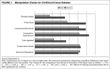
Manipulation checks confirmed that the two versions of each issue discussion were perceived as significantly different in levels of civility. In Experiment 1, two items confirmed that subjects in the uncivil condition perceived Neil and Bob to be significantly less polite than in the civil condition (t=1.96, p<.05). In Experiment 2, subjects were asked to evaluate the speakers on an expanded battery of manipulation check items, including adjective pairs ranging from “quarrelsome” to “cooperative,” “friendly” to “hostile,” “emotional” to “unemotional,” “calm” to “agitated,” and “rude” to “polite.” As shown in Figure 1, the candidates in the uncivil versions of the issue exchanges were consistently perceived as less polite, more quarrelsome, more emotional, agitated, and hostile.8
Although we refer to the two versions as “civil” and “uncivil,” it should be noted that relative to contemporary political talk shows, even the “uncivil” version would not be viewed as extremely hostile. Relative to exchanges between candidates and members of Congress, the portrayals in these experiments were highly realistic and well within the range of what people expect of congressional candidates. None of our subjects questioned their authenticity.

Manipulation Checks for Civil/Uncivil Issue Debates
Procedures
Participants sat alone in a room with a small, comfortable couch and an overstuffed chair, plus a coffee table and a 32-inch television. After consent to participate was obtained, they filled out a pretest questionnaire. Subjects then viewed 20 minutes of the televised political program, incorporating the same scripted disagreements on four different issues,9
In the first experiment, the order of presentation of the four issue discussions was randomized. In the second experiment, we used a fixed order (free trade, tobacco, Internet taxes, and public service).
Although the experimental procedure was basically the same in the two experiments, in Experiment 1 subjects were randomly assigned to civil or uncivil conditions (n=67), while in Experiment 2, we incorporated a third, control condition in which subjects did not watch any political television (n=155).10
This time the list of issues included NASA funding, mental health insurance, a federal Internet privacy policy, and free trade.
The nonpolitical program was an instructional video on how to improve one's free throw shooting ability, combined with a brief history of the NBA. All tapes are available for viewing upon request.
The issues discussed in Experiment 2 were restrictions on tobacco advertising, free trade, taxes on Internet purchases, and whether previous public service/political experience is an asset or a liability for members of Congress.
Measuring Political Trust
The best-known measures of political trust are those from the National Election Studies battery that are labeled under the rubric of support for the political system. We utilized these measures as dependent variables in our study, though not exclusively so. To address all of the various types of trust that have been linked to political television, we included questions to form three separate political trust indexes tapping Trust in Politicians, Trust in Congress, and Trust in the Political System. Although it is customary to define different kinds of trust by virtue of the target being trusted (the political system, politicians in power, etc.), we found, consistent with Citrin and Muste (1999, 467), that while items used to measure political trust may have different target objects, they are of “dubious discriminant validity.” For this reason we do not claim to have measured empirically distinct concepts, nor does our theory make differential predictions. However, because indicators have traditionally been grouped by target object, we did the same in our initial analyses, but also provide a pooled analysis that combines the three dimensions of political trust.13
In Experiment 1, the individual scales all achieved respectable levels of reliability (see Appendix), but in Experiment 2, with a much higher proportion of subjects drawn from the community, they did not, unless combined into a single index of political trust.
Our theory suggests that people will be less likely to trust politicians if they are seen as uncivil in their interactions with one another—even though that may well be considered the norm for political television. When political actors do not behave according to social norms, viewers are reminded that politicians do not appear to abide by the same rules of the game as everyone else. Norm violations should generate a negative reaction, much as they do when people are exposed to such violations in real life.
RESULTS
Experiment 1
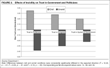
The goal of the first experiment was to assess whether the extent of civility in a televised exchange of political views influences judgments of political trust. Data for Experiment 1 were analyzed by testing the difference between mean levels of trust in the two conditions. As shown in Figure 2, all three trust measures were significantly influenced in a negative direction by the less civil exchange. Trust in Politicians became more negative, even though the content of the talk show made it clear that neither Bob nor Neil currently was, nor had ever been, a member of Congress (F=10.35, p<.001). Likewise, Trust in Congress also became more negative after only one 20-minute exposure (F=6.00, p<.01). Finally, attitudes toward the American political system also were significantly, though more modestly, influenced by the civility of discourse (F=3.12, p<.05).

Effects of Incivility on Trust in Government and Politicians
We have suggested that viewers are experiencing a visceral, gut-level negative reaction to violations of social norms. But others have proposed what might seem a far simpler explanation: people simply dislike conflict, and they see it as particularly unnecessary when the answers to many political problems seem obvious to ordinary people (e.g., Hibbing and Theiss-Morse 2002). Perhaps, then, what we observe in Figure 2 is incivility in public discourse leading people to lose respect for the idea that free and open debate is an integral part of our political process. If people often see poor examples of political disagreement, then attitudes toward conflict and its importance in the democratic system would naturally become more negative.
To evaluate this alternative explanation, we used two scales tapping attitudes toward political conflict (see Appendix for details); one of these tapped attitudes toward congressional debate (including items such as “Members of Congress bicker a lot more than they need to”), and the second index tapped attitudes toward the importance of free and open political debate (e.g., “It's very important that politicians air their differences of opinion publicly”).
The civility of discourse in the experimental manipulation did not have any influence on evaluations of conflict in either case. People apparently differentiated between the importance of public conflict—that is, the exchange of differing views, which remained constant across the two presentations—and the civility of that conflict, which varied significantly. Popular discussions often conflate the extent to which disagreement takes place with the civility of those interactions, thus conflating greater hostility with greater conflict. But in this study neither the combined scales nor any one of the many individual items tapping attitudes toward conflict varied by experimental condition.
The fact that viewers did not become more negative toward conflict lends support, albeit indirect, to our assertion that viewers' reactions stem from a visceral, gut-level negative reaction to incivility, one that originates in face-to-face social norms, but that is applied without thought to televised politicians as well. In order to examine evidence bearing more directly on this hypothesis, we made use of a scale from the pretest questionnaire that assesses the extent to which individuals approach or avoid situations involving conflict in their everyday face-to-face discourse with others. The Conflict Approach'Avoidance Scale was developed to predict an individual's willingness to make interpersonal conflicts explicit. It is known to have high reliability levels, minimal social desirability bias, and predictive validity based on willingness to participate in conflict-related interventions, such as mediation. The scale is also sensitive to different cultural norms related to conflict-related communication (see Goldstein 1999). The items included in this scale tap the extent to which an individual enjoys challenging the opinions of others, feels upset after an argument, and so forth (see Appendix for details). If our theory is correct, this individual difference should exacerbate reactions to incivility. But if watching politicians on television as purely a third-party observer bears no relation to how people react when they themselves are personally involved in disagreements, then reactions to televised political incivility should not be contingent on what makes them uncomfortable in interpersonal interactions.
In order to see if responses to civility and incivility are different for those with varying propensities for conflict avoidance, we divided the conflict avoidance scale into equal thirds of low, medium, and high levels of conflict avoidance and then used an analysis of variance model including the main effects of civility/incivility and of conflict avoidance, plus the interaction between conflict avoidance and civility. We hypothesized that if the effects shown in Figure 2 were truly based on a gut-level aversion to incivility in disagreements, then those most conflict-averse in face-to-face contexts should react most strongly to viewing uncivil discourse as well. For purposes of this analysis, we combine the three measures of political trust, given that they are highly intercorrelated and generate identical patterns of results. Moreover, the reliability of the general index of political trust is higher than any of the individual indexes (α=.84).
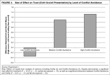
Figure 3 shows the differences in levels of political trust between the civil and the uncivil conditions, broken down by low, medium, and high levels of conflict avoidance. As suggested by this pattern, the analysis of variance model generated not only the significant main effect for civility that was already observed (F=10.37, p<.01), but also a highly significant interaction between conflict avoidance and incivility (F=5.81, p<.01). Moreover, the partial eta-square values indicate that the effect of the interaction was, if anything, larger than the impact of incivility alone.

Size of Effect on Trust (Civil–Uncivil Presentation) by Level of Conflict Avoidance
As shown in Figure 3, the difference between levels of political trust in the civil versus the uncivil condition was a function of individual differences in conflict avoidance. For those who are generally uncomfortable with face-to-face disagreement, the uncivil condition generated much lower levels of political trust than the uncivil condition. For those with moderate levels of discomfort with conflict, we observed a somewhat smaller differential. And for those who find disagreements somewhat enjoyable, the pattern was reversed in that the uncivil condition generated slightly higher levels of political trust than the uncivil one. This pattern of results lends credence to our interpretation of findings based on the impact of personally “experiencing” disagreement via television viewing. Even though viewers are not personally involved in the political disagreements they view, they nonetheless react in the same fashion when televised disagreements violate face-to-face norms.
Experiment 2
Our second experiment was designed to replicate and extend the findings from the previous experiment. In this study we recruited a much larger number of participants (n=155), with many adult subjects recruited from the community, and we extended the design to include a control condition that viewed neither version of the political disagreements. We also used a different set of issues in the talk show to ensure that our results did not hinge on any one particular stimulus. Finally, by including pretest assessments of the two candidates based on their pictures alone, we also strengthened our ability to claim that observed differences are due to the candidates' behavior during the televised program rather than simply effects of being exposed to pictures of the two politicians. An analysis of variance confirmed no significant differences among the three conditions in pretest evaluations of the candidates.
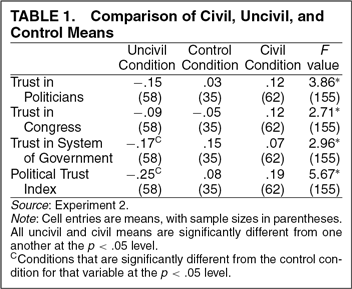
In analyzing Experiment 2, our initial focus was on determining whether the findings in Experiment 1 could be replicated using different stimuli to represent civil and uncivil discourse. Table 1 shows the means for the three separate indexes of political trust, plus the combined index, broken down by civil and uncivil conditions. Despite the fact that the issues discussed in these stimuli were different from those in Experiment 1, the effects of incivility on political trust replicated across all three indexes. The results are virtually identical to those found in Experiment 1. The civil presentation resulted in significantly higher levels of political trust than the uncivil exchange of the same political views. This pattern extended to attitudes toward Congress, politicians in general, and the entire U.S. system of government (F=2.61 and p<.05, F= 3.84 and p<.05, and F=3.13 and p<.05, for Congress, politicians, and government, respectively).

In order to determine whether civility was increasing levels of political trust and/or incivility was decreasing levels of trust, we compared the experimental means to the control conditions using simple contrasts. Although the general pattern of results for two of the three trust measures in Table 1 is suggestive of more positive assessments from civil presentations and more negative ones from uncivil ones, comparisons with the control group means showed that the difference from the control group was significant only in the uncivil condition. Arguably, this null result could be due to the substantially lower reliability of the indexes obtained in Experiment 2 (see Appendix), which probably resulted from the more diverse sample of subjects in this experiment. To further confirm the control group comparison, we improved the reliability of the dependent variable by combining the three highly intercorrelated sets of items into a single index of Political Trust, as was done in Experiment 1. This strategy succeeded in increasing the reliability to acceptable levels (α=.75). But even with the more reliable index, there still is no significant difference between the control condition and the civil presentation, and there remains a significant difference between the control and the uncivil conditions (index, F=3.05, p<.05; planned comparisons between civil and control, p>.60, and between uncivil and control, p<.05).
This pattern is consistent with the theory offered as to why people react negatively to incivility. Although cognitively they may avow that the norm on television is incivility, their expectations are based on the world of interpersonal interaction, where civility is what is expected. Incivility creates important deviations from people's default assumptions. Thus the civil condition does not differ from the control condition, while the uncivil condition does. This pattern supports the assertion that differences are caused by television's departure from interpersonal social norms. Viewing a civil interaction leaves political trust unchanged, but viewing an uncivil interaction—even for a mere 20 minutes— significantly lowers levels of political trust over not viewing at all.
Based on this evidence, can we be confident that viewers are reacting for the specific reasons we have posited? Does viewing an uncivil political disagreement produce more negative feelings because it violates norms for face-to-face discourse? Thus far three findings bolster support for this interpretation. First, this effect is most pronounced among those who try to avoid interpersonal conflict in their everyday lives— regardless of whether it is political or not. Second, this pattern is clearly not a function of the impact the civility manipulation has on attitudes toward the importance of conflict per se; indeed we find no effects on attitudes toward the desirability of political conflict, despite our best efforts. Even immediately after viewing a far-from-exemplary demonstration of the exchange of political differences, viewers are no more likely to see political conflict as petty, unnecessary bickering. Finally, we also find that it is incivility in particular, the counter-normative behavior that departs from face-to-face expectations, that accounts for most of the negative effects observed. People expect political actors to act in a predictable manner, an expectation based on the world of face-to-face interaction, where civility is the norm. When politicians do not act according to these expectations, they create negative reactions in viewers.
But is exposure to disagreement coupled with incivility truly producing the visceral, gut-level reaction that we have hypothesized? A far simpler cognitive explanation is that incivility simply lowers the esteem with which viewers regard candidates. Viewers think less of those who behave in an uncivil fashion, and those candidates, as representatives of the larger category of political actors, lower the cumulative impression that viewers have of politics and politicians. The evidence from these experiments is not consistent with this incremental explanation because overall attitudes toward the candidates (as measured by combined thermometer ratings for the two candidates) were not systematically affected by incivility. In Experiment 1, attitudes toward one candidate were higher in the civil condition, while attitudes toward the other were unaffected. In Experiment 2, thermometer ratings were no higher in the civil than in the uncivil condition. If citizens were merely rationally updating their views about politicians on the basis of these two men appearing less likable on the whole in the uncivil condition, then this is not the pattern of findings one would expect.
Experiment 3
To more directly test the idea that these reactions are rooted in emotional, gut-level responses to viewing political incivility, we ran a third experiment tapping viewers' physiological reactions to the same programs. Using small electrodes attached to viewers' hands while they watched the programs, we recorded levels of electrodermal activity, known as skin conductance, throughout the viewing. Skin conductance measures are a widely accepted measure of physiological arousal and emotional response (see Dawson, Schell, and Filion 2000) and have been used extensively in studies involving arousal responses to media (e.g., Lang 2000 and Reeves et al. 1999). Exposure to conflict in face-to-face settings causes increased arousal, and incivility creates even higher levels, as if the human body were preparing for a response. If our theory is correct, simply viewing others arguing in an uncivil fashion should cause this same physiological reaction, even though it makes no apparent sense to prepare for action in response to mere pictures. The uncivil political conflict portrayed on television obviously cannot burst into our living rooms to threaten us, yet our brains may respond as if this were exactly what might happen.
Because there are often large individual differences in skin conductance levels, we used a within-subject design for Experiment 3 so that people watching uncivil exchanges could each be compared to themselves watching civil disagreements. A within-subject design also allowed us to obtain findings from a relatively small sample of 16 subjects. In Experiment 3 each subject viewed two issue debates in a civil version and two in an uncivil version. The order of issues and assignment of a given issue to the civil or uncivil condition for each subject were completely randomized in a Latin Square design to cancel out potential issue and/or order effects. Three hundred data points for skin conductance level were collected across the five-minute period. We then analyzed the effects of the civility manipulation on these data while controlling for time as a repeated-measures factor.
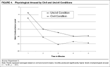
Figure 4 illustrates average levels of skin conductance over the five minutes of issue discussion. As with reactions to other new stimuli, skin conductance levels are highest at the onset of a stimulus presentation and then decline monotonically. Time was a highly significant factor in the analysis given that more time consistently produces lower levels of arousal with any form of media stimuli. But when people viewed issue debates in their uncivil versions, the same exchanges caused significantly higher levels of arousal, just as our theory predicted (t=14.38, p<.001). Over the entire series, issue presentations shown in the uncivil version were significantly more emotionally arousing than those in the civil version. Because the subjects in Experiment 3 were exposed to both civil and uncivil discourse, we did not predict effects on levels of political trust in Experiment 3. Overall, any such effects should have cancelled one another out by the time of the posttest.

Physiological Arousal by Civil and Uncivil Conditions
Given that politics is not a highly arousing topic for most citizens, and that this program was of the relatively unexciting, yet common, “talking heads” variety, it is noteworthy that incivility applied to standard political issues can produce primitive reactions in those who are merely viewing others engaged in disagreement. Television viewers are notoriously passive, “third-party” spectators when it comes to politics. And yet, at a very basic physical level, they are reacting to incivility on the screen as if it were very real indeed.
Popularity of the Program
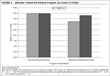
The finding shown in Figure 4 begs the additional question of whether arousal is tapping characteristics of programs that also make them popular with viewers. Measures available in Experiment 2 allowed us to examine this hypothesis. One battery of five items addressed the Perceived Entertainment Value of the program, and another battery of five items tapped its Perceived Informativeness (see Appendix). As shown in Figure 5, the civil and uncivil versions of these discussions were perceived as equally informative, and rightly so given that they included precisely the same amount of substantive political information. But overwhelmingly, viewers found the uncivil version of this public affairs talk show more entertaining, indicating that it was more interesting, more exciting, and so forth (F=15.61, p<.001, for main effect of incivility). They also indicated a much weaker to desire to view the program again in the future if they viewed the civil version. Unfortunately, the kind of presentation of political conflict that is likely to attract audiences and build television revenues does not appear to be the one that best serves democratic citizens.

Attitudes Toward the Political Program, by Levels of Civility
DISCUSSION
Experiments 1 and 2 consistently demonstrate that incivility in televised political discourse has adverse effects on political trust relative to civil discussions of the same political substance. The effects we have isolated are surprising, in part because of the brief nature of the stimulus—a 20-minute television program—and in part because political trust is typically regarded as a more stable attribute of individuals, one that changes slowly and incrementally, if at all, or perhaps suddenly in the case of startling news events such as the Watergate scandal in the 1970s. Our studies suggest a surprisingly high level of malleability in political trust. If even a brief exposure to political debate can produce these systematic changes, it is clearly more volatile than previously thought.
This observation naturally leads to the question of whether these laboratory-induced effects persist over time. Experiment 2 provided an opportunity to examine this question. Our experimental subjects were asked at the time of their participation if they would consent to a follow-up phone call at home after the experiment itself, and just over 60% of the subjects agreed and provided phone numbers where they could be reached. The Center for Survey Research at Ohio State University conducted the follow-up interviews, which included the same battery of trust questions as in the posttest questionnaire administered in the laboratory.14
Interviews were attempted roughly three weeks after the experiment and were completed, on average, one month after participation occurred. Although attrition in sample size between the laboratory results and the follow-up interview reduced the strength of our original laboratory findings, the posttest means for the subsample that was observable at both times maintained the same initial pattern of significant differences among civil, uncivil, and control conditions (F=2.61, p<.05).
The findings from this analysis basically confirmed our hypothesis.15
To analyze these data, we used a two factor mixed-model analysis of variance with one repeated measure, within-subjects factor (levels of political trust immediately after the experiment and one month later), and one between-subjects factor (experimental condition), plus the interaction between the two. Although the interaction between experimental condition and time approached statistical significance, this finding occurred because of differential change over time by experimental condition.
These findings suggest that the effects we observed in the lab may be transient and short-lived. But given that our brief manipulation was designed to simulate the persistent, often rancorous tenor of televised political interactions, we may already be witnessing substantial ongoing effects based on television's tendency toward dramatic conflict. Indeed, if one envisions the cumulative impact of repeated exposure to incivility, then low levels of political trust are not surprising. On the other hand, to the extent that civil political discourse is equally prevalent, one would expect these effects to cancel themselves out.
The generalizability of these findings outside of the laboratory, outside of the collection of stimuli used in this experiment, and outside of these subjects also warrants consideration. With respect to experimental subjects, we are on stronger-than-usual footing because we did not rely exclusively on college student subjects. In addition, our subjects were drawn from the larger community in a medium-sized metropolitan area. They incorporated a range of ages, educational levels, and socioeconomic backgrounds, and we found no differential effects between subjects obtained through different means of recruitment.
We used a political talk show as a realistic pretext for these stimuli, but not out of a desire to draw conclusions about the effects of talk shows as much as to evaluate the consequences of uncivil discourse more generally. Uncivil discourse can and has appeared on regular news programs and in political debates, as well as on talk shows of various kinds. The level of incivility demonstrated by the political actors in our program was relatively mild compared to the hostility exhibited in many of today's political talk shows, and this was done purposely in an effort to extend the generalizability of the findings. Those engaged in uncivil repartee are typically not the candidates themselves but, rather, representatives from opposing campaigns or issue camps. These differences could have heightened the sense of norm violation viewers experienced while watching these programs. But the requirement that viewers' perceptions of the candidates' political positions be identical across civil and uncivil conditions meant that we were limited in the extent of incivility that would make sense in this context.
On the one hand, because of the laboratory setting our subjects undoubtedly paid closer attention to the television program than they might have in a more naturalistic context. Greater attention is likely to create greater potential for emotional reactions of the kind we have observed. But the types of issues discussed in these programs may have counterbalanced any such increase. None of the issues discussed were particularly emotion-laden issues relative to other possible topics. In general, one would expect issues such as same-sex marriage or flag burning to prompt much stronger emotional reactions. Nonetheless, regardless of which subset of issue disagreements we used, our findings were consistent. All of the issues used in the program had been in the news at the time of the taping of the mock talk show, and they remained topical for the duration of the experiments. Our pretest questionnaires showed that most subjects had opinions to report on most of the issues that were discussed. On a few topics, such as free trade, subjects had fairly strong views, but on the whole these were not the sort of issues likely to elicit strong reactions. If the discussion had involved so-called “hot button” issues, we would expect much stronger reactions. Likewise, should the discussion have occurred among politicians toward whom our respondents already had strong feelings, their reactions might have been stronger.
Our studies also add to the burgeoning literature on emotion and politics, and point to fruitful avenues for future research in this vein. Although advances in research on the role of emotion in politics have been notable in recent years (e.g., Marcus, Neuman, and MacKuen 2000), most use traditional survey methods that ask people to think about and label feelings. While useful in some respects, these self-reports have obvious limitations in that they require people to engage in cognitive processing in order to label their emotions. Ultimately, less reflective methods such as those demonstrated here are also needed in order to advance knowledge in this area.
CONCLUSION
Political disagreement is inevitable and unavoidable, and also quite desirable from the perspective of most democratic theory. In this study we examined the hypothesis that it is the manner in which such disagreement is presented that discourages positive attitudes toward politics and politicians. The results of these experiments show that uncivil political discourse has detrimental effects on political trust. Not only were attitudes toward politicians and Congress affected, but levels of support for the institutions of government themselves also were influenced. Importantly, these effects occurred even though the extent of substantive disagreement/political conflict was held constant.
Whether those effects are specific to televised exposure to incivility is a complex question. For example, a print version of this same program—even a direct transcript—would not be perceived as demonstrating the same extent of incivility as the television program, in which viewers witnessed nonverbal and paralinguistic cues such as Bob sneering at Neil and Neil shaking his head ruefully while Bob was speaking. Two newspaper articles could purposely be written to come across as just as civil and uncivil to their readers as the civil and uncivil talk show was to its viewers. But then the newspaper articles' substantive content and perspective would have to be quite different from that of the television version. Ultimately substantive differences between media would make it difficult to argue that any observed effects of incivility are uniquely due to televised incivility, as opposed to differences in the content of the messages themselves.
Although a “critical test” of this theory may not be possible, we have nonetheless taken an important step forward in answering an overlooked, yet very basic question: “How do images of leaders, as seen on television, influence the public's attitudes and beliefs?” (Sullivan and Masters 1987, 881). Our theoretical framework shows that television is likely to exacerbate effects of incivility, even if this effect is not necessarily limited to televised incivility. It seems doubtful, for example, that reading about a heated political controversy in the newspaper would cause the same extent of heightened physiological arousal that watching that same conflict on television causes (see Funk 2001). Despite the fact that most viewers might acknowledge, at a purely cognitive level, that incivility is the norm for televised political debate, viewers react as if norms are being violated.
Scholars may disagree about the proper interpretation of the target of distrust in these well-known questions, but low levels of political trust are widely believed to have consequences for American political institutions. Extremely low levels of trust may threaten the stability of political institutions, but there are more immediate consequences as well. Political institutions are able to function more smoothly with high levels of trust. Low levels of trust contribute to “a political environment in which it is more difficult for leaders to succeed” (Hetherington 1998, 791).
So why does this detrimental state of affairs persist? Bill O'Reilly (2001), host of the highly contentious political talk show, The O'Reilly Factor, suggests that incivility is essential to the success of political programs: “If a producer can find someone who eggs on conservative listeners to spout off and prods liberals into shouting back, he's got a hit show. The best host is the guy or gal who can get the most listeners extremely annoyed over and over and over again.” By behaving outside the boundaries of civil discourse, O'Reilly goads his viewers into reacting strongly to what might otherwise be dull exchanges of political perspectives.
For most people, politics on its own merits is not sufficiently exciting to compete with American Idol or E.R. for television audiences, so it requires the drama and tension of uncivil human conflict to make it more interesting to watch. Although some defenders of public virtue argue that the American public is chomping at the bit for serious, high-quality political television, the ratings that programs receive suggest that this is not the case.
There is an obvious paradox embedded in these findings. On the one hand, viewers respond negatively to incivility in the judgments they make about politicians and government. On the other hand, they are clearly drawn to incivility, and enjoy watching it much more than civil programming. Funk (2001) equates this phenomenon to “rubbernecking,” the traffic delays caused by people who slow down to look at accidents or other, predominantly negative, events. How do we explain why people are simultaneously attracted to and repulsed by political conflict? At a very basic psychological level, aggressiveness demands attention (Bradley 2000). And yet, in a culture where political disagreements are ideally not resolved by duels, what will pique viewers' interest in political debate enough to get them to pay attention?
In one sense these results can be viewed as a classic case of market failure; in other words, it is a situation in which market forces do not best serve the interests of democracy. But the solution to this predicament is not as simple as blaming the commercial structure of American television. Even if all political programs looked like the most sober and civil political programming, they would do little good if no one watched. And thus we are left with the quandary of how to create political programming that is both interesting and exciting to watch yet not likely to damage public attitudes in a significant way.
APPENDIX: CONSTRUCTION AND RELIABILITY OF INDICATORS
Note: Unless otherwise noted, all responses were on a five-point scale, from strongly agree to strongly disagree.
Trust in Politicians (Expt 1, α=.79; Expt 2, α=.53)
(1) Politicians generally have good intentions. (2) Politicians in the U.S. do not deserve much respect. (3) When politicians make statements to the American people on television or in the newspapers, they are usually telling the truth. (4) Most politicians can be trusted to do what is right. (5) Despite what some people say, most politicians try to keep their campaign promises. (6) Most politicians do a lot of talking but they do little to solve the really important issues facing the country. (7) Most politicians are dedicated people and we should be grateful to them for the work they do.
Trust in Congress (Expt 1, α=.74; Expt 2, α=.29)
(1) As far as the people running Congress are concerned, would you say you have a great deal of confidence, only some confidence, or hardly any confidence at all in them? (2) How much of the time do you think you can trust members of the U.S. Congress to do what is right? Just about always, most of the time, or only some of the time? (3) Again, using this same feeling thermometer, how do you feel about the U.S. Congress?
Trust in the Political System (Expt 1, α=.66; Expt 2, α=.63)
(1) At present I feel very critical of our political system. (2) Whatever its faults may be, the American form of government is still the best for us. (3) There is not much about our form of government to be proud of. (4) It may be necessary to make some major changes in our form of government in order to solve the problems facing our country. (5) I would rather live under our form of government that any other I can think of.
Political Trust Index (Expt 1, α=.84; Expt 2, α=.75)
This index was a combination of items used in three sub-indexes.
Importance of Open Political Debate (Expt 1, α=.72)
(1) It's very important that politicians air their differences of opinion publicly. (2) You can't have a democracy without political opposition. (3) You really can't be sure whether an opinion is correct or not unless people are free to argue against it. (4) Unless many points of view are presented, there is little chance that the truth can ever be known.
Importance of Congressional Debate (Expt 1, α=.61)
(1) Bickering among members of Congress does not help to solve our nation's problems. (2) Members of Congress bicker a lot more than they need to.
Conflict Avoidance Scale (from Goldstein 1999) (Expt 1, α=.79)
(1) I hate arguments. (2) I find conflicts exciting. (3) I enjoy challenging the opinions of others. (4) Arguments don't bother me. (5) I feel upset after an argument. This is a 35-point scale divided into thirds representing low, medium, and high levels of conflict avoidance.
Perceived Entertainment Value of Political Program (Expt 2, α=.88)
(1) In general, I found the program to be entertaining for a political talk show. (2) This program was sometimes very lively. (3) This program was dull and boring even by the standards of political talk shows. (4) The pace of the show was too slow. (5) Compared to other political talk shows, this one was better at keeping my attention.
Perceived Informativeness of Political Program (Expt 2, α=.83)
(1) In general, I found the program to be informative. (2) I learned new things about public issues from this program. (3) This program gave me food for thought. (4) If I needed information about an upcoming election, I would watch this program. (5) I felt like I got to know the candidates by watching this program. (6) As a result of watching this program, I'd be more comfortable talking to friends about this race or about these issues.
Manipulation Checks for Perceived Levels of Civility and Ideology
How would you describe [Bob Lindzey/Neil Scott]? Using the word pairs below, please circle the dot that best describes him. Word pair anchors on nine-point scales included liberal–conservative, emotional–unemotional, quarrelsome–cooperative, friendly–hostile, rude–polite, calm–agitated, and Democrat–Republican. Measures for Neil and Bob were combined for purposes of the manipulation check.
This research was supported by a grant from the National Science Foundation to the first author and by the Center for the Study of Language and Information at Stanford University. The authors would like to thank Kevin Wise, Justin Taylor and Andrew Holbrook for their help with data collection and analyses.
References
Aiello John R.
1987.
“Human Spatial Behavior.”
In Handbook of Environmental Psychology, Vol. 1,
ed. Irwin Altman and
Daniel Stokols.
New York:
John Wiley and Sons,
389–
504.
Altschuler Glenn C., and
Stuart M. Blumin.
2000.
Rude Republic: Americans and Their Politics in the Nineteenth Century.
Princeton, NJ:
Princeton University Press.
Barber Benjamin.
1983.
The Logic and Limits of Trust.
New Brunswick, NJ:
Rutgers University Press.
Bradley Margaret.
2000.
“Emotion and Motivation.”
In Handbook of Psychophysiology,
ed. John Cacioppo,
Louis Tassinary, and
Gary Berntson.
Cambridge, UK:
Cambridge University Press,
602–
42.
Brown Penelope, and
Stephen C. Levinson.
1987.
Politeness: Some Universals in Language Usage.
New York:
Cambridge University Press.
Cappella Joseph N., and
Kathleen Hall Jamieson.
1997.
Spiral of Cynicism.
New York:
Oxford University Press.
Citrin Jack, and
Christopher Muste.
1999.
“Trust in Government.”
In Measure of Political Attitudes,
ed. John P. Robinson,
Phillip R. Shaver, and
Lawrence S. Wrightsman.
New York:
Academic Press,
465–
532.
Dawson Michael E.,
Anne M. Schell, and
Diane L. Filion.
2000.
“The Electrodermal System.”
In Handbook of Psychophysiology, 2nd ed.,
ed. John T. Cacioppo,
Louis G. Tassinary, and
Gary G. Berntson.
New York:
Cambridge University Press.
Druckman James.
2003.
“The Power of Television Images: The First Kennedy–Nixon Debate Revisited.”
Journal of Politics
65
(May):
559–
71.Google Scholar
Druckman James, and
Kjersten R. Nelson.
2003.
“Framing and Deliberation: How Citizens' Conversations Limit Elite Influence.”
American Journal of Political Science
47:
729–
45.CrossRefGoogle Scholar
Durr Robert H.,
John B. Gilmour, and
Christina Wolbrecht.
1997.
“Explaining Congressional Approval.”
American Journal of Political Science
41
(January):
175–
207.Google Scholar
Elving Ronald D.
1994.
“Brighter Lights, Wider Windows: Presenting Congress in the 1990s.”
In Congress, the Press, and the Public,
ed. Thomas E. Mann and
Norman J. Ornstein.
Washington, DC:
American Enterprise Institute and The Brookings Institution.
Fallows James.
1996.
Breaking the News: How the Media Undermine American Democracy.
New York:
Pantheon.
Funk Carolyn L.
2001.
“Process Performance: Public Reaction to Legislative Policy Debate.”
In What Is It About Government That Americans Dislike?
ed. John R. Hibbing and
Elizabeth Theiss-Morse.
New York:
Cambridge University Press.
Goldstein Susan.
1999.
“Construction and Validation of a Conflict Communication Scale.”
Journal of Applied Social Psychology
29
(September):
1803–
32.Google Scholar
Gould Jack.
[1952] 1972.
“The X of the Campaign: TV Personality.”
New York Times Magazine,
June 22. In The Mass Media and Politics,
ed. James F. Fixx.
New York:
Arno Press.
Hart Roderick P.
1994.
Seducing America: How Television Charms the Modern Voter.
New York:
Oxford.
Hetherington Marc J.
1998.
“The Political Relevance of Political Trust.”
American Political Science Review
92
(December):
791–
808.Google Scholar
Hetherington Marc J.
1999.
“The Effect of Political Trust on the Presidential Vote, 1968–96.”
American Political Science Review
93
(June):
311–
26.Google Scholar
Hibbing John R., and
Elizabeth Theiss-Morse.
1995.
Congress as Public Enemy.
New York:
Cambridge University Press.
Hibbing John R., and
Elizabeth Theiss-Morse.
1998.
“The Media's Role in Public Negativity Toward Congress: Distinguishing Emotional Reactions and Cognitive Evaluations.”
American Journal of Political Science
42
(April):
475–
98.Google Scholar
Hibbing John R., and
Elizabeth Theiss-Morse.
2002.
Stealth Democracy.
New York:
Cambridge University Press.
Holtz-Bacha Christina.
1990.
“Videomalaise Revisited: Media Exposure and Political Alienation in West Germany.”
European Journal of Communication
5
(March):
73–
85.Google Scholar
Keeter Scott.
1987.
“The Illusion of Intimacy: Television and the Role of Candidate Personal Qualities in Voter Choice.”
Public Opinion Quarterly
51
(Autumn):
344–
58.Google Scholar
Kennedy Randall.
1998.
“The Case Against Civility.”
The American Prospect
9
(November):
84.Google Scholar
Kingwell Mark.
1995.
A Civil Tongue: Justice, Dialogue and the Politics of Pluralism.
University Park:
Pennsylvania State University Press.
Lang Annie.
2000.
“The Limited Capacity Model of Mediated Message Processing.”
Journal of Communication
50
(March):
46–
70.Google Scholar
Lippmann Walter.
1925.
The Phantom Public.
New York:
Harcourt, Brace.
Lombard Matthew.
1995.
“Direct Responses to People on the Screen: Television and Personal Space.”
Communication Research
22
(June):
288–
324.Google Scholar
Lombard Matthew,
Robert D. Reich,
Maria E. Grabe,
Cheryl C. Bracken, and
Theresa B. Ditton.
2000.
“Presence and Television: The Role of Screen Size.”
Human Communication Research
26
(January):
75–
98.Google Scholar
Mansbridge Jane J.
1983.
Beyond Adversary Democracy.
Chicago:
University of Chicago Press.
Marcus George E.,
W. Russell Neuman, and
Michael MacKuen.
2000.
Affective Intelligence and Political Judgment.
Chicago:
University of Chicago Press.
McGraw Kathleen,
Elaine Willey, and
William Anderson.
1999.
“It's the Process Stupid!? Procedural Considerations in Evaluations of Congress.”
Presented at the Annual Meeting of the Midwest Political Science Association, Chicago.
McHugo G. J.,
J. T. Lanzetta,
D. G. Sullivan,
R. D. Masters, and
B. G. Englis
1985.
“Emotional Reactions to a Political Leader's Expressive Displays.”
Journal of Personality and Social Psychology
49
(December):
1513–
29.Google Scholar
Miller Arthur H.,
Edie N. Goldenberg, and
Lutz Erbring.
1979.
“Typeset Politics: Impact of Newspapers on Public Confidence.”
American Political Science Review
73
(March):
67–
84.Google Scholar
O'Reilly Bill.
2001.
The No-Spin Zone: Confrontations with the Powerful and Famous in America.
New York:
Broadway.
Patterson Thomas E.
1993.
Out of Order.
New York:
Alfred A. Knopf.
Price Vincent, and
John Zaller.
1993.
“Who Gets the News? Alternative Measures of News Reception and Their Implications for Research.”
Public Opinion Quarterly
57
(Summer):
133–
64.Google Scholar
Ranney Austin.
1983.
Channels of Power: The Impact of Television on American Politics.
New York:
Basic Books.
Reeves Byron and
Clifford Nass.
1996.
The Media Equation: How People Treat Computers,Television and New Media Like Real People and Places.
New York:
Cambridge University Press.
Reeves Byron,
Annie Lang,
Eun-Young Kim, and
Deborah Tatar.
1999. “The Effects of Screen Size and Message Content on Arousal and Attention.” Media Psychology 1: 49–67.
Robinson Michael J.
1975.
“American Political Legitimacy in an Era of Electronic Journalism: Reflections on the Evening News.”
In Television as a Social Force: New Approaches to TV Criticism,
ed. Douglass Cater and
Richard Adler.
New York:
Praeger.
Robinson Michael J., and
Kevin R. Appel.
1979.
“Network News Coverage of Congress.”
Political Science Quarterly
94
(Autumn):
407–
18.Google Scholar
Rodin Judith.
1996.
“An Urgent Task.”
Keynote Address: Penn National Commission on Society, Culture and Community.
December 9. http://www.upenn.edu/pnc/pubkeynote.htm.
Sapiro Virginia.
1999.
“Considering Political Civility Historically: A Case Study of the United States.”
Presented at the Annual Meeting of the International Society for Political Psychology, Amsterdam.
Schiffenbauer Allen, and
R. Steven Schiavo.
1976.
“Physical Distance and Attraction: An Intensification Effect.”
Journal of Experimental Social Psychology
12
(May):
274–
82.Google Scholar
Sigelman Lee, and
David Bullock.
1991.
“Candidates, Issues, Horse Races and Hoopla: Presidential Campaign Coverage, 1888–1988.”
American Politics Quarterly
19
(January):
5–
32.Google Scholar
Storms M. D., and
G. C. Thomas.
1977.
“Reactions to Physical Closeness.”
Journal of Personality and Social Psychology
35:
412–
28.CrossRefGoogle Scholar
Sullivan Denis G., and
Roger D. Masters.
1987.
“‘Gut Reactions’ and the Political Effects of the Media.”
PS: Political Science and Politics
20
(December):
880–
89.Google Scholar
Tannen Deborah.
1998.
The Argument Culture.
New York:
Random House.
Tyler Tom R.
1990.
Why People Obey the Law.
New Haven, CT:
Yale University Press.
Uslaner Eric M.
1993.
The Decline of Comity in Congress.
Ann Arbor:
University of Michigan Press.
Manipulation Checks for Civil/Uncivil Issue Debates
Effects of Incivility on Trust in Government and Politicians
Size of Effect on Trust (Civil–Uncivil Presentation) by Level of Conflict Avoidance
Comparison of Civil, Uncivil, and Control Means
Physiological Arousal by Civil and Uncivil Conditions
Attitudes Toward the Political Program, by Levels of Civility
 You have Access
- 649
- Cited by
Comments
No Comments have been published for this article.