1 Introduction
Social Security benefits are the largest financial asset for the majority of US households and have long been among the most significant sources of income for elderly households (Poterba et al., Reference Poterba, Venti and Wise2013; Social Security Administration, 2016a). This makes the choice about when to claim Social Security benefits one of the most important decisions that retiring workers must make. Not only does this decision help determine the amount of the monthly retirement benefit a worker will receive from Social Security for the rest of their lives, but it can also determine the amount of the ‘auxiliary benefits’ the worker's spouse is entitled to receive based on the worker's earnings history. For these reasons, the Social Security Statement – a paper document that the Social Security Administration (SSA) periodically mails to workers to explain their benefits to them – is one of, if not the most, important financial documents most workers will receive during their working lives. While the Statement includes information detailing how the worker's claim age affects his or her own benefit amount, it communicates considerably less information about auxiliary benefit amounts. The absence of detailed auxiliary benefit information is perhaps most notable for the ‘widow(er)’, or ‘survivor’, benefit, which is the most substantial of these benefits.
The results from empirical studies suggest that the provision linking the worker's claim age to his spouse's survivor benefit has important implications for the financial well-being of elderly women in widowhood. Most men claim their benefits before the age at which both retirement and survivor benefit amounts are maximized (Johnson et al., Reference Johnson, Smith and Haaga2013). As a result, these men receive a reduced retirement benefit and their spouses can expect to receive a reduced survivor benefit. It is possible that many of these men are not fully aware that the timing of their claiming decision helps determine their spouse's survivor benefit amount or, if they are aware, it may not be a salient consideration for them as they decide when to start receiving their retirement benefit. Because the Statement is the primary source of information that workers use to learn about their benefits, clearly articulating the survivor benefit provisions to workers through modifications to the Statement may improve workers’ financial planning, signal the importance of this information to their claiming decision, and promote the financial security of survivor benefit beneficiaries in widowhood.
The present study uses a randomized experimental design to analyze the effect of two modifications to the survivor benefit information within the Social Security Statement on benefit knowledge and expected claiming behavior, which, to date, has yet to be explored. The first modification includes injecting survivor benefit projections adjusted by claim age in the Statement's current benefit table and the second modification incorporates detailed survivor benefit information into a special, age-targeted ‘insert’ that the SSA mails to workers along with the Statement. We find that the insert approach was more successful at fostering a deeper understanding of the complex interaction of the network of survivor benefit provisions. However, we also find this level of comprehension does not appear necessary to promote prosocial claiming behavior among workers. Instead, it is merely sufficient for workers to see how their claim age affects their spouse's survivor benefit amount after it has been adjusted to account for other, more esoteric, survivor benefit provisions. However, the fade-out of the effect of both modifications on almost all of the outcomes considered in this analysis was rapid. The observed effects, along with their rate of decay, have important implications for the policies and practices the SSA employs to educate workers about Social Security benefits.
2 Background
The SSA initiated the annual mailing of Statements to workers in selected age groups in 1995 (Smith and Couth, Reference Smith and Couch2014a). Prior to 1995, individuals could access earnings and benefits information by requesting it from the SSA. Since the development of the Statement, the SSA has made several changes to its appearance, content, and mailing schedule (Smith and Couth, Reference Smith and Couch2014a). Currently, the Statement is mailed to workers aged 25, 30, 35, 40, 45, 50, 55, and 60 or older who have not applied for online access to their benefit information through the SSA's website. The purpose of this document is to improve the public's understanding of the provisions of the Social Security system. To this end, the Social Security Advisory Board – the independent federal agency established by Congress in 1994 to advise the President, the Congress, and the SSA on matters related to the Social Security program – consider improvements to the content and design of the Statement to be ‘one of the highest priorities of the (SSA)’ (Social Security Advisory Board, 2009).
Perhaps the most important component of the Statement is ‘benefit table’ that contains individual-specific estimates of the benefit amounts that they project the worker and the worker's family will be entitled to receive from Social Security based on the worker's earnings history. Like other sections of the Statement, the figures in this table emphasize the importance of the worker's claim age to the monthly retirement benefit amount he can expect to receive from the SSA. This table prominently displays the projected monthly amounts the worker will be entitled to receive if the benefit is claimed at age 62, the worker's full retirement age (FRA), or age 70. The corresponding amounts signal to workers that the longer they postpone their claiming decision past age 62, the larger their monthly benefit amount will be. To reinforce the importance of this particular provision, in 2000, the SSA began supplementing the claim age information in the benefit table with a special ‘insert’ titled, ‘Thinking of retiring?’ to accompany the Statements mailed to workers age 55 or older (Smith and Couch, Reference Smith and Couch2014a). The insert provides a conceptual and generic overview of the relationship between the claim ages and the retirement benefit amounts as it applies to all workers without regard to their individual-specific circumstances or earnings histories. It also demonstrates the implications of the claim age provisions of the Social Security retirement benefit in practice using a hypothetical worker who is entitled to receive a $1,000 retirement benefit at age 66. Workers must deduce and empirically apply this information to their own circumstances.
While a worker's claim age also affects the auxiliary benefits that the worker's family is entitled to receive, these provisions receive considerably less attention in both the benefit table and special insert. The benefit table includes an estimate of the survivor benefit amount along with the amounts of the other auxiliary benefits that the worker's family and survivors are entitled to receive based on the worker's earnings history, but it does not indicate whether or to what extent this amount varies according to the worker's claim age. Nor is this amount adjusted by any Social Security retirement benefit that the worker's spouse is expected to receive based on her own earnings history. Instead, the table only reports an estimate of what the survivor benefit will be if the worker claims his own retirement benefit at his FRA. The text of the Statement merely mentions that this benefit exists and the accompanying insert simply notes that the amount of this benefit will depend on the worker's claim age but does not explain how.
Survivor benefits are structured such that only lower-earning spouses are entitled to receive a survivor benefit based on their deceased spouse's earnings record. This eligibility restriction is the result of the survivor benefit formula, which entitles surviving spouses to a benefit equal only to the difference in the retirement benefits earned by each spouse.Footnote 1 As a result, the importance of the worker's claim age is a function of the relative spousal earnings histories. At one extreme, the worker's claim age has a large effect on the survivor benefit amount when the worker has a longer history of higher earnings compared with his spouse and is, therefore, entitled to receive a relatively larger retirement benefit. At the other extreme, the effect of the worker's claim age ranges from negligible to non-existent for a worker in a two-earner household whose spouse has a comparable history of earnings wherein each spouse is entitled to similarly sized retirement benefit amounts. The nuances are important for workers to understand if they want to choose a claim age that maximizes the monthly and lifetime benefit amount that they and their spouse can expect to receive from Social Security.
3 Literature review
3.1 What people know
Workers tend to be quite knowledgeable about the information pertaining to their own retirement benefit emphasized in the Statement. Brown and Perron (Reference Brown and Perron2011) examined the knowledge of specific aspects of Social Security benefit knowledge among a nationally representative sample of workers age 55–66. They found that the majority of respondents were aware of the effect of their claim age on the amount of their monthly Social Security retirement benefit, with 95% correctly reporting that delaying claiming from age 62 to 66 results in higher benefits. Comparably high levels of knowledge about this particular provision were evident in related studies by Liebman and Luttmer (Reference Liebman and Luttmer2012) and Perron (Reference Perron2015). Workers, however, appeared to be less aware of how long they must postpone their claiming decision after age 62 to receive the highest possible monthly retirement benefit amount. Only 30% of respondents in the study by Brown and Perron (Reference Brown and Perron2011) correctly reported age 70 as the benefit maximizing claim age.
By comparison, workers appear to be somewhat less knowledgeable about the survivor benefit. Brown and Perron (Reference Brown and Perron2011) found that 78% of workers correctly stated that a worker's claim age can affect the survivor benefit amount the worker's spouse is eligible to receive. This finding is consistent with that of a related study by Liebman and Luttmer (Reference Liebman and Luttmer2012) who found that roughly 66% of higher-earning and lower-earning spouses in married households correctly indicated whether the amount they receive from Social Security would increase, decrease, or remain the same in the event of their spouse's death. The authors interpreted this result as evidence of ‘widespread awareness’ of the survivor benefit rules. However, this interpretation may be too generous given that Brown and Perron (Reference Brown and Perron2011) also found that only 18% of workers who appeared to understand the claim age provisions of the survivor benefit correctly identified age 70 as the age that maximizes the monthly survivor benefit amount. This last finding is consistent with survey results from Greenwald et al. (Reference Greenwald, Kapteyn, Mitchell and Schneider2010), who found that only about 20% of married individuals report being ‘very knowledgeable’ about how their own or their spouse's claim age affects their own or their spouse's benefits.
Furthermore, these studies do not address whether workers understand the magnitude, in addition to the direction, of any changes in the amount they or their spouse can expect to receive in widowhood based on their claim age. From a financial planning perspective, it is critical to understand both. For example, a lower-earning spouse may correctly understand that the amount she can expect to receive from Social Security will increase in widowhood, but she may incorrectly assume that this increase is equal to the combination of the full amount of her own and her deceased spouse's retirement benefit, rather than an amount capped at the larger of the two. In this example, the lower-earning spouse is expecting to have much more financial protection from Social Security in widowhood than the program will provide. It is also not clear whether workers understand that their claim age reduces their retirement benefit and their eligible spouse's survivor benefit by corresponding and equivalent amounts. Taken together, it is not clear whether workers possess more than a vague sense of the relevance of their claim age for the survivor benefit they may leave to their spouse.
One possible explanation for the apparent gap between workers’ knowledge about the retirement and the survivor benefit provisions is that the Statement, understandably, prioritizes information about the provisions pertaining to the former and, less understandably, provides very little information about the latter. While studies have demonstrated the importance of family composition on household financial decisions and claiming behavior (Hubener et al., Reference Hubener, Maurer and Mitchell2015), the interaction of complex Social Security benefit rules is not clearly highlighted in the Statement. This omission is potentially important given that the paper Statement is the primary resource that an overwhelming majority of workers use, and prefers to use, to learn about their benefits, despite the growing number of similar resources the SSA makes available to them through the Internet (Greenwald et al., Reference Greenwald, Kapteyn, Mitchell and Schneider2010; Perron, Reference Perron2012).
Workers may prefer the paper Statement for good reason. Empirical studies generally confirm that the Statement has improved workers’ knowledge of the retirement benefit provisions (Sass, Reference Sass2015). Mastrobuoni (Reference Mastrobuoni2011) used the staggered introduction of the Statement beginning in 1995 to analyze the effect of the Statement on workers’ knowledge of the amount of the retirement benefit they can expect to receive. He found that the Statement reduced the share of workers unable to provide an estimate of their expected benefit amount and improved the accuracy of the estimates provided. In a similar study, Biggs (Reference Biggs2010) found that, while the initial distribution of the Statement did not result in an immediate increase in knowledge of retirement benefit levels, the continued receipt of this document over many years appears to have reduced errors in predicting benefits. Smith and Couch (Reference Smith and Couch2014b) also used the staggered introduction of the Statement to analyze its effect on Social Security benefit knowledge among younger workers. They found that receipt of a Statement was associated with a better understanding of the program and how the SSA determines their benefit amounts. Importantly, the authors found that the increase in benefit knowledge associated with Statement receipt was largest for those provisions of the program featured more prominently within the body of the Statement. Taken together, the results from these studies suggest workers may better understand survivor benefit rules if this information were clearly and more prominently displayed within the Statement.
3.2 Implications for surviving spouses
Improving workers’ survivor benefit knowledge through modifications to the Statement can have important implications for the well-being of surviving spouses, particularly women. Shortly after the onset of widowhood, elderly women tend to experience a significant decline in both their income and the income-to-needs ratio (Zick and Holden, Reference Zick and Holden2000; Sevak et al., Reference Sevak, Weir and Willis2005; Karamcheva and Munnell, Reference Karamcheva and Munnell2007). Gillen and Kim (Reference Gillen and Kim2009) estimate that the household income of older women entering widowhood declines by 41%, placing these women at a greater risk of entering poverty. The survivor benefit is instrumental in helping offset this loss of income and keeping widows out of poverty. Following the death of their spouse, Social Security payments become the most important source of income for widows and, for a vast majority, the survivor benefit will account for some or all of the amount of the payment they receive (Social Security Administration, 2016a). As a result, the generosity of the survivor benefit payment is strongly associated with the widow's risk of entering poverty following the death of her spouse. Weaver (Reference Weaver2010) found that poverty rates among elderly widows declined substantially in the years after Congress increased the amount of the survivor benefit from 75% of the value of the deceased worker's retirement benefit to 100% in 1972.
Despite these improvements, the level of financial security the survivor benefit provides to eligible widows is still subject to the provision indirectly linking the amount they will receive to the claim age of their deceased spouse. Known, as the ‘widow(er)’s limit’, this provision stipulates that a widow(er)’s total Social Security income may not exceed the amount of the benefit the primary earner would receive if he (or she) was still alive, regardless of their own retirement benefit. If the primary earner claims his retirement benefit early, he reduces the amount he is entitled to receive and, consequently, the amount of the survivor benefit his spouse will receive in the event of his death. The earlier he claims his own retirement benefit before age 70, the larger the reduction in the survivor benefit. By claiming at age 62 as opposed to age 70, he can reduce the amount of the survivor benefit by as much as 40%.
The evidence from empirical studies indicates that early claiming by men diminishes the effectiveness of the survivor benefit as an income maintenance mechanism for their widowed spouses. Diebold et al. (Reference Diebold, Moulton and Scott2017) found that the annual income a widow receives from Social Security is about $650 less for each year that her husband claimed before age 70. Extrapolating from these results, by claiming at age 62 as opposed to age 70, a worker reduces his spouse's annual income in widowhood by $5,200, a substantial sum considering that 42% of widows live in or near poverty (Social Security Administration, 2016c). The authors also found that delayed claiming by the widow's husband significantly reduced her risk of entering poverty in widowhood and that these reductions are most dramatic for those widows who are most dependent on Social Security and the survivor benefit for their income. Their results are consistent with an analysis by Sass et al. (Reference Sass, Sun and Webb2007) that projected the reduction in survivor benefit income that results from early claiming by husbands is sufficiently large to move 13% of widows into poverty and 23% into near poverty, assuming that these widows had little or no income from other sources. Both studies conclude that the Social Security Statement should be modified to specifically outline the effect of claim ages on the amount of the survivor benefit.
3.3 Appearance of statement modifications
It is not immediately clear, however, how to most effectively expand and emphasize information about the survivor benefit provisions within the Statement. Provisions like the ‘widow(er)’s limit’ are complex and there is a clear tension between the need to provide workers with relevant and complete benefit information and the need to avoid overwhelming them with extraneous detail. Research shows that additional information improves the quality of decision-making up to a certain point, beyond which additional information is no longer absorbed or integrated, but, rather, contributes to a heightened sense of being overwhelmed, confused, or stressed (Eppler and Mengis, Reference Eppler and Mengis2004). Once the available information exceeds an individual's processing capacity, its marginal effect on their decision-making process is no longer positive and may even be negative.
Adding to the difficulty of striking the balance between sufficient and excess benefit information is the fact that a substantial share of the American population cannot perform basic economic calculations and lacks an understanding of simple financial concepts (Lusardi and Mitchell, Reference Lusardi and Mitchell2007; Lusardi, Reference Lusardi2008; Lusardi et al., Reference Lusardi, Mitchell and Curto2009; Kimball and Shumway, Reference Kimball and Shumway2010). Moreover, many people are unable to correctly identify optimal financial behaviors or fully comprehend the consequences of certain financial decisions (Hilgert et al., Reference Hilgert, Hogarth and Beverly2003). On the one hand, this implies that the threshold for what some consider burdensome may be well short of even the most basic descriptions of how survivor benefits are determined. On the other hand, research on ‘information overload’ and the most effective ways to communicate complex retirement benefit information to workers is limited (Fleishman-Mayer et al., Reference Fleishman-Mayer, Hung, Yoong, Clift and Tassot2013).
One possible solution is for the SSA to adapt the instruments it already uses to explain the effect that the worker's claim age has on their retirement benefit amount within the Statement to the survivor benefit provisions. Perhaps the simplest approach is to provide estimates of the survivor benefit amount at each claim age within the benefit table. A more comprehensive and rigorous, but less personalized and more costly, the approach would be to develop a special insert that describes the survivor benefit provisions in detail. The relative effect of these modifications may depend on whether individuals are more sensitive to an understanding of a provision when the consequences of that provision are not immediately clear or to an understanding of the consequences of a provision when the provision itself is not clear. Such distinctions are important from a theoretical and practical standpoint to the SSA and other organizations that need to provide all of the information their constituents need to make informed decisions without providing needlessly complex information that may negatively affect their decision-making process.
3.4 Longevity of improvements
The periodic distribution of the Social Security Statement raises important practical questions about the fade-out of any effect the information in this document may have on benefit knowledge and expected claiming behavior. As trace decay theory of forgetting suggests, in the absence of consistent recall, fewer workers will remember the benefit information they read over time. This theory posits that, in order to recall a memory, individuals need to recall a certain neural pathway, or trace, and that while rehearsal of the memory can slow the process, disuse of the trace will result in memory decay (Brown, Reference Brown1958; Portrat et al., Reference Portrat, Barrouillet and Camos2008; Barrouillet et al., Reference Barrouillet, Portrat, Vergauwe, Diependaele and Camos2011; Ricker et al., Reference Ricker, Vergauwe and Cowan2016). However, according to the online model of information processing, it is possible for any immediate effect of this information on their expected claim age to endure even while they no longer remember the information that prompted the adjustment to their expectations. In this context, the model posits that individuals will update their claiming preferences based on the new information provided to them and, once integrated, the information contributing to the adjusted claiming preference can be forgotten while the effect of that information remains. In essence, the effect of new information on an individual's preferences is thought to be more stable than his or her recollection of the specific information that contributed to the stated preference. Political scientists have employed this model to understand the effect of campaign information on voter preferences (Lodge et al., Reference Lodge, Steenbergen and Brau1995; Gerber et al., Reference Gerber, Gimpel, Green and Shaw2011). In this study, it is possible that the longevity of any adjustment in claiming preferences associated with a modification to the survivor benefit information within the Statement is a function of the scope and scale of that modification. It is possible, for example, that more comprehensive information, like that provided in the insert, leads to more deliberative decision-making and therefore, more durable attachments to newly established preferences.
4 Analysis
This analysis will test whether modifications to the Social Security Statement can improve workers’ knowledge about the survivor benefit provisions and influence their expected claim ages. To do this, we developed two approaches for explaining survivor benefits to workers whose spouses can expect to receive a survivor benefit. Both approaches are consistent with those employed by the SSA to inform workers about the retirement benefit provisions. The first, the Modified Table, simply adds projected survivor benefit amounts that the worker's spouse can expect to receive in widowhood if the worker claims at age 62, age 66, and age 70 to the benefit table in the Statement, beneath the corresponding projections of the worker's retirement benefit amounts. The second, the Insert, is modeled after the ‘Thinking of Retiring’ informational retirement benefit insert that the SSA sends to workers. Like this document, we provide generic information about the survivor benefit provisions along with examples that demonstrate how they function using hypothetical benefit information for married couples.
We are interested in whether these modifications can improve workers’ knowledge of the survivor benefit provisions. Because it is more comprehensive and explicit, we expect the Insert to be the more effective of the two approaches at promoting knowledge about the specific provisions of the survivor benefit due to the comprehensiveness of the information that this vehicle allows. We expect the Modified Table, by contrast, to have a smaller, more limited effect on workers’ survivor benefit knowledge because the modification simply shows workers the value of the survivor benefit available to their spouses when the worker claims their own benefit at different ages, leaving it to them to intuit that their claim age affects the amount of the benefit. It does not explain how the spouse's own earnings history factors into the amounts displayed in the table. Specifically, we expect that workers who receive the Insert will be more likely to know the following: that their claim age has an effect on the amount of the survivor benefit their spouse can expect to receive, that their spouse will receive the largest benefit if the worker claims at age 70, and that the survivor benefit they leave to their spouse is equal to the difference between the amount of their retirement benefit and the amount of their spouse's own retirement benefit.
We are also interested in whether these modifications to the Statement influence workers’ expected claim ages. Any such effect may also vary by modification type but, a priori, it is not obvious which modification will yield the largest increase. On the one hand, if the Insert is most effective at improving survivor benefit knowledge as expected, then it may also lead to later expected claim ages, as workers assigned to this modification may better understand the impact that their claim age has on their spouse's monthly survivor benefit amount. On the other hand, unlike the Modified Table, it does not convey the specific survivor benefit information to the worker like the amount the worker's spouse can expect to receive when the worker claims at a given age. Instead, workers must determine whether and how these amounts change depending on when they claim for themselves by combining the complex, depersonalized information contained within the Insert. Due to the computational complexity of this task, it is possible that the implications of expected claiming decisions for survivor benefit amounts are more effective when these calculations are performed for them and the results are displayed prominently within the benefit table. In other words, information on the practical implications of the survivor benefit provisions are easier to evaluate in the Modified Table and, therefore, this modification may be more useful to workers.
5 Survey
To examine these issues, we administered an experimental survey to a group of married men who have at least 5 years of covered employment.Footnote 2 We informed all respondents that the survey concerned their understanding of the benefits provided through the Social Security system. Then, we randomly assigned these men to one of the following four conditions: the Default Table, the Modified Table, the Insert, and the combination of the Modified Table and the Insert. Each condition provided the respondents with benefit projections and benefit information that varied in terms of form and content depending on their treatment assignment. Using the same basic formula constructed by Brown et al. (Reference Brown, Kapteyn and Mitchell2016), we generated projections of the retirement and survivor benefit amounts that the respondents and their spouses can expect to receive, respectively, based on the earnings history of each, as reported by the respondent. These projections were then included in the benefit information we presented to respondents assigned to conditions viewing the Modified Table.
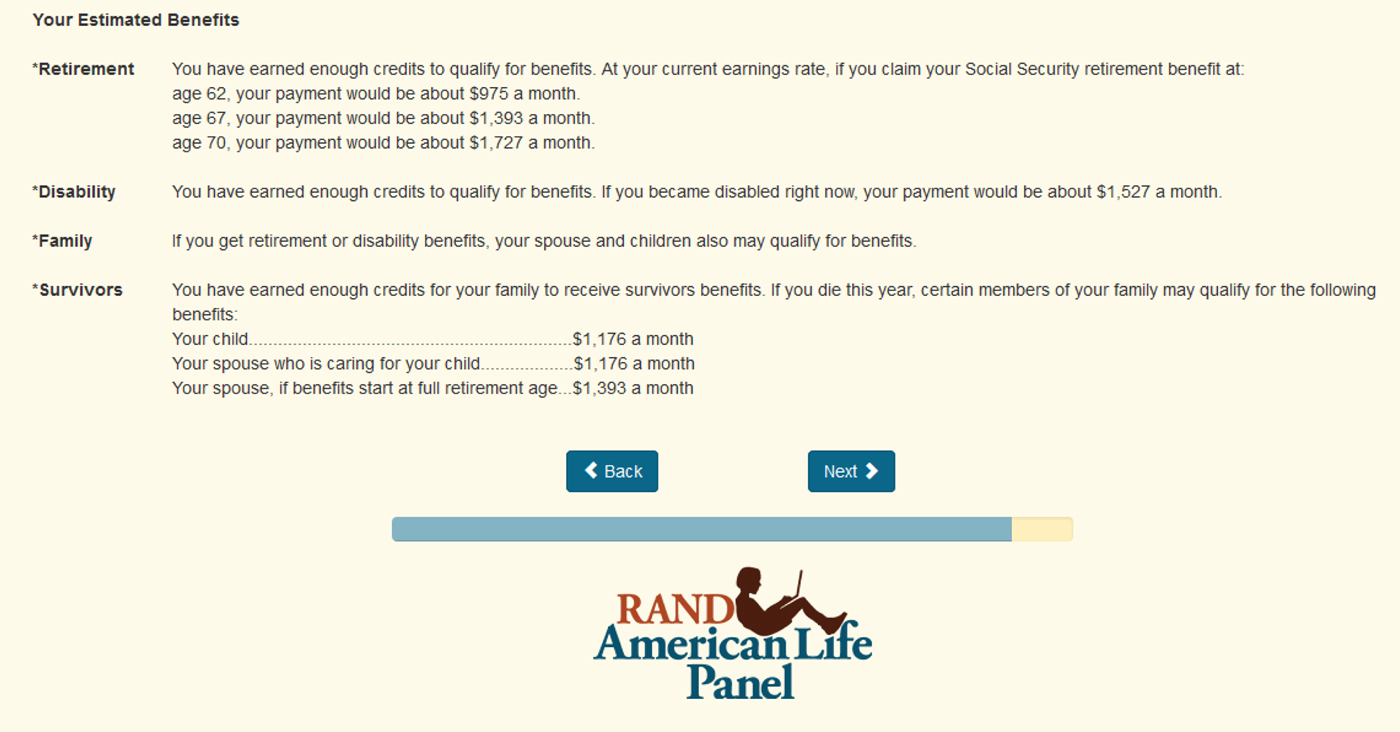
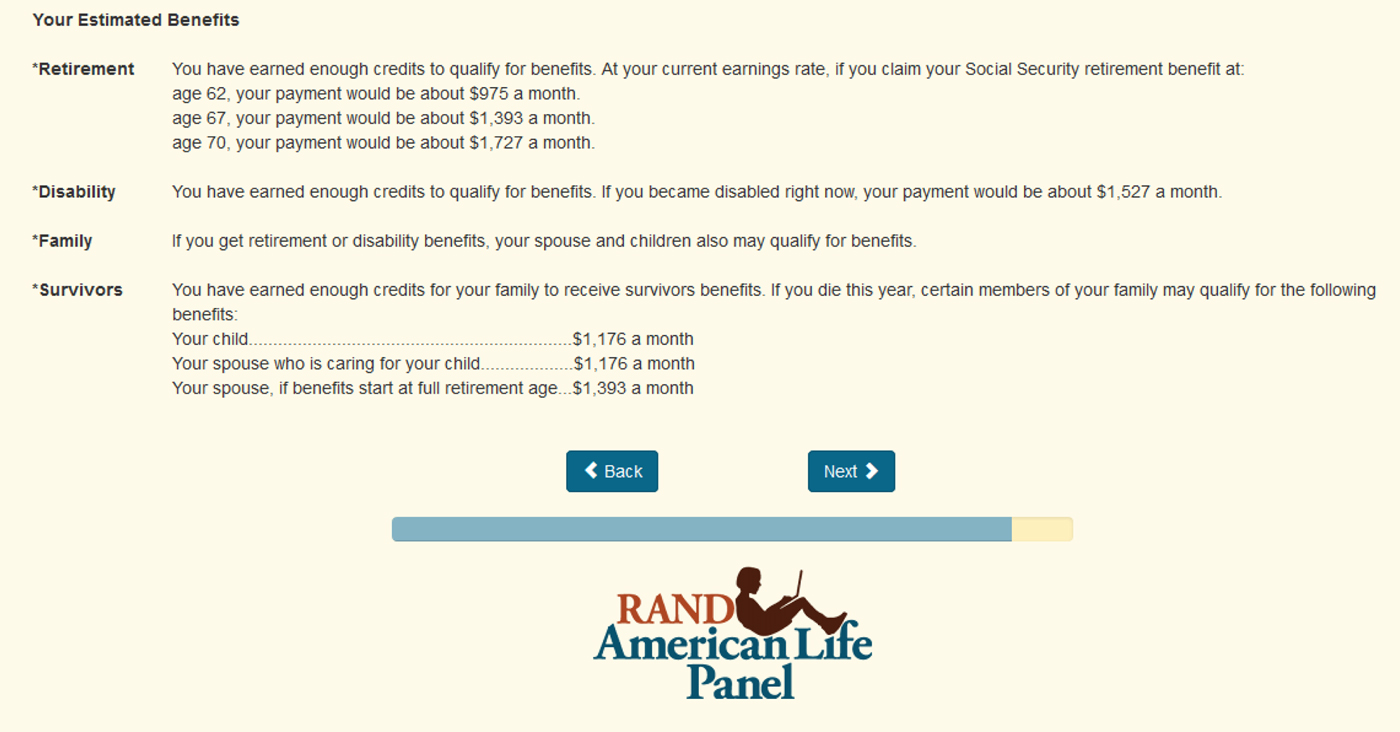
Respondents assigned to the control condition viewed the benefit information in the Default Table in Figure 1, which is identical in form and content to that of the Social Security Statement currently distributed by the SSA.Footnote 3
(Colour online) Default Table.
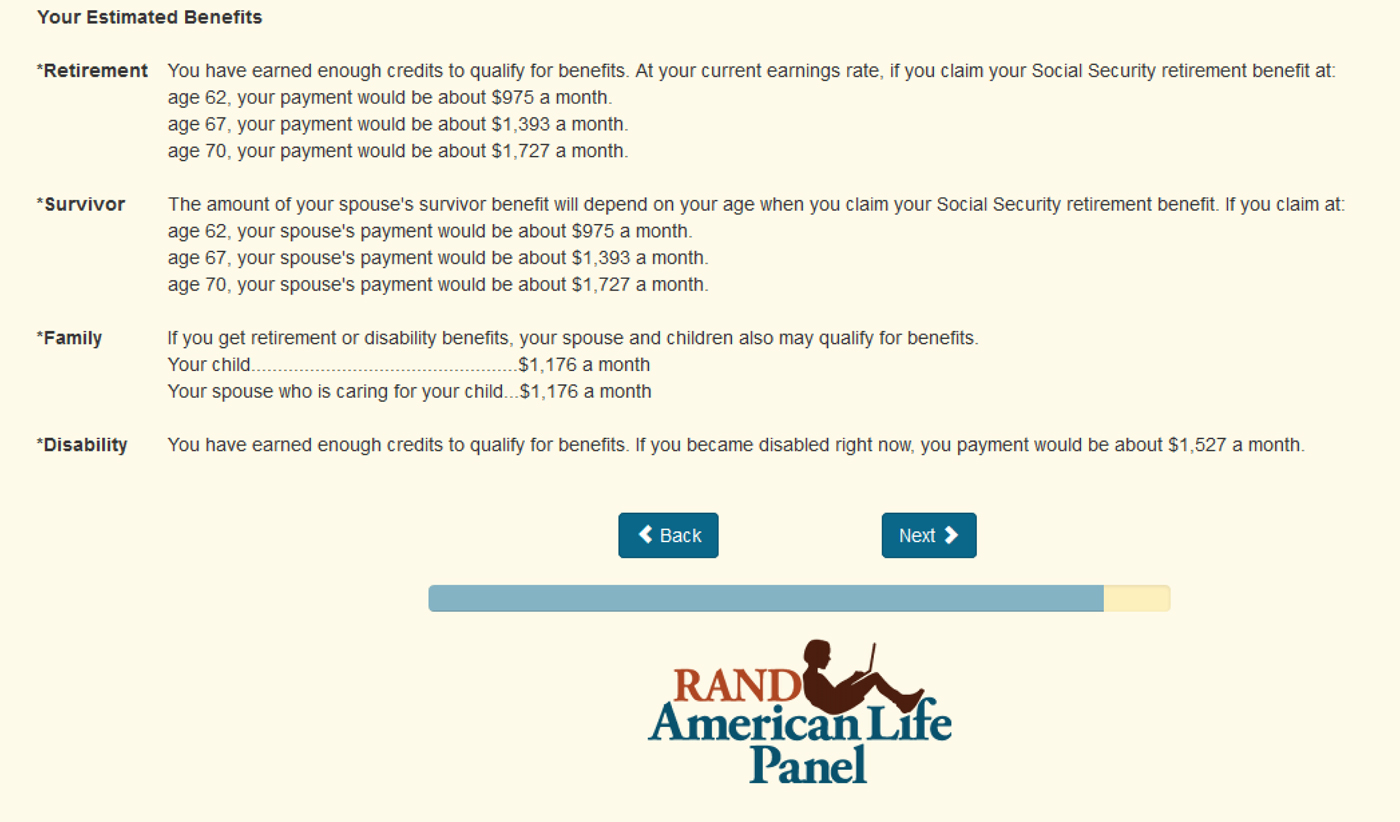
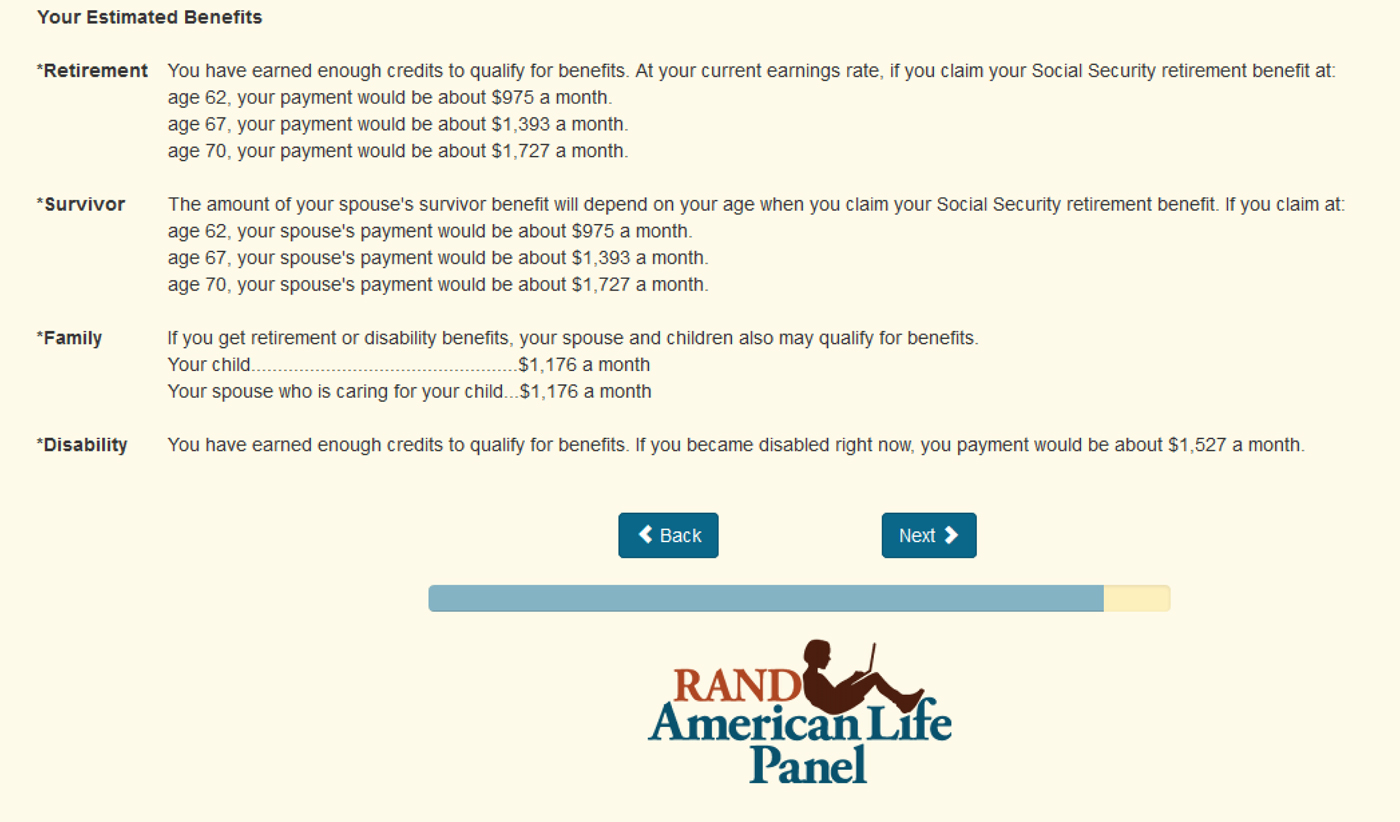
Respondents assigned to the Modified Table condition viewed the benefit table in Figure 2, which is identical to the Default Table except that it also details the respondent-specific estimates of the survivor benefit amount the respondent's spouse can expect to receive if he claims at age 62, age 66, or age 70.Footnote 4
(Colour online) Modified Table.
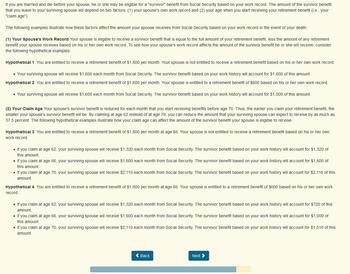
Those assigned to the Insert condition viewed the Default Table in Figure 1 as well as the passages in Figure 3 that explain the survivor benefit provisions but do not provide any respondent-specific projections of the survivor benefit amounts that will be available to the respondent's spouse at each claim age.
(Colour online) Insert.
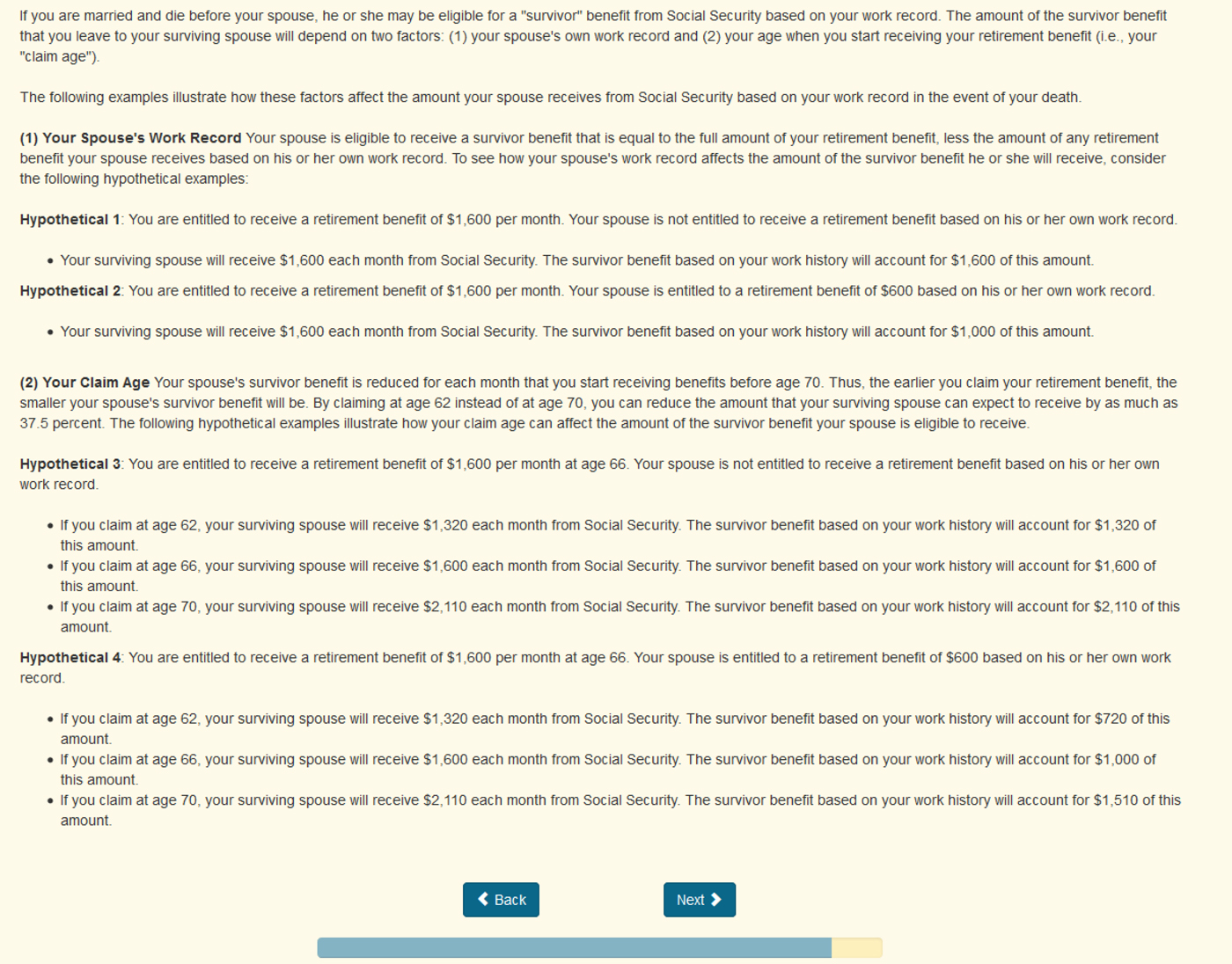
Finally, those respondents assigned to the combination of the Modified Table and the Insert condition were exposed to both of these treatments. That is, this group of respondents viewed the benefit information in Figures 2 and 3.
After viewing the information associated with their assigned experimental condition, the respondents were asked a series of questions assessing their knowledge of the survivor benefit and a question about their expected claim age. First, we asked respondents to indicate whether their claim ages can affect their spouses’ survivor benefit amount. Then, we asked those who answered this question correctly to identify the claim age that maximizes the amount of the survivor benefit. Third, we asked all respondents to assume that they are entitled to receive a retirement benefit of $1,800 and that their spouse is entitled to receive a retirement benefit of $700 based on her own work history. Using these hypothetical amounts, we asked the respondents to calculate the amount of the survivor benefit that their spouse could expect to receive from the respondent's earnings history. Correct responses of $1,100 were coded ‘1’ and all other responses were coded ‘0’. Next, we asked the respondents to indicate the age at which they expect to claim Social Security between age 62 and age 70. Finally, we asked respondents a series of questions about factors that may moderate the impact of the survivor benefit information on responses to these questions including their financial literacy, their financial time preferences, the status of their own health as well as the health of their spouse, and their perceived likelihood that Social Security benefits will be reduced over the next 10 years.
To evaluate the duration of any initial changes in benefit knowledge or expected claiming behavior associated with the modifications, we administered a follow-up survey to those respondents who completed the initial experimental survey. At follow-up, we asked each of the survivor benefit knowledge and claiming expectation questions again, although we changed the hypothetical amounts of the retirement benefits in the question asking them to derive their spouse's survivor benefit.
6 Data
We administered the experimental survey to 560 married men between the ages of 30 and 61 from the RAND American Life Panel (ALP). The ALP is a probability-based sample that is representative of the US population on key demographic and economic characteristics following a weighting adjustment. Several related studies also recruited participants through the ALP to examine Social Security knowledge and the claiming decision (Greenwald et al., Reference Greenwald, Kapteyn, Mitchell and Schneider2010; Brown et al., Reference Brown, Kapteyn and Mitchell2016, Reference Brown, Kapteyn, Mitchell and Mattox2013; Maurer et al., Reference Maurer, Mitchell, Rogalla and Schimetschek2016). Both the initial and follow-up surveys are available online through the RAND ALP website.
The survey was administered by the RAND Corporation between July 28th and September 9th. A follow-up survey was administered between October 13th and December 2nd. We restricted the sample to married, working-age males because they are more likely to leave a survivor benefit to their spouse in the event of their death due to the fact that they tend to have higher lifetime earnings compared with their spouse (Munnell and Sass, Reference Munnell and Sass2008). In addition, 97% of all current survivor benefit recipients are female (Social Security Administration, 2016b). As a result, the husband's claim age is more likely to have implications for his wife's financial security in widowhood than the converse. Finally, we focus on heterosexual couples because the SSA had not begun to recognize survivor benefit claims from same-sex marriages until after we administered the initial survey. These restrictions reduced the sampling frame of males within the ALP from 2,224 to 889. Of these 889 men, 560 completed the initial survey and 531 completed the follow-up survey resulting in an initial response rate of 63% and a follow-up response rate of 94.8%. The 531 men who completed both surveys comprise the estimation sample of this study. We found no evidence of differential attrition across the experimental conditions at follow-up (see Table 1A and Table 2A in Appendix A). We merged our survey data with the respondents’ socio-economic and demographic data available for all ALP respondents from RAND.
6.1 Descriptive statistics
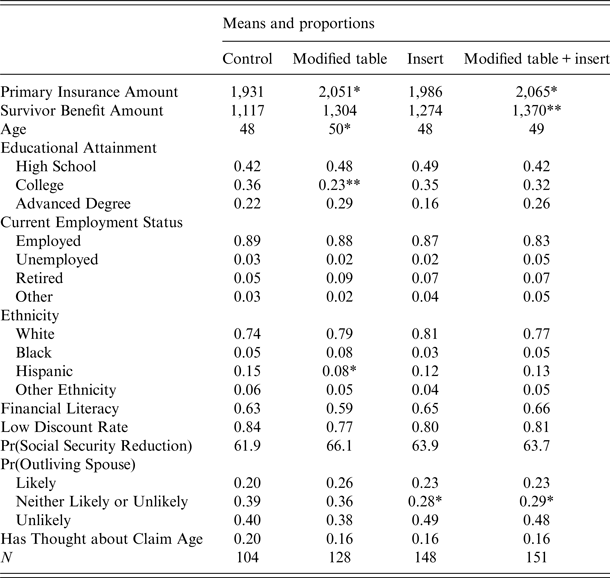
Table 1 displays the mean values of the variables included in this analysis for the men assigned to each condition in the initial and the follow-up surveys. The table indicates the statistically significant differences between the means of the treatment groups and the control group. A few notable differences emerged across the experimental conditions in this analysis which underscores the fact that randomization provides the expectation, but not the guarantee, of equivalence across the experimental conditions. However, each of the statistically significant differences does not appear to be meaningfully large. More importantly, we failed to reject the null hypothesis for the each of the joint tests of covariate balance between each treatment condition and the control group, indicating equivalence across groups. Still, bivariate differences are evident. Most notably, there is a significant difference (p < 0.05) between the average Survivor Benefit Amount of those assigned to the combination of the Modified Table and the Insert condition and those assigned to the Control group. Fewer respondents assigned to the Modified Table condition report having finished college compared with those in the Co ntrol condition. This difference was also significant at the 0.05 level. Other differences were detected at the 0.10 level between the Primary Insurance Amounts of those assigned to the Control condition and those assigned to the Modified Table and the combination of the Modified Table and the Insert conditions. Another such difference exists between the proportion of those who report being neither likely nor unlikely to outlive their spouse between those assigned to the Control condition and those assigned to the Insert and the combination of the Modified Table and the Insert conditions. Finally, the share of Hispanic respondents is lower among the Modified Table condition relative to the Control condition.
Descriptive statistics by treatment assignment

Notes: ***, **, and * indicate statistically significant at the 1%, 5%, and 10% levels between the treatment and control group. The questions used to generate these variables are available through the American Life Panel website: https://alpdata.rand.org/.
7 Results
Regression results estimating the effect of the various modifications to the Social Security Statement on knowledge about the survivor benefit provisions and expected claim ages are displayed in Table 2 and in Table 3. The results from a group of unreported analyses found no evidence of heterogeneous effects of the assigned conditions according to age, relative health, education, financial literacy, or time preferences.
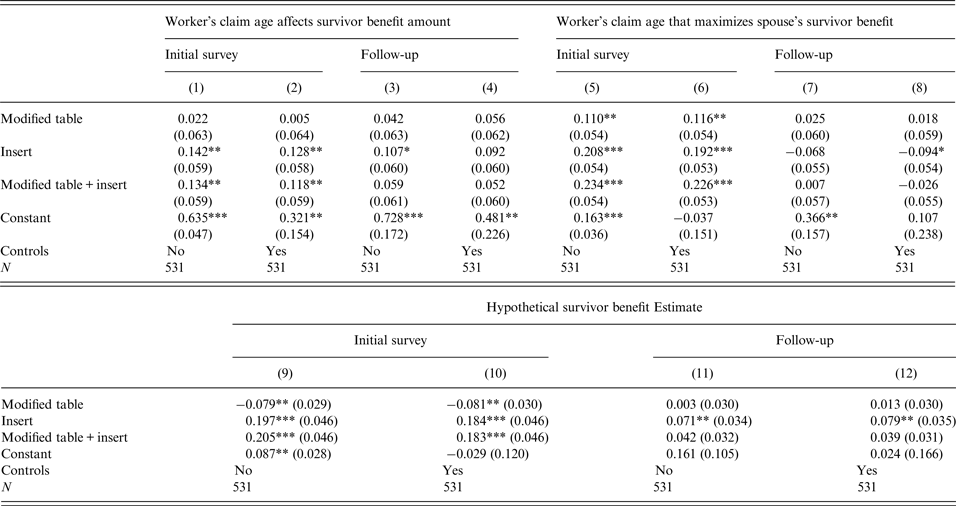
Regression results for analysis correct responses regarding the survivor benefit

Notes: ***, **, and * indicate statistically significant at the 1%, 5%, and 10% levels between the treatment and control group. Control variables include the respondents’ primary insurance amount, the survivor benefit amount the respondent is expected to bequeath to his spouse, age, employment status, race, education, financial literacy, financial time preferences, the likelihood that the respondent outlives his spouse, their reported probability that Social Security benefits will be reduced in the next 10 years, and whether the respondent has seriously considered his claim age. Each dichotomous dependent variable indicates whether the respondent answered the corresponding questions about the survivor benefit correctly. OLS was used to assess the likelihood of correct responses across the treatment and control conditions. The resulting coefficients express differences between the respective treatment group and the control group in terms of percentages points. We used robust standard errors to correct for the heteroscedasticity inherent in linear probability models.
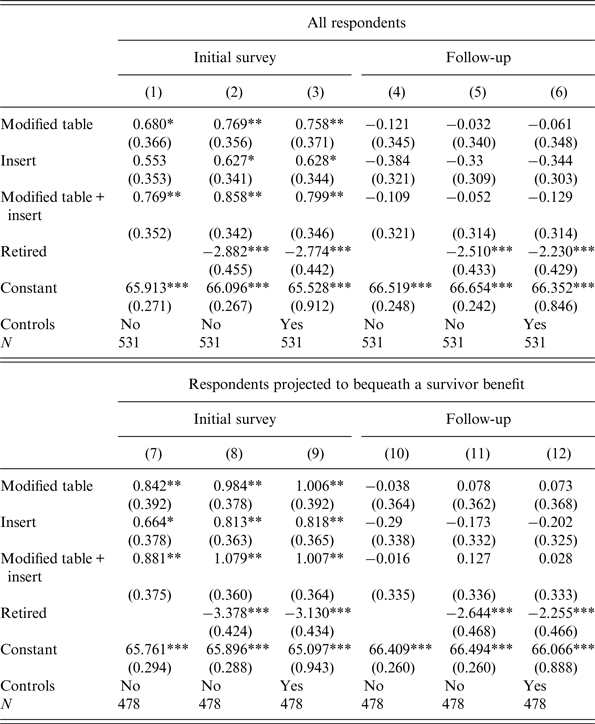
Expected claim age by treatment assignment for respondents whose spouses may receive a survivor benefit

Notes: ***, **, and * indicate statistically significant at the 1%, 5%, and 10% levels between the treatment and control group. Control variables include the respondents’ primary insurance amount, the survivor benefit amount the respondent is expected to bequeath to his spouse, age, employment status, race, education, financial literacy, financial time preferences, the likelihood that the respondent outlives his spouse, their reported probability that Social Security benefits will be reduced in the next 10 years, and whether the respondent has seriously considered his claim age. OLS was used to model this outcome, so the reported coefficients represent differences in the average claim age of the respective treatment group and the control group. The effect of the modifications is likely limited to those respondents who are the primary earners and, therefore, are projected to bequeath a survivor benefit to their spouse, so the table reports the results from the whole sample (columns 1-6) as well as from this subgroup (columns 7-12).
7.1 Worker's claim age affects spouse's survivor benefit amount
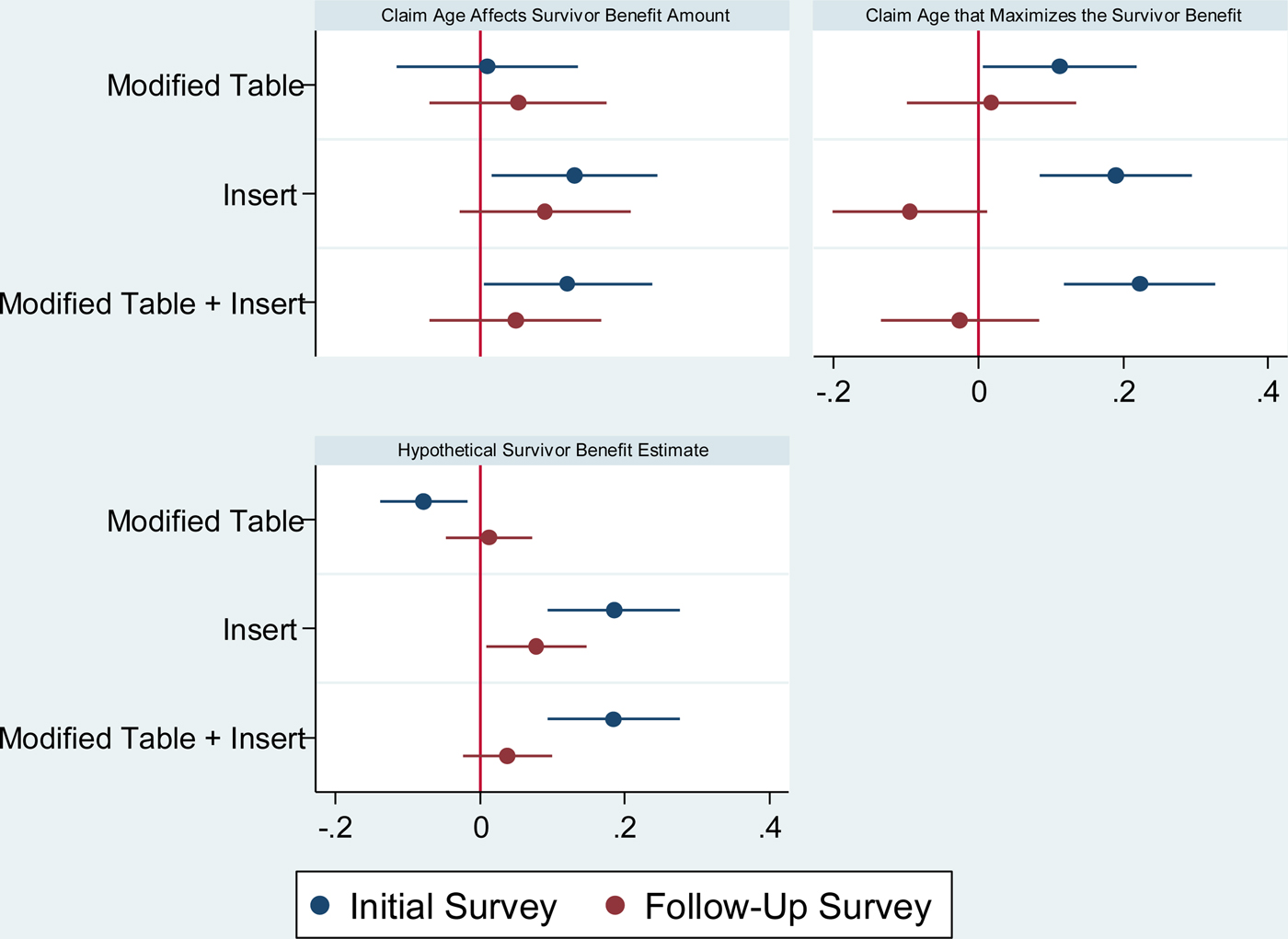
Columns 1–4 of Table 2 report the effect of these modifications on whether the respondent understands that the age at which a worker claims his own retirement benefit can affect the amount of the survivor benefit his spouse can expect to receive. Although the amount of the survivor benefit in the Modified Table varied according to the possible claim age of the respondent, individuals in this treatment condition were no more likely to report that a worker's claim age has an effect on this amount than those in the control group. That is, presenting respondents in this group with the corollary implications of this provision does not improve their understanding of the provision itself. Detectable differences were not present between these two groups even after limiting the estimation sample to include only those workers who are projected to bequeath a benefit to their spouse and, therefore, had nonzero amounts in this portion of the Modified Table.Footnote 5
The Insert, by contrast, had a large and statistically significant effect on the likelihood that a respondent correctly reported that a worker's own claim age affects the amount of their spouse's survivor benefit. The likelihood that respondents assigned to this condition understood this provision was 14 percentage points (p < 0.05) higher than it was for those in the control group (column 1), a change that amounts to a 22% increase in the baseline likelihood. The magnitude of this effect is only slightly attenuated once control variables were added to the models (column 2). This improvement suggests that, in general, respondents assigned to the Insert were not overwhelmed by the information about this provision provided through this comprehensive approach.
A comparable improvement was evident among those respondents assigned to receive both the Modified Table and the Insert. The similarity of the point estimates across the two groups exposed to the Insert is evidence against a possible additive or multiplicative effect when the two modifications are combined. It also suggests that the Insert alone is responsible for the observed increase in the knowledge of this particular provision within this group.
The results in columns 3 and 4 of Table 2 indicate that any initial effects of the modifications were temporary. At follow-up, the group receiving the Insert was 10.7 percentage points more likely to correctly indicate that a worker's claim age can affect the amount of the survivor benefit the worker's spouse can expect to receive, but this difference was only significant at the 0.10 level. The increase evident among those receiving both the Modified Table and the Insert was no longer significant at any conventional level. This result is surprising given that the average time to follow-up was just 77 days and the fact that this particular provision is so similar to the widely understood provision linking workers’ claim ages to their retirement benefit amount.
7.2 Worker's claim age that maximizes his spouse's survivor benefit amount
Columns 5–8 of Table 2 report the effects of these modifications on whether the respondent correctly identified the survivor benefit maximization age as 70. Those assigned to receive the Modified Table were 11 percentage points (p < 0.05) more likely than those in the control group to correctly identify the survivor benefit maximization age (column 5). This result is hard to reconcile with the evidence that respondents in this group were no more likely to report that their claim age can affect the survivor benefit amount their spouse can expect to receive in columns 1–4. Taken together, these results imply that respondents exposed to only the Modified Table gained knowledge, but not an understanding, of the survivor benefit provisions.
A larger effect size is evident for the other two treatment conditions. Respondents assigned to receive the Insert were 21 percentage points more likely to correctly identify the survivor benefit maximization age than those in the control group, with the difference growing to 23 percentage points for those who received both the Modified Table and the Insert. Each of these differences was significant at the 0.01 level. The results from unreported Wald tests found significant differences between the estimated effect of the Modified Table and the other two modification conditions but did not detect significant differences between the effects of the Insert and the Modified Table plus the Insert conditions.
Similar to the follow-up survey results for the first outcome, columns 7 and 8 indicate that these effects were not sustained over time. Surprisingly, those assigned to the Insert condition were 9 percentage points less likely than those in the control group to correctly identify the survivor benefit maximization age at follow-up (column 8). However, this difference was only significant at the 0.10 level. The effects of the other two treatment conditions were no longer significant at any conventional level.
7.3 Hypothetical survivor benefit estimate
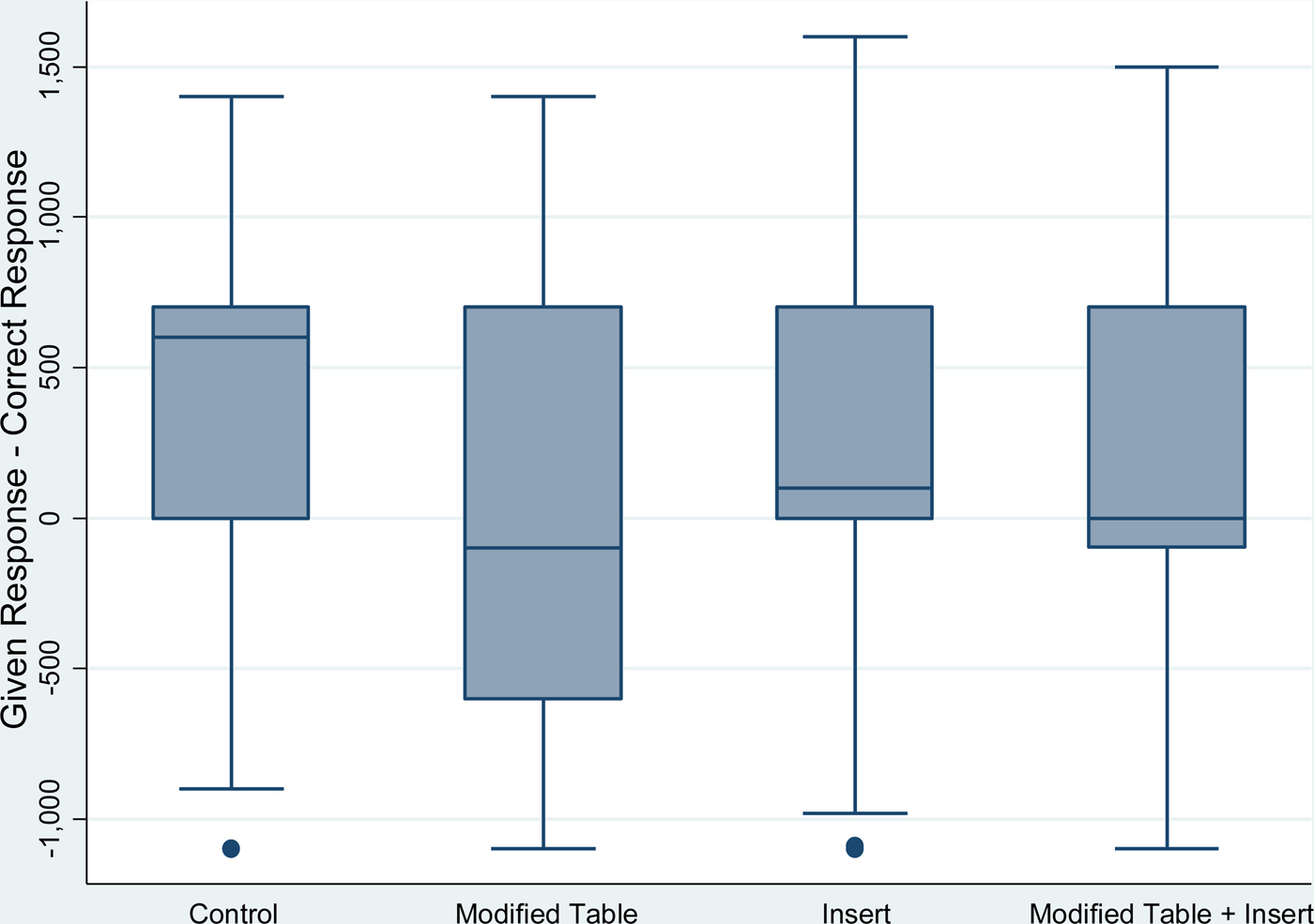
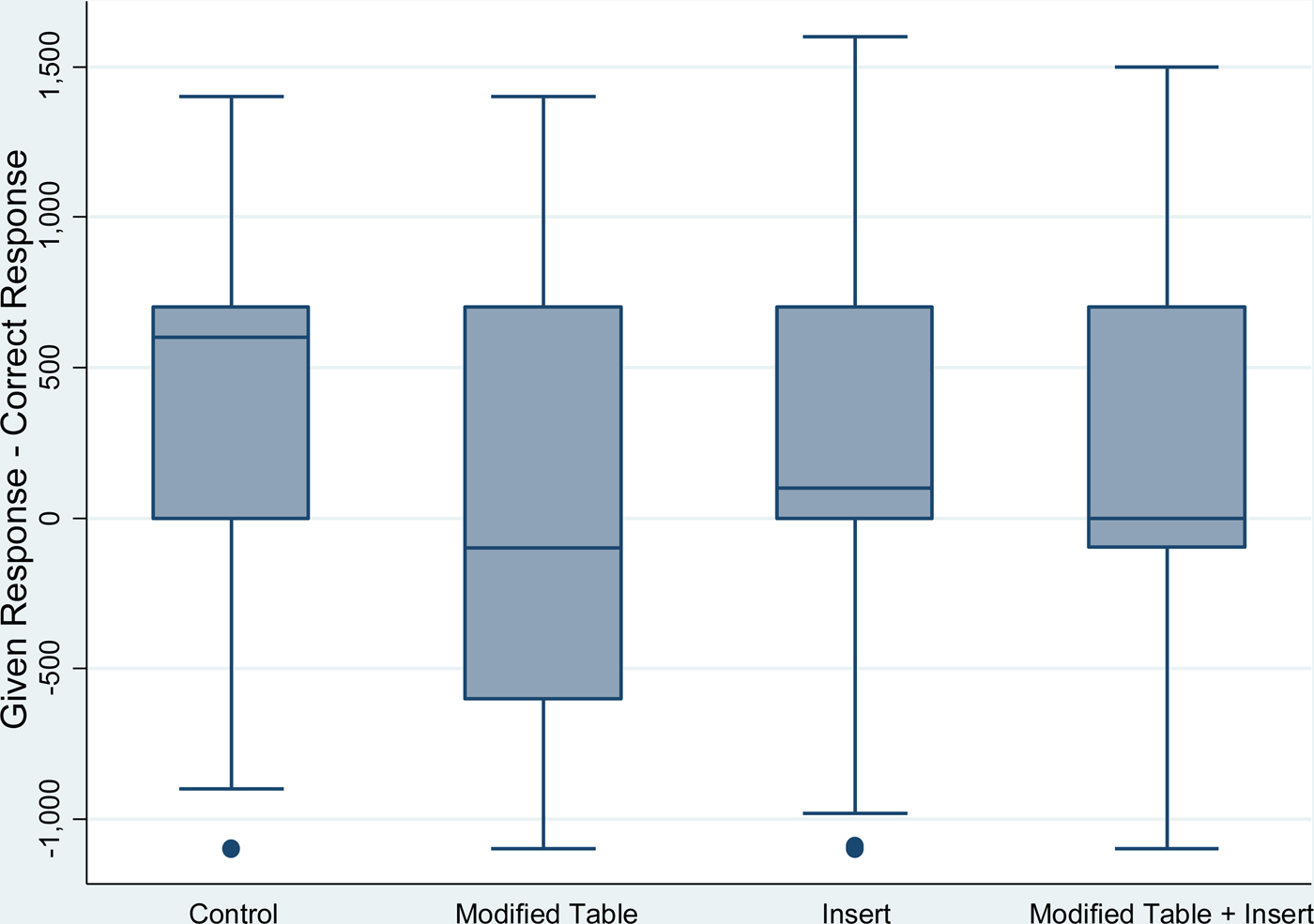
Only a very small share of the control group (8.7%) was able to correctly estimate the amount of the survivor benefit they would leave to their spouse given a hypothetical combination of retirement benefit amounts that each spouse is projected to receive based on their own work history. This suggests that most workers are either uninformed or misinformed about this particular provision. Surprisingly, exposure to the Modified Table alone appeared to add to this confusion. Exposure to the Modified Table reduced the likelihood that respondents correctly estimated this amount by 7.9 percentage points (p < 0.05) relative to those in the control condition. By contrast, the Insert was highly successful at improving the knowledge of how survivor benefit amounts are determined. The likelihood that respondents were able to correctly calculate the survivor benefit amount the lower-earning spouse was entitled to receive increased by 20 percentage points (p < 0.05). A nearly identical increase in this likelihood was evident among respondents viewing both the Modified Table and the Insert. Figure 4 displays the distance between the correct survivor benefit amount ($1,100) and respondents’ estimate of this amount across each condition. The distribution of the results is consistent with regression results presented in Table 2.
(Colour online) The Distribution of Distances in Dollars between Respondents’ Estimates of the Survivor Benefit Amount and Correct Survivor Benefit Amount ($1,100) by Treatment Assignment in the Initial Survey. Notes: The figure displays the difference between the respondents’ provided answer when asked to calculate the survivor benefit amount that the lower-earning spouse is entitled to receive given two hypothetical retirement benefit amounts earned by each spouse. A value of ‘0’ indicates that the respondent correctly estimated the survivor benefit amount. To ease the presentation of the distributions presented in the figure, three outlying observations were removed from the sample.
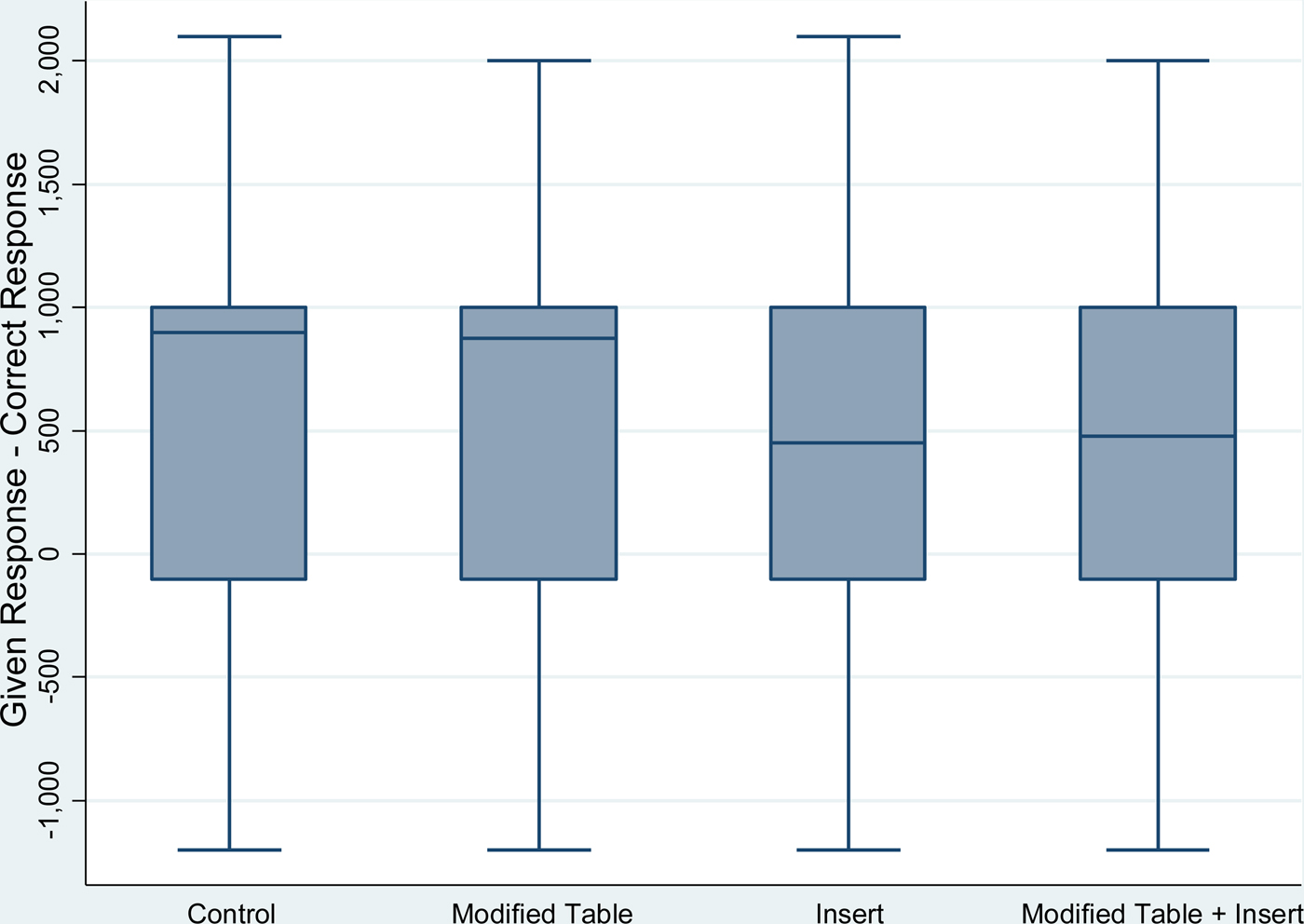
At follow-up, respondents were presented with a similar scenario, but with slightly different hypothetical retirement benefit amounts promised to each spouse. The lone sustained effect was evident among those respondents exposed to the Insert only. By this time, individuals in the Insert group were 7.1 percentage points (p < 0.05) more likely than those in the control group to correctly calculate the survivor benefit amount the lower-earning spouse could expect to receive. While still considerable, this difference represents a substantial fade-out of the initial effect. Figure 5 displays the distance between the correct survivor benefit amount ($1,200) and respondents’ estimate of this amount across each condition from the follow-up survey. Once again, the distribution of the results is consistent with regression results presented in Table 2.
(Colour online) The Distribution of Distances in Dollars between Respondents’ Estimates of the Survivor Benefit Amount and Correct Survivor Benefit Amount ($1,200) by Treatment Assignment at Follow-Up. Notes: The figure displays the difference between the respondents’ provided answer when asked to calculate the survivor benefit amount that the lower-earning spouse is entitled to receive given two hypothetical retirement benefit amounts earned by each spouse. A value of ‘0’ indicates that the respondent correctly estimated the survivor benefit amount.
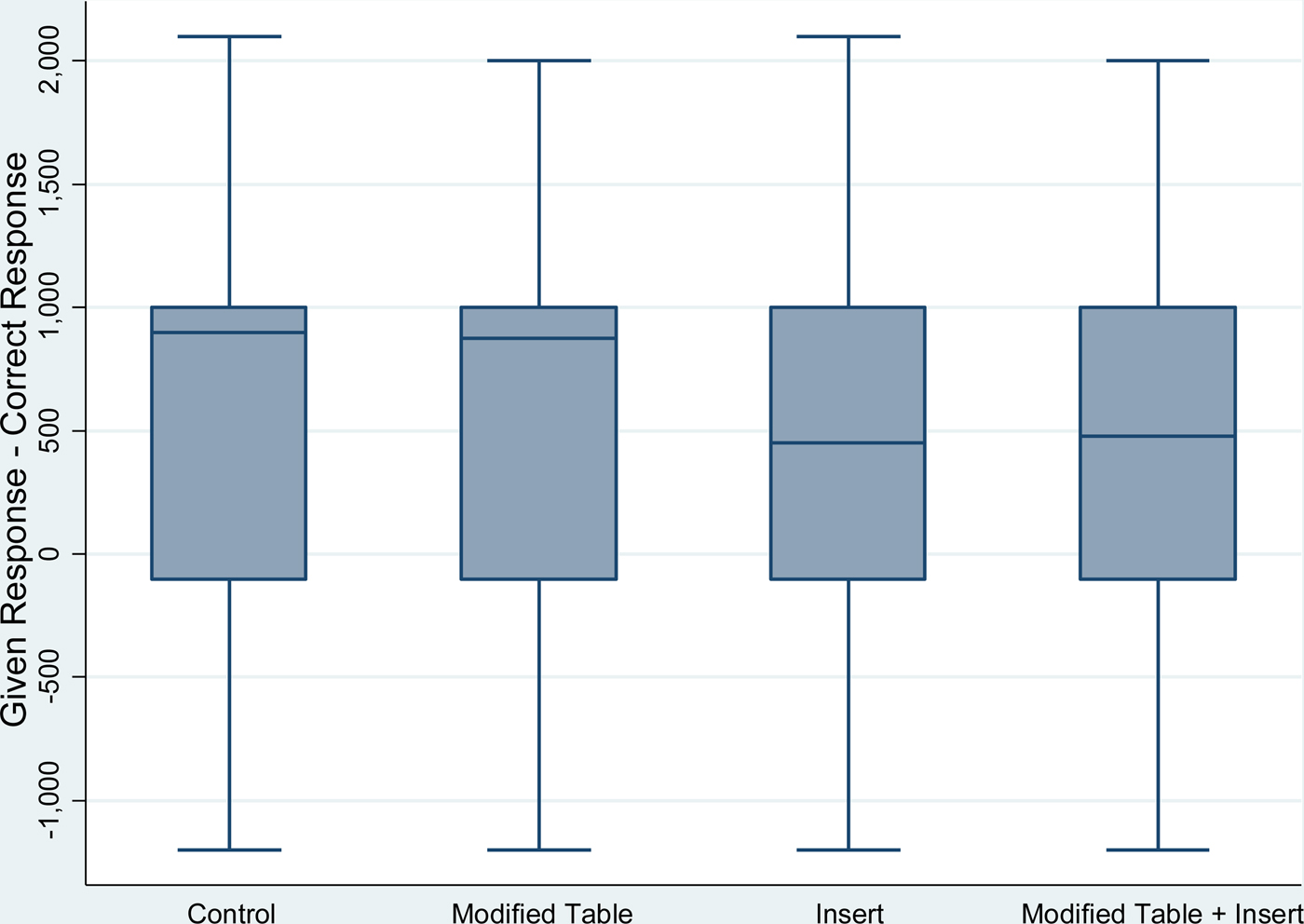
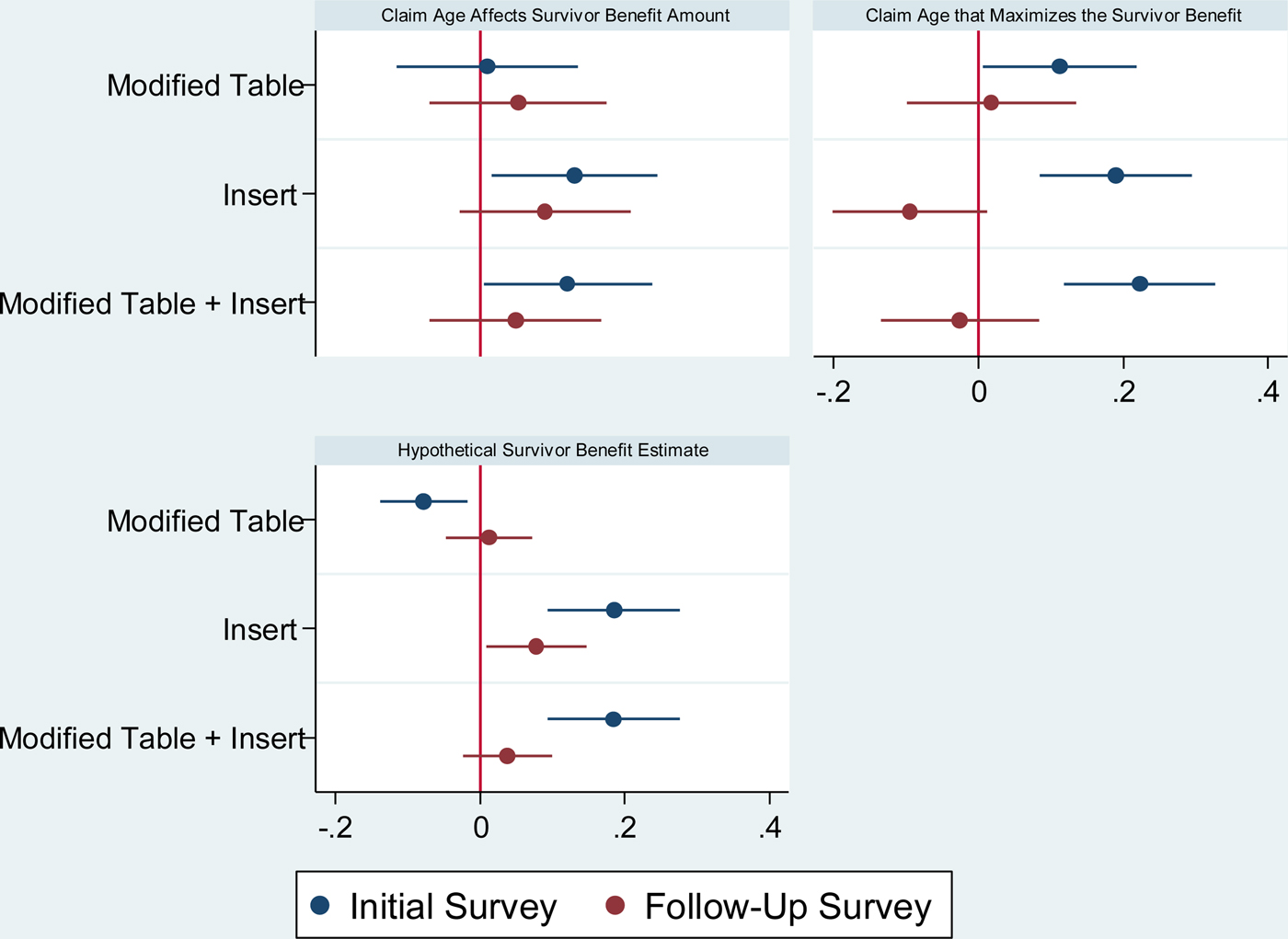
Figure 6 displays the coefficients from the models in Table 2 that include the full set of controls.
7.4 Expected claim age
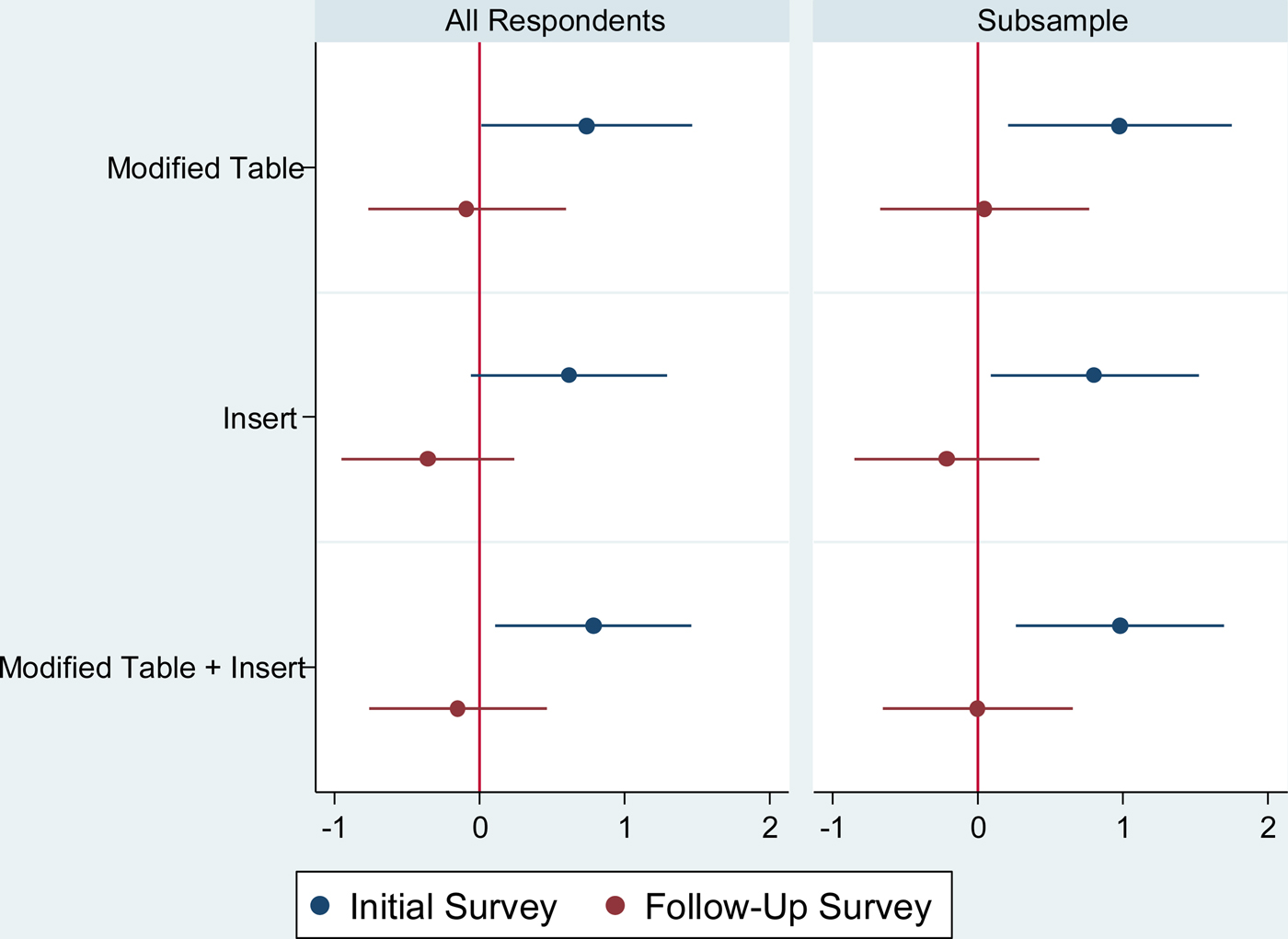
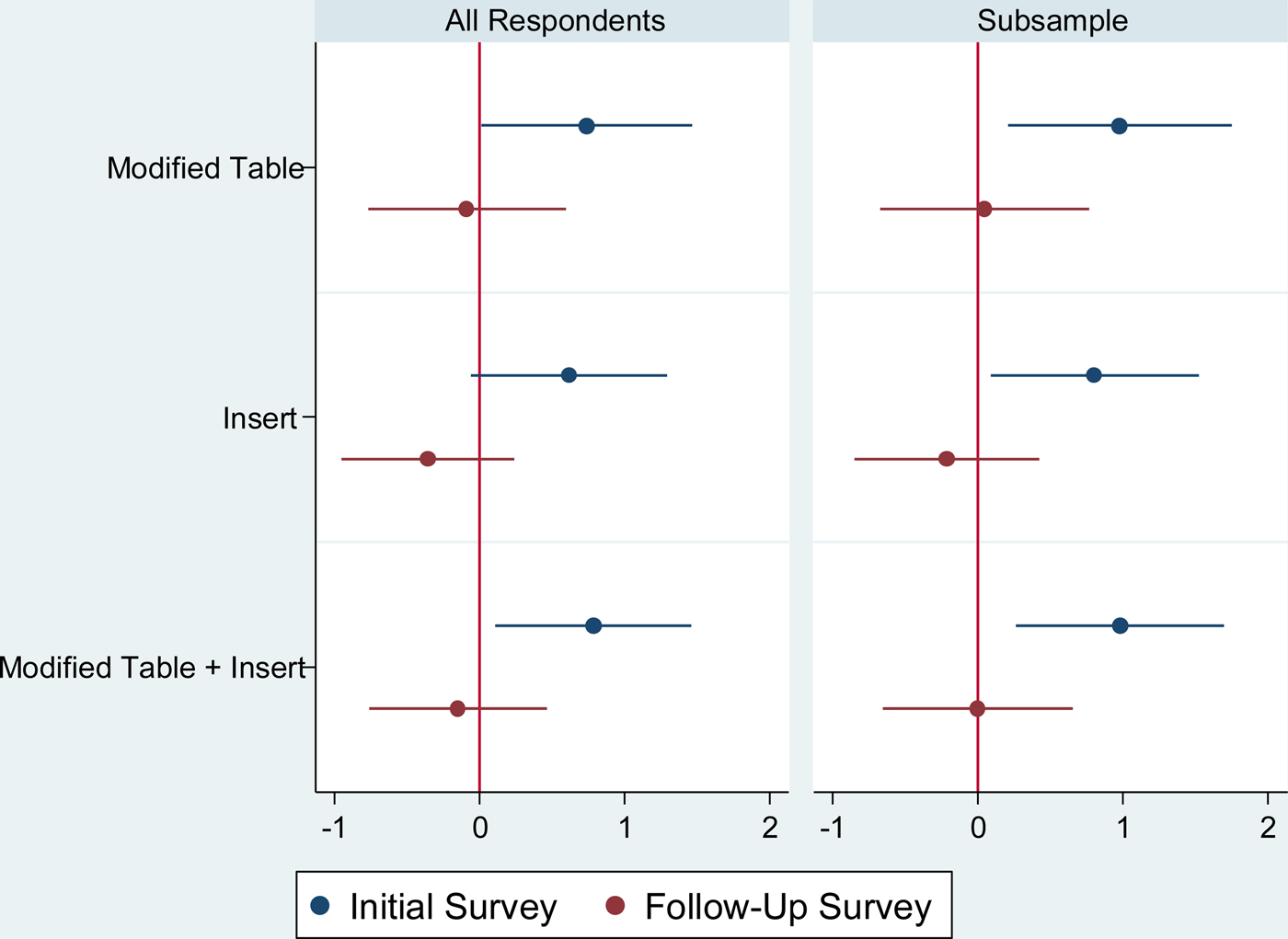
The remaining and most important question is whether the modifications to the survivor benefit information in the Statement influenced expected claim ages. We analyzed this relationship among the full sample of respondents (columns 1–6) and among the subsample who were projected to bequeath a survivor benefit to their spouse (columns 7–12) and, therefore, were more likely to be sensitive to the information about this benefit in the Modified Table and the Insert. The estimated effects of the modification for the full and restricted estimation samples are presented in Table 3. The results provide strong evidence that viewing the Modified Table increased expected claim ages relative to the control group.
Among the full sample, viewing the Modified Table increased the expected claim age by 0.68 years but this relationship was only significant at the 0.10 level. Once controls were added to the model (column 3), the expected increase in the claim age for this group rose to 0.76 years, a change that is statistically significant at the 0.05 level. The most important reason for the change in the statistical significance of this estimated effect is the addition of variables indicating the employment status of respondents to the regression model in column 2. Specifically, retired respondents were much more likely to report earlier expected claim ages, regardless of their treatment assignment. Once we adjusted for employment status and retirement in particular, the effect of the Modified Table on expected claim ages became statistically significant. This pattern is evident across treatment conditions and the analytic samples in Table 3. Not surprisingly, the immediate effect of the Modified Table on expected claim ages were larger and more robust among those respondents projected to leave a survivor benefit behind to their spouse. The results in column 9 indicate that exposure to the Modified Table increased expected claim ages by one year (p < 0.05). However, the effect of the Modified Table on expected claim ages was not sustained over time. At follow-up, there were no differences in the expected claim age of this group compared with the control group.
The immediate effect of the Insert on expected claim ages was limited to the subgroup of respondents projected to bequeath a survivor benefit to their spouse based on their relative earnings histories (columns 7–9). However, the effect was not significantly different from zero at the 0.05 level until we adjusted for employment status. This modification increased expected claim ages by roughly 0.82 years (p < 0.05) in the models in columns 8 and 9. Here again, the effects of this modification to the Statement were short-lived. There were no significant differences in the expected claim ages between this group and the control at follow-up.
Finally, the magnitude of the effects of exposure to both the Modified Table and the Insert on expected claim ages is largely consistent with those of the other two treatment groups. This is evidence against the possibility of an additive or multiplicative effect of the combined modifications. Among the full sample, respondents in this group reported claim ages that were roughly 0.80 years later than those in the control group immediately following their exposure to these modifications (columns 1–3). This effect was statistically significant at the 0.05 level. Among the subgroup of respondents with higher earnings relative to their spouse (columns 7–9), the magnitude of the increase in expected claim ages increased slightly. These individuals reported expected claim ages that were roughly 1 year later than those in the control condition (p < 0.05). Consistent with the other treatments groups, these differences were no longer evident at follow-up. Figure 7 displays the coefficients from the models in Table 2 that include the full set of controls.
(Colour online) The Coefficients Measuring the Effect of the Treatment Conditions on the Expected Claim Age from the Full Sample and the Subsample of those Respondents who are Projected to Bequeath a Survivor Benefit to their Spouse. Notes: This plot was generated using the coefficients generated from the models that include the full set of controls from Table 3.
8 Discussion
There are four major findings from this study. The first is that the baseline level of knowledge about the survivor benefit provisions may be lower than expected. Only 65% of the men assigned to the control condition understand that their own claim age may affect their spouse's survivor benefit amount. In other nationally representative surveys, around 80% of respondents appear to understand this provision (Brown and Perron, Reference Brown and Perron2011; Perron, Reference Perron2015). There are several possible explanations for this discrepancy. Most importantly, unlike the other studies, the estimation sample in this study comprises entirely males who are not representative of the broader population. However, most of the men in this study have at least a college degree, which, ostensibly, makes the relatively low level of knowledge about this basic survivor benefit provision among the respondents in this study more surprising. It is also possible that women are much more familiar with survivor benefit provisions because they are almost always the exclusive recipients of this benefit (Social Security Administration, 2016b). However, evidence from Brown and Perron (Reference Brown and Perron2011) suggest that excluding women from the sample is not responsible for the low level of knowledge, as they found women to be less knowledgeable than men about survivor benefit provisions.
The relatively lower level of survivor benefit knowledge evident among respondents in this study may also be due, in part, to the fact that this study focuses on this particular benefit in isolation. Other studies that assess respondent knowledge of survivor benefit provisions also assess their knowledge across all or several types of the benefits Social Security provides. This distinction is important from the standpoint of possible anchoring effects that may result from the ordering of the survey questions in the more comprehensive surveys. For example, of the survey instruments, we could access, without exception, questions about the survivor benefit followed those about the retirement benefit (Brown and Perron, Reference Brown and Perron2011; Liebman and Luttmer, Reference Liebman and Luttmer2012; Perron, Reference Perron2015). When asked, respondents in these surveys overwhelmingly understand that their claim age affects their retirement benefit amount. As a result, they may respond similarly to subsequent, similarly worded, questions about their claim age, and the survivor benefit amount even if they are less certain that the two are related. Anchoring effects related to ordering of questions within a survey can occur when respondents are uncertain about their responses but they are able to draw from their responses to preceding questions in the survey. This survey design issue is well established and is a basic concept covered in survey design textbooks (Dillman et al., Reference Dillman, Smyth and Christian2009). Thus, the lower level of survivor benefit knowledge evident in this study may be due, in part, to the lack of such anchoring, as this study did not ask respondents any questions about the effect of their claim age on their retirement benefit.
Second, when information is provided to workers about the impact of their claiming decision on the amount of the survivor benefit their spouse may receive, they appear to integrate this fact into the mix of considerations that determine when they expect to claim. This provides additional evidence in support of the conclusion drawn by Sass et al. (Reference Sass, Sun and Webb2007) that married men claim early out of ignorance rather than caddishness. It is possible that the information provided to the men in this study fostered a sense of responsibility that they have to financially indemnify their spouse for the reduction in income that would accompany their death. It is possible that men would give additional weight to the survivor benefit information when evaluating their claiming decision if it was combined with information on the financial hardship typically associated with widowhood, as well as information on how dependent widows become on this particular source of income to maintain a level of income above the amount minimally necessary to meet their needs (Diebold et al., Reference Diebold, Moulton and Scott2017).
Third, the Insert was the dominant modification for improving survivor benefit knowledge. In the immediate term, however, the Modified Table was equally successful as the Insert at encouraging workers to report later expected claim ages. Thus, from the standpoint of encouraging socially optimal claiming decisions, it does not appear necessary to promote a deep understanding of survivor benefits provisions among workers but, rather, it appears sufficient merely to ensure that they are aware of the ramifications of their decision for the projected amounts their spouse will receive. Respondents were not, however, able to intuit the survivor benefit provisions from the information in the Modified Table. It appears necessary to explain these provisions directly in order for respondents to be aware that they exist. In addition, the observed improvement in survivor benefit knowledge among those exposed to the Insert provides evidence against the concern that respondents may not be able to process the detailed information within this particular modification or feel overwhelmed by it. This finding is of practical import to the SSA as they continue to modify their approach to informing workers about their benefits in the Statement and online through their website.
Finally, almost all of the observed effects of the modifications to the Statement on survivor benefit knowledge and expected claiming behaviors of workers in this study were temporary. These results are not consistent with the online model of information processing and indicate that as the trace decay theory of forgetting would suggest, improving knowledge, and claiming behavior may require more sustained access to the benefit information than is currently available to workers.
The fade-out observed in this study has potentially important implications for existing Social Security policies if similar processes affect information retention among workers who read the actual Statement from the SSA. This issue has received very little attention despite the SSA's periodic, and frequently amended, a distribution schedule of this document. If workers are unable to retain benefit information, even over short intervals, then the SSA should reconsider its current policy that allows only those workers who agree to no longer receive a paper Statement to access information detailing their electronic earnings history and projected benefit amounts anytime online. Instead, workers may benefit most if the SSA supplied online and paper records as complements as opposed to substitutes. Indeed, online records obviate the need for workers to retain information within the Statement or the Statement itself, while the paper copy can function as an occasional automated nudge to workers to review their records and assess their projected benefits.
9 Conclusion
The Social Security Statement is one of the most important financial documents retiring workers receive as they contemplate when to claim their benefits. However, the connection between the primary earner's claim age and the survivor benefit amount his spouse can expect to receive in the event of his death is not clearly communicated in this document. The omission of this information may result in some workers making sub-optimal claiming decisions because they are less than fully informed about the negative consequences of that decision for the financial security of their lower-earning spouses in widowhood. In this study, we used an experimental survey design to examine the effects of slight modifications to the Social Security Statement on respondent survivor benefit knowledge and expected claiming behavior. The results indicate a low level of baseline knowledge regarding the relationship between the primary earner's claim age and their spouse's survivor benefit amount among workers. However, when this relationship is highlighted in the Statement, workers’ knowledge improves and they report that they are more likely to delay their expected claim age. While the modifications tested here provide evidence that the Statement can be an effective medium for communicating survivor benefit provision information, workers did not appear to retain the information, with most of the initial effects having either disappeared or faded substantially at follow-up. Both the relative strength of the initial effect of the Insert and the fade out of those effects have important policy implications for whether and how the SSA should inform workers about these provisions as well as for the restrictive conditions under which they will provide workers with immediate and permanent access to their benefit information online.
There are several limitations of this study that should be noted. First, the generalizability of the results from this study is limited due to the sampling frame and the self-selection of ALP panel members into the study. In order to focus our analysis on those who are most likely to leave a survivor benefit to their spouse, we restricted the sample to working-aged, married, heterosexual, males. Due to this restriction, we ignore the possibility that male primary earners would respond differently than female primary earners to the modifications analyzed in this study. This is potentially important as the male breadwinner model is gradually being replaced with dual-earner households in which women receive Social Security benefits based, at least in part, on their own earnings history (Tamborini and Whitman, Reference Tamborini and Whitman2007). The same is true of primary earners in same-sex marriages, who are now entitled to receive benefits based on their spouse's earnings record. Also, the decision of respondents to participate in the study may reflect some systematic bias in the characteristics of the participants. For example, sample respondents exhibit relatively high levels of educational attainment. As a result, this study is too underpowered to detect any differential effects of the augmented survivor benefit information by socio-economic circumstances.
Second, a worker's claiming decision is likely the result of a more complicated process than was allowed for in this experiment. Our study assumes, for example, that married workers evaluate their benefit information and make a decision about when to claim independently, without input from their spouse. While the occurrence, scope, and scale of such deliberations will vary by household, given the financial implications of this decision for each spouse, the assumption that married workers make this decision unilaterally is somewhat tenuous. The information provided in these modifications may inform such deliberations or even increase the likelihood that they occur in ways not captured in this experiment. For example, it is possible that households would give greater weight to the survivor benefit provisions when both spouses understand them, particularly when there is a wider disparity in income or expected longevity between spouses. Unfortunately, our study cannot speak to these possibilities.
Policymakers and retirement researchers should continue to focus on the effect of the content and format of the Statement on benefit knowledge and claiming behavior. It is important that the document provides complete and clear information in order to avoid influencing retirement and claiming decisions in unintended ways (Social Security Advisory Board, 2009). One critical unanswered question related to this study concerns the effects of the inexact descriptions of the retirement benefit provisions contained within the Statement. For example, in the benefit table, workers are told the amounts they can expect to receive if they ‘continue working’ until age 62, their full retirement age, and age 70. However, monthly retirement benefit amounts are not a function of when they retire or exit the labor force. Instead, this table should list the amounts they can expect to receive if they ‘claim’ or ‘start receiving benefits’ at these ages. The conflation of these related, but not interchangeable decisions, within the Statement may unintentionally encourage suboptimal early claiming as well as early retirement. As long as the Statement remains the preferred resource that workers use to become informed about what is, for most, their most valuable financial asset, the document should continue to be modified in ways that may improve workers’ understanding of their benefits and their financial planning for retirement.
Supplementary material
The supplementary material for this article can be found at https://doi.org/10.1017/S1474747218000082