The following documents are drawn from the Mühimme Defteri (vol. 73, Register of Important Affairs) and Maliyeden Müdevver (Register of Financial Affairs) collections from the Başbakanlık Archives in Istanbul. They show imperial orders in response to the petitions of the residents of the province of Tabriz to the Ottoman governors of the province of Tabriz, its Ottoman judge (kadi), and the accountant regarding the collection of taxes in the late sixteenth century. They show that local taxpayers and property owners in Tabriz had access to the imperial council in Istanbul and could petition against oppressive Ottoman governors and tax collectors and negotiate the amount of provincial taxes to be paid to the imperial treasury that a çavuş (imperial herald) from Istanbul was to collect. The imperial council in Istanbul (sultan’s court of appeal) was very concerned about the oppression of the local subjects (reaya) by Ottoman governors and tax collectors disregarding the provincial tax codes (kanunname).Footnote 1
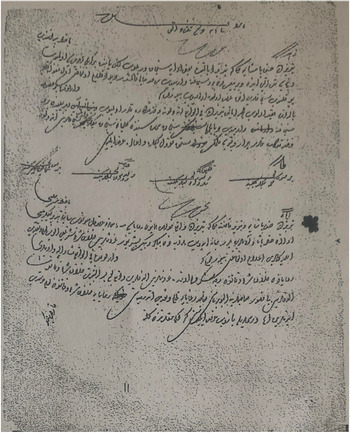
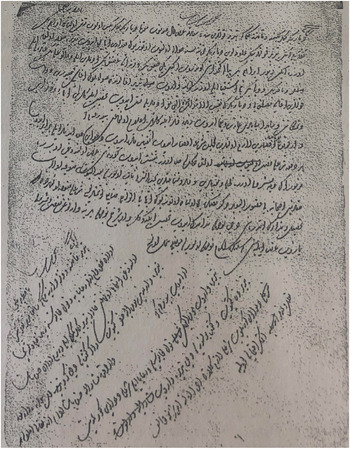
Document 1
(BBA. Mühimme Defteri (MD) 73: 26)
Written (ba hat) by Piri Çelebi Footnote 2
An imperial order to Hasan Pasha and the Kadi (judge) of Tabriz:
The reaya (tax paying subjects) of imperial domains have come to my imperial threshold and submitted a petition stating that Jafar Pasha, the former Beylerbeyi (governor) of Tabriz and his officials have collected between 1,000 and 1,500 kuruş from every village against the shari’a and have committed much oppression.
BBA, Mühimme Defteri (MD), 73: 26.

I am issuing the following order [in response]:
If their claim about illegal exaction from the reaya is contrary to the shari’a and kanun and is true, you should return the said dues back to the reaya immediately. Do not commit any more oppression against the reaya and record the names of those who do and send them to us so that they would get punished.
21 Zilkade 1003/July 1595
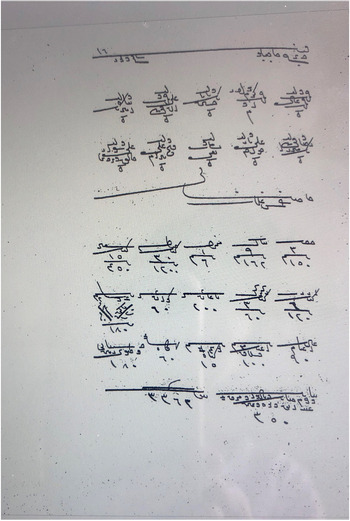
Document 2
(MM 07348: 68/1)
An imperial order to vizier Jafar Pasha and the defterdar (accountant) of Tabriz:
Some property owners (malik) from the province [Tabriz] had come to the imperial council in Istanbul and pledged to pay Irsaliye taxes to the imperial treasury amounting to 50 yük every year for three years and 60 yük Footnote 3 annually three years later. Footnote 4 We have sent an imperial herald, Musa Çavuş to collect the taxes. Registered in 19 Safar 1007/September 1598.
The said çavuş holds a timar (revenue assignment) in Diyarbekir and is known as Derviş Paşalu.
Marginal note: A document was issued. Footnote 5
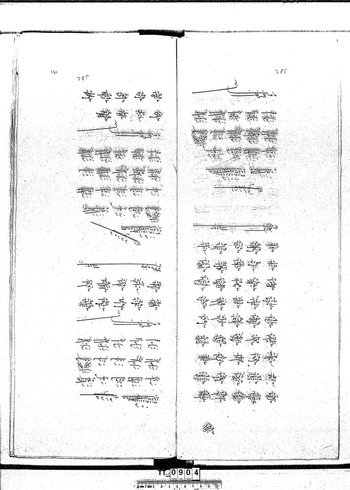
Document 3
(TT 904: 285)
Ottoman provincial officials usually carried out cadastral surveys in occupied territories in Azerbaijan, the Caucasus and western Iran in 1728. These detailed surveys (mufassal defterleri) were carried out for tax purposes and revenue assignments; they followed the codification of local and Ottoman taxes (kanunames). These defters offer rare information on the taxpaying population, the marital status of heads of households (taxpaying households), the religious make-up of urban quarters and villages, as well as urban and agricultural revenues and other taxes. The province of Tabriz was divided into seventeen districts and each district was divided into towns, villages and farms in the eighteenth century. The Ottoman military commander assigned rural sources of revenue as short-term revenue grants (timar and zeamet) or tax farms to Ottoman military administrative class under the supervision of Ottoman accountant (defterdar) and judge (kadi). After meeting the expenses of local cavalry and the fortress, the governor sent a portion of revenues to Istanbul as the due of imperial domains (hass). The urban sources of revenue were collected as short-term tax farms (mukata’a) by members of Ottoman administration as well as some local notables (aʿyan) who submitted to Ottoman rule. The tax farming system represented the privatization of tax revenue collection in the hands of local notables. Tax collectors had to follow provincial law codes (kanunname) as well as defters.Footnote 6
The following sample is drawn from Tapu Tahrir defteri 904 for the province of Tabriz. It provides the names of the head of each taxpaying household (hane) and his marital status (married, single) followed by taxes (resm) in Ottoman silver coin (akçe) from land and produce (in kind) as well as fines for crimes. This village, as most of the villages in the province (eyalat) of Tabriz, was Muslim in its religious make-up.Footnote 7
Village of Dizaj Hajilu, a dependency of the district of Dihkhariqan:Footnote 8
BBAA, MM 07348:68/1.

BBA, Istanbul, Tapu Tahrir ( TT) 904: 285.

TT 904: 285, the entire page listing other villages.

Muhammad Ali son of Mehmed (married)Footnote 9
Muhammad Kerim his brother (single)
Huseyn Beg son of Baba (married)
Muhammad Ali son of Allah Quli (married)
Amir Beg son of Panah (married)
Riza Quli son of Mirza (married)
Ali Yar son of [?]
Ali Quli son of Taqi (married)
Fath Ali son of Bayram (married)
Ali Suvar son of Khaliq Verdi (married)
Revenues from the tithe (1/5th):
Çift:Footnote 10 3 [dönüm] Tax: 150 [akçe]Footnote 11
Binnak (married): 9 (head of household) Tax: 162 [akçe]
Mücerred (single): 1 (individual) Tax: 6
Wheat: 30 kileFootnote 12 Tax: 1200
Barley: 15 kile Tax: 450
Rice: 6 kile Tax 120
Ekrek: 3 kile Tax: 60
Tithe on gardens: 200
Tithe (1/10) on beehives: 60
Marriage tax (‘arusane): Virgin: 120; widow: 60
Sheep tax: 90
Tax on winter pasture: 100
Tax on flax & clover: 15
Fodder (kah): 60
Tax on wastelands and land deeds (deştbani ve tapu-yi zamin): 180
Crime tax from fines: 350
Total taxes: 3,363 akçe