Pallid breath-holding spells are common and dramatic forms of recurrent syncope in infancy.Reference DiMario 1 They usually occur in otherwise healthy children, and are triggered by an emotional distress, such as anger, fright, frustration, and pain. The child typically starts crying, then becomes apneic and pallid, and loses consciousness. The underlying mechanism is based on a parasympathetic hyperactivity, leading to cardiac asystole, brain ischaemia, and syncope. This exaggerated autonomic dysregulation leading to cardiac inhibition results in reflex anoxic seizures in 1–5% of infants with breath-holding spells.Reference DiMario and Burleson 2 , Reference Gauk, Kidd and Prichard 3 The attacks are self-limited without any adverse developmental or intellectual sequelae. However, rare cases of status epilepticus, prolonged asystole, and sudden death have been reported.Reference Southall, Stebbens and Shinebourne 4 Because of the benign nature and natural history of the spells, the mainstay of management of these patients involves reassurance and education of the family. However, a few individuals suffer from frequent and severe breath-holding spells with anoxic seizures that have a strong impact on the lifestyle of both the child and his or her family. In these cases, many different therapies have been attempted to reduce the frequency and severity of the events. Medical treatment can be challenging predominantly because drugs are usually ineffective. First-line therapy includes supplementation of iron in the case of anaemia.Reference Colina and Abelson 5 , Reference Daoud, Batieha, al-Sheyyab, Abuekteish and Hijazi 6 Other drugs reported to be effective include piracetamReference Abbaskhanian, Sajjadi and Rezai 7 , Reference Sawires and Botrous 8 and fluoxetine.Reference Walsh, Knilans, Anderson and Czosek 9 Previous studies have also advocated for placement of a permanent pacing system to alleviate clinical symptoms in severe cases associated with seizures, life-threatening bradycardia, or asystole.Reference Kelly, Porter, McGoon, Espinosa, Osborn and Hayes 10 , Reference Wilson, Moore, Finucane and Skinner 11 Although they have shown improvement in clinical symptomatology, permanent pacing and neurologic drugs are not without significant morbidity and complications in this young population. In Europe, atropinic drugsReference Weiner 12 have been used to manage these patients for decades to alleviate the frequency and severity of symptoms. Tincture of belladonna has been used with the objective of decreasing cardiac inhibition and suppressing syncope and reflex anoxic seizures associated with breath-holding spells.Reference Mc Guigan 13 However, there has been no literature up-to-date evaluating the results of this therapy. The single study evaluating the efficacy of oral belladonna reports results on the prevention of airways obstructions during sleep in infants with breath-holding spells.Reference Kahn, Rebuffat, Sottiaux, Muller, Bochner and Grosswasser 14 It is the aim of this study to investigate the efficacy of belladonna treatment to reduce the symptoms of young patients with severe breath-holding spells.
Materials and methods
Study population
This is a multicentric Belgian study that was conducted with approval of the Institutional Review Boards of the hospitals that have been involved. All the patients included were referred for cardiovascular evaluation of severe pallid breath-holding spells between 1999 and 2017. A total of 108 young patients with severe pallid breath-holding spells were identified. The study inclusion criteria in this subset of the population consisted of at least one episode of severe pallid breath-holding spell presenting with loss of consciousness with or without seizures, paediatric cardiology evaluation, and continuous follow-up for at least 6 months after the first evaluation.
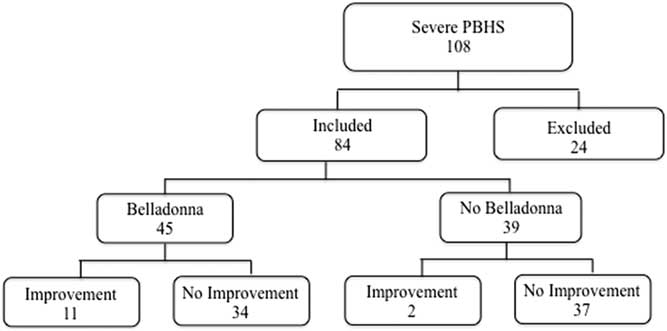
Figure 1 shows the flow diagram of the study patients. A total of 24 patients were excluded owing to the lack of relevant information in their medical records.
Flow diagram of the study patients. This flow chart shows the study population. From 1999 to 2017, a total of 108 patients with severe pallid breath-holding spells (PBHS) were evaluated. Among them 24 were excluded for various reasons, resulting in a final cohort of 84 children. Of them, 45 (54%) were treated with belladonna, and 39 (46%) received no drug treatment. Improvement was evaluated 1–3 months after the initial visit.

A total of 84 patients (78%) fulfilled inclusion criteria. This population was divided into two groups according to whether they received or did not receive treatment with belladonna.
Decision to treat with belladonna was made on an individual basis and according to the primary care physician’s preference. In most cases, patients who received belladonna treatment were those who presented with more severe spells, but this was not always the case. Everyday life disturbances and parental anxiety may also have a role in this decision, as will be reflected later in the results section.
Group 1 consisted of 45 patients (53%) who received a treatment with belladonna. Group 2 consisted of 39 patients (46%) who did not receive treatment with belladonna.
Other medications that patients in both groups received included iron therapy in the case of anaemia, and gastro-oesophageal reflux therapy when indicated. No other medications were prescribed during the period that was examined. Patients who did not have a response to belladonna treatment were subsequently treated with other therapies, including fluoxetine and pacemaker implantation, but the response to these treatments was not included in this report.
All patients in the cohort underwent a diagnostic work-up including a careful examination of the patient’s medical history, physical exam, a 12-lead electrocardiography, a transthoracic echocardiography, a Holter monitoring, and a haemogram test.
The paediatric cardiology evaluation included an echocardiogram and a 12-lead electrocardiogram, in order to exclude other cardiac aetiologies related to syncope, including structural heart disease, pulmonary hypertension, and long QT syndrome. All the patients also underwent a Holter recording, which lasted between 24 hours and 7 days, according to the primary physician’s indication. Moreover, during the past 4 years, two patients with very severe pallid breath-holding spells were monitored with implantable loop recorders (Reveal®; Medtronic, Minneapolis, MN, United States of America) to record the length of the pauses, and to exclude other arrhythmias that could cause the spells.
All the patients also underwent a haemogram blood test to exclude anaemia. Anaemia was defined as low haemoglobin level according to the patient’s sex and age.Reference Vajpayee, Graham and Bem 15 Patients suffering from anaemia were appropriately supplemented and followed up until normalisation of the haemoglobin levels. Selected patients were also evaluated by a Paediatric Neurologist according to the primary physician’s discretion. Genetic testing with sequence analysis of SCN5A was recommended for selected patients with very severe breath-holding spells, evidence in 12-lead electrocardiograms, and/or Holter monitoring of sinus node dysfunction and family history of severe syncope and/or sudden cardiac death.
The treatment consisted of oral administration of the approximately equivalent to 0.01 mg/kg weight of atropine, in the form of 2% syrup of tincture of belladonna given twice a day. Patients with body weight <5 kg received 3 ml of 2% syrup twice a day, patients with a weight of 5–10 kg received 5 ml twice a day, and patients >15 kg received 7.5 ml twice a day. In those patients who did not respond to the initial treatment, a third dose was added and/or the syrup concentration was doubled to maintain the same dose in millilitres according to the primary care physician’s preference.
The spells were characterised by frequency – number of spells per month – length (in seconds), and severity. Severity was classified as loss of consciousness isolated, seizures, and incontinence. The spells were evaluated at baseline, and/or after treatment. The response to the treatment was evaluated during the follow-up visits from 1 to 6 months after the initiation of the treatment. Moreover, the response to the treatment with belladonna was classified as follows: complete response, the attacks disappeared completely; partial response, more than 50% reduction in the frequency of the attacks, and/or decrease in the severity of the attacks; and no response, no change in the severity of the attacks, and/or less than 50% reduction in their frequency.
Statistical analysis
Data were reported as mean±standard deviation, medians (interquartile ranges), or as absolute values and percentages, as appropriate. Comparisons between continuous variables were performed using the unpaired Student’s t-test or analysis of variance as appropriate. The χ2 test was used to compare categorical variables. The Mann–Whitney non-parametric test was used to compare the severity of the attacks. The Wilcoxon signed rank test was used to compare the frequency and severity of the attacks before and after treatment with belladonna. A p-value of <0.05 indicated statistical significance. Statistical analyses were conducted using SPSS (version 22, SPSS; IBM, Armonk, New York, United States of America).
Results
Population characteristics
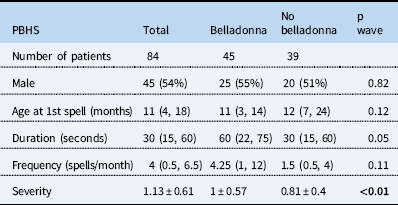
A total of 84 children with severe breath-holding spells met the inclusion criteria for this study. Table 1 shows the characteristics of the population as a whole, and divided into the treated and non-treated groups, with the resulting statistics between groups. Interestingly, the only parameter with a significant difference between the treated and non-treated group is the severity of the attacks.
Whole population baseline characteristics and comparison of baseline characteristics between patients who received treatment with belladonna and those who did not.

PBHS=pallid breath-holding spells
Results are given in number (percentage), mean±standard deviation, and median (1st, 3rd centile), as appropriate for each value
Bold values indicate statistical significance
Frequency of spells varied widely, ranging from four to five per day to less than one per month. The mean frequency was four episodes per month – 1.5 in the non-treated group and 4.25 in the treated group. The duration of each spell, from the beginning of the symptoms to complete resolution, was difficult to assess with accuracy. Parents gave a subjective estimate of the length of the attack, in seconds. Most of them were reported to last less than 2 minutes, with a mean of 30 seconds.
Interestingly, a single patient in the whole cohort (1%), belonging to the treated group, presented with urinary and stool incontinency during the spells.
Medical history was similar in both groups, and included repetitive respiratory infections (56%), iron deficiency (32%), gastro-oesophageal reflux (20%), and prematurity (16%). In the case of iron deficiency and gastro-oesophageal reflux, the patients were appropriately treated for both conditions irrespective of their concomitant treatment with belladonna.
We identified four groups of two siblings with severe breath-holding spells. Family history of breath-holding spells was present in 40% of first-degree family members, with 20% having a family history of vasovagal syncope. In the case of several family members affected by breath-holding spells, or repetitive syncope, an electrocardiogram was performed in the affected family member in order to exclude other rhythm abnormalities resulting in syncope – hypertrophic cardiomyopathy, or long QT syndrome. No abnormality was identified by this screening.
Electrocardiographic tracings were normal in 79 patients (95%). Two patients (2%) had an incomplete right bundle branch block, considered as non-pathologic. One patient (1%) presented with monomorphic ventricular premature beats, sometimes in bigeminy. Two patients (2%) had electrocardiographic signs of left ventricular hypertrophy, but had normal echocardiographic examination.
Echocardiograms were abnormal in four (5%) patients, and diagnosed two (2%) atrial septal defects, one (1%) ventricular septal defect, and one (1%) combination of atrial septal defect and ventricular septal defect.
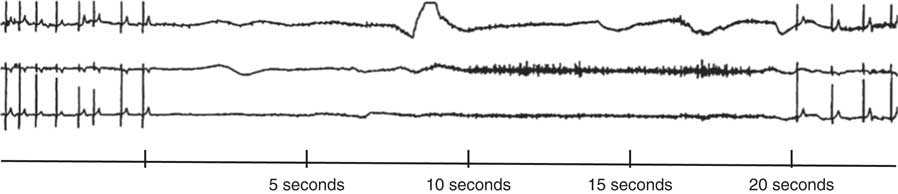
By different means of remote monitoring – such as regular or extended Holter monitoring, or implantable loop recorder – performed in 100% of patients, clinical spells were recorded in eight (9%) patients. All of them presented with variable lengths of sinus pauses ranging from 5 seconds to a maximum of 20 seconds. Figure 2 shows a Holter tracing recording of a typical spell consisting clinically of loss of consciousness and seizures. Note the 20-second sinus pauses during this event.
Holter recording during a pallid breath-holding spells showing a 20-second cardiac asystole with a paper velocity of 5 mm/second.

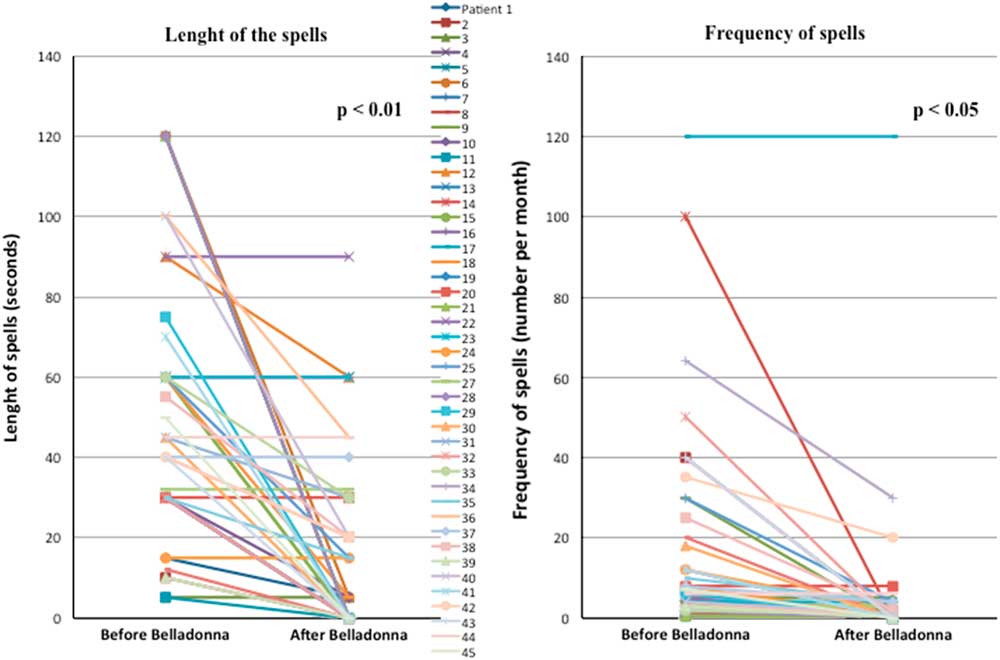
Comparison of frequency and length of spells before and after belladonna treatment.

Electroencephalogram tests were performed in 11 patients (13%), and polysomnography tests were performed in six patients (7%), as per the primary care physician’s choice in patients with breath-holding spells and seizures. The results of all these tests were normal and allowed to confirm the diagnosis and rule out primary abnormal cerebral electrical activity.
Inter-group comparison: response in patients who did and did not receive belladonna treatment
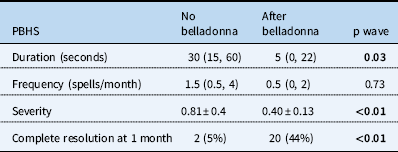
Comparison between the non-treated group and the treated group was performed at 1–3 months after belladonna treatment. The results shown in Table 2 demonstrate a significant difference in the length and severity of the spells between patients who did and did not receive treatment with belladonna.
Inter-group comparison at 1–3 months between patients who received and did not receive treatment with belladonna.

PBHS=pallid breath-holding spells
Results are given in number (percentage), mean±standard deviation, and median (1st, 3rd centile), as appropriate for each value
Bold values indicate statistical significance
Moreover, in the non-treated group, only two (5%) patients had complete remission at 3 months after initial evaluation, whereas 20 (44%) had remission in the belladonna group at the same time (p<0.01).
Intra-group comparison: response in patients before and after belladonna treatment
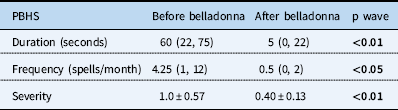
One to 3 months after treatment with belladonna, response to treatment was 76% – 44% complete response and 32% partial response – and in 24% there was no response. In the group with partial response, there was a reduction in the frequency of spells, 4.25 before treatment to 0.5 after treatment, p<0.05; a significant reduction in their duration, 60 seconds before treatment to 5 seconds after treatment, p<0.01; and in the global severity of the spells, 1.0±0.57 to 0.40±0.13, p<0.01 (Table 3). Figure 3 depicts each patient’s response in the belladonna group before and after treatment, in terms of reduction of frequency – left graphic – and lengths – right graphic – of spells.
Intra-group comparison of spells characteristics before and after treatment with belladonna.

PBHS=pallid breath-holding spells
Results are given in number (percentage), mean±standard deviation, and median (1st, 3rd centile), as appropriate for each value
Bold values indicate statistical significance
Non-responders to belladonna
Interestingly, one patient presented with severe breath-holding spells during a clinical course of whooping cough. This patient had the higher frequency in the cohort, with three to four typical spells per day, and did not respond to the belladonna treatment. The spells eventually decreased in frequency and finally disappeared at 6 months of age.
In two patients in whom the breath-holding spells had disappeared with the treatment, belladonna was discontinued at the age of 2 years, but had to be re-introduced owing to immediate recurrence. New attempts to discontinue the medication were made 6 and 12 months later, with both patients free from events and out of belladonna at the age of 3 years.
Considering the non-responder group (11 patients), predisposing factors were identified in eight patients (72%). One (9%) patient suffered from whooping cough, and seven (64%) patients had family history of breath-holding spells and/or repetitive syncope. Of these, three (27%) had a pacemaker implantation with subsequent complete resolution of the spells. Patients’ age at pacemaker implantation was 15 months in two patients and 17 months in the third patient. The three patients presented with, at least weekly, very severe spells with loss of consciousness and seizures. They were all receiving treatment with iron supplements, received high doses of belladonna, as well as fluoxetine and propranolol, with no result.
In the other seven patients, the spells had disappeared in 67% by the age of 4 years, and in 100% by the age of 6 years.
Adverse events related to belladonna treatment
There were no major drug side effects affecting the group that received belladonna treatment. There were minor reported side effects in 10 patients (12%), including loss of appetite in four (5%), sleep difficulty in four (5%), and constipation in two (2%). All these adverse reactions were present in patients receiving higher doses of belladonna (equivalent to ⩾0, 03 mg/kg weight of atropine per day). Treatment has to be discontinued in a single patient presenting with constipation that did not resolve with the regular treatment. In the remaining patients presenting with minor adverse reactions, appropriate treatment was started when necessary, and belladonna was continued without further complications.
There is not much literature on the effects of an acute intoxication with belladonna tincture in the paediatric age. However, a series analysing 49 children who suffered from acute intoxication with Atropa belladonna owing to ingestion of the plant was published in 2003.Reference Caksen, Odabas and Akbayram 16 The most commonly observed symptoms and signs were meaningless speech, tachycardia, mydriasis, and flushing. There were no deaths in this series, or need of mechanical ventilation. The authors concluded that the initial signs and symptoms of acute Atropa belladonna intoxication might be severe in some children, but without permanent sequel or death. This seems a rather reassuring conclusion in the worst-case scenario of acute intoxication owing to direct plant ingestion.
Discussion
Pallid breath-holding spells occur at least once during childhood in approximately 1–4% of otherwise healthy children. In most cases, the strategy chosen by the paediatrician consists of educating the family about the benign nature. In selected cases, a drug therapy is necessary to reduce the severity and frequency of the spells. Over time, doctors have used different strategies, with a wide spectrum of possibilities ranging from Chinese herbal medicine to cardiac pacing.Reference Kelly, Porter, McGoon, Espinosa, Osborn and Hayes 10 , Reference Murata, Matsuoka and Hattori 17 In the past, there have been literature reports on the efficacy of anti-epilectic and neuroleptic drugs.Reference Walsh, Knilans, Anderson and Czosek 9 , Reference Donma 18 More recently, small cohorts or case reports have highlighted the efficacy of glycopyrrolate and theophilline therapy in these cases.Reference Williams and Cain 19 – Reference Carano, Bo, Zanetti, Tchana, Barbato and Agnetti 21
The first reference to the use of Atropine to treat reflex anoxic seizures was in 1984.Reference McWilliam and Stephenson 22 Even if in Europe there is a long-term experience using belladonna in these cases, literature remains scarce on this specific subject. The aim of this study was to report an 18-year experience using belladonna to treat severe pallid breath-holding spells.
Patients’ evaluation included careful clinical history and physical examination, as well as blood samples to exclude anaemia, and cardiac evaluation included electrocardiograms and echocardiography. Selected patients were also referred for neurology evaluation and electroencephalogram tests.
We found a 40% rate of positive familial history in children with pallid breath-holding spells, indicating that genetics may be the causal factor for occurrence of these spells. During the last 4 years, our group has been testing for SCN5A mutations in those patients presenting with severe pallid breath-holding spells and a family history of breath-holding spells, repetitive syncope, or sudden cardiac death. We have identified a number of mutations, but these data are still preliminary.
Our study first compared the spontaneous evolution of children with breath-holding spells with those treated with belladonna. The two cohorts were similar in their characteristics, but the severity of the spells was significantly higher in the treated group. It seems a logical choice to treat with belladonna those patients who have more severe spells.
Our study confirmed the efficacy of belladonna to treat pallid breath-holding spells, with 2/3 of response when considering the characteristics of the spells before and after the initiation of the treatment. In the treated group, 44% of the patients presented with complete resolution of the spells. When comparing the non-treated group with the treated group at 3 months, only two (5%) patients had complete remission in the first group, whereas 20 (44%) had remission in the belladonna group. Moreover, when comparing the natural evolution of the disease and the course of those patients treated with belladonna at 3–6 months after the initial clinic evaluation, we found a significant reduction of the length and severity of the spells in the treated group.
Finally, minor adverse events were present in only 12% of the patients, and in only one patient it required discontinuation of the drug.
One of the main limitations of this study is that data collection was retrospective, making it impossible to distribute patients in the treated and non-treated groups in a randomised way. The decision to treat was made as per the physician’s choice on an individual basis. As a result of this, the group that received belladonna treatment has more severe or more frequent spells, as shown in Table 1. This may have a non-measurable impact on the final results and should be corroborated in the future with a prospective double-blinded case–control study.
The other limitation of this study relies on not evaluating the potential placebo or psychological effect of the treatment. This effect has been addressed previously in the literature in a randomised study that examined the efficacy of psychoeducational intervention in reducing and coping with the spells.Reference Bolat, Eliacik, Sargin, Kanik, Baydan and Sarioglu 23 This study concluded that the intervention programme had a positive effect on anxiety–depression levels of the mothers and the frequency of spells among the children, thus proposing a link between emotional and autonomic dysregulation in these children.
Conclusion
Belladonna is safe and effective to treat severe pallid breath-holding spells with almost 50% of complete resolution of the spells and 75% of improvement either in reduction of severity and/or frequency.
Acknowledgement
The authors thank the Paediatric Cardiology teams of Cliniques Universitaires St Luc and Centre Hospitalier Chrétien for helping with patient identification.
Financial Support
This research received no specific grant from any funding agency or from commercial or not-for-profit sectors.
Conflicts of Interest
None.
Ethical Standards
The authors assert that all procedures contributing to this work comply with the ethical standards of the relevant national Belgian guidelines on human experimentation and with the Helsinki Declaration of 1975, as revised in 2008, and has been approved by the institutional committees of Cliniques St Luc.