




No CrossRef data available.
Follow-up in patients with congenital cardiac disease more complex than haemodynamic assessment
Published online by Cambridge University Press: 21 January 2005
Abstract
The objective of the study was to assess behavioural and emotional problems, as well as physical capacity, in children and adolescents with congenital cardiac disease. From the database of Paediatric Heart Section, Children's Clinic, Rikshospitalet University Hospital, Oslo, Norway, we identified 430 patients whose parents received questionnaires using the Child Behaviour Check-List. The response rate was 75.8%. In addition, the parents received a questionnaire focusing on special issues with regard to physical activity. Parents of children and adolescents with congenital cardiac diseases reported significantly more behavioural problems than did a reference population and boys were scored higher compared to girls. Analysis showed a significant impact of physical capacity on the score representing total problems, as well as scores for externalising and internalising behaviour. Compared to a reference population, parents of children and adolescents with congenital cardiac disease score their children higher on most scales when rated using the Child Behaviour Check-List. The type of diagnosis did not affect the scores reflecting the total problem. The main factor of impact on behavioural problems was, as evaluated by the parents, the physical capacity of the children.
Information
- Type
- Original Article
- Information
- Copyright
- © 2004 Cambridge University Press
There have been assertions that children with chronic illness may experience disturbed behavioural development and social problems.1–5 Some earlier reports have shown an enhanced incidence of behavioural problems in children and adolescents with congenital cardiac disease compared to a healthy population.6, 7 Little is known, however, if physical capacity is related to the behavioural problems suffered by such children and adolescents.8, 9 Hence, we still do not know the impact on behaviour of the congenital cardiac disease. There may be a relationship between the diagnosis and the behavioural functioning of the patients due to hospitalisations and physical incapacity.10, 11 In order to reveal the true incidence of behavioural problems in children with congenital cardiac disease, it is possible to use the Child Behaviour Check-List.12
The aim of our study, therefore, was to assess behavioural problems in children and adolescents with congenital cardiac disease using the Child Behaviour Check-List. In addition, we wanted to examine the relationship between behavioural problems as reported by parents and their assessment of physical capacity, thus seeking to establish whether limitations in physical capacity may be an important factor in the development of children with congenital cardiac disease.
Material and methods
Material
All 488 patients entered into the database of the Paediatric Heart Section, Children's Clinic, Rikshospitalet University Hospital, Oslo, Norway between the ages of 11 and 16 years were eligible for inclusion. Of these, we excluded 58 patients, 20 because they were completely asymptomatic, 8 because of mental disorders, 11 because they could not communicate in Norwegian, 13 who were not found, and 6 who had died after selection from the database. Hence, a total of 430 patients were included and received the questionnaire. Some patients and parents did not want to participate, giving as their main reason the fact that the children felt healthy, and did not want to be regarded as patients. A total of 98 patients refused participation. An additional 6 questionnaires were not completed. In the overall analysis, therefore, we included 326 questionnaires, representing 75.8% of the 430 questionnaires dispatched. The sample included 191 boys and 135 girls (Table 1). Of the questionnaires, 81% were completed by mothers, and 19% by fathers. A variety of diagnoses were included (Table 2).
Table 1. Descriptive data on 326 parents, with the number of parents given as percentages.

Table 2. Type of diagnosis on all 326 patients.

Methods
The Child Behaviour Check-List generates total scores relating to behavioural and emotional problems, with a maximum score of 100. In our study, we used only the problem section of the list, which consists of 118 problem items. The response categories “0/1/2” were used. In addition, the list displays an internalising scale, with a maximum score of 58, and an externalising scale, with a maximum score of 62.12 The internalising scale consists of the syndromic scales for withdrawal, with a maximum of 16, somatic complaints, again with a maximum score of 16, and a scale rating anxiety and depression, with a maximum score of 26. The externalising scale includes delinquent, with a maximum score of 24, and aggressive behaviour with a maximum score of 38.12 In addition, we included scales rating social problems, with a maximum score of 14, thought problems with a maximum score of 20, and attention problems, with a maximum score of 20. We used a group of control subjects from Norway to compare the results obtained from our patients. Of the invited reference group of 792 children, made up of 358 boys and 434 girls, aged from 4 to 16 years, 45% responded.13 We have no information available regarding socio-economic state in the reference group.
Parent-reported physical capacity
In addition to Child Behaviour Check-List, the parents received a questionnaire focusing on special issues with regard to congenital cardiac diseases. The questions of interest are listed in Table 3. The criterions for using these questions are mainly an attempt to get an estimate of physical capacity. The questionnaire is self-designed, and has not been validated against any standardised questionnaire for physical capacity, or laboratory exercise tests.
Table 3. The table shows some selected questions from a self-designed questionnaire focusing on physical capacity.

Design
The parents received the questionnaires by mail, with a pre-paid return envelope and a consent form. Those who failed to respond were followed up by telephone calls after two weeks. Approval from the Regional Ethics Committee for Medical Research and the Data Inspectorate was obtained prior to the study.
Statistics
The comparison of the reference material and the results from the present study was done using an alternative t-test.14 The alternative t-test is identical to a two-sample t-test, except that the mean, standard deviation, and number of data points in the second data set must be entered separately. ANOVA was used to test the effect between gender, age and diagnosis, as well as estimated physical capacity. Multivariate linear regression modelling, using the stepwise backward elimination selection procedure, was used to examine the relation between the independent variables of age, gender, diagnosis, parent's education, weight, number of operations, parent's estimation of the exercise capacity, and the outcome of the dependent variable of the scores for the total, those relating to externalising problems, and those addressing internalising problems. A two-sided value of less than 0.05 was considered statistically significant, using SPSS 11.0 as the statistical software.
Results
Comparison with a healthy population
In the present study, the parents of boys with congenital cardiac disease reported higher total scores, and scores relating to internalising problems, than did parents of healthy boys. For girls with congenital cardiac disease, only the scores reflecting internalising problems showed significant differences (Table 4) from their reference group. The parents also scored boys with disease significantly higher than did parents of healthy boys on most syndromic scales, except for withdrawn and delinquent behaviour. Female patients, however, were scored higher for thought problems, social problems, and somatic complaints compared to the girls from the general population. The scores achieved on the scale relating to anxiety and depression reached borderline significance (Table 5).
Table 4. Mean values (standard deviation) for boys and girls with congenital cardiac diseases with regard to total problems score, internalising behaviour problems and externalising behaviour problems obtained using the Child Behaviour Check-List.

Table 5. The table shows scale scores (standard deviation) for the Child Behaviour Check-List for patients of both genders with congenital cardiac disease compared to a healthy reference population.

No significant differences were found in boys with mild and uncomplicated cardiac diseases, such as atrial septal defect or obstruction of the left and right ventricular outflow tracts, when compared to healthy boys. On the other hand, boys with ventricular septal defect were scored significantly higher on the total score, as well as the scores for internalising and externalising problems, than healthy boys. Also, boys with more severe malformations, such as tetralogy of Fallot and transposition, showed more problems with regard to the total score and the scale for internalising problems than did their healthy male peers (Tables 6 and 7). The parents of girls with obstruction of the left ventricular outflow tract considered their children to have more problems than did the parents of the healthy female peers. Due to the low number of subjects in some of the diagnostic groups, no statistical analysis was attempted. The significant difference shown for girls with ventricular septal defect regarding externalising problems were more in favour of the girls with the congenital cardiac disease.
Table 6. The table shows the mean scores, with standard deviations, for boys from Child Behaviour Check-List of diagnostic groups with regard to total problem scores, internalising behaviour problems and externalising behaviour problems. Patients who did not have diagnosis fitting into groups are not listed. The results were compared to mean values of the healthy reference material.

Table 7. The table shows the mean (standard deviation) scores for girls from Child Behaviour Check-List of diagnostic groups with regard to total problem scores, internalising behaviour problems and externalising behaviour problems. Patients who did not have diagnosis fitting into groups are not listed. The results were compared to mean values of the healthy reference material.

Comparison between genders
Using ANOVA, we found an effect between the genders with regard to the total score (boys 21.41 and girls 17.01, p = 0.043). Also for the score relating to externalising problems, the boys show a significantly increased score compared to girls (boys 6.61 and girls 4.27, p = 0.002). In the scores for individual scales, boys revealed higher values than girls for the scale of attention (boys 3.80 and girls 2.14, p < 0.0001), the scale judging delinquency (boys 1.55 and girls 0.79, p < 0.0001), and for the scale relating to aggression (boys 5.06 and girls 3.48, p = 0.009). No significant effect was found in the scores from the other scales.
The effect of age
There is an effect of age for the total score (p = 0.050). The results of scores assessing internalising problems, however, show results of borderline significance (p = 0.052), and no effect was found for the score reflecting externalising problems (p = 0.103). When divided into young, aged from 11 to 13 years, and older patients aged from 14 to 16 years, no differences were found on the score relating to any particular problem. No effect of age was disclosed in the scores from any of the scales, except for social problems (p = 0.037), where the youngest (1.96) scored higher than the older subjects (1.40). All tests were done with ANOVA.
The effect of diagnosis
When both boys and girls were included in the analysis, no effect was found between different diagnosis for the total score (p = 0.764), or for the scores reflecting the internalising (p = 0.755) or externalising problems (p = 0.828). In similar fashion, no significant differences for the scores relating to any particular problem were found when the children were segregated into genders. No differences were found between the different diagnosis with regard to scores for the different scales, with the exception of somatic complaints (p = 0.012). This was due to the low scores for patients with obstruction of the right ventricular outflow tract.
The effect of estimated physical capacity
A significant effect was found on all scores for problems and scales when estimated physical capacity was used as a dependent factor (p < 0.0001). The results showed that subjects who were not able to run, or were only able to run < 100 m, scored significantly higher (p < 0.001) on all scores than those who were able to run a longer distance.
Multivariate regression model
In the multivariate linear regression model, gender and the estimation of physical capacity made by the parents based on the question “How far can your child run?”, turned out to be the dominant variables for the total score. The independent variables entered were age, sex, diagnosis, the level of education of the parents, weight, number of operations, and estimated physical capacity. Other exercise-related questions, involving walking distance, walk up stairs, and so on, revealed the same results. When divided into gender, with the model then including the independent variables of age, diagnosis, education level, weight, number of operations and estimated physical capacity, the estimation by the parents of the physical capacity of their child was the only significant variable that may be related to the total scores achieved for both genders (Fig. 1). Similar results were obtained when internalising and externalising problems were used as dependent variables.

Figure 1. Results from the report of the parents of how far they estimate their child can run compared to the total problem score (0 = outliers are values 1.5 times higher than the box which contains 50% of all the results, X = extremes which are values that are 3 times higher than the box).
Discussion
We have investigated behavioural and emotional problems, as scored by the Child Behaviour Check-List, in children and adolescents with congenital cardiac diseases. The different scores for behavioural problems as estimated for syndromes and scales were compared to differences between gender, age, diagnosis and estimated physical capacity as scored by the parents of the patients. We also compared the scores relating to problems to comparable scores given by a healthy Norwegian reference population. The 480 patients initially selected from the database represented the majority of patients in this age group with congenital cardiac disease in Norway. Taking into account the high rate of response, having excluded those who were asymptomatic, the study is partially representative for children and adolescents with congenital cardiac disease in Norway. The results suggest a relation between the physical capacity of the children and their behavioural and emotional problems.
Comparison to a reference population
Parents considered boys with congenital cardiac disease to have more total behavioural problems than healthy boys. Such boys were considered to have more internalising problems than girls, as opposed to the Norwegian reference population.13, 15 The unusual results of more internalising problems in boys may be due to the fact that the boys we studied had more severe malformations than the girls, which may indicate that the severity of the disease affects the behavioural patterns. Girls, however, did not show any significant difference from healthy girls regarding the total score.
The parents reported higher scores with regard to internalising behaviour, social problems, and problems with thought for both boys and girls compared to a reference population.13, 15 The social problem may be alarming; since the scores were twice the value for the reference population. The fact that parents believe their children to have difficulties in their relationship with others may be due to overprotection, and an awareness of a severe illness within the child, as suggested by others.4, 16 One important developmental step in children is establishing social competence. To make friends, and to be integrated in a group, is a major part of social development. Children with disturbances may be at risk for psychopathology.17 A dysfunctional family system, which may be the case with a severely diseased child in the family, might also cause behavioural problems. Information about the cardiac disease, its limitations and possibilities may, together with information about the prognosis, make both children and parents more secure in mastering inter-human relationships, and avoiding isolation. In order to achieve a better understanding for the parents, they should be informed about the normal development of social skills in children. The parents should also be informed about how to improve the social life of their child so they are able to achieve their true potential with regard to social proficiency.
Comparison between genders
Overall, the results revealed higher scores relating to problems in boys than girls, in concert with the normal population. This may indicate that the parents are especially concerned that boys with congenital cardiac disease may be influenced by the cardiac malformation in their life, and they rate their boys to endure greater problems more than the reference population. The latter is in agreement with Utens et al.7 In that study, it was found that proportions of both boys and girls with disease scoring in the psychopathological range, especially on social problems, were higher than their reference groups. Only the younger boys with cardiac disease, aged from 11 to 14 years, did not differ from their male peers in this respect. The results may also reflect the fact that there may be different expectations in general for girls and boys. Participation in physical activity is traditionally considered to be more important for boys than girls with regard to physical and social development, and therefore may have an impact on the results. In Norway, however, there is a shift towards more equalisation between the genders. Girls tend to be more physically active than before, and participate as much in sporting activities as do boys. Future studies may reveal other results as the girls may be considered to be as active as boys.
The effect of age
The fact that the results only revealed an effect (p = 0.050) of age for the total score, and a borderline effect on the internalising score (p = 0.052), and no effect for the score relating to externalising problems, may indicate that age is a less important factor for determining behavioural and emotional problem in our current sample. This is underlined by the negative findings when the sample was divided into younger and older age groups. The effect of age on social problems, however, may indicate that, for certain traits, a link to age may indeed be present.
The effect of diagnosis
Earlier studies suggest that the data derived using the Child Behaviour Check-List does not relate to different diagnostic groups.7, 10, 18, 19 This is in concert with the present study, no effect being found for the different diagnoses. This may, however, be due to a low number of subjects in the most severe diagnostic groups.
The effect of estimated physical capacity
In our present study, we used a questionnaire, completed by the parents, to estimate the physical capacity of the patients with congenital cardiac disease. These questions are unfortunately not validated against laboratory exercise tests, nor any other standardised test for estimating physical capacity. They give, therefore, no more than an estimation of the parents' experience of the ability of their children to exercise. The results are strikingly clear, nonetheless, showing a clearly significant effect on all problem and scale scores. This indicates that a reduced physical capacity is by far one of the most important factors for behavioural and emotional problems in children. Parents have a tendency to overprotect their children in play and physical activity. In many cases, this influences the view of the parents of the ability of their children to perform physically. Indeed, the parents may regard the physical capacity of their children to be lower than is the case. This knowledge, together with knowledge of the positive effect of training shown in studies of both children and adults with congenital heart disease, opens new horizons for what may be achieved by increased exercise capacity in this group of patients.20, 21 One study has shown a positive effect on the scores relating to social problems following a period of exercise lasting 5 to 6 months, with training 2 or 3 times each week.20 The results are, however, somewhat biased due to the large differences in different diagnoses. The present results, therefore, display a need for further studies in order to clarify the relationship between exercise capacity and behavioural and emotional problems.
Regression model
With regard to the linear regression model, the diagnosis itself showed no impact on the scores for the total score, or for the cores reflecting internalising or externalising problems. The reason may be the large differences both in the number of patients in each group, and the complexity of the diagnoses. The same result was obtained, however, even when the diagnoses were divided into two groups, namely simple and complex cardiac disease. This indicates that the severity of diagnosis does not have a significant impact on behavioural problems in children and adolescents with congenital cardiac disease, as reported by others.6 On the other hand, when the scores from different diagnoses were compared to the healthy reference population, some of the diagnostic groups were scored significantly higher than normal. The explanation may be that other factors, such as gender and parent-reported physical capacity, mask the impact of diagnosis in the regression model.
Studies have indicated that some patients with congenital cardiac disease may have mental and psychiatric problems.5, 22 There have been reports of a relation between the number of operations, longevity of hospital stays, and behavioural problems.4, 19 In the future, however, the development towards shortening of the hospital stay may have a positive effect on the well-being of the patients.
Conclusion
Health professionals often believe that cardiac diseases classified as simple from a haemodynamic point of view are also free from problems in other aspects of life. Our present findings indicate that these patients have behavioural and emotional problems related to their cardiac disease. The results indicate a connection between physical capacity and behavioural problems. We suggest an open approach, where physiotherapists, psychologists, and trained social workers should be more involved in the treatment and follow-up in these patients.
References
Linde LM. Psychiatric aspects of congenital heart disease. Psychiatric Clinics North Am 1982; 5: 399–407.Google Scholar
Linde LM, Rasof B, Dunn OJ. Longitudinal studies of intellectual and behavioral development in children with congenital heart disease. Acta Paediatr Scand 1970; 59: 169–176.Google Scholar
Lavigne JV, Ryan M. Psychologic adjustment of siblings and children with chronic illness. Pediatrics 1979; 63: 616–626.Google Scholar
Kramer HH, Awiszus D, Sterzel U, van Halteren A, Classen R. Development of personality and intelligence in children with congenital heart disease. J Child Psychol Psychiatry 1989; 30: 299–308.Google Scholar
Spurkland I, Bjornstad PG, Lindberg H, Seem E. Mental health and psychosocial functioning in adolescents with congenital heart disease. A comparison between adolescents born with severe heart defect and atrial septal defect. Acta Paediatr 1993; 82: 71–76.Google Scholar
Utens EM, Verhulst FC, Erdman RA, Meijboom FJ, Duivenvoorden HJ, Bos E, et al. Psychosocial functioning of young adults after surgical correction for congenital heart disease in childhood: a follow-up study. J Psychosom Res 1994; 38: 745–758.Google Scholar
Utens EM, Verhulst FC, Meijboom FJ, Duivenvoorden HJ, Erdman RA, Bos E, et al. Behavioural and emotional problems in children and adolescents with congenital heart disease. Psychol Med 1993; 23: 415–424.Google Scholar
Paridon SM. Congenital Heart Disease: cardiac performance and adaptions to exercise. Ped Ex Sci 1997; 9: 308–323.Google Scholar
Fredriksen PM, Ingjer F, Nystad W, Thaulow E. A comparison of VO2peak between patients with CHD and healthy subjects, all aged 8–17 years. Eur J Appl Physiol Occup Physiol 999; 80: 409–416.
DeMaso DR, Beardslee WR, Silbert AR, Fyler DC. Psychological functioning in children with cyanotic heart defects. Dev Behav Pediatr 1990; 11: 289–294.Google Scholar
O'Dougherty M, Wright FS, Garmenzy N, Loewson RB. Later competence and adaption in infants who survive severe heart defects. Child Dev 1983; 54: 1129–1142.Google Scholar
Achenbach TM. Integrative Guide for the 1991 CBCL/4-18, YSR and TRF-profiles. 1991. Department of Psychiatry, University of Vermont.Google Scholar
Tonstad S, Nøvik TS, Vandvik IH. Psychosocial function during treatment for familial hypercholesterolemia. Pediatrics 1996; 98: 249–255.Google Scholar
Statistical Add-in for Microsoft Excel. User's Guide. University of Leeds, UK: DDU Software, 1993.
Nøvik TS. Validity of the Child Behavior Checklist in a Norwegian sample. Eur Child Adol Psych 1999; 8: 247–254.Google Scholar
Donovan E. The pediatric cardiologist and adolescents with congenital heart disease. Int J Cardiol 1983; 9: 493–495.Google Scholar
Cohn DA, Patterson CJ, Christopoulos C. The family and children's peer relation. Journal of Social and Personal Relationships 1991; 8: 315–346.Google Scholar
Brandhagen DJ, Feldt RH, Williams DE. Long-term psychologic implications of congenital heart disease: a 25-year follow-up. Mayo Clin Proc 1991; 66: 474–479.Google Scholar
Utens EM, Verhulst FC, Duivenvoorden HJ, Meijboom FJ, Erdman RA, Hess J. Prediction of behavioural and emotional problems in children and adolescents with operated congenital heart disease. Eur Heart J 1998; 19: 801–807.Google Scholar
Fredriksen PM, Karhs N, Blaasvaer S, Sigurdsen E, Gundersen O, Roeksund O, et al. The effect of physical training in children and adolescents with congenital heart disease. Cardiology in the Young 2000; 10: 107–114.Google Scholar
Therrien J, Fredriksen PM, Walker M, Granton J, Reid G, Webb GD. A pilot study of exercise training in adult patients with repaired tetralogy of Fallot. Can J Cardiol 2003; 19: 685–689.Google Scholar
Wells FC, Coghill S, Caplan HL, Lincoln C. Duration of circulatory arrest does influence the psychological development of children after cardiac operation in early life. J Thorac Cardiovasc Surg 1983; 86: 823–831.Google Scholar
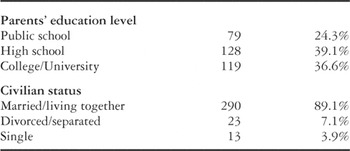
Table 1.
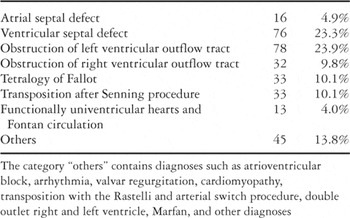
Table 2.
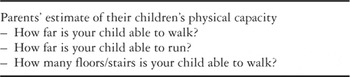
Table 3.
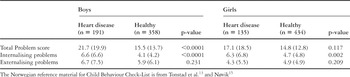
Table 4.
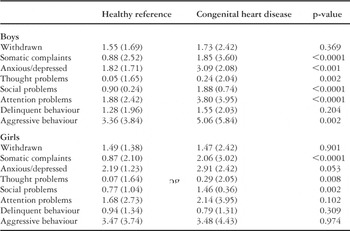
Table 5.
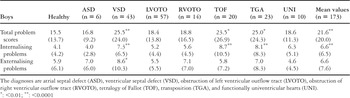
Table 6.
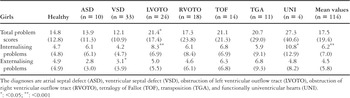
Table 7.

Results from the report of the parents of how far they estimate their child can run compared to the total problem score (0 = outliers are values 1.5 times higher than the box which contains 50% of all the results, X = extremes which are values that are 3 times higher than the box).
 You have
Access
- 21
- Cited by