



%20--%3e%3c!DOCTYPE%20svg%20PUBLIC%20'-//W3C//DTD%20SVG%201.0//EN'%20'http://www.w3.org/TR/2001/REC-SVG-20010904/DTD/svg10.dtd'%3e%3csvg%20version='1.0'%20id='Layer_1'%20xmlns='http://www.w3.org/2000/svg'%20xmlns:xlink='http://www.w3.org/1999/xlink'%20x='0px'%20y='0px'%20width='64px'%20height='64px'%20viewBox='5.5%20-3.5%2064%2064'%20enable-background='new%205.5%20-3.5%2064%2064'%20xml:space='preserve'%3e%3cg%3e%3ccircle%20fill='%23FFFFFF'%20fill-opacity='0'%20cx='37.785'%20cy='28.501'%20r='28.836'/%3e%3cpath%20fill='%23595959'%20d='M37.441-3.5c8.951,0,16.572,3.125,22.857,9.372c3.008,3.009,5.295,6.448,6.857,10.314%20c1.561,3.867,2.344,7.971,2.344,12.314c0,4.381-0.773,8.486-2.314,12.313c-1.543,3.828-3.82,7.21-6.828,10.143%20c-3.123,3.085-6.666,5.448-10.629,7.086c-3.961,1.638-8.057,2.457-12.285,2.457s-8.276-0.808-12.143-2.429%20c-3.866-1.618-7.333-3.961-10.4-7.027c-3.067-3.066-5.4-6.524-7-10.372S5.5,32.767,5.5,28.5c0-4.229,0.809-8.295,2.428-12.2%20c1.619-3.905,3.972-7.4,7.057-10.486C21.08-0.394,28.565-3.5,37.441-3.5z%20M37.557,2.272c-7.314,0-13.467,2.553-18.458,7.657%20c-2.515,2.553-4.448,5.419-5.8,8.6c-1.354,3.181-2.029,6.505-2.029,9.972c0,3.429,0.675,6.734,2.029,9.913%20c1.353,3.183,3.285,6.021,5.8,8.516c2.514,2.496,5.351,4.399,8.515,5.715c3.161,1.314,6.476,1.971,9.943,1.971%20c3.428,0,6.75-0.665,9.973-1.999c3.219-1.335,6.121-3.257,8.713-5.771c4.99-4.876,7.484-10.99,7.484-18.344%20c0-3.543-0.648-6.895-1.943-10.057c-1.293-3.162-3.18-5.98-5.654-8.458C50.984,4.844,44.795,2.272,37.557,2.272z%20M37.156,23.187%20l-4.287,2.229c-0.458-0.951-1.019-1.619-1.685-2c-0.667-0.38-1.286-0.571-1.858-0.571c-2.856,0-4.286,1.885-4.286,5.657%20c0,1.714,0.362,3.084,1.085,4.113c0.724,1.029,1.791,1.544,3.201,1.544c1.867,0,3.181-0.915,3.944-2.743l3.942,2%20c-0.838,1.563-2,2.791-3.486,3.686c-1.484,0.896-3.123,1.343-4.914,1.343c-2.857,0-5.163-0.875-6.915-2.629%20c-1.752-1.752-2.628-4.19-2.628-7.313c0-3.048,0.886-5.466,2.657-7.257c1.771-1.79,4.009-2.686,6.715-2.686%20C32.604,18.558,35.441,20.101,37.156,23.187z%20M55.613,23.187l-4.229,2.229c-0.457-0.951-1.02-1.619-1.686-2%20c-0.668-0.38-1.307-0.571-1.914-0.571c-2.857,0-4.287,1.885-4.287,5.657c0,1.714,0.363,3.084,1.086,4.113%20c0.723,1.029,1.789,1.544,3.201,1.544c1.865,0,3.18-0.915,3.941-2.743l4,2c-0.875,1.563-2.057,2.791-3.541,3.686%20c-1.486,0.896-3.105,1.343-4.857,1.343c-2.896,0-5.209-0.875-6.941-2.629c-1.736-1.752-2.602-4.19-2.602-7.313%20c0-3.048,0.885-5.466,2.658-7.257c1.77-1.79,4.008-2.686,6.713-2.686C51.117,18.558,53.938,20.101,55.613,23.187z'/%3e%3c/g%3e%3c/svg%3e)
%20--%3e%3c!DOCTYPE%20svg%20PUBLIC%20'-//W3C//DTD%20SVG%201.0//EN'%20'http://www.w3.org/TR/2001/REC-SVG-20010904/DTD/svg10.dtd'%3e%3csvg%20version='1.0'%20id='Layer_1'%20xmlns='http://www.w3.org/2000/svg'%20xmlns:xlink='http://www.w3.org/1999/xlink'%20x='0px'%20y='0px'%20width='64px'%20height='64px'%20viewBox='5.5%20-3.5%2064%2064'%20enable-background='new%205.5%20-3.5%2064%2064'%20xml:space='preserve'%3e%3cg%3e%3ccircle%20fill='%23FFFFFF'%20fill-opacity='0'%20cx='37.637'%20cy='28.806'%20r='28.276'/%3e%3cg%3e%3cpath%20fill='%23595959'%20d='M37.443-3.5c8.988,0,16.57,3.085,22.742,9.257C66.393,11.967,69.5,19.548,69.5,28.5c0,8.991-3.049,16.476-9.145,22.456%20C53.879,57.319,46.242,60.5,37.443,60.5c-8.649,0-16.153-3.144-22.514-9.43C8.644,44.784,5.5,37.262,5.5,28.5%20c0-8.761,3.144-16.342,9.429-22.742C21.101-0.415,28.604-3.5,37.443-3.5z%20M37.557,2.272c-7.276,0-13.428,2.553-18.457,7.657%20c-5.22,5.334-7.829,11.525-7.829,18.572c0,7.086,2.59,13.22,7.77,18.398c5.181,5.182,11.352,7.771,18.514,7.771%20c7.123,0,13.334-2.607,18.629-7.828c5.029-4.838,7.543-10.952,7.543-18.343c0-7.276-2.553-13.465-7.656-18.571%20C50.967,4.824,44.795,2.272,37.557,2.272z%20M46.129,20.557v13.085h-3.656v15.542h-9.944V33.643h-3.656V20.557%20c0-0.572,0.2-1.057,0.599-1.457c0.401-0.399,0.887-0.6,1.457-0.6h13.144c0.533,0,1.01,0.2,1.428,0.6%20C45.918,19.5,46.129,19.986,46.129,20.557z%20M33.042,12.329c0-3.008,1.485-4.514,4.458-4.514s4.457,1.504,4.457,4.514%20c0,2.971-1.486,4.457-4.457,4.457S33.042,15.3,33.042,12.329z'/%3e%3c/g%3e%3c/g%3e%3c/svg%3e)
Introduction
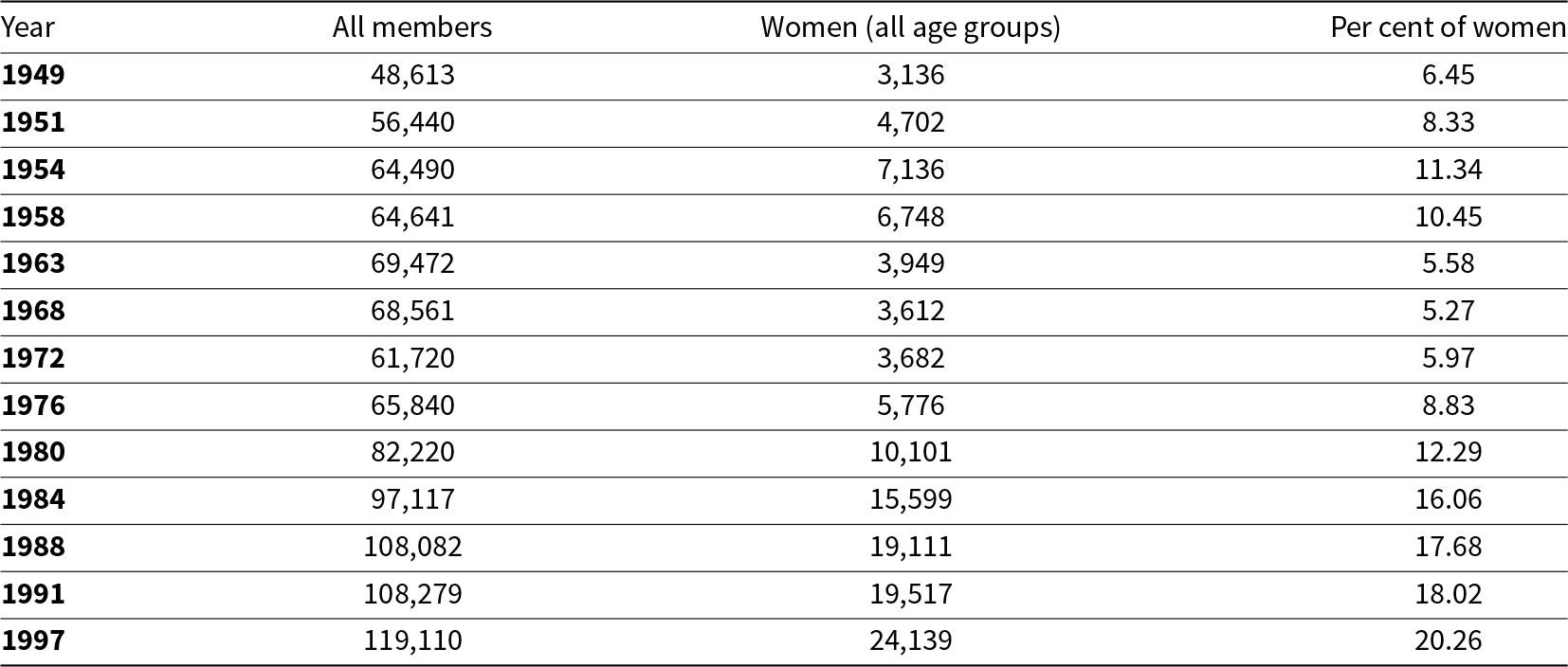
In the mid-nineteenth century, when the first volunteer fire brigades were established in Austria and Slovenia (then both part of the Habsburg Empire), they were exclusively associations characterised by male sociability and camaraderie.Footnote 1 Just under a century and a half later in 1990, women were still mostly excluded from Austria’s fire brigades, with the exception of a few isolated examples.Footnote 2 Conversely, by 1991, Slovenia’s volunteer fire brigades included 19,517 female firefighters of all age groups. They were part of the Firefighting Organisation of Slovenia and represented 18 per cent of all its members.Footnote 3 This article examines why such significant differences existed in women’s participation in volunteer fire brigades in both countries, paying attention to questions of democratisation, relations between state and civil society organisations and their role in the implementation of gender policies. The article claims that within the context of socialist democracy as it was practiced in Yugoslavia, the mobilisation of women in volunteer fire brigades occurred from the bottom up, while the interweaving of state and non-state actors enabled the realisation of progressive gender policies and broadened the boundaries of citizenship.Footnote 4 These mobilisations also created mixed economies of associational action, which provided both spaces of sociability and important social services at the local level, including socio-educational services for schoolchildren. In liberal democratic Austria, neither political parties, the feminist movement nor the Firefighting Organisation itself altered the undemocratic policies of women’s exclusion from volunteer fire brigades. This would only change following Austria’s negotiations with an international organisation, specifically the European Union, during the ascension process.
My decision to focus on women in Austrian and Slovenian fire brigades stems from my longer-term research into the history of volunteer firefighting in Central Europe. For the period after the Second World War, I came across sources that indicated increased cross-border cooperation, especially between fire brigades in the predominantly rural border zones between Austria and Slovenia. I was particularly struck by the astonishment of Austrian firefighters when women’s teams from a neighbouring socialist country participated in the cross-border firefighting competitions as competitors, rather than just as companions for male firefighters, as was the practice in Austria.
During the First World War, women in the Habsburg Empire were able to join volunteer fire brigades due to the absence of men. In post-war Slovenia, then part of the new Yugoslav state, the Firefighting Law of the early 1930s permitted women to be part of the sections within fire brigades that were concerned with providing medical assistance and organising cultural and educational events, but not with operational functions, that is, fighting fires. In Austria, women were excluded from the brigades during the inter-war period and then were obliged to join them during the Second World War. However, after the war, women were not permitted to enlist in brigades and would only gain the right to do so in the mid-1990s. In socialist Slovenia, the 1950s, as well as the decade between the mid-1970s and mid-1980s, represented peak moments of women’s participation in the Slovenian Firefighting Organisation.Footnote 5 My comparison of women’s involvement in these male-dominated associations between the mid-1970s and mid-1990s offers insight into participation practices and the broader gender politics of Austria and Slovenia. Due to the different timelines of the formal inclusion of women in fire brigades in each country and, consequently, the different scope of the sources, this article offers an asymmetrical comparison with Slovenia at the centre.
The article seeks to answer two questions. First, how did two political systems, namely liberal democracy in the case of Austria and socialist democracy in the case of Slovenia, encourage or discourage women’s participation at the local level, and what does this tell us about the role of civil society organisations in implementing gender policies? Second, how far did the border influence the activities of volunteer fire brigades and inspire the participation of women in rural border regions between Austria and Slovenia? By addressing these questions, the article contributes to – and draws from wider literature on – three distinct fields of scholarship: civil society organisations in twentieth-century Central and East Central Europe, post–Second World War gender politics in Austria and Yugoslavia and Cold War borderland studies.
Despite the long-standing importance of voluntary associations in Central and East Central Europe, comprehensive historical overviews remain scarce. Over the past ten years, scholars have paid particular attention to the role of civil society organisations during the (dis-)continuities of the transition from empires to nation-states through, for example, law, practices, or personnel. This body of work has also emphasised that voluntary associations were not necessarily opposed to or separate from the state but often interacted with its institutions.Footnote 6 Broader literature on voluntary practices tends to essentially ignore socialist societies as a potential object of study or deny any possibilities of genuine voluntary action under the conditions of state socialism.Footnote 7 Recent studies, however, have demonstrated how voluntary practices and civic participation were integral parts of socialist societies.Footnote 8 Going further still, scholarship on the history of socialist Yugoslavia points to the connections between civil society and democratic practices on the ground.Footnote 9
The article also draws on literature that has examined women’s organisations and gender politics in Central and East Central Europe. In the Austrian context, scholars have highlighted the inability of post–Second World War state-feminism to form any independent women’s movement that was ‘autonomous’ from political parties and other male-dominated organisations.Footnote 10 Regarding socialist states, literature has challenged the rigid binaries between ‘state’ and ‘women’ as well as the conventional view of Eastern European women’s organisations as mere representatives of ‘state feminism’. It underlines the importance of recognising women’s agency and asks to what extent the revolutionary activism of women’s organisations continued during late socialism.Footnote 11 By showing the bottom-up mobilisation of women into associations, including volunteer fire brigades, this article contributes to not just our understanding of civil society mobilisations in different political contexts but also understandings about how such civil society mobilisations enabled a robust mixed economy of social services and social welfare.Footnote 12
Finally, this article builds upon historiography that has examined the connection between borderlands, democratic practices and the politics of social welfare.Footnote 13 Scholars have shown how border regions represented rural, underdeveloped and peripheral parts of their respective countries, which had an impact upon gender equality, equal opportunities and women’s ability to exercise their citizenship rights.Footnote 14 Drawing on this literature, this article investigates whether cross-border cooperation between fire brigades opened new possibilities for the involvement of women and explores how Austrian and Slovenian rural politics encouraged women’s participation, including in volunteer fire brigades.
The archives of the Slovenian Firefighting Organisation are not publicly available and archival material from individual fire brigades is mostly scattered and incomplete. This article draws upon firefighters’ periodicals from the Burgenland and Slovenian Firefighting Organisations, as well as firefighters’ books and booklets, which were written mainly by the firefighters themselves and amateur historians. The article also uses archival sources from the Regional Historical Archives in Ptuj, Slovenia, to investigate women’s activities within the borderland region, as well as sources from the Archives of the International Firefighting Organisation in Přibyslav, Czech Republic, which are used to expand the discussion of women firefighters beyond the Austrian and Yugoslav cases. Since membership in Austrian fire brigades after the Second World War was legally limited to men, it is much more difficult to find women’s voices in the sources. During my field research in the Slovenian and Austrian borderlands, I was able to talk to firefighters of both sexes, who were active in their local fire brigades in the last decades of the twentieth century. While oral history is not my main research methodology, I draw upon some of the interviews in the article as well.
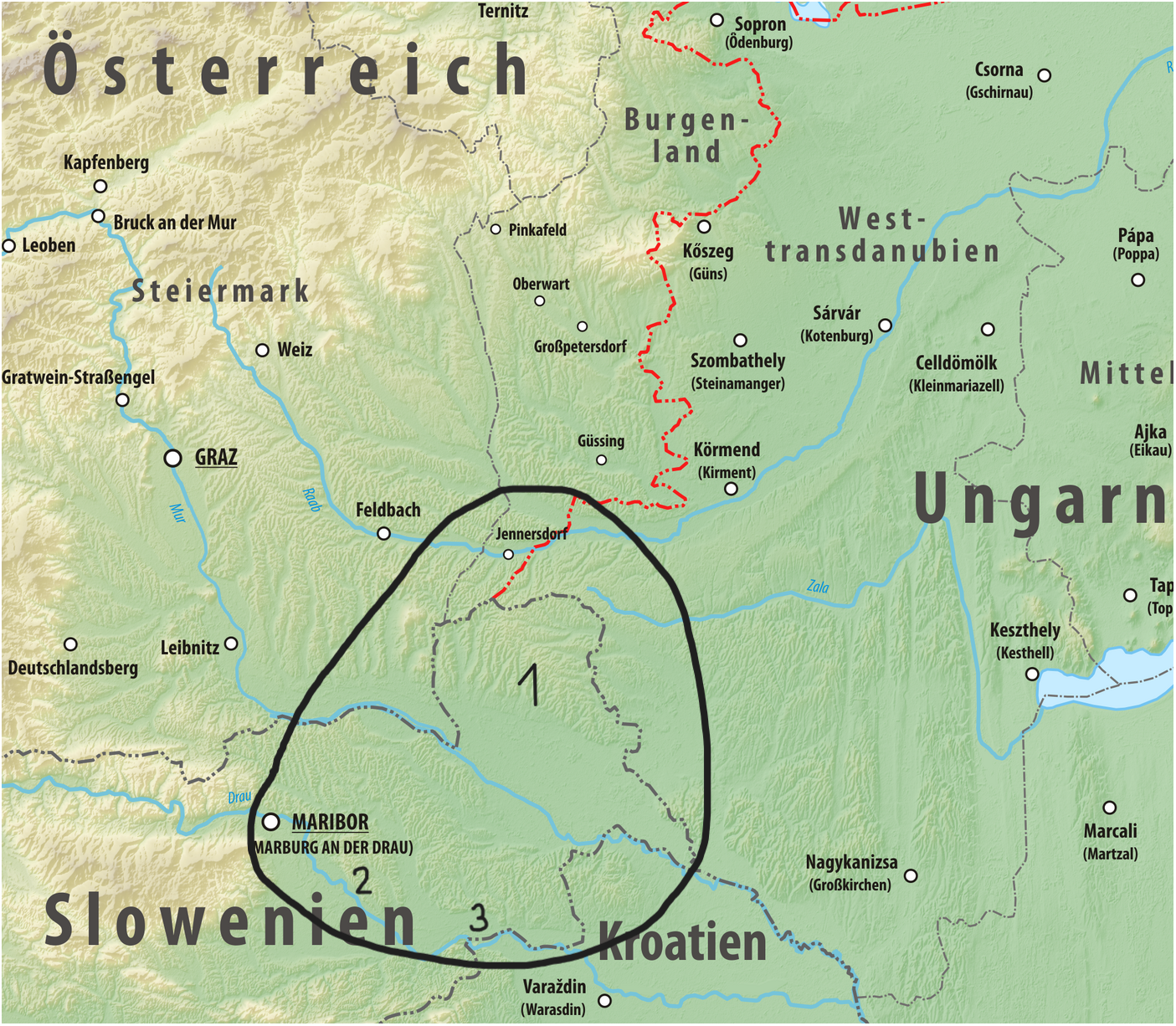
The first section of the article provides a brief history of women’s involvement in volunteer fire brigades in Central Europe, particularly in Austria and Slovenia in the first half of the twentieth century. The second section explains why the number of women members in the Slovenian Firefighting Organisation initially declined after the introduction of self-management in Yugoslavia, and how women’s membership experienced its second rise in the context of socialist democracy in the mid-1970s. The third section concentrates on the predominantly rural Austro–Slovenian borderlands, especially Prekmurje and eastern Styria in Slovenia and southern Burgenland in Austria (see Figure 1). It investigates how Slovenian civil society actors and the state implemented progressive, socialist gender policies in a shared effort to encourage the greater participation of rural women. The section also looks at the cross-border cooperation of firefighters and highlights the limited transfer of structures regarding women’s participation in the volunteer fire brigades in Austria. Finally, the article discusses political shifts and gender policies in Austria since the late 1970s following the consolidation of the liberal democratic regime, focusing on how EU ascension in 1995 enabled the gender democratisation of civil society organisations like volunteer fire brigades.
South Burgenland (Jennersdorf District) in Austria and Prekmurje Region (1) and eastern Styria, towns of Ptuj (2) and Ormož (3) in Slovenia.

The Participation of Women in Volunteer Fire Brigades in the Habsburg Empire and Its Successor States
In the Habsburg Empire, women’s emancipation was first publicly discussed during the revolution of 1848 in the context of the right to form political associations.Footnote 15 However, from the 1860s when the Habsburg Empire became a constitutional monarchy and voluntary associations began to proliferate, including fire brigades, associational laws regulated access to associations along gender lines. Firefighting association laws in the monarchy forbade women from joining. Nevertheless, the first women’s groups within fire brigades emerged with these laws in place, mainly due to the absence of men, who were either in work or called to war. The first known women’s fire brigade in the monarchy was established in 1906 in the Galician town of Radomyśl (in present-day Poland), after a fire broke out while most of the town’s men were working abroad.Footnote 16 According to the wife of the commander of the Konstanz brigade, women were closely connected with the fire brigades ‘through the care of their men’s uniforms. Nevertheless, they are only mentioned once a year at a celebration, when they receive a general thanks from the men’s world.’Footnote 17
During the First World War, women were allowed to join the brigades. As the president of the Slovene Firefighting Organisation in the Austrian crownland of Carniola noted in 1917: ‘during peacetime female participation in the brigades would be unjustified, however, considering the difficult times, they should join the firefighting’.Footnote 18 Similarly, in Upper and Lower Austria, regional firefighting associations were pushed ‘to call [upon] women for service as well’.Footnote 19
After the war, the transition of the European empires to nation-states was accompanied by Leninist and Wilsonian revolutionary tremors.Footnote 20 Women’s suffrage was granted in several states, for example in Russia in 1917 and in the United States in 1920, although this was limited due to racial discrimination. In 1918, women’s suffrage was also introduced in the new Austrian Republic.Footnote 21 Despite the democratisation of political life in Austria, volunteer fire brigades remained closed to women. Inter-war Yugoslavia, in contrast, did not introduce women’s suffrage. However, according to Giomi and Petrungaro, Yugoslav associational culture experienced feminisation, which was also noticeable in volunteer fire brigades.Footnote 22 The 1933 Firefighting Law of the Kingdom of Yugoslavia allowed all citizens over age 18 to join fire brigades regardless of gender, but women were only permitted to join the Samaritan (medical) or Cultural–Educational sections, whereas the operational section was reserved for men.Footnote 23 Despite this, only a few women joined the fire brigades.
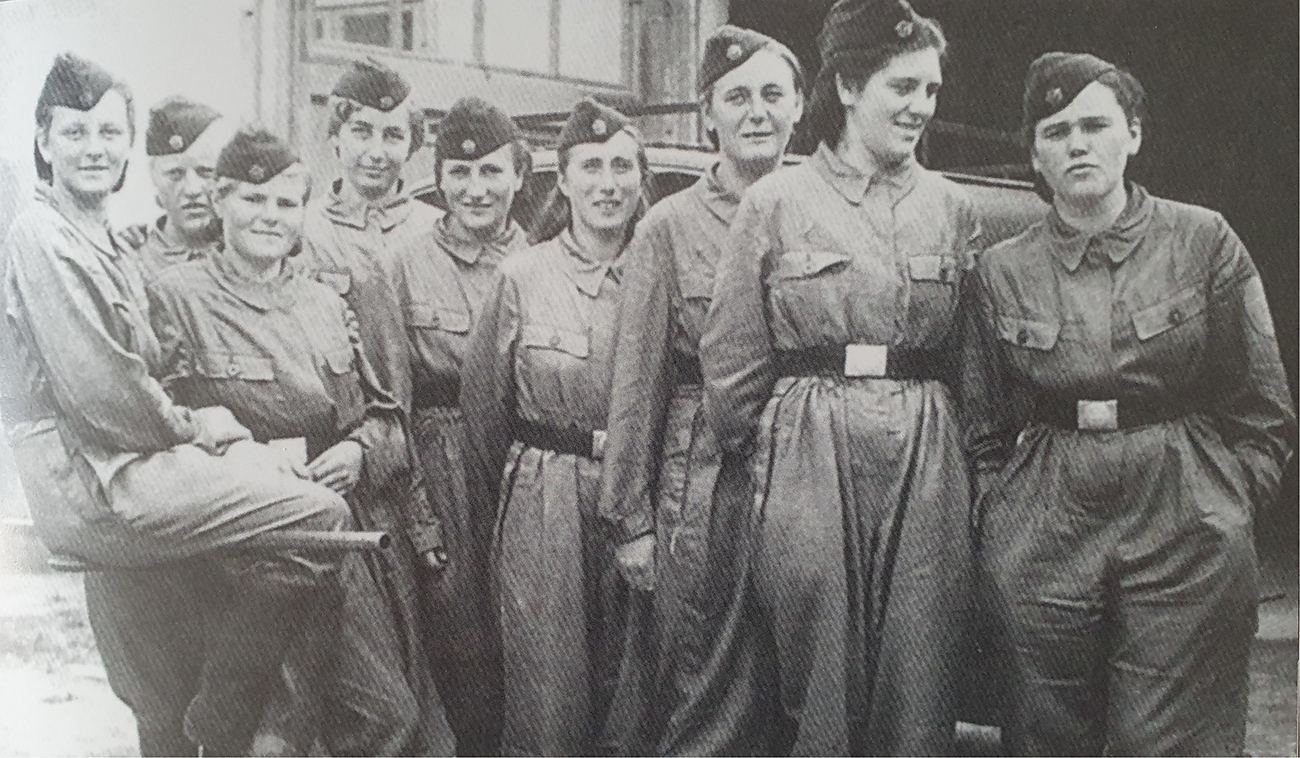
During the Second World War, Austrian women were obliged to participate in firefighting. For example, a circular issued in April 1943 in the territory of present-day Burgenland (then part of Gau Steiermark and Gau Niederdonau), ordered the training of women between the ages of 17 to 40 for the purpose of replacing the dwindling members of fire brigades in local communities. Women and girls, known as ‘firefighter assistants’ (Feuerwehrhelferinnen), were required to take over fire protection along with the Hitlerjugend (HJ, the youth organisation of the National Socialist Party) (Figure 2). In the publications produced by the Burgenland Firefighting Organisation, a large number of associations reportedly had Feuerwehrhelferinnen within their ranks, whose work also included collecting clothes and money for victims of bombardment.Footnote 24 In 1976, the monthly magazine of the Firefighting Organisation in Burgenland published an interview with a former Feuerwehrhelferin, who remembered her fire service during the war: ‘It was not a gimmick, not a girl’s romance; it was a harsh reality in an extremely difficult time, we had to prove ourselves. . . . It was the fulfilment of our duty for the good of the community.’Footnote 25 In an interview in 2016, another former Feuerwehrhelferin remembered: ‘It was a difficult time, but also a time of loyalty, camaraderie and fulfilment of duty. This camaraderie, this solidarity (Zusammenhalt), this existence for a responsible task (Dasein), plus the nice experiences: that was now over.’Footnote 26 Katharina Scharf explains that during National Socialism ‘all women’s activities were politicised, because they were no longer private, but services for the “national community”’.Footnote 27 Doris Gödl notes that ‘the activities of women in the areas of community welfare and childbearing were instrumentalised by the [National Socialist] movement, which publicly construed them as a means of serving “a good cause”’.Footnote 28 Two points stand out from the brief quotations of the former Feuerwehrhelferinnen: first, they understood their task as a duty to the community, and second, during the war, they were able to step into the men’s (public) world and then later missed this opportunity after the war was over.
Photograph showing ‘firefighter assistants’ (Feuerwehrhelferinnen) in Raiding, Gau Niederdonau, during the Second World War.

After the collapse of the Nazi regime and the beginning of the Second Austrian Republic, Austria became a neutral country. The two dominant political parties, which represented social democratic and Catholic-conservative traditions, understood democracy to be less about competition than consensus.Footnote 29 Both parties formed social subsystems in which women’s interests were subordinated to the overall interests of their respective parties.Footnote 30 The predominant conservative-corporatist male breadwinner system emphasised family values and foresaw separate spheres for men and women, the former at work and the latter in the home.Footnote 31
When it came to women and volunteer firefighting, Austrian women were once again barred from serving in local fire brigades. Despite this, there are a handful of examples of women’s firefighting groups that were created in this period. For example, in Upper Austria, the regulations for volunteer firefighters of 1961 stated that ‘to set up a volunteer fire brigade, enough male personnel (männliche Personen) are required’. However, the law also stated that ‘only healthy and strong people (Personen) can join the volunteer fire brigade’.Footnote 32 The term Personen is gender-neutral, which could explain why there were women among the firefighters in some Upper Austrian brigades after 1945 and after the Service Regulations came into force. However, it would take until 1997 before the Upper Austrian Firefighting Law would indisputably permit women to enter fire brigades.
Developments in Slovenia during and after the Second World War were starkly different to those in Austria. During the war, present-day Slovenia was occupied by its neighbouring countries (Germany, Italy, Hungary and the Independent State of Croatia). The occupiers destroyed all previous Slovenian bureaucratic structures and replaced them with their own. Associations were abolished, including fire brigades.Footnote 33
The Liberation Front of the Slovenian Nation (Osvobodilna fronta slovenskega naroda; Liberation Front, LF), which was established at the beginning of the war, agreed to immediate armed resistance against the occupiers. The groups in the LF were equal in principle, although the Communist Party of Slovenia had a leading role. The LF, which was part of the Yugoslav National Liberation Movement (NLM), began to construct their own governance and authority structures known as ‘people’s power’ (ljudska oblast, translated also as ‘people’s government’ or ‘people’s authority’). In areas under partisan control, the National Liberation Committees (NLC) became the political and governmental bodies of the NLM.Footnote 34 LF included elements of national and social revolution in its programme. The priority of the former was the struggle against the occupiers and the realisation of the idea of a united Slovenia (liberation of the Slovene ethnic territory) in a restructured Yugoslavia, which would respect the Slovene people’s right to self-determination. Regarding the latter, the programme announced the seizure of power and the introduction of a ‘consistent people’s democracy’ (dosledna ljudska demokracija).Footnote 35
The LF secured mass support, including large numbers of peasant women, through broad mobilisation with the assistance of organisations such as the Anti-Fascist Women’s Front (Antifašistična fronta žensk; AWF, established in 1942). The goal of the AWF was to unite women in national liberation and class struggles.Footnote 36 During the war, around 4 per cent of Slovenian women fought in partisan units, and in 1942, the Communist Party of Yugoslavia issued a regulation that gave women the right to vote in territories that had been liberated by the partisans.Footnote 37
In the first months after the war, the congress of the LF adopted a very broad programme centred around the notion that Yugoslavia was a people’s democracy.Footnote 38 The 1946 Constitution of the Federative People’s Republic of Yugoslavia, which was modelled on the 1936 Constitution of the Soviet Union, introduced the concept of ‘people power’, which was developed during the NLM, as the foundation of the new state. The constitution established the leading role of the state in the economy and introduced centralised planning. Importantly, the constitution guaranteed women equality in all areas of political, economic and social life, as well as the right to vote, the right to equal pay for equal work, the right to special protections in the employer–employee relationship, equal access to all public services and an equal position in the education system.Footnote 39
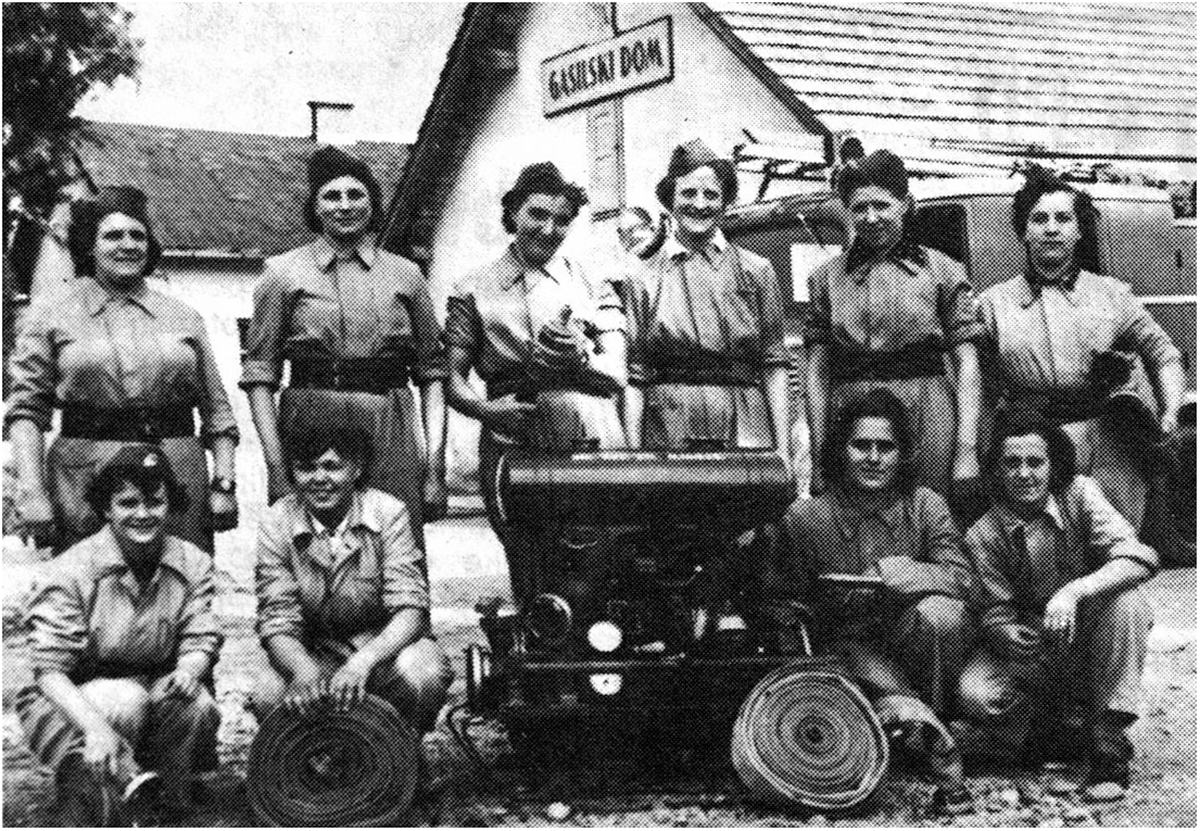
The same rights also governed the realm of firefighting associations. In 1948, a new law was passed that allowed any adult Yugoslav citizen to become a member of a volunteer fire brigade. Importantly, unlike the earlier 1933 law, the new law extended responsibility for operational tasks to women and created youth sections for boys and girls under the age of 14.Footnote 40 The model of mobilising women into the volunteer fire brigades resembled that of the LF during the war. Mass organisations within the LF, such as the AWF, youth and sport associations and the Red Cross, helped the Firefighting Organisation to achieve the broad mobilisation of women into the fire brigades. Vida Guček, who was elected to the Management Board of the Slovenian Firefighting Organisation, called upon firefighters from the countryside to attract women to the brigades.Footnote 41 Recruiting women was successful, and by 1954, more than 11 per cent of all members in the Slovenian Firefighting Organisation were women (Table 1 and Figure 3).
Membership of the Slovenian Firefighting Organisation, 1949–93Footnote 42

Table 1 Long description
The table reports Slovenian firefighting organisation membership by year, listing total members, the number of women across all ages, and women’s percentage share. Total membership increases overall from 48,613 in 1949 to 119,110 in 1997, with a notable rise after the mid 1970s. Women’s membership grows from 3,136 in 1949 to 24,139 in 1997. The women’s share starts at 6.45 percent in 1949, climbs to 11.34 percent in 1954, then drops to around 5 to 6 percent from 1963 through 1972. From 1976 onward, women’s representation rises steadily, reaching 12.29 percent in 1980, 17.68 percent in 1988, 18.02 percent in 1991, and 20.26 percent in 1997. The lowest women’s count is 3,612 in 1968, while the highest is 24,139 in 1997. Percentages reflect women’s share of members for each listed year and do not explain causes for the mid period decline or later growth.
A group of ten women firefighters in Studenci, Maribor, Slovenia, around 1959.

Practicing Socialist Democracy: Female Firefighters in Late Socialist Slovenia
Following Tito’s well-known split with Stalin in 1948, Yugoslavia once again reversed its course and began a process of de-statisation. It introduced a theory of self-management as an alternative to the Soviet-style state socialism and people’s democracy characterised by state property and centralisation of power. Instead, it put forward Yugoslavia’s own ideas of socialist democracy with bottom-up mobilisation as its main feature.Footnote 43
The self-management system aimed to decentralise power, allowing citizens to directly influence policy and workers to manage enterprises. In 1950 the Basic Law on Self-Management was adopted and the first workers’ councils elected.Footnote 44 State centralism was abandoned, the rights of the republics and autonomous regions were increased and self-management was introduced into municipalities. The Law on People’s Committees in 1949 and 1952 and the communal system that was introduced in 1955 continuously increased the legal powers of the municipality and their financial independence from the state. In 1952 a local referendum was introduced, which enabled citizens to participate in the matters of their communities, for example for infrastructure development.Footnote 45
The period after 1953, when self-management had been introduced into the country’s constitution, has been referred to as the period of socialist democracy by Yugoslav political and legal theorists.Footnote 46 Socialist democracy in Yugoslavia, in contrast to people’s democracy, was based on decentralisation of power with the aim of abolishing the state. In Yugoslavia, property belonged not to the state or individuals but rather to society as a whole, which in practice meant that the participation in decisions of how to manage the income generated was left to those who produced it.
Once self-management was introduced in the Yugoslav factories and local self-governance, the AWF was abolished by the LF in Slovenia and the People’s Front in other Yugoslav republics through state and Communist Party directives. Instead of one large women’s organisation, several smaller women’s organisations became part of the newly formed Socialist Alliance of the Working People (Socialistična zveza delovnega ljudstva; SAWP), which was comprised of former LF/People’s Front mass organisations, including fire brigades.
Recent new studies claim that women’s activism continued in the post-AWF women’s associations within the transformed LF/People’s Front, the SAWP.Footnote 47 Scholars have considered the fact that the dissolution of the AWF did not lead to the abandonment of women’s emancipation policies in socialist Yugoslavia but instead actually led to incorporation of these policies into institutions and the socialisation (podružbljanje)Footnote 48 of functions from individuals and families to communal management.Footnote 49 The next section explores this socialisation of function using the example of childcare and the involvement of volunteer fire brigades in this process.
Volunteer Firefighters and Social Care
Until 1953, the Slovenian Firefighting Organisation, together with other mass organisations, had encouraged the participation of women in fire brigades, but the decision to include women was now largely left to individual local brigades. Following the granting of greater independence of municipalities and local communities, the number of women in volunteer fire brigades began initially to decline (see Table 1). Administrative decentralisation continued, and the 1963 Yugoslav Constitution introduced local communities as territorial units within larger municipalities, which then became a mandatory category in the 1974 Constitution. The Socialist Republic of Slovenia had sixty municipalities and 1,050 local communities, of which 72 per cent had fewer than 2,000 citizens.Footnote 50 Local communities were conceived as a space for humanising relations in the neighbourhood and shaping the local environment according to an extended family model.Footnote 51 The number of local communities roughly matched the number of territorial volunteer fire brigades (1,275), and the latter were an important institution where many social activities took place at the local level.Footnote 52 According to a firefighter from Prekmurje, the youth ‘satisfies its interests and needs in the fire brigades, as they are the centres of cultural, sports and entertainment life in the village’.Footnote 53 Marjeta Erdela from the volunteer fire brigade in Zgornja Ščavnica, a village near the border with Austria on the Mura River, told me that as a young mother in the 1980s, instead of staying at home with her children, she took them with her to the firefighting station (in Slovenian since the Habsburg times called gasilski dom, or ‘firefighting home’), so she could do her firefighting practice while children socialised with the children of other firefighters.Footnote 54
In socialist self-managing Yugoslavia, caring for children was understood as not only a concern of individual families but also, more broadly, a societal concern (družbena skrb). Vida Tomšič, a high-ranking Yugoslav politician who was interested in the social position of women, gender equality and family issues, made the following observation in 1980:
We are overcoming the notion that childcare is a problem that only affects the children of working women and that it is a ‘women’s problem’ that makes female labour more expensive. Childcare is becoming a societal problem of the broadest character.Footnote 55
Regarding self-management in local communities, Tomšič argued that ‘[C]hild welfare, just like social welfare, is solved in the local community as a common societal concern’.Footnote 56 In order to provide care for children, the disabled or the sick, it was necessary to establish all-day public care institutions. This was achieved with the help of ‘voluntary self-imposed contributions’ (samoprispevek), which were introduced in the late 1960s and early 1970s.Footnote 57 By the 1980s, public care institutions were widely used and operated during the working hours of parents who worked full time. For example, in Ormož Municipality in eastern Slovenia, which had about 18,500 inhabitants in the late 1960s, there were fifty children in one school kindergarten, with just one group of children being looked after in the afternoon. By the early 1980s, Kindergarten Ormož was an independent organisation with different local units. It had ten groups of around thirty-five children each and offered the possibility of afternoon care.Footnote 58
In 1974, all-day school (celodnevni pouk) was introduced to provide care for children while parents were at work.Footnote 59 In addition to the regular lessons, the all-day school was supposed to organise and implement an expanded programme that included independent learning, free time filled with activities and healthy meals. One of the principles of the all-day school was the democratisation of education, which was realised through the differentiation and individualisation of the educational process in the regular and extended part of the programme. With its enriched programme structure, it was supposed to meet the needs of different pupils and take into account their individual abilities, interests and inclinations.Footnote 60
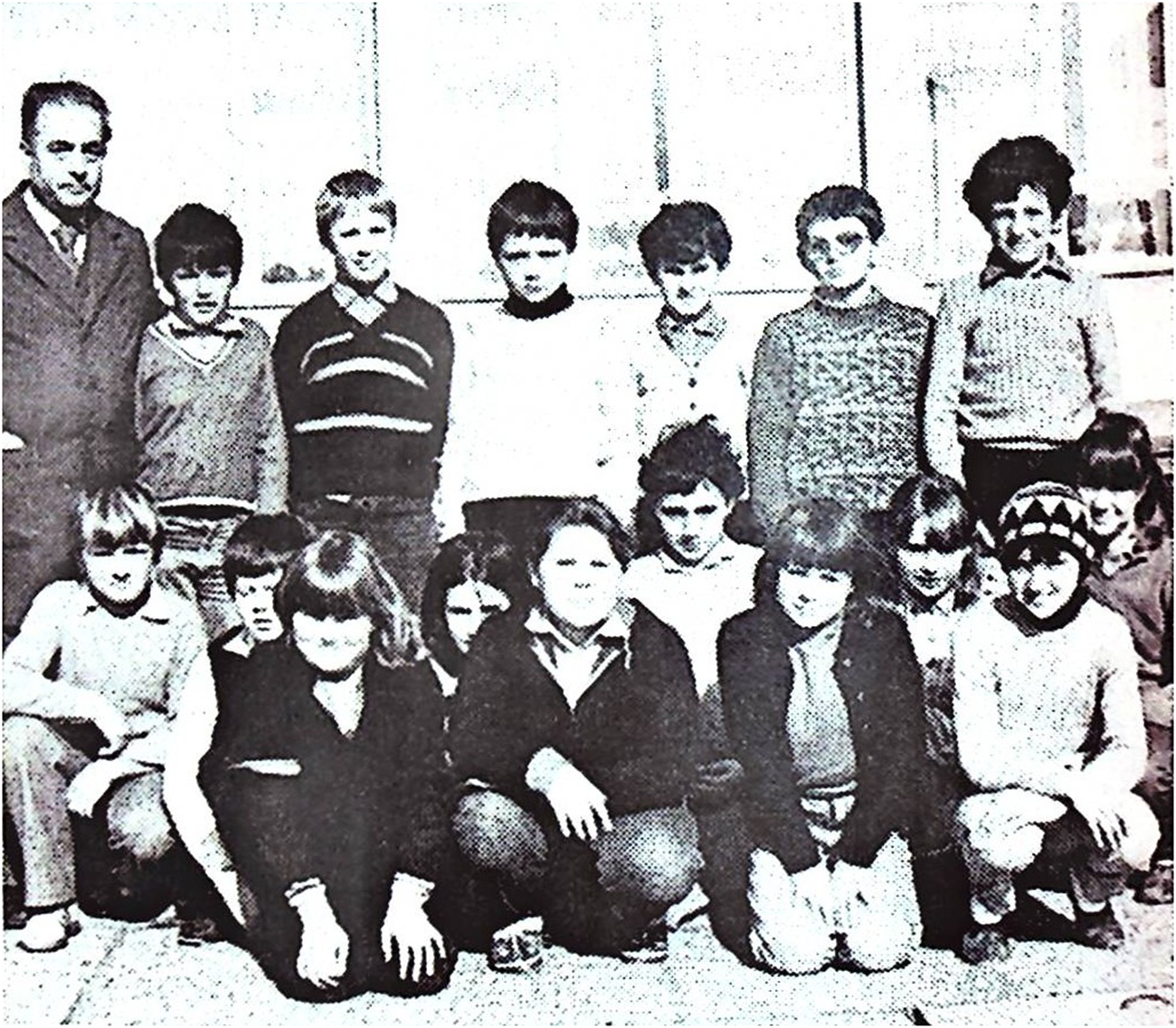
Within the socialist version of the mixed economy of welfare, various mass organisations, as well as voluntary associations, participated in the socialisation of reproductive work, such as childcare. In 1974, the Slovenian Firefighting Organisation adopted regulations regarding work with Pioneer and Youth firefighters who were under 18. These regulations, approved by the Slovenian Education Institute, encouraged local firefighting brigades to actively cooperate with all-day schools and participate in their programmes.Footnote 61 In the following years, women and men volunteer firefighters served as mentors for a school activity called Young Firefighters (Mladi gasilec), which included both learning theory in the field of fire prevention and practical exercises, such as laying fire hoses or exercises with firefighting tools. Young Firefighters also organised numerous sports games and hikes, as well as a summer camps.Footnote 62 In this way, members of the fire brigade not only participated in organised childcare but also helped popularise firefighting among children, the future generation of firefighters – among boys and importantly also girls (Figure 4) – and enabled parents to have more time for leisure activities, such as joining the fire brigades. Programmes like Young Firefighters supported the Slovenian Firefighting Organisation to slowly reverse the trend of declining numbers of women in the organisation (see Table 1).
Members of the Young Firefighters group in a primary school in Lendava (Prekmurje, 1982).

Volunteering and Extended Socialist Citizenship
Membership in the volunteer fire brigades included important individual rights, like accident insurance, the possibility of personal advancement and the right to hold and participate in elections within fire brigades. In this regard, looking at women’s membership in volunteer fire brigades sheds light on socialist citizenship in Yugoslavia and on the ways in which volunteering in the brigades empowered women as socialist citizens and provided them with a sense of accomplishment and independence.
In their edited volume about citizenship in post–Second World War Europe, Rachel Chin and Samuel Clowes Huneke note that while instabilities and contradictions were at the heart of citizenship in liberal or state socialist societies alike, the chapters focusing on the latter point to ‘the very appealing nature of the socialist project’.Footnote 63 Rachel Weisner’s study on the intersection of gender, labour and socialist citizenship in East Germany shows how women actively participated in the socialist state through wage labour but also that it was through the factory that many women understood their roles and rights as socialist citizens.Footnote 64 Nina Vodopivec draws similar conclusions in her study of women textile workers in socialist Slovenia. Vodopivec argues that the work in state socialism was much more than a duty. The experience of workers’ participation in the procedures of the factory represented the basis of socialist democracy, as this right conveyed a particular sense of entitlement that shaped social and political rights.Footnote 65
Yugoslav women also exercised their rights as citizens within voluntary fire brigades.
As members of a fire brigade, they participated in electing the leadership of the brigade as well as standing for election to the firefighting association at different levels. Ensuring equality between women and male members of the Firefighting Organisation also meant providing women firefighters with appropriate training, education and opportunities for their promotion to higher ranks and management positions. In 1958, in the seventy-six–member Plenum, representing the highest body of the Slovenian Firefighting Organisation, there were nine female members.Footnote 66 Among them was Vida Guček Černe (1921–98), who at age of 24 became first the elected secretary of the local Trbovlje fire brigade and was, after her mandate in the Slovenian Firefighting Organisation, elected multiple times to the Yugoslav Firefighting Organisation. In 1986, when she was once again the secretary of the Trbovlje municipal firefighting association, Guček Černe received the Hace award, the highest award for merit given by the Slovenian Firefighting Organisation.Footnote 67
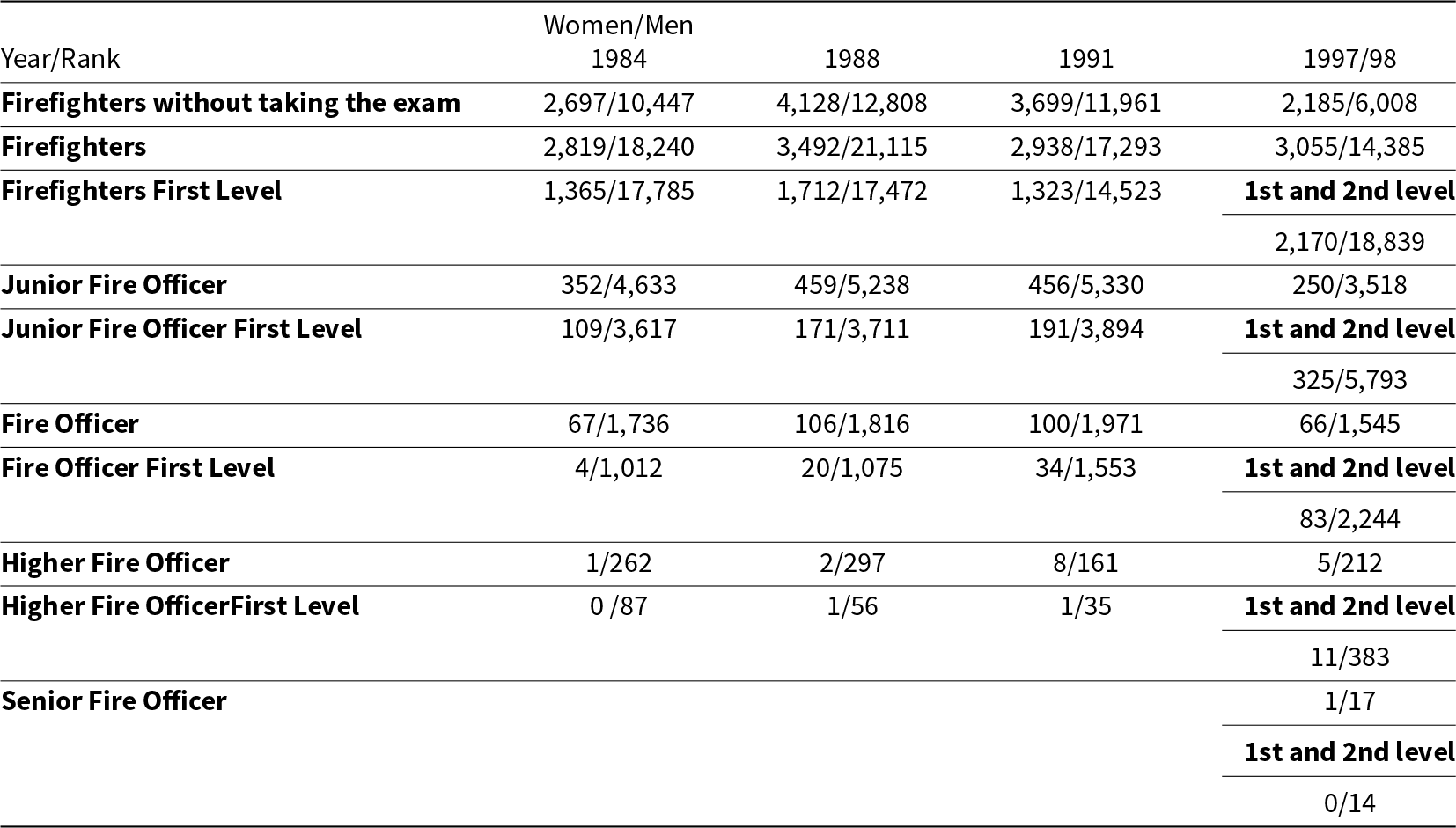
Between 1950 and 1958, in the operative branch (where teams extinguished fires), women made up 149 of the 1,229 participants in the junior fire officer courses and 6 of the 291 participants in the four- and one-month fire officer courses.Footnote 68 In order to move from one firefighting qualification to another, it was necessary to complete a firefighting course and successfully pass an exam, as well as to gain several years of experience between the two qualifications (Table 2). For example, Mira Poje (b. 1937), a volunteer firefighter in the Trnovo fire brigade and a seamstress working in a factory, completed an advanced firefighter course in 1952 and in 1956 obtained the rank ‘Firefighter’. In 1966, Poje, then a single mother, obtained the rank ‘Junior Fire Officer’, in 1969 she became a ‘Fire Officer’, in 1972 a ‘Fire Officer of the First Level’, in 1975 a ‘Higher Fire Officer’ – and in 1986, she became the first female ‘Higher Fire Officer of the First Level’, which was then the highest rank in volunteer firefighting.Footnote 69 Poje’s example indicates the lengthy process of promotion from one firefighting rank to another.
Number of women and men in the firefighter qualification ranks in the operative branch between 1984 and 1997 in the Slovenian Firefighting Organisation.Footnote 73

Table 2 Long description
Counts of women and men are listed for firefighter qualification ranks in the operative branch for 1984, 1988, 1991, and 1997/98. In the largest categories, women remain a minority: firefighters without the exam are 2,697 women and 10,447 men in 1984, rising to 4,128 and 12,808 in 1988, then falling to 2,185 and 6,008 by 1997/98. The firefighter rank shows women around three thousand while men range from about fourteen thousand to twenty-one thousand, peaking in 1988 at 3,492 women and 21,115 men. Mid-level ranks also show large gaps, for example junior fire officer is 352 women and 4,633 men in 1984 and 250 and 3,518 in 1997/98. Several “first level” rows in 1997/98 are combined as “first and second level,” such as firefighters first level at 2,170 women and 18,839 men, junior fire officer first level at 325 and 5,793, and fire officer first level at 83 and 2,244. Higher ranks have very small numbers of women, such as higher fire officer at 1 woman and 262 men in 1984 and 5 and 212 in 1997/98, and senior fire officer appears only in 1997/98 with 1 woman and 17 men plus a combined first and second level entry of 0 women and 14 men. Overall, men consistently dominate every rank, and changes over time vary by rank, with some categories peaking around 1988 and declining by 1997/98. Comparisons across years should note the 1997/98 consolidation of first and second levels, which limits direct like-for-like matching for those rows.
The number of higher ranks also depended on the number of female firefighters at the entry level. When female membership in the Firefighting Organisation began to decline in the late 1950s, this caused disruption within the promotion chain. The Firefighting Organisation attempted to popularise women’s firefighting by increasing the number of female competition units (where women’s teams competed in various disciplines related to firefighting) and forming a commission for the work with female members within the National and Municipal Firefighting Associations. In 1977, regulations were adopted on education, titles and ranks of volunteer firefighters, which set special conditions for the advancement of female members. In 1979, the monthly magazine of the Firefighting Organisation launched a special section dedicated to women members.Footnote 70
After the number of women members in the Slovenian Firefighting Organisation began to increase again in the mid-1970s, the number of women firefighters with higher ranks also began to slowly increase from the mid-1980s. In 1984, the Slovenian Firefighting Organisation began publishing the number of women in individual ranks, indicating awareness of the importance of encouraging women to advance in obtaining operational ranks (Table 2). The number of qualification ranks according to gender ratios, as indicated in Table 2, suggests that the world of firefighting in late socialist Slovenia still remained significantly gendered, despite gender-neutral legislation and attempts to mobilise women in this field. It also suggests that women were far less likely than men to reach the higher ranks of the organisation. However, the numbers also indicate how a traditionally male organisation managed to reverse the trend of declining women membership and subsequently the number of women in higher ranks.
A report on work with women members from the 1988 Firefighting Congress shows that the work had only just begun.Footnote 71 In 1986, the Firefighting Organisation published a Handbook for the Work with Women Members and numerous meetings of women firefighters were organised throughout Slovenia, as well as seminars for leaders of municipal firefighting committees for work with women. Mira Poje, who was the leader of one of these committees, remembers that a lot of effort was invested in activities to include women. At the same time, it was not the intention that women would represent a separate unit within the fire brigade, but, as was also her experience, work in the fire brigade was a unifying force regardless of gender.Footnote 72
In 1988, the Slovenian Firefighting Congress set a goal of 20 per cent female membership in the Firefighting Organisation by the next congress. In 1993, after Slovenia became a post-socialist state and seceded from Yugoslavia, the evaluation was prepared by Marinka Cempre Turk, who had just been elected vice-president of the Slovenian Firefighting Organisation. Cempre Turk (b. 1956), from Logatec, a graduate in library science and Russian, first became a volunteer firefighter in 1973. In 1978, she obtained a rank of Junior Fire Officer, in 1983 became a Fire Officer and in 1990 a Higher Fire Officer. In 1984, she also became a judge for firefighting sports disciplines.Footnote 74 In her report at the 1993 Firefighting Congress, Cempre Turk noted that while the organisation did not achieve the desired goal, there were still more women members than at the previous congress, which meant that 18 per cent of membership was now female. Cempre Turk explained that the 20 per cent goal had not been met because of the difficult economic situation, which forced women to look for additional employment and thus meant that they had less time to participate in fire brigades. At the same time, Cempre Turk noted that more than half of the members worked in operations. As an experienced firefighter, she concluded her report by saying that it was necessary to continue to include women in fire brigades because the results, despite all the difficulties, showed that the organisation was on the right path.Footnote 75
Women Firefighters in the Borderlands
The rural borderlands between Austria and Slovenia offered rich opportunities for women’s participation in volunteer fire brigades, and these opportunities differed based on the different political systems. In liberal Austria, women participated as the companions of their firefighter husbands or assisted in the organisation of border firefighting meetings, for example by preparing and serving food. Women also assisted in this manner in socialist Slovenia, but they could also be formal and legal members of fire brigades and therefore were able to participate as competitors in the formal, competitive part of the meetings.
Pursuing Equal Opportunities for Women in the Rural Slovenian Borderlands
In the mid-1970s, the Slovenian Firefighting Organisation succeeded in reversing the trend of declining or stagnant membership, and by 1980 the female membership levels had surpassed those of the mid-1950s (see Table 1). This process placed firefighting brigades at the forefront of movements for rural–urban and female–male equality. In the first post-war decades, when Yugoslavia underwent rapid industrialisation and urbanisation, industrial workers and development of urban infrastructure had been the top priorities. It was only in the 1970s that the living and working situation of women farmers became a more frequent subject of discussion and policy in Slovenia.Footnote 76 Gradually, female farmers gained the right to pensions, disability insurance and the right to maternity leave.Footnote 77 However, accessing some of these social rights on mixed farms was dependent on their husbands’ engagement in wage labour.Footnote 78
One organisation that addressed the situation of women farmers was the Co-operative Federation of Slovenia, which established women farmer sections (aktivi kmečkih žen; AKŽ) within its regional branches. In the early 1970s, the AKŽ advocated for a better social position for women farmers and achieved the right to maternity leave for its members in 1982.Footnote 79 The AKŽ also provided training on ways to secure additional income, such as seminars on how to prepare food for tourists on the farm. This was important for the improvement of women farmers’ living standards because gaining adequate income exclusively from agricultural production was difficult. For example, in the regional Co-operative in Ptuj there were eleven local AKŽ, which focused on educating farmers on how to increase agricultural tourism.Footnote 80
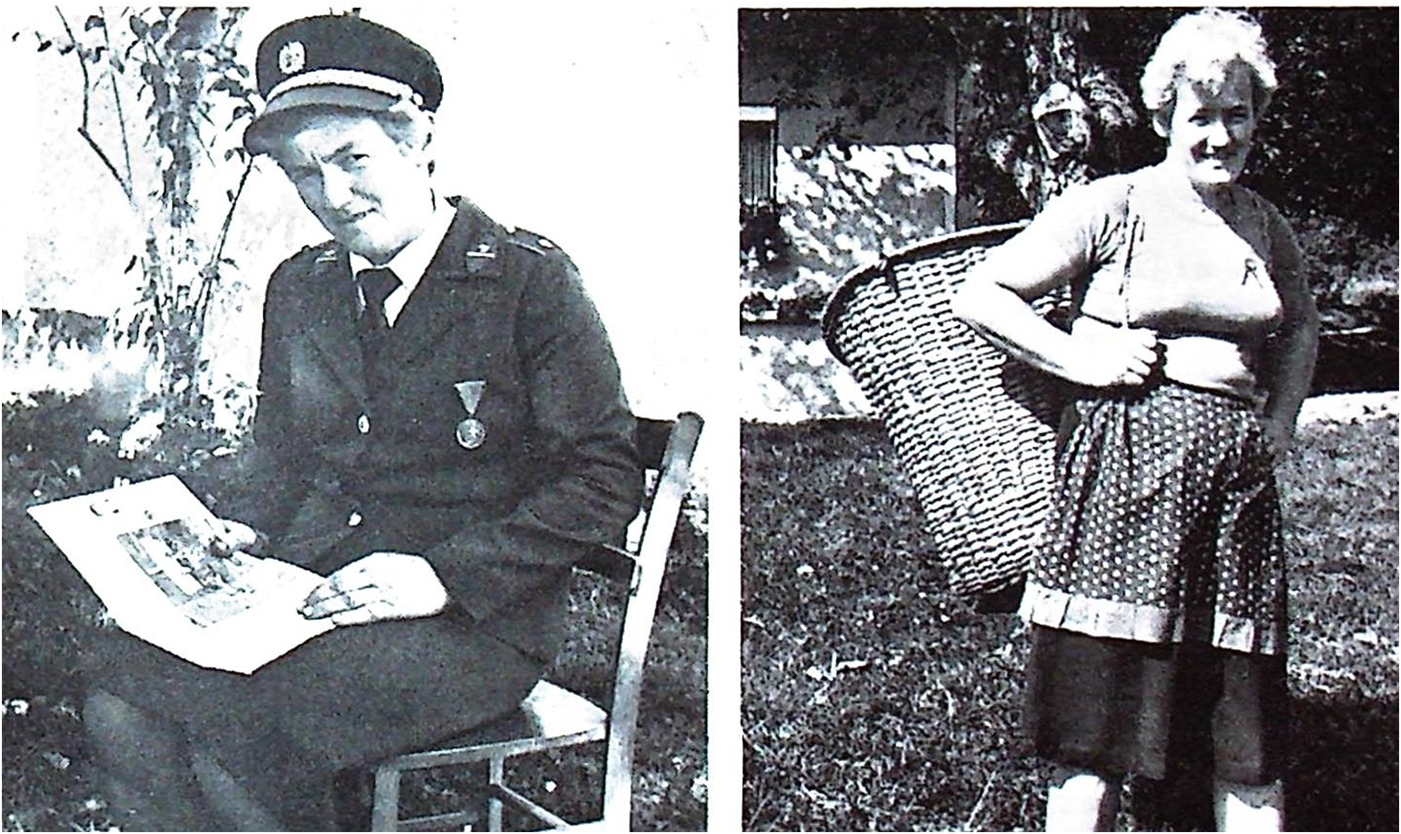
After the abolition of the AWF in 1953, a Federation of Women’s Associations (Zveza ženskih društev) and a Commission for Women’s Social Activity (družbena aktivnost žena; DAŽ) were established within the SAWP (the former LF in Slovenia). In 1961, they both merged into municipal, republican and federal DAŽ branches (konference). Their purpose was to bring together various socio-political, social and economic organisations, state administrative bodies and social, health, educational and other institutions in order to find institutional solutions for the implementation of systemic emancipatory policies.Footnote 81 One of the demands of the DAŽ in Ormož Municipality was to ensure that farm women in remote villages were given the same rights (personal income, social insurance, child benefit and so on) as those living in towns and engaging in non-agricultural activities. As the members of the DAŽ wrote: ‘Farm woman have to feel equal to everyone else.’Footnote 82 One of DAŽ’s concerns was the representation of women farmers in self-management bodies. Survey data from the mid-1980s showed that 39 per cent of Slovenian women farmers believed that the representation of rural women in self-management bodies was adequate, whereas 33 per cent answered ‘do not know’ and the remaining 28 per cent did not offer specific critique of the DAŽ.Footnote 83 These numbers may seem low, but they show the progress achieved by the work of local DAŽs. For example, in 1972, the DAŽ in Ptuj municipality, which according to its report was one of the least developed municipalities in Slovenia, discussed the state of socialist democracy.Footnote 84 The members noted that more had to be done to include women farmers in leading positions and various representative bodies, socio-political organisations and associations (Figure 5). In 1972, as the report showed, the largest number of women farmers were included in fire brigades, with one woman being in the leadership position as an officer. The women’s team from Zamušani, a village situated between Ptuj and Ormož, was particularly distinguished, as they achieved first place in the republican firefighting competition.
Irena Glagovšek, a farm woman and a firefighter with an Officer Rank (Mali Kamen, Slovenia, 1983).

Alongside organisations concerned with social problems and the representation of women in rural areas, the Slovenian government initiated a programme to promote long-term, targeted economic assistance to less developed areas.Footnote 85 This programme was a response to growing disparity in economic prosperity between larger towns and economic centres, which had developed rapidly in the first decades after the Second World War and left peripheral regions lagging behind.Footnote 86 Companies were encouraged to invest in less developed regions, which meant that industrialisation spread to areas where agriculture had dominated the local economy. As part of this programme, the Okus fashion clothing factory, for example, was established in the early 1970s in Radlje ob Dravi in north-eastern Slovenia, which was listed among the least developed local communities. The new factory exclusively employed women and established a volunteer fire brigade in 1975 with a team of sixteen women, for which the company offered professional education and funds for the uniforms so that the team was able to participate in firefighting competitions and meetings.Footnote 87
In pursuing equal opportunities for women’s participation in both urban centres and rural borderlands, it was not surprising that in June 1975, in the small Slovenian town of Ormož in eastern Styria, a rally was organised to mark International Women’s Year (IWY) and the thirty-year anniversary of Yugoslavia’s liberation from the Nazis. The rally was attended by 2,000 female and 1,000 male firefighters, as well as 5,000 spectators.Footnote 88
In the early 1970s, eastern Styria and Prekmurje were still mostly agricultural and the two least industrially developed Slovenian regions. In 1973, 65 per cent of inhabitants of the Ormož Municipality were engaged in agricultural production. Over a third of the region’s 3,010 farms were small and mixed farms where women farmers did the majority of the daily labour and where men tended to work away from the farm in wage labour.Footnote 89 Activities in Slovenia within the framework of the IWY coincided with the wider republican programme to assist underdeveloped regions. They advocated for action related to issues of employment, education, career guidance, safety at work, family and children, the implementation of all-day school and the socialisation of certain household functions.Footnote 90 The IWY activities in Slovenia fostered the involvement of numerous and diverse organisations on the local level. Meetings were held in all Slovenian municipalities, as well as in some factories and local communities.Footnote 91 For example, in the municipality of Ormož, there was a meeting of female agricultural producers and a meeting of female firefighters.
The importance of the IWY for the participation of women within the settings of socialist democracy further complicates our understanding of the relation between the state, socio-political organisations and women’s activism. The Firefighting Organisation of Slovenia used the IWY and the rally in the province as a forum to discuss how to empower women to join the organisation.Footnote 92 Success showed itself after some time. At the 1980 Firefighting Congress, Milica Car noted that
It is difficult for a woman farmer to find free time, as her working hours last from morning to evening, especially in Pomurje [area on both sides of the Mura River in Prekmurje and Styria], which is a distinctly agricultural area. Despite the difficulties, we strive to participate equally in the fire service, not only in meetings but also in competitions and various gatherings.Footnote 93
Four years later, in 1984, the Lendava Firefighting Association in southern Prekmurje was among the most successful regional associations in its inclusion of women. Success, however, depended on not only the efforts of the Firefighting Organisation and its internal organisation in relation to women but also broader societal concern for ensuring individual rights, the expansion of civil rights and the institutionalising of certain care tasks that were discussed and implemented from the bottom up.
Post-War Cross-Border Cooperation
The successes in the Slovenian countryside regarding women’s membership in fire brigades did not go unnoticed on the Austrian side of the border. Austrian and Slovenian firefighters had cultivated cross-border cooperation before and after the collapse of the Habsburg monarchy and the establishment of new nation-states. While cooperation had been interrupted during the Second World War, it was re-established again in the early 1950s. Firefighting gatherings, which included firefighting competitions, dances and tombolas, offered volunteer firefighters opportunities for sociability and the exchange of new practices and ideas. In the 1950s, diplomatic relations between Austria and Yugoslavia were established through an agreement regarding the regulation of border traffic.Footnote 94 By the early 1960s, contact between the firefighters along the Austrian–Slovenian border had grown even more vibrant. In 1967, the firefighters from southern Burgenland and Prekmurje agreed on a wider cooperation between their associations, driven by the desire to help each other in case of accidents and to organise joint competitions and celebrations.
One of the initiators of cross-border cooperation in southern Burgenland was Mr Windisch from the Volunteer Fire Brigade of Windisch Minihof in the Jennersdorf district. His wife, Mrs Windisch, was also involved in local firefighting activities. When I asked her about her memories of cross-border cooperation, she immediately recalled the phrase Gastfreundschaft (hospitality). ‘The women’, she said, ‘performed the important task of preparing food, serving and cleaning at these events’.Footnote 95 Similarly, as in Slovenia, volunteer fire brigades in Austria represented a vital part of the local community, where women and men contributed their time for the good of the community. In their voluntary help for the local fire brigades, Austrian women, however, were not formally members of fire brigades and consequently did not enjoy member rights.
Burgenland was the most economically underdeveloped Austrian federal state. During the 1960s and 1970s, structural changes led to the gradual transformation of a predominantly agricultural economy into an industrial and service-based economy. Particularly in the north, an increasing number of industrial enterprises were established, which primarily employed young, poorly educated and low-paid women.Footnote 96 In the 1960s, a new textile company was established with around 800 employees (most of whom were women) in the south Burgenland Jennersdorf district, which had around 19,000 residents in total.Footnote 97 In her ethnographic research, Isabella Wahlhütter interviewed a number of women who worked in the Jennersdorf factory while at the same time still living on their farms. One of them told her about the challenges of balancing the multiple burdens of childcare, farming and shift work at the factory:
When I was working at Vossen [the textile factory], my grandmother would look after the little one. One week we worked the early shift, one week the late shift, until 22:45. I would be out in the fields in the morning, then come home and cook. After lunch, I’d have a strong coffee and then I was ready for work.Footnote 98
Kindergartens were scarce: until the mid-1980s, there were just two kindergartens with three groups in the district (around the same time there were ten groups in Ormož Municipality, as discussed earlier) despite the consistently high number of children attending.Footnote 99 While retirement homes and facilities for the severely disabled were established in the 1970s in the Jennersdorf district in partnership with the parish,Footnote 100 there is little information about the involvement of associations in caring for children beside kindergartens and private arrangements.Footnote 101 Regarding volunteer fire brigades, only school boys could join, where in the words of a Burgenland firefighter they were ‘given tasks that make them “manly”’.Footnote 102
Given the position of working women in Burgenland and the role of women in fire brigades in Austria, it was not surprising that the Jennersdorf firefighters were astonished to see two women’s firefighting teams from Prekmurje participate in the 1971 cross-border competition.Footnote 103 Austrian teams elsewhere reacted in a similar manner. In 1973, firefighters from Slovenia attended an international competition in the Lower Austrian town of Horn with a women’s group, which ‘attracted a lot of attention, because they were the only ones’.Footnote 104
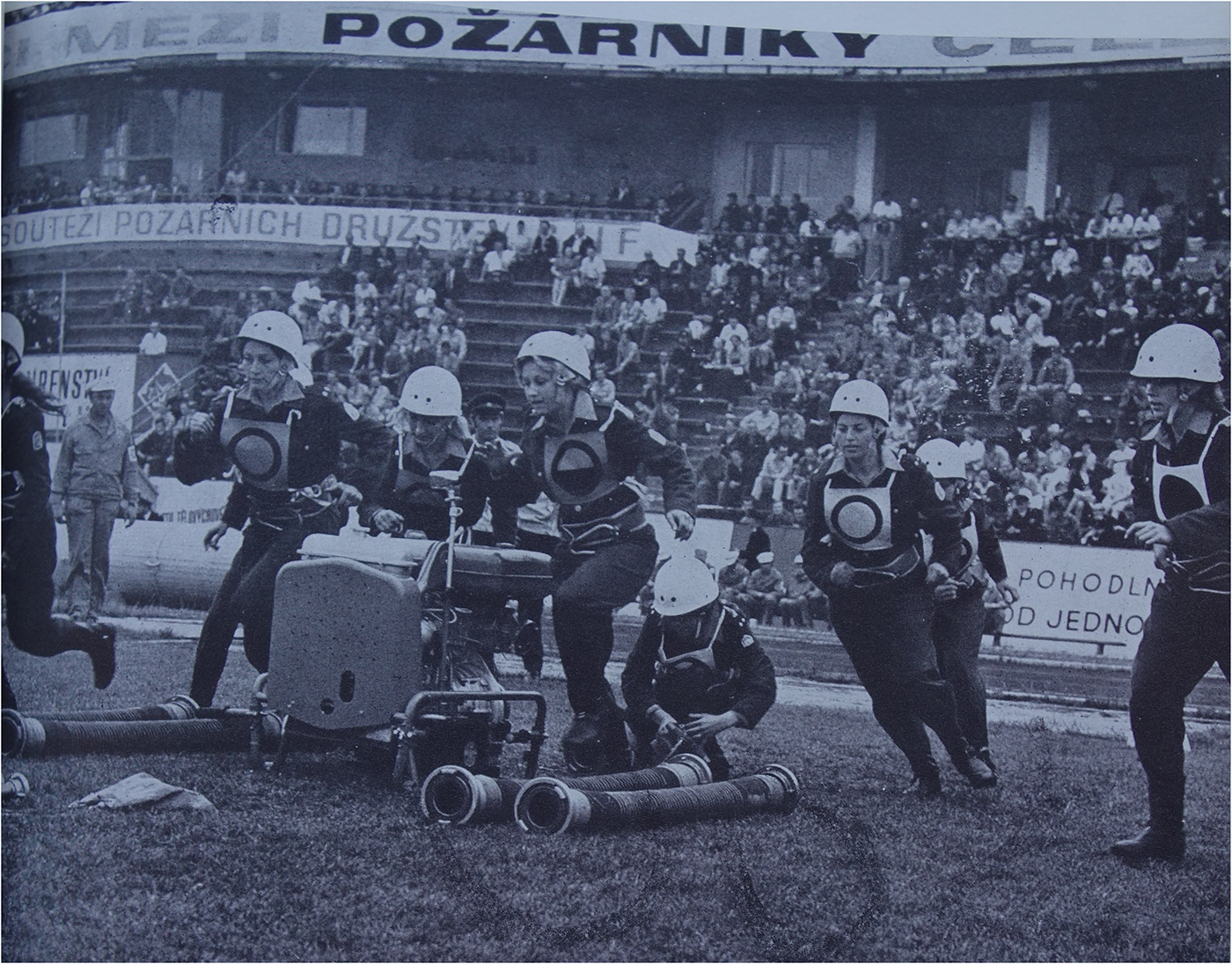
Since the Firefighting Olympics, which took place in Yugoslavia in 1966, women’s teams had been allowed to compete at the international firefighting competition as well. At both the 1966 Olympics in Yugoslavia and the subsequent 1969 Olympics in Austria, only women teams from the socialist countries competed. It was not until the Firefighting Olympics in Czechoslovakia in 1973 (Figure 6) that some women’s teams from Western countries participated, although not from Austria. In Czechoslovakia, female firefighters from West Germany noted that in their country, women made up just 1 per cent of all firefighters as some German federal states still did not allow women to join fire brigades. The Czechoslovakian firefighters team noted that women made up around 8 per cent of firefighters in their country.Footnote 105
A women’s team from Czechoslovakia at the Firefighting Olympics in Brno, Czechoslovakia, in 1973.

The participation of women’s teams from socialist states at the firefighting competitions encouraged debate within Austria on the inclusion of women in fire brigades. In 1970 following the Olympics, the presidential meeting of the Austrian Federal Firefighting Organisation discussed women’s membership in the organisation, noting that: ‘the eastern states have a number of women’s groups in their firefighting organisations’.Footnote 106 Nevertheless, the firefighting commanders in Austria rejected the establishment of female firefighting groups ‘for various considerations and reasons’.Footnote 107 Despite East–West contact and exchanges at the cross-border and international levels, there was no structural transfer from Yugoslavia to Austria regarding women’s participation in volunteer fire brigades.
Nevertheless, contacts and meetings did inspire and encourage Austrian women to form groups and take part in regional competitions, although only rarely and thanks to the efforts of a few individuals. For example, in 1970, soon after the Firefighting Olympics in Austria, a group of women from Piber took part in the firefighting competition in Styria for the first time, which caused a lively discussion according to members of the Austrian Federal Firefighting Organisation.Footnote 108 Similarly in Tyrol in 1978, Hildegard Falger, along with eight other women, founded a women’s competition group in the Volunteer Fire Brigade of Stanzach, which is located in the immediate vicinity of the border with Bavaria, then a federal state in West Germany.Footnote 109 The latter example, in particular, suggests that women’s participation in cross-border firefighting competitions had an impact upon female membership in fire brigades within neighbouring West Germany.
Austrian Firefighters towards the End of the Cold War
Beginning in the 1970s, Austria’s gradual westernisation generated a shift in the country’s gender politics, which had a decisive impact upon the inclusion of women in fire brigades. With the gradual dissemination of feminist ideas from the United States and West Germany, which focused on issues such as the legalisation of abortion and legislation concerning domestic violence, this shift was further stimulated by Austria’s accession to the EU between 1989 and 1995.Footnote 110 During this period, Austrian policymaking was influenced by international pressure, predominantly from EU institutions. Within this context, Austrian gender policies had to be aligned with European ones, especially on the issues of discrimination and equal access to employment, and this was achieved through the top-down imposition of policies inspired by feminist, gay rights and other social movements. In 1993, the Federal Equal Treatment Act was enacted, which enshrined the principle of equal treatment in public service. This law protected people from discrimination in employment or training relationships on the basis of gender, ethnic origin, religion, ideology, age or sexual orientation.Footnote 111 The law also required public institutions to remove any barriers to female employment, which did not happen overnight. For example, the Vienna Philharmonic did not permit the hiring of women until 1996 and only after the government had threatened to cut off its funding. Even when women were eventually permitted to audition, none were actually recruited until 2003.Footnote 112
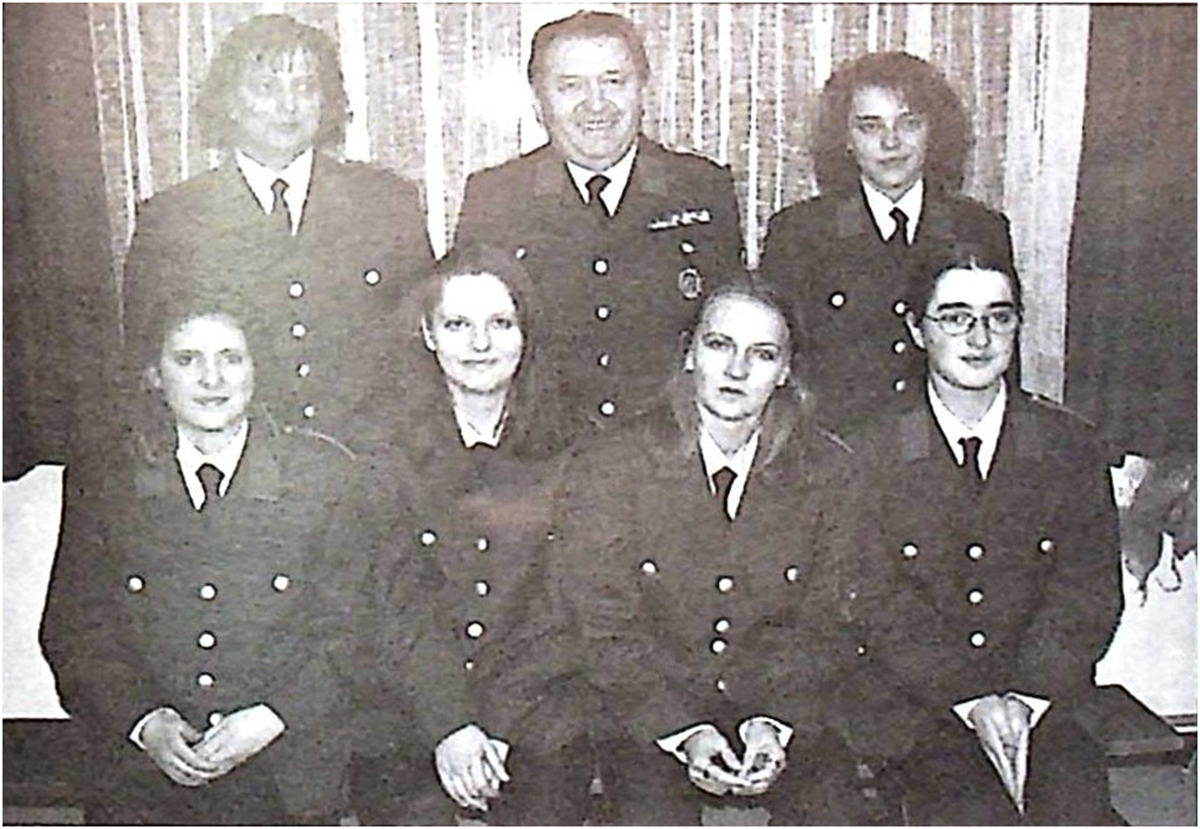
The Federal Equal Treatment Act was pivotal for the inclusion of women in volunteer fire brigades. In 1992, the Upper Austrian Firefighting Organisation announced that women could be admitted to the Upper Austrian fire brigades, but the new Upper Austrian Firefighting Act only came into force in 1997, which stated that firefighting brigade members could be men and women, as well as boys and girls.Footnote 113 In Burgenland, the federal state parliament passed the Burgenland Firefighting Service Act in 1994, according to which women and girls could become members of the Firefighting Organisation in Burgenland (Figure 7).Footnote 114 Monica Pock, Renate Jud and Margarete Pilz from the market town Neuhaus am Klausenbach were the first generation of women who officially became members of volunteer fire brigades in both Burgenland and Austria more broadly. In 1995 in southern Burgenland, the fire brigade in Kalch created a new women’s firefighting group, as did a brigade in Rudersdorf-Berg two years later.Footnote 115
women’s team from the Fire Brigade Altschlaining in Burgenland. The Burgenland firefighting journal called them ‘firefighting Amazons’.

Conclusion
This article has interrogated why there were significantly more women in Yugoslav fire brigades than in Austrian fire brigades after the Second World War. To explain the difference, the article has investigated democratisation processes and mobilisation strategies in both countries, on the one hand. On the other, it has looked at the implementation of progressive, socialist gender policies in Yugoslavia, which found no equivalent in Austria during this period.
Scholarship on Eastern Europe maintains that state socialist states repressed civil society and that by the late 1960s, socialist women’s organisations failed not only to represent women’s interests but also to extend their revolutionary rhetoric and practice and became places of sociability and social work instead.Footnote 116 Looking at volunteer fire brigades in late socialist Slovenia offers a different picture. After the Yugoslav state introduced self-management, decentralised decision making was gradually diffused across Slovene society. By the early 1970s, municipalities and local communities, where civil society organisations like volunteer fire brigades were most popular, became an essential element of socialist democracy. By participating in socialist state policies, like the socialisation of reproductive work, and the development of rural, borderland areas, civil society thrived in local environments. The bottom-up mobilisation of women into volunteer fire brigades was intended not only to increase women’s membership but also to push for extended citizenship rights and offer women leadership roles. The socialisation of care for their children was a key factor in expanding women’s participation in the brigades.
By the end of socialist democracy, democratisation could be seen in the gender ratios of fire brigades, whereby 1991 women made up 18 per cent of the Slovenian Firefighting Organisation. This percentage could be interpreted in at least three ways. First, it shows that in Slovenia, this traditionally male organisation still remained heavily male dominated. Second, in a comparative perspective with non-socialist countries, the number of women firefighters in Slovenia was significantly higher. Third, the momentum that the participation of women gained in the last fifteen years of state socialism had a consequential impact on the further inclusion of women in the Firefighting Organisation of Slovenia.Footnote 117
After the collapse of the Habsburg Empire, and especially after the Second World War, Austria presented a politically and socially different environment from Slovenia. The voting rights that were introduced in 1918 and the increased visibility of women in the public sphere in the 1970s were important processes in the broader democratisation of Austrian society. Despite this, female representation decreased as one moved from the federal to the local level. This was especially true in rural areas, as this article has shown for the case of southern Burgenland.Footnote 118 Furthermore, the multi-party politics of Austria, as well as feminist movements, cross-border cooperation or the Firefighting Organisation itself, did not succeed in fostering significant changes at the local level in terms of expanding gender policies or gender inclusion within civil society organisations.
The participation and rights of women firefighters in the post–Second World War period was greater in the socialist Yugoslav republic than it was in liberal Austria. This raises further and broader questions about civil society and democracy within socialist and liberal settings. While the socialist world contained a variety of different socialisms, there was a narrowing of democracy after 1989 to the liberal democratic model.Footnote 119 In the 1990s, prominent scholars like Francis Fukuyama saw the main components of liberal democracy as juridically backed individual rights, consent in the political sphere (elections) and free markets, whereas François Furet understood liberal democracy as an oppositional force to communism and fascism.Footnote 120 Similarly to democracy, in East Central Europe, as Tomaž Mastnak has pointed out, there was a narrowing of civil society to anti-communist oppositional movements and the bedrock for liberal democracy.Footnote 121 Western intellectuals also developed a discourse of civil society in the 1980s, some with links to Eastern European dissidence. According to Mastnak, liberalism was a new intellectual and political link between them. The development of civil society was an integral part of the rise of neoliberalism and of a broader and stronger European integration.Footnote 122 Without becoming a federation, the EU federalised national societies through norms and regulations, which scholars of democracy have noted led to ‘weak democratic legitimacy and strong regulatory practices embedded in each member state’.Footnote 123 This article has demonstrated that Austria’s integration of gender policies – and of women into its fire brigades – was mainly the result of top-down international pressure during the country’s integration into the EU. Unlike the bottom-up mobilisations we have seen in the case of Slovenia’s socialist democracy, civil society organisations in liberal democratic Austria played a minor role in this process, which suggests that scholars should revisit the notion that civil society can only flourish in liberal democratic settings.
Acknowledgements
I am grateful to Laura L. Downs for inviting me to be part of her special issue, ‘Working Women and Mixed Economies of Welfare in European Borderlands 1900–1980s’, and for her guidance and support in bringing this article to publication. I am indebted to Ivanna Cherchovych, Lewis Driver, Siobhán Hearne, Ursula Mindler-Steiner, Iryna Sklokina, Urška Strle, Nina Vodopivec and three anonymous reviewers for their valuable feedback on earlier drafts of this article.
Funding statement
This study was funded by the European Union Horizon Europe, Marie Skłodowska-Curie Grant Agreement No. 101068647 and the European Union – NextGenerationEU – The Recovery and Resilience Plan. The author acknowledges the financial support by the University of Graz.
Competing interests
The author has no conflict of interest to declare that is relevant to the content of this chapter.

 Open access


