





Impact statement
This review systematically analyses all abstracts (n = 1,794) presented at the last four MICRO conferences, one of the most influential international conferences on macro-, micro- and nanoplastics. By analysing all lemmas (i.e., words for which different spellings were collapsed) with a frequency of >=5 within at least one conference, we show how MICRO’s focus on plastic pollution research has developed across several conference years. The majority of research focuses on lemmas associated with physical sciences, particle quantification and analytical methods rather than the social, political and economic dimensions of plastic pollution. These dimensions also encompass education, behavioural change and the experiences of Indigenous and frontline communities. We specifically analyse scientific work incorporating aspects of social sciences, health and education. These aspects remain underrepresented across the conferences, emphasising the mismatch with calls from senior scholars overthe past decade. The conference community is still dominated by author contributions from Europe and the United States, whilst academic voices from many other regions that are affected by plastic pollution remain unheard. Plastic pollution is a social and political problem, as well as an environmental issue that is crossing borders and countries, and should be addressed beyond classical academic silos. In this paper, we criticise our own field of research and argue for changes in funding bodies and priorities among researchers. We believe that this paper is impactful at a smaller scale by arguing for a change in conference culture, and at a larger scale by advocating for a broader integration of findings from different disciplines in the field of plastic research. The impact of the review is therefore to encourage researchers, funding authorities and conference organisers to evaluate their research focus: with the aim of more inclusive, thematically and geographically diverse responses to the global plastics challenge.
Introduction
Already in Jules Verne’s world-famous novel Twenty Thousand Leagues Under the Seas from 1871, marine pollution was mentioned, and in the 20th century several scientific articles were published on plastic waste as a possible threat to marine wildlife. More than a hundred years after Jules Verne, and now about 20 years ago, the term “microplastics” was first used by Prof. Richard Thompson et al. (Reference Thompson, Olsen, Mitchell, Davis, Rowland, John, McGonigle and Russell2004). Over the past decade, research on plastic and microplastics has reached a high level of maturity with respect to identifying sources, environmental pathways, and physical and chemical impacts (Thompson et al., Reference Thompson, Courtene-Jones, Boucher, Pahl, Raubenheimer and Koelmans2024). The environmental distribution of plastic is vast, ranging from shorelines (Browne et al., Reference Browne, Crump, Niven, Teuten, Tonkin, Galloway and Thompson2011) and soil (Cyvin et al., Reference Cyvin, Ervik, Kveberg and Helllevik2021) to various water bodies (Koutnik et al., Reference Koutnik, Leonard, Alkidim, DePrima, Ravi, Hoek and Mohanty2021) and the atmosphere (O’Brien et al., Reference O’Brien, Rauert, Ribeiro, Okoffo, Burrows, O’Brien, Wang, Wright and Thomas2023). Microplastics are a growing concern for human health (Prata et al., Reference Prata, da Costa, Lopes, Andrady, Duarte and Rocha-Santos2021; Winiarska et al., Reference Winiarska, Jutel and Zemelka-Wiacek2024; Zhao et al., Reference Zhao, Rehati, Yang, Cai, Guo and Li2024; Landrigan et al., Reference Landrigan, Dunlop, Treskova, Raps, Symeonides, Muncke, Spring, Stegeman, Almroth, Chiles, Cropper, Deeney, Fuller, Geyer, Karasik, Mafira, Mangwiro, Matias, Mulders, Park, Velis, Vermeulen, Wagner, Wang, Whitman, Woodruff and Rocklöv2025) as they have been found in various human organs, such as the liver and kidneys (Massardo et al., Reference Massardo, Verzola, Alberti, Caboni, Santostefano, Eugenio Verrina, Angeletti, Lugani, Ghiggeri, Bruschi, Candiano, Rumeo, Gentile, Cravedi, La Maestra, Zaza, Stallone, Esposito, Viazzi, Mancianti, La Porta and Artini2024; Wang et al., Reference Wang, Deng, Zhang, Chen, Magnuson, Qiu and Zhou2024), and there are concerns about perinatal exposure (Hofstede et al., Reference Hofstede, Vasse and Melgert2023; Andonotopo et al., Reference Andonotopo, Bachnas, Dewantiningrum, Pramono, Sanjaya, Stanojevic and Kurjak2025).
As this evidence base has grown, so has recognition that further advances in understanding plastic pollution alone are insufficient to address the microplastics issue. Instead, we need effective solutions to address plastic pollution that recognise plastic pollution as a challenge emerging from interconnected social, ecological, economic and governance systems. Leading voices in the field have increasingly called for a shift in focus towards solutions that engage with human behaviour, health-related issues linked to our consumption of plastic, governance and socio-economic systems, including business and industrial regulation. It is important to consider plastics across their full lifecycle rather than as isolated environmental contaminants (Thompson et al., Reference Thompson, Courtene-Jones, Boucher, Pahl, Raubenheimer and Koelmans2024), including the reduction of plastic production (Bergmann et al., Reference Bergmann, Almroth, Brander, Dey, Green, Gundogdu, Krieger, Wagner and Walker2022), chemical simplification and safer material design (Almroth et al., Reference Almroth, Dey, Karlsson and Wang2023) and greater consideration of the health implications of plastic-associated chemicals (Dey et al., Reference Dey, Veerendra, Babu, Manoj and Nagarjuna2024). These perspectives also include educational dimensions, as public understanding, environmental literacy and institutional learning are increasingly recognised as important factors shaping behavioural change, policy support and broader societal responses to plastic pollution. Such dimensions are already established across the social sciences, including psychology, sociology and anthropology (OʼHare, Reference OʼHare, Stein, Candea, Diemberger, Lazar, Sanchez, Robbins and Stasch2019; Pathak and Nichter, Reference Pathak and Nichter2019; Pinto et al., Reference Pinto, Torres Junior, da Silva and Gerhard2026). Whether such perspectives have found their way into the MICRO conference space in which plastic pollution research organises and renews itself, however, is less clear, particularly given the natural science tradition from which MICRO originally emerged.
Scientific conferences as indicators of research priorities
Scientific conferences play a central role in shaping and reflecting the development of research fields (Bigg et al., Reference Bigg, Reinisch, Somsen and Widmalm2023). Beyond serving as venues for disseminating results, they are spaces in which research priorities are negotiated, emerging themes can be discovered and disciplinary boundaries can be challenged. They therefore function not only as mirrors of ongoing research activity, but also as arenas in which future directions of a field are actively shaped (Hauss, Reference Hauss2020). The collective focus of conference programmes and abstracts therefore offers insight into how a field defines its core questions, which perspectives are prioritised and which remain overlooked.
In the context of plastic pollution research, the MICRO conference series has, since 2018, become one of the influential and biennially recurring international meeting points for researchers working on micro- and macroplastics, a community that has historically emerged primarily from natural science traditions focused on marine pollution and environmental contamination. Since its first meeting in Lanzarote (Spain) in 2016, the early editions of the conference focused primarily on the fate and impacts of microplastics in marine environments, as reflected in titles such as MICRO 2018: Fate and Impacts of Microplastics: Knowledge, actions, and solutions and MICRO 2020: Fate and Impacts of Microplastics: Knowledge and responsibilities.
Existing social science, humanities and environmental justice scholarship
This natural-science-centred starting point of MICRO, however, does not fully reflect relevant ongoing research. Although the MICRO conference series forms the empirical focus of this study, it is embedded within a broader interdisciplinary research landscape on plastic pollution that spans natural sciences, environmental humanities, and social sciences. Plastic waste is not an inherent property of materials but emerges through interconnected social, cultural, political and ecological processes that shape how materials are produced, used, governed and experienced within socio-ecological systems (Liboiron, Reference Liboiron2016; OʼHare, Reference OʼHare, Stein, Candea, Diemberger, Lazar, Sanchez, Robbins and Stasch2019). These perspectives conceptualise plastic pollution not only as an environmental challenge but as a socio-ecological issue shaped by interactions among ecosystems, institutions, cultures and power relations. Building on this, interdisciplinary work on material accumulation and socio-technical systems examines how plastics are embedded in global infrastructures, economic and government arrangements that distribute impacts unevenly across regions and populations (Gabrys et al., Reference Gabrys, Hawkins and Michael2013; Farrelly et al., Reference Farrelly, Taffel and Shaw2021). Complementary research situates these findings within broader histories of inequalities and environmental justice, drawing attention to colonial continuities and exposure of Indigenous and marginalised communities to pollution burdens (Liboiron, Reference Liboiron2021). Taken together, these perspectives conceptualise plastic pollution as a socio-ecological challenge shaped by interactions among ecosystems, institutions, cultures and power relations, emphasising that responses to plastic pollution cannot be separated from questions of governance, justice and human-environment relationships (Pathak and Nichter, Reference Pathak and Nichter2019).
A gap between rhetoric and integration?
Organisers of MICRO have repeatedly been calling for a broader move towards interdisciplinary and action-oriented research within the MICRO conference series. Despite this rhetorical shift, it remains unclear to what extent these perspectives are represented and visible within the conference space. In particular, it is unclear to what extent human dimensions, closed-loop thinking and health perspectives have become embedded in the research agenda of plastic science in this community.
This pattern is consistent with broader reviews of the field: although scientific evidence plays a central role in shaping regulation, the contributions of behavioural, social, economic and legal research remain comparatively limited, and “evidence-based” policy is often defined in narrow, predominantly technical terms (Nielsen et al., Reference Nielsen, Clausen, Cronin, Hansen, Oturai and Syberg2023). This raises questions about whether the research landscape reflects the interdisciplinary and societally oriented ambitions that are frequently articulated, or whether natural science perspectives continue to dominate the conference space.
This perspective is particularly relevant in the current policy context. Plastic pollution is the subject of ongoing international negotiations under the United Nations Environment Programme, including efforts to develop a legally binding Global Plastics Treaty through the Intergovernmental Negotiating Committee (INC). Although recent negotiation rounds, such as the second part of the fifth session (INC-5.2) in Geneva in 2025, did not result in consensus, the process remains active and future rounds are expected to continue shaping global responses to plastic pollution. For such policy processes to be effective (March et al., Reference March, Tsouza, Nieminen, Winton, Arora, Shejuti, Walker and Fletcher2024), they depend on a research base that not only documents environmental problems but also provides insights into human behaviour, governance mechanisms and feasible pathways for systemic change, as well as research on effective science-policy interfaces.
MICRO as a case study for interdisciplinary integration
While its early editions focused on the natural-science framing described above, later conferences broadened their scope to include governance, responsibility and solutions-oriented perspectives, and recent editions have explicitly called for further expansion, including human-dimension and system-wide framings of plastic pollution (MICRO 2024: Human Edition: Plastic Pollution from MACRO to nano). After partly online editions due to the COVID-19 pandemic, the series returned to in-person meetings in Lanzarote in 2024 and will move to Cádiz, Spain, for the 2026 edition. The dynamic nature of MICRO as a constantly evolving platform may reflect broader shifts in plastic pollution priorities and creates possibilities for adjustments. Analysing abstracts submitted to MICRO therefore offers a valuable lens through which to examine how different perspectives, ranging from foundational natural science approaches to social, behavioural, health-related, governance-oriented and socio-economic frameworks, are represented within the field.
The conference is also well-suited to such an analysis for practical reasons: it is characterised by an open abstract submission policy, free attendance and international participation, with regular conferences biennially. These features make MICRO particularly well-suited for examining how research agendas change over time, as participation is not restricted to specific disciplines or methodological traditions. As a result, the body of submitted abstracts provides an inclusive snapshot of ongoing research activity, capturing both established and emerging lines of research.
The present analysis focuses on MICRO as one influential site within this wider field, examining how this specific research community represents and prioritises different dimensions of plastic pollution over time, not only as a technical problem but within an interdisciplinary field. Because conference abstracts often reflect research at earlier stages than journal publications, they can reveal shifts in emphasis more quickly than the peer-reviewed literature, which is shaped by longer review and publication cycles. Despite this, conference content is less frequently examined as a whole in comparison to journal-based analyses to assess broader trends and trajectories (e.g. Fathalla et al., Reference Fathalla, Vahdati, Lange and Auer2020; Koch and Matviichuk, Reference Koch and Matviichuk2021).
Addressing this question requires stepping back from individual studies and examining how the field as a whole is represented in key scientific communities. We therefore present an in-depth analysis of the development of the research presented at the MICRO 2018, 2020, 2022 and 2024 conferences, examining 1,794 abstracts of posters and talks. The calls for abstracts from all four conferences invited contributions from a broad range of topics in the field of plastic pollution (Supplementary Table S1).
Human dimensions within systemic change
As the threat of microplastic pollution continues to rise, a critical but often overlooked dimension of the issue concerns the social, cultural and behavioural processes through which societies interact with plastics and respond to pollution challenges. Research indicates that people widely perceive microplastics as a serious environmental problem and are aware of potential risks to their own health (Catarino et al., Reference Catarino, Kramm, Völker, Henry and Everaert2021; Davison et al., Reference Davison, White, Pahl, Taylor, Fielding, Roberts, Economou, McMeel, Kellett and Fleming2021). As highlighted by Deeney et al. (Reference Deeney, Yates, Kadiyala, Cousin, Dignac, Wang, Farrelly and Green2025), people rate human health as the highest concern related to risks of plastic. At the same time, preferences expressed by the public, such as support for overall reductions in plastic use over reliance on recycling alone, point to a recognition that incremental behavioural changes may be insufficient. However, high levels of concern do not consistently translate into action. Behavioural responses are frequently limited by structural constraints, including restricted availability of alternatives, inconvenience and a lack of systemic support (Prata et al., Reference Prata, Silva, da Costa, Mouneyrac, Walker, Duarte and Rocha-Santos2019; Borg et al., Reference Borg, Lennox, Kaufman, Tull, Prime, Rogers and Dunstan2022; Rabiu and Jaeger-Erben, Reference Rabiu and Jaeger-Erben2024).
Educational approaches represent one important pathway through which behavioural, cultural and policy-oriented responses to plastic pollution may be shaped. Education is therefore relevant not only in terms of individual awareness, but also as part of broader societal capacities to engage with complex environmental challenges. The policy, implementation and practice of education on plastic pollution are very diverse. Mironenko and Mironenko (Reference Mironenko, Mironenko, Stock, Reifferscheid, Brennholt and Kostianaia2020, p.67) analysed “selected examples of educational programs on all levels of education,” with the goals being “to see the types of current educational projects worldwide to educate students of various age groups about plastic pollution” and “to see if there is anything missing from the big strategic picture of education as a tool to address plastic pollution on land and in the ocean.” Their analyses present a very diverse picture, with a tendency towards bottom-up rather than top-down approaches. The well-implemented governmental strategies that are required for teaching this complex theme are still missing in many educational organisations. As plastic pollution is just one of several large environmental challenges to be taught in school, we can learn a lot from more general research on environmental and sustainability education.
Several models for teaching “wicked problems” such as plastic pollution (see Wagner, Reference Wagner2022 for a clarification of plastic pollution as a wicked problem) have emerged from environmental and, in recent decades, sustainability education. For instance, Öhman and Östman (Reference Öhman, Östman, van Poeck, Östman and Öhman2019) emphasised the importance of holistic views and pluralistic teaching approaches, and Jegstad et al. (Reference Jegstad, Sinnes and Gjøtterud2018) stressed the importance of bringing such “new topics” into existing subjects such as integrated natural science in compulsory schools or basic levels of higher education. Similarly, we could think of how to implement plastic pollution topics into existing psychology, health or physiology courses, instead of struggling with changes to curricula, which is quite a complicated process (see, e.g., Weiss et al., Reference Weiss, Barth and von Wehrden2021).
Individual-level actions, such as avoiding single-use plastics or installing filters to reduce microfibres from laundry, can contribute to mitigation and are shaped by well-established psychological predictors (Heidbreder et al., Reference Heidbreder, Tröger and Schmitt2023; MacDonald et al., Reference MacDonald, Allen, Williams, Flowers and Walker2023). Nevertheless, researchers conclude that, without top-down support, these bottom-up efforts remain insufficient to drive broader systemic change (Prata et al., Reference Prata, Silva, da Costa, Mouneyrac, Walker, Duarte and Rocha-Santos2019). Behavioural interventions, including nudges, bans and educational initiatives, appear most effective when embedded within wider systems that involve industry, retail and governance structures (Borg et al., Reference Borg, Lennox, Kaufman, Tull, Prime, Rogers and Dunstan2022; Nuojua et al., Reference Nuojua, Pahl and Thompson2024; Nuojua et al., Reference Nuojua, Cracknell, Heske, Pahl, Wyles and Thompson2024). Educational perspectives reveal similar contradictions regarding bottom-up initiatives vs. top-down, curriculum-driven initiatives, while highlighting that understanding barriers and drivers is fruitful (Weiss et al., Reference Weiss, Barth and von Wehrden2021).
Previous findings highlight the need to situate behavioural insights within broader socio-technical, educational and political contexts, including the design, production, educational and governance systems that shape which behaviours are possible in practice. Understanding how and to what extent such social, behavioural and societal perspectives, including health-related concerns, are currently reflected in plastic pollution research is therefore a key step in assessing the field’s capacity to inform effective and scalable solutions.
Designing for closed loops
Product design and production systems strongly shape whether behavioural efforts can reduce plastic pollution in practice. Although human behaviour matters for consumption choices, waste sorting and recycling, consumer impact is limited by upstream design decisions (Nguyen et al., Reference Nguyen, Malek, Umberger and O’Connor2022). Recycling systems rely not only on public participation and motivation but also on how products are designed and which materials enter waste streams. Many plastic products are designed primarily for visual appeal, functionality or branding, whilst end-of-life considerations receive little attention. The use of colourants, additives, multilayer structures and blended polymers can increase market attractiveness but often makes products difficult or impossible to recycle within existing waste management systems and may introduce additional concerns related to chemical exposure and product safety (Courtene-Jones et al., Reference Courtene-Jones, Ghiglione, Thompson, Wagner, Upadhyay, Castillo Castillo, Syberg, Brander and Farrelly2025). In such cases, even highly motivated consumers cannot compensate for poor design choices.
These limitations highlight the need to complement behavioural approaches with stronger producer responsibility and early-stage integration of end-of-life thinking, including design for recyclability, material simplicity and compatibility with waste management infrastructure. Addressing plastic pollution therefore requires a lifecycle perspective that links individual behaviour and product design with governance structures, social norms and broader socio-economic systems across the plastic lifecycle (Thompson et al., Reference Thompson, Courtene-Jones, Boucher, Pahl, Raubenheimer and Koelmans2024).
Humans, society and culture: Present, but also absent?
Addressing plastic pollution requires embedding human behaviour within broader governance, and social and economic frameworks. Policy debates and public engagement around plastics are not only shaped by scientific evidence but also by health concerns, cultural values, economic interests and political dynamics. As highlighted by Diana et al. (Reference Diana, Vegh, Karasik, Bering, Caldas, Pickle, Rittschof, Lau and Virdin2022), the global plastics policy landscape reflects these interacting forces rather than scientific knowledge alone. Behavioural science is therefore widely recognised as a necessary complement to regulatory and technical measures (Pahl and Wyles, Reference Pahl and Wyles2017), emphasising the importance of changing social practices, norms and collective action rather than focusing solely on individual behaviour (Horton et al., Reference Horton, Henderson, Bowyer, Courtene-Jones, Garrard, Kulsum, McKay, Manikarachchige, Sreekumar and Stanton2025).
Reflecting this shift, a growing body of literature has called for more interdisciplinary approaches that integrate social, behavioural and governance perspectives to plastic pollution, often framed within broader concepts such as One Health, which links human health, environmental processes and socio-ecological systems (Thompson et al., Reference Thompson, Moore, vom Saal and Swan2009; Heidbreder et al., Reference Heidbreder, Bablok, Drews and Menzel2019; Pathak and Nichter, Reference Pathak and Nichter2019; Pahl et al., Reference Pahl, Richter, Wyles, Stock, Reifferscheid, Brennholt and Kostianaia2020; Prata et al., Reference Prata, da Costa, Lopes, Andrady, Duarte and Rocha-Santos2021; Bank et al., Reference Bank, Mitrano, Rillig, Sze Ki Lin and Ok2022; Diana et al., Reference Diana, Vegh, Karasik, Bering, Caldas, Pickle, Rittschof, Lau and Virdin2022). These perspectives of human behaviour as part of the solution have been repeatedly emphasised in the plastic research community, including in Richard Thompson’s opening keynote speech at the MICRO conference in 2018. This highlights the need to move beyond fundamental environmental science and to more strongly involve the public, policymakers and industry. Since then, calls to connect microplastics research with governance, socio-economic systems and circular economy approaches have become increasingly prominent.
In this article, we address these questions by analysing abstract submissions to the MICRO conferences as an indicator of current research priorities and representations within plastic pollution research. Specifically, we ask:
RQ1: Which words occur most frequently in MICRO conference abstracts, and which broader thematic areas do they represent?
RQ2: How do themes related to socio-economic, behavioural, educational, governance and lifecycle perspectives change over time across conference years?
RQ3: How does the use of key lemmas (i.e., words for which different spellings were collapsed) within these themes fluctuate across conferences?
RQ4: In what contexts are high-frequency terms related to social, behavioural and governance-oriented themes used within the MICRO conference series, and what do these patterns suggest about the orientation and future direction of this conference space?
By addressing these questions, we aim to assess whether plastic pollution research, as reflected in one of its central international forums, is expanding to meaningfully incorporate socio-economic, behavioural, cultural and governance perspectives, or whether it remains largely anchored in the physical and chemical assessment of plastic pollution.
Materials and methods
The MICRO conferences as an empirical corpus
This study uses abstract submissions to the MICRO conferences as an empirical basis for assessing research orientations and thematic emphases within plastic pollution research. We analysed all abstracts submitted to the MICRO conferences between 2018 and 2024 (n = 1,794), treating these submissions as structured textual data providing timely insights into ongoing research activity. To identify dominant themes and underrepresented perspectives, we conducted a frequency-based textual analysis across all abstracts, followed by inductive grouping of high-frequency terms and contextual examination of selected themes. Words occurring fewer than five times across conferences were excluded to focus the analysis on recurrent patterns rather than isolated contributions. This approach allowed us to examine both the prevalence of specific thematic areas and the contexts in which key terms were used over time. By analysing abstracts across multiple conference editions, we assessed temporal stability and change in research focus, with particular attention to socio-economic, behavioural, educational, governance-related and lifecycle-oriented perspectives. The analysis was designed to provide an aggregated view of how the conference community is currently oriented, rather than an evaluation of individual contributions.
Data
The abstracts from the MICRO conferences were obtained from various sources. From the 2018 and the 2020 conferences, the conference proceedings, a PDF file with the conference programme, a list of participants and abstracts were available online (Baztan et al., Reference Baztan, Bergmann, Carrasco, Fossi, Jorgensen, Miguelez, Pahl, Thompson and Vanderlinden2018; MICRO 2020, 2021). The abstracts from the 2022 conference were available at the zenodo.org website (Anon, 2022) as separate PDF files. Similarly, the 2024 abstracts were obtained from the MICRO 2024 conference’s website micro2024.scienceconf.org (Anon, 2024).
For each contribution, the title of the presentation, list of authors, author addresses, keywords and abstract text were present, except for the 2020 conference, where no addresses were given and six contributions in 2018, where the abstract text just contained an invitation to contact the authors via an email address. From that information, we were able to infer countries and continents from which abstracts were submitted (see Supplementary Figures S1 and S2). Our Global North and Global South groupings are based on common geopolitical classifications (OECD, 2025). This approach reflects institutional geographic location at a country level rather than socio-economic conditions or intra-national inequalities.
A total of 1,794 abstracts were included in the analyses, with counts (respectively from 2018 to 2024): 417, 453, 493 and 431. Although the MICRO conference had previously been held in 2016, abstracts from this year were not included in the analysis, primarily because the number of contributions was substantially lower (109 oral and 82 poster presentations) compared to subsequent conferences (JPI Oceans, 2016). Additionally, the 2016 conference represented the initial meeting of the series, which we considered less representative of the broader research patterns, participation and themes that have emerged since then.
Processing
The abstracts were converted to MS Word docx files via Adobe Acrobat Pro (2024 version) and added to an MS Access database through an MS Visual Basic (VBA) routine. The preliminary analyses were done with MS Access in combination with various VBA routines. ChatGPT (OpenAI, 2025) was used to produce syntactically correct VBA code. A first step was to produce a frequency list for words found in the abstracts after removing stop words (Anon, 2016) – i.e., common words not carrying any meaning for a specific topic. We then filtered this list down to words represented in at least five abstracts in any of the conferences, which resulted in a list of 479 words (see step 1 in Figure 1).
Schematic overview of data processing. Starting from 1,794 abstracts submitted to MICRO 2018, 2020, 2022 and 2024, words were extracted and filtered to those appearing in at least five abstracts in any single conference year, resulting in 479 high-frequency words. After manual inspection, 276 meaningful lemmas were retained and assigned to 12 themes. Four themes were selected for in-depth analysis: One Health, Human Dimensions, Policy and Governance, and Lifecycle and Waste Management.

Figure 1. Long description
The flowchart is divided into three main horizontal sections corresponding to the numbered stages.
Top Section: Overview
Four boxes labeled 2018, 2020, 2022, and 2024 point to a vertical box labeled BODY OF ABSTRACTS with n equals 1,794. This flows through three sequential steps: 1) Preprocessing, 2) Semantic preprocessing, and 3) Contextual analysis.
Middle Section: Stage 1 and 2 Details
Stage 1: BODY OF ABSTRACTS flows into an M S Word file via Conversion and M S Access. This leads to a FREQUENCY LIST OF WORDS through Access D B, V B A routines, stop-word removal, and Keyword extraction. The output is a list of n equals 479 words appearing at least 5 times in one conference.
Stage 2: The 479 words undergo Manual Inspection to become a list of n equals 276 meaningful words. These are then processed via Semantic Grouping into n equals 12 BROADER THEMES.
Bottom Section: Stage 3 Details
Stage 3: Four specific themes are listed: Human Dimensions, One Health, Policy and Governance, and Lifecycle and Waste Management. These undergo Phrase Extraction where, for each of the n equals 4,365 words, 50 characters before and after are analyzed. This leads to the final output: CONTEXTUALLY INTERESTING PHRASES. A feedback loop labeled Inclusion or Exclusion points back from the character analysis to the theme list.
The following analytical steps involved qualitative interpretation and inductive thematic grouping, potentially being influenced by the disciplinary backgrounds of the authors. The author team spans psychology, social sciences, geography, evolutionary ecology, biology and educational sciences, and several authors have participated in previous MICRO conferences. This disciplinary and field familiarity supported the identification of meaningful thematic patterns, while also potentially influencing which terms and themes were considered analytically relevant.
Semantic processing followed in step 2, in which we manually inspected the list and conducted a refinement by removing high-frequency but low-discriminative terms that can be used in ambiguous ways and did not contribute to distinguishing thematic variation across abstracts. This step goes beyond standard stopword removal and reflects the need to improve interpretability in frequency-based analyses. Examples of such words include “body,” “fate,” “remote” and “microplastic,” which either occurred ubiquitously across abstracts due to the thematic focus of the conference (e.g., “microplastic”) or did not function as informative indicators of distinct research themes. This reduced our list to 276 lemmas (i.e., words for which different spellings were collapsed). Our next step was an inductive grouping of terms into larger themes. We ended up with 12 themes (see Supplementary Table S2) through a qualitative clustering process based on conceptual similarity, internal coherence and distinctiveness between the themes. From these 12 themes, four were selected for in-depth analysis based on their relevance for capturing socio-cultural and socio-ecological dimensions of plastic research. They also reflect the interdisciplinary and policy-relevant aspects of plastic research. These themes were “One Health,” “Human Dimensions,” “Policy and Governance” and “Lifecycle and Waste Management.” We present the frequency of each theme across conferences and investigate whether there have been significant changes in word use over time (Poisson test, p = .05). The total count of abstracts grouped under each theme can be found in the results and discussion chapter. The frequency of the use of these words across the four conferences was presented, as well as the detailed frequency of use of each theme of interest (Supplementary Table S3). We found several words with ambiguous meaning (e.g., communities, climate, colonisation, diet(s), diversity, filaments, food, membrane(s), microspheres, morphology, oxidation, pellet(s), predator, risk, root, season, spp., stressors, substrate and trawl), which we removed in a second round of qualitative reviewing. Further, we noted that some of the included words might be assigned to two or more themes. In ambiguous (but still meaningful) cases, we tried to assign the word to the most fitting theme.
Qualitative analysis
Further, qualitative analysis (step 3) involved a contextual examination of words assigned to the themes of interest. For each of the n = 4,365 lemmas, a text window of 50 characters before and after the code was extracted. The researchers then manually and qualitatively reviewed each word in its 50-character context to verify whether it accurately reflected the assigned theme. This step served as an additional quality check of the original theme classification. Overall, 2,907 lemmas were included. Included and total counts per lemma can be found in Supplementary Table S4.
A summary of the analysis is shown in Figure 1.
Exploratory procedure for “education”
We performed an in-depth analysis of the abstracts where the word “education” was mentioned, which was one of the 34 high-frequency (≥five occurrences in at least one conference) words within Human Dimensions. Because education represents a key mechanism for shaping public understanding, behaviour and policy support in the context of plastic pollution, especially among the younger generation, we considered it important to understand how words referring to education, teaching and learning were used. When extracting a text window for each occurrence of education, some occurrences were not considered relevant – for example, when the abstract referred to funding or institutional education authorities or machine learning/AI. We further provide an in-depth, inductive and qualitative analysis of abstracts in which “education” appeared in a relevant manner, referring to educational practices and activities regarding which research methods and didactical approaches were used.
Results and discussion
General descriptives
We analysed 1,794 abstracts from four MICRO conferences between 2018 and 2024 (2018: 417; 2020: 453; 2022: 493; 2024: 431). Most submissions came from Europe, and this proportion remained the largest across the years of the conference. Submissions from the Global South are still scarce (see Supplementary Figures S1–S3). It is important to note here that the extent of travel was different in 2022, as a half-digital conference took place due to the COVID-19 pandemic, leading to an “intense week of 500 online presentations” and increased participation from researchers from the Global South (Collaborative Research Centre 1357 Microplastics, 2022).
RQ1: Word frequency and themes
After manual inspection, we identified 276 meaningful and high-frequency (in at least five abstracts across the conferences) lemmas. We manually assigned these to 12 themes (ordered according to size): Geographical Location, Biology and Ecosystems, Plastic Types and Materials, Methods, Human Dimensions, Transport, Health, Sources of Plastic, Other, Policy and Governance, Environmental Impact, and Lifecycle and Waste Management; see Supplementary Table S2. Across all 4 years of submission, most abstracts contained lemmas relating to Geographical Locations (89%), Plastic Types (82%) and Biology and Ecosystems (66%). Lemmas relating to Human Dimensions, Health, Policy and Governance, and Lifecycle and Waste Management occurred at least once in less than half of the submitted abstracts (42, 42, 15 and 5%, respectively; see Supplementary Table S3).
It is also noteworthy that terms related to behaviour appeared too infrequently to meet the five-instance inclusion threshold, indicating that behavioural aspects remain only marginally represented in current microplastics research.
RQ2: Changes in four themes of specific interest
The number of abstracts mentioning at least one of the four themes of interest did not differ across the 4 years of submission – 2018: 445 abstracts (proportion across all themes: 26.7%); 2020: 454 abstracts (25.1%); 2022: 466 abstracts (25.7%); 2024: 489 abstracts (27.0%).
Looking at the themes separately, submission rates for One Health, Human Dimensions, and Lifecycle and Waste Management show little change from 2018 to 2024 (Figure 2). There is a visible but small increase in the number of abstracts using lemmas within the Policy and Governance theme. However, overall submission rates of these themes of interest remain low compared to the other themes, primarily focusing on natural sciences, across all four conference editions. The data become more interesting at a de-aggregated level, looking into the time-wise development of each lemma within each theme (RQ3).
Absolute (left) and relative (right) frequency of abstracts containing at least one lemma from each of the four themes of interest across MICRO 2018, 2020, 2022 and 2024. Percentages are calculated relative to the total number of abstracts submitted in each conference year (2018: n = 417; 2020: n = 453; 2022: n = 493; 2024: n = 431). Submission rates for One Health, Human Dimensions and Lifecycle and Waste Management remain largely stable across years, with a small increase for Policy and Governance in 2024. All four themes remain substantially less represented than natural science themes across all conference years.

Figure 2. Long description
A two-panel grouped bar chart.
Left Panel: Absolute count. The y-axis ranges from 0 to 250 in increments of 50. The x-axis lists years 2018, 2020, 2022, and 2024. Each year contains four bars representing themes: One Health (dark blue), Human Dimensions (orange), Lifecycle and Waste Management (green), and Policy and Governance (light blue).
* 2018: One Health ~185, Human Dimensions ~175, Lifecycle ~20, Policy ~60.
* 2020: One Health ~185, Human Dimensions ~188, Lifecycle ~18, Policy ~62.
* 2022: One Health ~205, Human Dimensions ~200, Lifecycle ~12, Policy ~52.
* 2024: One Health ~175, Human Dimensions ~195, Lifecycle ~32, Policy ~88.
Right Panel: Relative count. The y-axis ranges from 0 percent to 50 percent in increments of 5 percent. The x-axis and legend are identical to the left panel.
* 2018: One Health ~45 percent, Human Dimensions ~42 percent, Lifecycle ~5 percent, Policy ~14 percent.
* 2020: One Health ~41 percent, Human Dimensions ~41.5 percent, Lifecycle ~4 percent, Policy ~13.5 percent.
* 2022: One Health ~45 percent, Human Dimensions ~44 percent, Lifecycle ~2.5 percent, Policy ~11.5 percent.
* 2024: One Health ~39 percent, Human Dimensions ~43 percent, Lifecycle ~7 percent, Policy ~19 percent.
Overall, One Health and Human Dimensions are the dominant themes, while Policy and Governance shows a notable relative increase in 2024.
RQ3: Fluctuations of lemmas within themes
One Health
Lemmas related to One Health appeared, on average, in 42% of the abstracts, with negligible variation from conference to conference. Given that the proportion of the health-related words in relation to the number of abstracts remained stable over time, we can assume increased research interest in health-related topics, which has also been reflected in recent studies (e.g., Morrison et al., Reference Morrison, Trevisan, Ranasinghe, Merrill, Santos, Hong, Edward, Jayasundara and Somarelli2022; Lamoree et al., Reference Lamoree, van Boxel, Nardella, Houthuijs, Brandsma, Béen and van Duursen2025; Landrigan et al., Reference Landrigan, Dunlop, Treskova, Raps, Symeonides, Muncke, Spring, Stegeman, Almroth, Chiles, Cropper, Deeney, Fuller, Geyer, Karasik, Mafira, Mangwiro, Matias, Mulders, Park, Velis, Vermeulen, Wagner, Wang, Whitman, Woodruff and Rocklöv2025). Notably, the observed rise in health-related lemmas aligns temporally with a surge in micro- and nanoplastics health research, which has recently faced growing methodological scrutiny, especially concerning contamination risks and analytical limits in human tissue studies.
It needs to be considered that the lemma-counting does not distinguish between human and animal health, and the development of all lemmas within the theme therefore gives little insight when the theme is seen as a whole. Opposing trends at the level of individual lemmas cancel each other out, and trends over time might disappear. Analysing individual lemmas provides more insights (Figure 3.): “Organs” was mentioned within four abstracts in 2018, and in 13 abstracts in 2024. Similarly, the lemma “health” was mentioned 35 times in 2018, showing a significant increase by 2024 with 90 abstracts (p < .001). In contrast, “digestion,” “gut/guts” and “ingest” showed a significant decline over time (p < .01). Other health-related lemmas displayed weaker or non-significant trends. It is interesting that inhalation has not been of more interest to the research community, as all vertebrates breathe air. Due to their small particle size, airborne plastic pollution is hard to analyse, but recent methodological developments have shown new opportunities potentially indicating more research activity in the future (see, e.g., Logvina et al., Reference Logvina, Moreira, Santos, Neves, Ribeiro, Pinto da Silva and Esteves da Silva2024). The potential health risks posed by airborne plastic were recognised as early as 2018 (Prata, Reference Prata2018), yet we would question why this issue has not received greater emphasis more frequently within the MICRO conferences from 2018 to 2024. It is evident that toxicity is a lemma that was prevalent in 2018 but that dropped in frequency and remained stable in subsequent years. Tap water is a lemma that has increased in frequency but has counterintuitively appeared only very few times across all conferences, given that water is a fundamental human need.
Relative frequency of individual lemmas within the One Health theme across MICRO 2018, 2020, 2022 and 2024. Percentage of total abstracts submitted in each year. A significant positive trend is observed for “health” (p < .001) and a gradual increase for “organs,” while “digestion,” “gut/guts” and “ingest” show significant declines (p < .01). Lemmas related to inhalation and tap water remain consistently rare across all conference years despite their relevance to human exposure.

Figure 3. Long description
The y-axis represents the total percentage of abstracts in a given year, ranging from 0 to 40. The x-axis lists twelve lemmas. A legend at the bottom identifies the colors for each year: light blue for 2018, magenta for 2020, teal for 2022, and purple for 2024.
* digestion: Starts at approximately 14 percent in 2018 and remains stable until a sharp drop to about 7 percent in 2024.
* gastrointestinal: Remains low, fluctuating between 2 and 4 percent.
* gut/guts: Shows a peak in 2020 at nearly 5 percent before declining to 1 percent by 2024.
* health: Shows a steady linear increase from 8 percent in 2018 to over 20 percent in 2024.
* immune: Shows a gradual decline from 3 percent to less than 1 percent.
* ingest: The most frequent lemma in 2018 at nearly 37 percent, showing a consistent downward trend to 14 percent in 2024.
* inhalation: Consistently low, starting near 0 and rising slightly to 2 percent in 2024.
* liver: Remains stable and low, between 1 and 2 percent.
* organs: Shows a slight increase from 1 percent to nearly 3 percent in 2024.
* tap water: Remains the least frequent category, consistently below 1.5 percent.
* tissue: Remains stable between 3 and 4 percent.
* toxicity: Starts high at 16 percent in 2018, drops sharply to 4 percent in 2020, and fluctuates slightly thereafter.
While calls for broader concepts such as One Health (Thompson et al., Reference Thompson, Moore, vom Saal and Swan2009; Heidbreder et al., Reference Heidbreder, Bablok, Drews and Menzel2019; Pahl et al., Reference Pahl, Richter, Wyles, Stock, Reifferscheid, Brennholt and Kostianaia2020; Prata et al., Reference Prata, da Costa, Lopes, Andrady, Duarte and Rocha-Santos2021; Bank et al., Reference Bank, Mitrano, Rillig, Sze Ki Lin and Ok2022) are present in the MICRO abstracts between 2018 and 2024, they have not translated into a substantive shift in research practice. Instead, our results suggest that there has been a movement within the research community away from studies on ingestion, digestion and gut-related studies towards an increasing focus on general health and a broader conceptualisation of health impacts. The system perspective combining environmental processes, social-ecological systems and human health is, however, still missing, despite these being urgently needed (Thompson et al., Reference Thompson, Courtene-Jones, Boucher, Pahl, Raubenheimer and Koelmans2024). We encourage the readers to see this chapter in relation to the next chapter “Human Dimensions”.
Human Dimensions
Lemmas within the theme Human Dimensions reveal descriptive changes across the conferences (Figure 4). With regard to occurrences, social and psychological perspectives remain underrepresented, with important lemmas such as decision-making, citizen, education or learning appearing in less than 5% of the abstract submissions in any given year, which indicates that research explicitly addressing human behaviour, agency and social processes remains marginal within the field. Although some lemmas occurred at relatively constant levels over time, a notable change can be observed in others. For example, occurrences of “consumer” and “society” decreased from 2018 to 2024. However, statistical testing revealed significant trends (p < .05) for only three lemmas: “anthropogenic,” which fluctuated without a clear directional tendency “;consumer,” which displayed a significant negative trend; and “human,” which showed a significant positive trend over time.
Relative frequency of individual lemmas within the Human Dimensions theme across MICRO 2018, 2020, 2022 and 2024. Percentage of total abstracts submitted in each year. “Human” shows a significant positive trend (p < .05), while “consumer” shows a significant negative trend (p < .05); “anthropogenic” fluctuates without a clear directional tendency. Lemmas reflecting behavioural and societal agency, such as decision-making, citizen, education and learning, appear in fewer than 5% of abstracts in any given year, indicating that these dimensions remain limited within the conference programme across all years studied.

Figure 4. Long description
The y-axis represents the total percentage of abstracts in a given year, ranging from 0 to 25 in increments of 5. The x-axis lists fifteen lemmas. Each lemma has four colored bars representing the years 2018 (blue), 2020 (magenta), 2022 (teal), and 2024 (purple).
Moving from left to right:
* anthropogenic: Fluctuates between approximately 6 and 11 percent.
* aquaculture: Remains low, under 3 percent.
* awareness: Decreases from 6 percent in 2018 to around 4 percent in 2024.
* citizen: Stable at approximately 2 percent.
* consumer: Shows a steady decline from nearly 13 percent in 2018 to 7 percent in 2024.
* decision-making: Very low, rising slightly to 2 percent by 2024.
* education: Fluctuates below 3 percent.
* human: Shows a significant upward trend, starting at 16 percent in 2018 and peaking at 24 percent in 2024.
* learning: Increases slightly from 1 to 3 percent.
* people: Decreases from 3 percent to 1 percent.
* population: Fluctuates between 5 and 8 percent.
* single-use: Increases from near zero to 2.5 percent.
* society: Decreases from 4.5 percent to 2 percent.
* socio-economic: Remains under 2 percent.
* tourism: Remains under 2 percent.
These findings are concerning. The limited presence of behavioural terminology suggests that the roles of consumers and citizens, as active agents driving societal change, remain underexplored. Although the increasing use of the lemma “human” may initially appear to signal a growing interest in human dimensions and societal perspectives, contextual inspection indicates that this term is often used in relation to exposure, risk or health impacts, rather than to societal approaches, behavioural change or decision-making. Thus, the observed increase does not necessarily reflect a deeper engagement with the behavioural drivers and solution-based approaches of plastic pollution.
Seen as a whole, the results point to a missed opportunity. Human behaviour, public engagement and societal transformation are strongly emphasised as critical components of effective plastic pollution mitigation (Diana et al., Reference Diana, Vegh, Karasik, Bering, Caldas, Pickle, Rittschof, Lau and Virdin2022; Thompson et al., Reference Thompson, Courtene-Jones, Boucher, Pahl, Raubenheimer and Koelmans2024; Horton et al., Reference Horton, Henderson, Bowyer, Courtene-Jones, Garrard, Kulsum, McKay, Manikarachchige, Sreekumar and Stanton2025), but these dimensions are weakly represented in the current landscape of the conference. Without stronger integration of behavioural science and societal participation, the substantial potential of public engagement remains largely untapped, and future conferences may undermine its potential as an agent of societal change unless the focus shifts towards a pluralistic view of plastic pollution research.
Policy and Governance
Of the eight lemmas within the theme Policy and Governance, “governing,” policymakers” and “treaty” changed markedly across the four years, with the latter three showing a remarkable increase in 2024 (Figure 5). Although only a small number of abstracts referenced these concepts overall, their increased occurrence is worth discussing: seven abstracts mentioned the lemmas “governing” or “policymakers” and 14 abstracts mentioned the lemma “treaty,” compared to a maximum of three occurrences in any previous conference. In contrast, the remaining policy-related lemmas showed no discernible trend and remained consistently rare.
Relative frequency of individual lemmas within the Policy and Governance theme across MICRO 2018, 2020, 2022 and 2024. Percentage of total abstracts submitted in each year. “Governing,” “policymakers” and “treaty” show an increase in 2024, with “treaty” appearing in 14 abstracts compared to a maximum of three in any previous year, coinciding with intensified international negotiations under the Intergovernmental Negotiating Committee (INC) process towards a Global Plastics Treaty. Despite this increase, absolute occurrence counts remain low.

Figure 5. Long description
The y-axis represents the total percentage of abstracts in a given year, ranging from 0 to 10. The x-axis lists eight lemmas. Each lemma has a cluster of four bars representing the years 2018 in light blue, 2020 in magenta, 2022 in teal, and 2024 in purple.
* Governing: Shows a steady increase from near 0 percent in 2020 to approximately 1.8 percent in 2024.
* Interdisciplinary: Fluctuates, peaking at 2.8 percent in 2020 and dropping to 1 percent by 2024.
* Management: The most frequent term, showing a significant spike to over 10 percent in 2024 after a dip in 2022.
* Media: Shows a downward trend from 5.5 percent in 2018 to roughly 2.8 percent in 2024.
* Ministry: Decreased from 1.8 percent in 2018 to 0 percent in 2022, before rising to 1.2 percent in 2024.
* Policies: Shows a general upward trend, reaching its peak of 2.3 percent in 2024.
* Policymakers: Increased from 0.2 percent in 2018 to 1.8 percent in 2024.
* Treaty: Shows the most distinct recent growth, rising from near 0 in previous years to over 3 percent in 2024.
These increases are particularly noteworthy considering international negotiations regarding a Global Plastics Treaty. They suggest that scientific discourse is, albeit still cautiously, responding to or giving advice on global policy developments such as the Intergovernmental Negotiating Committee (INC) process. Increases in the lemma “policymakers” reflect an emerging awareness of the challenges faced by policymakers and the conditions required to enable effective action. However, the absolute number of such submissions remains very low, suggesting that policy-oriented research remains limited within the MICRO conference abstracts. This pattern is in line with previous assessments, showing that policy-oriented research still plays a relatively minor role in such interdisciplinary discourses (Nielsen et al., Reference Nielsen, Clausen, Cronin, Hansen, Oturai and Syberg2023) and suggests that the field should bridge the gap between scientific knowledge production and the evidence needs of policymakers.
This limited engagement with policy and governance also points to a broader gap in the translation of plastics research into regulatory action. Although a substantial body of research documents the occurrence of plastics, polymer types and associated chemicals, and even advocates for more research in this direction (e.g., Hoang, Reference Hoang2022), far fewer studies explicitly address how this evidence can be synthesised to inform regulatory priorities, guide policy design or support the development of effective governance instruments (e.g., de Sousa, Reference de Sousa2024). The weak integration of plastics research with chemical risk assessment, policy analysis and regulatory frameworks may constrain efforts to move research beyond problem description towards solution-oriented outcomes. Strengthening these links by explicitly connecting empirical findings on plastics and chemicals to policy-relevant questions appears critical for enabling effective and coherent regulatory responses to plastic pollution.
Lifecycle and Waste Management
Lifecycle and Waste Management consisted of only two lemmas, “prevention” and “recycle”, both with no clear trend to be found. The total number of appearances remained low across the years, with only two abstracts mentioning “prevention” in 2022 (lowest) and 26 abstracts mentioning “recycle” in 2024 (highest). Significant results of the Poisson test (both lemmas p < .05) should be treated with caution due to the small samples.
Notably, the narrow representation of this theme suggests that lifecycle thinking in this conference community is largely confined to downstream stages of waste management. This is in line with literature that prioritises downstream actions, such as waste sorting, clean-up strategies or recycling (Lau et al., Reference Lau, Shiran, Bailey, Cook, Stuchtey, Koskella, Velis, Godfrey, Boucher, Murphy, Thompson, Jankowska, Castillo Castillo, Pilditch, Dixon, Koerselman, Kosior, Favoino, Gutberlet, Baulch, Atreya, Fischer, He, Petit, Sumaila, Neil, Bernhofen, Lawrence and Palardy2020). Studies have shown that downstream strategies alone are insufficient to reduce plastic pollution (Borrelle et al., Reference Borrelle, Ringma, Law, Monnahan, Lebreton, McGivern, Murphy, Jambeck, Leonard, Hilleary, Eriksen, Possingham, De Frond, Gerber, Polidoro, Tahir, Bernard, Mallos, Barnes and Rochman2020); however, key upstream concepts central to circular economy approaches, such as extended producer responsibility, sustainable product design and design-for-end-of-life, were absent from the abstracts analysed. This absence is striking given the prominence of these levers in policy debates (e.g., OECD, 2016, 2022) and regulatory frameworks (e.g., European Commission, 2018, 2020) aimed at preventing plastic pollution at source. The limited focus on prevention and recycling alone risks reinforcing a fragmented understanding of lifecycle management, rather than promoting integrated approaches that link production, material choice, product design, use and end-of-life.
Overall, the findings indicate that lifecycle and waste management perspectives remain weakly embedded in current microplastics research, particularly with regard to upstream interventions that could support more preventive, systemic and solution-oriented responses to plastic pollution.
Education, teaching and learning: qualitative insights
The lemma “education” appeared 39 times across 32 abstracts. After contextual review, 13 occurrences were excluded because they did not relate to educational research or practice in the context of plastic pollution. Among the remaining abstracts (19), educational work was limited in scope and fragmented in focus. A small number of studies addressed citizen science (4) or empirically evaluated teaching materials (3), whilst others presented guidelines or proposals for educational activities related to plastic pollution. No clear thematic or temporal trends were observed across conference years.
The lemma “teaching” and/or “learning” appeared in 35 abstracts; however, most references (29) related to machine learning or artificial intelligence rather than human learning processes. Only six abstracts addressed learning, two of which included both the lemmas “teaching” and “learning” in educational or decision-making contexts, using diverse and largely disconnected approaches. These included classroom-based studies, public communication efforts, and a small number of experimental or intervention-based designs. Notably, one study reported significant effects of using a fairytale-based approach to teach concepts related to microplastics (MICRO 2024 conference), suggesting that narrative and creative formats may offer promising, yet underexplored, avenues for engagement and learning. Overlap between education- and learning-related work was minimal.
Overall, education, teaching and learning appear only weakly embedded in conference abstracts and are rarely framed as strategic levers for sustained behaviour change, policy engagement or systems transformation, despite isolated examples demonstrating their potential impact. According to the huge number of bottom-up projects in schools worldwide (Mironenko and Mironenko, Reference Mironenko, Mironenko, Stock, Reifferscheid, Brennholt and Kostianaia2020), the small number of school or educational projects presented at the MICRO conferences is surprising. This lack of attention becomes even more striking when considering the recommendations of Jegstad et al. (Reference Jegstad, Sinnes and Gjøtterud2018) that plastic pollution should be integrated into broader STEM subjects, or the holistic approach to sustainability education proposed by Öhman and Östman (Reference Öhman, Östman, van Poeck, Östman and Öhman2019).
RQ4: Contextual analysis of thematic framing
To better understand how key terms were used beyond their mere frequency, we conducted an in-depth qualitative contextual analysis. This analysis aimed to identify how the terms were framed, which concepts they referred to and whether they actually reflected their assigned theme. We acknowledge that this approach can be influenced by the interpretative perspectives of the authors. However, as the same analytical approach and authorial perspectives were applied consistently across all four conference years, such interpretative tendencies are unlikely to introduce systematic bias into comparisons between years. This contextual analysis was applied to the four themes of specific interest: One Health, Human Dimensions, Policy and Governance, and Lifecycle and Waste Management.
One Health
Many abstracts focused primarily on the health of animals and ecosystems rather than explicitly on human health outcomes. Phrases such as “the human health effect is still unknown” illustrate how health considerations were often framed as an open question motivating further investigation.
Although this reflects appropriate scientific caution, it also limits the immediate policy relevance of health-related findings, particularly in regulatory contexts where precautionary action must often be taken under uncertainty. The dominant framing of health as “not yet known” may therefore delay the translation of existing evidence into preventive regulation and risk management.
Human Dimensions
Contextual analysis of lemmas within the Human Dimensions theme revealed substantial variation in how human-related concepts were framed. The lemma “anthropogenic” was predominantly used in environmental science contexts, referring to the sources, distribution and accumulation of plastic debris, often without explicit reference to human behaviour or social practices. In contrast, concepts such as “awareness,” “citizen” and “consumer” provided clearer links to behavioural and societal dimensions. The lemma “consumer” appeared in a broad range of contexts, including descriptions of pollution sources, exposure pathways and behavioural drivers of plastic use. Consumption was frequently positioned as central to human–plastic interactions, with references to risk, plastic footprints and, in some cases, policy implications. These abstracts represent one of the clearest interfaces between scientific research and public engagement, although this engagement rarely extended to questions of governance, regulation or policy design. Mentions of “decision-making” were unexpectedly limited in this respect, as the lemma was most often used to describe technical workflows, laboratory procedures or modelling tools rather than political, institutional or participatory decision-making processes. References to “people,” “population” and “society” were broad and heterogeneous. Some abstracts clearly focused on human practices, health risks or engagement, whilst others used these terms in generic or ecological ways. When applied to humans, “population” was often linked to demographic factors, coastal exposure or risk, simultaneously portraying people as contributors to and victims of plastic pollution. Similarly, “society” was occasionally connected to systemic change, social values, equity and collective responsibility, but such framings remained relatively rare.
Policy and Governance
Textual analysis of lemmas within the Policy and Governance theme revealed a relatively narrow and selective use of governance-related concepts. Many initial hits for lemmas such as “media” and “ministry” were not relevant in a policy sense, as they referred to analytical media (e.g., water or tissue as a medium) or funding bodies rather than governance processes. Where relevant, references to “media” focused on social and mass media (e.g., television, radio, social media) and the communication of plastic pollution to the public.
The lemma “treaty” was consistently and substantively linked to global governance – most notably, the Intergovernmental Negotiating Committee (INC) process towards a Global Plastics Treaty. These abstracts emphasised the need for an ambitious, legally binding agreement and frequently highlighted stakeholder engagement and global equity. References to “policymakers” pointed to the challenges that decision-makers face and the conditions that are required to enable effective action, whilst the lemma “policies” was most often used in relation to specific regulatory instruments, particularly bans or restrictions on single-use plastics and conservation-oriented measures.
Lifecycle and Waste Management
Within the Lifecycle and Waste Management theme, contextual analysis showed a strong emphasis on downstream stages of the plastic lifecycle. In the relatively few occurrences of “recycling,” the term was often discussed critically, with several abstracts emphasising its limitations or insufficiency as a standalone solution, whilst others explored technological improvements to recycling processes. Mentions of “waste” primarily focused on practical solutions such as waste management, collection systems and recycling practices. References to “single-use” plastics were closely tied to specific policy interventions, sometimes addressing individual product categories such as face masks. However, broader lifecycle perspectives – linking production, design, material choice, use and end-of-life – were largely absent from the contextual framing of abstracts. This indicates that lifecycle thinking remains narrowly focused on waste handling rather than encompassing upstream interventions.
Results and discussion: Syntheses
In the context of plastic pollution as a planetary boundary threat (Villarrubia-Gómez et al., Reference Villarrubia-Gómez, Almroth, Eriksen, Ryberg and Cornell2024), these findings indicate that the research emphasis reflected in MICRO remains disproportionately focused on documenting the problem, rather than on the systemic conditions that are required to address it. Although occurrence and impact studies are essential, the limited attention to governance, behaviour and lifecycle solutions suggests a misalignment between the scale of the challenge and the orientation of research presented during MICRO 2018 to 2024. The analyses presented in this review reveal a persistent gap between the types and diversity of the knowledge that is increasingly called for in addressing plastic pollution (Wagner, Reference Wagner2022; Thompson et al., Reference Thompson, Courtene-Jones, Boucher, Pahl, Raubenheimer and Koelmans2024) and the research that is currently being produced and showcased in a central international forum. Although substantial progress has been made in documenting the presence, distribution and impacts of plastics (see, e.g., Browne et al., Reference Browne, Crump, Niven, Teuten, Tonkin, Galloway and Thompson2011; Cyvin et al., Reference Cyvin, Ervik, Kveberg and Helllevik2021; O’Brien et al., Reference O’Brien, Rauert, Ribeiro, Okoffo, Burrows, O’Brien, Wang, Wright and Thomas2023; Logvina et al., Reference Logvina, Moreira, Santos, Neves, Ribeiro, Pinto da Silva and Esteves da Silva2024; Monclús et al., Reference Monclús, Arp, Groh, Faltynkova, Løseth, Muncke, Wang, Wolf, Zimmermann and Wagner2025; and many others), the limited integration of social, behavioural, governance and lifecycle perspectives constrains the capacity of the conference to inform effective and preventive policy responses. This gap is particularly important given the growing alignment of plastic pollution with global sustainability agendas, including the Sustainable Development Goals (SDGs), notably SDG 12 (Responsible Consumption and Production), SDG 14 (Life Below Water), SDG 3 (Good Health and Well-Being), SDG 4 (Quality Education) and SDG 17 (Partnerships for the Goals) (United Nations, 2015).
From a One Health perspective, the contextual analyses indicate that health-related research within MICRO remains predominantly focused on ecological and animal health, with human health often framed as uncertain or insufficiently understood (Thompson et al., Reference Thompson, Moore, vom Saal and Swan2009; Prata et al., Reference Prata, da Costa, Lopes, Andrady, Duarte and Rocha-Santos2021; Zeng et al., Reference Zeng, Cui, Shao, Li, Zhao, Liu, Dai, Liu, Wang, Xie and Zhang2025). Whilst such caution is scientifically appropriate, it limits the immediate policy relevance of existing evidence, particularly in regulatory contexts where action must often be taken under uncertainty. The weak integration of environmental, animal and human health findings into unified analytical frameworks reduces the community’s ability to inform precautionary regulation and coordinated responses across health, environmental and industrial policy domains, despite One Health being repeatedly invoked as a guiding concept. This fragmented treatment of health stands in contrast to the growing recognition (highlighted in the introduction) that microplastics affect interconnected human, animal and environmental systems (Villarrubia-Gómez et al., Reference Villarrubia-Gómez, Cornell and Fabres2018, Reference Villarrubia-Gómez, Almroth, Eriksen, Ryberg and Cornell2024; Deeney et al., Reference Deeney, Yates, Green and Kadiyala2022). Without stronger integration across these domains, plastic pollution research risks falling short of the One Health perspective that is increasingly invoked in policy debates and sustainability frameworks.
The analysis highlights that human dimensions are most often framed in terms of awareness, consumption and participation in data collection (e.g., Pahl and Wyles, Reference Pahl and Wyles2017), whilst connections to governance, decision-making and policy acceptance are rarely explored. This limits the usefulness of behavioural research for informing the design, legitimacy and effectiveness of policy measures, including bans on single-use plastics, levies or producer responsibility frameworks. Together, these patterns reflect the tension outlined earlier in this paper: although responsibility for change is often implicitly placed on individuals and consumers, the research base provides limited insight into how behavioural knowledge can be translated into collective decision-making, governance processes or structural change (Pahl et al. Reference Pahl, Richter, Wyles, Stock, Reifferscheid, Brennholt and Kostianaia2020). Greater attention to the limitations of purely information-based strategies, public risk perception, acceptance of regulatory interventions and behavioural responses to policy measures is essential for supporting implementation and compliance, and for aligning behavioural insights more directly with policy objectives linked to SDG 12 and SDG 14.
The weak representation of policy- and governance-focused research suggests that scientific evidence concerning plastics and microplastics is not yet being systematically translated into regulatory relevance. Although references to global treaty processes have increased (Kentin, Reference Kentin2024; Syberg et al., Reference Syberg, Oturai, Hansen, Collins, Gündoğdu, Carney Almroth, Palm, Castillo Castillo, Baztan, de Miranda Grilli, Ramos, Farrelly and Muncke2024; Walker, Reference Walker2024 – all representing work presented at MICRO 2024), engagement with concrete policy instruments, regulatory design and implementation challenges remains sparse. In particular, upstream governance mechanisms such as extended producer responsibility (EPR) schemes, sustainable product design standards and design-for-end-of-life principles were notably absent from the analysed abstracts, despite their central role in advancing SDG 12 and circular economy strategies. Without stronger links between empirical findings on plastics, polymers and associated chemicals and the regulatory tools available to address them, research risks remaining largely descriptive rather than supporting preventive, solution-oriented governance. This disconnect may also limit the ability of ongoing global processes, such as the Global Plastics Treaty negotiations, to draw on a sufficiently integrated and policy-relevant evidence base.
Lifecycle and waste management perspectives remain narrowly focused on downstream stages, particularly recycling and waste handling (Lau et al., Reference Lau, Shiran, Bailey, Cook, Stuchtey, Koskella, Velis, Godfrey, Boucher, Murphy, Thompson, Jankowska, Castillo Castillo, Pilditch, Dixon, Koerselman, Kosior, Favoino, Gutberlet, Baulch, Atreya, Fischer, He, Petit, Sumaila, Neil, Bernhofen, Lawrence and Palardy2020; Thompson et al., Reference Thompson, Courtene-Jones, Boucher, Pahl, Raubenheimer and Koelmans2024). Although critical discussions of recycling indicate growing recognition of its limitations as a standalone solution, broader lifecycle thinking – linking production, material choice, product design, use and end-of-life – remains weakly embedded in the conference discourse. This downstream emphasis risks reinforcing reactive approaches to plastic pollution, rather than supporting preventive strategies that address production systems and material flows at their source. This narrow downstream focus contrasts with the prominence of circular economy principles in sustainability agendas and SDG 12, which emphasise prevention, sustainable design and producer responsibility as core strategies for reducing plastic pollution at source. Strengthening research that connects lifecycle evidence to upstream regulatory interventions, including EPR and sustainable design requirements, would better support systemic change and contribute to more-effective circular economy policies.
Lastly, education and learning appear only marginally and inconsistently within our research material, despite their importance for long-term behavioural change, policy support and societal transformation. Although isolated studies demonstrate the potential of innovative educational approaches, education is rarely treated as a strategic lever within plastic pollution research, which might be looked upon as part of SDG 4 (Quality Education). Stronger integration of plastics-related topics into formal and informal education systems embedded within existing natural and social science curricula could support sustained changes in consumption patterns, public engagement and acceptance of regulatory measures, thereby contributing to multiple SDGs simultaneously. Understanding the barriers to and drivers of this implementation is important (Weiss et al. Reference Weiss, Barth and von Wehrden2021) and currently missing from the contributions analysed.
Limitations
Several limitations should be considered. First, the analysis is based on conference abstract submissions from the MICRO conference series, which provide a timely snapshot of ongoing research activity but may not fully represent the full diversity of the global plastic pollution research landscape, including journal publications, other conferences, and policy-relevant outputs. As such, MICRO should be understood as a specific, yet influential research venue rather than a comprehensive representation of the field. Conference participation may be influenced by structural factors such as institutional affiliation, funding availability and travel constraints, which may affect who participates and which topics are presented. Additionally, the location of the conference series (e.g. Lanzarote as host location for the conferences analysed) may introduce additional accessibility constraints.
Second, abstracts are brief, and they may not represent interdisciplinary components, particularly if behavioural or policy-related aspects are included in the abstracts but are not the primary focus of the study. Our analysis, which was based on word frequencies and the context of high-frequency words within abstracts, might have missed these important nuances. However, the observation that these topics do not emerge as central research questions can already be considered a problem of the current research landscape. A further limitation of this study relates to the interpretation of word frequency as a proxy for thematic importance. While frequency-based approaches can identify dominant patterns, they do not necessarily reflect scientific importance, novelty or field-wide impact. A small number of influential contributions may shape research agendas more strongly than a larger number of less influential studies. Accordingly, term frequencies should be interpreted as a rough indication of representational prominence within the MICRO dataset, rather than as a measure of scientific importance.
Third, the assignment of words to themes and qualitative assessment of content involved human judgements and is informed by the disciplinary background of the authors and by recurring themes within the plastics literature. Despite careful processing steps (harmonising spelling variants, excluding ambiguous lemmas and validating the assignments through in-depth analysis), we did not apply any formal statistical techniques, such as confirmatory factor analysis. This was a deliberate choice, as the aim of the study was not to produce an exhaustive thematic classification but rather to identify broad patterns and trends in current research over time. It is therefore possible that other researchers, using different interpretive lenses, may have grouped lemmas differently. As such, the findings should be interpreted as indicative rather than definitive.
Fourth, some authors listed multiple affiliations across different countries, or name and affiliation information was incomplete or difficult to access. These issues may introduce bias in the assessment of national contributions; however, despite these limitations, we believe that the overall pattern, particularly the dominance of European submissions and the limited representation of the Global South, remains robust.
Conclusion and recommendations
If the research community aims to increase the societal impact of plastic pollution research, greater emphasis on political, educational, behavioural and health-related solutions is essential as part of major international conferences, such as the MICRO-conference series. Addressing plastic pollution requires multi-, inter- and transdisciplinary perspectives that move beyond documenting environmental presence towards informing effective, evidence-based policy and practice (Pahl and Wyles, Reference Pahl and Wyles2017; Nielsen et al., Reference Nielsen, Clausen, Cronin, Hansen, Oturai and Syberg2023; Thompson et al., Reference Thompson, Courtene-Jones, Boucher, Pahl, Raubenheimer and Koelmans2024). Analysis of abstracts from the last four MICRO conferences reveals a strong dominance of natural science approaches, particularly studies focused on occurrence, exposure, and methodological development. Although this work remains crucial, the review highlights a lack of pluralism in the MICRO conference series from 2018 to 2024. Educational perspectives, social science approaches and integrative health-focused research remain underrepresented, despite their importance for policy development, implementation and societal change (Diana et al., Reference Diana, Vegh, Karasik, Bering, Caldas, Pickle, Rittschof, Lau and Virdin2022; Horton et al., Reference Horton, Henderson, Bowyer, Courtene-Jones, Garrard, Kulsum, McKay, Manikarachchige, Sreekumar and Stanton2025). These patterns are particularly relevant considering broader calls within the plastic pollution literature for more interdisciplinary and transdisciplinary approaches to connect environmental, biological, geographical and chemical evidence with governance, behavioural science, education and policy analysis (Pahl and Wyles, Reference Pahl and Wyles2017; Nielsen et al., Reference Nielsen, Clausen, Cronin, Hansen, Oturai and Syberg2023; Thompson et al., Reference Thompson, Courtene-Jones, Boucher, Pahl, Raubenheimer and Koelmans2024). The recommendations presented below therefore derive from a combination of empirical patterns identified in the MICRO abstracts and existing literature on interdisciplinary plastic research.
Based on our findings, we suggest that future conference programmes and research agendas should place greater emphasis on approaches that connect environmental and chemical evidence with governance, behavioural science, education, socio-ecological systems and policy analysis. Such directions have been identified as important for strengthening the societal relevance and policy impact of plastic pollution research (Diana et al., Reference Diana, Vegh, Karasik, Bering, Caldas, Pickle, Rittschof, Lau and Virdin2022; Nielsen et al., Reference Nielsen, Clausen, Cronin, Hansen, Oturai and Syberg2023; Horton et al., Reference Horton, Henderson, Bowyer, Courtene-Jones, Garrard, Kulsum, McKay, Manikarachchige, Sreekumar and Stanton2025).
In addition to the thematic imbalances, our analysis also indicates that the MICRO conference series does not fully reflect the global distribution of plastic pollution research, with perspectives from the Global South remaining limited. In response, funding bodies and conference organisers may wish to prioritise mechanisms to support participants from underrepresented regions and disciplines. Existing literature also highlights the importance of supporting research on upstream regulatory mechanisms, health implications under uncertainty (including precautionary approaches relevant to SDG 3) and policy-relevant behavioural and governance dimensions of plastic pollution (Voronkova et al., Reference Voronkova, Richter, Henderson, Aruta, Dumbili, Wyles, Pahl, Fleming, Alcantara Creencia, Gerwick, Ching Goh, Gribble, Maycock and Solo-Gabriele2023). Strengthening these areas would improve the capacity of plastic pollution research and utilise the full potential of the MICRO conference series to support evidence-based policymaking and to contribute more effectively to preventive, equitable and scalable solutions that are aligned with global sustainability goals.
The temporary shift to digital conference formats during the COVID-19 pandemic demonstrated that broader participation is possible when structural barriers are reduced. Reconsidering conference formats, targeting themes in calls for abstracts, including possible registration fees, hybrid models and targeted financial support for researchers from underrepresented regions, could help to foster a more inclusive, diverse and policy-relevant scientific exchange.
In addition to these recommendations, inclusive conference design may also benefit from the development of structured mentoring, community-building platforms and support networks that connect early-career researchers, researchers from underrepresented regions, and Indigenous and citizen scientists with established research communities. Such mechanisms can help reduce barriers to participation beyond financial or logistical constraints by supporting diverse knowledge exchange.
Ensuring that major scientific forums better reflect the full range of disciplinary, geographic and societal perspectives will be critical for advancing plastic pollution research that meaningfully supports global as well as local and regional, equitable and preventive solutions, contributing to a cleaner, less plastic-populated world for all.
Open peer review
To view the open peer review materials for this article, please visit http://doi.org/10.1017/plc.2026.10066.
Supplementary material
The supplementary material for this article can be found at http://doi.org/10.1017/plc.2026.10066.
Data availability statement
The data that support the findings of this study are available on request from the corresponding author, Jakob Bonnevie Cyvin.
Acknowledgements
Thank you very much to all contributors to the MICRO conferences from 2018 to 2024. It has been a pleasure to see all the various research presented. We used ChatGPT (Version 4.x, OpenAI 2023/2024) as an aid in constructing syntactically correct VBA code.
Author contributions
Conceptualisation, Formal analysis, Investigation, Methodology, Visualisation, Writing – original draft, Writing – review and editing: W.G.; Data curation, Formal analysis, Investigation, Software, Visualisation, Writing – review and editing: J.M.G.; Conceptualisation, Formal analysis, Investigation, Writing – original draft, Writing – review and editing: I.R.; Conceptualisation, Formal analysis, Investigation, Writing – original draft, Writing – review and editing: J.K.C.; Conceptualisation, Formal analysis, Funding acquisition, Investigation, Methodology, Project administration, Visualisation, Writing – original draft, Writing – review and editing: J.B.C.
Funding statement
The project is financed by contributions from NTNU’s Strategic Research Area Health and Life Science, and Ocean and Coast. The project members have also received a salary from the NTNU Project “MAPLE,” as well as indirect support from the Project “Sirkular Plastic” at NTNU, ultimately financed by the Norwegian Retailers Fund. Plastic Research Cooperation Group (PRCG) at the Department of Geography and Social Anthropology, NTNU, has contributed with financial support to the project.
Competing interests
The authors declare that there are no competing interests.


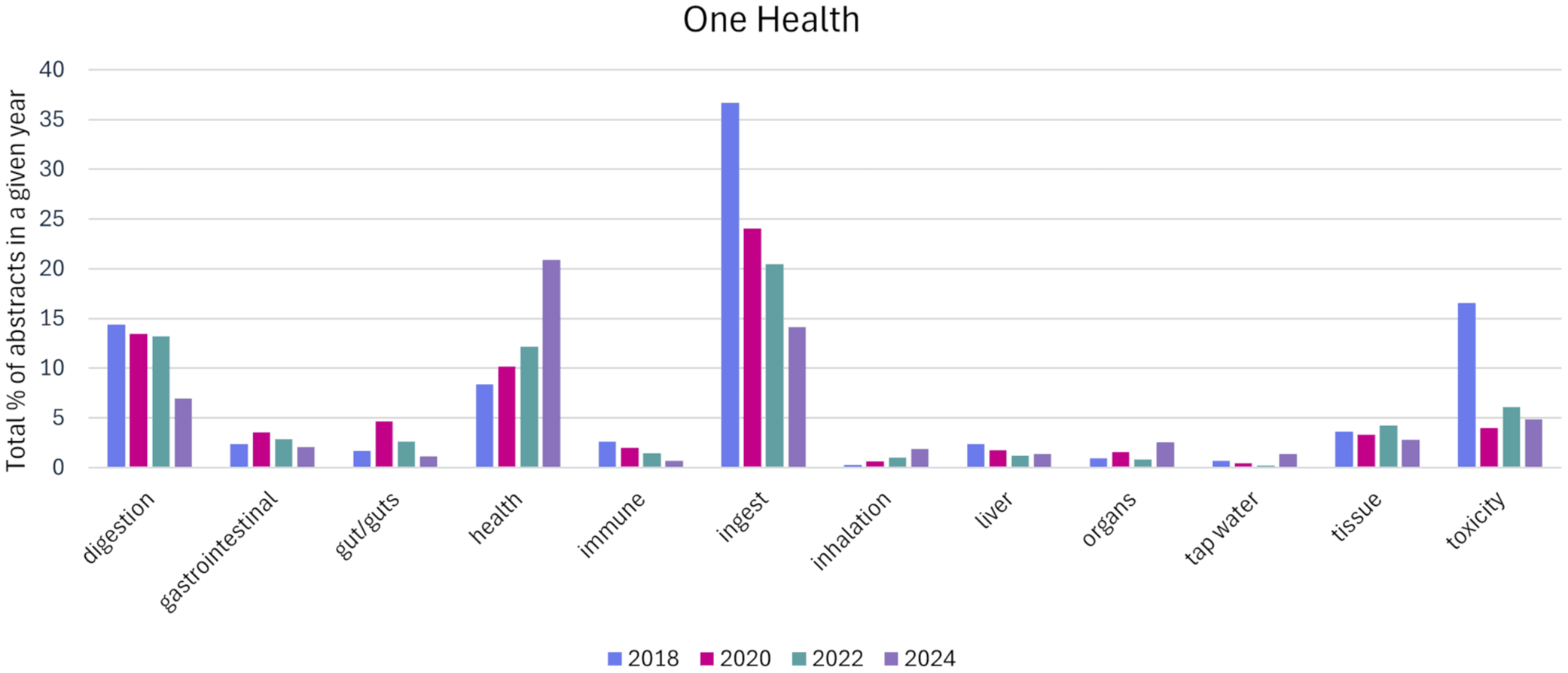


 Open access


Comments
Dear Professor Fletcher,
As a problem that is human-made, plastic pollution requires more than solutions from natural science alone. While natural sciences have provided essential insights into the distribution, fate and impacts of micro- and macroplastics, our recent analysis of submissions to the MICRO conference highlights an imbalance: socio-economic, behavioral, and policy dimensions remain underrepresented.
In our recent study, we analyzed 1,794 abstracts submitted to the MICRO conference from 2018–2024, offering a real-time snapshot of ongoing research. The results show that the field remains dominated by natural sciences, with few submissions addressing human health and behavior, governance, or lifecycle management. This gap underscores the need for stronger interdisciplinarity and a shift in conference culture to foster collaboration across fields.
We hope this work encourages the community to broaden its scope, ensuring that plastic research not only identifies problems but also contributes to feasible solutions for a more sustainable future.
Sincerely,
Wencke Groeneveld, on behalf of the authors