





Alzheimer’s disease (AD) is the most common form of dementia in the USA, with 7.2 million adults aged 65 years or older living with AD(1). The prevalence of AD in the ageing US population is estimated to rise to 13·8 million by 2060(1). With limited treatments that primarily target disease after clinical onset, there is a dire need to investigate potentially modifiable strategies for reducing or delaying AD risk. Precision nutrition is a field of precision medicine, part of a broader initiative by the US government currently supported by the National Institutes of Health(Reference Collins and Varmus2) that aims to offer nutritional advice based on an individual’s biological variation, offering greater specificity than generic medical advice(Reference Kirk, Catal and Tekinerdogan3). In ApoE4 carriers, this is biologically plausible because the genotype influences lipid transport, energy metabolism and inflammatory responses relevant to AD. However, precision nutrition has not yet been established as an effective AD-prevention strategy in carriers of the apolipoprotein E ϵ4 (ApoE4) variant, the greatest genetic risk factor for AD(Reference Riedel, Thompson and Brinton4). Available human evidence is derived largely from observational cohorts, secondary genotype analyses and small intervention studies, while adequately powered randomised trials with cognitive outcomes remain scarce.
The human apolipoprotein E (ApoE) gene encodes a lipoprotein – molecules made of protein and fat that transport cholesterol and triglycerides – that exists in three main variants in humans: ApoE2, ApoE3 and ApoE4(Reference De Leeuw, Kirschner and Lindner5), with each individual carrying two alleles, giving rise to six different allelic combinations. These three variants differ by a single amino acid change at either position 112 or 158 (ApoE2 (Cys112, Cys158), ApoE3 (Cys112, Arg158) and ApoE4 (Arg112, Arg158)(Reference Liu, Kanekiyo and Xu6), which results in structural changes. ApoE2 has a weak binding capacity for LDL receptors and is considered a ‘protective’ allele against AD, although it is associated with conditions such as type III hyperlipoproteinaemia(Reference Hatters, Peters-Libeu and Weisgraber7). This particular allele has low incidence in the human population(Reference Wu and Zhao8), while ApoE3 shows neutral risk to AD development and is the most prevalent allele in the human population, and ApoE4 exhibits the greatest increased risk of AD (homozygous ApoE4 increases AD risk by 8-fold and heterozygous ApoE4 increases AD risk by 3-fold)(Reference Yamazaki, Zhao and Caulfield9). Both ApoE2 and ApoE3 have a high binding preference for HDL, while ApoE4 has a strong binding preference for VLDL and LDL due to the presence of arginine in position 112 of the lipid-free structure of apolipoprotein(Reference Hatters, Peters-Libeu and Weisgraber7), producing a narrower conformation.
The structural differences among ApoE variants have important implications for Alzheimer’s disease. ApoE4 carriers exhibit reduced cerebral glucose metabolism as early as young adulthood(Reference Reiman, Chen and Alexander10), along with decreased dendritic density, impaired synaptic plasticity and fewer glutamate receptors(Reference Yamazaki, Zhao and Caulfield9). These metabolic abnormalities are among the earliest biomarkers associated with future AD development. Postmortem studies further show that ApoE4 carriers who develop AD have pronounced deficits in mitochondrial metabolism compared with non-carriers(Reference Hammond, Xing and Yanckello11). Notably, these metabolic impairments are now recognised as among the most predictive biomarkers of future AD development(Reference Hammond, Xing and Wang12–Reference Ding, Sohn and Kawczynski14).
Critically, these metabolic alterations create a feed-forward cycle that accelerates AD pathogenesis. Glycolytically biased microglia and metabolically stressed neurons promote amyloid-β production, tau release and protein aggregation, further amplifying metabolic rigidity(Reference Constantino, Ashley and Macauley15). ApoE4 additionally impairs amyloid-β (Aβ) clearance and enhances Aβ aggregation – central hallmarks of AD pathology(Reference Chen, Jin and Chen16). Consistent with this, restoring brain metabolic function has been associated with preservation of cognitive performance in experimental models(Reference Anderson, Frazier and Maimaiti17). Although reduced cerebral glucose metabolism and synaptic dysfunction are among the earliest biomarkers associated with future AD development, whether directly modifying these biomarkers through nutritional interventions translates into reduced AD incidence remains under investigation.
In addition to brain metabolic deficits, ApoE4 carriers also exhibit early gut dysbiosis compared with ApoE2 and ApoE3 carriers. Specifically, ApoE4 carriers show higher levels of Gammaproteobacteria and the family Enterococcaceae (Reference Liu, Wu and Peng18,Reference Hou, Xu and Ran19) – organisms known to increase epithelial permeability and, when elevated, contribute to gut dysbiosis. Given the well-established gut–brain axis – through which the presence and abundance of specific microbial taxa can influence brain physiology and modulate cognitive function(Reference Gareau, Lyte and Cryan20) – there is growing interest in targeting the gut microbiome to mitigate AD risk. A recent study with cognitively normal older adults demonstrated that gut microbiome composition is not only associated with ApoE genotype but also correlates with MRI-derived brain volumes, including the thalamus and corpus callosum; notably, higher levels of butyrate-producing bacteria were linked to larger regional brain volumes, whereas increases in pro-inflammatory taxa were associated with reduced gamma-aminobutyric acid production and poorer white-matter integrity(Reference Hammond, Green and Jacobs21). These findings suggest that gut microbial alterations in ApoE4 carriers may contribute to structural brain vulnerability, complementing the metabolic and synaptic deficits characteristic of preclinical AD. Modulation strategies such as prebiotics (e.g., dietary fibre or supplements) and probiotics are emerging as promising avenues of research in the context of AD prevention and cognitive decline.
When interpreting this literature, it is important to distinguish dietary associations from intervention efficacy and to differentiate changes in nutrient levels, metabolic biomarkers or neuroimaging measures from demonstrated protection against cognitive decline. ApoE-stratified analyses are frequently secondary, and carrier subgroups are often small. Consequently, findings that identify genotype-dependent associations or biological target engagement should be considered hypothesis-driven, unless supported by prospective randomised cognitive outcomes.
Diet and food choices play a critical role in shaping both brain metabolism and gut microbiome composition. Human studies have reported associations between Mediterranean-style dietary patterns, seafood or n-3 intake, olive oil consumption, dietary vitamin E, vitamin C levels, carotenoid concentrations and cognitive outcomes in ApoE4 subgroups(Reference Liu, Finno and Beck22–Reference Tsolaki, Lazarou and Kozori26), possibly through improved lipid transport and homeostasis. These findings are predominantly from prospective cohorts, dietary questionnaires, biomarker analyses and should not be interpreted as evidence that supplementation or dietary prescription prevents AD. In addition, evidence for ketogenic diets – high in lipids but not limited to mono- and polyunsaturated fats – is more limited and includes preclinical studies, small clinical investigations and an individual case report, but suggests an alternative, glucose-independent energy source that may be particularly beneficial for ApoE4 carriers, who exhibit reduced cerebral glucose metabolism(Reference Ivanich, Yackzan and Flemister27,Reference Morrill and Gibas28) . Precision nutrition for ApoE4 carriers, however, is not limited to lipid intake. Because enhanced lipid metabolism can increase oxidative stress in the brain, antioxidant compounds such as vitamin C and carotenoids have also been associated with slower cognitive decline(Reference Noguchi-Shinohara, Abe and Yuki-Nozaki29,Reference Liu, Sacks and Beck30) .
Although probiotic trials have been conducted in broader mild cognitive impairment (MCI) and AD populations, results vary according to strain, dose, intervention duration, disease stage and cognitive endpoint, and these studies have generally not evaluated cognitive outcomes by ApoE genotype. For prebiotics, the ApoE4-specific intervention literature is dominated by animal studies, particularly studies of inulin, with limited human observational evidence and no established genotype-stratified cognitive efficacy. Thus, microbiome-targeted interventions remain mechanistically promising, but clinically unvalidated for ApoE4-specific AD prevention.
In this review, we aim to (1) evaluate human observational, clinical-intervention, preclinical and in vitro evidence linking diet and cognitive outcomes in current research on diet and ApoE4 in the context of AD, (2) discuss emerging research related to probiotics, prebiotics and the gut microbiome and (3) explore opportunities for precision nutrition strategies tailored to ApoE4-associated AD prevention.
ApoE4-targeted nutritional interventions
Due to ApoE4 carriers’ differences in lipid handling, research has shown that their levels in the brain of ApoE4 carriers can be significantly different from ApoE2 and ApoE3. Dietary intake of certain lipids and fatty acids may be a strategy to restore lipid balance. In this context, n-3 fatty acids have gained interest because of their typically lower levels in the brain of these carriers.
n-3 fatty acids
ApoE4 carriers have lower levels of docosahexaenoic acid (DHA, n-3) and eicosapentaenoic acid (EPA, a precursor of DHA) compared with ApoE3 carriers(Reference Yassine and Finch31). A study using positron emission tomography showed that middle-aged, cognitively normal ApoE4 carriers had higher brain uptake of DHA compared with non-ApoE4 carriers, whereas older ApoE4 carriers had lower DHA levels in CSF(Reference Yassine, Rawat and Mack32,Reference Yassine, Croteau and Rawat33) . Additionally, mouse studies showed that an n-3 FA-free diet resulted in approximately 40 % less n-3 in ApoE4 adipose tissues compared with ApoE3(Reference Yassine and Finch31,Reference Conway, Larouche and Alata34) , suggesting a lower baseline level for ApoE4 carriers. Low DHA has major consequences, as the brain is unable to generate its own n-3 fatty acids(Reference Yassine and Finch31), and n-3 FA are critical for neuronal survival, synaptic plasticity and proper membrane receptor function (among other important functions)(Reference Weiser, Butt and Mohajeri35). Importantly, low n-3 levels are seen before AD onset(Reference Yassine, Arellanes and Mazmanian36). This is supported by animal studies: DHA was shown to be lower in humanised ApoE4 mice compared with humanised ApoE3 mice(Reference Yassine and Finch31). Although altered DHA uptake provides insight into ApoE-related brain fatty acid intake, these measures do not necessarily constitute evidence of cognitive protection.
The bioavailability of DHA may impact its ability to be utilised by ApoE4 carriers. In an ApoE4 mouse model, Scheinman et al. showed that DHA from lipase-treated krill oil significantly enhanced DHA uptake in the animals compared with regular krill oil(Reference Scheinman, Sugasini and Zayed23). The authors suggest that lipase treatment makes DHA resistant to hydrolysis, and the brain can take up the preferred form of lysophosphatidylcholine DHA.
In a long-term observational cohort (The Rush Memory and Aging Project), Van de Rest et al. showed that the consumption of seafood (medium to high n-3) at least once a week and high intakes of α-linolenic acid were associated with lower rates of cognitive decline only in ApoE4 carriers(Reference van de Rest, Wang and Barnes37). The results suggest that young carriers possibly have higher uptake of n-3 FA as a compensatory mechanism, and n-3 FA supplementation may represent a promising strategy that warrants further investigation in the context of neurodegenerative disorders because studies in patients with symptomatic AD patients have mixed results with little effect(Reference Yassine, Braskie and Mack38). This suggests that supplementation is ineffective at later stages, possibly due to altered n-3 metabolism, such as higher liver utilisation of this fatty acid and reduced delivery through the BBB(Reference Yassine, Braskie and Mack38), making early nutritional intervention an important area for future investigation. However, because clinical trials in individuals with MCI and AD have yielded mixed results, additional genotype-stratified longitudinal studies are needed before conclusions can be drawn regarding the timing and efficacy of n-3 supplementation.
Another multi-year study conducted in Chicago, Illinois (USA) with 3360 participants concluded that a higher intake of n-3 FA yielded a lower rate of cognitive decline in ApoE4 carriers, with a 1 % of energy increment coming from n-3 FA leading to about 30·4 % slower annual cognitive decline(Reference Liu, Beck and Dhana39). Preclinical studies have supported these findings: Zhang et al. utilised humanised ApoE3 and ApoE4 mice and fed them a control diet, high-fat diet (HFD) or an HFD supplemented with n-3 FA(Reference Zhang, Xie and Zhou40). Intervention with n-3 FA showed strong reversion of the HFD-induced stress, including lower deposition of Aβ in the brain hippocampal dentate gyrus and cortex, decreased amyloid precursor protein expression and downregulation of inflammatory cytokines such as TNF-α, IL-1β and IL-6. Further, it was shown that n-3 FA restored the insulin signalling pathway IRS-1/AKT/GLUT4, which HFD initially decreased, suggesting a possible pathway by which n-3 FA exert their effects. Due to the high affinity of ApoE4 to insulin receptors (more discussed in ‘High-carbohydrate Diets’), further biochemical analyses on how n-3 FA exert their effects through GLUT4 would further expand understanding of n-3 in ApoE4 carriers may be beneficial, including outcompeting ApoE4 binding to insulin receptors. More research on the bioavailability of FA to ApoE4 carriers is needed due to its atypical lipid profile and alternative preferred pathways, as shown by the lipase-treated DHA(Reference Scheinman, Sugasini and Zayed23).
Despite the relevance of n-3 in the context of ApoE4 subjects, other oils also show high significance not only for their fatty acid profile but also for the presence of antioxidant compounds, such as sesamol.
Sesame and olive oils
Sesamol, present in sesame oil, was evaluated in a preclinical ApoE mouse model, where it reduced HFD-induced anxiety, cognitive impairment and deficits in spatial and working memory, inhibited β-amyloid peptide accumulation and prevented gut barrier dysfunction and systemic inflammation in wild-type mice in an ApoE-dependent manner, with significant effects observed primarily in ApoE knock-in mice, but not in the knock-out model(Reference Yuan, Chu and Shi41). Because sesamol possesses ROS scavenging activity and has been increasingly studied as a neuroprotective supplement due to its ability to offer protection and counteract oxidative stress in the central nervous system(Reference Guo, Wang and Xu42), these findings support further investigation of sesamol as a potential therapeutic strategy. However, no studies have evaluated sesamol supplementation in ApoE4 carriers, and therefore, its potential relevance to this population remains speculative.
Olive oil, on the other hand, a key component of the Mediterranean diet (discussed in the ‘Mediterranean Diet’ section), is rich in MUFA and PUFA such as oleic and linoleic acids(Reference Revelou, Xagoraris and Alexandropoulou43). A study in the USA compared data from two large cohorts from 1990 to 2019 of young to middle-aged participants (women: 30–55 years old; men: 40–75 years old) whose FFQ were assessed every 4 years, and analysed dementia-related mortality using death records(Reference Tessier, Cortese and Yuan24). The consumption of olive oil, statistically calculated for each 5-g increment in intake, was significantly associated with lower dementia-related mortality. These results remained unchanged after adjustment for ApoE4 carrier status, but were not significant for non-ApoE4 carriers. Furthermore, the results were not significant for men after adjustment of the model. Interestingly, the study also found that replacing margarine and mayonnaise over time with an equivalent amount of olive oil was associated with a lower dementia death rate. Because the primary outcome was dementia-related mortality rather than incident dementia or cognitive decline, these findings should be interpreted cautiously, as mortality may be influenced by non-cognitive factors.
Another study in Greece with participants aged 60 years or older with an MCI diagnosis, analysed the ApoE genotypes of forty-four participants, who were divided into three groups that received one of the following for 1 year: Mediterranean Diet (MD) instructions; or MD instructions plus High-Phenolic Early-Harvest Greek Extra-Virgin Olive Oil, which was also high in vitamin E; or Mediterranean Diet instructions plus Moderate Phenolic Extra Virgin Greek Olive Oil(Reference Tsolaki, Lazarou and Kozori26). Results showed mild improvements in cognitive function for both groups with olive oils in ApoE4 carriers, with group High-Phenolic Early-Harvest Greek Extra-Virgin Olive Oil showing the highest performance compared with Moderate Phenolic Extra Virgin Greek Olive Oil.
Although no mechanisms were explored in these studies, the association between ApoE4 and lipid handling once again may play an important role. Studies of PUFA and MUFA, respectively, in the brain across ApoE genotypes are more limited. Lipids and fatty acids (i.e. docosahexaenoic acid, ceramides, sulfatides, etc.) have reduced concentrations in the brains of AD patients, and alongside MUFA and PUFA, should be further explored(Reference Yassine, Rawat and Mack32,Reference Sullivan44,Reference Zhang, Yuan and Chen45) . Studies focused on brain cells could provide further insight into the role of lipid-ApoE response. While lipids and fatty acids show a clear link with brain health of ApoE4 carriers, it is relevant to extend the discussion to other known antioxidant compounds. In this context, vitamins C and E have shown relevant modulatory and neuroprotective properties.
Vitamin C and vitamin E
Vitamins C and E have been associated with reductions in cognitive decline in ApoE4 carriers. A cohort from Japan showed that vitamin C levels are significantly associated with a lower risk of dementia or MCI in female ApoE4 carriers, while vitamin E has the same effect for male ApoE4 non-carriers(Reference Noguchi-Shinohara, Abe and Yuki-Nozaki29). However, a large 12-year cohort study in Chicago, Illinois (USA) with 2193 participants showed that α-tocopherol (Vitamin E) only from food sources was correlated with lower cognitive decline in ApoE4 carriers, but Vitamin E in the form of δ-tocopherol was correlated with less cognitive decline only with non-ApoE4 carriers(Reference Liu, Finno and Beck22).
These results suggest that ApoE4 carriers may benefit specifically from increasing vitamin E through diet (as opposed to supplementation), and that bioavailability of vitamins may differ between ApoE4 carriers and non-carriers. In the cohort from Japan, the authors note that vitamins C and E are associated with higher progesterone and estradiol, respectively, suggesting that a possible sex-related relationship in vitamin levels and dementia risk in ApoE4 carriers should be further investigated. Notably, sex-specific responses have also been reported for several dietary and microbiome-related interventions discussed throughout this review, although the available evidence remains limited and further sex-stratified studies are needed.
Although individual compounds show clear associations in mouse models and human cohorts, multiple established diets that contain an abundance of these compounds as micronutrients, and lower levels of pro-inflammatory foods, have also been increasingly studied in the context of AD and ApoE genotype, such as one of the most common and relevant ones, the Mediterranean Diet.
Mediterranean diet
The MD has been increasingly studied for its health benefits(Reference Guasch-Ferré and Willett46). This diet is characterised by minimally processed foods, high consumption of fish, plant-based foods, nuts, olive oil as the main source of fat, a moderate amount of cheese and yogurt, low intake of sugars and sweets, little to no meat and a moderate amount of wine(Reference Guasch-Ferré and Willett46,47) .
A Spanish cohort of 102 participants was assigned to an MD intervention for 3 years (65·6 ± 4·5 years old) in Barcelona, where nineteen participants were ApoE4 carriers, and they underwent comprehensive neuropsychological evaluations at baseline and after 1 and 3 years(Reference Soldevila-Domenech, Fagundo and Cuenca-Royo48). Results show that after 1 year, all participants had improvements in global cognition and memory, with greater impact on ApoE4 carriers. However, after 3 years, some of these measurements were significantly higher in ApoE4 non-carriers, but none were significant for ApoE4 carriers. Furthermore, 2-arachidonoylglycerol was significantly lower after 6 months of MD, and the low concentration in the 1-year follow-up was associated with improved global cognition in ApoE4 carriers and men, while an increase in oleoylethanolamide to anandamide ratio was associated with cognitive benefits for ApoE4 non-carriers only. The authors hypothesise that the intensity of the follow-ups from the first year onwards decreased, as cognitive decline was not the focus of the study, which could partially justify why these benefits in cognitive health were not seen after that time. Furthermore, the decrease in plasma 2-arachidonoylglycerol in men could be a marker of metabolic improvement and a decrease in insulin resistance, as this endocannabinoid is strongly correlated with TAG.
Another cohort from Spain with 522 community-dwelling subjects (67 ± 6 years old) was allocated to three diets: low-fat diet, MD + olive oil and MD + nuts for 6·5 years, with a food questionnaire used as a method of tracking foods(Reference Martínez-Lapiscina, Galbete and Corella49). The authors found that MD diets were associated with protection in both ApoE4 carriers and non-carriers, but the statistical significance was lost after correction in the adjusted model. However, this study may be biased, as cognitive performance was not assessed at baseline.
On the other hand, a recent study that analysed data from two different large cohorts (NHS and HPFS) between 1989 and 2023 with 4215 women (<75 years old) and 1490 men (<75 years old) that were cognitively healthy at baseline and 606 of them developed dementia found a strong correlation between high adherence to the MD and lower risk for dementia in ApoE4 homozygotes, which was much more pronounced than in ApoE4 heterozygotes and ApoE4 non-carriers(Reference Liu, Gu and Li25). Furthermore, 39·5 % of the association between MD and dementia risk in ApoE4 homozygotes was modulated by a set of metabolites. There was a strong association between cholesteryl esters, sphingomyelins and dementia risk. It was shown that MD not only modified lipid metabolism but it also significantly affected other pathways such as betaine and urea cycle metabolism.
The methodology of these studies differed significantly – while the first two were diet interventions with long follow-ups, the third study provided dietary intake assessments and followed the subjects for nearly 34 years, requiring no changes in dietary patterns from the participants. Furthermore, a long follow-up allows investigators to assess more clearly the onset of cognitive decline. Taken together, these studies suggest a potential benefit of the Mediterranean diet in ApoE4 carriers; however, the magnitude and consistency of this association vary across studies. Differences in study design, baseline cognitive assessment, duration of follow-up and statistical adjustment likely contribute to these discrepancies.
The mechanisms by which MD may impact ApoE4 are multifactorial: it is a diet rich in n-3 fatty acids, olive oil and nuts (rich in fatty acids). It can be said that fatty acids and antioxidants play an important role in this diet, and due to abnormal lipid metabolism of ApoE4 carriers, this may contribute to improved peripheral and brain lipid metabolism. Furthermore, MD is high in plant and red wine polyphenols and carotenoids, which have been shown to attenuate astrocyte inflammation and protect against Aβ peptides(Reference Gardener and Caunca50). The MD diet, alongside studies focusing on other lipids and fatty acids, such as olive oil and n-3, suggests that lipid composition may influence neurological health in ApoE4 carriers. However, there are multiple mechanisms that remain to be explored, especially in the communication between peripheral and brain triglycerides. Although it is speculated that carotenoids act in an antioxidant manner, these compounds are lipophilic(Reference Feng, Zheng and Guo51), giving them secondary importance in the context of ApoE genotype. Overall, current evidence suggests that the Mediterranean diet may be most beneficial when adopted before significant cognitive impairment, although evidence in symptomatic AD patients remains mixed and further intervention studies are needed(Reference Gardener and Caunca50).
While the MD has been increasingly studied for its overall health effects, similar dietary patterns to the Dietary Approaches to Stop Hypertension (DASH) have been explored for their potential to delay cognitive decline.
Dietary Approaches to Stop Hypertension (DASH)
DASH is a diet developed to help individuals with high blood pressure, and it differs from the MD through lower fat consumption, higher consumption of dairy and the typical reduction or exclusion of red wine(52).
Evidence regarding the role of DASH in ApoE4 carriers is more limited – in a North American cohort, with diverse races and ethnicities aged 45–94 years, their food habits were tracked, and underwent cognitive assessments twice (6 years apart)(Reference Daniel, Chen and Bertoni53). The authors found no significant associations in cognitive performance with ApoE4 carriers. Adherence to this diet had individual food categories differentially correlated with cognitive performance in different tests. For example, lower sodium intake was associated with poor global cognitive function. Vegetables, nuts/legumes, whole grains and sweetened beverages were predictive of higher cognitive function across tests, although ApoE genotype was not taken into account for these relationships.
It can be said that, although this diet has been studied for AD prevention(Reference Abbasi, Khandae and Shahabi54), it primarily targets cardiovascular health through Na restriction, increased fruit and vegetable consumption, whole grains and low-fat dairy products rather than emphasising unsaturated fat intake. Because ApoE4 is strongly associated with altered lipid metabolism, the comparatively lower emphasis on dietary fats may partially explain why the DASH study showed weaker associations than the MD. Nevertheless, its vascular benefits and emphasis on plant-based foods make it an important comparator when evaluating dietary interventions for cognitive health, and a combination of the MD and DASH, known as the Mediterranean-DASH Intervention for Neurodegenerative Delay (MIND), has emerged, combining elements of both dietary patterns.
Mediterranean-DASH intervention for neurodegenerative delay (MIND)
The main difference between MIND, MD and DASH is that MIND combines features of both diets while placing particular emphasis on green leafy vegetables, berries and other plant-based foods that are rich in carotenoids and polyphenols, whereas MD places a higher emphasis on olive oil, fish and other sources of unsaturated fatty acids(55). This diet has also been studied in the context of AD with promising results(Reference Agarwal, Leurgans and Agrawal56).
When it comes to ApoE stratification, the results are mixed: in North American(Reference Agarwal, Leurgans and Agrawal56), English(Reference Chen, Dunk and Wang57) and French(Reference Thomas, Lefèvre-Arbogast and Féart58) cohorts, the MIND diet was positively associated either with ApoE4 non-carriers or no difference was observed at all. For the North American cohort, autopsies were conducted in participants who had their food habits tracked, and although specific ingredients were correlated with phosphorylated tau tangles or β-amyloid, none of these were significant after statistical correction(Reference Agarwal, Leurgans and Agrawal56). In the English cohort, adherence to the MIND diet was tracked for two years, with no significant changes in brain structural markers, but there was slower atrophy in the putamen and pallidum correlated with ApoE4 non-carriers(Reference Chen, Dunk and Wang57). Lastly, MRI was performed in a community-dwelling French cohort, and the MIND diet did not affect brain markers(Reference Thomas, Lefèvre-Arbogast and Féart58).
On the other hand, a study analysed data from a 3-year-long cohort of 604 participants in the USA aged 65 years or older, overweight, with a family history of AD(Reference Liu, Sacks and Beck30). Subjects were predominantly white and female, and either maintained their diet or were provided a MIND diet. The study had significant findings with blood carotenoids, including lutein + zeaxanthin, β-cryptoxanthin, lycopene, α-carotene and β-carotene. It was found that at the study baseline, total carotenoid levels did not differ between ApoE4 carriers and non-carriers. However, for ApoE4 carriers, a 1-unit increment of plasma total carotenoids was associated with a higher global cognitive score, while this was not observed in non-carriers. After intervention, ApoE4 carriers in the highest tertile of blood total carotenoid concentrations experienced a significantly slower rate of cognitive decline, equivalent to being 3 years younger. For non-carriers, no significance was found after intervention between carotenoid concentration and cognitive scores. The authors hypothesise that carotenoids can reduce oxidative stress and mitigate neuroinflammation in these carriers, providing enhanced protective effects compared with non-carriers. A computational study by Lakey-Beitia et al.(Reference Lakey-Beitia, Kumar and Hegde59) used molecular docking to simulate interactions between five carotenoids and Aβ, as these compounds can cross the BBB, and showed a strong capacity to prevent Aβ aggregation through hydrogen and Van Der Waals bonds, suggesting that they may be potent anti-amyloidogenic molecules. Although this mechanism is speculative, it sheds light on a potential mechanism for these benefits.
The inconsistency in the results highlights one major problem with nutritional studies, which is the ability to keep track of real changes in dietary patterns. The inconsistency of these findings likely reflects multiple factors, including challenges in accurately assessing long-term dietary adherence and differences in study design. From a biological perspective, MIND emphasises vegetables, berries and antioxidant-rich foods, whereas MD places greater emphasis on unsaturated fatty acids from olive oil, fish and nuts. Because ApoE4 carriers exhibit altered lipid metabolism, interventions targeting lipid homeostasis may provide greater benefit than dietary patterns in which lipid intake is not a primary component. On the other hand, the stronger emphasis of MIND on plant-derived antioxidants, carotenoids and dietary fibre may influence cognition through mechanisms related to oxidative stress and the gut microbiome rather than lipid metabolism alone.
MIND is rich in fibre, which is important for modulating the gut microbiota and enhancing the mechanisms of the gut–brain axis, further discussed in this review. High-fibre diets may influence ApoE4 neurological modulation by increasing the production of microbial metabolites such as SCFA.
High-fibre diets
Fibre is critical for blood-glucose control and also key to proper gut functioning(Reference Dhingra, Michael and Rajput60). Specifically, fibre can provide the substrates needed for SCFA-producing bacteria to produce SCFA. High dietary fibre intake has been shown to be beneficial in ApoE4 carriers. A study in Italy with 848 participants (aged 74 ± 7 years old) had dietary and clinical data recorded, with subsequent follow-ups at years 3, 6, 9 and 15(Reference Unión-Caballero, Meroño and Andrés-Lacueva61). Interestingly, results of this study showed a significant association between higher dietary fibre intake and lower risk for cognitive decline (per 5 g of fibre/day, 30 % reduction) only in ApoE4 carriers, suggesting that fibre may be especially beneficial for these subjects. However, a study with 1837 elderly patients from a multi-ethnic community that was dementia-free at baseline and had their meals recorded for 7·5 years, found that an increased intake of fructan (bananas, white bread, dark bread, potato/corn chips, peas/lima beans, lentils, rice or pasta and cold breakfast cereal) was significantly correlated with a lower risk for AD development, but only in Hispanics, ApoE4 non-carriers and women(Reference Nishikawa, Brickman and Manly62). It is worth mentioning that some of the foods identified as high in fructans are not necessarily beneficial and are high in simple/refined carbohydrates (such as chips and bread), which may partially explain the discrepancy between this study and others evaluating overall dietary fibre intake, as the neurological effects of fibre are likely influenced by the overall dietary pattern rather than fibre content alone.
Liaquat et al. found that ApoE4 carriers consume significantly less dietary fibre than non-ApoE4 carriers and have lower serum levels of SCFA(Reference Liaquat, Le Gall and Scholey63). Furthermore, the authors found that the consumption of dietary fibre is an approach to delay cognitive decline only for non-ApoE4 carriers. These mixed results illustrate one difficulty of large nutritional cohort studies, which is the ability of subjects to self-report food intake accurately enough to reflect the quality of the meals taken during the study period, in addition to participation bias and lifestyle factors that have a major impact on these outcomes. Additionally, differences in cultural dietary patterns, food sources of fibre and baseline metabolic health among study populations may contribute to the inconsistent genotype-specific findings. For example, dietary fibre consumed as part of an MD may exert different physiological effects than fibre obtained from diets rich in refined carbohydrates. Taken together, these results support a role for dietary fibre in cognition, but highlight the need for more controlled, genotype-stratified interventions to clarify whether ApoE4 carriers uniquely respond to fibre intake.
High-protein diets
Compared with dietary fats and carbohydrates, the impact of dietary protein, including meat and fish, on ApoE4-associated cognitive decline has received considerably less attention. For instance, in the Chinese Longitudinal Healthy Longevity Study cohort with 8506 adults (average age of 81·7 years old, 52·3 % female), post hoc analyses showed a significant association between higher fish intake with lower risk of mortality in ApoE4 carriers, while a higher meat intake was associated with higher mortality in non-ApoE4 carriers(Reference Jin, Xiong and Yuan64) – it is important to mention that the study did not investigate death caused by cognitive decline. On the other hand, Norgren et al. showed in a cohort with a 15-year follow-up that higher consumption of unprocessed red meat was associated with enhanced cognitive outcomes in ApoE4 carriers (including ϵ3 + ϵ4 or ϵ4 + ϵ4), measured by global cognitive scores(Reference Norgren, Carballo-Casla and Grande65). Although limited, these studies suggest that the source of protein may also contribute to cognitive outcomes in ApoE-stratified populations, indicating that nutritional interventions may not be limited to lipid-related pathways alone, imposing new research directions. The mechanisms proposed to explain these associations remain speculative and are primarily based on observational correlations rather than experimental evidence. Therefore, additional preclinical and clinical studies are needed to better understand the relationship between dietary protein and ApoE genotype.
Given the previously discussed impairment in glucose utilisation by ApoE4 carriers, research has also explored the intervention of diets that provide alternative energy pathways for these carriers, such as ketone bodies.
Ketogenic diet
A ketogenic diet is a diet characterised by a very low intake of carbohydrates, moderate intake of protein and high intake of fats. The reduction of carbohydrate intake leads to a state of ketosis, in which ketone bodies are produced and utilised. Ketones are an alternative cellular fuel source to glucose, which, given the reduction of glucose utilisation seen in the ApoE4 genotype, arises as a promising dietary intervention that warrants further clinical investigation.
The ketogenic diet has been used in both clinical and preclinical ApoE4 cohorts. In one preclinical study, Ivanich et al. did a four-month ketogenic diet intervention in 12-week-old targeted replacement ApoE3 and ApoE4(Reference Ivanich, Yackzan and Flemister27) and showed a robust restoration of tricarboxylic acid intermediates in cortical tissue in ApoE4 female mice, indicating restored cortical metabolism, whereas ApoE4 males did not show metabolic deficits before the ketogenic diet intervention. This preclinical study supports prior ApoE4 studies showing ApoE4 female carriers have more severe metabolic decline than male ApoE4 carriers(Reference Karim, Koc and Rettberg66).
In a single clinical case study, a 71-year-old female homozygous ApoE4 carrier with insulin resistance and metabolic syndrome underwent a 10-week ketogenic diet intervention(Reference Morrill and Gibas28). The intervention was associated with improvements in cognitive performance (MoCA score from 21 to 28) and several metabolic biomarkers, including fasting insulin, fasting glucose, LDL and VLDL. Although these findings are encouraging, they represent observations from a single individual and should therefore be interpreted cautiously.
In contrast, Urich et al. reviewed the impact of ketogenic diet in clinical trials for ApoE4 carriers and suggest that the positive results are mostly for non-ApoE4 carriers, although ApoE4 carriers had shown increased blood ketones in most studies(Reference Urich, Tsiknia and Ali67). Taken together, the available evidence suggests that ketogenic diets remain promising but that their efficacy in ApoE4 carriers has not yet been consistently demonstrated in controlled clinical studies. While early intervention with a ketogenic diet may offer greater benefit for ApoE4 carriers, positive outcomes might also be possible from late interventions, as shown by a one-subject study by Morrill and Gibas(Reference Morrill and Gibas28).
While multiple diets and micronutrients have been shown to be relevant in delaying cognitive decline in ApoE4 carriers (as demonstrated in Fig. 1), it is interesting to see how common dietary patterns and lifestyle can cause the opposite effect, such as the known Western Diet (WD).
Overview of dietary interventions that may help delay cognitive decline in ApoE4 carriers as an early prevention strategy. The figure summarises foods and dietary patterns (such as Mediterranean, ketogenic and high-fibre diets) with evidence supporting their effects through possible lipid modulation, reduced inflammation and enhanced antioxidant activity, mechanisms relevant for ApoE4 carriers. Evidence strength varies among interventions and is derived from observational, clinical and preclinical studies. Created in BioRender.

Impact of typical ‘Western Diet’ in ApoE4 carriers
The WD consists of high amounts of saturated fats, simple sugars, protein (especially from meat) and low amounts of dietary fibre(Reference Clemente-Suárez, Beltrán-Velasco and Redondo-Flórez68,Reference Johnson, Shively and Michalson69) . An increase in the prevalence of the WD corresponds to increased prevalence of obesity, type II diabetes and a plethora of autoimmune diseases(Reference Clemente-Suárez, Beltrán-Velasco and Redondo-Flórez68,Reference Chiba, Nakane and Komatsu70) . The WD is also implicated in exacerbating AD pathology and possibly contributing to its onset(Reference Więckowska-Gacek, Mietelska-Porowska and Wydrych71). Given the altered lipid handling(Reference Hu, Ma and Xia72) and interaction of ApoE4 with insulin receptors(Reference Zhao, Liu and Van Ingelgom73) in ApoE4 carriers, the WD might pose a great risk, particularly to the ApoE4-carrying population.
High-fat diets
High-fat or Western diets have been used in mouse research with a similar lipid content of approximately 40–45 % calories from fat and therefore were grouped together in this section. These results show that these diets have a higher metabolic impact on male mice rather than females. For instance, in a preclinical mouse study, HFD administered for 12 weeks showed higher glucose intolerance in ApoE4 males, while ApoE4 females had similar metabolic levels to ApoE3(Reference Jones, Watson and Rebeck74). In another mouse study, female ApoE4 mice had an exaggerated response to glucose intolerance results after HFD was administered for 9 months; however, no other significant metabolic changes were found, while males had impaired glucose metabolism and increased IL-1β proinflammatory cytokine in the brain(Reference Mattar, Majchrzak and Iannucci75). Multiple other animal studies have also not found significant differences in the administration of HFD or WD to female ApoE4 or E4FAD mice, while results were commonly significant for their controls(Reference Christensen and Pike76–Reference Christensen and Pike78).
When it comes to clinical studies, a randomised clinical trial with healthy controls and MCI subjects (averaged 68 ± 7 years old) in the USA showed that an HFD for 4 weeks increased Aβ42 in both E4 carriers and non-carriers, while Aβ levels from a low-fat diet were negatively correlated with changes in cerebrospinal fluid levels of insulin(Reference Hanson, Bayer-Carter and Green79). However, ApoE4 males were not present in the healthy control group, limiting the authors from drawing conclusions about the ApoE4 sex-specific response. On the other hand, in the previously mentioned cohort in Chicago with 3360 subjects(Reference Liu, Beck and Dhana39), it was concluded that higher intakes of total fat and saturated fatty acids lead to higher rates of cognitive decline in ApoE4 carriers, and the rate was proportional to the total fat consumed. Sex-specific responses were not disclosed from the latter, although the model was adjusted for sex. Due to the extensive body of knowledge in animal studies showing minimal impact of a HFD to females, more clinical studies with a focus on cognitive decline that take sex into account are needed to further expand our knowledge and the impact and mechanisms of this diet on ApoE4-carriers. Collectively, clinical studies suggest that diets rich in saturated fats are associated with faster cognitive decline in ApoE4 carriers, whereas preclinical studies indicate that males may exhibit greater metabolic and inflammatory responses than females.
ApoE is secreted by astrocytes in the brain and mediates cholesterol and phospholipid transport in the central nervous system, besides contributing to Aβ clearance(Reference Elliott, Weickert and Garner80). Although peripheral ApoE is not able to cross the blood–brain barrier, HFD have been shown to reduce ApoE hippocampus level by approximately 50 % in ApoE3 mice, but not in ApoE4; and when this was a ketogenic diet (low in carbohydrates, high in fat), plasma ApoE was increased in ApoE4, but not in the hippocampus for both ApoE3/E4, suggesting that ApoE levels in the hippocampus are sensitive to carbohydrate availability(Reference Lane-Donovan and Herz81). Liemisa et al. showed that a HFD significantly increased brain ApoE for ApoE2 mice, but not for ApoE4, and no significant difference was found for ApoE3 either(Reference Liemisa, Newbury and Novy82) – although this study analysed hemibrain, not the hippocampus as in the previous. These findings further support that ApoE4 mice exhibit altered metabolic responses to high-fat diets, although the relationship between these molecular changes and cognitive outcomes remains to be established.
Results from HFD interventions remain limited regarding sex-specific responses in ApoE4 carriers – although clinical trials show faster cognitive decline in diets rich in fats, cholesterol and carbohydrates, there is a lack of data stratifying females and males. As shown by previous animal studies in this section, higher metabolic responses from HFD are more evident in males, but females exhibit a more resistant phenotype, although the mechanisms are not clear.
High-carbohydrate diets
While carbohydrates produce glucose, which is the main energy source for every cell, including brain cells, a diet high in ‘simple’ carbohydrates, including high fructose corn syrup, is linked to obesity and type 2 diabetes, which are associated with increased risk of AD(Reference Flores-Cordero, Pérez-Pérez and Jiménez-Cortegana83,Reference Barbagallo and Dominguez84) . Given that ApoE4 differentially binds with insulin receptors(Reference Zhao, Liu and Van Ingelgom73), diets high in carbohydrates and the subsequent increase in glucose may pose issues in ApoE4 carriers.
In a 12-year study in France, 2777 participants in France averaged 75·9 years old, while no significant association was found between dementia and glycaemic load in breakfast, lunch or dinner, there was a significant association was found between the afternoon-snack glycemic load and dementia risk, but only in ApoE4 carriers(Reference Gentreau, Chuy and Féart85). Interestingly, this significance was independent of energy intake, Mediterranean-like diet and physical activity and remained significant after excluding participants with type 2 diabetes. One possible explanation for this association is impaired insulin signalling. In a preclinical study, Zhao et al. found that insulin signalling was significantly lower in ApoE4 older mice (22 months) compared with ApoE3(Reference Zhao, Liu and Van Ingelgom73). Further investigation showed that ApoE4 binds to insulin receptors significantly more than ApoE3, and when co-incubated with insulin, ApoE4 reduced the binding of insulin to insulin receptors by almost 50 %, while ApoE3 only decreased by 25 %. These findings suggest a potential mechanism through which high-carbohydrate diets may disproportionately affect ApoE4 carriers by impairing glucose homeostasis. However, whether this mechanism directly contributes to cognitive decline in humans remains uncertain, as the available evidence consists primarily of epidemiological associations and preclinical studies. Increased blood glucose driven by a high-carbohydrate diet may disproportionately affect ApoE4 carriers, as they are less insulin sensitive, leading to an increased level of blood glucose, which can lead to cognitive decline(Reference Gupta, Pandey and Rumman86). Given substantial evidence showing the negative health outcomes of diets rich in simple sugars and simple carbohydrates in different disease models, these dietary patterns may also contribute to AD-related pathology. However, their specific impact on cognitive decline in ApoE4 carriers requires further investigation in well-controlled clinical studies. Conversely, complex carbohydrates may provide additional health benefits through mechanisms distinct from those associated with simple carbohydrates, particularly by modulating the gut microbiome, a key mediator of the gut–brain axis. In this context, the gut composition itself also differs across ApoE genotypes.
The gut microbiome composition in ApoE4 carriers
The gut microbiome composition of ApoE4 carriers was shown to be altered in clinical and preclinical models. These alterations happen at the phylum, class, order, family, genus and species level. Alterations in gut microbiome populations are implicated in a plethora of diseases, including AD. While the exact mechanisms are still being discovered, the effects of gut microbiome disturbances in ApoE4 carriers are an important avenue of exploration for AD prevention in this population.
Phylum and class
Studies have shown that gut microbiota varies between healthy individuals and individuals with MCI or AD. Further, gut microbiome composition has also been shown to differ between ApoE genotypes(Reference Liu, Wu and Peng18,Reference Hou, Xu and Ran19,Reference Vogt, Kerby and Dill-McFarland87–Reference Zajac, Green and Johnson93) . Due to the high incidence of ApoE4 carriers who develop AD, here we talk about both gut microbiota compositions. In an English cohort, ApoE2/E3 carriers showed a higher abundance of the phylum Firmicutes compared with ApoE3/E4 and ApoE4/E4 carriers(Reference Tran, Corsini and Kellingray90), while Firmicutes was lower in AD patients in an English(Reference Tran, Corsini and Kellingray90), North-American(Reference Vogt, Kerby and Dill-McFarland87) and Chinese(Reference Liu, Wu and Peng18) cohorts. One North-American cohort reported lower abundance of Actinobacteria in AD subjects(Reference Vogt, Kerby and Dill-McFarland87), while one of the Chinese cohorts reported it higher(Reference Zhuang, Shen and Li89). Additionally, the North-American cohort(Reference Vogt, Kerby and Dill-McFarland87) reported a higher incidence of the phylum Bacteroidetes, while the same phylum was considered lower than the healthy control for all three Chinese studies(Reference Liu, Wu and Peng18,Reference Hou, Xu and Ran19,Reference Zhuang, Shen and Li89) . Standard American Diet (WD) is associated with the consumption of high levels of sugar, Na, fats and processed foods, with low levels of fresh fruits and vegetables(Reference Rakhra, Galappaththy and Bulchandani94). The consumption of red meat is also high compared with other diets, such as the Traditional Chinese Diet, which has a higher consumption of vegetables, rice, fermented foods and teas that are high in antioxidants(95), besides having a higher amount of fibre compared with the WD. To exemplify how different regions and food habits can shape the gut microbiome composition, a study by De Filippo et al.(Reference De Filippo, Cavalieri and Di Paola96) compared the gut microbiota of fourteen healthy children from a village from Burkina Faso, representative of a rural African diet, and fifteen healthy children from Florence, Italy, representative of a WD as previously described. The differences between the gut composition held strong significance, with children from Burkina Faso, having significantly higher phyla Actinobacteria and Bacteroidetes, while European children had higher Firmicutes and Proteobacteria. The study demonstrates how microbiota coevolved with their diet, as these bacteria can enhance the energy intake from complex fibres highly consumed on a daily basis. A similar scenario should be the case for the differences in gut composition of AD patients or ApoE4 holders in the studies made in the USA and China, as phyla dominance can contradict. While gut microbiome alterations are frequently reported in ApoE4 carriers compared with other genotypes, the differences identified vary considerably across geographic regions, dietary patterns and study populations, highlighting the difficulty of defining a universal ApoE4-associated microbial signature.
Interestingly, a Chinese cohort showed that phylum Proteobacteria and class Gammaproteobacteria are relevant to AD pathology(Reference Liu, Wu and Peng18), while another Chinese cohort found the same phylum to be enriched in ApoE4 carriers(Reference Hou, Xu and Ran19). This can be further supported by a humanised ApoE mouse model study, where ApoE4 male mice present a higher abundance of the class Gammaproteobacteria compared with ApoE2 and ApoE3(Reference Zajac, Green and Johnson93), respectively. This class includes bacteria such as Escherichia coli, Vibrio cholerae, Pseudomonas aeruginosa and others, which have been associated with gut dysbiosis, metabolic disorders and inflammation(Reference Scales, Dickson and Huffnagle97). However, these associations do not necessarily reflect functional activity within the microbiome, which depends on strain-specific characteristics and metabolic output. As reviewed by Scales et al., Gammaproteobacteria, part of the Proteobacteria phylum, can utilise inflammatory by-products for growth and outcompete other autochthonous microorganisms(Reference Scales, Dickson and Huffnagle97). This happens when the inflamed gastrointestinal tract enhances the availability of terminal electron acceptors (especially NO3 –) on the mucosa that these strains can utilise by denitrification, allowing them to outgrow the other common species present. Gammaproteobacteria were significantly enriched in antibiotics-aggravated radiation-induced cognitive dysfunction in mice(Reference Luo, Yang and Zhan98), reinforcing its ability to outgrow other species under stress and its direct relationship to the gut–brain axis.
Order and family
The order Clostridiales was higher in ApoE2/E3 carriers in an English cohort(Reference Tran, Corsini and Kellingray90) and lower in American subjects with AD(Reference Vogt, Kerby and Dill-McFarland87), while family Clostridiaceae was lower in Chinese patients with AD(Reference Liu, Wu and Peng18), but Ruminococcaceae was not statistically different in ApoE2 and ApoE4 in the English cohort due to high variability. Clostridium sp. SY8519 was shown to have a significantly lower concentration in individuals with AD in a North American cohort(Reference Haran, Bhattarai and Foley91), although ApoE genotype was not specified; increases in Clostridiales in ApoE2-carrying mice are supported by mouse studies: ApoE2 mice also showed increases in Clostridiales(Reference Zajac, Green and Johnson93), and at the family level, Lachnospiraceae and Ruminococcaceae (Reference Parikh, Estus and Zajac92,Reference Zajac, Green and Johnson93) .
ApoE4 also had increased family Enterococcaceae in a Chinese cohort, although for the same study, that family was lower for AD subjects compared with healthy controls(Reference Hou, Xu and Ran19). The same family was deemed significant for AD pathology by a second Chinese cohort(Reference Liu, Wu and Peng18). Enterococcaceae, which belongs to the Gammaproteobacteria class previously discussed, have been shown to increase the permeability of the epithelial cells, causing microbial translocation that can lead to an immune response(Reference Moreira De Gouveia, Bernalier-Donadille and Jubelin99). Interestingly, and in contrast, Enterococcus spp. from the Enterococcaceae family, present as the commensals E. faecalis and E. faecium in low concentrations in the gut(Reference Krawczyk, Wityk and Gałęcka100), have shown potential as probiotics, causing alleviation of atherosclerosis and reduction of LDL(Reference Zhu, Li and Din101,Reference Zhu, Yin and Wang102) . However, these bacteria spp. are also known for their virulence factors and pathogenicity, as they have developed high antibiotic resistance, especially to vancomycin(Reference Dubin and Pamer103). These studies demonstrate that host factors, dietary habits and microbial strain specificity should all be considered when interpreting associations between ApoE genotype and gut microbiome composition.
Genus and species
AD subjects in the North-American cohort had a higher incidence of Blautia, Bacteroides, Alistipes, among several others, while a decrease in Clostridium, Bifidobacterium, Dialister, Turicibacter and others(Reference Vogt, Kerby and Dill-McFarland87), although in an English cohort, ApoE4 carriers had a higher abundance of Clostridium cluster XIVa(Reference Tran, Corsini and Kellingray90). Another North-American cohort reported lower abundance of Lachnoclostridium spp. in AD patients(Reference Haran, Bhattarai and Foley91), and the same was reported for a Chinese cohort(Reference Zhuang, Shen and Li89) – although the taxonomy of Lachnoclostridium have since been revised, with relevant species reassigned to Enterocloster or Clostridium.
Clostridium species can have nineteen different clusters present in the gut, and the most common ones in the adult gut are included in clusters XIVa and IV(Reference Grenda, Grenda and Domaradzki104). Because of a reclassification of the genus Clostridium, bacteria such as Faecalibacterium prausnitzii, Streptococcus hansenii, Roseburia cericola and others are included in these clusters, with F. prausnitzii, an increasingly studied species, being in Cluster IV. The ability of species in these clusters to reduce gut dysbiosis and inflammation has been reported by several studies(Reference Fei and Zhao105). Several Clostridium spp. are important SCFA producers, whose significance for preventing cognitive decline will be further discussed in the next sections, with their main product being butyrate(Reference Guo, Zhang and Ma106), known as the main energy fuel for epithelial cells and for decreasing inflammatory responses. The strains in this cluster possess some significant traits such as the ability to convert lactate into butyrate by Cluster XIVa and acetate into butyrate by Clusters XIVa and IV(Reference Moens and De Vuyst107), although these metabolic capabilities vary considerably among species and strains. A study by Zheng et al.(Reference Zheng, Ye and Yang108) showed that Proteobacteria was more abundant and C. butyricum lower in obese mice than in healthy controls and that it is also associated with cognitive decline, while supplementation of C. butyricum significantly alleviates cognitive impairment. Supplementation with C. butyricum in mice in three different doses shows that an expression of the brain-derived neurotrophic factor pathway-related proteins was increased compared with the Vascular Dementia group, indicating a reduction in neuronal apoptosis(Reference Liu, Sun and Wang109); and supplementation of the same strain to amyloid precursor protein APP/PS1 mice significantly decreased Aβ deposits in the brain, suppressed microglia activation while decreasing levels of proinflammatory cytokines such as IL-1β and TNF-α. In addition, the study showed a reversion in the butyrate levels that inhibited the phosphorylation of the NF-κB signalling(Reference Sun, Xu and Yang88). There has been no research linking ApoE genotypes to Clostridium spp. to our knowledge, but these findings suggest a promising avenue for future research.
Although numerous studies have reported differences in gut microbiome composition between ApoE genotypes, the specific microbial signatures are not entirely consistent across cohorts. As seen in the study by De Filippo et al., geographic location, habitual dietary patterns, cultural differences and methodological variability likely contribute to these discrepancies, making it difficult to define a universal ApoE4-specific dysbiotic profile(Reference De Filippo, Cavalieri and Di Paola96). Alterations in microbial communities involved in inflammation, short-chain fatty acid production and gut barrier function suggest that functional changes in the microbiome may be more consistent than taxonomic composition alone. Further validation through metabolomic analyses and strain-specific characterisation remains necessary to determine whether the observed compositional changes translate into biological effects. Therefore, understanding how diet shapes these functional microbial characteristics may be particularly important when developing precision nutrition strategies for ApoE4 carriers.
The potential of probiotics and prebiotics for ApoE4-targeted AD prevention
Other potential complementary interventions to precision nutrition strategies in ApoE4 carriers are prebiotics, probiotics and combined pre/probiotics (known as synbiotics)(Reference Swanson, Gibson and Hutkins110). A probiotic is defined as a living microorganism, autochthonous or not, that can confer a health benefit to the host. On the other hand, a prebiotic is defined as a substrate that resists the gastric pH, mammalian enzymes and intestinal absorption and that will be selectively fermented by probiotics(Reference Scott, Grimaldi and Cunningham111). The role of probiotics and prebiotics is important in precision nutrition, as they can modulate gut microbiome composition and health, leading to positive health impacts(Reference Markowiak-Kopeć and Śliżewska112). A summary of how they exert their effects is shown in Figure 2.
The associated effects of probiotics on short-chain fatty acids (acetate, propionate and butyrate) and tryptophan-derived indoles metabolites production in the gut, particularly when grown in the presence of prebiotic substrates. In the absence of these substrates, non-SCFA producers outgrow, reducing the number of beneficial metabolites. Created in BioRender.

Figure 2. Long description
A diagram of the gut health and metabolite production process. The diagram is divided into two main sections. The top section shows the beneficial effects of dietary fibre, prebiotics, and probiotics on gut health. Dietary fibre and prebiotics include bananas, garlic, onions, and other vegetables. These components promote the growth of beneficial bacteria such as Bifidobacterium species and Lactobacillus species, leading to a healthy gut. The healthy gut produces short-chain fatty acids and tryptophan indole acids, which are beneficial metabolites. The bottom section illustrates the negative effects of a Western diet, which includes refined carbohydrates, sugar, and sodium. This diet promotes the growth of harmful bacteria like Escherichia coli and Enterobacter species, leading to gut dysbiosis. The gut dysbiosis produces short-chain fatty acids and indole, with indole being a harmful metabolite. The diagram uses arrows to show the flow from dietary components to bacterial growth and subsequent metabolite production.
Probiotics
Due to the altered gut compositions of ApoE4 carriers, probiotic supplementation (beneficial bacteria) is an emerging point of interest in AD prevention in ApoE4 carriers. Commonly studied probiotic genera include Bifidobacterium, Lactobacillus, Bacillus, although many more have been explored. A major way that probiotic bacteria offer benefits is through the production of SCFA. SCFA are the main metabolic outputs produced by bacteria when fermenting a prebiotic substrate and probiotics are known for producing high levels of SCFA – the main ones being acetate, butyrate and propionate. Although their roles differ in the body, preclinical studies show that these SCFA appear to be essential to the host’s metabolic activities and protection. For example, butyrate, the major SCFA studied, was shown at a dose of 15 mg/kg/d to reduce Aβ levels by up to 40 %(Reference Fernando, Martins and Morici113) and significantly restores the blood–brain barrier permeability. As reviewed by Chen et al.(Reference Chen, Meng and Shen114), preclinical studies demonstrate that sodium butyrate has also been shown to increase proteins related to synaptic plasticity, decrease pro-inflammatory cytokines, reverse hippocampal neuroinflammation, improve histone acetylation and decrease production of soluble Aβ aggregates, among others. Acetate has also been reported to improve cognitive impairment and microglia-mediated neuroinflammation in mice, possibly through upregulation of GPR41 and inhibition of the ERK/JNK/NF-κB pathway (Reference Liu, Li and Gong115), and although less reported than butyrate in this sense, it can also reduce HDAC activity and increase brain histone acetylation(Reference Soliman and Rosenberger116). Similarly, the benefits of propionate have also been shown to be important: treatment with propionate in a mouse model reduced Aβ aggregation, increased brain-derived neurotrophic factor abundance and decreased pro-inflammatory cytokines TNF-α and IL-1β. Propionate also reduced JNK phosphorylation but did not affect NF-κB phosphorylation(Reference Zhao, Jia and Ding117). Furthermore, when the researchers knocked down the free fatty acid receptor 3, most results of time restricted feeding (TRF) were reversed, suggesting that the effects of propionate may depend on this receptor, although the authors did not establish a direct correlation. Barki et al.(Reference Barki, Bolognini and Börjesson118) showed how FFA2 and FFA3 stimulate spinal cord activity and regulate sensory afferent neuronal firing, demonstrating that they are direct players in the gut–brain axis.
Bacterial tryptophan indole metabolites – indole-3-acetic acid (IAA), indole-3-lactic acid (ILA) and indole-3-propionic acid (IPA) – have also been shown to have metabolic benefits. IPA is produced with the enzyme tryptophan aminotransferase, known to be produced by Clostridium sporogenes, although Lactobacillus reuteri and genera Akkermansia and Clostridium have been reported, as reviewed by Konopelski & Mogilnicka(Reference Konopelski and Mogilnicka119). All these metabolites, SCFA included, reportedly exert their effects primarily through G-protein coupled receptors (GPR) as shown in Figure 3, although more pathways have been explored(Reference Liu, Li and Gong115,Reference Zhao, Jia and Ding117,Reference Wang, Wang and Yuan120–Reference Wang, Fan and Zhang123) . In a recent study(Reference Yin, Zhang and Liu124), it was shown that tryptophan indoles, with the most significant results coming from IPA and ILA, were able to upregulate the expression of GPR30, SIRT1 and PGC-1α, and the authors suggested that it alleviates neurodegeneration by upregulation of GPR30/AMPK/SIRT1 pathway. The study results also show a restoration of IL-6 and IL-1β levels in an oxidative stress state with HT-22 cells, although no significant changes were seen for TNF-α. The results are interesting, as it identifies a pathway that may provide insight into sex-specific responses, as GPR30 binds to the female hormone estradiol, and results with ApoE genotype show different responses to pro/prebiotic supplementation when sex is stratified. In PC12 cells, ILA was shown to induce phosphorylation of ERK1/ERK2 in the presence of nerve growth factor, suggesting an enhancement of nerve growth factorinduced ERK signalling. ILA also enhanced the expression of AhR and AChE activities, but in the presence of ANF/CH223191, the effect on AhR was reversed, suggesting that ILA could be acting as an AhR ligand(Reference Wong, Tanaka and Kuhara122).
Key physiological pathways that short-chain fatty acids and tryptophan-derived metabolites produced by probiotic species may exert their positive effect. Mechanisms illustrated involve the activation of receptors such as G-protein coupled receptors (GPR) and other signalling pathways involved in the gut–brain axis and neuroprotection. Created in BioRender.

The impact of probiotic metabolites on the brain seems evident, but evidence also shows that their pathways of action may differ. Most of the evidence presented above, however, is derived from preclinical animal models and in vitro investigations, and human studies evaluating cognitive outcomes in ApoE genotype-stratified populations remain scarce. Nevertheless, the evidence presented above supports the hypothesis that SCFA may enhance ApoE4 carriers’ brain function, particularly at an early, healthy stage. This is because they already exhibit deficits in Aβ clearance and dysfunctional respiration with an inflammatory response, and these studies show how SCFA may modulate these mechanisms. As ageing plays an important role in neurodegeneration, probiotic metabolites might attenuate and delay these effects. However, it is not clear at what concentrations or for how long these effects persist, and they are strain-specific, with a large number of gut bacteria playing an important role under real-world conditions.
Prebiotics
Prebiotics are compounds that are selectively fermented by probiotic microorganisms, providing a health benefit to the host(Reference Gibson, Hutkins and Sanders125). They are commercially available in pure forms or consumed via the diet(Reference Gibson, Hutkins and Sanders125) – many dietary fibres are prebiotics, although the prebiotic definition is much broader than that. Studies using prebiotics have shown not only an increased presence of beneficial bacteria but also altered metabolic profiles. Prebiotics are generally safe and inexpensive, making them a promising avenue of research for AD prevention in ApoE4 carriers and beyond. Some prebiotics are widely known and recognised, such as fructans (inulin and fructooligosaccharides), galactooligosaccharides and xylooligosaccharides, among others.
The impact of prebiotics on ApoE genotypes is better understood, as there have been several studies examining their interaction, specifically with inulin(Reference Yanckello, Hoffman and Chang126–Reference Chang, Yanckello and Chlipala128). In a preclinical study, it was found that the addition of 8 % inulin in the diet to ApoE4 mice for 16 weeks increased Prevotella and Lactobacillus, while decreasing Escherichia, Turicibacter and Akkermansia (Reference Yanckello, Hoffman and Chang126). Beyond increases in beneficial bacteria in ApoE4 mice, ApoE4 males had a greater abundance of metabolites related to SCFA and TCA pathways, showing enhanced energy metabolism. Further, ApoE4 mice had decreased Claudin-1 (increased levels of this are associated with an endothelial proinflammatory phenotype(Reference Sladojevic, Stamatovic and Johnson129)). Although the study with prebiotics and ApoE genotypes has been increasingly explored, it is important to note that multiple bifidobacteria and lactobacilli strains show limited ability to utilise inulin. Therefore, if inulin has been shown to drive positive changes in these models, oligosaccharides such as fructooligosaccharides and galactooligosaccharides warrant further investigation. Furthermore, sex-specific responses are present, highlighting the need for more sex-stratified analysis in future prebiotic research.
Tryptophan indole synthesis is shown to be dependent on the dietary fibre available and the ability of microorganisms to utilise the substrate. A recent study(Reference Sinha, Laursen and Brinck130) analysed the metabolites of the tryptophan indole pathway indole-3-acetic acid, ILA and IPA in vitro and in vivo, and the cultures were supplemented with or without pectin or mixed fibres. The results suggest that the generation of these metabolites was determined by substrate-dependent regulation of specific pathways. In other words, the addition of carbohydrates enhances the production of these metabolites while decreasing indole, a metabolite often associated with toxicity. The hypothesis is that when the appropriate species degrade the dietary fibre, the resulting monosaccharides can cross-feed the bacteria that produce indole. This may lead to catabolite repression of the indole pathway, making tryptophan available for other microorganisms to use, which will therefore produce the three metabolites from the indole pathway (indole-3-acetic acid, ILA and IPA). This further supports the importance of dietary fibre and its direct impact on metabolite production, including the production of indole, proving to have an indirect effect on neurotoxicity. Although studies with tryptophan-indole metabolites have shown considerable importance in the neurological field, the lack of studies considering ApoE genotypes permits only speculation. Furthermore, as most evidence regarding prebiotic supplementation in ApoE4 originates from preclinical models using defined fibres, whether these findings translate across the heterogeneous composition of human diets and the relevant interindividual variability of the gut microbiome remains a question. There are substantial opportunities for research with these metabolites, and it would be interesting to see what different roles these metabolites play when compared with SCFA when taking ApoE genotype and baseline microbiome composition into account.
Trends and future directions
Recently, there have been advances in multi-omics and machine learning (ML) research involving ApoE4 and AD (Table 1). However, there is a lack of studies considering the relationship between the gut microbiome, dietary factors and environment with ApoE genotypes. A multi-omics approach could reveal patterns among these factors. Genomic and transcriptomic studies could also further identify genes related to changes in the gut–brain axis in ApoE4 carriers, giving insight into the effects of an altered gut microbiome on AD risk. Therefore, while these trends highlight the evolving role of precision nutrition, identifying targeted research questions is essential to move the field forward.
Novel approaches integrating multi-omics and machine learning applied to ApoE4-related Alzheimer’s disease research

Table 1 Long description
A table with five rows and four columns. The columns are labeled Approach, Main findings, and Reference. The rows detail various studies and their findings. Row 1: Approach, Multi-omics; Main findings, Endothelial and pericytes cells in ApoE4 mice shows dysregulated signalling mechanisms that suggests progressive BBB failure preceding synaptic dysfunction, neurite loss and behavioural deficits; Reference, 130. Row 2: Approach, Multi-omics; Main findings, Genome-wide significant signals for ApoE4 carriers: ApoE (females), BIN1 (females), CLU, PICALM and 4p15-1 (novel, previously associated with schizophrenia). AD cases in ApoE3 and ApoE4 share signalling pathways and functional categories for Aβ formation, mitochondrial physiology, vesicle mediated transport, actin organisation, immunological functions (IL6 in ApoE4 and CD209 in ApoE3); Reference, 131. Row 3: Approach, Machine learning; Main findings, Machine learning algorithms were able to more consistently predict brain age of ApoE4 carriers compared with non-carriers, with RF algorithm outperforming LR and XGBoost; Reference, 132. Row 4: Approach, Machine learning; Main findings, MySLR machine learning platform was used, which includes latent Dirichlet allocation (LDA) algorithm. The model performed well in recognising keywords and removing duplicates, identifying studies related to the topic with low bias and identifying case-control studies with ApoE gene mutations; Reference, 133. Row 5: Approach, Machine learning; Main findings, Investigation of proteomic changes in ApoE4 carriers with MCI, AD or cognitively healthy was analysed, and two proteins were found to be related to the genotype and bind to ApoE itself – FOXO1 and ZRANB1 – increasing the risk of cognitive impairment; Reference, 134. Row 6: Approach, Machine learning; Main findings, Moderate accuracy was obtained for predicting β-amyloid plaques in cognitively unimpaired individuals in the model that consisted of age, BMI and ApoE4 information; Reference, 135.
The fields of artificial intelligence and ML are becoming increasingly useful in precision nutrition. Artificial intelligence and ML models can integrate existing genetic and epigenetic (and other ‘omics’) data from clinical trials and help identify new therapeutic approaches(Reference Murai and Matsuda137). An example of ML in precision nutrition was demonstrated in the UK: a clinical trial comparing 1002 twins and unrelated healthy participants utilised an ML model that predicted TAG and glycaemic responses to diet(Reference Berry, Valdes and Drew138). A key finding was that an individual’s postprandial TAG and glucose responses are highly consistent and predictable across meals of similar nutrient composition. Conversely, variability is high only between different individuals. This strong within-subject consistency highlights the importance of precision nutrition and using multiple factors to tailor truly personalised dietary recommendations. Furthermore, the authors concluded that genetic traits alone were insufficient for high predictive accuracy, but factors such as meal timing, exercise, sleep and circadian rhythms were important determinants. This last point is particularly interesting, given the association between the afternoon-snack glycaemic load and dementia seen in ApoE4 carriers in the French cohort (previously discussed)(Reference Gentreau, Chuy and Féart85). The use of artificial intelligence and ML for integrating multi-omic data will offer greater insight into precision nutritional strategies with the greatest impact for ApoE4 carriers, based not only on genotype but also sex and environment.
Given the strong role of genetics in modulating cognitive behaviour across different ApoE alleles, precision nutrition emerges as a promising approach to improve lipid handling, oxidative stress responses and other metabolic vulnerabilities characteristic of ApoE4 carriers. Because traditional ‘one-size-fits-all’ dietary recommendations can overlook these differences – including the altered gut microbial composition – it is essential to further understand the relationship between diet and the gut microbiome in the context of neurodegeneration. Multi-omics is an important tool in this context, as its ability to integrate large datasets can provide a broader biological picture of how the gut–brain axis, diet and sex-specific responses interact to influence brain health.
Conclusion
AD is a neurodegenerative disease with no cure, with pharmaceutical treatments targeting pathologies present only after onset, which provide only minimal reductions in disease progression. Given the relationship between ApoE4 and lipid metabolism, as well as gut and brain axis, gut-based interventions in ApoE4 carriers represent promising preventative strategies that require further validation. Changes in diet (Ketogenic diet, Mediterranean diet, high-fibre diet, diets high in vitamins C and E, increased intake of olive and sesame oil, as well as n-3 FA-containing foods or through supplementation (n-3 FAs)) are also promising preventative strategies in ApoE4 carriers. It is important to recognise that the strength of evidence varies considerably across the topics discussed in this review. Many mechanistic insights regarding the gut microbiome, probiotic metabolites and prebiotics are derived primarily from animal and in vitro studies. Consequently, mechanistic hypotheses should not be interpreted as clinical effects, and further ApoE-stratified studies are needed to determine whether these findings translate to ApoE4 carriers.
On the other hand, while multiple human studies have been covered in this review and have revealed associations between diet and AD in ApoE4 carriers, a drawback is that many of these studies utilised questionnaires; questionnaires are adequate tools for collecting information from a large number of people, but reporting inaccuracies cannot be ignored. Even with the drawbacks of these studies, their results suggest that more controlled clinical trials should be conducted using specific nutrition interventions to determine the role of certain nutrients in mitigating the risk of AD for ApoE4 carriers.
It also seems evident that the gut microbiome of those who carry the ApoE2, ApoE3 and ApoE4 alleles has different compositions. ApoE4 carriers have, in general, fewer SCFA-producing species in their gut and more pro-inflammatory species, and males and females also seem to differ from each other, although the mechanism is not clear.
Gut-based interventions – whether through a diet based on precision nutrition, supplementation with specific nutrients, probiotics or prebiotics – show promise as potential early preventative strategies for reducing the risk of AD in ApoE4 carriers. Next-generation technologies, including integrated multi-omics analyses and predictive machine learning models, offer powerful ways to gain insight into genotype-, sex- and environment-specific data affecting an individual’s risk of AD and the gut-based/precision nutrition interventions that may offer the greatest potential for risk reduction.
Data availability statement
All data presented in this review were obtained from previously published studies and are available from the original sources cited in this article. No new datasets were generated during the preparation of this manuscript.
Author contributions
MR—Conceptualisation, formal analysis, investigation, methodology, writing—original draft, writing—review & editing; KI—Writing—review & editing; CA—Writing—review & editing; A-LL—Supervision, resources, funding acquisition, writing—review & editing; CW—Supervision, resources, project administration, writing—review & editing.
Financial support
This work was supported by the National Institute on Aging (NIA) (Grant numbers RF1AG062480 and R56AG079586).
Competing interests
The authors declare no conflicts of interest.


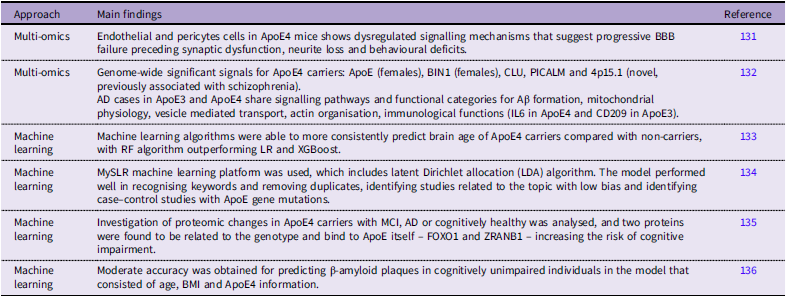

 Open access

