Introduction
Parkinson's disease (PD) is a chronic and progressive disorder of movement that has traditionally been managed medically, using drug therapy. However, medication provides only temporary relief of symptoms and its efficacy decreases over the duration of its use.Reference Sidaway, Anderson, Danielson, Martin and Smith1 Surgery, and more recently deep brain stimulation, has offered benefits to those who have exhausted pharmacological treatments. Rehabilitation has not always been included in the array of treatment options for patients with PD due to the degenerative nature of the disease. However, the last decade has seen increasing interest in rehabilitation for PD, with a rapid rise in high-quality trials finding benefit in the use of exercise therapy for the management of motor symptoms.Reference Rosenthal and Dorsey2 Rehabilitation is a non-invasive approach to treatment that is generally well tolerated and enjoyed by patients.Reference States, Spierer and Salem3 The ambulatory rehabilitation (AR) setting provides a convenient and supportive environment for patients to learn and practise skills throughout the course of their disease. However, there remains some uncertainty about the best design and delivery of such a programme. This article will examine the rationale and evidence for ambulatory rehabilitation (AR) which aims to improve physical performance and functional mobility in patients with PD. It will focus on efficacy, sustainability and cost-effectiveness with the goal of providing guidance on service design and provision.
Background
PD is a common condition worldwide, with a prevalence in Western countries of 950 per 100,000 in people aged 65 years and over,Reference Hirtz, Thurman, Gwinn-Hardy, Mohamed, Chaudhuri and Zalutsky4 predicted to double by 2030.Reference Dorsey, Constantinescu and Thompson5 PD is recognized for its high disease burden for the individual, in addition to its significant economic and social costs.Reference Whetten-Goldstein, Sloan, Kulas, Cutson and Schenkman6 In Australia, it had a per annum direct financial cost of greater than AUD 775 million in 2011 and an average lifetime financial cost of AUD 144,000 per person, similar to the lifetime cost of cancer.7 This is comparable to a number of European countries, where it has been reported that the mean cost ranged from EUR 2620 to EUR 9820 per patient over 6 months.Reference von Campenhausen, Winter and Rodrigues e Silva8 Direct health system costs, including hospitalization, formed the majority of these costs.7–Reference Spottke, Reuter and Machat9 As little as 3% of direct costs were attributable to out-patient care in the European countries.Reference von Campenhausen, Winter and Rodrigues e Silva8
The natural history of PD is one of gradual emergence of motor and non-motor symptoms. Many patients live for years with increasing disability, but the average survival from disease onset has been reported in two different studies as 9.1Reference Hely, Morris, Traficante, Reid, O'Sullivan and Williamson10 and 12.2 years,7 respectively. The rate of progression varies between patients, with approximately 70% having died or become disabled at 10 years, whereas 10% follow a less aggressive course.Reference Hely, Morris, Traficante, Reid, O'Sullivan and Williamson10 General decline has been demonstrated over a period as short as 6 months, across numerous domains such as physical skills, general health and quality of life.Reference Wade, Gage, Owen, Trend, Grossmith and Kaye11 PD is a significant contributor to early retirement from employmentReference von Campenhausen, Winter and Rodrigues e Silva8, Reference Hely, Morris, Traficante, Reid, O'Sullivan and Williamson10, Reference Raggi, Leonardi and Ajovalasit12 and for admission to nursing home, even for patients aged less than 65.7
Rehabilitation, specifically exercise therapy, has been shown in animal models of PD to improve physical performance through both neuroprotectiveReference Faherty, Raviie Shepherd, Herasimtschuk and Smeyne13, Reference Frazzitta, Balbi, Maestri, Bertotti, Boveri and Pezzoli14 and neurorestorative mechanisms.Reference Frazzitta, Balbi, Maestri, Bertotti, Boveri and Pezzoli14 This has not translated into human studies, although exercise continues to be recommended throughout the course of the disease.Reference Morris, Martin and Schenkman15 Whilst it is unlikely that exercise alone could reverse an established disease process,Reference Keus, Bloem, Hendriks, Bredero-Cohen and Munneke16 reducing the trajectory of disability in people with PD could have a major impact by improving the function and quality of life of the individual.Reference Dibble, Cavanaugh, Earhart, Ellis, Ford and Foreman17 Slowing the rate of decline may delay the onset of motor complications, which are the most common cause of admission to hospital for people with PD.Reference Klein, Prokhorov, Miniovitz, Dobronevsky and Rabey18 Furthermore, it would have wider benefits for society by improving the duration of the individual's productivity and potentially delaying admission to residential aged care.
Methods
A literature search was conducted using MEDLINE, Cumulative Index to Nursing and Allied Health literature (CINAHL), Excerpta Medica (EMBASE) and Cochrane Library databases. Search terms were used to identify relevant English language studies from the last two decades (1994–2013). The terms used in various combinations (mapped to Medical Subject Headings – MeSH, where possible) were: Parkinson's disease, rehabilitation, physical rehabilitation, day hospital, ambulatory care, physical therapy, exercise therapy, exercise interventions, balance class, circuit training, circuit class, motor skills, gait, walking, postural balance, accidental falls, quality of life, treatment outcome, outcome assessment, cost-benefit analysis and safety. Additional literature was collected by searching the reference lists of retrieved studies.
Motor impairments of Parkinson's disease
The motor signs of bradykinesia, tremor, rigidity and postural instability are the classic features of PD.Reference Jankovic19 They contribute to gait and balance impairment and falls,Reference Boonstra, van der Kooij, Munneke and Bloem20 which are the key targets for improvement in rehabilitation programmes.
In one study of patients with PD, walking was the most commonly cited activity for which performance was limited, with more than 93% of respondents reporting difficulty.Reference Raggi, Leonardi and Ajovalasit12 Gait abnormalities include reduced gait velocity, stride length and a shuffling pattern.Reference Sidaway, Anderson, Danielson, Martin and Smith1 Freezing of gait can be a particular risk factor for falls due to its often abrupt and unpredictable onset.Reference Boonstra, van der Kooij, Munneke and Bloem20
Postural instability is a complex phenomenon which was previously considered a feature of late PD.Reference Jankovic19 However, there is now increasing evidence of abnormalities in postural control in even the early stages of the disease, caused by impairments of both anticipatory and reactive postural adjustments.Reference Kim, Allen, Canning and Fung21 The aetiology of postural instability in PD is multifactorial and is also proposed to include axial stiffness and dystonia, sensory deficits,Reference Boonstra, van der Kooij, Munneke and Bloem20, Reference Kim, Allen, Canning and Fung21 reduced inter-limb co-ordination, asymmetry in balance controlReference Boonstra, van der Kooij, Munneke and Bloem20 and postural sway.Reference Kim, Allen, Canning and Fung21 Interestingly, both the use of,Reference Kim, Allen, Canning and Fung21 and inability to use,Reference Boonstra, van der Kooij, Munneke and Bloem20 compensatory movements have been implicated as contributors to reduced postural control. Balance tasks that are most challenging for people with PD are turning, standing with a narrow base of support and standing on one foot.Reference Franchignoni, Martignoni, Ferriero and Pasetti22
Falling is an almost inevitable consequence of living with PD, with 87% of the 20-year survivors in the Sydney multicentre study having experienced falls.Reference Hely, Reid, Adena, Halliday and Morris23 A retrospective study of patients with PD attending an AR service found that almost half of the participants reported a fall in the preceding year and one-third reported two or more falls.Reference Balash, Peretz, Leibovich, Herman, Hausdorff and Giladi24 The study found that the number of years since diagnosis of PD and the presence of urinary incontinence were significant predictors of falls. A more recent prospective study by Latt et al.Reference Latt, Lord, Morris and Fung25 identified numerous other independent falls risk factors, including postural instability, abnormal posture, poor leaning balance and leg weakness. People with PD tend to overestimate their limits of stabilityReference Kamata, Matsuo, Yoneda, Shinohara, Inoue and Abe26 and often develop a range of non-motor symptoms, such as autonomic dysfunction, cognitive impairment and pain,Reference Jankovic19 which are also likely to contribute to the risk of falling. Falls in this population can result in a range of injuries, from skin tears to serious injuries such as long bone fractures and intracranial haemorrhage.Reference Balash, Peretz, Leibovich, Herman, Hausdorff and Giladi24 Fear of falling has been found to be a risk factor for recurrent falls,Reference Mak and Pang27 suggesting that a cyclical process may ensue once a patient begins to fall.
Theoretical basis for rehabilitation
There are a number of theories upon which physical rehabilitation in PD is based. The primary approach taken is to teach compensatory movement strategies that circumvent the impaired basal ganglia function in PD.Reference Morris, Martin and Schenkman15, Reference Keus, Bloem, Hendriks, Bredero-Cohen and Munneke16 Cognitive movement strategies aim to put performance under conscious control, utilizing the frontal cortex instead.Reference Morris, Martin and Schenkman15 Complex movements are broken down into smaller components, which are undertaken in a set order after mental rehearsal.Reference Keus, Bloem, Hendriks, Bredero-Cohen and Munneke16, 28 A motor skill learning approach teaches improved movement technique and encourages repetitive practice.Reference Morris, Martin and Schenkman15 Cueing is a physiotherapy technique that applies external sensory cues (i.e. visual, auditory, tactile or cognitive) to enhance movement, though the exact mechanism by which this is effective remains unknown.Reference Keus, Bloem, Hendriks, Bredero-Cohen and Munneke16 A further focus of physical rehabilitation is to remediate the secondary complications of PD such as weakness, reduced joint range of motion and aerobic fitness and to provide ongoing education about falls prevention and the benefits of exercise.Reference Morris, Martin and Schenkman15 These techniques, individually or in combination, form the theoretical basis of physical rehabilitation interventions.
Evidence for rehabilitation in Parkinson's disease
Establishing a clear definition of what constitutes physical rehabilitation for PD is one of the challenges of research in the area, given the absence of uniform terminology and treatment approaches.29 In an AR setting, interventions targeting physical performance in people with PD are commonly offered by physiotherapists. For the purpose of this review, an encompassing definition of physical rehabilitation is used, similar to a recent meta-analysis.Reference Tomlinson, Patel and Meek30 It includes all forms of exercise or physical therapy, not necessarily delivered by a physiotherapist, with the primary goal of improving areas of physical performance such as gait, balance, flexibility and strength.
Early Cochrane reviews examining the effect of physiotherapy interventions in PD contained a limited number of studies that were so clinically and methodologically heterogeneous that the data was unable to be pooled for meta-analysis.Reference Deane, Jones, Playford, Ben-Shlomo and Clarke29, Reference Deane, Jones, Playford, Ben-Shlomo and Clarke31 The 2001 review by Deane et al.Reference Deane, Jones, Playford, Ben-Shlomo and Clarke31 included 11 trials with a total of 280 patients and concluded at the time that there was insufficient evidence to prove or disprove the efficacy of physiotherapy in PD.
Fortunately there has been a sharp increase in the number of high-quality randomized controlled trials in the last decade, with data surmised in four more recent systematic reviews and meta-analyses.Reference Tomlinson, Patel and Meek30, Reference Goodwin, Richards, Taylor, Taylor and Campbell32–Reference Dibble, Addison and Papa34 The updated Cochrane review by Tomlinson et al.Reference Tomlinson, Patel and Meek30 included 39 trials with 1827 participants, enabling the researchers to conclude that physiotherapy is effective in reducing disability and improving gait, functional mobility and balance in the short-term in people with PD. Dibble et al.Reference Dibble, Addison and Papa34 also found moderate evidence that exercise therapy improves balance in people with PD, though their systematic review did not include a meta-analysis. The other reviews used more narrow definitions of exercise, but nonetheless found benefits for strength and physical functioning,Reference Goodwin, Richards, Taylor, Taylor and Campbell32 balance and gait speed.Reference Goodwin, Richards, Taylor, Taylor and Campbell32, Reference Allen, Sherrington, Paul and Canning33
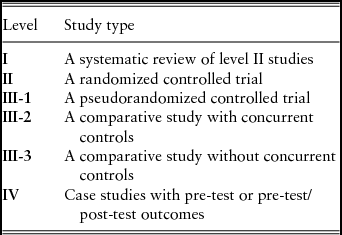
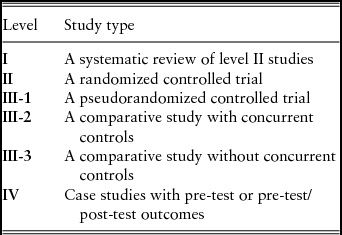
The potential for exercise to impact on health-related quality of life (HRQoL) remains uncertain, with the reviews reaching differing conclusions about its effectiveness.Reference Tomlinson, Patel and Meek30, Reference Goodwin, Richards, Taylor, Taylor and Campbell32, Reference Dibble, Addison and Papa34 Currently there is no level I evidence that exercise interventions reduce falls in people with PD,Reference Tomlinson, Patel and Meek30, Reference Goodwin, Richards, Taylor, Taylor and Campbell32–Reference Dibble, Addison and Papa34 though level II evidence has emerged, based on the Australian National Health and Medical Research Council's (NHMRC) levels of evidence (Table 1).35 Two recent randomized controlled trials (RCTs), not included in the systematic reviews, have reported reductions in participants’ self-reported falls.Reference Li, Harmer and Fitzgerald36, Reference Smania, Corato and Tinazzi37
NHMRC levels of evidence for intervention studies35
A multidisciplinary rehabilitation approach to PD has been advocatedReference Rubenis38 and is intuitive, given the complex multidimensional nature of the disease. Despite this, patients are often referred for physiotherapy alone.Reference Johnston and Chu39 AR has the advantage of allowing patients to access therapy from multiple disciplines across physical, functional and psychosocial domains, whilst continuing to reside in their usual accommodation. However, with the exception of one RCT that showed a trend towards improved mobility,Reference Wade, Gage, Owen, Trend, Grossmith and Kaye11 high-quality evidence to support the use of a multidisciplinary approach is currently lacking.Reference Johnston and Chu39 It is likely that multidisciplinary rehabilitation has additional benefits to offer people with PD, but a full review of the elements of this model of care is outside the scope of this review.
Design and delivery of ambulatory rehabilitation programmes
A wide variety of rehabilitation interventions have been shown to have effect,Reference Kim, Allen, Canning and Fung21 although this makes it difficult to determine which component is providing benefit. The publication of evidence-based guidelines for physiotherapy in PD attempts to address these issues;Reference Morris, Martin and Schenkman15, Reference Keus, Bloem, Hendriks, Bredero-Cohen and Munneke16, 28 however, the guidelines are not prescriptive when recommending specific therapy techniques. This could be seen as a strength, allowing the intervention to be tailored to the individual,Reference Morris, Martin and Schenkman15 but presents a challenge for evidence-based programme design and delivery.
Despite the burgeoning of studies which support the provision of physical rehabilitation for patients with PD, there remains uncertainty about the optimal dose, intensity and duration that should be employed.Reference Kim, Allen, Canning and Fung21, Reference Johnston and Chu39 The best setting and mode of delivery are further factors worthy of review. High-quality studies to address these questions have been lacking, but are beginning to emerge.
Rehabilitation setting
There is some evidence that an in-patient rehabilitation programme has benefits in the short-Reference Morris, Iansek and Kirkwood40, Reference Frazzitta, Bertotti and Riboldazzi41 and long-termReference Frazzitta, Bertotti and Riboldazzi41 for people with PD. However, financial constraints and the judicious use of in-patient hospital beds,Reference Ward, Drahota, Gal, Severs and Dean Taraneh42, Reference Barnes and Radermacher43 in addition to an increased focus on the provision of more patient-centred care,Reference van der Eijk, Faber, Al Shamma, Munneke and Bloem44 has shifted the focus from in-patient to AR for the management of chronic diseases. The setting for AR can be either centre-based (AR centre, out-patient unit or day hospital) or home-based.
Day hospital rehabilitation has been shown to be an effective intervention for a general geriatric population, when compared with no comprehensive care.Reference Forster, Young, Lambley and Langhorne45 A number of studies have shown that exercise interventions delivered in the out-patient setting for people with PD are feasible and safe.Reference States, Spierer and Salem3, Reference McGinley, Martin and Huxham46, Reference Steffen, Petersen and Dvorak47 Short-term improvements have also been shown from a specialist day hospital rehabilitation programme for people with PD in mobility, speech, depression and HRQoL.Reference Wade, Gage, Owen, Trend, Grossmith and Kaye11, Reference Trend, Kaye, Gage, Owen and Wade48
Numerous studies have examined the efficacy of home versus centre-based rehabilitation.Reference Ashworth, Chad, Harrison, Reeder and Marshall49–Reference Lun, Pullan, Labelle, Adams and Suchowersky53 A Cochrane review concluded that centre-based programmes were superior in patients with peripheral vascular disease, whilst neither could be proven superior in patients with chronic obstructive pulmonary disease.Reference Ashworth, Chad, Harrison, Reeder and Marshall49 Some studies in patients with PD have also been unable to demonstrate an advantage of one setting over another.Reference Reis52, Reference Lun, Pullan, Labelle, Adams and Suchowersky53 An exception is the quasi-randomized trial conducted by Dereli & Yaliman,Reference Dereli and Yaliman50 which showed improvements in HRQoL, motor symptoms and functional status in both settings. However, the physiotherapist-supervised centre-based intervention was found to be more effective, with significantly improved scores in assessments measuring mental and emotional functioning. The degree to which therapist oversight contributes to this advantage is unknown, but may assist by increasing patient motivation.Reference Dereli and Yaliman50
Barker & ZiinoReference Barker and Ziino54 present a useful framework to guide decision-making when choosing between different modes of AR, which requires consideration of issues such as logistics, occupational health and safety, goals and the physical and psychosocial status of the individual. The argument for centre-based rehabilitation is stronger in the setting of specialist neurological rehabilitation, where there may be a requirement for a specific environment or equipment (e.g. hydrotherapy pool or treadmill), safety concerns (e.g. falls) or the need for greater medical oversight. In practice, the decision may ultimately be determined by local funding arrangements and the rehabilitation model available.
Group versus individual therapy
An AR setting lends itself easily to the provision of group therapy and there are many espoused benefits, such as improved motivation, compliance and social support.Reference States, Spierer and Salem3, 28, Reference McGinley, Martin and Huxham46 However, individual therapy sessions have also been shown to be effectiveReference Dereli and Yaliman50 and may allow the therapy to be more specific and tailored to personal goals.28 While many rehabilitation interventions for people with PD utilize group therapy sessions,Reference States, Spierer and Salem3, Reference McGinley, Martin and Huxham46, Reference Steffen, Petersen and Dvorak47, Reference Hackney and Earhart55, Reference Goodwin, Richards, Henley, Ewings, Taylor and Campbell56 or a combination of group and individual treatments,Reference Wade, Gage, Owen, Trend, Grossmith and Kaye11, Reference Tickle-Degnen, Ellis, Saint-Hilaire, Thomas and Wagenaar57 to our knowledge there are no studies that specifically examine the efficacy of group versus individual therapy in this patient population.
In patients with stroke, two meta-analyses have shown that a group therapy approach is effective.Reference English and Hillier58, Reference Wevers, van de Port, Vermue, Mead and Kwakkel59 Each review included six trials of supervised group circuit class therapy, which focused on repetitive practice of functional tasks. Both studies found that participants had significant improvements in gait speed and walking capacity. The Cochrane review by English & HillierReference English and Hillier58 also reported a beneficial effect on balance.
It is not feasible to provide a highly supervised therapy programme throughout the course of disease in patients with PD;Reference Allen, Canning and Sherrington60 therefore group therapy is a practical and potentially cost-saving intervention.Reference van de Port, Wevers, Roelse, van Kats, Lindeman and Kwakkel61 It allows patients to receive an appropriate amount of therapy time without the need for increased staffing.Reference English and Hillier58 The motivational effect of exercising with others may also address some of the sequelae of neuropsychiatric dysfunction in PD that impact on programme adherence, such as apathy and reduced initiation.Reference Morris, Martin and Schenkman15
Therapy techniques
The treatment approaches utilized in the included studies of the meta-analysis by Tomlinson et al. were diverse and ranged from traditional physiotherapy interventions, to martial arts and dance.Reference Tomlinson, Patel and Meek30 However, there was no evidence that one approach was superior to another for any outcome. Yet Shulman et al.Reference Shulman, Katzel and Ivey62 make the point that some exercises are more efficacious when targeting specific outcomes. For example, in their RCT, it was found that only resistance exercises improved strength and only treadmill training improved cardiovascular fitness, whereas both interventions improved gait. The authors proposed a possible synergistic effect by combining the two techniques.
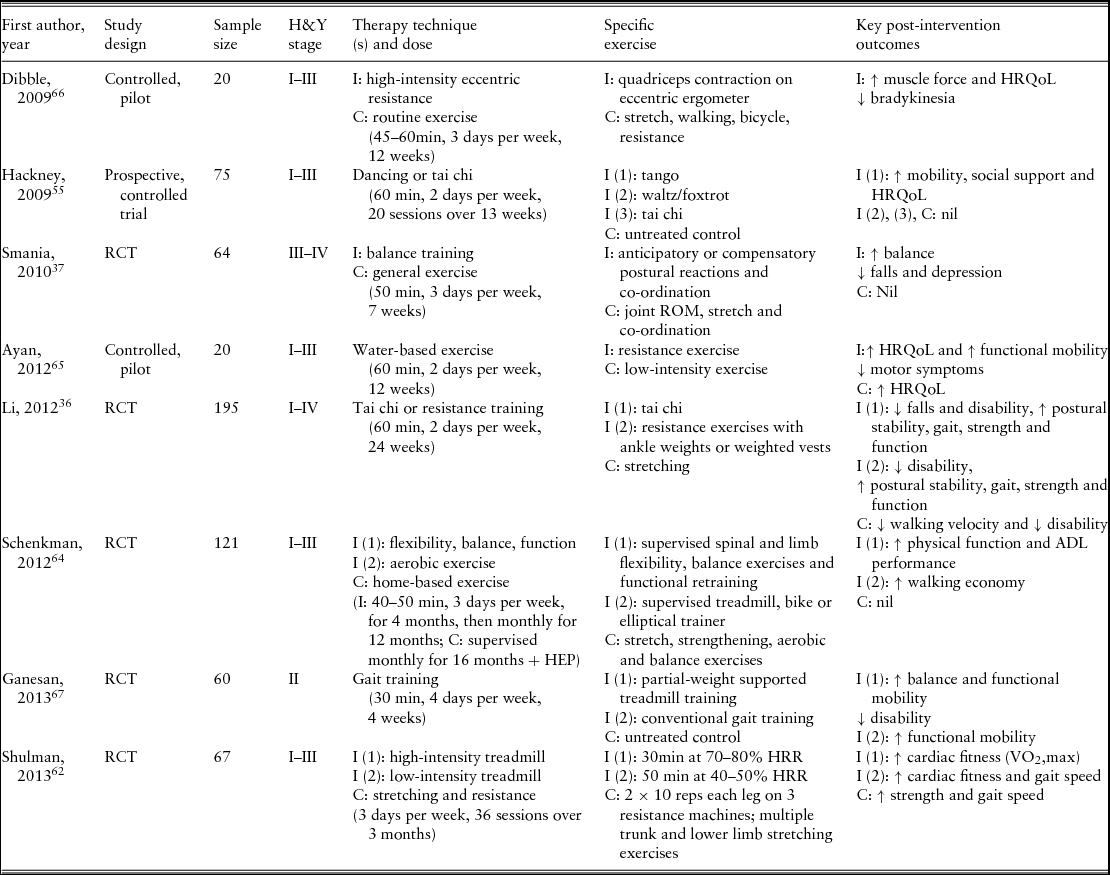
Most conventional physiotherapy interventions for patients with PD include instruction or exercises to address one or more of gait, balance, strength, flexibility, posture and fitness and have been well described elsewhere.Reference States, Spierer and Salem3, Reference Morris, Martin and Schenkman15, 28, Reference Tomlinson, Patel and Meek30, Reference Smania, Corato and Tinazzi37, Reference Morris, Iansek and Kirkwood40, Reference Steffen, Petersen and Dvorak47, Reference Goodwin, Richards, Henley, Ewings, Taylor and Campbell56, Reference Gobbi, Oliveira-Ferreira and Caetano63 There are also a number of recent studies that have examined the efficacy of specific therapy techniques, including some novel approaches.Reference Li, Harmer and Fitzgerald36, Reference Smania, Corato and Tinazzi37, Reference Hackney and Earhart55, Reference Shulman, Katzel and Ivey62, Reference Schenkman, Hall, Baron, Schwartz, Mettler and Kohrt64–Reference Ganesan, Sathyaprabha, Gupta and Pal67 These are summarized in Table 2.
Summary of recent studies examining therapy techniques

H&Y: Hoehn & Yahr; I, intervention group; C, control group; HRQoL: health-related quality of life; RCT, randomised controlled trial; ROM, range of motion; HEP, home exercise programme; ADL, activities of daily living; HRR, heart rate reserve; VO2, max, maximum oxygen consumption.
Improvements in a range of outcomes have been shown with advanced balance exercises,Reference Smania, Corato and Tinazzi37 dance,Reference Hackney and Earhart55 tai chi,Reference Li, Harmer and Fitzgerald36 resistance trainingReference Ayan and Cancela65, Reference Dibble, Hale, Marcus, Gerber and LaStayo66 and aerobic exercise, such as treadmill trainingReference Ganesan, Sathyaprabha, Gupta and Pal67 (Table 2). A recent systematic review of music-based movement therapy has also found small, but significant benefits in balance, functional mobility and gait.Reference de Dreu, van der Wilk, Poppe, Kwakkel and van Wegen68
A useful approach to programme content design and delivery has been proposed by King & Horak,Reference King and Horak69 although it is yet to be rigorously tested. They present a framework for exercise inclusion based on the physical impairments caused by PD, with recommended activities to address each. For example, kayaking may be prescribed, with trunk rotation and reciprocal movements to treat axial rigidity. Advantages of the programme are that the exercises can be individualized and graded and can be continued long-term outside the therapeutic environment.Reference King and Horak69
The social and pleasurable nature of some activities, in addition to the inherent therapeutic exercise, may contribute to positive outcomes.Reference Hackney and Earhart55 Patient preference for a specific technique should be a key consideration when prescribing exercise.Reference Morris, Martin and Schenkman15
Dose
Based on their review of a number of individual studies, Frazzitta et al. Reference Frazzitta, Balbi, Maestri, Bertotti, Boveri and Pezzoli14 surmise that an exercise intervention is usually considered ‘intensive’ if it contains between 12 and 42 hours of total therapy (e.g. 2–3 hours per week for 6–14 weeks). However, it is important to clarify that this refers more to the dose of rehabilitation delivered, than the intensity of the included exercises. Evidence-based guidelines for physiotherapy in PD recommend providing therapy at a frequency of 1–3 times per week, and duration of 4–14 weeks, depending on the specific goal to be achieved.Reference Morris, Martin and Schenkman15, 28 Whilst helpful, these recommendations are generally based on single study outcomes, not all of which are high quality in their design.
A meta-analysis of studies examining exercise for falls prevention in older people found that the most effective programmes offered a higher dose of total exercise (greater than 50 hours) and more challenging balance tasks.Reference Sherrington, Whitney, Lord, Herbert, Cumming and Close70 Such an effect has not been proven in a PD population.
A small case-series of patients with a variety of neurological disorders, including PD, showed that a high dose of mobility training over a short period (3 hours daily, 10 consecutive weekdays), totalling 30 hours, was feasible and produced some benefits.Reference Fritz, Merlo-Rains and Rivers71 In a RCT, Frazzitta and colleaguesReference Frazzitta, Bertotti and Riboldazzi41 offered the same frequency of therapy to a group of in-patients with PD over 4 weeks, for a total of 60 hours of therapy. They reported improvements in performance of motor tasks and activities of daily living (ADL), compared with a control group who performed unsupervised generic exercise.
A further study used a parallel groups design to offer two different dosages of exercise over 6 months.Reference Gobbi, Oliveira-Ferreira and Caetano63 The first group had 3 hours per week of exercise (72 hours total therapy), compared with 1 hour per week (24 hours total therapy) for the second group. Both groups showed improved balance and mobility following the intervention, but there was no significant difference in outcomes between the groups. Unfortunately the groups were non-randomized and there were differences in the content and gradation of the exercise programmes, which make the outcomes harder to interpret.
Perhaps the best study available to offer guidance about the appropriate dosage of rehabilitation is a RCT which examined the effect of increased hours of therapy on mobilityReference White, Wagenaar, Ellis and Tickle-Degnen72 and HRQoL.Reference Tickle-Degnen, Ellis, Saint-Hilaire, Thomas and Wagenaar57 Subjects with PD were randomized into three arms: 18 hours active rehabilitation, 27 hours active rehabilitation (with the intervention delivered in 2–3 sessions per week, over 6 weeks) or no active rehabilitation. The lower dosage rehabilitation group was offered a social group intervention to meet the same content hours as the higher dosage group. There was no significant change in mobility outcomes with increased dosage.Reference White, Wagenaar, Ellis and Tickle-Degnen72 There were beneficial effects on HRQoL from both active rehabilitation groups, but no difference found between the higher or lower dosage groups.Reference Tickle-Degnen, Ellis, Saint-Hilaire, Thomas and Wagenaar57
These findings together suggest that there is currently limited evidence to support the provision of high dosage rehabilitation in patients with PD over lower dosage, and the minimum dose required to offer benefit remains unknown. Based on the literature reviewed, the most common practice in an ambulatory setting would be to offer a programme of 2–3 hours of therapy per week over 6–8 weeks.
Intensity
Exercise intensity refers to the amount of energy expended by an individual due to a given activity.Reference Warburton, Nicol and Bredin73 It can be measured by the maximum amount of oxygen consumed (VO2,max) or in metabolic equivalents (METs), which describe energy expenditure compared with the resting metabolic rate.Reference Warburton, Nicol and Bredin73
Shulman et al.Reference Shulman, Katzel and Ivey62 designed a RCT with three treatment arms, with two groups undertaking treadmill training at different levels of intensity and a third group performing stretching and resistance exercises, over 3 months. The treadmill interventions were divided into either high or low intensity by speed, incline and duration of the exercise, in addition to a target heart rate for the participant. Both treadmill groups improved their cardiovascular fitness (measured by VO2,max), but there was no differential effect between the two groups. All groups improved in terms of their gait, but the greatest improvement was noted with low-intensity treadmill training. Whilst somewhat surprising, this is an important finding, as lower intensity training is likely to be more practical for most programme participants.
In contrast, another RCT has shown a trend towards improvement in a variety of gait measures following a high-intensity physiotherapy intervention, not seen in lower, or zero intensity groups.Reference Fisher, Wu and Salem74 Participants were randomized to receive either education, ‘traditional’ physiotherapy interventions (with METs ≤ 3), or body-weight supported treadmill training (with METs > 3). A limitation of this study was the inability to use inferential statistics; however, the authors concluded that patients with early PD tolerate high-intensity training well, as all subjects completed the high-intensity intervention.Reference Fisher, Wu and Salem74
As such, it remains uncertain whether high-intensity exercise confers any benefit to people with PD, compared with lower intensity interventions.
Sustainability
A number of authors advocate for people with PD to sustain regular exercise for as long as they are able.Reference Morris, Martin and Schenkman15, Reference King and Horak69 However, it is not realistic to maintain a lifelong formal physiotherapy intervention.Reference Morris, Martin and Schenkman15 This raises questions: for how long should a treatment effect be expected from a rehabilitation programme, and when should subsequent interventions be offered?
The Cochrane review of physiotherapy interventions in PD found evidence for positive effects in the short term only, (i.e. < 3 months).Reference Tomlinson, Patel and Meek30 With a few exceptions, studies that include long-term follow-up are very limited.Reference Goodwin, Richards, Taylor, Taylor and Campbell32 Wade et al.Reference Wade, Gage, Owen, Trend, Grossmith and Kaye11 assessed outcomes at 6 months after a multidisciplinary rehabilitation programme, but were unable to demonstrate any persisting benefit.
However, recent research has had more positive findings. The study by Frazzitta and colleaguesReference Frazzitta, Bertotti and Riboldazzi41 reported sustained benefits at 1 year from a high-dose 4-week in-patient programme, with a repeat intervention delivered at follow-up just as effective. A further high-quality RCT, by Schenkman et al.,Reference Schenkman, Hall, Baron, Schwartz, Mettler and Kohrt64 found improvements in walking economy persisted to 16 months follow-up. In this study, participants were initially offered a high-dose exercise programme over 4 months, which was then tapered to a monthly programme over the subsequent 12 months, as shown in Table 2.
This approach of post-intervention ‘booster’ sessions may be a practical way of ensuring that benefits are retained,Reference Morris, Martin and Schenkman15 but the timing and frequency of such remain unknown. A home exercise programme could be utilized for maintenance between sessions.
Education
Whilst physical rehabilitation focuses primarily on motor skill development, education has been described as an essential element of a comprehensive therapy programme for people with PD.Reference Morris, Martin and Schenkman15 A number of studies of AR for PD have utilized an education component as part of the intervention,Reference Wade, Gage, Owen, Trend, Grossmith and Kaye11, Reference Tickle-Degnen, Ellis, Saint-Hilaire, Thomas and Wagenaar57 or as a control group.Reference McGinley, Martin and Huxham46, Reference Fisher, Wu and Salem74 Participants have been educated on a wide variety of relevant topics, including the symptoms of PD, stress management techniques and treatment advances,Reference Fisher, Wu and Salem74 life skills and falls preventionReference McGinley, Martin and Huxham46 and disease self-management.Reference Tickle-Degnen, Ellis, Saint-Hilaire, Thomas and Wagenaar57
Fisher et al.Reference Fisher, Wu and Salem74 showed a trend towards improvement in PD symptom severity with education only, but small sample sizes and baseline differences between participants meant that they were unable to prove a statistically significant change.
Thus, whilst strong evidence to support its inclusion is lacking, it should be noted that education sessions may offer other important benefits, such as improved group participation and adherence.Reference McGinley, Martin and Huxham46
General considerations
Staging and patient selection
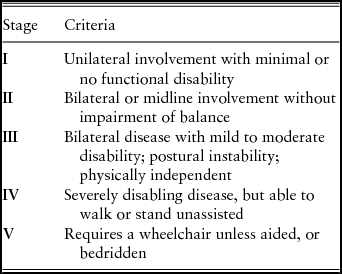
PD is most commonly staged using the Hoehn and Yahr (H&Y) classification system, a five-stage scale that describes disease progression based primarily on motor symptom severityReference Hoehn and Yahr75 (Table 3). Most clinical trials are performed on patients with mild to moderate disease (stages I–III),Reference Morris, Iansek and Kirkwood40, Reference Frazzitta, Bertotti and Riboldazzi41, Reference Shulman, Katzel and Ivey62, Reference Schenkman, Hall, Baron, Schwartz, Mettler and Kohrt64, Reference White, Wagenaar, Ellis and Tickle-Degnen72, Reference Fisher, Wu and Salem74 with few including patients with more severe disease (stage IV).Reference Li, Harmer and Fitzgerald36, Reference Smania, Corato and Tinazzi37, Reference Trend, Kaye, Gage, Owen and Wade48 Treatment goals may be very different for patients depending on their disease severity28 and thus, the current evidence may not be applicable to those patients with advanced PD.
Hoehn & Yahr stages of Parkinson's diseaseReference Hoehn and Yahr75

Interestingly, the observational study by Trend et al.Reference Trend, Kaye, Gage, Owen and Wade48 found that the greatest benefit from a multidisciplinary rehabilitation programme was conferred to the group of patients with the highest disease severity. This may indicate that outcome measures have reduced sensitivity to gains made in people with early PD, leading to difficulties proving a positive effect from rehabilitation. It also suggests that people with advanced stage PD should not be excluded from rehabilitation.
Conversely, Canning et al.Reference Canning, Sherrington, Lord, Close, Heller and Heritier76 have recently presented research suggesting that only patients with early PD gain benefit from an exercise programme to reduce falls, whereas those subjects with more severe disease showed a trend towards increased falls following the programme.
These studies underline the need for further research to ascertain which sub-groups of people with PD will benefit most from rehabilitation, in order to appropriately select them for an intervention.
Cognition
Cognitive impairment is a common feature of PD, with more than 80% of patients demonstrating cognitive decline and almost half having diagnosable dementia 15 years after diagnosis.Reference Hely, Morris, Reid and Trafficante77 However, this group of patients is also commonly excluded from research studies into exercise intervention,Reference Wade, Gage, Owen, Trend, Grossmith and Kaye11, Reference Allen, Canning and Sherrington60 presumably due to concerns about safety and their ability to participate. This limits the generalizability of study outcomes and raises the question of whether data captured in a hospital or AR setting is really reflective of day-to-day performance in a broad range of patients with PD.
However, whilst the ability to acquire new skills may be limited, there is evidence that patients with dementia are able to participate in a rehabilitation programme and gain benefit.Reference Zieschang, Schwenk, Oster and Hauer78 Morris and colleaguesReference Morris, Martin and Schenkman15 recommend repetitive practice of compensatory strategies rather than teaching new motor skills to patients with significant cognitive impairment.
Safety
A number of recent studies have provided safety data, which suggests that adverse events are fortunately uncommon and are more likely to be short-term and minor in nature (e.g. muscle soreness or joint pain).Reference States, Spierer and Salem3, Reference McGinley, Martin and Huxham46, Reference Allen, Canning and Sherrington60 However, Skidmore and colleaguesReference Skidmore, Patterson, Shulman, Sorkin and Macko79 raise safety concerns about the risk of falls and autonomic instability due to a treadmill training programme and recommend the use of a safety harness and blood pressure monitoring during exercise. Performing dual tasks (e.g. walking and talking) has also been highlighted as a risk factor for falls in people with PD and is recommended to be avoided in therapy.28
Medication timing
Consideration should be given to the timing of medication when providing an exercise programme to people with PD. Assessment of outcomes should be conducted at the same time, with regard to the on- or off-state of the patient.Reference Keus, Bloem, Hendriks, Bredero-Cohen and Munneke16 Furthermore, expert opinion suggests that most physical interventions should take place in the on-period, to reduce the impact of motor symptoms on performance.28
Outcome measurement
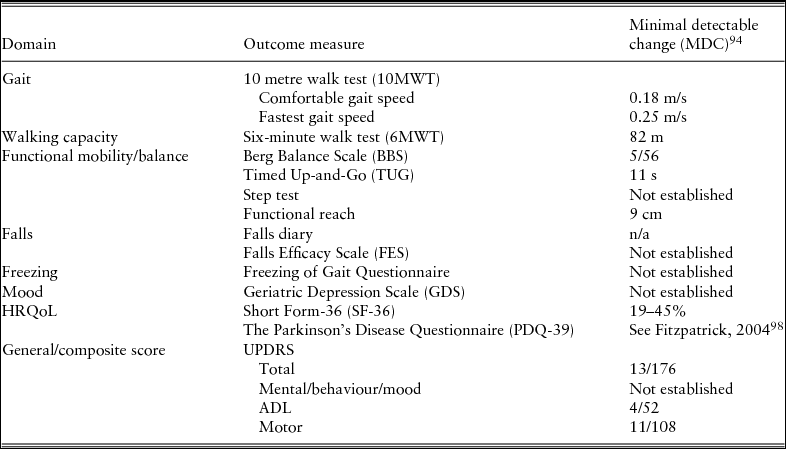
Given the broad symptomatology of PD and extensive range of possible interventions and outcomes, the use of a wide selection of outcome measures is recommended when delivering a physical rehabilitation programme. At a minimum, assessment of outcomes should span the dimensions of motor performance, function and HRQoL. A summary of suggested tools is presented in Table 4.
Suggested outcome measures
We suggest that therapy providers and assessors use a multidimensional tool to assess impairment and disability in PD, such as the Unified Parkinson's Disease Rating Scale (UPDRS).Reference Fahn, Elton, Fahn, Marsden, Calne and Goldestein80 This comprehensive assessment rates the severity of signs and symptoms of PD and limitations in functional performance across the domains of motor, mental and ADL performance.
Depending on the specific goals of the intervention, this can be supplemented with various assessment tools measuring gait, walking capacity, functional mobility, balance, falls, freezing and HRQoL.Reference Rossier and Wade81–Reference Jenkinson, Fitzpatrick, Peto, Greenhall and Hyman90 It is recommended that cognition and mood are also monitored throughout the intervention and follow-up period with appropriate measures.Reference Storey, Rowland, Basic, Conforti and Dickson91–Reference Folstein, Folstein and McHugh93 Many tools have been validated in patients with PD and had their reliability assessed.Reference Rossier and Wade81, Reference Steffen and Seney94–Reference Ertan, Ertan, Kiziltan and Uygucgil97 The minimal detectable change (MDC) has also been established for some measures (Table 4).Reference Steffen and Seney94, Reference Fitzpatrick, Norquist and Jenkinson98
Appropriate selection of these instruments will enable holistic patient assessment, in addition to allowing comparison with other studies for the purpose of research and review.
Cost-effectiveness
Economic rationality is a consideration for any therapeutic intervention, but more so for a progressive disease such as PD, where there is limited evidence for the sustainability of any gains. To date, few studies have focused on the potential economic benefits of AR,Reference Forster, Young, Lambley and Langhorne45, Reference Gage, Kaye, Owen, Trend and Wade99–Reference Fletcher, Goodwin, Richards, Campbell and Taylor102 although further research is underway.Reference van de Port, Wevers, Roelse, van Kats, Lindeman and Kwakkel61, Reference Canning, Sherrington and Lord103, Reference Watts, McGinley and Huxham104
Recipients of expert physiotherapy, in specialist networks for PD in The Netherlands, were found to have less total health care costs than those receiving usual care.Reference Munneke, Nijkrake and Keus101 This may have been due to a reduced need for in-home care and day-hospital rehabilitation.Reference Munneke, Nijkrake and Keus101 Day-hospital care has also shown a trend towards a reduction in in-patient hospital bed use and the need for residential aged care placement for a general geriatric population.Reference Forster, Young, Lambley and Langhorne45 Whilst they are not formal cost-effectiveness analyses, these study findings are important, given the high demand on health care resources.
When examining the efficacy for falls intervention programmes in people with PD, recently presented research has found that there is a high probability that exercise interventions are cost-effective.Reference Li and Harmer100, Reference Fletcher, Goodwin, Richards, Campbell and Taylor102 Further research is required to cement these findings.
Additional benefits of ambulatory rehabilitation
The strong evidence for rehabilitation in PD is for short-term improvements in physical outcomes. However, there are potential further benefits to consider that make it a rational choice as an intervention.
The general benefits of exercise are well-known and for patients with PD may include a reduction in fatigue, improved moodReference Abrantes, Friedman and Brown105 and greater pain relief,Reference Murtaugh, Albert, Karvelas, Marciniak and Toledo106 addressing important non-motor features of the disease. Whilst the level I evidence regarding improvements in HRQoL with exercise interventions is conflicting, a number of RCTsReference Hackney and Earhart55, Reference Tickle-Degnen, Ellis, Saint-Hilaire, Thomas and Wagenaar57 and lesser quality studiesReference Dibble, Hale, Marcus, Gerber and LaStayo66, Reference Rodrigues de Paula, Teixeira-Salmela, Coelho de Morais Faria, Rocha de Brito and Cardoso107 have demonstrated improvements. Greater involvement in the treatment process is also likely to increase the confidence of patients to self-manage their disease.Reference Rosenthal and Dorsey2
There are many social benefits to be gained from AR, such as identification of carer stressReference Trend, Kaye, Gage, Owen and Wade48 and the need for social services,Reference Trend, Kaye, Gage, Owen and Wade48, Reference Gage, Kaye, Owen, Trend and Wade99 in addition to the opportunity for peer-support and information-sharingReference McGinley, Martin and Huxham46 in a group environment. High patient satisfaction with multidisciplinary rehabilitation further supports this assertion.Reference Gage, Kaye, Owen, Trend and Wade99
Conclusion
PD is a complex, multi-dimensional disease that requires holistic treatment throughout its course. It causes motor impairments that may have significant and costly sequelae, such as falls.
There is now strong evidence available that physical rehabilitation is efficacious for a number of areas of physical performance, functional mobility and for reducing disability in people with PD (level I evidence). Level II evidence has emerged that a number of specific exercise therapies may reduce falls and improve HRQoL. Economic evaluations of these interventions are scarce, but studies published to date suggest that there is a high likelihood that they are cost-effective.
Some conclusions can be drawn about the dose, intensity and sustainability of AR in PD, but uncertainty will remain about the most optimal programme design and delivery until more high-quality evidence is available.
Based on the current available evidence (level III), we recommend provision of a minimum of 20 hours of total exercise therapy, best delivered over 6–8 weeks, in an AR setting. Group therapy seems to be a cost-efficient means of delivering an appropriate dosage of therapy. Offering this as a half- or full-day group programme, on 1–2 days per week, would have the advantage of allowing ample opportunity for social interaction between participants and reduce logistical problems and costs, such as transport and staffing.
Based on level II evidence, we recommend providing ‘booster’ sessions following an initial therapy programme, for the greatest sustainability of gains. There is conflicting level II evidence regarding exercise intensity, thus we are unable recommend high- over low-intensity exercise. Rather, intensity should be tailored to the individual.
The choice of therapy technique is unlikely to have a significant bearing on patient outcomes, and thus should be flexible and based on individual patient goals and preferences, therapist expertise and local service availability. The exception to this would be when the target outcome is a reduction in falls, where the strongest evidence is for specific balance trainingReference Smania, Corato and Tinazzi37 or tai chi.Reference Li, Harmer and Fitzgerald36
Goal-setting is an essential feature of AR, but should be realistic with reference to the stage of the participants’ PD. For people with early PD (H&Y I), this means improving and maintaining performance. For those with mid-stage PD (H&Y II–III), prevention of decline should be the over-arching goal. The goals for those with advanced PD (H&Y IV and beyond) should focus on slowing the speed of decline in function and reducing the frequency of falls. Patients with advanced PD should not be excluded from exercise therapy. General exercise has many benefits and should be maintained long-term by people with PD where possible, but formal rehabilitation interventions should stop when goals are met, or are unable to be met.Reference Keus, Bloem, Hendriks, Bredero-Cohen and Munneke16
Despite recent promising studies in the area, more research is required into the optimal dose and intensity of rehabilitation programmes, in addition to examining the long-term effects of therapy in each stage of PD. Positive findings will add further weight to the argument that implementation of AR programmes for people with PD is justified.
Financial support
This research received no specific grant from any funding agency, commercial or not-for-profit sectors.
Conflicts of interest
None.