Some genetic cardiac conditions predispose individuals to potentially fatal arrhythmias. These diagnoses, collectively called the inherited arrhythmia syndromes, include hypertrophic cardiomyopathy, long QT syndrome, catecholamine-induced polymorphic ventricular tachycardia, arrhythmogenic right ventricular cardiomyopathy, or Brugada syndrome.Reference Lehnart, Ackerman and Benson 1 Individuals with these inherited conditions are often undiagnosed until adolescence, when episodes of syncope or cardiac arrest may occur. On the basis of their new diagnosis, these individuals must suddenly cope with a life-threatening illness, which could be expected to have a significant impact on mental health and quality of life. It has been suggested that disease onset during adolescence can also have a negative impact on typical developmental tasks, such as self-esteem, autonomy, and future goal orientation.Reference Kellerman, Zeltzer, Ellenberg, Dash and Rigler 2
To date, research on mental health and quality of life has focused on patients who have an implantable cardioverter defibrillator or pacemaker. While most of these study populations are adults, the results indicate an increased risk for mental health disorders, such as anxiety, depression, and lower self-efficacy.Reference Ladwig, Baumert, Marten-Mittag, Kolb, Zrenner and Schmitt 3 – Reference Vitale and Funk 5 As a result, it is recommended that quality-of-life issues be discussed before device implantation and psychological status be assessed among patients experiencing recurrent inappropriate shocks from the device.Reference Priori, Blomstrom-Lundqvist and Mazzanti 6 It has also been suggested that younger patients who receive an implantable cardioverter defibrillator have a greater risk for adverse psychological outcomes because of the many more years that they will be required to cope with the device,Reference Vitale and Funk 5 although a recent review concluded that the evidence remains mixed.Reference Bostwick and Sola 7 Although these studies suggest that patients with a pacemaker or implantable cardioverter defibrillator may have an increased risk for mental health disorders, the placement of these devices can occur for many reasons – e.g. complex CHD, non-inherited cardiomyopathies – unrelated to a diagnosis of inherited arrhythmia syndrome.
While little is known about the initial triggers for arrhythmic episodes, coroner reports indicate that among youth aged 10–18 years, 24% of the fatalities due to inherited arrhythmia syndromes are associated with exercise participation.Reference Pilmer, Kirsh, Hildebrandt, Krahn and Gow 8 International guidelines for the physical activity participation of individuals with arrhythmias recommend physical activity limitations designed to maintain the heart rate at 150 beats per minute or less.Reference Heidbuchel, Corrado and Biffi 9 , Reference Heidbuchel, Panhuyzen-Goedkoop and Corrado 10 The required restriction of physical activity may have a negative impact on the individual’s mental health. A physically active lifestyle is associated with lower anxiety symptoms, lower depression symptoms, and a higher physical perception of self.Reference Strong, Malina and Blimkie 11 If adolescents are required to eliminate or restrict their participation in physical activities that they have previously enjoyed, it hypothetically may lead to a loss of the ability to self-identify as a healthy, active person or athlete. The required restriction of physical activity participation also removes an effective coping mechanism for dealing with situations of stress or feelings of distress. More recent guidelines from the American Heart Association/American College of Cardiology allow these individuals to participate in competitive sports, as long as treatment enables them to be symptom-free and appropriate precautions are in place.Reference Ackerman, Zipes, Kovacs and Maron 12 However, physician uptake of these recommendations has not yet been assessed, and data indicate that <1/3 of patients with long QT syndrome are involved in competitive sport after their diagnosis.Reference Johnson and Ackerman 13 Given the recent change in these guidelines, it is anticipated that any potential effect on the mental health of these patients would not yet be reflected in the research literature.
There is little empirical evidence describing the mental health of adolescents following the diagnosis of an inherited arrhythmia syndrome. A Delphi expert process on research needs related to the psychosocial health of adolescents with inherited arrhythmia syndromes achieved 90% consensus that fear of being shocked and sports participation/activity restrictions were the two most important psychosocial issues in this population.Reference Zeigler and Decker-Walters 14 The perceptions of the cardiac arrhythmia health caregivers who participated in the Delphi process also identified feeling different from peers, depression, and adjustment problems as important concerns. The purpose of this systematic review was to summarise the current state of knowledge regarding the mental health of those <18 years of age after the diagnosis of an inherited arrhythmia syndrome. Specifically, we sought to identify primary research studies addressing the type of mental health distress, the prevalence of mental health problems in this population, and evidence for effective methods to identify and treat mental health disorders among adolescents and pre-adolescents with a heart rhythm disorder.
Methods
Search strategy
A systematic review of the literature was conducted to identify our current state of knowledge related to the mental health of children and adolescents living with an inherited arrhythmia syndrome. Studies were included if there were participants <18 years of age, or the mean age of the subjects was within this range. Literature searches were done within the Medline (1946 to 7 December, 2016), CINAHL (searched 20 December, 2016), and Embase (1980 to December, 2016 week 51) databases to find all literature published between 1946 and 2016. The complete search strategies are provided in the Supplementary appendix A. Search terms were modified for each database as necessary. The search terms used were the database-specific controlled keywords and vocabulary that most closely resembled the terms listed in the diagnostic inclusion criteria:
∙ psychological problems classified as being of environmental origin – internalised and externalised behaviour, psychological limitations, stress, depression and suicidal tendencies, impulse control disorders, oppositional defiant disorders, eating disorders, substance abuse disorders, environmentally derived sleep disorders, somatoform disorders, etcetera; and
∙ cardiac diagnoses – long QT syndrome, catecholamine-induced polymorphic ventricular tachycardia, hypertrophic cardiomyopathy, arrhythmogenic right ventricular cardiomyopathy, or inherited arrhythmia.
The psychological problems could not be of genetic origin. Learning disabilities, developmental disorders, psychotic disorders, bipolar disorder, personality disorders, or any psychological sequelae of drugs used to treat arrhythmia or other conditions not resulting from the arrhythmia diagnosis were excluded. Studies with populations that were exclusively children with structural CHD were also excluded.
Study identification
Results from the initial search strategy were refined in a two-step process. Initially, two authors – P.E.L. and M.W. – independently reviewed the content of each article title and abstract, removing citations that did not meet one or more of the following inclusion criteria:
∙ referred to cardiac arrhythmia, pacemaker, or implantable cardioverter defibrillator;
∙ population that included at least one participant less than 18 years of age or a parent of a child in this age range; and
∙ addressed psychological problems of environmental origin, mental health issues, or quality of life.
Articles that could not be clearly excluded based on the title and abstract, or were not excluded by both reviewers, were retained for in-depth review. The second phase of selection required two reviewers – P.E.L. and either J.H. or B.J.P. – to read the full text of each article. For this phase, articles were removed if, after a review of the full text, they did not meet the following additional criteria:
∙ population that included patients with an inherited arrhythmia syndrome; and
∙ study data that were clearly attributable to the participants who were <18 years of age.
Publications were also removed if they did not report original research data, were informal case studies, conference presentations or abstracts, did not reference information sources, or did not provide reasoning to support the statements made. The content of previous review articles was evaluated to ensure that the cited original research studies had been identified by the search.
Data analyses
Given the heterogeneity of the methods and outcomes in the identified studies, a meta-analysis of the study results could not be considered. Descriptions of the study methods and findings have been used to summarise the current state of knowledge.
Results
Search strategy
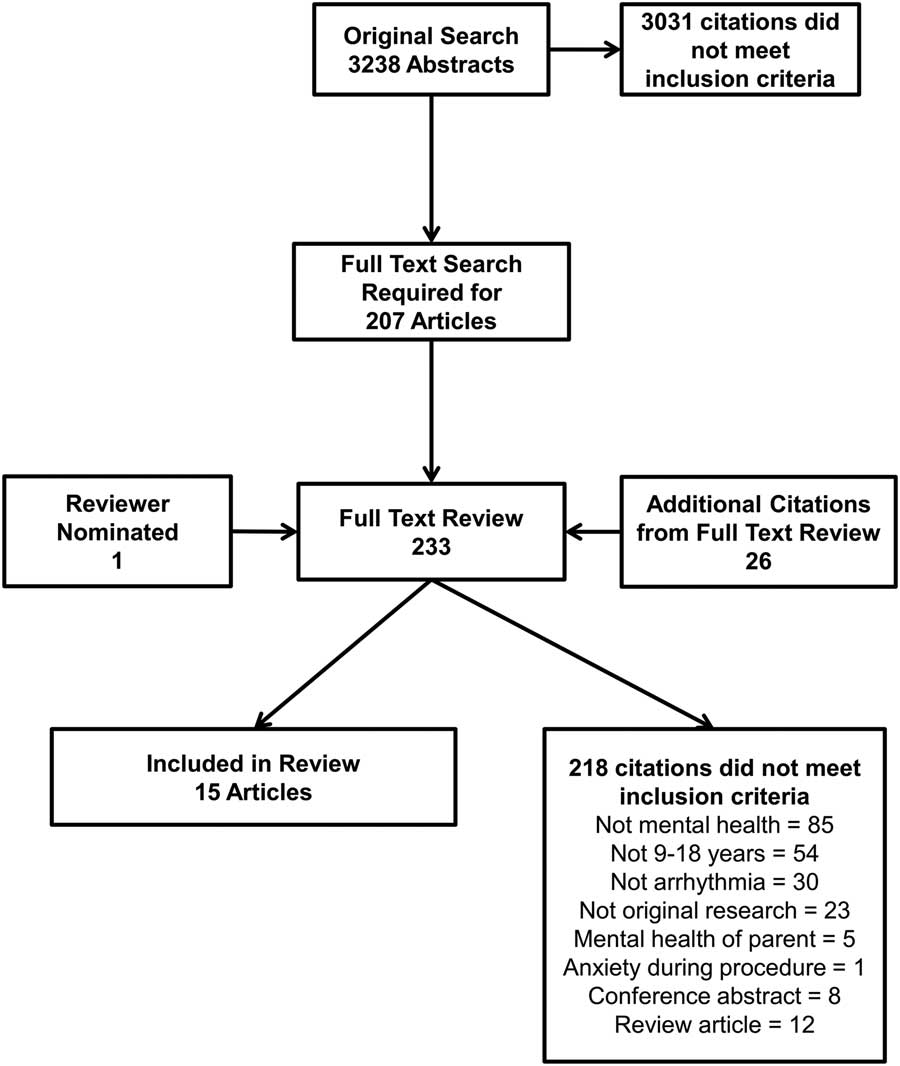
The outcome of the search strategy is summarised in Figure 1. The search strategy (Supplementary appendix A) yielded 3402 potentially relevant articles. This number was reduced to 3238 articles after the results from all databases were merged and duplicate results were removed. Relevancy screening based on title and abstract removed 3031 articles. Citations within the remaining 207 articles identified 26 additional potentially relevant articles – 233 articles in total. A review of the full text of these 233 articles identified 15 publications that met the study inclusion criteria and have relevance to the research question. Three of these publications, by Czosek et al, reported analyses of overlapping populations from the same data set. One article was added to the search result based on reviewer nomination.
Summary of search strategy results.

Quality of study designs
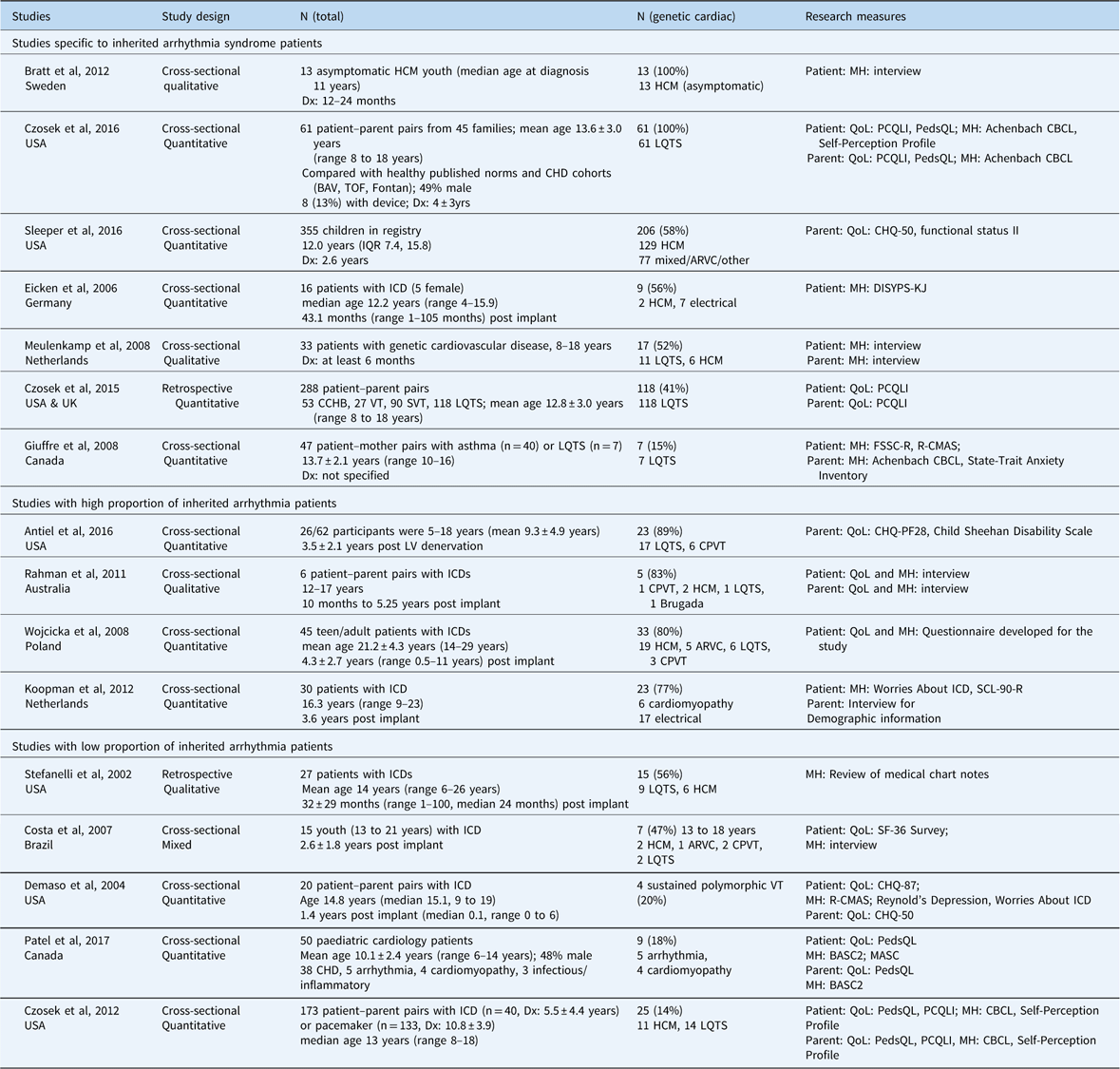
The 16 identified studies used quantitative (n=11), qualitative (n=4), and mixed (n=1) research methods (Table 1). All were cross-sectional, observational studies that are considered to provide a low quality of evidence. 15 None of the studies examined the impact of age or sex on the reported results. Four studies that included both paediatric and adult patients, withage ranging from 6 to 29 years, did not report results separately by age group.Reference Wojcicka, Lewandowski, Smolis-Bak and Szwed 16 – Reference Costa, da Silva and Castro Mendonca 19 Of the 11 studies that used quantitative measures, none reported effect size. Two studies, Sleeper et alReference Sleeper, Towbin and Colan 20 and Czosek et al,Reference Czosek, Kaltman and Cassedy 21 addressed the clinical relevance of their findings by indicating the proportion of patients more than two standard deviations from the norm or whose assessment results were classified as “at risk”.
Description of study designs and participants.

ARVC=arrhythmogenic right ventricular cardiomyopathy; BASC2=Behavioral Assessment Scale for Children (Version 2); BAV=bicuspid aortic valve; Brugada=Brugada syndrome; CBCL=Child Behavior Checklist; CCHB=congenital complete heart block; CHQ-PF28=Child Health Questionnaire-28-item Parent Form; CHQ-50=Child Health Questionnaire 50 item; CHQ-87=Child Health Questionnaire 87 item; CPVT=catecholaminergic polymorphic ventricular tachycardia; DISYPS-KJ=Diagnostik System fur psychische Storungen im Kindes-und Jugendalter; Dx=time between diagnosis and study completion (years); electrical=diagnosis only identified as primary electrical; FSSC-R=Fear Survey Schedule for Children Revised; HCM=hypertrophic cardiomyopathy; ICD=implantable cardioverter defibrillator; IQR=interquartile range; LV=left ventricle; LQTS=long QT syndrome; MASC=Multidimensional Anxiety Scale for Children; MH=mental health assessment; mixed=type of cardiomyopathy is mixed; Parent=parent proxy report instruments; Patient=self-report instruments completed by child/adolescent; PCQLI=Pediatric Cardiac Quality of Life Instrument; PedsQL=Pediatric Quality-of-Life Inventory; QoL=quality-of-life assessment; R-CMAS=Revised Child Manifest Anxiety Scale; SF-36=Short Form Health Survey; SCL-90-R=Symptom Checklist 90 Revised; SVT=supraventricular tachycardia; TOF=tetralogy of Fallot; VT=ventricular tachycardia
Seven studies – Bratt et al;Reference Bratt, Sparud-Lundin and Ostman-Smith 22 Czosek et al;Reference Czosek, Kaltman and Cassedy 21 Czosek et al;Reference Czosek, Cassedy and Wray 23 Eicken et al;Reference Eicken, Kolb and Lange 24 Giuffre et al;Reference Giuffre, Gupta, Crawford and Leung 25 Meulenkamp et al;Reference Meulenkamp, Tibben and Mollema 26 and Sleeper et alReference Sleeper, Towbin and Colan 20 – reported results in a manner that the data for patients with inherited arrhythmia syndromes could be clearly distinguished from other study participants. Four additional studies – Antiel et al;Reference Antiel, Box and Joyce 27 Koopman et al;Reference Koopman, Vrijmoet-Wiersma and Langius 17 Rahman et al;Reference Rahman, Macciocca, Sahhar, Kamberi, Connell and Duncan 28 and Wojcicka et alReference Wojcicka, Lewandowski, Smolis-Bak and Szwed 16 – reported aggregate results for all participants, but over 75% of the participants in each study sample had an inherited arrhythmia syndrome. Results specific to inherited arrhythmia patients were not distinctly reported for two studies, Costa et al;Reference Costa, da Silva and Castro Mendonca 19 Stefanelli et al,Reference Stefanelli, Bradley, Leroy, Dick, Serwer and Fischbach 18 with approximately 50% of the study participants having an inherited arrhythmia syndrome. Three studies, Czosek et al;Reference Czosek, Bonney and Cassedy 29 DeMaso et al;Reference Demaso, Lauretti and Spieth 30 Patel et al,Reference Patel, Lai, Goldfield, Sananes and Longmuir 31 had only a small (⩽20%) proportion of inherited arrhythmia patients and reported results only for all study participants as a group. The retrospective chart review (Stefanelli et alReference Stefanelli, Bradley, Leroy, Dick, Serwer and Fischbach 18 ) contained very limited data on mental health or quality of life, reporting only that one of 27 study participants had been treated for severe post-traumatic stress disorder.
All of the qualitative studiesReference Stefanelli, Bradley, Leroy, Dick, Serwer and Fischbach 18 , Reference Costa, da Silva and Castro Mendonca 19 , Reference Bratt, Sparud-Lundin and Ostman-Smith 22 , Reference Meulenkamp, Tibben and Mollema 26 , Reference Rahman, Macciocca, Sahhar, Kamberi, Connell and Duncan 28 gathered data using interviews. The quantitative studiesReference Koopman, Vrijmoet-Wiersma and Langius 17 , Reference Costa, da Silva and Castro Mendonca 19 – Reference Czosek, Kaltman and Cassedy 21 , Reference Czosek, Cassedy and Wray 23 – Reference Giuffre, Gupta, Crawford and Leung 25 , Reference Antiel, Box and Joyce 27 , Reference Czosek, Bonney and Cassedy 29 , Reference Demaso, Lauretti and Spieth 30 used standardised survey instruments, except for two studies – Wojcicka et alReference Wojcicka, Lewandowski, Smolis-Bak and Szwed 16 and Koopman et alReference Koopman, Vrijmoet-Wiersma and Langius 17 – that used a survey specifically developed by Wojcicka et alReference Wojcicka, Lewandowski, Smolis-Bak and Szwed 16 to assess worry among patients with an implantable cardioverter defibrillator. Nine studies were completed in North America, five in Europe, one in Australia, and one in South America. All studies were performed in high-income countries, except for the study conducted in Brazil (Costa et alReference Costa, da Silva and Castro Mendonca 19 ), considered an upper-middle-income country. 32
Patient populations in the identified studies
Inclusion criteria and participant identification procedures were described in all identified studies. The sample size of selected studies ranged from six to 355 participants (Table 1). Patient recruitment was based on the presence of an implantable cardioverter defibrillator/pacemaker for eight of 16 studies. Among the eight studies that did not require an implanted device, three required a diagnosis of long QT syndrome, two required a diagnosis of cardiomyopathy, and three included diagnoses of long QT syndrome, arrhythmia, or cardiomyopathy. Therefore, the proportion of patients with inherited arrhythmia syndromes varied from 14 to 100% within each study sample, ranging from four to 355 participants. One study (Costa et alReference Costa, da Silva and Castro Mendonca 19 ) provided detailed diagnostic information for all study participants, but only 15 of the 29 overall study participants completed the quality-of-life assessment component of the research. Direct contact with these authors identified a sub-group of eight patients who completed the quality-of-life assessment and met the inclusion criteria for this review. Participants in eight of the identified studies were patient–parent pairs, enabling a comparison of parent and patient perspectives. The three studies by Czosek et alReference Czosek, Kaltman and Cassedy 21 , Reference Czosek, Cassedy and Wray 23 , Reference Czosek, Bonney and Cassedy 29 all reported data for long QT syndrome patients who were retrospectively analysed from the Pediatric Cardiac Quality of Life Instrument development database.
Outcomes reported in identified studies
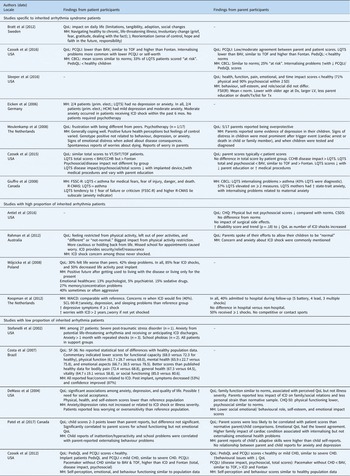
Table 2 provides a detailed summary of the key findings for each study included in this review.
Summary of study findings from patients and parents.

↑=higher;↓=lower;>=greater than;<=less than; BAV=bicuspid aortic valve; CBCL=Child Behavior Checklist; CCHB=congenital complete heart block; CHQ=Child Health Questionnaire; CSDS=Child Sheehan Disability Scale; Dx=diagnosis; FSSC-R=Fear Survey Schedule for Children Revised; FSII(R)=Functional Status II Revised; HCM=hypertrophic cardiomyopathy; ICD=implantable cardioverter defibrillator; LQTS=long QT syndrome; LV=left ventricle4; PCQLI=Pediatric Cardiac Quality of Life Instrument; PedsQL=Pediatric Quality of Life Inventory; QoL=quality of life assessment; R-CMAS=Revised Child Manifest Anxiety Scale; SCL-90-R=Symptom Checklist 90 Revised; SF-36=Short Form Health Survey; SVT=supraventricular tachycardia; TOF=tetralogy of Fallot; Tx=transplant; VT=ventricular tachycardia; WAICD=Worries About ICD
Interventions to enhance mental health or quality of life
All of the identified studies were cross-sectional and observational. Therefore, no evidence of effective methods to treat mental health disorders or support the mental health of these patients was found. However, four studies reported that one or more patients had received psychotherapy servicesReference Wojcicka, Lewandowski, Smolis-Bak and Szwed 16 , Reference Stefanelli, Bradley, Leroy, Dick, Serwer and Fischbach 18 , Reference Eicken, Kolb and Lange 24 , Reference Meulenkamp, Tibben and Mollema 26 and twoReference Sleeper, Towbin and Colan 20 , Reference Czosek, Kaltman and Cassedy 21 indicated that assessment results suggested a need for psychotherapy support.
Results from assessments of quality of life
Research reporting quality of life among adolescents and pre-adolescents with inherited arrhythmia syndromes is limited. Patient self-reported assessments of quality of life used a diverse array of assessment procedures (Short Form Health Survey;Reference Costa, da Silva and Castro Mendonca 19 Pediatric Quality-of-Life Inventory,Reference Czosek, Kaltman and Cassedy 21 , Reference Czosek, Cassedy and Wray 23 , Reference Czosek, Bonney and Cassedy 29 , Reference Patel, Lai, Goldfield, Sananes and Longmuir 31 Pediatric Cardiac Quality of Life Instrument,Reference Czosek, Kaltman and Cassedy 21 , Reference Czosek, Cassedy and Wray 23 , Reference Czosek, Bonney and Cassedy 29 Child Health Questionnaire;Reference Sleeper, Towbin and Colan 20 , Reference Antiel, Box and Joyce 27 , Reference Demaso, Lauretti and Spieth 30 semi-structured interviewReference Rahman, Macciocca, Sahhar, Kamberi, Connell and Duncan 28 ) making comparison of results difficult. Of the nine identified studies, three were analyses from the same database of patients.Reference Czosek, Kaltman and Cassedy 21 , Reference Czosek, Cassedy and Wray 23 , Reference Czosek, Bonney and Cassedy 29 The other six studies included very small samples (n=4–33) of participants with inherited arrhythmia syndromes. The limited data from these investigations suggest that quality of life may be lower among these patients, particularly in areas of physical function, bodily pain, and mental and emotional health.Reference Costa, da Silva and Castro Mendonca 19 , Reference Czosek, Kaltman and Cassedy 21 , Reference Demaso, Lauretti and Spieth 30 , Reference Patel, Lai, Goldfield, Sananes and Longmuir 31 Physical function quality of life was affected by restriction of physical activity, being cautious or holding back in life activities and learning difficulties. Mental/emotional health quality of life was affected by factors such as feeling different from peers, perceiving oneself as “not normal”, and difficulties with social relationships.
During in-depth interviews, six adolescents with inherited arrhythmia syndromes described having a very different quality of life than their peers. They felt restricted from physical activity and left out of peer activities, being “different” or “not-normal”.Reference Rahman, Macciocca, Sahhar, Kamberi, Connell and Duncan 28 Given that the guidelines for physical activity participation among these patients have recently been revisedReference Ackerman, Zipes, Kovacs and Maron 12 , as most patients can now participate in physical activity including competitive sport if their disease is well controlled, these concerns may become less important in future studies. In contrast, their parents described the same children as “normal”. Interviews among 15 youth with implantable cardioverter defibrillators, including seven adolescents with inherited arrhythmia diagnoses, indicated that 25% reported social relationship difficulties and 50% reported learning difficulties.Reference Costa, da Silva and Castro Mendonca 19 These limitations would be expected to influence quality of life, but the study authors did not discuss that aspect.
Although patient self-reports of quality of life suggest that quality-of-life scores may be lower than healthy populations, only one study provided statistically significant evidence of the difference between patient results and data for healthy peers.Reference Czosek, Kaltman and Cassedy 21 The lack of statistical analyses may have been due, in part, to the relatively small sample sizes (n<10) in three of these studies.Reference Costa, da Silva and Castro Mendonca 19 , Reference Demaso, Lauretti and Spieth 30 , Reference Patel, Lai, Goldfield, Sananes and Longmuir 31 Mean scores that were not significantly lower and that had high variabilityReference Costa, da Silva and Castro Mendonca 19 would suggest that approximately 30% of respondents may have scores at least 1 standard deviation below the mean. This estimation is supported by one study that found 30% of the 45 adolescent and young adult participants with implantable cardioverter defibrillators felt that their life was worse than their peers.Reference Wojcicka, Lewandowski, Smolis-Bak and Szwed 16 Participants in this study also reported sleep problems (42%) and 53% had decreased their life activities to avoid implantable cardioverter defibrillator shocks.
A large study of children with implanted devices – pacemaker or implantable cardioverter defibrillator – found that quality of life was significantly lower (p<0.0001) among children with implantable cardioverter defibrillators or pacemakers without CHD than healthy population reference data.Reference Czosek, Bonney and Cassedy 29 Disease-specific quality of life was lower among patients with an implantable cardioverter defibrillator compared with those with minimal cardiac disease (bicuspid aortic valve). Age at the time of device implant, time since initial device implant, and history of shock were not related to quality-of-life outcomes. The same relationships were demonstrated for parent- and patient-reported outcomes. Although this study had more participants with pacemakers (n=58) or implantable cardioverter defibrillators (n=40) than inherited arrhythmia diagnoses (n=27), the same authors reported similar findings in two subsequent studies when specifically analysing their data for patients with electrophysiological diagnosesReference Czosek, Cassedy and Wray 23 or long QT syndrome.Reference Czosek, Kaltman and Cassedy 21
Results from assessments of mental health
This review identified 13 research studies that reported mental and emotional health information among paediatric populations that included patients with inherited arrhythmia diagnoses (Table 1). Overall, mental and emotional health measures among these patients, as measured remote (2+ years) from the time of diagnosis, indicate that they are coping quite well with their disease. Between 15 and 40% of these patients will report symptoms of anxiety, depression, or aggressive behaviour. The only study to retrospectively evaluate psychosocial functioning close to the time of diagnosis found that patients with hypertrophic cardiomyopathy (n=13) described a journey that began with significant psychosocial distress – grief, fear, limitations, and social changes – accompanied by supportive aspects – gratitude and adaptation – that over time enabled reorientation and a sense of control and hope for the future. Additional research is needed to determine whether a similar distress is experienced by patients in other diagnostic groups, whether data collected prospectively from diagnosis would provide similar results, or whether the adjustment period would be similar or different between patients or conditions.
Although the overall picture from these studies is one of mental health rather than emotional distress, each study also identified factors that were associated with decreased mental and emotional health. Adolescents who reported having a lower quality of life were more likely to also report symptoms of anxiety or depression and a greater need for social support.Reference Demaso, Lauretti and Spieth 30 Symptoms of depression were also more common among patients who were genotype positive for an inherited arrhythmia diagnosis if they also had an affected sibling.Reference Meulenkamp, Tibben and Mollema 26 Eicken et alReference Eicken, Kolb and Lange 24 found that two of two cardiomyopathy patients and one of three patients with primary electrical disease reported symptoms of mild depression and moderate anxiety.Reference Eicken, Kolb and Lange 24 Stefanelli et alReference Stefanelli, Bradley, Leroy, Dick, Serwer and Fischbach 18 reported that four of 27 (15%) patients experienced psychological distress requiring specialised support. Three of these patients who had a history of repeated implantable cardioverter defibrillator shocks experienced anxiety lasting more than 1 month and one patient had severe post-traumatic stress disorder. Aggressive behaviour, either verbal (75% of the reports) or physical (25% of the reports), was reported as being frequent by 7% of adolescents, with 33% reporting that it occurred “sometimes”.Reference Wojcicka, Lewandowski, Smolis-Bak and Szwed 16
The research results currently available cannot be considered conclusive. The number of participants with inherited arrhythmia syndromes in each study was very small (range 4 to 61), with only two studies having more than 25 patients. Most studies (8/13) required the patient to have an implantable cardioverter defibrillator. Data were not presented separately for patients with inherited arrhythmia diagnoses, and thus it is possible that mental health outcomes among patients with inherited arrhythmia syndromes may be different from those reported overall. In addition, data collection for these studies was 2 to 4 years after implant of the device. Therefore, most of the reported mental and emotional health measures do not reflect the time of diagnosis or initial adjustment to the condition.
Apart from studies of patients with implantable cardioverter defibrillators, the studies included very small populations of patients with cardiomyopathy (n=1), long QT syndrome (n=2), long QT or cardiomyopathy (n=1), or arrhythmia or cardiomyopathy (n=1). One qualitative study was a retrospective review of medical records for notes related to mental or emotional health.Reference Koopman, Vrijmoet-Wiersma and Langius 17 The remaining qualitative research studies (n=3) used semi-structured interviews and thematic analyses. The quantitative studies that used standardised instruments examined a diverse array of mental and emotional health variables. Specifically, children’s self-perceptions (Self-Perception Profile for Children and AdolescentsReference Czosek, Bonney and Cassedy 29 ), behaviour (Child Behavior Checklist;Reference Czosek, Bonney and Cassedy 29 Behavioral Assessment Scale for Children (Version 2)Reference Patel, Lai, Goldfield, Sananes and Longmuir 31 ), fearfulness (Fear Survey Schedule for Children–RevisedReference Giuffre, Gupta, Crawford and Leung 25 ), anxiety (Revised Children’s Manifest Anxiety Scale;Reference Giuffre, Gupta, Crawford and Leung 25 , Reference Demaso, Lauretti and Spieth 30 Diagnostik System fűr Psychische Stőrungen im Kundes-und Jugandalter;Reference Eicken, Kolb and Lange 24 Symptom Checklist 90 Revised;Reference Koopman, Vrijmoet-Wiersma and Langius 17 Multidimensional Anxiety Scale for ChildrenReference Patel, Lai, Goldfield, Sananes and Longmuir 31 ), and depression (Reynold’s Adolescent Depression Scale;Reference Demaso, Lauretti and Spieth 30 Diagnostik System fur psychische Storungen im Kindes-und Jugendalter;Reference Eicken, Kolb and Lange 24 Symptom Checklist 90 Revised)Reference Koopman, Vrijmoet-Wiersma and Langius 17 ). Two studiesReference Wojcicka, Lewandowski, Smolis-Bak and Szwed 16 , Reference Koopman, Vrijmoet-Wiersma and Langius 17 used the Worries About implantable cardioverter defibrillator questionnaire, developed by Wojcicka et al,Reference Wojcicka, Lewandowski, Smolis-Bak and Szwed 16 to address psychological concerns related to implantable cardioverter defibrillators. These studies report that measures of children’s self-perceptions and behaviour were similar to data for healthy populationsReference Czosek, Bonney and Cassedy 29 and rates of anxiety and depression were not increased.Reference Giuffre, Gupta, Crawford and Leung 25 , Reference Demaso, Lauretti and Spieth 30 In the two studies that used The Revised Children’s Manifest Anxiety Scale,Reference Giuffre, Gupta, Crawford and Leung 25 , Reference Demaso, Lauretti and Spieth 30 mean total anxiety scores were 49.1±10.1 (n=7Reference Giuffre, Gupta, Crawford and Leung 25 ) and 52.3 (four of 20 patients with inherited arrhythmiasReference Demaso, Lauretti and Spieth 30 ). The normative mean score is 50.0, with a higher score indicative of increased anxiety. Worry/over sensitivity sub-scores were lower in both study populations (8.0 (n=4 of 20, p=0.02);Reference Demaso, Lauretti and Spieth 30 8.7±3.9 (n=7)Reference Diller, Giardini, Dimopoulos, Gargiulo, Muller and Derrick 33 ). In one study where individual data were reported, two out of three patients with inherited arrhythmia diagnoses reported no symptoms of depression or anxiety.Reference Eicken, Kolb and Lange 24 Patients with a positive genotype for an inherited arrhythmia diagnosis but no symptoms or events related to the disease also showed no changes in behaviour or symptoms of depression or anxiety during a follow-up period of 2–4 years.Reference Meulenkamp, Tibben and Mollema 26 In one study, adolescents reported that having an implantable cardioverter defibrillator actually improved their mental health because it decreased worries about having a cardiac event.Reference Rahman, Macciocca, Sahhar, Kamberi, Connell and Duncan 28 Another study found that inherited arrhythmia syndrome patients had fewer medical fears and fewer fears of death when compared with patients with asthma.Reference Giuffre, Gupta, Crawford and Leung 25 In contrast, Koopman et alReference Koopman, Vrijmoet-Wiersma and Langius 17 reported that anxiety, depression, and sleeping problems were more common among study participants than data for the healthy population. Specifically, they found more frequent depressive symptoms among children who had received an implantable cardioverter defibrillator shock. They also reported that 40% of patients reported significant worries about implantable cardioverter defibrillator function, and that worries increased with the time from device implantation.
Bratt and colleaguesReference Bratt, Sparud-Lundin and Ostman-Smith 22 interviewed children diagnosed with hypertrophic cardiomyopathy and asked them to recall their journey of adjustment to the diagnosis. Children were interviewed 12–24 months post diagnosis, and their reports described initial reactions of grief, fear, gratitude, and “dealing with” the new diagnosis in response to the involuntary change that was thrust upon them. They also spoke about the impact of the diagnosis on their daily lives, not only the limitations but also the social changes and adaptation that occurred. The study results also indicated that patients had ultimately reoriented themselves to their new life status, achieving a sense of control, responsibility, hope, and faith in the future. These results suggest the psychosocial impact of an inherited arrhythmia diagnosis changes over time, and that the timing of the study from date of diagnosis is critical in determining the impact on psychosocial functioning.
Results from parent-reported outcomes
Parent-reported data on the quality of life and psychosocial health of adolescents and pre-adolescents with inherited arrhythmia disorders are very limited. Parents report that their children are adjusting well, but also that they experience a reduced quality of life. It is interesting to note that parents reported significant emotional distress at the time of diagnosis. This immediate period of distress, which matches the clinical experience that prompted this systematic review, is likely not reflected in the available research data because study enrolment for all identified studies was, on average, 2 or more years after diagnosis or receiving an implantable cardioverter defibrillator.
In all, 11 identified studies included parent reports of the mental health (six studies) and/or quality of life (eight studies) of their children with inherited arrhythmia syndromes. Among parents, physical and psychosocial quality of life were reported to be lower than healthy peers,Reference Sleeper, Towbin and Colan 20 , Reference Sleeper, Towbin and Colan 20 and similar to patients with complex CHD.Reference Sleeper, Towbin and Colan 20 Although lower than normative data, the majority of parent-reported scores were within the normal range (−2SD to +2 SD).Reference Sleeper, Towbin and Colan 20 Parents in two small studies (n=20–26) indicated that their child’s physical but not psychosocial scores were significantly (p=0.003) below the mean for parent-reported population data.Reference Antiel, Box and Joyce 27 , Reference Demaso, Lauretti and Spieth 30 Parent-reported subscales were also lower for physical functioning (p=0.003), role/social-physical (p=0.01), general health (p<.001), and self-esteem (p=0.002).Reference Demaso, Lauretti and Spieth 30 When parents indicated that their children experienced greater disability as a result of their condition, quality of life decreased.
A large study of 355 patients in a cardiomyopathy registry also found that parents reported lower quality of life for their children in comparison with healthy controls,Reference Sleeper, Towbin and Colan 20 including in the physical domain where 29% of respondents had scores more than 2 standard deviations from the mean. This study differed in that lower psychosocial scores were also reported, relative to healthy population norms, with the scores for 10% of patients exceeding 2 SD from the mean. Sub-scores for general health, physical function, pain, and emotional and time impacts of the illness were all lower than healthy peers. Type of cardiomyopathy did not influence the quality-of-life scores, with lower scores associated with older age at diagnosis, larger left ventricular size, lower parental education, or mortality outcomes (death, transplant).
In one study, parents reported that their children worried about implantable cardioverter defibrillator shocks, but generally adjusted well to life with an implantable cardioverter defibrillator.Reference Rahman, Macciocca, Sahhar, Kamberi, Connell and Duncan 28 In another, lower quality of life was reported as the number of implantable cardioverter defibrillator shocks increased.Reference Antiel, Box and Joyce 27 In the largest study (n=173) of children with implantable cardioverter defibrillators or pacemakers and their parents,Reference Czosek, Bonney and Cassedy 29 parent reports of the child’s behaviour and self-perception were similar to healthy population data but perceived behaviour issues were associated with decreased parent-reported quality of life. Parents also reported that children were distressed at the time of the trigger event or diagnosis, and that evidence of depression was seen as a side effect of their required medication.Reference Meulenkamp, Tibben and Mollema 26 Parents of children with long QT syndrome were more likely than parents of children with asthma to report that their children experienced internalising behaviour problems (e.g., anxiety, depression).Reference Giuffre, Gupta, Crawford and Leung 25 Parents of three children with long QT syndrome (out of seven, or 43%) rated their child’s symptoms as severe enough to warrant a referral for psychological diagnosis or support.
The three studies by Czosek et alReference Sleeper, Towbin and Colan 20 , Reference Bratt, Sparud-Lundin and Ostman-Smith 22 , Reference Rahman, Macciocca, Sahhar, Kamberi, Connell and Duncan 28 and the study by Patel et alReference Demaso, Lauretti and Spieth 30 compared parent-reported outcomes with the outcomes reported by the adolescents and pre-adolescents with inherited arrhythmia syndromes themselves. Results indicated only low to moderate agreement between parent proxy and patient self-reports, with the correlations being lower than normative comparisons.Reference Demaso, Lauretti and Spieth 30 Patel et alReference Demaso, Lauretti and Spieth 30 reported that parent scores of emotional quality of life or internalising behaviours were not correlated with patient self-reports. In contrast, parent proxy and patient self-reports were correlated for physical quality of life scores and reports of externalising behaviours – i.e. those that could be more readily observed.3, Reference Demaso, Lauretti and Spieth 30 Parent proxy-reported scores were reported as both lowerReference Sleeper, Towbin and Colan 20 , Reference Bratt, Sparud-Lundin and Ostman-Smith 22 , Reference Rahman, Macciocca, Sahhar, Kamberi, Connell and Duncan 28 and higherReference Demaso, Lauretti and Spieth 30 than patient self-reports. Quality of life increased with higher parent education and a lower number of medical procedures.Reference Bratt, Sparud-Lundin and Ostman-Smith 22 Parent and patient reports of anxiety and depression were not related,Reference Demaso, Lauretti and Spieth 30 whereas evaluations of behaviour were similar.Reference Rahman, Macciocca, Sahhar, Kamberi, Connell and Duncan 28 , Reference Demaso, Lauretti and Spieth 30 Parents were more likely to report that their children displayed positive, adaptive behaviours that would support better mental health.Reference Demaso, Lauretti and Spieth 30
Discussion
This systematic review highlights the limited knowledge currently available about the quality of life and mental health of young patients with inherited arrhythmia syndromes. The available data, collected two or more years after diagnosis, are primarily from patients with long QT syndrome or cardiomyopathy. Results suggest that quality of life may be decreased and mental health issues may occur in 15% to 33% of adolescents and pre-adolescents with inherited arrhythmia syndromes. Both patients and parents reported decreased quality of life. Physical function quality of life was impacted by the restriction of physical activity, efforts to decrease life activities, and learning difficulties. Feeling different from peers, perceiving oneself as “not normal”, and difficulties with social relationships affect psychosocial quality of life. Psychosocial health issues reported are primarily anxiety, depression, or aggressive behaviour, with patients who report they have a lower quality of life particularly at risk.
Patients who recalled the time of diagnosis indicated significant initial psychosocial distress that gradually transitioned to a reoriented view focused on a sense of control and hope for the future. Parents also reported that their adolescents experienced emotional distress at the time of diagnosis or the trigger event, which matches our clinical experience treating these patients. However, as existing studies have typically been completed 2–4 years after diagnosis, they do not provide data for this early period after diagnosis, which patients report as being particularly stressful.
Research investigating the quality of life and psychosocial health of adolescents and pre-adolescents with inherited arrhythmia syndromes is currently of limited quality. Studies are typically cross-sectional, utilising a diverse array of measures that make direct comparisons difficult. Most studies have been conducted on patients with an implantable cardioverter defibrillator, with large studies focused only on patients with cardiomyopathy,Reference Costa, da Silva and Castro Mendonca 19 or long QT syndrome.Reference Sleeper, Towbin and Colan 20 , Reference Bratt, Sparud-Lundin and Ostman-Smith 22 , Reference Rahman, Macciocca, Sahhar, Kamberi, Connell and Duncan 28 The proportion of study patients with inherited arrhythmia diagnoses ranges from 15 to 100%, with only the studies by Sleeper et alReference Sleeper, Towbin and Colan 20 and Czosek et alReference Czosek, Kaltman and Cassedy 21 , Reference Czosek, Cassedy and Wray 23 , Reference Czosek, Bonney and Cassedy 29 having more than 33 such patients.
Future research is needed to investigate the psychosocial health of patients with all types of inherited arrhythmia syndrome, whether or not they have an implantable cardioverter defibrillator. Data investigating psychosocial distress and coping is needed from time of diagnosis or the trigger event, and throughout the life course. Future research should also evaluate the impact on mental health and quality of life of recent changes that allow most of these patients to continue physical activity, including competitive sports, should they wish to do so. Research to investigate the most appropriate avenues for monitoring mental health outcomes in this population is required. Intervention trials to evaluate effective clinical supports are lacking, or the timing and method of providing those supports, and should be a high priority.
Financial Support
This systematic review received no specific grant from any funding agency or commercial or not-for-profit sector.
Conflicts of Interest
None.
Acknowledgements
The assistance of Ms Natasha Cinanni with preparation of the data tables is greatly appreciated.
Supplementary material
To view supplementary material for this article, please visit https://doi.org/10.1017/S104795111700289X