




No CrossRef data available.
Article contents
Transformation of Leishmania mexicana metacyclic promastigotes to amastigote-like forms mediated by binding of human C-reactive protein
Published online by Cambridge University Press: 07 August 2001
Abstract
Infective metacyclic promastigote forms of Leishmania mexicana are introduced by the bite of sandfly vectors into their human hosts where they transform into the amastigote form. The kinetics of this process was examined in vitro in response to different combinations of temperature (26 °C or 32 °C), pH (7.2 or 5.5), and exposure to human serum. Little transformation occurred at 26 °C/pH 7.2, intermediate levels at 26 °C/pH 5.5 and 32 °C/ pH 7.2, and the greatest response at 32 °C/pH 5.5. Transformation was stimulated by exposure to normal human serum, but was markedly reduced when serum previously incubated at 56 °C for 1 h was used (complement heat-inactivated). This stimulatory effect was reproduced by exposure to a single purified component of human serum, C-reactive protein (CRP). Binding of CRP to the whole surface of L. mexicana metacyclic promastigotes, including the flagella, was demonstrated by an indirect fluorescent antibody test. The effect of purified CRP was dose dependent and occurred using normal serum concentrations. The stimulatory effect of whole serum was oblated by CRP depletion and restored by addition of purified CRP. The effects of cAMP analogues indicated that transformation could be mediated via an adenylate cyclase cascade.
Keywords
Information
- Type
- Research Article
- Information
- Copyright
- 2001 Cambridge University Press
INTRODUCTION
During their life-cycle parasites of the genus Leishmania alternate between an extracellular existence as promastigotes in the gut lumen of their sandfly vectors, and an intracellular existence as amastigotes in the phagolysosomal system of mammalian macrophages. The parasites are capable of detecting changes in their environment, and respond to these by differentiating into these different life-cycle stages. One important environmental cue is temperature, and temperature elevation has been linked with differentiation of promastigotes into amastigote-like forms in vitro (Hunter, Cook & Hensen, 1982; Pan & Pan, 1986; Darling & Blum, 1987; Eperon & McMahon-Pratt, 1989; Stinson, Sommer & Blum, 1989). The parasites are also exposed to changes in pH during their life-cycle. Procyclic promastigotes multiply in the neutral conditions of the bloodmeal, whereas amastigotes live in the relatively acidic conditions of the macrophage phagolysosomal system (pH 4.5–5.5). Accordingly, maintenance of an acidic pH in the range 4.5–5.5 has been found to be an important factor in the successful axenic culture of amastigote-like forms (Zilberstein et al.1991; Bates et al.1992; Bates, 1993; Pan et al.1993). Overall, these previous studies have shown that multiplication of procyclic promastigotes is favoured in media maintained at neutral pH (∼7.2) and low temperature (∼26 °C), whereas multiplication of amastigotes is favoured at acidic pH (∼5.5) and higher temperatures (∼32–37 °C).
In addition to multiplication in the different environments presented by mammalian and sandfly hosts, Leishmania parasites must also be capable of surviving the rapid transition from one host to the other. Transmission of leishmaniasis to a mammalian host is via the bite of a blood-feeding phlebotomine sandfly, and is effected by a specific form, the metacyclic promastigote. During transmission these forms experience several rapid changes in their environment, including increased temperature, decreased pH and exposure to blood and tissue fluids, complex biologically active mixtures. These result in the transformation of metacyclic promastigotes, which are motile flagellated forms, into non-motile ovoid amastigotes. This is an essential event in the establishment of a mammalian infection, and in the case of human hosts is crucial to the development of clinical leishmaniasis.
The specific environmental cues that trigger transformation of metacyclic promastigotes are poorly understood. To address this issue, here we report the kinetics of the transformation of Leishmania mexicana metacyclic promastigotes to amastigote-like forms in response to temperature, pH, whole serum and a specific serum component: the acute phase protein, C-reactive protein (CRP). CRP was named because it reacts with pneumococcal C-polysaccharide in the presence of calcium ions, the primary binding site being the phosphocholine moiety. Preliminary work demonstrated binding of CRP to promastigote forms of a variety of Leishmania species, including L. mexicana and L. donovani (Raynes, Curry & Harris, 1993). Further work has shown that binding of CRP by promastigotes of L. donovani enhances their uptake by macrophages in vitro, thereby providing a mechanism that may assist establishment of the parasite in the mammalian host (Culley et al.1996). CRP binding to L. donovani occurred in a calcium-dependent manner at concentrations found in normal human serum (0.5–5 μg/ml), and became saturated at 10 μg/ml. However, promastigotes do not express phosphocholine, and CRP was found to bind to a different ligand, the repeated phosphorylated disaccharide found in lipophosphoglycan (LPG) (Culley et al.2000), the major surface glycolipid of Leishmania promastigotes (Beverley & Turco, 1998).
MATERIALS AND METHODS
Parasite culture
Cultured metacyclic promastigotes of L. mexicana (MNYC/BZ/62/M379) were generated as previously described (Bates & Tetley, 1993; Zakai, Chance & Bates, 1998). These were harvested by centrifugation (1500 g, 10 min, ambient temperature) and resuspended at a density of 107/ml in promastigote culture medium: M199 (Life Technologies Ltd, Paisley, UK) supplemented with BME vitamins (Life Technologies), 25 μg gentamicin sulphate/ml (Sigma Chemical Co., Poole, UK) and 10% (v/v) heat-inactivated foetal calf serum (Life Technologies). The pH of this medium was left at 7.2 or adjusted to 5.5 with 1 M HCl. Medium was used without further addition or supplemented with various stimulators or inhibitors, depending on the specific experiment. Incubation was either at 26 °C or 32 °C, temperatures used for the routine maintenance of L. mexicana promastigotes and amastigotes, respectively (Bates et al.1992; Bates, 1993).
Analysis of transformation
Culture volumes of 3–5 ml were used for each variable tested. These were sampled at regular time points (e.g. 0, 3, 6, 9, 12, 24, 36 and 48 h) by the removal of a 100 μl volume. This sample was used to prepare smears on glass microscope slides, which were fixed with absolute methanol and stained for 15 min in 10% (v/v) Giemsa's stain in 10 mM sodium phosphate buffer, pH 7.2. At least 100 cells per slide were examined and placed into 1 of 3 categories: (1) promastigotes, where the flagellum was judged to be equal to or longer than the cell body; (2) intermediates, where an external flagellum was present but shorter in length than the body, independent of size and body form and (3) amastigote-like forms, where the parasites showed no sign of an external flagellum. The relative amounts of each different form were expressed as percentages. Each experiment was conducted at least twice.
Immunofluorescence microscopy
Promastigotes were resuspended at 106/ml in M199, CRP added at 10 μg/ml, and incubated for 1 h on ice. The parasites were then washed twice by centrifugation and resuspension, and incubated with a 1/50 dilution of goat anti-human CRP serum in M199 for 1 h on ice. Goat anti-human CRP serum was obtained commercially (Sigma Chemical Co., Poole, UK) and affinity purified over CRP-Sepharose 4B. After 2 more washes the promastigotes were incubated with 1/300 dilution of rabbit anti-goat IgG-FITC (Sigma) for 1 h on ice. These were washed twice, aliquots of parasites placed onto glass slides and photographed under UV illumination using a Zeiss Axioplan Universal photomicroscope. The controls used were initial incubation without CRP, and 10 μg/ml CRP in the presence of 15 mM ethylenediaminetetra-acetic acid (EDTA).
Stimulators and inhibitors
Human serum (HS) was obtained from volunteers never exposed to Leishmania. Blood was collected, allowed to clot at 4 °C overnight, serum collected and stored at −70 °C, and thawed just prior to use (‘fresh serum’). In some experiments sera were also incubated at 56 °C for 1 h prior to use (‘heat-inactivated serum’). CRP was purified to homogeneity from HS as previously described (Culley et al.1996) and the flowthrough from the phosphocholine–Sepharose column used for this purpose was CRP-depleted serum, containing less than 10 ng/ml CRP by ELISA. Serum amyloid P component (SAP) was purified as described (Loveless et al.1992). Complement-deficient sera, albumin and heparin were obtained from Sigma Chemical Co., Poole, UK. Bisindoylmalemide I (BIS), mastoparan, cis-N-(2-phenylcyclopentyl)azacyclotridec-1-en-2-amine.HCl (MDL), 1-oleoyl-2-acetyl-sn-glycerol (OAG) and tyrphostin A25 were purchased from Calbiochem-Novabiochem Ltd, Nottingham, UK; N6,O2′-dibutyryladenosine 3′,5′-cyclic monophosphate.Na (Bt2cAMP) and 5,6-dichloro-1-β-D-ribofuranosylbenzimidazole 3′,5′-cyclic-monophosphothioate, Sp-isomer.Na (cBIMPS) were from Alexis Corporation Ltd, Nottingham, UK. These chemicals were prepared as 100× stocks in distilled water or dimethylsulphoxide depending on solubility characteristics, then added to promastigote suspensions to yield the desired concentration. The addition of equivalent volumes of water or dimethylsulphoxide alone did not have any effect on cell viability or transformation.
RESULTS
Response of metacyclic promastigotes to temperature and pH
Culture-derived metacyclic promastigotes were resuspended in fresh culture medium at pH 7.2 or 5.5, incubated either at 26 °C or 32 °C, and the kinetics of morphological transformation to amastigote-like forms assessed (Fig. 1). Under the combination of 26 °C/pH 7.2 no transformation to amastigote-like forms occurred (Fig. 1A). In most experiments transformation to intermediates also did not occur, but in some a small proportion of intermediates forms were observed, as shown here. If present these did not transform further, but reverted to promastigotes after 24 h. Under the combination of 26 °C/pH 5.5 more transformation was observed with a higher proportion of metacyclic promastigotes observed to transform into intermediates (Fig. 1B). However, these also reverted to promastigotes after 24 h and no amastigote-like forms were detected. At 32 °C/pH 7.2 a marked transformation of metacyclic promastigotes into intermediates was observed (Fig. 1C). In the example shown these represented over 90% of the population by 12 h. These intermediate forms were maintained for 48 h and beyond, and only a small proportion went on to transform further into amastigote-like forms i.e. the majority of parasites were classified as intermediates as they retained some remnant of an external flagellum. The combination of temperature and pH most effective at stimulating transformation was 32 °C/pH 5.5 (Fig.1D). Again a marked transformation into intermediate forms was observed. However, under these conditions a significant proportion of parasites went on to transform further into amastigote-like forms, approximately 30% by 48 h in the example shown. This process continued with complete transformation into amastigote-like forms occurring by 72–96 h in all experiments. This combination of temperature and pH (32 °C/pH 5.5) is presumed to be the closest of those tested, to that experienced by metacyclic promastigotes upon inoculation into a mammalian host and uptake by macrophages. These results demonstrate that this combination also induced the most rapid transformation of metacyclic promastigotes to amastigote-like forms in vitro.

Fig. 1. Effects of temperature, pH and fresh serum on transformation of metacyclic promastigotes to amastigotes in vitro. Metacyclic promastigotes were incubated under a variety of conditions and sampled at various time-points for morphological differentiation: (A) 26 °C, pH 7.2; (B) 26 °C, pH 5.5; (C) 32 °C, pH 7.2; (D) 32 °C, pH 5.5; (E) 5% human serum, 26 °C, pH 7.2; (F) 40% human serum, 26 °C, pH 7.2. Cells were classified into metacyclic promastigotes ([utri ]–[utri ]), intermediates (□–□), and aflagellates (○–○).
Response of metacyclic promastigotes to human serum
The potential effect of human serum (HS) on transformation of metacyclic promastigotes has not, to our knowledge, been previously investigated, but exposure to HS is inevitable during transmission by sandfly bloodfeeding. To assess the role of HS in transformation, metacyclic promastigotes were exposed to various concentrations (5, 10, 20, 40%) under different combinations of temperature and pH, namely 26 °C or 32 °C at pH 7.2 or 5.5. The cumulative result from these experiments was that exposure to HS was found to stimulate or accelerate transformation of metacyclic promastigotes into amastigote-like forms under each combination tested. The effects were dose dependent, as higher concentrations of serum were more effective in stimulating transformation. However, prior heat treatment of HS for 1 h at 56 °C had the effect of largely, but not completely, ablating the stimulatory effects observed. Two examples of the results obtained are shown in Fig. 1E and F. Addition of 5% HS to cells maintained at 26 °C and pH 7.2 had a marked effect (compare Fig. 1E and A). Over 50% of the parasites became intermediate forms by 12 h, which then decreased to 20% by 48 h. This fall was largely accounted for by reversion to promastigotes, but a proportion (∼10%) transformed further into amastigote-like forms, even though the temperature remained at 26 °C and the pH was 7.2. A more dramatic effect was seen when 40% HS was added to cells incubated at 26 °C and pH 7.2 (Fig. 1F). Under these conditions, conversion of promastigotes to intermediates was more marked and rapid, and a greater proportion of intermediates transformed further into amastigote-like forms, over 50% by 48 h. These results showing the dramatic effect of HS on transformation of metacyclic promastigotes were in contrast to the effect of HS on culture of amastigotes. It is interesting to note that, at least in the case of L. mexicana, exposure to fresh HS has no apparent beneficial (or detrimental) effect on the in vitro culture of axenic amastigotes (not shown).
Response of metacyclic promastigotes to C-reactive protein and other serum components
As noted above, the stimulatory effect of normal serum on transformation was largely removed by prior heat treatment. This treatment is routinely used to inactivate complement lytic activity in sera and suggested that a component(s) of the complement cascade, or serum component related to the activation of complement, might be mediating this effect. Accordingly, various serum components or sera deficient in individual components were tested as potential stimulators of transformation, compared with appropriate control cultures. To maximize sensitivity these experiments were all conducted at 26 °C, pH 7.2, i.e. under conditions where in the absence of fresh serum very little transformation was observed (Fig. 1A). C3-deficient serum, C5-deficient serum and C8-deficient serum were all able to stimulate transformation, eliminating C3, C5 or C8 as potential stimulators of transformation. Two acute phase proteins, CRP and SAP, were tested, together with albumin, the serum protein of highest concentration, and heparin, a serum protein that has been reported to bind to the surface of promastigotes (Butcher et al.1990, 1992). Addition of albumin or heparin did not have any stimulatory effect. Of the molecules tested, only CRP was effective in stimulating transformation into amastigote-like forms at 26 °C and pH 7.2. SAP, which shares sequence homology with CRP, did not have any effect.
In a preliminary report the ability of radiolabelled CRP to bind to L. mexicana promastigotes was noted (Raynes et al.1993), but the morphology of the parasites or distribution of bound CRP was not described. To validate the results of the current study, the ability of culture-derived L. mexicana metacyclic promastigotes to bind CRP was investigated using immunofluorescence microscopy. Stationary-phase promastigotes were incubated with CRP, anti-CRP serum and fluorescein-conjugated secondary antibody. All promastigotes showed strong and uniform binding of CRP over the whole surface of the cell body, including the flagellum, including those with metacyclic morphology, which are typically found in stationary-phase cultures (Fig. 2A). The specificity of the binding was confirmed by controls conducted in the presence of 15 mM EDTA, which blocks the Ca2+-dependent binding of CRP (Culley et al.1996). No fluorescence could be detected on such promastigotes (Fig. 2B) or those incubated in the absence of CRP (not shown).

Fig. 2. Immunofluorescence microscopy of Leishmania mexicana promastigotes. (A) Metacyclic promastigote incubated with 10 μg/ml CRP, anti-CRP serum and fluorescein-conjugated secondary antibody. (B) Control with the addition of 15 mM EDTA at the CRP binding step.
The effect of CRP on transformation was investigated in more detail in further experiments (Fig. 3). Metacyclic promastigotes exposed to 10 μg/ml purified CRP exhibited a transformation profile similar to cells exposed to fresh serum (compare Figs. 3A, 1E and 1F). Significant numbers of amastigote-like forms were obtained, approximately 20% in the example shown, and there was a tendency for some intermediate forms to revert to promastigotes after 24 h. This latter observation was similar to those seen with lower concentrations of HS. Nevertheless CRP exerted a dramatic effect considering that it was caused by addition of a single purified protein. Specific binding of CRP to Leishmania promastigotes is calcium-dependent (Culley et al.1996), and this was confirmed by exposure of promastigotes to CRP in the presence of the chelating agent EDTA (Fig. 3B). Under these conditions promastigotes showed little transformation, as observed in controls exposed to normal culture medium (compare Figs. 3B and 1A). Exposure to EDTA alone resulted in negligible transformation (not shown, but similar to Fig. 3B). Repeated stimulation by addition of 10 μg/ml CRP every 12 h caused transformation to occur to a greater extent, and reversion to promastigotes was also prevented (Fig. 3C) compared to a single exposure at 0 h (Fig. 3A). Conversely, addition of CRP at 1 μg/ml was also able to stimulate transformation, but to a lower extent than 10 μg/ml (Fig. 3D). To assess whether CRP was the only stimulatory molecule in serum, CRP-depleted serum was tested (less than 0.03 μg/ml CRP). Exposure to depleted serum had no effect on metacyclic promastigotes at 26 °C, pH 7.2 (Fig. 3E), which exhibited a profile identical to a serum-free control (Fig. 1A). However, addition of purified CRP back to depleted serum restored the ability to stimulate transformation (not shown). The combinations of CRP at 32 °C/pH 5.5 (Fig. 3F) or 32 °C/pH 7.2 (not shown) produced the most rapid transformation. In the example shown, promastigotes were reduced to below 5% within 6 h. Taken together, the evidence indicates that most if not all of the stimulatory activity of serum can be attributed to CRP, although from these experiments we cannot exclude the possibility that other components of serum could make a minor contribution.

Fig. 3. Effect of C-reactive protein on transformation of metacyclic promastigotes to amastigotes in vitro. (A–E) performed at 26 °C, pH 7.2, (F) performed at 32 °C, pH 5.5. (A) 10 μg/ml CRP; (B) 10 μg/ml CRP, 10 mM EDTA; (C) 10 μg/ml CRP at 0, 12 and 24 h; (D) 1 μg/ml CRP; (E) 10% CRP-depleted serum; (F) 10 μg/ml CRP. Cells were classified into metacyclic promastigotes ([utri ]–[utri ]), intermediates (□–□), and aflagellates (○–○).
Response of metacyclic promastigotes to signalling inhibitors and stimulators
These data demonstrated that CRP binding could elicit a transformation response in L. mexicana metacyclic promastigotes. To assess whether such a transformation response might be mediated via a signalling pathway, metacyclic promastigotes were exposed to various compounds that act as inhibitors or activators of signal transduction pathways. The compounds tested in these experiments were used at concentrations known to be effective in mammalian systems. Inhibitors were assayed for their ability to block the stimulatory effect of CRP. The inhibitors tested were MDL (adenylate cyclase inhibitor), BIS (protein kinase C inhibitor), and tyrphostin A25 (protein tyrosine kinase inhibitor). Of these only MDL showed any inhibitory activity (not shown), but MDL was also found to affect viability of Leishmania promastigotes at the concentrations used, complicating interpretation. Transformation appeared to be blocked from about 9 h onwards, and a reversion to promastigotes was subsequently observed. Activators were assayed for their ability to stimulate differentiation in the absence of CRP. The activators tested were Bt2cAMP and cBIMPS (both cAMP analogues), mastoparan (peptide G-protein activator), and OAG (protein kinase C activator). Of these Bt2cAMP and cBIMPS both resulted in a stimulation of transformation (Fig. 4), but neither of the other potential activators. On addition of Bt2cAMP no significant effect was observed until 12 h, but by 24 h promastigote forms decreased sharply in proportion and were almost completely absent from the population by 48 h (Fig. 4A). Intermediate forms had increased noticeably by 12 h and aflagellates by 24 h. Addition of cBIMPS produced a similar, although less pronounced, result (Fig. 4B).

Fig. 4. Effect of cAMP analogues on transformation of metacyclic promastigotes to amastigotes in vitro. Experiments were performed at 26 °C, pH 7.2. (A) 1 mM Bt2cAMP; (B) 0.2 mM cBIMPS. Cells were classified into metacyclic promastigotes ([utri ]–[utri ]), intermediates (□–□), and aflagellates (○–○).
DISCUSSION
The results of this investigation demonstrate that morphological transformation of metacyclic promastigotes to amastigote-like forms in vitro can be stimulated by exposure to whole HS or to a single component of serum, CRP. Under the conditions most favourable to transformation, 32 °C and pH 5.5, serum or CRP could stimulate rapid disappearance of promastigotes, which were replaced by a population of intermediate and amastigote-like forms. In vivo, under natural conditions of transmission, metacyclic promastigotes are directly inoculated into the skin of a mammalian host via the bite of a blood-feeding sandfly. Here they are inevitably exposed to serum components, including CRP, at concentrations that were found to stimulate transformation in vitro. These results raise the interesting possibility that some or all of the parasites that actually invade macrophages in the skin are already in the process of transformation to amastigotes. This seems likely if the rapid transformation of metacyclic promastigotes exposed to CRP or serum at 32 °C in vitro, is replicated in vivo. This scenario is rather different to that usually studied in vitro, where macrophages are exposed to promastigotes in the absence of fresh serum and transformation is observed as a subsequent intracellular event. The consequence of using serum or CRP exposed metacyclic promastigotes in macrophage invasion experiments in vitro, and investigations of the early events in the skin of mammalian hosts following sandfly bite, both warrant further investigation.
In the culture methods that are currently used for Leishmania the parasites are rarely exposed to fresh serum. Foetal calf serum that has been heat-inactivated is routinely used in media for long-term culture of Leishmania promastigotes and amastigotes. For promastigotes this is a necessary precaution as multiplicative procyclic promastigotes are sensitive to complement-mediated lysis (Bates & Tetley, 1993; Franke et al.1985). Heat-inactivated serum is also routinely used for amastigote culture, although it is generally assumed that amastigotes are resistant to complement-mediated lysis as they live in a mammalian host. In the case of L. mexicana use of fresh serum had no effect on the maintenance of axenic amastigotes. Thus, while exposure to fresh serum can stimulate transformation of metacyclic promastigotes into the amastigote form, it does not appear to play a significant role in the subsequent maintenance of this form. Heat-inactivated serum was not very effective at stimulating transformation of metacyclic promastigotes. This suggests that incubation at 56 °C for 1 h results in alteration of CRP in some way, so that it is no longer able to act as an effective stimulus. In this context, it is relevant to note that CRP can act as an opsonin for complement fixation, so this may be a consequence of the loss of activity of the complement lytic pathway. It has been previously reported that CRP increases by approximately 20-fold the amount of C3 deposited on the parasite surface (Culley, Thomson & Raynes, 1997).
Metacyclic promastigotes incubated in normal culture medium at 26 °C showed a slight tendency to transform into intermediate forms, and on exposure at 26 °C to low concentrations of serum or a single pulse of CRP the intermediate forms generated showed a tendency to revert to promastigotes after some initial transformation. These observations suggest that metacyclic promastigotes have some predisposition to transform into amastigotes, in agreement with the concept that this stage is pre-adapted for survival in the mammalian host. However, it is also clear that unless the correct combination of signals and of sufficient duration is provided, then full transformation does not proceed. Presumably at some point a transforming metacyclic promastigote becomes irreversibly committed to transform into an amastigote and, if so, it will be interesting to understand the molecular basis of this decision. In the experimental system used here reversion could be blocked in 3 ways: by increasing the concentration of the stimulus administered at 0 h; by repeating the stimulus periodically throughout the experiment; and by increasing the external temperature from 26 °C to 32 °C, the temperature at which L. mexicana amastigotes can be cultured axenically (Bates et al.1992).
Further work is required to establish whether there is a causal link between CRP binding and the adenylate cyclase cascade, or whether some other means of signalling is employed by the parasite during metacyclic promastigote to amastigote transformation. Nevertheless, the results of this study establish that, in principle, signal transduction can mediate metacyclic promastigote to amastigote transformation in L. mexicana. Both of the cAMP analogues used stimulated transformation, although the results suggested that little change occurred during the first 12 h of exposure. However, examination of the promastigotes during this period revealed that some morphological differentiation was already apparent before 12 h as the cell bodies had begun to round up and take on an ovoid shape. Presumably biochemical changes preceed morphological differentiation. Components of the adenylate cyclase cascade have been implicated in differentiation of other trypanosomatids (Naula & Seebeck, 2000; Parsons & Ruben, 2000). In Trypanosoma cruzi cAMP is believed to be involved in differentiation (Gonzales-Perdomo, Romero & Goldenberg, 1988; Rangel-Aldao et al.1987). Cyclic AMP levels were at their highest when the parasites were in the stationary phase of culture and addition of cAMP, adenylate cyclase activators or cAMP-phosphatase inhibitors to the parasites resulted in epimastigotes transforming to metacyclic trypomastigotes. In T. brucei 2 phases of adenylate cyclase activation were described during the differentiation of bloodstream forms to procyclic insect forms (Rolin et al.1993). The first phase immediately followed the release of the bulk of the variant surface glycoprotein coat and the second was just prior to the cells proliferating. Finally, in L. donovani 5 genes have been identified which have high similarity to the catalytic domain of adenylate cyclases, and 1 of which has been shown to have adenylate cyclase activity (Sanchez et al.1995).
Finally, perhaps the most significant result from the current study is the potential for a single protein, CRP, to act as a ligand in a signalling pathway that mediates morphological transformation. Further, binding of CRP also enhances uptake by macrophages (Culley et al.1996). Although LPG is one candidate ‘receptor’ for CRP binding and signalling, the repeating phosphorylated disaccharide to which CRP binds is also found on other structures, for example, membrane-bound proteophosphoglycan (mPPG; Ilg et al.1999). Recent work has also indicated that LPG is not essential for experimental infection of mice by L. mexicana promastigotes (Ilg, 2000). Thus it is not possible to discount the existence of additional ‘receptors’ that mediate the response. The results of immunofluorescence are consistent with binding to LPG or mPPG, which are distributed over the entire surface of the promastigote (Beverley & Turco, 1998; Ilg et al.1999). Clearly more work is required to establish the details of the mechanism, but the availability of a purified ligand, CRP, will greatly facilitate future studies of this interesting transformation response and signalling pathway.
Dr A. Bee and Dr F. J. Culley were supported by Medical Research Council research studentships. Dr I. S. Alkhalife was supported by a postgraduate studentship from King Saud University, Riyadh, Saudi Arabia. Dr K. B. Bodman-Smith was supported by the Wellcome Trust. The technical assistance of Mr D. G. Reynolds is gratefully acknowledged.
References
BATES, P. A., ROBERTSON, C. D., TETLEY, L. & COOMBS, G. H. (1992). Axenic cultivation and characterization of Leishmania mexicana amastigote-like forms. Parasitology 105, 193–202.CrossRefGoogle Scholar
BATES, P. A. (1993). Axenic culture of Leishmania amastigotes. Parasitology Today 9, 143–146.CrossRefGoogle Scholar
BATES, P. A. & TETLEY, L. (1993). Leishmania mexicana: induction of metacyclogenesis by culture at acidic pH. Experimental Parasitology 76, 412–423.CrossRefGoogle Scholar
BEVERLEY, S. M. & TURCO, S. J. (1998). Lipophosphoglycan (LPG) and the identification of virulence genes in the protozoan parasite Leishmania. Trends in Microbiology 6, 35–40.CrossRefGoogle Scholar
BUTCHER, B. A., SHOME, K., ESTES, L. W., CHOAY, J., PETITOU, M., SIE, P. & GLEW, R. H. (1990). Leishmania donovani: Cell-surface heparin receptors of promastigotes are recruited from an internal pool after trypsinization. Experimental Parasitology 71, 49–59.CrossRefGoogle Scholar
BUTCHER, B. A., SKLAR, L. A., SEAMER, L. C. & GLEW, R. H. (1992). Heparin enhances the interaction of infective Leishmania donovani promastigotes with mouse peritoneal macrophages. A fluorescence flow cytometric analysis. Journal of Immunology 148, 2879–2886.Google Scholar
CULLEY, F. J., HARRIS, R. A., KAYE, P. M., MCADAM, P. W. J. & RAYNES, J. G. (1996). C-reactive protein binds to a novel ligand on Leishmania donovani and increases uptake into human macrophages. Journal of Immunology 156, 4691–4696.Google Scholar
CULLEY, F. J., THOMSON, M. & RAYNES, J. G. (1997). C-reactive protein increases C3 deposition on Leishmania donovani promastigotes in human serum. Biochemical Society Transactions 25, 286S.CrossRefGoogle Scholar
CULLEY, F. J., BODMAN-SMITH, K. B., FERGUSON, M. A. J., NIKOLAEV, A. V., SHANTILAL, N. & RAYNES, J. G. (2000). C-reactive protein binds to phosphorylated carbohydrates. Glycobiology 10, 59–65.CrossRefGoogle Scholar
DARLING, T. N. & BLUM, J. J. (1987). In vitro reversible transformation of Leishmania braziliensis panamensis between promastigote and ellipsoidal forms. Journal of Parasitology 34, 166–168.Google Scholar
EPERON, S. & MCMAHON-PRATT, D. (1989). I. Extracellular cultivation and morphological characterization of amastigote-like forms of Leishmania panamensis and Leishmania braziliensis. Journal of Protozoology 36, 502–510.Google Scholar
FRANKE, E. D., MCGREEVY, P. B., KATZ, S. P. & SACKS, D. L. (1985). Growth cycle-dependent generation of complement-resistant Leishmania promastigotes. Journal of Immunology 134, 2713–2718.Google Scholar
GONZALES-PERDOMO, M., ROMERO, P. & GOLDENBERG, S. (1988). Cyclic AMP and adenylate cyclase activators stimulate Trypanosoma cruzi differentiation. Experimental Parasitology 66, 205–212.CrossRefGoogle Scholar
HUNTER, K. W., COOK, C. L. & HENSEN, S. A. (1982). Temperature-induced in vitro transformation of Leishmania mexicana. Acta Tropica 39, 143–150.Google Scholar
ILG, T. (2000). Lipophosphoglycan is not required for infection of macrophages or mice by Leishmania mexicana. EMBO Journal 19, 1953–1962.CrossRefGoogle Scholar
ILG, T., MONTGOMERY, J., STIERHOF, Y.-D. & HANDMAN, E. (1999). Molecular cloning and characterization of a novel repeat-containing L. major gene, ppgl, that encodes a membrane-associated form of proteophosphoglycan with a putative glycosylphosphatidylinositol anchor. Journal of Biological Chemistry 274, 31410–31420.Google Scholar
LOVELESS, W., O'SULLIVAN, G., RAYNES, J. G., YUEN, C.-T. & FEIZI, T. (1992). Human serum amyloid P is a multispecific adhesive protein whose ligands include 6-phosphorylated mannose and the 3-sulphated saccharides galactose, N-acetylgalactosamine and glucuronic acid. EMBO Journal 11, 813–819.Google Scholar
NAULA, C. & SEEBECK, T. (2000). Cyclic AMP signaling in trypanosomatids. Parasitology Today 16, 35–38.CrossRefGoogle Scholar
PAN, A. A. & PAN, S. C. (1986). Leishmania mexicana: comparative fine structure of amastigotes and promastigotes and in vivo. Experimental Parasitology 62, 254–265.CrossRefGoogle Scholar
PAN, A. A., DUBOISE, S. M., EPERON, S., RIVAS, L., HODGKINSON, V., TRAUB-CSEKO, Y. & MCMAHON-PRATT, D. (1993). Developmental life cycle of Leishmania– cultivation and characterization of cultured extracellular amastigotes. Journal of Eukaryotic Microbiology 40, 213–223.CrossRefGoogle Scholar
PARSONS, M. & RUBEN, L. (2000). Pathways involved in environmental sensing in trypanosomatids. Parasitology Today 16, 56–62.CrossRefGoogle Scholar
RANGEL-ALDAO, R., ALLENDE, O., TRIANA, F., PIRAS, P., HENRIQUEA, D. & PIRAS, M. (1987). Possible role of cAMP in the differentiation of Trypanosoma cruzi. Molecular and Biochemical Parasitology 22, 39–43.CrossRefGoogle Scholar
RAYNES, J. G., CURRY, A. & HARRIS, R. A. (1993). Binding of C-reactive protein to Leishmania. Biochemical Society Transactions 22, 3S.Google Scholar
ROLIN, S., PAINDOVOINE, P., HANOCQ-QUERTIER, J., HANOCQ, F., CLAES, Y., LE RAY, D., OVERATH, P. & PAYS, E. (1993). Transient adenylate cyclase activation accompanies differentiation of Trypanosoma brucei from bloodstream to procyclic forms. Molecular and Biochemical Parasitology 61, 115–126.CrossRefGoogle Scholar
SANCHEZ, M. A., ZEOLI, D., KLAMOS, E. M., KAVANAUGH, M. P. & LANDFEAR, S. M. (1995). A family of putative receptor-adenylate cyclases from Leishmania donovani. Journal of Biological Chemistry 270, 17551–17558.CrossRefGoogle Scholar
STINSON, S., SOMMER, J. R. & BLUM, J. J. (1989). Morphology of Leishmania braziliensis: changes induced during reversible heat-induced transformation from promastigote to an ellipsoidal form. Journal of Parasitology 75, 431–440.CrossRefGoogle Scholar
ZAKAI, H. A., CHANCE, M. L. & BATES, P. A. (1998). In vitro stimulation of metacyclogenesis in Leishmania braziliensis, L. donovani, L. major and L. mexicana. Parasitology 116, 305–309.Google Scholar
ZILBERSTEIN, D., BLUMENFELD, N., LIVEANU, V., GEPSTEIN, A. & JAFFE, C. L. (1991). Growth at an acidic pH induces an amastigote stage-specific protein in Leishmania promastigotes. Molecular and Biochemical Parasitology 45, 175–178.CrossRefGoogle Scholar
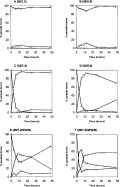
Fig. 1. Effects of temperature, pH and fresh serum on transformation of metacyclic promastigotes to amastigotes in vitro. Metacyclic promastigotes were incubated under a variety of conditions and sampled at various time-points for morphological differentiation: (A) 26 °C, pH 7.2; (B) 26 °C, pH 5.5; (C) 32 °C, pH 7.2; (D) 32 °C, pH 5.5; (E) 5% human serum, 26 °C, pH 7.2; (F) 40% human serum, 26 °C, pH 7.2. Cells were classified into metacyclic promastigotes ([utri ]–[utri ]), intermediates (□–□), and aflagellates (○–○).
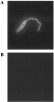
Fig. 2. Immunofluorescence microscopy of Leishmania mexicana promastigotes. (A) Metacyclic promastigote incubated with 10 μg/ml CRP, anti-CRP serum and fluorescein-conjugated secondary antibody. (B) Control with the addition of 15 mM EDTA at the CRP binding step.
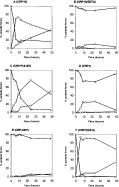
Fig. 3. Effect of C-reactive protein on transformation of metacyclic promastigotes to amastigotes in vitro. (A–E) performed at 26 °C, pH 7.2, (F) performed at 32 °C, pH 5.5. (A) 10 μg/ml CRP; (B) 10 μg/ml CRP, 10 mM EDTA; (C) 10 μg/ml CRP at 0, 12 and 24 h; (D) 1 μg/ml CRP; (E) 10% CRP-depleted serum; (F) 10 μg/ml CRP. Cells were classified into metacyclic promastigotes ([utri ]–[utri ]), intermediates (□–□), and aflagellates (○–○).
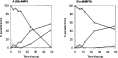
Fig. 4. Effect of cAMP analogues on transformation of metacyclic promastigotes to amastigotes in vitro. Experiments were performed at 26 °C, pH 7.2. (A) 1 mM Bt2cAMP; (B) 0.2 mM cBIMPS. Cells were classified into metacyclic promastigotes ([utri ]–[utri ]), intermediates (□–□), and aflagellates (○–○).
 You have
Access
- 19
- Cited by