

Antipsychotic drugs are among the most widely prescribed psychotropic medications for elderly people, particularly for the 5–8% of patients who are in institutions. The antipsychotics are indicated for treating psychotic disorders, including schizophrenia, delusional disorder, psychotic symptoms in mood disorders and for a number of organic psychoses.
Behavioural and psychological symptoms in dementia (BPSD), such as agitation, aggression and psychosis, occur at some point in over 80% of patients with dementia (Reference Ballard, Bannister and GrahamBallard et al, 1995). These symptoms are distressing to patients and troublesome to carers, and often precipitate admission to residential facilities. Currently, antipsychotic drugs remain the only established pharmacological treatment for BPSD.
Clearly, elderly patients, particularly those with dementia, have much to gain from the development of antipsychotic drugs with proven efficacy and better tolerability. In younger patients with schizophrenia, the new atypical antipsychotic drugs, which have these properties, have revolutionised treatment. Studies on these patients have shown that new atypicals have an equal or greater efficacy than conventional antipsychotics, provide a greater reduction in negative symptoms and cause significantly lower rates of extrapyramidal side-effects (EPS) and tardive dyskinesia (Reference Beasley, Tollefson and TranBeasley et al, 1997;Reference Wahlbeck, Cheine and EssaliWahlbeck et al, 1999). But is there any evidence that atypical antipsychotic drugs are effective in treating psychosis related to psychiatric disorders in the elderly? And if there is, what are their distinct advantages over conventional antipsychotic drugs? Is it possible to devise rational guidelines for the use of atypicals in late-life mental disorders, from the growing body of literature?
We start with an overview of indications for the use of antipsychotic drugs and the features that make these drugs atypical. We then address special considerations in the use of antipsychotics in the elderly, including pharmacokinetic and pharmacodynamic changes in ageing, medical comorbidity, drug–drug interactions and tolerability. Finally, each atypical antipsychotic is discussed with regard to its specific pharmacological properties, its efficacy and its side-effect profile. We conclude with some general recommendations.
Psychiatric disorders with psychotic and behavioural symptoms in the elderly
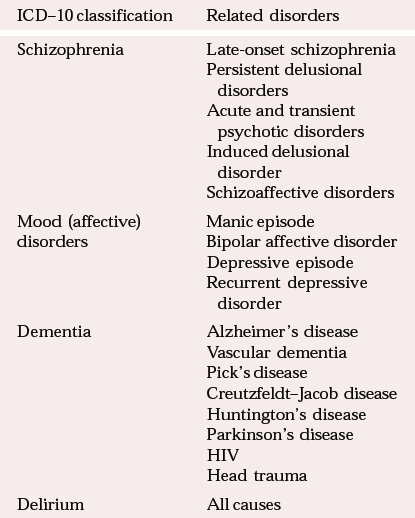
Many of the common psychiatric disorders prevalent in the elderly are associated with psychotic symptoms and behavioural disturbances. By far the most common of these disorders are the dementias (Table 1).
Owing to the rigours of American and European Licensing regulations, as well as to market forces, drug companies have not actively sought licensing for new antipsychotic medications to be used in older people. Although the more recently marketed antipsychotic drugs are licensed for use only in younger adults with schizophrenia, in old age psychiatry they are being used extensively for symptomatic relief of a variety of disorders. In the USA for the year ending 1999, 61% of antipsychotic prescriptions for the elderly were for atypical antipsychotics (Reference Byerly, Weber and BrooksByerly et al, 2001).
Conventional antipsychotics
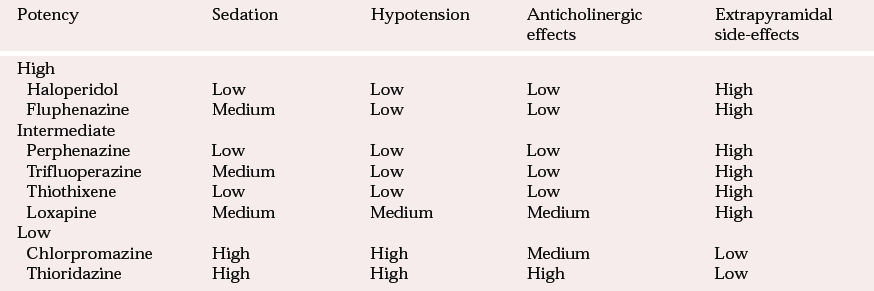
Conventional antipsychotic drugs are all antagonists of dopamine D2 receptors and have a greater propensity to produce EPS than atypical antipsychotic drugs. EPS such as akathisia, dystonia and parkinsonism are mediated by D2 receptor blockade in the nigrostriatal pathway. The elderly are particularly vulnerable to these side-effects, and Parkinsonian symptoms reportedly occur in over 50% of all elderly patients receiving these drugs (Reference Avorn, Monane and EverittAvorn et al, 1994). The side-effect profile of conventional antipsychotics relate to their potency (Table 2).
Conventional antipsychotics continue to be the mainstay of pharmacotherapy for BPSD (Reference Schneider, Pollock and LynessSchneider et al, 1990). Estimates of the efficacy of these drugs in the treatment of the behavioural syndromes complicating dementia are, however, relatively modest (Reference Sweet and PollockSweet & Pollock, 1998). A rigorous meta-analysis that was carried out by Schneider et al (1990) included seven studies, which used a double-blind, placebo-controlled, parallel-group design to assess subjects who probably had primary degenerative dementia or vascular dementia. The results indicated that conventional antipsychotic drugs were significantly more effective than placebo. Although efficacy was described as modest, the authors pointed out that the dosages used in studies of patients with dementia have been low compared with effective dosages in younger patients. A more recent meta-analysis of 16 randomised, double-blind controlled trials of the treatment of BPSD in the elderly reported between 1966 and 1998 confirmed Schneider at al's finding (Reference Lanctot, Best and MittmannLanctot et al, 1998).
Atypical antipsychotics
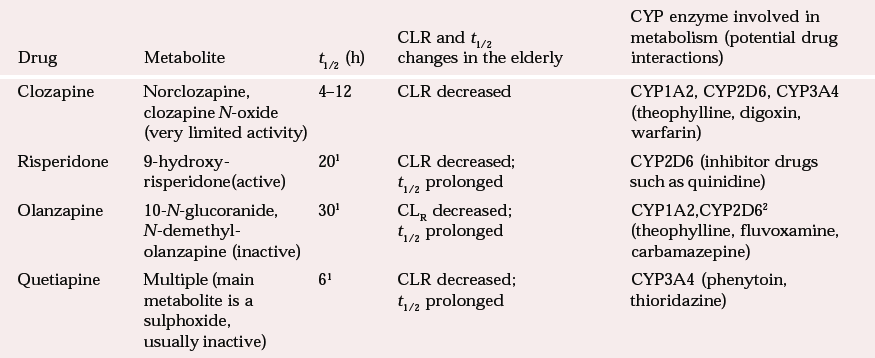
Several definitions of atypicality have been proposed, all of which are derived from the observed properties of clozapine, the prototype atypical antipsychotic drug. The most useful definition for an atypical antipsychotic has been its greater potency for antagonising serotonin 5-HT2A receptors than dopamine D2 receptors. In the UK, the currently marketed atypical antipsychotics are clozapine, risperidone, olanzapine and quetiapine. Table 3 illustrates the receptor binding profiles of atypical antipsychotics and Table 4 shows pharmacokinetic properties of these agents. Controlled head-to-head studies of the atypicals are required to determine their comparative efficacy and safety.
Considerations when using antipsychotics in the elderly
The efficacy and tolerability of all antipsychotic drugs is substantially affected by the ageing process. Sensitivity to medication is more pronounced in the elderly than in their younger counterparts, in a large part owing to age-related changes in the body's capacity to metabolise psychotropic and other drugs. Other relevant factors include higher rates of physical comorbidity, drug–drug interactions and age-related side-effects.
Pharmacokinetic and pharmacodynamic changes of ageing
Age-related changes in the metabolism and physiology of the gastrointestinal, hepatic, renal and cardiovascular systems substantially alter drug distribution in the elderly. These changes are highlighted in Box 1. Collectively, they may result in a greater fraction of active, non-protein-bound drug than would occur if the same dose were given to a younger person. Age-related changes in liver enzyme levels are not uniform. In particular, no age-related changes were noted with the CYP2D6 iso-enzyme responsible for the metabolism of perphenazine, thioridazine and risperidone, although there is a possible age-related decline in function for the CYP3A4 iso-enzyme, the predominant metaboliser of quetiapine. A decline was also found with CYP1A2 iso-enzyme, a primary metaboliser of clozapine and olanzapine (Reference Sweet and PollockSweet & Pollock, 1998). As a result, different drug effects may occur, depending on the interactions and CYP system involved. Plasma concentrations of psychotropic drugs vary widely in patients receiving the same dosage. This variability is much greater in the elderly than in younger patients and makes generalisations about optimal dosages difficult on the basis of pharmacokinetic principles alone.
Age-related changes affecting the distribution of psychotropic drugs in the elderly
Delayed gastric emptying
Reduced levels of plasma proteins, particularly albumin
Reduced circulatory volume
Decreased cerebrovascular perfusion
Decreased synthesis and activity of hepatic microsomal enzymes
Increased relative and absolute amount of adipose tissue
Decreased body water
Decreased renal blood flow
Impaired glomerular filtration and reduced renal drug clearance
Medical comorbidity
Medical illness in the elderly is common, with an estimated 80% of individuals having at least one chronic medical disability. Greater physical comorbidity, in addition to the diminished capacity of elderly patients to metabolise drugs, is likely to further compromise brain function and to predispose patients to neurotoxicity from antipsychotic medications.
Drug–drug interactions
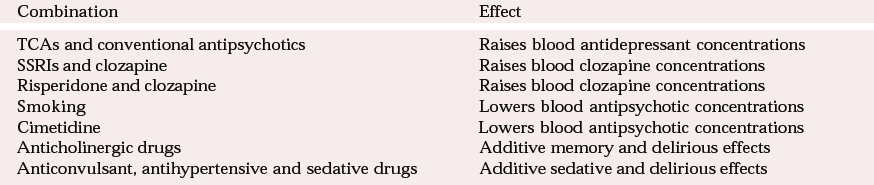
The higher rates of polypharmacy due to coexisting physical illness and the diminished clearance of drugs make elderly patients particularly susceptible to drug–drug interactions. These may occur at multiple levels in the meTabolic pathway, although the propensity for side-effects is heightened when drugs compete for degradation through the same CYP system. Drug interactions commonly observed in the elderly are listed in Table 5.
Side-effects and tolerability
Antipsychotic drugs are associated with a variety of side-effects, which are related to the specific pharmacological properties of the particular drug. The side-effect profile of available antipsychotics is listed in Table 6.
Extrapyramidal side-effects
Extrapyramidal side-effects are among the most frequent, distressing and poorly recognised adverse effects of antipsychotic treatment. The elderly are exceptionally sensitive to EPS, particularly akathisia, parkinsonism and tardive dyskinesia. The core features of parkinsonism of whatever cause are the triad of bradykinesia, rigidity and tremor. Among elderly patients, those diagnosed with Alzheimer's disease or with dementia with Lewy bodies appear to be particularly sensitive to developing drug-induced parkinsonism. The presence of EPS can contribute to medication intolerance, medication non-compliance, falls and other adverse effects. These facts in themselves urge conservatism in exposing the elderly to antipsychotic drugs. However, with the atypical antipsychotic, it is possible to have therapeutic effects at doses devoid of associated EPS.
Tardive dyskinesia
Tardive dyskinesia is one of the most serious side-effects in terms of frequency, persistence, irreversibility and overall impact on the well-being of patients. Its importance is likely to grow in terms of future medico-legal implications. Increasing age substantially increases both the risk of developing tardive dyskinesia and its severity. According to Jeste et al (1995) the cumulative incidence of tardive dyskinesia in elderly patients is 26%, 52% and 60% after 1, 2 and 3 years of exposure to conventional antipsychotic drugs, in contrast to corresponding values of 4%, 8% and 11% in younger patients. The risk of tardive dyskinesia in the elderly is high, even with relatively short treatment at low doses of conventional antipsychotic drugs. The low risk of developing tardive dyskinesia with atypicals in younger adults is well established and is probably similar in the elderly (Reference Jeste, Okamoto and NapolitanoJeste et al, 2000).
Falls and orthostasis
The prevalence of orthostatic hypotension in the elderly is estimated to be between 5% and 33% and increases with age (Reference Verhaeverbeke and MetsVerhaeverbeke & Mets, 1997). Orthostatic hypotension is a common side-effect of a number of medications, including antipsychotic drugs, and a major contributing factor to the occurrence of falls with adverse consequences such as bone fractures, injuries, functional decline, dependency and death. The extent to which antipsychotic drugs cause hypotension differs, and low-potency conventional antipsychotics and clozapine are among the more problematic.
Anticholinergic side-effects and effects on cognition
As a group, the elderly are particularly sensitive to anticholinergic side-effects, including constipation, glaucoma, dry mouth, urinary retention, cognitive impairment and delirium. Since elderly patients with psychotic symptoms will often have some degree of cognitive impairment, it is important that treatments have minimal risk of aggravating any further impairment. Atypicals, particularly risperidone and quetiapine, have a lower binding affinity for acetylcholine receptors and a lower potential for causing anticholinergic effects.
Accelerated cognitive decline has been reported in elderly patients with dementia during treatment with conventional antipsychotic drugs (Reference McShane, Keene and GedlingMcShane et al, 1997). Preclinical and growing clinical evidence indicates that inhibitory effects on dopaminergic, cholinergic and histaminic neurochemical systems may account for antipsychotic-associated cognitive impairment in the elderly. The cognitive effect that a specific antipsychotic will have in the elderly is likely to be predicted by considering the pharmacodynamic action of the drug in combination with the pathophysiology of the condition being treated. A review of the cognitive effects of antipsychotics in the elderly suggests than the atypicals may possess a more favourable cognitive profile than the conventional antipsychotics in this population (Reference Byerly, Weber and BrooksByerly et al, 2001). In two large placebo-controlled trials of elderly patients with dementia there was no significant decline in cognition compared with placebo, though there was a significant decline in Mini-Mental State Examination (MMSE; Reference Folstein, Folstein and McHughFolstein et al, 1975) scores between the haloperidol and placebo groups (Reference De Deyn, Rabheru and RasmussenDe Deyn et al, 1999; Reference Katz, Jeste and MintzerKatz et al, 1999).
Cardiac side-effects
A common concern with some antipsychotics is their possible effect on the QT interval of the electrocardiogram. The QT interval represents the time required for depolarisation and repolarisation of the ventricles at a standard speed of 25 mm/s. The QTc is the ‘corrected’ time: the QT interval varies depending on heart rate, so for example if the heart rate increases the QT interval will shorten. The average QTc in a normal population is 400 ms, and the range is 314–494 ms.
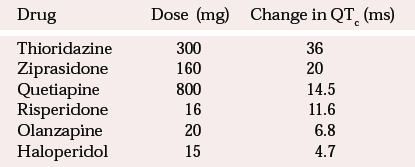
The release of the new atypical antipsychotic ziprasidone, manufactured by Pfizer, had been delayed because of concerns about prolongation of the QT interval. The Food and Drug Administration (FDA) website (http://www.fda.gov/) holds a wealth of published and unpublished data relating to this issue of QT prolongation. The Pfizer study 054 for ziprasidone (OHRMS, 2001) made some interesting comparisons between antipsychotics and persuaded the FDA that any increase in QT interval is unlikely to be clinically significant (Table 7).
Many published clinical papers document the cardiac profiles of the different antipsychotic drugs, as well as other commonly used psychotropic medications such as tricyclic antidepressants. Conventional antipsychotics have been associated with sudden death and may cause QT prolongation and torsades de pointe at therapeutic and toxic doses. Kelly et al, who described two deaths associated with thioridazine, first reported this in 1963. Haloperidol, chlorpromazine, trifluoperazine, pericyazine, prochlorperazine and fluphenazine are all incriminated, but thioridazine may be the worst. Pimozide is well known to cause QT prolongation and torsades de pointe. Forty serious cardiac reactions, including 16 deaths, were reported to the Committee on Safety of Medicines between 1971 and 1995 (Committee on Safety of Medicines & Medicines Control Agency, 1995). Sertindole has been associated with 36 deaths and its manufacture has been suspended (Committee on Safety of Medicines & Medicines Control Agency, 1999). Reilly et al (2000) evaluated the effects on QTc of a variety of psychotropic medications, including conventional antipsychotics, clozapine and risperidone. Four variables were significant independent predictors of QTc lengthening: age over 65 years, tricyclic antidepressants, droperidol and thioridazine. There was also an association between QTc prolongation and increasing antipsychotic dose.
Other effects
Other side-effects of antipsychotic medication include sexual dysfunction, which is most problematic with high anticholinergic and high α-adrenergic activity, and weight gain, particularly problematic with the atypicals clozapine and olanzapine; all conventional antipsychotic drugs and risperidone cause hyperprolactinaemia, which may subsequently cause osteoporosis; and the newer atypical antipsychotic agents may produce a lower incidence of neuroleptic malignant syndrome.
Box 2 summarises key points regarding the use of antipsychotics in elderly people.
Use of antipsychotic drugs in the elderly: key points
Antipsychotic drugs are indicated for treating psychotic disorders, including schizophrenia, delusional disorder, psychotic symptoms in mood disorders, and for a number of organic psychoses
Antipsychotics remain the only established mode of pharmacotherapy for behavioural and psychological symptoms in dementia, although their efficacy here is modest
The elderly are more sensitive to the side-effects of psychotropic and non-psychotropic medication owing to age-related pharmacodynamic and pharmacokinetic changes, higher rates of physical comorbidity and polypharmacy
Conventional antipsychotics carry a high risk of causing extrapyramidal side-effects and tardive dyskinesia in the elderly population
Clozapine
Clozapine is a tricyclic dibenzodiazepine that blocks both dopamine and serotonin 5-HT2A receptors. It has stronger dopamine antagonism at the D1 and D4 receptors relative to its affinity for the D2 receptor, which may explain its low frequency of EPS. Its activity at 5-HT2 receptors may partly account for its ability to reduce negative symptoms in schizophrenia. Furthermore, clozapine is a potent antagonist at α-adrenergic, histaminergic and muscarinic receptors, which explains its ability to cause frequent autonomic side-effects, sedation and delirium in elderly patients.
No placebo-controlled randomised studies in large samples of elderly patients with schizophrenia have been conducted. However, Howanitz et al (1999) conducted a comparative 12-week double-blind study of clozapine and chlorpromazine in 42 elderly patients with schizophrenia. Both drugs were effective treatments for psychosis and behavioural disturbances, with similar incidence of adverse effects. Sajatovic et al (1998a) assessed the efficacy of clozapine in a sample of 329 older adults (age 55 years and older) over a period of 5 years. Overall, patients improved while receiving clozapine therapy, with a particularly good response of positive symptoms.
Another area of importance for old age psychiatry is the use of clozapine in the treatment of psychosis related to Parkinson's disease. The results of a randomised, double-blind, placebo-controlled study of low doses of clozapine (6.25–50 mg/day) in patients with idiopathic Parkinson's disease and drug-induced psychosis showed that clozapine significantly improves drug-induced psychosis without worsening parkinsonism (Parkinson Study Group, 1999). Another randomised, double-blind parallel study comparing clozapine with olanzapine yielded similar results for clozapine, but had to be discontinued as olanzapine aggravated parkinsonism (Reference Goetz, Blasucci and LeurganGoetz et al, 2000).
The majority of other published studies of clozapine in the elderly include retrospective surveys and case reports (Reference Chengappa, Baker and KreinbrookChengappa et al, 1995; Reference Sajatovic, Jaskiw and KonickiSajatovic et al, 1997). Their results indicate moderate to good efficacy and very low rates of EPS, but significant other adverse effects.
Overall, although efficacious, clozapine is very poorly tolerated in the elderly, with significant problems, including delirium, somnolence, cardiac effects, orthostasis and falls. The cumulative incidence of agranulocytosis is about 0.7%, with an age-related increase of 53% per decade (Reference Wahlbeck, Cheine and EssaliWahlbeck et al, 1999) and a potential for subsequent mortality. Rapid titration is particularly problematic for the elderly (Reference Chengappa, Baker and KreinbrookChengappa et al, 1995).
Risperidone
Risperidone is a benzisoxazole derivative with antagonistic activity, primarily at dopamine D2 and serotonin 5-HT2A receptors. The higher binding affinity of risperidone for 5-HT2A than for D2 receptors, along with the mesolimbic specificity of action, is thought to account for the reduced incidence of EPS relative to conventional antipsychotic drugs. It also has affinity for α1-adenergic receptors and lower affinity for α2-adrenergic and H1-histaminergic receptors. Unlike clozapine, it has no affinity for cholinergic receptors. The first two large, placebo-controlled, double-blind trials examining the efficacy and tolerability of an atypical antipsychotic drug for patients with BPSD was using risperidone (Reference De Deyn, Rabheru and RasmussenDe Deyn et al, 1999; Reference Katz, Jeste and MintzerKatz et al, 1999).
Katz et al (1999) randomised 625 nursing home patients to receive risperidone at 3 possible doses (0.5, 1 or 2 mg daily) or placebo in 2 divided doses for 12 weeks. Treatment response at end-point was defined as a greater than 50% reduction in total score on the Behavioral Pathology in Alzheimer's Disease (BEHAVE–AD) rating scale (Reference Reisberg, Borenstein and SalobReisberg et al, 1987). This was seen in significantly more patients receiving 1 or 2 mg of risperidone v. placebo.
In a study by De Deyn et al (1999), 344 institutionalised patients were randomised to receive titrated doses of risperidone, haloperidol or placebo (0.5–4 mg/day), for a 12-week period. Treatment response at end-point was defined as a greater than 30% reduction in the BEHAVE–AD total score. At week 12 there were significant reductions in the total score on the BEHAVE–AD and aggressiveness scores seen with risperidone compared with placebo. However, although there was a positive trend, this difference was not reflected in the end-point evaluation. Mean Clinical Global Impression scores were significantly improved with risperidone 1 and 2 mg/day v. placebo both at end-point and at week 12. Haloperidol was superior to placebo at end-point, measured by BEHAVE–AD and aggressiveness scores, although risperidone was superior to haloperidol on the BEHAVE–AD aggressiveness sub-score at 12 weeks.
Both of these studies showed risperidone to have good tolerability. Additionally, the De Deyn study showed that the severity of EPS at end-point was significantly greater with haloperidol than with either risperidone or placebo.
The two studies were extended over a longer 1-year term in a non-blinded non-comparative extension and for those completing the year, improvement in measures of psychosis and aggression were maintained (Reference De Deyn and KatzDe Deyn & Katz, 2000). Other evidence for the efficacy and tolerability of risperidone consists of non-comparative trials, case studies, small controlled trials, or retrospective reviews. An extensive independent review of the use of risperidone in the management of BPSD was published last year (Reference Bhana and SpencerBhana & Spencer, 2000). Risperidone has the most robust evidence in terms of efficacy for treatment of BPSD. It appears well tolerated, though its receptor profile would still suggest a greater tendency to cause EPS. The recommended dose is up to 2 mg/day.
Olanzapine
Olanzapine is an atypical antipsychotic drug of the thienobenzodiazepine class, which is structurally related to clozapine. Olanzapine is a selective monoaminergic antagonist with high-affinity binding to serotonin 5-HT2A, 5-HT2c, 5-HT3, 5-HT6, dopamine (D1–D4) and muscarinic, histaminergic and α1-adrenergic receptors. We identified two double-blind, placebo-controlled studies of olanzapine in the elderly.
Satterlee et al (1995) randomised 238 patients aged >65 years with schizophrenia or psychotic and behavioural symptoms associated with Alzheimer's disease to receive either olanzapine 1–8 mg/day or placebo. The dosages of olanzapine used were low; only 69 patients received olanzapine ≥5 mg/day. Olanzapine and placebo did not differ significantly in their efficacy and there were no significant between-groups differences in the rates of EPS, orthostasis, abnormal liver function tests or white blood cell counts. The lack of efficacy was attributed to an inadequate dosage of olanzapine.
The second study (Reference Street, Clark and GannonStreet et al, 2000) was a larger double-blind, placebo-controlled study in nursing home patients with Alzheimer's disease and BPSD. Patients (n=206) received placebo or olanzapine at 5, 10 or 15 mg/day. Despite a high placebo-response rate (36%), patients receiving 5 and 10 mg/day had a significantly higher response rate (65% and 57%, respectively), with significant improvements noted in measures of agitation, delusions and hallucinations. No EPS were noted. Significant side-effects included somnolence and abnormal gait, both of which were dose-related.
Two further prospective studies showed olanzapine to be effective and well tolerated in elderly patients with schizophrenia (Reference Sajatovic, Perez and BrescanSajatovic et al, 1998b ; Reference Madhusoodanan, Brenner and SureshMadhusoodanan et al, 2000). In both studies, the mean dose of olanzapine was 8–10 mg/day. The primary adverse effects were sedation, weight gain, mild anticholinergic effects and orthostasis.
Advantages of olanzapine in the elderly include a low incidence of EPS and good effect on positive and negative symptoms. The potential for anticholinergic effects remains a concern. The recommended dose for elderly patients is 5–10 mg/day.
Quetiapine
Quetiapine acts as an antagonist at multiple neurotransmitter receptors in the brain, including dopamine D1 and D2, serotonin 5-HT1A and 5-HT2, histaminic H1 and α1- and α2-adrenergic receptors. Quetiapine exhibits a lower binding affinity to D2 than to 5-HT2 receptors, which is characteristic of atypical antipsychotic drugs and results in antipsychotic activity with minimal EPS. Quetiapine has no appreciable binding affinity to cholinergic, muscarinic or benzodiazepine receptors.
There are limited data regarding the usefulness of quetiapine in older patients. There have been two published trials of uncontrolled open-label, multi-centre, 52-week trials in patients with a variety of psychotic symptoms, over the age of 65 years (Reference McManus, Arvanitis and KowalcykMcManus et al, 1999; Reference Schneider, Yeung and SweitzerSchneider et al, 1999).
McManus et al showed statistically significant improvements on the Brief Psychiatric Rating Scale (BPRS; Reference Overall and GorhamOverall & Gorham, 1962) at the 12-week interim analysis in 151 patients with both functional illness (mean dose 87.5 mg/day) and organic psychosis (mean dose 100 mg/day). The most common adverse events reported were somnolence (32%), dizziness (14%) and postural hypotension (13%), but overall tolerability was good with low drop-out rates (9%). The 1-year follow-up results from this trial have recently been analysed and confirm the interim analysis (Reference Tariot, Salzman and YeungTariot et al, 2000).
In the other study, Schneider et al examined the effect of quetiapine on symptoms of hostility. Significant improvements in measures of hostility on the BPRS were seen at all times over the 52 weeks, which appeared greater and possibly independent of improvements in positive symptoms directly.
Theoretically, of all the atypical antipsychotics, quetiapine is least likely to cause EPS. This suggests that it should be the drug of choice for Parkinson's disease with psychosis and dementia with Lewy bodies, particularly in view of its major advantage over clozapine of not causing agranulocytosis (Reference Dewey and O'SuilleabhainDewey & O'Suilleabhain, 2000).
Conclusions
Studies of atypical antipsychotic drugs in the younger adult population have demonstrated their efficacy in treating both positive and negative psychiatric symptoms, as well as causing no or minimal EPS and carrying a low risk of tardive dyskinesia or dystonia. In terms of evidence-based practice for the use of atypicals in the elderly, there is a growing body of results, although few gold-standard double-blind placebo controlled trials have been carried out. Much of the evidence is derived from a range of non-comparative trials, both prospective and retrospective, and from case series and individual reports. These studies are, however, valuable and add to the current knowledge base and we have summarised the most important of them for each atypical in turn. Box 3 summarises key information for individual atypicals.
Individual atypical antipsychotic drugs
Clozapine is poorly tolerated in the elderly: there is an age-related increase in risk of agranulocytosis; rapid titration is particularly problematic
Risperidone has the most robust evidence in terms of efficacy for treatment of behavioural and psychological symptoms in dementia. It seems to be well tolerated, although its receptor profile suggests a greater tendency to cause extrapyramidal side-effects (EPS)
The advantages of olanzapine in the elderly include a good effect on positive and negative psychiatric symptoms and a low incidence of EPS. The potential for anticholinergic effects remains a concern
Of all the atypicals, quetiapine is theoretically least likely to cause EPS, suggesting it as the drug of choice for Parkinson's disease with psychosis and dementia with Lewy bodies
There now appears to be significant evidence that, for the elderly, atypicals are at least as efficacious as their older counterparts, the conventional antipsychotic drugs. Although each atypical has some side-effects, as a class they appear to be considerably better tolerated, with significantly lower risks of EPS, tardive dyskinesia and adverse cognitive effects. With growing concerns of litigation and no effective treatment for tardive dyskinesia, the best strategy is its prevention by minimising a patient's exposure to antipsychotic drugs, preferentially using an atypical antipsychotic, limiting long-term use to well-defined indications, using the lowest effective doses and frequently monitoring for tardive dyskinesia and other side-effects.
Large, rigorous trials comparing the efficacy of atypical antipsychotic drugs with diverse pharmacodynamic actions are lacking in the elderly and are greatly needed. Each of the range of different psychotic disorders that may occur in the elderly needs individual consideration. Often the atypical antipsychotics are seen as an indistinguishable class of drugs, although they are clearly a heterogeneous group. Although all atypicals probably have similar efficacy, each one, with its own very different receptor profiles, will be more appropriate than another for a specific disorder. This is particularly true for disorders in the elderly, as different side-effect profiles limit a drug's usefulness depending on the underlying pathophysiology of the disorder.
Multiple choice questions
-
1. Conventional antipsychotic drugs:
-
a block dopamine D2 receptors
-
b have a high propensity to produce extra-pyramidal side-effects
-
c produce a cumulative incidence of tardive dyskinesia in the elderly ≥50% after 2 years' exposure
-
d cause an elevation in the secretion of prolactin
-
e may cause cognitive decline in elderly patients with dementia.
-
-
2. Atypical antipsychotic drugs:
-
a offer no advantages over conventional antipsychotic drugs in old age psychiatry
-
b include clozapine, risperidone, olanzapine and quetiapine because these have a greater potency for antagonising 5-HT2A receptors than D2 receptors
-
c are associated with a relatively high risk of extrapyramidal side-effects in the elderly
-
d as a class appear to be at least as efficacious as conventional antipsychotic drugs
-
e as a class appear to be considerably less well tolerated than conventional antipsychotic drugs.
-
-
3. Tardive dyskinesia:
-
a is more common in the elderly
-
b in the elderly is associated only with the use of high doses of conventional antipsychotic drugs
-
c is a condition that is easy to treat
-
d in the elderly is best prevented by using atypical antipsychotic drugs
-
e is best prevented by limiting long-term use of antipsychotic drugs to well-defined indications.
-
-
4. The following features of ageing affect the distribution of antipsychotic drugs:
-
a reduced levels of plasma proteins, particularly albumin
-
b decreased cerebrovascular perfusion
-
c increased relative and absolute amount of adipose tissue
-
d decreased renal blood flow
-
e a decline in CYP1A2 iso-enzyme.
-
-
5. As regards atypical antipsychotic drugs:
-
a there is an age-related increase in risk of agranulocytosis associated with the use of clozapine
-
b clozapine is well tolerated in the elderly
-
c risperidone has the most robust evidence in terms of efficacy for treatment of behavioural and psychological symptoms in dementia
-
d olanzapine is effective and well tolerated in elderly patients with schizophrenia
-
e quetiapine is theoretically least likely to cause extrapyramidal side-effects.
-
MCQ answers
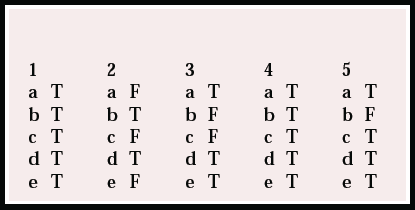
| 1 | 2 | 3 | 4 | 5 | |||||
|---|---|---|---|---|---|---|---|---|---|
| a | T | a | F | a | T | a | T | a | T |
| b | T | b | T | b | F | b | T | b | F |
| c | T | c | F | c | F | c | T | c | T |
| d | T | d | T | d | T | d | T | d | T |
| e | T | e | F | e | T | e | T | e | T |
Psychiatric disorders that may cause psychosis in the elderly
| ICD–10 classification | Related disorders |
|---|---|
| Schizophrenia | Late-onset schizophrenia |
| Persistent delusional disorders | |
| Acute and transient psychotic disorders | |
| Induced delusional disorder | |
| Schizoaffective disorders | |
| Mood (affective) | Manic episode |
| disorders | Bipolar affective disorder |
| Depressive episode | |
| Recurrent depressive disorder | |
| Dementia | Alzheimer's disease |
| Vascular dementia | |
| Pick's disease | |
| Creutzfeldt—Jacob disease | |
| Huntington's disease | |
| Parkinson's disease | |
| HIV | |
| Head trauma | |
| Delirium | All causes |
Potency and side-effects of traditional neuroleptics
| Potency | Sedation | Hypotension | Anticholinergic effects | Extrapyramidal side-effects |
|---|---|---|---|---|
| High | ||||
| Haloperidol | Low | Low | Low | High |
| Fluphenazine | Medium | Low | Low | High |
| Intermediate | ||||
| Perphenazine | Low | Low | Low | High |
| Trifluoperazine | Medium | Low | Low | High |
| Thiothixene | Low | Low | Low | High |
| Loxapine | Medium | Medium | Medium | High |
| Low | ||||
| Chlorpromazine | High | High | Medium | Low |
| Thioridazine | High | High | High | Low |
Receptor binding profiles of atypical antipsychotic drugs

| Dopamine | Serotonin | Muscarinic | Adrenergic | Histaminic | |||
|---|---|---|---|---|---|---|---|
| Drug | D1 | D2 | 5-HT1A | 5-HT1A | M1 | a1 | H1 |
| Clozapine | +++ | +++ | + | ++++ | ++++ | ++++ | ++++ |
| Risperidone | +++ | ++++ | ++ | ++++ | 0 | ++++ | +++ |
| Olanzapine | ++++ | ++++ | + | ++++ | ++++ | ++++ | ++++ |
| Quetiapine | + | ++++ | ++++ | ++++ | 0 | ++++ | ++++ |
Pharmacokinetic properties of atypical antipsychotic drugs
| Drug | Metabolite | t 1/2 (h) | CLR and t 1/2 changes in the elderly | CYP enzyme involved in metabolism (potential drug interactions) |
|---|---|---|---|---|
| Clozapine | Norclozapine, clozapine N-oxide (very limited activity) | 4–12 | CLR decreased | CYP1A2, CYP2D6, CYP3A4 (theophylline, digoxin, warfarin) |
| Risperidone | 9-hydroxy-risperidone(active) | 201 | CLR decreased; t 1/2 prolonged | CYP2D6 (inhibitor drugs such as quinidine) |
| Olanzapine | 10-N-glucoranide, N-demethyl-olanzapine (inactive) | 301 | CLR decreased; t 1/2 prolonged | CYP1A2,CYP2D6 2 (theophylline, fluvoxamine, carbamazepine) |
| Quetiapine | Multiple (main metabolite is a sulphoxide, usually inactive) | 61 | CLR decreased; t 1/2 prolonged | CYP3A4 (phenytoin, thioridazine) |
Common antipsychotic drug interactions in the elderly
| Combination | Effect |
|---|---|
| TCAs and conventional antipsychotics | Raises blood antidepressant concentrations |
| SSRIs and clozapine | Raises blood clozapine concentrations |
| Risperidone and clozapine | Raises blood clozapine concentrations |
| Smoking | Lowers blood antipsychotic concentrations |
| Cimetidine | Lowers blood antipsychotic concentrations |
| Anticholinergic drugs | Additive memory and delirious effects |
| Anticonvulsant, antihypertensive and sedative drugs | Additive sedative and delirious effects |
Side-effect profile of available antipsychotic drugs (from Maximer et al, 1999)

| Side-effect | Neuroleptics | Clozapine | Risperidone | Olanzapine | Quetiapine |
|---|---|---|---|---|---|
| Anticholinergic | ± to +++ | +++ | ± | + | ± |
| EPS | ± to +++ | 0 to ± | 0 to ± | 0 to ± | 0 to ± |
| Orthostatic hypotension | + to +++ | +++ | ++ | + | + to ++ |
| Prolactin elevation | ++ to +++ | 0 | ++ | 0 to ± | 0 to ± |
| Sedation | + to +++ | +++ | + | ++ | + to ++ |
| Seizures | ± to ++ | ++ | ± | ± | ± |
| Weight gain | + to ++ | +++ | ++ | ++ to +++ | ++ |
Mean increases in QTc for various antipsychotic drugs (CI 5–6 ms)
| Drug | Dose (mg) | Change in QTc (ms) |
|---|---|---|
| Thioridazine | 300 | 36 |
| Ziprasidone | 160 | 20 |
| Quetiapine | 800 | 14.5 |
| Risperidone | 16 | 11.6 |
| Olanzapine | 20 | 6.8 |
| Haloperidol | 15 | 4.7 |




eLetters
No eLetters have been published for this article.