Introduction
Small numbers of poultry need to be killed on farm for a variety of reasons including the prevention of further suffering in sick or injured birds, for disease control purposes, or for ‘farm gate’-type sales. With the possible exception of turkey production units where Quality British Turkey standards recommend the use of a concussive device on birds over 14 weeks, (Quality British Turkey, 2010), or Freedom Foods standards that require concussive killing or electrical stunning followed by neck cutting in birds over 8 kg (RSPCA 2010), until recently the simplest and most widely used method of killing small numbers of poultry has been manual cervical dislocation, because it requires no equipment and is relatively easy to learn. As of the 1st January 2013, cervical dislocation is permitted in the EU under EC 1099/2009 (European Commission, 2009), providing that this method is not used routinely. It has been commonly used for laying hens, meat chickens, other poultry and game birds and most turkeys less than 14 weeks of age. When done correctly, cervical dislocation should sever the vertebral column from the cranium (i.e. neck dislocation) and rupture the blood vessels that supply the brain. Correct application of cervical dislocation is thought to also have a concussive effect on the brain (Gregory and Wotton, Reference GREGORY and WOTTON1990), rendering the bird unconscious prior to death.
Government and non-government organisations concerned with animal welfare question the welfare implications of manual cervical dislocation and mechanical methods that rely on pliers or castration devices (e.g. burdizzo). For example, the European Food Safety Authority (EFSA, 2004) expressed reservations with dislocation because it does not necessarily concuss poultry and therefore loss of consciousness may not be instantaneous. Cervical dislocation may be a particular problem with larger birds (i.e. over 3 kg) because their size and weight require greater strength in the operative: the OIE (World Organisation for Animal Health) state that only if no other method is available should birds under 3 kg be killed by cervical dislocation (OIE, 2010). EFSA (2004) also stated that restraint of the animal is needed during cervical dislocation, which can be stressful to it, and that fatigue in operatives could lead to severe compromises in bird welfare, a concern that is also raised by the OIE (2010). Operative fatigue may be important but it is frequently down-played or simply not recognised. Indeed, there are no published data on the number of birds that may be killed by an operator before fatigue affects the efficacy of the process or the interaction that exists between the number of birds to be killed, the age/species of the bird and operator physique and fitness. This notwithstanding, EC 1099/2009 continues to permit the killing of poultry via cervical dislocation, in unlimited numbers of poultry if a mechanical method is used (in birds up to 5 kg) or in up to 70 birds per person per day of up 3 kg if performed manually (European Commission, 2009).
Various other techniques or devices have been developed to improve killing poultry. This review will investigate techniques to kill small numbers of poultry outright (i.e. without prior stunning), their advantages and disadvantages, and what methods are worth further investigation. The review will not cover electrical stunning techniques, because of the lack of portable devices, the requirement for mains power, their requirement to be followed up with a killing method, and their general suitability for large numbers (such as in meat slaughter), rather than for small numbers of casualty slaughter or farm-gate sales.
Defining terms
Critical to a discussion on methods of humane culling is an understanding of terms. Many authors try to define the welfare costs or benefits of killing techniques based on how quickly animals lose consciousness (i.e. become insensible). Because loss of consciousness may be followed by death (i.e. cessation of cardiac, respiratory, and brain function), and even where loss of consciousness is reversible, we cannot ‘ask’ animals about their experiences, thus it is not possible to accurately define the state of consciousness or sensibility of any living animal (Raj et al., Reference RAJ, SANDILANDS and SPARKS2006, Erasmus et al., Reference ERASMUS, TURNER and WIDOWSKI2010c). However, loss of consciousness in poultry correlates with profound suppression in electrical activity of the brain as determined by electroencephalogram (EEG) recording (Gerritzen et al., Reference GERRITZEN, LAMBOOIJ, REIMERT, STEGEMAN and SPRUIJT2004, Coenen et al., Reference COENEN, LANKHAAR, LOWE and MCKEEGAN2009) or with abolition of evoked brain responses (such as visually-evoked responses (VERs) or electrical potentials (VEPs), picked up by EEG from an artificial visual stimulus such as a light, or the more generalised somatosensory-evoked potentials (SEPs), generated from auditory, visual, or mechanical stimulation) (EFSA, 2004). The time to loss of consciousness and therefore awareness can be estimated using neurophysiological indicators such as these evoked potentials, but it should be recognised that evoked potentials can be present in unconscious birds (e.g. under anaesthesia), albeit in an altered or diminished form. Even the brains of decapitated birds continued to show EEGs for a short time: in eight decapitated hens, it took 11 and 22 seconds for 50% of spontaneous and evoked (respectively) EEG activity to be lost (Gregory and Wotton, Reference GREGORY and WOTTON1986). Thus, although the presence of evoked potentials does not necessarily indicate the persistence of consciousness (or indeed conscious perception), their abolition does (normally) indicate that the birds are unconscious. Cartner et al. (Reference CARTNER, BARLOW and NESS2007) reasoned that euthanasia methods and their effects on EEG activity and VEPs in mice must be compared to a known method's response – thus they compared cervical dislocation, injection and inhalation methods of culling with decapitation as the control, and found that cervical dislocation decreased EEG and VEPs faster than decapitation.
Likewise, some techniques are described in terms of their ability to concuss poultry. Definitions of ‘concuss’ and ‘concussion’ vary, but a common theme is some degree of loss of consciousness. Pearce (Reference PEARCE2008), for example, defined clinical concussion - in humans- as ‘a sequel of brain injury produced by acceleration (or deceleration) of the head and is characterized by a sudden brief impairment of consciousness, paralysis of reflex activity and loss of memory’. Other definitions can be more vague (‘change in the way the brain normally works’, WETA, 2011); or may refer to confusion from head trauma (‘temporary unconsciousness or confusion and other symptoms caused by a blow on the head’, Oxford Dictionaries, 2010) which suggests a percussive cause. In the case of concussion as a culling method for poultry, a working party considered humane methods of killing experimental animals and stated that it should consist of a hard blow that ideally causes sufficient brain damage to immediately kill the bird (Close et al., Reference CLOSE, BANISTER, BAUMANS, BERNOTH, BROMAGE, BUNYAN, ERHARDT, FLECKNELL, GREGORY, HACKBARTH, MORTON and WARWICK1997). In the review that follows, attempts have been made to clarify how the authors cited have defined these terms.
Cervical dislocation
Cervical dislocation as defined by EC 1099/2009 (European Commission 2009) requires the stretching and twisting of the neck causing cerebral ischemia (i.e. deprivation of oxygen and glucose to the brain). Although the Council Regulation does not give examples or describe how these techniques should be performed, for the purpose of this review, manual cervical dislocation is described as using only the hands to cause dislocation, whereas mechanical dislocation involves the use of a tool to assist in the dislocation process. Both approaches should achieve the same ends.
manual dislocation
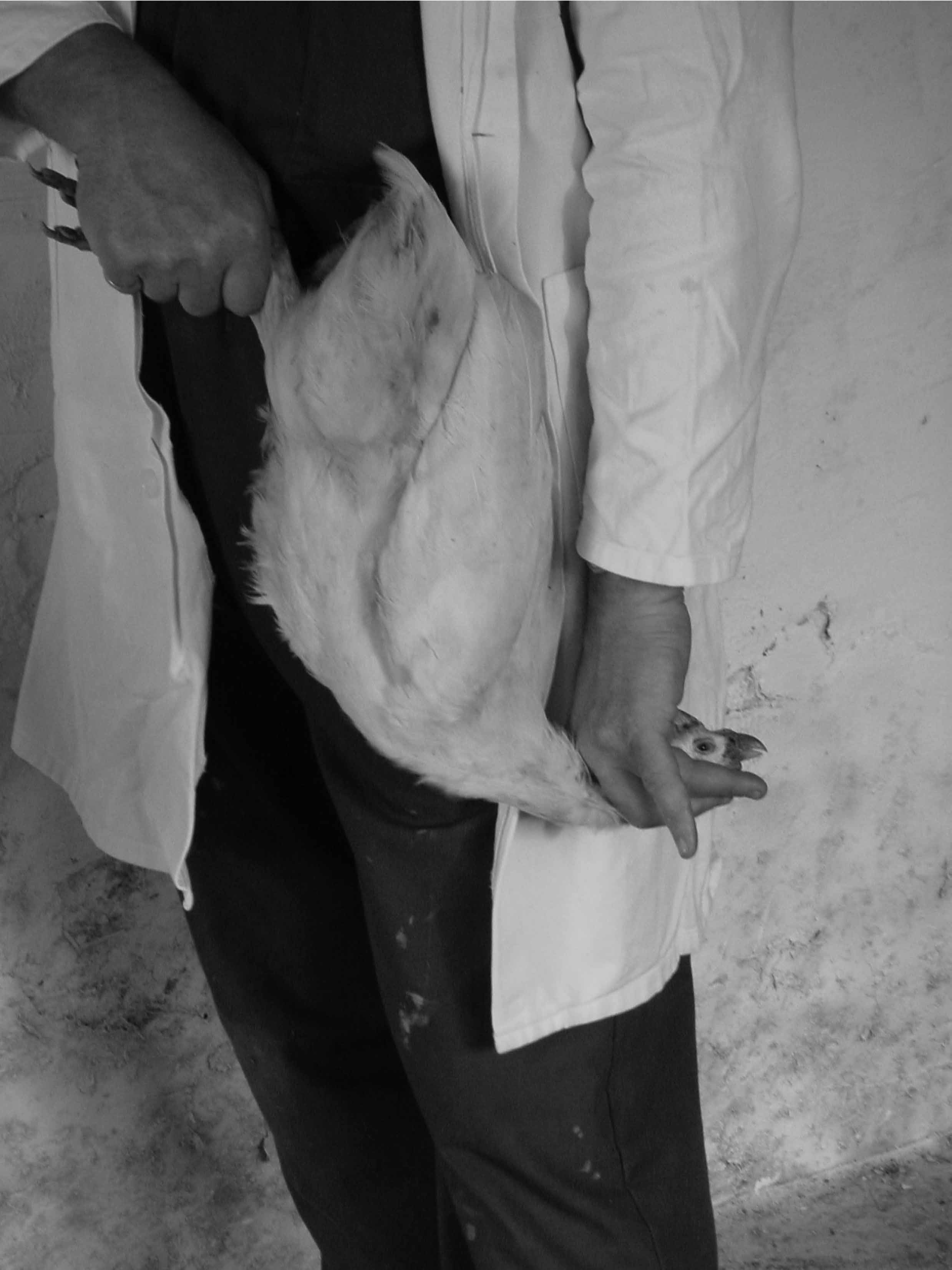
Manual dislocation is possibly the most frequently used form of culling individual birds as it requires no equipment but does require a well trained and confident operator (AVMA, 2007). A stockman inspecting birds on a large broiler chicken enterprise (ca. 300,000) may have to cull 60 or 70 birds per day by this method (personal communication, chicken rearing company). At the other end of the scale a person keeping poultry in the back garden may only rarely be faced with the need to cull an injured bird and therefore lack the skill or experience necessary to perform the task quickly and effectively. There are several variations in technique but generally the legs of the bird are held in one hand with the body resting on the hip or upper leg, the head of the bird is gripped in the other hand with the back of the head resting on the palm, with the first and second fingers immediately behind the head (Figure 1). The neck of the bird should then be rapidly stretched downwards in one swift movement while tipping the head backwards (HSA, 2004), causing the spinal cord to separate high up towards the base of the skull, e.g. at vertebrae C0-C1 or C1-C2. Death must be verified after killing (AVMA, 2007). With ducks that need to be culled and which also have injured legs, specialist veterinarians have agreed to using the base of the wings, i.e. shoulder joints (instead of the legs), as a restraint while dislocating the neck (HSA, personal communication). Some goose producers prior to EC 1099/2009 coming into force also used the shoulder joints when dislocating a goose's neck, since the distance between the neck and legs of these birds makes it difficult for the operator to apply dislocation in the conventional way. There is no scientific evidence for the effectiveness of neck dislocation when using the shoulders of waterfowl, however no producers have identified wing damage when using this method (HSA, personal communication). In mature poultry (such as laying hens) manual cervical dislocation can be more difficult than with young birds, because of the increased muscle tone in the neck; likewise, mature male poultry (such as broiler breeders) can be more difficult to do than their female counterparts. The bird's neck should have a gap in the vertebrae, the bird should exhibit a loss of rhythmic breathing and no blink or nictitating membrane reaction to either palpebral or corneal stimulation. In addition the pupil should be fixed and dilated. As with many methods of killing, the bird will often exhibit vigorous clonic convulsions (wing flapping, leg paddling) for a period which may make it difficult to check these signs immediately. All of these measures, or their cessation, are used as indices of insensibility or death in poultry (Erasmus et al., Reference ERASMUS, TURNER and WIDOWSKI2010c).
Manual cervical dislocation (photograph reproduced courtesy of the HSA, 2004).

When done correctly, manual cervical dislocation severs the vertebral column from the cranium and ruptures or stretches the blood vessels that supply the brain (Gregory and Wotton, Reference GREGORY and WOTTON1990; Erasmus et al., Reference ERASMUS, TURNER, NYKAMP and WIDOWSKI2010b). Dislocation of the neck causes extensive damage to the brain stem and, apparently, instantaneous unconsciousness (UFAW, 2010), thought to occur due to the presumed concussive effect that dislocation has on the brain from stretching and partial/total severing of the spinal cord. This type of ‘concussion’ most likely occurs from an overwhelming volley of electrical ascending neural input to the brain that causes unconsciousness (Denny-Brown and Russell, Reference DENNY-BROWN and RUSSELL1941; Shaw, Reference SHAW2002). In a study with meat turkeys of approximately 1.6 kg, all birds killed by manual cervical dislocation (n=7) exhibited nictitating membrane reflexes for an average 43 ± 11 s (compared to two birds out of 32 killed with blunt force trauma but with a mean time of 0 seconds because the birds were immediately struck again; and none out of 46 when killed with a pneumatically powered percussive device ‘Zephyr’) (Erasmus et al., Reference ERASMUS, LAWLIS, DUNCAN and WIDOWSKI2010a). Also, six out of seven birds killed by manual cervical dislocation showed gasping (lasting an average of 39 sec), while two out of 32 birds killed by blunt force trauma and none out of 46 killed by the Zephyr showed gasping (Erasmus et al., Reference ERASMUS, LAWLIS, DUNCAN and WIDOWSKI2010a). Clearly, some degree of brainstem function persisted in more birds tested and for longer with manual cervical dislocation than with the other methods, indicating that death was not immediate, but this says nothing about consciousness (because brainstem function can be present in both conscious and unconscious states). However, turkey broilers that were killed by these three methods convulsed for less time with manual cervical dislocation (138 ± 13 s) compared to blunt force trauma (178 ± 13 s) or Zephyr (165 ± 7 s) methods (Erasmus et al., Reference ERASMUS, LAWLIS, DUNCAN and WIDOWSKI2010a). While there is uncertainty whether or not birds are conscious during convulsions caused by various culling methods (Raj and O'Callaghan, Reference RAJ and O'CALLAGHAN2001; McKeegan et al., Reference MCKEEGAN, MCINTYRE, DEMMERS, LOWE, WATHES, VAN DEN BROEK, COENEN and GENTLE2007) the cessation of movement precedes both cardiac arrest (as measured by ECG) and brain death (as measured by EEG) by a few seconds (Dawson et al., Reference DAWSON, JOHNSON, BENSON, ALPHIN, SETA and MALONE2009). Thus it appears that turkeys died more quickly with manual cervical dislocation than the other two methods tested by Erasmus et al. (Reference ERASMUS, LAWLIS, DUNCAN and WIDOWSKI2010a).
Because of evidence based on mechanical dislocation that indicated that few birds were concussed by this method (Gregory and Wotton, Reference GREGORY and WOTTON1990; see more below), the European Food Safety Scientific Panel for Animal Health and Welfare in their report on Welfare Aspects of Animal Stunning And Killing Methods (EFSA, 2004) stated that cervical dislocation ideally should be performed on unconscious poultry and further suggested that fatigue in operatives would lead to severe compromises in bird welfare, but provided no scientific evidence to support this. The fatigue issue is raised in several reports and papers, and seems to stem originally from Jaksch (Reference JAKSCH1981) but this paper does not mention tiredness per se, nor in reference to cervical dislocation, but that ‘stunning (i.e. when striking the head) is only reliable when perfectly performed. This is more of a problem when large numbers of birds are being killed’. However, it is reasonable to assume that any manual task will tire an operator over time: what is unknown is at what stage this method becomes unreliable because of fatigue. The new European Council regulation on the protection of animals at the time of killing (European Commission, 2009) has picked up this recommendation and, in its list of stunning methods, allows that manual or mechanical cervical dislocation (by stretching and twisting of the neck provoking cerebral ischemia) is permitted on poultry, but it details further specific requirements, viz;
‘These methods shall not be used as routine methods but only where there are no other methods available for stunning.
These methods shall not be used in slaughterhouses except as a back-up method for stunning.
No person shall kill by manual cervical dislocation or percussive blow to the head more than seventy animals per day.
Manual cervical dislocation shall not be used on animals of more than three kg live weight.’
(European Commission, 2009)
It appears that ‘manual’ cervical dislocation is limited to birds up to 3 kg whereas ‘mechanical’ cervical dislocation can be used on birds up to 5 kg.
mechanical dislocation
Mechanical cervical dislocation is useful where birds are particularly large and/or heavy and thus awkward to handle (for example, if the length between the feet and the base of the head as shown in Figure 1 is too long for the operator to perform the stretch). This is the case with large turkeys, ducks and geese and techniques and equipment have been developed to assist in the operation. Examples of methods that mimic manual cervical dislocation, i.e. directly stretch the neck, include the use of a heavy stick or by the use of a killing cone.
Heavy stick
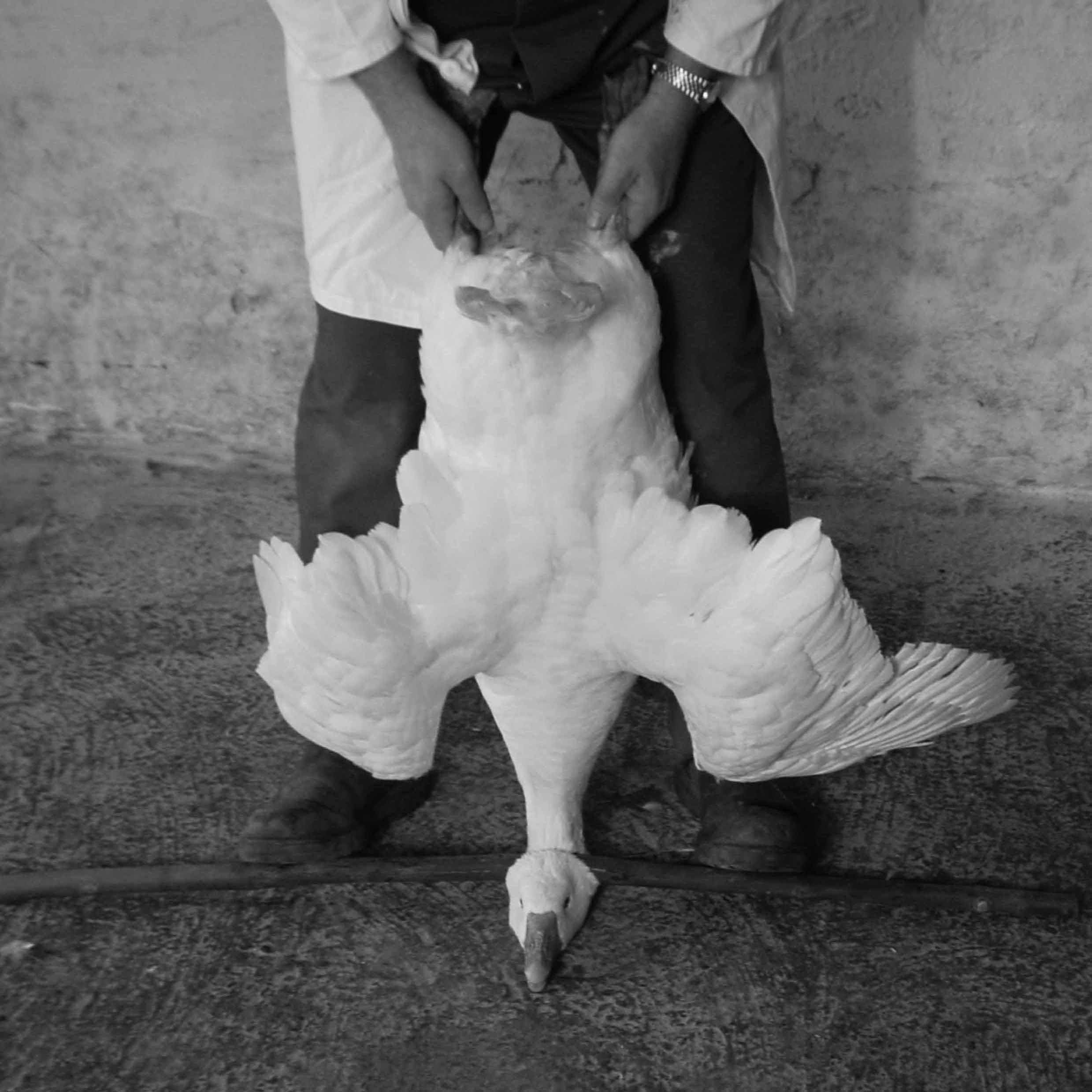
This method is described for heavy birds such as turkeys or geese, albeit with reservations, by the HSA (2004). The bird should be held inverted by the legs with the head and neck resting on the ground. A heavy stick is placed across the back of the neck and held lightly in place with the operator's feet (Figure 2). The bird's body is pulled upwards with a rapid movement at the same time as applying firm pressure to the stick, thereby dislocating the neck. As with manual cervical dislocation, there should be a gap in the vertebrae of the neck, the bird should not be breathing, and there should be no blinking or nictitating membrane response when the surface of the eye is touched, as indicators of death (Erasmus et al., Reference ERASMUS, TURNER and WIDOWSKI2010c).
Heavy stick method (photograph reproduced courtesy of the HSA, 2004).
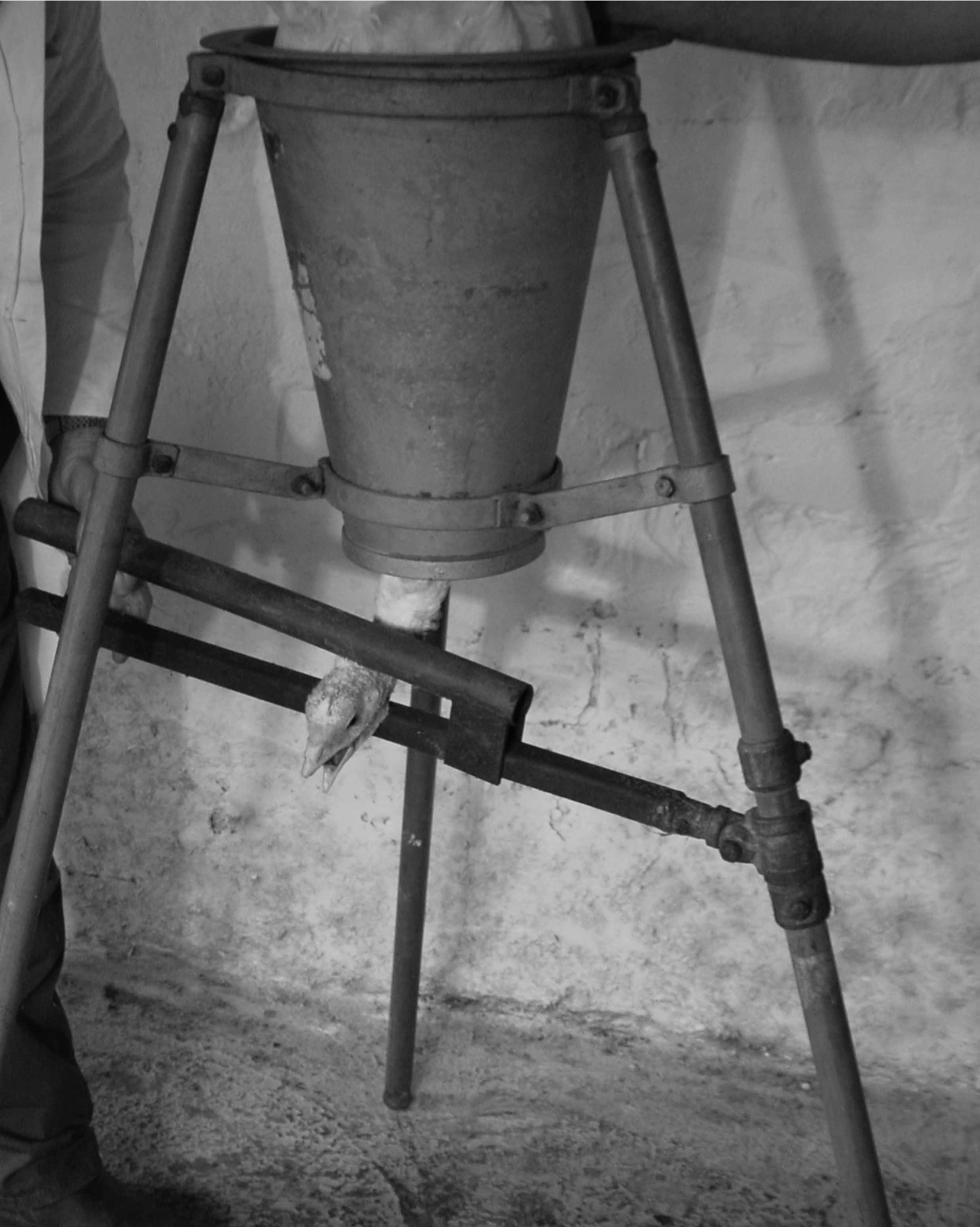
Example of a killing cone, where the neck clamp bar stops with about 10 mm to spare to prevent complete neck clamp closure (photograph reproduced courtesy of the HSA, 2004).
The advantage of this method over manual dislocation is that it is easier to perform on a larger bird in which the stretch is impossible to achieve due to the length between the arm holding the bird and the base of the neck. In addition, because the operator uses his/her weight and back muscles to perform the stretch, the operator can use greater strength. The disadvantages are that there may be a brief period in which the bird is choking, in between the operator placing both feet on the stick and the stretch being performed, it may not be practical for a stock worker on a large enterprise to carry a heavy stick, up to 1 m long, when inspecting a flock, and the technique should ideally be performed on a hard surface which is not the case within a litter-floor poultry house. Also, repeated use may cause fatigue in the operator. However this method may be used in small holdings when an individual bird needs to be culled and no other method is available. There are no scientific references that we could find that have measured the efficacy of killing poultry by cervical dislocation using the heavy stick method.
Killing cone
The killing cone is marketed as a device for slaughtering small numbers of geese or turkeys on farm for meat production. It consists of a restraining cone mounted on a tripod similar to a bleeding cone (Barnett et al., Reference BARNETT, CRONIN and SCOTT2007) but with a neck clamp fixed to a pivot below the cone (approximate cost £300). The neck clamp does not close completely to prevent crushing of the neck, it either has a kink in the clamping bar or a stop of about 10 mm to prevent the bars closing completely (Figure 3). The bird is placed head down in the cone and the neck placed into the clamp so that it rests just behind the head. The clamp is then pulled swiftly down to dislocate the neck. It is essential that the bird is held firmly in the cone before applying the neck clamp. Pulling down by the neck on a bird that is too small for the device will simply pull the bird down though the cone until it is wedged and fail to dislocate the neck but cause injury to the bird. Extension of the wings back up the cone may also prevent the device form working so it must be ensured that when the bird is placed in the cone that the wings are folded close to the body and remain there. The position of attachment of the clamping bar to the apparatus frame has not been scientifically evaluated for the effectiveness of neck dislocation, but it is thought that the position and orientation of the kinked clamping bar may be more effective at achieving a rapid, stretching effect than the straight clamping bar (HSA, personal communication).
As with all cervical dislocation techniques done correctly, the vertebral column should be separated from the cranium and blood vessels that supply the brain should be broken or stretched. However, Gregory and Wotton (Reference GREGORY and WOTTON1990) found that only three out of eight (~38%) anaesthetised and ventilated broiler chickens whose necks were mechanically dislocated using a killing cone showed signs of concussion (based on reduction of peak-to-peak amplitude of VERs by 74%) and none of them showed a complete loss of VERs within 24 seconds of application. It is not explained why VERs are considered to be a measure of consciousness, rather than simple brain function, however the authors concluded that, on the basis of VERs, neck dislocation (and neck crushing) may not cause instantaneous loss of consciousness. Furthermore, it has been noted that suspending birds upside down is an abnormal posture for birds which may be uncomfortable (EFSA, 2004), and, particularly in larger birds, the restriction of a cone may impair breathing, which requires the movement of the sternum and ribs in order to ventilate the lungs (Romer and Parsons, Reference ROMER and PARSONS1977). Because of concerns with the humaneness of cervical dislocation, some welfare schemes do not recommend this as a method of killing. For example, RSPCA's standards for turkeys prohibit neck dislocation in birds over 8 kg without prior electrical stunning, and do not recommended it on its own for other turkeys or any type of poultry except for emergencies or one-off culls of small numbers of birds (RSPCA, 2008a; 2008b; 2009; 2010). Indeed, EU regulation 1099/2009 does not permit cervical dislocation or percussive blow to the head as routine methods of stunning but only as a last resort when no other methods are available (European Commission, 2009).
Photos of burdizzo castration forceps, showing a) open position, and b) effect on modelling clay.
mechanical dislocation where crushing may occur
The following two methods have in the past been promoted as mechanical tools for cervical dislocation, however there is some concern that they cause death by neck crushing instead of cervical dislocation, as such they would fall outside of the definition of mechanical dislocation given in the current EU Regulation 1099/2009 (European Commission, 2009).
Burdizzo
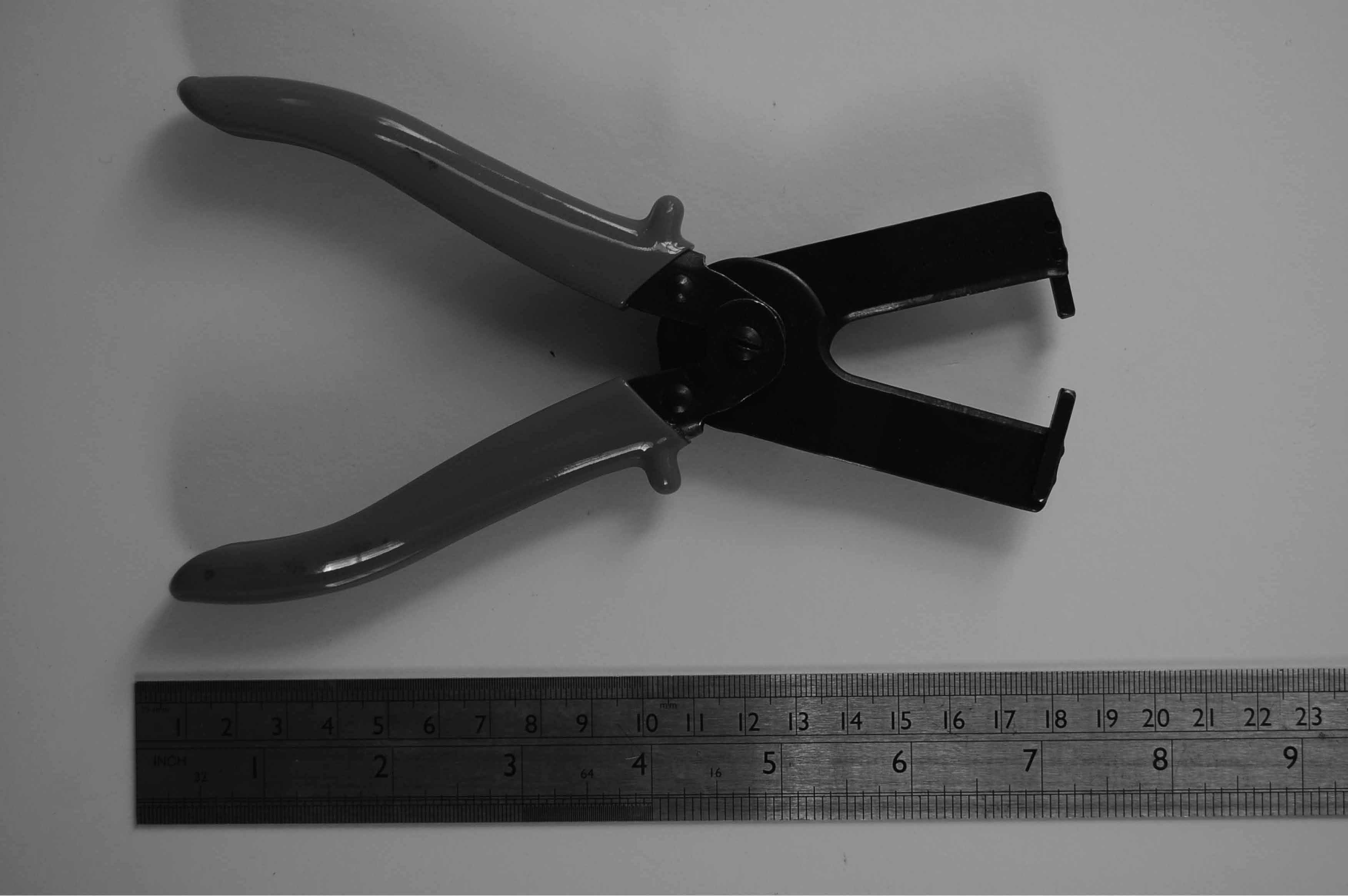
The burdizzo is a proprietary form of castration forceps that is also used for the killing of poultry by severing or crushing vertebrae (Galvin et al., Reference GALVIN, BLOKHUIS, CHIMBOMBI, JONG and WOOTON2005; Erasmus et al., Reference ERASMUS, TURNER, NYKAMP and WIDOWSKI2010b). The device comes in several sizes, the smallest for castration of lambs to the largest for cattle. The device shown in Figure 4 is recommended for lambs, the overall length is approximately 37 cm, and weighs 1.355 kg, and costs about £250. It requires two hands to open and close, when the jaws are open the gap between them is 44 mm, the diameter of the oval jaw loop is 64 mm wide × 57 mm deep. These dimensions will limit the size of bird that can fit between the jaws. The method of operation requires the bird to be restrained either by a second person or by placing in a killing cone. The jaws should be positioned just behind the head, in some descriptions it is recommended that the jaws are placed either side of the neck, and in others it is not specified. The design of the pivot mechanism in the handles means that as they are finally closed they exert a much larger mechanical advantage over the jaws than if they were to have a single pivot point (as in a simple pair of pliers or scissors). Figure 4b shows the effect of the burdizzo on a piece of modelling clay and illustrates the compressive action on the neck – it does not exert any stretching force in this illustration. This is corroborated by Erasmus et al. (Reference ERASMUS, TURNER, NYKAMP and WIDOWSKI2010b) who found that hens killed by a burdizzo had their necks crushed between two vertebrate (which vertebrate differed with operators and birds), causing rupture of the blood vessels, but that birds killed by manual cervical dislocation also showed separation of the vertebrae, as intended.
The use of burdizzo castration forceps is widely recommended as a method of mechanical cervical dislocation especially for large poultry (Animal Health Australia, 2006; FAO, 2009; UFAW, 2010). However the EFSA (2004) report on Welfare Aspects of Animal Stunning and Killing Methods states that, based on evidence from Gregory and Wotton (Reference GREGORY and WOTTON1990), mechanical neck crushing does not sever the common carotid arteries or reduce their diameter and thereby does not cause cerebral ischemia or loss of consciousness. Gregory and Wotton (Reference GREGORY and WOTTON1990) further suggested that neck crushing (using pliers) resulted in death from asphyxia. The Humane Slaughter Association's advice states that neck crushing pliers should never be used (HSA, 2004) and the RSPCA's Freedom Foods Standards for all poultry species covered by them prohibits the use of equipment that crushes the neck (RSPCA, 2008a; 2008b; 2009; 2010). Recent research by Erasmus et al. (Reference ERASMUS, LAWLIS, DUNCAN and WIDOWSKI2010a) has provided more evidence on the effect of burdizzos on the loss of consciousness in turkeys. In a group of 26 turkey hens at 64 weeks of age, the nictitating membrane reflex persisted in all hens treated with a burdizzo for 106 ± 7 s (mean), the pupillary light reflex persisted in all hens (that could be assessed, i.e. 16) for 119 ± 15 s, and gasping lasted on average 109 ± 15 s. In a group of seven turkey toms aged 7 weeks, the nictitating membrane reflex was present in all seven birds (mean duration 43 ± 11 s) after manual neck dislocation and gasping (mean duration 39 ± 3 s) was observed in six birds. They concluded that, as gasping was a response to hypoxia, both manual neck dislocation and mechanical neck crushing caused hypoxia which may have been distressing to birds, as they maintained the nictitating membrane reflex throughout this period indicating a degree of brain function. It was interesting to note that the duration of most reflexes in birds killed by mechanical neck crushing was much longer than those killed by manual neck dislocation, although differences in age (and weight) may partly account for this. However, cessation of convulsions was quicker with the burdizzo in hens (114 ± 10 s) than in cervically dislocated broiler turkeys (138 ± 13 s).
Pliers
The ‘Semark’ pliers, now called the ‘Humane Bird Dispatcher’ by the manufacturers (Maun Industries Ltd, cost £27), has been extensively marketed to UK small holders, pigeon fanciers and game shooters for the humane slaughter or dispatch of casualty birds (Figure 5). Reviewing internet blogs and discussion forums (see list of blogs and discussion forums) shows that the device is extensively used by poultry small holders, but views on it are varied. Many discussions centre on the ease of use for the operator rather than the effectiveness on the bird, others on the relative costs of devices, many would prefer to use it as opposed to manual neck dislocation as they do not have the skill or experience and it is relatively straight forward to use. The device is very light at 200 g, has an overall length of 180 mm, with a handle length of 120 mm. The jaws when fully opened measure 34 mm between the ‘teeth’ and when closed have a gap of <1 mm. The effective jaw length is 40 mm.
Semark pliers, or ‘Humane Bird Dispatcher’.
Gregory and Wotton (Reference GREGORY and WOTTON1990) examined the effect of pliers on the time to brain failure, as determined by the loss of VERs in anesthetised broiler chickens Of 16 broilers 11 showed no change to their VERs immediately after application of the pliers and the spinal cord remained intact or was incompletely broken in 21% of birds. Crushing did not sever the carotid arteries but did result in aneurisms in both left and right arteries. There was no significant difference as to whether the pliers were applied dorsally or ventrally. Time to brain failure was longer in birds whose necks were crushed (192-245 ± 19 s) rather than stretched mechanically with a killing cone (105 ± 17 s). They concluded that the birds killed by the pliers died from asphyxia. This is not considered to be a humane method of culling (Close et al., Reference CLOSE, BANISTER, BAUMANS, BERNOTH, BROMAGE, BUNYAN, ERHARDT, FLECKNELL, GREGORY, HACKBARTH, MORTON and WARWICK1997).
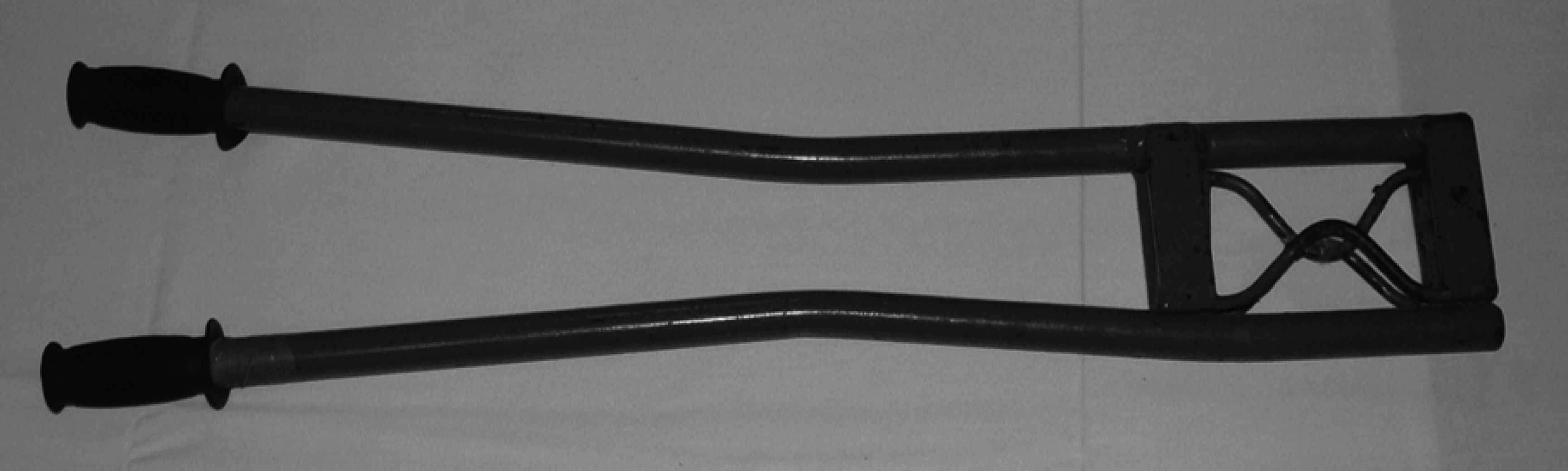
The turkey neck dislocation pliers shown in Figure 6 were designed to perform cervical dislocation on adult turkeys, without breaking the skin. Although these were available 15-20 years ago, it appears that there is no current supplier. The device consists of two levers joined by a pivot at the end furthest from the handles (not like a scissor). One lever has a pair of ‘U’ shaped loops and the other with a single loop that, when closed, intersects the other two. When the handles are opened the head of a turkey can be passed through the opening, when the handles are brought together the loops will close around the turkeys neck, two from one side and one intersecting from the other.
Data on the effectiveness of this device has not been published, however it was contained in the MH0112 report on the development an alternative stun kill device for the casualty slaughter of poultry (Hewitt, Reference HEWITT2000). When tested on an unknown number of birds on farm it was reported that all birds showed a positive nictitating membrane reflex. The device was then examined on 22 anaesthetised turkeys (mean weight <7 kg) in comparison to a percussive device and VERs were measured. The median time to loss of VERs was 163 seconds compared to 0 seconds with the percussive device. The necks in all birds were dislocated at the point of application of the device and the spinal cord was broken in all cases. There was no or mild internal bleeding in 45% of birds, and moderate to severe in 55%. On the basis of this limited data, it is unlikely that the device causes rapid loss of brain function (although any interpretation of data on anaesthetised birds is of limited use) and although it appeared to dislocate the neck, the amount of internal bleeding is varied.
Turkey neck pliers (photo courtesy of HSA).
If such procedures, such as burdizzo or pliers, do not stretch and twist the neck resulting in cerebral ischemia, then they will not be permitted from 2013 under the Council Regulation 1099/2009 (European Commission, 2009).
Penetrating devices
armadillo humane game bird dispatcher
Recently a new instrument for the dispatching of game birds has been developed and was available through Mole Valley Farmers for about £28. The ‘Armadillo’ dispatcher (Armadillo Innovations Ltd) is a scissor-type device that has a cup that holds the bird's head and a spike which, when the tool is positioned correctly and the jaws closed, penetrates between the first neck vertebra and the base of the skull, killing the bird by damaging the brain stem (Figure 7). It was designed by John Dalton, a veterinarian and game bird shoot enthusiast (http://www.gameconsultancy.co.uk/), for use by game bird shooters on birds that have been shot but not killed.
Armadillo game bird dispatcher, showing a) open and b) closed configuration, and c) applied to a broiler chicken (photo c courtesy of J Hopkins).
Scientific research on the device is currently underway in poultry by us, although confirmation of damage to the brain stem by the device has been undertaken by macroscopic examination shortly after death in game birds. As reported by its designer John Dalton, examination of birds treated with the Armadillo show physical trauma to the spinal cord, often with separation of the cord from the brain at the level of the cerebellum. Further physical trauma is caused to the cerebellum and to the brain stem. Due to the volume of the spike relative to the volume of the brain, it is thought that there is a rapid rise in the intra-cranial pressure, itself causing major trauma to the brain. In some cases during field operation there is considerable (and significant) loss of blood through the hole left after removal of the apparatus from the head of the bird, suggesting that intra-cranial haemorrhage also occurs. The disruption of the brain and spinal cord is such that it is considered that death follows within seconds, though this has yet to be confirmed experimentally. Field trials, carried out under the observation of an HSA officer, to assess the immediacy of the total loss of sensation, evidenced by the loss of the nictitating membrane reflex, co-ordinated limb movement, cessation of normal respiratory movement and loss of perineal reflex showed that these changes all took place in less than two seconds (Dalton, personal communication). The development and scientific testing of a larger version of the device suitable for use in other poultry species was proposed following discussion with HSA and the device manufacturers, however results have not proven promising (Hopkins, unpublished, HSA Centenary Research Training Scholarship).
Non-penetrating, percussive devices
cartridge powered
In 1996 DEFRA (or MAFF as it was then named) funded a project entitled ‘The development of an alternative stunning system for use in casualty slaughter of poultry’ (MH0112) although no report has been published by DEFRA and no scientific publications were forthcoming. Although the work was based on a pneumatic device, an outcome of the project was the development and production of a cartridge-powered, non-penetrating captive bolt device for the killing of poultry (Accles and Shelvoke, 2010), which costs approximately £450. The Accles and Shelvoke Cash Poultry Killer is a .22 calibre cartridge powered tool (Figure 8) with an interchangeable flat or convex metal percussive head.
CASH Poultry Killer .22 (CPK 200).
The flat head is intended for broilers and hens, and the convex head for turkeys, ducks and geese. The power load is a 1 grain (i.e. 65 mg) gunpowder cartridge for all species. Accurate positioning of the device on the head of the bird is essential for correct and effective use. The muzzle should be placed at right angles to the top of the bird's head on the mid line, and behind the comb where necessary. In order to achieve this, appropriate restraint of the bird is necessary without restricting the movement of the bird's head away from the muzzle when the device is fired. Small birds can be held manually but the extent of post stun convulsions means that this is unadvisable and possibly dangerous with larger birds. It is recommended that birds are restrained in a bleeding cone, to contain wing flapping (HSA, personal communication). The bird's head should be held lightly by the beak or wattle to allow positioning of the muzzle prior to firing. Birds being dispatched where they lie should not have their heads pushed against the floor, as there must be free movement of the head after the percussive stun (Accles and Shelvoke, 2010).
There has been limited uptake of this device by the industry except on turkey farms where it was introduced as an alternative to manual neck dislocation. The cycle time of loading, restraining and shooting birds means that it has not been widely used for killing small batches of poultry although it has been used to assist the culling of birds following disease outbreaks. In their report EFSA (2004) stated that the device could not really be classified as non-penetrating as it caused such severe skull fractures, however from a welfare point of view such a result may be beneficial (Erasmus et al., Reference ERASMUS, TURNER, NYKAMP and WIDOWSKI2010b). A similar tool used by Gregory and Wotton (Reference GREGORY and WOTTON1990) showed that all eight birds shot with this method had immediately lost brain function or it was reduced by 74% within 24 seconds of application, compared to only 3 out of 8 birds culled by mechanical cervical dislocation using a killing cone, and no birds killed by pliers.
pneumatically powered
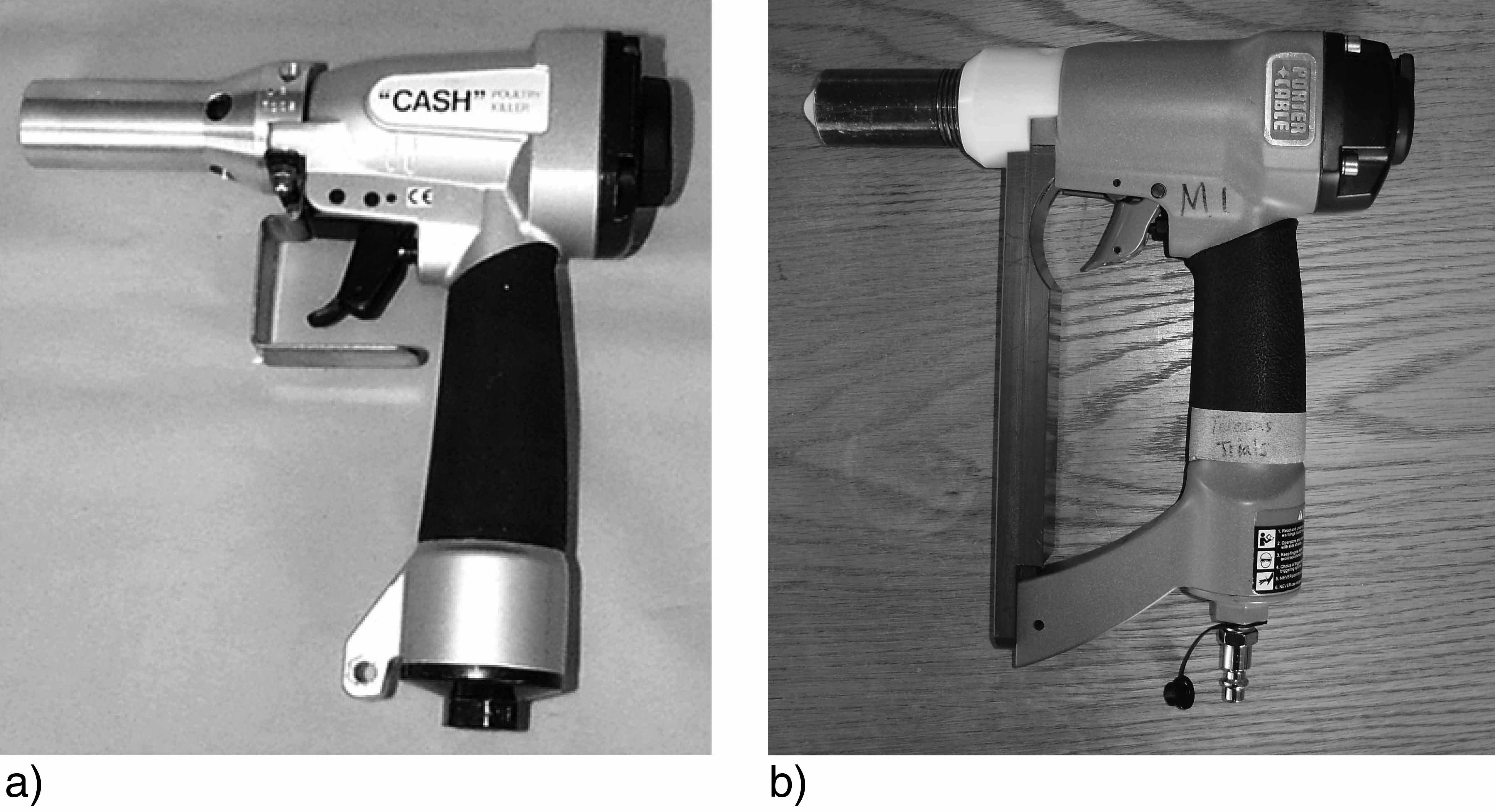
In contrast to the cartridge-powered device, data are available for pneumatically-powered stunners, which require a power source (based on a nail gun) and compressor or an air cartridge to power them but are lighter weight than the cartridge-powered tool reviewed above. Commercially, they are obsolete at present in the UK (because the nail gun designs change so rapidly that the device would continuously have to be modified also), but the UK version did cost approximately £800, with the Canadian version (Erasmus et al., Reference ERASMUS, LAWLIS, DUNCAN and WIDOWSKI2010a; Reference ERASMUS, TURNER, NYKAMP and WIDOWSKI2010b) costing much less at $800 CAD. The original work done under a DEFRA/MAFF grant MH0112 (Hewitt, Reference HEWITT2000) used a modified nail gun with various plastic heads (a flat metal head was considered unsuccessful in early trials) and was found to be effective at killing broilers and hens (with a flat plastic head) at 110 psi, and broilers and hens (with a convex plastic head) at 120 psi, and turkey poults and adult turkeys (with a convex plastic head) at 60 and 135 psi respectively. However, details were lacking and so the work could not adequately be assessed. In addition, only mature hens or slaughter weight broilers were tested. Based on a DEFRA/MAFF funded study (MH0114), Raj and O'Callaghan (Reference RAJ and O'CALLAGHAN2001) developed and tested an air powered captive bolt device for stunning and killing broilers (Figure 9a). The device was based on a commercial nail gun (Draper Air Tools) with the nail cartridge removed and a nylon barrel attached which housed interchangeable steel bolts of different diameter. The device also allowed them to test different angles of firing, different depths of penetration, different bolt diameters (3 mm and 6 mm) and air pressures (620 kPa or 827 kPa).
Shooting with a 3 mm bolt at either pressure failed to deliver an effective stun. Shooting broilers with a similar tool (Figure 9b) using a 6 mm diameter bolt at 90° to the head with an air line pressure of 827 kPa resulted in immediate cessation of breathing, loss of neck muscle tension and eye reflexes, and a profound suppression of EEG and abolition of VEPs, all of which are signs of insensibility (Erasmus et al., Reference ERASMUS, TURNER and WIDOWSKI2010c). When the captive bolt was shot at various other angles, the majority of birds survived, continued breathing and showed no convulsions. It should also be noted that the working pressure described is for the specific nail driver used here; other models of air powered nail drivers may have a different piston configuration meaning that the air pressure acting on the pistol head produces a different acceleration of the piston and hence the bolt that comes into contact with the bird's head.
A subsequent DEFRA project (MH0117, DEFRA, 2000) reported that a pneumatically powered captive bolt gun, when used with a convex plastic bolt head, was effective for ducks and geese. Birds were assessed for their spontaneous physical activity and also signs of recovery (return of rhythmic breathing and nictitating membrane reflex). Based on these responses, the authors concluded that ducks should be stunned with an airline pressure of 130 psi (896 kPa) and geese with 135 psi (931 kPa). Further work to assess time to loss of brain function using EEG and VERs as proxy measures found that 18 geese and 13 ducks that were successfully recorded showed immediate and permanent loss of VERs and an isoelectric EEG when shot with a percussive blow of 135 and 130 psi, respectively.
a) CASH pneumatic captive bolt gun, based on a Draper Air Tool nail gun, used by Raj and O'Callaghan (Reference RAJ and O'CALLAGHAN2001) and b) Zephyr pneumatic captive bolt gun, used by Erasmus et al. (Reference ERASMUS, LAWLIS, DUNCAN and WIDOWSKI2010a; Reference ERASMUS, TURNER, NYKAMP and WIDOWSKI2010b).
The new Council Regulation (European Commission, 2009) will permit the killing of poultry by captive bolt in poultry, provided that the appropriate velocity and diameter of bolt, according to animal size and species, are used and the gun positioned correctly. Clearly, training and consistency of use are imperative for the method to work correctly. In practical terms however, both pneumatic and cartridge-powered devices have implications for cost, logistics/convenience and health and safety implications for operatives, and although they may be more welfare-friendly than neck dislocation - particularly where the bird is large and/or the stature of the person small, or where large numbers of birds are required to be culled - cervical dislocation remains the most popular method of dispatching cull poultry and, in the absence of new information or legislation, this situation is unlikely to change. In FAWC's (2009) recent recommendation, they expressed a desire for further refinement and development of such methods.
Erasmus et al. (Reference ERASMUS, LAWLIS, DUNCAN and WIDOWSKI2010a) developed a very similar air powered captive bolt device (Figure 9b) and conducted experiments in turkeys to compare its effectiveness against manual and mechanical cervical dislocation. In their experiments they also used a modified nail gun to create a non-penetrating device (Zephyr) with a convex nylon head of diameter 25 mm and length 38 mm attached to a cylindrical bolt of 8 mm, when fully extended it protruded a maximum of 17 mm from the end of the gun. In a pilot study it was established that, like the Raj and O'Callaghan (Reference RAJ and O'CALLAGHAN2001) version, the gun should be directed perpendicular to the head and an air pressure of 827 kPa resulted in immediate insensibility and death in the 6 pilot birds. Forty six turkey hens (aged 94 weeks and 11.4 kg) were killed using the Zephyr. Post stun, 17% of birds had nictitating membrane reflexes present and 7% exhibited gasping, while convulsions occurred in all hens. Membrane reflex returned in one hen one minute after application. One stock person had a higher incidence of nictitating membrane reflex present than the others showing that technique of application may be a factor in effectiveness of stun.
In a second experiment 46 male turkeys between 17 and 19 weeks of age (13.1 ± 0.2 kg) were killed with the Zephyr discharged twice in immediate succession using an airline pressure of 794 to 827 kPa. Interestingly the operators were instructed to place the turkeys heads against a flat hard surface which is in contradiction for the operation of the (cartridge powered) CPK200 which requires free movement of the head away from the bolt. Eye reflexes were examined in 43 turkeys and of these only two showed a response immediately after stunning (twice) and one turkey exhibited a gasping reflex. Convulsions were present in all turkeys after stunning however there was a delay in onset of convulsions in some birds. In a final experiment, 12 broiler turkeys at seven weeks of age (4.6 ± 0.3 kg) were stunned, again twice in succession using an airline pressure of 724 to 827 kPa. Nictitating membrane reflex was absent in all turkeys immediately after stunning. The Zephyr consistently caused immediate insensibility in turkey hens, turkey toms, and broiler turkeys. With the Zephyr, macroscopic and microscopic investigations and CT scans of the brain and skull revealed that this method produced the most severe haemorrhage and skull fractures of all the methods tested (i.e. versus blunt force trauma, cervical dislocation and neck crushing), indicating that birds most likely died from direct brain function disruption and was considered a rapid and humane method of killing (Erasmus et al., Reference ERASMUS, TURNER, NYKAMP and WIDOWSKI2010b).
A new percussive tool, the Turkey Euthanasia Device (or TED), manufactured by Bock Industries Inc., is available with a non-penetrating flat-head bolt (3/8 in diameter), with a bolt velocity of 30 m/seconds at a cost of USD $895 (http://www.turkeyeuthanasiadevice.com/). This is also a modified nail gun, however the advantage of this device is that it is cordless, powered by fuel cells (instead of compressed air) and rechargeable batteries which ignite the fuel. A fuel cell lasts for approximately 1000 shots, and is economical at about $0.01 per shot. Preliminary results conducted by us (DEFRA, 2014) on its efficacy suggest that excessive pressure must be exerted onto the head of the conscious bird in order to retract the cowl before firing, but meanwhile, before these results became available, a modified device was developed and may differ in this regard (however no further tests have been conducted by us).
the rabbit zinger
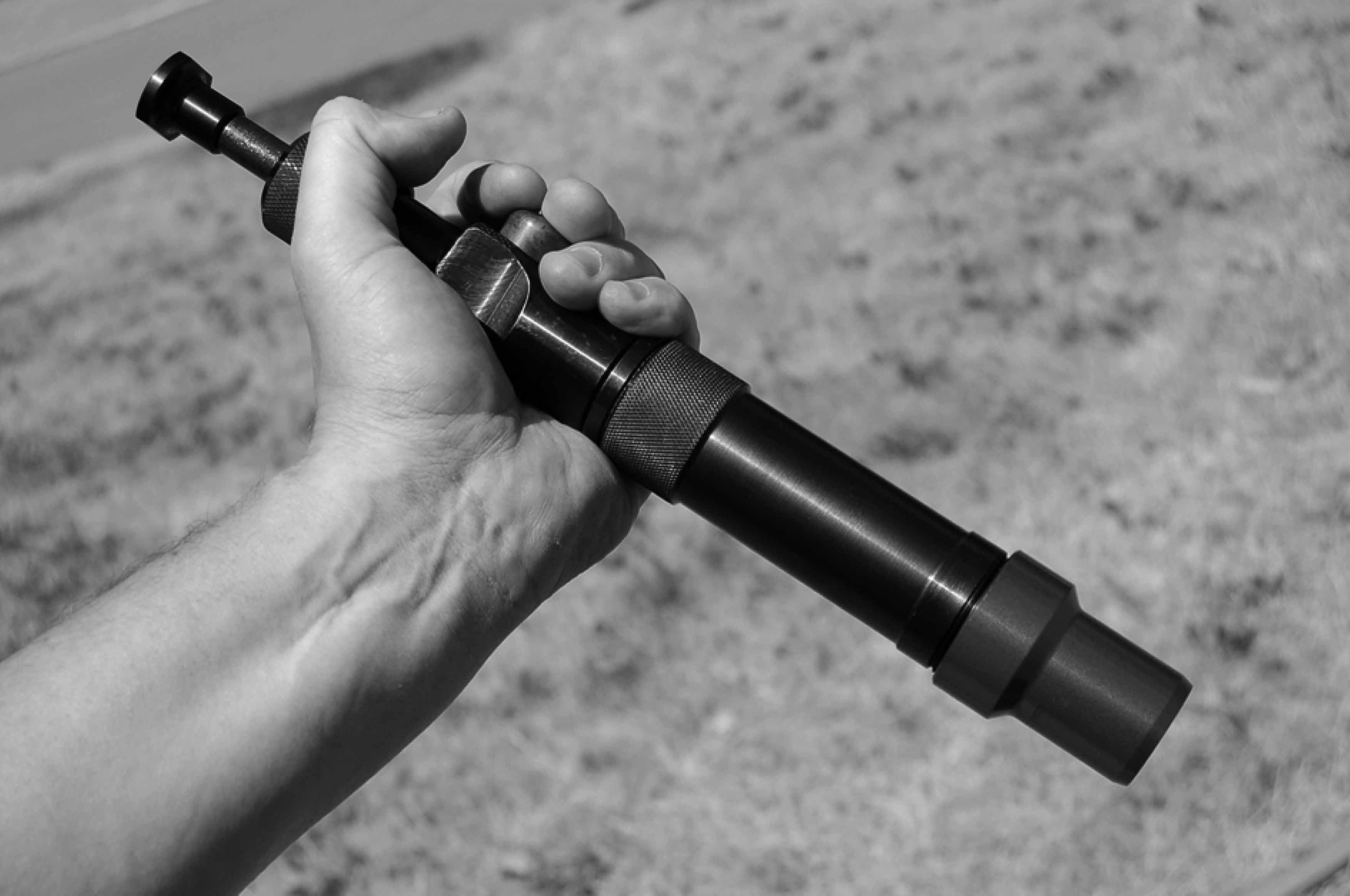
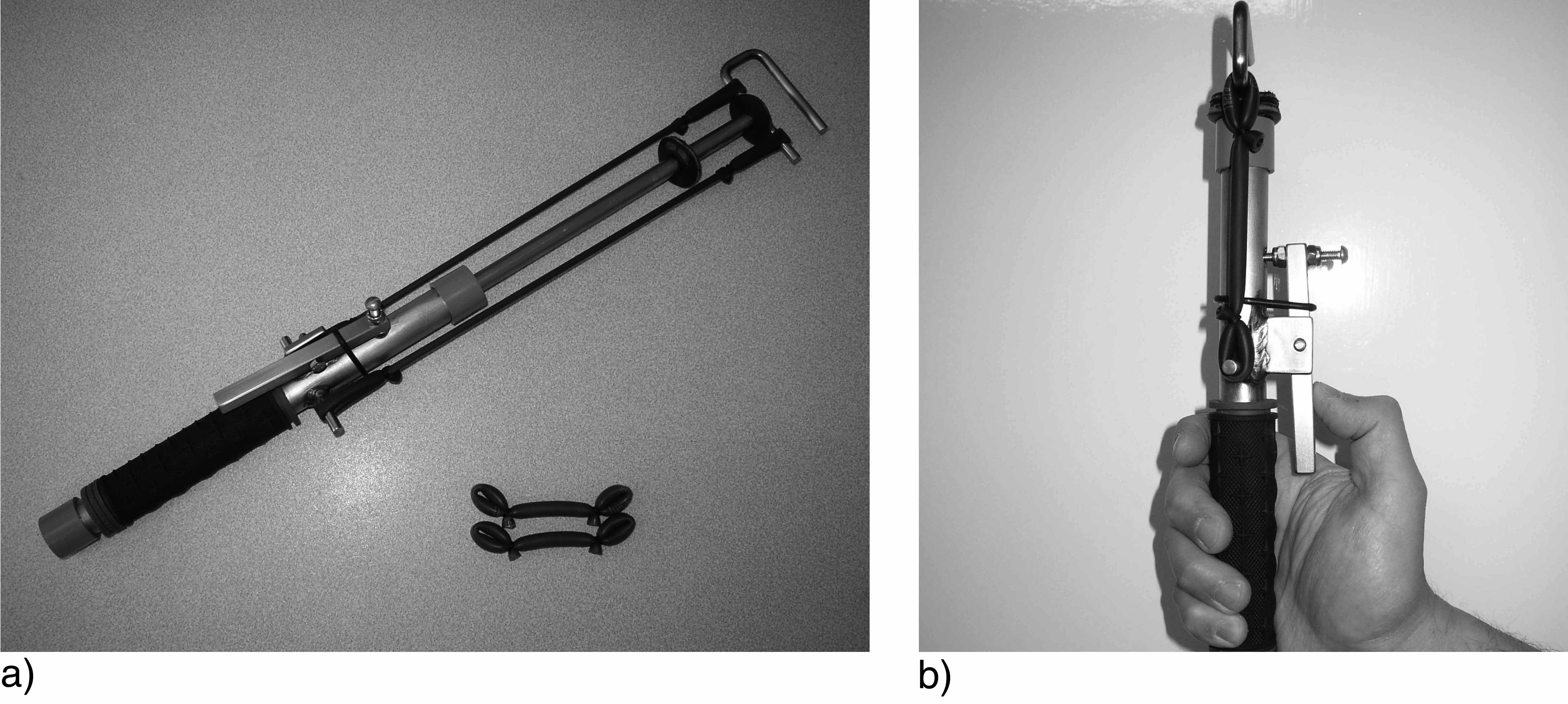
A device designed in the United States may have an application for captive bolt stunning in poultry, although it was developed for the slaughter of rabbits (Figure 10). Rather than using compressed air or a cartridge, the Zinger uses rubber tubing to drive the captive bolt. The device weighs 0.8 kg and is cocked by pulling the handle (requiring 13-18 kg force, or 127-177 N, depending on which tubes are used) thereby stretching the pair of rubber tubes. When the trigger on the main body of the device is pulled it releases the tubes firing the bolt out of the housing. The manufacturer states that the standard bolt is suitable for ducks, and feeder guinea pigs as well as rabbits, and possibly even rats. Tests were also due to be carried out on a bolt specially designed for young turkeys aged between eight and 26 weeks (Pizzurro, Reference PIZZURRO2009), however these had not been undertaken as of 2014.
No independent scientific assessment is known to have been carried out on this device whether for rabbits or poultry (although work by us on poultry is underway). However it does present some advantages over air powered or cartridge powered captive bolts not the least that it is significantly cheaper at around $199 USD, (equivalent to approximately £124) compared to £450 for the CASH Poultry killer, and potentially easier to operate.
blunt force trauma
The final method to be considered is the use of blunt force trauma to deliver a percussive blow to the head. Such a procedure requires good aim and delivery of enough force to provoke severe brain damage, for example by using a heavy bat. This method will be permissible with the new Council Regulation (European Commission, 2009) in birds up to 5 kg, but, as with cervical dislocation, it is not to be used as a routine method, or in a slaughterhouse except as a back-up method of stunning, and should not be used by one person on any more than 70 animals per day.
A study (Erasmus et al., Reference ERASMUS, LAWLIS, DUNCAN and WIDOWSKI2010a) in which turkeys toms and broilers were culled with blunt force trauma (using a metal pipe or wooden bat) showed that convulsions persisted for 218 ± 12 s (mean) and 178 ± 13 s respectively, compared to 200 ± 7 s and 165 ± 7 s with the Zephyr, and compared to 138 ± 13 s with manual cervical dislocation (turkey broilers only). Of 32 toms killed with blunt trauma, only one showed pupillary reflexes and none showed nictitating membrane reflexes or gasping immediately after application, however in 11 broiler turkeys pupillary and nictitating membrane reflexes and gasping were present in two birds. One tom and one broiler showed a return of reflexes or breathing within 1 min of being stunned (in which case the birds were immediately struck again). The method of blunt force trauma damaged the eyes in some birds (6 total), making eye assessment impossible in these cases. Brain and skull damage, as judged by skull fracture, subcutaneous and subdural haemorrhage (among other criteria) was generally lower in turkeys treated with blunt trauma compared to a percussive bolt, however both were considered equally effective (Erasmus et al., Reference ERASMUS, TURNER, NYKAMP and WIDOWSKI2010b).
The Rabbit Zinger a) in the cocked position, using blue tubes (177 N) to fire the device and b) shown held in un-cocked position.
Conclusions
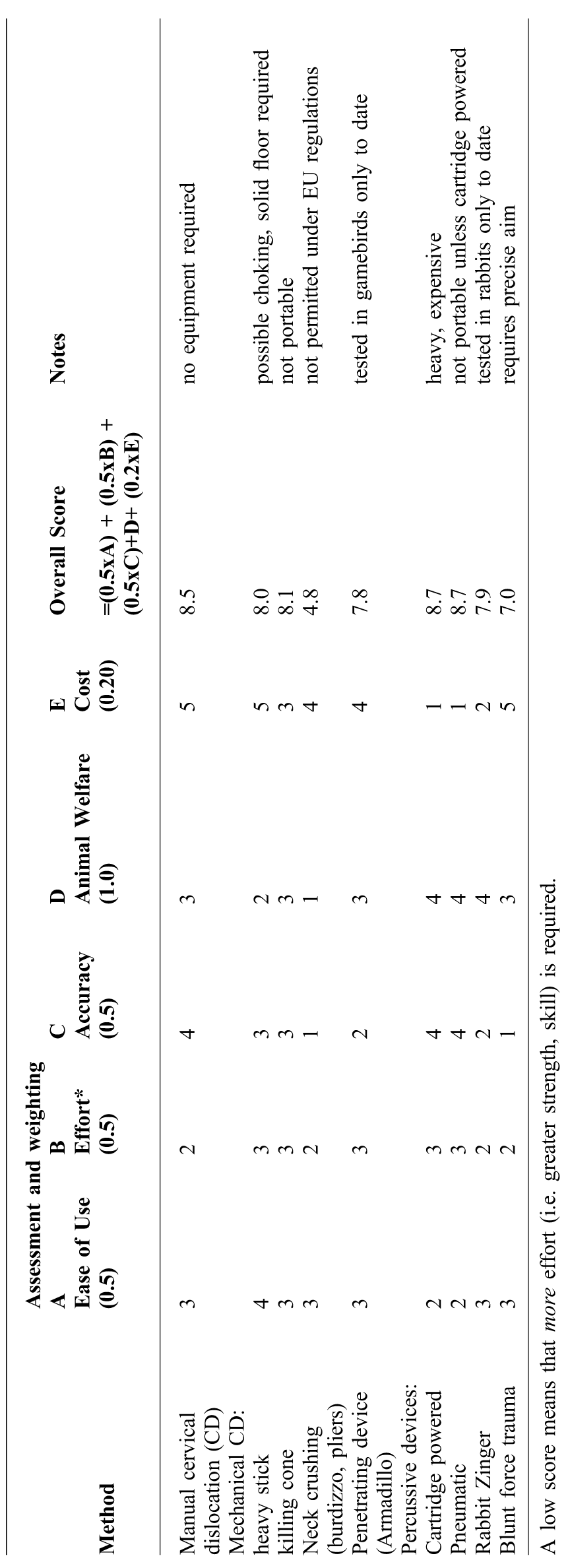
Summary of killing methods in poultry. Scale is: very poor (1) to very good (5). A score of 3 is neutral. Assessments were weighted according to importance (as judged by the authors).
A low score means that more effort (i.e. greater strength, skill) is required.
There are several methods available to kill poultry, from relatively ‘low’ to ‘high’ tech. The various techniques are summarised in Table 1, assessed according to us (based on our, or that of stockman working with us, experiences of use, under practical and laboratory conditions) for ease of use for the operator i.e. portability and need for restraint; effort required by the operator i.e. strength, skill; accuracy i.e. chances of applying the technique correctly and repeatedly (taking into account possible fatigue); animal welfare based on evidence of rapid loss of brain function and death – for some techniques data was very limited; cost, and overall score. Assessments were weighted according to importance (as judged by the authors), where animal welfare was most important, cost least important, and ease, effort, and accuracy were in between. There is concern that the simplest method, manual cervical dislocation, is inhumane due to the time taken to reach insensibility. However, these data are lacking (although see DEFRA, 2014), and some information suggests time to death is more rapid than the alternatives. Further work on the time to loss of consciousness in birds culled by cervical dislocation should be undertaken. The attraction of manual cervical dislocation is that it is cheap, easy to learn, and requires no equipment. A simple mechanical tool, however, to assist with strength or accuracy of application, would potentially be of use to people who lack the strength or experience to cull birds reliably with their hands. Mechanical devices such as pliers or burdizzo do not dislocate but crush the neck and for welfare reasons are not permitted under EU law. Percussive devices are relatively new tools used to cull poultry, and further designs such as the TED are being developed. It would be useful to scientifically assess their use in small poultry (hens and meat chickens) of various ages (not just fully grown, or adults) as an alternative to cervical dislocation. At the moment, this data is lacking. The Rabbit Zinger appears to work in a similar fashion to other percussive devices, but it has yet to be independently tested in poultry. Nonetheless, it is considerably cheaper, and appears to be more portable, than the percussive devices tested previously. Of the pneumatic and cartridge-powered percussive methods, the latter is possibly more transportable (because it always uses an independent power source) but heavier, however blunt force trauma is arguably the most transportable of the three, but requiring excellent aim to deploy a percussive blow. Considering the novel devices mentioned, the Armadillo has been used in game birds and thus might be suitable for some sizes of poultry if it is accurate to apply. It is also inexpensive and lightweight, meaning it might be attractive to stockmen. As a tool that pierces the brain stem, this is also a novel technique not used in chickens or turkeys previously.
Acknowledgements
This review was funded by a grant from DEFRA (MH0145). SRUC receives funding from the Scottish Government. We are grateful for the various suppliers of images, and for comments by colleagues on an earlier draft.
Blogs/discussion forums
http://stonehead.wordpress.com/2009/01/19/chicken-casualty/.
http://www.thepoultrygarden.com/phpbb/viewtopic.php?f=22&t=3793.