


Introduction
Bangladesh has experienced significant demographic change over recent decades alongside increased climate-related disruptions to agriculture, livelihoods, and health systems (Sammonds et al., Reference Sammonds, Shamsudduha and Ahmed2021; Rahman et al., Reference Rahman, Rahaman, Biswas, Rahman, Islam, Sarkar and Maniruzzaman2023; Ahmed, Reference Ahmed2024; Ahmed et al., Reference Ahmed, Tan and Rudd2024). These intersecting stresses shape core population dynamics – mortality, migration, and fertility trajectories – complicating expectations of a smooth and uniform demographic transition (Bongaarts and Casterline, Reference Bongaarts and Casterline2013; Bongaarts, Reference Bongaarts2017; Cleland and Machiyama, Reference Cleland and Machiyama2017; Shapiro and Hinde, Reference Shapiro and Hinde2017; Roser, Reference Roser2019). Two notable periods of fertility stagnation in Bangladesh – around 1996–2000 at approximately 3.3 births per woman and again since 2011–2022 at about 2.3 births per woman – indicate that reproductive behaviour responds to context-specific social, economic, and environmental conditions rather than following a single linear path (Islam, Reference Islam2016; Farid and Mostari, Reference Farid and Mostari2022; Bora et al., Reference Bora, Saikia, Kebede and Lutz2023; NIPORT and ICF, 2024; Karim et al., Reference Karim, Pk, Dey, Akbar and Osman2025). A key insight often overlooked in conventional demographic modelling is that environmental variability may act as a structural mediator, slowing or stalling fertility decline even when classic drivers such as income growth and female education are trending favourably. Understanding why fertility has plateaued despite continued economic progress requires closer attention to the mechanisms through which climate hazards intersect with reproductive decision-making.
A growing body of research examines how climate variability and extreme events influence population processes, including health, migration, mortality, and fertility (De Waal et al., Reference De Waal, Taffesse and Carruth2006; Hugo and Bardsley, Reference Hugo, Bardsley, Piguet and Laczko2014; Grace et al., Reference Grace, Davenport, Hanson, Funk and Shukla2015; Yi and Chan, Reference Yi and Chan2015; Gray and Wise, Reference Gray and Wise2016; Grace, Reference Grace2017; Bakhtsiyarava et al., Reference Bakhtsiyarava, Grace and Nawrotzki2018; Psistaki et al., Reference Psistaki, Paschalidou and McGregor2020; Hunter et al., Reference Hunter, Koning, Fussell, King, Rishworth, Merdjanoff, Muttarak, Riosmena, Simon, Skop and Van Den Hoek2021; Muttarak, Reference Muttarak2021; Rocque et al., Reference Rocque, Beaudoin, Ndjaboue, Cameron, Bergeron, Rheault, Fallon, Tricco and Witteman2021; Ahmed, Reference Ahmed2024; Ahmed et al., Reference Ahmed, Tan and Rudd2024; Peterson et al., Reference Peterson, Rosing, Reimer, Larsen, Haggerty, Schure and Rink2025). Studies document links between high temperatures or heatwaves and reduced conception, altered seasonality of births, and adverse birth outcomes in both high-income and low- and middle-income settings (Grace et al., Reference Grace, Davenport, Hanson, Funk and Shukla2015; Cho, Reference Cho2020; Davenport et al., Reference Davenport, Dorélien and Grace2020; Keivabu et al., Reference Keivabu, Cozzani and Wilde2025; Nguyen, Reference Nguyen2025). Evidence on male reproductive health suggests that heat and broader environmental exposures contribute to declines in semen quality and fecundity (Fukuda et al., Reference Fukuda, Fukuda, Shimizu, Yomura and Shimizu1996, Reference Fukuda, Fukuda, Shimizu and Moller1998; Hajdu and Hajdu, Reference Hajdu and Hajdu2019; Cho, Reference Cho2020; Skakkebæk et al., Reference Skakkebæk, Lindahl-Jacobsen, Levine, Andersson, Jørgensen, Main, Lidegaard, Priskorn, Holmboe, Bräuner, Almstrup, Franca, Znaor, Kortenkamp, Hart and Juul2022; Akhigbe et al., Reference Akhigbe, Oyedokun, Akhigbe, Hamed, Fidelis, Omole, Adeogun, Akangbe and Oladipo2025; Traylor and Chae, Reference Traylor and Chae2025). Other work explores how climate change-related anxiety influences reproductive attitudes, including decisions to have fewer or no children in some high-consumption contexts (Agadjanian and Prata, Reference Agadjanian and Prata2002; Parker and Douglas, Reference Parker and Douglas2010; Helm et al., Reference Helm, Kemper and White2021; Piringer et al., Reference Piringer, Vardanega and Thiede2024; Jylhä et al., Reference Jylhä, Kolk and Fairbrother2025). Despite this progress, the literature remains fragmented, with most studies treating climate events as exogenous shocks rather than as enduring features of the lived environment that interact with gendered social and economic vulnerabilities over long time horizons. Moreover, existing research has disproportionately focused on temperate or high-income settings, leaving significant gaps in understanding how women in highly climate-exposed, resource-constrained environments navigate fertility decisions amidst recurrent hazards.
In low- and middle-income countries, climate variability and extreme events may influence fertility through multiple pathways: nutritional stress and food insecurity, disruption of health and family planning services, heat-related impacts on fecundity and male reproductive health, and shifts in household livelihoods and care arrangements (Kissinger et al., Reference Kissinger, Schmidt, Sanders and Liddon2007; Leyser-Whalen et al., Reference Leyser-Whalen, Rahman and Berenson2011; Grace et al., Reference Grace, Davenport, Hanson, Funk and Shukla2015; Grace, Reference Grace2017; Palomba et al., Reference Palomba, Daolio, Romeo, Battaglia, Marci and La Sala2018; Hasan et al., Reference Hasan, Adhikary, Mahmood, Papri, Shihab, Kasujja, Ahmed, Azad and Nasreen2020; Skakkebæk et al., Reference Skakkebæk, Lindahl-Jacobsen, Levine, Andersson, Jørgensen, Main, Lidegaard, Priskorn, Holmboe, Bräuner, Almstrup, Franca, Znaor, Kortenkamp, Hart and Juul2022; Haq et al., Reference Haq, Chowdhury, Ahmed and Uddin2024; Akhigbe et al., Reference Akhigbe, Oyedokun, Akhigbe, Hamed, Fidelis, Omole, Adeogun, Akangbe and Oladipo2025). Empirical work shows that droughts and famines have often been associated with fertility decline or postponement, whereas some floods and storms have been followed by short-term fertility increases, sometimes linked to changes in co-residence, sexual activity, and contraceptive access (Clifford et al., Reference Clifford, Falkingham and Hinde2010; Lin, Reference Lin2010; Davis, Reference Davis2017; Simon, Reference Simon2017; Hajdu and Hajdu, Reference Hajdu and Hajdu2022). A recent review synthesises this emerging literature, highlighting both the diversity of fertility responses and the methodological challenges in attributing fertility changes to specific disasters (Ahmed et al., Reference Ahmed, Tan and Rudd2024). However, what remains strikingly absent is an analytical framework that distinguishes between acute, high-magnitude events (e.g., cyclones) and chronic, slow-onset stressors (e.g., recurrent flooding), as these may activate fundamentally different reproductive decision-making heuristics. Acute events may disrupt contraceptive access or temporarily alter co-residence patterns, while chronic stressors may erode household economic security and reshape desired family size through prolonged uncertainty.
Bangladesh offers a critical setting for extending this work. The country faces high exposure to cyclones and riverine floods, heavy dependence on climate-sensitive livelihoods, and incomplete progress through the fertility transition (Bora et al., Reference Bora, Saikia, Kebede and Lutz2023; Haq, Reference Haq2023; Ahmed et al., Reference Ahmed, Tan and Rudd2024). Recent studies in Bangladesh link extreme climate events and food insecurity to fertility preferences, gender preferences, and total fertility rates, showing that disaster experience, child mortality, and livelihood stress shape both the desire for children and realised fertility (Haq, Reference Haq2018, Reference Haq2023; Chen et al., Reference Chen, Haq, Ahmed, Hussain and Ahmed2021; Ahmed and Haq, Reference Ahmed and Haq2024; Haq et al., Reference Haq, Chowdhury, Ahmed and Uddin2024; Saha and Haq, Reference Saha and Haq2025). Other work emphasises how climate-driven livelihood insecurity interacts with migration, household structure, and gender relations in shaping demographic behaviour (Alston et al., Reference Alston, Whittenbury, Haynes and Godden2014; Ahmed et al., Reference Ahmed, Haq and Bartiaux2019; Carrico et al., Reference Carrico, Donato, Best and Gilligan2020). However, limited qualitative evidence exists on how women themselves interpret and respond to cyclones and floods over their reproductive lives, particularly in highly exposed rural communities. This gap is consequential: without women’s own narratives, analyses risk imposing external analytical categories that obscure locally specific fertility logics. Furthermore, prior research has rarely compared communities exposed to different types of hazards within a single national context, making it difficult to isolate hazard-specific effects from broader socioeconomic and policy environments.
This study investigates how extreme climatic events influence women’s fertility in two rural Bangladeshi villages differentially affected by cyclones and floods. Drawing on a mixed-methods design combining household surveys, in-depth interviews, focus group discussions, and key informant interviews, this study examines how hazard exposure, perceived and experienced vulnerability, and access to services intersect with socio-demographic determinants to shape children ever born. By focusing on these two contrasting hazard contexts within a single national setting, this study aims to understand how households respond and adapt to changes in climate variability and extremes, emphasising the importance of geographical context in these responses. In doing so, the study makes four distinct contributions to scholarship. Theoretically, it advances beyond single-pathway models by developing a comparative hazard framework that distinguishes acute climatic shocks from chronic environmental stressors, recognising that each may activate different mechanisms – such as temporary post-disaster co-residence changes versus gradual erosion of household resources – leading to potentially divergent fertility responses. Methodologically, it addresses the limitations of exclusively quantitative approaches by integrating rich qualitative data that capture women’s own retrospective narratives, trade-offs, and adaptive strategies across their reproductive life courses, thereby providing causal depth and interpretive validity that survey data alone cannot offer. Empirically, this study generates novel evidence from two ecologically contrasting villages in Bangladesh, enabling a controlled within-country comparison that holds broader national policies, cultural norms, and health systems constant while varying hazard exposure. Finally, for policy, the study offers actionable insights for disaster risk reduction, reproductive health programming, and climate adaptation planning by identifying the specific mechanisms – from service disruption to changes in perceived child survival – through which different types of extreme events may be associated with higher or lower fertility. Collectively, these contributions are both timely and significant for climate-vulnerable regions globally, as well as for Bangladesh’s ongoing efforts to achieve sustainable development goals under conditions of accelerating environmental change.
The conceptual framework
Frequent and intense climate-related hazards significantly shape agriculture, livelihoods, health, and demographic processes in many regions (Grace, Reference Grace2017; Muttarak, Reference Muttarak2021; Haq, Reference Haq2023; Ahmed et al., Reference Ahmed, Tan and Rudd2024). These hazards interact with traditional determinants of fertility change – including demographic, socioeconomic, cultural, and policy factors (Bongaarts, Reference Bongaarts1978, Reference Bongaarts2001, Reference Bongaarts2020; Bongaarts and Potter, Reference Bongaarts and Potter1983; Morgan et al., Reference Morgan, Zhigang and Hayford2009; Bongaarts and Casterline, Reference Bongaarts and Casterline2013, Reference Bongaarts and Casterline2018; Dharmalingam et al., Reference Dharmalingam, Rajan and Morgan2014; Majumder and Ram, Reference Majumder and Ram2015). Climate change, and the extreme events it amplifies, complicates predictions derived from conventional demographic models, as environmental variability can alter both the determinants of fertility and the constraints under which fertility decisions are made (Grace, Reference Grace2017; Muttarak, Reference Muttarak2021; Peterson et al., Reference Peterson, Rosing, Reimer, Larsen, Haggerty, Schure and Rink2025). A central insight guiding this study is that climatic hazards do not simply shift fertility upward or downward in a uniform manner; rather, they reconfigure the opportunity structures and risk perceptions within which women and couples evaluate childbearing. Understanding these reconfigurations requires a framework that distinguishes hazard types and traces multiple causal pathways simultaneously.
The conceptual framework developed here proposes that cyclones and floods can influence women’s fertility through four interconnected pathways: physiological effects on fecundity and pregnancy, experience of child death, access to health facilities (including contraception), and changes in coital frequency or spousal separation. Cyclones are sudden-onset events characterised by strong winds, heavy rain, and storm surges that cause immediate physical destruction, displacement, and disruption of infrastructure and livelihoods (Grace, Reference Grace2017; Haq, Reference Haq2018, Reference Haq2023). Because cyclones unfold rapidly and often prompt evacuation or emergency response, they tend to produce sharp but potentially shorter-term disruptions to daily life. These shocks may prompt couples to postpone or limit childbearing due to heightened economic uncertainty, housing loss, or a perceived inability to care for additional children (Casey et al., Reference Casey, Shayegh, Moreno-Cruz, Bunzl, Galor and Caldeira2019; Sellers and Gray, Reference Sellers and Gray2019). However, the same acute disruption may also lead to contraceptive lapses or post-disaster patterns of co-residence that temporarily increase conception risk, illustrating why empirical investigation is required.
Floods, in contrast, are often slower-onset and longer-lasting. They damage crops and assets, undermine food security, and can produce prolonged stress and psychological distress (Haq, Reference Haq2018, Reference Haq2023; Chen et al., Reference Chen, Haq, Ahmed, Hussain and Ahmed2021). Evidence from various contexts suggests that such floods can lead people to have more children through increased time at home, lapses in contraception, or a perceived need for additional children as labour or social security (Cohan and Cole, Reference Cohan and Cole2002; Evans et al., Reference Evans, Hu and Zhao2010; Carta et al., Reference Carta, D’Alfonso, Colagrande, Catana, Casacchia and Patacchiola2012; Davis, Reference Davis2017; Simon, Reference Simon2017). Importantly, the slower temporality of floods means that couples may adapt their reproductive strategies over multiple seasons or years, potentially embedding fertility responses into broader household economic adjustments. In this study, however, these directional patterns are treated as hypotheses to be examined rather than as established causal effects for the Bangladeshi field sites. The empirical contribution of this research lies in testing these propositions in two contrasting hazard settings.
The literature review has shown that the effects of climatic, natural, human-made, and biological disasters on fertility decisions are not uniform: fertility increases in some settings and decreases in others, depending on national and regional contexts. Each of the four proposed pathways is elaborated below. The first concerns the physiological effects of extreme events on fecundity and pregnancy. High temperatures and environmental change are associated with decreased conception, disruptions in spermatogenesis, and adverse birth outcomes (Grace et al., Reference Grace, Davenport, Hanson, Funk and Shukla2015; Cho, Reference Cho2020; Davenport et al., Reference Davenport, Dorélien and Grace2020; Skakkebæk et al., Reference Skakkebæk, Lindahl-Jacobsen, Levine, Andersson, Jørgensen, Main, Lidegaard, Priskorn, Holmboe, Bräuner, Almstrup, Franca, Znaor, Kortenkamp, Hart and Juul2022; Akhigbe et al., Reference Akhigbe, Oyedokun, Akhigbe, Hamed, Fidelis, Omole, Adeogun, Akangbe and Oladipo2025; Keivabu et al., Reference Keivabu, Cozzani and Wilde2025; Traylor and Chae, Reference Traylor and Chae2025). Changes in nutritional intake and food insecurity following floods or cyclones can alter menstrual cycles, gestational length, and infant health, which in turn can lower live births (Grace et al., Reference Grace, Davenport, Hanson, Funk and Shukla2015; Grace, Reference Grace2017). A less frequently noted implication is that physiological pathways may operate below the threshold of conscious awareness; women and couples may experience reduced fecundity without attributing it to environmental conditions, making this mechanism particularly difficult to capture in survey data alone.
The second pathway involves the experience of child death. Extreme weather events are associated with increased child mortality due to drowning, injuries, disease, and decreased access to health facilities (Haq, Reference Haq2018, Reference Haq2023; Chen et al., Reference Chen, Haq, Ahmed, Hussain and Ahmed2021; Haq et al., Reference Haq, Chowdhury, Ahmed and Uddin2024). Demographic research shows that child loss can lead to replacement and insurance fertility, particularly where children are central to household labour and old-age support (Cain, Reference Cain1981, Reference Cain1983; Finlay, Reference Finlay2009; Zhu et al., Reference Zhu, Lei, Huang, Fu, Wang, Shen, Wang, Ruan, Liu, Song and Hu2013; Frankenberg et al., Reference Frankenberg, Laurito, Thomas and Wright2015; Nobles et al., Reference Nobles, Frankenberg and Thomas2015; Haq, Reference Haq2018). In flood-prone rural Bangladesh, households may therefore respond to heightened mortality risks by increasing or maintaining higher fertility, especially if state or NGO support during disasters is perceived as unreliable (Haq, Reference Haq2018, Reference Haq2023). An additional insight is that the psychological salience of child death – its vividness and emotional weight – may amplify fertility responses beyond what purely economic models would predict, as parents seek to restore a sense of security and continuity.
The third pathway links extreme events to access to health facilities and family planning services. Cyclones and floods can destroy or damage clinics, roads, and supply chains, interrupting contraceptive provision, antenatal care, and safe delivery services (Grace, Reference Grace2017; Haq, Reference Haq2018; Chen et al., Reference Chen, Haq, Ahmed, Hussain and Ahmed2021). When contraceptives are unavailable, more costly to obtain, or less consistently used during and after disasters, unintended pregnancies may increase even among couples wishing to delay or limit childbearing (Agadjanian and Prata, Reference Agadjanian and Prata2002; Simon, Reference Simon2017; Ahmed et al., Reference Ahmed, Tan and Rudd2024; Haq et al., Reference Haq, Chowdhury, Ahmed and Uddin2024). Conversely, service disruptions that limit access to infertility treatment or maternal care may also reduce successful pregnancies, contributing to lower fertility in some settings (Barreca et al., Reference Barreca, Deschenes and Guldi2018; Casey et al., Reference Casey, Shayegh, Moreno-Cruz, Bunzl, Galor and Caldeira2019). A critical insight here is that the effect of service disruption depends heavily on baseline contraceptive prevalence and the resilience of supply chains; in settings where method mix is already limited, even short disruptions may have detectable fertility effects.
The fourth pathway involves changes in coital frequency and spousal separation. Displacement to shelters, labour migration, or long-term separation during reconstruction can reduce co-residence and sexual contact, thereby lowering fertility (Razzaque, Reference Razzaque1988; Lindstrom and Berhanu, Reference Lindstrom and Berhanu1999; Blanc, Reference Blanc2004; Lin, Reference Lin2010; Hajdu and Hajdu, Reference Hajdu and Hajdu2022). At the same time, when mobility is constrained – as during extended flooding – couples may spend more time together at home, potentially increasing coital frequency (Cohan and Cole, Reference Cohan and Cole2002; Davis, Reference Davis2017; Simon, Reference Simon2017). Attachment theory suggests that acute stress and uncertainty can lead partners to seek emotional support through physical intimacy, which may further raise the likelihood of conception when contraception is inconsistent (Zeifman and Hazan, Reference Zeifman, Hazan, Cassidy and Shaver2008; Carta et al., Reference Carta, D’Alfonso, Colagrande, Catana, Casacchia and Patacchiola2012; Helm et al., Reference Helm, Kemper and White2021; Piringer et al., Reference Piringer, Vardanega and Thiede2024). A nuanced implication is that the net fertility effect of hazard-induced separation depends on the duration and timing of displacement relative to the reproductive cycle, as well as on whether separated partners maintain contact and contraceptive access.
These four pathways do not operate in isolation. Risk perceptions and behavioural responses depend on levels of exposure, physiological sensitivity, socioeconomic position, psychological resources, and demographic vulnerabilities (Muttarak et al., Reference Muttarak, Lutz and Jiang2016; Lutz and Muttarak, Reference Lutz and Muttarak2017; Peters et al., Reference Peters, Striessnig, Trimarchi, Testa and Nitsche2025). Studies across different hazards – hurricanes, droughts, earthquakes, and heatwaves – show that fertility sometimes increases and sometimes decreases after disasters, depending on how these pathways combine in specific national and regional contexts (Coale, Reference Coale1981; Ashton et al., Reference Ashton, Hill, Piazza and Zeitz1984; Fellman and Eriksson, Reference Fellman and Eriksson2001; Clifford et al., Reference Clifford, Falkingham and Hinde2010; Lin, Reference Lin2010; Hamamatsu et al., Reference Hamamatsu, Inoue, Watanabe and Umezaki2014; Antipova and Curtis, Reference Antipova and Curtis2015; Behrman and Weitzman, Reference Behrman and Weitzman2016; Simon, Reference Simon2017; Sellers and Gray, Reference Sellers and Gray2019). In Bangladesh and other low- and middle-income settings, extreme events have been shown to shape fertility preferences and gender preferences, but the direction of change is not uniform (Haq, Reference Haq2018, Reference Haq2023; Chen et al., Reference Chen, Haq, Ahmed, Hussain and Ahmed2021; Haq et al., Reference Haq, Chowdhury, Ahmed and Uddin2024). What the literature lacks, and what this study provides, is an empirical test of these four pathways operating simultaneously in contrasting hazard environments, using a mixed-methods design capable of capturing both the quantitative net effects and the qualitative mechanisms that explain them.
Methods
Study area selection
This study employed a multi-stage selection process proceeding hierarchically from districts to villages, with each stage guided by progressively localised criteria (Ahmed and Haq, Reference Ahmed and Haq2024). At the district level, literature analysis and 2019 climate damage data guided selection: coastal Satkhira district represented a cyclone-affected area, with Cyclone Fani (May 2019) affecting 5,000 households through damaged infrastructure, destroyed crops, and livelihood disruption (Needs Assessment Working Group, 2019), while inland Sunamganj district represented a flood-affected area, experiencing severe flooding from July 2019 with sustained inundation affecting agricultural productivity and household incomes (Uddin and Matin, Reference Uddin and Matin2021). At the sub-district level, 2019 climate damage assessment reports guided the selection of Shyamnagar (one of seven sub-districts in Satkhira) as the cyclone-affected study area and Tahirpur (one of eleven sub-districts in Sunamganj) as the flood-affected study area (Bhowmik et al., Reference Bhowmik, Irfanullah and Selim2021; Raihan and Hossain, Reference Raihan and Hossain2021). Shyamnagar was notably impacted by cyclone Aila (in May 2009) and subsequently identified as highly exposed to climate risks (Martin et al., Reference Martin, Billah, Siddiqui, Abrar, Black and Kniveton2014; Hossain et al., Reference Hossain, Ahmed, Ojea and Fernandes2018), while Tahirpur was identified as highly vulnerable to repeated severe flooding in 2016, 2017, 2019, and 2020 (Bhowmik et al., Reference Bhowmik, Irfanullah and Selim2021; Raihan and Hossain, Reference Raihan and Hossain2021). Both sub-districts are approximately 300 km from Dhaka, ensuring similar access to national markets and services.
At the union and village levels, structured key informant interviews with the Upazila Nirbahi Officers (UNOs; administrative chiefs who serve as the ‘CEO’ of each upazila) identified the most vulnerable unions (administrative units consisting of groups of villages) from among 12 unions in Shyamnagar and 7 unions in Tahirpur. Unions were ranked using documented criteria including frequency and severity of 2019 disasters, extent of household and agricultural damage, population displacement, and proximity to hazard sources, with the highest-ranked union from each upazila selected for detailed investigation. Afterward, structured key informant interviews were conducted with union chairpersons and chairpersons of union disaster management committees (UDMCs) to identify the most vulnerable villages within affected unions based on damage severity, recovery capacity, and household characteristics. This multi-stage consultation produced convergent results: in each union, the union chairperson and the UDMC chairperson independently identified the same village as most vulnerable. On this basis, two villages were selected for the case studies (Figure 1): Chadnimukha, in Gabura union (one of 15 villages in Shyamnagar sub-district, south-west Bangladesh), and Lamagaon, in Sreepur South union (one of 42 villages in Tahirpur sub-district, north-east Bangladesh). Both villages had been previously identified in literature as vulnerable to their respective hazards: Chadnimukha as severely cyclone-affected (Martin et al., Reference Martin, Billah, Siddiqui, Abrar, Black and Kniveton2014) and Lamagaon as flood-vulnerable (Bhowmik et al., Reference Bhowmik, Irfanullah and Selim2021; Raihan and Hossain, Reference Raihan and Hossain2021).
Location of study areas in Bangladesh: cyclone-prone Chadnimukha and flood-prone Lamagaon. * Dhaka is the capital of Bangladesh. Source: Authors’ drawn using ArcMap version 10.6.1.

Sampling technique
Bangladesh has a two-child family planning policy, clarified in 2019 as ‘two children, regardless of gender’ (Government of Bangladesh, 2012; The Business Standard, 2019; Islam et al., Reference Islam, Mahmud, Das and Razu2023). Exceeding two children can limit access to governmental benefits, creating incentives for family size limitations that provide important context for fertility decision-making. The target population consisted of married women aged 18–49 who lived with their husbands and had at least one living child at the time of the survey. Following established precedent in Bangladesh fertility research (Biswas et al., Reference Biswas, Shovo, Aich and Mondal2017; Alam et al., Reference Alam, Chamroonsawasdi, Chansatitporn, Munsawaengsub and Islam2018; Haq and Ahmed, Reference Haq and Ahmed2019), which similarly sampled married women with children, this demographic focus ensures respondents have direct childbearing experience and can meaningfully evaluate further fertility decision-making based on household circumstances.
Local Family Welfare Assistants (FWAs), community health workers from the community clinicsFootnote 1 employed by the Directorate General of Family Planning, provided family planning registration records that are updated every two months and include all married couples in their catchment areas. Reliance on FWA records introduces selection bias by excluding households that avoid FWA services, recently migrated families, and marginalised households, limiting the sample to those with documented government service contact. These FWAs regularly visit married households to register new couples, promote and encourage family planning methods, distribute contraceptives, and refer women for antenatal, postnatal, and standard delivery care at family planning facilities. This system provides the most comprehensive available listing of married women through FWAs’ bi-monthly home visits to record marriages, distribute contraceptives, and provide family planning services (Schuler et al., Reference Schuler, Hashemi and Jenkins1995) and has been validated as a sampling frame in previous research (Alam et al., Reference Alam, Chamroonsawasdi, Chansatitporn, Munsawaengsub and Islam2018; Riaz et al., Reference Riaz, Ali, Ahmad, Islam, Ahmed and Hossain2020), though limitations exist for very recently married couples, service-avoidant households, and migrant families.
The FWA records were used to identify all women meeting the eligibility criteria in each village. The representative sample sizeFootnote 2 was drawn from the population with a 99 percent confidence level, a standard error of 0.01941 with a relative standard error of 3.88, and a proportion of 0.5 (upper and lower limits are 0.55000 and 0.45000). From the two villages, 549 women met the stated criteria. The overall survey sample included 318 women from Chadnimukha (313 responses, 5 missing) and 231 from Lamagaon, out of populations of 611 and 355, respectively. The married women who participated were chosen randomly through a random number generator software, ‘Research Randomizer’.Footnote 3 This study achieved a 99% response rate, obtaining completed surveys from 544 women (313 in Chadnimukha and 231 in Lamagaon). The high response rate was facilitated using local female interviewers, community leader endorsement, and the timing of interviews during periods when women were available in their homes, with no monetary or material incentives provided. Non-response was primarily due to temporary absence rather than refusal.
Data collection
Cyclone Fani struck Bangladesh on 4 May 2019, and flooding occurred around 9 July 2019 in the study areas. Data collection took place between August 2019 and February 2020, capturing women’s experiences and perceptions three to nine months after these events. This timing allowed the impacts to be assessed while minimising recall bias, since retrospective accuracy in household surveys declines and missing data increase as the recall period lengthens (Ngandu et al., Reference Ngandu, Manda, Besada, Rohde, Oliphant and Doherty2016).
Four female research assistants were recruited from the study communities for their local knowledge and existing relationships. Assistants participated in questionnaire pretesting (40 households: 20 per village) and pilot phase, providing feedback on clarity, cultural appropriateness, and local dialect terminology used to refine the survey instrument. They received comprehensive 5-day training covering interview techniques, research ethics, questionnaire administration, and protocols for discussing sensitive topics, including reproductive intentions and disaster impacts. Data collection was conducted under continuous supervision with regular field visits, questionnaires, quality reviews, debriefing sessions, and ongoing feedback. The questionnaire employed structured questions with primarily closed-ended responses to ensure comparability while including open-ended probes to capture nuanced perspectives. The instrument was pretested and refined through FWA consultations to ensure cultural appropriateness and translation accuracy, capturing women’s experiences with cyclones and floods and how 2019 disasters affected family planning decisions.
Four KIIs were conducted in each upazila, totalling eight KIIs, including interviews with UNOs on local health infrastructure and disaster conditions, Upazila Family Planning Officers (UFPO) on family planning challenges, World Vision NGO officers on women’s reproductive health, and FWAs on family planning services for married women. A total of ten focus group discussions (five in each village) were conducted with male respondents from diverse societal groups – including social elites, wealthy individuals, knowledgeable persons, UDMC members, and various occupational groups – focusing on how extreme climate events disrupt economic and daily activities, seasonal livelihoods and migration, evacuation preparedness and preferences, post-disaster responses, and gender preferences and roles during extreme climate events. Females were neither considered nor invited to the focus group activities, as they were undertaken in outdoor or public places in which women were generally excluded because of the gender-sensitive norms and values in rural Bangladesh.
Face-to-face interviews (household surveys) with women (45–60 minutes) were conducted in participants’ homes or private locations chosen by respondents, following World Health Organization ethical research guidelines (WHO, 2011) and survey best practices for sensitive topics (ICF, 2020). Following the household survey, a subset of women was selected for in-depth interviews using purposive judgement sampling. Initial analysis of survey data revealed patterns warranting further investigation, and selection criteria were developed accordingly. Selection prioritised women who expressed willingness to participate and displayed characteristics of analytical interest, including a higher number of children ever born, experience of child mortality, perceived risk of child mortality during extreme events, expressed gender preferences for future children, unplanned pregnancies, household vulnerability, and reported difficulties accessing contraceptives or health facilities during disasters. In total, 74 women participated in in-depth interviews: 48 from the cyclone-hit village of Chadnimukha and 26 from the flood-hit village of Lamagaon. Sample sizes were determined by the availability of women meeting the selection criteria who consented to participate, and data collection continued until thematic saturation was reached. As part of the University of Adelaide HREC-approved protocol (H-2019-077), procedures included standardised informed consent, confidentiality protections, and voluntary participation rights.
Dependent and independent variables
The dependent variable in this study is the number of children ever born (Table 1). It measures actual fertility among married women aged 18 years or older and includes all live births up to the time of data collection. It provides a comprehensive summary of lifetime reproductive behaviour and birth histories. The study considers several independent variables categorised into demographic, economic, social, and climate-related factors to understand their impact on fertility decisions and intentions (Table 1).
Dependent and independent variables with definitions

Table 1. Long description
A table with four columns and twelve rows. The columns are labeled Variable type, Variable, and Definition. The rows list different variables categorized under demographic, economic, social, and climate-related factors. Row 1: Variable type, Demographic; Variable, Number of children ever born; Definition, Total number of live births a woman has had, representing her lifetime reproductive behaviour. Row 2: Variable type, Demographic; Variable, Age; Definition, Number of years a respondent has lived. Row 3: Variable type, Demographic; Variable, Education level; Definition, Highest level of formal education completed, categorized into no schooling, primary [levels 1-5], secondary [levels 6-10], and higher secondary levels [levels 11-12]. Row 4: Variable type, Demographic; Variable, Age at marriage; Definition, Age at which the respondent was first married. Row 5: Variable type, Demographic; Variable, Health status; Definition, Self-reported general health assessed at interview using items adapted from the Short Form 36 (SF-36), with composite scores categorized as poor [0-33], fair [34-67], or good [68-100]. Row 6: Variable type, Demographic; Variable, Frequency of husband’s migration; Definition, Number of times the husband migrated in the last 5 year. Row 7: Variable type, Demographic; Variable, Duration of husband’s migration; Definition, Average length of time the husband was away from home per year, measured in months. Row 8: Variable type, Economic; Variable, Income sources; Definition, Primary sources of household income, categorized into farming, fishing, agricultural wage labour, and non-agricultural wage labour. Row 9: Variable type, Economic; Variable, Land per capita; Definition, Land area per capita was calculated by dividing total farm size (Ha) by household size. Row 10: Variable type, Social; Variable, Access to healthcare; Definition, Time taken to reach the nearest healthcare facility, measured in minutes. Row 11: Variable type, Social; Variable, Contraceptive use (ever); Definition, Use of any birth control method ever to prevent pregnancy. Row 12: Variable type, Climate-Related; Variable, Timing of births relative to extreme climate events; Definition, Timing of first births in relation to exposure to extreme climate events, categorized as before, during, or after the event.
Demographic variables include the age, age at marriage, education level, general health status, and the frequency and duration of the husband’s migration. Age and age at marriage were obtained from family planning registration records maintained by FWAs. FWAs collect age data from birth certificates or national identity cards during routine household visits and record the year of marriage when registering newly married women. Age at marriage was calculated as the age at which the respondent was first married based on the recorded year of marriage. Education level, self-reported by respondents, refers to the highest level of formal education completed, categorised as no schooling, primary, secondary, or higher secondary. Health status was assessed at the time of interview using items adapted from the Short Form 36 (SF-36), a validated instrument measuring general health conditions (Ware and Sherbourne, Reference Sherbourne1992). Respondents were asked to rate their general health (poor to excellent) and indicate agreement with four statements about their health (e.g., ‘I seem to get sick more easily than other women’, ‘I am as healthy as anybody I know’). Responses were scored such that higher scores represented better health, and a composite scale score was categorised as ‘poor’ (0–33), ‘fair’ (34–67), or ‘good’ (68–100). It should be acknowledged that health status measured at the time of interview may not directly influence cumulative fertility. However, self-reported health likely reflects underlying health conditions that have persisted over the reproductive lifespan, and poorer health may constrain fertility through reduced fecundity, pregnancy complications, or deliberate fertility limitation. Additionally, both health and fertility may be jointly influenced by climate exposure, with extreme events affecting nutritional status, disease burden, and reproductive outcomes simultaneously. The frequency of the husband’s migration is the number of times the husband has migrated in the last 5 years, while the duration of migration refers to the average length of time the husband is away from home per year.
Economic variables include income sources and land per capita. Income sources are categorised into farming, fishing, agricultural wage labour, and non-agricultural wage labour. Land area per capita was calculated by dividing total farm size (hectares) by household size. To account for the potential confounding effect of household age structure – particularly in higher-fertility contexts where dependents may comprise a larger share of household members – two measures were computed: one based on total household size and one restricted to adults aged 15 years and above. The latter provides a more conservative estimate of productive land available per working-age member.
Social variables include access to healthcare and contraceptive use. Access to healthcare is quantified in minutes, indicating how long it takes for respondents to reach the closest healthcare facility. Contraceptive use is defined as the use of any birth control method to prevent pregnancy.
Climate-related variables include the frequency of extreme climate events experienced, perceived risk of future extreme climate events, household vulnerability to these events, migration due to extreme climate events, access to contraceptives during these events, and the perceived risk of child mortality during such events. The frequency of extreme climate events experienced is defined as the number of cyclones or floods encountered by the household. Perceived risk of future extreme climate events refers to the respondents’ expectations of experiencing similar events within the next five years (2020–2024). Migration due to extreme climate events is defined as any household member’s relocation for at least three months as a direct consequence of such events.
To assess household vulnerability, women were asked to indicate their households’ vulnerability to extreme climate events over the past ten years (2009–2018), as these events affected sectors such as agriculture, livelihood, housing, food security, and health. Household vulnerability was classified as ‘low’ if any of these sectors were affected and needed minor repairs or a few days to recover. If any two sectors were affected or damaged and needed some repairs or a few weeks to recover, household vulnerability was classified as ‘moderate’. If three or more sectors were affected and needed significant repairs or a couple of months to recover, household vulnerability was classified as ‘high’. Given that vulnerability to extreme climate events is determined by exposure, sensitivity, and adaptive capacity, the questionnaire asked women to indicate their perceptions of their household’s vulnerability to future extreme climate events. They were asked, ‘Considering your households’ socio-demographic and economic characteristics and vulnerability to past extreme climate events, to what extent would you think your household is most likely to be vulnerable to future extreme climate events compared with other households in the village?’ Responses were coded as ‘low’, ‘moderate’, and ‘high’.
To understand the effect of extreme climate events on access to contraceptives, the household survey questionnaire asked women, ‘Has failure to access contraceptives due to climate-related extreme events resulted in mistimed, unplanned, or unwanted pregnancies and/or live births? Possible impacts of an extreme event include decreased availability of local healthcare facilities, medical relief, and aid; damage and disruption of available healthcare facilities; damage of medicines and contraceptives stored in family planning facilities; and reduced accessibility of transport systems’. A pregnancy is considered unplanned or unwanted when the parents want no children or no more children, and the pregnancy is mistimed if it occurs earlier than desired. Separately, this study assessed women’s perceptions of child mortality risk associated with extreme climate events. Respondents were asked whether they perceived a risk of child death during extreme events (yes/no). Additionally, respondents indicated their level of agreement with five statements about child vulnerability during extreme events using a five-point Likert scale (strongly agree to strongly disagree). These statements addressed mortality risk regardless of age and gender, children’s higher mortality risk, children’s limited independent mobility, adverse environmental effects on child health, and impeded access to child healthcare.
Perceived gender differences in children’s disaster support and the timing of the birth of the first child are the final determinants of fertility considered in this study. Regarding gender differences, the household survey questionnaire asked, ‘Which gender of child do you think can help your household during a disaster (e.g., assist in moving to safer places) and help cope with and recover from the disaster?’ Women were also asked to indicate the timing of their first birth in relation to their experience of extreme climate events. Three categories were constructed: (1) no extreme climate event occurred within six months before or after the birth; (2) the birth occurred six months or more before an extreme climate event; and (3) the birth occurred during or within six months after an extreme climate event.
It should be noted that conception date data were not collected, which precludes the construction of a pre-conception exposure window. Category (2) therefore reflects exposure during late pregnancy rather than prior to conception and should be interpreted as capturing childbearing under conditions of climate stress – conditions that may shape maternal risk perceptions and subsequent fertility behaviour, rather than climate-influenced reproductive decision-making for that specific birth. Moreover, because first conception does not necessarily result in a live birth, a conception-based exposure window would not correspond straightforwardly to the outcome of interest (the timing of first live birth), even if such data were available. Category (3), which captures exposure at or following birth, represents the analytically meaningful comparison against the no-event reference group.
Data analysis
Descriptive statistics summarised the socio-demographic characteristics of the respondents. A generalised linear modelling (GLM) approach was utilised to assess the relationship between socio-demographic and extreme climate event-related determinants and the fertility of women in cyclone-prone and flood-prone regions of Bangladesh. The study involved two primary models to disentangle these complex relationships.
Model 1: This model included only socio-demographic determinants and serves as a baseline for understanding the general factors influencing fertility. The independent variables in this model included the age of women, education level, age at marriage, contraceptive use, and health status. The dependent variable was the number of children ever born. The analysis in Model 1 aimed to identify how these fundamental socio-demographic factors correlate with fertility rates in both cyclone-hit Chadnimukha and flood-hit Lamagaon.
Model 2: Building on the baseline, Model 2 incorporated determinants related to extreme climate events alongside the socio-demographic factors from Model 1. This comprehensive model aimed to elucidate the added impact of climate-related stressors on fertility. The additional variables in Model 2 included the timing of the first birth relative to extreme climate events, household vulnerability to past extreme events, frequency of extreme climate events, perceived risk of child mortality due to extreme events, failure to access contraceptives during these events, and gender differences in the context of recovering from such disasters. This model assessed whether and how the intersection of socio-demographic and climatic factors accounts for variation in fertility.
Model fitting was assessed using Bayesian information criterion (BIC) and −2 log-likelihood statistics, with smaller values indicating a better fit. A difference of 10 or more in the BIC value (along with a similar Akaike information criterion (AIC)) indicated a superior model, while differences of 4–10 suggested moderate superiority. Given data limitations associated with small samples, traditional measures like the son preference ratio (SPR) and the desire for balance ratios (BR) were adapted (Chang et al., Reference Chang, Freedman and Sun1987; Malhi, Reference Malhi1995; Rai et al., Reference Rai, Paudel, Ghimire, Pokharel, Rijal and Niraula2014). To address potential confounding by age in the association between child mortality experience and number of living children, analysis of covariance (ANCOVA) was used, controlling for women’s age as a continuous covariate. Assumptions of homogeneity of variance (Levene’s test) and homogeneity of regression slopes were tested and met for both study areas.
Sensitivity analysis: To ensure robustness, a sensitivity analysis was conducted using a subset of the data from younger women aged 18 to 34 years. This age group was selected because younger women are more likely to be actively making fertility decisions, and the limited sample size of older women (aged 35–49) in both villages (n = 99 and n = 74) precluded reliable separate analysis. A similar pattern of results was observed, reinforcing the robustness of the main findings.
Qualitative data, including field notes and audio recordings, were transcribed and encoded via NVivo quality data management software. Transcriptions were conducted by experienced professional translators, ensuring that all relevant verbal content was captured. The researchers reviewed these transcriptions to familiarise with the data, generate relevant codes, and extract meaningful statements using NVivo. The coding process organised data into meaningful groups or patterns, aiding in qualitative analysis. Transcripts were summarised, and participants’ quotes were utilised to corroborate quantitative data or develop new findings sections, as needed.
Results
Descriptive statistics
Table 2 presents the socio-demographic characteristics of women in cyclone-prone (Chadnimukha) and flood-prone (Lamagaon) villages. The sample comprises married women of reproductive age (18–49 years) rather than the full population of each village, so between-site comparisons, particularly of age distribution and age at marriage, should be interpreted with caution, as observed differences may reflect variation in marriage timing or selection effects rather than underlying population characteristics. Several differences between the two sites emerge. Chadnimukha had a higher proportion of younger women aged 18–24 years, whereas Lamagaon had more women aged 25–49 years. Roughly one in four respondents in both villages had no formal education, but Chadnimukha had greater representation at the secondary and higher secondary levels. Marriage timing also differed markedly: 82.7% of respondents in Lamagaon married before age 18, compared with 59.1% in Chadnimukha, indicating a lower mean age at marriage and a higher propensity for fertility in Lamagaon. Self-reported health status varied by disaster type. Although the proportion reporting good health was identical across groups (45.0%), flood-affected respondents reported substantially poorer health than cyclone-affected respondents, with 41.1% versus 29.1% rating their health as poor. This 12-percentage-point gap, concentrated entirely in a shift from fair to poor health (13.9% versus 25.9%), suggests a greater health burden associated with flood exposure. Husbands in Chadnimukha migrated more frequently and stayed away longer than those in Lamagaon. Over the past five years they migrated an average of 1.6 times, compared with 1.19 times in Lamagaon, and were away an average of 2.01 months per year, compared with 1.48 months.
Demographic, economic and social characteristics of women in villages hit by cyclones (Chadnimukha) and floods (Lamagaon)

Table 2. Long description
The table compares socio-demographic characteristics of women in cyclone-prone (Chadnimukha) and flood-prone (Lamagaon) villages. It includes demographic, economic, and social characteristics. The table has 25 rows and 3 columns. Column headers are Characteristics, Cyclones, and Floods. Row labels include Age, Education, Age at marriage, Health status, Frequency of husband’s migration, Duration of husband’s migration, Income sources, Land per capita, Times to closest hospital, and Contraceptive use. Each row provides specific data points for both cyclone and flood-prone villages. For example, the mean age for cyclones is 30.35 with a standard deviation of 6.80, while for floods it is 30.66 with a standard deviation of 7.08. The table also shows percentages for different age groups, education levels, health status, income sources, and other characteristics.
Note: USD 1 = BDT 86, as date of 10 April 2022.
Source: Authors’ household Survey, 2019–2020 (pre-COVID context).
The primary income source differed markedly between the two sites. In Chadnimukha, most households relied on wage labour, whether agricultural (40.6%) or non-agricultural (26.5%), together accounting for two-thirds of households. In Lamagaon, by contrast, the primary source for most households was own-account farming (35.5%) or fishing (42.4%), which together accounted for nearly four-fifths. Mean land per capita among adults aged 15 years and older was 0.045 Ha (SD = 0.072) in the cyclone-affected area and 0.056 Ha (SD = 0.101) in the flood-affected area. When calculated using total household size, mean land per capita was 0.028 Ha (SD = 0.047) in both areas. Access to healthcare was significantly better in Lamagaon, where respondents took an average of 17 minutes to reach the nearest hospital, compared to 53 minutes in Chadnimukha. Contraceptive use was higher in Chadnimukha (77.6%) than in Lamagaon (68.8%). However, this difference should be interpreted with caution, as variations in age structure, fertility intentions, and method mix between the two sites may contribute to this pattern.
Table 3 presents the distribution of climate-related characteristics among respondents in both study areas. Regarding the timing of the first child relative to extreme climate events, more than half of respondents in Chadnimukha (57.5%) reported no extreme event within six months of their first birth, compared to 39.8% in Lamagaon. A higher proportion of women in Lamagaon (30.3%) experienced their first birth during or after an extreme event compared to Chadnimukha (15.7%). Migration patterns differed between areas, with more husbands in Chadnimukha (31.0%) migrating following cyclones compared to Lamagaon (13.9%), which may contribute to differences in spousal separation between sites.
Distribution of climate-related characteristics among women respondents in villages hit by cyclones (Chadnimukha) and floods (Lamagaon)

Table 3. Long description
The table compares fertility determinants associated with extreme climate events in cyclone and flood-affected areas. It has 8 rows and 3 columns. The columns are labeled ‘Determinants of fertility associated with extreme climate events’, ‘Cyclones %’, and ‘Floods %’. The rows are labeled with different determinants and their corresponding percentages for cyclones and floods. Row 1: Timing of first child with extreme climate events. Row 2: There was no extreme climate event, Cyclones 57.5, Floods 39.8. Row 3: Before an extreme climate event, Cyclones 26.8, Floods 29.9. Row 4: During or after an extreme climate event, Cyclones 15.7, Floods 30.3. Row 5: Migration of husbands after an extreme climate event. Row 6: No, Cyclones 69.0, Floods 86.1. Row 7: Yes, Cyclones 31.0, Floods 13.9. Row 8: Household’s vulnerability to past extreme climate events. Row 9: Low, Cyclones 26.5, Floods 37.7. Row 10: Moderate, Cyclones 16.0, Floods 49.4. Row 11: High, Cyclones 57.5, Floods 13.0. Row 12: Frequency of extreme climate events. Row 13: One, Cyclones 27.8, Floods 15.2. Row 14: Two, Cyclones 17.3, Floods 26.8. Row 15: Three and more, Cyclones 55.0, Floods 58.0. Row 16: Perceived risk of child death with extreme climate events. Row 17: No, Cyclones 23.6, Floods 29.4. Row 18: Yes, Cyclones 76.4, Floods 70.6. Row 19: Failure to access contraceptives with extreme climate events. Row 20: No, Cyclones 75.4, Floods 74.5. Row 21: Yes, Cyclones 24.6, Floods 25.5. Row 22: Perceived gender differences in children’s disaster support. Row 23: No, Cyclones 35.1, Floods 22.1. Row 24: Yes, Cyclones 64.9, Floods 77.9.
Source: Authors’ household Survey, 2019–2020 (pre-COVID context).
Household vulnerability to past extreme climate events varied considerably. In Chadnimukha, 57.5% of households were categorised as highly vulnerable, compared to only 13.0% in Lamagaon. Conversely, Lamagaon had more households categorised as low (37.7%) or moderate (49.4%) vulnerability. The frequency of extreme events was broadly similar across sites, with 55.0% of respondents in Chadnimukha reporting three or more cyclones and 58.0% in Lamagaon reporting three or more floods. The two sites differed mainly in the lower frequencies: single events were more commonly reported in Chadnimukha (27.8% versus 15.2%), whereas two events were more common in Lamagaon (26.8% versus 17.3%). Perceived risk of child death during extreme climate events was reported by 76.4% of respondents in Chadnimukha and 70.6% in Lamagaon. Approximately one quarter of respondents in both areas reported failure to access contraceptives during extreme climate events (24.6% in Chadnimukha; 25.5% in Lamagaon). Perceived gender differences in children’s disaster support (i.e., the perception that sons are more helpful during disasters) were reported by 64.9% of respondents in Chadnimukha and 77.9% in Lamagaon.
Findings from this study, as shown in Table 4, indicate that the mean number of children ever born as well as the number of those who survived was higher in the flood-hit village than in the cyclone-hit village. The mean number of children ever born to household survey respondents was 3.75 in the flood-hit village and 2.06 in the cyclone-hit village. It was found that women of different age groups in the flood-hit village had more children than those living in the cyclone-hit village. Notably, younger respondents aged 18 to 24 years in the cyclone-hit village had lower numbers of children ever born (mean = 1.32) than their counterparts in the flood-hit village (mean = 1.79).
Fertility of women respondents in villages hit by cyclones (Chadnimukha) and floods (Lamagaon)

Table 4. Long description
The table compares the fertility of women respondents in villages hit by cyclones and floods. It has four rows and three columns. The columns are labeled Age of respondent, Cyclones, and Floods. The rows are labeled with age groups 18-24, 25-34, 35-49, and Total. Each column contains data for the number of children ever born and the number of children alive, with mean and standard deviation values. For the number of children ever born, the mean values for cyclones are 1.32, 2.10, 2.55, and 2.06, with standard deviations of 0.52, 0.88, 0.99, and 0.96, respectively. For floods, the mean values are 1.79, 3.53, 5.20, and 3.75, with standard deviations of 0.84, 1.40, 1.79, and 1.88, respectively. For the number of children alive, the mean values for cyclones are 1.21, 1.90, 2.34, and 1.88, with standard deviations of 0.40, 0.74, 0.84, and 0.82, respectively. For floods, the mean values are 1.62, 3.05, 4.39, and 3.22, with standard deviations of 0.69, 1.13, 1.47, and 1.52, respectively.
Source: Authors’ household Survey, 2019–2020 (pre-COVID context).
Regression results
Building on the descriptive overview, this section examines factors associated with fertility outcomes using regression analysis.
Generalised linear modelling approach to assess the relationship between extreme climate event-related determinants and the fertility of women
Generalised linear modelling was used to explore the effects of socio-demographic and extreme climate event-related determinants on the fertility of women. Two models were developed. Model 1 includes only socio-demographic determinants, and model 2 considers determinants related to extreme climate events along with the determinants of model 1. Table 5 presents the results of the generalised linear modelling (models 1 and 2) to estimate the number of children ever born by socio-demographic characteristics and determinants related to extreme climate events for the cyclone-hit village and the flood-hit village. A comparison of models 1 and 2 can illuminate whether and how the model fit improves by including the determinants associated with extreme climate events. AIC and BIC were used to assess the model selection; smaller values indicate a better model fit. As previously noted, models 1 and 2 are described in greater detail in the following two sections.
Generalised linear modelling: parameter estimates of children ever born with associated socio-demographic and extreme climate event-related determinants in villages hit by cyclones (Chadnimukha) and floods (Lamagaon)

Table 5. Long description
A table comparing socio-demographic and extreme climate event-related determinants on the number of children ever born in villages affected by cyclones and floods. The table has 35 rows and 6 columns. Column headers are Determinants, Cyclones coefficient Model 1, Cyclones coefficient Model 2, Floods coefficient Model 1, and Floods coefficient Model 2. Row labels include Age, Education, Age at marriage, Contraceptive use (ever), and Health under socio-demographic determinants, and Timing of first birth with an extreme climate event, Migration after an extreme climate event, Households’ vulnerability to past extreme events, Frequency of extreme climate events, Perceived risk of child death with extreme events, Failure to access contraceptives with extremes, and Perceived gender differences in children’s disaster support under extreme climate event-related determinants. Each row provides coefficient values for the respective determinants in both cyclone and flood scenarios across two models. Notable trends include variations in coefficients across different age groups, education levels, and health statuses, as well as differences in the impact of extreme climate events on fertility.
Note: ***p < .01, **p < .05, *p < .10.
Source: Authors’ household Survey, 2019–2020 (pre-COVID context).
Socio-demographic determinants and fertility: results of generalised linear modelling (model 1)
Five socio-demographic variables – the age of women, education, age at marriage, contraceptive use, and health – were considered for model 1. Comparing model 1 for the cyclone-hit village with that of the flood-hit village, the model fit improves with the lower log-likelihood, AIC, and BIC. Of the five socio-demographic determinants, the education of respondents for the cyclone-hit village and their health for those of the flood-hit village did not significantly explain the variations in fertility. As expected, age was positively associated, and age at marriage was negatively associated with the number of children ever born in both villages. Women in both areas using contraceptives were likely to have had more children, suggesting they were using contraceptives either to stop childbearing after achieving their desired family size or to space subsequent births. Education was deemed to be a significant determinant of fertility, as in the flood-hit village, respondents with more education had fewer children. Good health was significant for respondents in the cyclone-hit village, as, because of their health, they were more likely to give birth to a greater number of children than their counterparts with poor health.
Extreme climate event-related determinants and women’s fertility: results of generalised linear modelling (model 2)
Model 2 reveals that model fit improves significantly for both areas when determinants related to extreme climate events are taken into consideration with those determinants considered for model 1. This indicates that extreme climate event determinants are significantly associated with noted variations in fertility and can add significant value to the established fertility determinants. The AIC and BIC values suggest that the considered determinants in model 2 are more significantly associated with the fertility variations of respondents in the cyclone-hit village than those in the flood-hit village. The coefficient directions of socio-demographic determinants in model 2 were like those in model 1, though their magnitude and significance changed for some determinants when climate-related variables were introduced. Age at marriage lost significance in both areas, and contraceptive use became non-significant in the cyclone-hit village. This attenuation suggests these variables may act as mediators through which climate exposure affects fertility, rather than independent predictors.
Of the seven extreme climate event-related determinants, five for the cyclone-hit village (timing of first birth, household vulnerability to past extreme climate events, frequency of extreme climate events, failure to access contraceptives, and gender differences) and four for the flood-hit village (timing of first birth, frequency of extreme climate events, risk of child death, and failure to access contraceptives) were significantly associated with the variations in the number of children ever born. Timing of the first birth with an extreme climate event was significant for both areas: women had fewer children if the first birth was either before, during, or after a cyclone or a flood than women who mentioned no extreme climate events associated at the time of birth. In the cyclone-hit village, respondents had a higher risk of having a limited number of children if they perceived their households had been highly vulnerable to cyclones in the past 10 years (2009–2018) than their counterparts perceiving their households to have a low level of vulnerability.
The frequency of cyclones or floods was found to have different impacts on the fertility of women. Respondents had fewer children if they had experienced a greater number of cyclones. In contrast, respondents had more children if they had experienced a greater number of floods. Increasing frequency of floods can directly (e.g., drowning during floods) or indirectly (e.g., through morbidity) increase the risk of child death. Respondents in the flood-hit village had more children if they perceived that flood carried the risk of child death; their counterparts who did not perceive the same risk to be associated with cyclones had fewer.
Respondents in both study areas had more children if they had failed to access contraceptives due to extreme events. Around a quarter of respondents in both study areas reported that they had failed at least one or more times to get contraceptives during a climate event that limited their access. Qualitative findings also revealed how failing to access contraceptives impacted fertility (refer to section 5.3). Perceived gender differences in children’s disaster support were also significant for respondents in the cyclone-hit village; these women had more children if they preferred sons, whom they felt could assist with the recovery process after cyclones.
As a sensitivity analysis, separate models were run using the data collected from the surveys undertaken by younger women aged 18–34 years (Table 6). A very similar pattern of results was again observed.
Generalised linear modelling for younger women (18–34) as sensitivity analysis: parameter estimates of children ever born with associated socio-demographic and extreme climate event-related determinants in villages hit by cyclones (Chadnimukha) and floods (Lamagaon)

Table 6. Long description
A table comparing socio-demographic and extreme climate event-related determinants for younger women aged 18-34 affected by cyclones and floods. The table has 25 rows and 3 columns. The columns are labeled Determinants, Cyclones (N = 214), and Floods (N = 157). The row labels include Age, Education, Age at marriage, Contraceptive use, Health, Timing of first birth with extreme climate events, Migration after an extreme climate event, Households’ vulnerability to past extreme events, Frequency of extreme climate events, Perceived risk of child death with extreme events, Failure to access contraceptives with extreme events, and Perceived gender differences in children’s disaster support. Each row provides coefficient values for cyclones and floods. Notable trends include significant coefficients for age groups 25-34, contraceptive use, health status, timing of first birth with extreme climate events, frequency of extreme climate events, perceived risk of child death with extreme events, and failure to access contraceptives with extreme events.
*** p < .01, **p < .05, *p < .10.
Source: Authors’ household Survey, 2019–2020 (pre-COVID context).
Integrating quantitative and qualitative evidence
While the regression results identify factors associated with fertility outcomes, they do not fully illuminate the ways through which climate shocks influence reproductive behaviour. This section integrates quantitative findings with qualitative evidence from in-depth interviews with women, focus group discussions with men, and key informant interviews with experts to examine the ways underlying climate–fertility relationships. Specifically, the study explores how physiological stress, child mortality, access to contraception, spousal separation, and gendered livelihood demands connect the effects of cyclones and floods with fertility decisions.
Extreme climate events and preference for sons
The findings indicate that while most respondents in both regions did not express a strong preference for the sex of their first child, a significant percentage in cyclone-hit areas did prefer sons (Figure 2A). For second children, a clearer preference emerged: in cyclone-hit regions, respondents expressed a near-equal desire for a boy (42%) or a girl (47%). In flood-hit areas, the preference leaned more towards sons (42%) but also showed a considerable proportion with no preference (45%) (Figure 2B). This suggests that higher overall fertility in flood-hit areas dilutes the immediacy of sex preference until after the first two births.
Women respondents with a gender preference for their first and second children and fertility intentions by sex composition of current children in villages hit by cyclones (Chadnimukha) and floods (Lamagaon). Notes: (A) Preference of sex of the first child. (B) Preference of sex of the second child. (C) Fertility intention if the first two children are of the same sex. (D) Fertility intention if the first two children are of different sex. Source: Authors’ household survey, 2019–2020.

Further examination showed a significant trend: if the first two children were sons, most respondents in both regions did not want more children (94% in cyclone-hit and 66% in flood-hit areas). However, if the first two children were daughters, respondents were more inclined to have additional children (Figure 2C). Families with one son and one daughter were least likely to want more children, highlighting a preference for gender balance (Figure 2D).
The preference for sons is evidently linked to practical benefits during extreme climate events. Sons are viewed as valuable assets who can assist with protective measures and recovery efforts during disasters. For example, a 37-year-old farmer in the flood-hit village elaborated that:
‘Having more children helps during disasters. Sons can go out with their fathers, fish, repair the house, fetch medicine, and bring groceries. Daughters help inside with the housework, but for the hard physical work in a flood, you need sons’. [Participant 7, FGD, flood-hit village of Lamagaon]
In the cyclone-hit village, similar views prevailed. A 32-year-old woman with four children put it this way:
‘Sons matter before, during, and after a cyclone. They move our things to safety, repair the house, and earn money to buy what we need. Daughters need protecting themselves, so they cannot do as much when disaster strikes’. [Participant 1, IDI, cyclone-hit village of Chadnimukha)
This preference underscores a broader societal view regarding gender-specific roles during disasters. A primary school teacher from the flood-hit village commented:
‘During a flood, people trust sons more. They can do the heavy work and carry the children and belongings to a safe place. A daughter cannot do this the same way, so families depend on sons’. [Participant 6, FGD, flood-hit village of Lamagaon]
Despite the clear preference for sons, some participants, especially those in cyclone-prone areas, recognised the drawbacks of having more children. Younger children, particularly those under ten, were viewed as additional burdens during evacuations and disaster recovery. A high school teacher from Chadnimukha explained:
‘Small children are hard to manage during a cyclone. You must carry them to the shelter yourself, and they are the ones most at risk of getting hurt or killed in a storm’. [Participant 17, FGD, cyclone-hit village of Chadnimukha]
Influence of extreme climate events on child mortality and fertility
Respondents in both the cyclone-hit and flood-hit villages perceived that extreme climate events raise the risk of child mortality (Figure 3), with agreement consistently high across all five statements. In the cyclone-hit village, most respondents agreed that children are especially vulnerable because they cannot move independently during emergencies (73.8%), that environmental damage harms child health (74.1%), and that disrupted access to health care contributes to child deaths (81.4%). Agreement in the flood-hit village followed a similar pattern, although a larger share of respondents there selected the neutral option, for example, on the statement that children face a higher risk of dying during an extreme event (25.5% neither agreed nor disagreed).
Perceptions of child mortality due to extreme climate events in villages hit by cyclones (Chadnimukha) and floods (Lamagaon). Source: Authors’ household survey, 2019–2020.

Figure 3. Long description
Panel A: A horizontal stacked bar graph compares perceptions of child mortality due to extreme climate events in villages hit by cyclones and floods. The horizontal axis represents different statements about child mortality, and the vertical axis represents the percentage of respondents. Each bar is divided into segments representing different levels of agreement: Strongly Agree, Agree, Neither agree nor disagree, Disagree, and Strongly disagree. The color scheme includes blue for Strongly Agree, orange for Agree, gray for Neither agree nor disagree, yellow for Disagree, and red for Strongly disagree. The statements are: Extreme climate events impede access to child health care, resulting in child deaths; Extreme climate events have adverse effects on the environment that affect child health; Children cannot move independently in an emergency or during an extreme climate event, making them vulnerable to injury and death; Children have a higher risk of dying during an extreme climate event; and Extreme climate events induce mortality regardless of gender and age. The data is from a household survey conducted in 2019-2020.
Our analysis showed higher child mortality in flood-hit villages, with more than a third of respondents reporting the death of at least one child, compared to less than a fifth in cyclone-hit areas. An initial ANOVA test indicated that women in flood-hit areas who experienced child mortality had significantly more living children than those who did not (3.19 vs. 2.75, F = 9.68, p = .002). However, women who experienced child mortality were also substantially older on average (33.4 vs. 29.1 years). After controlling for women’s age using ANCOVA, this association was no longer statistically significant (F = 0.03, p = .872), with nearly identical age-adjusted means (2.92 vs. 2.90), suggesting that the bivariate association was largely attributable to longer reproductive exposure among older women (Table 7). Nevertheless, in-depth interviews revealed that women explicitly articulated insurance and replacement reasoning in their fertility decisions. A 35-year-old woman in the flood-hit village described how child loss had shaped her family size:
Association between child mortality experience and number of living children in villages hit by cyclones (Chadnimukha) and floods (Lamagaon)

Table 7. Long description
The table presents data on child mortality experience and its impact on the number of living children in villages affected by cyclones and floods. It has 5 rows and 10 columns. The columns are Child mortality experience, Mean age by group (years), Unadjusted mean (SD), Age-adjusted mean (SE) for Cyclones, Mean age by group (years), Unadjusted mean (SD), Age-adjusted mean (SE) for Floods, ANOVA, and ANCOVA (age-adjusted). The rows are Yes, No, and ANOVA. Row 1: Yes, 16.6, 31.6, 2.08 (0.88), 2.01 (0.10), 36.8, 33.4, 3.19 (1.02), 2.92 (0.09). Row 2: No, 83.4, 30.1, 1.83 (0.79), 1.85 (0.04), 63.2, 29.1, 2.75 (1.08), 2.90 (0.07). Row 3: ANOVA,, , , , , , F = 3.617, p = .058. Row 4: ANCOVA (age-adjusted),, , F = 2.251, p = .135,, , , F = 0.026, p = .872.
Source: Authors’ household Survey, 2019–2020 (pre-COVID context).
Note: ANCOVA controls for woman’s age (continuous). Age-adjusted means are estimated marginal means evaluated at the sample mean age.
‘Child deaths are common here because of the floods, mostly drowning. I lost two sons. I had planned for two or three children, but in the end, I had five’. [Participant 2, IDI, flood-hit village of Lamagaon]
A 30-year-old woman with three living children described a similar replacement pattern:
‘We had six children in all. We lost three, two daughters and a son. After losing them, my husband and I felt two was not enough, so we had three more. Now three are living’. [Participant 3, IDI, flood-hit village of Lamagaon]
Impact of extreme climate events on access to contraceptives and fertility
This study reveals that extreme climate events significantly disrupt access to contraceptives in both Chadnimukha and Lamagaon, influencing fertility outcomes. Table 8 illustrates the modern and traditional contraceptive methods used by survey respondents from each village. Findings indicate that after major climatic events such as Cyclone Aila in 2009, respondents regularly faced challenges in accessing contraceptives. The cyclone caused extensive damage to infrastructure, including community hospitals and family planning facilities, severely impacting maternal and child health services.
Condoms and withdrawal use and timings in villages hit by cyclones (Chadnimukha) and floods (Lamagaon)

Table 8. Long description
The table compares the use and timing of contraceptive methods in villages affected by cyclones and floods. It has two main columns: Cyclones and Floods, each with percentages and counts. The rows are grouped into categories: Ever tried methods, Timing of condom use, and Timing of withdrawal use. Under Ever tried methods, the rows list Condom and Withdrawal. Under Timing of condom use, the rows list Anytime when other options are unavailable, During extreme climate events, and After extreme climate events. Under Timing of withdrawal use, the rows list Anytime when other options are unavailable and During extreme climate events. The table shows the percentage and count of respondents who used each method and the timing of use. For example, 27.79 percent (87) of cyclone-affected respondents tried condoms, while 6.92 percent (16) of flood-affected respondents did. 31.62 percent (99) of cyclone-affected respondents tried withdrawal, compared to 21.21 percent (49) of flood-affected respondents. The timing of condom use shows that 71.26 percent (62) of cyclone-affected respondents used condoms after extreme climate events, whereas only 25 percent (4) of flood-affected respondents did. The timing of withdrawal use indicates that 94.95 percent (94) of cyclone-affected respondents used withdrawal during extreme climate events, and 98 percent (48) of flood-affected respondents did the same.
Source: Authors’ household Survey, 2019–2020 (pre-COVID context).
Women from Chadnimukha reported prolonged difficulties in obtaining contraceptives following Cyclone Aila. Many did not receive their usual free contraceptives from local clinics for several months, leading to unintended pregnancies.
A 32-year-old woman in Chadnimukha described how a cyclone disrupted her contraceptive access:
‘After Cyclone Aila we were stuck in a shelter for weeks. We had not planned another child, but I could not get my pills, the clinic was gone. The cyclone washed all the supplies away’. [Participant 1, IDI, cyclone-hit village of Chadnimukha]
This highlights how climatic events hinder women’s access to contraceptives, forcing them to rely on less reliable methods like withdrawal or condoms.
In-depth interviews further revealed that FWAs, responsible for distributing contraceptives, also faced transportation disruptions, exacerbating the accessibility issue. Consequently, respondents reported turning to less reliable contraceptive methods. According to the study (Table 8), 28% of respondents in the cyclone-hit village and 7% in the flood-hit village used condoms, while 32% and 21% used the withdrawal method, respectively. Notably, 71% of respondents in the cyclone-hit village reported using condoms immediately following cyclones, whereas 75% of respondents in the flood-hit village used them whenever other options were unavailable. Withdrawal was the most used method during extreme events, with 95% of respondents in the cyclone-hit and 98% in the flood-hit villages relying on it during these times.
Understanding the timing of contraceptive use in relation to climatic events is crucial. The duration of ‘disaster time’ varies – lasting from hours to days – depending on the event. In cyclone-hit villages, this period starts with evacuation warnings and ends when it is safe to return home. In flood-hit villages, it continues until floodwaters recede to safe levels.
Increased coital frequency during extreme climate events
Extreme climate events disrupt the economic and routine activities of affected communities. In both Chadnimukha and Lamagaon, respondents reported significant interruptions in their daily lives due to the frequency, intensity, and duration of floods or cyclones. Figure 4 illustrates that respondents in both villages faced difficulties in tasks such as collecting food and fodder, processing agricultural products (e.g., rice, vegetables, fish, and livestock), and accessing kitchen and vegetable gardens. In cyclone-hit Chadnimukha, more respondents experienced barriers to horticulture due to soil and groundwater salinity, while in flood-hit Lamagaon, residents often found themselves idly confined at home with limited entertainment options.
Impacts of climatic extreme events on women’s household economic activities in villages hit by cyclones (Chadnimukha) and floods (Lamagaon). Source: Authors’ household survey, 2019–2020.

Figure 4. Long description
This radar chart compares the impacts of climatic extreme events on women’s household economic activities in two villages, Chadnimukha and Lamagaon. The chart has five axes representing different aspects of women’s activities: collecting food, fodder, and fiber; doing horticulture around their houses; moving to the kitchen or garden; engaging in agro-based processing activities; and entertaining themselves at home. Each axis is scored from 0 to 100. The data for Chadnimukha is represented by a solid blue line, while the data for Lamagaon is represented by a dashed orange line. Both villages show significant impacts across all categories, with scores ranging from 20 to 80.
Men’s livelihoods shaped how they weighed leaving against staying during prolonged events. One fisherman from Lamagaon explained:
‘Fishing is the only work I have in the flood season, from June to November. Otherwise, I must sit at home for six months or go away to find work. But if I leave, who will protect my family from the flood?’ [Participant 14, FGD, flood-hit village of Lamagaon]
Another resident described the experience of confinement:
‘In the flood season I stay at home with my wife and children, praying we stay safe and waiting for the water to go down. We cannot go anywhere, so we just talk and wait. I will not leave my family in danger during a big flood’. [Participant 13, FGD, flood-hit village of Lamagaon]
The same protective motive appeared in Chadnimukha, even though husbands there migrated more frequently. One farmer explained:
‘Many men here migrate to the city for work, but I cannot leave my family unprotected during cyclones. Their safety comes first’. [Participant 4, FGD, cyclone-hit village of Chadnimukha]
These accounts reveal that extreme climate events create conditions of prolonged spousal co-residence, with couples confined together at home for extended periods while routine activities, social interactions, and livelihood pursuits are suspended. Participants did not explicitly discuss changes in sexual behaviour, which likely reflects both the sensitivity of this topic and the study design: women were the primary respondents, and focus group discussions with men were conducted in public settings where social norms constrain open discussion of intimate matters. Nevertheless, the conditions described – extended time spent at home with spouses and limited outside activities – suggest circumstances conducive to increased conception risk.
Physiological effects of extreme climate events on fecundity, fertility, and miscarriage
Extreme climate events have profound impacts on women’s fertility and reproductive health through various physiological channels, including salinity in water sources, food insecurity, physical strain from repairs, and stress due to disaster warnings.
Salinity intrusion from tidal surges significantly affects coastal communities. Cyclones introduce saltwater, degrading life quality, health, and socioeconomic conditions. Women bear the brunt as they rely on compromised water sources for essential domestic tasks. Focus group discussions revealed that seawater leakage, exacerbated by cyclones Sidr in 2007 and Aila in 2009, severely polluted agricultural land and freshwater sources, further amplifying the hardships for women who had to turn to salty tube well water (see Plate 1).
Intrusion of saline water through a breached dam in the cyclone-hit village of Chadnimukha. Notes: The first image (on the left) showing the situation of the village before the intrusion of saline water, was taken by the lead author during the field visit to Chadnimukha village in 2019–2020; the following two images (on the right) were collected from the Gabura Union Office, showing a breached dam and the change of village landscapes after the intrusion of saline water through a breached dam. Source: Fieldwork, 2019–2020.

Salinity also operates through a competing, biological pathway. Water scarcity in the dry season (November to early May) forces reliance on saline groundwater and ponds as local sources dry up, and harvested rainwater is often insufficient (Plate 2). A government official in Shyamnagar pointed to a depressing effect on fertility:
Rainwater harvesting in cyclone-hit villages of Bangladesh. Notes: The first image (on the left) showing the household-level rainwater storage tank was taken by the lead author during the fieldwork in cyclone-affected Chadnimukha village in 2019–2020; the second photo (on the right) was collected from the internet, showing that a group of women was collecting water for drinking from a community-level rainwater collection facility in another coastal village in Bangladesh. The link for the second image is: https://www.gcca.eu/sites/default/files/inlineimages/Rainwater%20harvesting_Bangladesh.jpg. Source: Fieldwork, 2019–2020.

‘Salinity is raising infertility in this region. Despite our interventions, we have one of the lowest fertility rates in Bangladesh, and climate change and salinity are major reasons’. [Upazila Nirbahi Officer, KII, cyclone-affected sub-district of Shyamnagar]
Food security and nutrition are linked to fertility through more than one pathway, and these operate on different timescales. Many households experience food scarcity for several months each year, and climatic events worsen these shortages; malnutrition during pregnancy raises the risk of miscarriage. Yet the same flood dynamics also deposit nutrient-rich sediment that supports agriculture, and in the post-flood period households gain access to freshwater fish, grains, and vegetables that can improve diet and reproductive health. A government official in Tahirpur emphasised this seasonal benefit:
‘After the floods, the freshwater fish and fertile land really improve what people eat here, which helps their overall health’. [Project Implementation Officer, KII, flood-affected sub-district of Tahirpur]
Post-disaster recovery labour was also described as reducing fertility through fatigue. Focus group participants in Chadnimukha described prolonged repair work after cyclones that left little energy for marital intimacy. As one 45-year-old farmer put it:
‘After a cyclone we spend days and nights repairing everything. By the end we are too tired for anything else’. [Participant 4, FGD, cyclone-hit village of Chadnimukha]
This sustained physical labour during recovery periods can lower coital frequency (see Plate 3).
Males and females were engaged in repairing houses and a collapsed embankment in the cyclone-affected Gabura union. Notes: A. males and females were engaged in repairing their damaged houses and properties after a cyclone that hit a village in Gabura union; B. people gathered for fear that the dam might collapse completely, and they were ready to protect the dam from further damage; C & D. Males were seriously engaged in physically demanding labour activities to repair the dam after it collapsed. Source: Fieldwork, 2019–2020. All photos were provided by the Gabura Union Office.

Coastal communities also live with frequent, graded cyclone warnings from the Bangladesh Meteorological Department (BMD), unlike flood-prone areas, which rarely receive advance alerts. The BMD maritime warning system is issued in stages according to a storm’s severity and proximity, up to 36 hours ahead and updated as often as every 15 minutes, when necessary (Table 9), keeping coastal families in a near-constant state of readiness. Respondents described this recurring alert-and-prepare cycle as a source of anxiety that disrupted daily life, including marital intimacy. As one woman in Chadnimukha explained:
Cyclone warning systems for maritime in Bangladesh

Table 9. Long description
A table detailing the stages of cyclone warnings issued by the Bangladesh Meteorological Department, including maritime signals, wind speeds, issuance times, and update frequencies. The table has five columns: Stage, Maritime signal, Wind speed (kph), Issued at or before (hours), and Updates every (minute). It contains six rows of data. Row 1: Distant alert, Cautionary signal no. 1, 51-61, As needed, As needed. Row 2: Distant alert, Warning signal no. 2, 62-88, As needed, As needed. Row 3: Cyclone alert, Local cautionary signal no. 3, 40-50, 36, As needed. Row 4: Cyclone warning, Local warning signal no. 4, 51-61, 24, As needed. Row 5: Cyclone danger, Danger signal no. 6, 62-88, 18, 30. Row 6: Cyclone great danger, Great danger signal no. 8, 89-117, 10, 15. Row 7: Cyclone great danger, Great danger signal no. 9, 118-170, 10, 15. Row 8: Cyclone great danger, Great danger signal no. 10, over 170, 10, 15.
Source: Compiled from Habib et al. (Reference Habib, Shahidullah, Ahmed and Golnaraghi2012) and Roy et al. (Reference Roy, Sarkar, Åberg and Kovordanyi2015).
‘The cyclone warnings frighten us. We are busy preparing and getting ready to leave, and there is no room for anything else’. [Participant 4, IDI, cyclone-hit village of Chadnimukha]
Extreme climate events, seasonality of migration, marriage, and birth
Focus group discussions showed that men in cyclone-hit Chadnimukha migrate to nearby urban areas for rice harvesting, a pattern shaped by the seasonal cropping calendar and by the vulnerability of local land and groundwater to salinity. Men typically leave in April and May for the Boro harvest and again in July and August for the Aus harvest, while others remain in the village to catch shrimp and crabs. In flood-hit Lamagaon, by contrast, men were less likely to migrate because work was available within their own region. Because cyclones have more prolonged effects on livelihoods, they appear to shape migration decisions and, in turn fertility behaviour, more strongly than floods. Consistent with this, households in the cyclone-prone site reported greater livelihood disruption, which may carry over into reproductive planning.
Monthly registration data from the Upazila Family Planning Offices for 2019 show a clear seasonal pattern (Figure 5). In both sub-districts, numbers of newly married couples and pregnant women rose from December and peaked in the first quarter of the year, between January and March. Because these are service-registration counts, they reflect the timing of marriage and pregnancy registration rather than of conception itself and are best read as broad seasonality rather than precise demographic timing. The shaded bands in Figure 5 mark the cyclone seasons (April to May and October to November) and the flood season (June to October).
Numbers of newly married couples and pregnant women in cyclone-affected unions of Shyamnagar (including Gabura) and flood-affected unions of Tahirpur (including Sreepur South) sub-districts in 2019, by month. Data source: Unpublished data provided by the Upazila Family Planning Office of Shyamnagar and Tahirpur, 2019–2020.

In the cyclone-affected unions of Shyamnagar, registrations of newly married couples peaked sharply in January and February and then fell to low levels for the rest of the year (Figure 5A). Pregnancy registrations in Gabura were highest in January and March before settling to a lower, relatively stable level through the middle and latter months (Figure 5B). This first-quarter concentration coincides with the dry-season harvesting and fishing period, when men are most likely to be present in the village, and is consistent with marriages being arranged and conceptions occurring during these months.
In the flood-affected unions of Tahirpur, marriages again peaked in January and February, with a smaller secondary rise in December (Figure 5C). Pregnancy registrations in Sreepur South peaked in February and then remained low and broadly flat for the remainder of the year, including the flood season (Figure 5D). This early-year concentration mirrors the pattern in the cyclone-affected site, which suggests that the seasonal presence of men, rather than disaster type, is the common factor underlying the timing of marriage and conception.
Read together, the two sub-districts show the same underlying pattern: marriage and pregnancy registrations cluster in the months when men are home for agricultural and fishing work, rather than diverging sharply by disaster type. Where the sites differ is in the extent of male absence, which fieldwork indicated was greater and more prolonged in the cyclone-affected area; it is this difference in migration intensity, rather than disaster type as such, that most plausibly underlies the divergence in fertility outcomes. The key informant accounts support this interpretation:
‘Tahirpur upazila depends on rice, and we need many labourers in the dry season, so the men mostly stay home from December to April. That is when most marriages happen and when we register the most pregnancies, early in the year’. [Family Welfare Assistant, flood-affected Sreepur South Union]
‘Many men here leave after the rains, around October to December, and come back for fishing and the harvest. We see the most marriages and pregnancies at the start of the year, when the men are home’. [Family Welfare Assistant, cyclone-affected Gabura Union]
Taken together, these accounts identify several pathways through which climate exposure may shape fertility, operating in opposing directions and with differing certainty. The clearest pattern in the data is seasonal: in both sub-districts, marriage and pregnancy registrations clustered in the first quarter, when men were present for dry-season work.
Discussion
This study demonstrates that extreme climate events shape fertility in rural Bangladesh through context-specific mechanisms rather than a single, uniform response. Drawing on mixed-methods evidence from cyclone- and flood-prone villages, the findings confirm that disasters can both suppress and stimulate fertility depending on their interaction with mortality, livelihoods, and service access (Cohan and Cole, Reference Cohan and Cole2002; Davis, Reference Davis2017; Simon, Reference Simon2017; Sellers and Gray, Reference Sellers and Gray2019). In the cyclone-exposed village, women’s narratives of destroyed housing, disrupted livelihoods, and chronic uncertainty aligned with lower desired fertility, consistent with evidence that sudden-onset events encourage fertility limitation under constrained recovery (Agadjanian and Prata, Reference Agadjanian and Prata2002; Hasan et al., Reference Hasan, Adhikary, Mahmood, Papri, Shihab, Kasujja, Ahmed, Azad and Nasreen2020). Households with limited adaptive capacity must devote most resources to recovery, leading to sustained poverty that may limit childbearing. Moreover, cyclone-related male migration can further reduce fertility through spousal separation. In the flood-prone village, by contrast, recurrent inundation, reliance on children’s labour, and disrupted contraceptive access were linked to continued or higher fertility, including unintended births (Cohan and Cole, Reference Cohan and Cole2002; Evans et al., Reference Evans, Hu and Zhao2010; Carta et al., Reference Carta, D’Alfonso, Colagrande, Catana, Casacchia and Patacchiola2012; Davis, Reference Davis2017). This divergence carries the theoretical implication that fertility responses to climate change will be heterogeneous, and aggregated national estimates may mask opposing local dynamics.
A key contribution is clarifying how climate shocks operate through specific fertility determinants rather than as direct demographic ‘forces.’ The results support a conceptual framework in which physiological effects, child mortality, service access, and coital frequency mediate the relationship between extreme events and fertility (Grace, Reference Grace2017; Haq, Reference Haq2018, Reference Haq2023; Ahmed et al., Reference Ahmed, Tan and Rudd2024). Women’s reports of nutritional stress, salt-contaminated water, fatigue, and pregnancy complications align with evidence that undernutrition and stress reduce fecundity and increase adverse outcomes (Khan et al., Reference Khan, Scheelbeek, Shilpi, Chan, Mojumder, Rahman, Haines and Vineis2014; Nahian et al., Reference Nahian, Ahmed, Lázár, Hutton, Salehin and Streatfield2018; Palomba et al., Reference Palomba, Daolio, Romeo, Battaglia, Marci and La Sala2018; Shammi et al., Reference Shammi, Rahman, Bondad and Bodrud-Doza2019). Women with gynaecological problems or who are pregnant face increased suffering during extreme events (Rezwana, Reference Rezwana2018). Historical analyses showing reduced conception during droughts and famines reinforce these physiological pathways (Coale, Reference Coale1981; Ashton et al., Reference Ashton, Hill, Piazza and Zeitz1984; Razzaque, Reference Razzaque1988; Lindstrom and Berhanu, Reference Lindstrom and Berhanu1999; Fellman and Eriksson, Reference Fellman and Eriksson2001). At the same time, the data suggest that health effects are intertwined with behavioural adaptations, including shifts in coital frequency and contraceptive use (Becker, Reference Becker1981; Becker et al., Reference Becker, Chowdhury and Leridon1986). A critical insight is that physiological and behavioural pathways are not independent; disaster-induced stress may simultaneously reduce fecundity through hormonal changes while altering coital frequency through spousal separation.
The study also deepens understanding of how child mortality shapes fertility under recurrent climate shocks. Fertility can rise through ‘insurance’ and ‘replacement’ mechanisms when parents face high mortality (Cain, Reference Cain1981, Reference Cain1983; Pörtner, Reference Pörtner2008; Finlay, Reference Finlay2009; Qin et al., Reference Qin, Luo, Li, Wang and Li2009; Zhu et al., Reference Zhu, Lei, Huang, Fu, Wang, Shen, Wang, Ruan, Liu, Song and Hu2013; Frankenberg et al., Reference Frankenberg, Laurito, Thomas and Wright2015; Nobles et al., Reference Nobles, Frankenberg and Thomas2015). The flood-prone village supports these mechanisms: drowning is a leading cause of child mortality in rural Bangladesh (Rahman et al., Reference Rahman, Mashreky, Chowdhury, Giashuddin, Uhaa, Shafinaz, Hossain, Linnan and Rahman2009; Hossain et al., Reference Hossain, Mani, Sidik, Hayati and Rahman2015), and women who experienced child mortality had more living children, compatible with insurance responses (Cain, Reference Cain1981, Reference Cain1983, Reference Cain1986; Finlay, Reference Finlay2009; Frankenberg et al., Reference Frankenberg, Laurito, Thomas and Wright2015). Beyond the household, narratives suggest ‘more children’ – especially sons – are seen as community-level assets for disaster coping, extending Cain’s insurance argument to climate-vulnerable settings. This moves the insurance logic from a purely demographic response toward a broader social resilience strategy.
In cyclone-exposed villages, exposure to deaths and suffering appears to depress fertility. Women more often described wanting fewer children after witnessing disaster impacts (Agadjanian and Prata, Reference Agadjanian and Prata2002; Neria et al., Reference Neria, Nandi and Galea2008; Parker and Douglas, Reference Parker and Douglas2010). No special evacuation arrangements exist for pregnant or nursing mothers in Bangladesh. Although male participants stated that pregnant women were prioritised, these women must shelter alongside others in shared buildings, sacrificing privacy and facing injury or infant loss. These traumatic experiences negatively influence childbearing intentions. Psychological distress from repeated cyclone warnings likely reduces coital frequency and physiological capacity to carry pregnancies (Palomba et al., Reference Palomba, Daolio, Romeo, Battaglia, Marci and La Sala2018; Hasan et al., Reference Hasan, Adhikary, Mahmood, Papri, Shihab, Kasujja, Ahmed, Azad and Nasreen2020). These contrasting patterns illustrate that hazard type – specifically predictability, duration, and impact on child survival – may be as important as hazard severity in shaping reproductive outcomes.
Gender norms and son preference emerge as central mechanisms linking climate risks to reproductive behaviour. This study documents a strong son preference rooted in patrilineal norms and perceived son utility during extreme events (Rahman, Reference Rahman2018; Asadullah et al., Reference Asadullah, Mansoor, Randazzo and Wahhaj2021). Unlike parts of South and East Asia with markedly skewed sex ratios, Bangladesh exhibits balanced sex ratios at birth, and most couples prefer gender-balanced sibships (Asadullah et al., Reference Asadullah, Mansoor, Randazzo and Wahhaj2021). Sons are viewed as indispensable for evacuation, rebuilding, and securing assets (Biddlecom et al., Reference Biddlecom, Axinn and Barber2005). The finding that women are less likely to pursue a third birth after achieving gender balance mirrors broader evidence (Asadullah et al., Reference Asadullah, Mansoor, Randazzo and Wahhaj2021). However, qualitative narratives add a climate-specific dimension: when daughters are seen as more vulnerable and sons as more ‘useful’ in disaster response, pressure to continue childbearing until a son is born intensifies in hazard-exposed communities. Climate vulnerability conditionally intensifies son preference among couples without desired gender composition, while the broader norm of balance persists – a novel insight bridging son preference research with climate adaptation studies.
The results nuance the emerging literature on climate anxiety and reproductive intentions. Studies from high-income settings show climate concern can lead some to reduce desired fertility (Helm et al., Reference Helm, Kemper and White2021; Jylhä et al., Reference Jylhä, Kolk and Fairbrother2025). In the study villages, women expressed fear about future disasters, but these sentiments coexisted with economic incentives to maintain or increase fertility. Climate concern in low-income, high-risk contexts is weighed against the perceived need for children as labour, security, and insurance, refracted through son preference and kinship obligations. A critical implication is that climate change may widen global fertility differentials: where children represent net economic assets, climate shocks may sustain or elevate fertility; where children represent net costs and alternative insurance exists, climate anxiety may reinforce fertility decline.
The opposite associations for cyclones and floods may reflect differences in hazard predictability. Floods in haor wetlands are recurrent, seasonal events households anticipate, facilitating adaptive strategies, including insurance-motivated fertility. Cyclones are sudden, unpredictable events causing severe structural damage and prolonged disruption, encouraging fertility limitation as households struggle to provide for existing children. Husbands in the cyclone-affected village were not only more likely to migrate after an extreme event but also migrated more frequently and for longer, reducing the time spouses spent together. Hazard predictability may be a key moderator: when hazards are anticipated, households develop ex ante coping strategies; when they are unpredictable, responses are more reactive and centred on post-shock survival.
These findings have important policy implications. They highlight the urgency of integrating reproductive health services into disaster risk reduction. Ensuring continuity of contraceptive supplies, maternal health care, and community outreach during cyclones and floods would help women align childbearing with intentions (Agadjanian and Prata, Reference Agadjanian and Prata2002; Chen et al., Reference Chen, Haq, Ahmed, Hussain and Ahmed2021; Haq et al., Reference Haq, Chowdhury, Ahmed and Uddin2024). This includes emergency plans for pregnant and nursing mothers, who currently lack dedicated provisions (Zilversmit et al., Reference Zilversmit, Sappenfield, Zotti and McGehee2014). Investments that enhance child survival, strengthen social protection, and support climate-resilient livelihoods may reduce insurance-motivated fertility (Haq, Reference Haq2018, Reference Haq2023). Because vulnerability is structured by education, class, and gender (Muttarak et al., Reference Muttarak, Lutz and Jiang2016; Lutz and Muttarak, Reference Lutz and Muttarak2017; Peters et al., Reference Peters, Striessnig, Trimarchi, Testa and Nitsche2025), interventions must address inequalities in who can adapt. Climate adaptation programmes that increase child survival or provide social insurance may have secondary demographic effects, potentially accelerating fertility decline.
The study design has several limitations. First, selecting only highly climate-affected villages without lower-exposure comparison areas prevents establishing baseline fertility patterns independent of disaster experience. Comparing villages from two distinct ecosystems risks confounding disaster type with regional differences. Second, the cross-sectional design creates temporal misalignment. The climate exposure window (2009–2018) does not correspond to full reproductive histories. Contraceptive use and health status measured at the interview may reflect consequences rather than determinants of past fertility, introducing potential reverse causality. The timing of the first birth captures the climate context during pregnancy rather than before conception. Current gender preferences may reflect post-rationalisation. Third, formal mediation analysis was not conducted, and unmeasured factors may confound the observed associations. Accordingly, the regression results are interpreted as correlational rather than causal, with the qualitative narratives providing interpretive support. Longitudinal studies tracking how repeated climate shocks reconfigure reproductive trajectories are needed (Sasson and Weinreb, Reference Sasson and Weinreb2017; Seltzer and Nobles, Reference Seltzer and Nobles2017; Billingsley et al., Reference Billingsley, Grace and Bakhtsiyarava2025). Despite these limitations, this study strengthens the case that climate-fertility linkages must be understood through specific hazards, gendered labour demands, mortality risks, and service environments rather than aggregate national indicators alone (Grace, Reference Grace2017; Sellers and Gray, Reference Sellers and Gray2019; Ahmed et al., Reference Ahmed, Tan and Rudd2024).
Conclusion
This study shows that extreme climatic events are associated with women’s fertility in Bangladesh in context-specific ways, with cyclone exposure linked to lower fertility and flood exposure to higher fertility. In cyclone-prone Chadnimukha, housing destruction, displacement, male out-migration, food and water insecurity, and disrupted health services were associated with economic and psychological stress and with delayed or reduced childbearing. In flood-prone Lamagaon, recurrent inundation that keeps men at home, together with high child mortality and a strong preference for sons, was associated with sustained or higher fertility, consistent with a household labour and security strategy. Education, age at marriage, and access to contraception further shaped these patterns: more schooling and later marriage were associated with lower fertility, and early marriage and weaker family planning access with higher fertility. Taken together, these findings point to the need for geographically tailored disaster risk reduction and reproductive health policies, including continuous family planning and maternal care, measures to strengthen child survival and social protection, and explicit attention to gender norms and livelihood realities in the design of climate adaptation strategies for vulnerable regions.
Data availability statement
The datasets generated and/or analysed during the current study are not publicly available due to privacy concerns and ethical restrictions, but summary information is available from the corresponding author on reasonable request.
Acknowledgements
The authors sincerely thank the research assistants whose dedication and hard work were invaluable to the data collection. Thanks are also extended to the participants in the two flood- and cyclone-prone villages, who generously shared their experiences and insights, without which this research would not have been possible.
Author contribution
KJA conceived the research idea, designed the study, collected and analysed the data, and drafted and revised the manuscript. YT provided intellectual and critical guidance on research design, assisted with data interpretation, and extensively edited the manuscript. The DR provided expert feedback on data analysis and helped refine the ‘theoretical framework’.
All authors read and approved the final manuscript.
Funding statement
K.J.A. is deeply grateful to the University of Adelaide for the award of his PhD scholarships. The funders have not been involved in the design of the study; the collection, analysis, or interpretation of data; or the writing of the manuscript.
Competing interests
The authors declare that they have no known competing financial interests or personal relationships that could have appeared to influence the work reported in this paper.
Ethical standard
The study involved human participants. The Human Research Ethics Committee (HREC) of the University of Adelaide reviewed and approved the research protocol for this study (ethics clearance number: H-2019-077). The nature and purpose of the research were fully and clearly explained to all participating respondents through the provision of a Participant Information Sheet, which was also explained to them orally. After clarifying their understanding of the Participant Information Sheet, their written consent to participate in the project was sought and obtained. The consent form, which was also explained to participants in detail, outlined privacy and confidentiality issues and addressed the audio recording of the content, for which consent was also requested. Participation in the research was voluntary, and participants were able to withdraw their participation at any stage.
Consent for publication
Consent for publication was obtained from all participants whose data, including images, are included in this manuscript.
AI use acknowledgement statements
During the revision process, the first author used AI-assisted tools (Claude, Anthropic) to improve the readability and clarity of the manuscript. All content was reviewed, verified, and approved by the authors, who take full responsibility for the final text.


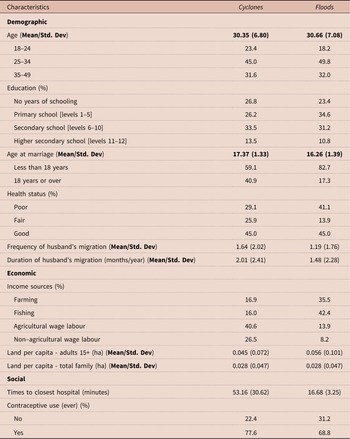

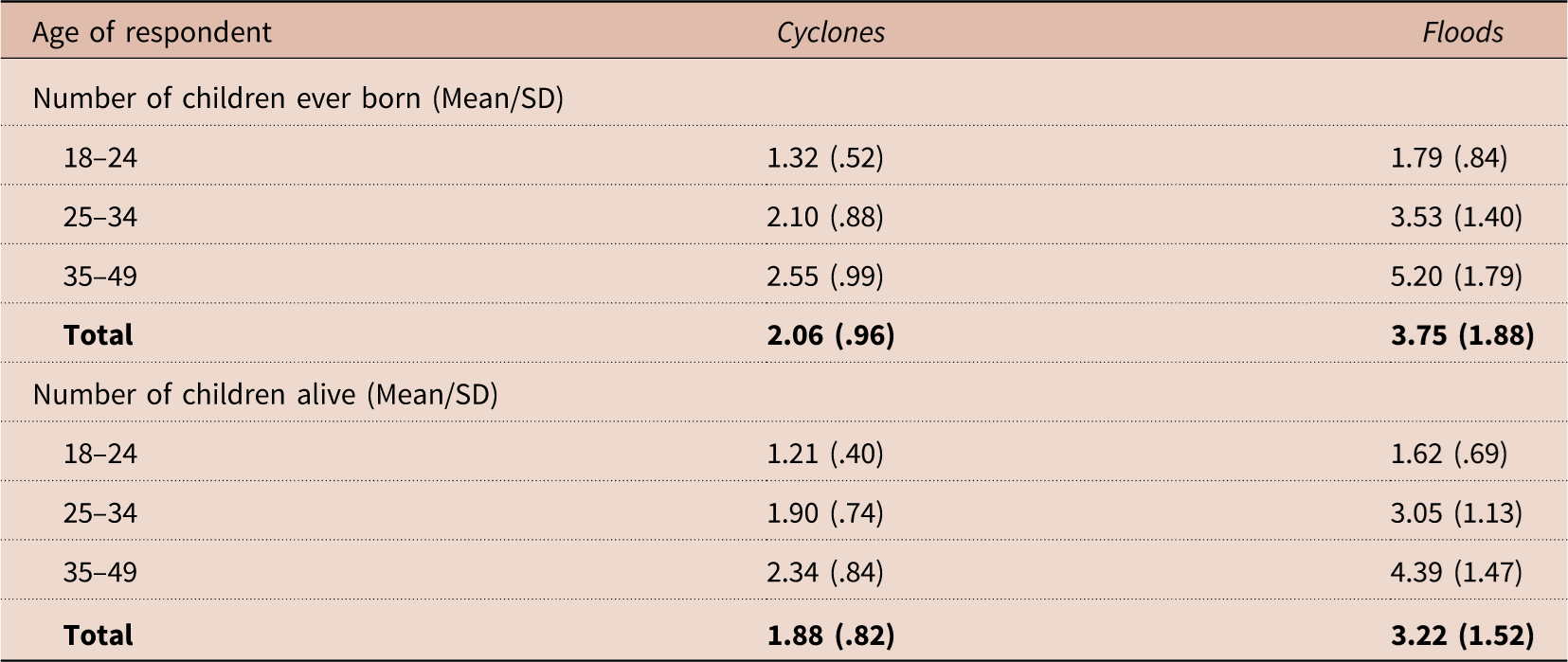
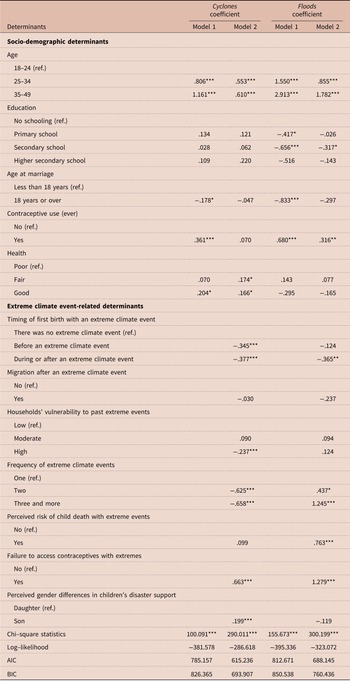
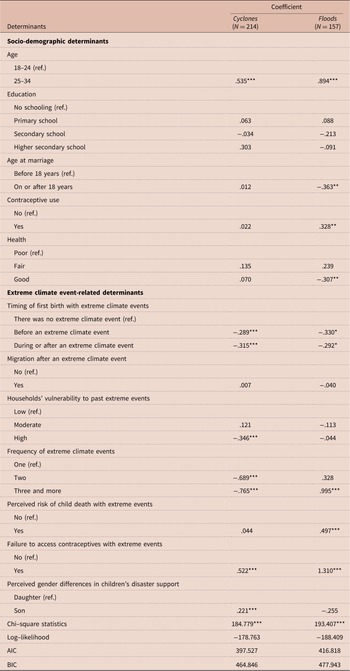
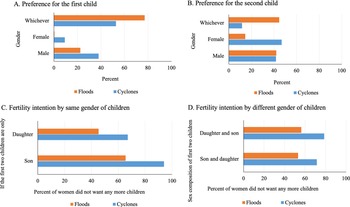
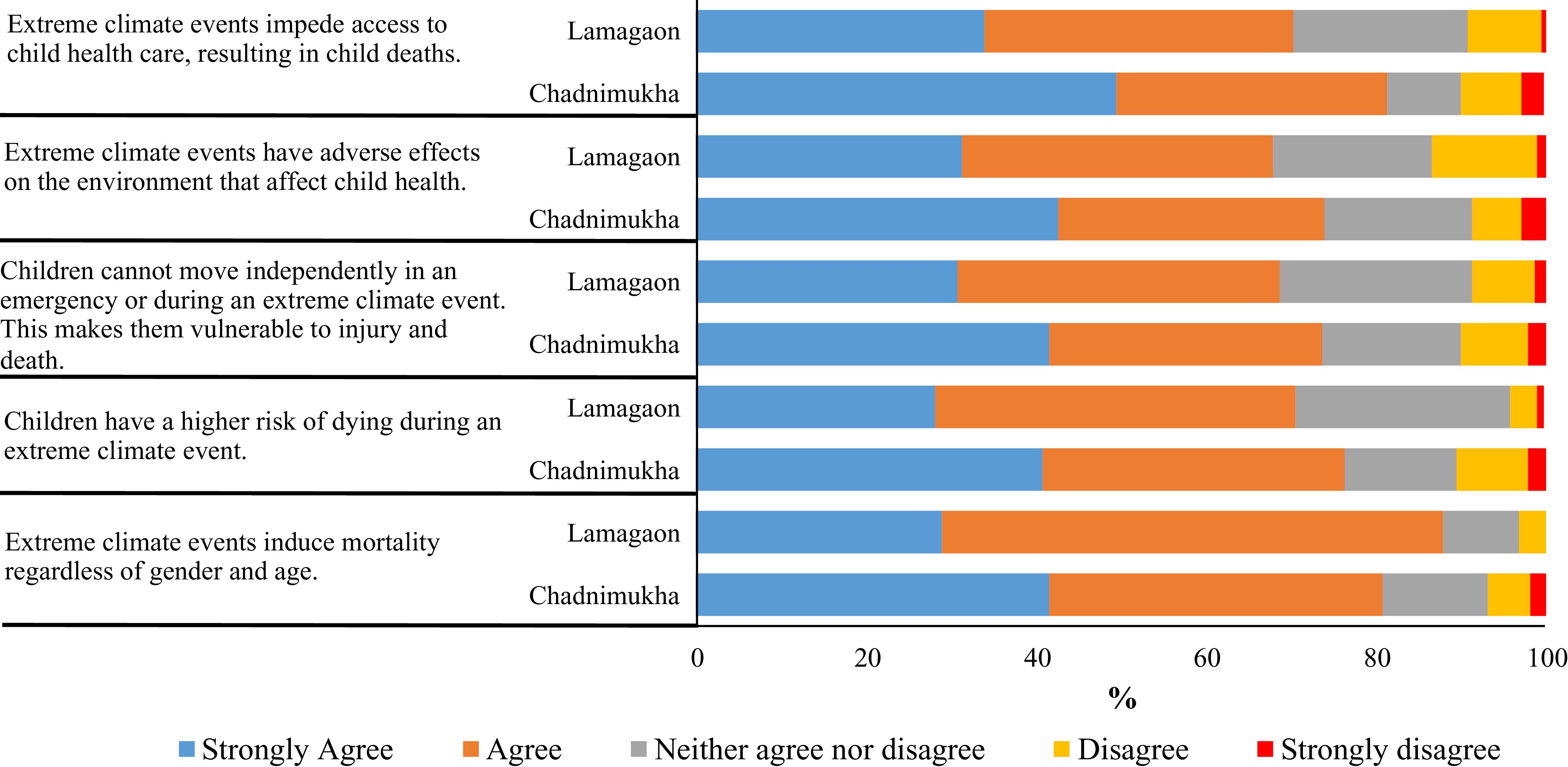
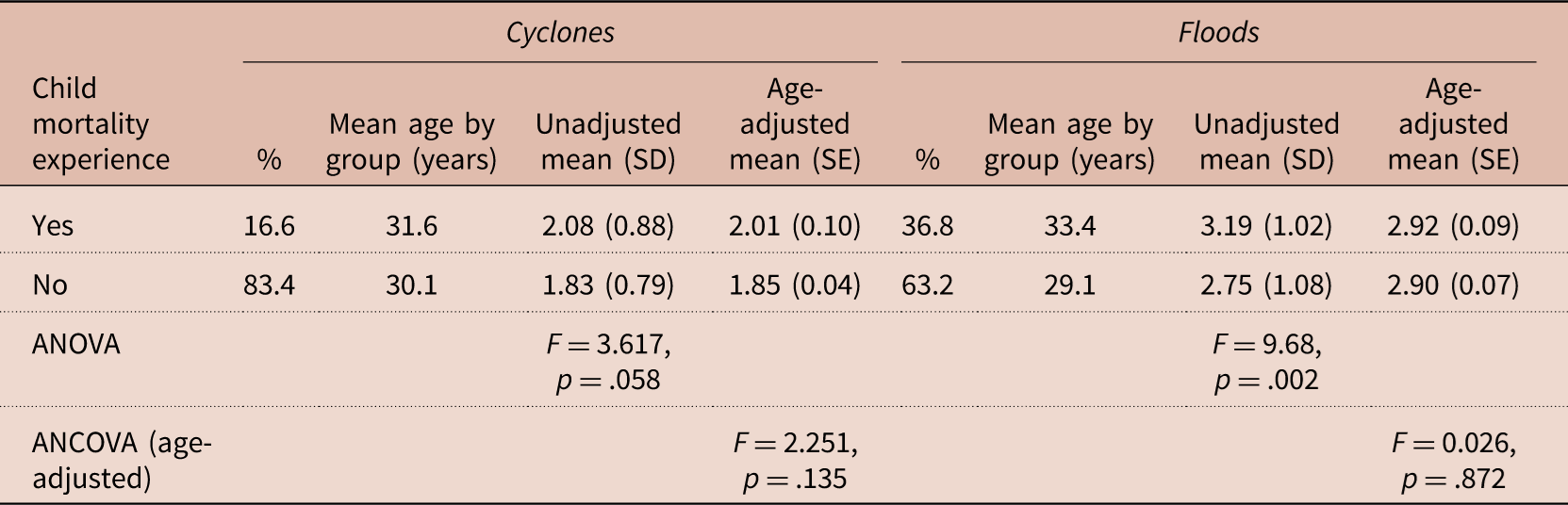
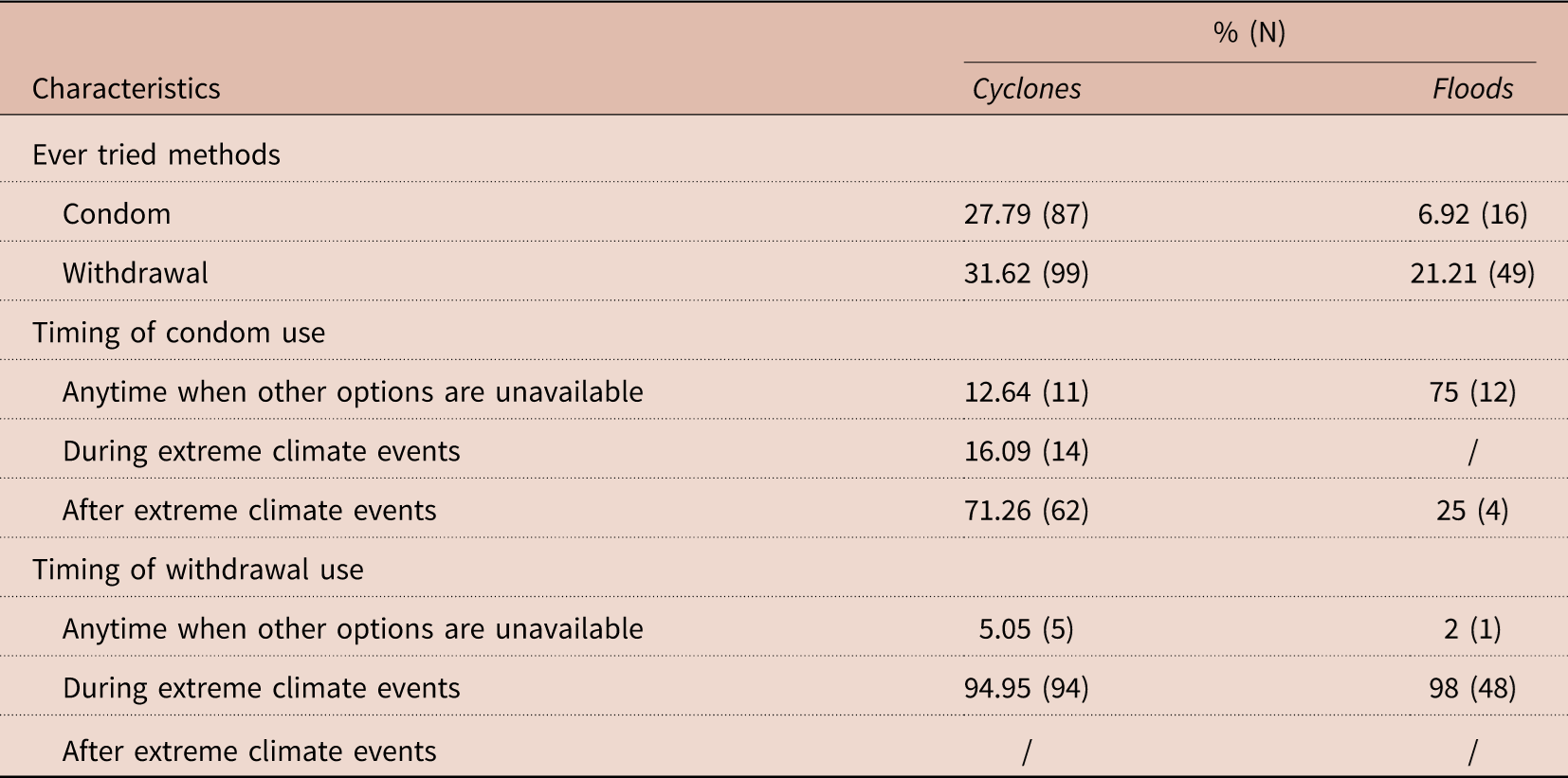


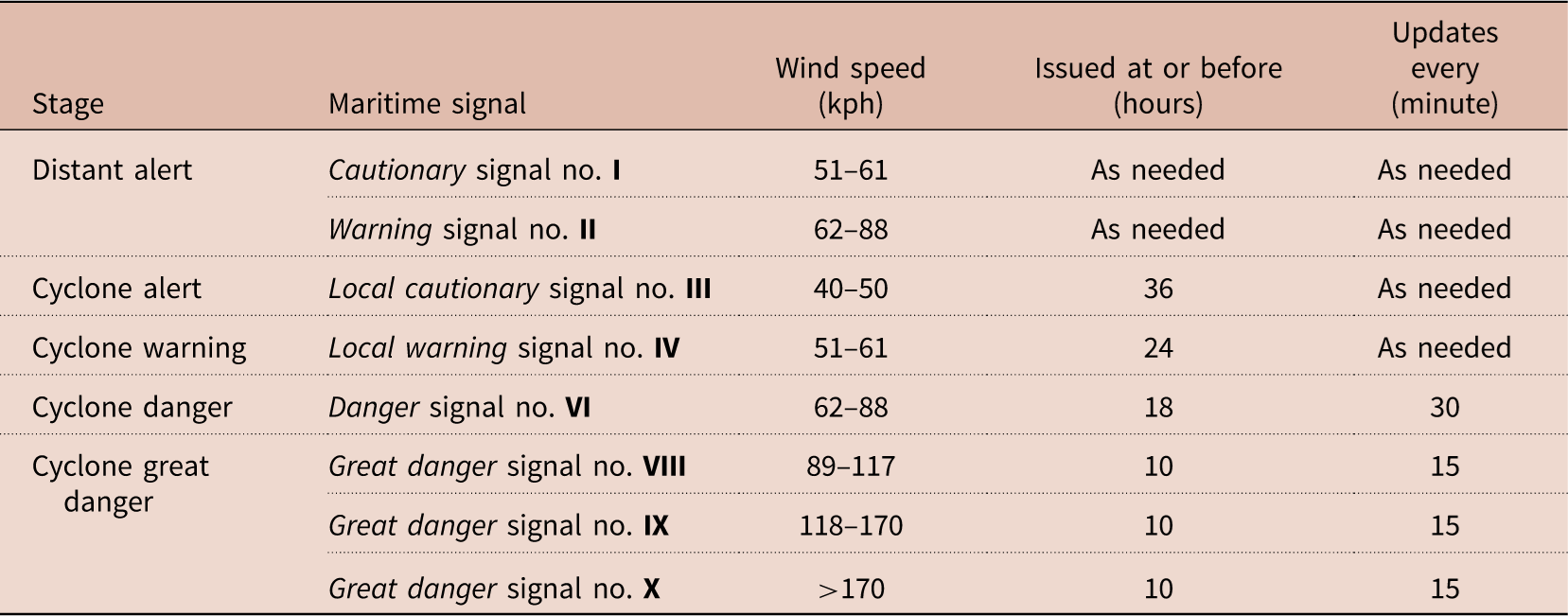


 Open access


