





Nomenclature
- AI
-
Artificial Intelligence
- ALARP
-
As Low As Reasonably Practicable
- ATC
-
Air Traffic Control
- ATCO
-
Air Traffic Controller
- EASA
-
European Union Aviation Safety Agency
- FHA
-
Functional Hazard Assessment
- GPS
-
Global Positioning System
- ICAO
-
International Civil Aviation Organization
- JARUS
-
Joint Authorities for Rulemaking on Unmanned Systems
- SAE
-
SAE International
- SMM
-
Safety Management Manual
- SMS
-
Safety Management System
- SORA
-
Specific Operations Risk Assessment
- STPA
-
Systems-Theoretic Process Analysis
- UAS
-
Unmanned Aircraft System
- UAV
-
Unmanned Aerial Vehicle
- UTM
-
UAS Traffic Management
1. Introduction
In recent years, the aviation sector has undergone significant transformation due to technological advancements, most notably the widespread use of unmanned aerial vehicles (UAVs). The benefits linked to UAVs – including flexibility, low operational costs, accessibility and ease of deployment – have encouraged their adoption across various industries such as parcel delivery, search and rescue, agriculture and infrastructure monitoring [Reference Clothier, Walker, Kimon and George1,Reference Du, Zhong, Wang, Pang, Zhang and Jiao2]. For instance, companies like Amazon have experimented with UAV-based delivery services, while government agencies increasingly use UAVs for disaster response, rescue missions and surveillance [3]. These developments necessitate a more systematic and comprehensive evaluation of the impacts of UAV operations on the wider aviation system.
Despite these advantages, the rapid proliferation of UAV usage has introduced new safety, security, regulatory and privacy concerns. Commercial UAV operations contribute to a complex and dynamic airspace environment that imposes additional operational demands on traditional air traffic management systems [Reference Pascarella, Gigante, Vozella, Bieber, Dubot, Martinavarro, Barraco and Li Calzi4,Reference Yang, Wang, Hang and Delahaye5]. Such an environment increases the likelihood of incidents such as mid-air collisions, loss of control and unintentional penetration of restricted airspace – events with potentially severe consequences for manned aircraft and ground personnel. Understanding how risk perception is shaped among aviation professionals is therefore essential for safe integration.
The risks associated with UAV operations cannot be reduced solely to technical factors; instead, risk assessment requires a multidimensional approach that accounts for geographic context, operator profiles, air traffic density, technical characteristics and mission types [Reference Jiao, Liu, Zheng, Sun, Bai, Zhang, Sun, Ren, Zhou, Chen and Yan6,Reference Pang7]. This multifaceted structure suggests that risks may be evaluated differently depending on professional expertise. In this regard, the International Civil Aviation Organization (ICAO) Safety Management Manual (SMM) provides a structured approach for evaluating operational risks through the systematic assessment of probability and severity [8,Reference Speijker, Lee and Leijgraaf9].
While the existing literature has extensively examined UAV-related risks from technical and regulatory perspectives – such as safety risk management frameworks and casualty risk modelling for unmanned aircraft systems (UAS)[Reference Komasová, Tesař and Soukup10] [Reference Clothier, Walker, Kimon and George1,Reference Du, Zhong, Wang, Pang, Zhang and Jiao2,Reference Pascarella, Gigante, Vozella, Bieber, Dubot, Martinavarro, Barraco and Li Calzi4–Reference Pang7,Reference Uzuntaş and Aslan11–Reference Yasin, Mohamed, Haghbayan, Heikkonen, Tenhunen and Plosila19] and the development of UTM concepts for integrating UAVs into controlled airspace [Reference Pascarella, Gigante, Vozella, Bieber, Dubot, Martinavarro, Barraco and Li Calzi4,Reference Yang, Wang, Hang and Delahaye5] – it remains underexplored how different aviation professionals perceive these risks within standardised safety frameworks. Studies UAS (used interchangeably with UAV in the broader literature, though UAS technically denotes the full system including ground control elements) have explored public acceptance and societal risk perception [Reference Uzuntaş and Aslan11,Reference Clothier, Greer, Greer and Mehta20] and have modelled remote pilots’ perceived risk using behavioural or operational frameworks [Reference Lamb, Myers and Truong21], while aviation safety research has investigated pilots’ risk perception and safety attitudes in conventional manned operations [Reference Gao, Wang, Zhang, Bai, Tian, Chen, Zhang and Zhou22,Reference Hunter23] and compared risk perceptions across different subgroups in other aviation domains such as agricultural operations [Reference Sinha, Shipp, Struttmann, Payne and Borowiec24]. Likewise, risk assessment research on air traffic control systems focuses on system-level hazards and performance [Reference Tang, Wang, Ye, Dong and Yang25], and ICAO’s risk matrix is typically used for organisational safety management rather than cross-professional comparisons [8,Reference Speijker, Lee and Leijgraaf9]. Although there are studies that examine the decision-making process of aviation operators, i.e. pilots and air traffic controllers (ATCs) (e.g. Ref. [Reference Kale, Alharasees, Rohacs and Rohacs26]), to the best of our knowledge, no empirical study has systematically compared how pilots and air traffic controllers evaluate UAV-related risks using the ICAO probability–severity risk matrix. This represents a critical gap because misalignment in their risk classifications may undermine harmonised safety decision-making, coordination and mitigation strategies during UAV integration into civil airspace.
While recent qualitative studies with aviation professionals (e.g. Refs [Reference Uzuntaş and Aslan11,Reference Murray, Richardson, Joiner and Wild27]) aim to bridge this gap, they still lack the structured risk-classification approach using established safety frameworks. This study aims to address this gap by mapping and comparing the risk perceptions of pilots and air traffic controllers regarding UAV operations based on their assessments of likelihood, severity and acceptability. By providing a human-centred perspective that complements existing technical and regulatory approaches, the study seeks to inform more effective training standards, regulatory procedures and safety risk mitigation strategies for the safe integration of UAVs into civil aviation. Specifically, while existing regulatory frameworks – such as airworthiness and system certification requirements (e.g. Part 21 and CS-23/25.1309) [28] and operational risk assessment methodologies like the Specific Operations Risk Assessment (SORA; [29] – primarily focus on system design, technical reliability and predefined operational scenarios, they largely assume that risk classifications are interpreted uniformly by different aviation actors.
In contrast, this study demonstrates that even when a standardised framework such as the ICAO likelihood–severity matrix is applied, risk evaluations are shaped by role-specific cognitive and operational contexts, leading to systematic differences between pilots and air traffic controllers in how hazards are translated into safety risk classifications.
This distinction becomes particularly relevant in operational contexts such as Türkiye, where rapidly expanding UAV usage and evolving regulatory practices coexist with heterogeneous levels of professional exposure and training. In such environments, the effectiveness of formal risk assessment frameworks depends not only on their technical robustness but also on how they are interpreted and enacted by different aviation actors.
It is important to note that this study focuses exclusively on the safety risks arising from the lawful operation of UAVs within civil airspace. Risks associated with the unlawful or malicious use of UAVs – including their deliberate weaponisation, use in acts of terrorism or deployment for targeted surveillance without authorisation – fall outside the scope of this study and constitute a distinct field of inquiry governed by security rather than safety management frameworks. Similarly, while cyber threats to UAV systems – such as GPS spoofing, signal jamming and command-and-control link compromise – represent a growing and legitimate safety concern in both lawful and unlawful contexts, they were not operationalised as standalone risk scenarios in the present questionnaire instrument, as the study’s analytical focus is on the physical and operational hazards that aviation professionals encounter in routine UAV integration. Consistently, the questionnaire instrument (see Appendix A) operationalises risk exclusively through consequence domains – people, equipment, operation, environment and reputation – within an ICAO SMS framework that presupposes lawful operation. This design is not a methodological gap but a deliberate scope boundary aligned with the safety management rather than security management paradigm. This boundary condition is acknowledged as a limitation and discussed accordingly in the concluding section.
Accordingly, the use of the ICAO matrix in this study does not replace existing regulatory methodologies such as SORA, but rather complements them by revealing the perceptual layer through which formal risk categories are interpreted and operationalised in practice. This provides a critical bridge between formal safety assessment frameworks and real-world decision-making processes, highlighting potential misalignments that may affect coordination, communication and the effectiveness of safety risk mitigation strategies in mixed UAV–manned airspace environments.
This approach highlights the central role of the human factor in UAV-related safety evaluations and supports the integration of human-centred insights into future regulatory and training frameworks. Specifically, while traditional hazard analysis methods such as Functional Hazard Assessment (FHA) under SAE ARP4761A [30] primarily focus on system functions and failure conditions, they do not explicitly capture how different operational actors interpret and prioritise hazards in real-world contexts. In contrast, the present study operationalises the human factor by empirically eliciting how pilots and air traffic controllers assign likelihood and severity to the same UAV-related hazards within the ICAO framework.
In this sense, the study introduces a perception-based analytical layer that complements function-oriented approaches by revealing how socio-cognitive factors influence safety risk classification. This aligns conceptually with socio-technical system approaches such as Systems-Theoretic Process Analysis (STPA), which emphasise that hazards emerge not only from component failures but also from interactions between human operators, organisational structures and operational environments.
Accordingly, the contribution of this approach lies in bridging formal hazard identification processes with the human interpretive mechanisms through which these hazards are translated into actionable safety risk decisions.
Beyond comparing professional risk perceptions, this study also questions a tacit methodological assumption embedded in conventional ICAO-based risk applications. In most institutional implementations, probability (in traditional ICAO applications) is treated as a single hazard-level estimate, while only severity is disaggregated across consequence domains. However, socio-technical systems theory suggests that risk manifestation mechanisms may differ across operational, human, environmental and reputational layers. Accordingly, this study extends the ICAO matrix logic by eliciting probability assessments at the consequence-domain level rather than assuming a homogeneous likelihood structure. This refinement aims to enhance interpretative precision without altering the categorical architecture of the ICAO framework.
This study does not seek to generate new hazards, safety requirements or operational mitigation strategies. Rather, it aims to identify systematic differences in how existing hazards are interpreted by key aviation stakeholders within a standardised risk assessment framework.
2.0 UAV risk assessment
The introduction of UAVs to the field of aviation and other diverse industries has brought significant transformation, but the growth has also come with an array of complex issues of safety, security and operational feasibility. The management of these hazards and associated safety risks needs a thorough structure that concurrently considers system safety, including technical reliability, as well as human performance, environmental conditions and organisational dynamics. The Safety Management System (SMS) established by ICAO offers a formal and globally recognised basis for the acknowledgment, categorisation, assessment and reduction of risks [8]. This comprehensive framework provides a fundamental tool for assessing how UAV operations fit within existing aviation safety structures.
The extensive deployment of UAVs in civil airspace poses significant hazards in the areas of safety, security and privacy. The described risks are significantly increased in those settings where regulatory frameworks are ineffective or unenforced [Reference Jiao, Liu, Zheng, Sun, Bai, Zhang, Sun, Ren, Zhou, Chen and Yan6]. Safe and sustainable UAV operations cannot be achieved without systematic identification and analysis of risk factors. The main types of hazards associated with UAVs that are listed in the literature are presented in Table 1. The diversity of these risks demonstrates that UAV use requires a multidimensional security approach.
Potential hazards of UAVs

Table 1. Long description
Table with two columns: UAV-related hazard scenarios and Description. The table lists various hazards associated with UAVs, including UAV traffic complexity, insufficiently trained users, loss of control, collisions with manned aircraft, collisions between UAVs, collisions with structures, collisions with people, and privacy violations. Each hazard scenario is described in detail, highlighting the risks and potential impacts. References are provided for each scenario, citing various studies and organizations.
Hazard identification is the first step in UAV safety risk management, and it requires a proactive approach to identifying potential hazards across different levels of the aviation system. In this study, hazards are examined at both the operational level (i.e. flight phases, airspace interactions and real-time decision-making processes) and the system level (i.e. system design, maintenance practices, organisational procedures and regulatory oversight). This distinction is not intended as a formal categorisation in existing frameworks, but rather as an analytical lens derived from the broader socio-technical perspective in aviation safety, which recognises that hazards may emerge from both frontline operations and underlying system conditions [8,Reference Reason31].
Hazards and their contributing factors can be classified into two categories: active failures and latent conditions. Active failures include direct unsafe acts carried out by frontline operators, such as lapses in attention, procedural violations, miscommunication or skill-based errors; these failures often trigger incidents. On the other hand, latent conditions refer to underlying weaknesses embedded within the broader socio-technical system, including technological components, organisational processes, training structures and regulatory frameworks, such as software vulnerabilities, design flaws, inadequate maintenance or insufficient regulatory provisions.
Despite the fact that latent conditions can remain hidden for extended periods, they may interact with active failures and create pathways that lead to accidents [Reference Reason31]. In this context, the term ‘system’ is used in a broad sense to encompass the integrated socio-technical aviation system, rather than referring solely to aircraft subsystems. This distinction highlights that UAV-related hazards may emerge not only from operational errors but also from interactions between human, technical and organisational elements, thereby reinforcing a system safety perspective within UAV safety risk management.
The process of risk identification utilises both quantitative and qualitative sources of data. The sources of empirical evidence include flight data recorders, maintenance logs and accident databases, and the sources of expert consultation, structured brainstorming and safety culture surveys are used to capture emergent risks that have no historical record [Reference Papakonstantinou, Kloock-Schreiber, Ziegler, Mishra, Jaisawal, Wieczorek and Gollnick32,Reference Yang, Xu, Song and Yu33]. After hazard identification, the associated safety risks are evaluated by a systematic assessment that takes into consideration the likelihood of occurrence and the severity of the consequences of identified hazards. Considering these two dimensions (e.g. the likelihood and the severity of the consequences of identified hazards) together allows for a more consistent and comparable analysis of UAV safety risks.
Likelihood is defined based on a five-point qualitative scale with extremely improbable to frequent categories, representing the expected frequency of risk occurrence across operational environments [8].
Severity is a measure of the potential consequences, ranging from insignificant to disastrous, which can result in loss of life, damage to equipment or significant business disruption. It includes not just immediate damage to humans, infrastructure, the environment and continuing processes, but also more organisation-wide consequences like reputational damage, regulatory fines, monetary damages and loss of public trust, which can significantly increase the perception of the severity of a consequence [Reference Johnsen and Evjemo34]. ICAO divides severity into five hierarchical levels [8], thus emphasising the significance of evaluating short-term physical impacts and those that can destroy organisational resilience. Although the assessment is subjective, meaning that it relies on the judgement of the technical person who evaluates the identified risk, this classification ensures that UAV risks are subjected to a comprehensive impact assessment.
The third procedure step is risk acceptance, which is the decision-making stage in the assessment process. The safety risks associated with identified hazards are classified into tolerability levels of unacceptable, tolerable or acceptable by combining probability (Table 2) and severity (Table 3) assessment into a risk matrix [Reference Speijker, Lee and Leijgraaf9]. The risk matrix is, therefore, a critical tool of risk-based decision-making. This stage plays an important role in determining under what conditions operational decisions need to be reorganised.
UAV risk likelihood

Table 2. Long description
A table categorizing UAV risk likelihood and severity levels. The table is divided into two sections: UAV risk likelihood and UAV risk severity. The UAV risk likelihood section has two columns: Value and Likelihood Description. It contains five rows with the following data: Row 1: Value, 1; Likelihood Description, Extremely improbable Almost inconceivable that the event will occur. Row 2: Value, 2; Likelihood Description, Improbable Very unlikely to occur (not known to have occurred). Row 3: Value, 3; Likelihood Description, Remote Unlikely to occur, but possible (has occurred rarely). Row 4: Value, 4; Likelihood Description, Occasional Likely to occur sometimes (has occurred infrequently). Row 5: Value, 5; Likelihood Description, Frequent Likely to occur many times (has occurred frequently). The UAV risk severity section has two columns: Value and Severity Description. It contains five rows with the following data: Row 1: Value, A; Severity Description, Catastrophic Equipment destroyed Multiple deaths. Row 2: Value, B; Severity Description, Hazardous A large reduction in safety margins, physical distress, or a workload such that the operators cannot be relied upon to perform their tasks accurately or completely Serious injury Major equipment damage. Row 3: Value, C; Severity Description, Major A significant reduction in safety margins, a reduction in the ability of the operators to cope with adverse operating conditions as a result of an increase in workload, or as a result of conditions impairing their efficiency. Serious incident Injury to people. Row 4: Value, D; Severity Description, Minor Nuisance Operating limitations Use of emergency procedures Minor incident. Row 5: Value, E; Severity Description, Negligible Few consequences.
UAV risk severity [8]

Table 3. Long description
The table presents a classification of UAV risk severity levels. It includes five severity levels labeled A through E, each with a corresponding description. Level A, labeled Catastrophic, describes scenarios where equipment is destroyed and multiple deaths occur. Level B, labeled Hazardous, indicates a large reduction in safety margins, physical distress, or increased workload affecting operators’ performance, leading to serious injury or major equipment damage. Level C, labeled Major, signifies a significant reduction in safety margins, reduced operator efficiency, or serious incidents causing injury to people. Level D, labeled Minor, involves operating limitations and the use of emergency procedures, resulting in minor incidents. Level E, labeled Negligible, describes situations with few consequences.
The likelihood and severity integration develops a risk matrix that guides the decision-making processes [8]. Any risks that fall into the red category (i.e. 4A, 5A, 5B or 5C) are considered unacceptable, and they require suspension of operation or complete redesign of the system before any additional action can be taken. Risks in the yellow zone, such as 3B, 3C or 4C, can only be accepted when they are minimised to a level of As Low As Reasonably Practicable (ALARP) and put under intense supervision [Reference Speijker, Lee and Leijgraaf9]. On the other hand, 1D, 2E or 3E is a risk that belongs to the green category, and it is acceptable and can be addressed within the routine organisational processes, as long as it is constantly monitored to ensure that it does not surpass the acceptable range. This approach provides a clear framework for how UAV integration should be managed according to different risk levels.
The final stage is safety risk mitigation, a process that is directed at reducing the likelihood of occurrence or the impact of the possible consequences or both. Safety risks assessed as unacceptable can require the suspension of operations or the redesign of the system. On the other hand, the tolerable risks may be mitigated by introducing training procedures, application of technological protection or alteration of regulatory systems to limit the risks to acceptable levels. The overall goal is to shift risks to lower levels of tolerability, in which they can be dealt with proactively without interfering with continuity of operations [8]. These measures support the sustainable and safe expansion of UAV operations.
Finally, safety risk management is a dynamic and cyclic process requiring constant monitoring and assessment of the system, identification of possible threats and risks associated with those threats, evaluation and control of risks based on new technology and challenges. With a systematic implementation of these processes, risks that would be considered too big can be reduced to levels that can be tolerated or accepted. The given strategy protects the further growth of UAV activities, maintains social confidence, meets the regulatory requirements and maintains the most crucial aviation safety standards [8]. This cyclical structure shows that risk management practices need to be constantly updated in parallel with the development of UAV technologies.
3.0 Methodology
This study adopts a structured comparative expert-judgement design to examine how pilots and air traffic controllers classify UAV-related risks within the ICAO SMM framework. The questionnaire (see Appendix A) was structured using domain-specific prompts to ensure that participants evaluated each UAV-related risk scenario within clearly defined consequence layers. For each of the eight predefined risk scenarios, respondents assessed both (a) the likelihood that the scenario would negatively affect a specific impact domain (People, Equipment, Operation, Environment or Reputation) and (b) the severity of the consequences should such an impact occur. This domain-based elicitation approach was adopted to reduce ambiguity and to align participant judgements with ICAO’s probability–severity framework. By explicitly anchoring responses within consequence categories rather than asking for a generalised risk evaluation, the instrument enhanced conceptual clarity and ensured compatibility with the categorical logic of the ICAO risk matrix.
The study does not employ a variable-based explanatory or hypothesis-testing model; rather, it focuses on the categorical mapping of professional likelihood and severity assessments into standardised ICAO risk codes.
The primary objective is to determine how each professional group positions defined UAV risk scenarios within the ICAO probability–severity matrix and to compare the resulting classification patterns. Accordingly, the analysis is descriptive and decision-analytic in nature, aiming to identify role-based divergences in risk coding rather than to test causal relationships.
This methodological approach is consistent with safety research that relies on structured expert elicitation and classification frameworks to inform risk management discussions [Reference Ferreira, Baum, Neto, Martins, Almeida, Cugnasca and Camargo14,Reference Papakonstantinou, Kloock-Schreiber, Ziegler, Mishra, Jaisawal, Wieczorek and Gollnick32]. Accordingly, the ICAO risk matrix is treated as a categorical decision-support tool rather than a statistical variable, and the resulting risk codes are interpreted within its tolerability logic.
The research questions used to guide the study included: What are the perceived likelihood and severity of UAV-related risks across pilots and ATCs, and what are the differences, when plotted on the ICAO risk matrix, in the risk acceptability between these two groups? These questions were structured to ensure that the analysis directly reflects ICAO’s risk evaluation principles.
For conceptual clarity, each impact domain was operationally defined prior to scoring. ‘People’ refers to potential physical or psychological harm to passengers, crew members or third parties. ‘Equipment’ denotes damage to UAV systems and onboard components. ‘Operation’ captures mission interruption or degradation of UAV task execution. ‘Environment’ includes ecological and infrastructural consequences, while ‘Reputation’ reflects institutional credibility, public trust and regulatory legitimacy impacts.
This study was conducted in accordance with the ethical principles outlined in the Declaration of Helsinki. Ethical approval was granted by the Institutional Ethics Committee of Istanbul Bilgi University (Decision No: 2025-40900-193; Date: 14 October 2025). All participants were fully informed about the purpose of the study, the voluntary nature of their participation, and their right to withdraw at any time without consequence. Informed consent was obtained from all participants prior to data collection. No personally identifiable information was collected; participants are identified solely by anonymised codes (P1–P30) in the manuscript. All data were stored securely and accessed exclusively by the research team.
3.1 Participants
In order to select participants who had important and relevant professional experience, a purposive sampling method was employed, which resulted in data informed by extensive operational knowledge [Reference Guest, Namey and Chen35]. This sampling strategy was adopted to ensure that the data reflected real operational exposure rather than hypothetical assumptions. The ultimate sample comprised 30 professionals, 15 experienced pilots, as well as 15 active ATCs. Table 6 provides the demographic and professional characteristics of the participants.
UAV safety risk assessment matrix [8]

Table 4. Long description
A table categorizing UAV risk severity levels and descriptions. The table has five rows and three columns. The columns are labeled Value, Severity, and Description. Row 1: Value A, Severity Catastrophic, Description Equipment destroyed Multiple deaths. Row 2: Value B, Severity Hazardous, Description A large reduction in safety margins, physical distress, or a workload such that the operators cannot be relied upon to perform their tasks accurately or completely Serious injury Major equipment damage. Row 3: Value C, Severity Major, Description A significant reduction in safety margins, a reduction in the ability of the operators to cope with adverse operating conditions as a result of an increase in workload, or as a result of conditions impairing their efficiency. Serious incident Injury to people. Row 4: Value D, Severity Minor, Description Nuisance Operating limitations Use of emergency procedures Minor incident. Row 5: Value E, Severity Negligible, Description Few consequences.
UAV risk mitigation matrix

Table 5. Long description
A risk matrix categorizing likelihood and severity levels for UAV safety risks. The matrix is divided into five columns representing severity levels: Catastrophic (A), Hazardous (B), Major (C), Minor (D), and Negligible (E). The rows represent likelihood levels: Frequent (5), Occasional (4), Remote (3), Improbable (2), and Extremely improbable (1). Each cell in the matrix is color-coded and labeled with a combination of likelihood and severity values, such as 5A for Frequent and Catastrophic, 4B for Occasional and Hazardous, and so on. The color coding ranges from red for high-risk areas to green for low-risk areas, indicating the level of risk associated with each combination of likelihood and severity.
Demographic data of participants

Table 6. Long description
A table categorizing assessed risk index into tolerability descriptions and suggested criteria. The table has three columns: Tolerability Description, Assessed Risk Index, and Suggested Criteria. It is divided into three rows based on tolerability regions: Intolerable region, Tolerable region, and Broadly acceptable region. Row 1: Tolerability Description, Intolerable region; Assessed Risk Index, 5A, 5B, 4A, 4B, 3A; Suggested Criteria, Unacceptable under the existing circumstances. Row 2: Tolerability Description, Tolerable region; Assessed Risk Index, 5D, 5E, 4C, 4D, 4E, 3B, 3C, 3D, 2A, 2B, 2C, 1A; Suggested Criteria, Acceptable based on risk mitigation. It may require a management decision. Row 3: Tolerability Description, Broadly acceptable region; Assessed Risk Index, 3E, 2D, 2E, 1B, 1C, 1D, 1E; Suggested Criteria, Acceptable.
Note: ‘Level of Knowledge’ represents participants’ self-assessed familiarity with UAV operations, measured on a 0–10 scale (0 = no knowledge, 10 = expert-level knowledge). This measure was included to provide contextual insight into participants’ experience levels and was not derived from a standardised scale.
3.2 Data collection
The structured online questionnaire was used to collect information through Google Forms. The questions were designed after an extensive literature review of the available sources on UAV safety [Reference Clothier, Walker, Kimon and George1,Reference Pascarella, Gigante, Vozella, Bieber, Dubot, Martinavarro, Barraco and Li Calzi4,Reference Jiao, Liu, Zheng, Sun, Bai, Zhang, Sun, Ren, Zhou, Chen and Yan6], and formulated in line with the findings in the literature. This alignment with prior literature ensured the content validity of the instrument. After this literature review, we identified a total of eight major UAV risk scenarios and formulated the questionnaire accordingly (see Table 1).
Participants were requested to score two dimensions on a 5-point Likert-type scale for each of the eight risks:
-
a) Likelihood of Occurrence: Between 1 (Extremely Improbable) and 5 (Frequent), which is in line with the ICAO probability scale [8].
-
b) Severity of Consequences: It is rated between 1 (Negligible) and 5 (Catastrophic), using the ICAO severity scale [8].
These ratings were carried out across five categories – People, Equipment, Operation, Environment and Reputation – to capture the multidimensional nature of UAV-related risks. This approach provides a more comprehensive understanding of risk, which is inherently complex within the field of aviation safety impacts [Reference Johnsen and Evjemo34]. Furthermore, this multidimensional scoring reflects ICAO’s emphasis on capturing broader operational consequences beyond immediate physical outcomes.
We also asked the participants to assess their knowledge of UAVs and risk assessment procedures by using a scale between 1 and 10 (1 = Very Low to 10 = Very High). Admittedly, self-reported knowledge is a subjective dimension of knowledge and can be affected by certain biases [Reference Podsakoff, MacKenzie, Lee and Podsakoff36]. Nevertheless, such measures provide useful contextual information for interpreting individual differences in risk scoring.
3.3 Data analysis
This study adopts a descriptive risk-classification methodology rather than an inferential statistical design. The ICAO risk matrix functions as a categorical, decision-support framework, not a parametric statistical variable. Therefore, the analytical objective is not to test statistical significance, but to translate perceived likelihood and severity scores into standardised ICAO risk codes. The analysis proceeded in four structured steps:
-
• Mean Scores Calculation: The mean likelihood and severity scores were computed separately for pilots and ATCs for each of the five impact categories of the eight risks. This provided a stable statistical basis for subsequent coding.
-
• Rounding of Mean Scores: In order to create consistency and to reflect the precautionary orientation embedded in ICAO’s SMM [8], the mean scores were rounded to the nearest whole number before mapping. In particular, values equal to or greater than 0.5 were rounded up, and those less than 0.5 were rounded down. For example, the likelihood mean of 4.3 was rounded to 4 (‘Occasional’), and the severity mean of 4.5 was rounded to 5 (‘Catastrophic’). This is a conservative strategy that reduces the risk of underestimating safety risks, which would have put the risk as more serious or more likely, which is a common practice in preliminary risk screenings [Reference Speijker, Lee and Leijgraaf9]. This rounding method aligns with ICAO’s precautionary orientation in risk classification.
-
• ICAO Risk Codes Generation: Rounded likelihood and severity values were paired (not interpreted as parametric combinations) to generate ICAO risk codes (e.g. 4B, 5C). These pairings were then interpreted through the ICAO risk matrix (Table 4) and mitigation framework (Table 5) to classify each scenario as Unacceptable, Tolerable or Acceptable. This step transformed numerical perceptions into standardised categorical risk levels.
-
• Comparative Analysis: A descriptive, pattern-oriented comparison was conducted to identify differences and similarities between pilots’ and ATCs’ risk classifications. Because the purpose of the study is categorical comparison and perception-mapping, and not hypothesis testing, inferential statistics were not employed. This approach aligns with the conceptual function of the ICAO matrix as a qualitative–categorical decision tool rather than a variable appropriate for parametric inference.
Although Likert-type scales are ordinal in nature, the use of mean values for aggregation is widely accepted in applied risk assessment contexts involving expert judgement and categorical mapping. In this study, mean values were used to derive representative group-level assessments. To assess robustness, median values were also calculated and compared with mean-based classifications. In the large majority of cases (over 90% of all domain-scenario combinations), the rounded median and rounded mean produced identical ICAO risk codes. The small number of discrepancies involved adjacent cells within the same tolerability zone (e.g. 4B and 3B, both Unacceptable), and none resulted in a shift across tolerability boundaries. This confirms that the mean-based classification patterns reported in Table 8 are stable and not sensitive to the choice of aggregation method. Additionally, unrounded mean values and standard deviations are reported in Appendix B to enhance transparency.
The dispersion of responses (see Appendix B) was examined to assess the consistency of participants’ judgements. The relatively low variability observed across both groups suggests that the aggregated mean-based classifications are stable and not driven by highly divergent responses.
Unlike conventional applications of the ICAO risk matrix, where likelihood is typically assessed at the hazard level and severity may be disaggregated across consequence categories, this study extends the framework by eliciting likelihood assessments at the domain level. Rather than asking participants to evaluate the overall likelihood of a hazard occurring in general terms, respondents were asked to assess the probability that the defined risk scenario would generate consequences within each specific impact domain (People, Equipment, Operation, Environment, Reputation).
This distinction is conceptually important. In complex socio-technical systems such as mixed UAV–manned airspace environments, consequence pathways are heterogeneous. The same hazard may exhibit different likelihood structures depending on whether its impact is considered in relation to human safety, operational continuity, technical systems, environmental effects or institutional legitimacy.
By decomposing both probability and severity across domain-specific consequence layers, the study avoids a single aggregated risk score and instead produces differentiated categorical mappings within the ICAO probability–severity matrix. This structured disaggregation enhances conceptual precision and aligns the analytical framework with systemic risk theory and multi-layered safety modeling approaches.
3.4 Knowledge profiles of the participants
The results presented in this section should be interpreted as descriptive and contextual, reflecting participants’ self-perceived familiarity rather than objectively measured knowledge. The self-reported knowledge profiles of the two groups differed in some respects, providing contextual background for the interpretation of the primary results. These self-reported scores should be treated as indicative of perceived familiarity rather than objectively measured knowledge differences. The comparison of the groups’ profiles is shown in Table 7.
Comparison of the groups knowledge

Table 7. Long description
A table comparing the knowledge levels of participants about UAVs and risk assessment. The table has 30 rows and 6 columns. The columns are labeled Participant, Gender, Profession, Level of knowledge about UAVs, Level of knowledge about risk assessment, Age, and Experience (Years). The rows list individual participants with their respective data. For example, Row 1: Participant P1, Male, ATC, 10, 9, 34, 7. Row 2: Participant P2, Male, ATC, 8, 8, 32, 8. Row 3: Participant P3, Female, ATC, 7, 7, 34, 11. Row 4: Participant P4, Male, ATC, 2, 2, 36, 12. Row 5: Participant P5, Female, ATC, 7, 7, 36, 12. Row 6: Participant P6, Male, ATC, 6, 3, 38, 13. Row 7: Participant P7, Male, ATC, 7, 4, 40, 15. Row 8: Participant P8, Male, ATC, 7, 8, 41, 15. Row 9: Participant P9, Female, ATC, 7, 7, 42, 16. Row 10: Participant P10, Female, ATC, 8, 3, 42, 17. Row 11: Participant P11, Male, ATC, 5, 5, 42, 18. Row 12: Participant P12, Male, ATC, 3, 5, 45, 20. Row 13: Participant P13, Male, ATC, 9, 8, 41, 20. Row 14: Participant P14, Male, ATC, 10, 10, 46, 22. Row 15: Participant P15, Female, ATC, 5, 5, 48, 26. Row 16: Participant P16, Male, Pilot, 7, 8, 46, 28. Row 17: Participant P17, Male, Pilot, 2, 2, 67, 38. Row 18: Participant P18, Male, Pilot, 6, 7, 40, 15. Row 19: Participant P19, Male, Pilot, 4, 6, 37, 7. Row 20: Participant P20, Male, Pilot, 2, 10, 27, 3. Row 21: Participant P21, Male, Pilot, 6, 8, 37, 3. Row 22: Participant P22, Male, Pilot, 7, 7, 29, 4. Row 23: Participant P23, Male, Pilot, 5, 9, 49, 25. Row 24: Participant P24, Male, Pilot, 4, 2, 23, 3. Row 25: Participant P25, Male, Pilot, 4, 7, 33, 6. Row 26: Participant P26, Female, Pilot, 5, 6, 35, 10. Row 27: Participant P27, Male, Pilot, 4, 7, 39, 14. Row 28: Participant P28, Male, Pilot, 6, 6, 44, 18. Row 29: Participant P29, Male, Pilot, 3, 7, 31, 6. Row 30: Participant P30, Male, Pilot, 6, 7, 41, 20.
Results have shown that ATCs have greater UAV-specific knowledge (M = 6.81) than pilots (M = 4.73). Their professional obligations can explain this gap. ATCs have to be aware of the situation with all types of aircraft in a dynamic airspace, which makes them more familiar with the features of the operations and the disruption that UAVs may cause [Reference Pascarella, Gigante, Vozella, Bieber, Dubot, Martinavarro, Barraco and Li Calzi4,Reference Yang, Wang, Hang and Delahaye5]. On the other hand, lower self-rated UAV knowledge of pilots could be due to a generational and training gap with old flight training. This can be demonstrated by the fact that one of our pilot samples (38 years) reported an overall rating of 2 out of 10 in terms of knowledge of UAVs, which is indicative of the difference in exposure to the same emerging technology among experienced professionals [Reference Westerman and Davies37]. Moreover, these contrasts reinforce the role of professional background in shaping technological familiarity.
Pilots, on the other hand, rated their knowledge of structured risk assessment slightly higher (M = 6.60) than ATCs (M = 6.31). This aligns with the key principles of pilot training, which include a strong focus on constant risk-benefit analysis, emergency procedures management and active threat and error management throughout all stages of flight [Reference Jiao, Liu, Zheng, Sun, Bai, Zhang, Sun, Ren, Zhou, Chen and Yan6,8]. Although ATCs are specialists when it comes to systemic, real-time risks to a traffic flow, their main preoccupation is in coordination and separation, and this might require the application of risk assessment principles differently than the more individual-oriented, decision-driven risk evaluation ingrained in pilots [Reference Papakonstantinou, Kloock-Schreiber, Ziegler, Mishra, Jaisawal, Wieczorek and Gollnick32]. Such divergences are consistent with the operational priorities of the two groups.
These initial results highlight the fact that pilots and ATCs play a complementary role in the UAV safety ecosystem. ATCs show system-level technical and operational expertise, while pilots show a systematically ingrained approach to risk analysis. This asymmetry of knowledge is not a weakness but rather the property of the complex aviation system, which is why it is important to incorporate both perspectives in risk management [Reference Speijker, Lee and Leijgraaf9,Reference Ferreira, Baum, Neto, Martins, Almeida, Cugnasca and Camargo14]. This complementarity strengthens the rationale for comparing their risk perceptions within the ICAO framework.
This methodological design provides a standardised approach to collecting and comparing the risk perceptions of key aviation stakeholders, offering substantial contributions to the theory and practice of UAV integration. The resulting findings can meaningfully inform operational safety discussions.
4.0 Findings
The mean likelihood and severity scores (as described in the Methodology) were translated into ICAO risk codes and positioned within the probability–severity matrix. Table 8 presents the resulting classifications for each risk scenario across impact domains.
Participants’ risk assessment

Table 8. Long description
A table comparing mean UAV knowledge and mean risk assessment knowledge between ATCs and Pilots. The table has two rows and three columns. The columns are labeled ‘Group’, ‘Mean UAV knowledge’, and ‘Mean risk assessment knowledge’. The row labels are ‘ATCs’ and ‘Pilots’. For ATCs, the mean UAV knowledge is 6.81 and the mean risk assessment knowledge is 6.31. For Pilots, the mean UAV knowledge is 4.73 and the mean risk assessment knowledge is 6.6.
Note 1: Risk codes are derived from rounded mean values in accordance with the categorical structure of the ICAO matrix (see Methodology). Full table is given at Appendix B.
Note 2: Here, likelihood denotes the perceived likelihood that a given hazard scenario will generate consequences within each specific impact domain, not the overall occurrence of the scenario. Hence, likelihood values may vary across domains.
In this context, likelihood represents the perceived likelihood that a defined UAV hazard scenario would produce consequences within a specific impact domain (People, Equipment, Operation, Environment or Reputation), rather than the overall frequency of the scenario itself. Accordingly, risk codes reflect differentiated consequence-layer assessments within the ICAO tolerability structure.
Dispersion indicators (min–max ranges and standard deviations) are reported in Appendix B. Across both professional groups, standard deviation values remained within a relatively narrow band, indicating moderate within-group agreement in risk categorisation. This suggests that the reported mean-based ICAO classifications are not driven by extreme outliers but reflect relatively stable professional judgement patterns.
4.1 UAV traffic complexity interfering with air traffic control coordination
Pilots rated this risk highly likely (means: 3.6–3.9) and seriously affected (means: 3.0–3.4), and finally, the 4C risk code was consistent. This risk classification falls within the tolerable range, which means that pilots appreciate that UAVs are an important factor that complicates their operations and must be mitigated against risk, but do not consider it an immediate showstopper. This reflects a pragmatic cockpit-oriented view in which UAV-related disruptions are interpreted as operational challenges rather than systemic threats. This can be explained by the fact that they are mainly oriented to the immediate flight deck setting, where the intricacies of ATC tend to be simplified into simple guidelines [Reference Endsley38]. They are more likely to be concerned with the possibility of delays, rerouting and a heavier workload on communication as opposed to a total system failure of the ATC system.
In contrast, ATCs evaluated this scenario with a high likelihood (means: 4.8–5.0) and a major to hazardous severity (means: 3.4–3.5), thus coding it as 5C and 5B, which makes it squarely fall under the category of Unacceptable. The assessment has deep roots in the essence of the operational paradigm of ATC. The arrival of many non-predictive flying UAVs poses a risk to the principles of the organised air traffic flow and separation guarantee, and situational awareness. For controllers, this represents not only an increased workload but a fundamental erosion of the predictability on which safe traffic management depends. The fact that ATCs classified this risk as unacceptable indicates a perceived systemic vulnerability, which resonates with the fears that the current tools and practices of ATCs are poorly suited to address the dynamic [Reference Kopardekar, Rios, Prevot, Johnson, Jung and Robinson39].
4.2 Operation of UAVs by insufficiently trained or inexperienced users
Pilots perceived the most critical risk as inexperienced operators with high probability (means of 4.3–4.4) and hazardous severity (means of 3.6–4.0), which is why it received a consistent 4B (‘Unacceptable’) code. This is consistent with the philosophy of strict observance of procedures taking centre stage [Reference Helmreich, Merritt and Wilhelm40]. Pilots carry this attitude into UAV activities, where they consider a lack of training to be the only channel by which they can make risky decisions, particularly where their aircraft are at the greatest risk, such as along airports or populated places. This heightened sensitivity reflects the pilot community’s broader understanding that human error remains one of the most dominant precursors of aviation accidents.
The perception of pilots was highly consistent with ATCs, and the rating of 4B (Unacceptable) was also made with almost the same level of scores. This is a cultural front across two different professional cultures, and thus, the human factor issue is universal. Under the ATC approach, a poorly trained UAV operator is a random variable in a very predictable system. These operators tend to breach airspace control, exhibit ineffective communication and are unable to respond to pressure on the situation and ATC instructions, thereby generating latent conditions that lead to system-wide malfunctions [Reference Reason31]. This convergence between pilots and ATCs indicates a shared recognition that inadequate operator competence poses a cross-cutting safety threat that neither domain can fully mitigate on its own. The results of the study give strong empirical evidence to regulatory efforts by European Union Aviation Safety Agency (EASA) and the Federal Aviation Administration (FAA) to enforce strict requirements of remote pilot certification and training.
4.3 Loss of UAV control due to technical or command-and-control failure
Pilots rated the likelihood as moderate (3.5) but the severity as high (means: 3.9–4.0), resulting in 4B code (Unacceptable). This is a perception that is highly intrinsic to their dependence on aircraft integrity. The control that a pilot is able to execute is dependent upon positive control; the possibility of a vehicle turning into an uncontrolled falling object or projectile is the bane of the operational doctrine of a pilot [Reference Wiener and Nagel41]. Such scenarios directly challenge the foundational principles of airmanship, reinforcing pilots’ tendency to view loss-of-control events as inherently catastrophic. This is a risk to positive control, and it is reflected in their severity rating.
ATCs rated this risk as more probable (mean: 4.0) and slightly less severe (mean: 3.4–3.5), which led to a majority of the 4C (‘Tolerable’) code. ATCs are provided with increased reports of UAVs acting erratically or leaving their planned route of flight because of technical glitches. Nonetheless, they can also have confidence in the relatively small size and low kinetic energy of most UAVs to reduce the final effects on the catastrophe of the manned aircraft, thus explaining the relatively low severity score. Their evaluation reflects a system-level interpretation in which isolated UAV malfunctions are viewed as operational disturbances rather than direct precursors to catastrophic outcomes. They are not interested in the ultimate effects of a single UAV but in the systemic interference of an object that is not controlled by them in their airspace.
4.4 Collision between a UAV and a manned aircraft
The perception of pilots towards a mid-air collision reflected a remote likelihood (mean = 3.3) and hazardous-level severity (mean = 4.0), resulting in a 3B (‘Tolerable’) classification within the ICAO framework. This analysis is informed by the see-and-avoid principle that forms the foundation of visual flight rules (VFR) and is a final defense. The limitations of this principle against small, low-contrast UAVs are well-documented, and the consequences of a rotor or engine ingestion may be disastrous, which leads to a high-consequence/low-probability risk profile in the mind of the pilots [42]. Their reduced probability rating can be understood as a certain amount of optimism bias or dependence on the enormity of airspace, which is a cognitive bias observed in aviation risk perception [Reference Wiegmann and Shappell43]. This illustrates a cognitive balancing act in which pilots acknowledge catastrophic potential but anchor their judgements in practical experience of relatively rare mid-air conflicts.
ATCs, on the other hand, perceived this risk as more likely (mean: 3.8) and of a big severity (means: 3.2–3.3), which resulted in a 4C (Tolerable) code. This is in line with their functions in managing the air traffic system. They are highly conscious of the overlap of UAV flights with helicopter routes and other low-level VFR routes, as well as the air-traffic patterns of airports. On their part, they have a much higher chance of facing an encounter since they do not follow only a single aircraft. Their elevated probability ratings reflect continual exposure to traffic density patterns and near-miss reports, which shape a more systemic understanding of collision likelihood. Their degree of severity, though still high, might be cushioned by the fact that they are not physically in the aircraft and thus have an analysis that is more analytical, though again concerned with the results on a gravely serious level.
4.5 Collision between UAVs in shared airspace
Pilots reported high likelihoods of UAV-to-UAV collisions (means: 3.6–3.7) and severity (means: 3.5–3.6), which led to 4B (Unacceptable) codes. This is indicative of a realisation of the infantile nature of unmanned traffic management (UTM). The extent is due to the possibility of cascading failures; an impact mid-air between two UAVs might result in numerous uncontrollable risks to people and other aircraft [Reference Thipphavong, Apaza, Barmore, Battiste, Burian, Dao and Verma44]. This concern reflects a broader pilot mindset that emphasises the unpredictable and compounding nature of failures in loosely regulated or immature traffic systems.
ATCs agreed that the probability is high (mean: 3.7) with a high severity (mean: 3.3), which results in a 4C (‘Tolerable’) code. In the case of ATCs, uncontrolled airspace UAV collisions are mainly beyond their immediate visual observation. Although they acknowledge the probability of these occurring with high-density operations, the key affected area is not the core ATC system but the UTM layer and ground risk domain. From the controller’s perspective, the primary implication lies in localised disruptions rather than system-wide degradation, which moderates their severity rating despite acknowledging operational complexity. This shifts the intensity of their main area of operation, which makes the severity Tolerable but requires active management.
4.6 UAV collision with structures or infrastructure
Pilots rated this risk as moderate-to-high (means: 3.4–3.6) and high severity (means: 3.6–3.7), and the number of 4B (Unacceptable) codes predominated. This is a twofold concern in that not only is there direct destruction of vital infrastructure (e.g. power lines, communication towers), but there is also liability and reputational loss to the aviation industry. Pilots are conditioned to be conscious of land and ground features, and they also consider the possibility of UAVs leading to huge ground-level damage. This reflects the pilot community’s deep-rooted emphasis on infrastructure integrity as an essential component of safe navigation and environmental awareness.
ATCs’ scores were strongly consistent with pilots’, which led to 4B (‘Unacceptable’) scores. In the case of ATCs, colliding with a building, particularly one that is close to an airport (e.g. the control tower itself, navigation aids), is a risk to the infrastructure on which they depend to carry out their work. It is a risk that connects the air and ground spaces, which has a direct effect on the robustness of the national airspace. This alignment between the two groups underscores that structural impacts constitute a shared operational vulnerability, bridging cockpit-level and system-level safety concerns.
4.7 UAV collision with people
Pilots perceived this risk to have the least probability (means: 2.7–2.9) of all physical safety risks, but still rated it with a high level of severity (mean: 3.6), which leads to a 3B (Tolerable) code. This is a high-severity, low-probability risk profile. Pilots are aware of the physics of a direct hit and the possible risk of lethal harm to oneself, especially by falling parts or rotor blades [Reference Clothier and Walker13]. They might, however, feel that the risk is not high because of the operational planning, which does not reach into the busy places or because they have a belief that the operators are following the rules. This perception reflects a cautious but realistic mental model that prioritises catastrophic potential over frequency, a pattern commonly observed in pilot safety cognition.
ATCs reflected the low probability assessment (mean: 2.8) and rated the severity as major instead of hazardous (mean: 3.3), resulting in the 3C code of tolerance. Such a slight difference in perception of severity could be explained by the fact that the ATCs are not so close to the immediate reality of a ground casualty. They are concerned with the control of the airspace to avoid the scenario, which might cause an accident, with the pilots being trained to imagine and escape the result. Their severity rating, therefore, emerges from a system-level interpretation of ground harm – one that emphasises traffic flow responsibility over direct physical outcome.
4.8 Violation of privacy through UAV use
Pilots rated the probability of violation of privacy as low (means: 1.9–2.9). The risk codes were within the 3C and 3D range, indicating a remote probability of occurrence. This finding strongly supports the argument that because physical safety is the main concern of pilots, other non-safety concerns, such as privacy, have a lower priority of concern [Reference Finn and Wright45]. Data ethics do not take centre stage in their operating vision, but rather accident prevention. This prioritisation reflects a safety-first operational mindset in which non-operational risks are naturally filtered out of threat perception.
In contrast, ATCs rated the likelihood of privacy violations as high (means: 3.7–3.9) and the severity as negligible (mean: 1.7). This has generated 4D (Tolerable) codes of operational, environmental, equipment and reputational impacts. Their increased probability rating is probably due to the wider institutional consciousness of the mass discourse, news coverage and the law and regulation controversy around aerial surveillance [Reference Finn and Wright45]. Nevertheless, their agreement on low severity highlights that, as with pilots, they consider privacy a societal and legal concern that, though frequent and problematic, is not the focus of aviation safety management, a factor that is often incorporated into regulations [46]. This evaluation pattern shows that ATCs also differentiate sharply between systemic aviation hazards and broader societal risks, resulting in a consistent deprioritisation of privacy within safety-critical decision frameworks.
The data overall demonstrates that there are two very different, but complementary, cognitive models of risk:
-
i. Pilots have a paradigm of a single failure that can be disastrous. Their perception of risk is highly sensitive to the outcomes of an occurrence, resulting in a number of 4B classifications of the Unacceptable category, including loss of control and operator error. Their training and the harsh reality of flying that risk management defends against the one-in-a-million accident [Reference Perrow47] are the origins of this legacy. This outcome-sensitive orientation reinforces a conservative risk posture in which even moderately likely events are interpreted through the lens of worst-case consequences.
-
ii. ATCs are based on the paradigm of system resilience and flow management. They are geared towards the probability of incidents that interfere with the normal operation of the airspace. This gives the Unacceptable 5B/5C rating of ATC disruption and Tolerable 4C ratings of other common disruptions. In the case of ATCs, risk is not merely concerning a single catastrophic occurrence, but small-scale anomalies that occur regularly [Reference Rasmussen48]. This probability-driven orientation leads ATCs to prioritise risks that threaten continuity, predictability and operational stability over those tied to individual catastrophic events.
Such role-based views are not merely subjective opinions; rather, they reflect differences in professional roles and operational responsibilities. The findings indicate that pilots tend to prioritise catastrophic outcomes, whereas air traffic controllers emphasise systemic stability in their evaluations. This divergence suggests that safety-related judgements may vary depending on professional context, potentially influencing how hazards are interpreted within operational environments.
5.0 Discussion
The comparison between pilots and ATCs demonstrates a systemic difference in the risk perception of UAVs based on the operational role each is required to undertake and the cognitive priorities these two operational groups have. Pilots are concerned with disastrous outcomes and immediate safety risks, especially in situations involving loss of control or operators who are not experienced enough. On the other hand, ATCs pay more attention to systemic disturbances that may disrupt airspace management and the communication channel. Such conflicting views suggest that risk perception in aviation may be influenced by occupational culture and cognitive framing rather than a uniform vision of risk [Reference Hollnagel49]. Each group, in its turn, perceives the same technological risk through the prism of different professional values: the first is based on the survival of the body, the second is on the durability of the systems. This divergence may reflect cognitively embedded priorities shaped by training, authority distribution, and operational exposure within the studied context.
The most critical risk was found to be the judgement of the two groups on the presence of inexperienced users. The similarity in terms of labeling this threat as unacceptable highlights a shared concern that human competency represents a critical vulnerability area in UAV safety. Recent findings by [50] also report the same, that inappropriate pilot training and a lack of standardised certification models still explain most UAV-related accidents. These findings may support ongoing discussions regarding the harmonisation of remote pilot licensing standards internationally, as the different levels of training standards contribute to the operational uncertainty and may contribute to operational uncertainty within air traffic systems. In other words, both groups implicitly acknowledge that technical safeguards are insufficient when operator competence remains highly variable.
Another interesting observation is associated with a different focus on privacy and ethical risks. Pilots and ATCs ranked safety violations as less serious in both cases, indicating that non-physical hazards have yet to be incorporated into the aviation industry’s safety culture. This is in line with the results of Wang et al. [Reference Wang, Christen and Hunt51], who found that operational safety is highly valued by aviation professionals in their renewal of UAV missions, as opposed to ethical considerations. However, with the advent of UAVs entering urban space, moral, reputational and legal implications of data misuse or unauthorised surveillance need to be incorporated into the larger safety management practice of ICAO. This gap suggests that current safety paradigms still prioritise kinetic harms over socio-technical harms, despite the growing regulatory relevance of privacy.
The cognitive difference between the pilots and the ATCs should not be seen as an implication of a weakness or conflict between the groups, but rather as a structural advantage of the aviation systems. These perspectives are complementary to each other: the increased sensitivity of pilots to the disastrous consequences makes it easier to avoid single-point failures, and the systemic knowledge of ATCs provides the integrity of the airspace in general. A combination of these views into risk management systems might result in a more holistic and adaptive system of safety that aligns with the Safety-II paradigm of Hollnagel [Reference Hollnagel49], which indicates that everyday system variability is better to learn than focused on rare failures. To reduce the risk of perceptual mistakes, cross-disciplinary training sessions or simulations, during which pilots and controllers would evaluate a common UAV situation, can be implemented to enhance mutual understanding. Such integrative practices can transform these cognitive asymmetries into operational resilience rather than fragmentation.
Lastly, with the development of automation and UTM technology, the balance between human and machine decision-making will be more important. Li et al. [Reference Li, Guo, Chen, Wu, Zhang, Alam and Du52] argue that adaptive human-machine teaming has the ability to sustain the safety margins by making sure that automation is not overpowering, but as a support to human control. This statement is consistent with the results of the study that human professionalism, on an individual (pilot) and systematic (ATC) level, is an inseparable component of UAV integration. Future ICAO safety policies may benefit from considering not only technological reliability but also cognitive flexibility, communication standards and the human-centred design. The integration of these two dimensions appears increasingly important for sustaining safe UAV operations in a safe and secure environment in shared airspace. This dual emphasis may become increasingly important for keeping pace with the rapidly evolving UAV operational ecosystem.
5.1 Methodological contribution
Methodologically, the study advances conventional risk-matrix applications by introducing domain-specific probability elicitation. While customised matrices such as those proposed by the Dominican Civil Aviation Institute disaggregate severity across consequence categories (e.g. physical injury, asset damage, environmental harm, corporate image), probability is generally treated as a single hazard-level estimate.
In contrast, the present study operationalises both probability and severity at the consequence-domain level. This approach recognises that risk realisation mechanisms differ across socio-technical layers. For example, a given UAV-related hazard may have a higher likelihood of generating operational disruption than causing direct physical harm, even if both outcomes are theoretically possible.
This analytical refinement sees risk not as a homogeneous scalar property of a hazard, but as a domain-sensitive construct embedded within layered system interactions. Such a structure improves interpretative granularity and strengthens the explanatory power of categorical risk classification within the ICAO framework. Within the scope of perceptual risk elicitation, this approach offers a domain-sensitive extension of the traditional two-dimensional ICAO matrix, increasing interpretative resolution while preserving the categorical logic of the original framework.
6.0 Conclusion
This study examined the risk perceptions of pilots and ATCs regarding UAVs through the lens of the ICAO risk matrix. The results reveal that both groups identify UAV operations as introducing additional layers of operational, safety and ethical complexity into civil airspace. However, the nature of perceived risk varies substantially between them: pilots view UAV-related hazards primarily in terms of immediate flight safety and catastrophic consequences, whereas ATCs approach risk from a systemic and likelihood-oriented standpoint. This difference demonstrates that risk perception in aviation is shaped not only by technical understanding but also by the cognitive and organisational contexts of each profession. Such distinctions underscore the importance of embedding role-specific insights into future UAV governance models.
The assessment of both groups on ‘inexperienced UAV operators’ as the most critical threat underscores the continuing importance of human competency as a central determinant of safety. This finding supports recent evidence from [50] that training quality and operational discipline remain the weakest links in UAV safety management. Strengthening international certification standards, enforcing recurrent training and promoting cross-disciplinary awareness between manned and unmanned aviation operators are therefore warranted directions for ensuring a more consistent global safety baseline. Without such harmonisation efforts, discrepancies in operator proficiency will continue to generate unpredictable safety risks associated with UAV operations across shared airspace.
Moreover, the limited emphasis placed on non-physical risks such as privacy violations suggests that the current ICAO framework still treats safety and ethics as largely separate domains. As UAVs become more integrated into urban and civilian environments, regulatory systems must evolve toward a socio-technical safety approach – one that recognises the interdependence of human, technological and societal dimensions. Future revisions of ICAO’s SMM may benefit from incorporating cybersecurity-related hazards – including GPS spoofing, signal jamming and command-and-control link compromise – together with privacy and data governance considerations as integral components of UAV safety risk assessment. Integrating these elements will ensure that safety assessments remain aligned with the expanding operational and regulatory realities of modern UAV deployments.
From a broader perspective, the findings reinforce that UAV integration cannot be achieved solely through technology or automation. Human expertise, adaptive decision-making and inter-role communication will remain the foundation of safe airspace coexistence. As Li et al. [Reference Li, Guo, Chen, Wu, Zhang, Alam and Du52] note, the most resilient systems are those that balance automation with meaningful human oversight. Therefore, the future of UAV safety lies not in replacing human operators but in augmenting their capabilities through intelligent systems, collaborative training and harmonised risk communication channels between pilots and ATCs. Such an approach ensures that automation enhances, rather than dilutes, human-centred safety principles.
Moreover, the domain-specific likelihood–severity decomposition employed in this study demonstrates that UAV-related safety risks are not uniform constructs, but layered phenomena shaped by professional interpretation and consequence pathways.
In conclusion, this research contributes to both theory and practice by demonstrating that UAV risk management is inherently multidimensional, spanning technical, human and ethical domains. The perceptual divergences documented here suggest that aligning diverse professional risk perceptions within the ICAO framework may support the development of more inclusive and adaptive safety strategies, though such strategies would require further empirical validation and stakeholder engagement. Sustainable UAV integration will depend on how effectively global aviation institutions, technology developers and human operators develop coordinated responsibility mechanisms for managing airspace safety risks. The long-term stability of mixed-traffic airspace will ultimately hinge on this collective capacity for coordinated risk governance.
6.1 Implications for theory
This study extends the theoretical understanding of UAV-related risk by demonstrating that professional risk perception is not uniform but structured by the cognitive, operational and cultural environments of different aviation roles. While prior UAV safety research has focused predominantly on technical failure modes, the present findings highlight that risk perception itself is a determinant of system-level safety performance, aligning with socio-technical systems theory and the Safety-II perspective. By mapping these perceptions onto the ICAO risk matrix, this study contributes theoretically by showing that the same hazard can occupy different positions within the risk matrix depending on the assessor’s professional frame, suggesting that UAV risk theory must incorporate role-specific perceptual mechanisms rather than assuming a universal cognitive baseline.
Additionally, the convergence of both groups on the centrality of human competency reinforces established theoretical models that position human performance as the primary boundary of system safety. This provides a conceptual bridge between traditional human factors theory and emerging UAV integration frameworks, indicating that human-centred risk perception remains foundational even in increasingly automated airspace environments.
6.2 Implications for practice
It should be noted that the practical implications outlined below are derived from perception-based evidence and should be interpreted as research-informed directions rather than operationally validated recommendations. The present study identifies systematic divergences in how pilots and ATCs classify UAV-related hazards within the ICAO framework; translating these perceptual findings into specific training curricula, regulatory procedures or certification standards would require further empirical validation, stakeholder consultation and regulatory impact assessment. With this boundary in mind, the following implications are offered as areas warranting practitioner and regulatory attention.
The findings yield several practical implications for aviation regulators, training institutions and airspace management authorities. First, the shared classification of inexperienced operators as an unacceptable risk suggests that standardised, competency-based certification for remote pilots warrants elevation to a global regulatory priority. Strengthening licensing frameworks, enforcing recurrent training and integrating manned–unmanned cross-competency modules represent directions that may directly address the most salient risk perceived by both pilots and ATCs, pending further regulatory assessment.
Second, the differences in the cognitive framing of risk between the two groups demonstrate the operational value of cross-disciplinary training, joint simulations and collaborative decision-making exercises, which can reduce perceptual gaps and promote harmonised safety expectations. Incorporating structured pilot–ATC interactions within UAV scenario-based training would enhance shared situational awareness during mixed-traffic operations.
Third, the reduced attention given to privacy and ethical risks indicates that ICAO, EASA and national authorities should embed privacy-aware procedures, cybersecurity assessments and data-handling protocols directly into SMS documentation and risk reporting flows, rather than treating them as external legal obligations. As UAV use expands into dense urban environments, practitioners will need operational guidance that integrates safety with socio-ethical risk domains.
Taken together, these implications highlight directions that merit further investigation and policy dialogue rather than immediate prescription. The perception misalignments documented in this study constitute a starting point for cross-stakeholder conversation about risk communication within SMS frameworks, rather than standalone evidence for specific regulatory or training interventions.
6.3 Limitations and future research
Although the study provides important insights, some limitations must be acknowledged. The sample size, while professionally experienced, was comparatively small (N = 30) and based on purposive sampling. This limits the generalisability of the findings, particularly regarding global variation in training standards, operational exposure and cultural differences across aviation authorities.
Second, the study relied on self-reported assessments of likelihood, severity and knowledge, which may be influenced by subjective biases or by over- or underestimation of personal expertise. Future studies should triangulate subjective assessments with behavioural or simulator-based measures to capture more objective risk judgements.
Third, the study intentionally focuses on pilots and air traffic controllers as primary operational interface actors in controlled airspace integration and does not aim to represent the full UAV ecosystem. UAV integration, however, involves a wider network of stakeholders, including regulators, UTM operators, maintenance specialists and UAV manufacturers. Expanding the scope to include these groups would allow for a more comprehensive understanding of system-wide risk perception.
Fourth, the findings are context-bound and do not claim cross-national generalisability.
Fifth, as the study relies on structured expert judgement rather than behavioural or simulator-based validation, the findings reflect professional assessments rather than empirically observed incident frequencies. Perceived risk classifications may therefore diverge from objective operational safety data.
Sixth, a further limitation concerns the exclusion of cyber-related risk scenarios from the questionnaire instrument. UAV systems are increasingly exposed to cyber threats – including GPS spoofing, signal jamming and command-and-control link hijacking – which constitute a distinct and growing category of aviation safety risk. As noted in the Introduction, this exclusion reflects a deliberate scope boundary: the study is concerned with the safety risks of lawful UAV operation within civil airspace, operationalised through ICAO’s SMS consequence domains, rather than with security threats arising from malicious or unlawful use. Cyber threats occupy a dual position in this regard – they may arise in both lawful and unlawful operational contexts – and their exclusion as a standalone scenario domain therefore represents a genuine boundary condition of the current instrument. Future research should extend the ICAO-based perception mapping approach to include cyber threat scenarios, as pilots and ATCs may perceive the likelihood and severity of such incidents differently from the physical and operational hazards examined here.
Finally, the risk scenarios used in the questionnaire reflect the current technological and operational context. As UAV technologies, AI-based detect-and-avoid systems and UTM frameworks evolve, longitudinal research is needed to observe how risk perceptions adapt over time.
Future research may extend this framework through cross-regulatory and multi-stakeholder investigations in order to assess the structural robustness of consequence-layer risk classification across different operational environments. Comparative studies across distinct regulatory regimes may help determine whether domain-sensitive probability elicitation produces stable classification patterns or context-dependent divergences.
In addition, subsequent research could examine how increasing levels of automation influence professional risk judgement, particularly in hybrid airspace environments where UAV integration intensifies human–machine interaction. The cognitive load and decision-making dynamics emerging in coordinated pilot–ATC UAV scenarios also warrant empirical exploration, as such interactions may amplify or attenuate perceived tolerability thresholds.
Finally, the integration of privacy and cybersecurity dimensions into operational risk architectures represents an important avenue for expanding consequence-layer modelling beyond traditional safety categories, thereby aligning UAV governance with emerging socio-technical vulnerabilities.
Such multidimensional research would further refine theoretical models and strengthen practical safety strategies for UAV integration.
Declaration of generative AI and AI-assisted technologies in the manuscript preparation process
During the preparation of this work, the authors used Grammarly and Rubriq for translation (from Turkish to English) and language editing purposes. After using this tool/service, the authors reviewed and edited the content as needed and take full responsibility for the content of the published article.
Ethical standards
Istanbul Bilgi University Institutional Ethics Committee, Decision No: 2025-40900-193, 14 October 2025.
Informed consent
Informed consent was obtained from all individual participants included in the study.
Appendix A. Questionnaire

Long description
A table listing 8 UAV (drone)-related risk scenarios, each broken down into 5 impact domains – People, Equipment, Operation, Environment, and Reputation. The scenarios are: (1) UAV traffic complexity interfering with air traffic control coordination, (2) Operation of UAVs by insufficiently trained users, (3) Loss of UAV control due to technical or command-and-control failure, (4) Collision between a UAV and a manned aircraft, (5) Collision between UAVs in shared airspace, (6) UAV collision with structures or infrastructure, (7) UAV collision with people, and (8) Violation of privacy through UAV use. For each risk scenario and impact domain combination, the table provides a likelihood question asking about the probability of that impact occurring, and a severity question asking how severe the consequences would be if it occurs.
Appendix B. Descriptive distribution statistics of likelihood and severity scores

Long description
A close-up portrait of a person with a tattoo on their face. The tattoo is prominently displayed on the left side of the face, extending from the forehead to the cheek. The person has short, dark hair and is looking directly at the camera. The background is blurred, focusing attention on the person’s face and the intricate details of the tattoo.

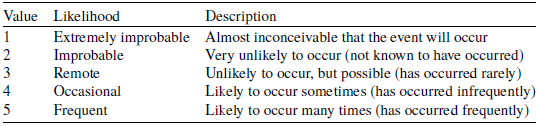
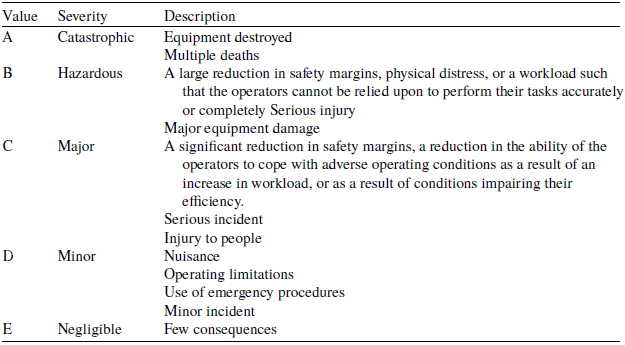
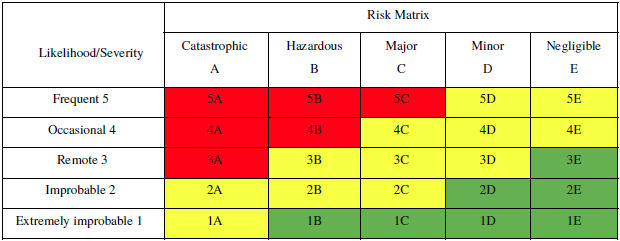
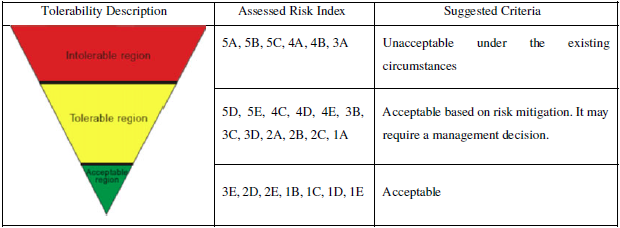
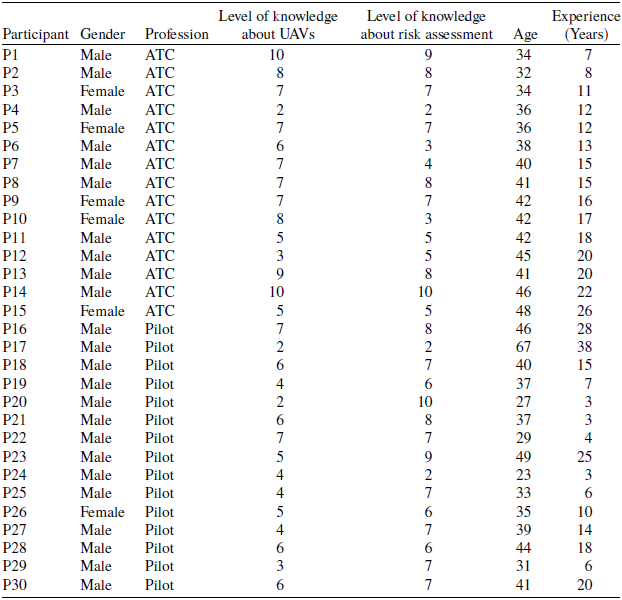

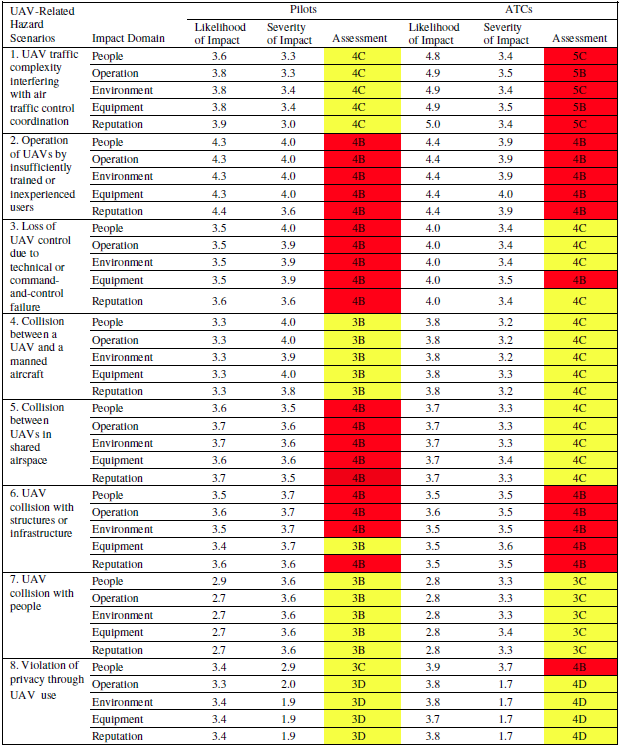

 Open access

