Introduction
Day care centers for people with dementia are internationally recognized as services that can help people with dementia to live longer in their own homes (Manthorpe and Moriarty, Reference Manthorpe and Moriarty2014). Several studies also found beneficial effects of day care on behavioral and psychological problems of people with dementia (Gaugler et al., Reference Gaugler, Jarrott, Zarit, Stephens, Townsend and Greene2003, Mossello et al., Reference Mossello2008) and dementia symptoms and well-being (Zank and Schacke, Reference Zank and Schacke2002). Because of the many different types of day care within and between countries, it is difficult to draw conclusions about beneficial effects of “day care” in general (Manthorpe and Moriarty, Reference Manthorpe and Moriarty2014, Tretteteig et al., Reference Tretteteig, Vatne and Mork-Rokstad2015). More insight is needed into what care is actually offered to people with dementia in different types of day care centers and the effectiveness of this care. Moreover, it is desirable that proven effective day care models are further implemented. Our study aimed to describe and compare the outcomes of two types of day care in the Netherlands: traditional nursing home-based psychogeriatric day care centers and community-based psychogeriatric day care centers according to the proven effective MCSP-Model (Dröes et al., Reference Dröes, Breebaart, Meiland, van Tilburg and Mellenbergh2004a; Reference Dröes, Meiland, Schmitz and van Tilburg2004b; Reference Dröes, Meiland, Schmitz and van Tilburg2006; Reference Dröes, Van der Roest, van Mierlo and Meiland2011). NH-based psychogeriatric day care centers (from now: NH day cares) for community-dwelling people with dementia were introduced in the Netherlands in the late 1970s. They aimed to provide temporary day care to people with dementia while waiting for admission to a nursing home (de Jong and Boersma, Reference de Jong and Boersma2009). The main goal of these “traditional” NH day cares is to offer respite to the carer and to provide meaningful activities for people with dementia. Twenty years ago, a more socially integrated, community-based support programme for people with mild to moderately severe dementia and their family carers was developed in the Netherlands: the MCSP (Dröes et al., Reference Dröes, Meiland, Schmitz and van Tilburg2006). Meeting Centers offer combined support to both people with dementia and their carers at easy-access locations, such as socio-cultural community centers. They aim to provide more timely and individualized care to effectively support both people with dementia and their family carers in adapting to, and coping with, the consequences of dementia (Dröes et al., Reference Dröes, Breebaart, Meiland, van Tilburg and Mellenbergh2004a). Currently, there are over 120 Meeting centers in the Netherlands. Repeated multi-center studies comparing MCSP to regular NH day care have shown that Meeting centers are more (cost-)effective than NH day cares (Dröes et al., Reference Dröes, Meiland, Schmitz and van Tilburg2004b). Added value was found for people with dementia as well as for carers; MCSP participants were highly satisfied with the support programme and their NH admission was delayed (Dröes et al., Reference Dröes, Van der Roest, van Mierlo and Meiland2011). Despite the evidence in favor of the MCSP, and of combined interventions in general (Smits et al., Reference Smits, de, Dröes, Meiland, Vernooij-Dassen and Pot2007; Van't Leven et al., Reference Van't Leven, Prick, Groenewoud, Roelofs, de and Pot2013), combined support programs such as the MCSP have not been described elsewhere except by Gitlin et al. (2006) who implemented a similar combined support programme in adult day care centers resulting in a.o. less depression, improved confidence in managing behaviors and increased well-being of participants. In the Netherlands, so far only a few NH day cares adopted the community-based MCSP-model. To encourage NH day cares to implement the MCSP-model, an implementation project was started in 2011 to (a) investigate the conditions for successful transition of NH day cares to Community day care with carer support according to the MCSP-model (from now: CO day care) and describe these in an implementation guide, and (b) evaluate potential differences in outcomes of the two types of psychogeriatric day care. We recently reported on the first part of the study (van Haeften-van Dijk et al., Reference van Haeften-van Dijk, Meiland, Van Mierlo and Dröes2015). In the current paper, we focus on potential differences in outcomes, i.e. care needs, behavior and mood problems, and quality of life of people with dementia attending the combined CO day cares or NH day cares. In this way, we can draw conclusions on the added value of implementing the proven effective MCSP care model in traditional NH day care.
Method
Objectives
Goal of this study is to investigate the added value of transforming traditional NH day care to CO day care with carer support by implementing the proven effective MSCP model. Based on the findings of Dröes et al. (Reference Dröes, Breebaart, Meiland, van Tilburg and Mellenbergh2004a, Reference Dröes, Meiland, Schmitz and van Tilburg2004b, Reference Dröes, Meiland, Schmitz and van Tilburg2006, Reference Dröes, Van der Roest, van Mierlo and Meiland2011) as described in the Introduction, we hypothesize that implementing the MCSP-model in traditional NH day care will have beneficial effects on needs, behavior, mood, and quality of life of people with dementia.
Study design
A non-equivalent groups design with pre- and post-test measurements (at zero, three, and six months) was used. The experimental group consisted of dyads of people with dementia and their carers, receiving support from a CO day care. To investigate whether it made difference if day cares had made the transition recently or longer ago (thus had much more time to implement the intervention), we included new CO day cares that recently made the transition as well as longer existing CO day cares. The control group consisted of dyads participating in NH day care.
Setting and participants
To detect medium effects (d = 0.50) with a power of 0.80 and allowing for a dropout of 15%, a total of 150 participants (75 experimental and 75 controls) is required (Cohen, Reference Cohen1988). Six NH day cares (control group) in the north-west of the Netherlands made the transition to (new) CO day care (experimental group). All psychogeriatric day cares in the region were invited for an informative meeting about the implementation study and those who were willing to take part in the implementation study, were selected. Besides, five longer existing CO day cares (experimental group) in the south-west of the Netherlands were recruited, as well as five NH day cares (control group) from the same region. Thus, a total of 11 CO day cares and 11 NH day cares participated in the study. The total number of included persons per day care center varied from 1 to 23.
New participants and their carers visiting CO and NH day care, were invited to join the research (through an informed consent procedure, see “Procedure”). The inclusion criterion for persons with dementia was a formal diagnosis of a type of dementia made by a medical doctor. If people with dementia were unable to communicate verbally only the family carer was interviewed. The inclusion criterion for the family carer was that the carer had to be the “primary carer”, which meant providing the most assistance to the person with dementia. No other inclusion or exclusion criteria were defined for family carers. If a family carer was absent or overburdened the care staff was interviewed about the person with dementia.
The interventions
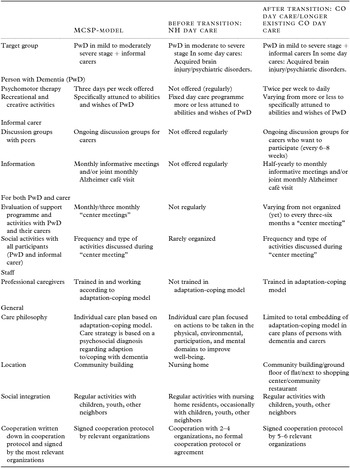
Six NH day cares made the transition to CO day care with carer support by implementing the MCSP-model. The duration of this transition varied from 3 to 16 months. The MCSP-model and the key differences between CO and NH day cares are presented in Table 1. Important features of the MCSP-model (as opposed to NH day care) are the socially integrated location, the collaboration with (local) welfare organizations, the combined support programme for both people with dementia and their carers, and the adaptation-coping theory underlying the support programme. This theory entails “supporting people with dementia and their carers to adapt to and cope with the consequences of the disease,” i.e. for example dealing with disabilities, maintaining an emotional balance, a positive self-image, and developing an adequate relationship with caregivers. Both CO and NH day care offer treatment by multidisciplinary teams in which the social, psychological, paramedical, and medical disciplines are represented. In the CO day cares support activities were organized for the carers, which they were free to participate in (unlike the MCSP-model, where people are only admitted if they use the combined support programme). After the transition all new CO day cares started immediately with the support programme for people with dementia and three of the new centers started within one month after the transition with one or more of the carer support activities (e.g. informative meetings, peer discussion groups), while three started carer support activities after seven months. All of the longer existing CO day cares provided combined support to people with dementia and carers according to the MCSP-model. As NH day care is offered in a less socially integrated setting (the NH), does not formally collaborate with local welfare organizations, does not offer a regular support programme for carers and does not work according to a psychosocial theory-based care model, we expected transforming NH day care to CO day care by implementing the successful MCSP-model would lead to better outcomes for people with dementia.
Description of nursing home-based day care (NH day care) versus community day care with carer support (CO day care)

Measuring instruments
Background characteristics and severity of cognitive impairments
Socio-demographic characteristics were collected during the interview with the family carer. Information on diagnosis was obtained from the day cares or the general practitioner. To determine the severity of cognitive impairments, the Mini-Mental State Examination (MMSE; range 0–30) (Folstein et al., Reference Folstein, Folstein and McHugh1975) was administered. During the intervention period the use of anti-psychotic drugs and home care services was registered.
Primary outcomes
Primary outcome variables were needs, and behavior and mood problems. These outcomes were partly chosen because previous studies showed that MCSP had a positive effect on them (mood and behavior problems), partly because it was expected that the transformation from NH day care to the socially integrated and person centered CO day care would also lead to less unmet needs in people with dementia. To map care and support needs of persons with dementia, the Camberwell Assessment of Need for the Elderly (CANE) was administered (Reynolds et al., Reference Reynolds2000) to persons with dementia and their family. The CANE assesses care needs across 24 domains of daily living and measures whether these needs are met or unmet. The psychometric properties of the Dutch version of the CANE are satisfactory (Van der Roest et al., Reference Van der Roest, Meiland, van Hout, Jonker and Dröes2008).
To assess behavior and mood problems of the person with dementia, the Neuropsychiatric Inventory (NPI-Q) was administered to family carers (Cummings et al., Reference Cummings, Mega, Gray, Rosenberg-Thompson, Carusi and Gornbein1994). The NPI-Q consists of 12-items on neuropsychiatric symptoms (such as delusions, agitation, and depression) and assesses the occurrence (yes or no, range 0–12) and the severity of these symptoms (on a three-point scale; range 0–36) over the past month. The Dutch translation has sufficient reliability and validity (de Jonghe et al., Reference de Jonghe, Kat, Kalisvaart and Boelaarts2003).
Secondary outcome
The secondary outcome measure was Quality of life, assessed by the QOL-AD (Logsdon et al., Reference Logsdon, Gibbons, McCurry and Teri2002), a 13-item dementia-specific quality of life questionnaire, scored on a four-point scale (range 13–52). The questionnaire was administered with the person with dementia. Interrater- and test-retest reliability, and internal and criterion validity are good (Logsdon et al., Reference Logsdon, Gibbons, McCurry and Teri2002).
Procedure
The study was approved by the medical ethical committee of VU University medical centre. New participants and their carers received written information about the study from staff of the day care and were asked to give written informed consent. If they had any questions, they could call the researcher (AMVH) before giving consent. When new participants and their carers gave informed consent, their contact details were passed on to the researcher (AMVH) and the first interview was planned. Before each interview started, the person with dementia was asked (again) to give verbal consent. Follow-up interviews were conducted three and six months later. Data were collected from August 2011 to March 2014. All but one interviewer (n = 20) were students with interviewing experience and all received specific interview training and supervision by the researcher (AMVH). To prevent a systematic influence of the order of questionnaires to the answers provided by the respondents, the questionnaires were administered in a different order for each respondent. Hereto, the questionnaires were randomly inserted in the questionnaire booklets.
Data analysis
Data were analyzed with SPSS 20.0. We performed descriptive analyses, using χ2, Kruskal–Wallis, and Mann–Whitney U tests, in order to describe the characteristics of the study participants and to find out if non-responders and drop-outs differed from the completers, i.e. study participants of which all data were collected as planned.
In the effect analyses we had to deal with missing values at baseline, caused by people not (yet) willing to participate when starting in the day cares or being referred to the research too late (after the first month of participation). The three-month measurement data were imputed, and these participants were considered “completers.” This decision was based on results of previous studies of Dröes et al. (2000) that found no significant effects within three months of participation. The effect analyses were performed on the completers’ data and characteristics related to the outcome measures on which the groups differed at baseline were included in the analyses as potential confounders. Age and gender were included as confounders by default. Univariate covariance analyses (ANCOVA) were carried out to compare outcome measures at T2 (after six months), while baseline data (T0) and confounding variables were included as covariates. This strategy is recommended in small samples to increase statistical power (Cohen, Reference Cohen1988). We used two-tailed tests with a significance level of five percentage and the Bonferroni method to correct for multiple comparisons. Effect sizes were calculated with Cohen's d, and defined as small (d = 0.20), medium (d = 0.5) or large (d = ≥ 0.80) (Cohen, Reference Cohen1988).
Subsequently, we examined whether participant characteristics such as severity of dementia and (I)ADL-problems had to be treated as effect modifiers in the data analysis. Also, living situation (living alone or living together with the carer) was examined as potential effect modifier, because living together is often associated with higher experienced burden by the carer. Earlier studies pointed out that the use of day care can even lead to increased burden of carers cohabiting with the person with dementia i.e. due to feelings of guilt of the carer (Tretteteig et al., Reference Tretteteig, Vatne and Mork-Rokstad2015). We expected that dyads living together benefit more from the combined support programme (instead of the NH day care only). In case of effect modification, the results are presented separately for the different groups (e.g. living alone vs. living together with the carer).
Results
Study participants and drop-outs
Figure 1 displays a flowchart of the study participants, the non-responders and drop-outs. Baseline measurements (T0) were missing for 25 dyads. Main reason for this was: the researchers received their informed consent for the study more than one month after they started participating in day care. In 21 dyads, the person with dementia could not be interviewed due to the severity of dementia (n = 11), aphasia (n = 5) or because the carer did not consent (n = 5). In five cases, staff members were interviewed about the person with dementia, because no family carer was involved (n = 3) or the informal carer refused to be interviewed (n = 2).
Flow chart recruitment and participants.

We found no significant differences between the study participants and people not willing to participate on gender, age, marital status, living situation, diagnosis of dementia, or number of months since receiving the diagnosis of dementia.
We also examined if drop-outs in the experimental (n = 30) and control group (n = 31) differed significantly from the completers (n = 77) on background characteristics and outcome measures. We did not find differences in gender, age, marital status, living situation, diagnosis, needs, MMSE-score, and quality of life. However, we did find differences on neuropsychiatric symptoms: drop-outs after three months in the experimental group had more neuropsychiatric symptoms at baseline (NPI = 6.6, SD = 1.4) than the completers (5.2, SD = 2.8) (U = 51.5, p = 0.05) and more severe neuropsychiatric symptoms (NPI severity = 13.3, SD = 2.1) when compared to the completers (NPI severity = 9.8, SD = 5.4). Most important reasons for drop-out were admission to a long-term care setting and quit visiting day care.
Socio-demographic characteristics study participants
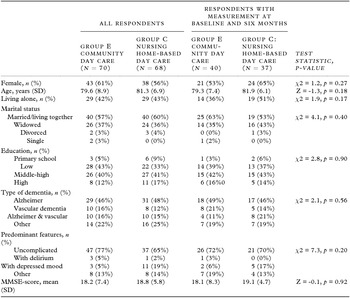
Table 2 shows the baseline characteristics of all respondents (n = 138) and of the completers group (n = 77; 56%). The latter were included in the effect analyses. No significant differences in background characteristics were found between the experimental group and the control group.
Sociodemographic characteristics of participants with dementia at baseline

SD = standard deviation.
χ2 = Pearson Chi-square.
Results on outcome measures
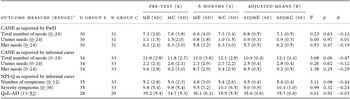
Table 3 shows the results of the ANCOVAs conducted on the primary outcome measures needs and neuropsychiatric symptoms, and the secondary outcome measure quality of life in the CO and the NH day care group. After six months of participation no significant differences were found between participants in the two types of day care, but we did observe trends in the CO day care group of a lower total number of needs (F1 = 3.68, p = 0.06) and fewer neuropsychiatric symptoms (F1 = 3.11, p = 0.08).
Results of ANCOVA analyses on outcome measures in people with dementia after six months of participation in community day care (E) or nursing home-based day care (C)

*Underlined score is the most favorable.
A.Unadjusted mean scores at baseline and at six months.
B.Mean scores at six months are adjusted for baseline scores, age and gender PwD and MMSE score at baseline.
PwD = Person with dementia.
mE = Mean score Experimental group.
mC = Mean score Control group.
SD = standard deviation.
SE = standard error.
d = Cohen's d effect size (small = 0.20, medium = 0.50, large = ≥ 0.80).
As regards effectiveness, we expected the new CO day cares to be less effective than the longer existing CO day cares, since they were still implementing the different elements of the support programme (especially the carer support activities) during the study period, while the longer existing centers had been offering the combined support programme for several years.
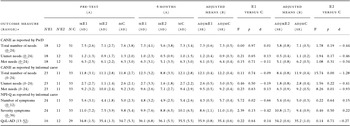
Table 4 shows the results of the ANCOVAs on the different outcome measures after six months of participation in the new (E1) or the longer existing (E2) CO day cares and the NH day cares (C). The three groups differed on MMSE score at baseline: participants from E1 had a lower MMSE score (15.8) than E2 (23.1) and C (19.1) (χ2 = 6.9, p = 0.03). Also, there was an age difference trend between the groups: participants from E2 were younger (75.1) than those from E1 (81.5) and C (81.9) (χ2 = 5.5, p = 0.06). These (potential confounding) variables were included as covariates in the analyses, together with gender and the baseline outcome scores.
Results of ANCOVA analyses on outcome measures in people with dementia after six months of participation in new community day care (E1), longer existing day care (E2) or nursing home-based day care (C)

*Underlined score is the most favorable.
A.Unadjusted mean scores at baseline and at six months.
B.Mean scores at six months are adjusted for baseline scores, age and gender PwD and MMSE score at baseline.
N E1, N E2, N C = Number of respondents in respectively group E1, group E2, and group C.
PwD = Person with dementia.
mE1 = Mean score Experimental group 1.
mE2 = Mean score Experimental group 2.
mC = Mean score Control group.
SE = standard error.
SD = standard deviation.
d = Cohen's d effect size (small = 0.20, medium = 0.50, large = ≥ 0.80).
We found significant differences between the groups on needs of the persons with dementia as reported by the carers: after six months of day care carers in group E2 reported fewer needs (F(1) = 15.7, p = 0.00) and consequently also fewer met needs (F(1) = 8.3, p = 0.01) than the control group. Furthermore, we found differences on neuropsychiatric symptoms: after six months the number of neuropsychiatric symptoms in group E1 was lower (F(1) = 5.7, p = 0.02) than the control group. Regarding quality of life (QOL-AD), no differences were found at six months between the experimental groups and the control group, nor did we find differences in needs as reported by the person with dementia, the number of unmet needs as reported by the carer, or the severity of neuropsychiatric symptoms.
Secondary analyses showed that the decrease in neuropsychiatric symptoms in group E1 could not be explained by group differences regarding changes in antipsychotic drug use (with 54% missing data) during the study period (mean change group E1 = 0.18, mean change control group = 0.00, Z = −1.05, p = 0.29). Also, the group differences could not be explained by a change in the hours of received home care (23% missing data, mean change group E1 = 0.40, mean change control group = −0.43, Z = −0.85, p = 0.40). We also explored if the dosage of day care (amount of days visiting the day care during the study period) influenced the results, but this was not the case (mean group E = 43.8 days, mean control group = 45.4 days, Z = −0.61, p = 0.54).
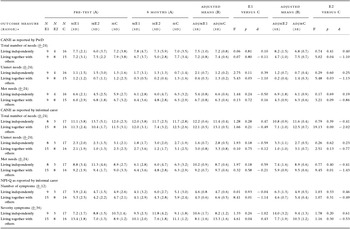
Table 5 presents explorative analyses on differences between groups when classified into living situation (living with others or alone): people living together with their carer seemed to benefit most from CO day care. Compared to cohabiting people in the control group, people from group E1 living together with their carer reported fewer unmet needs, and had fewer, less severe neuropsychiatric symptoms. Co-habiting people with dementia in group E2, as compared to cohabiting people in the control group, reported fewer (total and unmet) needs, as did their carers (fewer total needs and met needs).
Results of ANCOVA analyses on outcome measures in people with dementia after six months of participation in new community day care (E1), longer existing day care (E2) or nursing home-based day care (C) classified according to effect modifiers

*Underlined score is the most favorable.
A.Unadjusted mean scores at baseline and six months.
B.Mean scores at six months are adjusted for baseline scores, age, and gender PwD, and MMSE score at baseline.
PwD = Person with dementia.
mE1 = Mean score Experimental group 1.
mE2 = Mean score Experimental group 2.
mC = Mean score Control group.
SE = standard error.
SD = standard deviation.
d = Cohen's d effect size (small = 0.20, medium = 0.50, large = ≥ 0.80).
The effect sizes of effects on needs (CANE) were large or very large; on the neuropsychiatric symptoms (NPI-Q) effects were small, medium or large (see Tables 4 and 5).
Discussion
This study evaluated the effects of the CO day cares, set up according to the principles of the combined MCSP as compared to the regular NH day care, on needs, behavior, and mood problems, and quality of life of people with dementia. New and longer existing CO day care centers were compared (as one group and separately) with NH day care centers. On a group level no differences were found in needs, neuropsychiatric symptoms, and quality of life between participants in the CO day cares and the NH day cares. However, we did find positive effects when we compared the new and longer existing day cares separately with NH day cares. The new CO day cares (that recently made the transition), showed a significant reduction in behavior and mood problems as compared to the former NH day cares. A possible explanation is that the new support programme was much more person centered, stimulating, and socially integrated, but probably also the enthusiasm of the staff working according to the new vision and their efforts to put participants at ease at the new location. The smaller number of needs reported by carers in the longer existing CO day cares as compared to NH day cares, seems to be a positive result of the support programme offered to the carers in the CO day cares. In the longer existing, CO day cares the support programme for the carers was well implemented, in contrast to some of the new CO day cares where the carer programme was still being started up after the transition from NH day care into CO day care.
It is difficult to compare our study results with other studies on day care centers, because detailed information on features of the day care, such as the offered programme, the vision or theory on which it is based, and the location, is often not described. Similar effects of day care were found in other studies: For example, Mossello et al. (Reference Mossello2008) found that people visiting a CO day care had less neuropsychiatric symptoms after two months compared to people receiving home care only. Gaugler et al. (2003) also found reduced behavioral problems in people with dementia visiting a day care center compared to non-users. Zarit et al. (Reference Zarit, Kim, Femia, Almeida, Savla and Molenaar2011) found reduced behavioral problems of people with dementia in the evenings following day care visits. We did not find studies specifically focusing on the effects of day care on (unmet) needs of people with dementia, but other studies on care innovations in dementia show varying effects on needs of people with dementia (Orrell et al., Reference Orrell, Hancock, Hoe, Woods, Livingston and Challis2007; Van der Roest et al., Reference Van der Roest, Meiland, Jonker and Dröes2010; Van Mierlo et al., Reference Van Mierlo, Van der Roest, Meiland and Dröes2010). While we did not find an added value of CO day care on the quality of life of participants, Zank and Schacke (Reference Zank and Schacke2002) found positive effects of day care users compared to non-users on subjective well-being and life satisfaction.
In our study, especially people living together with a family carer benefitted from the combined CO day care compared to NH-based care. This may be due to the fact that co-habiting carers (mostly spouses) better utilized the carer support programme, and thus benefitted more from it than carers living at a distance from the person with dementia (mostly children).
Contrary to our expectations, participants in the new CO day care centers started in a more severe stage of dementia and with more neuropsychiatric problems than those receiving the NH-based day care. We anticipated that people with dementia and carers would be referred to, and would use, CO day care in an earlier stage of the disease because of the less stigmatizing location and close cooperation of CO day cares with other care and welfare organizations. Possible explanations for people being in the more severe stages of dementia when entering new CO day care may be unfamiliarity with this new type of support among the target group and referrers, and the changes in the Exceptional Medical Expenses Act (AWBZ) which may have made access to day care in an earlier stage of dementia more difficult.
A limitation of our study is the high drop-out rate, especially of people with more (severe) neuropsychiatric symptoms in the experimental group, which made it difficult to study the effects of day care over six months. This diminishes the generalizability of the study results especially to day care participants with more severe neuropsychiatric symptoms. Another limitation of our study is the number of missing values at baseline. As a consequence, we had to impute values of the three-month measurement. A third limitation of our study relates to the implementation of CO day care. Although the implementation process was continuously monitored by a.o. a project group and an initiative group (consisting of staff of the initiating care organization, representatives of the collaborating care and welfare organizations in the region and the researchers, see for more information on the implementation of CO day care Van Haeften-van Dijk et al. Reference van Haeften-van Dijk, Meiland, Van Mierlo and Dröes2015), the adaptive implementation strategy inevitably lead to variation between new CO day cares in how they implemented the MCSP-model (e.g. the programme components, the location of the day care center, and the frequency of carer discussion groups and informative meetings). This variation between day care centers was not taken into account into the analyses, although this may have influenced the study results. For example, a lower frequency of psychomotor therapy sessions may result in smaller effects on behavioral and mood problems. Another drawback was that measurements started while the new day cares had not yet fully implemented the support programme. It is likely that smaller effects were found in persons who attended CO day cares where the programme was not yet fully implemented. We intended to counteract this by including participants from longer existing CO day cares, but unfortunately we only managed to recruit a small number of participants from these CO centers for our study. Furthermore, there were differences in the target groups of these two types of CO day cares: longer existing CO day cares mainly targeted people with mild dementia, while the new CO day cares (former NH day cares) included their original target group of people with more severe dementia, as well as people with mild dementia. We performed separate explorative analyses for the new and longer existing day cares compared to NH day cares, although we are aware that the power of the test was low as we calculated the study sample based on a power analysis for two groups rather than three groups. We nevertheless found some large positive effects both for the new and the longer existing CO day cares as compared to the NH day cares.
Taking into account these limitations, this study should be considered as a first exploratory study on the added value of transforming NH day care into CO day care with carer support. Our study shows a trend in favor of CO day care compared to NH day care and we would therefore recommend repeating this study when more NH day cares have successfully made the transition to CO day care with carer support.
Several studies demonstrated favorable effects of CO day care on behavior and mood of the person with dementia and burden of the family carer (Gaugler et al., Reference Gaugler, Yu, Krichbaum and Wyman2009; Mossello et al., Reference Mossello2008; Zarit et al., Reference Zarit, Kim, Femia, Almeida, Savla and Molenaar2011). Despite these promising results, day care utilization is low (Dutch Alzheimer Association, 2014). Reasons for non-utilization include problems with accepting the diagnosis of dementia, lack of knowledge about respite facilities, and the activities offered (Van der Roest et al., Reference Van der Roest2009; Donath et al., Reference Donath, Winkler, Graessel and Luttenberger2011; Peeters et al., Reference Peeters, Werkman and Francke2012), insufficient tailoring of care (de Jong & Boersma, Reference de Jong and Boersma2009; Van der Roest et al., Reference Van der Roest2009), worries about meeting new people and losing independence (Durand et al., Reference Durand, James, Ravishankar, Bamrah and Purandare2009). Locating day care in well-known community buildings that are not associated with care and loss of independency, and offering opportunities for social participation and integration might promote their use. Our study provides new evidence for the added value and feasibility of transforming traditional day care in CO day cares by implementing the MCSP-model, resulting in an effective combined support programme for both people with dementia and their carers. As far as we know, a similar study on the implementation of a proven effective care model in day care for people with dementia has not been performed before. The findings may persuade other traditional (NH) day care centers to also transform to CO day care. The results of the process evaluation (Van Haeften et al., Reference van Haeften-van Dijk, Meiland, Van Mierlo and Dröes2015) can assist other day care centers to implement the MCSP-model successfully. As reduced behavioral problems and needs may prevent or delay NH admission, transforming day care according to the MCSP-model may also have economic benefits (Gaugler et al., Reference Gaugler, Yu, Krichbaum and Wyman2009). Moreover, CO day care may support people with dementia and their carers in fulfilling their wish to live in their own homes as long as possible.
Conclusion
The findings of this explorative study suggest that CO day care is more beneficial than NH day care, with some medium to large positive effects on needs and behavior and mood problems of persons with dementia. Further research is recommended to investigate if these effects can be replicated in a larger controlled effect study with more CO day care centers working according to the MCSP-model for a longer period. Because of the positive effects found in this study, we encourage day cares located in residential care facilities to make the transition to CO day care with carer support by integrating the proven effective MCSP.
Conflict of interest
None.
Description of authors roles
A. M. van Haeften-van Dijk carried out the data collection, performed statistical analyses of the data and wrote the paper. F. J. M. Meiland and R. M. Dröes designed the study, formulated research questions, and supervised the data collection, data analyses and writing of the paper. B. J. J. Hattink contributed to the data analyses and the writing of the paper. T. J. E. M. Bakker was involved in the writing of the paper.
Acknowledgments
The authors would like to thank all participants in this study and the staff of the day care centers for their cooperation. We also thank the interviewers for their excellent research assistance. The study was supported by grants from The National Care for the Elderly Programme (project nr 314080401), Foundation of Support VCVGZ, Noaber Foundation, Foundation Vita Valley, Foundation Sint Jacob, Foundation RCOAK, and the Anna Elizabeth Foundation.