When you can measure what you are speaking about…you know something about it, but when you cannot measure it, your knowledge is of a very meager kind.
William Thomson, 1st Baron Kelvin, 1824-1907
Beecher in World War II,Reference Beecher 1 and then Burkle in the VietnamReference Burkle 2 , Reference Burkle 3 and Persian Gulf Wars,Reference Burkle, Newland and Orebaugh 4 emphasized that in triage, it is disruption of physiology, not anatomy, that is critical; supporting conventional triage methodology should be based on clinician-focused physiological parameters, observations, and measures. Multiple generations of various triage scoring systems have attempted to improve health outcomes, but none have proved to be a substitute for good clinical judgment and experience. Electronic monitoring, now remarkably advanced, presents continuous data to clinical decision-makers at every level of care; this comprehensive, routine, and remote data delivery risks making providers lax in personal assessment and confirmation of a patient’s physiological status, especially if that technology is no longer available as it is in many war- and conflict-ridden areas of the world. Furthermore, health-related humanitarian relief organizations have expressed concern over patterns witnessed in newly deployed clinicians from more highly technically dependent developed countries who either lack basic physical exam skills and confidence or rely less on physical exams or exclude them as unnecessary in favor of immediate laboratory tests and imaging studies, both of which are either in short supply or do not exist in war and conflict-laden crisis settings.Reference Jauhar 5 - Reference Welch 7
This being the case, this article argues that in chronically resource-constrained settings, primarily war, complex humanitarian emergencies (CHEs), and also in the event of a widespread nuclear tragedy, the current practice of rapidly providing only verbal and numerical values of vital signs and other physiologically based parameters, without context to the triage officer (TO) or triage team, or writing them on a triage tag, risks missing the subtle physiologic alterations, sensitivity, and specificity to properly alert them to a pending physiologic failure. To the uninitiated who find themselves in a markedly resource-poor mass casualty care setting, the author recommends including additional basic physiological parameters, once commonly accepted and collectively taught as the “art of decoding of vital signs” with attention to their “physiologic character and meaning,”Reference Burkle 3 to reveal subtle changes of the victim’s functional status which, in addition to other immediate observations (eg, mechanism of injury, anatomic criteria, age), will improve the triage sensitivity calculus.Reference Guly, Bouamra and Spiers 8
Unfortunately, these more “interpretive” physiologically based skills, once universally depended on in war and conflict-related triage management settings generations ago, have been forgotten, have been ignored, or have disappeared with the growth and dependency on routinely monitored vital signs reported electronically or by paraprofessionals other than physicians or experienced nurses. For mass casualty events in resource-poor or constrained settings, these once useful decoding skill sets need to be revisited, understood, and utilized by TOs and teams as a necessary adjunct to physiologically based triage decision-making.
COMPLEX HUMANITARIAN EMERGENCIES
CHEs are defined by the United Nations (UN) as “a humanitarian crisis in a country, region, or society where there is total or considerable breakdown of authority resulting from internal or external conflict and which requires an international response that goes beyond the mandate or capacity of any single and/or ongoing UN country program.”Reference Kahn, Lerner and Cone 9 CHEs represent the most common human-generated crises over the past 4 decades and account for more mortality and morbidity than all natural and technological disasters combined. 10 Due to national sovereignty issues only the UN has the legal authority to respond and does so with nongovernmental organizations (NGOs) and Red Cross Movement resources from both the International Committee of the Red Cross (ICRC) and the International Federation of Red Cross and Red Crescent Societies (IFRC).Reference Brennan and Nandy 11
CHEs qualify as conflicts if they result in less than 1000 battle deaths per year and as civil war if greater.Reference Sambanis 12 Frequently dominated by political, religious, ethnic, and tribal identities that produce neither winners nor losers, they have smoldered on in Afghanistan since 1979, Somalia since 1991, more recently in Yemen, Libya, South Sudan, southwest Turkey, Egypt’s Sinai Peninsula, Mali, northwest Nigeria, and Ukraine, where a once stable modern state is now teetering on failure.Reference Cockburn 13 , Reference Quinn 14 Outside of the current Middle East conflict zones of Syria and Iraq, large-scale conventional cross-border war is effectively “disappearing.” 15 - Reference Roser 18 The remaining CHEs, all in resource-poor settings, has proven to be more barbaric, such as the targeted killings of over 786 health care staff and purposeful attacks and bombings of hospitals. 19 Today, humanitarian health workers face unprecedented personal risk from flagrant violations of the protection historically provided to medical workers under international humanitarian law, the most deplorable conditions of which have not been seen since WWII.
Unfortunately, how these unprecedented challenges directly and indirectly impact triage management and its outcomes has, to date, defied proper investigation. In the prolonged and erratic nature of multiple wars and conflict-ridden CHEs, field hospitals from the ICRC and international humanitarian NGOs such as Médecins sans Frontières (MSF) have frequently faced unpredictable resource capacity challenges. Health care responders must be experienced in elements of initial trauma and illness care that support triage on a mass scale 20 in order to identify and treat as many victims as possible who have “an opportunity for survival.”Reference Burkle 21 , Reference Klein, Burkle and Swienton 22 Operationally, triage plans must be well thought out, designed, and performed in accordance with accepted medical practice and with the goal of identifying victims at high risk for life-threatening injuries that are potentially salvageable with the level of care.Reference Winslow 23 , Reference Domres, Koch and Manger 24 These conflicts are marked by the widespread damage or destruction of essential public health infrastructure, further complicating the assessment and care of victims of direct (trauma) and indirect (preventable illness) mortality and morbidity and making triage management even more challenging.
Developed country military medical and surgical advances that emerged from conventional wars in Afghanistan and Iraq sharply reduced battlefield mortality compared to historical norms.Reference Nessen, Lounsbury and Hetz 25 Whereas many of these advances are being translated into changes in civilian trauma care in the developed world, 26 , Reference Rasmussen and Kellermann 27 they may not be easily converted to practice in CHEs. Faced with multiple fresh untreated casualties en masse, in resource-poor settings and without benefit of prehospital care, except for occasional transportation, serves as a stark reminder of the importance of basic and trusted clinician-based decision-making. These critical tasks are accomplished without the benefits of advanced technologies and evacuation through echelons of care currently enjoyed by Western militaries. In Afghanistan the most modern of military-led medical facilities and evacuation systems exist side-by-side with MSF hospitals who struggle to remain viable and safe in multiple resource-poor provinces.
HISTORICAL BASIS FOR THE DECODING OF VITAL SIGNS
Despite the large number of triage scoring systems that have been proposed over the decades, physiological parameters remain the essential foundational component and core of all triage decisions. Whereas triage scoring systems have suffered from significant limitations, including the “lack of scientific validation, interoperability, standardization, and absence of flexibility,”Reference Kahn, Lerner and Cone 9 the physiologically based methodology, that of ‘conventional (non-catastrophic) triage’, is universally accepted as the one most sensitive in improving decisions and outcomes. The re-emphasis on improving physiological sensitivity through recognition of accepted physiological-based vital signs and observations validates its importance, especially in resource-poor settings.
The emphasis on decoding vital signs began not out of any triage necessity, but stemmed from daily training and practice routines conducted over many decades that occurred in a more resource-constrained era when many of today’s routine electronic monitors, rapid laboratory testing, and easily obtained radiological studies were not readily available. The author practiced triage in wars, CHEs, and during a war-related bubonic plague epidemic, but directly attributes preparation for those triage challenges to a preceding 3-year civilian residency training program. In the 1960s, the Yale–New Haven Medical Center was a regional referral center for complex cases and quite typical of residency training programs available in the United States. Resident physicians in training were required to personally obtain and painstakingly monitor and update a patient’s vital signs and report them on daily hospital teaching rounds.
The attending physicians went to great lengths to emphasize that presentation of the vital sign numbers alone were “inadequate,” insisting that the residents needed to know more about the “character” of the individual vital signs and what the accumulation of this information said about the meaning of the patient’s physiologic state. There was a “message” in the vital signs that was missing and the residents were to discover it. Patient rounds painstakingly focused on the “decoding of vital signs,” how and why they might be altered with disease or injury, and what regional anatomy was involved. Additionally, often on each ward were small laboratories where each resident completed the blood, urine, and cerebral fluid cell counts, gram stains, and cultures that were euphemistically referred to as the “laboratory vital signs” that were completed before one could justify ordering any additional studies from the hospital’s laboratory or radiology department.
The daily teaching examples brought a totally new dimension to the diagnostic workup that created a broader mindset in identifying the distinctive character and meaning of each vital sign “in the context of the whole,” allowing one to sensitively witness the physiology as it changed. The decoding of vital signs was considered a necessary art and skill; the more one practiced, the more confident one became in recognizing the true physiologic status of the patient and the ability to explain it to others. The vital signs became more a physiologic description of the patient as residents accepted ownership of the decoding process. Eventually, the resident physicians found this physiologic process an exciting puzzle worth solving, especially so in patients who proved to be an immediate diagnostic challenge in the emergency department or after admission to the wards.
Many physicians of this generation volunteered or served compulsatory military service during the Vietnam War. Despite scant training in combat care, they often found themselves assigned to triage duties on multiple casualties in resource-constrained forward casualty receiving facilities often facing conditions and challenges not unlike present-day CHEs in the developing world. Fortunately, many also brought with them an appreciation for physiologically based diagnostic skill sets that were essential and easily translatable to triage management expectations and decisions.
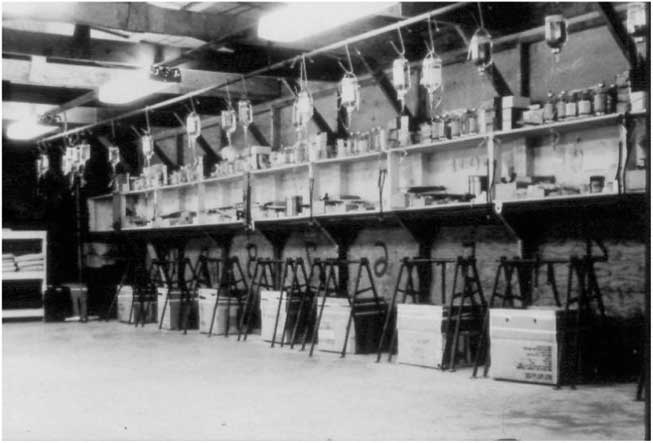
Recognition of the physiological status of the casualties was paramount to success first as a triage team member and eventually as a TO. Confidence in the triage decisions was based primarily on skills built from the habit of immediately and automatically processing the decoding of vital signs. The ability to incorporate crucial physiological parameters and confidently verbalize the casualty’s status was constantly being measured by the TO and corpsmen or medics on the team in designated triage areas (Figure 1). This “triage baptism by fire” was a necessary but painful initiation to ensure that the replacement physicians proved qualified.
Half of the Main Triage Area of the “Delta Med” Marine Forward Casualty Receiving Facility. The main triage area consisted of pre-spiked IV solutions and essential supplies for triage assessment and resuscitation, each staffed by 1 physician and 3 corpsmen. An additional highly fortified triage bunker was used for both shelter and triage during attacks. Photo credit: Frederick M. Burkle, Jr, MD.

EXPECTATIONS OF PHYSIOLOGICALLY BASED TRIAGE
Triage methodology reflects functions unique to that particular science. The methodology of disaster medicine must reflect the duty with which the TO and team are charged. If triage methodology can do no more than emergency medicine and conventional triage do on a daily basis then it falls short of its mission. Indeed, TOs report that their role comprises everything that has been taught in conventional care.Reference Burkle 3
It is a challenge for any triage team to design a triage system that maximizes specificity to avoid delaying care for victims, while maximizing sensitivity to avoid wasting resources. The initial conventional triage determinations, and those that follow, should focus equally on physiological and anatomic parameters.Reference Beecher 1 , Reference Raynaud, Borne and Coste 28 Physiologic parameters with a triage sensitivity of 0.7 provide only a brief “snapshot” of the physiologic stability at the time of the triage exam and may initially lead to undertriage.Reference Raynaud, Borne and Coste 28 , Reference Frykberg 29 Anatomic criteria alone have a prehospital sensitivity of 0.5 and a 20-30% yield for identifying major trauma victims. When both parameters are combined, the triage sensitivity becomes 0.8.Reference Sasser, Hunt and Faul 30 This information, along with attention to mechanism of injury of the chest, head, upper abdomen, face, and amputations, represents the combination of data that best determines casualties triaged as “immediate” for emergency life-saving surgery. 31 Military conventional triage with the US/NATO system categories of “immediate,” “delayed,” “minimal,” and “expectant” also added a fifth “urgent surgical category” used to describe surgical patients who need an operation but can wait a few hours or be evacuated. 31 Triage is a fluid process at all levels and at all times, based upon the demand for medical services delivery matched against the availability of existing resources requiring a change in triage category at any moment. In the extreme example, a casualty may be triaged from emergent to expectant during surgery, abruptly terminating the operation (“on-the-table triage”). 31 Hick et alReference Hick, Barbera and Kelen 32 describe the continuum under which care might have to be delivered under disaster conditions ranging from conventional to contingency to crisis care. This framework was adopted to describe the necessary adjustment of standards of care under catastrophic conditions, leading to triage management practices described as “crisis standards of care.”Reference Hanfling, Alevoght and Viswanathan 33
THE DECODING OF VITAL SIGNS
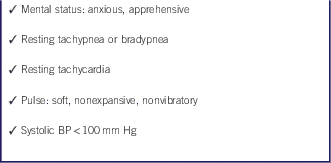
Triage and casualty assessment utilize vital signs that contribute most to the triage process: traditionally consisting of a collection of routine vital signs (pulse, blood pressure, respiratory rate, temperature) supported by observations of the mental status and skin color. Blood oxygen saturation is desirable, but may not be available or able to be monitored in these resource-compromised settings, and temperature checks are routinely not performed unless an infectious origin is suspected, such as during a public health emergency or in situations of exposure (Table 1).
PARAMETERS FOR DECODING VITAL SIGNS

For clinicians deployed to resource-poor settings, the decoding of vital signs becomes a critical triage tool that requires a degree of supplementary analysis to gain all possible information necessary for early recognition of a compromised physiological state and increased triage sensitivity.Reference Burkle 2 , Reference Burkle 3 For example, one is reminded that vital sign number abnormalities may indicate that a patient is in shock; however, normal vital sign numbers are not sufficient to exclude this possibility.Reference Guly, Bouamra and Spiers 8 , Reference Heffernan, Thakkar and Monaghan 34 It is where vital sign numbers are considered “normal” that further decoding serves its purpose as an essential context-based addition to the triage process. Attention to decoding vital signs is not a triage methodology or a scoring system, but rather a skill set that supports existing triage methodologies.
Geographic Alerts
Properly decoding vital signs can discover subtle worsening of the physiological state by incorporating visual alerts such as subtle mental status changes (especially in an otherwise quiet but increasingly anxious or apprehensive casualty) or delayed capillary refill (first on the distal extremities and moving up to the central core: heart, lungs, brain) of the body that reveals physiologic attempts to maintain central vascular blood flow. It is not uncommon to retrospectively admit that the potentially “unstable” patient, not initially recognized as such, would have been declared “unstable” if subtle clinical observations and “suspicions” had been combined together earlier in the triage process.Reference Burkle 2 Triage is hectic but somehow the system must strive to recognize and ensure that these indicators are sought after, appreciated, and communicated. Often, while these skills are not necessarily understood by the inexperienced clinician, it does speak to the World Health Organization (WHO) requirement that staffing in humanitarian crises have a balance of new and seasoned clinicians 35 and to assign the triage functions to an experienced clinician rather than assigning those responsibilities to a resident in training.
The triage process first addresses the immediate determination of whether the casualties are anatomically nonsurvivable or potentially survivable. Some die from their injuries despite whatever heroic efforts are offered, and others die from physiologic degradation.Reference Gerhardt, Mabry and De Lorenzo 36 , 37 Traumatic brain injury remains a leading cause of nonsurvivable injury,Reference Sobrino and Shafi 38 followed by hemorrhage, early physiologic collapse, and late physiologic collapse, citing that those who die from early physiologic collapse need earlier and better-targeted resuscitation.Reference Cripps, Kutcher and Daley 39
Redmond and colleaguesReference Redmond, Redmond, Jones and Hillier 40 recognized that traditional triage scoring indices of blood pressure and heart rate were often poor and misleading indicators of severity in the early stages of injury and triage assessment. They compared these values with early triage observations of pallor, sweating, agitation, and restlessness as possible predictors of mortality. The most significant and powerful index of severity and predictor of mortality was pallor, which reflected a massive increase in endogenous catecholamine secretion and peripheral vascular constriction and occurred while heart rate and blood pressure metrics were maintained. Agitation, then sweating and restlessness, proved significantly less significant.Reference Redmond, Redmond, Jones and Hillier 40
Tachypnea
If breathing rate is visualized, although a subtle parameter, it should alert the triage team to the immediate possibility of early shock with a decrease in residual lung capacity resulting in a state of compensatory increase in tidal volume and respiratory alkalosis.Reference Redmond, Redmond, Jones and Hillier 40 , Reference Bouzoukis 41 As the earliest sign of compensated shock, tachypnea is easily overlooked and not recorded. While we do not observe healthy individuals around us as actively breathing, the classic early casualty-at-risk presents as awake, quiet, and visibly breathing.Reference Burkle 2 The anxious or apprehensive casualty must first be considered as having subtle cerebral hypoxia driven by early shock, alerting the triage team to rapidly assess the casualty for an occult focus of injury. Tachypnea is the earliest indication of compensated shock, which may present with mild tachypnea, tachycardia, and/or mental status changes.Reference Dillon, Hankes and Nachreiner 42 In the face of injury, either a resting tachypnea >29 breaths per minute without a chest wound or bradypnea <10 breaths per minute should alert the examiner to consider immediate ventilatory support. Animal studies confirm that experimental hemorrhage will lead to early tachypnea even in the absence of hypoxia, hypercapnia, and acidosis, and early tachypnea, not bradypnea, is universally evident with penetrating brain injury in rats.Reference Xiong, Mahmood and Chopp 43
Pulse
Tachycardia is found in virtually every casualty. However, heart rate as a parameter alone “may be misleading, dangerous, and insensitive”; subjective; age-dependent; and of little importance unless attention is given to the character of the pulse and tactile appreciation of the absence of amplitude and tension exhibited by the fine “vibratory buzz” felt on the fingertips of the examiner that indicates a strong stroke volume.Reference Burkle 2 The palpatory pulse rate of a falling stroke volume can be quite variable or remain within the normal range for some time. Attention must be given to the character of the pulse. Most important is a soft or low tension and nonexpansive or “vacant” sensation of the pulse palpated under the TO’s digits (from the old Latin: mollis et vacuus, observance of a patient in peril), alerting one to a decompensating stroke volume or “shock wave” that should suggest consideration of an “immediate” triage designation no matter what the visualized injuries might otherwise suggest.Reference Burkle 2 , Reference Burkle 3 Admittedly, this skill is not taught to physicians, nurses, and paramedics today.
Pulse palpation studies found that, in adults, the radial pulse was the first to disappear with progressive hypotension followed by the carotid pulse. The original Advanced Trauma Life Support (ATLS) mm Hg guidelines linked carotid, femoral, and radial pulses to systolic mmHg blood pressure measures because they tended to underestimate systolic blood pressure during hypotension and have since been removed.Reference Poulton 44 In hypotensive infants, the femoral pulse was found to be the best site for detecting and counting heart rate and more accurate compared to the brachial and carotid pulses.Reference Sarti, Savron and Ronfani 45
Blood Pressure and Status of the Stroke Volume
The blood pressure has 3 basic components. The diastolic component measures the ability of the body to contract large blood vessels maintaining needed peripheral vascular resistance. The critically important pulse pressure (the numerical difference between the systolic and diastolic) measures the stroke volume (volume of blood ejected with each contraction). The systolic reading cannot stand alone but is dependent on both the diastolic and pulse pressure values. Between heart beats, the pressure on the artery walls decreases to its lowest point.
Understanding the physiology of Korotkoff sounds is critical. Currently, triage personnel are not trained in the recognition or interpretation of these sounds. Traditionally, the systolic blood pressure is taken to be the pressure at which the first Korotkoff sound is heard as clear tapping, repetitive sounds for at least 2 consecutive beats. The diastolic blood pressure is 10 mm Hg below the pressure at which the fourth Korotkoff sound is a barely audible “thumping” and “muting” sound. The fifth Korotkoff sound is “silence” as all sound disappears and cuff pressure drops below the diastolic pressure, and therefore represents the true diastolic pressure and is recommended in children as a better indicator of the diastolic pressure. The second and third Korotkoff sounds are of no clinical significance.Reference Poulton 44 , Reference Jahangir 46
The status of the stroke volume is assessed by the narrowing and gradual disappearance first of the diastolic pressure and secondly the presence or absence of the last Korotkoff sound. Recognizing that both volume and vascular constriction are necessary to support Korotkoff’s sounds, it is essential that triage training include reorientation to what the pulse pressure represents physiologically. One must be aware when a triage team member announces a “100/palpatory” blood pressure reading that this portends immediate vascular collapse where the volume and vascular constriction can hardly support Korotkoff’s sounds.Reference Burkle 2 A narrowing pulse pressure rarely indicates anything but considerable volume loss, no matter what the systolic blood pressure reading might be. As a triage team learning tool, this vital sign is better appreciated if visualized and understood less as millimeters of mercury (mm Hg) manometric measure between the systolic and diastolic blood pressure readings and more as volume or milliliters (mL) of blood ejected from the ventricle attempting to sustain the central core.
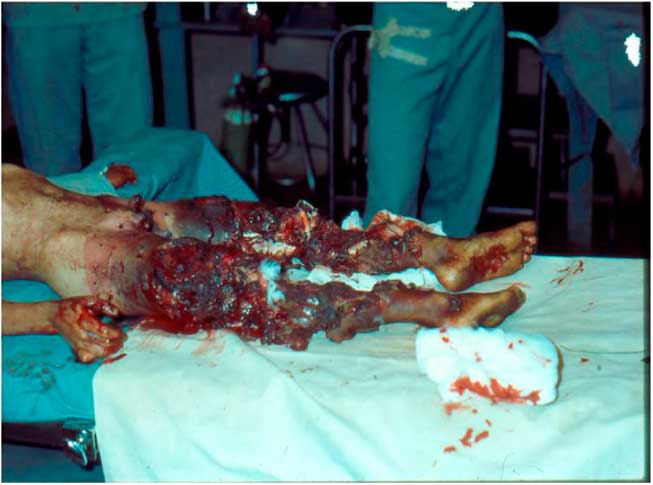
The pulse pressure is especially crucial in children, pregnant females, and young healthy adult casualties who make up the majority of military personnel; these populations can temporarily maintain a seemingly adequate stroke volume. They accomplish this by secreting large amounts of endogenous catecholamines resulting in a compensatory tachycardia that can reach over 200 beats per minute in children and a vascular resistance that maintains temporary core circulation to the heart, lungs, and head. In children, the uninitiated triage team can become delayed and often confused by what momentarily seems to be a respectable systolic blood pressure that masks a rapidly narrowing pulse pressure in hemorrhage (<20 mm Hg ) which risks, more than in adults, not being successfully resuscitated.Reference Burkle and Geiling 47 Duke emphasizes that the mechanism for injury and illness must be recognized in that the pulse pressure will be narrow in hypovolemia and hemorrhage, and sometimes it will be wide as it is in the warm phase of sepsis or in anaphylaxis, and sometimes there will be hypotension with a pulse pressure in the normal range.Reference Duke 48 , 49 In dengue, a narrow pulse pressure of less than 10 mm Hg in children was associated with a 6 times increase in risk of not responding to fluid resuscitation and developing refractory shock.Reference Nhan, Phuong and Kneen 50 The author has witnessed examiners exclaiming that a casualty had “looked great” with “normal vital signs” just before exsanguination and total collapse. These casualties, having exhausted their secretory stores of endogenous catecholamines from the neurohypophysis and hypothalamus, may develop secondary pathologic vasodilatation at which point they are more difficult or impossible to resuscitate.Reference Share 51 If resuscitated, they require more prolonged critical care support before endogenous catecholamines are replenished (Figure 2).Reference Morales, Madigan and Cullinane 52 , Reference Errington, Rocha and Silva 53
The Power of Catecholamine Secretion to Maintain Physiological Stability Even in the Face of Massive Trauma. A 10-year-old male with a major land mine injury, systolic blood pressure of 110, sinus tachycardia, and lack of active bleeding from major leg vessels with ends that appeared to be symmetrically tapered. Large bore IVs and O-negative blood was started. With anesthesia disrupting the massive vasoconstriction, the arteries immediately opened and active bleeding occurred. Photo credit: Frederick M. Burkle, Jr, MD.

Studies confirm that where resources and staffing are limited, the use of automated blood pressure devices have become more widespread. Automated blood pressure devices are not accurate in trauma patients and should not be used for field or hospital triage decisions. Learning the elements of the blood pressure and its devices are necessary for understanding the decoding process. Manual blood pressure measurements are more reflective of triage trauma scores and fluid and blood requirements.Reference Davis, Davis and Bennink 54 , Reference Pickering, Hall and Appel 55
THE TRIAGE PROCESS: THE CRITICAL ROLE OF THE TRIAGE OFFICER AND TEAM
The World Medical Association recognizes the unique skill sets for triage management in CHEs by emphasizing that triage must be “entrusted to authorized, experienced physicians or to physician teams and assisted by a competent staff.” Triage is based on “rapid diagnosis and prognosis,” carried out “systematically taking into account the medical needs, medical intervention capabilities and available resources,” cautioning that “since cases may evolve and thus change category, it is essential that the situation be regularly reassessed by the official in charge of the triage.” 56
First Round of Triage
The first phase of triage in a disaster setting combines individual physiologic, anatomic, and mechanism of injury assessments with resuscitations and population-based decisions. The triage process begins with a wide observance of the casualties by the supervising TO, while triage team members focus on individual victims. Although the process first appears to be chaotic, it proves to be highly orchestrated when everyone knows their duties and leverages their skills and experience to the triage decisions. In military triage, hand signals among the corpsmen and medics limit verbal comments primarily to those needed by the TO for everyone to hear. The TO might reassign a team member to someone believed to need priority attention. The TO must have ready knowledge of the availability of the operating theaters, the stockpile of items that would compromise triage if consumed prematurely, evacuation capacity and availability, and security conditions, among other data.
Knowing that this round of triage often brings additional off-duty surgical staff and other expertise to the triage area, the TO can directly communicate and confirm the order in which casualties will enter the operating theater or a critical care unit. Comparatively, this first stage of triage may appear to be decisive, collective, and efficient with consensus agreed upon by the surgeons who are singularly focused on the casualty assigned to them. The ultimate decisions are those of the TO who will be making immediate, intermediate, and long-term decisions based from a collection of casualties (not necessarily a single victim) and known resources.
Second Round of Triage
Triage for the remaining casualties begins automatically and is often more challenging, complex, and unpredictable than the first round, especially when an unexpected second or third wave of new casualties occurs and the operating theaters are full. During the Vietnam War, this stage of triage was referred to as “the triage dance.” The singular actions of the TO become more demanding as team members physiologically reassess each casualty and update his or her status in an orderly and consistent manner. Triage team members continue their assessments on casualties they have known from the onset of the triage process. Triage becomes more of a “flow” process that links those with clear triage responsibilities with those providing direct care and helps to preserve the professional integrity of the decision-making. The TO monitors and supervises the physiologic information provided by trusted team members, which depict an increasingly accurate picture of how casualties are maintaining their stability. Additional focused exams and tests better clarify the extent of organ injuries, including occult fractures. This continuous flow of triage information and decision-making confirms that basic and advanced procedures are being carried out, despite the continuous decision challenges. Much of the triage decision banter contains opinions on physiological stability, which feeds into the TO’s priority listing of those casualties for the second round of surgery. The author twice experienced a TO interrupting surgery before wound closure of a first-round casualty in order to expedite the rapidly failing new casualty onto the existing operating table, leaving junior medical officers to close the wounds in the corner of the operating theater.
The ongoing triage process may prompt the TO to consider immediate evacuation if this calculated decision provides an opportunity for survival without additional risks that compromise the safety of evacuation crews or vital resources. These decisions are often difficult to make, always debated, second-guessed, and learned from when discussed during the post-event evaluation where physiologically based differences of opinion are common. On these occasions, debate questions focus on the physiological status of the casualty and how it prompted the evacuation decision. Additionally, the TO must be aware of what other factors might prompt early evacuation and in what order and priority that evacuation might take place, especially the most physiologically vulnerable. This includes the vulnerability of the field hospital itself and its capacity to care for all or a segment of the casualty population. Knowledge of resources and security beyond the field hospital included trusted relationships with outside resources and authorities that may assist in an additional crisis. The TO needs to know and be constantly updated on the status of crucial resources in medical logistics, blood products, staffing, evacuation potential, expected time to an open operating room, and additional security risks for the wounded and staff, all while preparing for the arrival of additional casualties. As such, Pierre Perrin, former Medical Director for the ICRC adds that the “criteria for effective triage are not only related to technical issues but also to the security environment,” citing that “with hospitals more and more targeted in wars” triage management “may need to consider the evacuation of patients to a safer zone before a reasonable stabilization of the medical status of the patients” and that “a choice between patients to be evacuated may have to be made” (P Perrin, personal communication, January 7, 2017).
DISCUSSION
Multiple catalysts leading to major humanitarian crises and how the world responds to them change dramatically every decade or so, bringing new and unexpected triage management challenges.Reference Burkle, Martone and Greenough 57 The described current CHE challenges in the Middle East are but one example. In the 1991 Persian Gulf War triage planning had to consider, for the first time, that casualties would present with combined surgical and chemical-biological injury and decontamination needs.Reference Burkle, Newland and Orebaugh 4 , Reference Burkle, Orebaugh and Barendse 58 , Reference Burkle, Newland and Meister 59 At the one major Marine trauma center between 1500 to 3000 casualties were anticipated in the first 24 hours of combat. Recognizing the potential of an unprecedented volume of casualties and tremendous strain on limited resources, immediate attention in the week prior to the war was given “to the value of decoding vital signs” which then became an immediate “critical component of training.”Reference Burkle, Orebaugh and Barendse 58 Triage objectives were considered met if immediate-treatment casualties were those victims placed by the triage team on the initial surgical priority list; that casualties were not retriaged to the expectant category while in the triage area; and that retriage was kept to a minimum and at no time either jeopardized the casualty’s condition or compromised the available personnel, equipment, or evacuation resources. Scarce items that did unexpectedly impact ongoing triage decisions during the 100 Hour War were lack of blood products, surgical sutures, lap pads, stretcher straps, blankets, and surgical gloves, any one of which had the potential to disrupt the entire triage process and the functional capacity of the trauma center.Reference Burkle 3
No crisis event will produce more trauma-related deaths and casualties than a nuclear war or major accident. Recent research purports that more victims will survive than previously predicted.Reference Bernard 60 , Reference Dallas, Bell and Stewart 61 This has prompted consideration for the development and training of a nuclear global health workforce capacity patterned after current WHO Emergency Medical Teams in place or being developed by many countries nationally and internationally for large-scale, sudden-onset natural disasters and public health emergencies of international concern (PHEICs).Reference Burkle and Dallas 62 Research suggests that following a nuclear detonation in a major city with a vast geographical footprint there could be need of “25 to 75 such triage points or more” proposing that a “lower-tech approach” that includes physiological-based triage, combined with field biodosimetry readings, could save many lives.Reference Hauer 63 , Reference Coleman and Koerner 64 Coleman and colleagues emphasize the criticality of triage in resource-poor settings where extensive preplanning is needed, stating in 2016 that “an understanding of the requirements for biodosimetry, triage and treatment decisions, and massive public health and medical response informs and modifies the over-all large-scale operational response.”Reference Coleman and Koerner 64 Hanfling et al highlight the importance of developing a systems approach to catastrophic disaster planning and response that serves as the platform for scarce resource allocation decision-making.Reference Hanfling, Altevogt and Gostin 65
While the focus of triage teaching is often on trauma triage and management alone, one must be aware of conducting triage management in settings of easily transmissible infections. Increasingly relevant are PHEICs and wound infections among civilians and military, which in the Syrian War are currently resistant to all antibiotics.Reference Kassem, Hoffmann and Shahar 66 , Reference Teicher, Ronat and Fakhri 67 During the 2014 Ebola virus epidemic, triage management proved to be a major dilemma throughout West Africa. Success occurred when triage decisions were recognized as being population-based,Reference Burkle and Burkle 68 dependent on public health skill sets in which many providers proved deficient,Reference Burkle 69 and dependent on case definitions that lacked needed specificity, leaving triage priorities successful only when accurate point-of contact laboratory testing became available.Reference Levine, Shetty and Burbach 70 , Reference Moschos 71
In CHEs and major wars the protective public health infrastructure is destroyed or collapses, which leads to greater mortality and morbidity victims than trauma arising from weaponry. In the Vietnam War, infectious diseases, especially pneumonia, meningitis, and sepsis in children, were rampant, yet field hospital laboratory assets required to differentiate causes and properly triage victims were grossly limited. In 1968, the country experienced the worst bubonic plague epidemic of the 20th century.Reference Velimirovic 72 , Reference Burkle 73 During the epidemic the war stood still. Scant few combat casualties were triaged and local villages appeared empty except for victims seeking care for the plague. The triage process experienced a major change, focusing (besides a detailed physical exam) on decoding vital signs including body temperature, mental status, skin turgor, case definitions of the suspected infectious diseases, and most specifically a shift to the “laboratory vital signs,” specifically, gram stains immediately performed on spinal fluid, blood, and aspirates in suspected bubonic, pneumonia, and sepsis plague cases.Reference Burkle 73 Few clinicians deployed today have basic laboratory diagnostic skills including gram staining preparation.
Knowing that the triage process is dependent on available resources, adjustments to existing triage standards and implementation of crisis standards of care may become an operational necessity. Any change in triage decision tools, including resetting vital sign decisions for immediate care and survival levels, must be understood by the entire medical staff. However, Hick and colleagues assert that the actual reallocation of resources to those most likely to benefit must be a last resort.Reference Hick, Hanfling and Cantrill 74 , Reference Altevogt, Stroud and Hanson 75 For example, the triage area may be reserved for immediate casualties only, intensive care areas may become surgical suites, and regular wards become isolation or other specialized units. Recovering casualties may be evacuated or transferred earlier than anticipated, nurses may function as physicians, and physicians may function outside their specialties. Disposable supplies may need to be reused. Treatment decisions may necessarily need to be based on clinical judgment from physical exam, with emphasis on decoding vital signs without additional laboratory testing and radiographic resources. Single-person isolation units may become group isolation units, and safe alternate care sites from facilities not previously designed to provide medical care may need to be identified and used. 76 , Reference Levin, Cadigan and Biddinger 77
Admittedly, the current status of post-Gulf War US and coalition military echelons for triage and care utilizing modern-day technological support is not considered a resource-poor setting and in most circumstances would not find reason to consider training in triage skills dependent on decoding of vital signs. However, unpredictable untoward circumstances both natural and man-made might arise where responders must, as a fall-back option, find themselves relying on more basic triage management skills, decisions, and resource allocation. Certainly, the health-related NGOs and the ICRC who deploy to non-echelon-dependent resource-poor settings in CHEs would justifiably be hesitant in fielding providers who did not have these skills. The vital sign decoding skills are a necessary contingency in any educational and training programs in military and humanitarian health operations.
CONCLUSIONS
Triage management is always a challenge especially in war and CHEs. If one accepts that in triage it is the disruption of physiology, not anatomy, that is critical, it follows that every effort must be made to support triage methodology based on clinician-focused physiological, anatomic, and mechanism of injury parameters. This includes strengthening the physiological knowledge base of vital signs. In triage management the inclusion of the once commonly accepted and collectively taught art of decoding vital signs with attention to their character and meaning often reveals and helps interpret subtle changes in the physiological state, thus improving triage sensitivity. Attention to decoding vital signs is not a triage methodology of its own or a scoring system, but rather a skill set that supports existing triage methodologies. This is especially relevant in resource-poor settings where electronic monitoring of vital signs, imaging, and laboratory studies are not readily available. With unique triage management challenges being raised by an ever-changing variety of humanitarian crises, these once useful skill sets need to be revisited, understood, and utilized by triage planners, TOs, and teams as a necessary adjunct to physiologically based triage decision-making.
Acknowledgments
HM2 Alan Ronald Bohn, USN, and LCDR Edward Feldman, MC, USNR (Ret).