Introduction
In India, Cyclanthera pedata is known as Church Karela or Ram Karela and exhibits high genetic diversity, particularly in the northwestern Himalayan regions; it represents an untapped resource that could contribute to more resilient agricultural systems (Rai et al., Reference Rai, Rai, Sarkar and Golay2022). The plants can grow up to 40 feet long, with slender, palmate leaves and small unisexual flowers on the leaf axils (a monoecious species). Its fruit is an ovoid, cucumber-like pepo, typically green or pale green, with grooves, sometimes smooth but occasionally covered with soft spines (Macchia et al., Reference Macchia, Montoro, Ceccarini, Molfetta and Pizza2009). The mesocarp is thin and juicy, while the mature endocarp is white and fluffy. Inside the ripe fruit, the cavity is hollow, contains dark brown, approximately square seeds and is attached to a placenta (Macchia et al., Reference Macchia, Montoro, Ceccarini, Molfetta and Pizza2009).
The caigua plant has various benefits, the most notable of which are anti-inflammatory, hypoglycaemic, antihypertensive and hypocholesterolaemic properties (Gonzales et al., Reference Gonzales, Gonez and Villena1995; Monigatti et al., Reference Monigatti, Bussmann and Weckerle2012). Its abundance of phytochemicals, antioxidants, analgesics and other bioactive properties (Vasquez, Reference Vásquez2003) makes it an excellent choice for individuals who want to enrich their diet with natural, health-promoting ingredients. Due to its nutritional richness and potential health benefits, it holds promise as a functional food and has recently attracted interest in the pharmaceutical field (Frigerio et al., Reference Frigerio, Tedesco, Benetti, Insolia, Nicotra, Mezzasalma, Pagliari, Labra and Campone2021). Nevertheless, research attention to caigua as a food is minimal. Some researchers have studied the use of fruits in food by the Incas (Popenoe, Reference Popenoe and Popenoe1989; Fernández Honores and Rodríguez Rodríguez, Reference Fernández Honores and Rodríguez Rodríguez2007) and in medicine (Gonzales et al., Reference Gonzales, Gonez and Villena1995). Previous researchers isolated and characterized six novel cucurbitacin glycosides (De Tommasi et al., Reference De Tommasi, De Simone, Speranza and Pizza1996) from caigua seeds and specific flavonoid metabolites from caigua leaves and fruits (De Tommasi et al., Reference De Tommasi, De Simone, Speranza and Pizza1999). Oliveira et al. (Reference Oliveira, dos Santos, dos Santos, Carvalho, Souza and Ferreira2014) reported high potassium, calcium, phosphorus and magnesium content and low sodium content in fruits. Recently, Zuccolo et al. (Reference Zuccolo, Pedrali, Leoni, Borgonovo, Bassoli, Giorgi and Giupponi2023) carried out phytochemical and nutritional tests on several plant parts of the only Italian landrace, ‘Ciuenlai’, and compared it with the commercial South American genotype of caigua.
Despite all these results, the comprehensive characterization and field assessment of morphological, horticultural and biochemical characteristics of a diverse group of caigua germplasm is entirely unknown. Previous studies on caigua have not influenced it. Identifying potential genotypes for better horticultural and nutritional traits is essential to promote cultivation and meet consumer demand for healthier choices. Previous research typically only examined the properties of limited germplasm, based primarily on mineral composition and other health-promoting substances. The present study is novel as it focuses on the comprehensive characterization of genetic diversity in a large set of caigua germplasm mainly from the Indian Himalayan region. Our research involved the morphological and biochemical diversity analysis of 43 caigua landraces of Indian origin, aiming to identify traits that significantly contribute to their heterogeneity. Additionally, we identified promising genotypes with potential horticultural traits. These findings will aid in further germplasm characterization and serve as a foundation for future genetic improvement and breeding programmes for this species.
Material and methods
Plant material
A total 43 accessions of caigua were used in the present study. Among the 43 accessions, 27 wild and semi-wild caigua seed samples were obtained from different districts of the Kumaon and Garhwal provinces of Northwest Himalaya. One accession from Andhra Pradesh with support from the ICAR-National Bureau of Plant Genetic Resources, New Delhi, and 15 accessions were collected through local field exploration trips. The details of the geographical and collection sites are presented in online Supplementary Table S1. The field evaluation experiment was carried out at the experimental farm of ICAR-Vivekananda Parvatiya Krishi Anusandhan Sansthan, Hawalbagh, Almora Uttarakhand (latitude 29°35′ N). Longitude, 79°39′ E elevation (1250 m a.s.l.) during two consecutive years, i.e. kharif 2021 and 2022. The region has a warm, temperate climate with good (1132.5 mm per year) and erratic rainfall. Summer begins at the end of June and ends in September, with an average annual temperature of 23.5°C. The annual maximum temperature ranged from 20.0 to 38.1°C. The minimum yearly temperature went from 6.6 to 25.2°C (Annon, 2015). According to the Koppen Climate Classification, the region falls within the northern hemisphere with the climate subtype ‘Cfa’ (humid subtropical climate) (Annon, 2016).
Twenty plants per accession were grown in three blocks, 150 cm from row-to-row distance, with plants spaced 100 cm apart in the row. Forty-three caigua genotypes were planted in prepared fine-tilth soil at 20–30 cm depth. Four to five seeds were sown directly in the previously made shallow soil pit at 3–4 cm depth in July 2021 and 2022 (monsoon season). Similar field nutrients and other inputs (water and intercultural operations) were applied during the cropping season. The plants were continuously watered when the leaves appeared wilted. Observations on 42 morphological, biochemical and antioxidant traits were recorded. These included 25 morphological, eight biochemical and nine nutritional traits. The morphological traits, including number of leaves/plant, number of branches/plant, plant height, internode length, fruit peel thickness, seed width, seed thickness, seed length and number of seed/10 fruits, collar thickness, leaf length, leaf width and petiole length, were estimated one month after planting. Other morphological traits, such as days to germination, days to flowers and days to fruiting, were recorded through regular plant monitoring. Yield parameters included fruit width, fruit length, ten fruit weight, seed weight of ten fruits, pulp weight of ten fruits, pulp%, seed% and number fruit/plant and fruit yield/plant were observed after fruit harvesting. The leaf area of individual genotypes was measured by taking three newer leaves from the top using a leaf area meter (Cl-203 laser area meter, CID, Inc., USA).
Chemicals and reagents
All solvents used in the studies were of analytical-grade purity, whereas the water was HPLC-grade pure. The solvents and reagents were obtained from Merck-Sigma (Bangalore, India) and were utilised without additional purification. Extraction and analysis were conducted through UV-VIS spectroscopy. Different biochemical observations were recorded for the harvested fruits. All assays were performed in triplicate, and the results are expressed as mean values ± standard deviations.
Extraction and analysis of chlorophyll and carotenoids
Chlorophyll and carotenoid contents were estimated by spectrophotometric analysis following the method developed by Nagata and Yamashita (Reference Nagata and Yamashita1992). To avoid carotenoid oxidation, samples were thawed in the dark in a refrigerator at 4°C. Fruit puree samples (1.0 g) were extracted with 16 ml of acetone-hexane (4:6) solvent. After 15 min of shaking in a test tube and phase separation, the absorbance of the hexane layer was measured in a 1 cm path length quartz cuvette at 663, 645 and 480 nm using a UV-VIS spectrophotometer. The total chlorophyll and carotenoid contents were calculated using the following equations:


Preparation of extract
Fresh fruit (500 mg) was mixed with 5 ml of 80% methanol and ground thoroughly using a mortar and pestle. The ground material was then centrifuged at 600 rpm for 15 min. The volume was adjusted to 50 ml by washing with 80% methanol. The extract thus prepared was used to estimate total polyphenol, DPPH% inhibition and total antioxidant activity.
Total polyphenolic content and antioxidant activities
The total phenolic content of the methanolic extracts was determined using the Folin-Ciocalteu reagent (FCR) method described by Singleton and Rossi (Reference Singleton and Rossi1965). The aliquot (200 μl) was mixed with 1.5 ml of FCR and allowed to stand at room temperature for 5 min; then, 1.5 ml of saturated sodium bicarbonate solution was added to the mixture. After 90 min, absorbance was measured at 725 nm. The results were expressed as milligrams of gallic acid equivalents per 100 g dry weight (mg GAE/100 g DW). The standard curve for gallic acid was prepared by taking a different concentration of gallic acid (10–100 μg). The DPPH assay was performed by measuring the decrease in absorbance of a methanol DPPH solution at 515 nm in the presence of the extract, following the method of Brand-Williams et al. (Reference Brand-Williams, Cuvelier and Berset1995), with some modifications. A stock solution was prepared by dissolving 24 mg of DPPH in 100 ml of methanol, which was then stored at −20°C until needed. The working solution was prepared by mixing 10 ml of the stock solution with 45 ml of methanol to achieve an absorbance of 1.17 ± 0.02 units at 515 nm. Fruit extracts (150 μl) from different cultivars were allowed to react with 2850 μl DPPH solution for 24 h in the dark. The absorbance was measured at 515 nm. BHT was used as a reference, and radical scavenging activity was calculated as a percentage of DPPH discolouration using the following equation:

[Where A sample is the absorbance of the solution when the extract/reference has been added at a particular level, and A control is the absorbance of the DPPH solution without the extract added.]
The total antioxidant activity of methanolic extracts from all samples was measured spectrophotometrically using the phosphomolybdenum method (Prieto et al., Reference Prieto, Pineda and Aguilar1999). This method is based on the reduction of Mo (VI) to Mo (V) by a sample analyte and the subsequent formation of specific green phosphate/Mo (V) compounds. Fruit extracts (0.3 ml) were combined with 2.7 ml of the reagent solution, which consisted of 0.6 M sulphuric acid, 28 mM sodium phosphate and 4 mM ammonium molybdate. The samples were capped and incubated in a water bath at 95 Â °C for 90 min. After incubation, the samples were cooled to room temperature, and the absorbance was measured at 695 nm. The total antioxidant activity was expressed as equivalents of Trolox (mM Trolox/g FW).
For mineral quantification, previously air-dried samples were oven-dried at 72°C for 72 h, then ground to 1 mm size and sieved. The sieved samples were used to estimate the concentrations of available calcium (Ca), magnesium (Mg), potassium (K), sodium (Na), manganese (Mn), zinc (Zn), copper (Cu), iron (Fe) and phosphorus (P). The concentrations of these minerals were determined using an ICP-OES (Agilent Technologies 5110 ICP-OES), with calibration curves created from standard solutions. Total nitrogen concentration was estimated using the Kjeldahl method with a Kjeltec TM 2300, and crude protein was determined by multiplying the nitrogen content by a factor of 6.25.
Statistical analysis
The experiment employed a randomized complete block design with three replications, using a mean value over two years for each trait in the diversity analyses. Genetic diversity was evaluated through established multivariate algorithms, including principal component analysis (Jolliffe, Reference Jolliffe1986). Based on Ward's method (Ward, Reference Ward1963) and PCA charts, multivariate cluster analysis was conducted using R software. PCA graphics, such as Biplot-PCA, Variables-PCA and Individuals-PCA, were produced with the ‘devtools’, ‘ggplot2’ and ‘factoextra’ packages in R. Trait correlations were computed using the ‘metan’ package in R, while descriptive analysis and principal component scores were derived from PAST04 software (Hammer et al., Reference Hammer, Harper and Ryan2001).
Results
Genetic diversity based on agro-morphological, mineral composition and biochemical traits
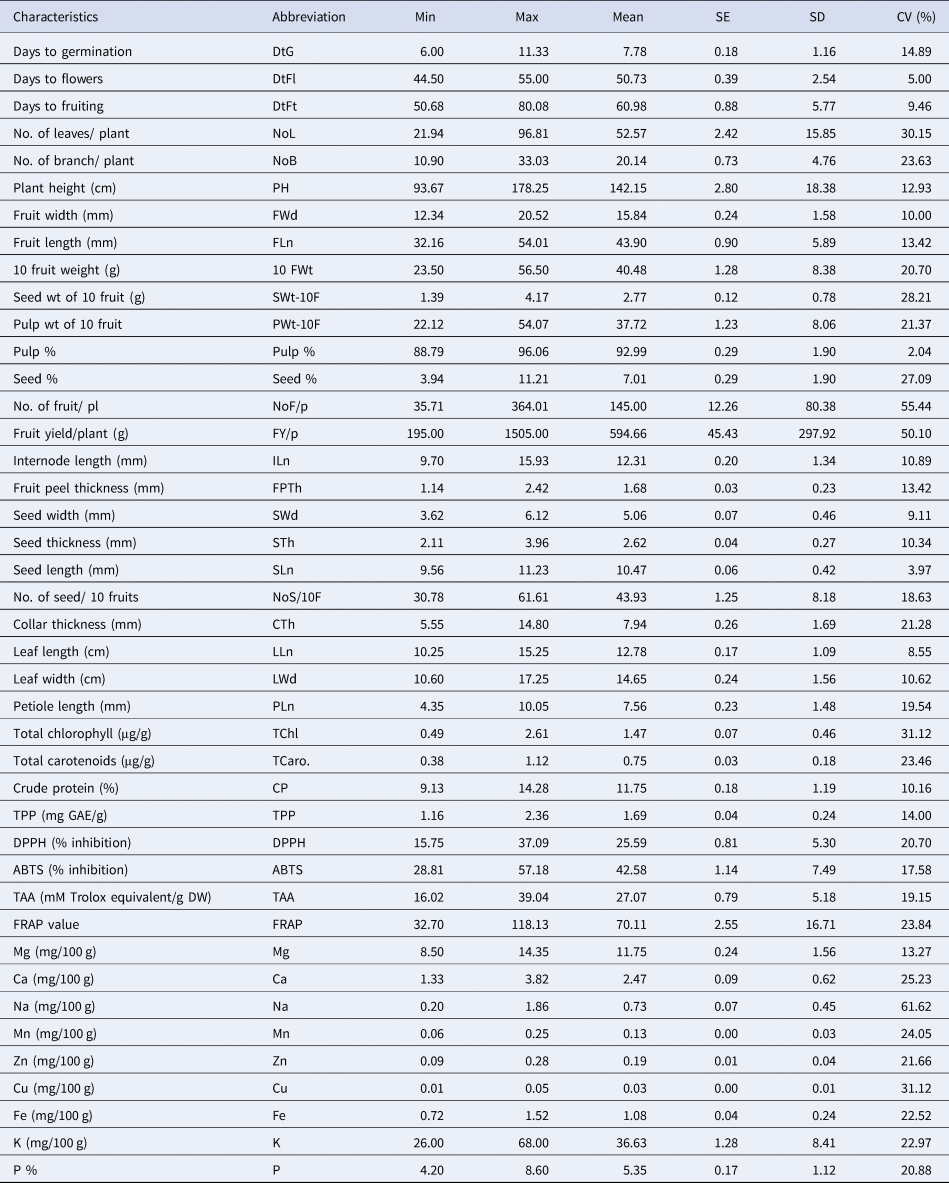
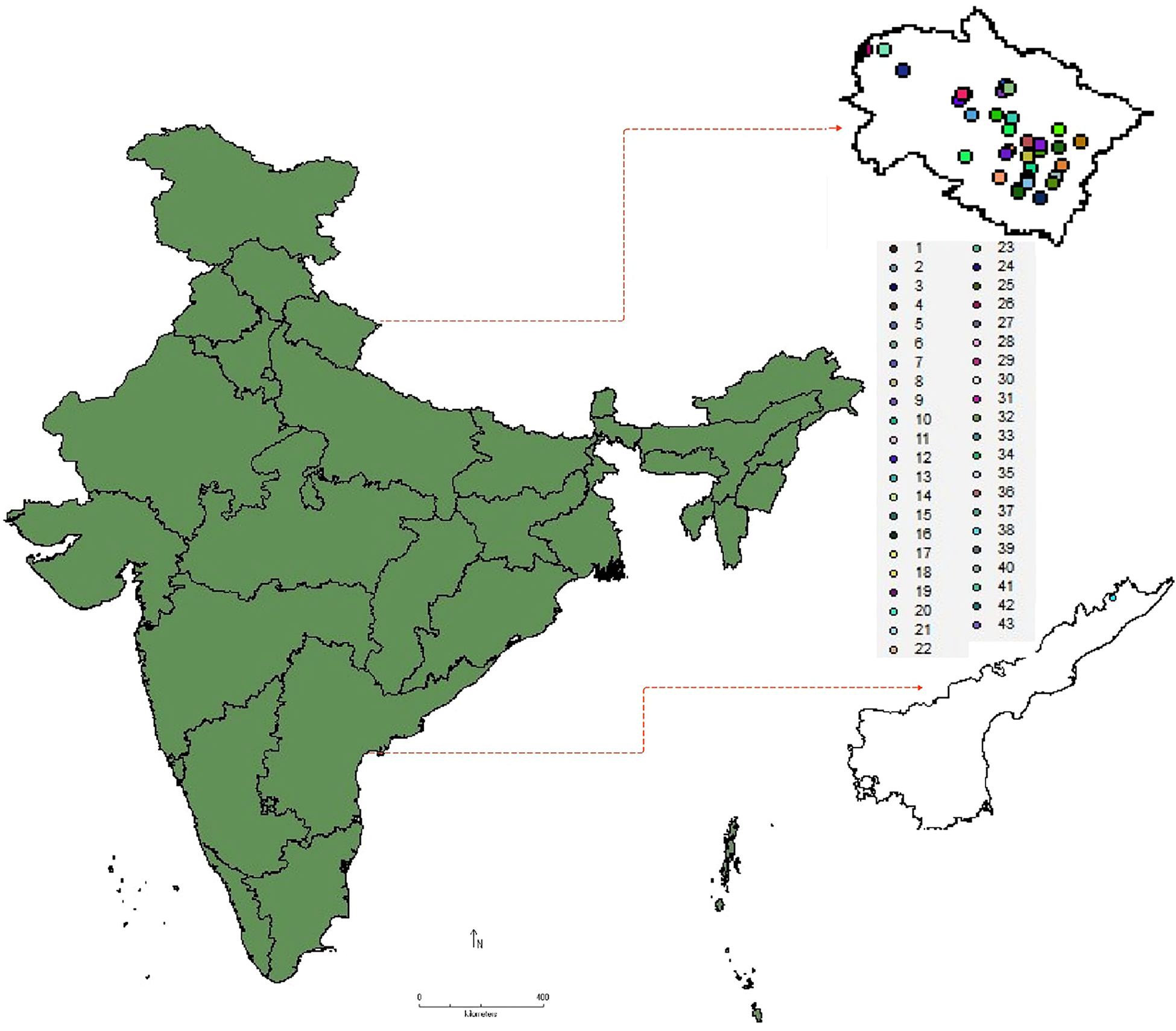
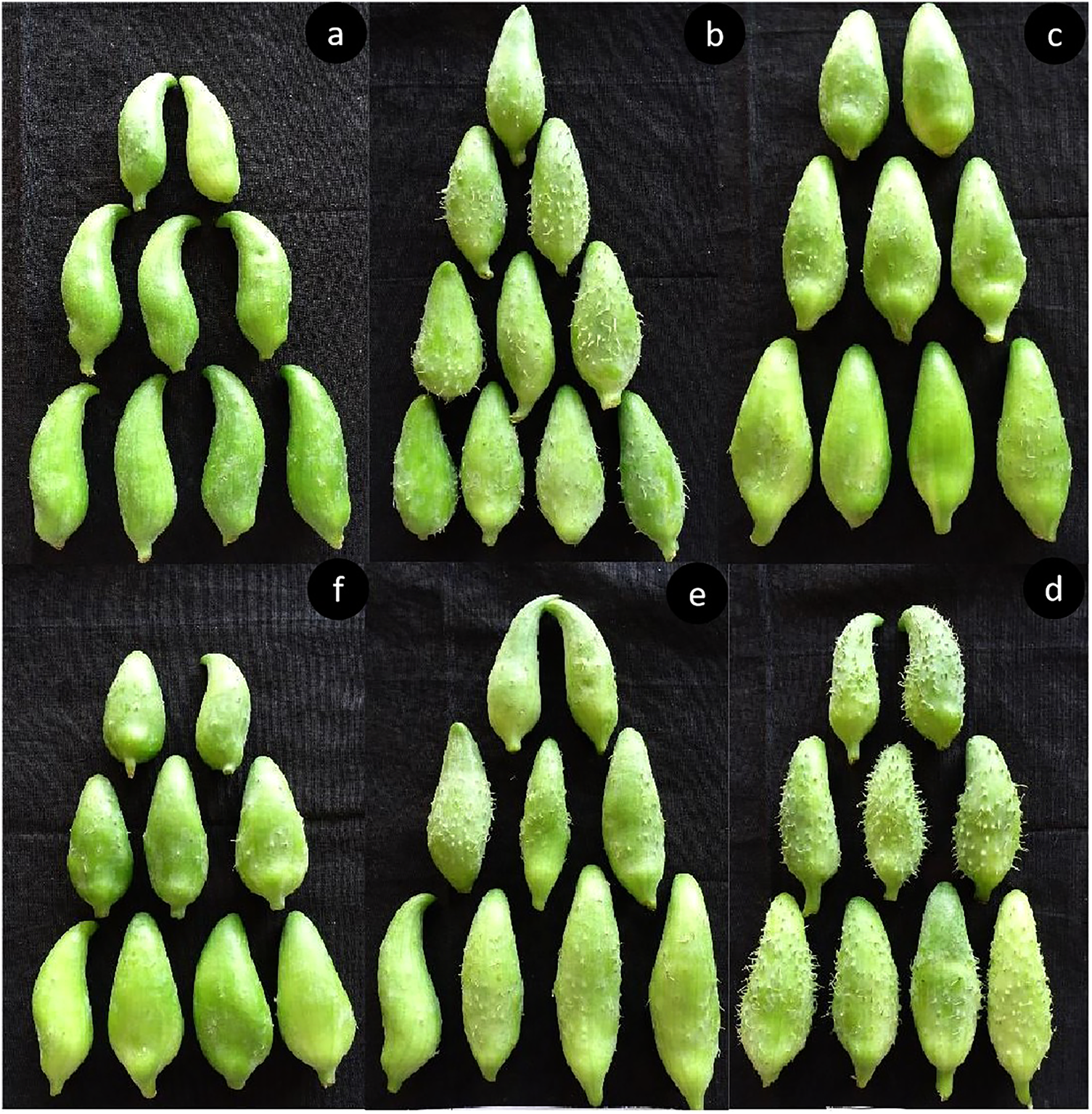
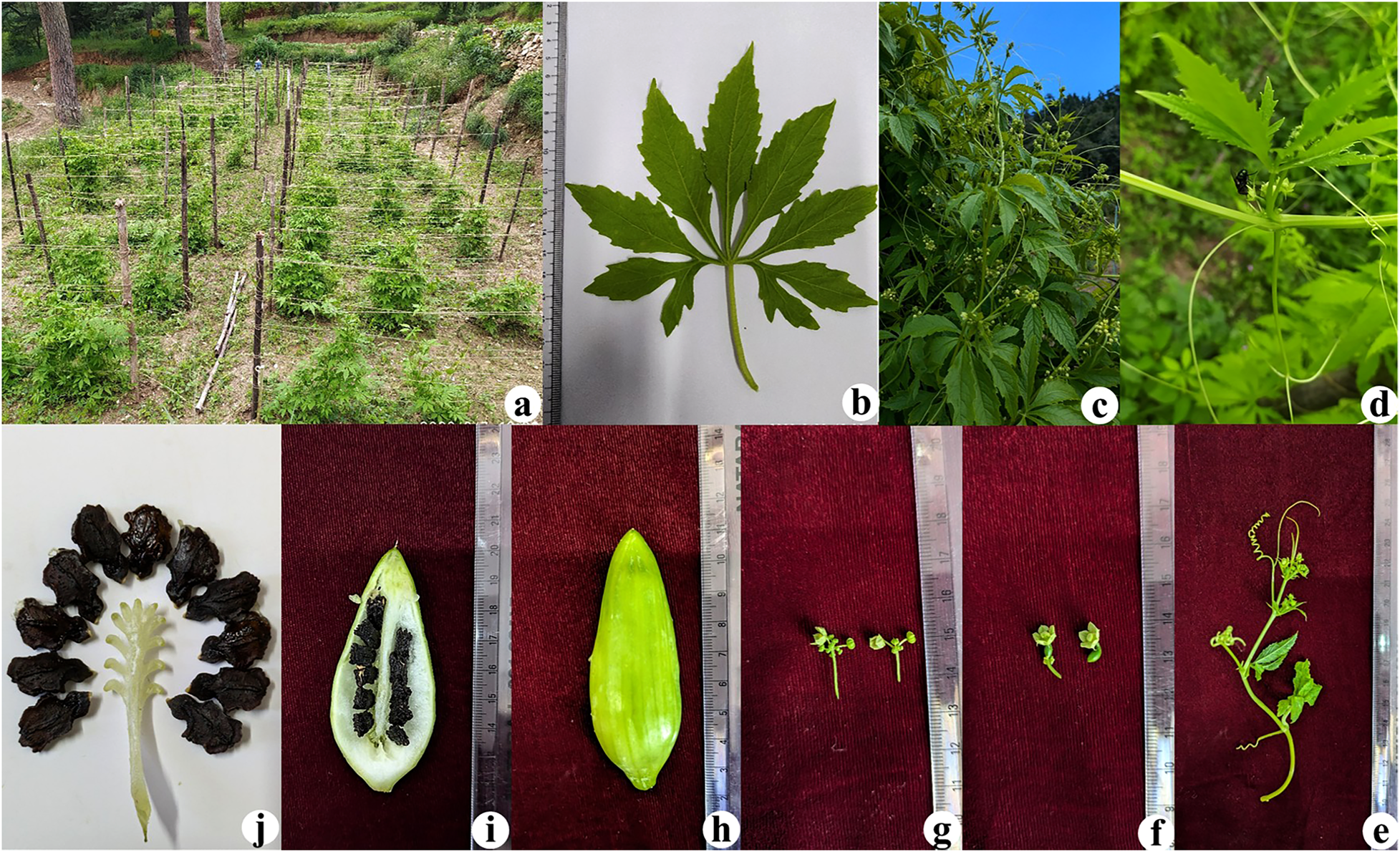
The online Supplementary Table S1 displayed passport information for C. pedata germplasm collection sites. Its occurrence was noted at the following latitude, longitude and altitude ranges during the field survey: 18.66462–31.01828 N°, 78.04877–83.26881 E°, and 131.0–3665.0 m AMSL, respectively Fig. 1. The current investigation was also performed to identify the promising accessions for various noteworthy attributes (Table 1 and online Supplementary Table S2). Analysis of variance revealed a notable spectrum of genotypic variability for various morpho-physio-biochemical attributes except for days to fruiting, seed length and pulp per cent. Notable variation was recorded for the number of fruits per plant, fruit yield, total chlorophyll content, sodium content, number of branches and seed weight of ten fruits. Germplasm differs in plant height between 93.7 and 178.3 cm and number of branches between 10.9 and 33.0 cm, respectively. The day-to-flower and fruit ranged from 44.50 to 55.0 and 50.70 to 80.10, respectively. Similarly, fruit length and width varied between 32.20–54.0 cm and 12.3–20.50 mm, respectively. The essential traits that contribute mainly to fruit yield are the number of fruits per plant and fruit weight. The fruit yield per plant was recorded in the range of 195–1505 g with a mean value of 594.00 g. The genotype RK-40 (UKNa 12) collected from the Bhimtal (Nainital) yields a maximum production of 1505 g per plant. Genotype RK-01 (IC 393261) produced the earliest flowering at 44.50 days, while RK-33 (UKCh 8 collection) began fruiting the earliest at 50.68 days (Fig. 2). The different morphological characteristics of caigua are displayed in Fig. 3.
Descriptive statistics for 42 agro-morphological and biochemical traits of 43 Cyclanthera pedata accessions

Distribution of 43 Cyclanthra pedata germplasm collection sites at Uttarakhand and Andhra Pradesh (*location abbreviations are as shown in online Supplementary Table S1).

Some representative accessions of Cyclanthra pedata; (a) Pithoragarh local, (b) Mukteshwar local; (c) Chhataula Mukteshwar; (d) Kailashpur (Joshimath), (e) CITH Mukteshwar.

(a) Caigua germplasm experimental field; (b) details of leaf; (c) flowering; (d) pollinator; (e) details of tendrils; (f) female flower; (g) male flower; (h) mature fruit; (i) half cut fruit; (j) arrangement of seeds inside fruit.

A high coefficient of variation (CV > 23%) was observed for total chlorophyll, FRAP value and total carotenoids. Genotype RK-42 represents maximum chlorophyll, carotenoids, DPPH, ABTS and FRAP values. Genotypes RK-18, RK-20 and RK-42 were identified for higher crude protein, total antioxidant activities (TAA) and total polyphenols (TPP), respectively. Meanwhile, genotype RK-42 showed the highest radical scavenging activities for DPPH and ABTS and the maximum FRAP value. Nine mineral compositions were determined; among them, Na, Cu, Ca and Mn showed notable variation (CV > 24.05%). The range and mean value for Mg, Ca, Na, Mn, Zn, Cu, Fe, K (expressed as mg per 100 g) and P (expressed as a per cent) are presented in Table 1.
Hierarchical cluster analysis
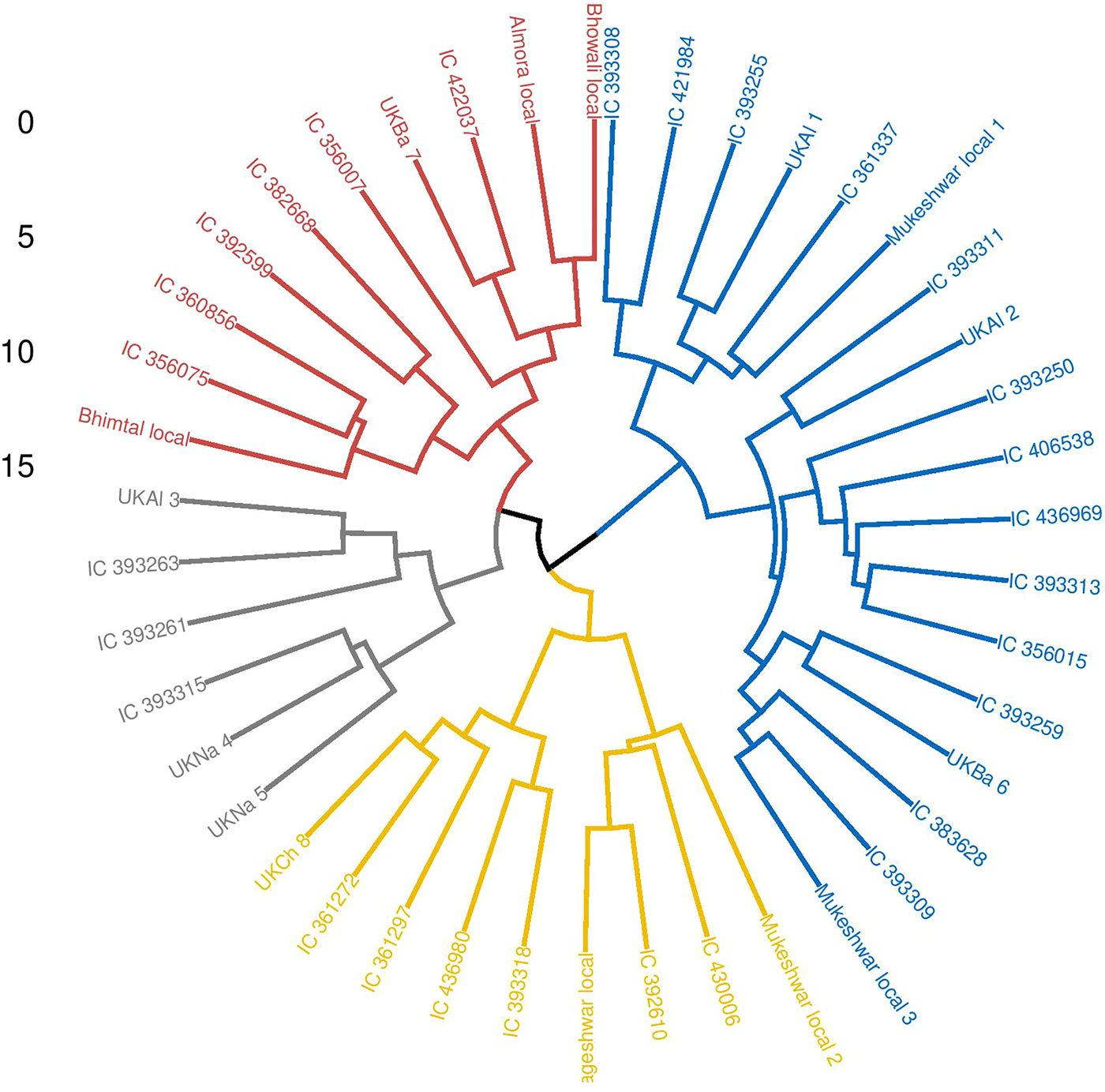
Cluster analysis identified four significant primary clusters explaining 13.95, 41.86, 20.93 and 23.25% of germplasm contribution, respectively. The dendrogram for HCA is shown in Fig. 4. The six genotypes in first cluster distinguished by higher fruit length (IC 393261, IC 393263, UKAl 3, UKNa 4, UKNa 4, IC 393315), fruit width (IC 393261) and total antioxidant activities (IC 393263, UKAl 3, UKNa 4, UKNa 4, IC 393315). The second cluster, which includes eighteen genotypes, was characterised by higher Cu (IC 436969, IC 406538, IC 393250), Fe (UK 2, UK 6), Zn (UK 1, IC 361337), crude protein (UK 2, IC 383628), the number of fruit per plant (IC 393308, IC 393311) and total carotenoids (IC 393313, IC 393259). The third cluster comprises nine genotypes, which were higher in fruit weight (g), seed weight of ten fruits (IC 430006, IC 361297, UKCh 8, Mukeshwar local 2), seed% (IC 361272, IC 361297, UKCh 8, IC 436980), seed width (UK 2) and number of seed per fruit (IC 430006, IC 361297, UKCh 8, Bageshwar local). The ten genotypes grouped under the fourth cluster exhibited a higher value of pulp per cent, pulp weight of ten fruits, ten fruit weight, fruit width, plant height, fruit peel thickness and magnesium content. The results also indicated that the geographic origin of the caigua accessions did not influence the genotype grouping. As a result, clusters are formed chiefly based on features rather than origin in diverse populations.
Cluster analysis of 43 Cyclanthra pedata accessions using morphological and biochemical and nutritional traits.
Red: accessions with higher fruit traits similarity; yellow: accessions with seed traits similarity; distinct nutritional traits; blue: accessions with distinct nutritional properties; black: accessions with high antioxidants properties similarity.
*The numbers on the scale (0–15) represent a dissimilarity index, lower values (closer to 0): represent accessions that are closely related or highly similar in traits. Higher values (closer to 15): represent accessions that are more distantly related or genetically diverse.

Principal component analysis
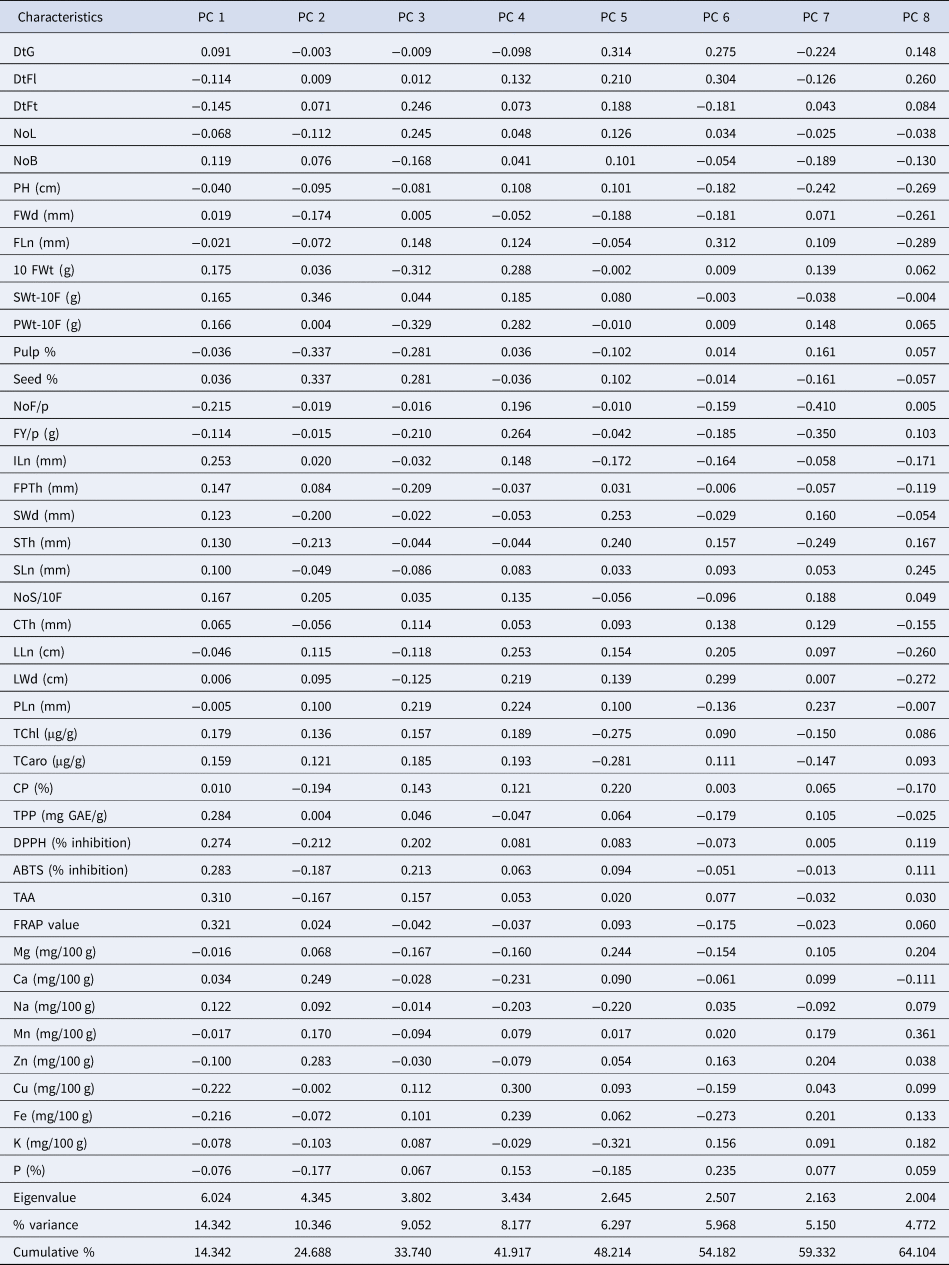
The first principal component (PC1) explains approximately 14.34% of the total variation, encompassing many biochemical-related traits such as FRAP value, TAA, TPP, ABTS and DPPH, which are most valuable in explaining PC1 variability (Table 2). The SWt-10F, seed%, Ca, Zn and Mn largely influenced the second principal component (PC2), contributing 10.34% of the total variation. The third principal component (PC3) was mainly driven by two traits: DtFt and NoL. In principal component four (PC4), fruit-related traits (10FWt, PWt-10F, FY/p) and leaf traits (LLn, LWd, PLn) showed significant contributions. Seed traits accounted for substantial contributions in the fifth principal component (PC5). In the sixth principal component (PC6), traits like K, P and pulp% had dominant portions. The TCh dominated the seventh principal component (PC7). Finally, Mg and Mn strongly influenced the eighth principal component (PC8). The ten essential traits that significantly contributed to the phenotypic variation include TPP, DPPH, ABTS, TAA, FRAP value, seed weight (SWt-10F), seed%, days to flowering (DtFt) and weight of 10 fruits (10 FWt) and fruit yield per plant (FY/p). These traits are crucial for understanding the phenotypic variation within the caigua germplasm, aiding in breeding and conservation efforts.
Eigenvectors and eigenvalues of the first eight principal components of 42 traits of Cyclanthera pedata accessions

Biplot analysis
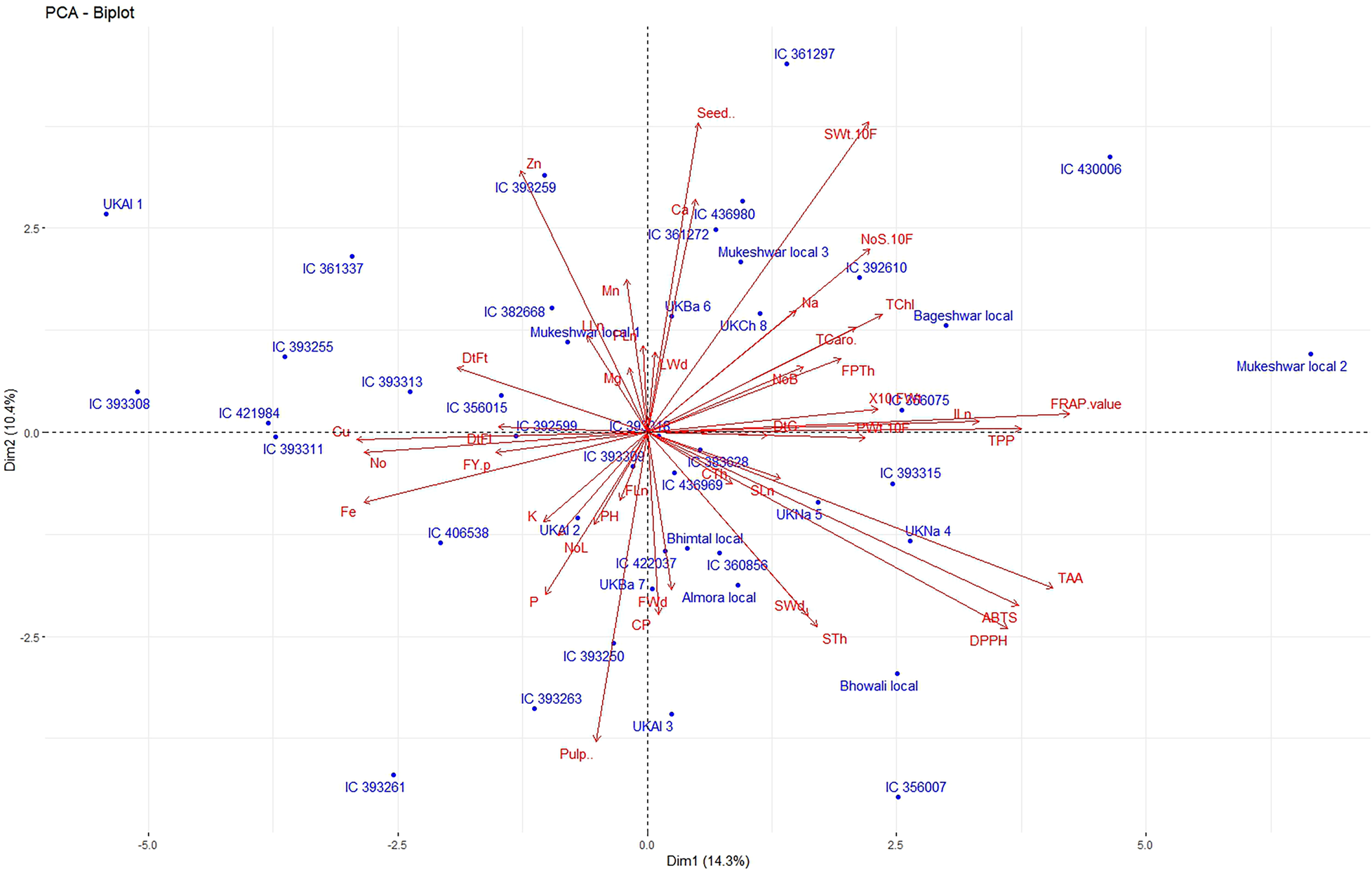
A biplot was created to visualise the connections between critical variables and data points. Individual factors and variables were plotted between the first two principal components, as shown in Fig. 5. The mineral attributes (Fe, K, P, CP, Cu), biochemical attributes (FRAP value, TPP, TAA, ABTS, DPPH) and seed characters (SWt.10F and NoS.10F) were grouped separately when variables were projected on the factor plane. Genotypes viz. IC 430006, IC 356007, IC 393261, IC 393308, UKAl 1 and IC 361297 were placed in gaps and were more distinct.
Biplot of PC1 and PC2 showing segregation of 43 Cyclanthra pedata accessions. (The x-axis (Dim1) represents PC1, explaining 14.3% of the total variance; the y-axis (Dim2) represents PC2, explaining 10.4% of the total variance; each blue dot represents a unique caigua accession; the red lines indicate the contribution of various morphological, biochemical and nutritional traits to the observed variability; the direction of each vector shows the strength of the association between the corresponding trait and each principal component.)
*Trait abbreviations are as shown in Table 1.

Trait association study
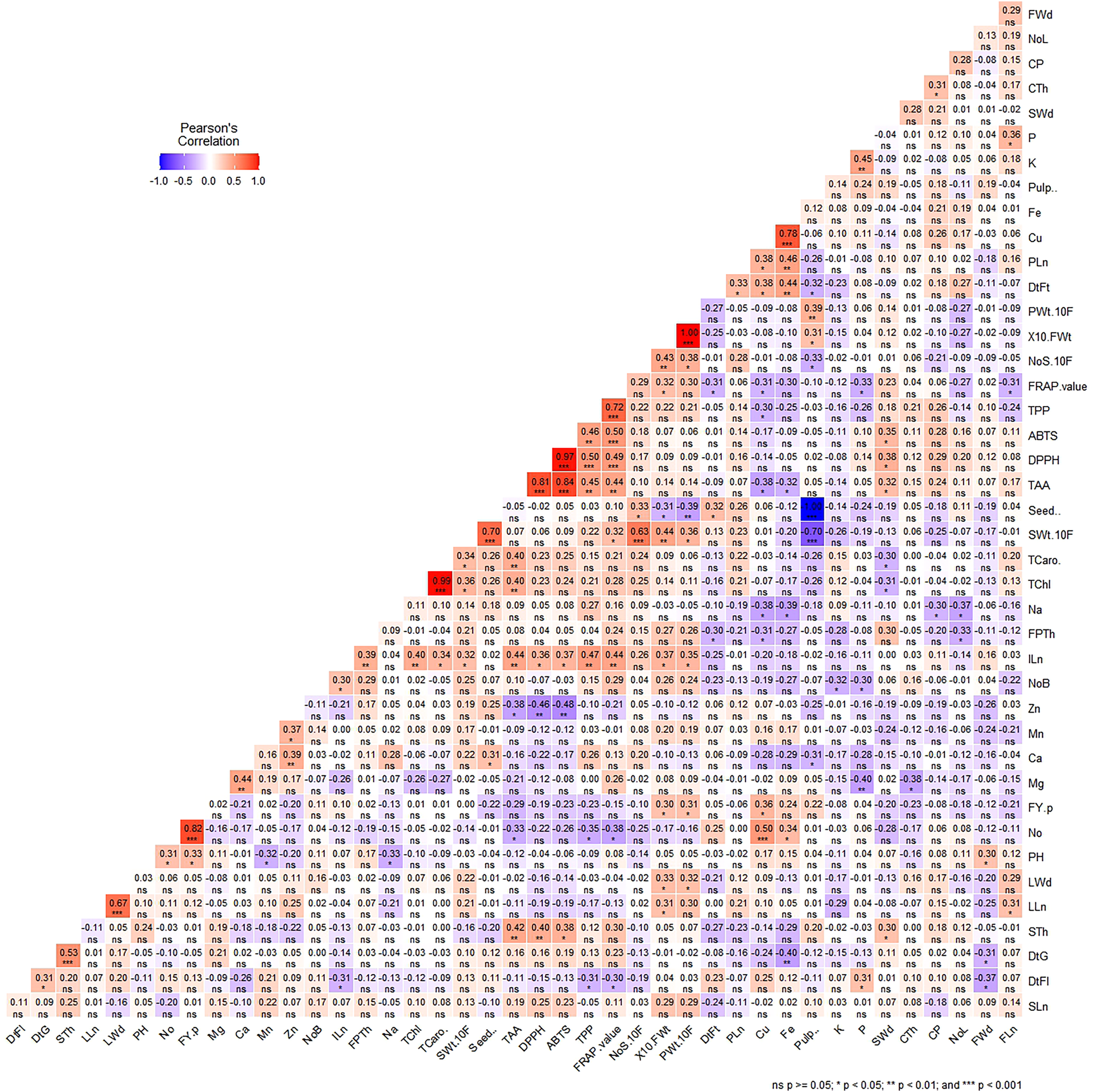
Fruit yield was positively correlated with 10FW, PWt.10F, Cu, Fe and NoF/p. However, it exhibited negative associations with most biochemical traits, namely TChC, TCaC, TPP, TAA and DPPH (Fig. 6). However, strong positive correlations were also observed among biochemical traits: TAA with DPPH (0.81), TAA with ABTS (0.81) and ABTS with DPPH (0.97). Most biochemical traits, except TTP and FRAP value, showed significant negative associations with Zn content. On the other hand, biochemical traits, i.e. DPPH activity, were inversely associated with TCh content and TCa content. Furthermore, strong relationships were noted between TChC and TCaC (0.99), Fe and Cu (0.78), as well as 10FW and PWt.10F (1.0) (Fig. 6).
Correlation among the 42 recorded traits of 43 Cyclanthera pedata accessions.

Discussion
Genetic variability for horticultural traits is echoed more recently by Macchia et al. (Reference Macchia, Montoro, Ceccarini, Molfetta and Pizza2009), Oliveira et al. (Reference Oliveira, dos Santos, dos Santos, Carvalho, Souza and Ferreira2014) and Zuccolo et al. (Reference Zuccolo, Pedrali, Leoni, Borgonovo, Bassoli, Giorgi and Giupponi2023) in caigua, though on a limited set of germplasm. The results of the present study advance the previous findings by providing a detailed analysis of the genetic diversity and significant traits of caigua on a more extensive set of germplasm. The present study evaluated caigua germplasm on 42 morpho-physiological, nutritional and biochemical attributes; 13 attributes showed great potential for genotype differentiation and high genotypic variation for biochemical traits, emphasising the plant's nutritional and therapeutic importance. Earlier, Macchia et al. (Reference Macchia, Montoro, Ceccarini, Molfetta and Pizza2009) demonstrated the feasibility of growing caigua in Italian latitudes, emphasising its agronomic potential and active component properties. The current study providing extensive data on the plant's occurrence across different Indian geographical locations (latitude, longitude and altitude), as well as highlighting genotypic variability for various agro-horticultural traits, resulting in a better understanding of the plant's adaptability and potential for cultivation in diverse environments.
Since fruit characteristics have been proposed to be species/genotype dependent, fruit characteristics have helped identify valuable fruit species and select valuable material for breeders and cultivators (Bisognin, Reference Bisognin2002). In our findings, horticulturally essential traits, especially those connected to fruit yield, morphology and quality characteristics, were more varied in present set of caigua landraces. Aruah et al. (Reference Aruah, Uguru and Oyiga2010) indicate that genotypic variances in Cucurbita species caused variations in flowering and fruiting timings. Variations in fruit length, diameter, 100-seed weight, fruit weight and yield per plant were also caused by genetic differences, which corroborated the findings of Abdullah et al. (Reference Abdullah, Hegazi and Almousa2003) as well as Precheur et al. (Reference Precheur, Jasinski, Riedel, Rhodes, Kelly and Trierweiler2007).
We reported genotypic variability in mineral composition, i.e. sodium, copper, calcium and manganese. Furthermore, we identified specific genotypes (IC 430006, UK01, 382668, 361297) with high levels of these nutrients, increasing the potential for targeted nutritional applications. Nutritional compositions are similar to what has been found previously in caigua (Oliveira et al., Reference Oliveira, dos Santos, dos Santos, Carvalho, Souza and Ferreira2014), and other cucurbits, such as watermelon, cucumber, chayote, pumpkin and melon, particularly for its mineral content, placing it alongside its counterparts in terms of nutritional value (USDA, 2013; Oliveira et al., Reference Oliveira, dos Santos, dos Santos, Carvalho, Souza and Ferreira2014). One of the critical findings of Zuccolo et al. (Reference Zuccolo, Pedrali, Leoni, Borgonovo, Bassoli, Giorgi and Giupponi2023) was that ‘Ciuenlai’ (a landrace of caigua), could be suitable for herbal use owing to its richness in secondary metabolites like saponins, flavanones and dihydroflavonols. This may be due to its adaptation to the unique climatic conditions of the Camonica Valley. Our study revealed good variation in total chlorophyll, FRAP value and carotenoids, emphasising the usefulness of morphological descriptors in studying genetic diversity. We found few genotypes (Mukteshwar Local 2, Bageshwar local, Bhowali local and IC 356007) rich in total chlorophyll, FRAP value, total carotenoids and radical scavenging activities (DPPH and ABTS). Thus, it provides a basis for selecting plants for herbal use and further validates Zuccolo et al.'s findings regarding the plant's medicinal potential. Due to the above factors, caigua is recently gaining attention for herbal use as a dried drug and in the preparation of food supplements. This is advantageous for initiating creative value chains and creating additional income opportunities for mountain farmers (Zuccolo et al., Reference Zuccolo, Pedrali, Leoni, Borgonovo, Bassoli, Giorgi and Giupponi2023).
Earlier (Odiyi et al., Reference Odiyi, Fayeun, Makinde and Adetunji2014; Oliveira et al., Reference Oliveira, dos Santos, dos Santos, Carvalho, Souza and Ferreira2014; Dev et al., Reference Dev, Mangalassery, Dayal, Louhaichi and Hassan2023), principal component analysis (PCA) has been used to analyse and interpret the results of experiments and help reveal significant patterns and findings in the data of different collaborators. The current study's cluster analysis of 43 genotypes identified four significant groupings. Clusters 1 and 2, which focused on fruit and nutritional characteristics, and cluster 3, which focused on seed characteristics, can be used by researchers for future studies. This aligns with Nguyen et al. (Reference Nguyen, Kim, Jung, Shim, Chung, Park, Lee and Sim2020), who found that the first PC in pumpkin was linked to bioactive compounds. Previously, Aruah et al. (Reference Aruah, Uguru and Oyiga2010) grouped Cucurbita landraces based on vine length, fruit size, seed size, days to flowering and number of leaves. While Benke et al. (Reference Benke, Khar, Mahajan, Gupta and Singh2020) detected flavonoids, cloves and phenolic content of leaves contribute positively to cluster patterns in garlic. Bhusal et al. (Reference Bhusal, Islam, Khar, Singh, Jain and Tomar2019) found that antioxidant and quality properties were of greater importance in garlic variety grouping. This underscores the significance of both biochemical and seed-related attributes in explaining the phenotypic diversity among caigua and other crops. The genotype of the most diverse cluster can be used in a breeding programme with accessions from other clusters (Nadaf et al., Reference Nadaf, Safa'a, Al-Hinai, Al-Hinai, Al-Harthy, Al-Khamisi and Al-Bakri2016). The current caigua germplasm has not been grouped according to its geographical origin; it is an accession of tropical origin grouped with other accessions of temperate origin. These results are consistent with the results of Dev et al. (Reference Dev, Mangalassery, Dayal, Louhaichi and Hassan2023) in 64 global core collections of cactus genotypes.
Building on these insights, biplot analysis effectively distinguished the genotypes based on their mineral, biochemical and seed quality characteristics. The trait association study revealed that yield-related traits were negatively correlated with antioxidant traits, suggesting the possibility of trade-offs between yield and quality. These results are consistent with earlier research that observed similar trade-offs in other crop species. For instance, Sharma et al. (Reference Sharma, Nanjundan, Singh, Singh, Parmar, Kumar and Thakur2020) found negative correlations between yield and antioxidant content in leaf mustard, while Ram et al. (Reference Ram, Hedau, Chaudhari and Choudhary2021) observed analogous compromises in garden peas. Such research provides valuable direction for identifying genotypes with better fruit quality, nutritional value and bioactive potential while maintaining an equilibrium with yield parameters. Nonetheless, fruit yield positively correlated with other fruit-related characteristics, such as PWt.10F and 10F, and mineral characteristics like Cu and Fe. Earlier, Oliveira et al. (Reference Oliveira, dos Santos, dos Santos, Carvalho, Souza and Ferreira2014) also discovered that, aside from sodium, there were significant positive correlations between the mineral attributes.
Our results suggest that 10FW, PWt.10F, Cu, Fe and NoF/P could serve as effective selection criteria for increasing fruit productivity in the caigua population. To select for the best fruit production, in particular, more traits are needed than plant height (Oliveira et al., Reference Oliveira, dos Santos, dos Santos, Carvalho, Souza and Ferreira2014). It is advantageous to use indirect selection for traits positively associated with advances in commercially essential traits (Cruz et al., Reference Cruz, Regazzi and Carneiro2012).
Conclusion
This study expands knowledge of caigua genetic diversity a comprehensive Indian caigua landraces compared to earlier studies on caigua by evaluating across 42 agro-morphological, biochemical and mineral traits. The study highlighted significant diversity, particularly in fruit yield, nutritional value and bioactive potential, highlighting the plant's potential to improve health and nutrition. Techniques like PCA and HCA identified key traits and relationships among accessions, with high-performing genotypes, i.e. IC-430006, Bhimtal local, Mukteshwar local 2, IC-393318, UKAl-1 and IC-361297. Horticultural traits, such as high fruit yield (UKNa 12), early flowering (IC 393261) and superior antioxidant activities (UKNa 14), emerging as promising candidates for genetic improvement/breeding of caigua. Future efforts should focus on targeted breeding of these accessions, leveraging advanced genomic tools and sustainable practices to enhance yield and health benefits. These findings pave the way for caigua's development as a nutraceutical crop and its integration into sustainable agricultural systems.
Supplementary material
The supplementary material for this article can be found at https://doi.org/10.1017/S1479262125000012
Acknowledgement
The authors are grateful to the Director, ICAR-NBPGR, New Delhi, for supplying the plant materials and to the Director, ICAR-VPKAS, Almora, for providing facilities to carry out this research work.
Author contributions
R. D. and N. K. H. conceptualized the study and recorded plant growth data. R. S. P. performed phytochemical analysis of fruits samples. R. D. and N. K. H. wrote and prepared the original draft and finalized the manuscript. A. P. revised the manuscript. R. D., N. K. H., A. P. and L. K. reviewed and edited the manuscript. All authors contributed to the article and approved the final manuscript.
Competing interests
None.
Data availability
All data generated or analysed during this study are included in the paper or supplementary information.