In the 21st century, global natural disasters are frequent, and cause significant loss of human life and property. It is often difficult to rescue those with serious conditions like cardiac arrest, cardiopulmonary failure, and massive hemorrhage within the narrow spaces common in disasters. Currently, the emergency equipment available locally and abroad, such as cardiopulmonary resuscitators and defibrillation monitor, have exhibited problems including single function, large volume, inconvenient portability, low level of technology intelligence, etc., which reduces their applicability to the complex environmental medical rescue needs and narrow confines of disaster scenes. There is therefore an urgent need to develop a portable basic life support integrated machine that can be used in narrow spaces during major natural disasters, which can rapidly expand in those narrow spaces, ensure the safe evacuation of the wounded, and reduce the mortality and disability rate. This paper summarizes the portable basic life support equipment (especially defibrillation monitor and CPR equipment), in China and abroad.
RESEARCH STATUS OF DEFIBRILLATION MONITORING EQUIPMENT
As a piece of first aid equipment in the hospital, defibrillator monitors play an irreplaceable role in the emergency rescue of patients with arrhythmia.Reference Jing1 It provides good and rapid intervention, is simple to operate, and can quickly save the lives of patients with cardiac arrest and other serious conditions. It can release a high-energy pulse current, which is conducted instantly through the patient’s heart. This depolarizes myocardial cells jointly and rapidly and inhibits ectopic excitability, eliminates reentry pathways, and helps the sinoatrial node restore control the heartbeat and sinus rhythm. This plays an important role in rescue, especially in emergency treatments in clinical rooms, operating rooms, ICUs, and outside the hospital.
In 1882, American scientists Battelli and Prevost found that high-intensity alternating current (AC) can effectively defibrillate the heart. In 1920, Lanworthy and Kowenhoven, et al. verified this conclusion in animal experiments. In 1955, the first external defibrillator was launched, greatly improving the survival rate of SCA (Sudden Cardiac Arrest) patients, opening a new chapter in the development of defibrillators.Reference Zheng, Croft and Giles2 As confirmed by clinical trials, alternating current defibrillation not only requires high energy, it also occasionally causes unnecessary harm to human body. After thousands of tests, it was found that direct current (DC) defibrillation has many advantages over AC defibrillation, mainly due to lower energy demands and less harm to the human body. The first DC defibrillator was released in 1962,Reference Thakur and Natale3 and DC defibrillation has been increasingly recognized and utilized since then.
Automated External Defibrillation (AED) was developed and put into use in 1980s. The American Heart Association (AHA) recommends that first responders, such as police and firefighters, should first be trained in the use of AED. There are several AED manufacturers, and AEDs have different styles and functions, but almost all AED products release energy in the form of ‘wave.’ According to their wave properties, current AEDs can be divided into monophasic wave and biphasic wave types. The latter is a hotspot for defibrillation research. The reason is that biphasic wave defibrillators, which utilize a regulated two-way pulse, can control current intensity and effectively avoid excessive defibrillation current, therefore preventing unnecessary injury to the human body. A characteristic of these defibrillators is the deployment of positive current for an interval (for example, 5 millisecond), and reversal of this current in the remaining milliseconds. This effective control of current direction greatly improves the safety of AED.
The General Electric CardioServ defibrillation monitor (hereinafter referred to as ‘CardioServ’) is a multifunctional defibrillator integrating electric defibrillation and electrocardiographic monitoring. It can be used for synchronous or asynchronous electric defibrillation, electrocardiographic monitoring, and percutaneous cardiac pacing. The device is highly portable, and can be used in hospitals, pre-hospital first aid, and ambulances. The CardioServ has stable and reliable performance, with its own energy loss compensation circuit. The defibrillation energy loss rate is low, and it is a main piece of equipment for military emergency vehicles and hospital emergencies.Reference Luchuan and Yamei4
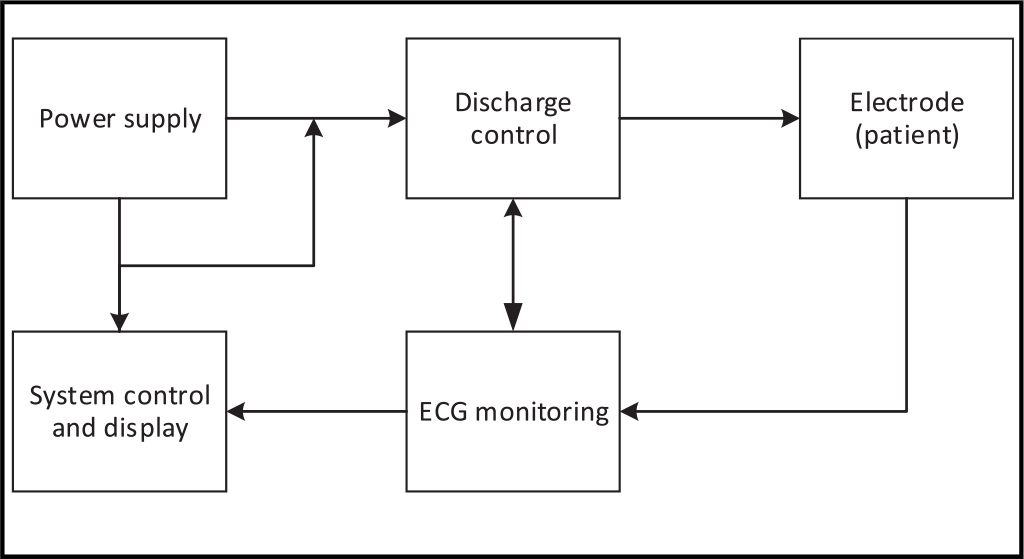
The LIFEPAK 20e defibrillation monitor combines defibrillation and electrocardiographic monitoring, and is manufactured by Medtronic in the United States. It can provide a high-quality electrocardiographic monitoring waveform display, with a variety of discharge energy selections, and synchronous electrocardiographic display or defibrillation functions, in AC and DC working modes. It uses two-phase exponential square wave defibrillation technology, with manual or semi-automatic defibrillation, non-invasive automatic pacing, sound and light alarm, self-inspection, information printing, and other functions. Its defibrillation principle is shown in Figure 1.Reference Jing1
Simple Schematic Diagram of Defibrillation Principle.

The Zoll M series defibrillator and pacemaker monitor integrates defibrillation, ECG display, advanced monitoring, data printing and recording functions into a portable device. This device may not be suitable for some cases of cardiac resuscitation. It can be powered by DC or AC power supply, and has an easily-replaceable battery pack. When the battery pack is connected to DC or AC power supply, it can be charged quickly. Its small and light design is more suitable for patient transport scenarios. The defibrillator function has three modes: manual operation, semi-automatic operation (AED), and CPR monitoring. The pacemaker output pulse is transmitted by a specially designed ZOLL MFE electrode placed in the back and chest area of the patient. The characteristics of the output pulse, and the design and placement of the electrode, can reduce the threshold current of skin nerve stimulation and heart stimulation, and alleviate the discomfort caused by the contraction of skeletal muscle.Reference Lu5
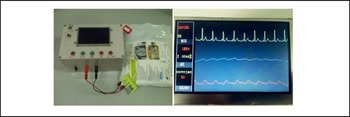
Chongqing University has developed a micro cardiac function monitor based on double electrodes, which can continuously monitor the cardiac function of patients in family, community, and emergency situations. Based on the MSP430 single chip microcomputer development system platform, a pair of monitoring defibrillation electrodes are used as both the input for high-frequency excitation and the detection of ECG and chest impedance signals.Reference Chaonan, Jianjie and Gang6 The device is shown in Figure 2.
Dual electrode micro heart function detector.

Yanshan University has designed a multifunctional and portable external defibrillator based on STM32F103VC, a 32-bit microprocessor produced by STMicroelectronics. The defibrillator performs defibrillation and ECG analysis, information storage, information transmission, local query of in-use records, LCD display, defibrillation voice prompt, human impedance measurement by defibrillation electrode, ECG acquisition, and so on, depending on clinical needs. The discharge module of this biphasic wave defibrillator is based on an overdamped second-order discharge circuit, and the real-time defibrillation information LCD display and voice prompt module are based on PIC24FJ256DA210 chip control, using dual core technology.Reference Kewu, Shengxiang and Yongtao7
Lan Kun and Zhang Yue of the Embedded System and Technology Laboratory of the Shenzhen Research Institute of Tsinghua University designed a dynamic ECG monitoring system based on the Android platform. They sent human ECG signals, through the collector, to the Android client. They analyzed the ECG data, displayed the ECG waveform, and uploaded the data to the client, thus realizing the purpose of monitoring the heart by detecting ECG data. Li Chuanpeng, Guo Xingming, et al. from the School of Bioengineering, Chongqing University, studied a smart phone-based heart sound monitoring system. With a smart phone as the center, they connected the acquisition and server ends of the heart sound signal, analyzed and processed the heart sounds on the smart phone, denoised the heart sound signal using wavelets, and obtained the main characteristic indices of the heart sounds. These indices were used for the analysis and evaluation of heart function, and early warning in cases of abnormality. The results show that the system can run stably, and has the advantages of being easy to carry, operate, popularize, and so on.
The existing defibrillation and ECG monitoring equipment have shown stable performance and high popularity long after development. They however have the disadvantages of single function, large size, and low degree of computing power. They cannot be effectively used when dealing with the disaster scene rescues, and require greater stability for the complex environments of disaster scenes.
RESEARCH STATUS OF CARDIOPULMONARY RESUSCITATION EQUIPMENT
Since it was discovered that ventricular fibrillation can be relieved by external stimulation half a century ago, substantial progress has been made in the treatment of arrhythmias. In particular, the emergence of micro-processing technology, and the progress of battery storage research, make it possible to develop portable devices that can continuously monitor physiological information like heart rhythm, and automatically deliver electrical stimulation to cardiac myocytes. The United States, Germany, the United Kingdom, Canada, Israel, and other countries have tried to develop small and mobile cardiopulmonary support equipment, and tried to apply it to the treatment of severe chest trauma during major natural disasters, with good results. In recent years, there have been miniaturized portable life support devices for severe chest trauma in foreign countries, but they tend to be extremely expensive. These device types have parameter detection and independent functions, but are not suitable for operation in small spaces and other complex environments and are tedious to operate. The devices also do not have the function of positioning and real-time transmission of monitoring data, and cannot receive the guidance and feedback of remote experts.Reference Eftestøl, Stokka and Kvaløy8
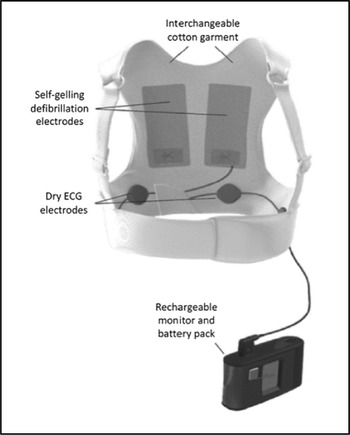
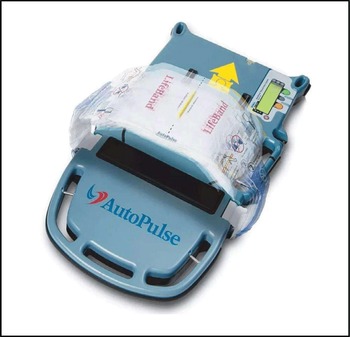
The wearable cardioverter defibrillator is an alternative device that combines the advantages of continuous cardiac detection and noninvasive defibrillation, as shown in Figure 3. Life Vest, a wearable cardioverter defibrillator from ZOLL, was initially approved for clinical use by the US Food and Drug Administration (FDA) in 2002. The device includes a battery, defibrillation capacitor, response button, signal support, and data display. The whole system weighs 1.04 kilograms. Life Vest uses an advanced arrhythmia detection algorithm, and uses heart rate, template matching, digital filtering, arrhythmia stability analysis, and the quantitative guidance of arrhythmia treatment. Doctors can adjust the delay time before shock according to the patients’ ventricular fibrillation or ventricular tachycardia. In addition to arrhythmia treatment, life vest can also be used as a cardiac monitor, which can detect cardiac arrest and other obvious signs of ventricular pause, and has the ability to store and transmit ECG. The ZOLL AutoPulse CPR machine (Figure 4) is a battery-powered portable automatic chest compressor, which is quick and easy to start and use. It supports 30:2 (30 compressions, followed by two ventilation pauses), 15:2 (15 compressions, followed by two ventilation pauses), or continuous compression, can maintain a determined compression speed and depth, and can improve the survival rate of patients with cardiac arrest.Reference Xianwei9
Zoll LifeVest.

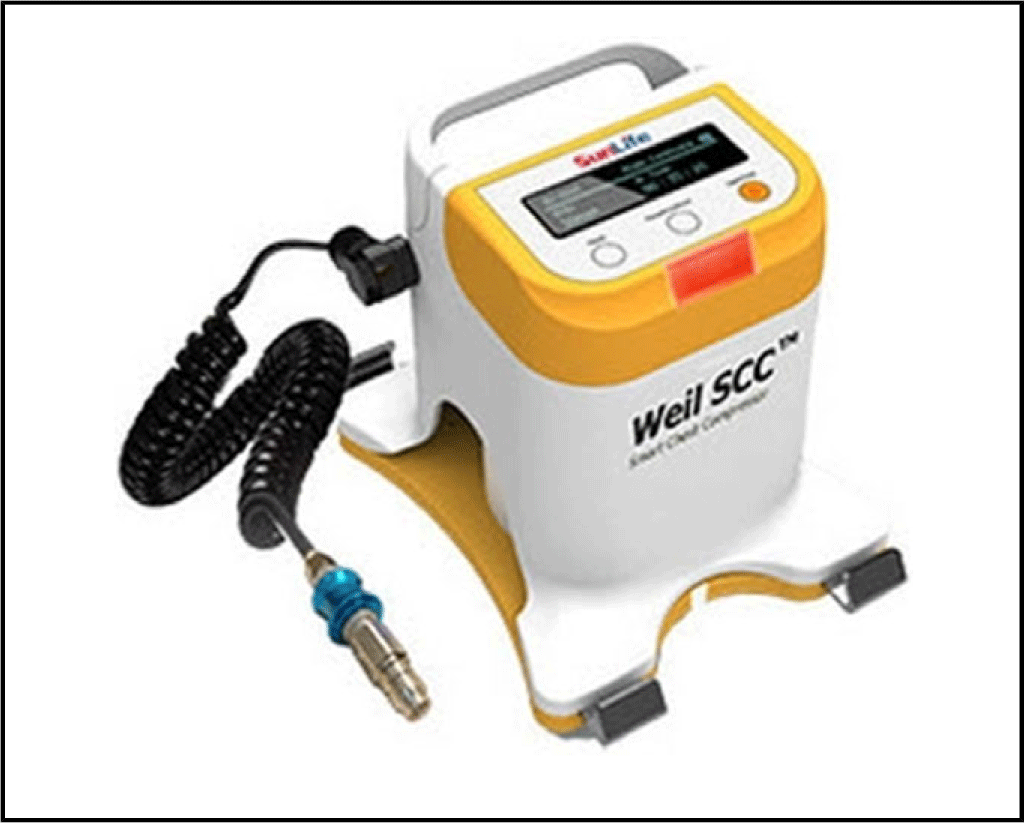
Weil SCC’s intelligent cardiopulmonary resuscitation system provides real-time compression depth feedback. In the rescue of cardiac arrest patients, it is very important to view the depth feedback data of cardiac compression in real time, as it greatly improves the quality of cardiopulmonary resuscitation.Reference Zhicheng, Xiumei and Juanhua10 The Weil SCC CPR machine is shown in Figure 5. The SCC cardiopulmonary resuscitation machine is the first in the industry to launch Effective Compression Depth (ECD) real data feedback, which can monitor the actual compression depth in real time, visualize the compression process, and provide a basis for subsequent academic research. The Weil SCC CPR machine provides intelligent storage of rescue data for up to 10000 patients, including compression time, effective pressing depth, pressing frequency, and pressing mode. All data can be synchronized, analyzed and edited with PC software, through Wi-Fi and Bluetooth. There is evidence that this promotes the academic research of cardiopulmonary resuscitation.Reference Lin, Fei and Yu11 This SCC cardiopulmonary resuscitation machine can be linked with a defibrillator and ventilator to achieve the triple linkage of compression, defibrillation, and respiration.Reference Xuankun, Xinsheng and Jianrong12
ZOLL AutoPulse.

Weil SCC.

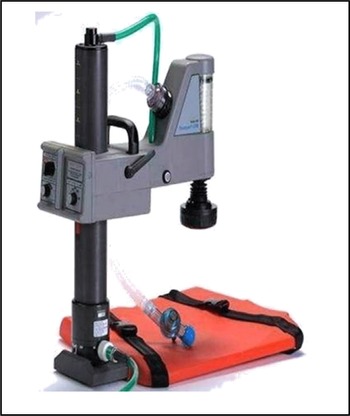
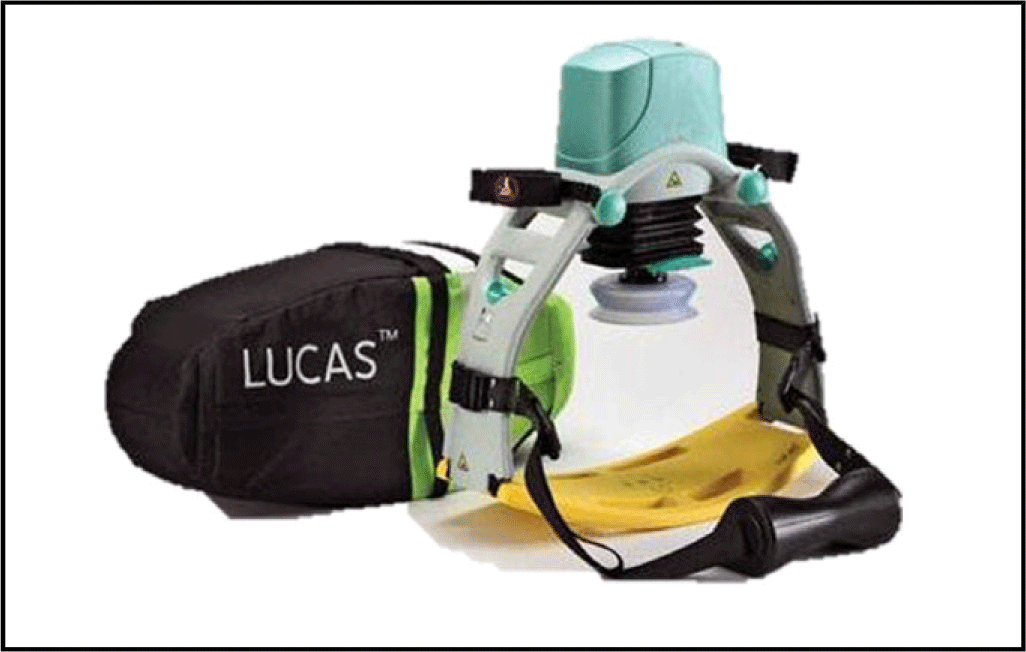
The Sabo cardiopulmonary resuscitation machine has mature products and wide market application, but is relatively singular in function.Reference Stiell, Brown and Christenson13 It is shown in Figure 6. The Medtronic cardiopulmonary resuscitation machine can save the resources of medical staff for the rescue of patients with cardiac arrest on site; provide continuous and efficient compression, so that patients can obtain good blood circulation; and maintain stable compression based on the strap design while carrying the patients. It also has a good human-computer interface, and simple operation. It can achieve a compression frequency of 102 ± 2 compressions per minute, with a choice of 30:2 or continuous compression modes, and can run continuously for 45 minutes with a large capacity battery.Reference Torney, O’Hare and Davis14 It is shown in Figure 7.
Sabo CPR machine.

LUCAS.

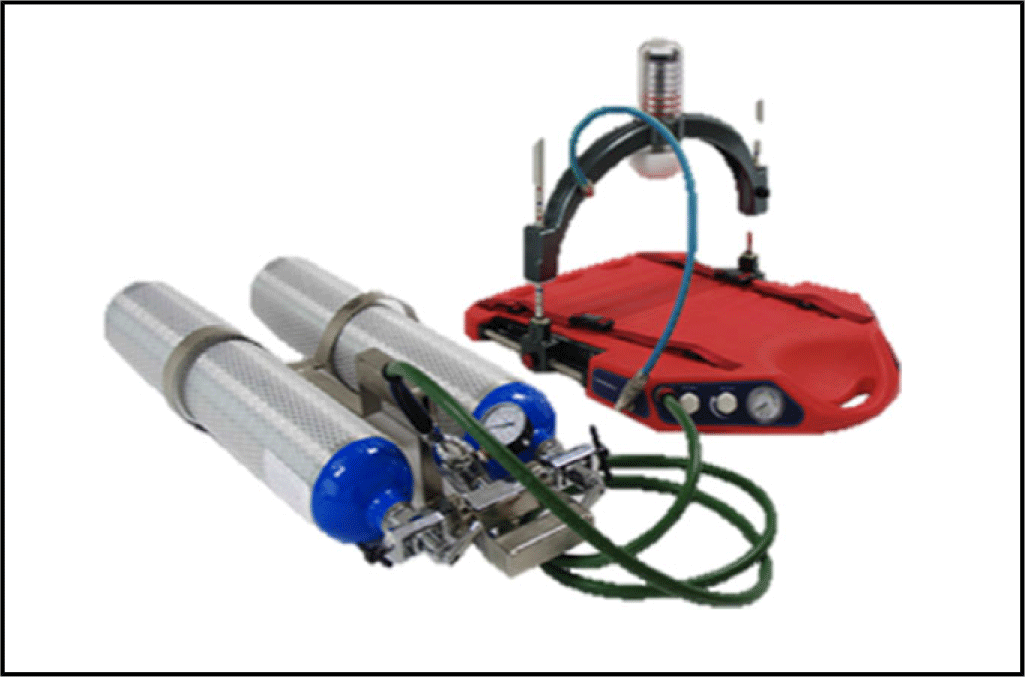
The Lanswick HLR-301 automatic cardiopulmonary resuscitation machine is a mechanical device designed in accordance with the guidelines and standards for cardiopulmonary resuscitation formulated by the AHA, which is driven by oxygen and imitates artificial external chest compression.Reference Chunjun, Guofeng and Sen15 It is shown in Figure 8. Its ingenious and rigorous design imitates manual compression, and starts quickly (within 10 seconds), is simple and convenient to operate, and provides safe compression. The compression depth increases linearly, and the compression is soft, fast, and powerful. It is not a ‘slam’ or ‘hammer’ pressing method.Reference Niranjana, Saranya and Kaarikaa Sree16 In the rescue process, it can minimize the patient’s injury while ensuring effective pressing depth, and greatly improve the success rate of cardiopulmonary resuscitation. This machine has been widely used in clinical practice in various countries.Reference Nordeen17
Brunswick CPR machine.

Most of the research on the treatment of the wounded in major natural disasters in China still focuses on the implementation treatment around compression, defibrillation, or combined ventilation. Current on-site first-aid kits, although convenient for mechanized transportation, are too large to be used in narrow spaces, and tend toward the single function design of first-aid equipment. Operating multiple devices is also tedious, and they are difficult to adapt to real-time rescue needs in a narrow spaces.
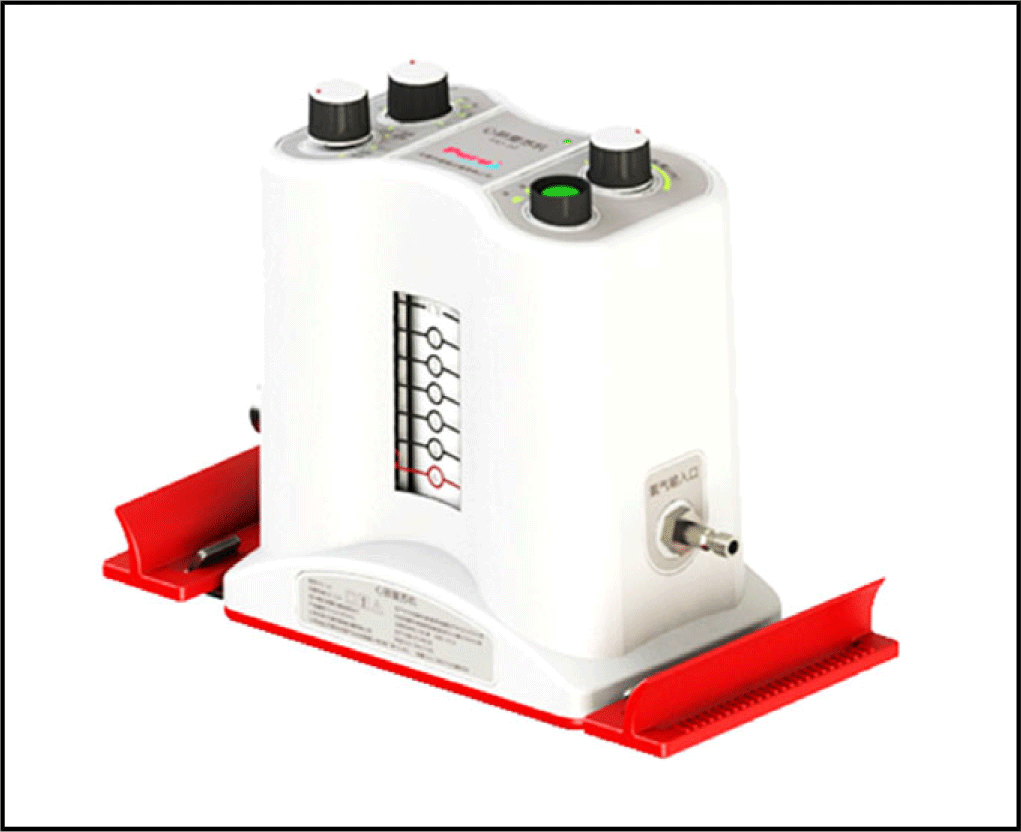
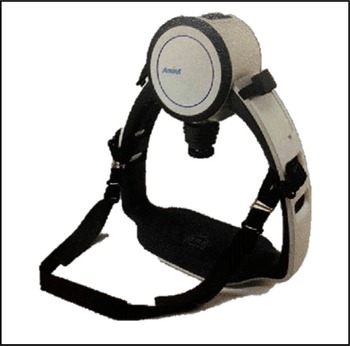
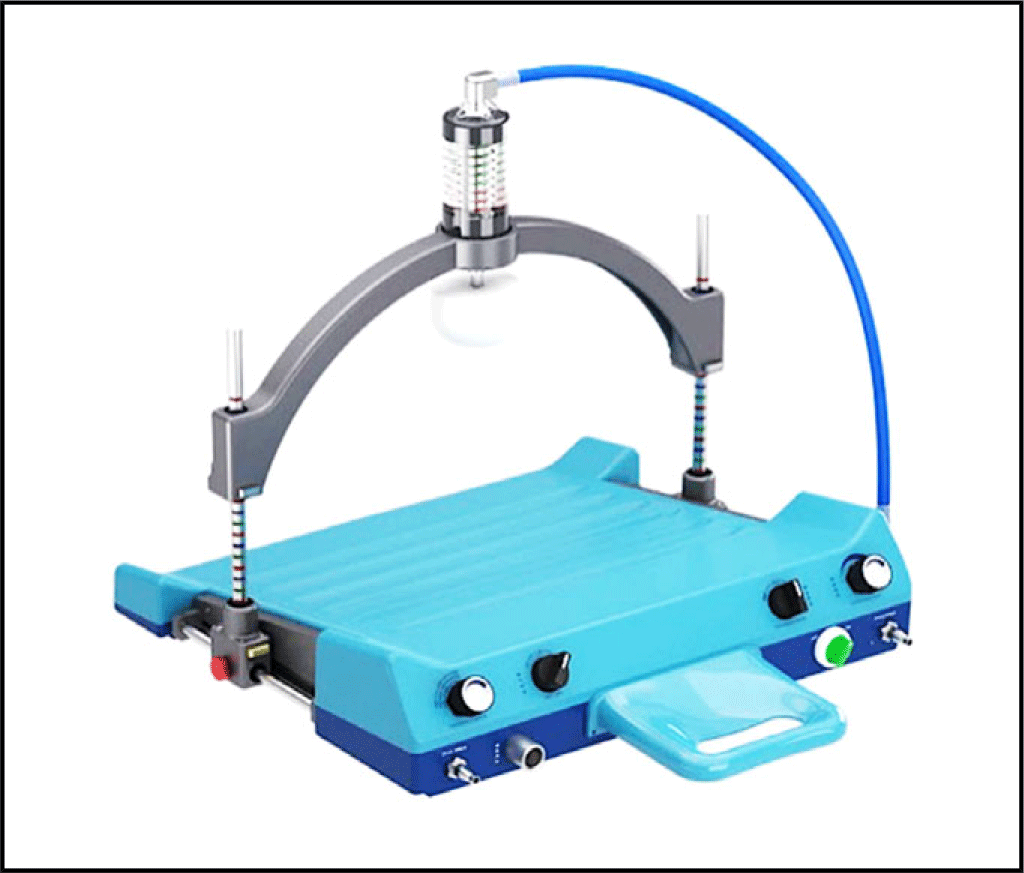
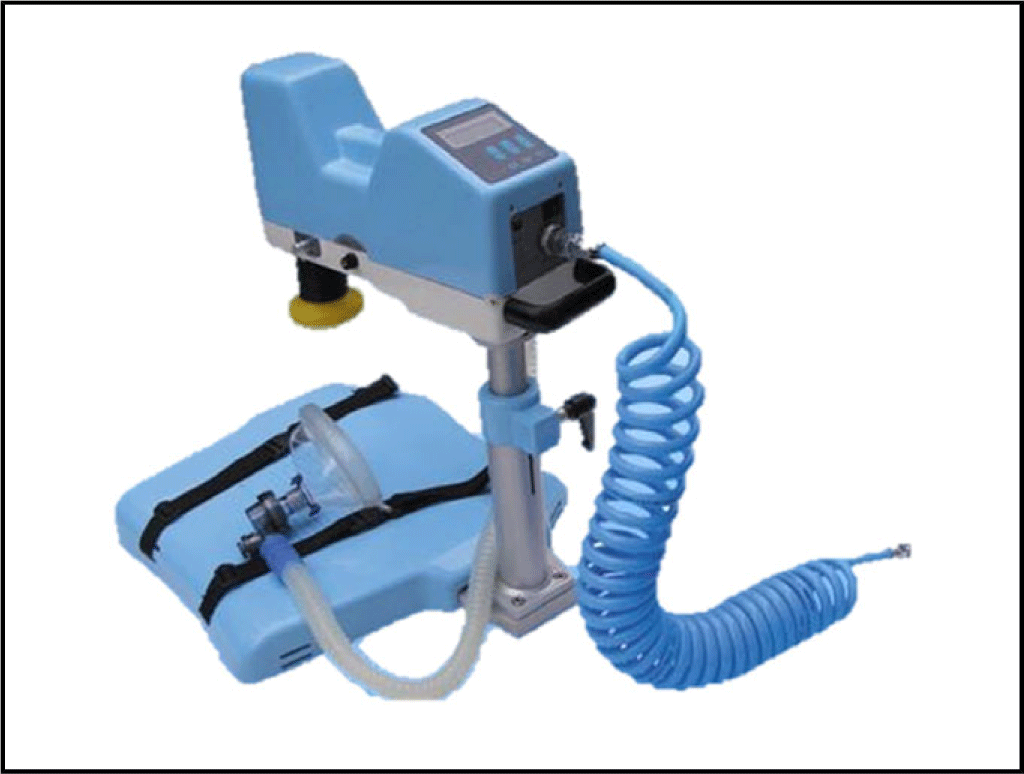
The FSJ-10 was designed by the Shenzhen Amoul Company of China, and realizes the integration of cardiopulmonary resuscitation and ventilation, as shown in Figure 9. The modified machine adopts the 3D compression mode of wrapping the right chest, which provides point compression of the chest at the same time. It is a comprehensive embodiment of the principle of heart pump and chest pump. Its compression depth is adjustable and visible, it has three compression modes, and can be installed and started quickly, greatly saving rescue time. The E6 cardiopulmonary resuscitation machine designed by Security Technology Co., Ltd. is battery-powered, which can monitor the end expiratory carbon dioxide and compress or ventilate the wounded through its real time coordination and synchronization function. It is shown in Figure 10. The cardiopulmonary resuscitator produced by Shenzhen BangVo company can achieve three compression modes with pneumatic control, and is shown in Figure 11. The Subang digital multi-functional cardiopulmonary resuscitation machine of the Henan Maisong company adopts a Sabo-like model, combining CPR with ventilation as shown in Figure 12.Reference Shuxia, Yanan and Tongxing18
FSJ-10 CPR machine.

E6 CPR machine.

BangVo CPR machine.

Subang digital multi-functional CPR machine.

Existing physiological information monitoring devices can monitor ECG, blood pressure, blood oxygen, and other parameters, but have a large size, and are mostly suitable for use in hospitals. Monitoring devices for on-site rescue are still scarce. The existing defibrillation heart rate recognition algorithm is not based on data collected by Chinese research institutions. If an ECG database based on Chinese research institutions is established, the accuracy of defibrillator recognition of Chinese heart rate may be improved, and the accuracy of heart rate recognition algorithms can be tested. Most of the existing equipment adopts the principle of pneumatic control or electric control, with large and heavy products that do not meet the requirements of portability and light weight.Reference Lina19
OUTLOOK
In order to improve the rescue success rate of the critically injured at the scene and adapt to the complex disaster environments, there is an urgent need to develop a full-automatic basic life support integrated machine that is portable and provides multiparameter, real-time dynamic monitoring. The integrated machine will use a variety of intelligent algorithms to monitor a variety of vital sign parameters, in combination with respiratory support control technology, in vitro 3D CPR technology, and synchronous automatic external electric cardioversion technology. This will achieve an adaptive feedback regulation system of multi-parameter identification and analysis. The device can achieve accurate chest compression, reduce the amount of current passing through the heart during defibrillation, effectively reduce the damage of myocardial tissue, ensure diagnostic accuracy of over 95%, and provide real-time monitoring of physiological parameters such as ECG, blood pressure, blood oxygen, respiration, endcarbon dioxide, and temperature. The efficiency and accuracy of deep learning algorithms analyzing the physiological parameters, physical parameters, and system parameters of each functional module can be enhanced by integrating the multiparameter spatiotemporal characteristics and attention mechanisms, and an adaptive feedback regulation system.
CPR and defibrillation synchronization technology are not yet widely deployed. Effective energy management to provide stable device function with battery power supply; integration of accurate monitoring of multiple vital sign parameters; integration of respiratory ventilation, cardio pulmonary resuscitation and electrical resuscitation; and the implementation of synchronous automatic control, are the key and difficult points for future research.
Author contributions
Shuai Ma and Bin Fan contributed equally to this work.
Conflict of interest statement
The authors have no conflicts of interest to declare.