Introduction
Hospital-onset bacteremia and fungemia (HOB) events are associated with increased risk of mortality, hospital length of stay, and costs of care. Reference Yu, Jung and Ai1,Reference Goto and Al-Hasan2 Due to the importance of HOB events to patients and hospitals, HOB is planned for implementation as a novel healthcare quality measure by the Centers for Disease Control and Prevention (CDC). Reference Leekha, Robinson and Jacob3–5
Current HAI surveillance and quality improvement commonly focuses on infections associated with specific devices, and procedures and thereby does not capture a substantial burden of nosocomial HAIs. For example, central line-associated bloodstream infections (CLABSIs) are estimated to constitute only 20%–25% of HOB. Reference Yu, Jung and Ai1,Reference Leekha, Robinson and Jacob3 The introduction of HOB as a quality measure, therefore, would represent a marked expansion of HAI surveillance.
Given the selective scope of existing HAI surveillance, there is no existing framework used by hospitals to assess the preventability and drive improvements in infection prevention and patient safety related to the breadth of all HOB events. In anticipation of this broader scope and higher incidence of HOB events, a preventability assessment framework is needed for use by frontline hospital teams.
Therefore, we designed a study to develop a framework for HOB event case reviews by frontline clinicians and subsequently used that framework to conduct multidisciplinary case reviews of HOB events across academic and community hospitals. We hypothesized that multidisciplinary case reviews would identify opportunities for improvement and potential interventions to decrease future HOB events.
Methods
We conducted a prospective, observational study among healthcare teams at 6 hospitals (3 academic and 3 community) associated with two health systems. We reviewed HOB events to identify systems or process gaps in care, and opportunities for quality improvement that could potentially prevent future events.
The study was conducted in three parts: (1) creation of a framework for review of HOB cases, (2) a pilot study to further refine the framework, applied to selected HOB cases at two hospitals, and (3) an implementation phase using the final framework applied to HOB cases at six hospitals.
HOB events were defined as a positive blood culture on hospital day 3 or later, with admission defined as day zero, and growth of a non-commensal organism that was considered a true pathogen by the clinical care team. 9
Framework creation
We first developed a framework adapted from the Joint Commission on Accreditation of Healthcare Organizations (JCAHO) Patient Safety Event Taxonomy. Reference Schrank, Snyder and Leekha4,Reference Chang, Schyve, Croteau, O’Leary and Loeb6 This is a standardized terminology and classification schema consisting of 5 classifications or “nodes” of an error or harm: impact, type, domain, cause, and prevention or mitigation. We specifically used the “Causes” root node as the foundation for the HOB review framework and filtered it through a lens of infection prevention to construct HOB event-related questions for each of four categories: general infection prevention factors, infection-site-specific factors, system factors, and human factors. This framework was built in REDCap electronic data capture tools hosted at the University of Maryland, Baltimore. Reference Harris, Taylor, Thielke, Payne, Gonzalez and Conde7,Reference Harris, Taylor and Minor8 Cascading questions within each category were developed to elicit potential contributing causes in sub-categories (Supplementary Material). Local quality improvement and patient safety experts at study hospitals were engaged for review and feedback of this framework prior to its use.
Eligible HOB events were identified using a strategy of convenience sampling by prospectively reviewing new positive blood culture results through each facility’s existing HAI surveillance platform, intentionally selecting from across a variety of adult and pediatric units, levels of care (i.e., ICU vs ward), and departmental specialty to ensure diversity in participants, patients, and underlying sources of HOB. For each eligible HOB event, the medical record was reviewed by study team members to identify stakeholders and clinical team members involved in the care of the patient. These individuals included the primary team providers, bedside nurses, and unit nursing leadership, infection preventionists, and consultant services. Stakeholders were invited via email to participate in an HOB event case review and offered a gift card as compensation for their participation. The case review was subsequently scheduled with interested participants, within four weeks of the HOB event, and conducted via a virtual meeting. Only the clinical role of the participants was recorded; no additional identifying information about participants was collected.
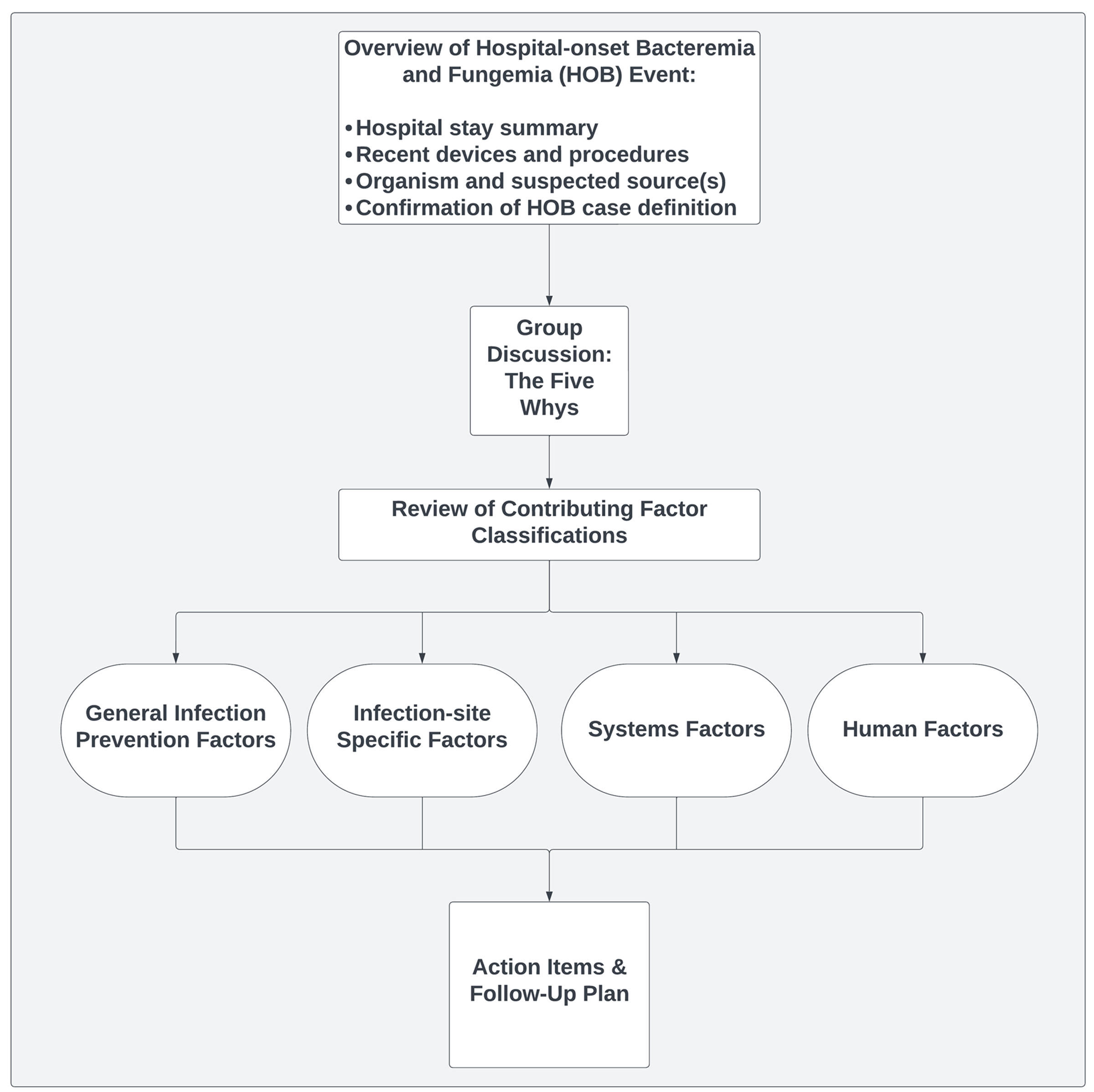
Each focus group began with a summary of the patient’s hospitalization, including indwelling devices, relevant procedures, and other key events prior to the HOB event, and the suspected source of HOB. Source determination was based on review of clinical documentation and impression of the treatment team; no standardized surveillance criteria (e.g., CDC NHSN definitions) were applied. At this point, the study team facilitator proceeded with an initial discussion using The Five Whys technique, to generate conversation about potential contributing factors and underlying causes. 10 Following completion of The Five Whys, the JCAHO taxonomy-adapted HOB framework was used to classify any contributing factors into the four categories. Contributing factors were identified only when there was group consensus with unanimous agreement. Participants were then asked to provide any action items intended for quality improvement related to identified contributory factors and root causes. An overview of the HOB case review process is displayed in Figure 1.
Overview and workflow of the framework used for hospital-onset bacteremia and fungemia event case reviews. HOB, hospital-onset bacteremia and fungemia.
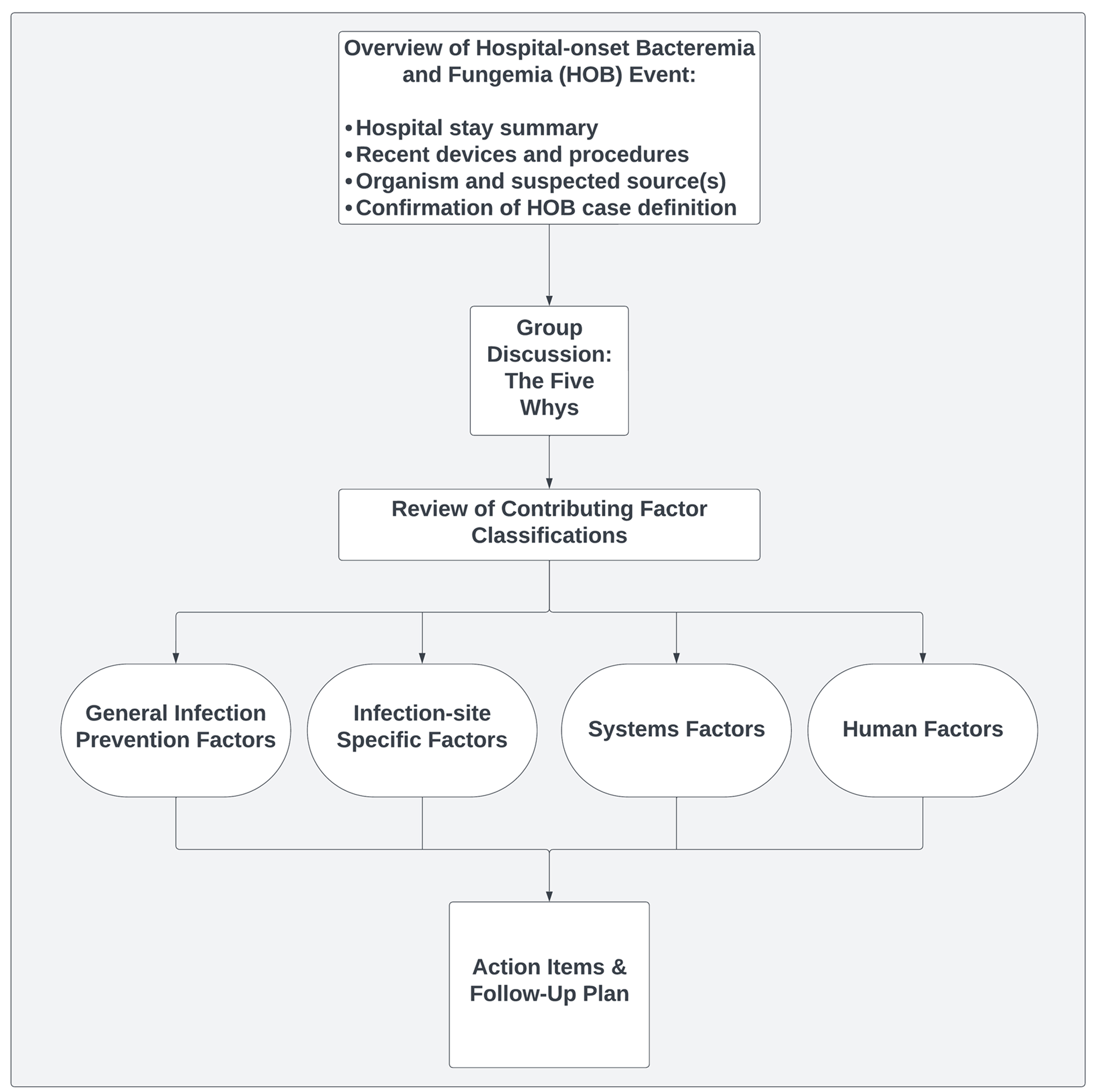
Figure 1 Long description
The flowchart begins with an overview of hospital-onset bacteremia and fungemia (HOB) events, including hospital stay summary, recent devices and procedures, organism and suspected sources, and confirmation of HOB case definition. This leads to a group discussion labeled 'The Five Whys,' followed by a review of contributing factor classifications. The classifications are divided into four categories: General Infection Prevention Factors, Infection-site Specific Factors, Systems Factors, and Human Factors. These categories are interconnected and lead to the final step, which is the development of action items and a follow-up plan.
Pilot study
In an initial pilot study to assess the usability of this framework, 17 HOB events were identified at two hospitals—one academic teaching hospital and one university-affiliated community hospital. We aimed for between 15–20 HOB events for the pilot study, which is in the range of sample sizes for usability and formative evaluations. Reference Del Fiol, Mostafa and Pu11 At the end of each focus group, participants were surveyed on framework usability and effectiveness as a quality improvement tool. This information was used for minor refinement to the framework for use on all subsequent cases, which was limited to wording changes for improved clarity.
Framework implementation
After the pilot, the study was expanded to all six hospitals. Based on anticipated HOB incidence and feasibility, we aimed to enroll up to 75 HOB events (inclusive of the pilot) to capture a diverse collection of cases. At four of the six participating hospitals, HOB events were selected from across the entire facility, but at two academic/teaching hospitals HOB events were selected from specific units and services; one hospital selected cases from the medical intensive care unit and pulmonary/critical care step down, and the other from Hospitalist, Internal Medicine, and Family Medicine services only.
During HOB case selection we excluded events that were repeat positive cultures with the same organism during the same admission (either after a previous HOB event or bacteremia/fungemia that was present on admission) and specimens that were positive only using molecular techniques but negative with standard culture methodology. Additionally, we avoided HOB events determined to be CLABSIs by local IP teams to avoid redundant case reviews at facilities that perform them routinely for CLABSIs, and HOB in patients with neutropenia to limit inclusion of low preventability events. Reference Leekha, Robinson and Jacob3
Statistical analysis
Descriptive analysis was performed to summarize HOB sources, contributing factors, and action items generated from the reviews. Because minimal changes to the framework were implemented after feedback from the pilot study, data from pilot and main study cases were combined for analysis, which was performed using Microsoft Excel 365 (Redmond, WA, USA). This study was determined to be exempt by the University of Maryland, Baltimore, Institutional Review Board.
Results
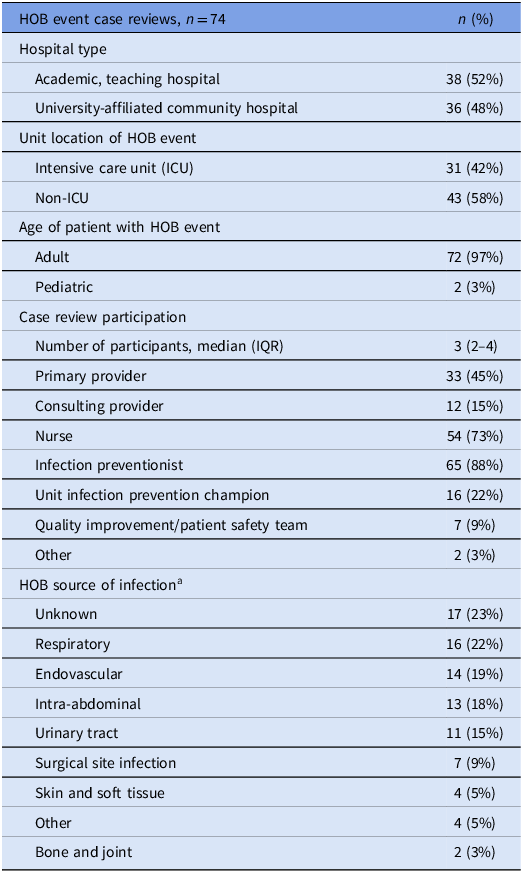
Seventy-five HOB case reviews were performed between July 2022 and April 2024, including 17 as part of the pilot and 58 during framework implementation. The pilot elicited favorable feedback of the framework: 100% found it easy to use, 77% found it useful to identify key pieces of information, 92% found it helpful to determinate potential gaps in the quality of care, and 77% found it either useful or partially useful to identify the source and potential preventability of the HOB event. Of the 75 case reviews, one was later recognized as a commensal organism and excluded, leaving 74 cases for analysis. HOB event characteristics can be found in Table 1. HOB events were evenly distributed between academic and community hospitals, and 42% occurred in an ICU setting. A median of 3 care team members (IQR 2–4) participated in each case review, with most frequent participation by infection preventionists (88%), nurses (73%), and primary providers (45%). HOB events were attributed to diverse sources (Table 1), with unknown/uncertain (23%), respiratory (22%), endovascular (19%), and intra-abdominal (18%) as the most common. In 30 (40.5%) events, a central venous catheter (CVC) was in place within 2 calendar days of the positive blood culture: 22 (73.3%) were clinically determined to have a secondary BSI, and 8 (26.7%) in which a CVC was the suspected infection source.
Characteristics of hospital-onset bacteremia and fungemia (HOB) event case reviews using the developed framework
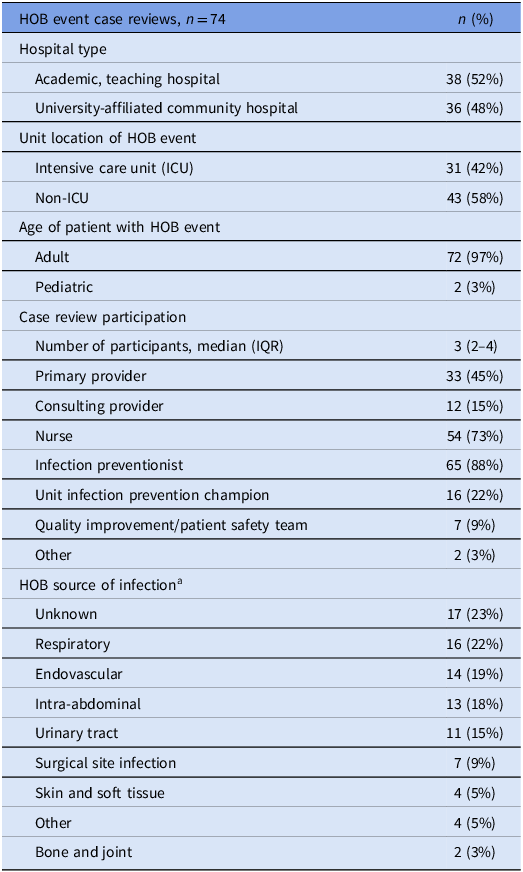
Table 1 Long description
The table presents data on 74 hospital-onset bacteremia and fungemia (HOB) event case reviews. It includes information on hospital type, with 52 percent from academic, teaching hospitals and 48 percent from university-affiliated community hospitals. The unit location of HOB events is split between intensive care units (42 percent) and non-ICU units (58 percent). Most patients were adults (97 percent), with only 3 percent being pediatric cases. Case review participation involved a median of 3 participants, primarily including infection preventionists (88 percent), nurses (73 percent), and primary providers (45 percent). The sources of HOB infections varied, with the most common being unknown (23 percent), respiratory (22 percent), endovascular (19 percent), and intra-abdominal (18 percent).
a More than one suspected source was reported for some HOB events. HOB, hospital-onset bacteremia and fungemia.
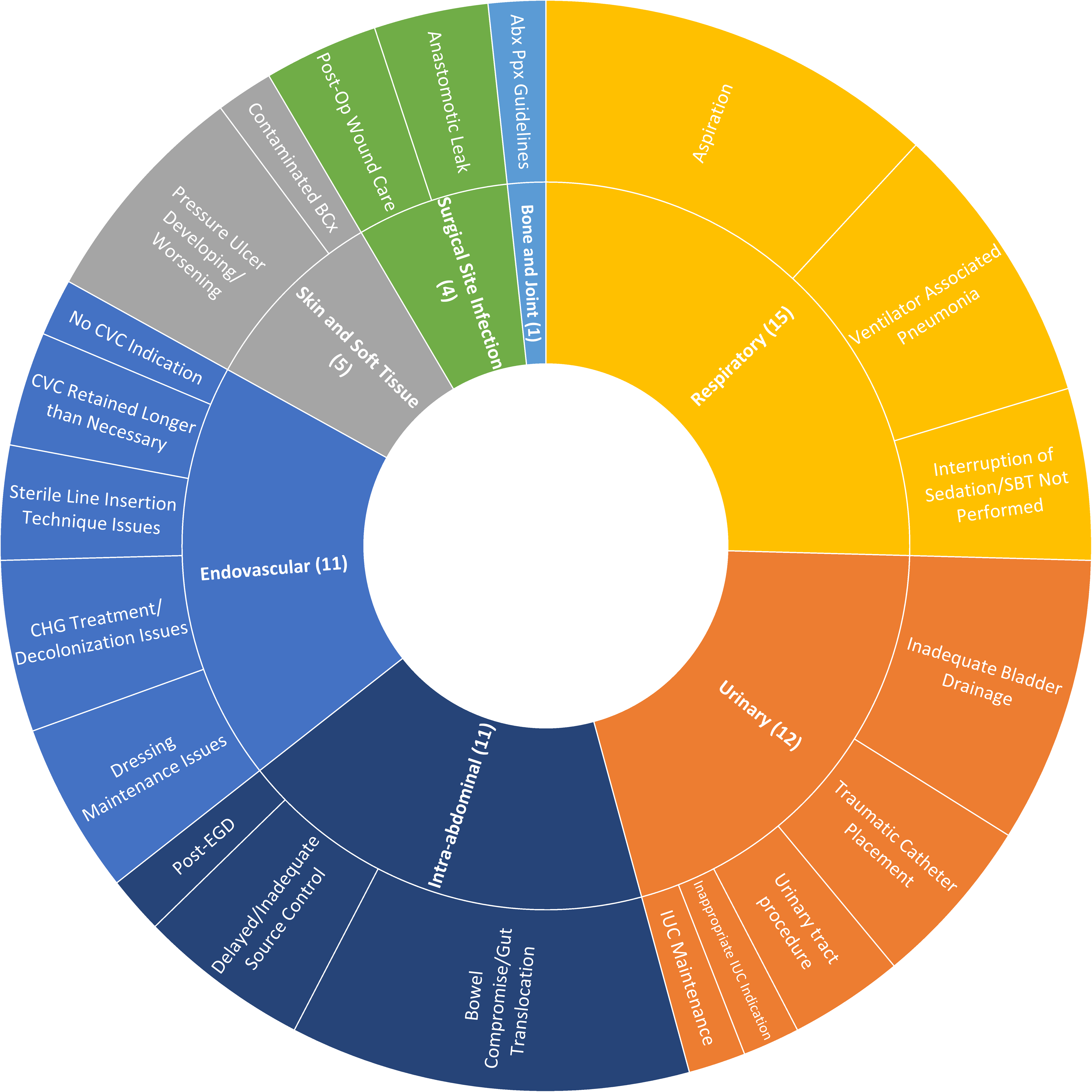
Thirty-six (48%) case reviews identified at least one infection-site-specific factor; this amounted to 63% of 54 HOB events with a known source of infection. Figure 2 displays the relative frequency of 59 identified infection-site-specific factors, by suspected source, for the 36 HOB events where a factor was identified. The top five most frequently identified factors across all secondary sources were aspiration events (7, 12%), bowel compromise/gut translocation (7, 12%), ventilator-associated pneumonia (5, 8%), inadequate bladder drainage (4, 7%), and pressure ulcers (4, 7%). Twenty-six (44%) of infection-site-specific factors identified are not addressed by existing HAI prevention guidelines (Supplemental Table 1).
Relative frequency of 59 infection-site-specific factors identified during case reviews as contributing to the 36 hospital-onset bacteremia and fungemia events for which one of these factors was identified. Abx, antibiotics; BCx, blood culture; CHG, chlorhexidine gluconate; CVC, central venous catheter; EGD, esophagogastroduodenoscopy; IUC, indwelling urinary catheter; Ppx, prophylaxis; SBT, spontaneous breathing trial.
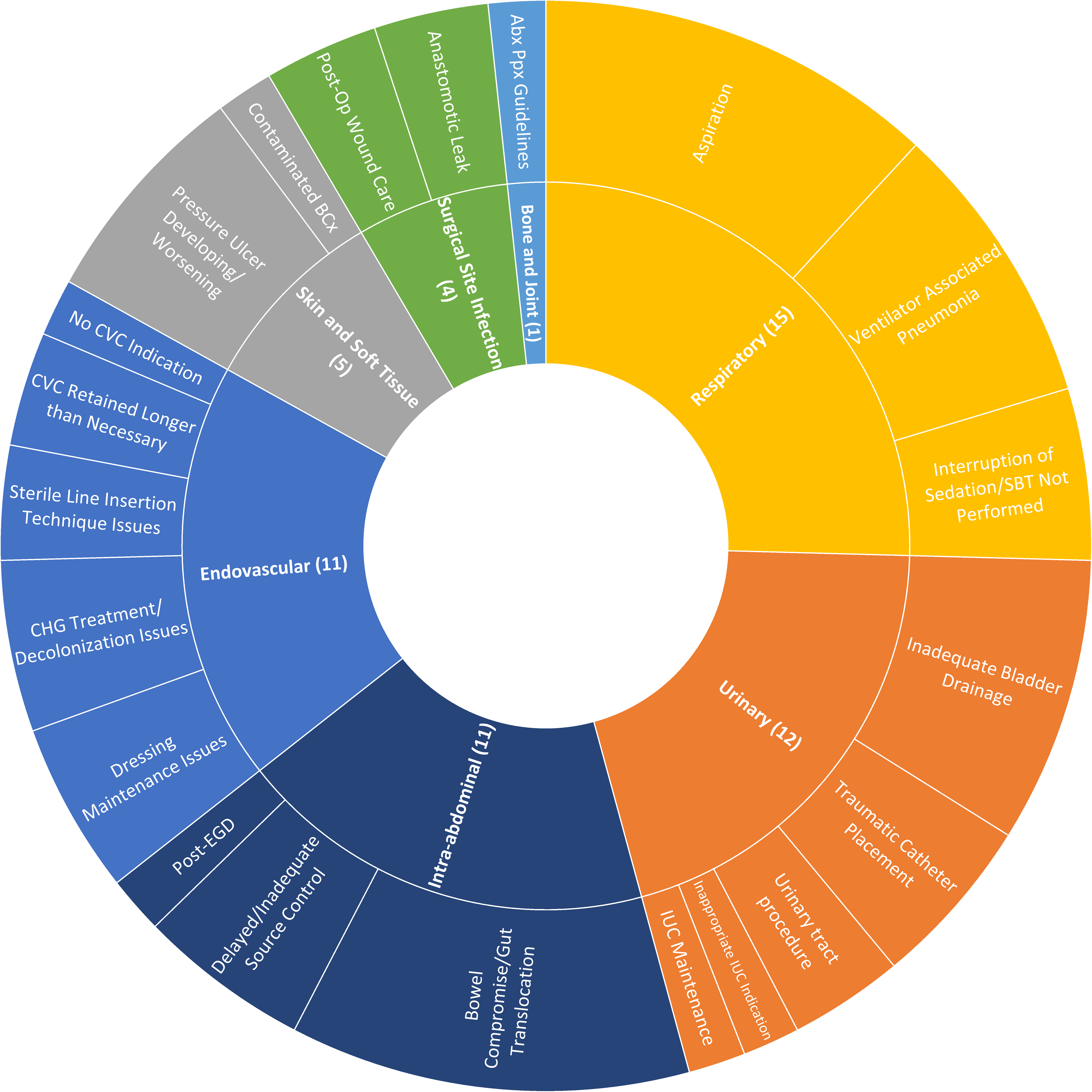
Figure 2 Long description
A pie chart illustrates the relative frequency of 59 infection-site-specific factors identified during case reviews as contributing to hospital-onset bacteremia and fungemia events. The chart is divided into several segments, each representing a different infection site and its associated factors. The segments include Respiratory with 15 factors, Urinary with 12 factors, Endovascular with 11 factors, Intra-abdominal with 11 factors, Skin and Soft Tissue with 5 factors, Surgical Site Infection with 4 factors, and others. Each segment is color-coded and labeled with specific factors such as Aspiration, Ventilator Associated Pneumonia, Inadequate Bladder Drainage, Traumatic Catheter Placement, and more. The chart highlights the distribution and proportion of each factor, indicating the most and least common contributors to these infections.
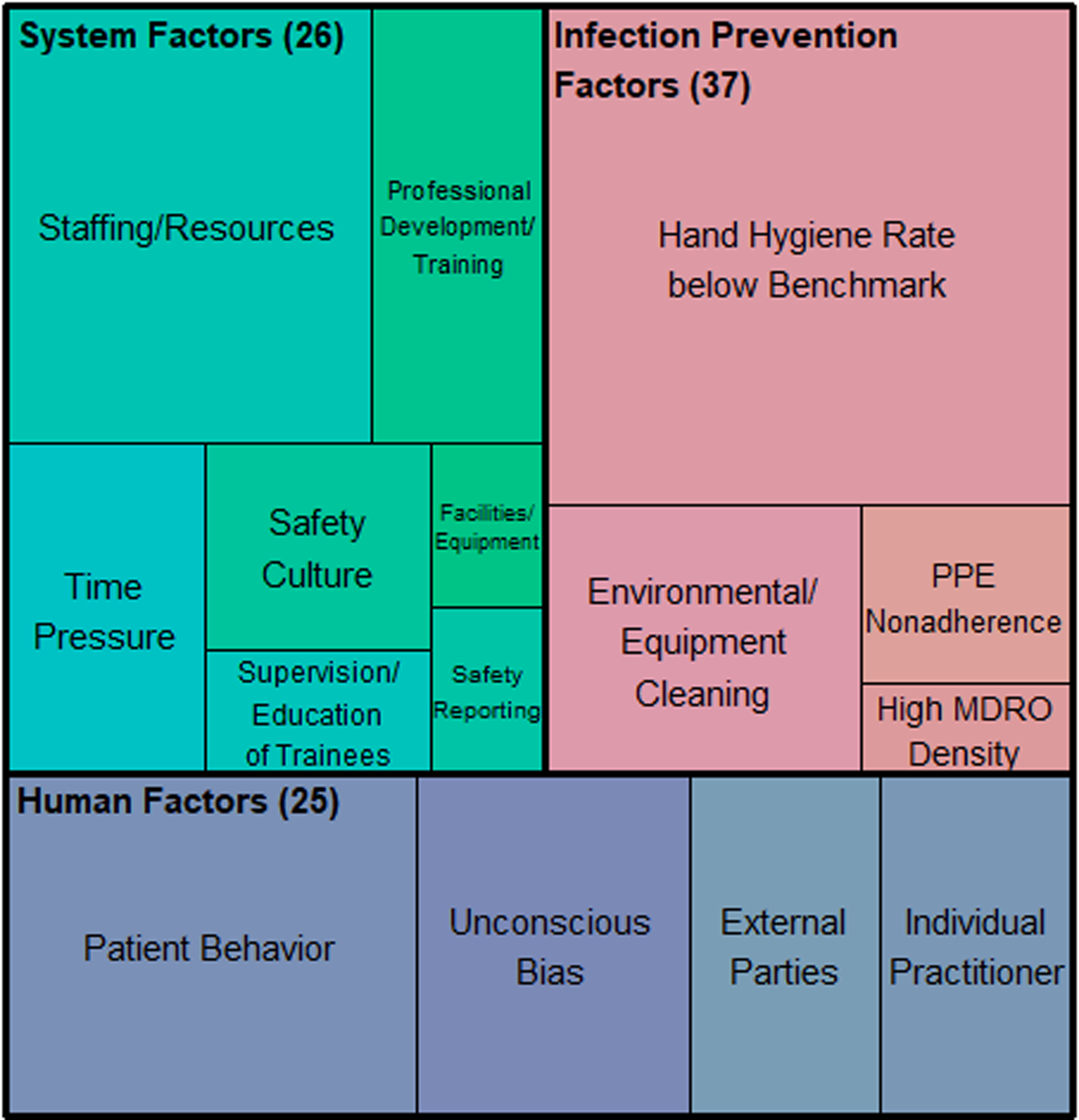
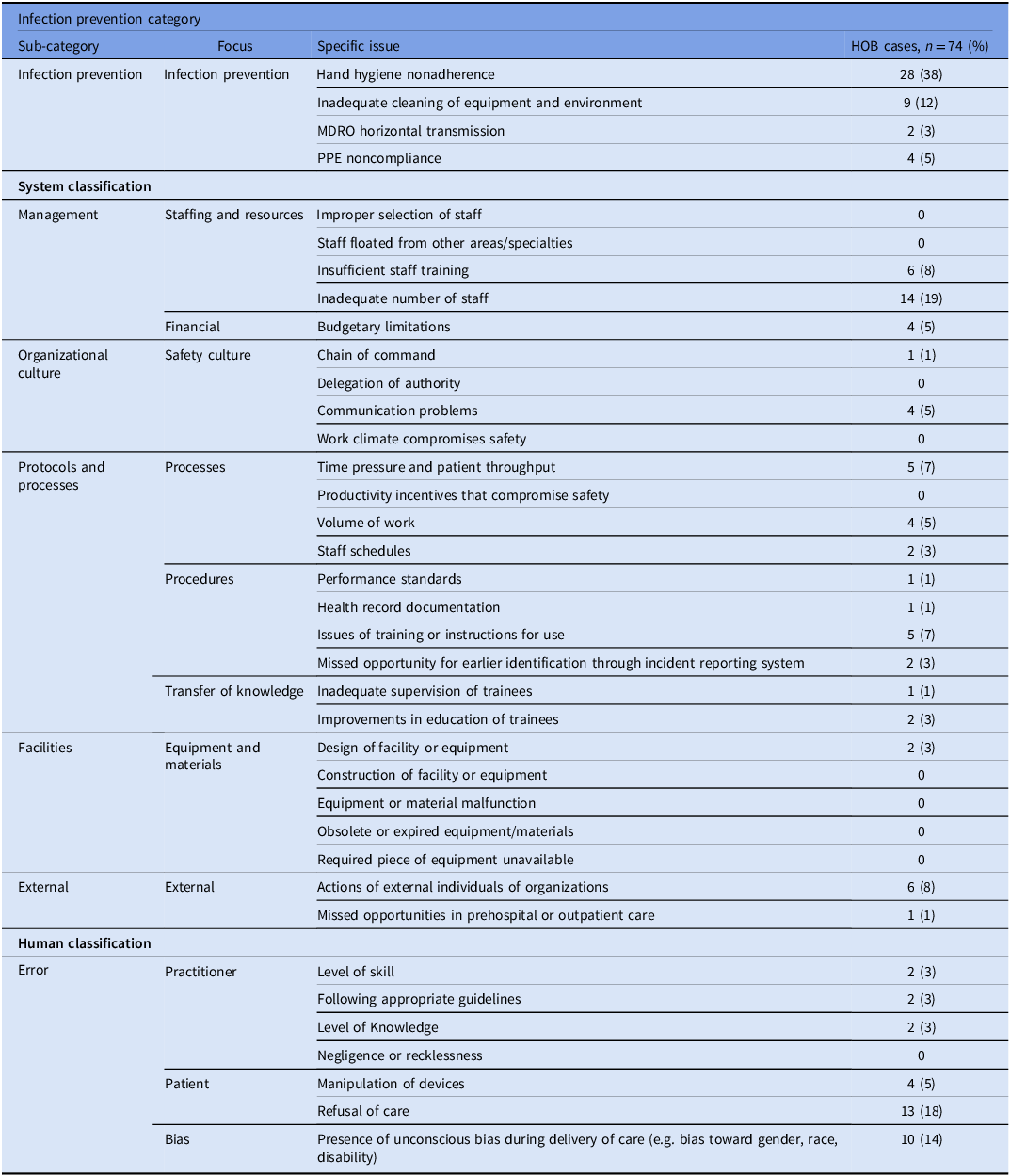
Infection prevention, system, and human factors are summarized in Table 2. Infection prevention factors were identified in 37 (50%) of case reviews; the most frequently identified factor was hand hygiene nonadherence (28 events, 38%). System factors were identified in 26 (35%) of the HOB events. Staffing and resource limitations (17, 23%) were identified most commonly. Human factors were identified in 25 (34%) of HOB events; patient behavior was identified in 15 (20%), and the presence of unconscious bias in care was reported in 10 (14%). Figure 3 demonstrates the distribution of infection prevention, system, and human factors identified during case reviews. Of all non-site-specific factors identified across the 74 HOB events, 43% were in the system factors category, 34% in the infection prevention category, and 24% in the human factors category. Among 17 cases without a known secondary source, 14 (82%) identified an infection prevention factor, and 6 (35%) identified either a system or human factor.
Hierarchy and distribution of infection prevention, system, and human factors identified during hospital-onset bacteremia and fungemia case reviews. Numbers in parentheses indicate the number of HOB case reviews in which at least one contributing factor from this category was identified. MDRO, multi-drug resistant organism. PPE, personal protective equipment.
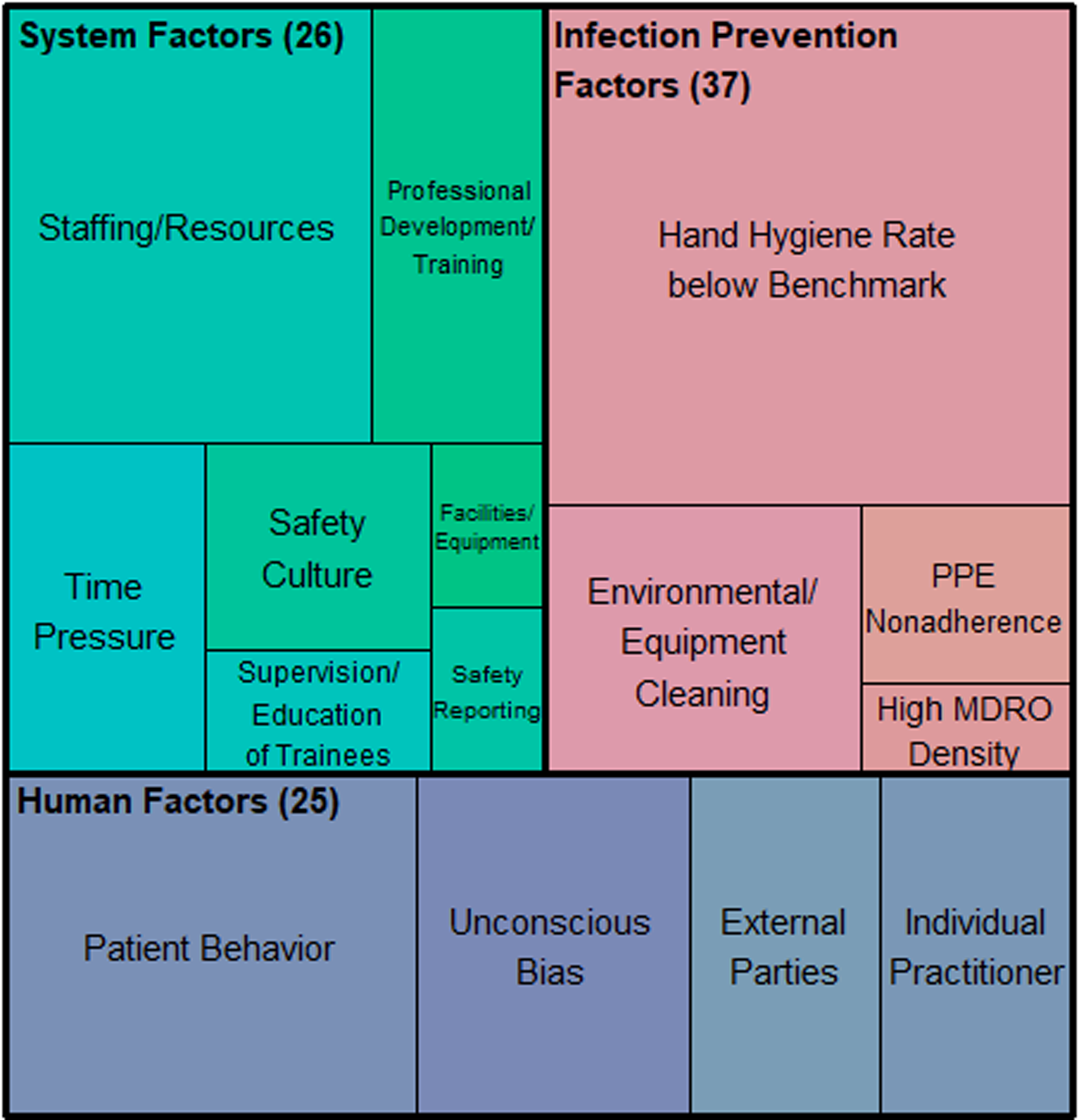
Figure 3 Long description
The table presents a hierarchy and distribution of factors identified during hospital-onset bacteremia and fungemia case reviews. It categorizes these factors into three main groups: system factors, infection prevention factors, and human factors. The system factors include staffing/resources, professional development/training, safety culture, time pressure, supervision/education of trainees, facilities/equipment, and safety reporting. The infection prevention factors include hand hygiene rate below benchmark, environmental/equipment cleaning, PPE nonadherence, and high MDRO density. The human factors include patient behavior, unconscious bias, external parties, and individual practitioners. Each category lists specific contributing factors and the number of case reviews in which each factor was identified. The table highlights the complexity and multifaceted nature of infection prevention in hospital settings.
Infection prevention, system, and human factors identified during multidisciplinary case reviews as contributing to HOB events using the developed framework
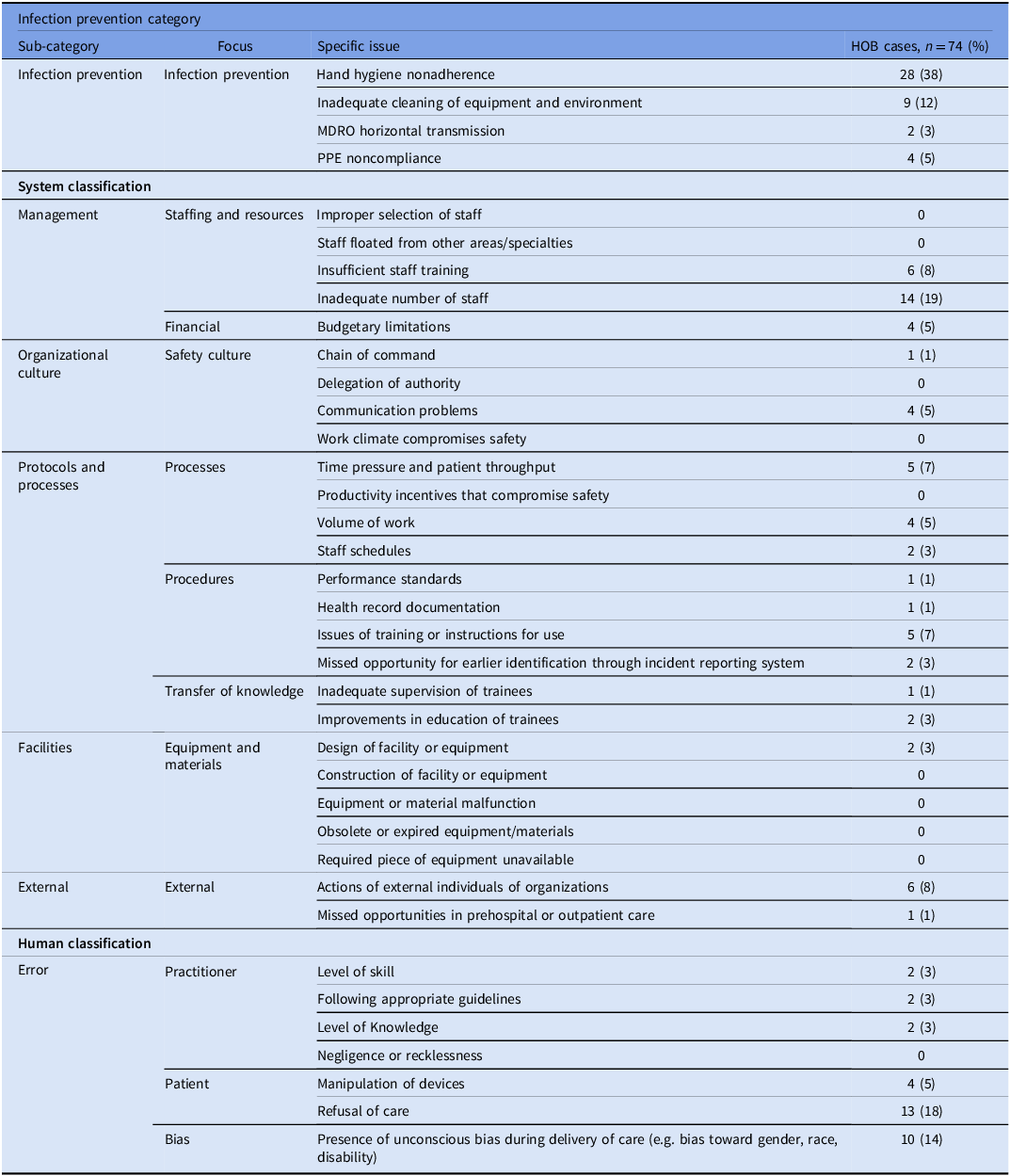
Table 2 Long description
The table presents data on infection prevention, system, and human factors identified during case reviews of healthcare-associated bloodstream infection events. It includes three main categories: infection prevention, system classification, and human classification, each with sub-categories and specific issues. The infection prevention category focuses on hand hygiene nonadherence, inadequate cleaning, horizontal transmission, and PPE noncompliance. The system classification category covers management, organizational culture, protocols and processes, facilities, and external factors. The human classification category addresses practitioner errors, patient behavior, and bias. Each row lists the sub-category, focus, specific issue, and the number of cases. Notable trends include hand hygiene nonadherence being the most frequent infection prevention factor, staffing and resource limitations being the most common system factor, and patient behavior and unconscious bias being significant human factors.
HOB, hospital-onset bacteremia and fungemia. MDRO, multi-drug resistant organism. PPE, personal protective equipment.
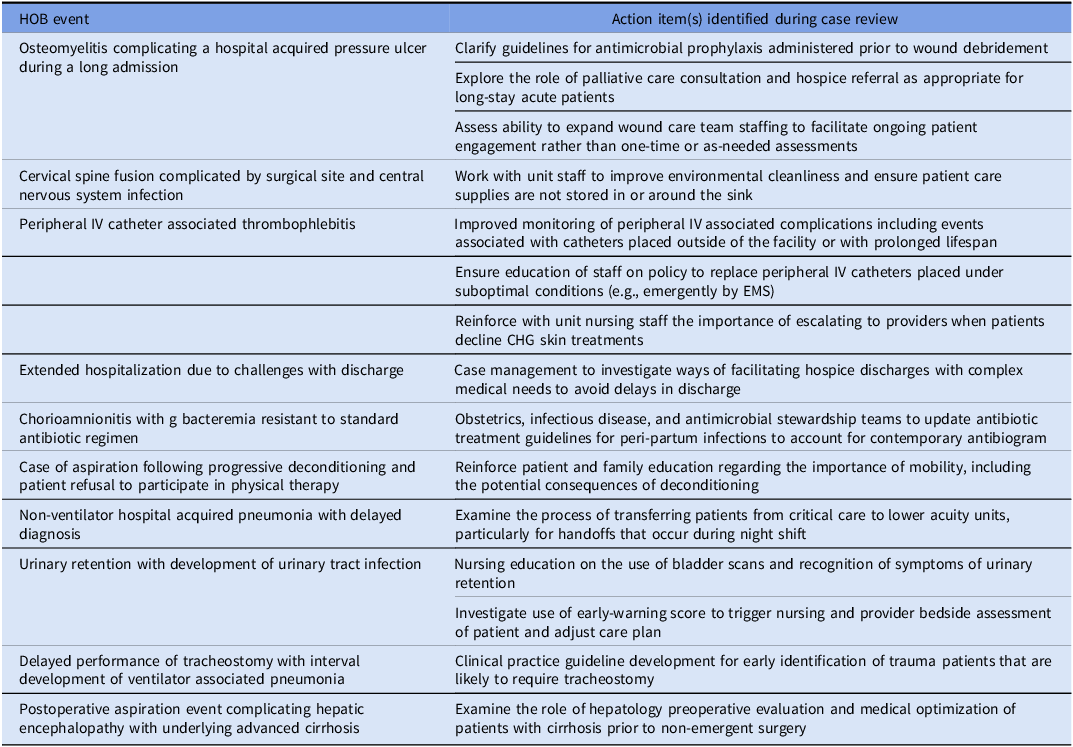
A total of 65 action items for quality improvement were identified among 43 cases. Action items for potential quality improvement interventions were broad and diverse in nature, though some were commonly identified from multiple HOB cases (e.g., improvement in hand hygiene or CHG treatment compliance). Select illustrative examples of HOB events and action items determined from case reviews are listed in Table 3.
Select hospital-onset bacteremia and fungemia cases and action items for quality improvement, representing approximately 45% of the total number of action items identified during case reviews
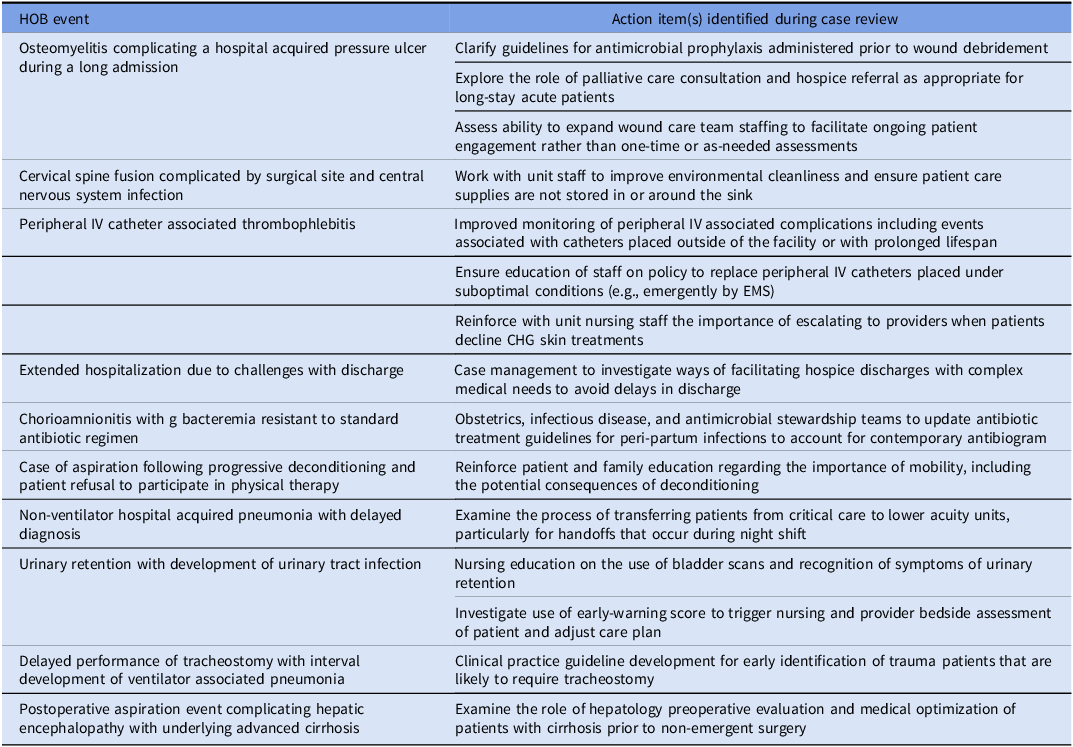
Table 3 Long description
The table presents a list of hospital-onset bacteremia and fungemia cases alongside identified action items for quality improvement. It includes ten rows and three columns. The first column lists specific HOB events such as osteomyelitis, cervical spine fusion complications, and peripheral IV catheter-associated thrombophlebitis. The second column details the action items identified during case reviews, including clarifying guidelines for antimicrobial prophylaxis, improving environmental cleanliness, and reinforcing staff education on policies. The third column continues with additional action items like assessing wound care team staffing, monitoring peripheral IV complications, and ensuring patient and family education on mobility. The table highlights the diverse nature of quality improvement interventions needed across different cases.
CHG, chlorhexidine gluconate; EMS, emergency medical services; HOB, hospital-onset bacteremia and fungemia.
Discussion
In this study to develop and implement a framework for HOB event case reviews by frontline hospital teams, we found that use of a standardized framework can facilitate productive discussion and identify contributing factors across multiple domains. Feedback provided during the pilot of this framework confirmed the tool was easy to use and facilitated discussion that was effective in identifying contributing factors. In particular, the multidisciplinary nature of the case reviews was critical to identifying non-traditional areas of opportunity for improvement. Reference Machen12, Reference Mahajan13 Our findings support the adoption of HOB as a quality improvement metric, as HAI exposure risk and preventability is diminishingly attributable to devices or procedures, but rather more holistic aspects of care within and beyond the acute care setting.
Among HOB events with a suspected source of infection, at least one infection-site-specific factor was identified during 63% of cases reviewed. The diversity of these factors follows from the breadth of the infection sources, and while some underlying factors are quite familiar to routine infection prevention work, others are likely to require an adjustment strategy or expansion of scope to be addressed. For example, factors identified as contributing to HOB events with respiratory and endovascular sources were generally well-established risks (e.g., mechanical ventilation) or part of existing prevention toolkits (e.g., central venous catheter dressing maintenance).
However, discussion of HOB events secondary to a urinary source identified inadequate urinary drainage contributing to several cases. These non-device-associated infections highlight a potential paradigm shift that could result from adoption of HOB as a quality measure; HOB prevention strategies should weigh risk of infection due to an indwelling device against the risks of device removal. To reduce the overall incidence of bloodstream infection—whether due to a device or not—an HOB prevention toolkit should encourage clinicians to seek balance of these risks for each patient, rather than in the current state where pay-for-performance incentivizes decisions that avoid meeting a HAI surveillance definition like CAUTI. This toolkit would include examination of existing prescriptive policies that hospitals may have to horizontally drive removal of devices from admitted patients but may not be the most effective HOB prevention strategy for all.
Finally, some factors—such as those for intra-abdominal infection—are of uncertain or low preventability based on prior research, Reference Leekha, Robinson and Jacob3 but could drive innovative and multidisciplinary strategies for prevention that go beyond the realm of infection prevention, such as clinical pathways to obtain more timely source control for a known infection.
Infection prevention factors were also commonly identified during case reviews. Given the focus of these case reviews was a nosocomial infection, it was important to include discussion of infection prevention best practices to highlight ongoing opportunities, but the prevalence of these contributing factors should be viewed with two caveats: (1) infection preventionists were the most frequent participant role, present in 88% of case reviews so their perspectives may be overrepresented in our findings, and (2) these infection prevention factors by nature are less directly attributable to development of HOB events, however this is more broadly true of systems-oriented contributing factors that are further upstream of the infection event. While there may be existing quality improvement programs in place for some of these infection prevention or system factors (e.g., hand hygiene monitoring) our findings reinforce the critical importance of the programs as bloodstream infection surveillance expands beyond CLABSI.
Examination of system and human factors categories yielded some expected findings of staffing and resource challenges as factors, which are well documented as contributing to degradations in infection prevention practices and subsequent HAIs. Reference Mitchell, Gardner, Stone, Hall and Pogorzelska-Maziarz14–Reference Zingg, Holmes and Dettenkofer16 While not always high prevalence, review of these categories with a structured framework identified factors critical to specific cases, such as communication breakdowns or deficiencies in training and instruction. This was of particular value during the review of HOB events of unknown source, among which 35% identified at least one system or human factor during case review.
This study’s limitations include the use of a convenience sampling strategy for HOB event selection, which provided a diversity of HOB sources and across units and hospitals, but may not reflect the true characteristics of all incident HOB events. This includes our intentional avoidance of HOB events attributed to CLABSIs, which enabled us to focus on new areas of preventability beyond catheter-related bloodstream infections. This is demonstrated by the 73% of HOB events that occurred contemporaneously with an indwelling CVC but were determined to have another secondary source. Additionally, some eligible cases did not undergo a case review due to challenges with scheduling an adequate number of participants. Scheduling difficulties, in part, contributed to the low proportion of pediatric HOB events included in our study along with our intentional exclusion of commensal organisms and HOB events attributed to CLABSIs. At two of our study sites, cases were identified only on select units and clinical services to better facilitate timely case reviews. Our findings, therefore, may have limited generalizability. Lastly, although we aimed to include a diverse array of participants, it is likely that other perspectives and opinions of contributing factors exist for these HOB events but were not captured during our reviews. The objective of the study was not to provide an estimate of the distribution of HOB contributing factors that acute care hospitals can expect to identify, but rather demonstrate the breadth of contributing factors that are identifiable using a structured methodology for HOB case review, particularly those factors outside the traditional focus of infection prevention teams.
As hospitals prepare for a HOB quality measure, using existing data infrastructure to assess the incidence of these infections, unit locations, microbiology, and admitting departments will bring some form and focus. Recognizing that in-depth case reviews require time and effort, initial approaches will require tailoring to a facility’s resources and baseline HOB incidence, followed by the use of proven quality improvement techniques (e.g., Pareto chart development, trigger tools using EHR-derived data) to facilitate further evaluations of common contributing factors. Reference Howell, Burns, Bouras, Donaldson, Athanasiou and Darzi17–Reference Bhise, Sittig, Vaghani, Wei, Baldwin and Singh19 In addition, the National Quality Forum developed a HOB Playbook which serves as a valuable topic primer for the initiation of surveillance in acute care facilities. 20
Based on our experience in this study, we foresee potential for maladaptive responses to this quality measure, such as “screening” admission blood cultures to evaluate for infections present on admission, inappropriate use of antimicrobial prophylaxis outside of the peri-operative window, or the use of empiric antibiotic therapy for hospital-onset sepsis without collecting blood cultures. When HOB is implemented as part of quality improvement practice, measuring diagnostic and antimicrobial stewardship opportunities should be a priority. It should also be anticipated that some HOB events will be perceived as “inevitable” or part of the expected natural history of illness and hospitalization, which is supported by prior HOB research, yet does not detract from the value of a broad examination of a serious patient safety event for contributing factors.
In conclusion, using an adapted, standardized framework to review real-world HOB events with frontline clinical care teams, we found that due to the breadth of HOB sources, the precipitators of these infections go beyond current guideline-defined HAI measures. Hospital infection prevention and quality teams can use this framework to examine select HOB events for quality improvement opportunities.
Supplementary material
The supplementary material for this article can be found at https://doi.org/10.1017/ice.2026.10455.
Acknowledgements
None.
Financial support
This work was supported by the CDC Epicenters Program (U01CK000556-01).
Competing interests
All authors report no conflicts of interest related to this article.