Preface
Edward F. Zigler, whom this special issue honors, was known for his countless contributions to children, families, and social policy. These contributions can be distilled into three essential characteristics: passion and dedication, rigorous scholarship, and persistent science-based social policy advocacy.
These characteristics were most evident in three areas about which he was deeply passionate: children with intellectual disabilities (formerly termed mental retardation), Head Start, and day care. He also extended his dedication by using scholarship-informed policy advocacy for children marginalized by societal forces. Of direct relevance to this article, one of these areas was international adoption, in particular, Operation Babylift, which took place in 1975 as the United States’ role in the Vietnam War was ending. Operation Babylift brought over 2,000 Vietnamese children to the United States to be adopted by White parents. Drawing on his decades of basic research on children who experienced deprivation, and recognizing with humility the application of his findings to another population, he leveled a number of criticisms of Operation Babylift (Zigler, Reference Zigler1976). These criticisms included in part, serious problems in Operation Babylift's implementation at multiple levels in the United States and in Vietnam and the impact on these children's physical health and mental health. Zigler noted the disrespect for Vietnamese culture reflected by beliefs that families in the United States would be better for Vietnamese children and that ignored the centuries-old reverence of family within Vietnamese culture. Drawing on contemporary attention to children's best interests in child welfare practices, he also raised serious concerns about whether the needs of Vietnamese children or adoptive parents in the United States were being served by the airlift. However, ever the pragmatist, Zigler also recognized the importance of developing policies and marshalling resources to support those children and families united through Operation Babylift, as well as Vietnamese families still suffering in Vietnam.
Zigler wrote that article just four years before the first author, Ellen Pinderhughes, appeared in his office as a graduate student. He saw in her the shared commitment to use research as a tool to improve the lives of children and families, particularly those rendered vulnerable by societal policies, stratifying processes, and social attitudes. He also recognized the importance of scholarship devoted to adoption, which had received limited attention through a developmental psychology lens to date.
Through his mentorship, Zigler conveyed countless messages, pearls of wisdom, and life lessons. Given limitations of space, just two messages about scholarship and its application are briefly noted here. First, he conveyed to Pinderhughes his appreciation and understanding of multiple levels of functioning, whether within an individual, among individuals, and/or between individuals and contexts, and the importance of incorporating that understanding in scholarship and practice. Appreciation of these multiple levels has shaped her career-long approaches to understanding different parenting and family processes among various families raising children in challenging circumstances, most notably, adoptive families.
Second, Zigler recognized the flaws inherent in and the service-and policy-related risks consequent to studying and treating populations as monolithic. For example, he effectively noted variation in intellectual functioning and related influences (e.g., contextual, socioeconomic, motivational, biological) among individuals with intellectual disabilities (e.g., Zigler, Reference Zigler1969), or among children of different races (e.g., Zigler, Reference Zigler1970), citing the critical need to operate through a lens of difference rather than deficit when conducting research or considering implications for interventions (e.g., Yando, Seitz & Zigler, Reference Yando, Seitz and Zigler1979; Zigler & Balla, Reference Zigler and Balla1982; Zigler, Balla, & Hodapp, Reference Zigler, Balla and Hodapp1984). Throughout discussions with Pinderhughes, he inspired her to consistently be mindful of the need to identify variations within populations and related processes that can guide services and policies. These discussions have echoed throughout her scholarship and teaching.
These pearls of wisdom are embedded in the current scholarship, reflecting the value of a rigorous model, incorporation of multiple and transacting levels of functioning, attention to variation among families and the implications for policies and services. As readers move through this article on transracial adoption and challenges families face in supporting adoptees’ ethnic–racial identity, we trust Zigler's influences will be evident.
Introduction
The events of 2020 – the coronavirus pandemic and brutal police murders of George Floyd, Breonna Taylor, and others followed by the ongoing protests – have brought into sharp relief for some families and served as centuries-old reminders for other families of the historic systematic racism and stratification that target communities of color in the United States. In the context of these events, all families face the task of raising their children to be responsible citizens with an understanding of their cultural identity and heritage, and of how to navigate a multicultural world. Families raising children of color face the particular task of providing ethnic–racial socialization (ERS) to support their children's healthy ethnic–racial identity development and prepare them to cope with ethnic–racial discrimination (Hughes et al., Reference Hughes, Rodriguez, Smith, Johnson, Stevenson and Spicer2006). White families raising adopted children of color – transracial adoptive (TRA) familiesFootnote 1 have the daunting task of providing these parenting processes without shared cultural history with the adoptee and limited, if any, experience in navigating racial discrimination (Samuels, Reference Samuels2009). As studied and described among TRA families, these processes appear somewhat linear, featuring parents’ contributions to processes in which children engage, which impact their identity and other functioning. We suggest that ERS among these families is notably more complicated than has been considered to date.
Building on existing literature on ERS among nonadoptive families (Hughes et al., Reference Hughes, Rodriguez, Smith, Johnson, Stevenson and Spicer2006; Scott et al., Reference Scott, McDermott, Harris, Johnson, Pinderhughes, Spencer and Umana-Taylor2020), as well as ERS within TRA families, we propose an ERS systemic framework that characterizes these processes among TRA families. We offer a dynamic ecological model that situates the system of constructs, processes, and the interrelations between them that influence or are shaped by ERS at multiple family levels – parent, adoptee, family, and includes developmental and contextual considerations. The proposed ERS system has research, policy, and practice implications for TRA families.
Transracial Adoptive Families
TRA families are publicly visible – they stand out in the public's eye in their discrepancy from the historic US societal norm of biologically related families with members that resemble one another. TRA family members may differ from one another in their phenotype – skin color, shape of eyes or nose, texture of hair, and so on. These differences between children and at least one parent call attention to the family structure. TRA families must navigate comments and questions of those outside the family who try to make meaning of phenotypical differences within family and project certain assumptions or biases (Baden, Reference Baden2016; Sue et al., Reference Sue, Capodilupo, Torino, Bucceri, Holder, Nadal and Esquilin2007), often with adoptees at the parents’ side (e.g., Baden et al., Reference Baden, Zhang, Matthews, White, Harrington, Kitchen and Pinderhughes2020). These experiences occur in a racialized society that values ethnic–racial groups differently. Moreover, the processes of colorism and phenotypicality bias operate, where skin color and/or other phenotypic characteristics are implicitly or explicitly used to ascribe to individuals certain racial identities and associated characteristics (Burke, Reference Burke and Darity2008; Maddox, Reference Maddox2004). When children resemble parents in phenotypic characteristics, the family may be less noticeable, and thus, others are less likely to comment. Difference in these characteristics can serve to “out” the family as an adoptive family (Wegar, Reference Wegar2000).
Unlike nonadoptive families, parents seeking to adopt are dependent on the decisions of others – social workers, judges, and, now, birth parents. Once formed, TRA families are subject to public messages linked to social mores. As TRA families are impacted by others’ actions, it is important to understand the history of transracial adoption in societal context. We briefly note key highlights in this history; readers are referred to Herman (Reference Herman2008) and Lee (Reference Lee2003) for a more complete history. TRA families emerged after World War II. Despite their public visibility, adoption professionals provided them with the same parenting instructions given to same-race adoptive families – “raise your adopted child ‘as if’ they were your biological child” (Herman, Reference Herman2008). Thus, TRA families navigated the reality of their adoptive family identity being publicly visible and subject to public scrutiny and judgment (Herman, Reference Herman2008; Wegar, Reference Wegar2000) while trying to foster a family cohesion similar to nonadoptive families.
Following the Civil Rights and Black Power movements, controversial debate emerged about the benefit or harm of transracial placements (Herman, Reference Herman2008). In 1972 the National Association of Black Social Workers (NABSW) condemned transracial adoption as a “cultural genocide,” due to the belief that Whites are incapable of raising Black children with a coherent sense of racial identity (National Assocation of Black Social Workers, 1972). Consequently, these primarily domestic adoptions dramatically declined. In 1975 as the United States’ role in the Vietnam War was ending, Operation Babylift brought over 2,000 Vietnamese children, including Biracial Vietnamese-Black American children to the United States. Concerns expressed by the NABSW also extended to these international transracial placements (Zigler, Reference Zigler1976). In the mid-1990s, two federal bills, the Multiethnic Placement Act, and later the Interethnic Placement Act served to limit race-matching in domestic adoptions, particularly if it creates a delay in permanency for children. However, no provisions in these laws were made for screening or training of families seeking to adopt transracially to ensure that they would be able to support their children's ethnic–racial identity development. Currently, there are few legal requirements that prospective TRA families undergo training. Domestic transracial adoptions have slowly increased, but not to the pre-1972 levels. Meanwhile, international adoptions of children from Asia, Eastern Europe, and Latin America burgeoned through 2004, and then dramatically declined, swelling the TRA family population. Recently, TRA adults have recounted painful childhood experiences because their otherwise loving families failed to acknowledge and support their ethnic–racial identity development (e.g., Samuels, Reference Samuels2009; Tuan & Shiao, Reference Tuan and Shiao2011). These voices, along with evolving understanding that about the importance of cultural belonging in regard to TRA adoptees’ mental health well-being (e.g., Mohanty, Reference Mohanty2013), now frame the importance of TRA parents providing ERS for their children.
Children of color represent over 60% of all adopted children (Vandivere et al., Reference Vandivere, Malm and Radel2009). Over 50% of adoptions of children of color are transracial; statistics range from 55% for Black adoptees to 90% of Asian adoptees (Zill, Reference Zill2017). Over 70% of TRA parents are White (Vandivere et al., Reference Vandivere, Malm and Radel2009; Zill, Reference Zill2017). Most adoptive families, thus, face the task of supporting children's ethnic and racial identity development through ERS. However, extant research on ERS among TRA families presents a simplified, somewhat linear picture of ERS. Therefore, the limited practice- or policy-based guidance for TRA families available is insufficient, lacking the complexities of supporting children's identity development. However, before we turn to focus on ERS, it is important to understand adoption socialization, a task that faces all adoptive families.
Adoption Socialization
Parents of adopted children face the task of adoption socialization, which is the introduction of adoption information and experiences into the family to promote healthy identity and psychological adjustment in adoptees and their family as a whole (Pinderhughes & Brodzinsky, Reference Pinderhughes, Brodzinsky and Bornstein2019). These processes may include the adoption placement story, parents’ decision to adopt, discussions of birth families and potential contact, promoting social engagement with other adoptees and adoptive families, and search and reunion, as well as supporting negotiation of grief and loss related to adoptive status. As a key process in supporting adoptive identity development (that is, how the adoptee understands their identity as an adopted person and what role adoption plays in their lives) (Grotevant, Dunbar, Kohler, & Esau, Reference Grotevant, Dunbar, Kohler and Esau2000), adoption socialization also provides opportunities for creation of a family identity – a sense of family belongingness – which is essential since the parents and adoptee lack a shared family history or heritage. Adoption socialization shifts as children move through development, becoming more active agents in initiating communication or independently gathering information (Skinner Drawz et al., Reference Skinner-Drawz, Wrobel, Grotevant and Von Korff2011). Importantly, how open adoptive parents are in communicating about adoption and birth families is positively linked to adoptee adjustment (Brodzinsky, Reference Brodzinsky2006).
The highly impactful process of adoption socialization operates alongside ERS in TRA families. As we turn to discuss ERS, it is important to remain mindful of this normative process for adoptive families. We suggest that sometimes adoption socialization intersects with or competes with ERS. We address these possibilities when relevant in the section on the model.
Ethnic–racial Socialization
In the past 40 years, the literature on ERS among nonadoptive families raising children of color has dramatically expanded, offering theoretical frameworks and studies (Boykin & Toms, Reference Boykin, Toms, McAdoo and McAdoo1985; Demo & Hughes, Reference Demo and Hughes1990; Hughes et al., Reference Hughes, Rodriguez, Smith, Johnson, Stevenson and Spicer2006; Scott et al., Reference Scott, McDermott, Harris, Johnson, Pinderhughes, Spencer and Umana-Taylor2020; Spencer, Reference Spencer, Allen, Spencer and Brookins1985) on parents’ role in providing ERS and the impact on children's development. Hughes and colleagues’ (Reference Hughes, Rodriguez, Smith, Johnson, Stevenson and Spicer2006) critical review identified four types of ERS. Cultural socialization features practices that transmit racial or ethnic history and customs as well as promote cultural pride. Through preparation for bias, parents raise awareness of and prepare children to cope with race- or ethnicity-related discrimination. Promotion of mistrust messages warn children to be wary of certain groups. Egalitarianism and silence about race are two variants of the fourth ERS type, where parents emphasize individual qualities, minimize group differences, and/or avoid discussions about race.
Scholars have nuanced the literature on ERS among nonadoptive families in two ways. First, these parenting processes are embedded in context using an ecological/transactional lens (Hughes et al., Reference Hughes, Watford and Del Toro2016). Signaling the importance of mutually influential dynamics of contexts such as peers, neighborhoods, and schools, socialization processes, and youth functioning, Hughes and colleagues called for studies that capture these complexities. More recently, Scott and colleagues centered colorism – the unequal treatment and allocation of resources linked to differences in skin color (Burke, Reference Burke and Darity2008) – within Black and Latinx families’ ERS processes in a phenomenological ERS framework (Scott, et al. Reference Scott, McDermott, Harris, Johnson, Pinderhughes, Spencer and Umana-Taylor2020). They argued that parents’ perceptions of their children's skin color, the benefits or disadvantages associated with society's perception and value of their children's skin color, and the settings in which they are raising their children combine in complicated ways to shape the specific ERS messages. For example, in seeking to affirm children's racial identity as a protection against societal messages, a parent might praise the beauty of a lighter skinned sibling but complicate her praise of a darker skinned sibling with the message that others might not see her as beautiful (Scott et al., Reference Scott, McDermott, Harris, Johnson, Pinderhughes, Spencer and Umana-Taylor2020).
Although the literature on ERS among nonadopted families of color has become more nuanced, research on TRA families has not kept pace. Collectively, studies of TRA families have examined how discrete parenting characteristics – beliefs about or comfort with ERS, attitudes about or acknowledgment of cultural differences, motivation, and approach – are linked to ERS (e.g., Berbery & O'Brien, Reference Berbery and O'Brien2011; Lee et al., Reference Lee, Grotevant, Hellerstedt and Gunnar2006; Manzi et al., Reference Manzi, Ferrari, Rosnati and Benet-Martinez2014; Mohanty, Reference Mohanty2013). Based on literature on international TRA families, a new model of ERS precursors features unidirectional relations among contextual factors (e.g., neighborhood), family social position characteristics (e.g., income, child's ethnicity), parents’ racial awareness, self-efficacy, and ERS (Lee, Vonk, & Crolley-Simic, Reference Lee, Vonk and Crolley-Simic2015a). However, still lacking is an understanding of the complexities inherent in ERS among TRA families. We seek to nuance understanding of ERS in TRA families by incorporating context, colorism, and mutually defining processes into our proposed ERS system for TRA families.
Process-oriented Transactional System of Ethnic–racial Socialization
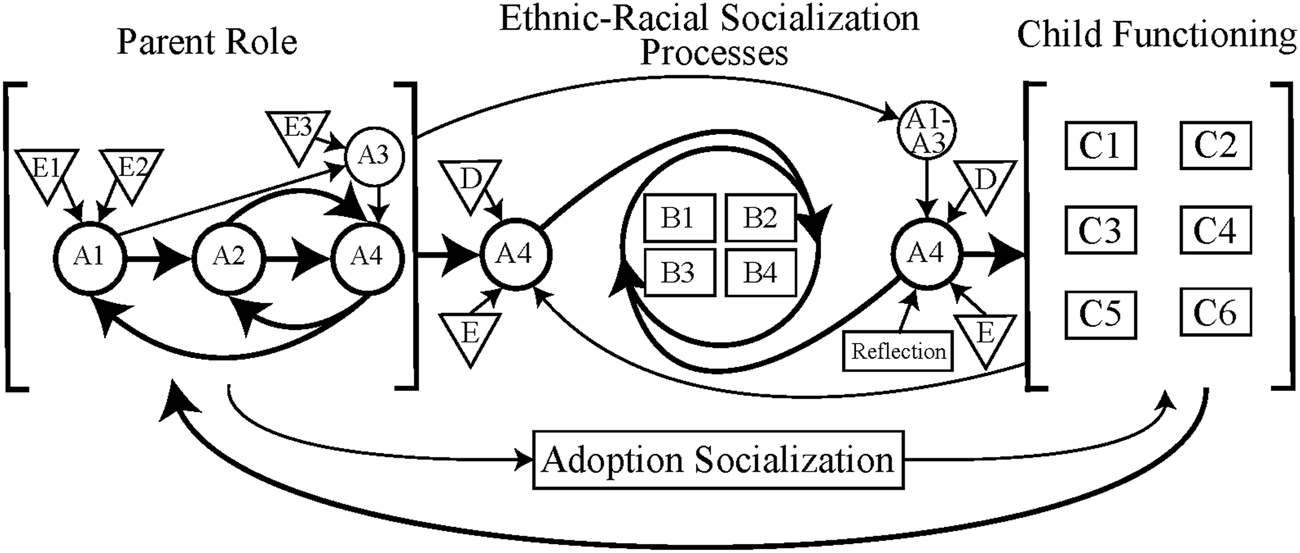
This proposed model frames the complexities inherent in the system of ERS, particularly among TRA families. We suggest that the system of ERS is organized with structures and transacting or co-creating processes. Structurally, we posit three main components – Parent Role, ERS Processes, and Child Functioning. Each component has nested within it distinct facets. Parent role has four facets: (1) parents’ general attitudes about cultural and racial differences, (2) parents’ ethnic and racial affiliation, (3) parents’ cognitive and emotional processes, and (4) parental approach/action to providing ERS. ERS Processes has four facets: (1) type of ERS, (2) nature of ERS, (3) level of involvement in ERS, and (4) who delivers ERS. Each facet has distinct elements, which are unique parts of the facet. For example, an element of the Parent Role facet, parent's ethnic and racial affiliation, is the parent's framing of family ethnic identity. We define the components, facets, and elements as we move through the model. We also propose transacting or co-creating processes including mutually influential evolving within-component and between-component relations. In the following figures, the labels (e.g., A1, A2) refer to the location in the system where we theorize facets and elements operate.
Figure 1 presents the overall model depicting the structural components of Parent Role (A), ERS Processes (B), and Child Functioning (C), along with co-creating processes within and between each component. Critical considerations contributing to the complexity in this system include developmental considerations (D) such as adoptees’ age or developmental level and nature and severity of special needs, as well as context (E), which comprises societal, community, and family contexts. These considerations will be discussed as relevant to different components or processes. Discussions of these complexities are linked to the ERS literature on TRA families. Although children actively play a role in the ERS process, given the complexities within and between parent role and ERS processes, we chose to discuss children's functioning in a limited way. Future work will unpack children's contributions to this system of ERS.
Process-oriented transactional system of ethnic–racial socialization among transracial adoptive families.

Structural feature: parent role (A)
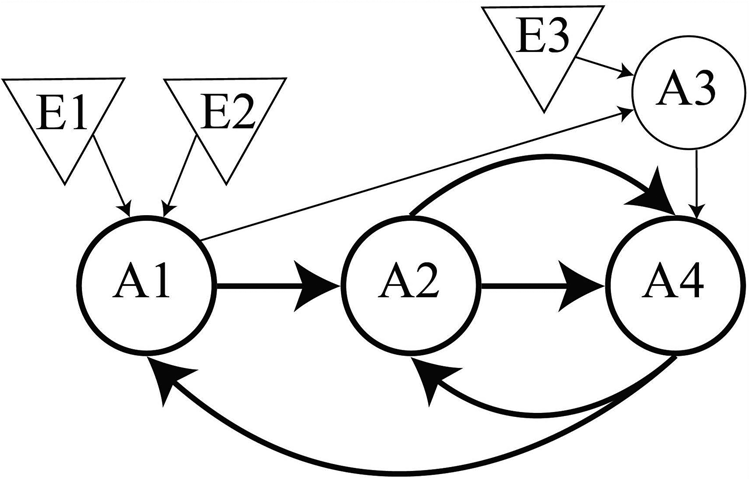
Although researchers have examined discrete parenting characteristics and their relation to ERS, to our knowledge, no one has conceptually organized and theorized relations between parenting characteristics. We propose the term Parent Role to encompass specific parenting attitudes, cognitions, emotions, and decisions that we suggest are related to whether and how parents address their children's ethnic–racial identity development. It is important to note that we conceptually organize the parent role elements into related facets; however, we theorize that elements operate independently from facets within the transacting processes. We present the conceptual organization of facets and elements here and address the relations among elements later. Parent Role facet one, parents’ general attitudes about cultural and racial differences, includes these elements: the presence of a colorblind or race conscious racial view (e.g., Goar, Davis, & Manago, Reference Goar, Davis and Manago2016), and acknowledgment of racial, ethnic, and cultural differences between parents and their child (Bebiroglu & Pinderhughes, Reference Bebiroglu and Pinderhughes2012). The second facet, parents’ ethnic and racial affiliation, has two elements addressing how adoptive parents identify themselves and their family (family ethnic/racial identity), and how connected they feel to their child's cultural group. The third facet, parents’ cognitive and emotional processes, includes several elements: parents’ perception of the adoptee and of discrimination, comfort level, and self-efficacy in providing ERS activities, beliefs about ERS, and motivation to provide ERS. The fourth facet, parental approach/action to providing ERS has three elements: initiating activities, proposing activities to the child, and waiting for the child to request activities (Bebiroglu & Pinderhughes, Reference Bebiroglu and Pinderhughes2012; Tessler, Gamache & Liu, Reference Tessler, Gamache and Liu1999). With this conceptual organization of the relevant parenting constructs, we highlight the complexities inherent in parenting’ characteristics as part of the ERS system. Equally as important as these distinct facets and elements are the processes of influence on and interrelations among them, discussed in the following section and depicted in Figure 2.
Proposed co-creating processes among parent role facets and contextual influences.

Process feature: External influences on parent role
Parent Role elements may be influenced by societal values and messages (E1). A cross-national study of TRA families from The Netherlands, Norway, and the United States found that US TRA families encountered the most adoption and racial discrimination; US parents also were the mostly likely to be worried about others’ negative reactions (A1) and value cultural socialization (A2) (Riley-Behringer, Groza, Tieman, & Juffer, Reference Riley-Behringer, Groza, Tieman and Juffer2014). In a study of US parents with internationally adopted children, parents of Asian and Latin American children reported higher perceived discrimination (A1) than did parents of Eastern European children; notably, in families where the phenotypic differences were more evident, parents perceived more bias (A1) (Lee & Minnesota International Adoption Project [MIAP], Reference Lee2010). Parents in the United States live in a society laced with systemic bias (E1), overt racism and microaggressions (E1), xenophobia (E1), and stigma of adoption (E1). Parents’ attitudes about or acknowledgment of race and ethnicity (A1) are inevitably influenced by these societal values (E1). Importantly, parents may consciously or unconsciously incorporate societally based colorism and phenotypicality bias (Maddox, Reference Maddox2004) into their views (A1), associating negative stereotypes with darker skinned or phenotypically distinct individuals (Burke, Reference Burke and Darity2008; Maddox, Reference Maddox2004).
Parents’ attitudes, race/ethnic affiliations, beliefs, and perception of discrimination (A1) are influenced by their own experiences, and those of family and friends (E2). Having been raised in a system of White supremacy, featuring “deeply embedded and historical structures” that benefit White persons (Smith et al., Reference Smith, Juarez and Jacobson2011, p. 1197), Whites may have implicit or explicit views of Whites as superior/normative, an emphasis on individualism, and assumptions of Whites as having good intentions. These perceptions may shape TRA parents’ beliefs about raising TRA adoptees (A1) (Smith et al., Reference Smith, Juarez and Jacobson2011). Adoptive parents’ openness to and number of past multicultural experiences (E2) were positively related to their perceived discrimination (A1), feelings about racial minority groups (A1), and racial awareness (A1) (Hrapczynski & Leslie, Reference Hrapczynski and Leslie2018). Having faced discrimination themselves (E2), White lesbian adoptive parents felt they had unique strength in helping their children cope (A2) with stigma (Richardson & Goldberg, Reference Richardson and Goldberg2010); perhaps their prior coping experiences prepared them to cope with race-related bias. Notably, parents’ perceptions of their bias experiences may be linked to the level of community diversity. Parents raising girls adopted from China in more diverse communities were more likely to view others’ comments as reflecting interest, whereas those in less diverse communities perceived others as biased or rude (Baden et al., Reference Baden, Zhang, Matthews, White, Harrington, Kitchen and Pinderhughes2020).
Adoption professionals (E3) and the adoption community (E3) may influence parents’ motivation (A3) to address a child's ERS needs (Bebiroglu & Pinderhughes, Reference Bebiroglu and Pinderhughes2012; Zhang & Pinderhughes, Reference Zhang and Pinderhughes2019). TRA parents who received more supports about culture and diversity were also likely to have higher racial awareness (A1) and higher self-efficacy (A2) (Lee et al., Reference Lee, Vonk, Han and Jung2018).
Process feature: Within parent role interrelations
We suggest that Parent Role elements are inter-related across facets. For example, parents who endorsed colorblind attitudes (A1) may be less likely to believe in the value of cultural socialization (A2) (Lee et al., Reference Lee, Grotevant, Hellerstedt and Gunnar2006), whereas parents acknowledging cultural differences (A1) may be more motivated (A3) to support their child's identity and engage in ERS (A4). Parents who embrace beliefs (A1) in White superiority may be less likely to engage in cultural and preparation for bias socialization (B1) than those rejecting racism and White superiority (A1) (Berbery & O'Brien, Reference Berbery and O'Brien2011). We propose that within the Parent Role component, recursive relations between the facets and their elements exist. As seen in Figure 2, parents’ attitudes (A1), perceptions of their adoptee and of bias (A1), beliefs about the value of ERS (A1), and ethnic–racial affiliation (A1) may serve as precursors to their comfort level (A2) and self-efficacy (A2) in providing ERS. In turn, these Parent Role elements may lead to parents’ decision-making about ERS engagement (whether to initiate, wait, or propose to the child) (A4) (Bebiroglu & Pinderhughes, Reference Bebiroglu and Pinderhughes2012; Tessler, Gamache, & Liu, Reference Tessler, Gamache and Liu1999), which also may be influenced by parental motivation (A3). Due to these recursive relations, we suggest that after parents decide and internally commit to ERS engagement, their self-efficacy or comfort level (A2) may shift, along with their attitudes and beliefs (A1).
Process feature: Interrelations between parent role, ethnic–racial socialization processes and child functioning
Unidirectional relations
Consistent with extant literature on TRA families, the model hypothesizes that various Parent Role facets influence ERS Processes, which affect Child Functioning. First, p arents’ attitudes about racial and ethnic differences (A1), specifically their acknowledgment of racial and ethnic differences, are related to how much ERS (B) they provide to their children and their children's functioning (C). There is considerable variation in TRA parents’ acknowledgment of racial and ethnic differences (A1) (Bebiroglu & Pinderhughes, Reference Bebiroglu and Pinderhughes2012; Kim, Reichwald, & Lee, Reference Kim, Reichwald and Lee2013). Moreover, parents may readily acknowledge cultural differences but vary in acknowledgment of racial differences (Bebiroglu & Pinderhughes, Reference Bebiroglu and Pinderhughes2012; Tuan & Shiao, Reference Tuan and Shiao2011). Parents who endorsed a colorblind racial attitude (A1) have been found to be less likely to provide cultural socialization (B1) (Hrapczynski & Leslie, Reference Hrapczynski and Leslie2018; Lee et al., Reference Lee, Grotevant, Hellerstedt and Gunnar2006). Reflecting the impact of skin color and phenotypicality, when adoptees are biracial or light-skinned, their White adoptive parents may consider racial differences unimportant (A1) because their children looked like them. Therefore, these parents may provide little preparation for bias (B1) (Barn, Reference Barn2013). Parental acknowledgment of differences (A1) also relates to adoptees’ adjustment (C5): adopted adolescents had fewer delinquent behaviors if racial and ethnic differences were acknowledged within the family (Anderson et al., Reference Anderson, Lee, Rueter and Kim2015). More importantly, and reflecting the significance of family-level functioning, when adoptive parents and adoptees had discrepant views of racial and ethnic differences (A1/C), adopted adolescents had the most behavior problems (C5) (Anderson et al., Reference Anderson, Lee, Rueter and Kim2015).
Second, research showed that parents’ ethnic/racial affiliation also predicts ERS and child functioning. Johnston and colleagues (Reference Kim, Reichwald and Lee2007) reported that among White mothers raising adopted children from Asia, mothers’ affiliation to adoptees’ cultural group (A1), but not their White identity (A1), predicted cultural socialization (B1) and preparation for bias (B1). How adoptive parents identify their families is also related to cultural socialization engagement and children's functioning. Parents who included children's background into their family ethnic identity (A1) provided more cultural socialization (B1/B2) (Pinderhughes et al., Reference Pinderhughes, Zhang and Agerbak2015). Adoptive parents’ family ethnic identity (A1) also may correlate with children's ethnic self-label (C3): when parents described their families as multiethnic, children were more likely to describe themselves as multiethnic as well (Pinderhughes et al., Reference Pinderhughes, Zhang and Agerbak2015).
Third, parents’ cognitive and emotional processes is a key facet that influences ERS and child functioning. Parents’ perceptions of their child and of bias are linked to ERS. Parents who were more cognizant of racism (A1) provided more preparation for bias (B1/B2) (Hrapczynski & Leslie, Reference Hrapczynski and Leslie2018). TRA parents of darker skinned children perceived more discrimination (A1), which was linked to externalizing symptoms among adoptees (C5) (Lee & MIAP, Reference Lee2010). Parents’ ERS beliefs (A1) and self-efficacy (A2) were positively related to ERS (Berbery & O'Brien, Reference Berbery and O'Brien2011). Parents with higher racial awareness (A1) and self-efficacy (A2) may provide more ERS (B2) (Lee et al., Reference Lee, Vonk, Han and Jung2018).
Parental approach to providing ERS is hypothesized to contribute to Child Functioning. When parents initiate activities (A4), adoptees are more likely to be interested in ERS activities (C3) (Bebiroglu & Pinderhughes, Reference Bebiroglu and Pinderhughes2012). Adult TRA adoptees retrospectively reported that when parents actively provided support and advocacy (B2), they felt supported and not isolated in their coping (C1) (Tuan & Shiao, Reference Tuan and Shiao2011). In contrast, adult adoptees reported avoiding discussing bias experiences (C1) when parents were unresponsive (A4) (Docan-Morgan, Reference Docan-Morgan2011).
Co-creating and transacting processes
Prior research with TRA families does not explicitly consider the transacting processes among these components. In particular, Parent Role facets are typically treated as having unidimensional impact on ERS and child functioning. However, due to contextual influences and personal and children's experiences, Parent Role elements can evolve and shift over time. We suggest that parents’ decision to address ERS involves a constant reevaluation of self, the adoptee, and their context. For example, a parent who endorses a colorblind view (A1) may be uncomfortable initiating conversations about racism with their child (A2). Therefore, they may wait for their child to bring questions to them (A4). However, in the process of raising their adopted child, this parent may find themself gravitating towards media and conversations about race (E). Their attitudes and beliefs about race (A1) and/or their connection with the adoptee's cultural group (A1) may slowly evolve. This parent may reevaluate their efficacy (A2) in providing preparation for bias (B1) and decide to learn more about racism and coping with racism (B2) with their child and family (B3). As their learning continues, the parent reevaluates their attitudes and beliefs (A1), reexamines their efficacy and comfort level (A2), and makes new decisions about ERS (A4). We turn next to discuss the second component in this system, ERS Processes (B).
Structural feature: Ethnic–racial socialization processes
The literature on ERS Processes has centered on the frequency of parents’ ERS activities, the number of activities they engage in, or the likelihood of them engaging in ERS. We suggest that these processes are more complex and nuanced.
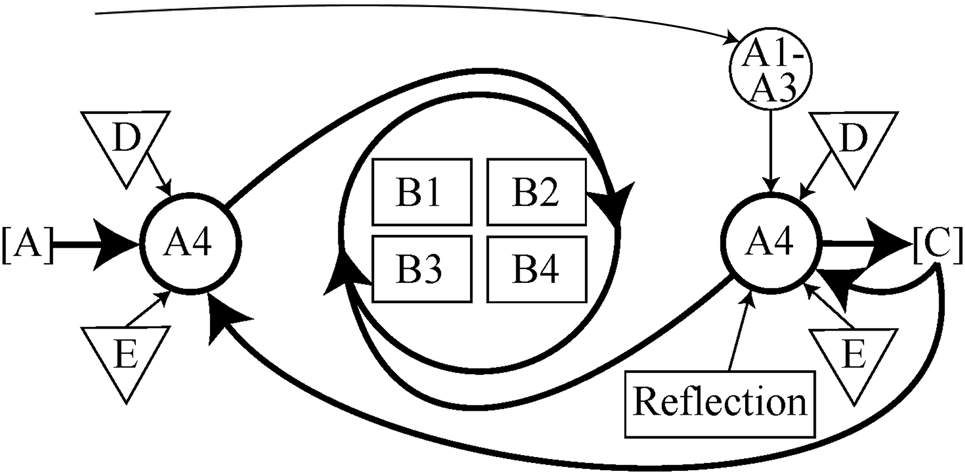
First, the ERS processes among nonadoptive families of color and TRA families are significantly different. Nonadoptive families of color have shared cultural history with their children, thus the ERS Processes are likely to be more organic. Among TRA families, parents must consider whether and how they will embrace the adoptee's cultural background. Given the lack of shared cultural history, TRA families’ choices about ERS engagement are important and let adoptees know how the family values adoptees’ histories. Second, as noted, TRA families navigate the dual tasks of ERS and adoption socialization. Adoption and mental health professionals encourage TRA parents to explicitly teach and discuss adoption socialization and ERS with their child. There is little guidance on navigating these two topics simultaneously. Some families may prioritize adoption socialization to promote a sense of family identity. For example, many adoptive families celebrate “got you day” in addition to birthdays. Such steps may make it easier for those families who minimize racial differences to avoid ERS. Other TRA parents may combine both types of socialization, helping their TRA child to understand adoption and race simultaneously. For example, adoptive parents may arrange for mentors or playdates for their children with other adoptees sharing their child's cultural background (Zhang & Pinderhughes, Reference Zhang and Pinderhughes2019) or join parenting groups linked to their type of adoption. Third, given both of these realities – the lack of shared cultural history and navigating two sets of socialization tasks – how TRA families engage in ERS processes matter. Thus, we suggest that ERS Processes has several facets, as discussed below. Moreover, as seen in Figure 3, we posit interrelations among facets of ERS Processes and transactional processes between ERS Processes, Parent Role, and Child Functioning structures/components. We first describe the structural features of ERS Processes – the four facets, and then discuss co-creating process features.
Proposed co-creating processes between parent role, ethnic–racial socialization (ERS) processes, child functioning, developmental, and contextual considerations.

The first facet in the ERS Processes component comprises four types of socialization processes (B1): cultural socialization, preparation for bias, promotion of mistrust and egalitarianism and silence about race (Hughes et al., Reference Hughes, Rodriguez, Smith, Johnson, Stevenson and Spicer2006). The other three facets are the nature of the activity (B2) – discussions (often recurring and discursive), lessons, travel, and so on, frequency and quality of the activity; level of family engagement (B3) – child only, siblings only, child and parent only or family; and involvement of cultural expert of the adoptee's culture of origin who provides some socialization (e.g., language lessons) (B4). As we discuss each type of ERS, we incorporate aspects of the other three ERS Processes facets when relevant.
Cultural socialization (B1)
Cultural socialization (CS) teaches children about their culture of origin through varied activities with the goal of promoting a positive ethnic–racial identity and pride in being part of one's group (Hughes et al., Reference Hughes, Rodriguez, Smith, Johnson, Stevenson and Spicer2006; Lee, Reference Lee2003). In addition to the traditional CS processes, we propose a second type of CS – family heritage socialization, which exposes adoptees to the adoptive family's culture (e.g., Jewish faith and culture). Little is known about family heritage socialization as it has rarely been explicitly studied (Matthews & Pinderhughes, Reference Matthews and Pinderhughes2016).
In adoptive families, CS processes (B1) engage adoptees in learning about their culture of origin with the goal of promoting a bicultural identity among adoptees (C3) – being connected to their culture of origin and to their family's cultural group or nationality (Manzi et al., Reference Manzi, Ferrari, Rosnati and Benet-Martinez2014). A key recommendation made by adoption professionals is that parents engage in CS to support adoptees’ identity development (e.g., Pinderhughes et al., Reference Pinderhughes, Matthews, Zhang, Fong and McRoy2016). This socialization includes varied activities, resources or discussions (B2) such as enjoying or cooking ethnic foods, having ethnic books or artifacts in the home, language and/or culture lessons (Baden, Reference Baden2015; Bebiroglu & Pinderhughes, Reference Bebiroglu and Pinderhughes2012; Goldberg & Smith, Reference Goldberg and Smith2016; Pinderhughes et al., Reference Pinderhughes, Matthews, Zhang, Fong and McRoy2016). CS can be viewed along a continuum of depth (B2) (Zhang, Pinderhughes, & Matthews, Reference Zhang, Pinderhughes and Matthews2020), with parents providing some activities that reflect deeper cultural exposure than other activities (Zhang & Pinderhughes, Reference Zhang and Pinderhughes2019). For example, a child in weekly culturally traditional dance lessons will experience greater depth than a child who attends an annual cultural parade in their community.
Who in the family participates (B3) in CS varies, whether child, sibling group, or family (Bebiroglu & Pinderhughes, Reference Bebiroglu and Pinderhughes2012; Lee et al., Reference Lee, Grotevant, Hellerstedt and Gunnar2006; Mohanty, Reference Mohanty2013), and generally reflects parents’ choices about the level of family engagement (B3) in cultural socialization. We propose that these choices can send messages – both explicit and implicit – to adoptees about their cultural background and the degree to which parents have embraced the child's background as their own. When parents send adoptees to CS activities but do not participate in them as well, adoptees may feel that their heritage is not valued by parents. When parents participate with their children in CS activities, they communicate that the adoptee's cultural identity is important to the whole family and considered part of the family's identity. For example, parents learning Mandarin along with their child communicate (both literally and figuratively) the importance of their child's Chinese heritage and its place within the family.
Within CS activities (B1), the role of a cultural expert (B4), an adult who shares the adoptee's background and has knowledge of the cultural group's history may facilitate adoptee engagement in cultural socialization (Zhang & Pinderhughes, Reference Zhang and Pinderhughes2019). Reflecting transacting processes with context (E), for some families, having neighbors or relatives serve as important informal role models provides critical socialization support for TRA children (Barn, Reference Barn2013).
In contrast to CS, family heritage socialization processes (B1) are infused into the family's daily life. Religious practices, and other family values that are transmitted intergenerationally comprise the content of these processes. For example, one parent noted, “We teach our child about being a Christian. That everyone is different on the outside but same on the inside…” (Lee, Vonk, & Crolley-Simic, Reference Lee, Vonk and Crolley-Simic2015b, p. 52). Very little is known about how TRA families transmit their family's cultural values. We posit that these processes happen more organically and similarly to those in nonadoptive families, and that within those processes, messages about Whiteness as the norm/standard may be subtly yet powerfully communicated.
Navigating both CS processes may be challenging to parents, requiring explicit and planful choices. One mother raising a child adopted from China, reflected, “From the very start, it was almost an inherent value that she would be raised in three cultures, Chinese, Jewish and American” (Barn, Reference Barn2013, p. 1285). Some families may, instead, opt for a focus on family heritage processes, as one father noted about his adopted daughter from China, “We are raising an American princess” (research participant).We distinguish family heritage socialization processes (B1) from egalitarian socialization processes (B1) (Hughes et al., Reference Hughes, Rodriguez, Smith, Johnson, Stevenson and Spicer2006), which are designed to enable adoptees to function effectively in US mainstream culture and will be discussed later.
As parents seek to engage in CS, varied contextual influences can facilitate or limit what they do. For example, families with limited income likely could not afford heritage trips to the adoptee's home country. Families living in rural communities (E) may only be able to access CS resources online and may be unable to engage in-person cultural events (E/B2). Despite framing family ethnic identity inclusively (A1) and seeking to engage in ERS as a family (B3), competing schedules among family members may result in ERS for the adoptee only (B3).
Preparation for bias (B1)
TRA children and their families may experience bias and discrimination, interpersonally and systemically. Given space limitations, we focus on interpersonal bias. Families are likely to encounter two types of interpersonal bias (E); racial microaggressions convey to the target (person receiving the statement) that they are devalued, given others’ perceptions of the target's racial background (Sue et al., Reference Sue, Capodilupo, Torino, Bucceri, Holder, Nadal and Esquilin2007), whereas adoption microaggressions, communicate devaluing messages linked to adoption (Baden, Reference Baden2016). The physical appearance differences within the family call attention to the family's adoptive status, so racial and adoption microaggressions can be intertwined. For example, when others ask, “Where did adoptee come from?”, they convey the assumption that the adoptee is a foreigner and does not belong, a racial microaggression (Sue et al., Reference Sue, Capodilupo, Torino, Bucceri, Holder, Nadal and Esquilin2007). This message simultaneously conveys the adoption microaggression that the adoptee and family are not a “real” family (Baden, Reference Baden2016).
The visibility of TRA families is linked to differences in physical appearance between adoptees and families and/or to how racially/ethnically diverse the community is. This visibility also may be associated with more microaggressions. TRA families have reported more adoption microaggressions than do same-race adoptive families (Lee et al., Reference Lee, Zhang, Boland, Kupa, Kimura, Liu and Pinderhughes2020). They experience both adoption and racial microaggressions; parents report more adoption microaggressions (Baden et al, Reference Baden, Zhang, Matthews, White, Harrington, Kitchen and Pinderhughes2020), whereas adoptees report more racial microaggressions (Zhang et al., Reference Zhang, Zhang and Pinderhughes2019). Thus, publicly visible adoptive families may be more likely to engage in preparation for bias (PfB; B1), defined as promoting adoptees’ awareness and readiness to cope with bias experiences (Hughes et al., Reference Hughes, Rodriguez, Smith, Johnson, Stevenson and Spicer2006), particularly prompted by public interactions (E).
Parents can find it more challenging to engage in PfB than cultural socialization because they must discuss negative experiences and others’ negative assumptions about the adoptee's racial/ethnic group (Pinderhughes & Brodzinsky, Reference Pinderhughes, Brodzinsky and Bornstein2019). Generally, discussion-oriented activities (B2), parents engage in PfB proactively and often planfully, before experiences happen, or reactively, responding when situations arise. The latter opportunities often occur when parents and adoptees encounter comments in public (Grotevant et al., Reference Grotevant, Dunbar, Kohler and Esau2000; Wegar, Reference Wegar2000).
Reflecting the impact of community context, opportunities for PfB discussions reoccur throughout TRA children's development as they navigate public settings with and without parents. These discussions can build on one another in a recursive manner over time. As TRA children bring their concerns to parents, these discussions may require direct acknowledgment of cultural differences in and outside the family and of how others treat the adoptee. Given how emotionally sensitive these discussions can be, balancing PfB socialization and adoption socialization can be quite difficult.
Little is known to date about differences in levels of PfB for either racial or adoption microaggressions among TRA parents due to children's race/ethnicity. Parents of Black children may be more likely to provide PfB for racial microaggressions than parents of Latinx or Asian children (Leslie et al., Reference Leslie, Hrapczynski, Young, Nazarinia Roy and Rollins2019). Parents of adoptees from different racial/ethnic groups may need to prepare their adopted children for a variety of racial microaggressions. TRA parents of Asian children likely need to help their child navigate messages suggesting the child is a foreigner (“where are you from?”), praising the child's “natural” abilities (“she must be good in math…on the violin”) or other stereotypes (Sue et al., Reference Sue, Bucceri, Lin, Nadal and Torino2009). Parents of Latinx children may also face questions inferring the adoptee is a foreigner and stereotypes such as being lazy. Parents of Black children may have to help their child cope with messages suggesting they have limited intelligence or may be dangerous. Similarly, there is no literature on differential experiences of adoption microaggressions among Black, Latinx, and Asian adoptees.
Although not yet studied, families raising children with darker skin or other distinctive phenotypic features may experience more public comments, thus being challenged more to engage in PfB. Whether parents’ perception of the adoptee's physical features (A1) influence PfB discussions (B1/B2) is unknown. Such discussions may prepare adoptees for colorism as well as racism. Parents who recognize and acknowledge the physical dissimilarity in their family (A1) and that their adoptee's (A1) risk for microaggressions may be more likely to proactively engage in PfB (B1) (Leslie et al., Reference Leslie, Hrapczynski, Young, Nazarinia Roy and Rollins2019). Differential experiences linked to ethnicity, race, and/or phenotypic features warrant future research.
Promotion of mistrust (B1)
When parents warn children to be wary of certain groups, they engage in promotion of mistrust (B1). Not yet studied among TRA families, among nonadoptive families, this socialization pattern is rare, occurring among 6% to 18% of families (see Hughes et al., Reference Hughes, Rodriguez, Smith, Johnson, Stevenson and Spicer2006 for review). Whether these messages are more rare among TRA families awaits research.
Egalitarianism and silence about race (B1)
There are two distinct types of messages in which parents emphasize the importance of individual characteristics over racial or ethnic group membership (B1) (Hughes et al, Reference Hughes, Rodriguez, Smith, Johnson, Stevenson and Spicer2006). Whereas egalitarianism conveys that members of all racial/ethnic groups are and should be treated the same, silence about race is when parents say or do nothing to address race within their families (Hughes et al., Reference Hughes, Rodriguez, Smith, Johnson, Stevenson and Spicer2006). In some adoptive families, egalitarian themes (B1) are reflected in colorblind messages or attitudes (A1) (e.g., Lee et al., Reference Lee, Grotevant, Hellerstedt and Gunnar2006; Samuels, Reference Samuels2009). Some parents with colorblind attitudes (A1) may not prepare their children for the race-related bias (B1) they would experience (e.g., Lee et al., Reference Lee, Grotevant, Hellerstedt and Gunnar2006; Samuels, Reference Samuels2009). Although not explicitly studied yet, skin color may moderate these links, as parents raising adoptees with darker skin may provide fewer colorblind and egalitarian messages. Silence about race is another theme that may characterize adoptive parents’ socialization processes (e.g., Goar, Davis, & Manago, Reference Goar, Davis and Manago2016). For example, an adoptive parent of a 6-year old adoptee from China, commented about race: “It's a hard question – race. Well, I don't know because just recently I've eliminated it from my life.” (p. 8). This parent then emphasized a choice to focus on the human race. Goar and colleagues (Reference Goar, Davis and Manago2016), however, documented how complicated attitudes and messages about race can be, as in their narrative study of parents sending children to culture camps, 66% of parents engaged in colorblind thinking and race conscious thinking.
Structural feature: children's functioning
The component Children's Functioning includes six facets, perception of and coping with bias (C1), self-esteem (C2), ethnic–racial identity (C3), adoptive identity (C4), emotional adjustment (C5), and academic achievement (C6). The extant literature suggests Parent Role and ERS Processes can have an impact on TRA youth functioning, although more is known about CS than PfB. For example, adoptees who received CS feel more connected to their culture of origin (C3), have fewer externalizing problems (C5), and higher self-esteem (C2) (Hu et al., Reference Hu, Anderson and Lee2015; Johnston et al., Reference Johnston, Swim, Saltsman, Deater-Deckard and Petrill2007; Manzi et al., Reference Manzi, Ferrari, Rosnati and Benet-Martinez2014; Pinderhughes et al., Reference Pinderhughes, Zhang and Agerbak2015); with PfB, adoptees tend to have higher self-esteem (C2) and less depression (C5) (Mohanty & Newhill, Reference Mohanty and Newhill2011).
However, those studies examined youth functioning and outcomes through a unidirectional and unidimensional lens without considering the complex transacting processes in the ERS system. The unidirectional focus has featured studies of direct relations between either Parent Role or ERS Processes facets and a youth facet, or the indirect effect of Parent Role facets on a youth facet, mediated by an ERS Processes facet. Thus, interrelations between these facets is rarely considered. Extant knowledge about ERS among TRA families and its impact on youth functioning can be better understood when considered through our proposed ERS system.
We propose alternate ways of thinking about the role of youth and youth functioning in this system. Youth are not passive recipients of their experiences (Zigler & Seitz, Reference Zigler and Seitz1978). They actively make meaning of their experiences, they initiate – or attempt to – interactions with parents and family members to make sense of their experiences, actively creating opportunities for CS or PfB. Understanding the nuances in how youth engage in and participate in co-creating the system of ERS should be one of the goals of future research on TRA families. We discuss this further in the implications section, after we consider the transacting processes among all the components in this system.
Transacting relations among parent role, ethnic–racial socialization processes and children's functioning
As seen in Figure 3, relations among Parent Role, ERS Processes, and Children's Functioning are mutually influential and dynamic. As previously suggested, parents’ decision (A4) whether to initiate, propose or wait for the adoptee to request certain ERS processes may be influenced by parents’ attitudes, beliefs about cultural or racial/ethnic differences (A1), cognitive-emotional processes (A2) or how they make meaning of the adoptee's place in the family and/or the family's situation in their community (A1). Once the ERS processes (B1/B2) are initiated, parents consider (Reflection in Figure 3), consciously or unconsciously, how adoptees respond (C) and/or their reaction to the experiences, which leads to secondary decisions (A4) about ERS – whether to continue, stop, or shift the specific activities. For example, some parents raising girls adopted from China felt that gatherings with other TRA families raising children from China felt inauthentic. Instead, they decided to engage with Chinese immigrant families (Bebiroglu & Pinderhughes, Reference Bebiroglu and Pinderhughes2012). Some families responded to their children's growing disinterest in the language lessons by stopping them (Bebiroglu & Pinderhughes, Reference Bebiroglu and Pinderhughes2012; Chen et al., Reference Chen, Lamborn and Lu2017). Developmental shifts in children's interests and comfort level with activities (D) can lead parents to reconsider activities and decide to shift or stop (A4) (Chen et al., Reference Chen, Lamborn and Lu2017). When parents wait for the adoptee to request activities (Tessler et al., Reference Tessler, Gamache and Liu1999), their intention may empower the adoptee to state their needs and interests, and yet, parents may inadvertently convey devaluation of those socialization processes. Thus, parents’ and adoptees’ actions, as well as the meaning each makes, can shape the evolving and ongoing ERS processes.
When parents reconsider activities in response to children's waning interest or discomfort, they may need to address tension that adoptees feel in managing multiple identities – being adopted, a child of color, and growing up in a White family (Chen et al., Reference Chen, Lamborn and Lu2017). Parents may recognize the importance of helping their children integrate these different identities (Chen et al., Reference Chen, Lamborn and Lu2017) but also be uncertain about how best to do so. As parents consider their children's wishes and shift away from certain activities, they risk avoiding the issues with which adoptees are wrestling (Chen et al., Reference Chen, Lamborn and Lu2017).
Children may initiate preparation for bias discussions (B1) when they experience racial microaggressions from peers or adults (E/C1) (Docan-Morgan, Reference Docan-Morgan2011; Tuan & Shiao, Reference Tuan and Shiao2011; Zhang et al., Reference Zhang, Zhang and Pinderhughes2019). These unanticipated teachable moments are often emotionally charged and may be uncomfortable for parents to navigate, especially for those who lack perceived efficacy (A2) in PfB. Some parents may avoid or limit the conversations (A4/B2), leaving adoptees feeling unsupported and unequipped in coping with bias (C1) (Goar, Davis, & Manago, Reference Goar, Davis and Manago2016; Samuels, Reference Samuels2009; Tuan & Shiao, Reference Tuan and Shiao2011). As some Korean adopted adults reflected, when this happens, adoptees are less likely to seek help and support from their parents (C1) (Docan-Morgan, Reference Docan-Morgan2011; Tuan & Shiao, Reference Tuan and Shiao2011). Discussion about racial bias can prompt adoption socialization conversations. As parents choose (A4) whether and how to have discussions (B2) about children's bias experiences (E), parents may also send implicit or explicit messages about the adoptee's status in the family (adoption socialization), perhaps impacting adoptees’ sense of belonging to the family (C4).
Developmental considerations
As parents consider how to support their child's functioning, there are relevant developmental considerations (D). Certain ERS conversations, activities, and experiences (B2) are appropriate for different children at different ages and stages (D1). Brodzinsky (Reference Brodzinsky2011) thoroughly discusses the development of children's understanding of adoption and the types of questions adopted children may have at different ages, but no similar resource exists for the ERS of TRA children. In the only study to document cultural socialization (B1) across different ages, adoptive parents provided cultural socialization to children starting in preschool, peaking around age 12, and slowly declining through late adolescence (D1) (Johnston et al., Reference Johnston, Swim, Saltsman, Deater-Deckard and Petrill2007). Cultural socialization activities that once enthralled younger children (e.g., playdates) (B2) no longer engage tweens and teens (D1), and certain experiences aimed at adults (e.g., museums or documentaries) (B2) will likely bore young children (D1). Parents must consider when documentary films about adoptee's homeland (B2) would be interesting and developmentally appropriate.
Preparation for bias discussions also should be developmentally grounded. Johnston and colleagues (Reference Kim, Reichwald and Lee2007) documented that parents provide preparation for bias (B1) less frequently (B2) than cultural socialization (B1) across development, peaking in mid-adolescence (D1). However, families of TRA children report that they receive more comments from strangers about their family (E) when their children are younger (D1) (e.g., Chen, Lamborn, & Lu, Reference Chen, Lamborn and Lu2017), though teenagers may be the victims of racism or other prejudice (E) when on their own. Lee (Reference Lee2003) suggests that younger TRA children are treated as members of the majority (i.e., as White) by being adopted into White families; however, that protection falls away as children age and are more often engaging the world independently.
Additional complications in ERS include individual differences. For example, heritage trips (traveling to visit the birth country) (B2) are often recommended to international TRA families, but families are encouraged to prepare their children for potential psychological distress (C5) related to returning to birth country (Wilson & Summerhill-Coleman, Reference Wilson, S. A., & Summerhill-Coleman, L.2013) and to consider the child's age (D1) when deciding when to travel (Pinderhughes & Pinderhughes, Reference Pinderhughes, Pinderhughes, Jacobs, Ponte and Wang2010). For children who may have lived in their birth country longer and who were adopted at an older age (D1), returning to the birth country may bring up difficult memories that may be hard to revisit. Alternatively, children traveling when too young (B2/D1) may have difficulty distinguishing between visiting and being returned, eliciting fear (C5) (Wilson and Summerhill-Coleman, Reference Wilson, S. A., & Summerhill-Coleman, L.2013). However, children's reactions may vary widely due to individual differences. Parents also may need to consider unique special needs or disabilities (D2) that TRA children have. They may have to adapt how they provide CS (B2) or what they say (B2) when children ask about/have bias experiences. In some families, the adoptee's disabilities may be so significant that parents may need to prioritize services to support those needs, forgoing ERS altogether.
In sum, depending on their age and ability level, children may be active contributors to their ERS experiences. As children develop, increased maturity and agency will enhance their role in transacting processes.
Contributions and Implications of System of Ethnic–racial Socialization
Contributions of system of ethnic–racial socialization
As we reflect on the proposed system of ERS across children's development in TRA families, we highlight several important contributions. First, we offer a conceptual organization of parenting characteristics theorized to relate to ERS. The organization of specific parenting attitudes, cognitions, emotions, and decisions, along with proposed interrelations, provides a more nuanced understanding of how parents participate in and influence ERS processes as they address their TRA children's ethnic–racial identity development. Second, we contribute a more robust understanding of ERS processes, broadening their conceptualization to include different types of ERS processes, the nature of these processes, level of family involvement, and who delivers the activities. These additional facets inform how parents provide ERS. The third contribution describes within and between component interrelations, framed as transacting processes, and enables understanding of how TRA parents, adoptees, ERS processes, along with developmental and contextual considerations, co-create the system of ERS. We also propose that this co-creating system of ERS evolves and has relevance across development. These contributions have implications for research, policy, and practice (Zigler & Stevenson, Reference Zigler and Stevenson1993).
Expanding our understanding of ERS among transracial adoptive families
This proposed system can serve as a foundation for future research in critical ways – the questions that researchers pose, how constructs are measured, and how data are analyzed. The nature of research questions should shift from a unidirectional and linear examination of parents’ role in providing ERS and the impact on children's functioning. Questions about dyadic and family-level interactions that co-create the ERS processes which children experience and how those co-creating processes may differ in relation to parents’ attitudes, beliefs, perceptions of adoptees, and bias will further our understanding of variation in these processes among TRA families. For example, how do transracially adopted children approach their racial identity development in families who refuse to discuss race, or who hold racist beliefs? How does the adoptee's visibility in skin color and physical appearance and parents’ perceptions of this shape parents’ perception of bias, comfort level, and motivation to provide cultural socialization or preparation for bias? How does having been raised with a White lens on the world have an impact on TRA parents’ role characteristics, their engagement in cultural socialization, or preparation for bias?
The complexities of constructs proposed in this system of ERS raise questions about how to assess theorized constructs. Parent Role and related constructs such as parents’ perception of their child, of bias, motivation, decision whether to address ERS, and contextual influences may need measures developed for their assessment. Assessing complex ERS processes demands attention beyond frequency or number of activities and should include quality, depth of activity, level of engagement in activity, and involvement of a cultural expert (Zhang & Pinderhughes, Reference Zhang and Pinderhughes2019). The critical process nature of this system poses challenging questions about assessing the proposed interrelational, transactional, and co-creating processes.
Research and analytic designs should be carefully considered; qualitative and quantitative approaches have critical contributions to make. Mixed methods would enable careful description and examination of both the structural and process features of this proposed system. Perhaps most challenging will be designs and analytic approaches that enable understanding of the proposed interrelational, transacting, and co-creating processes. These approaches likely call for intensive longitudinal methods such as experience sampling, interaction records, or daily diaries that can address the unfolding of temporal processes.
Expanding knowledge about ethnic–racial socialization in other populations
This system of ERS can expand also the field's understanding of these parenting processes among nonadoptive families. Extant notions of socialization processes can be broadened with attention to the complexities posited in within, dyadic, or family-level processes. Issues in research approaches just discussed are relevant to this population. Notably, many interracial biological families share some challenges in ERS with TRA families – parents are typically a different race or ethnicity than the child, the public visibility of the family, and the lack of shared cultural history and different bias experiences. Biracial and multiracial children, as products of their parents’ separate cultural histories share only a part of each parent's background. In most of these families, where one parent is White, that parent lacks the bias experiences they are tasked to help their children prepare for. The evolving literature on interracial biological families reveals similar complexities in parents’ views about and approaches in raising their biracial or multiracial children (Chang, Reference Chang2016). Future work applying this model to interracial biological families may offer some novel contributions.
Implications for policies
TRA families receive little guidance and training from government systems about supporting their children's ethnic–racial identity. International and domestic transracial adoptions are subject to different sets of regulations regarding screening and preparation of families seeking to adopt. International placements, the source of most transracial adoptions (Vandivere et al., Reference Vandivere, Malm and Radel2009), fall into two groups, those regulated by the Hague Convention on Protection of Children and Co-operation in Respect of Intercountry Adoption (Hague Convention) and those that are not. Parents adopting from Hague Convention countries must take 10 hours of preplacement training, including racial and cultural education (Hague Conference on Private International Law, 1993). However, the US State Department – the federal agency with authority over intercountry adoptions – has no additional specific requirements for training to support intercountry TRA placements, whether Hague or non-Hague. The State Department should require that families seeking to adopt transracially participate in dedicated assessment and training focused on the complex challenges TRA families face. These are delineated in more detail in the section on training below.
Domestic adoptions are regulated at the state level, resulting in variation in requirements for screening or training of prospective TRA parents. Only 22 states address the importance of supporting TRA children's ethnic/racial identity development; most only suggest assessment of parents’ perspectives regarding diversity and cultural awareness as a prerequisite to adopt. Regarding preplacement preparation, just two states require training about transracial adoptions; 17 offer resources and only 10 states inform parents of potential challenges in raising TRA children. In sum, the combination of the federal requirement that placements cannot be made by race matching, and limited preadoptive screening and training regarding supporting the ethnic/racial identity of TRA children serves to promote a colorblind approach to transracial adoption within the US societal context. This messaging undermines TRA parents’ ability to prepare themselves and their adoptees to deal with normative adoption and ethnic–racial issues or more challenging discrimination they are likely to experience. Each state's policies should incorporate into its requirements screening of parents regarding readiness and flexibility to support adoptees of color through the complex ERS processes, and for dedicated training on these issues. Requirements should address the content of training described below.
To effectively support TRA families, professionals who engage with them – in particular, adoption and child welfare professionals, mental health and physical health professionals – must meet relevant professional standards. These standards include knowledge about the complexities TRA families face, having the skills and capacity to support these families, and, importantly, regularly engaging in the self-refection processes expected of TRA families.
Implications for practice
Services for TRA families
As adoption is a lifelong process, TRA families need support at multiple points in children's development. Preplacement home studies should consider parents’ potential for supporting identity development through the complex ERS processes, focusing on assessment of prospective parents’ attitudes and beliefs about racial and ethnic differences and bias, awareness and appreciation of the challenges they are likely to face as a TRA family, and signs of flexibility in engaging in co-creating processes in relationships with others across cultural difference. Preplacement preparation centered on being a TRA parent is critical and should incorporate self-reflection processes that will be critical throughout adoptees’ development (Pinderhughes et al., Reference Pinderhughes, Matthews, Zhang, Fong and McRoy2016). These self-reflection processes should address awareness of influential socializing experiences that shaped attitudes, values about race and ethnic differences, and comfort level. As construction of family identity linked to the child's ethnicity/race is important for ERS processes, family members should be provided with relevant training.
After adoption, there are multiple points across development where having these resources is important. Parents need psychoeducation on the normative developmental challenges regarding race and ethnicity that TRA children and families experience. Throughout adoptees’ development, parents need access to supports that foster ongoing self-reflection about elements of their parent role, why, how, and what types of ERS processes they are offering, and their child's engagement and functioning. These supports can be normalized through parent support groups. However, these support groups should include access to developmental, counseling, or mental health specialists with expertise in TRA parenting. As TRA parents navigate two layers of adoption-related tasks – adoption socialization and ERS – having access to expertise that can assist them when issues are one or the other or both is critical. Offering TRA families regular (e.g., yearly) check-ups with experts can also normalize TRA-related challenges families face over time. When TRA families experience crises, family interventionists with skills in assessing and addressing adoption and the complexities in ERS along with family system problems can be most effective. Notably, attention to the transacting and co-creating processes hypothesized in this model can provide guidance for where and with which family members to target intervention. Such expertise is needed more broadly than is available among professionals (Wilson, Riley & Lee, Reference WIlson, D. Riley, D. & Lee, B.2019).
Training for professionals
Content about normative tasks and challenges facing TRA families should be available for trainees in degree programs and as professional development. Insufficient attention is provided to these issues at either level (Koh, Kim & McRoy, Reference Koh, Kim and McRoy2017; Wilson, Riley & Lee, Reference WIlson, D. Riley, D. & Lee, B.2019). A highly accessible online training for child welfare and mental health professionals that includes an effective module on race, culture, and diversity (Wilson, Riley & Lee, Reference WIlson, D. Riley, D. & Lee, B.2019) provides an initial foundation. However, the complexity of ERS and supporting ethnic–racial identity, as shown by our model, highlights the need for more training centered on colorism, contextual influences, and how professionals can support the transacting processes.
Conclusion
Many scholars have dedicated significant effort to unpacking the myriad aspects of parenting in various populations, including TRA families. When studying families, we must resist the urge to reduce complex processes to simple linear causal pathways. More effort should be made to capture the complexities of the processes for TRA families of raising an adopted child of color and recognize that individual studies are insufficient. To this end, we propose the description of this system of ERS with its interconnected, iterative, co-creating and co-developing components, facets, and elements in order to help future researchers elucidate the complex processes and pathways within this system. This model contributes a theoretical basis for the interconnection of multiple components and facets and co-creation of the ERS process as impacted by both the parents’ role and the child's development.
Limitations and Additional Considerations
Although there are a number of research, policy, and practice implications of this system of ERS, additional considerations and influences warrant attention. We acknowledge these as limitations in our unpacking of the system of ERS. First, how does the system of ERS function with children who vary across the gender spectrum? Identities across the gender spectrum are likely critical considerations for parents as they contemplate ERS processes. As gender spectrum identities evolve across development, parents will face the intersection of TRA children's vulnerabilities in society. Another consideration is how ERS processes vary by TRA children's cultures of origin. Family discussions of the history and current values in respective cultures may pose unique challenges. These histories and values typically contain positive as well as negative realities which families face helping their adoptee understand. For example, a family raising a dark-skinned adoptee of Indigenous descent from Mexico may need to help them contend with colorism messages not only in the United States, but also in Mexico, both of which can impact self-esteem and identity. Another family raising a girl adopted from China may need to help her understand China's One-Child Policy, its possible link to why she was available for adoption, and impact on self-esteem and ethnic–racial identity. Also missing from this discussion is variation in TRA family size, notably the presence of siblings – whether biological or adopted – and how family processes shift. In families with multiple TRA children, how do differences in children's heritage or ability levels affect the system of ERS? A critical fourth area for consideration is contact with birth parents, which is much more common in today's world. The type and frequency of contact, along with who in the birth family and the TRA family are in contact, add further complexities to the ERS system that warrant understanding.
In sum, this model prompts more questions than answers. We offer the structure of and processes within this system of ERS upon which future research can be built and questions answered, and policy and practice can be enhanced so that TRA families can engage in socialization processes that support healthy ethnic and racial identity development among TRA children.
Acknowledgments
Connecting back to the Preface, this article is dedicated to Edward F. Zigler, who devoted his life to improving the lives of vulnerable children and families across the globe. As devoted as he was to rigorous scholarship comprising sound theory and appropriate methods and design that linked to appropriate practice and policy innovations, he was also devoted to mentoring scholars who shared his passion for and commitment to vulnerable children and families. As a direct mentee, the first author, Ellen Pinderhughes, is deeply grateful for his mentorship – adoption did not fall squarely within his area of expertise, and yet he recognized the needs of that vulnerable population for better scholarship, policies, and services in his support of her development. As she has paid it forward with mentees also committed to vulnerable children and families, he has indirectly impacted the other co-authors of this article. His ripple effect continues.
Funding Statement
Funding from the William T. Grant Faculty Scholars Program to the first author supported early work leading to development of the model.
Conflicts of Interest
None