


1. Introduction
Access to reliable electricity services is key to unlocking economic potential (Allcott et al., Reference Allcott, Collard-Wexler and O'Connell2016; Falentina and Resosudarmo, Reference Falentina and Resosudarmo2019). Used as input in the production process, stable and reliable electricity contributes to output growth, income generation and employment. The availability of reliable electricity services also facilitates the use of information and communication technologies, which enhance both labour and capital productivity (Falentina and Resosudarmo, Reference Falentina and Resosudarmo2019). Similarly, at household levels and particularly in the developing world, access to better electricity services offers an improved quality of life by providing regular lighting and more sustainable cooking facilities (Bensch et al., Reference Bensch, Jeuland, Lenz and Ndiaye2024) and improving health, educational performance and wellbeing (Khandker et al., Reference Khandker, Barnes and Samad2013; Litzow et al., Reference Litzow, Pattanayak and Thinley2019).
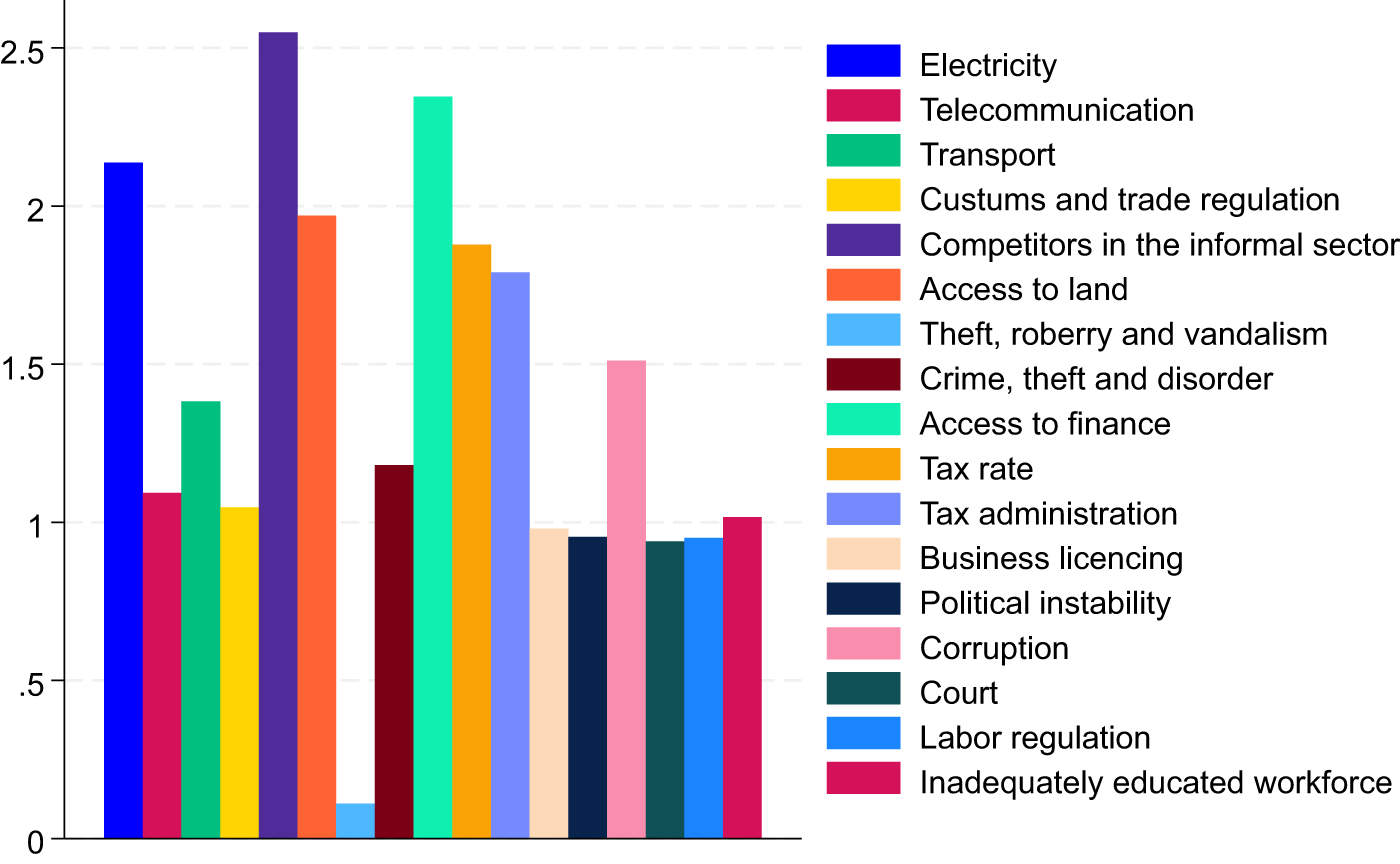
Despite the relevance of electricity services in supporting economic and social progress, the Global South remains in crucial need of reliable and sustainable electricity infrastructure. The poor quality of electricity is chiefly driven by the lack of investment in the energy sector and the poor maintenance of the existing electricity infrastructure (Alam, Reference Alam2013; Elliott et al., Reference Elliott, Nguyen-Tien and Strobl2021). In Senegal, our chosen study country, the unreliability of access to electricity was identified as being among the major obstacles to business development (see Figure 1). Observed through power surges, load shedding, brownouts and power outages, the unreliability of electricity adds non-negligible constraints to firms, which in turn increases their production costs and reduces their long-term performance (Steinbuks and Foster, Reference Steinbuks and Foster2010). Furthermore, power disruptions are likely to affect firms’ investment decisions and their ability to take advantage of economies of scale to reduce long-term costs (Geginat and Ramalho, Reference Geginat and Ramalho2018). For example, the lack of reliable electricity may create a situation where firms lack incentives to (i) either adopt productivity-enhancing technologies which require stable electricity services, or (ii) expand and increase their size to secure additional market share (Abeberese, Reference Abeberese2012). As a result, in the long run, poor access to electricity services slows down economic growth (Alam, Reference Alam2013; Andersen and Dalgaard, Reference Andersen and Dalgaard2013; Allcott et al., Reference Allcott, Collard-Wexler and O'Connell2016).
Major obstacles to business development in Senegal.

Figure 1 Long description
The bar graph presents vertical bars comparing major obstacles to business development in Senegal. The y-axis ranges from 0 to 2.5, representing an index score. Categories include electricity, telecommunication, transport, customs and trade regulation, competitors in the informal sector, access to land, theft, robbery and vandalism, crime, theft and disorder, access to finance, tax rate, tax administration, business licensing, political instability, corruption, court, labor regulation and inadequately educated workforce. Electricity and competitors in the informal sector have the highest scores, both exceeding 2.5. Access to finance and inadequately educated workforce are among the lowest, around 0.5. The legend uses distinct colors to differentiate each category. This graph highlights electricity and informal sector competition as the largest concerns for businesses.
This study aims to empirically link power outages to the gender-based productivity gap. To do so, we first estimate the effect of power outages on firm productivity and then examine the extent to which these effects vary by gender. We further test the female underperformance hypothesis and explore to what extent the gap is associated with firm characteristics, including exposure to power unreliability. Given similar exposure to outages by gender, our focus is on whether differential effects reflect heterogeneous sensitivity rather than differences in exposure. From a theoretical standpoint, power outages are more likely to have more detrimental effects on women than men, mainly because women tend to have a higher constraint on time use. In developing countries in general, and in Senegal in particular – where social norms remain largely patriarchal – women of working age have to allocate their time between market work and the care economy, including unpaid housework and childcare (Hallward-Driemeier and Rasteletti, Reference Hallward-Driemeier and Rasteletti2010). As a result, exposure to power outages that reduces effective working time within the firm is likely to have a more pronounced negative impact on female compared to male productivity.
Additionally, the time-constraint framework implies that opportunity costs arising from gendered household responsibilities may limit women’s ability to fully realize their potential in business contexts. This effect is likely to be particularly pronounced when women are owners or managers of firms in a setting characterized by poor electrical infrastructure. In addition to the time-use constraints highlighted above, the concentration of women’s economic activities in the informal and tertiary sectors – particularly services and retail commerce (Allcott et al., Reference Allcott, Collard-Wexler and O'Connell2016) – may further exacerbate their sensitivity to power outages, due to low adoption of backup power in these sectors (Islam et al., Reference Islam, Gaddis, Palacios López and Amin2020). The lack of backup power or the incapacity to adopt it might further limit women’s ability to fully recover lost output as a result of power cuts or to adjust their production strategies through outsourcing or investment in productivity-enhancing technologies.
Senegal offers a unique setting to examine the gender-related association between power outages and firm productivity. As a predominantly Muslim country with many individuals adhering strongly to cultural and religious norms, there are clear social spheres for women and men that warrant addressing gender-sensitive firm productivity. Moreover, nearly a quarter of the Senegalese population lives in the capital area, Dakar, which accounts for only 0.3 per cent of the country’s territory. Thus, the country faces the challenge of connecting the remaining three-quarters of the population, which is spread over an area of more than 195,000 square kilometres to reliable and sustainable energy. This implies that a distant region such as Kédougou, which is more than 700 kilometres away from the capital and takes around 10 hours to reach, has to be equally served with reliable energy.
To the best of our knowledge, only a few studies based on the Senegalese case have explored the determinants of the gender-based productivity gap (Seck et al., Reference Seck, Araar, Camara, Diallo, Diop and Fall2022) and the effects of power outages on firm productivity (Cissokho, Reference Cissokho2019). We combine these two strands of the literature to investigate the gender-energy-productivity nexus in the Senegalese context through novel empirical strategies. Moreover, over the last two decades, Senegal has witnessed a steady growth in women’s entrepreneurship (Seck et al., Reference Seck, Araar, Camara, Diallo, Diop and Fall2022). The share of enterprises owned by women has increased from 23 per cent in 2007 to 31 per cent in 2017 (ANSD, 2022). Enterprises owned by women account for 21 per cent of the nationwide value-added (ANSD, 2022) and employ about 16 per cent more workers than their male-owned counterparts (Seck et al., Reference Seck, Araar, Camara, Diallo, Diop and Fall2022). Therefore, understanding factors that affect women’s entrepreneurship will have substantial implications for employment and economic growth as well as women’s empowerment.
Note that other existing studies about the energy sector in Senegal have taken different directions; they focus on understanding: (i) the drivers and barriers of the transition and access to sustainable energy (Mawhood and Gross, Reference Mawhood and Gross2014; Gafa and Egbendewe, Reference Gafa and Egbendewe2021), (ii) the potential relationship between energy access and education, health and rural livelihoods (Peters and Sievert, Reference Peters and Sievert2016; Salat et al., Reference Salat, Schläpfer, Smoreda and Rubrichi2021), (iii) the cost-effectiveness of improved cooking stoves (Jeuland et al., Reference Jeuland, Ndiaye and Usmani2021; Bensch et al., Reference Bensch, Jeuland, Lenz and Ndiaye2024), (iv) the willingness to pay for reliable sources of electricity (Deutschmann et al., Reference Deutschmann, Postepska and Sarr2021) and (v) the likely funding mechanisms to support universal access to energy services to meet sustainable development goal (SDG) 7 (Diouf et al., Reference Diouf, Pode and Osei2013). We complement these studies by providing a micro-economic-driven approach that links energy access to overall firm productivity through gender lenses.
We proceed as follows. We primarily employ Lewbel’s (Reference Lewbel2012) instrumental variable (IV) approach to estimate the effect of power outages on firm productivity and examine how these effects differ across genders. Next, we employ a set of descriptive approaches to identify and characterize the gender-based productivity gap and examine how it relates to power outages. Specifically, we implement the distributional comparison framework of Combes et al. (Reference Combes, Duranton, Gobillon, Puga and Roux2012) to test the female underperformance hypothesis. We then apply a counterfactual decomposition, following Blinder (Reference Blinder1973) and Oaxaca (Reference Oaxaca1973), to decompose the identified average gender difference in productivity and assess the extent to which this gap is associated with firm characteristics, including exposure to power outages. Our results suggest that power outages have a negative effect on productivity, with more pronounced effects for female-owned firms. Despite male- and female-owned enterprises being equally affected by power outages, their productivity reducing effect is more pronounced for women. In addition, we identify underperformance among female-owned Senegalese small and medium enterprises (SMEs), which is significantly associated with power unreliability. Male-owned establishments outperform their female-owned counterparts by 11 per cent. Taken together, these results suggest that power outages are likely to widen the gender-based productivity gap.
The remainder of the article is structured as follows. Section 2 provides a brief review of the related literature. Section 3 offers a description of the data; the empirical approach is presented in Section 4. Section 5 discusses the main findings. The conclusion and policy recommendations are presented in Section 6.
2. Related literature
Previous empirical studies that examined the impact of electricity disruptions on firm productivity largely ignored the gender component in their analyses (Moyo, Reference Moyo2013; Fisher-Vanden et al., Reference Fisher-Vanden, Mansur and Wang2015; Allcott et al., Reference Allcott, Collard-Wexler and O'Connell2016; Falentina and Resosudarmo, Reference Falentina and Resosudarmo2019; Grainger and Zhang, Reference Grainger and Zhang2019). In the same vein, previous studies that considered the productivity gap between female-owned (-managed) and male-owned (-managed) enterprises largely disregarded the role of electricity (Gui-diby et al., Reference Gui-Diby, Pasali and Rodriguez-Wong2017; Islam et al., Reference Islam, Gaddis, Palacios López and Amin2020; Essers et al., Reference Essers, Megersa and Sanfilippo2021). Thus, gender differences in firm productivity arising from power outages constitute a major gap in the literature. As our first contribution, we combine both strands of the literature – the impact of electricity disruptions on firm productivity and the productivity gap between female- and male-owned firms. See Supplementary Appendix A for additional details. Specifically, we ask the following question: do female-owned or managed firms have lower productivity owing to recurring power disruptions compared to their male counterparts?
Reliable electricity is widely regarded as essential for reducing gender inequality in access to economic opportunities, as it enables women to use time-saving technologies that enhance their productivity. By facilitating the adoption of advanced technologies, reliable power allows women to allocate their time more efficiently, thereby supporting female labour force participation, as well as improvements in education, health and overall welfare (Khandker et al., Reference Khandker, Barnes and Samad2013; Litzow et al., Reference Litzow, Pattanayak and Thinley2019). Conversely, unreliable access to electricity may disproportionately hinder women’s economic outcomes. We identify two main channels through which power outages may generate gender-differentiated effects within firms. The first relates to time constraints. As women are often culturally expected to allocate their time between labour market participation and home-production activities – including water and fuel collection, caregiving, cooking, laundry and other unpaid care responsibilities – these competing demands create substantial time constraints and welfare costs. Such costs manifest in reduced labour market participation, fewer opportunities for social engagement and skill development and lower levels of life satisfaction and well-being, ultimately limiting women’s ability to fully engage in market-based activities (Sinha et al., Reference Sinha, Kumar Sedai, Bahadur Rahut and Sonobe2024). These costs are likely to be exacerbated by power unreliability, as outages can increase the time required for household and care tasks, thereby further constraining women’s productivity relative to their male counterparts. The second channel relates to the sectoral concentration of female-owned or managed firms. Women’s economic activities are disproportionately concentrated in the informal and service sectors, and their firms tend to be smaller in scale (Allcott et al., Reference Allcott, Collard-Wexler and O'Connell2016; Islam et al., Reference Islam, Gaddis, Palacios López and Amin2020). For example, evidence suggests that approximately 94 per cent of Senegalese women entrepreneurs operate in the informal sector, with the majority engaged as own-account workers or owners of micro and small enterprises (ILO, 2020). These characteristics may increase women’s vulnerability to power outages, particularly due to the lower adoption of backup power solutions.
In addition to the first gap, the review of the empirical literature reveals that very few studies focus on the Senegalese context. To the best of our knowledge, only Cissokho (Reference Cissokho2019) and Seck et al. (Reference Seck, Araar, Camara, Diallo, Diop and Fall2022) have examined firm productivity in Senegal using micro-level data. Cissokho (Reference Cissokho2019) analyses the impact of power outages on the productivity of SMEs, while Seck et al. (Reference Seck, Araar, Camara, Diallo, Diop and Fall2022) investigate how gender-based disparities in access to credit contribute to the productivity gap between male- and female-owned firms. As a second contribution, the current article extends and complements these two previous works on the Senegalese context. In a typical Senegalese setting where the structure of the economy and the existing social and cultural norms constrain female businesses, poor energy infrastructure carries gender-biased implications. Thus, this study also adds to the debate on the role of electricity in women’s empowerment (Kannan et al., Reference Kannan, Bessette and Makai2024) and in women’s entrepreneurial activities (Balasubramanian et al., Reference Balasubramanian, Ibanez, Khan and Sahoo2024).
Furthermore, this study provides policymakers, who operate with limited budgets, with strategic information to efficiently achieve multiple SDGs. Our research is connected to five SDGs. Specifically, the paper’s findings make the case for channelling resources to innovative investments in gender-sensitive energy infrastructure (SDG 7 and SDG 9), which are paramount to achieving gender equality through women’s empowerment (SDG 6), higher productivity, inclusive and sustainable economic growth (SDG 8) and reduced poverty (SDG 1).
3. Data and descriptive statistics
This study uses a firm-level dataset of 437 Senegalese enterprises sourced from the World Bank’s Enterprise Surveys (WBES). WBES supplies survey data from national enterprises to assess countries’ major obstacles to business development and to draw lessons for business promotion. We resort to the WBES datasets as the provided information is consistent, publicly accessible and widely used (Moyo, Reference Moyo2012; Cole et al., Reference Cole, Elliott, Occhiali and Strobl2018). Furthermore, the WBES data are considered reliable when the information is collected from the managers of the surveyed enterprises (Islam and Hyland, Reference Islam and Hyland2019). WBES provides detailed information on firm characteristics, including annual sales, production costs, inputs and gender-related variables.
In Senegal, WBES surveys were carried out in 2007 and 2014. This study uses the 2014 round. Unlike the 2007 round, which selectively surveyed only enterprises operating in the metropolitan area of Dakar, the 2014 round has covered the four most developed regions of the country (Dakar, Thiès, Saint-Louis and Kaolack) and provides a representative sample of private enterprises there. The 2014 WBES is based on stratified random sampling; the strata used are region, industry (manufacturing, retail and services) and size (small firms have less than 20 employees, medium firms have 20–99 employees and large enterprises have more than 100 employees). Moreover, the 2014 round contains several gender-related indicators, while the 2007 dataset only provides the gender of the firm owner. In total, 601 Senegalese enterprises were surveyed in 2014. For the purpose of our analysis, we had to drop 164 firms, which lack observations for total sales, used as output in the computation of productivity scores, resulting in a study sample of 437 enterprises. The latter are physical establishments where business activities are conducted, industrial operations take place and services are provided.
Appendix Table A1 summarizes the descriptive statistics of the study variables. Appendix Tables A2, A3 and A4 report the descriptive statistics of the same variables by the incidence status of power outages and the gender of the owner or manager. Most of the surveyed enterprises are small in size (90.7 per cent) and operate in the retail and service sectors (56.1 per cent), as indicated in Appendix Table A1. Among the major obstacles hampering private sector development are the financial conditions. Senegalese SMEs are credit-constrained, relying on internal funds to the extent that less than 6 per cent of their capital is funded by the banking sector. Only a few foreigners are shareholders within these establishments, while the average share of capital owned by the State is around 65 per cent. On-the-job training is not a widespread practice among Senegalese SMEs. Only 14 per cent of the surveyed establishments trained their employees. When it comes to the distribution of the enterprises across gender, the data reveal that 18.8 per cent and 11.8 per cent of the Senegalese SMEs are owned and managed by women, respectively (Appendix Table A1).
Regarding electricity reliability, we rely on self-reported measures collected during the survey. More than three-quarters of Senegalese SMEs reported having been exposed to power outages in the fiscal year prior to the survey, with a frequency of almost five power cuts in a typical month and each power cut lasting a bit longer than 10 minutes on average (Panel B of Appendix Table A2). The average monthly frequency and duration of power outages we found in this analysis are similar to those reported by Cissokho (Reference Cissokho2019) for Senegalese SMEs in the manufacturing sector but different from global statistics as reported by Moyo (Reference Moyo2013) for the same period. In Senegal, firms seem to be less exposed to power outages compared to households that experience, on average, two power cuts per day (ANSD, 2021). This difference between household- and firm-level power cuts is not surprising, as firms are located in industrial and commercial areas, are more energy-dependent and also better served and have higher energy payment rates, making them the more attractive clients. These characteristics reduce the incentive for electricity utilities to cut the power to the firms. In contrast, residential areas – where households live – generate lower revenue, making them more likely to be the target of power cuts (Meeks et al., Reference Meeks, Omuraliev, Isaev and Wang2023; Khanna and Rowe, Reference Khanna and Rowe2024).
Yet even firms experience regular power cuts in Senegal, which are unwelcome events since they disrupt productive processes (Moyo, Reference Moyo2013). These unforeseen power disruptions are the reasons why a great share of Senegalese firms (62.3 per cent) own generators as backup energy sources (Appendix Table A1), with no significant difference between male- and female-owned firms (Appendix Table A3). However, female-managed establishments are less likely to own a backup electricity source compared to their male counterparts (Appendix Table A4). In contrast, there is no significant difference between male- and female-owned enterprises in terms of exposure to power outages (Appendix Table A3), suggesting that any gender-based productivity differential due to power disruptions is likely the result of gendered effects.
Concerning our outcome of interest, Senegalese SMEs have very low efficiency. On average, the surveyed enterprises have a total efficiency score of 7.2 per cent. This corresponds to an efficiency gap close to 93 per cent, implying that, on average, 93 per cent of Senegalese firms are far away from their most efficient peers on the frontier (Appendix Table A1). The efficiency gap we identified is very similar to the 92 per cent reported by Cissokho (Reference Cissokho2019) for manufacturing SMEs in Senegal. Yet, our estimated efficiency gap is greater than the 80 per cent efficiency gap reported by Seck et al. (Reference Seck, Araar, Camara, Diallo, Diop and Fall2022). This difference is likely because of the application of different data envelopment analysis (DEA) models. While our estimated technical efficiency scores result from the input-oriented model, Seck et al. (Reference Seck, Araar, Camara, Diallo, Diop and Fall2022) used the output-based model. Importantly, both studies, regardless of the type of DEA model employed, identify a remarkably high productivity efficiency gap, which, if closed, has the potential to stimulate productivity growth. In assessing this large inefficiency, we also need to take into consideration the fact that 91 per cent of the study sample are SMEs. Those small enterprises tend to be less productive than larger firms operating in the manufacturing sector.
The decomposition of the total efficiency score reveals an average pure technical efficiency score of 57 per cent, which is far greater than the mean scale efficiency score of 11 per cent. Consequently, 43 per cent of the efficiency gap is due to weak organization and poor management, while 89 per cent stems from scale inefficiency. Improving both management practices and scale efficiency, thus has considerable potential in advancing the productivity of Senegalese SMEs. Across the gender line, there are no significant differences regarding efficiency scores between female- and male-owned and female- and male-managed firms, except for pure technical efficiency. Male-owned establishments have greater efficiency due to better management practices compared to their female-owned counterparts (Appendix Figure A4 and Table A3). Concerning power disruptions, enterprises unexposed to power outages have greater mean total and pure technical efficiency scores than their counterparts exposed to power cuts (Appendix Figure A3 and Table A2).
4. Empirical approach
4.1. The data envelopment analysis approach to proxy firm productivity
By means of the DEA, we compute efficiency scores as a proxy for firm productivity. The DEA approach is a linear programming technique that envelops observed input-output vectors as tightly as possible (Ji and Lee, Reference Ji and Lee2010). The envelope or efficiency frontier, which is constituted by the most efficient firms, is the benchmark to which less efficient firms under the envelope are compared to; efficiency being broadly understood as the ratio of outputs to inputs. When the efficiency scores are depicted, the distance between a typical decision-making unit (DMU) and the envelope captures inefficiency, that is, by how much the output of the DMU needs to expand for a given level of input to allow the convergence of the DMU’s efficiency towards its peers on the envelope.
We make use of Banker et al.’s (Reference Banker, Charnes and Cooper1984) approach to compute the DEA scores. Unlike Charnes et al.’s (Reference Charnes, Cooper and Rhodes1978) model, which draws on constant returns to scale, Banker et al.’s (Reference Banker, Charnes and Cooper1984) approach assumes variable returns to scale (VRS), either increasing returns to scale or non-increasing returns to scale. While constant-returns-to-scale efficiency suggests independence of productivity ratios with respect to scale, variable-returns-to-scale efficiency is sensitive to scale. The assumption of constant returns holds only when the DMUs are operating at their optimal scale. Such an assumption appears questionable to impose in the context of Senegal, as firms are faced with either economies of scale or diseconomies of scale, which supports the VRS assumption adopted in the current study. Due to the underlying assumption of VRS, Banker et al.’s (Reference Banker, Charnes and Cooper1984) model has the merit that scale efficiency is not confounded with total technical efficiency (Coelli et al., Reference Coelli, Rao, O'Donnell and Battese2005). It decomposes total technical efficiency  $(TE)$ obtained under constant returns to scale into pure technical efficiency
 $(PTE)$ and scale efficiency
 $(SE)$ (Xin-gang and Zhen, Reference Xin-Gang and Zhen2019), such that scale efficiency is equivalent to the ratio of total technical efficiency to pure technical efficiency, as indicated by:
 \begin{equation}TE = \,PTE \times SE.\end{equation}
This decomposition highlights two sources of inefficiency: pure inefficiency (i.e., poor management) and scale inefficiency (i.e., scale inappropriateness) (Seck et al., Reference Seck, Araar, Camara, Diallo, Diop and Fall2022). We compute the three efficiency scores and use pure technical efficiency, obtained under the VRS assumption, as the proxy for firm productivity. We deliberately opted for the input-oriented DEA model. Input-based models minimize inputs for a given level of output, while output-based models maximize output without requiring more of any of the observed inputs. Most of the Senegalese firms, more than half the firms in our dataset, operate in the service sector, where managers have more control over inputs than outputs. As in the public sector, where managers mostly try to minimize inputs, input-oriented models are most suited to extract efficiency scores for the service sector (Lee et al., Reference Lee, Lee and Kim2009). Additional details about the derivation of DEA are presented in Supplementary Appendix C.
4.2. Linking electricity unreliability to firm productivity
4.2.1. Association between electricity unreliability and firm productivity
In the multivariate analysis, we rely on the pure technical efficiency scores analysis from DEA as an outcome measure. The technical efficiency scores denoted by 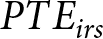 $PT{E_{irs}}$ for the
 $i$th enterprise located in region
 $r$ and operating in sector
 $s$ are implemented in logarithmic terms. We regress them on different measures of power outages
 ${P_{irs}}$ (incidence, frequency and duration) and observable firm characteristics
 ${X_{irs}}$, including dummy variables for regional and sectoral differences. We set up the following empirical model:
 \begin{equation}PT{E_{irs}} = {{{\alpha }}_0} + {{{\alpha }}_1}{P_{irs}} + {{{\alpha }}_2}{'}{X_{irs}} + {\varepsilon _{irs}}.\end{equation}
We proxy electricity unreliability  ${P_{irs}}$ with self-reported power outages, measured at the extensive and intensive margins. At the extensive margin, the measure is a binary variable taking a value of 1 if the enterprise experienced power outages in the fiscal year preceding the survey and 0 otherwise. At the intensive margin, electricity unreliability is measured by the frequency of power outages and the duration of each power cut in a typical month; the intensive measures are thus average measures at the firm level. The matrix
 ${X_{irs}}$ includes the age of the firm, the percentage of shares owned by foreigners, the percentage of shares owned by the state, the manager’s years of experience, exports as a share of sales, the current size of the enterprise, the enterprise size at inception, the provision of on-the-job training and the share of working capital from a bank.
 ${\varepsilon _{irs}}$ is the idiosyncratic error term;
 ${{{\alpha }}_1}$ is the parameter estimate of interest.
As a first approximation, we conduct a partial correlation analysis. We do not rely on the ordinary least square (OLS) estimator, which assumes a normal distribution and homoscedasticity of both the dependent variable and the error term, since these assumptions are not met by the data at hand; the estimated efficiency scores are censored, i.e., they are greater than zero and less than 100 per cent (Lee et al., Reference Lee, Lee and Kim2009). Therefore, we resort to the Tobit estimator to explore the determinants of the efficiency scores. This approach is in line with similar previous studies, including Ji and Lee (Reference Ji and Lee2010) and Lee et al. (Reference Lee, Lee and Kim2009). Yet, this partial correlation analysis does not account for the potential endogeneity of electricity services. Therefore, we further expand our analysis.
4.2.2. Effect of power unreliability on firm productivity
We resort to an IV approach to address the endogeneity of power outages. Extensive discussion about endogeneity of power outages is available in Supplementary Appendix D. The Lewbel two-stage least squares estimator (Lewbel IV-2SLS) is the most appropriate strategy in the absence of external instruments, when exclusion restrictions of possible external instruments are questionable or when external instruments are weak, as is the case here (Lewbel, Reference Lewbel2012). We construct the internal instruments in the following way. First, we regress our measure of power outage on the set of control variables employing a linear OLS model and recover the estimated residuals  ${\hat{\epsilon} _{irs}} = {P_{irs}} - {X_{irs}}\hat \pi _1{'}$. We refer to this regression as the auxiliary regression. Second, we construct the heteroskedasticity-based instruments (
 $I_{irs}^L$) as the product of the auxiliary equation residuals and a subset
 ${Z_{irs}}$ of the set of control variables
 ${X_{irs}}$ that is assumed to be exogenous and employed in mean-centred form; that is
 $I_{irs}^L = $(
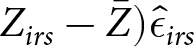 ${Z_{irs}} - \bar Z){\hat{\epsilon} _{irs}}$. The matrix
 ${Z_{irs}}$ includes the age of the firm, the percentage of shares owned by foreigners, the enterprise size at inception and regional dummies. The idea behind the approach is that if the error terms are heteroskedastic, then the squared residuals can be correlated with some variables in the model, making them valid instruments. In a third step, we implement the standard two-stage least-squares regression (2SLS), using
 $I_{irs}^L$ as instruments for the endogenous variable power outages while controlling for the other observable confounding factors collected in the matrix
 ${X_{irs}}$. Thus, in the first-stage, power outages
 ${P_{irs}}$ are regressed on
 $I_{irs}^L$ and
 ${X_{irs}}$, as follows:
 \begin{equation*}{P_{irs}} = {\delta _0} + {X_{irs}}\delta _1{'} + I_{irs}^L\delta _2{'} + \,{\nu _{irs}},\end{equation*}
where  ${\delta _0}$,
 $\delta _1^{\text{'}}$ and
 $\delta _2^{\text{'}}$ are the parameters to be estimated and
 ${\nu _{irs}}$ represents the remaining error term. In the second stage, firm productivity
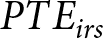 $PT{E_{irs}}$ is regressed on the fitted values from the first-stage regression
 ${\hat P_{irs}}$ and the matrix of control variables
 ${X_{irs}}$ as follows:
 \begin{equation*}PT{E_{irs}} = {\beta _0} + {\beta _1}{\hat P_{irs}} + \beta _2{'}{X_{irs}} + {\omega _{irs}}.\end{equation*}
The parameter of interest is  ${\beta _1}$. The model is estimated using the Stata command Ivreg2h by Baum and Schaffer (Reference Baum and Schaffer2012).
Lewbel (Reference Lewbel2012) highlights two identifying assumptions under which the constructed external instruments are valid:  $({A_1})$
 $COV\,\left( {{Z_{irs}},\,{\epsilon} _{irs}^2} \right) \ne 0,$ and
 $({A_2})$
 $COV\,\left( {{Z_{irs}},\,\,{\varepsilon _{irs}}{{\epsilon} _{irs}}} \right) = 0$. Put differently, the constructed external instruments are correlated with the heteroskedastic errors obtained from the auxiliary regression
 $({A_1})$, but uncorrelated with the covariance of the error term from the auxiliary regression and the error term from the linear model as presented in Equation (2)
 $({A_2})$. Baum and Lewbel (Reference Baum and Lewbel2019) extensively discussed the three conditions that are sufficient to make these two key assumptions hold. First,
 ${\varepsilon _{irs}}$ and
 ${{\epsilon} _{irs}}$ must have a factor structure, with a common unobserved error term and idiosyncratic error terms that are mutually independent, conditional on the set of instruments. Second, the squared term of the common error component should not be correlated with the Lewbel-generated internal instruments (homoskedasticity). As a third condition, the set of internal instruments must be correlated with
 ${\epsilon} _{irs}^2$, setting the condition of heteroskedasticity of the specific component of the error term
 ${{\epsilon} _{irs}}$ relative to the instruments. While these three conditions are sufficient for identification, the two key identifying conditions can hold without satisfying all of them at the same time (Baum and Lewbel, Reference Baum and Lewbel2019). Drawing on assumption
 ${A_1}$ which requires
 ${\epsilon} _{irs}^2$ to be heteroskedastic with respect to the exogenous variables, it follows that the higher the heteroskedasticity the more relevant are the external instruments (Baum and Lewbel, Reference Baum and Lewbel2019). Therefore, assumption
 ${A_1}$ can be tested using standard heteroskedasticity tests and is reflected in the F-statistic for the constructed internal instruments in the first-stage regression (Courtemanche et al., Reference Courtemanche, Pinkston and Stewart2020). Assumption
 ${A_2}$, as presented above, is similar to the classic instrument validity assumption. It posits that the constructed instruments
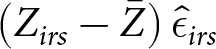 $\left( {{Z_{irs}} - \bar Z} \right){\hat {\epsilon} _{irs}}$ are uncorrelated with
 ${\varepsilon _{irs}}$ in Equation (2). Thus,
 ${A_2}$ can be tested using standard tests for over-identifying restrictions, an example being Hansen’s statistic (Baum and Lewbel, Reference Baum and Lewbel2019).
4.3. Testing for female underperformance
Next, we turn to testing the female-underperformance hypothesis. We start with simple descriptive statistics, conducting mean comparison tests by gender. Next, we implement a Tobit model in which pure technical scores are regressed on a gender indicator and some control variables. Significant coefficients associated with the gender indicator would highlight the existence of a gender-based productivity gap. We further use Combes et al.’s (Reference Combes, Duranton, Gobillon, Puga and Roux2012) approach to compare the productivity distribution of female and male firms by assessing dilation, truncation and shift parameters. A productivity distribution that is left-shifted, less dilated and left-truncated compared to another distribution would imply that the former distribution stems from less productive and homogeneous firms that are uncompetitive. In Supplementary Appendix E, we provide more details on the formal derivation of the comparison in distributions and define all involved parameters. We complement our descriptive analysis with the Blinder–Oaxaca decomposition (Blinder, Reference Blinder1973; Oaxaca, Reference Oaxaca1973). More details on the Blinder–Oaxaca framework are presented in Supplementary Appendix F. This framework permits the computation of the gendered productivity gap and allows us to link it to firms’ characteristics, including power outages. The Blinder–Oaxaca framework decomposes productivity into endowment and structural effects and explores their determinants. The decomposition has been extensively used in the literature to assess the agricultural productivity gap, wage differentials, labour productivity gaps and sectoral gaps (Islam et al., Reference Islam, Gaddis, Palacios López and Amin2020; Essers et al., Reference Essers, Megersa and Sanfilippo2021).
5. Empirical results
5.1. Linking power outages to firm productivity
We first present results from Tobit estimations in Table 1. The reported coefficients stem from different specifications of Equation (2). We allow for three different measures of power disruptions (incidence, duration, frequency) while controlling (or not) for confounding factors as mentioned at the bottom of each column. Every cell and associated standard error represents the result of one regression model. The coefficient associated with power outages measured at the extensive margin is negative and significant across all five models irrespective of the inclusion of control variables. Importantly, the addition of the control variables in the empirical specification does not influence the magnitude of the coefficient estimate associated with power outages. According to our most demanding model (column (5)), on average, the experience of a power outage is associated with a reduction of the efficiency score by 28.7 per cent (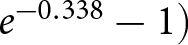 ${e^{ - 0.338}} - 1)$.
Baseline partial correlation estimates derived from the Tobit model

Table 1 Long description
Baseline Tobit regressions estimate how several power-outage measures relate to firms’ logged efficiency scores across five model specifications. Outage incidence is consistently negative and similar in size across columns, ranging from minus 0.321 to minus 0.338, indicating lower efficiency when an outage occurs. Longer outages are also associated with lower efficiency: the minutes-per-outage coefficient ranges from minus 0.006 to minus 0.004. Higher monthly outage frequency is negative but smaller in magnitude, from minus 0.006 to minus 0.002. Transformed versions of duration and frequency are likewise negative, with transformed duration around minus 0.044 to minus 0.031 and transformed frequency around minus 0.075 to minus 0.058. Sample size is 420 in columns 1 and 2 and 362 in columns 3 to 5; controls are added in columns 3 to 5, region indicators appear in columns 2 and 5, and sector indicators appear in columns 2, 4, and 5. Standard errors are reported in parentheses and each outage measure is estimated in a separate model, so coefficients should be compared cautiously across rows.
Notes: Robust standard errors are in parentheses. Estimates are obtained with the Tobit estimator. The coefficient for each power outage variable in each cell is recovered from a different estimation. Arcsinh denotes the IHS transformation used to preserve zero observations. It is computed as Arcsinh (x) = $ln\left( {x + \sqrt {\left( {1 + {x^2}} \right)} } \right)$. For the sake of brevity, the coefficients associated with the control variables are not reported. The control variables included are the age of the firm, the percentage of shares owned by foreigners, the percentage of shares owned by the state, manager’s years of experience, exports as a share of sales, current size of the enterprise, enterprise size at inception, provision of on-the-job training and share of working capital from a bank.
Similarly, the coefficient associated with the duration of power outages, one of our measures at the intensive margin, shows a negative correlation with firm efficiency across models. Again, the coefficients associated with power outages remain stable independent of the composition of the included covariates. According to our most demanding model (column (5)), the unreliability of power evaluated at twice its standard deviation  $2 \times 10.208{ }$ minutes (see Appendix Table A1), is associated with a drop of the efficiency score by 7.8 per cent
 $({e^{ - 0.004 \times 2 \times 10.208}} - 1)$.
The considerable difference between the estimated effects associated with power outages measured at the extensive and intensive margins, requires further consideration. We observe that the incidence of outages, that is exposure to power cuts, is coherently reported in the survey. This is expected since the recall period of a month is short enough and the question only asks for a simple Yes–No answer of an event that is perceived as annoying, and therefore likely to be remembered. Yet not all firms that report the experience of power outages similarly give an estimate of the typical duration. Since the firms were asked for the typical duration, their feedback is already an average and likely prone to error. Further note that the average duration across all firms of around 8 minutes seems rather at the lower end. Thus, we have to take the information about the typical duration as a guesstimate.
Empirically, we address the issue of missing duration information by replacing the missing data with the average duration across all other firms that have reported the incidence of power outages. Thus, we have to interpret the effect associated with the duration with a grain of salt. Based on these considerations, our findings indicate that the event of a power outage per se is harmful. We consider the coefficient associated with the event (extensive margin) to be the upper bound and the coefficient associated with the duration as the lower bound. We observe the same pattern for the frequency of power outages (Table 1, row 5), as it represents a count variable, and the respondents do not always give an indication of the typical frequency of outages per month.
Since we face a considerable number of zeros and thus a skewed distribution, we implement further robustness tests. To accommodate the zeros, we apply the inverse hyperbolic sine (IHS) transformation, which is widely used in the literature (McKenzie, Reference McKenzie2017; Bellemare and Wichman, Reference Bellemare and Wichman2020). Importantly, with the IHS transformation (see the relevant note below Table 1 for its mathematical expression), we do not have to resort to the random addition of a constant as with the logarithmic transformation (Ekwaru and Veugelers, Reference Ekwaru and Veugelers2018; Mullahy and Norton, Reference Mullahy and Norton2024). The estimated coefficients associated with the duration and frequency of power outages (Table 1) are statistically significant, and their magnitudes are larger compared to the initial estimates without transformation. However, as Bellemare and Wichman (Reference Bellemare and Wichman2020) highlight, caution must be taken when interpreting the results as elasticities. Therefore, we only conclude that the negative association between repeated and lasting power outages and firm productivity is supported.
5.2. Linking power outages to the gender-based productivity gap
We next turn to the results obtained with Lewbel’s (Reference Lewbel2012) approach. We consider these findings, which we present in Appendix Table A5 (first-stage) and Table 2 (second-stage), as our main results. Across tables, power outages are measured by incidence, duration and frequency in the first three columns, and by means of the IHS transformation of duration and frequency in columns (4) and (5), respectively. Table 2 indicates a strong correlation of some of the Lewbel-generated instruments with the power outage variables. Importantly, all internally created instruments taken together are jointly significant, as indicated by the F-statistic, suggesting the model fits the data. Specifically, across specifications, the F-statistic of the excluded instruments is greater than 10, suggesting the rejection of the null hypothesis that the instruments have no joint explanatory power. Therefore, the instruments are jointly relevant.
Second-stage regression results – Lewbel IV-2SLS

Table 2 Long description
Second-stage Lewbel IV-2SLS results relate logged efficiency scores to several measures of power outages across five model specifications. Outage occurrence is negatively associated with efficiency, with an estimated effect of minus 0.343 and a robust standard error of 0.045 in model 1. Outage duration per event shows a small negative estimate of minus 0.005 with a robust standard error of 0.003 in model 2, and monthly outage frequency is similarly small at minus 0.003 with a robust standard error of 0.003 in model 3. Using inverse hyperbolic sine transformed measures, duration has an estimate of minus 0.036 with a robust standard error of 0.029 in model 4, while frequency is more negative at minus 0.098 with a robust standard error of 0.027 in model 5. All models use 362 observations and include controls plus region and sector indicators; centered R-squared values range from about 0.195 to 0.285, highest in the outage-occurrence model. Hansen J test probabilities reported in parentheses range from about 0.129 to 0.559, suggesting no strong evidence against instrument validity at common thresholds, but results should still be interpreted as conditional on the IV assumptions and the included controls.
Notes: Robust standard errors are in parentheses, except for Hansen J statistics, which report the probability in parentheses. Estimates are obtained from the second stage of Lewbel’s (Reference Lewbel2012) IV approach. Arcsinh denotes the IHS transformation used to preserve zero observations. For the sake of brevity, the coefficients associated with the control variables are not reported. The relevant note below Table 1 provides detailed information about the control variables. These variables are equally shown in Table 2.
This is further confirmed by the under-identification test of Kleibergen and Paap (Reference Kleibergen and Paap2006), which assesses whether the model is identified, i.e., whether the excluded internal instruments are correlated with the endogenous regressor, and by the instrument weakness test developed by Cragg and Donald (Reference Cragg and Donald1993) and popularized by Stock and Yogo (Reference Stock, Yogo, Andrews and Stock2005). We reject under-identification and weak instruments. We also conduct the over-identification test of all instruments, which checks for the validity of the over-identifying restrictions (Hansen, Reference Hansen1982). The p-values associated with Hansen’s over-identification test are bigger than 15 per cent for the duration and frequency specification and greater than 10 per cent for the incidence specification, supporting the identification strategy.
Overall, the IV results are virtually identical to the partial correlation results from the Tobit model (compare with Table 1). Power outages measured at the extensive margin and their durations have a negative and significant effect on firm productivity (columns (1) and (2) of Table 2). On average, exposure to power outages reduces the efficiency score by 29 per cent and twice the standard deviation of the duration of a power outage of  $2 \times 10.208{ }$ minutes (compare with Appendix Table A1) reduces the efficiency score by 10 per cent. These results further suggest that the partial correlation findings are downward biased. In turn, we do not identify a significant effect for the frequency of power outages.
However, we do find significant and negative effects on firm productivity when employing the IHS transformation to the frequency of power outages. This discrepancy between the raw data and the HIS-transformed variables may arise for several reasons. First, the IHS transformation reduces the influence of extreme values and compresses the scale of the variable, which can improve the model fit and uncover non-linear relationships. It may also help mitigate issues of heteroskedasticity or skewness in the original frequency data. Alternatively, the lack of significance in the untransformed model (column (3) of Table 2) is likely also influenced by noise and measurement error in the raw frequency data, as highlighted earlier, which the IHS transformation helps to smooth. These findings suggest that the relationship between outage frequency and productivity is likely non-linear and better captured with an IHS transformation. However, in line with Bellemare and Wichman (Reference Bellemare and Wichman2020), we abstain from directly interpreting the effects as elasticities (see Section 5.1). Overall, our finding that power disruptions have a deleterious effect on firm productivity is consistent with past findings by Moyo (Reference Moyo2012), Allcott et al. (Reference Allcott, Collard-Wexler and O'Connell2016), Cissokho (Reference Cissokho2019), Falentina and Resosudarmo (Reference Falentina and Resosudarmo2019) and Elliott et al. (Reference Elliott, Nguyen-Tien and Strobl2021).
We further use Lewbel’s IV approach to identify the gender-differentiated effects of power outages on firm performance. We achieve this by including an interaction effect of power disruptions with gender. Results are shown in column (1) of Table 3. The coefficient associated with power outages is negative and significant. Importantly, it remains robust to additional controls as introduced in the subsequent columns of Table 3. This result is consistent with the finding reported so far in Table 2 that exposure to power outages induces a significant drop in firm performance. Importantly, the interaction term between power outage and gender of the firm owner is associated with a negative and significant coefficient. No such result is found for the interaction term between the gender of the firm manager and exposure to power outages (column (2) of Table 3). Female-owned firms and male-owned firms are thus differently affected by power disruptions, with the productivity reducing effect being more pronounced for female-owned establishments. Our most demanding estimation result (column (7) of Table 3) suggests that the performance of female-owned firms is 34 per cent (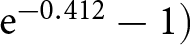 ${{\text{e}}^{ - 0.412}} - 1)$ lower, while the productivity of male-owned firms is only 26 per cent
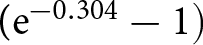 ${\text{(}}{{\text{e}}^{ - 0.304}} - 1)$ lower, in the context of power instability. We consider this finding as evidence that power outages are negatively associated with the gender-based productivity gap in the study area.
Power outages, gender and productivity – Lewbel IV-2SLS

Table 3 Long description
Regression results using Lewbel-style instrumental variables estimate how power outages relate to firms’ log efficiency scores across seven model specifications. The main power-outage coefficient is consistently negative in every column, ranging from about minus 0.30 to minus 0.34, with standard errors around 0.05, indicating a robust association with lower efficiency. Adding an interaction for female-owned firms yields an additional negative effect of roughly minus 0.09 to minus 0.12 in columns 1 and 5 to 7, suggesting larger losses for female-owned firms in those specifications. The interaction for female-managed firms is small and near zero in column 2, with a comparatively large standard error, offering little evidence of a distinct effect by female management. Triple interactions show mixed patterns: female-owned in manufacturing is negative in columns 3, 5, and 7 (about minus 0.01 to minus 0.10), while female-owned among medium and large firms is positive in columns 4, 6, and 7 (about plus 0.10 to plus 0.22) but imprecisely estimated. Sample sizes are about 359 to 362 observations, and model fit is similar across columns with R-squared near 0.28 to 0.29. All models include controls plus region and sector indicators, and the reported Hansen J probabilities are low (about 0.08 to 0.15), so results should be interpreted with the usual caution about instrument validity and specification sensitivity.
Notes: Robust standard errors are in parentheses, except for Hansen J statistics, which report the probability in parentheses. Estimates are obtained from the second stage of Lewbel’s (Reference Lewbel2012) IV approach. The outcome variable is the logarithm of efficiency scores. For the sake of brevity, the coefficients associated with the control variables are not reported. The relevant note below Table 1 provides detailed information about the control variables. These variables are equally shown in Table 2.
In columns (3)–(7) of Table 3, we further explore mechanisms underlying the differential effects of power outages across the gender of the establishment owner. We achieve this through triple interactions, interacting gender, exposure to power outage and possible testable mechanisms for which we have data, namely the size of the firm and sector of operation. We answer the following question: to what extent are power outages associated with firm productivity conditional on the gender and the size or sector of the firm? Our hypothesis is that female-owned firms may be more vulnerable to power outages because they are more likely to operate small businesses outside the manufacturing sector, where generator adoption is less common. However, our results show that none of the interaction terms is statistically significant. This suggests that neither the firm size nor the sectoral concentration of female-owned firms is driving the lower productivity resulting from power outages. While numerous mechanisms were highlighted in the literature, including sectoral concentration, firm size and constraints on time use (Islam et al., Reference Islam, Gaddis, Palacios López and Amin2020), our data do not support the first two theoretical mechanisms. Yet, this finding does not rule out these mechanisms, as our sample is small and we might lack the power to identify the effects precisely. Drawing on our knowledge of the Senegalese context, we hypothesize that the gender-differentiated effects of power outages are driven, at least in part, by women’s greater time constraints arising from the need to allocate their time between home production and market-based activities. Yet, we were not able to explore this constraint due to data limitations. In the Senegalese patriarchal society, almost all women of working age are culturally required to participate in the unpaid care economy, that is, housework and childcare (Bernard et al., Reference Bernard, Doss, Hidrobo, Hoel and Kieran2020). Therefore, electricity unreliability has the potential to exacerbate gender-based productivity differences by reducing women’s work hours, while increasing time for housework (Sedai et al., Reference Sedai, Vasudevan, Pena and Miller2021). Further investigation with a larger dataset and more detailed information is still required to confidently maintain the time-use hypothesis. For now, we have to defer it to future research.
5.3. Evidence of underperformance among Senegalese enterprises owned or managed by women
We now explore further the productivity gap using descriptive statistical tools and multivariate regressions. We first include gender in our firm productivity assessment in our basic partial regression framework. Results are reported in Appendix Tables A6 and A7. We find a consistent negative relationship between female-owned enterprises and productivity. The coefficient of −0.109 associated with the gender variable (Table A6, column (1)) implies an unconditional productivity gap of 0.11 in log points between female-owned enterprises and their male-owned counterparts, which is equivalent to 10 per cent (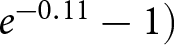 ${e^{ - 0.11}} - 1)$. The coefficients in columns (2)–(7) of Table A6 further reinforce the productivity gap even after adding control variables and interaction terms. Similarly, the gender effect is also consistently negative in female-managed enterprises, albeit not significant in all specifications (Appendix Table A7). We attribute the lack of statistical significance to the very small sample of only 51 observations of female-managed firms.
We further inspect the interaction between gender and power outages. The coefficient associated with the interaction is negative and significant (Table A6, column (3)). This is similar to the results in Table 2, except that we do not account for the possible endogeneity of power outages in Table A6. Still, the result implies that among female-owned enterprises, those exposed to unexpected power outages are even less productive compared to their male-owned counterparts. We further find a negative and significant coefficient associated with the interaction of generator ownership and being a female owner (Table A6, column (4)). While Cole et al. (Reference Cole, Elliott, Occhiali and Strobl2018), Moyo (Reference Moyo2012) and Cissokho (Reference Cissokho2019) showed that ownership of a generator mitigates the deleterious effects of power disruptions, our findings for female-owned enterprises suggest that the ownership of backup power does not improve female-owned firms’ productivity in a significant way compared to their male-owned counterparts. The crowding-out effect of the additional costs from self-generating electricity on other productive investments may explain this result. Another possible reason might be that self-generated electricity is a poor substitute for on-grid electricity. Table A6 further shows a positive and significant coefficient for the interaction between gender and the initial size of the firm, indicating low productivity for small female-owned enterprises at inception. Next, we turn to the coefficient of the interaction of gender and the share of capital from a bank, which is equally positive and significant, suggesting that female-owned firms that have access to credit are way more productive compared to those with limited access to bank loans. Unlike Gui-diby et al. (Reference Gui-Diby, Pasali and Rodriguez-Wong2017) and Seck et al. (Reference Seck, Araar, Camara, Diallo, Diop and Fall2022), our findings suggest that alleviating the financial constraints of female-owned enterprises might increase their productivity. These findings are similar for female-managed enterprises (Appendix Table A7).
Next, we turn to the inspection of the male and female productivity distributions. First, we visually compare both across genders. Appendix Figures A3 and A4 present the productivity distributions across gender for firm owners and managers. The productivity distribution of male-owned enterprises exhibits a right shift compared to their female counterparts (Appendix Figure A3). This shift in the distribution reflects the relative underperformance of female-owned enterprises. Furthermore, the productivity distribution of female-owned firms is left-truncated and less spread out compared to the productivity distribution of male-owned enterprises. However, there seems to be no significant difference in the distributions of male- and female-managed enterprises, even though the productivity distribution of female-managed firms is left-truncated. Again, we largely attribute this result to the small number of observations for female-managed firms.
Appendix Table A8 reports the estimates of the shift, dilation and truncation parameters. The estimated value for the shift parameter, which is about −0.115, is negative and significant, supporting the notion of female underperformance. For women to have the same distribution as their male counterparts, their productivity distribution would have to shift rightward, implying that it needs to increase by 11 per cent (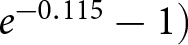 ${e^{ - 0.115}} - 1)$. This productivity gap is consistent with the findings reported so far. The estimated dilation parameter is statistically significant and less than one, as expected. This suggests a high degree of homogeneity among female-owned firms, indicating that women are more likely to operate in less capital-intensive industries and at a smaller scale. In contrast to the shift and dilation parameters, the truncation parameter is not statistically significant, implying no evidence that female-owned enterprises disproportionately exit the market from the lower tail of the productivity distribution. Furthermore, we find no evidence of underperformance, homogeneity or exit among female-managed firms, as none of the estimated parameters is statistically significant. This result is equally consistent with the findings reported earlier.
Finally, we turn to the decomposition of the gender-related productivity gap. Appendix Table A9 shows the results of the Oaxaca–Blinder counterfactual decomposition. Power outages are measured at the extensive margin as the incidence data is least prone to error. We explore the productivity gap between female- and male-owned enterprises in columns (1)–(3), and we consider the gender of the manager in columns (4)–(6). Column (1) shows the overall productivity gap and its components, including the endowment and structural effects; columns (2) and (3) report their association with firm characteristics, including exposure to power outages.
We identify a significant productivity gap between female- and male-owned firms of the order of 0.116 log points, which corresponds to a gap of 11 per cent. This productivity gap is consistent with the one found in the regression analysis (Appendix Table A6) and Combes et al.’s quantile estimation approach (Appendix Table A8). Our estimated gender productivity gap is close to the ones reported in previous work by Bardasi et al. (Reference Bardasi, Sabarwal and Terrell2011), Islam et al. (Reference Islam, Gaddis, Palacios López and Amin2020) and Essers et al. (Reference Essers, Megersa and Sanfilippo2021). We further find a significant and positive coefficient associated with power outages (column (3)), suggesting that exposure to power outages is significantly associated with a larger productivity gap, driven by structural factors. This result is consistent with the differential effects of power outages observed across gender. In turn, we observe no evidence of a productivity gap between female- and male-managed enterprises, which is equally consistent with our earlier findings.
6. Conclusion and policy implications
This study investigates the implications of electricity unreliability for firm productivity and the gender productivity gap. We rely on Lewbel’s (Reference Lewbel2012) IV approach to analyse the effect of power outages on firm productivity, while considering heterogeneity by gender. We further use a series of descriptive approaches to get further insight into the gender-based productivity gap and its association with firm characteristics, including power outages. We identify a sizable and statistically significant gender productivity gap. Male-owned establishments outperform their female-owned counterparts by 11 per cent. Irrespective of the gender of the firm owner, most of the Senegalese SMEs suffer from scale inefficiency. We find a negative association between power outages and firm performance. Yet, the effect is stronger for female-owned firms.
Despite its contribution to the literature, the study at hand has some limitations that should be addressed by future research. First, while there is some indication of a gender productivity gap for female-owned firms, we do not identify such a productivity gap among female-managed enterprises. Yet, we note that the sub-sample of female-managed enterprises is too small to establish stable results. Future surveys should aim for larger samples and should explicitly include the gender of the firm manager as a stratification variable. Second, when assessing the relation between productivity and the measures of power outages at the intensive margin using the IV approach, we do not identify a strong relationship given the limited variation in the duration and frequency measures observed in the sample (see the discussion in Section 5). Moreover, these detailed measures are not coherently reported and prone to measurement errors. We had to resort to replacing missing values with averages, hindering the identification of strong and stable effects. We also implemented IHS transformation to assess the robustness of the findings at hand. Yet, to better address the intensive margin in the future, the survey and other reporting instruments need to be improved. Third, due to the lack of a consistent panel dataset, the study relies on cross-sectional data to investigate the relationship between power cuts and the gender productivity gap. Fourth, while our identification strategy follows established empirical practices, based on Lewbel’s IV approach, we acknowledge the lack of external instruments. Fifth, owing to data limitations, we are unable to explore female time constraints as an underlying mechanism associated with the estimated productivity gap.
Our findings provide Senegalese policymakers with the necessary leeway to take actions towards reducing the gender-based productivity gap. This can be achieved by channelling financial resources towards maintaining the existing electricity infrastructure and the construction of new electricity utilities. Energy supply interventions could also be tailored to the specific energy needs of women to further curtail some of the constraints they face. Given that the low level of performance of Senegalese firms is significantly associated with inefficiency of scale according to our data and analysis, policymakers should prioritize investment in women’s human capital to improve their labour and entrepreneurial productivity. Strengthening the managerial capacity of women entrepreneurs would effectively contribute to reducing the existing productivity gap and has the potential to also be poverty-reducing due to the double role of women as entrepreneurs and caregivers.
Supplementary material
The supplementary material for this article can be found at https://doi.org/10.1017/S1355770X26100710
Competing interests
The authors declare none.


 Open access

