




No CrossRef data available.
Article contents
U.S. Food and Drug Administration anticancer drug approval trends from 2016 to 2018 for lung, colorectal, breast, and prostate cancer
Published online by Cambridge University Press: 28 November 2019
Abstract
Objective
This paper aims to describe the clinical and regulatory aspects of new drugs and indications that were approved for lung, breast, prostate, and colorectal cancer, from 2016 to 2018, in order to provide health technology assessment trends in oncology.
Methods
Data were collected from the US Food and Drug Administration (FDA) online database for new medications and indications approved for the above-mentioned types of cancer. Data regarding clinical study characteristics and regulatory information were collected.
Results
From 2016 to 2018, 53 percent of the FDA approvals of new drugs and indications for the most incident cancers were for oral protein kinase inhibitor monotherapy for advanced lung cancer. Since 2018, four drugs were approved as tumor-agnostic therapies. A biomarker was included in 72 percent of indications, and 58 percent of approvals were for targeted therapies, potentially heralding an end to research into conventional cytotoxic agents. A special designation for faster approval was granted in 78 percent of new approvals. The majority of the studies were open label randomized controlled trials (RCTs) (44 percent), followed by blind RCTs, single-arm clinical trials, and cohort studies. Only 14 percent of studies used overall survival as the primary end point; the vast majority used surrogate end points, and did not use patient-important outcomes. Three biosimilars were approved in the period.
Conclusion
Advanced lung cancer therapy, mainly targeted drugs, accounted for 53 percent of approvals. Special designations for faster approval were used in 78 percent of FDA approvals, and four drugs were approved for tumor-agnostic treatment—a new form of approval.
Keywords
Information
- Type
- Article Commentary
- Information
- International Journal of Technology Assessment in Health Care , Volume 36 , Issue 1 , 2020 , pp. 20 - 28
- Copyright
- Copyright © Cambridge University Press 2019
References
1.Bray, F, Ferlay, J, Soerjomataram, I, et al. (2018) Global cancer statistics 2018: GLOBOCAN estimates of incidence and mortality worldwide for 36 cancers in 185 countries. CA: Cancer J Clin. 68(6), 394–424.Google ScholarPubMed
2.Siegel, RL, Miller, KD, Jemal, A (2017) Cancer statistics (2017). CA Cancer J Clin. 67(1), 7–30.CrossRefGoogle Scholar
3.Global Oncology Trends. IQVIA Institute for Human Data Science (2018). Available at: https://www.iqvia.com/-/media/iqvia/pdfs/institute-reports/global-oncology-trends-2018.pdf?_=1551900849401. Accessed 2019.Google Scholar
4.FDA. Food and Drug Administration (2014) Center for Drug Evaluation and Research Guidance for Industry: Expedited Programs for Serious Conditions. Available at: https://www.fda.gov/downloads/Drugs/Guidances/UCM358301.pdf. Accessed 2019, 2018.Google Scholar
5.CDER. Center for Drug Evaluation and Research Advancing Health 2018 New Drug (2014) Available at: https://www.fda.gov/downloads/Drugs/DevelopmentApprovalProcess/DrugInnovation/UCM629290.pdf. Accessed 2019.Google Scholar
6.Eisenhauer, EA, Therasse, P, Bogaert, J, Schwartz, LH et al. (2008) New response evaluation criteria in solid tumours: Revised RECIST guideline (version 1.1). Eur J Cancer. 45, 228–247.CrossRefGoogle Scholar
7.Kinch, MS (2015) An analysis of FDA-approved drugs for oncology. Drug Discov Today. 19(12), 1831–1835.CrossRefGoogle Scholar
8.World Health Organization (2018) Pricing of cancer medicines and its impacts. Available at: https://apps.who.int/iris/bitstream/handle/10665/277190/9789241515115-eng.pdf. Accessed 2019.Google Scholar
9.Sun, J, Wei, Q, Zhou, Y, Wang, J, et al. (2017) A systematic analysis of FDA-approved anticancer drugs. BMC Syst Biol. 11(Suppl 5), 87. doi: 10.1186/s12918-017-0464-7.CrossRefGoogle ScholarPubMed
10.Kim, C, Prasad, V (2016) Strength of validation for surrogate end points used in the US Food and Drug Administration's approval of oncology drugs. Mayo Clin Proc. 91(6), 713–725. https://doi.org/10.1016/j.mayocp.2016.02.012.CrossRefGoogle Scholar
11.Haslam, A, Hey, S, Gill, J and Prasad, V (2019) A systematic review of trial-level meta-analyses measuring the strength of association between surrogate end-points and overall survival in oncology. Eur J Caner. 106, 196–211.CrossRefGoogle Scholar
12.Prasad, V, Kim, C, Burotto, M, Vandross, A (2015) The strength of association between surrogate end points and survival in oncology. JAMA Intern Med. 175(8), 1389.CrossRefGoogle Scholar
13.Davis, C, Naci, H, Gurpinar, E, Poplavska, E, Pinto, A, Aggarwal, A, et al. (2017) Availability of evidence of benefits on overall survival and quality of life of cancer drugs approved by European Medicines Agency: retrospective cohort study of drug approvals 2009–13. BMJ. 359, j4530.CrossRefGoogle ScholarPubMed
14.Salas-Vega, S, Iliopoulos, O, Mossialos, E (2017) Assessment of overall survival, quality of life, and safety benefits associated with new cancer medicines. JAMA Oncol. 3(3), 382.CrossRefGoogle ScholarPubMed
15.Johnson, J, Ning, Y, Farrell, A, et al. (2011) Accelerated approval of oncology products: The Food and Drug Administration experience. JNCI: J Natl Cancer Inst. 103(8), 636–644.CrossRefGoogle ScholarPubMed
16.Gyawali, B, Hey, S, Kesselheim, A (2019) Assessment of the clinical benefit of cancer drugs receiving accelerated approval. JAMA Intern Med. 179(7), 906.CrossRefGoogle ScholarPubMed
17.Ladanie, A, Speich, B, Briel, M, et al. (2019) Single pivotal trials with few corroborating characteristics were used for FDA approval of cancer therapies. J Clin Epidemiol. 114, 49–59. https://doi.org/10.1016/j.jclinepi.2019.05.033.CrossRefGoogle ScholarPubMed
18.Goring, S, Taylor, A, Müller, K, et al. (2019) Characteristics of non-randomised studies using comparisons with external controls submitted for regulatory approval in the USA and Europe: a systematic review. BMJ Open. 9, e024895. doi: 10.1136/bmjopen-2018-024895.CrossRefGoogle ScholarPubMed
19.FDA. Food and Drud Administration (2018) Center for Drug Evaluation and Research. Framework for FDA's Real-World Evidence Program. Available at: https://www.fda.gov/media/120060/download. Accessed 2019.Google Scholar
20.Nabhan, C, Klink, A, Prasad, V (2019) Real-world evidence—what does it really mean? JAMA Oncol 5(6), 781.CrossRefGoogle ScholarPubMed
21.Shen, C, Chien, C, Geynisman, D, et al. (2013) A review of economic impact of targeted oral anticancer medications. Expert Rev Pharmacoecon Outcomes Res. 14(1), 45–69.CrossRefGoogle ScholarPubMed
22.Blumenthal, GM, Pazdur, R (2019) Approvals in 2018: a histology-agnostic new molecular entity, novel end points and real-time review. Nat Rev Clin Oncol. 16, 139–141. doi:10.1038/s41571-019-0170-z.CrossRefGoogle ScholarPubMed
23.Dillon, A, Landells, L (2018) NICE, the NHS, and cancer drugs. JAMA. 319(8), 767.CrossRefGoogle ScholarPubMed
24.Jardim, DL, Schwaederle, M, Hong, DS, Kurzrock, R (2016) An appraisal of drug development timelines in the Era of precision oncology. Oncotarget. 7(33), 53037–53046.CrossRefGoogle ScholarPubMed
25.Barlesi, F, Mazieres, J, Merlio, JP, et al. (2016) Routine molecular profiling of patients with advanced nonsmall-cell lung cancer: results of a 1-year nationwide programme of the French Cooperative Thoracic Intergroup (IFCT). Lancet. 387(10026), 1415–1426.CrossRefGoogle Scholar
26.Lemery, S, Keegan, P, Pazdur, R (2017) First FDA approval agnostic of cancer site—when a biomarker defines the indication. New Engl J Med. 377(15), 1409–1412.CrossRefGoogle ScholarPubMed
27.Cornes, P (2012). The economic pressures for biosimilar drug use in cancer medicine. Target Oncol. 7(S1), 57–67.CrossRefGoogle ScholarPubMed
28.Schleicher, S, Seidman, A (2017). An important step forward for biosimilars in cancer treatment. JAMA Oncol. 3(7), 989.CrossRefGoogle ScholarPubMed
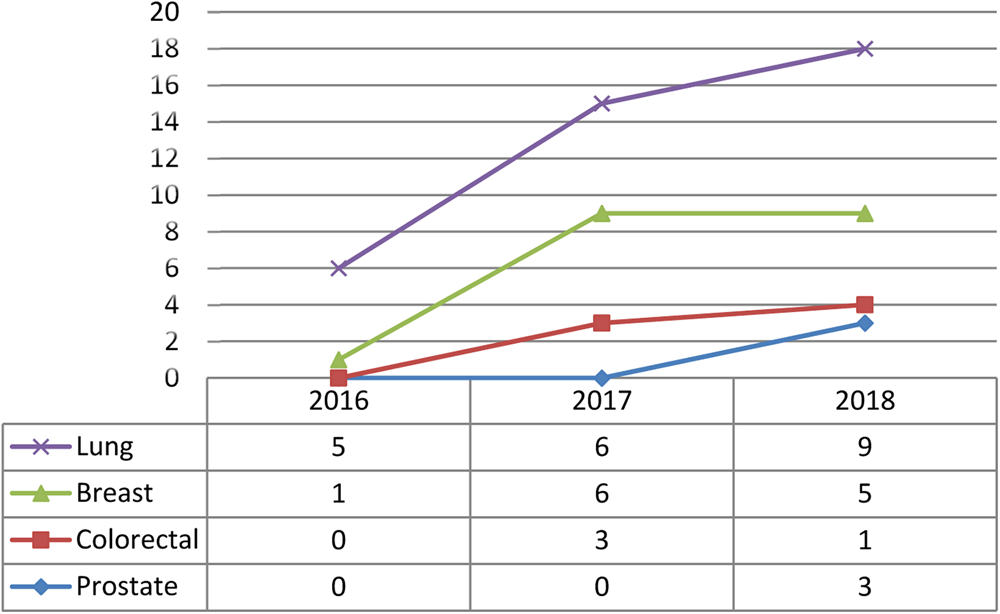
Fig. 1. Cumulative FDA approval curve for new drugs and indications from 2016 to 2018.
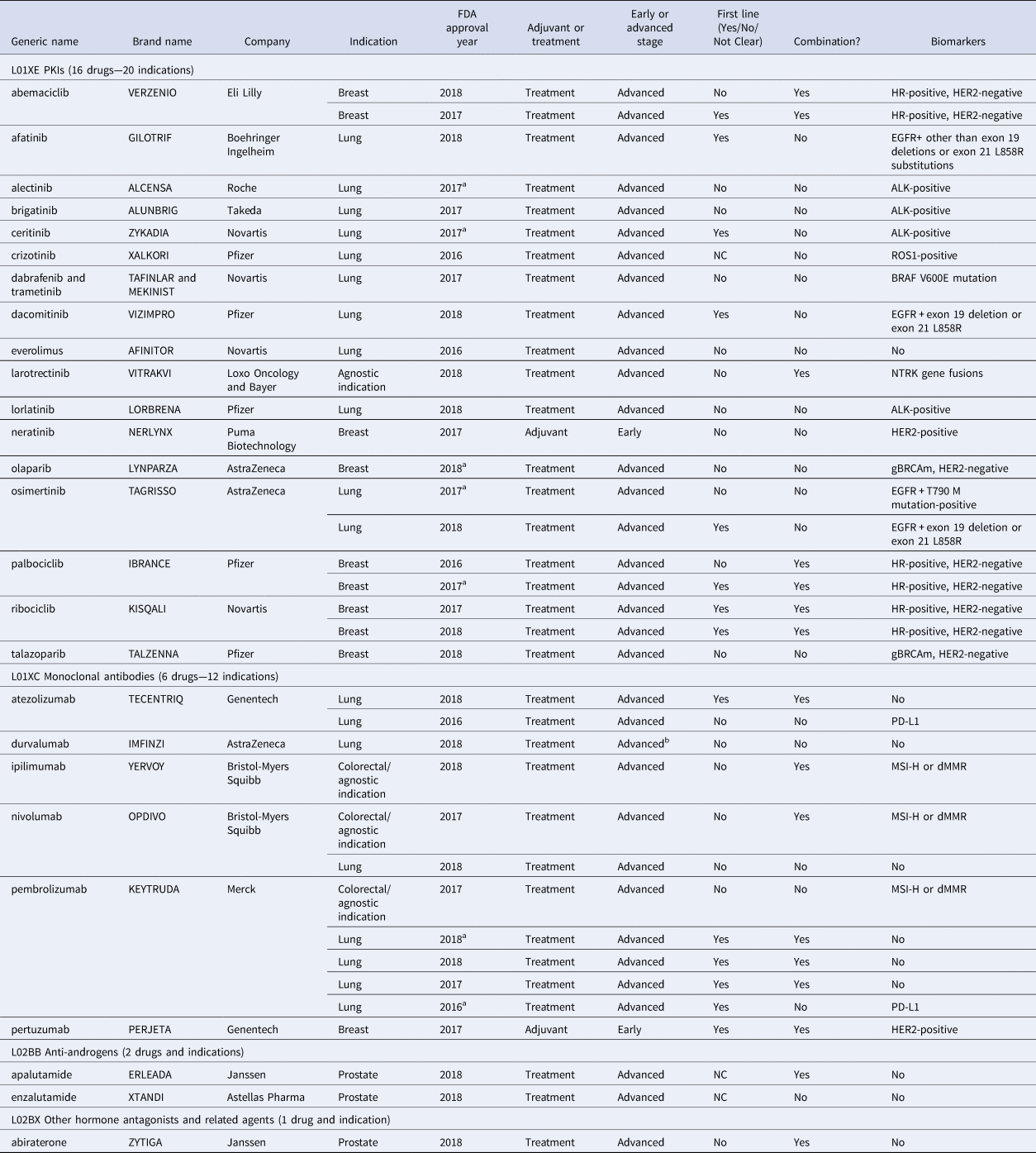
Table 1. US FDA approval of new drugs and supplement indications in the most incident cancers from 2016 to 2018: clinical aspects
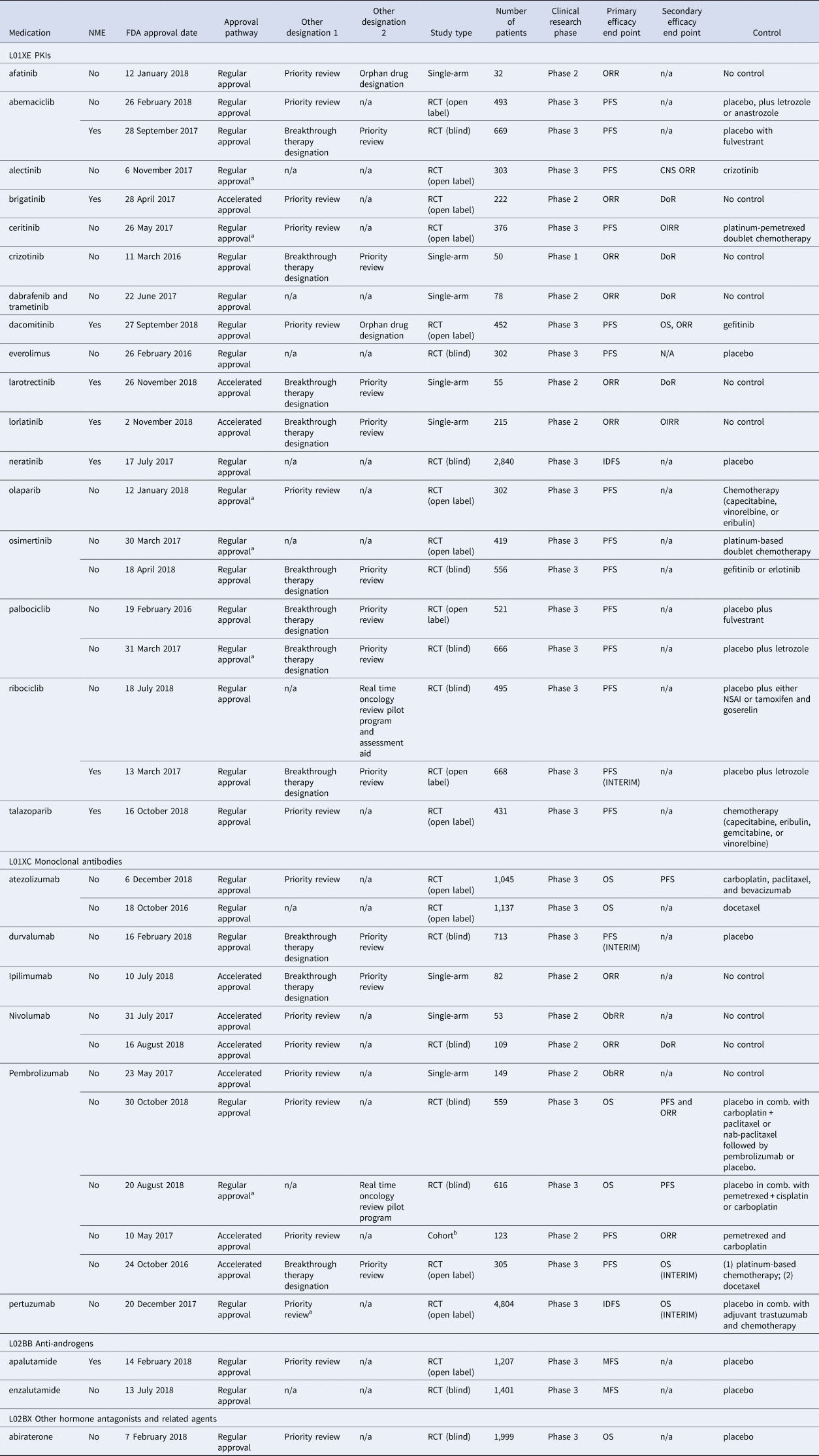
Table 2. US FDA approval of new drugs and supplement indications in the most incident cancers from 2016 to 2018: regulatory aspects and pivotal studies characteristics
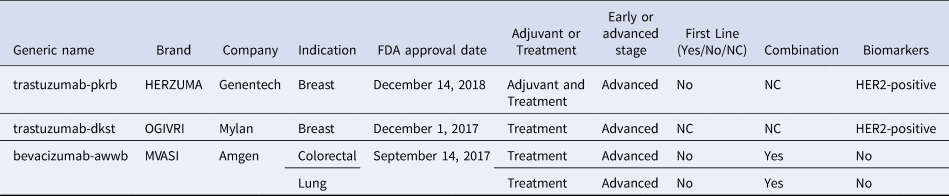
Table 3. Biosimilars approved by the US Food and Drug Administration for new drugs and indications in the most incidents cancers from 2016 to 2018.

Ribeiro et al. supplementary material
Figure S1

File
16 KB
 You have
Access
- 23
- Cited by
Cancer is the second leading cause of death globally (Reference Bray, Ferlay and Soerjomataram1). In high- and middle-income countries, the most commonly diagnosed cancer types are lung, colorectal, breast, and prostate cancer (Reference Bray, Ferlay and Soerjomataram1). The respective 5-year overall survivals from diagnosis are 18 percent, 65 percent, 90 percent, and 99 percent (Reference Siegel, Miller and Jemal2). The increasing global cancer incidence is being accompanied by rising treatment costs. In 2017, the global expenditure on anticancer medicines and supportive care was USD 133 billion (3).
Since 1992, the US Food and Drug Administration (FDA) has an expedited program for serious conditions. This program allows accelerated approval, and other designations, for drug evaluations based on patient need and evidence of clinical benefit (4). In 2018, 70 percent of all novel drugs were approved by the FDA before receiving acceptance from any other regulatory agency (5). This paper aims to collect data on and describe the clinical and regulatory aspects of new drug and indication approvals by the FDA from 2016 to 2018 for lung, breast, prostate, and colorectal cancer. The aim was to identify health technology assessment trends in oncology.
Methods
Data were collected from notifications on the FDA Web site. Bulletins were retrieved from the Drug Approvals and Databases section (Hematology/Oncology (Cancer) Approvals & Safety Notifications) regarding newly approved medications for breast, prostate, colorectal, and lung cancer, from 1 January 2016 to 31 December 2018. The drugs were classified according to the Anatomical Therapeutic Chemical (ATC) classification system, from the World Health Organization Collaborating Centre for Drug Statistics Methodology (WHOCC), using the fourth categorization level.
Two reviewers performed data extraction and tabulation. The following information was collected: generic name, ATC classification, disease indication, brand name, first approval of the molecule, approval pathway, designations, study type (randomized controlled trial (RCT) blind or open, single-arm or cohort), clinical research phase, control data, and primary and secondary end points used to predict efficacy.
Information regarding the study phase was collected from ClinicalTrials.gov or retrieved from the respective articles indexed in the PUBMED/MEDLINE database. Additional information was collected concerning the use of the drug as first-line therapy, combination with other agents, biomarkers used, and use in early or advanced disease. This information was retrieved from the FDA bulletin.
Metastatic disease, non-metastatic castration-resistant prostate cancer, and unresectable solid tumors were considered advanced disease. Adjuvant therapy was considered a proxy for early disease. Biosimilar approvals were also collected, but were computed and presented separately.
Results
From 2016 to 2018, the FDA approved 36 indications for the four most incident cancers types (Figure 1) associated with 26 different drugs. Fifty-three percent (19 in 36) were for treatment of patients with advanced lung cancer, followed by breast (28 percent, 10 in 36), prostate (8 percent, 3 in 36), and colorectal cancer (8 percent, 3 in 36). The colorectal cancer approvals also included tumor-agnostic indications.
Cumulative FDA approval curve for new drugs and indications from 2016 to 2018.
In total, four drugs were approved irrespective of tissue/site, representing 11 percent (4 in 36) of the approvals in the period. Pembrolizumab was the first, in 2017, followed by nivolumab and ipilimumab for microsatellite instability high (MSI-H) and DNA mismatch repair-deficient (dMMR) tumors. In 2018, a protein kinase inhibitor (PKI), larotrectinib, was approved for tumors with neurotrophic receptor tyrosine kinase (NTRK) gene fusion. Table 1 presents the clinical data, and Table 2, the regulatory data regarding the pivotal studies.
US FDA approval of new drugs and supplement indications in the most incident cancers from 2016 to 2018: clinical aspects
ALK, anaplastic lymphoma kinase; BRAF V600E, proto-oncogene B-Raf and v-Raf murine sarcoma viral oncogene homolog; dMMR, DNA mismatch repair-deficient; EGFR, epidermal growth factor receptor; gBRCAm, germline BRCA-mutated; HR, hormone receptor; HER2, human epidermal growth factor receptor 2; MSI-H, microsatellite instability high; NTRK, neurotrophic receptor tyrosine kinase gene fusion; PD-L1, programed death-ligand 1; ROS, proto-oncogene tyrosine-protein kinase ROS.
a Approvals converted from accelerated approval to regular approval.
b Advanced—stage III (curable).
US FDA approval of new drugs and supplement indications in the most incident cancers from 2016 to 2018: regulatory aspects and pivotal studies characteristics
n/a, not applicable; NC, not clear; CNS, central nervous system; DoR, duration of response; IDFS, invasive disease-free survival; MFS, metastasis-free survival; NME, new molecular entity; NSAI, non-steroidal aromatase inhibitor; OIRR, overall intracranial response rate; ObRR, objective response rate; ORR, overall response rate; OIRR, overall intracranial response rate; OS, overall survival; PFS, progressive-free survival; RCT, randomized controlled trial.
a Approvals converted from accelerated approval to regular approval.
b Cohort according to FDA bulletin.
The approval rate of new drugs and indications increased over the period studied, from 6 in 2016 to 17 in 2018. Of note, no new indication was approved for prostate cancer between 2016 and 2017. During these 3 years, PKIs represented 58.3 percent (21 in 36) of the approvals, followed by monoclonal antibodies (33.3 percent, 12 in 36), and other antineoplastic and anti-androgenic agents (8.4 percent, 3 in 36) (Table 1). There was an increase in immunotherapy approvals in different settings: alone, as first-line therapy and in combination with chemotherapy. In some cases they were approved without a biomarker (such as PD-L1).
Biomarkers were included in 72 percent (26 in 36) of the indications, and 58 percent (21 in 36) were for targeted therapies used in the context of specific gene mutations. No cytotoxic drug was approved in the period. Eighty-three percent (30 in 36) of the drugs were used as monotherapy and 39 percent (14 in 36) were indicated as first-line treatment.
Drugs for advanced cancer represented the great majority of approvals, and only 6 percent (2 in 36) were approved for an adjuvant setting.
Twenty-five percent (9 in 36) of approvals were for new molecular entities, approved for the first time by the FDA; the other 75 percent (27 in 36) were supplemental indications. A special designation was granted for 78 percent (28 in 36) to shorten the approval time. The accelerated pathway accounted for 25 percent (9 in 36) of approvals, and the majority was granted for lung cancer drugs. Breakthrough therapy designations were granted in 31 percent (11 in 36) of the cases (five for lung, four for breast, and two for tumor-agnostic therapies). A priority review designation was given in 75 percent of cancer indications (27 in 36), and the drugs commonly received more than one designation.
Regarding the characteristics of studies for new drug/indication approval, phase 3 studies were the main reference for approval in 78 percent (28 in 36) of the cases; phase 2 and phase 1 studies accounted for 19 percent (7 in 36) and 3 percent (1 in 36), respectively. Forty-four percent (16 in 36) of approvals were based on open label RCTs, 31 percent (11 in 36) on blinded RCTs, 19 percent (8 in 36) on single-arm trials and 3 percent on cohort studies (1 in 36). With respect to primary end points, only 14 percent (5 in 36) used overall survival, and the majority (86 percent; 22 in 36) used surrogate end points. Progressive-free survival accounted for 47 percent (17 in 36); overall response rate (ORR) for 22 percent (8 in 36); and objective response rate (ObRR), invasive disease-free survival, and metastasis-free survival each accounted for 5.6 percent (2 in 36). Generally, ObRR is defined as the sum of partial responses plus complete response, different from ORR that is related to partial or complete response (Reference Eisenhauer, Therasse, Bogaert and Schwartz6), however the definition vary among studies.
In the period from 2016 to 2018, only three biosimilars were approved for lung, breast, and colorectal cancer, in the “biosimilar pathway” (Table 3). Bevacizumab was approved to treat metastatic non-small cell lung cancer and metastatic colorectal cancer in 2017, and was the first biosimilar approved for cancer. Two trastuzumab biosimilars have been approved for breast cancer.
Biosimilars approved by the US Food and Drug Administration for new drugs and indications in the most incidents cancers from 2016 to 2018.
Legend: HER2: human epidermal growth factor receptor 2, NC: Not Clear.
Discussion
This study describes the clinical and regulatory scenarios of new FDA-approved drugs and indications for the four most incident cancers.
We demonstrate that drug approvals for lung, breast, colorectal, and prostate cancer increased from 2016 to 2018. The number of FDA-approved oncology drugs has changed over time. From the 1950s to the 1970s, the mean rate of FDA-approved new molecules was 1.1/year, reaching 4.9/year in the 2000s. The approval rate continued to increase until 2011–13, reaching an average value of 10.3/year (Reference Kinch7). According to the annual report on FDA drug approval, issued by the Center for Drug Evaluation and Research (CDER), 2018 had the highest number of new approvals in the preceding 10 years, with fifty-nine new molecules approved (5). Of these, 73 percent were in one or more expedited categories: fast track, breakthrough, priority review, and/or accelerated approval. These results are very similar to our study, with 78 percent of drugs in one or more expedited categories. In 2018, CDER also announced a pilot program, to further accelerate approval, based on real-time clinical trial information, before the company's official submission. This is likely to decrease the time for drug approval, impacting directly on healthcare systems. A report from the WHO estimated the global expenditure on anticancer drugs and related supportive care to be USD 133 billion in 2017. This report also discusses “value-based pricing” and the strengths and uncertainties about this new payment model (8;Reference Sun, Wei, Zhou and Wang9).
Our study showed that 86 percent of the studies for new drug/indication approvals by the FDA used a surrogate end point, and only 14 percent used overall survival as the primary outcome. Surrogate end point measures have been widely used in oncology. From 2009 to 2014, 66 percent of oncology drug approvals by the FDA were based on surrogate end points (Reference Kim and Prasad10). Surrogates seem to have low to moderate correlation with patient-important outcomes, such as overall survival (Reference Haslam, Hey, Gill and Prasad11;Reference Prasad, Kim, Burotto and Vandross12) and improvements in quality of life (Reference Davis, Naci, Gurpinar, Poplavska, Pinto and Aggarwal13;Reference Salas-Vega, Iliopoulos and Mossialos14).
Accelerated approvals have allowed submissions based on intermediate outcomes since 1992 for serious or life-threatening diseases (4). Our results from 2016 to 2018, regarding the most incident cancers, demonstrate that 25 percent of the total approvals used the accelerated pathway. Pharmaceutical companies that submitted a drug though accelerated approval are required to publish confirmatory post-marketing studies with patient-important outcomes. However, some drug approvals have taken up to 7.4 years, and in the worst case 12.9 years, to be converted into regular approvals, after publication of the delayed confirmatory data (Reference Johnson, Ning and Farrell15). A study published in 2019 showed that most confirmatory data also uses surrogate end points. Furthermore, only 21 percent showed confirmed benefit, and only marginal gains (20 percent) were seen in overall survival (Reference Gyawali, Hey and Kesselheim16).
The FDA label designations, breakthrough, and priority review, allow for more flexible requirements in drug approvals, and phase 2 and single-arm trials can be used as a single reference for drug approval. A meta-epidemiologic study published in 2019 evaluated all single-arm studies used for FDA approvals and demonstrated that the number of single-arm studies leading to approval increased substantially. Furthermore, the majority was based on studies with small sample sizes, and did not provide any other verifying studies (Reference Ladanie, Speich and Briel17). Recently, the EMA and FDA have been increasing the number of approvals based on non-randomized trials. From 2005 to 2017, the FDA and EMA approved 98 percent and 79 percent of these submissions, respectively. However, most FDA approvals required post-approval confirmatory data, and a quarter of EMA approvals were conditional on post-marketing RCTs or additional non-randomized trials (Reference Goring, Taylor and Müller18). In order to improve data for drug approval, the FDA recently launched a guideline for real-world evidence submission to generate information on effectiveness (19). However, some authors are concerned about the lack of standardized data collection and the allowance of retrospective studies (Reference Nabhan, Klink and Prasad20).
In the current study, of the thirty-six new drugs and indications approved in the 3-year period, 53 percent were for treatment of advanced lung cancer. Another study published in 2017 analyzed FDA approval rates from 1964 to 2014, showing that breast cancer drugs were responsible for the majority of drug approvals for solid tumors (twenty-seven new approvals) in the last 50 years, followed by lung cancer drugs with seventeen approvals (8;Reference Sun, Wei, Zhou and Wang9). The authors also showed an increase in targeted therapy approvals, mainly PKIs and monotherapies, in the 1990s (8;9). These results are consistent with our findings that PKIs were the most frequently approved drug class, being primarily indicated for lung cancer, and as oral monotherapies. Oral anticancer drugs are more convenient for patients; however, they can result in significantly increased healthcare costs, depending on insurance reimbursement (Reference Shen, Chien and Geynisman21).
Monoclonal antibodies, including immunotherapies, have been increasingly approved over the years, becoming a therapeutic option for most cancers. Currently, there are many approvals based on studies combining chemotherapy and immunotherapy in the intervention arm, thus increasing the number of indications for previously approved drugs (Reference Blumenthal and Pazdur22). The assessment of oncologic drugs, many of them approved for different indications, has been a challenge for HTA agencies, such as NICE (UK) (Reference Dillon and Landells23).
Among the approved drugs assessed in this study 73 percent had a biomarker in the indication. These were primarily genetic alterations. Jardim et al. (Reference Jardim, Schwaederle, Hong and Kurzrock24) evaluated biomarker-based selection strategies in drug development and demonstrated that targeted drugs were approved faster than cytotoxic drugs (Reference Blumenthal and Pazdur22). A French study with 17,664 NSCLC patients showed that genetic alterations changed 50 percent of the first-line treatment choices (Reference Dillon and Landells23). In our study, targeted drugs for lung cancer were mostly single oral agents. Biochemical tests used to identify or measure biomarkers are expensive, and their reimbursement policy remains unclear in public and private health care (Reference Barlesi, Mazieres and Merlio25).
Four tumor-agnostic therapies were approved since 2017. These therapies are defined by the NCI Dictionary as “therapy that uses drugs or other substances to treat cancer based on the cancer's genetic and molecular features without regard to the cancer type or where the cancer started in the body. Tumor-agnostic therapy uses the same drug to treat all cancer types that have the genetic mutation (change) or biomarker that is targeted by the drug” (Reference Lemery, Keegan and Pazdur26). HTA agencies have to be prepared to assess the limitations and quality of studies in which the subject populations are not defined by a specific disease, but by the mutations or expression of a particular feature. This represents a challenge for evidence-based medicine, especially because the majority of these therapies could be classified as rare disease treatment (Reference Lemery, Keegan and Pazdur26). There were no cytotoxic drugs approved during the period studied. Can we foresee the end of cytotoxic drug research and expect a new era of anticancer drugs?
With respect to biosimilars in oncology, a filgrastim biosimilar was previously approved as a therapy for hematologic complications after cytotoxic drugs (Reference Cornes27). For cancer treatment, bevacizumab was the first biosimilar, as shown in our study, followed by the trastuzumab biosimilar products. There is a global discussion about market access and cost-saving in oncology, and cancer biosimilar drugs may reduce the cost of and increase patient access to treatment (Reference Cornes27;Reference Schleicher and Seidman28).
Conclusion
From 2016 to 2018, more than half the FDA approvals of new molecules and indications, for the most four incident cancer types, were for oral PKI monotherapies for advanced lung cancer. Since 2018, four drugs were approved as tumor-agnostic therapies, representing an important challenge to the evidence analysis paradigm used by HTAs. Biomarkers were included in 72 percent (26 of 36) of the indications, and 58 percent (21 of 36) of approvals were for targeted therapies, suggesting a possible end to new cytotoxic drug research.
A special designation for faster approval was granted in 78 percent (28 in 36) of new approvals. The majority of the studies were open label RCTs (44 percent, 16 of 36), followed by blind RCTs, single-arm and cohort studies. For primary outcomes, only 14 percent (5 of 36) of the studies used overall survival, whereas the vast majority (86 percent; 22 of 36) used surrogate end points, patient not-important outcomes. Three biosimilars were approved in the period.
Supplementary material
The supplementary material for this article can be found at https://doi.org/10.1017/S0266462319000813
Acknowledgments
We thank Alberto Palma and Clarice Petramale for their comments on the manuscript.
Conflict of Interest
The authors declare that they have no conflict of interest.