Introduction
Living with advanced cancer
In Canada, it is estimated that over 200,000 people were diagnosed with cancer in 2019 and the lifetime probability of developing cancer is almost 50% (National Cancer Institute, 2017; Canadian Cancer Society, 2019). Advanced cancer has been previously defined by the National Cancer Institute (NCI) as “cancer that has spread to other places in the body and usually cannot be cured or controlled with treatment” (National Cancer Institute, 2007). In this review, we are using the NCI definition for advanced cancer as it has been widely used in the literature (Beaton et al., Reference Beaton, Pagdin-Friesen and Robertson2009; Levit et al., Reference Levit, Balogh and Nass2013; Lowe, Reference Lowe, Courneya and Friedenreich2010) and provides a basis upon which the concept of advanced cancer can be operationalized within research and clinical contexts.
Generally, cancers that have spread regionally (stage 3) or metastasized to distant sites (stage 4) are associated with lower survival rates (National Cancer Institute, 2017; Canadian Cancer Society, 2018). There are vast differences in stage distribution according to cancer type with cancers, such as lung, pancreatic, and stomach, being more likely to present at a later stage at diagnosis than cancers such as breast, prostate, and thyroid. In a recent special report on cancer incidence by stage, the Canadian Cancer Society (2018) estimated more than 10,000 cases annually of lung, colorectal, prostate, and breast cancers that have already metastasized at diagnosis (Canadian Cancer Society, 2018). Given these figures do not consider individuals with other cancer diagnoses, those with early stage cancer who have disease progression, and those diagnosed in previous years and presently living with the disease (Mariotto et al., Reference Mariotto, Etzioni and Hurlbert2017; National Cancer Institute, 2017), these findings suggest a higher prevalence of Canadians currently impacted by advanced cancer.
Progress in cancer detection and treatment options has resulted in declined mortality rates for the general cancer population, including advanced cancer. However, increased survival rates have had an impact on quality of life which remains underexplored, particularly in people diagnosed with advanced cancer (Peppercorn et al., Reference Peppercorn, Smith and Helft2011; Canadian Cancer Society, 2019). Despite improved cancer control and palliative therapies, individuals with this health condition face several physical and psychosocial concerns. Some challenges include declined aerobic fitness and muscle strength, high symptom burden (including fatigue and dyspnea), concerns of worry and anxiety, impaired physical and social functioning, financial distress, and affected quality of life (Cheville et al., Reference Cheville, Troxel and Basford2008; Hummler et al., Reference Hummler, Thomas and Hoffmann2014; Liao et al., Reference Liao, Shun and Liao2014; Yee et al., Reference Yee, Davis and Beith2014; Mayrbaurl et al., Reference Mayrbaurl, Giesinger and Burgstaller2016; Shallwani et al., Reference Shallwani, Simmonds and Kasymjanova2016; Dunn et al., Reference Dunn, Watson and Aitken2017; Teo et al., Reference Teo, Krishnan and Lee2019). In recent studies of people with advanced cancer, issues with daily activities, such as self-care, household tasks, and leisure activities, have also been reported (Cheville et al., Reference Cheville, Beck and Petersen2009; Yee et al., Reference Yee, Davis and Beith2014; LeBlanc et al., Reference LeBlanc, Nickolich and Rushing2015; Cardoso et al., Reference Cardoso, Harbeck and Mertz2016; Di Lascio and Pagani, Reference Di Lascio and Pagani2017). Moreover, unmet needs related to information, communication, emotional support, and supportive care have been frequently described in this population (Houldin and Lewis, Reference Houldin and Lewis2006; Pollak et al., Reference Pollak, Arnold and Jeffreys2007; Cheville et al., Reference Cheville, Troxel and Basford2008; Lam et al., Reference Lam, Tsang and Yeo2014; Cardoso et al., Reference Cardoso, Harbeck and Mertz2016; Dunn et al., Reference Dunn, Watson and Aitken2017; Kemp et al., Reference Kemp, Koczwara and Butow2018).
Leisure-time physical activity and advanced cancer
As the recognition of supportive care priorities in oncology is increasing, leisure-time physical activity (LPA), including exercise, is becoming a growing focus of interest within the cancer population. LPA is considered one domain of physical activity (PA; Pettee Gabriel et al., Reference Pettee Gabriel, Morrow and Woolsey2012) and has been described as “the activities one participates in during free time, based on personal interests and needs. These activities include formal exercise programs as well as walking, hiking, gardening, sport, dance, etc.” (Howley, Reference Howley2001). Exercise is considered LPA that is “planned, structured, repetitive” and purposeful (Caspersen et al., Reference Caspersen, Powell and Christenson1985; Dasso, Reference Dasso2019). The benefits associated with PA after general cancer diagnosis have been well established and include reduced fatigue symptoms, improved physical functioning and psychosocial well-being, better treatment outcomes, enhanced quality of life, and decreased mortality (Speck et al., Reference Speck, Courneya and Masse2010; Ballard-Barbash et al., Reference Ballard-Barbash, Friedenreich and Courneya2012; Fong et al., Reference Fong, Ho and Hui2012; Segal et al., Reference Segal, Zwaal and Green2017; Campbell et al., Reference Campbell, Winters-Stone and Wiskemann2019). However, the majority of research in this area has focused on patients with common cancer types (e.g., breast, prostate, lung, and colorectal), within early stage disease and within post-treatment phases (Campbell et al., Reference Campbell, Winters-Stone and Wiskemann2019; Shallwani et al., Reference Shallwani, King and Thomas2019b).
In advanced cancer specifically, earlier reviews examining LPA have focused primarily on intervention studies exploring traditional structured exercise programs with aerobic and resistance components (Lowe et al., Reference Lowe, Watanabe and Courneya2008; Beaton et al., Reference Beaton, Pagdin-Friesen and Robertson2009; Albrecht and Taylor, Reference Albrecht and Taylor2012; Salakari et al., Reference Salakari, Surakka and Nurminen2015; Dittus et al., Reference Dittus, Gramling and Ades2017; Heywood et al., Reference Heywood, McCarthy and Skinner2017, Reference Heywood, McCarthy and Skinner2018). Despite the lack of research previously reported in this area, recent reviews have confirmed the safety and feasibility of exercise interventions in people with advanced cancer and have reported benefits with exercise for several clinical outcomes, including physical function and quality of life (Lowe et al., Reference Lowe, Watanabe and Courneya2008; Dittus et al., Reference Dittus, Gramling and Ades2017; Heywood et al., Reference Heywood, McCarthy and Skinner2017, Reference Heywood, McCarthy and Skinner2018).
Nonetheless, several limitations exist in the current body of literature exploring LPA for people with advanced cancer. Previous reviews have been limited to intervention study designs and have not considered topics of potential relevance to this population, such as personal experiences and perceptions related to engaging in LPA, reported facilitators and barriers or preferred activities. Within intervention studies, further research is needed to establish optimal exercise dosage parameters for different subgroups of the advanced cancer population (Heywood et al., Reference Heywood, McCarthy and Skinner2017). Moreover, leisure activities beyond structured aerobic and resistance exercise programs, such as mind-body exercise (e.g., yoga), dance, gardening, or sports, may be meaningful for patients and potentially beneficial for various clinical outcomes. However, these types of activities have not been well researched in the general and advanced cancer literature alike (Bradt et al., Reference Bradt, Shim and Goodill2015; Buffart et al., Reference Buffart, van Uffelen and Riphagen2012; Campbell et al., Reference Campbell, Winters-Stone and Wiskemann2019).
As the evidence on PA in cancer is rapidly expanding, it is necessary to update and broaden our understanding of the scope of research on this topic and to identify particular research gaps in the current body of literature. Moreover, challenges in this area of research exist with standardizing the definition of advanced cancer (Lowe, Reference Lowe, Courneya and Friedenreich2010; Lowe et al., Reference Lowe, Tan and Faily2016) and understanding how key concepts, such as LPA, have been examined in the literature. While systematic reviews have been the most common approach to synthesize the literature, other approaches have been recently considered to address questions that are broader in nature and more inclusive of different evidence types (Grimshaw, Reference Grimshaw2010). Scoping reviews can provide an extensive review of relevant literature (literature mapping) and help clarify terms (concept mapping), and this approach may be particularly useful to adopt in research areas that are not well understood (Arksey and O'Malley, Reference Arksey and O'Malley2005; Anderson et al., Reference Anderson, Allen and Peckham2008; Rumrill et al., Reference Rumrill, Fitzgerald and Merchant2009; Levac et al., Reference Levac, Colquhoun and O'Brien2010). The objectives of our scoping review were to map the current research and understand key concepts from the literature about LPA in people with advanced cancer. Specifically, our research questions were the following:
1. What is the extent, nature, and range of the existing literature examining LPA in people with advanced cancer?
2. What terms are used to describe the advanced cancer population within the studies included in the scoping review?
3. How is the concept of LPA operationalized within the studies included in the scoping review?
Methods
The methods for our scoping review have been previously described (Shallwani et al., Reference Shallwani, Brosseau and Thomas2019a). Briefly, our review followed the steps of the methodological framework established by Arksey and O'Malley (Reference Arksey and O'Malley2005), with the consideration of the Preferred Reporting Items for Systematic reviews and Meta-Analyses extension for Scoping Reviews (PRISMA-ScR) Checklist (Tricco et al., Reference Tricco, Lillie and Zarin2018) and additional recommendations on scoping methodology (Arksey and O'Malley, Reference Arksey and O'Malley2005; Davis et al., Reference Davis, Drey and Gould2009; Rumrill et al., Reference Rumrill, Fitzgerald and Merchant2009; Levac et al., Reference Levac, Colquhoun and O'Brien2010; Daudt et al., Reference Daudt, van Mossel and Scott2013; Pham et al., Reference Pham, Rajic and Greig2014; Peters et al., Reference Peters, Godfrey, McInerney, Aromataris and Munn2017).
Literature search
The literature search strategy was established and modified in consultation with an interdisciplinary group of researchers (Levac et al., Reference Levac, Colquhoun and O'Brien2010; Daudt et al., Reference Daudt, van Mossel and Scott2013; Shallwani et al., Reference Shallwani, Brosseau and Thomas2019a). The search strategy was pilot tested in February 2018 by running the search in one electronic database, scanning 114 abstracts, and reviewing 31 full texts. This exercise permitted the researchers to determine the feasibility of the scoping review and refine the article selection criteria. Following this pilot testing, the search strategy was finalized, and the following steps were completed:
-
1. Initial search of 11 electronic databases (performed Feb 20, 2018): Cumulative Index to Nursing and Allied Health Literature (CINAHL; 1940–current); Cochrane Database of Systematic Reviews (CDSR; 2005–current); Database of Abstracts of Reviews of Effects (DARE; first quarter of 2016); Cochrane Central Register of Controlled Trials (CENTRAL; 2018); Excerpta Medica Database (EMBASE; 1947–current); Medical Literature Analysis and Retrieval System Online (MEDLINE; 1946–current); Physiotherapy Evidence Database (PEDro; 1999–current); Psychological Abstracts (PsycINFO; 1806–current); US National Library of Medicine Database (PubMed; 1966–current); National Rehabilitation Information Center Database (REHABDATA; 2002–current); and Sports Medicine Database (SPORTDiscus; –current) (Supplementary Appendix A),
-
2. Supplementary search of references lists*: 15 relevant literature reviews, editorials, and commentaries identified during the electronic database search (Supplementary Appendix B),
-
3. Grey literature search of selected organizational websites (performed Nov 26, 2018): Canadian Cancer Society (Canada), NCI, American Cancer Society (USA), National Cancer Research Institute (UK), European CanCer Organisation, European Society of Medical Oncology (ESMO) (Europe), and Cancer Australia (Australia),
-
4. Updated search of electronic databases (performed Jan 24, 2020): see initial search, and
-
5. Citation analysis using the Scopus database*: six relevant literature reviews from initial search and one from updated search (Supplementary Appendix B).
*Due to the high number of articles, we did not scan the references lists and perform citation analyses of all included articles, as originally indicated in the review protocol (Shallwani et al., Reference Shallwani, Brosseau and Thomas2019a).
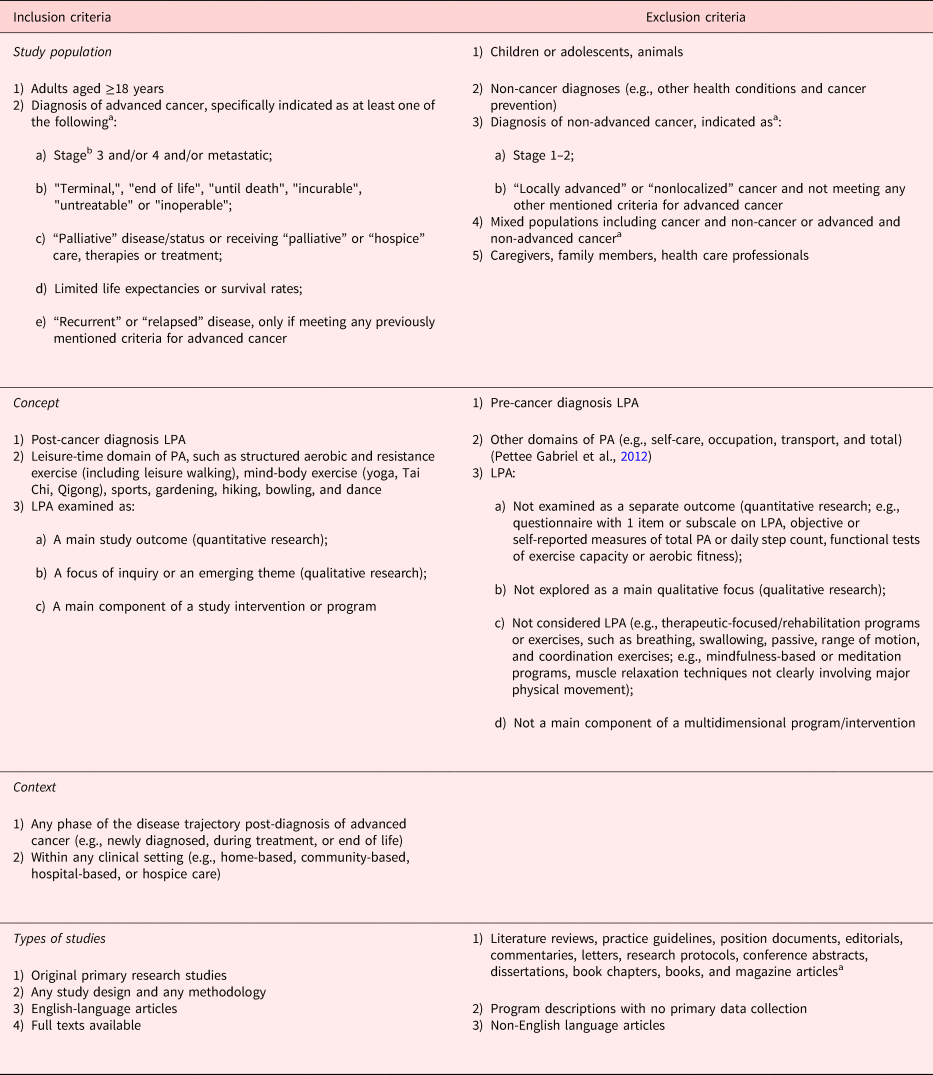
All retrieved articles from the literature search were exported into the EndNote X7.8 software (Clarivate Analytics, PA). Upon automatic and manual removal of duplicates, citations were exported into the online Covidence program (Veritas Health Innovation Ltd ACN 600 366 274). Two reviewers (SMS and MCR) independently scanned articles at the title/abstract level in blocks of 500–1,000 articles and at the full-text level in blocks of 50–100 articles. Conducting the article selection process in blocks permitted ongoing discussions between the reviewers to further refine the selection criteria, resolve conflicts, and consult senior researchers (JK and RT), as needed (Levac et al., Reference Levac, Colquhoun and O'Brien2010; Pham et al., Reference Pham, Rajic and Greig2014; Shallwani et al., Reference Shallwani, Brosseau and Thomas2019a). Thus, the selection of articles for inclusion was based on criteria established a priori that were refined post hoc (Table 1). As per the scoping review approach, we did not apply any quality cutoff criteria in order to identify all published literature of relevance (Arksey and O'Malley, Reference Arksey and O'Malley2005; Pham et al., Reference Pham, Rajic and Greig2014).
Refined article selection criteria

LPA, leisure-time physical activity; PA, physical activity.
a Modifications or clarifications to selection criteria indicated in original protocol (Shallwani et al., Reference Shallwani, Brosseau and Thomas2019a).
b Studies using other diagnostic criteria without overall staging information were not included.
Data extraction
Upon completion of the selection process, articles included in the review were exported into the Microsoft Excel software (version 14.7.7, Redmond, WA). The draft data extraction forms (Shallwani et al., Reference Shallwani, Brosseau and Thomas2019a) were pilot tested independently by two reviewers (SMS and MCR) using Excel for over 10% of the included studies from the initial search (n = 8), and the extracted information was compared between the reviewers (Levac et al., Reference Levac, Colquhoun and O'Brien2010; Daudt et al., Reference Daudt, van Mossel and Scott2013; Pham et al., Reference Pham, Rajic and Greig2014). This step permitted the researchers to test the usability and clarity of the data forms and headings, to make adjustments to the forms and to create drop-down categories further enhancing their ease of use. Data for the remaining studies were extracted by the primary researcher (SMS) and subsequently verified by the second researcher (MCR). These data included study characteristics (e.g., publication year, location, and methodology) and population characteristics (e.g., diagnosis, gender, and age). To address the secondary objectives, key terms to describe the advanced cancer population were searched based on the article selection criteria (e.g., stage 3–4, palliative, hospice, terminal, and life expectancy). To locate and document these terms, the study population criteria and descriptions were reviewed within the abstract, the methods, and/or the results section of the included articles. In addition, the relevance of LPA within each study (e.g., study outcome, theme, or intervention) and the specific components of LPA explored were recorded for each included article.
Data analysis
A narrative, descriptive review was performed of the search results, the study characteristics, and the population characteristics. General trends according to publication year were demonstrated through the use of linear graphs. Thematic content analyses were conducted related to descriptions of the advanced cancer population and the specific relevance of LPA within the studies as a main outcome (quantitative research), as a focus of inquiry or as an emerging theme (qualitative research) or as a component of a study intervention or program. Similar studies of particular relevance (i.e., qualitative studies and other types of LPA programs) were described in detail. Due to the volume and heterogeneity of the included studies, there was no formal quality appraisal or data synthesis performed for this review.
Results
Search results
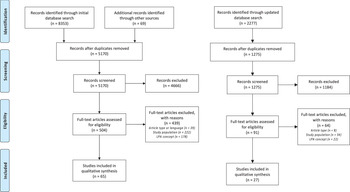
The initial database search in February 2018 resulted in 63 articles included in the scoping review, while the supplementary search of relevant review articles and grey literature yielded an additional two included articles. The grey literature search also identified three patient education booklets targeted to patients with advanced cancer (ESMO Palliative Care Working Group, 2011; National Cancer Institute, 2014; Canadian Cancer Society, 2017). These were not included in the review but were referred to for guidance on practical implications. The updated search in January 2020 yielded an additional 27 articles for inclusion. Upon completion of the entire literature search, there were 92 articles included in our scoping review (Figure 1). A list of included articles is provided (Supplementary Appendix C).
PRISMA flow diagram (Moher et al., Reference Moher, Liberati and Tetzlaff2009).

Study characteristics
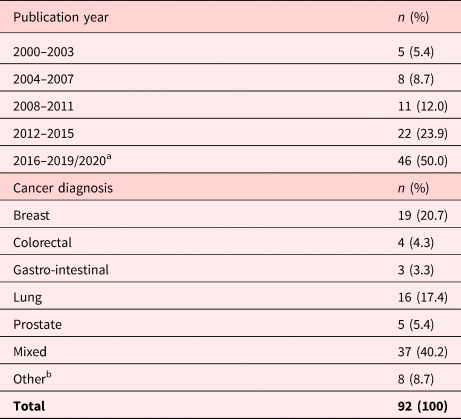
Most studies were published in the last decade (2010–2019/2020: 80%, n = 74) (Table 2) and occurred within Europe (43%, n = 40) or North America (37%, n = 34), followed by Australia (14%, n = 13) and Asia (5%, n = 5). The majority of studies used quantitative methods (77%, n = 71), while 14% (n = 13) and 9% (n = 8) described qualitative and mixed methods, respectively.
Descriptive characteristics of included studies (n = 92)

a The search was performed in January 2020 and yielded four included articles published in 2020 (included in the 2016–2019/2020 category).
b Examples of other cancer types include melanoma, ovarian, and pancreatic.
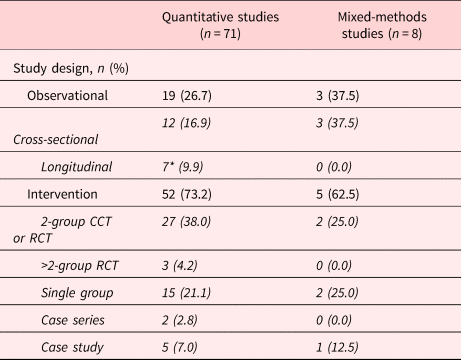
Methodological characteristics of the studies including a quantitative approach are described in Table 3. Most studies involved evaluating a controlled intervention (n = 57) and followed one or two groups over time. Six quantitative studies and one mixed-methods study adopted a case-study design.
Methodological characteristics of included studies with quantitative approach (n = 79)

CCT, controlled clinical trial; RCT, randomized controlled trial.
Within the seven longitudinal observational studies, one study adopted a case-study design.
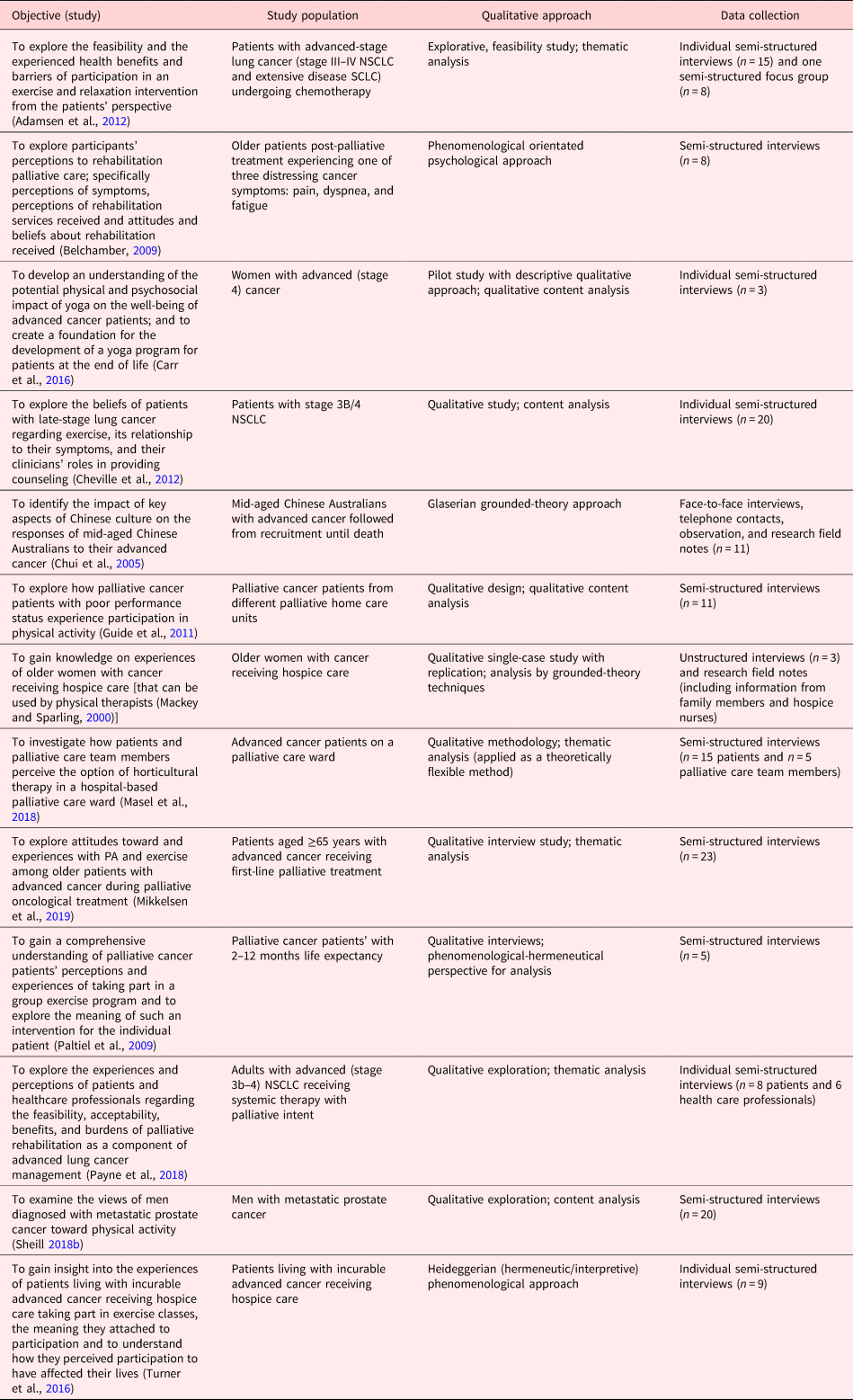
An overview of the 13 studies following an exclusively qualitative approach is provided (Table 4). Few articles clearly stated the qualitative methodological approaches, such as phenomenology (n = 3) or grounded theory (n = 2). All included studies used semi-structured or unstructured interviews as a primary method of data collection.
Overview of qualitative studies included in review (n = 13)

NSCLC, non-small cell lung cancer; SCLC, small cell lung cancer.
Of eight studies describing quantitative and qualitative methods of data collection, three explicitly identified as “mixed-methods” (Tsianakas et al., Reference Tsianakas, Harris and Ream2017; Poletti et al., Reference Poletti, Razzini and Ferrari2019; Ten Tusscher et al., Reference Ten Tusscher, Groen and Geleijn2019). The study designs are indicated within Table 3. Regarding the qualitative components of these studies, three studies specified a qualitative analytic approach, including social validity, interpretive phenomenology, and the framework approach. Half of the mixed-methods studies described interviews for the qualitative data collection (n = 4), while the remaining used focus groups (n = 2) or surveys (n = 2).
Population characteristics
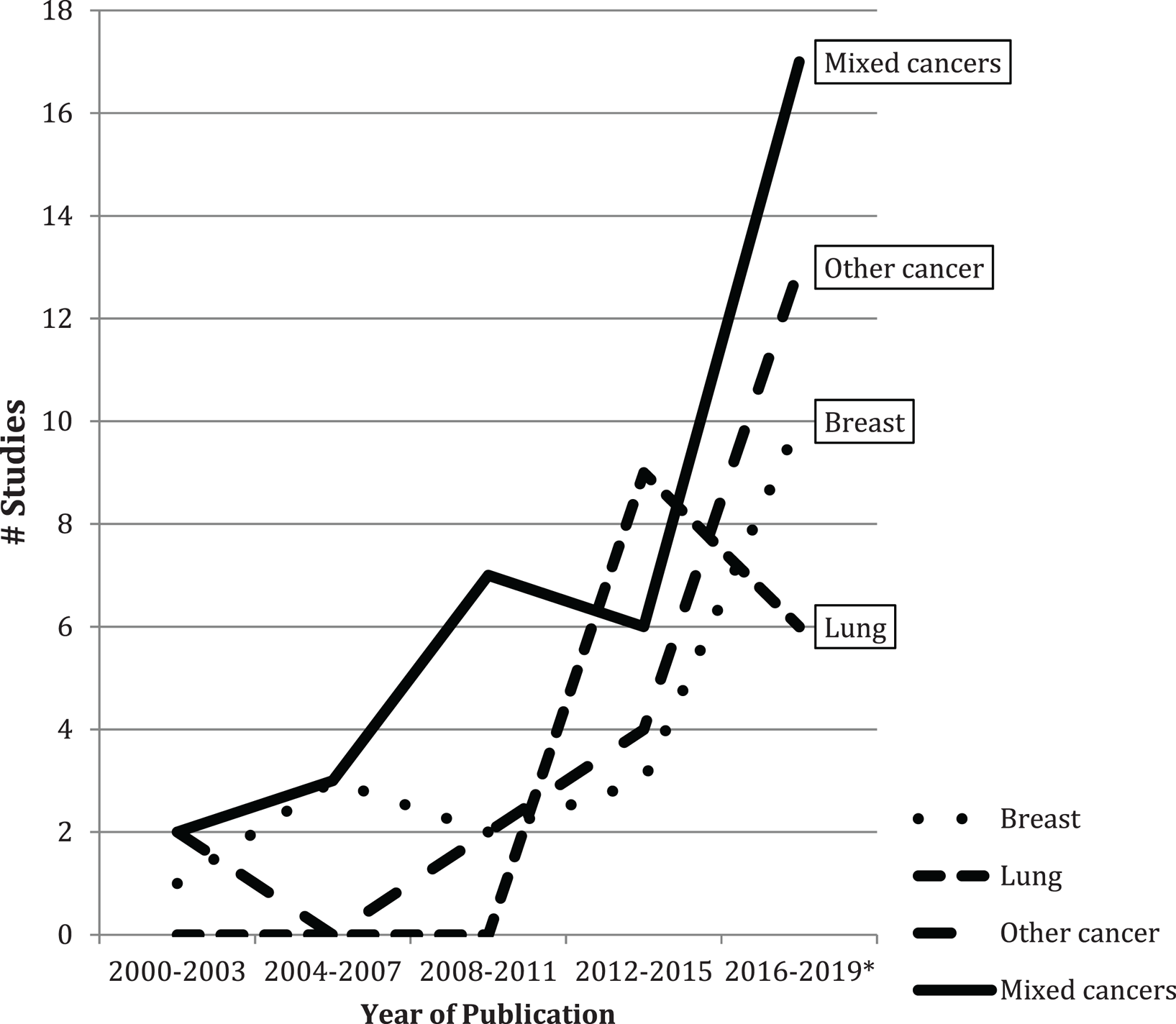
Of 92 studies in our review, 24% (n = 22, including two case studies) included only females and 11% (n = 10, including five case studies) included only males. Over half of the studies (55%, n = 51) provided enough information to determine an average participant age of or above 60 years and over a third (36%, n = 33) under 60 years of age. Three studies indicated average ages for different study groups, where one group was ≥60 years and the other was <60. Half of the eight studies with ages under 50 years were case studies (50%, n = 4). The remaining studies either did not include age information (n = 1) or provided age ranges only (n = 4). Population characteristics with respect to cancer diagnosis are provided (Table 2). Most articles described study groups with mixed types of advanced cancer (40%, n = 37) or focused exclusively on patients with advanced breast or lung cancers (38%, n = 35). Cancer type by publication year is demonstrated in Figure 2.
Cancer diagnosis in included studies by publication year (n = 92). Note: *The search was performed in January 2020 and yielded four included articles published in 2020 (included in the 2016-2019 category).

Although studies focusing on caregivers and health care professionals were not included in the review, one study examined a yoga intervention in patients with lung cancer with their family caregivers (dyads; Milbury et al., Reference Milbury, Mallaiah and Lopez2015). Masel et al. (Reference Masel, Trinczek and Adamidis2018) also interviewed palliative care team members about their perspectives regarding a horticultural therapy intervention, while Payne et al. (Reference Payne, McIlfatrick and Larkin2018) included health care professionals in their qualitative exploration of palliative rehabilitation for advanced lung cancer.
Description of advanced cancer population
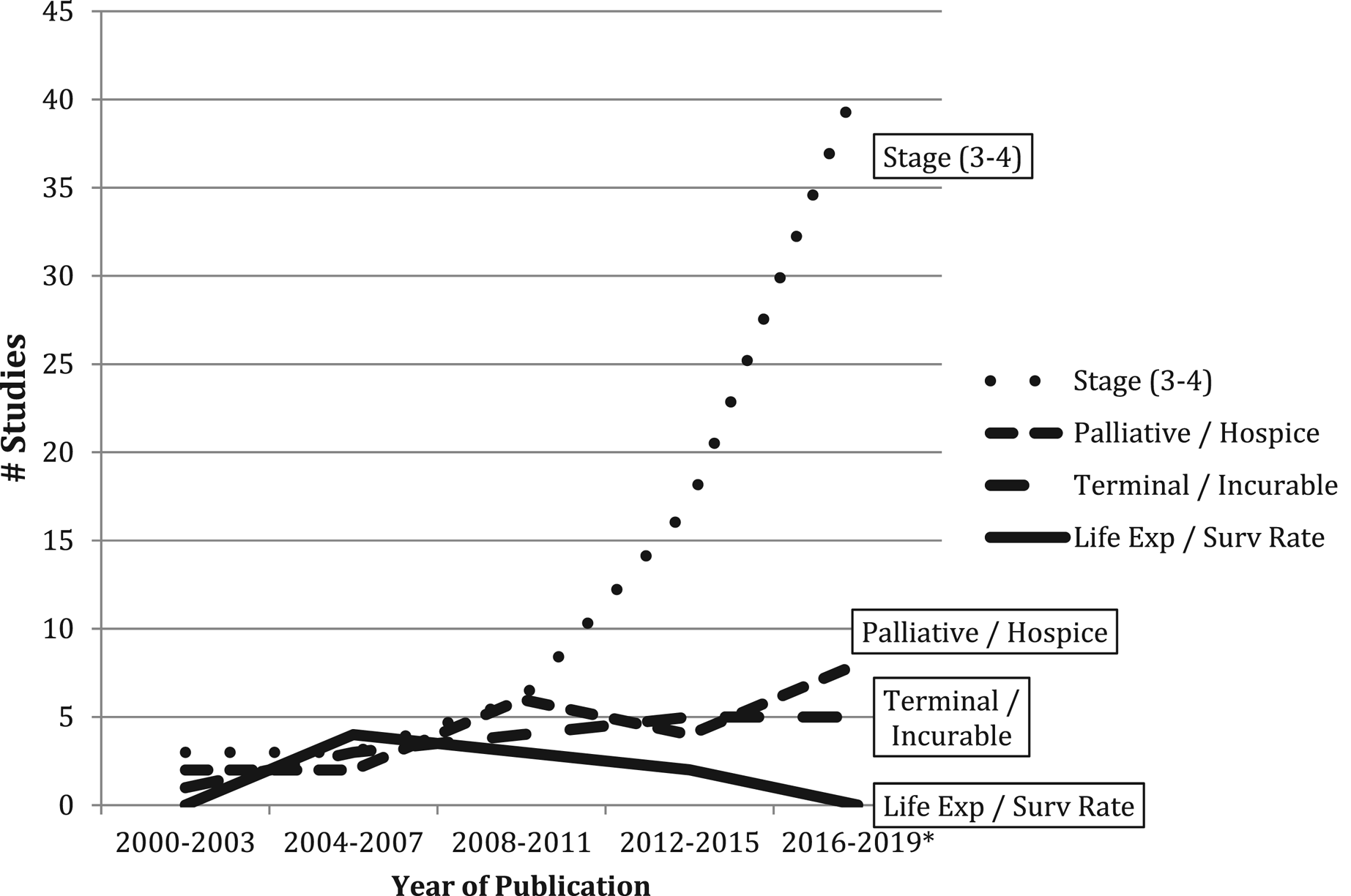
The terms used to describe the advanced cancer population varied between studies, with the majority indicating stages 3–4 or metastatic disease (76%, n = 70). Of these, 53% (n = 37) focused on stage 4 or metastatic cancer only, while 9% (n = 6) included only stage 3 cancer and 39% (n = 27) included both stages 3 and 4. In addition, 22 studies (24%) indicated “palliative” or “hospice” to describe the patient population, treatment intent, or care approach, while 18 studies (20%) used terms, such as “terminal,” “incurable,” “untreatable,” “inoperable,” or “until death.” Some studies (10%, n = 9) specified life expectancies or survival rates; more precisely, seven studies indicated estimated life expectancies between 3 and 12 months (n = 5), between 3 months and 2 years (n = 1), and between 6 months and 5 years (n = 1), while two studies indicated expected 5-year survival rates of ≤50%. Descriptive terms used in the included studies by publication year are demonstrated in Figure 3. With respect to cancer diagnosis, studies focusing on specific cancer types used staging more frequently in their population descriptions compared with the mixed cancer groups. Within the breast cancer and lung cancer studies (n = 35), 100% mentioned staging, 6% (n = 2) indicated “palliative,” and 11% (n = 4) used terms such as “untreatable” and “inoperable.” Meanwhile, within the mixed cancer studies (n = 37), 46% (n = 17) used staging, 49% (n = 18) reported “palliative” or “hospice,” 35% (n = 13) indicated terms such as “terminal” and “incurable,” and 22% (n = 8) specified life expectancies or survival rates.
Terms used to describe advanced cancer population in included studies by publication year (n = 92); life exp, life expectancy; surv rate, survival rate.

Operationalization of LPA
In over half of the included studies (60%, n = 55), LPA was examined quantitatively as a study outcome. The majority of these assessed outcomes related to adherence and acceptability. The outcome measurement tool used most frequently to assess LPA within these studies was the patient-reported Godin Leisure-Time Exercise Questionnaire (n = 9).
Twenty-one studies (23%) included in the review explored LPA qualitatively. In most studies, the researchers sought to examine experiences and perceptions related to LPA (focus of inquiry). Two studies reported emerging themes related to LPA; that is, LPA was not the focus of these studies but was part of a theme identified during data analysis (Mackey and Sparling, Reference Mackey and Sparling2000; Chui et al., Reference Chui, Donoghue and Chenoweth2005).
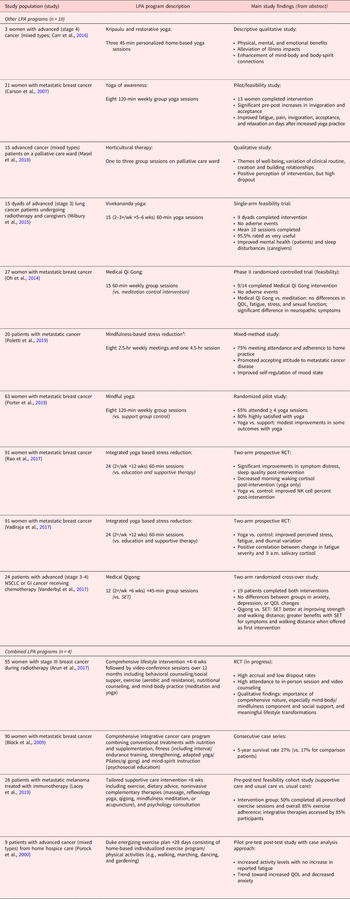
Many studies (68%, n = 63) described an intervention or a program focused on LPA. Most of these (78%, n = 49) involved structured exercise programs with components of aerobic and resistance training. Specifically, 35 studies described programs focused on both aerobic and resistance training, while the remaining focused on aerobic (n = 10) or resistance (n = 4) components only. Besides these, 16% (n = 10) explored other types of LPA, including mind-body exercise (e.g., yoga, Qigong, and gardening), while four studies (6%) described combined LPA programs (Table 5). Of these, half (n = 7) included only women with breast cancer (n = 6) or mixed types of cancer (n = 1).
Studies exploring other (non-structured exercise) LPA programs (n = 14)

hr, hour; min, minute; wk, week.
GI, gastro-intestinal; LPA, leisure-time physical activity; NSCLC, non-small cell lung cancer; QOL, quality of life; RCT, randomized controlled trial; SET, standard endurance and strength training.
a Including training and practical meditation, body scan, light yoga, simple walking meditation, and Aikido exercises.
Discussion
To our knowledge, this is the first scoping review examining the published literature on LPA in people with advanced cancer. In the last decade, there has been a surge of research exploring LPA in people with advanced cancer, particularly in Europe and North America. These findings support the recent focus in advanced cancer care on developing and implementing tailored supportive and palliative care strategies throughout the care continuum in order to address patients’ individual needs and to enhance their quality of life (Peppercorn et al., Reference Peppercorn, Smith and Helft2011; Ferrell et al., Reference Ferrell, Temel and Temin2017).
While significant progress has been made to advance the knowledge on LPA in people with advanced cancer, there remain important limitations and gaps in the current evidence base. Methodological limitations of the current research base include small sample sizes in quantitative research and a lack of sufficient studies and well-defined methodological approaches in qualitative research. As many published articles on this topic used quantitative study methods examining controlled exercise interventions, these research findings are limited in their applicability to real-life settings and to different clinical populations. Moreover, few studies utilized qualitative methods and even fewer implemented mixed-method approaches in this area of research, resulting in limited knowledge on the experiences, perceptions, and preferences of people living with advanced cancer related to engaging in LPA. Of the studies using qualitative methods that were included in our review, including the mixed-methods studies, several did not explicitly indicate the qualitative methodology (e.g., phenomenology and grounded theory), highlighting a need for better designed studies in this area.
Advanced cancer population
The term “advanced cancer” can represent a particularly heterogenous group of people with cancer, and there are several challenges with establishing a clear definition for this term (Haun et al., Reference Haun, Estel and Ruecker2017). In our review, there was considerable variability within the population characteristics of the included studies, and many studies involved mixed groups of people with different types of advanced cancer. Several recent articles focused primarily on individuals with one cancer type, a specific treatment approach or a particular demographic (e.g., elderly) to address some of these challenges of heterogeneity. Many of these focused exclusively on advanced breast or lung cancer populations, limiting the applicability of these findings to other cancer types. The inclusion of patient groups with only lung cancer or other cancer types was fairly recent, despite the poor prognosis and relatively low survival rate associated with lung cancer (Canadian Cancer Society, 2018, 2019). Our findings emphasize the need to continue extending research efforts examining LPA in advanced cancer patient groups, including those with diagnoses besides breast cancer.
To characterize people living with advanced cancer, cancer staging (stages 3–4) or the presence of metastatic disease were commonly indicated in the studies included in our review, particularly for studies focusing on one cancer type. The increasing use of staging and decreasing relative use of other criteria (e.g., life expectancy) to describe advanced cancer is likely related to the advancements of disease staging criteria, improvements in cancer control therapies, and increases in cancer survival rates (Canadian Cancer Society, 2018, 2019). The evolving definition of advanced cancer, which currently highlights the unlikelihood of cure and the potential presence of disease spread, demonstrates the ongoing challenges with standardizing this definition (National Cancer Institute, 2007, 2020). There remains tremendous heterogeneity within the advanced cancer population and, as noted, a shift toward focusing on specific disease, treatment, or demographic characteristics (e.g., cancer type and presence of metastases) has been adopted to address this concern. The continued identification of specific patient-related characteristics is valuable in order to enhance the transferability of research findings to real-life clinical situations and to recognize apparent population-related gaps.
The characteristics of the studies in our review also demonstrate that more research efforts related to LPA in advanced cancer are focused in older adults (over 60 years) and in women, particularly with breast cancer. Fewer studies in advanced cancer have been conducted with men or young adults. The under-representation of these subgroups in cancer rehabilitation research has been previously highlighted (Johansen, Reference Johansen2007; Høybye et al., Reference Høybye, Dalton and Christensen2008). In particular, young adults with cancer face unique needs and challenges, such as psychosocial difficulties, physical symptoms, and health-related concerns, and the need to develop tailored care approaches for this population has been emphasized (Zebrack, Reference Zebrack2011; Trevino et al., Reference Trevino, Fasciano and Prigerson2013; Brunet et al., Reference Brunet, Wurz and Shallwani2018; Avery et al., Reference Avery, Mosher and Kassam2020). As supportive care research in cancer evolves, deliberate efforts are warranted to include under-represented subgroups, in general cancer studies and advanced cancer studies alike.
Although we did not formally search the literature for studies on the perspectives or involvement of family caregivers or health care providers and only included studies of patients with advanced cancer, one study in our review included patient–caregiver dyads participating in a yoga intervention and two others examined the views of patients and professionals (Milbury et al., Reference Milbury, Mallaiah and Lopez2015; Masel et al., Reference Masel, Trinczek and Adamidis2018; Payne et al., Reference Payne, McIlfatrick and Larkin2018). Previous research examining the external perspectives of family caregivers, physicians, and physiotherapists has demonstrated these groups believe promoting PA in people with advanced cancer is important and beneficial (Rhudy et al., Reference Rhudy, Dose and Basford2015; Sheill et al., Reference Sheill, Guinan and O Neill2017, Reference Sheill, Guinan and O Neill2018a). However, in these studies, the presence of specific concerns related to activity recommendations, particularly for patients with bone metastases, and the need for formal education and professional training have been highlighted. Other research within the cancer population also emphasizes the roles of socio-environmental influences, such as social support, perceived environment, and accessibility, in facilitating or impeding PA behavior (Fleury and Lee, Reference Fleury and Lee2006; Yen and Li, Reference Yen and Li2019; Burke et al., Reference Burke, Utley and Belchamber2020). These findings support ecological models, which consider multiple, interactive factors at the individual, interpersonal, and environmental levels that directly impact health behaviors (Glanz and Rimer, Reference Glanz and Rimer2005). As health professionals and family members can play a critical role in providing support, guidance, and resources for patients with advanced cancer over the care continuum, these areas may benefit from further exploration in the literature.
LPA programs
Consistent with other research findings, most studies included in our review explored a program or an intervention with a component of LPA. The majority of these included structured exercise programs of aerobic and resistance training. Findings from these research studies have contributed to an earlier review by Heywood et al. (Reference Heywood, McCarthy and Skinner2017), confirming the safety and feasibility of such types of LPA programs in the advanced cancer population. Recent systematic reviews, including two meta-analyses, have also identified benefits with exercise in people with advanced cancer for certain clinical outcomes, including physical function and quality of life (Lowe et al., Reference Lowe, Watanabe and Courneya2008; Dittus et al., Reference Dittus, Gramling and Ades2017; Heywood et al., Reference Heywood, McCarthy and Skinner2018; Nadler et al., Reference Nadler, Desnoyers and Langelier2019; Chen et al., Reference Chen, Li and Ma2020). Other outcomes that may improve with exercise in this population include fatigue, sleep quality, psychosocial function, as well as body composition (Heywood et al., Reference Heywood, McCarthy and Skinner2018; Chen et al., Reference Chen, Li and Ma2020).
Leisure activities besides structured aerobic and resistance exercise programs, such as mind-body exercises (e.g., yoga, Tai Chi, and Qigong), gardening, dance, or low-impact sports have not been well studied in this population. These activities may be meaningful, enjoyable, and beneficial for patients with advanced cancer and may address some of the barriers experienced by patients toward LPA, such as lack of motivation, lack of enjoyment or familiarity, and challenges with accessibility (Clark et al., Reference Clark, Vickers and Hathaway2007; Tsianakas et al., Reference Tsianakas, Harris and Ream2017; Sheill et al., Reference Sheill, Guinan and O Neill2018b; Hyatt et al., Reference Hyatt, Drosdowsky and Williams2019; Mikkelsen et al., Reference Mikkelsen, Nielsen and Vinther2019). Moreover, mind-body activities, such as yoga and Tai Chi, may be particularly helpful in managing some of the psychosocial impacts experienced by people with advanced cancer. As noted in our review findings, several of the studies exploring these types of programs have been limited to women with metastatic breast cancer. Research efforts are needed to understand the diverse interests and preferences of patients with different types of advanced cancer and to develop LPA programs that are tailored, meaningful, and accessible for this population.
LPA outcomes
Many studies with quantitative approaches also examined LPA as a study outcome. Most of these studies assessed adherence to LPA programs or collected information on patient-reported levels of LPA without the use of validated questionnaires. Of those that used questionnaires, the most commonly used one was the Godin Leisure-Time Exercise Questionnaire (Shephard, Reference Shephard1997; Godin, Reference Godin2011). This patient-reported questionnaire has demonstrated reliability and validity and has been extensively used in different patient populations, including cancer survivors (Amireault et al., Reference Amireault, Godin and Lacombe2015). As advanced cancer is frequently characterized by high resting energy expenditure (Bosaeus et al., Reference Bosaeus, Daneryd and Lundholm2002; Dev et al., Reference Dev, Hui and Chisholm2015), PA assessment tools that are based on estimates of energy expenditure may not be accurate or applicable for this population. Objective measures of PA and other aspects of physical functioning may be feasible and informative (Jones et al., Reference Jones, Eves and Mackey2007; Gresham et al., Reference Gresham, Hendifar and Spiegel2018), but these may be limited in distinguishing different domains of PA without the supplementary use of patient-reported measures. Wearable technology is becoming a growing area of interest to facilitate the accurate assessment of PA and energy expenditure and to support the delivery of interventions targeting PA (Freedson et al., Reference Freedson, Bowles and Troiano2012; McClung et al., Reference McClung, Ptomey and Shook2018). In recent studies with cancer survivors, the use of digital activity tracking monitors has demonstrated potential value in promoting PA and improving clinical outcomes (Maxwell-Smith et al., Reference Maxwell-Smith, Hince and Cohen2019; Nguyen et al., Reference Nguyen, Vallance and Buman2020). Further exploration of patient-reported and objective PA assessment tools specifically in the advanced cancer population is warranted.
Overall, there were few studies qualitatively exploring LPA in this population and within these studies, several were focused on patients receiving palliative or hospice care and frequently close to the end of life. Women or patients with lung cancer were the subgroups most often included in qualitative reports. Moreover, few studies have specifically explored perceptions related to other leisure activities, such as Tai Chi, Qigong, yoga, dance, and sports. Findings from this scoping review suggest there is limited knowledge on the actual experiences, perceptions, and preferences of people living with different types of advanced cancer related to engaging in LPA.
Review limitations
Despite our efforts to maintain a broad definition of advanced cancer, it was necessary to refine our inclusion criteria through the selection of specific terms to describe the study population in the research articles reviewed. Using the earlier NCI definition of advanced cancer as our overarching framework (National Cancer Institute, 2007), we limited our selection criteria to include study population descriptions that indicated stage 3–4 cancers or specified other key terms (e.g., palliative, incurable, and limited life expectancy). Moreover, during the review process, we decided to exclude articles that involved mixed study populations (i.e., studies including patients with advanced cancer as a subgroup).
Another limitation of our review was based on the decision to focus on the leisure-time domain of PA. Several studies excluded from our review examined and targeted other aspects of PA beyond leisure alone, such as total PA, which also considers activities involving physical movement related to occupation, transport and domestic and self-care (Pettee Gabriel et al., Reference Pettee Gabriel, Morrow and Woolsey2012). These types of activities may be of importance to patients with advanced cancer and, as highlighted within recent qualitative studies, maintaining responsibility and routine through daily life activities is particularly meaningful in this population and may help explain the disconnect between intentions and actual participation in LPA (Cheville et al., Reference Cheville, Dose and Basford2012; Peoples et al., Reference Peoples, Brandt and Wæhrens2017; Lowe et al., Reference Lowe, Milligan and Brearley2020). Finally, we excluded non-English texts during the article screening process. While these limitations may have resulted in missing valuable information on pertinent topics, we have identified through this review an extensive volume and a wide range of studies focusing on LPA in advanced cancer, which provide a global understanding of the scope of published literature and help highlight major gaps in the literature to shape future research inquiries.
Practical implications
In addition to gaps in the current published literature, the translation of research knowledge to practice has not been well examined in this area. Despite the recent emergence of research supporting exercise interventions, patient education materials targeted to the advanced cancer population are lacking pertinent, updated information on this topic (ESMO Palliative Care Working Group, 2011; National Cancer Institute, 2014; Canadian Cancer Society, 2017). Novel knowledge translation strategies are needed to transfer and implement research information to practice and to facilitate access to appropriate, evidence-based knowledge in patients and health professionals.
As the importance of LPA is increasingly recognized for people with advanced cancer, clinicians specialized in oncology and rehabilitation may wish to further consider their role in optimizing leisure activities that are meaningful to patients and guiding effective LPA programs to improve clinical outcomes, such as physical function and fatigue. With access to updated relevant literature, health professionals and researchers in these areas can establish and deliver evidence-based supportive care strategies and programs for this patient population. Further efforts are needed to translate and personalize research findings in cancer rehabilitation practice through the development and implementation of tailored clinical programs and educational materials.
Conclusion
To our knowledge, this is the first scoping review of published research exploring LPA in people with advanced cancer. Research on this topic is rapidly expanding, with a focus on studies examining structured aerobic and resistance exercise interventions using traditional quantitative methods. There is insufficient knowledge on the experiences and perceptions of patients with advanced cancer toward engaging in LPA. Moreover, little is known about leisure activities, such as yoga, dance, and sports, particularly in patients with non-breast cancer diagnoses. To optimize the potential benefits of LPA on physical function and quality of life in individuals with advanced cancer, more research is needed to address the gaps in the current body of literature and to develop personalized evidence-based supportive care strategies for this population.
Supplementary material
The supplementary material for this article can be found at https://doi.org/10.1017/S1478951520001327.
Acknowledgments
The authors thank Marie-Cécile Domecq, librarian at the University of Ottawa Health Sciences Library, for her valuable assistance with updating the review.
Funding
During the course of this project, the primary researcher (SMS) was financially supported by the University of Ottawa Excellence Scholarship, the Ontario Graduate Scholarship, and the Queen Elizabeth II Graduate Scholarship in Science and Technology. The funders had no role in study design, data collection and analysis, decision to publish, or preparation of the manuscript. There was no additional external funding received for this study.
Conflicts of interest
There are no conflicts of interest.