Introduction
The length of the growth period in broilers is decreasing year by year. Currently meat chickens can attain 2.0 kg body weight after consuming 3.0 kg of feed within a 5 week period (Choct, Reference CHOCT2009). This rapid growth rate is related to a very high capacity for protein deposition combined with a high feed intake as a result of genetic selection over the past decades (Havenstein et al., Reference HAVENSTEIN, FERKET and QURESHI2003). Rapid growth requires diets that have a high content of digestible protein and energy. In practical feed formulation diets high in digestible protein can contain appreciable quantities of undigested protein. The latter protein enters the hindgut where it can be used as a substrate for microbial degradation (Jeaurond et al., Reference JEAUROND, RADEMACHER, PLUSKE, ZHU and DE LANGE2008). This undigested protein and unabsorbed endogenous protein may promote the proliferation of microbiota which uses the undigested amino acids as an energy source (Reid and Hillman, Reference REID and HILLMAN1999). The latter can occur especially if insufficient fermentable carbohydrates are available. In an ideal situation, the unabsorbed dietary and endogenous amino acids in the large intestine will serve as building blocks for microbial protein synthesis with dietary carbohydrates used as an energy source. The extent to which hindgut protein fermentation occurs consequently depends on the availability of protein in relation to the amount of fermentable carbohydrates as these carbohydrates are a preferred source of energy for gut microbes (Rehman et al., Reference REHMAN, BÖHM and ZENTEK2008). As such, the digestibility of dietary protein and carbohydrates, and their dietary inclusion level are important to determine the amounts of protein and carbohydrates entering the hindgut and thus the potential for protein and/or carbohydrate fermentation (Gill and Rowland, Reference GILL and ROWLAND2002).
Proteolysis is the first step in the utilisation of protein by the microbiota (Jeaurond et al., Reference JEAUROND, RADEMACHER, PLUSKE, ZHU and DE LANGE2008). Subsequent deamination and decarboxylation of amino acids delivers a substrate which can be used as an energy source. In poultry, caeca are the major sites for fermentation because they provide a stable environment for indigenous microbiota (Meyer et al., Reference MEYER, ZENTEK and HARLANDER-MATAUSCHEK2013) which may be due to a longer residence time of digesta there. Besides using dietary and endogenous amino acids for energy and protein synthesis, gut microbiota can produce different putrefactive compounds from undigested nitrogen (N) including indoles, phenols, sulphur-containing compounds, ammonia and amines. In addition to the beneficial products like volatile fatty acids (VFA) and branched chain fatty acids (BCFA), some secondary products (lactate, succinate) and several gases such as methane, hydrogen, hydrogen sulphide (H2S), and carbon dioxide (Macfarlane et al., Reference MACFARLANE, GIBSON, BEATTY and CUMMINGS1992) can be produced.
The impact of protein fermentation on performance and gut health of modern-day broilers is becoming increasingly relevant in view of the growing demand for dietary protein sources which often have a low digestibility by poultry. The trend to search for cheaper sources of feed protein is due to the ever increasing price of highly digestible protein ingredients and the aim of cost-effective production. The goal of this review paper is to ascertain the occurrence of hindgut protein fermentation and its impact on broiler performance. Secondly, this review aims to describe the possibilities of reducing hindgut protein fermentation in broilers through the application of a number of potential nutritional strategies. Due to a lack of information in poultry nutrition literature, some examples of other species are used in this review.
Protein fermentation in broilers
Fermentation is a breakdown of organic products by microbiota in the GIT. Fermentation of carbohydrates is considered beneficial because it results in the production of VFAs which are used as an energy source (Guo et al., Reference GUO, WILLIAMS, KWAKKEL and VERSTEGEN2003), while protein fermentation is generally considered detrimental for health. The latter is due to the production of toxic compounds such as amines and ammonia (Macfarlane et al., Reference MACFARLANE, ALLISON, GIBSON and CUMMINGS1988), and may result in poor performance of the birds. Rehman et al. (Reference REHMAN, VAHJEN, AWAD and ZENTEK2007) reported the presence of lactate, ammonia and SCFA in the crop content of broilers, indicating that fermentation of dietary components can occur in the crop. In poultry, due to a short residence time and low pH of digesta in the duodenum, there is a little microbial activity in the duodenum (Rehman et al., Reference REHMAN, VAHJEN, AWAD and ZENTEK2007). The SCFA concentration due to microbial activity is, therefore, low (2-12 µmol/ g digesta) or sometimes even undetectable in the digesta in this gut segment (Rehman et al., Reference REHMAN, VAHJEN, AWAD and ZENTEK2007). In the caeca, bacterial fermentation activity can be high due to a long residence time of digesta and a high microbial density (Guo et al., Reference GUO, WILLIAMS, KWAKKEL and VERSTEGEN2003). To our knowledge, there are no studies in broilers that specifically studied the occurrence and importance of hindgut protein fermentation. In a number of studies, however, several metabolites, which are indicative of hindgut protein fermentation in broilers, have been quantified.
gut microbiota populations
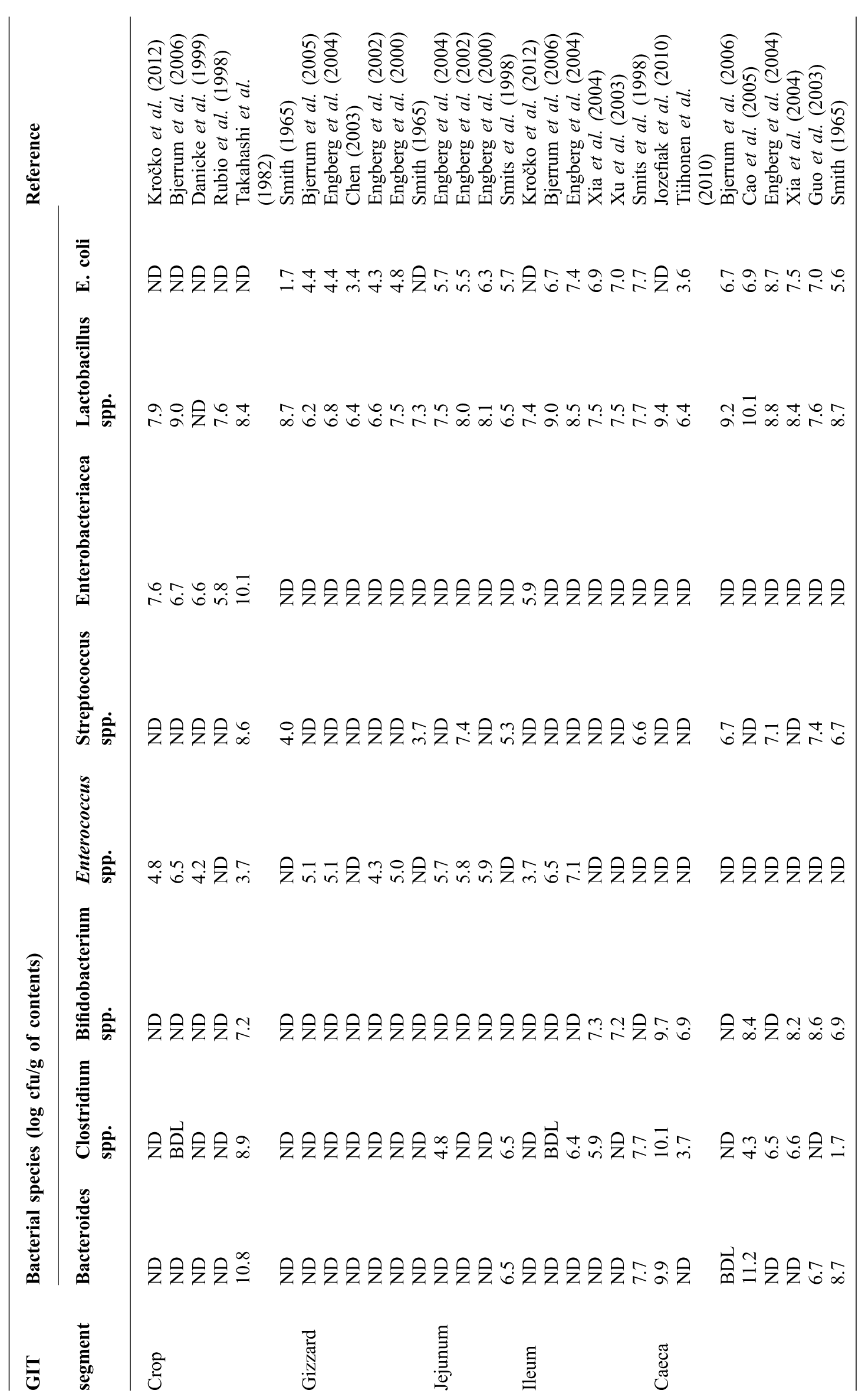
The gut microbiota ecosystem is complex and is composed of fungi, protozoa and, most important, bacteria (Gabriel et al., Reference GABRIEL, MALLET and SIBILLE2005). Numbers of known bacterial species in the chicken guts has increased from 200 up to 640 in recent years (Apajalahti et al., Reference APAJALAHTI, KETTUNEN and GRAHAM2004) due to advances in new techniques of microbiota analysis. The microbiome is affected by numerous factors including diet (Torok et al., Reference TOROK, HUGHES, MIKKELSEN, PEREZ-MALDONADO, BALDING, MC-ALPINE, PERCY and OPHEL-KELLER2011), genetics of the host (Mignon-Grasteau et al., Reference MIGNON-GRASTEAU, MULEY, BASTIANELLI, GOMEZ, PERON, SELLIER, MILLET, BESNARD, HALLOUIS and CARRÉ2004), age of the bird and housing condition (Gabriel et al., Reference GABRIEL, MALLET and SIBILLE2005). Microbiota diversity in different parts of the GIT reflects the composition of the substrate present in that intestinal segment as microbiota species differ in their requirements (Kiarie et al., Reference KIARIE, ROMERO and NYACHOTI2013). If the growth of pathogenic microbiota in the small intestine is increased, this may enhance endogenous losses and increase the maintenance requirements for replacing these losses thus compromising growth efficiency (Ferrell, Reference FERRELL1988). A high inflow of undigested material in the large intestine allows microbes to use the digesta as a substrate in order to proliferate. The gut microbial community is influenced by dietary protein source favouring the growth of pathogenic bacteria like Campylobacter spp. (Wise and Siragusa, Reference WISE and SIRAGUSA2007) and C. perfringens (Wilkie et al., Reference WILKIE, VAN KESSEL, WHITE, LAARVELD and DREW2005). Similarly, increasing the level of dietary protein resulted in a higher C. perfringens counts independent of the protein source used (Drew et al., Reference DREW, SYED, GOLDADE, LAARVELD and VAN KESSEL2004). There is evidence in broilers that glycine (at levels above 3% in the diet) supports the growth of C. perfringens in ileum and caecum (Dahiya et al., Reference DAHIYA, HOEHLER, WILKIE, VAN KESSEL and DREW2005). An overview of different microbiota populations throughout the GIT of poultry is presented in Table 1.
Bacterial concentration in different segments of gastrointestinal tract (GIT) in broilers.

cfu=colony forming unit, ND=Not determined, BDL=below detection level.
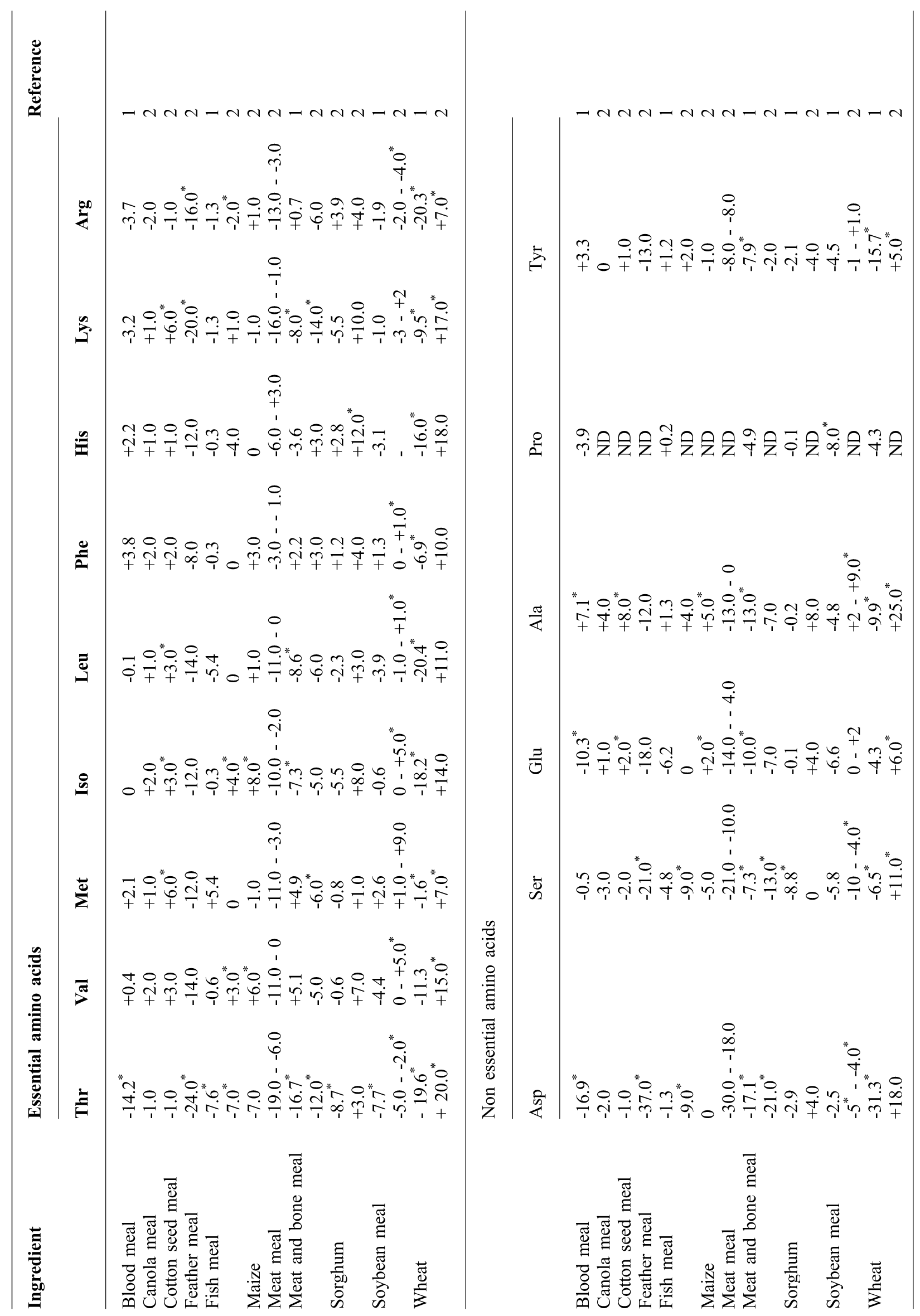
Difference between ileal and excreta apparent digestibility (%) of different amino acids from different feed stuffs in broilers.
Values with an * indicate significant (P<0.05) differences between ileal and excreta apparent digestibilities, ND=Not determined, Difference=Ileal - excreta digestibility. 1Kadim et al. (Reference KADIM, MOUGHAN and RAVINDRAN2002). 2Ravindran et al. (Reference RAVINDRAN, HEW, RAVINDRAN and BRYDEN1999).
At day one after hatching, digesta from the ileum contains approximately 108 bacteria per gram and this increases to 109 at day three of age, whereafter it remains constant till 30 days of age in broilers (Apajalahti et al., Reference APAJALAHTI, KETTUNEN and GRAHAM2004). Lactobacillus (70%) is the major species found in the ileum, whereas the other species include Clostridiaceae (11%), Streptococcus (6.5%) and Enterococcus (6.5%) (Lu et al., Reference LU, IDRIS, HARMON, HOFACRE, MAURER and LEE2003). This population is influenced by dietary ingredients such as medium chain fatty acids that decreased the growth of gram positive Firmicutes and some other species including Lactobacillus, Micrococcaceae and Enterococcaceae, whereas the growth of gram negative bacteria is increased (Van Der Hoeven-Hangoor et al., Reference VAN DER HOEVEN-HANGOOR, VAN DER VOSSEN, SCHUREN, VERSTEGEN, DE OLIVEIRA, MONTIJN and HENDRIKS2013). The latter authors related the change in microbiota population with higher dietary concentrations of medium chain fatty acids to the sensitivity of gram positive compared with gram negative bacteria. In the caeca there is a higher diversity of microbiota compared to the ileum, with dominance of Clostridium (Ruminococcus, Eubacterium) species (Gabriel et al., Reference GABRIEL, MALLET and SIBILLE2005). The microbiota population in the caeca of broilers has been estimated at 1011 bacterial numbers per gram of caecal digesta and to mainly include obligate anaerobes (Barnes et al., Reference BARNES, MEAD, BARNUML and HARRY1972). In broilers, during the first few days after hatch, Enterococcus faecalis is usually dominant in caeca, but obligatory anaerobes become dominant as the bird grows. The caecal microbial population at 14 days of age contains anaerobic species comprising of gram positive (Clostridium spp., Eubacterium spp., Lactobacillus spp., anaerobic cocci) and gram negative (Bacteriodes spp., Fusobacterium spp. and Gemmiger spp.) bacteria (Barnes et al., Reference BARNES, MEAD, BARNUML and HARRY1972). This microbiota population reached a steady stage after 40 days of age and at this age consists mainly of gram positive bacteria including Bifidobacterium spp., Clostridium spp., Cocci, Streptococcus spp., E. coli, Bacteriods spp. and Lactobacillus spp. (Barnes et al., Reference BARNES, MEAD, BARNUML and HARRY1972).
differences between ileal and excreta digestibility
Nitrogen metabolism in the hindgut includes both catabolism and synthesis of proteins from dietary, endogenous and microbial origin as well as other N-containing compounds. Although there is some absorption of amino acids in the large intestine of monogastric animals, quantitatively this is insignificant compared to absorption in the small intestine (Hendriks et al., Reference HENDRIKS, VAN BAAL and BOSCH2012). Dietary amino acids recovery in excreta decrease as a result of net protein degradation in the large intestine (in the form of different compounds e.g. biogenic amines, ammonia, indole, phenols, cresol and skatole), often causing an overestimation of amino acid digestibility. In contrast, the opposite will be the case, with amino acid digestibility being underestimated when synthesis results in a net increase of microbial amino acids in the hindgut. Kadim et al. (Reference KADIM, MOUGHAN and RAVINDRAN2002) did not find any difference in endogenous amino acid losses (except for Asp and Glu) when measured in ileal digesta or in excreta while comparing the ileal and excreta amino acid digestibility of different feed ingredients in broilers. The latter indicates that the large intestine does not appear to make a significant contribution to overall gut endogenous amino acid losses in broilers. As there is no significant absorption of amino acids in the hindgut (Hendriks et al., Reference HENDRIKS, VAN BAAL and BOSCH2012), the difference between ileal and excreta digestibility can be an important indicator of the occurrence of protein fermentation. If no protein fermentation occurs, digestibility values (when measured using ileal digesta) should not be significantly different from values determined in excreta, whether apparent or standardised digestibility values. There are a number of studies indicating significant differences between ileal and excreta digestibility values of different amino acids of various feed stuffs in broilers (Sebastian et al., Reference SEBASTIAN, TOUCHBURN, CHAVEZ and LAGUE1997; Ravindran et al., Reference RAVINDRAN, HEW, RAVINDRAN and BRYDEN1999; Kadim et al., Reference KADIM, MOUGHAN and RAVINDRAN2002). Some studies showed a net lower amino acid and total N recovery in the excreta compared with the ileal digesta (Sebastian et al., Reference SEBASTIAN, TOUCHBURN, CHAVEZ and LAGUE1997; Ravindran et al., Reference RAVINDRAN, HEW, RAVINDRAN and BRYDEN1999), whereas others showed an increase in amino acid recovery in the excreta (Ten Doeschate et al., Reference TEN DOESCHATE, SCHEELE, SCHREURS and VAN DER KLIS1993; Kadim et al., Reference KADIM, MOUGHAN and RAVINDRAN2002). The difference between ileal and excreta digestibility values of various amino acids of different feed ingredients for poultry are shown in Table 2. For most amino acids, negative values are observed, although the range within an ingredient can be highly variable e.g. wheat. The positive values for amino acids such as valine, methionine, isoleucine, phenylalanine and alanine indicate a net synthesis of these amino acids in the poultry hindgut. However, the negative values of amino acids such as threonine, leucine, histidine, lysine, arginine, aspartic acid, serine, glutamic acid, cysteine, proline, and tyrosine indicate a net catabolism of these amino acids in the large intestine of poultry. This may result in the formation of biogenic amines and BCFA which are discussed in detail later in the review.
Metabolites of hindgut protein fermentation
The main function of the GIT is the digestion and absorption of nutrients (Fasano and Shea-Donohue, Reference FASANO and SHEA-DONOHUE2005), the possibility for fermentation of indigestible ingredients such as NSP and proteins (Niba et al., Reference NIBA, BEAL, KUDI and BROOKS2009) and the excretion of waste products resulting from the digestive process (Cummings, Reference CUMMINGS1983) and metabolism. The end products of protein fermentation by resident microbiota in the hindgut are generally considered detrimental for the host animal (Nollet et al., Reference NOLLET, DEPREZ, VAN DRIESSCHE and MUYLLE1999). Protein fermentation has been associated with the production of biogenic amines, BCFA, ammonia, phenols, indoles, cresol, skatole and hydrogen sulphide (H2S).
biogenic amines
Amines are produced by decarboxylation of amino acids (Urlings et al., Reference URLINGS, VAN LOGTESTIJN and BIJKER1992) by intestinal microbiota such as Bacteroides, Clostridium, Bifidobacterium, Enterobacterium and Streptococcus spp. (Allison and Macfarlane, Reference ALLISON and MACFARLANE1989). The amines formed by living organisms (biogenic amines) include monoamines (tyramine) as well as polyamines such as cadaverine, putrescine, and spermine (Larqué et al., Reference LARQUÉ, SABATER-MOLINA and ZAMORA2007). Fermentation of the amino acids histidine, ornithine, lysine, methionine, tyrosine, phenylalanine, tryptophan, and arginine results in the production of histamine or spermidine, putrescine or spermidine, cadaverine, spermidine, tyramine, phenylethylamine, tryptamine or serotonin, and agmatine or putrescine or spermidine, respectively. The polyamine, spermidine is formed from catabolism of amino acids including histidine, ornithine, methionine, and arginine. Spermidine may subsequently be converted into spermine. Polyamines, including putrescine, spermidine, and spermine, have been shown in rats to be beneficial protein catabolites required for repair of intestinal mucosal cells (Wang and Johnson, Reference WANG and JOHNSON1990). There is a scarcity of published data regarding the physiological role of biogenic amines in poultry.
Dietary supplementation of synthetic biogenic amines may result in a significant depression in growth and increased mortality in broilers. Shifrine et al. (Reference SHIFRINE, ADLER and OUSTERHOUT1960) studied the dose response of dietary supplementation of histamine by feeding 0.25, 0.50 and 1.0% histamine in the diet. These authors reported a dose dependent decrease in the performance and an increase in proventriculus enlargement. Addition of histamine (2.2 mg/kg of feed) to a broiler diet resulted in gizzard erosion, high mortality and depressed growth rate (Fossum et al., Reference FOSSUM, SANDSTEDT and ENGSTRÖM1988). In contrast, putrescine supplementation at 0.2 and 0.4% of the diet resulted in a greater growth rate and improved feed efficiency in broilers compared with those on a diet without supplementation of putrescine, whereas supplementation of putrescine above 0.4% of the diet resulted in a decreased feed intake and poor feed conversion ratio (Smith, Reference SMITH1990). Similarly, Barnes et al. (Reference BARNES, KIRBY and OLIVER2001) reported that supplementation of 0.1 and 0.2% histamine addition to broiler diets resulted in a 6.2 and 9.2% decrease in body weight gain, respectively. These authors, furthermore, reported a poorer feed conversion ratio and lesions in the proventriculus of birds fed histamine supplemented diets. Some studies indicated that dietary supplementation of histamine resulted in increased gastric acid secretion, leading to enlargement of the proventriculus (Shifrine et al., Reference SHIFRINE, ADLER and OUSTERHOUT1960; Harry et al., Reference HARRY, TUCKER and LAURSEN JONES1975). Tiihonen et al. (Reference TIIHONEN, KETTUNEN, BENTO, SAARINEN, LAHTINEN, OUWEHAND, SCHULZE and RAUTONEN2010) studied the effects of essential oils on broiler performance and gut microbiota and reported an increased mortality at day 20 with a high concentration of total ileal biogenic amines biogenic amines (tryptamine, putrescine, cadaverine, histamine, tyramine, spermidine and spermine). In contrast, the authors reported improved body weight gain at day 41 with a high concentration (3150 vs. 2893 nmol/g wet weight) of total caecal biogenic amines (methylamine, tryptamine, putrescine, cadaverine, histamine, tyramine, spermidine and spermine) in broilers fed diets supplemented with essential oil compared with those fed the control diet. In addition, an inverse relation between the total biogenic amine concentration in the ileal digesta and the body weight of the broilers was observed at 41 day of age. Tiihonen et al. (Reference TIIHONEN, KETTUNEN, BENTO, SAARINEN, LAHTINEN, OUWEHAND, SCHULZE and RAUTONEN2010) reported a higher concentration of total biogenic amines (methylamine, tryptamine, putrescine, cadaverine, histamine, tyramine, spermidine and spermine) in the caecum compared with ileal digesta (2893 vs. 776 nmol/kg wet digesta) which is consistent with higher microbial proteolytic activity. This increased activity may be due to a longer time period of digesta and/or also due to a greater microbial population in the caeca. Likewise, Rehman et al. (Reference REHMAN, BÖHM and ZENTEK2008) reported a 9.5% greater caecal total biogenic amine concentration (tryptamine, putrescine, cadaverine, histamine, tyramine, spermidine, and spermine) compared with ileal digesta in broilers fed a corn-soya diet. These authors reported greater concentrations of putrescine, cadaverine and tyramine in the ileal compared with the caecal digesta, whereby caecal samples contained approximately 4.4 times higher concentrations of spermidine. The latter results suggested greater fermentation of ornithine or arginine, lysine and tyrosine in the ileum compared to the caecum, whereas greater fermentation of methionine or histidine or ornithine or arginine was observed in the caecum compared to the ileum.
branched chain fatty acids
The degradation of valine, isoleucine, and leucine in the intestinal tract of animals can results in the formation of the BCFAs isobutyrate, 2-methyl butyrate, and isovalerate, respectively. These BCFA have a pungent odour in comparison to straight short chain fatty acids which are formed from carbohydrate fermentation (Mackie et al., Reference MACKIE, STROOT and VAREL1998). The BCFA in the hindgut are produced by many bacteria including Bacteroides spp., Propionibacterium spp., Streptococcus and Clostridium spp. (Rist et al., Reference RIST, BAUER, ECKLUND and MOSENTHIN2011). The presence of n-valerate and BCFA (1.0 mol% of each) in caecal digesta and their absence in the crop and gizzard of broilers (Rehman et al., Reference REHMAN, BÖHM and ZENTEK2008) is indicative of proteolytic fermentation in the caeca and a lack thereof in the crop and gizzard. Tiihonen et al. (Reference TIIHONEN, KETTUNEN, BENTO, SAARINEN, LAHTINEN, OUWEHAND, SCHULZE and RAUTONEN2010) reported approximately 12.9 times greater total BCFA concentrations in the caeca than the ileal digesta in broilers at 41 days of age. These authors found that isobutyric, isovaleric and 2-methyl butyric acid comprised 50.7, 29.2 and 20.1% of the total BCFA, respectively. This indicated a higher fermentation rate of valine, leucine and isoleucine in the caeca compared to the ileum. Greater levels of BCFA (19.7 vs. 9.5 mg acetic acid equivalents/g DM) have been reported by Guo et al. (Reference GUO, WILLIAMS, KWAKKEL and VERSTEGEN2003) in intact mushroom contents compared with their polysaccharides extracts while studying the in vitro fermentation characteristics using broiler caecal contents. The intact mushroom had a greater protein contents (155.5 vs. 80.5 g/kg DM) compared with their polysaccharide extracts. The greater concentration of BCFA indicated a higher proteolytic fermentation capability from the intact material compared with the extracts, as BCFA are the only end products of protein fermentation (Macfarlane et al., Reference MACFARLANE, GIBSON, BEATTY and CUMMINGS1992). Similarly, Faber et al. (Reference FABER, DILGER, HOPKINS, PRICE and FAHEY2012) reported that broilers fed a soybean meal (SBM) diet had 2.7, 2.3, 3.0 and 2.5 fold greater isobutyrate, isovalerate, valerate and total BCFA compared with those fed a soy protein isolate (SPI) diet. These data indicated that there is higher protein fermentation in protein rich diets in the caeca. Meyer et al. (Reference MEYER, BESSEI, VAHJEN, ZENTEK and HARLANDER-MATAUSCHEK2012) reported greater caecal molar ratios of isobutyrate and isovalerate (0.4 vs. 0.1 and 0.1 vs. 0.3 mol%, respectively) in layers fed 5% feather supplemented diets compared with a control and attributed this greater concentration to protein fermentation of the dietary supplemented feathers in the caeca. The concentration in the ileum was significantly lower compared with the caecal concentration. Similarly, in another study, Meyer et al. (Reference MEYER, ZENTEK and HARLANDER-MATAUSCHEK2013) reported approximately 19% greater SCFA concentrations in the caecal compared with the ileal digesta in high compared with low feather pecking breeds. These authors, however, found significantly greater molar percentages of caecal isobutyric and isovaleric acid (1.1 vs. 0.7 and 1.3 vs. 0.6, respectively) in low compared with high feather pecking breed. The later metabolites were not detectable in the ileal digesta. This greater concentration of BCFA (isovaleric and isobutyric acid) in the caeca suggested enhanced microbial protein catabolic activity in the caeca compared with the ileum.
ammonia
Ammonia is produced by deamination of amino acids and is a toxic waste product of microbial fermentation. It may be absorbed and excreted as uric acid by birds (Salter and Fulford, Reference SALTER and FULFORD1974) or transformed into bacterial protein by the microbiota (Rist et al., Reference RIST, BAUER, ECKLUND and MOSENTHIN2011). According to Nousiainen (Reference NOUSIAINEN1991), a high concentration of ammonia in the large intestine of pigs potentially reflects a large quantity of undigested protein entering the hindgut which can negatively affect the growth of intestinal epithelial cells. This ammonia can pass through the gut wall and disturb intestinal mucosal development, as shown by reduced villus height. The absorption of ammonia from the gut wall has toxic effects on enterocytes (Macfarlane et al., Reference MACFARLANE, GIBSON, BEATTY and CUMMINGS1992). Higher caecal ammonia levels resulted in an increase in caecal pH, providing a favourable environment for pathogenic microbiota and an increased risk for enteritis (Abdl-Rahman et al., Reference ABDL-RAHMAN, SALEH, AMAL and ABD EL-HAMID SAFAA2011). Changes in blood ammonia levels and excreta characteristics due to lowering the dietary CP levels in broilers have been studied by Namroud et al. (Reference NAMROUD, SHIVAZAD and ZAGHARI2008). They found a decrease in faecal nitrogen from 50.3 to 36.3 mg/g DM and uric acid from 113.5 to 101.1 mg/g DM of excreta digesta by lowering the dietary CP from 23 to 17%. The supplementation of 10% additional essential amino acids (Lys, Thr, Arg, and Trp) to a low (17%) CP diet resulted in an increased ammonia level (0.71 vs. 0.68 mg/100 ml) in the blood compared to the low CP diet without supplementation of essential amino acids. There can be a negative correlation between ammonia level and growth performance, as reported in rats (Lardy and Feldott, Reference LARDY and FELDOTT1950) and dogs (Russek, Reference RUSSEK1970). Ammonia is mainly converted into uric acid and the high levels of ammonia in blood may be reduced by enhancing the conversion of ammonia into uric acid, which requires 1 M of glycine to convert each molecule of uric acid in birds (Namroud et al., Reference NAMROUD, SHIVAZAD and ZAGHARI2008). This may lead to amino acid loss resulting in poor growth performance. High concentration of ammonia in the blood will result in more ammonia-nitrogen in the faeces, because there is a strong correlation between the two. A greater amount of blood ammonia resulted in reduced BW, feed intake, poor FCR and greater liver weight (3.2 vs. 2.4 % of the weight of visceral organs) in broiler fed a low (17%) CP diet supplemented with essential amino acids compared with broilers fed a high (23%) CP diet (Namroud et al., Reference NAMROUD, SHIVAZAD and ZAGHARI2008). The authors proposed that lower BW and greater liver weight may be due to increased liver uric acid metabolism. In mammals, greater activity of urea cycle enzymes inhibits growth rate (Schimke, Reference SCHIMKE1963). The results from an in vitro fermentation study using mushrooms, medicinal plants and their polysaccharide fractions by Guo et al. (Reference GUO, WILLIAMS, KWAKKEL and VERSTEGEN2003) using broiler caecal contents showed a significantly greater ammonia level (370.6 vs. 249.3 mg/l) for the intact materials than for the extracts due to a greater protein and lower carbohydrate contents of the intact materials compared with their extracts. These authors, furthermore, reported a positive correlation between ammonia and BCFA in caecal digesta. Higher levels of ammonia indicated increased protein and decreased carbohydrate fermentation of the intact material compared with the extracts. Greater levels of dietary indigestible protein, especially in the absence of proper levels of fermentable carbohydrates, should be avoided for optimum performance and gut health of the birds (Guo et al., Reference GUO, WILLIAMS, KWAKKEL and VERSTEGEN2003). Similarly, Khempaka et al. (Reference KHEMPAKA, CHITSATCHAPONG and MOLEE2011) conducted a study to evaluate the effects of chitin (purified 83.9% chitin) addition at 1.07, 2.26, 3.34, and 4.53% of diet and four different levels of shrimp meal (SM; 5, 10, 15, and 20%) on growth performance, intestinal microbial populations, VFA, and ammonia production in broilers. These authors reported greater concentrations of ammonia in the caecal compared with the ileal digesta (0.67 vs. 0.13 g/100g of digesta) in broilers fed 15% SM indicating more proteolytic activity in the caecum. These authors also assessed blood urea N and found the lowest concentration (1.87 vs. 2.15 mg/dl) in broilers fed 15% SM compared with the control group which resulted in improved performance of the broilers compared with other groups.
phenols, indoles, cresol and skatole
Bacterial fermentation of aromatic amino acids such as phenylalanine, tryptophan, histidine and tyrosine can result in the production of phenols and indoles (Windey et al., Reference WINDEY, DE PRETER and VERBEKE2012). These compounds are involved in carcinogenesis in the animal colon, whereas phenols are involved in nitrosation of secondary amines by nitrate (Kikugawa and Kato, Reference KIKUGAWA and KATO1988) and indoles can also enhance this nitrosation (Zuccato et al., Reference ZUCCATO, VENTURI, DI LEO, COLOMBO, BERTOLO, DOLDI and MUSSINI1993). Aerobic metabolism of aromatic amino acids results in the production of skatole, cresol and other phenolic compounds (Elsden et al., Reference ELSDEN, HILTON and WALLER1976). Skatole and methyl sulphide are mainly responsible for the characteristic smell of excreta, whereas cresol is associated with noxious gases. Terada et al. (Reference TERADA, HARA, NAKAJYO, ICHIKAWA, HARA, FUKAI, KOBAYASHI and MITSUOKA1993) reported the presence of phenol, p-cresol, indole and skatole at concentrations of 64.9, 64.1, 43.8 and 5.5 µg/g wet digesta, respectively, in the caeca of broilers at 56 days of age. The concentration of these compounds in the caecal digesta showed a decreasing trend with age of the broilers which suggests increase in protein digestibility with the age of broilers. Similarly, Terada et al. (Reference TERADA, HARA, SAKAMOTO, SATO, TAKAGI, MITSUOKA, MINO, HARA, FUJIMORI and YAMADA1994) also conducted a study in broilers and reported the presence of phenol, p-cresol, indoles, and skatole (32.7, 91.3, 8.1, and 13.9 µg/g wet digesta, respectively) in the caecal digesta at 62 days of age. The presence of these putrefactive compounds in the caeca of broilers indicates the occurrence of fermentation of tyrosine and tryptophan, respectively. The presence of these compounds was correlated with the higher caecal population of protein fermenting microbiota such as Clostridia, Bacteriodaceae, and Staphylococci spp. (Terada et al., Reference TERADA, HARA, SAKAMOTO, SATO, TAKAGI, MITSUOKA, MINO, HARA, FUJIMORI and YAMADA1994).
hydrogen sulphide
Hydrogen sulphide (H2S) is one of the end products of fermentation of dietary and mucinous sulphate and sulphur-containing amino acids, such as methionine, cysteine and taurine, by sulphate-reducing bacteria (Lewis and Cochrane, Reference LEWIS and COCHRANE2007). Hydrogen sulphide is a highly toxic agent for rodents, comparable to cyanide (Reiffenstein et al., Reference REIFFENSTEIN, HULBERT and ROTH1992). The toxic potential of H2S on colonic cells involves damage of the most important energy pathway for colonocytes by disrupting butyrate oxidation (De Preter et al., Reference DE PRETER, ARIJS, WINDEY, VANHOVE, VERMEIRE, SCHUIT, RUTGEERTS and VERBEKE2012). In broilers, sulphur amino acids, such as Met and Cys are a major source of sulphur in faeces and are related to H2S production by microbiota (Kadota and Ishida, Reference KADOTA and ISHIDA1972). Chavez et al. (Reference CHAVEZ, COUFAL, CAREY, LACEY, BEIER and ZAHN2004) reported the presence of hydrogen sulphide, dimethyl disulphide and trimethyl trisulphide 224.4, 11.5 and 3.6 ng/g faeces, respectively, in the excreta of broilers fed diets supplemented with sodium methioninate. They reported the presence of hydrogen sulphide, dimethyl disulphide and trimethyl trisulphide, 49.6, 5.6 and 2.9 ng/g of faeces, respectively, in the excreta of broilers fed the control corn-soybean based diet (CP: 21%), which may indicate the catabolism of amino acids. Similarly, Chen et al. (Reference CHEN, GAO, LI, HUANG, LUO and ZHANG2012) reported the presence of (49 mg/l) H2S in caecal digesta of broilers at 35 days of age, indicating that H2S is a metabolite of protein degradation in poultry. The toxic effects of H2S may not be as relevant in poultry as in mammals, due to the high demand of the essential S-containing amino acids including methionine and cysteine for feather production. These amino acids are, therefore, limiting in most poultry diets and are absorbed in the foregut.
Mode of action of dietary factors to reduce hindgut protein fermentation
protein source and inclusion level
Dietary CP content and its digestibility affect the formation and quantity of microbial metabolites resulting from hindgut protein fermentation (Hobbs et al., Reference HOBBS, PAIN, KAY and LEE1996). Proteolytic microbial fermentation is directly related to CP and high levels of undigested dietary CP in the hindgut, which may enhance the proliferation of pathogenic microbiota in the GIT (Ball and Aherne, Reference BALL and AHERNE1987). The percentage of undigested amino acids of commonly used ingredients in poultry diets may vary 8 to 35 of the total dietary CP content (CVB, 2007). A negative linear effect of increasing indigestible CP contents in the diet on feed conversion ratio (FCR) in broilers has been reported by De Lange et al. (Reference DE LANGE, ROMBOUTS and ELFERINK2003). These authors found that FCR was increased by 0.080 with an increase of approximately 10 g/kg of indigestible CP contents (from 35.3 to 43.9 g/kg) of the diet using different levels of SBM, peas, hydrolysed feather meal and meat and bone meal. Highly digestible protein sources at appropriate inclusion levels in broiler diets can be expected to reduce hindgut protein fermentation. Improving foregut protein digestion, thereby, increasing protein digestion will reduce the inflow of indigested amino acids in the colon and reduce the potential for protein fermentation. Some strategies can be applied to increase the digestion and absorption of proteins in the foregut.
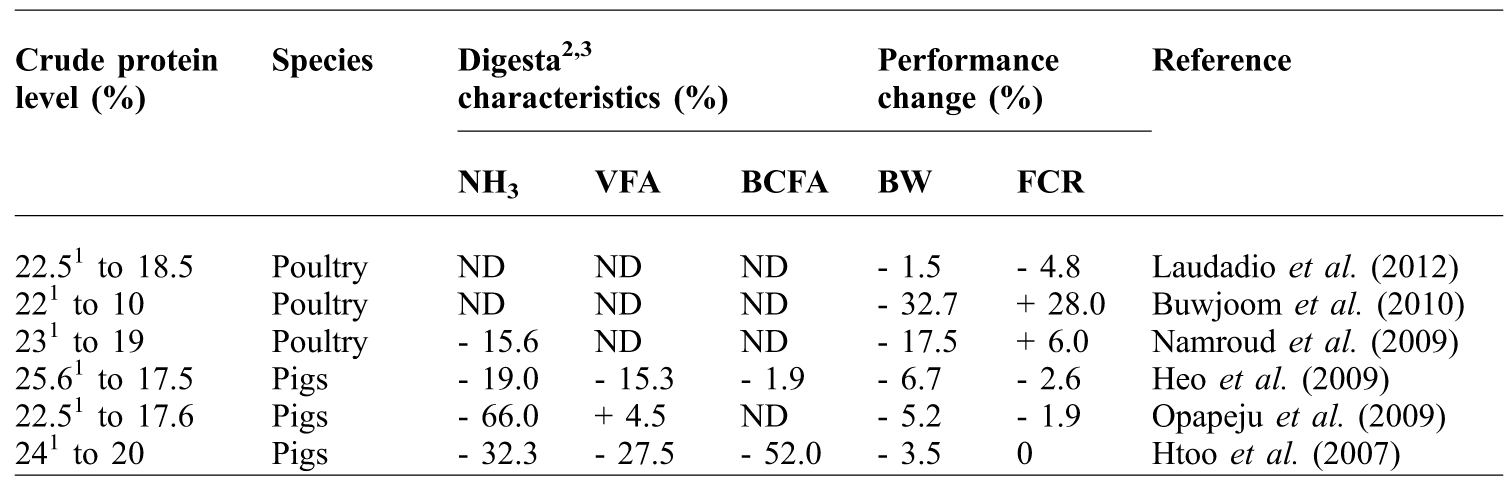
Total dietary CP levels, amino acid composition and digestibility determine the amount of protein arriving in the hindgut. A high number of proteolytic microbiota (such as Campylobacter, Bacteroides, Clostridia, and Prevotella spp.) has been reported in finishing barrows fed a high CP (34%) corn-SBM based diet compared with those fed a low CP (15%) diet (Anugwa et al., Reference ANUGWA, VAREL, DICKSON, POND and KROOK1989). In addition, Opapeju et al. (Reference OPAPEJU, KRAUSE, PAYNE, RADEMACHER and NYACHOTI2009) reported a higher (414.9 vs. 182.7 mg/l) ammonia-N concentration in colonic digesta of piglets fed a high (22.5%) CP diet compared to those fed a low (17.6%) CP diet supplemented with essential amino acids. Similarly, these authors reported more carbohydrate fermenting bacteria (Roseburia) in the colonic digesta of piglets fed low CP diet and suggested that this may have shifted the microbiota population towards a more beneficial carbohydrate fermenting population. In birds, a low level of dietary CP may negatively affect performance although it can have beneficial effects on the physical conditions in the gut (Table 3).
Effects of lowering dietary crude protein on digesta characteristics and performance of poultry and pigs.
1Control diet, 2Caecal digesta in poultry, 3Faecal digesta in pigs VFA=Volatile fatty acids, BCFA=Branched chain fatty acids, BW=Body weight, FCR=Feed conversion ratio, ND=Not determined.
diet structure
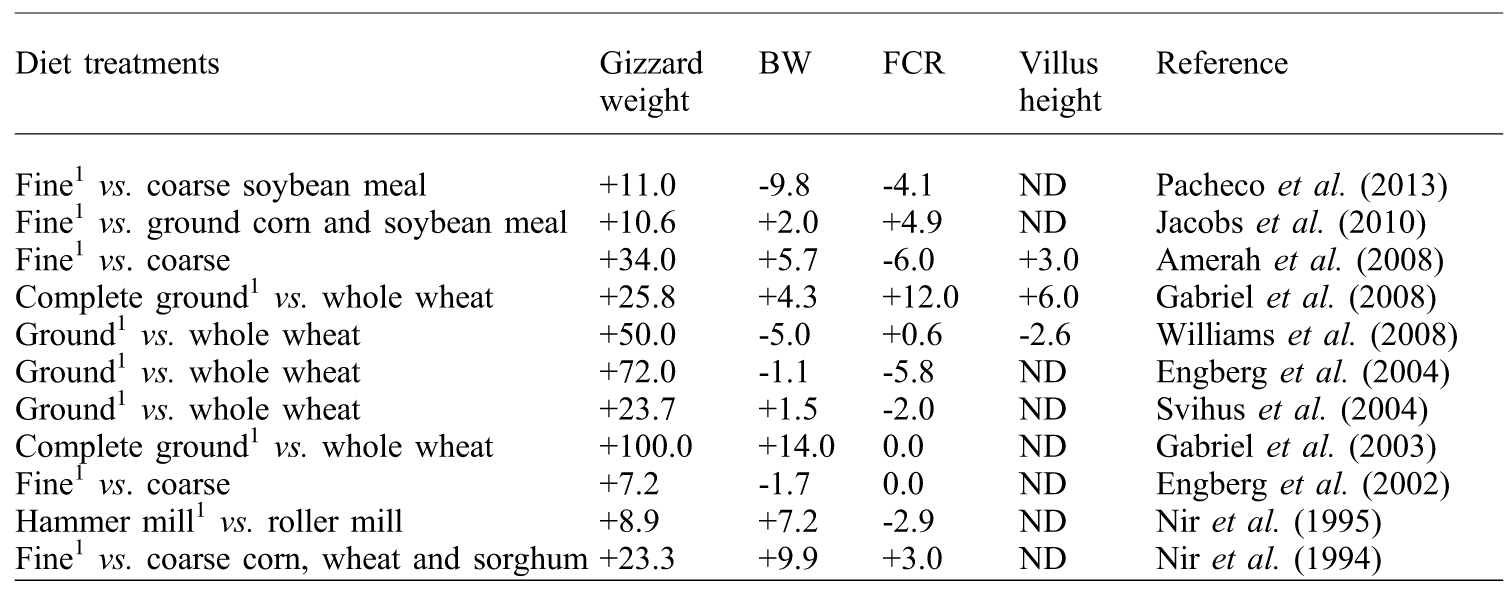
There are no studies showing direct effects of dietary particle size on hindgut protein fermentation in poultry. However, there are studies from which it may be inferred that particle size has the potential to reduce hindgut protein fermentation in broilers. A number of studies have shown that more coarsely ground diet improves broilers performance and villus heights in the small intestine (Table 4). This improved performance was due to greater digestibility of protein because of dietary coarseness (Pacheco et al., Reference PACHECO, STARK, FERKET and BRAKE2013). Extensive research has shown that the inclusion of a ‘coarse’ mash resulted in a heavier gizzard which maximised the grinding capacities of the GIT and enhances digestive capacity (Amerah et al., Reference AMERAH, RAVINDRAN, LENTLE and THOMAS2008; Svihus, Reference SVIHUS2011) as well as improving health by reducing pathogenic microbiota (Engberg et al., Reference ENGBERG, HEDEMANN, STEENFELDT and JENSEN2004). Nir et al. (Reference NIR, HILLEL, SHEFET and NITSAN1994) defined a fine diet as having a geometric mean diameter (GMD) of < 574 µm and a coarse diet having a GMD > 871 µm. A coarse diet increased pepsin secretion in the proventriculus, improved physical functionality of the gizzard muscles, feed intake and body weight gain (Gabriel et al., Reference GABRIEL, MALLET, LECONTE, FORT and NACIRI2006). The addition of coarse particles to the diet increased gastric reflux, exposing the feed to pepsin and hydrochloric acid in the gizzard (Gabriel et al., Reference GABRIEL, MALLET, LECONTE, TRAVEL and LALLES2008; Pacheco et al., Reference PACHECO, STARK, FERKET and BRAKE2013). With coarse grinding, retention of particles in the gizzard was longer, which may have resulted in better regulation of transit time. There are studies indicating a positive correlation between gizzard weight and ileal N digestion in broilers (Pacheco et al., Reference PACHECO, STARK, FERKET and BRAKE2013). This may be due to an improved functionality of the gizzard, which provides more exposure of pepsin and hydrochloric acid to dietary proteins, thereby enhancing the initiation of protein digestion. It has been reported that whole wheat (coarse diet) feeding stimulated gizzard activity resulting in a high bile acid concentration in the gizzard (Svihus et al., Reference SVIHUS, KLØVSTAD, PEREZ, ZIMONJA, SAHLSTRÖM, SCHÜLLER, JEKSRUD and PRESTLØKKEN2004). This could be associated with stimulation of pancreatic secretions due to an increase in gizzard activity (Hetland et al., 2003). In contrast, diets composed of fine particles increased the digesta viscosity (Amerah et al., Reference AMERAH, RAVINDRAN, LENTLE and THOMAS2007) which decreased nutrient digestibility (Yasar, Reference YASAR2003). It can be assumed, therefore, that increasing feed particle size may help in decreasing the amount of indigestible protein reaching the hindgut due to an improved digestion and absorption in the foregut.
Changes (%) in gizzard weight, body weight (BW), feed conversion ratio (FCR) and duodenal villus height in relation to diet structure.
1Control diet, ND=Not determined.
pre- and probiotics
Pre- and probiotics may shift the balance of the gut microbiota towards an increase in the numbers of potential health-promoting bacteria such as Lactobacilli and Bifidobacteria (De Preter et al., Reference DE PRETER, HAMER, WINDEY and VERBEKE2011). A prebiotic is defined as a food ingredient that is not hydrolysed by the animal's own digestive enzymes in the upper GIT, but positively affects the host by stimulating the growth and activity of health beneficial microbiota in the colon (Gibson et al., Reference GIBSON, PROBERT, LOO, RASTALL and ROBERFROID2004). Prebiotics are mostly carbohydrates and they can decrease proteolytic fermentation by (i) a rapid fermentation of the prebiotic substrate in the colon resulting in a lower colonic pH that reduces activity of peptides by bacterial proteases (Rastall, Reference RASTALL2004), (ii) catabolite repression, by depressing the transcription of genes involved in amino acid catabolism in the presence of carbohydrates (Vince and Burridge, Reference VINCE and BURRIDGE1980), and (iii) an increased amino acid use for bacterial biosynthesis (Cummings and Bingham, Reference CUMMINGS and BINGHAM1987). The potential beneficial effects of prebiotics may include antagonism towards pathogens.
Rehman et al. (Reference REHMAN, BÖHM and ZENTEK2008) studied the effect of inulin (1%) supplementation as a prebiotic in a basal corn-soya based diet of broilers and reported a lower caecal pH (6.4 vs. 7.1), lower caecal ammonia contents (13.9 vs. 22.3 μmol/g of digesta), lower BCFA concentrations (1.0 vs. 0.6 mol % of total SCFA), greater concentration of butyric acid (15.0 vs. 7.4 mol % of total SCFA) and numerically lower concentrations of total caecal biogenic amines (346.8 vs. 398.3 nmol/g of digesta) with inulin supplementation. These data suggest that inulin supplementation resulted in promoting saccharolytic instead of peptidolytic activity in the GIT as indicated by the fermentation products. These authors concluded that inulin can affect fermentation patterns, as indicated by lower caecal ammonia and a greater concentration of butyrate. Mookiah et al. (Reference MOOKIAH, SIEO, RAMASAMY, ABDULLAH and HO2014) studied the effects of different levels (5 or 10 g/kg of basal diet) of isomalto-oligosaccharides, as a prebiotic, on performance, caecal microbiota population and caecal fermentation characteristics in broilers. These authors found that total caecal VFA, acetic, propionic and butyric acid levels were increased by 43, 46, 65 and 36%, respectively in broilers fed isomalto-oligosaccharides supplemented diets compared with those fed the control diet at 42 days of age. This suggested a greater concentration of total VFA in caecal digesta of broilers fed diets supplemented with a prebiotic may be due to higher density of Lactobacilli and Bifidobacteria and lower E. coli and total aerobe population in the caeca. Similarly, Faber et al. (Reference FABER, DILGER, HOPKINS, PRICE and FAHEY2012) studied the effects of oligosaccharides in corn-soybean meal based diets on immune response in Eimeria acervulina challenged broilers. These authors reported improved performance, and greater SCFA production in SBM-fed birds compared with SPI diet fed broilers. Caecal acetate, propionate, butyrate and total VFA concentration was increased 3.6, 1.2, 3.9, and 3.4 folds in SBM fed broilers compared with those fed the SPI diet. These authors suggested that this increased concentration of VFA may be attributed to fermentable oligosaccharides present in SBM and these oligosaccharides are the main energy source for the intestinal epithelial cells and also stimulate cell growth and improve caecal health by improving caecal weight and producing more VFA.
Probiotics are live organisms, which are beneficial to the host when regularly provided in the diet in adequate quantities (Sanders, Reference SANDERS2008). Probiotic administration may influence the formation of SCFA. Analogue to prebiotics, probiotics may stimulate bacterial activity in the gut, resulting in an increased uptake of N, amino acids or metabolic products into the bacterial fraction (Salminen et al., Reference SALMINEN, OUWEHAND and ISOLAURI1998). Probiotics may exert an indirect effect on carbohydrate or protein fermentation and enrich the population of gut microbiota with those species that preferentially ferment carbohydrates and have little proteolytic activity. Mookiah et al. (Reference MOOKIAH, SIEO, RAMASAMY, ABDULLAH and HO2014) used a multi-strain probiotic (consisting of 11 Lactobacillus strains) and studied the performance and caecal fermentation characteristics in broilers. These authors reported that the total caecal concentration of acetic , propionic, butyric and VFA was increased by 38, 92, 11 and 34%, respectively, in broilers fed diet supplemented with multi-strain probiotics compared with those fed a control diet at 42 days of age. Similarly, supplementation with Lactobacillus acidophilus reduced intestinal putrefactive compounds such as ammonia and biogenic amines in poultry (Gallazzi, 2009). Chen et al. (Reference CHEN, GAO, LI, HUANG, LUO and ZHANG2012) studied the effects of probiotics (Bacillus subtillis and Lactobacillus acidophilus) supplementation in broilers. These authors reported 33.1 and 28.7% lower faecal ammonia and 49.5 and 38.6% lower H2S, respectively in 35 days old broilers fed a probiotic supplemented diet compared with those on control and antibiotic (flavomycoin) supplemented diets. According to these authors, probiotics reduced the pathogenic microbiota in the GIT by reducing the intestinal pH, which resulted in lower faecal ammonia and H2S emission. Based on observations in poultry, it can be assumed that prebiotic and probiotic supplementation in diets may reduce hindgut protein fermentation by decreasing the pathogenic microbial count in the caeca.
other feed additives
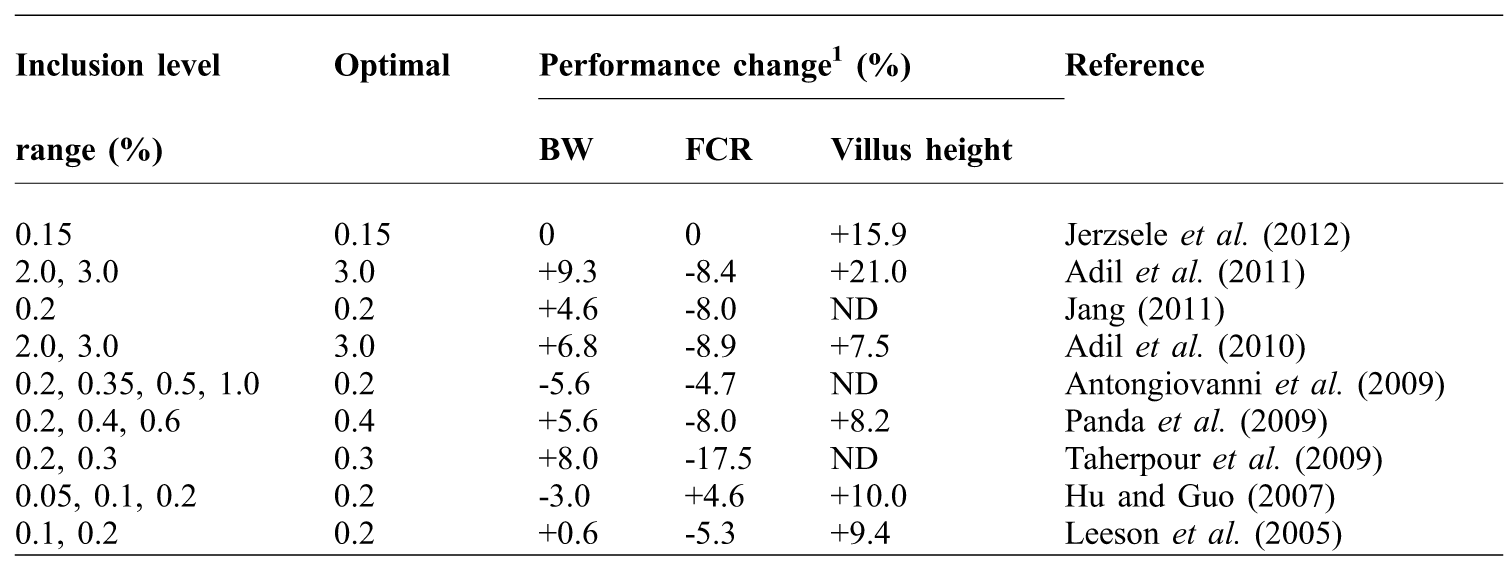
Feed additives can maintain gut health through different mechanisms such as shifting gut pH, enhancement in pancreatic juice secretion, increasing nutrient intake, motivating the humoral immune response, selecting beneficial microbiota or increasing fermentation acids, and consequently reducing the invasion of pathogenic microbiota (such as Salmonella enteritidis and Escherichia coli in the host) and increasing growth rate of the intestinal mucosa (Cummings and Macfarlane, Reference CUMMINGS and MACFARLANE2002). Supplementation of organic acids, especially SCFA which have specific antimicrobial activity, is a promising strategy to improve gut integrity (Adil et al., Reference ADIL, BANDAY, BHAT, MIR and REHMAN2010). Their supplementation results in less damage to epithelial cells because of a reduced production of toxic compounds as numbers of pathogenic microbiota are reduced (Antongiovanni et al., Reference ANTONGIOVANNI, BUCCIONI, PETACCHI, LEESON, MINIERI, MARTINI and CECCHI2009). Organic acids, due to their bactericidal effects, suppress protein fermenting microbiota, especially the gram negative population in broilers (Gunal et al., Reference GUNAL, YAYLI, KAYA, KARAHAN and SULAK2006) by disrupting their energy metabolism (Ricke, Reference RICKE2003) and decreasing the hindgut pH. Feed ingredients, such as oligosaccharides and NSPs, affect hindgut pH by the production of VFAs (Van Der Waaij and Nord, Reference VAN DER WAAIJ and NORD2000). These VFAs have a positive effect on intestinal health by providing a readily available energy source. Energy requirements of the GIT are higher compared with other body tissues. The GIT comprises 6% of the total body mass, whereas it consumes about 25% of total oxygen consumed (Britton and Krehbiel, Reference BRITTON and KREHBIEL1993). Reduced concentrations of SCFA, especially butyrate, may lead to ulcerative colitis, reduced gut mucosal barrier function and inflammatory conditions (Wächtershäuser and Stein, Reference WÄCHTERSHÄUSER and STEIN2000). Butyric acid stimulates intestinal development, e.g. epithelial cell proliferation and differentiation (Dalmasso et al., Reference DALMASSO, NGUYEN, YAN, CHARRIER-HISAMUDDIN, SITARAMAN and MERLIN2008) and maintains villus height (Hu and Guo, Reference HU and GUO2007). Jang (Reference JANG2011) reported an 8.6% improvement in FCR in broilers supplemented with 0.2% butyric acids glycerides. Butyric acid has several functions including stimulation and production of peptides, by attaching to specific G-protein-coupled receptors, especially GPR 41 and GPR 43 (Le Poul et al., Reference LE POUL, LOISON, STRUYF, SPRINGAEL, LANNOY, DECOBECQ, BREZILLON, DUPRIEZ, VASSART and VAN DAMME2003) in the hindgut (Tazoe et al., Reference TAZOE, OTOMO, KAJI, TANAKA, KARAKI and KUWAHARA2008). Positive effects of some of these peptides have been reported for immunological development in health challenging situations, whereas some others have been reported to optimize gut motility (Tazoe et al., Reference TAZOE, OTOMO, KAJI, TANAKA, KARAKI and KUWAHARA2008). It has been shown to stimulate the immune system and reduce Salmonella spp. colonisation in the broiler GIT (Van Immerseel et al., Reference VAN IMMERSEEL, BOYEN, GANTOIS, TIMBERMONT, BOHEZ, PASMANS, HAESEBROUCK and DUCATELLE2005). The effects of butyric acid supplementation on broiler performance are summarised in Table 5. In general, the use of SCFA (such as butyric acid) in the feed of poultry is considered a possible alternative to the use of antimicrobial growth promoters (Leeson et al., Reference LEESON, NAMKUNG, ANTONGIOVANNI and LEE2005).
Effects of dietary butyric acid inclusion on broiler performance and duodenal villus height.
1Related to optimal inclusion level, BW=Body weight, FCR=Feed conversion ratio, ND=Not determined.
Conclusions
There are no direct studies investigating the effects of gastric protein fermentation on the performance of broilers. Metabolites of protein fermentation, however, have been reported in high concentrations in the digesta collected from the ileum and caeca in broilers. Greater concentrations of biogenic amines, BCFA, H2S, ammonia, indole, phenols, cresol and skatole in the caecal versus ileal digesta have indicated more proteolytic fermentation. Low concentrations of some of the protein fermentation products including biogenic amines are necessary for the normal gut development. The precise effects of hindgut protein fermentation on gut health and performance in broilers remain poorly understood. Further studies should elucidate the impact of protein fermentation on performance of broilers. Nutritional strategies, such as reducing dietary CP, dietary supplementation of pre- and probiotics and organic acids, or feeding diets with larger particle sizes, may increase protein digestibility and reduce undigested protein fermentation in the large intestine. Most of these nutritional interventions can potentially enhance protein digestion in the upper GIT and, therefore, less undigested protein will be available for fermentation in the hindgut.