Benzene, a volatile organic compound, occurs naturally in the environment.Reference Fenga, Gangemi and Costa 1 It has been found to be one of the major environmental contributors to air polluttion.Reference Fenga, Gangemi and Costa 1 , Reference Protano, Scalise and Orsi 2 Benzene emissions occur most commonly during petroleum refining operations. In addition, it is one of the most widely used organic chemicals in the synthesis of various polymers, resins, and synthetic fibers. Environmental contamination of benzene originates mainly from its industrial uses through improper discharge, especially into the air.
Communities living in close proximity to petroleum refining industries are highly susceptible to significant health risks due to the increased probability of their exposure to toxic chemicals such as benzene. Exposure to benzene is associated with increased risks of developing carcinogenesis, specifically, leukemia, lymphoma, aplastic anemia, and multiple myeloma.Reference Khalade, Jaakkola and Pukkala 3 - Reference Marchetti, Eskenazi and Weldon 7 In addition, the emerging evidence suggests that benzene exposure increases the risk of developing solid tumors such as those of lung cancerReference Chang, Tsai and Chiu 8 , Reference Villeneuve, Jerrett and Brenner 9 and breast cancer.Reference Costantini, Gorini and Consonni 10 - Reference Hystad, Villeneuve and Goldberg 12 Moreover, benzene exposure can cause multiple other adverse effects leading to impairment of hematological, hepatic, renal, cardiovascular, respiratory, nervous, and immune functions.Reference Dundarz, Turkbay and Akay 13 - Reference Bahadar, Mostafalou and Abdollahi 18 Moreover, benzene exposure can also affect both B-cell and T-cell proliferations, reduce host resistance to infections, and produce chromosomal aberrations.Reference Minciullo, Navarra and Calapai 19
In Texas City, Texas, a 2010 flaring disaster at the BP refinery facility that lasted 40 days led to the release of at least 500,000 pounds of toxic chemicals, including over 17,000 pounds of benzene into the skies.Reference Evans 20 - Reference Evans 22 Consequently, the air in nearby communities was contaminated with these toxic emissions, which threatened the health of over 50,000 residents living in the Texas City area, according to the Galveston County District Clerk’s Office.
To understand the potential health effects of ambient benzene exposure resulting from the BP flaring disaster, the University Cancer and Diagnostic Centers of Houston, TX, is currently conducting several studies. In some of these studies, we found that benzene exposure from the BP flaring incident significantly altered hematological and hepatic functions in exposed subjects regardless of their age (children, young adults, and elderly) or smoking status.Reference D’Andrea and Reddy 23 - Reference D’Andrea, Singh and Reddy 28 In addition, we found that children experienced a range of illness symptoms and an altered profile of urinary phenol after their exposure to benzene, thus indicating their vulnerability to potentially increased adverse health complications.Reference D’Andrea and Reddy 29 In this study, we assessed the prevalence of adverse health symptom complaints in adults after their exposure to benzene as a result of the BP flaring disaster.
SUBJECTS AND METHODS
Subjects
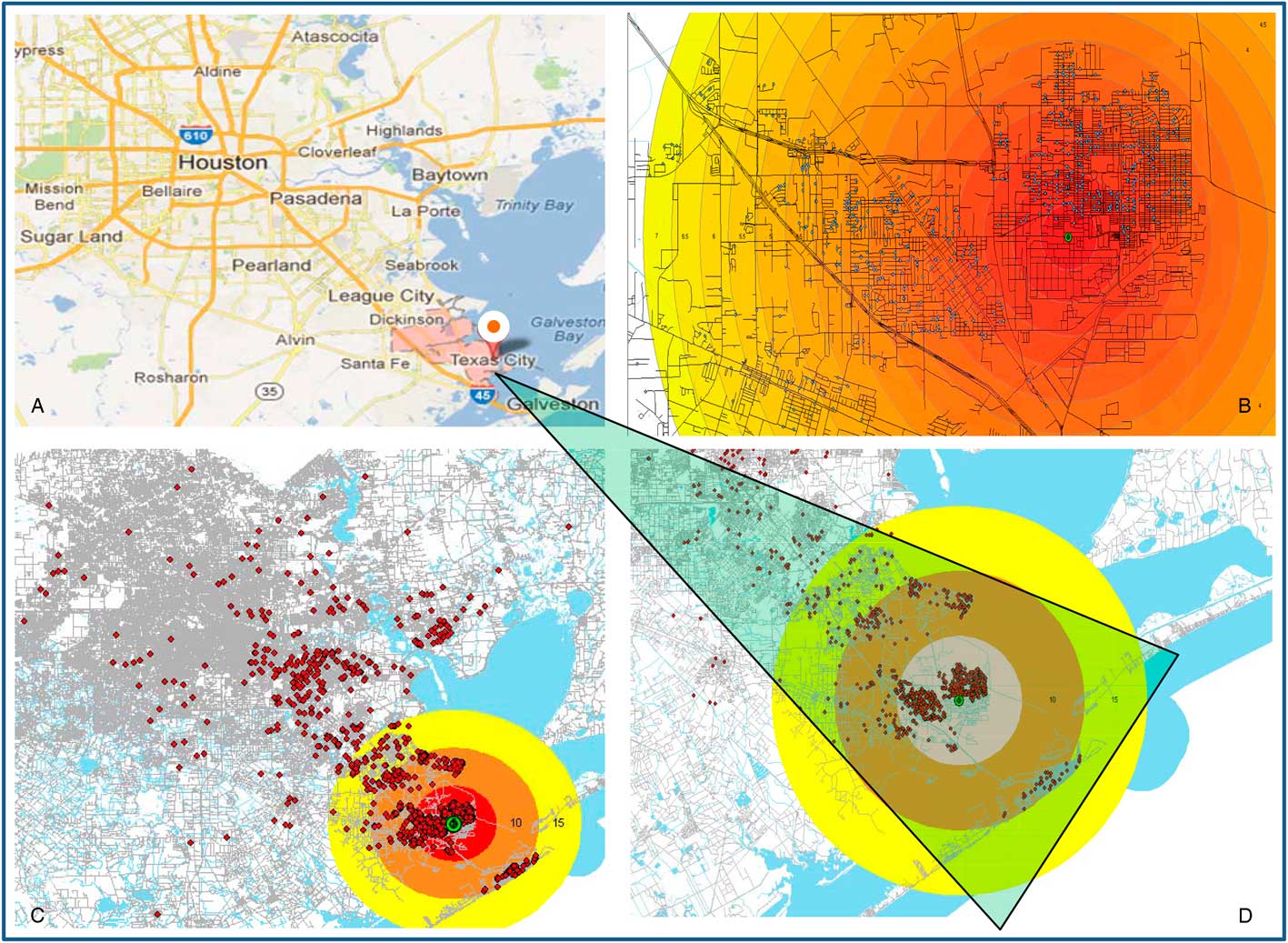
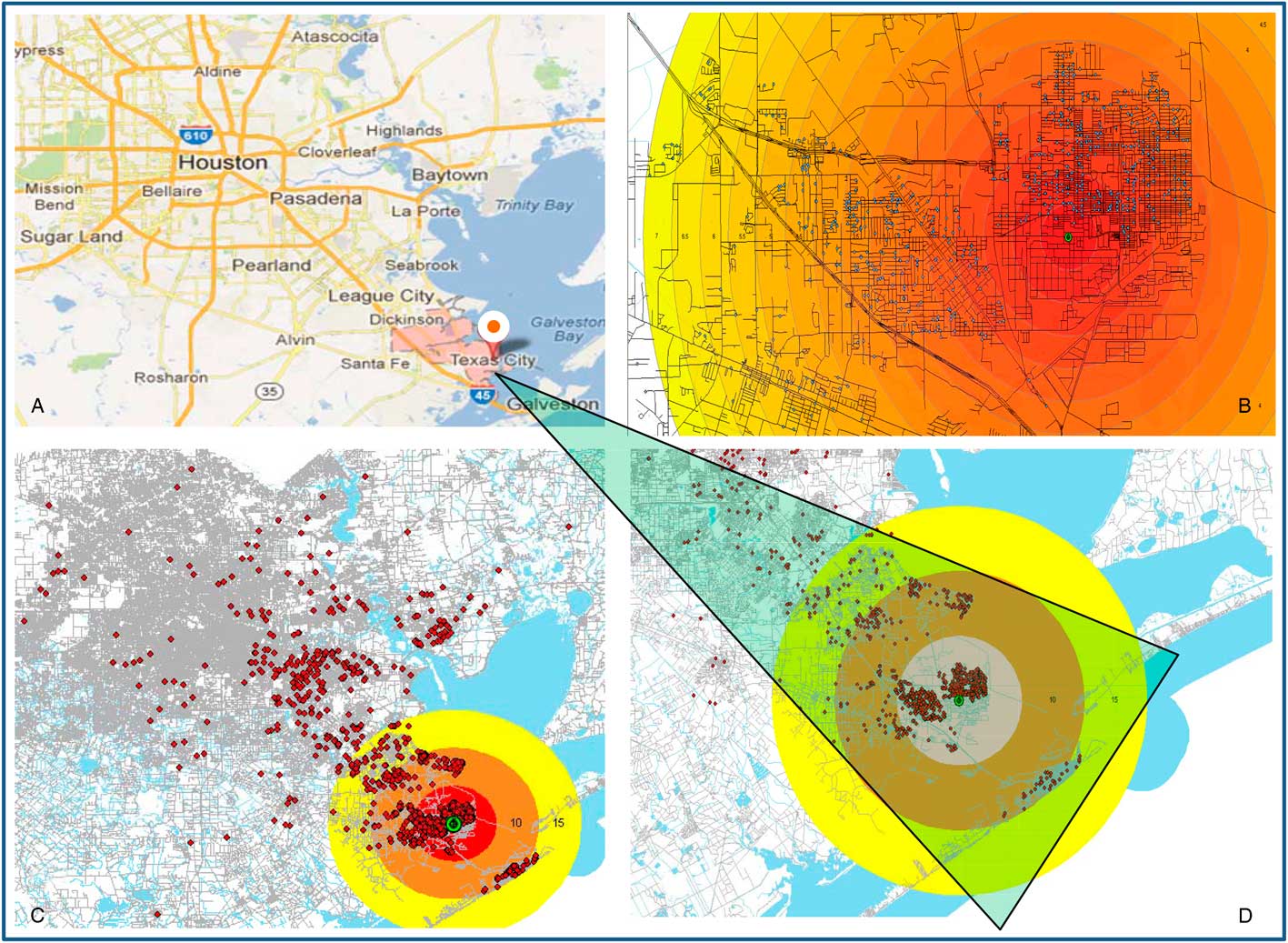
This retrospective study was approved by an institutional review board. Subjects aged 18 years or older who were exposed to benzene were included in this study. The details of the subjects’ selection and the procedures employed for the clinical and laboratory evaluations were reported previously.Reference D’Andrea and Reddy 23 , Reference D’Andrea, Singh and Reddy 28 Briefly, communities affected by the BP refinery emission due to the flaring event were identified initially in Texas City, Texas. Subjects exposed to the emissions were selected from the affected communities (Figure 1). Specifically, these subjects experienced an involuntary exposure to benzene for up to 40 days following the BP refinery flaring disaster that occurred on April 6, 2010, and lasted through May 16, 2010. Demographic and health symptom data were collected and included in this analysis. The study was conducted according to the ethical principles of the Declaration of Helsinki. To comply with the Health Insurance Portability and Accountability Act (HIPAA), confidentiality of information was secured by utilizing text encryption, password protection, and limited personnel involvement.
Map showing the location of the disaster of BP refinery facility in the northern parts of Texas City, Texas. (A) Location of Texas City, Texas. (B) Depicted intensity of benzene exposure from the BP incident in the surrounding neighborhoods of Texas City, Texas. The red, orange, and yellow colors depict higher (red) to reduced (orange) to low (yellow) intensity of benzene exposure. (C) Scattered dots represent the address of the study participants who were exposed to benzene after the flaring incident at the BP refinery and surrounding areas. (D) A closer look at the area affected by the benzene exposure and the address of the study participants (scattered dots). Source: Figure 1 is adapted from D’Andrea MA, Reddy GK. Detrimental health effects of benzene exposure in adults after a flaring disaster at the BP refinery plant in Texas City. Disaster Med Public Health Preparedness. April 2016;10(2):233-239.
Assessment of Subjective Health Symptoms
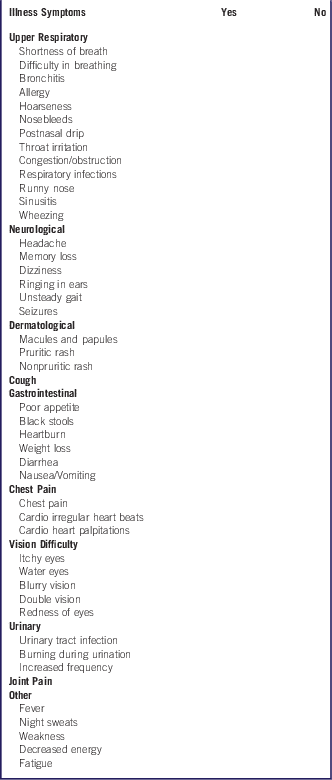
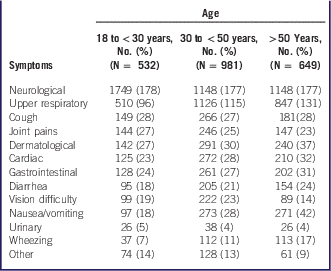
A pre-examination questionnaire survey was conducted to gather information on health symptoms in those subjects exposed to the benzene release. An illness symptom questionnaire that was originally developed for benzene-exposed childrenReference D’Andrea and Reddy 29 by the study investigators was adopted for the adult subjects based on the possible adverse effects of their benzene exposure. The adverse health symptoms included in the questionnaire survey are presented in Table 1. Although the questionnaire was able to be self-administered, it was followed up by a face-to-face interview with each subject. Assistance was provided for non-English-speaking individuals to complete the questionnaire. The survey was conducted in a clinical interview by a member of the medical staff, who verbally reviewed all the questions in the set. The survey included questions about illness symptoms, general characteristics, and past medical history.
A Questionnaire Survey on Illness Symptoms in Adult Subjects Exposed to Benzene

Assessment of Beta-2-Microglobulin and Urinary Phenol
Blood and urine samples were collected from the subjects at the time the health assessment was carried out. Serum beta-2 microglobulin and urinary phenol levels were assessed by an accredited laboratory facility (LabCorp; Laboratory Corporation of America, Houston, TX). Urinary phenol was assessed as a benzene metabolite using an Agilent 5980 GC system (Agilent Technologies, Wilmington, DE).
Data Analysis and Statistics
Medical charts of benzene-exposed subjects were reviewed and the clinical data on illness symptoms, serum beta-2 microglobulin, and urinary phenol were processed for statistical analysis. Descriptive statistics were used to assess the subjects’ demographics, which included means and standard deviations for each variable. Student’s t-test was used to assess the differences between the subgroups. Multiple logistic regression analysis was performed to assess the relationship between illness symptoms and subjects’ age. The significance level was predetermined at an alpha level of 0.05.
RESULTS
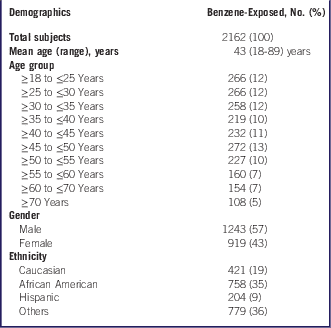
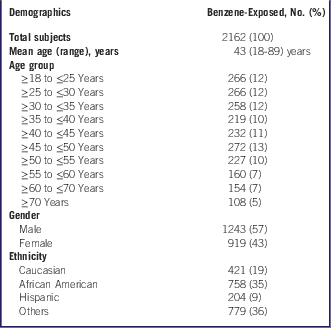
This study included a total of 2162 adults, aged 18 years or older, who had been exposed to benzene from the BP flaring disaster. The subjects’ demographics are shown in Table 2. The mean age of the subjects was 43 years (range, 18-89 years). There were 1243 men (57%) and 919 women (43%). Of the 2162 subjects, 758 (35%) were African American, 421 (19%) were Caucasian, 204 (9%) were Hispanic, and 779 (36%) were other ethnic groups.
Demographics of the Study Subjects
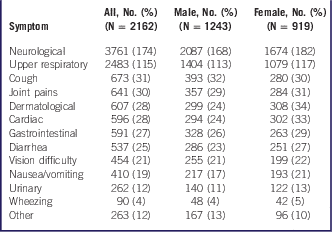
The major adverse health symptoms experienced by the adult subjects exposed to benzene after the flaring disaster are presented in Table 3. A total of 11,368 health symptoms were reported in 2162 adults exposed to benzene, indicating an average of 5.6 symptoms experienced by each subject. Among these adverse health symptoms, neurological symptoms such as unsteady gait, memory loss, and headaches occurred most frequently (174%) in adult subjects exposed to benzene. Upper respiratory symptoms such as shortness of breath, sore throat, difficulty in breathing, bronchitis, nose bleeds, hoarseness, and sinusitis were the second most frequently reported symptoms (115%) among the adults exposed to benzene. Cough was reported in 31% of the adults, followed by painful joints (30%), cardiac symptoms (28%), dermatological symptoms (28%), gastrointestinal symptoms (27%), diarrhea (25%), vision difficulty (21%), nausea/vomiting (19%), urinary irritation (12%), wheezing (4%), and other symptoms (12%).
Illness Symptoms Experienced by Adults by Gender After Exposure to Benzene

To assess the impact of gender, we evaluated the differences in the incidence of adverse health symptoms between male and female adults (Table 3). A total of 6275 adverse health symptoms were reported among the 1243 males, indicating an average of 5.0 symptoms experienced by each male subject. In 919 females, there were a total of 5083 adverse health symptoms reported, indicating an average of 5.5 symptoms experienced by each female subject. Thus, it appears that female subjects had a higher frequency of adverse health symptoms than did male subjects from benzene exposure. Among the adverse health symptoms, neurological (182% vs 168%), dermatological (34% vs 24%), and cardiac (33% vs 24%) symptoms occurred more frequently in female subjects than in male subjects. The incidence of other health symptoms including upper respiratory symptoms, cough, painful joints, gastrointestinal symptoms, diarrhea, vision difficulty, nausea/vomiting, wheezing, and urinary symptoms was similar between male and female subjects.
To assess whether the subject’s age contributed to any observed adverse health effects from the benzene exposure, a further analysis was performed by grouping subjects into 3 (<30 years, ≥30 to <50 years, and ≥50 years) age groups and comparing clinical outcomes between the 3 age groups. There were 2490, 5189, and 3689 total adverse health symptoms reported in the <30 years (n=532), ≥30 to <50 years (n=981), and ≥50 years (n=649) age groups, respectively.
Analysis of individual adverse health symptoms indicated that an increasing trend in upper respiratory symptoms such as shortness of breath, sore throat, difficulty in breathing, bronchitis, nose bleeds, hoarseness, and sinusitis was seen with increasing age among the 3 age groups (Table 4). The youngest age (<30 years) group (96%) had the lowest incidence of upper respiratory symptoms compared with either the subjects aged ≥30 to <50 years (115%) or the subjects aged ≥50 years (131%). Similarly, there was an increasing trend in the incidence of dermatological symptoms, cardiac symptoms, wheezing, gastrointestinal symptoms, and nausea/vomiting symptoms with an increase in age among the 3 age groups of subjects. Other adverse health symptoms appeared to be similar among the 3 age groups of subjects exposed to benzene.
Illness Symptoms Experienced by Adults by Age Group After Exposure to Benzene

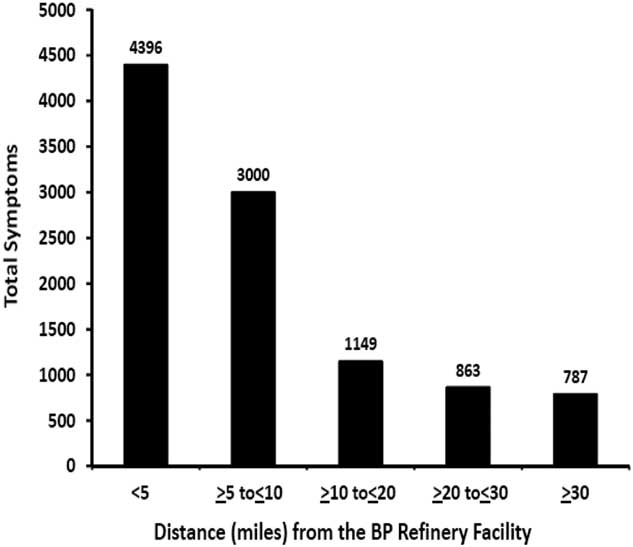
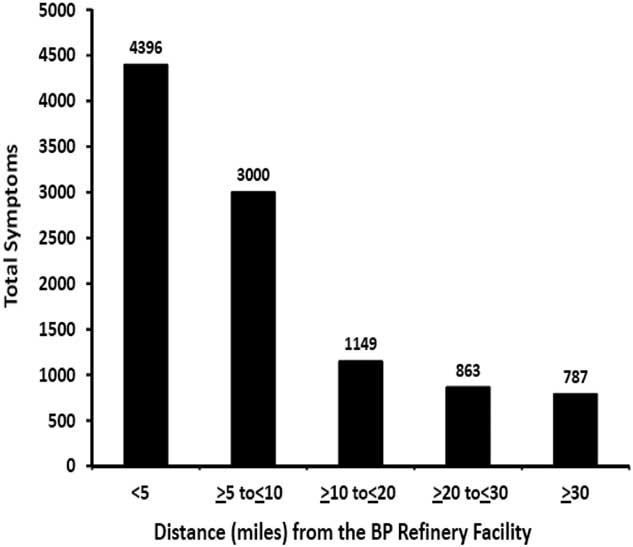
The results presented in Figure 2 reveal the incidence of adverse health symptoms among adult subjects as measured by their distance from the BP refinery facility. The findings revealed that most adverse health symptoms were reported in those subjects living closest to the BP refinery facility. Of the 11,368 total adverse health symptoms, 4396 were reported in subjects living within a 5-mile radius of the refinery facility. There were 3000 and 1149 adverse health symptoms reported in subjects living a distance of a radius of >5 to 10 miles and >10 to 20 miles, respectively, from the refinery plant. The remaining 1650 adverse health symptoms were reported in subjects living a distance of more than a 20-mile radius from the refinery facility.
Adverse health symptoms experienced by the benzene-exposed adult subjects as measured by their distance from the BP refinery facility. Subjects living close to the BP plant experienced the majority of symptoms.
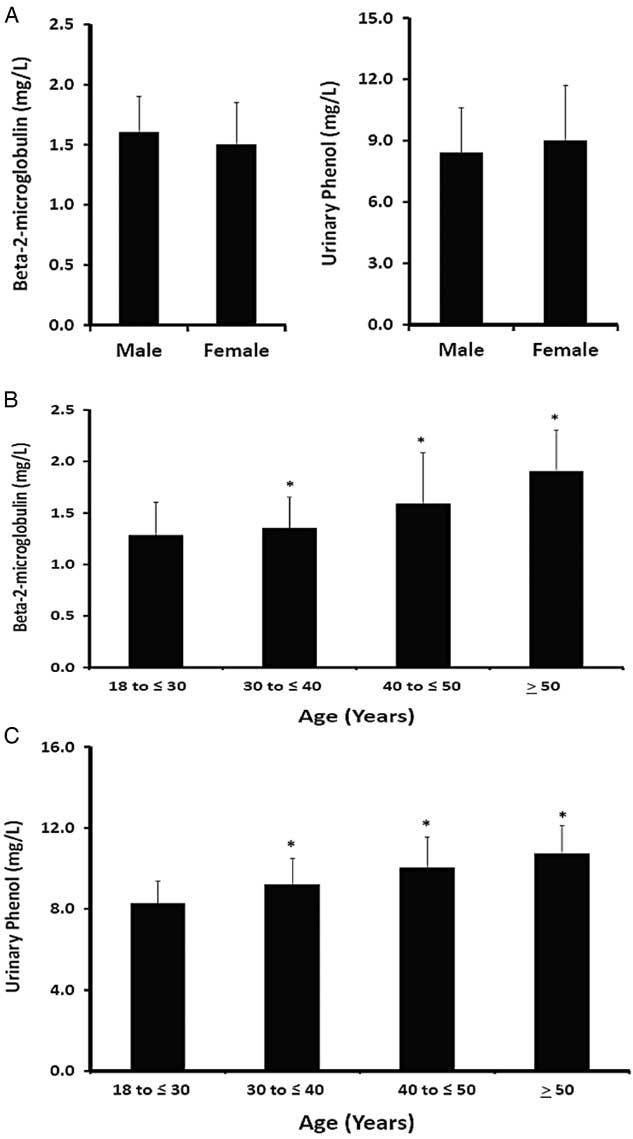
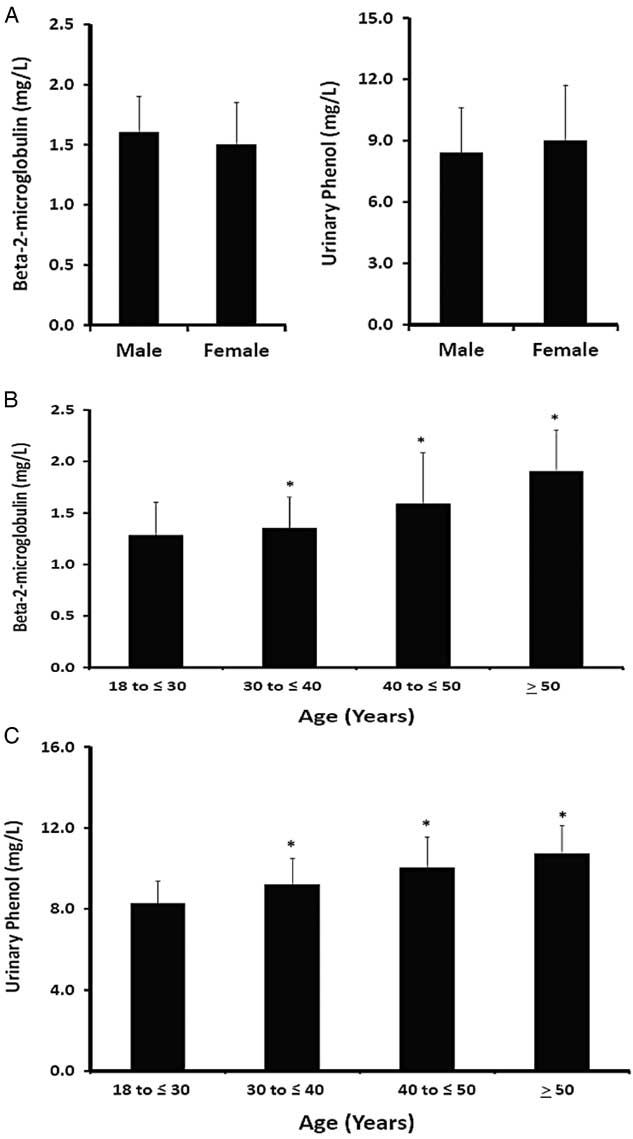
The results in Figure 3 indicate the levels of serum beta-2-microglobulin and urinary phenol in subjects exposed to benzene according to their gender and among their age groups. Beta-2-microglobulin and urinary phenol levels were statistically similar between male and female subjects after the benzene exposure (P=0.6, Fig. 3A). However, the levels of serum beta-2-microglobulin and urinary phenol increased significantly with increasing age among the benzene-exposed subjects (P < 0.05, Fig. 3B and Fig. 3C).
Beta-2-microglobulin and urinary phenol levels in benzene-exposed adult subjects according to their gender and age group. (A) Beta-2-microglobulin and urinary phenol levels were statistically similar between male and female subjects after benzene exposure (P=0.4). (B) Differences in serum levels of beta-2-microglobulin among different age groups of adult subjects exposed to benzene (P=0.05). (C) Differences in urinary phenol levels among different age groups of adult subjects exposed to benzene (P=0.05).
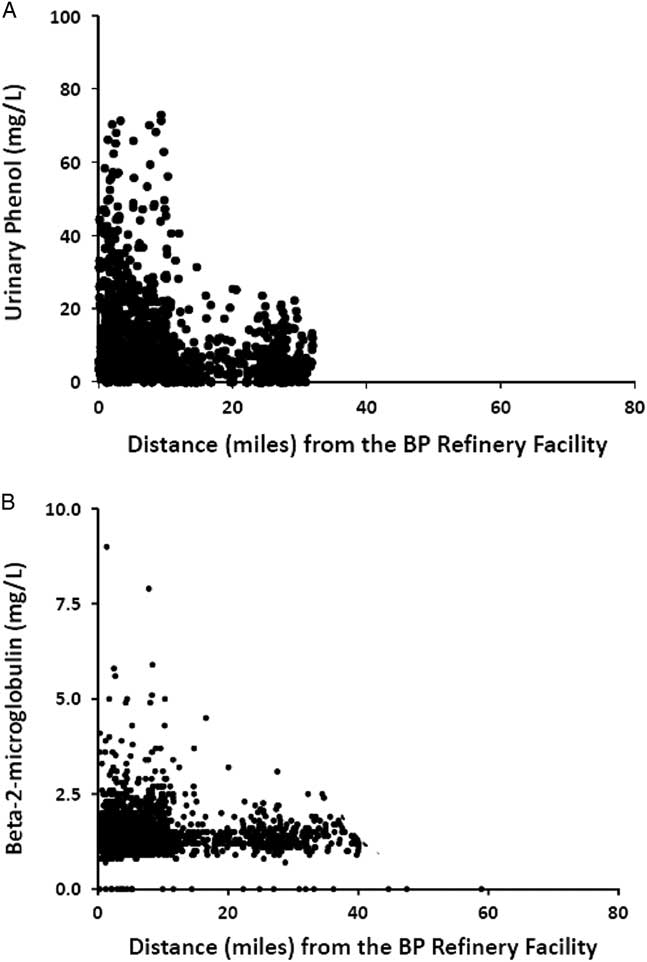
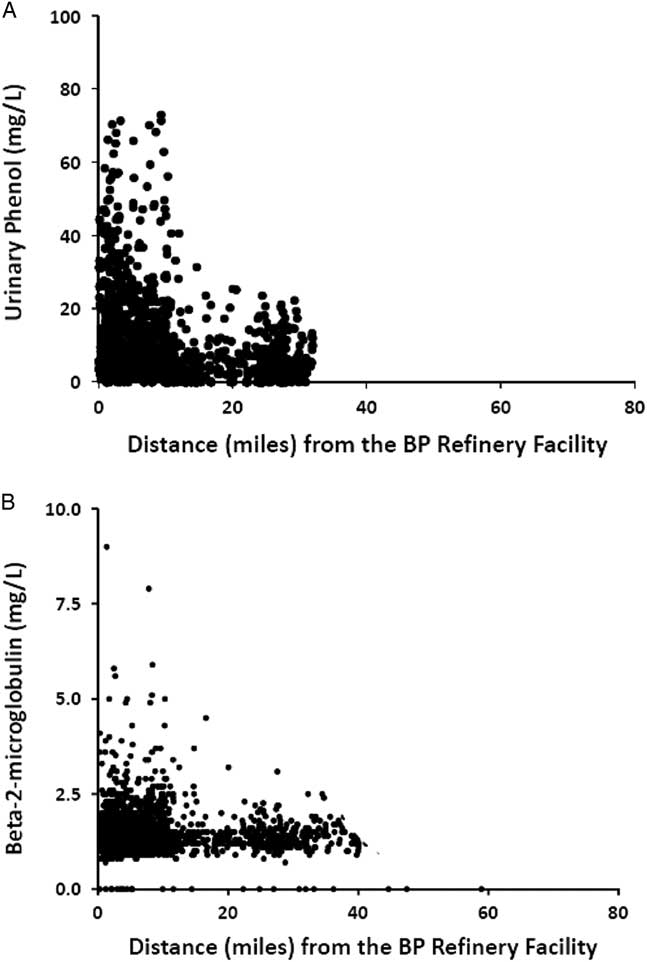
The association of serum beta-2-microglobulin and urinary phenol with distance was evaluated by using scatter plots in benzene-exposed subjects and the findings are presented in Figure 4. The results show a downhill pattern for both serum beta-2-microglobulin and urinary phenol levels with increasing distance from the site of the disaster. Subjects living closer to the refinery facility were affected more profoundly than were those living further away from the disaster site.
Beta-2-microglobulin and urinary phenol levels in benzene-exposed adult subjects as evaluated by their distance from the BP refinery facility. (A) Association of urinary phenol with distance from the site of the disaster. (B) Association of serum beta-2-microglobulin with distance from the site of the disaster.
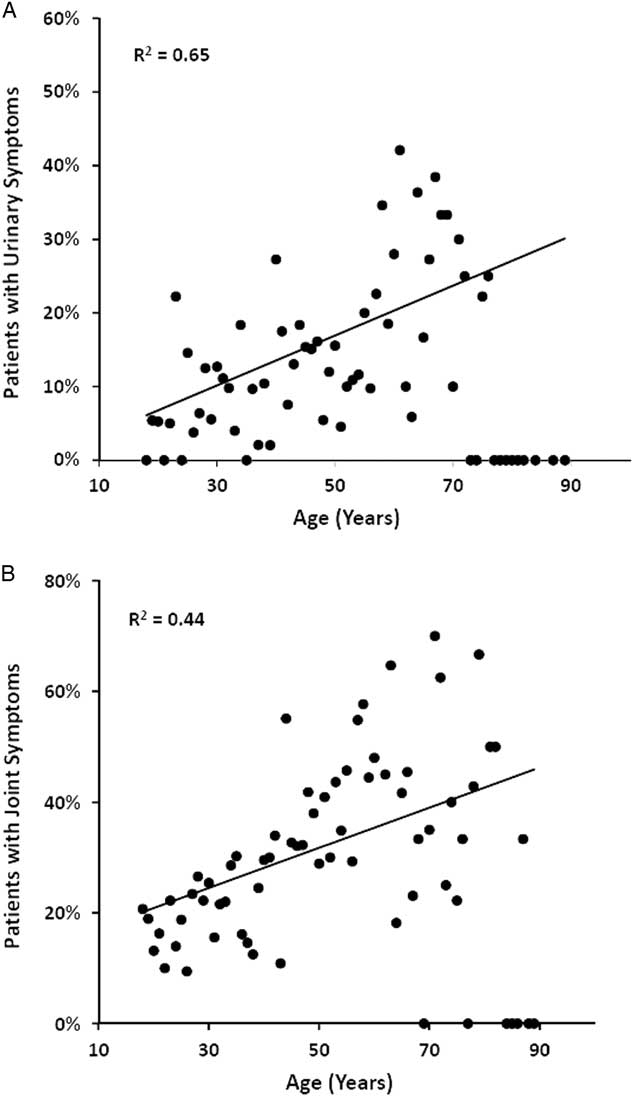
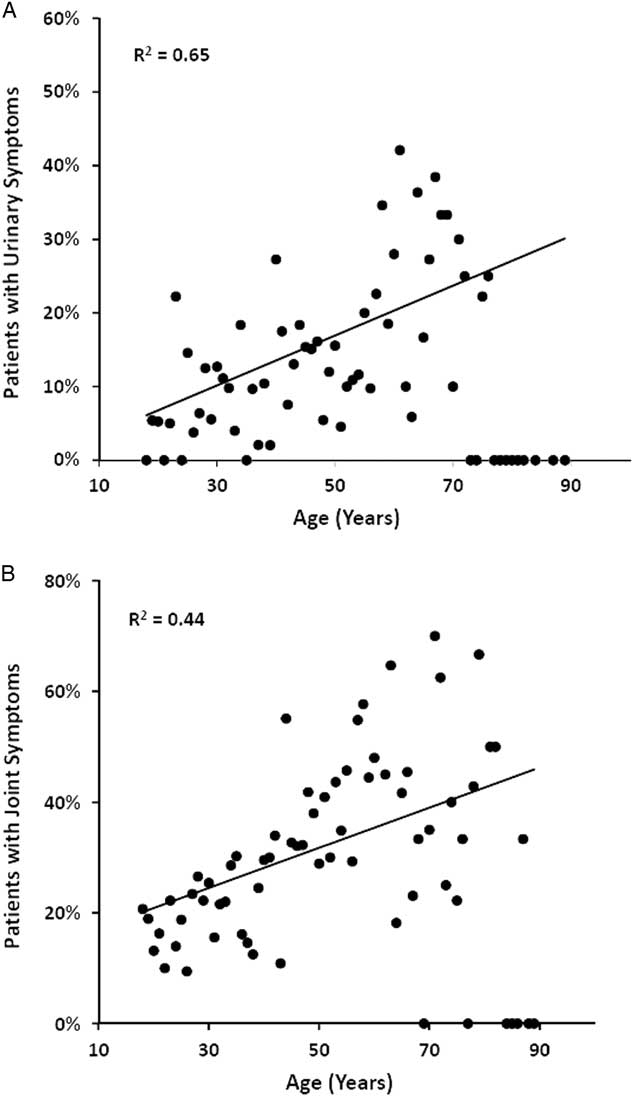
Multiple logistic regression analysis indicated that certain adverse health symptoms were associated positively with the subjects’ age (Figure 5). In particular, urinary symptoms (R2=0.65, P≤0.01) and painful joints (R2=0.44, P≤0.01) were positively associated with increasing age in the benzene-exposed subjects.
Multiple logistic regression analysis showing positive association of health symptoms with the age of the subjects. (A) Correlation of urinary symptoms with age of the subjects (R2=0.65). (B) Correlation of painful joints with age of the subjects (R2=0.44).
DISCUSSION
The detrimental effect of benzene exposure on human health has become a major public concern around the world. Benzene exerts both carcinogenic and noncarcinogenic effects in humans. The carcinogenic effects of benzene exposure include not only the hematological cancers such as leukemiaReference Khalade, Jaakkola and Pukkala 3 , Reference Glass, Gray and Jolley 30 - Reference McHale, Zhang and Smith 32 and lymphomaReference Steinmaus, Smith and Jones 33 , Reference Bassig, Friesen and Vermeulen 34 but also solid tumors such as breast,Reference Hansen 11 lung, renal, and nasal cancers.Reference Lynge, Andersen and Nilsson 35 Noncarcinogenic effects of benzene exposure include respiratory abnormalities, deteriorated renal function, central nervous depression, skin irritation, hepatotoxicity, myelotoxicity, hematological alterations, and immunotoxicity.Reference Bahadar, Mostafalou and Abdollahi 18
Previously, we reported that benzene exposure significantly altered the hematological and hepatic functions in children, adults, and elderly subjects.Reference D’Andrea and Reddy 23 - Reference D’Andrea, Singh and Reddy 28 In addition, recently we reported that children exposed to benzene experienced a range of illness symptoms and an altered profile of urinary phenol, suggesting their vulnerability to increased adverse health complications.Reference D’Andrea and Reddy 29 The analyses in this study sought to further assess the illness symptom profiles following benzene exposure from the prolonged toxic release of the BP flaring event in adults, building on our earlier study findings.
The findings of this study show that adult subjects exposed to benzene from the BP flaring event experienced a wide range of adverse health symptoms including neurological, respiratory, cardiac, dermatological, gastrointestinal, and a host of other adverse symptoms. Each benzene-exposed adult experienced multiple adverse neurological symptoms such as headaches, memory loss, unsteady gait, and dizziness. Similarly, multiple upper respiratory symptoms such as shortness of breath, sore throat, difficulty in breathing, bronchitis, nose bleeds, hoarseness, and sinusitis were seen in each benzene-exposed subject. Over 25% of the subjects experienced cardiac, gastrointestinal, and dermatological symptoms; painful joints; diarrhea; and cough following their exposure to benzene. Currently, the literature is sparse evaluating the adverse health symptoms of benzene exposure in adults or children. A study by Gordian et alReference Gordian, Stewart and Morris 36 reported that residents exposed to evaporative emissions of gasoline had more severe symptoms of asthma affecting their respiratory health. Tunsaringkarn et alReference Tunsaringkarn, Ketkaew and Siriwong 37 reported that gas station workers who were exposed to benzene experienced health symptoms such as dizziness, headache, skin irritation, eye irritation, fatigue, sore throat, nausea, and depression. The findings of our current study are comparable with those findings reported by Tunsaringkarn et alReference Tunsaringkarn, Ketkaew and Siriwong 37 in that significant proportions of subjects experienced these adverse health symptoms following their exposure to benzene.
To determine whether the subjects’ gender contributed to the observed findings, we assessed and compared the incidence of adverse health symptoms between male and female subjects exposed to benzene. The overall frequency of adverse health symptoms was higher in women (5.5 symptoms per female subject) than in men (5.0 symptoms per male subject). Previously, we reported that the overall frequency of adverse health symptoms was higher in female children (2.9 symptoms per female child) than in male children (2.7 symptoms per male child).Reference D’Andrea and Reddy 29 These findings collectively suggest that female subjects are more vulnerable than male subjects to the effects of benzene exposure. Multiple regression analysis was performed to evaluate the association between the subjects’ age and individual illness symptoms among the benzene-exposed adults. The findings indicated that urinary symptoms and painful joints were positively associated with increasing age in the benzene-exposed subjects.
The levels of beta-2-microglobulin in serum is considered to be a marker for the activation of the cellular immune system, as well as a tumor marker in certain hematologic malignancies.Reference Bethea and Forman 38 Therefore, in this study we measured the levels of beta-2-microglobulin in the serum of subjects exposed to benzene. Although the serum levels of beta-2-microglobulin were within the normal range (0.6-2.4 mg/L), levels increased significantly with increasing age in the benzene-exposed subjects.
The association of serum beta-2-microglobulin with the distance from the site of the disaster was evaluated by using scatter plots in benzene-exposed subjects. The findings suggested that subjects living closer to the disaster facility had higher levels of serum beta-2-microglobulin than did those living further away from the disaster site, indicating perturbations in the cellular immune system among subjects living closer to the disaster facility. These findings further support the decreased illness symptoms with distance away from the disaster site in benzene-exposed subjects. However, additional studies are required to determine the precise role of serum beta-2-microglobulin levels in subjects exposed to benzene.
Phenol is one of the predominant metabolites derived from the metabolism of benzene and is excreted in the urine.Reference Rainsford and Davies 39 The measurement of the phenol excreted in the urine is routinely used as a marker for benzene exposure. Therefore, in the current study, we measured the amount of phenol excreted in the urine of the subjects exposed to benzene. The findings showed that subjects exposed to benzene excreted considerable amounts of phenol in the urine. Note that only trace or undetectable amounts of phenol are found in the urine of healthy subjects who were not exposed to benzene.Reference Docter and Zielhuis 40 - Reference Inoue, Seiji and Kasahara 42 Moreover, these findings also revealed that the urinary excretion of phenol was significantly higher with increasing age among the subjects exposed to benzene.
The association of urinary phenol with distance from the site of the disaster was evaluated by using scatter plots in benzene-exposed subjects. The findings suggest that subjects living closer to the disaster facility excreted higher levels of phenol in the urine than did those living further away from the disaster site. This finding indicates that subjects living closer to the disaster facility had higher levels of benzene exposure than did those living further away from the disaster site. The observed findings on urinary phenol further support the reduction in illness symptoms with distance from the site of the disaster in benzene-exposed subjects. Nonetheless, additional studies are warranted to assess the adverse health consequences and the significance of the elevated urinary levels of phenol in subjects exposed to benzene.
Limitations
Our study had some limitations and the study findings should be interpreted as such. Foremost, this study was conducted by use of a cross-sectional design. This study design allows only for generating a hypothesis for further investigation and not for investigating causality. The major limitation was a lack of baseline data prior to the flaring event at the BP refinery. In addition, this investigation was retrospective in nature. Thus, it is difficult to infer causality using such a study design because the outcomes were measured at one time point after exposure to benzene. The major limitation was the lack of the subjects’ baseline data prior to the flaring event at the BP refinery. Moreover, there may have been a self-report bias of our outcome classification, as the subjects were aware of the benzene pollution in their community. This may have resulted in an overestimation of the reported outcomes. To minimize this potential bias, study subjects who reported experiencing any adverse health symptoms were asked to describe the health symptoms to the interviewers.
Regardless of these limitations, the results of our study indicate that benzene exposure from the refinery disaster was associated with significant adverse health effects among those exposed subjects. Since benzene is a carcinogen, people who were exposed to the benzene flaring disaster need to be followed periodically over time to detect any long-term or progressive abnormalities and adverse health complaints. Periodic health checkups, including routine laboratory blood, pulmonary, cardiac, neurologic, and other organ function evaluations, should be performed to monitor the long-term adverse health consequences of their benzene exposure. Thus, future longitudinal studies are required to explore the importance and nature of the health effects on humans exposed to benzene.
CONCLUSION
Together, the results of this retrospective study indicate that subjects exposed to benzene experienced a broad range of adverse health symptoms including neurological, respiratory, and cardiac symptoms; painful joints; gastrointestinal symptoms; and dermatological symptoms. In addition, a majority of these subjects reported cough, diarrhea, nausea/vomiting, and other adverse health symptoms following their exposure to the benzene BP flaring disaster. These findings support our previous study findings in which we reported that subjects exposed to benzene experienced significant and adverse alterations in their vital organ functions, including hematological, hepatic, and renal functions.Reference Chang, Tsai and Chiu 8 - Reference D’Andrea and Reddy 23 It is therefore crucial to monitor these subjects on a long-term basis to detect adverse toxicities of their benzene exposure, especially the development of secondary malignancies. Further prospective studies are required to understand the potential adverse health consequences of the benzene exposure from this flaring disaster at the BP refinery facility in Texas City, Texas.