


Introduction
Clinical Decision Support Systems (CDSSs) assist health care professionals and patients in their shared decision-making by using, for example, targeted clinical knowledge and patients’ clinical and health-related information.Reference Sutton 1 In the European Union (EU), these data sources have been digitized to a large extent. 2 Some EU countries, like the Netherlands, enjoy a high level of digitalization, 4 widespread Internet access, and high penetration of mobile phones, wearables, and digital devices. 5 This provides the information necessary for developing CDSSs, including those applying Artificial Intelligence (AI). AI-CDSSs can, at least theoretically, improve decision-making in a data-driven way, helping to address current challenges such as the growing demand for care due to ageing populations, increasing complexity of care, rising health care costs, and scarcity of health personnel. Additionally, they may contribute to working towards health equity (e.g., by reaching populations historically underserved by extending access to services).Reference Huang 3
Despite the promises, AI-CDSSs have had a slow clinical uptake.Reference Amann 6 These systems raise questions about patient safety, transparency, explainability, trust, bias, discrimination, impact on the workflow (e.g., alert fatigue), autonomy of health care professionals and patients (e.g., overreliance on these systems), and responsibility and accountability.Reference Maccaro 7 Implementation challenges are also present, such as financial costs, maintenance, and literacy of health care professionals (AI literacy) and patients (AI, eHealth, and health literacy). Additionally, technical challenges related to standardization, privacy and data protection, interoperability, and data portability arise. 8 Many of these aspects influence the doctor-patient relationship directly or indirectly.Reference Mittelstadt 9
In order, among other things, to protect public interests (including health, safety, and fundamental rights) from the harmful effects of AI systems, the European Parliament and the Council adopted the AI Act on 13 June 2024. 10 It requires inter alia providers (in most cases: manufacturers or developers) and deployers (i.e., users) to develop, place on the market, put into service, and use AI systems in the EU which comply with (legal) product safety rules set out in the AI Act and other applicable legal instruments. The AI Act does not pertain only to health care. It is part of a regulatory ecosystem intended to deal with some unique challenges surrounding the design and development of certain AI systems, including AI systems used in health care. The role of the AI Act within this ecosystem and its interaction with product safety rules in other legislation, such as the Medical Devices Regulation (MDR) 11 will be described in more detail below.
These product safety rules cannot be considered in isolation but must be regarded against the backdrop of the values that underlie them. Our working definition of “values” is what people find important in life, and guides their behavior; in other words, something (a quality) considered intrinsically good, valuable, or desirable.Reference Timmons 12 This connection between rules and values has been made on numerous occasions prior to the adoption of the AI Act. For example, in the Ethics Guidelines for Trustworthy AI of the High-Level Expert Group on Artificial Intelligence (AI HLEG), values were incorporated into the requirements for trustworthy AI. 13 The European Council aims to position the EU as “a global leader in the development of secure, trustworthy and ethical Artificial Intelligence,” 14 while the European Parliament specifies that high-risk AI systems should be “subject to mandatory compliance with legal obligations and ethical principles.” 15 The AI Act anchors itself in the concept of human-centric and trustworthy AI, 16 and aspires to make the connection between ethics and law, for example, by taking into account the 2019 AI HLEG Ethics Guidelines. 17 However, whether that has been achieved has been previously contested.Reference Laux, Wachter and Mittelstadt 18
Two central questions arise: (1) whether the AI Act, as an EU legal instrument, has adequately captured the most relevant values for promoting human-centric and trustworthy AI in health care, and (2) if not, which legal mechanisms could protect those values. This manuscript seeks to contribute to answering these questions by applying the AI Act to the underlying model that could be the basis of an AI-CDSS for primary care, developed to predict cardiovascular risk for individuals under 50. We refer to this AI-CDSS as “DECIDE.” We conceptualized a potential AI-CDSS based on the initial work published by Van Os et al., who developed an AI model that aims to predict cardiovascular events in men and women under 50 .Reference van Os 19 Given the scarcity of literature available at the time of submission, it is crucial to examine the product safety regulations applicable to DECIDE, specifically the AI Act and its interaction with the MDR. Additionally, it is necessary to demonstrate the importance of complying with these laws. Without this elaboration, the subsequent analysis would lack the adequate regulatory grounding. Using the values identified as relevant to DECIDE in these earlier studies, we will categorize them according to the trustworthy AI requirements set out by the AI HLEG 2019, and subsequently map them to the legal requirements in the EU AI Act that most closely approximate these values. This mapping focuses on both the alignment and potential misalignments between empirically identified values and their legal operationalization within the AI Act and may reveal values for which the Act does not formulate explicit obligations. This focus is relevant because legal operationalization of values can contribute to the safe and responsible use of AI systems in medical contexts. If the mapping reveals that these stakeholders’ values have not been captured adequately in the AI Act (i.e., reveals gaps), the second question will be answered by exploring whether contractual mechanisms could legally protect those values. We will refer to “stakeholders” throughout the article; these are persons potentially affected or influenced (positively or negatively) by the AI system. This includes, but is not limited to, the intended direct users of DECIDE.
The article is structured as follows. We first describe the use case, i.e., the prototype AI-CDSS DECIDE. Next, we set out the legal frameworks related to product safety relevant to DECIDE, emphasizing the AI Act and its interaction with the MDR. We then summarize the qualitative research methods that were used to identify the values relevant to DECIDE and describe the secondary data analysis carried out using this previously generated data. Next, we present the qualitative results of the secondary analysis. The stakeholders’ values are translated into the trustworthy AI requirements and mapped to and contrasted with the AI Act’s legal requirements. The article ends with a general discussion and conclusion.
The AI-CDSS “DECIDE”
Clinical applications of AI-CDSSs are numerous; for example, they can be targeted at high-burden diseases, such as cardiovascular disease.Reference Vaduganathan 20 Additionally, they can be targeted to subpopulations whose diagnosis, follow-up interventions, and treatments can be improved. For example, AI-CDSSs could be aimed at assisting with the diagnosis of cardiovascular disease in primary care, which is considered one of the areas where the most significant harmful diagnostic errors occur.Reference Singh 21 They could trigger the initial contact between healthcare professionals and patients when available data suggest that patients may be at higher risk. In the diagnosis of cardiovascular disease, for example, AI-CDSSs could help address gender differences that have long been identified to especially affect women, such as underdiagnosis, misdiagnosis, and unequal provision of available interventions.Reference Al Hamid 22 They could also address changing population health patterns, such as an increase in unhealthy lifestyles among young adults, which might make diagnoses at an earlier age Reference Andersson and Vasan 23 and lifestyle interventions beneficial.Reference Ghodeshwar, Dube and Khobragade 24 Although these goals may also be addressed using systems based on traditional statistics, some AI-CDSSs have been shown to outperform conventional techniques, for example, in predicting cardiovascular disease-associated mortality based on routine data.Reference Steele 25
Academic researchers with a background in medicine and computer science developed DECIDE to fulfill these needs: to address a high-burden, high-mortality disease, where early detection and prevention could have a substantial positive impact, and where AI could potentially improve diagnosis and reduce gender bias. DECIDE stands for “The Clinical DECIsion support system for carDiovascular risk managEment in primary care.” The model developed by van Os et al., which serves as the use case for this manuscript, uses existing routine care data, and it is in an early stage of development (no external validation has been carried out yet).Reference van Os 19 The developers foresee incorporating the model into a CDSS that could be implemented as a “screening system” for primary care that would allow general practitioners (GPs) to identify patients at risk of cardiovascular disease (Figure 1) and contribute to the shared decision-making process. DECIDE aims to facilitate earlier interventions, focusing on health and well-being, which in turn would potentially reduce more complex care.
The developer’s conceptualization of DECIDE’s implementation in primary care, depicted as a patient journey. DECIDE-generated report (output) and the physical medical evaluation will be the basis for the doctor-patient shared decision-making process that will define the next steps in the patient’s journey. DECIDE provides information that can be used by HPCs and patients (blue boxes with blue letters): in step 2 when DECIDE detects patients at higher risk (AI-determined risk), and in steps 4-6 when the shared decision-making takes place (steps 4-6).
GP: general practitioner.
HCP: healthcare professional.
CVD: cardiovascular disease.

Figure 1. Long description
The flowchart is divided into two horizontal tracks. The top track, labeled D E C I D E’s actions, contains three grey boxes. The bottom track, labeled Patient journey, contains four numbered steps with illustrations.
1. Step 1: Patient provides consent. An illustration shows a person giving a thumbs up. Above this, a grey box states D E C I D E runs algorithm on routine data of patients who consented.
2. Step 2: Patient gets contacted by a G P practice representative. An illustration shows a person holding a phone. Above this, a grey box states D E C I D E identifies patients with risk above a certain threshold and generates a report.
3. Step 3: Two branching paths. Path 3 a shows the text Patient accepts invitation in green. Path 3 b shows Patient declines invitation in red.
4. Step 4: G P appointment. An illustration shows a doctor with a stethoscope talking to a patient. Above them, a grey box states D E C I D E displays report on output window.
Following the appointment, three colored arrows point to G P-determined risk outcomes:
* A red arrow points to High risk, medical intervention together with lifestyle advice.
* A yellow arrow points to Medium risk, apt intervention for lifestyle advice.
* A green arrow points to Low risk, no intervention necessary, advice provided.
All outcomes lead to a final block on the far right labeled Shared decision-making to determine next steps in the patient journey.
Currently, there are multiple efforts to use AI to analyze routine care data to determine the risk of cardiovascular diseaseReference Damen 26 and other diseases such as cancer.Reference Kop 27 We must ensure that AI systems perform adequately in the populations in which they are intended to be deployed, which in turn requires access to the evidence supporting those claims.Reference Rakers 28 At the same time, we should also aim at developing ethical and compliant systems by design, and striving for AI systems that are trustworthy and human-centred. 29 While this is important in its own right, it also has practical implications. It has been previously noted that these systems face relevant ethical challenges and that failing to overcome those challenges stands in the way of their clinical implementation. 30
Legal Product Safety Frameworks
The EU legal framework applicable to AI-CDSSs consists of a wide variety of EU and national laws concerning (1) product safety, (2) contracts, and (3) tort. In this section, the essence of product safety law will be explained, and the importance of complying with these laws will be demonstrated, for example, by showing the influence of product safety law on contracts and tort. More in particular, this influence applies to contractual claims by (1) the GP against the provider (manufacturer/developer) for selling a defective AI-CDSS to the GP and (2) the patient against the GP (deployer) for using a defective AI-CDSS in the performance of a medical care contract. Product safety law is also relevant in the absence of a contract, in particular to (3) a tort claim by the patient against the provider. At time of writing, negotiations for the so-called “Ominibus package” have not yet come to a conclusion and as such we were unable to take into account any changes that may result from these proposals.
The AI Act as Part of the EU Product Safety Ecosystem
In reaction to critical assessments of the preceding framework on European product safety, the EU adopted the New Legislative Framework in 2008. This framework was initially comprised of Regulation (EC) 765/2008 and Decision 768/2008, 31 and was later amended by Regulation (EU) 2019/1020. 32 The New Legislative Framework provides the basis within which specific legislation regulates the safety of specific categories of products. As such, following the initial Regulation and Decision in 2008, several directives, regulations, and delegated acts were adopted, regulating diverse groups of products such as toys, 33 machinery, 34 medical devices (MDR), 35 and AI systems (AI Act). 36 Below, we provide a high-level overview of the interaction between the MDR and the AI Act; for practical guidance, the reader is referred to a recent document by the joint Artificial Intelligence Board and Medical Device Coordination Group. 37
Within the New Legislative Framework, the AI Act stands out since it applies “horizontally” across sectors, whereas most of the legislation within the framework is sector-specific legislation, i.e., it applies to groups of products manufactured in specific sectors, such as the aforementioned toys, machinery, and medical devices (“vertically”). The overarching goal of the AI Act is to “foster the development, use and uptake of AI in the internal market that at the same time meets a high level of protection of public interests, such as health and safety and the protection of fundamental rights, including democracy, the rule of law and environmental protection as recognised and protected by Union law” (recital 8). It does so by supplementing existing sector-specific legislation with requirements to address AI-specific hazards and risks for health, safety, and fundamental rights. 38 This means that, for example, a medical device which incorporates AI is subject to both the MDR and, for those AI-specific hazards and risks, the AI Act.
The AI Act connects to sector-specific legislation within the New Legislative Framework as follows. Qualifying a product as a high-risk AI system within the meaning of the Act triggers the applicability of many safety requirements under the AI Act against which, in this article, we will map and contrast the values in the manner described above. There are two grounds for a product incorporating AI to qualify as a high-risk AI system: the product either requires a third-party conformity assessment, as opposed to self-assessment, under sector-specific legislation like the MDR, thereby justifying a high level of risk (AI Act art. 6 ¶ 1), or the product is applied in one of the fields listed in Annex III (AI Act art. 6 ¶ 2), for example, to assess the risk and determine the price for natural persons applying for health insurance (AI Act ann. III art. 5(c)). 39
While the adoption of the AI Act has seen positive appraisal,Reference Niemiec 40 it has also attracted criticism. For example, basing the risk classification in the AI Act on the requirement for third-party assessment under sector-specific rules was criticized since sector-specific risk might not be a sufficient proxy for AI risk.Reference Palmieri 41 The importance of sufficiently clear standards is generally well-recognized,Reference Çubukçu 42 although some authors are concerned about (the importance and transparency of) the standardization process.Reference Nevejans and Barfield 43 The initial criticism that the draft AI Act did not include a right of recourse for an injured individualReference Malacka 44 has been countered through the introduction of Articles 85 and 86, but some authors argue that this only partially solves the problem.Reference Gornet 45 More generally, some authors are concerned about the limited capacity and expertise of the parties regulated by the AI Act, the national authorities enforcing the AI Act, and the notified bodies performing third-party conformity assessments to sufficiently understand and apply the rules contained in it,Reference Aboy, Minssen and Vayena 46 although some argue that the difference from existing obligations under the MDR might be minimal.Reference Helle 47 Several authors argue that the AI Act may not be sufficient to safeguard patient health and safety due to its general nature, while the MDR might similarly fall short since it fails to address AI-specific risks. For example, non-diagnostic software or software that falls under the “in-house” exemption (Article 5 MDR) does not require third-party assessment and is thus not classified as high-risk AI.Reference Ebers 48 Others argue that these regulations are too focused on risk mitigation while overlooking (other) factors that are crucial for trust in health care settings.Reference Solaiman 49 Be that as it may, seeing that the MDR does not specifically deal with AI risks and the AI Act does, we will henceforth only use the AI Act to map and contrast the values in the manner described above.
DECIDE as a Putative High-Risk AI System Under the AI Act
In general, product safety laws seek to protect consumers by requiring, inter alia, providers (in most cases: manufacturers or developers) 50 to place or make available on the EU market only safe products. 51 Product safety laws consist of many specific EU regulations and directives depending on the nature of the product concerned. Insofar as AI-CDSSs are concerned, the most relevant product safety laws are the Medical Devices Regulation (MDR) and, specifically with respect to AI, the AI Act and the requirements set out therein concerning high-risk AI systems.Reference Minssen, Solaiman and Cohen 52
For the purposes of this article, we define GPs as the deployers of DECIDE. This designation reflects the organization of health care in the Netherlands, where GPs predominantly own primary care practices (83% of primary care practices in 2022). 53 Where GPs instead work as employees within a larger health care organization, the responsibilities of the deployer under the AI Act will be borne by that organization. This does not materially alter the scope or content of those responsibilities and therefore our findings are generally also applicable in those situations.
We also assume that DECIDE qualifies as a high-risk AI system (AI Act art. 6 ¶ 1 and ann. I § A no. 11), according to which the requirement for the AI component to undergo a third-party conformity assessment usually applies. 54 This interpretation is in line with the recent guideline published by the Joint Artificial Intelligence Board and the Medical Device Coordination Group. 55 The provider of DECIDE may also voluntarily decide to abide by the requirements of high-risk systems even if the provider is under no legal obligation to do so, for example because the provider firmly believes that it is vital to ensure that the values deemed important by potential users, which align with the designation of high-risk AI systems, are met (see below). The articles in the AI Act pertaining to high-risk AI systems are the most specific articles relating to AI systems in the EU, providing a richer basis to contrast the stakeholders’ values. The requirements of high-risk systems are the most difficult to comply with, and therefore, this analysis would provide guidance in the most stringent regulatory scenario, or if relevant stakeholders (provider, GP, patients, etc.) would like these requirements to apply.
Obligations in the MDR and the AI Act and Enforcement Thereof
Pursuant to the MDR and the AI Act, providers must inter alia ensure that the devices they place on the market or put into service in the EU have been designed and manufactured in accordance with the MDR’s and the AI Act’s requirements (MDR art. 10 ¶ 1 and AI Act art. 16 (a)). Deployers (such as GPs) must, inter alia, use a high-risk AI system in accordance with its instructions for use (AI Act art. 26 ¶ 1) and assign human oversight (AI Act art. 26 ¶ 2). Failure to do so may result in legal action by regulatory authorities, for example, by requiring the provider to bring the system into compliance or recall it (i.e., returning systems that have already been made available) (MDR art. 98 ¶ 1 and AI Act art. 79 ¶ 2). Public safety laws, such as the MDR and the AI Act, are public law instruments. As such, enforcement is up to regulatory authorities. In contrast, private parties (such as patients and GPs) are, in principle, not granted any rights in those instruments to act against other private parties (such as providers of AI-CDSSs).Reference Van Kolfschooten 56
Relationship Between Product Safety and Contract Law
However, noncompliance with product safety laws may influence contract law.Reference De Graaf and Veldt 57 If a provider sells an AI-CDSS to a GP, sales law generally requires the seller (in our case, the provider) to deliver products 58 to the GP in conformity with the contract. See, for example, the criterion “fit for the purposes for which goods of the same description would ordinarily be used”, if it were to be applicable (art. 25 ¶ 1 of the United Nations Convention on Contracts for the International Sale of Goods). Non-conformity may entitle the GP to pursue remedies vis-à-vis the provider, including specific performance (repair/replace), termination for breach (resulting in the provider having to pay back the money the GP paid to the provider, and the GP having to return the AI-CDSS to the provider), and liability for damages. Noncompliance with product safety laws may be a factor in determining whether the AI-CDSS is considered to lack conformity. In business-to-consumer law, EU law even makes explicit that technical standards should be considered when determining whether the object being sold or provided is fit for purpose.Reference Micklitz, Eliantonio, Kokea-aho and Mörth 59
If a GP uses an AI-CDSS in furtherance of a medical treatment contract, the AI-CDSS used must be suitable for what it is being applied for, failing which the GP may be in breach of contract vis-à-vis the patient and liable for the damages suffered by the patient as a result thereof (or in some countries liable on account of extra-contractual (tort) liability). In the EU, this is determined by member states’ national laws, which may differ from state to state, and which also impose upon the GP a more general ‘duty of care’ vis-à-vis the patient.Reference Koch 60
Relationship Between Product Safety and Tort Law
Noncompliance with product safety law may also influence tort law, i.e., a direct action by the patient against the provider with whom the patient has no contract. If a provider places a defective AI-CDSS on the market or puts it into service in the EU and that defective product causes inter alia personal injury damages to a patient, the provider must compensate the patient for such damages pursuant to the EU Product Liability Directive (PLD), regardless of whether the provider is at fault, i.e., no-fault/strict liability.Reference Graaf, Mak, Tal and Berlee 61 In order for the patient to be compensated, the patient “is required to prove the defectiveness of the product, the damage suffered and the causal link between that defectiveness and that damage” (PLD art. 10 ¶ 1). However, it may be very difficult, if not impossible, for the patient to prove that the AI-CDSS is defective (PLD art. 10 ¶ 1).Reference Duffourc and Gerke 62 That is why the PLD has determined that “relevant product safety requirements” (such as those in the AI Act) need to be taken into account in assessing the defectiveness of a product (PLD art. 7 ¶ 2(f)). The PLD has also sought to alleviate the patient’s burden of proof in the following manner. If the patient demonstrates that the AI-CDSS does not comply with mandatory product safety requirements that are intended to protect against the risk of damage suffered by the patient, the AI-CDSS shall be presumed to be defective, and it will then be up to the provider to rebut this presumption (PLD art. 10 ¶ 2(b) and ¶ 5). This again demonstrates how important it is that the stakeholders’ values, such as the ones identified in this study, are adequately incorporated in the AI Act. If this is not the case, a patient suffering damage due to a defective AI-CDSS may not benefit from the presumption of defectiveness, effectively making it difficult to recover damages from the provider, leaving the patient believing that the values he/she deems important are not adequately protected by law. 63
The proposed AI Liability Directive (AILD), which has since been withdrawn, would have come into play when the PLD does not apply, and (therefore) a national fault-based tort action by a patient against the provider needs to be instigated. Note that it explicitly precludes its application if the AI system only provides information or advice that is taken into account by a GP (AILD rec. 15).Reference Hacker 64 The provider of a high-risk AI system within the meaning of the AI Act shall be considered to have failed to comply with its duty of care if it has not abided by a limitative list of specific product safety requirements set out in the AI Act (AILD art. 4 ¶ 1(a)). This includes not designing and developing the AI-CDSS in accordance with requirements relating to (1) human oversight (AILD art. 4 ¶ 2(c)); (2) transparency (AILD art. 4 ¶ 2 (b)); and (3) training techniques and quality of data sets (AILD art. 4 ¶ 2(a)) and accuracy of the AI-CDSS (AILD art. 4 ¶ 2(d)), which in turn contributes to ensuring nondiscrimination and fairness. While the draft AILD has been withdrawn, 65 it remains relevant in the sense that it shows that the aforementioned requirements were considered so important to the European Commission (EC), at least at the time the EC drafted them, that noncompliance with those requirements automatically amounted to a failure to comply with the duty of care. This is regardless of whether, as both the PLD and AILD would otherwise require in order to trigger presumptions of defectiveness and causality (PLD art. 10 ¶ 2(b) and AILD art. 3 ¶ 1(a)), the product safety requirement is intended to protect against the risk of damage suffered by the patient.
Compliance Obligations of Providers of AI-CDSS
The legal framework with respect to the development and use of AI, even in the (over)simplified version presented in this section and depicted in Figure 2, is convoluted. However, presenting it has shown that it is important for the provider and GP to respectively develop and use products in compliance with applicable product safety requirements. Failing to do so may cause the provider or GP to face legal action by regulatory authorities or require them to reimburse damages suffered by the GP and patients (respectively) because of such noncompliance. In order not to overcomplicate matters and considering that the AI Act is the most specific product safety law applicable to AI-CDSSs, only the AI Act will be used to contrast the most important values with legal requirements.
Simplified visual summary of the legal product safety law applicable to DECIDE, and similar AI-CDSSs, and the association with contract law and tort law.
PLD: Product Liability Directive.
MDR: Medical Device Regulation.

Figure 2. Long description
The flowchart is divided into two main sections.
On the left, a vertical column shows three actors connected by dashed lines.
1. At the top is DECIDE’s provider, illustrated as a person with a laptop.
2. Below them is a gray box labeled Contract law: Mostly national laws applicable to relationships between parties.
3. In the middle is a G P, illustrated as a doctor with a stethoscope.
4. Below the G P is another identical gray box for Contract law.
5. At the bottom is the Patient, illustrated as a person with hands raised.
A curved arrow points from the Patient back up to DECIDE’s provider, passing through a gray box labeled Tort law P L D: Ensures that victims can claim compensation from manufacturers when they suffer damage caused by a defective product.
On the right, a large bracket encompasses the entire left-side hierarchy. The bracket points to text stating: Require A I compliance with A I Act and M D R.
To the right of this text are two overlapping circles under the heading Product safety law:
1. The top red circle is labeled A I Act: Fosters trustworthy A I in Europe. Establishes risk-based rules especially for A I providers and deployers.
2. The bottom blue circle is labeled M D R: Maintain M D’s high level of safety. Establishes risk-based classes and rules for manufacturers.
Methodology to Identify Values Relevant to DECIDE (Qualitative Research)
This study applies an interdisciplinary approach to AI-CDSSs, and specifically to DECIDE, which is a direct response to their high level of complexity. This complexity is a result of the qualities of the technology, the challenges of appropriately integrating the technology into the workflow and (medical) context, and the ethical and legal issues associated with it. We argue that not only is a multistakeholder approach necessary to understand the context of AI-CDSSs, but also an interdisciplinary approach through which we allow the fields of ethics, law, and design to influence each other,Reference Hendrikx and Smuha 66 facilitating the responsible development, implementation, and use of AI-CDSSs. Such an interdisciplinary approach is increasingly seen as necessary.Reference Maccaro 67 In this article, we present how values empirically identified can be mapped onto a legal framework such as the AI Act. This mapping enables the identification of gaps that need to be addressed to protect individuals, in this case, patients and general practitioners, from the negative effects of an AI-CDSS.
A secondary analysis of qualitative data was carried out, specifically of data from one-on-one interactive workshops with GPs (grounded in the Value Sensitive Design (VSD) approach) and data from multistakeholder group sessions (Guidance Ethics workshops). Although the scope of the VSD and GE workshops was broader than presented here, 68 for the secondary analysis presented in this article, we only used the values concerning DECIDE that were identified by the participants. Value Sensitive Design workshops applied a deductive approach based on Jobin et al.,Reference Jobin, Ienca and Vayena 69 and Guidance Ethics workshops applied an inductive approach, deriving values from DECIDE’s potential effects as defined by the participants. Research associated with the Value Sensitive Design workshops was approved by the corresponding ethics commission of the Eindhoven University of Technology, and the research associated with the Guidance Ethics workshops by the Leiden University Medical Center. The COREQ (COnsolidated criteria for REporting Qualitative research) Checklist is available in Supplementary Material 1.
One-on-One Value Sensitive Design Workshop to Uncover Ethical Values Among Providers of Primary Care (the Value Sensitive Design Toolkit)
Description of the Value Sensitive Design Toolkit
A toolkit was created for primary care health care professionals that resembles a tile placement game and allows health care providers to map their workflow and ethical values interactively.Reference Faber 70 It is composed of predefined tiles and tokens that can be used to describe the clinical workflow in primary care for patients with (suspected) cardiovascular disease (a description of the tiles is offered in Supplementary Material 2). Although tiles are predefined, empty tiles are always available to add new elements identified by participants. The game was used to represent DECIDE’s implementation context (Figure 1) and to discuss how DECIDE would modify the workflow, providing a space for participants to reflect on the values they deemed relevant, using the workflow as a canvas. The modularity allows participants to change DECIDE’s workflow (e.g., by adding new elements) in response to their needs, preferences, and values. Cards were used to present the values to the participants, with each card displaying the value on one side and an explanation on the other (Supplementary Material 2).
The creation of the Toolkit has been described in detail elsewhere. 71 In brief, the Value Sensitive Design approach, the concept of human-centered AI, and participatory design methods were used to create the Toolkit. The Value Sensitive Design approach focuses on how human values can shape new technologies.Reference Davis, Nathan and van den Hoven 72 Human-centered AI is a concept that incorporates individual, societal, and ethical aspects in the development of AI.Reference Hartikainen 73 Participatory design methods are those that involve end users and relevant stakeholders as codesigners, in such a way that their skills, knowledge, and values are integrated into the design process.Reference Ehn 74
Description of the Value Sensitive Design workshop
The workshop consisted of three phases:
-
• Phase 1: Mapping the current workflow; during this phase, the facilitator supports the participant in mapping the current clinical workflow in primary care for patients with (suspected) cardiovascular disease, as they know it, using the phase, action, and stakeholder tiles of the toolkit.
-
• Phase 2: DECIDE and the clinical workflow; here, the GP or GP assistant is given a general introduction to AI and DECIDE. With tiles that represent the use of DECIDE the participant maps DECIDE in the current workflow (locates where DECIDE could play a role), and then new actions and stakeholders are added.
-
• Phase 3: Placing ethical values in the workflow; during this phase, the GP (assistant) maps the prerequisites, concerns, and values in the workflow, with the support of the facilitator. The ethical value cards are used as guidance and inspiration. Participants explain the meaning of each value to the researcher, interpreting it in the particular workflow position where they have placed it, and are not being restricted by the definition initially provided by the researcher.
Because the envisioned implementation of DECIDE pertains to primary care, GPs and GP assistants practicing in the Netherlands were invited by email through personal networks. No other criteria were applied. Five one-on-one workshops were planned, which is considered an effective sample size in usability research.Reference Nielsen and Landauer 75 The workshops were conducted at Eindhoven University of Technology, were video- and audio-recorded, and photographs were taken to record the interactions with the toolkit and the different representations of the workflow as constructed by the participants. Recordings were transcribed, and theoretically and inductively thematically analyzed.Reference Braun and Clarke 76 Workshops took place between September and October 2023.
Multistakeholder Guidance Ethics Workshops
The Guidance Ethics Approach is based on the theory of technological mediation,Reference Verbeek 77 which embraces the idea that humans and technology mutually influence one another. It starts with the question of how a specific technology can be a responsible part of our society and how we could strive to accomplish this, but at the same time leaves room for the possibility that conditions for responsible use are unattainable in a specific context, and therefore the development or use of the technology is not justifiable in that specific context. It sees ethics as positive (focusing on what we want), bottom-up (focusing on values identified by stakeholders), and from within (accompanying the design, embedding, and use of technology). The approach has been operationalized mainly in the form of workshops, 78 in which stakeholders systematically discuss together, with the help of a moderator, the possible use and ethical aspects of a concrete technology (in our case, DECIDE) in a concrete context (primary care) (Figure 1).
A Guidance Ethics workshop consists of three parts. First, experts with in-depth knowledge of the technology describe the technology and its context, for example, how specific health issues are dealt with in current practice, whether there are unmet health care needs or challenges, the aims and expected benefits of the technology compared to current practice, and how the technology is intended to work in this context (Phase 1: Technology in context). Next, participants identify (a) stakeholders who play a role in and/or could be affected by the development and introduction of the technology; (b) positive and negative effects of the use of the technology, and (c) values inherent in those positive and negative effects. Effects are labelled as “positive” or “negative” when participants consider that something they regard as important (a value) could be positively or negatively affected by the technology (Phase 2: Dialogue). Finally, participants discuss potential strategies or actions that could promote the positive effects, limit the negative effects of DECIDE, and protect the values that have been identified as relevant (Phase 3: Options for action). Three types of options for action are described: technological (related to the technical aspect of the technology in question), environmental (pertaining to the physical and institutional context in which a technology is used), and user-related (concerning things that users of the technology could do or need to be able to do to promote responsible use of the technology).
Two Guidance Ethics workshops were conducted in Leiden, the Netherlands, in February and July 2024. 79 Participants were enrolled via the researchers’ networks, looking for a balance between gender and expertise (patient perspectives, design, ethics, legal, and computer science). The first workshop was mostly directed at experts (including patient representatives), while the second workshop sought to emphasize the firsthand perspectives of patients, and specifically those with difficulties in accessing care (e.g., challenges with reading, writing, and counting). The workshops were video-recorded, and photographs were taken of participants’ notes. Recordings were transcribed and thematically analyzed.
Reuse of the Data from the Guidance Ethics Workshops and Value Sensitive Design for the Legal Analysis
In order to align the results of the Value Sensitive Design and Guidance Ethics workshops for the legal analysis, the values as reported by participants of both workshops were categorized (by M.V. and A.K.) according to the trustworthy AI requirements as set out by the AI HLEG. The AI-HLEG Guideline and Assessment List, 80 specifically the definitions (Box 1) and descriptions of the trustworthy AI requirements, were used as the basis for this translation task. This decision was made to provide an equal basis for the analysis, because of the aforementioned connection between the AI HLEG 2019 and the AI Act, and because it provided us with the right level of abstraction to subsequently carry out the legal mapping.
Trustworthy AI requirements as defined by the AI HLEG, 2019. 13
Human agency and oversight: to support human autonomy and decision-making; includes: fostering fundamental rights, supporting human agency (e.g., to inform users, to assist in making better decisions, and autonomy), and allowing for human oversight (to ensure human autonomy is not undermined and to avoid negative effects).
Technical robustness and safety: as a way to prevent harm, includes: ensuring the system’s accuracy, reliability, reproducibility, resilience to attacks and security (at the level of the data and data infrastructure), establishing fallback plans, and ensuring general safety (clarifying potential risks and taking safety measures depending on the risk’s magnitude).
Privacy and data governance: as a way to prevent harm, includes: ensuring privacy and data protection throughout the entire AI lifecycle, quality and integrity of data, and regulated and secure access to data (including data protocols governing data access).
Transparency: to ensure systems are traceable and explainable, and enable communication with users (users should be able to identify the AI as such, to oppose interaction with AI, and to be informed about the AI’s capabilities and limitations). It is linked to the principle of explicability and applies to the data, the system and the business model.
Diversity, non-discrimination and fairness: to enable inclusion and diversity; includes: avoidance of unfair bias, ensuring accessibility, universal design (allowing all people to use AI, regardless of characteristics such as age, gender, abilities or characteristics) and stakeholder participation (in designing AI systems, and after deployment and implementation).
Societal and environmental well-being: to take into account the broader society, other sentient beings and the environment to whom the AI should be fair and not harm; includes: to be sustainable and environmentally friendly (related to the AI and its supply chain), social impact (social agency, social relations and attachment in areas such as education, work, care or entertainment), and to respect democracy and not harm institutions and society at large.
Accountability: to put sufficient mechanisms in place to ensure responsibility and accountability; includes strategies such as auditability (assessment of algorithms, data and design processes), minimisation and reporting of negative impacts (identifying, assessing, documenting and minimising), addressing trade-offs in a rational and methodological manner (documented), and mechanisms to redress in face of unjust adverse impacts caused by the AI system.
The AI HLEG states that trustworthy AI needs to protect fundamental rights recognized by the Charter of Fundamental Rights of the EU. Additionally, it needs to respect the ethical principles of respect for human autonomy, prevention of harm, fairness, and explicability. These principles are translated into the seven trustworthy AI requirements (Box 1). 81
Results
Translation of Values into Trustworthy AI Requirements and Expansion of the Concept of Trustworthy AI for AI-CDSS Shortcomings
To effectively contrast the most important values derived from both workshops with the legal requirements for high-risk AI systems as set out in the AI Act, it is necessary to group related values. Researchers (M.V. & A.K.) associated the participants’ values identified during the Value Sensitive Design and Guidance Ethics workshops with the trustworthy AI requirements (Table 1 and 2, third column). 82 M.V. generated an initial translation of the values, which was revised by A.K. The mapping was discussed in several rounds, until researchers reached a consensus.
Values associated with DECIDE, identified by GPs and GP assistants during the Value Sensitive Design workshops, and their categorization by researchers according to the trustworthy AI requirements

Table 1. Long description
The table is organized into three primary columns.
1. Transparency: Defined as efforts to increase explainability. Participants P 0 through P 4 interpret this as explaining risk factors and model understanding. Requirements include Transparency, Human agency and oversight, Privacy, Technical robustness and safety, and Accountability.
2. Freedom and autonomy: Defined as self-determination. Participants interpret this as patients or G Ps acting on output. Requirements include Human agency and oversight, Transparency, and Societal and environmental well-being.
3. Dignity: Defined as taking human rights into account. Interpretations include shared decision-making and permission. Requirements include Human agency and oversight, and Privacy and data governance.
4. Privacy: Defined as data protection and ownership. Interpretations include data security and permission. Requirements include Privacy and data governance, Transparency, Human agency and oversight, and Technical robustness and safety.
5. Non-maleficence: Defined as avoiding harm. Interpretations include ethical patient impact and data handling. Requirements include Technical robustness and safety, Privacy and data governance, and Human agency and oversight.
6. Solidarity: Defined as implications for social cohesion. Interpretations include patient action and avoiding labeling. Requirements include Societal and environmental well-being, Human agency and oversight, and Diversity, non-discrimination and fairness.
7. Trust: Defined as the right amount of trust. Interpretations include trust in the practice and data selection. Requirements include Societal and environmental well-being, Privacy and data governance, Human agency and oversight, and Transparency.
8. Beneficence: Defined as maximizing patient benefits. Interpretations include public good and lifestyle. Requirements include Societal and environmental well-being, though it is noted as not explicit in some requirements.
9. Justice, fairness, equity: Defined as bias prevention. Interpretations include treating everyone and data collection. Requirements include Diversity, non-discrimination and fairness, Accountability, Transparency, and Privacy and data governance.
10. Responsibility and accountability: Defined as integrity and legal liability. Interpretations include duty of care and GP versus developer responsibility. Requirements include Accountability, Transparency, Privacy and data governance, Diversity, non-discrimination and fairness, and Human agency and oversight.
* Values according to Jobin et al., 2019. The definitions of the values presented here correspond to the definitions generated at the end of the study, which took into account the participants’ feedback (column C).
** AI HLEG, 2019.
*** True positive in the context of DECIDE means that the AI-determined risk agrees with the GP-determined risk (Figure 1); in other words, that DECIDE’s risk determination is correct.
i Although the definition of the value (as provided by the researcher) seems to be logically associated with the trustworthy AI requirement annotated in the third column, the participants’ interpretation did not focus on this requirement. Because the association of this value with the requirement was not found empirically, this association was excluded from further analysis. However, it was relevant to report this association for the sake of completeness.
GP: General Practitioner. P: participant (e.g., P0: participant number 0).
The most important potential effects of DECIDE and inherent values as identified by participants of the Guidance Ethics workshops, categorized by researchers according to the trustworthy AI requirements

Table 2. Long description
The table is divided into two primary sections: First workshop and Second workshop. Each section contains three columns: Effect, Values as expressed by participants, and Trustworthy A I requirements.
First Workshop Highlights:
* Causing patients unnecessary fear (negative): Values include peace of mind and well-being. Requirement: Not explicit in trustworthy A I requirements.
* Individual’s datafication (negative): Values include individuality, freedom, and privacy. Requirements: Human agency and oversight; Privacy and data governance; Diversity, non-discrimination, and fairness.
* Social control (negative): Values include autonomy and freedom not to be judged. Requirements: Human agency and oversight; Societal and environmental well-being.
* To make choices in life (positive): Values include empowerment and responsibility. Requirements: Human agency and oversight; Accountability; Societal and environmental well-being; Technical robustness and safety.
* Opportunity to include individuals normally not included (positive): Values include equity and justice. Requirement: Non-discrimination and fairness.
* Discrimination based on obtained score (negative): Values include equality and control over reputation. Requirements: Diversity, non-discrimination and fairness; Human agency and oversight.
* Medicalisation (negative): Values include freedom of choice and trust. Requirement: Human agency and oversight.
* Higher G P’s workload (negative): Values include H C P’s autonomy and job satisfaction. Requirements: Human agency and oversight; Societal and environmental well-being; Diversity, non-discrimination and fairness; Accountability.
Second Workshop Highlights:
* Patients with low risk not invited (negative): Values include transparency and motivational focus. Requirements: Transparency; Accountability; Human agency and oversight; Diversity, non-discrimination and fairness.
* Turning individuals into patients (negative): Values include maintaining control and peer support. Requirement: Human agency and oversight.
* Stigmatisation (negative): Values include privacy and clear information. Requirements: Privacy and data governance; Diversity, non-discrimination and fairness; Human agency and oversight; Transparency.
* Unexplainable factors (negative): Values include tailored advice and right not to know. Requirements: Transparency; Human agency and oversight; Privacy and data governance.
* Patient panics because of message (negative): Values include quality time and reassurance. Requirements: Human agency and oversight; Transparency.
* Communication barriers on the phone (negative): Values include awareness of G P practices and autonomy. Requirements: Accountability; Transparency; Diversity, non-discrimination and fairness; Human agency and oversight.
Note: Positive effects are marked as “(+)”, negative effects are marked as “(‒)”. In one case, an effect was considered both negative and positive. GP: General practitioner. HCP: Healthcare professional.
* AI HLEG, 2019.
** Although most of the inherent values for this effect referred to patients, this particular one referred to HCP.
*** These effects were formulated by the participants as questions, but participants identified them as negative effects.
“Not explicit in trustworthy AI requirements” indicates that researchers could not find that value, or that aspect of the value, in the description of the trustworthy AI requirements.
A relationship between requirements was observed. For example, participants from the Value Sensitive Design workshops referred to the value of transparency (Table 1, first row, first two sets of interpretations), in a way that related, not only to the requirement of transparency, but also to human agency and oversight. The value of transparency was interpreted by participants as the means for doctors to realize their autonomy, which in turn influences patients’ autonomy (e.g., related to explaining the reasons behind the risks and understanding the consequences).
However, not every value could be translated into a trustworthy AI requirement (“Not explicit in trustworthy AI requirements,” Table 1 and Table 2). The first group of “untranslatable values” referred to positive concepts such as beneficence (individual sense), mental and physical well-being of doctor and patient (including job satisfaction), and health. The second group of untranslatable values related to the importance of personal and human contact, and the desired characteristics of the doctor-patient encounter, which included being friendly and motivational. The third group of untranslatable values pertained to services that would be necessary to provide to patients once they receive a notification initiated by DECIDE. They referred to services within and outside the health care system; for example, tests, medication, support from peers, coaches or groups, and long-term guidance. These aspects fall beyond the trustworthiness of DECIDE, if interpreted in a narrow way. They emphasize that DECIDE would be just a step in the provision of care, and that to have a positive effect on patients, it needs to be implemented as part of coordinated high-quality care, and not as a single service. It is possible that this last group of untranslatable values could be associated with the concept of robustness “from a social perspective (in due consideration of the context and environment in which the system operates).” 83 However, although the concept of “social robustness” was acknowledged by the AI HLEG, it was not developed as a trustworthy AI requirement, neither in the guideline nor the assessment list. 84 These constraints call for the application of the AI HLEG guidelines as a non-limitative list, allowing for an inductive and critical process. This is especially important for AI applications in health care, since the AI HLEG framework is not sector-specific.
None of these untranslatable values were found to be directly referred to in the AI Act. As a product safety regulation that establishes the minimum requirements for placing AI systems on the market, the AI Act focuses on the prevention of harm. Complying with those minimum requirements might indirectly contribute to the achievement of the aforementioned positive concepts. This does not mean, however, that they are irrelevant. In the face of AI systems having more and more powerful roles in health care, qualities of the doctor-patient relationship, such as empathy, are reexamined.Reference Sauerbrei 85 Achieving those untranslatable values can be linked to the fulfilment of the physician-patient contract by the GP exercising his/her “duty of care” and by the patient adhering to interventions discussed. The AI Act does contain requirements which could facilitate the GP in exercising his/her “duty of care.” Notably, the provider is required to take risk management measures such as providing training to the GP, giving “due consideration … to the technical knowledge, experience, education, the training to be expected by the deployer, and the presumable context in which the system is intended to be used” (AI Act art. 9 ¶ 5(c)) and to provide the system in such a way that the GP is able “to correctly interpret the high-risk AI system’s output” (art. 14 ¶ 4(c)). However, these requirements should be interpreted in light of the AI Act’s limited notion of transparency, discussed further below. Therefore, they have a more limited scope than the clinical duty of care, which often employs a broader notion of transparency, and the values referred to by the participants of the Value Sensitive Design workshop, which extend beyond the mere prevention of harm. For this reason, the AI Act is essential, but not sufficient.
To complement the AI Act’s minimum safeguards, efforts should be made to ensure that AI enhances human relationships in health care, rather than only preventing harm. We propose that medical associations could contribute to addressing this challenge. Several associations have begun to articulate their positions on AI, highlighting its growing influence in clinical decision-making, and the need for education and training. 86 Combining the ethical and legal perspectives, one could ensure that AI technologies, such as DECIDE, not only avoid harm but also contribute to a society that would provide equitable opportunities to flourish in good health.
Contrasting Values with Legal Requirements
The values that could be translated into an AI HLEG requirement were taken as an overarching basis for contrasting the stakeholders’ values with the legal requirements of the AI Act. We discuss the following HLEG requirements in detail in the next subsections: (1) human agency and oversight, (2) transparency, (3) diversity, nondiscrimination, and fairness. We do so because those are the requirements for which the AI Act provides the most explicit and extensive obligations. Moreover, some obligations, judging by the draft AILD, are considered by the EC to be so important that noncompliance with them automatically amounted to a failure to comply with a duty of care. The foregoing means, inter alia, that the requirement of technical robustness will not be discussed separately. Instead, it will only be discussed to the extent that it is relevant to the requirements of human agency and oversight; transparency; and diversity, nondiscrimination, and fairness. The AI requirement of accountability was discussed in part above (where it is made clear which party can act against which other party on account of which laws, e.g., patient against the provider of a defective AI-CDSS on account of product liability law) and will be discussed further in this section, considering it as a result of the requirements of human agency and oversight; transparency; and diversity, nondiscrimination, and fairness. An aspect that we identified as relevant in the empirical data, but that was not directly covered by the AI Act, is the “duty of care” of GPs, which is covered by national law as explained above. Similarly, values related to “societal and environmental well-being” have received only cursory treatment in the Act and have not resulted in substantive obligations.Reference Pagallo 87 Other values for which the AI Act does not provide specific obligations or which are regulated in detail elsewhere are not included in the analysis, for example, privacy and data protection, which the General Data Protection Regulation (GDPR) and related laws regulate extensively. 88
Nevertheless, other values mentioned by participants of the workshops and the corresponding HLEG requirements are important. These values and requirements may be protected or achieved by means of other laws which relate less specifically to AI than the AI Act does, including the EU Charter, the GDPR, the MDR, and the medical care agreement between the GP and the patient. 89 These values may alternatively be protected in soft law (e.g., codes of conduct, best practices, and institutional policy).
Human Agency and Oversight
One of the most often identified trustworthy AI requirements resulting from the workshops is human agency (Box 1). In the AI HLEG 2019 Guidelines, human agency is described, inter alia, as “Users should be able to make informed autonomous decisions regarding AI systems. They should be given the knowledge and tools to comprehend and interact with AI systems to a satisfactory degree and, where possible, be enabled to reasonably self-assess or challenge the system. AI systems should support individuals in making better, more informed choices in accordance with their goals” and not “shape and influence human behaviour through mechanisms that may be difficult to detect, since they may harness sub-conscious processes, including various forms of unfair manipulation, deception, herding and conditioning.” 90
The Value Sensitive Design workshops provided insights into GPs’ and GP assistants’ perspectives. The requirement of human agency and oversight was associated by the researchers with the participants’ interpretation of the following values as presented in the toolkit: “transparency,” “freedom and autonomy,” “dignity,” “privacy,” “non-maleficence,” “solidarity,” “trust,” and “responsibility and accountability.” The strong presence of the requirement of human agency and oversight (8/10 values) is an indication of how central it is in today’s health care, and specifically when talking about CDSSs. 91 GPs and GP assistants interpreted freedom and autonomy as the patient being able to refuse, including to refuse to act on DECIDE’s output. Similarly, they considered that GPs may need to retain the freedom not to act on DECIDE’s output. Transparency was, inter alia, interpreted by the participants of the Value Sensitive Design workshops as a (pre)condition for doctors’ and patients’ autonomy and the shared decision-making process. “Freedom and autonomy,” “dignity,” and “privacy” were interpreted as necessary for the shared decision-making process, allowing people to make their own choices, where consent was seen as a must. “Non-maleficence” was associated with the need for consent to opt into the system. Health care professionals explicitly mentioned dignity when speaking about “solidarity,” where they also mentioned the capacity of patients to act on DECIDE’s outcome. “Trust” was related, among others, to the health care professionals’ autonomy to make decisions while using DECIDE, whilst “responsibility and accountability” included aspects related to the freedom of health care professionals to provide advice, and of patients to act on DECIDE’s outcome.
The participants of the Guidance Ethics workshops identified one positive effect of using DECIDE in relation to human agency and oversight, particularly its potential to support individuals in making informed life choices. However, they also mentioned a number of potential negative effects: datafication of the individual, social control, discrimination based on the risk scores, medicalization, added workload for GPs, exclusion of patients with low-risk scores, premature categorization of individuals as patients, stigmatization, lack of explainability and understandability, inappropriate follow-up care, and patient anxiety and stress. The values, according to the participants, related to these effects were summarized as: (a) values of health care professional and patient: autonomy; (b) health care professional-related values: provision of attention/quality time to patients and multiple follow-up moments, to get to know and inform patients better, give more options to patients; (c) patient-related values: individuality, freedom (including negative freedom, freedom of choice even if unhealthy, ability to try out things, not to be judged), self-direction, (right to) self-determination, empowerment, personal power, independence, control (including over image and reputation), access to tailored choices/advice, opportunity to increase knowledge, health as focus of the GP appointment, choice of who to inform, right not to know, preference to receive a letter (over a telephone call), being recognized as a human being, receiving personal and human attention, and opportunity for a group-oriented approach.
From a legal point of view, the AI Act only explicitly mentions human agency in recital 27, stating that it means “that AI systems are developed and used as a tool that serves people, respects human dignity and personal autonomy.” Autonomy is, besides recital 27, referred to in recital 29 in reference to AI-enabled manipulative techniques. The AI Act subsequently embraces human agency by explaining that its purpose is, inter alia, to “promote the uptake of human-centric and trustworthy artificial intelligence” (AI Act art. 1 ¶ 1). More specifically, the AI Act prohibits, in art. 5 para. 1, the following AI practices, which can negatively impact human agency when they cause harm: (a) subliminal techniques or purposefully manipulative or deceptive techniques, and (b) exploiting vulnerabilities of a natural person due to their age, disability or a specific social or economic situation. Human oversight, on the other hand, is more broadly addressed in the AI Act, 92 including the explicit obligation that “High-risk AI systems shall be designed and developed in such a way, including with appropriate human-machine interface tools, that they can be effectively overseen by natural persons during the period in which they are in use.” (art. 14 ¶ 1).
The ability to make informed autonomous decisions presupposes that the patient has sufficient information to decide whether to consent to having the GP use DECIDE to determine his/her cardiovascular disease risk and, if the patient consents, to interpret and act upon DECIDE’s output. In our current conceptualization of DECIDE’s implementation, DECIDE will be used by GPs either alone or during the consultation, to provide patients with access to the results. Patients, however, would never use DECIDE on their own. Given this context, the GP must be put into a position to adequately inform the patient about what DECIDE does and answer any questions the patient may have in relation thereto. The values regarded by participants as relevant for DECIDE provide more in-depth understanding of the requirements of human agency and oversight (e.g., dignity and personal autonomy) and also make clear that transparency and explainability are preconditions to achieving human agency. That brings us to the second requirement resulting from the workshops: transparency (which includes explainability).
Transparency
The AI HLEG describes the requirement of transparency (Box 1) as traceability of data, explainability, and communication. Explainability is described, inter alia, as “the ability to explain both the technical processes of an AI system and the related human decisions” and that “Technical explainability requires that the decisions made by an AI system can be understood and traced by human beings…. Whenever an AI system has a significant impact on people’s lives, it should be possible to demand a suitable explanation of the AI system’s decision-making process. Such explanation should be timely and adapted to the expertise of the stakeholder concerned (e.g., layperson, regulator or researcher).” At the same time, the AI HLEG 2019 is mindful that “trade-offs might have to be made between enhancing a system’s explainability (which may reduce its accuracy) or increasing its accuracy (at the cost of explainability).” 93
During the Value Sensitive Design workshops, the participating health care professionals related the value of transparency (which included explainability and interpretability) to the doctor-patient and doctor-DECIDE interactions. They interpreted transparency between doctors and DECIDE as health care professionals being able to “understand” the model, which data are collected, how the “decision” to assign a score to a patient takes place, and the benefits. In the doctor-patient relationship, they interpreted transparency as being able to honestly explain the risk and the most important contributing factors, why a patient group is chosen, and what the consequences are. They also mentioned that transparency should take place not only during the appointment with the doctor, but also when patients are first contacted (e.g., via a letter). Transparency was seen as necessary for trusting the system and for the shared decision-making process. Participants described transparency as a condition for meeting other values such as freedom and autonomy; justice, fairness, and equity; responsibility and accountability; privacy; and trust.
The participants of the Guidance Ethics workshops identified several potential negative effects of using DECIDE in relation to transparency. These included the exclusion of “patients” with low cardiovascular disease risk who might still benefit from DECIDE (e.g., knowing one is leading a healthy life), the unintended consequence of prematurely labelling someone as a patient, causing stigma, stress, and anxiety to patients, and DECIDE being unexplainable (including during phone calls). No positive effects were selected by participants. Relevant participants’ values associated with transparency can be summarized as knowing and informing the patient better (potentially more than once), for which a greater awareness of communication practices is necessary; a right to insight into the risks, and how adjustments (lifestyle and/or medication) would impact that risk; and clear and personalized information and advice, including steps forward, possible treatments, and expected improvements.
The AI Act approaches the requirement of transparency from two perspectives, elaborated on in the next subsections. First, it establishes obligations when a person has been negatively affected by the AI system. Second, it establishes general explainability obligations.
Transparency Obligations Related to an Affected Person
The AI Act helps to achieve the values expressed by the participants by giving them a right to explanation in certain cases: “Any affected person subject to a decision which is taken by the deployer on the basis of the output from a high-risk AI system listed in Annex III … and which produces legal effects or similarly significantly affects that person in a way that they consider to have an adverse impact on their health, safety or fundamental rights shall have the right to obtain from the deployer clear and meaningful explanations of the role of the AI system in the decision-making procedure and the main elements of the decision taken.” (AI Act art. 86 ¶ 1) Whether such a right to explanation of the patient vis-à-vis the GP (deployer) exists depends first and foremost on whether DECIDE is considered a high-risk AI system pursuant to its inclusion in Annex III. DECIDE does not fall in any of the categories listed in Annex III (see above and note 55, “DECIDE is not intended to be used by health insurance companies“), as a result of which a patient cannot invoke a right to explanation based on the AI Act. 94 Therefore, a gap exists between the participants’ value of explainability and the ability to enforce such a right against the GP based on the AI Act. 95
If the GP nonetheless wishes to close this gap for reasons to be considered in more detail below, the GP needs to be able to provide an adequate explanation, in a similar manner to that described by the participants of this study. Given that the GP is a deployer and has not formally designed or developed DECIDE, the question arises whether the GP has a right to demand from DECIDE’s provider that DECIDE is designed and developed in such a way that the GP is able to provide such explanation to the patient concerned on the basis of DECIDE’s output. As explained, product safety laws such as the AI Act, in principle, do not grant rights to private parties (such as patients and GPs) to act against other private parties (such as DECIDE’s provider). The aforementioned right to an explanation of an affected person against a deployer is a rare exception to this rule. The GP does not, in other words, have a direct right on the basis of the AI Act to have DECIDE’s provider design and develop DECIDE in such a manner that the GP is able to provide the aforementioned explanation of DECIDE’s output to the patient even if art. 86 para. 1 AI Act were to apply. 96 Although we decided to limit our article to applying only the AI Act to contrast the most important values with legal requirements, we do note that statutory requirements with respect to good clinical care and shared decision-making may require or necessitate that the GP is required to obtain sufficient information to be able to provide the aforementioned explanation to the patient concerned.Reference Cohen, Slottje, Solaiman and Cohen 97 In those cases, another gap exists, i.e., between, on the one hand, what the GP wishes to, or is even required to do, vis-à-vis the patients regarding explainability and, on the other hand, what rights the GP has vis-à-vis DECIDE’s provider on the basis of the AI Act.
General Explainability Obligations
Regarding explainability, the AI Act “only” requires the provider to ensure that high-risk AI systems are “designed and developed in such a way as to ensure that their operation is sufficiently transparent to enable deployers to interpret a system’s output and use it appropriately.” (AI Act art. 16 (a) and 13 ¶ 1). We doubt that this is sufficient for GPs to receive sufficient information and means from the manufacturer, as this provision “only” requires the GP to be able to interpret the output, which does not extend to understanding which factors were relevant in creating the output. 98
Strictly speaking, to interpret DECIDE’s output, the GP only needs to know that the patient falls into a certain risk category and to perform a medical examination that would include the traditional determination of cardiovascular disease risk (e.g., using SCORE2). 99 Based on this information, the GP could provide information and advice to patients to reach a joint decision about lifestyle and/or medical interventions, such as the prescription of medicines. The GP may wish to go beyond this, for example, to understand why the patient was assigned to a certain risk category so that the GP can answer a patient’s question in relation thereto.Reference Martini and Wendehorst 100 The GP may also want to understand why the patient was assigned to a certain risk category, and which parameters contribute most to the patient’s risk, to better inform his/her clinical decision-making process. For these scenarios, one solution is to negotiate a more extensive explainability requirement in the contract under which the GP procures DECIDE. In that respect, the GP may draw inspiration from the EC’s AI model contractual clauses, 101 which are already aligned with the AI Act. Art. 14 of those contractual clauses requires the provider to assist the GP “in providing a clear and meaningful explanation of the role of the AI system in the decision-making procedure. This meaningful explanation should particularly (but not exclusively) provide insight into the main elements of the decision(s) taken …” (para. 1) and “comprises the provision … of all the technical and other information required in order to explain how the AI System produced a particular output and to offer the affected persons the opportunity to verify the way in which the AI System produced a particular output” (para. 2). 102 Alternatively, the GP may decide to use the municipality of Amsterdam’s purchase terms for algorithms. 103 These terms formed the basis for the EC’s AI model contractual clauses and provide more detail than the EC’s AI model contractual clauses.
Diversity, Nondiscrimination, and Fairness
The HLEG describes the requirement of diversity, nondiscrimination, and fairness (Box 1) as, inter alia, avoiding unfair bias, explaining that data sets used by AI systems (for training/operation) may suffer from “the inclusion of inadvertent historic bias, incompleteness and bad governance models,” whilst the continuation of such biases “could lead to unintended (in)direct prejudice and discrimination against certain groups or people, potentially exacerbating prejudice and marginalisation.” 104
The trustworthy AI requirement of diversity, nondiscrimination, and fairness is linked to the value of “justice, fairness, and equity,” “solidarity,” and “responsibility and accountability,” which were identified by health care professionals as relevant for DECIDE during the Value Sensitive Design workshops. Health care professionals saw this requirement as applicable to the provision of care (“to treat everyone”), to the data (data collection and storage, e.g., in the electronic health records), the model, and the developers (who should have an “ethics background”). Diversity, nondiscrimination, and fairness was mentioned by health care professionals as related to the value of solidarity (associated with avoiding the labelling of patients) and accountability (treating everyone with justice).
During the Guidance Ethics workshops, the requirement of diversity, nondiscrimination, and fairness was linked to potential positive and negative effects. As a positive effect, participants identified that DECIDE could provide the opportunity to include individuals normally not included in prevention programs. In contrast, several negative effects were identified: increasing pressure on basic health care costs (potentially limiting equal access to basic care), higher workload for GPs, exclusion of “patients” with low cardiovascular disease risk who might still benefit from DECIDE, premature labelling of individuals as patients, stigma, datafication, social control, and discrimination based on risk scores. According to participants, the inherent values related to these effects included: ambiguity (not fitting standard profiles), freedom not to be judged, equity (including in opportunity, care provision, with emphasis on groups that need care), equality (including in care provision and equal worth of patients), inclusiveness, justice, accessibility to and quality of care, ensuring that one does not automatically get a stamp (e.g., “patient”), protection against negative impacts on health insurance, and access to a broader range of care options.
Historically, diversity, nondiscrimination, and fairness fall within the ambit of, for example, the EU Charter and the GDPR. 105 What we are more concerned with in this article are specific requirements in the AI Act with respect to high-risk AI systems, which contribute to fulfilling these HLEG requirements.Reference Van Kolfschooten 106 The AI Act requires the provider of DECIDE, if it is considered a high-risk AI system, to ensure that the system is developed on the basis of training, validation, and testing data sets which meet certain quality criteria (AI Act art. 16 (a) and 10 ¶ 1, 2, and 5). The criteria include data governance and management practices concerning “examination in view of possible biases that are likely to affect the health and safety of persons, have a negative impact on fundamental rights or lead to discrimination” (AI Act art. 10 ¶ 2(f)) and “appropriate measures to detect, prevent and mitigate possible biases identified according to point (f)” (AI Act art. 10 ¶ 2(g)). The criteria also include that “Training, validation and testing data sets shall be relevant, sufficiently representative, and to the best extent possible, free of errors and complete in view of the intended purpose” (AI Act art. 10 ¶ 3).
Complementary to aspects directly linked to the requirement of diversity, nondiscrimination, and fairness, the AI Act also establishes requirements of technical robustness. The Act also requires the provider to ensure that the system is designed and developed “in such a way that they achieve an appropriate level of accuracy, robustness, and cybersecurity, and that they perform consistently in those respects throughout their lifecycle” (AI Act art. 16(a) and 15 ¶ 1), more in particular by being “as resilient as possible regarding errors, faults or inconsistencies that may occur within the system or the environment in which the system operates, in particular due to their interaction with natural persons or other systems” and, if the systems continue to learn, being “developed in such a way as to eliminate or reduce as far as possible the risk of possibly biased outputs influencing input for future operations (feedback loops), and as to ensure that any such feedback loops are duly addressed with appropriate mitigation measures” (AI Act art. 15 ¶ 4). The development of the system in accordance with these criteria could contribute to reducing false positives (unnecessarily determining that a patient falls into a certain cardiovascular disease risk category and inviting the patient to the GP’s office for further examination). It could also help avoid discrimination, stigmatization, and negative impacts on health insurance, and it could ensure fair access to health care. However, the effectiveness of these rules in mitigating these concerns has been debated. 107
General Discussion and Conclusions
The AI HLEG trustworthy AI requirements 108 represent one influential interpretation of trustworthiness, but there are others. Nevertheless, the AI Act is grounded in the concept of human-centric and trustworthy AI, including the AI HLEG requirements. In this article, however, we demonstrate that the seven requirements capture only a subset of the values relevant to our use case, DECIDE. This limitation is perhaps unsurprising, given that the AI HLEG’s work is neither health care-specific nor does it provide specific recommendations for this sector. 109 The relevance of our article, in this respect, is to have empirically shown the constraints of the trustworthy AI requirements, and empirically identified which values were not reflected in the requirements. We propose the following aspects to expand the AI HLEG requirements for AI-CDSSs: (a) the positive conception of health and well-being, (b) relational care and shared decision-making, and (c) the contextual relevance and actionability of the AI-CDSS. Although we expect these three requirements to be applicable to other AI-CDSSs, especially those meant to support shared decision-making processes in health care, further research in this area is necessary.
The AI Act aspires to connect ethics and law. In the context of the AI-CDSS DECIDE, the AI Act established legal means to protect values associated with the trustworthy AI requirements and relevant to a wide range of stakeholders, although only partially. The AI Act refers briefly to privacy and data governance, and technical robustness, which are covered in detail in the GDPR and the MDR, respectively. In the case of human agency and oversight, the AI Act prohibits two specific AI practices which can negatively impact human agency and prescribes human oversight for high-risk AI systems. Transparency obligations are established only in cases of (suspected) harm by the AI system and may not be extensive enough to help achieve the transparency values identified by the stakeholders in the Value Sensitive Design and Guidance Ethics workshops. In the case of the requirement of diversity, nondiscrimination, and fairness, the AI Act links it to aspects related to technical robustness and provides specific obligations that specify or complement instruments such as the EU Charter or the GDPR that traditionally protect diversity, nondiscrimination, and fairness. The focus on the prevention of harm limits the usefulness of the AI Act as an instrument to protect the positive interpretation of values relevant for stakeholders, which can be potentially addressed through contractual means. These contractual means may also help achieve the values identified by the stakeholders in the Value Sensitive Design and Guidance Ethics workshops insofar as the AI Act does not adequately help achieve them, i.e., to close these gaps.
Strengths and Limitations
This study has limitations and strengths. The study was based on the secondary analysis of qualitative and empirical research data, which required the data to be “standardized” prior to the legal analysis. We used the trustworthy AI requirements as an analytic tool for this purpose; as demonstrated, this approach is useful but also carries certain constraints. Nevertheless, empirically identifying these constraints constitutes a valuable contribution to the theoretical analyses previously reported.Reference Hagendorff 110 Additionally, it identifies three complementary requirements to the seven trustworthy AI requirements in the context of AI-CDSSs. Another limitation is that data were collected from citizens from only one country. The number of participants was considered adequate for qualitative analysis, but the application of our results to other settings should be considered with the understanding that we still have no good idea of the extent of the potential generalizability of our results. However, using empirical data as the basis for carrying out a legal analysis is one of the key strengths of the study. The qualitative data produced were very rich; they included a wide range of stakeholders and reflected a serious commitment to providing an effective space to vulnerable populations (represented by participants with difficulties in writing and reading). It is also worth mentioning some methodological considerations of the Value Sensitive Design and Guidance Ethics workshops. The Value Sensitive Design workshops used a deductive approach, yielding more focused but narrower data on participants’ values. In contrast, the Guidance Ethics workshops adopted an inductive approach, and participants selected effects (and corresponding values) they found most important to discuss in detail. A limitation of the study is that the complex EU and national law landscape that regulates product safety for AI in health care was only briefly mentioned in this article for the sake of clarity. However, that did not limit our capacity to achieve our main objective. Additionally, our approach allowed us to identify relevant gaps in the AI Act with respect to the protection of values deemed relevant by individuals in our society. It also allowed us to propose ways to compensate for those shortcomings; for example, by contractual means. However, we limited our analysis to product safety regulation, as clarifying this framework was a necessary preliminary step before undertaking a more comprehensive examination of interactions between different regulatory frameworks. Finally, this study demonstrated the value of integrating ethics, design, and law through a multidisciplinary approach and based on empirical data, an approach that is rarely seen in legal analysis.
Conclusion
This article provided an analysis of how the AI Act supports stakeholders’ values and contributes to trustworthy AI, but also identified gaps that need to be filled by other mechanisms (e.g., contractual means). This knowledge can help manufacturers/developers and deployers/users (such as GPs) of AI systems make decisions about what is necessary to respond to the values of relevant stakeholders, contributing not solely to compliance, but also to the responsible and trustworthy use of AI-CDSSs.
Supplementary material
The supplementary material for this article can be found at http://doi.org/10.1017/jme.2026.10289.
Acknowledgements
We would like to acknowledge Ilse Faber, MSc and Loes van Renswouw, PhD for their work developing the Toolkit (“A Toolkit to Uncover Clinician’s Ethical Values about AI Clinical Decision Support Systems”), which has been published elsewhere.
Author contribution
A.K. (male) assistant professor (PhD), qualitative research, applied ethics: led, moderated and analyzed Guidance Ethics workshops, drafted manuscript.
I.F. (female) master student in industrial design, participative methods: developed Toolkit, Value Sensitive Design workshops and analyzed Value Sensitive Design workshops data.
I.V. (female) patient representative, qualitative research, patient involvement: involved and co-moderated Guidance Ethics workshops, contributed to manuscript.
J.v.S. (male) PhD student, private law (health technology): involved in Guidance Ethics workshops, contributed to manuscript.
M.v.d.P. (female) PhD student, philosophy and bioethics, qualitative research: analyzed Guidance Ethics workshops, contributed to manuscript.
M.H. (female) Professor of applied sciences (PhD), artificial intelligence and society, qualitative research: involved in Guidance Ethics workshops, contributed to manuscript.
M.V. (female) assistant professor (PhD), bioethics and law, digital health, qualitative research: involved in Guidance Ethics workshops, co-led manuscript.
N.C. (male) professor (PhD), digital health, primary care, clinical and implementation research: contributed to manuscript.
S.C. (female) assistant professor (PhD), responsible design, feminism, participative methods: supervized Value Sensitive Design work, involved in Guidance Ethics workshops, contributed to manuscript.
T.d.G. (male) professor (PhD), civil law (technology and private law): involved in Guidance Ethics workshops, co-led manuscript.
T.P. (male) PhD student, AI & ethics, qualitative research: involved and co-moderated Guidance Ethics workshops, contributed to manuscript.
All authors participated in the conceptualization and discussion of the manuscript, and read and approved the final manuscript.
Funding statement
This research was conducted as part of the ZonMW-funded project ‘DECIDE-VerA’ (grant no. 08540122120004).

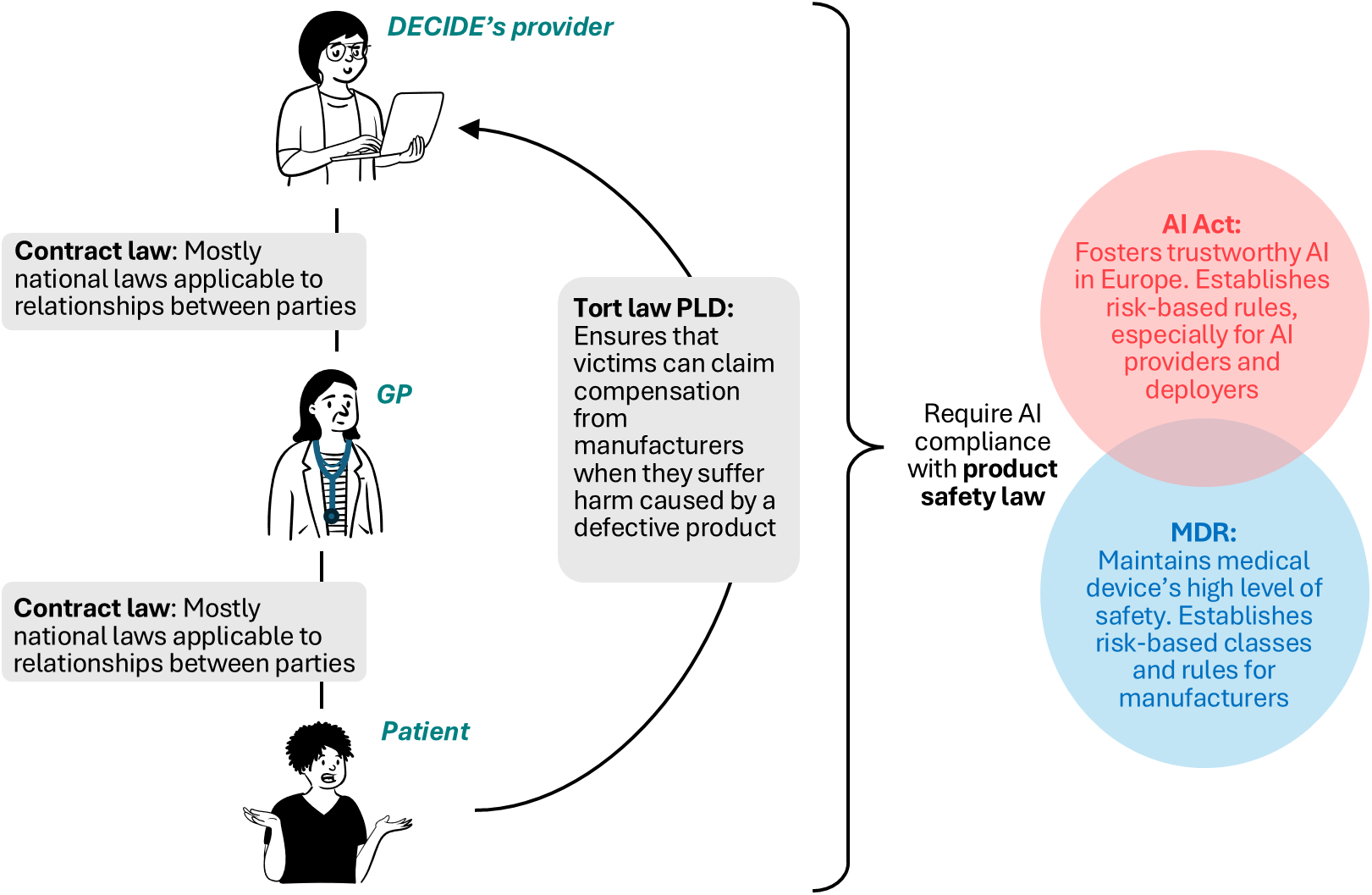


 Open access

